1.Why isn’t there any cream in classic Roman carbonara? I thought that was a standard ingredient!
▾
Authentic Roman carbonara never uses cream—that’s a common non-Italian restaurant addition! That signature silky texture comes from properly emulsified eggs, starchy pasta water, and finely grated pecorino, not heavy dairy. Cream mutes the sharp, salty bite of pecorino and rich guanciale, leaving a heavy, muted sauce instead of the light, glossy coating the dish is known for.
2.What can I substitute for guanciale if I can’t find it at my local grocery store?
▾
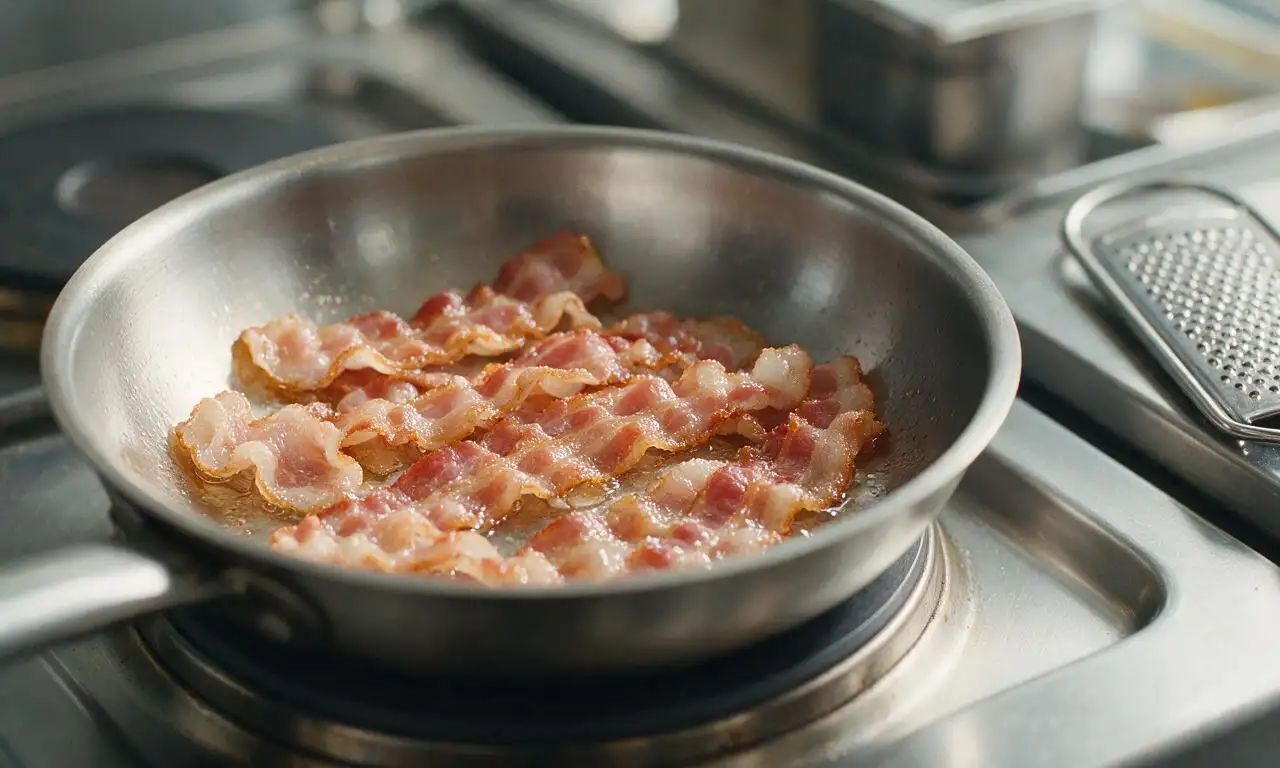
Your closest swap is unsmoked pancetta cut into 1cm strips, as it has a similar rich, cured pork fat profile without strong smoky notes. Avoid regular smoked bacon as a first choice—its harsh, smoky flavor overwhelms the delicate egg and cheese sauce. If you do use bacon, blanch it for 1 minute first to mellow the smoke before crisping.
3.Why do my eggs always curdle and scramble when I make carbonara?
▾
Curdling happens when eggs get too hot and cook into solid scrambles instead of forming a silky sauce. Fix this by taking your pan completely off the heat before adding the egg-cheese mixture, toss fast, and splash in a tablespoon of reserved starchy pasta water if needed to cool things down and keep the emulsion smooth. Never add eggs to a boiling hot pan.
4.Do I really need to use room temperature eggs for this recipe?
▾
Room temperature eggs are non-negotiable for a smooth, lump-free sauce! Cold eggs hit warm pasta and hot pan fat and are far more likely to curdle or seize up, rather than blending evenly into a glossy coating. Pull eggs out of the fridge 30 minutes before cooking, or sub them in warm tap water for 5 minutes if you’re short on time.
5.Can I use pre-grated Pecorino Romano from the grocery store shaker?
▾
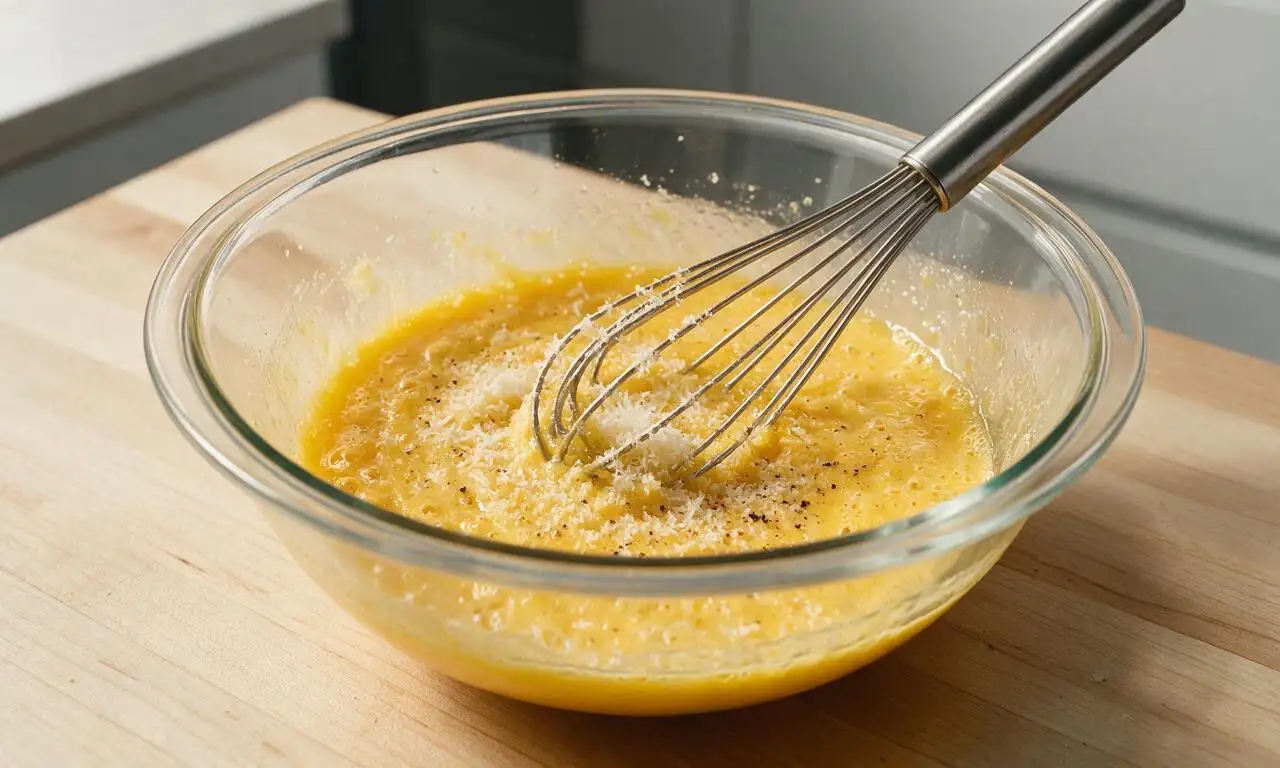
Skip pre-grated pecorino if you want a smooth sauce! Most pre-shredded cheeses are coated in anti-caking agents like potato starch or cellulose that prevent the cheese from melting fully, leading to a grainy, clumpy sauce. Take 2 minutes to finely grate your own Pecorino Romano right before cooking for the silkiest, most flavorful result.
6.What pasta shape works best if I don’t have dried spaghetti on hand?
▾
Traditional Roman carbonara works beautifully with other long, ridged pasta shapes that hold the thin, glossy sauce well—tonnarelli (square spaghetti) and rigatoni are classic local alternatives. Skip short, smooth shapes like farfalle or plain elbow macaroni, as they don’t catch the sauce enough, leaving most of it pooled at the bottom of your bowl.
7.How much starchy pasta water should I reserve, and when do I add it?
▾
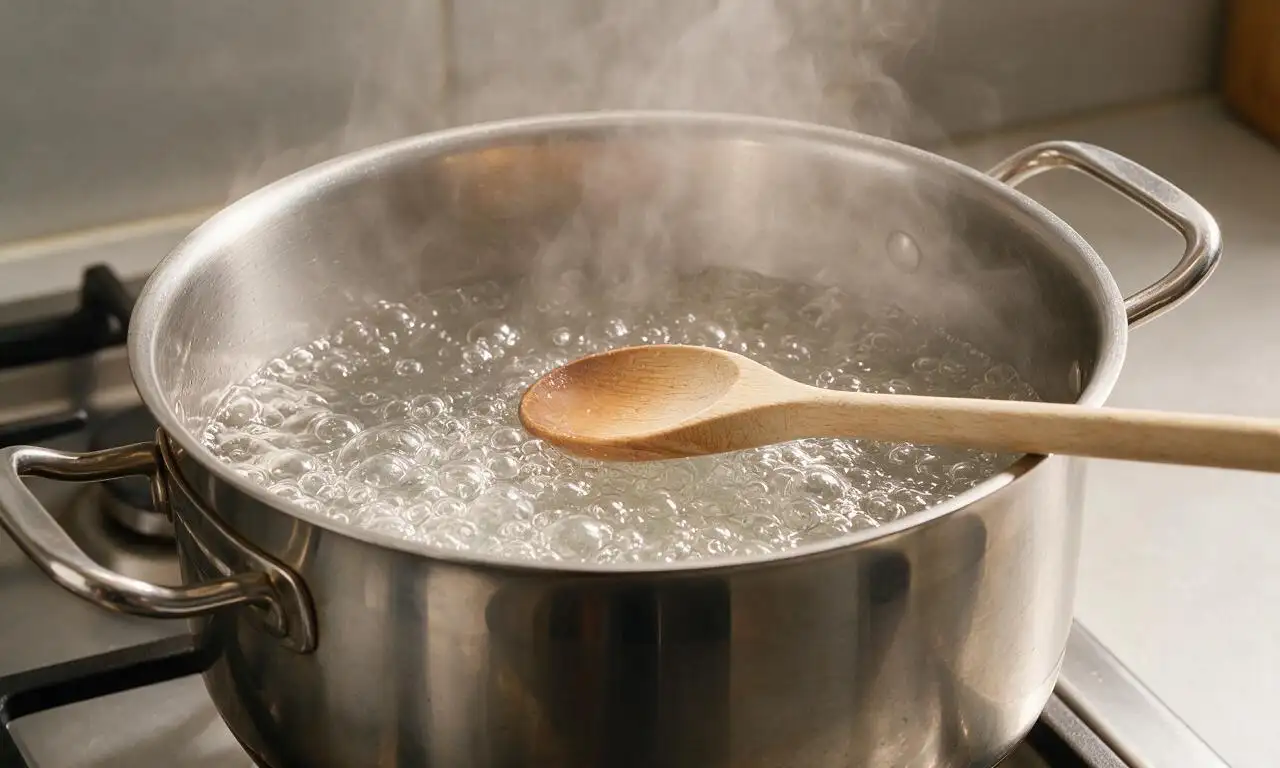
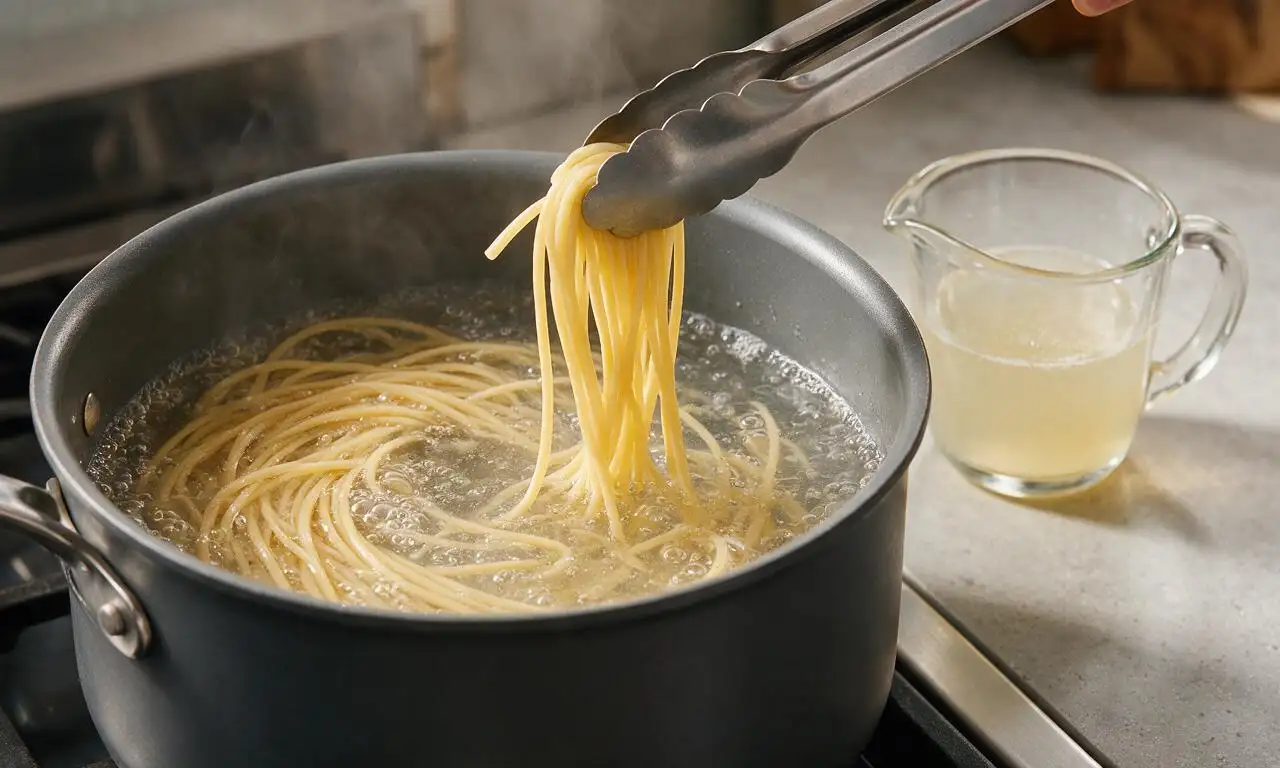
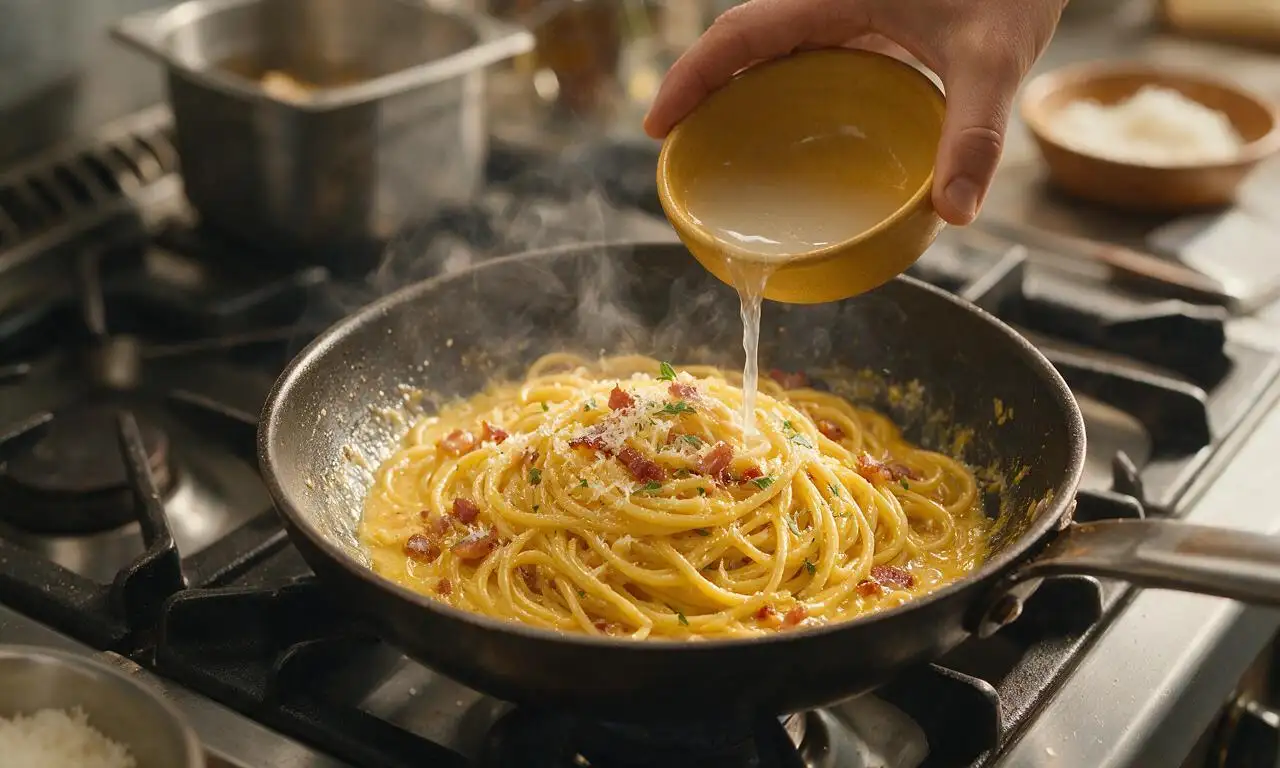
Reserve 1 full cup of starchy pasta water right before you drain your noodles—never rinse the pasta, as that washes off the starch that helps bind the sauce. Add the water 1 tablespoon at a time as you toss pasta with the egg-cheese mixture, only adding enough to create a thin, glossy coating that clings to every noodle, not a watery sauce.
8.Why does classic carbonara call for so much freshly ground black pepper?
▾
Freshly cracked black pepper is a core traditional flavor component, not an afterthought! Its bright, sharp heat cuts through the rich fat from guanciale and salty cheese to balance the dish. Toast your cracked pepper in the pan with crisped guanciale for 30 seconds before adding pasta to amp up its aromatic, warm flavor even more.
9.Is it okay to add mix-ins like peas, mushrooms, or onions to carbonara?
▾
Classic Roman carbonara is intentionally simple, with no extra mix-ins, but you can tweak it for your preference if you’d like—just know it won’t be strictly traditional. If you add veggies like peas or mushrooms, cook them separately first and let them cool slightly so they don’t overheat the egg sauce and cause curdling when tossed.
10.How do I get my guanciale crispy without burning it or the rendered fat?
▾
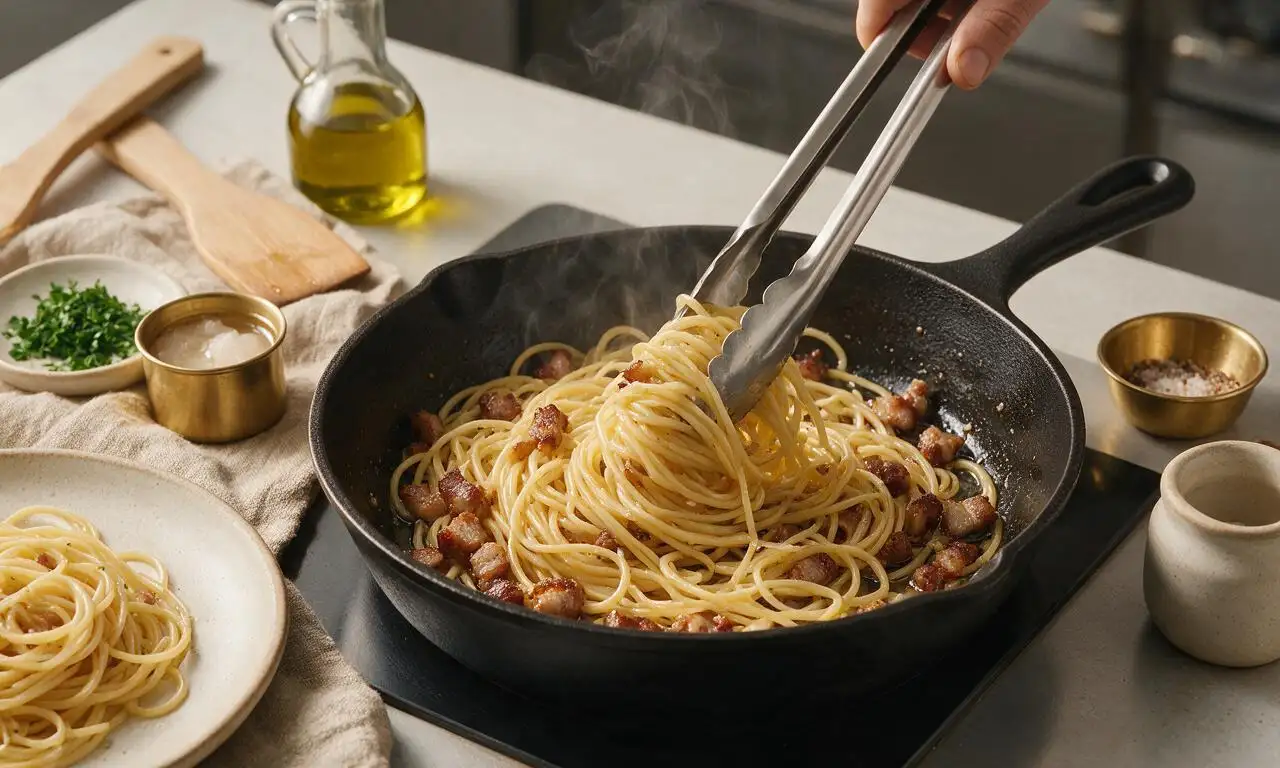
Cook your 1cm guanciale strips in a cold, dry skillet over medium-low heat for 8-10 minutes, no added oil needed. The fat will render out slowly as the pan heats, creating golden, crispy edges without burning the meat or turning the rendered fat bitter. Pour off all but 2 tablespoons of rendered fat to keep the sauce from feeling greasy.
11.Can I make carbonara ahead of time for weekly meal prep?
▾
Carbonara is best eaten immediately after tossing, as the sauce thickens and gets clumpy as it sits, and it doesn’t reheat well without curdling. If you need to prep components ahead, you can crisp the guanciale, grate the cheese, and pull eggs out to come to temp a few hours early, but wait to toss sauce with hot pasta right before serving.
12.What’s the actual difference between carbonara and cacio e pepe?
▾
Both are iconic Roman pasta dishes, but cacio e pepe only uses three ingredients: pasta, Pecorino Romano, and lots of black pepper, with no cured pork or eggs. Carbonara adds rich guanciale and an egg-based emulsion for a heartier, more protein-packed sauce, with the same sharp pecorino and pepper flavor backbone as its simpler cousin.
13.Is it safe to eat the eggs in carbonara if they aren’t fully cooked?
▾
The eggs in carbonara aren’t raw—they cook gently from the residual heat of hot pasta and rendered guanciale fat, reaching a food-safe temperature of around 160°F as you toss the sauce if you follow the recipe correctly. If you have safety concerns, use pasteurized in-shell eggs, which carry no salmonella risk even when gently cooked.
14.Why did my carbonara sauce turn out grainy instead of silky smooth?
▾
Grainy sauce usually stems from one of three issues: you used pre-grated cheese with anti-caking agents, your cheese was grated too coarsely to melt evenly, or you tossed the sauce over too-high heat that made the cheese seize and separate. Fix it by stirring in a splash of warm starchy pasta water over low heat while tossing fast to re-emulsify.
15.Can I use Parmesan cheese instead of Pecorino Romano for this recipe?
▾
Parmigiano-Reggiano works as a last-resort swap, but it will give you a milder, nuttier, less sharp sauce than traditional tangy, sheep’s milk pecorino. For the closest flavor match if you don’t have pecorino, use a 3:1 mix of Parmesan and a sharp aged sheep’s milk cheese, and add a tiny extra pinch of salt to make up for pecorino’s brininess.

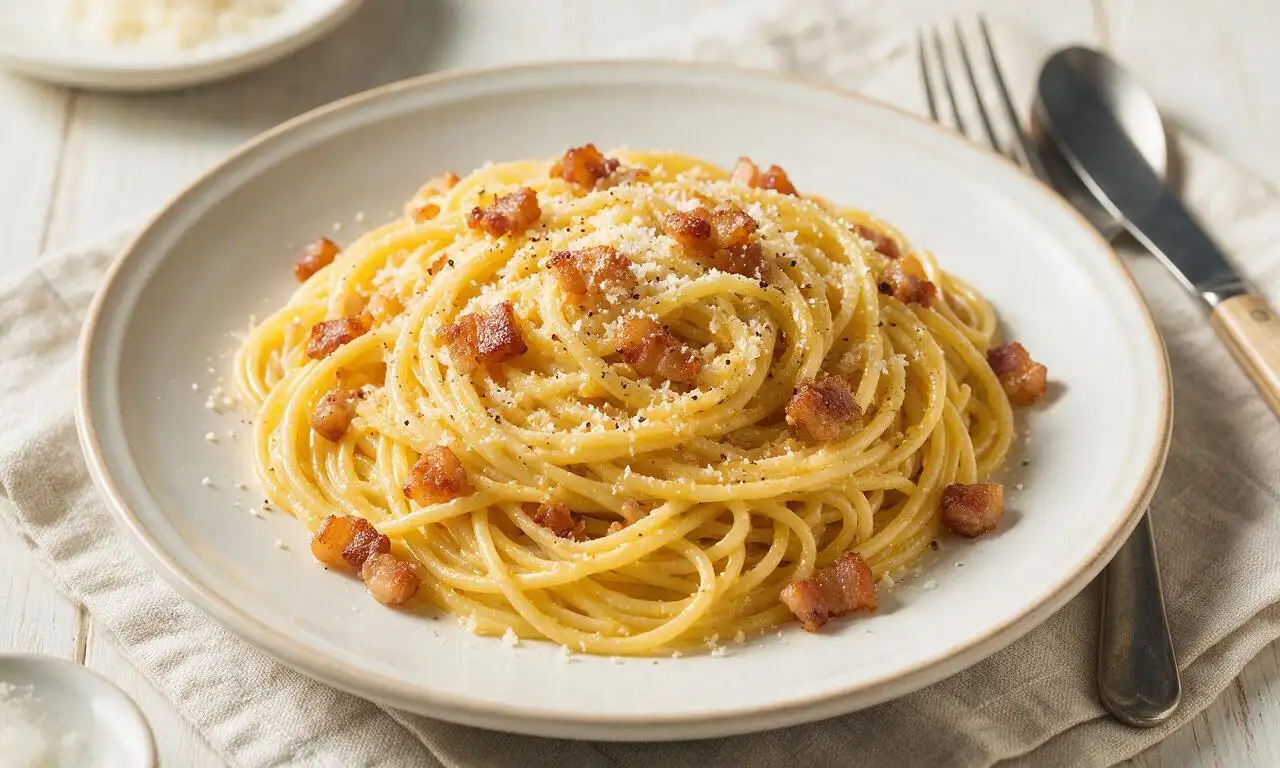
OMG this carbonara is a total game changer! I’ve been making it wrong for years with heavy cream, who knew the classic version was so much silkier? My whole family devoured it at Sunday dinner, even my super picky 7 year old asked for seconds! Only note: I overcooked the guanciale a tiny bit my first try, will keep a closer eye on it next time.
Made this for my weekly meal prep and it held up way better than I thought it would! I was worried the egg sauce would get clumpy when I reheated it, but adding a tiny splash of pasta water when warming it up worked like a charm. SO good, way better than the takeout carbonara I used to order from the place down the street.
Took this to a neighborhood potluck last weekend and people were begging me for the recipe! I swapped guanciale for thick cut pancetta since my grocery store was out, and it still turned out absolutely delicious. 10/10 will be making this on repeat for date nights too.
Okay, I messed this up the first time I made it because I poured the hot eggs directly onto the pan over high heat and ended up with scrambled egg pasta lmao. Don’t be like me! Turn the heat OFF before adding the egg and cheese mix, trust me. Second try was perfect.
This was my first time making any kind of homemade pasta sauce from scratch and I was so nervous it would be too hard (medium difficulty had me sweating ngl) but the steps were so straightforward! The only thing I had to pick up special was pecorino Romano, I already had eggs, pasta, and black pepper at home. My roommate said it tasted like the carbonara we had on our trip to Rome last year, no cap.