rose pasta sauce

title 1
rose pasta sauce
⏱️ cook time 25 minutes
🍽️ servings 4
⚡ Difficulty easy

intro

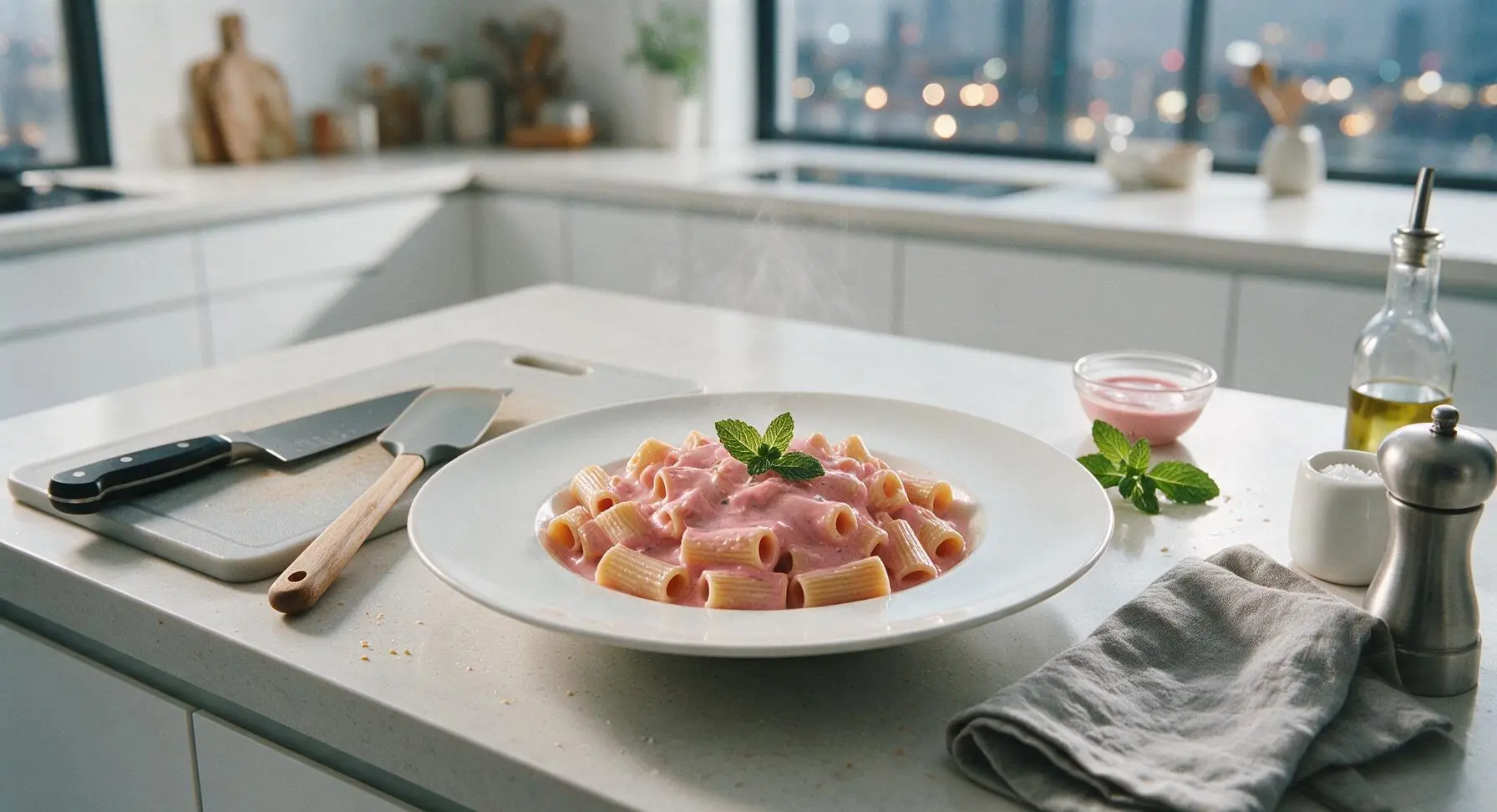
Silky blush-pink rose pasta sauce balances bright, sweet tomato tang and rich, smooth cream, tossed with al dente rigatoni for a luxurious, approachable meal that feels special without complicated prep.

Ingredients
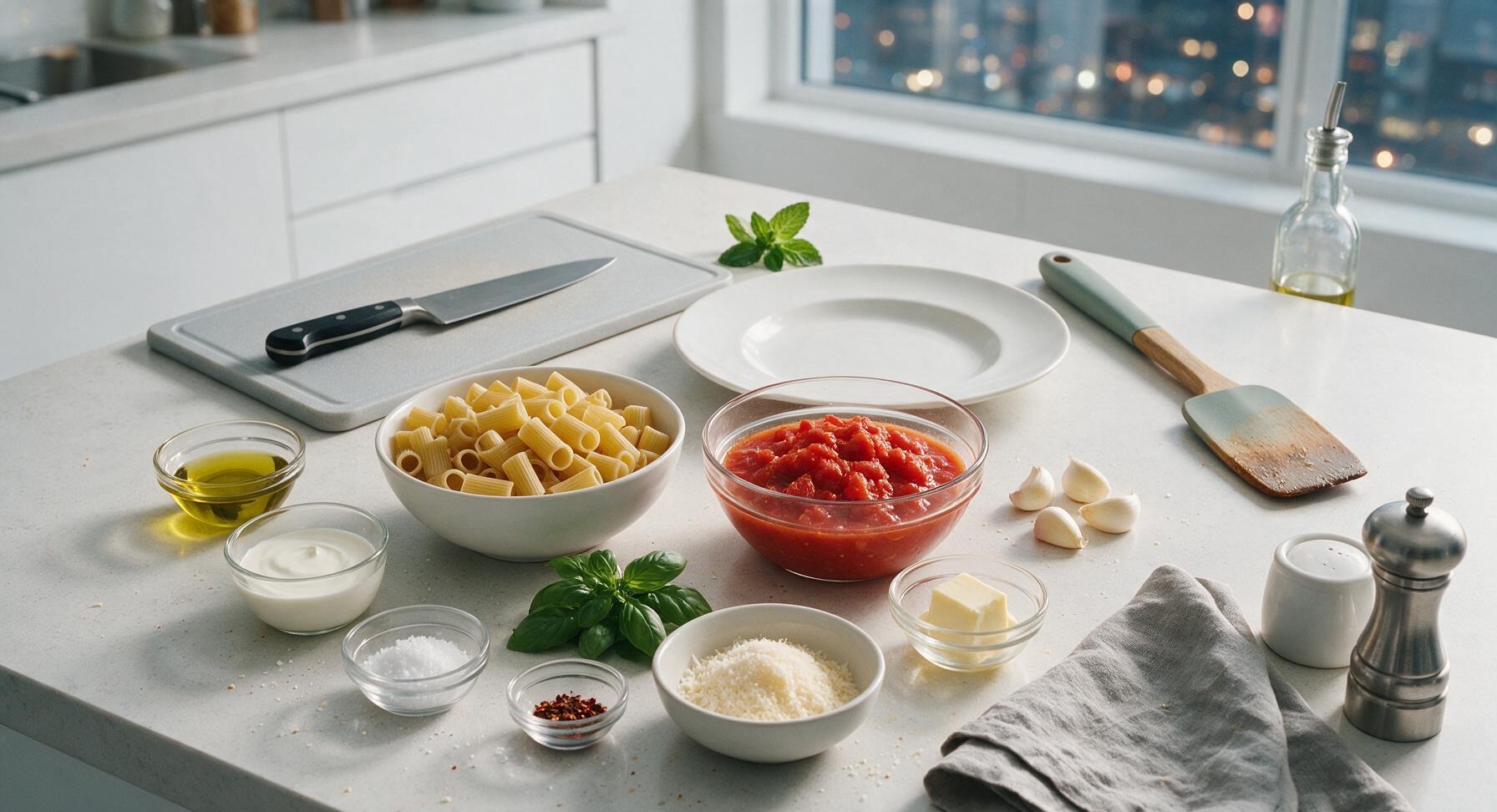
Dry rigatoni pasta 340g
Crushed San Marzano tomatoes 400g (1 can)
Heavy whipping cream 120ml
Garlic cloves 4 cloves (20g)
Extra-virgin olive oil 1 tbsp
Unsalted butter 1 tbsp
Fresh basil 1 small bunch (15g)
Grated parmesan cheese 30g
Kosher salt 1 tbsp (for pasta water) + 1/2 tsp (for sauce)
Freshly ground black pepper 1/2 tsp
Red pepper flakes 1/4 tsp

Steps

1

Boil Pasta Water

Fill the 6L stainless steel pasta pot with 4L of cold tap water, add 1 tablespoon of kosher salt— the water should taste as salty as seawater to properly season the pasta. Place the pot on the front burner of the induction cooktop set to high heat. Bring to a rolling, bubbling boil, which takes approximately 8-10 minutes.
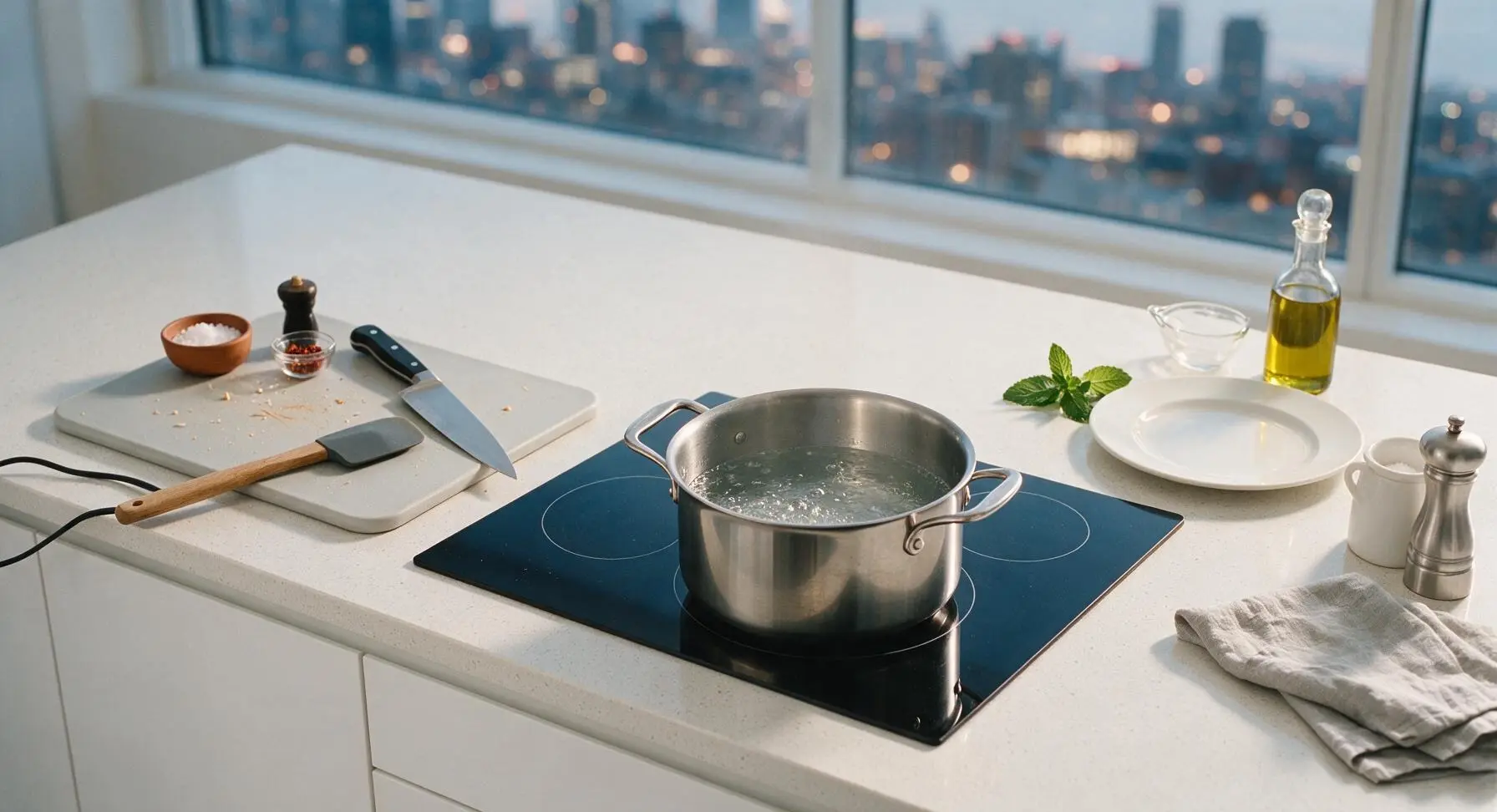
Step 1
step1:Boil Pasta Water
2

Sauté Garlic Aromatics

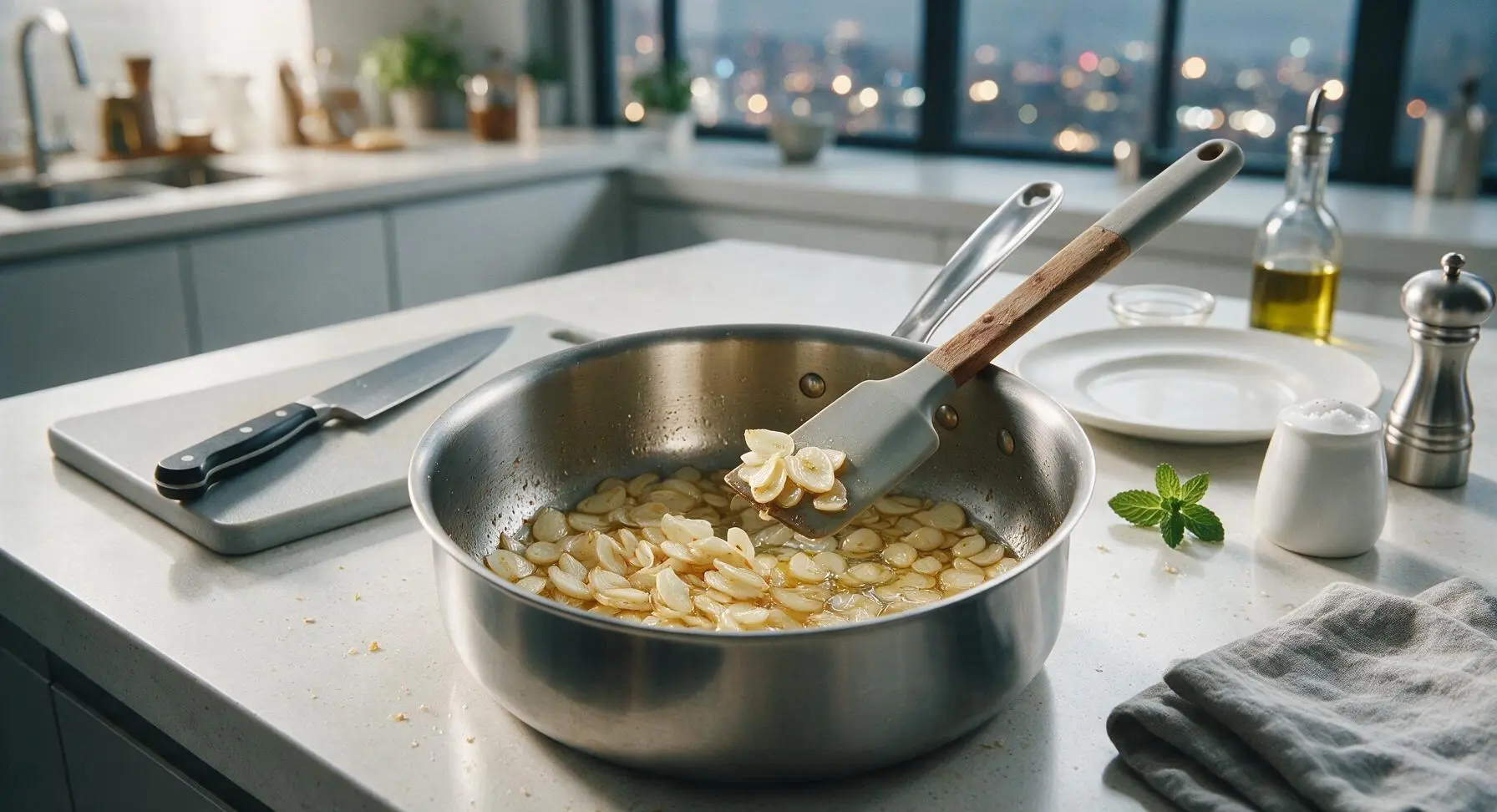
While the pasta water heats, place the 3.5L heavy-bottomed stainless steel saucepan on the rear induction burner over medium-low heat. Add 1 tablespoon extra-virgin olive oil and 1 tablespoon unsalted butter. Once the butter is fully melted and shimmering, add 4 thinly sliced garlic cloves and 1/4 teaspoon red pepper flakes. Sauté for 1-2 minutes, stirring constantly with the pale blush silicone spatula, until the garlic is fragrant and pale golden. Do not let the garlic turn dark brown, as burnt garlic will give the sauce a bitter, acrid taste.
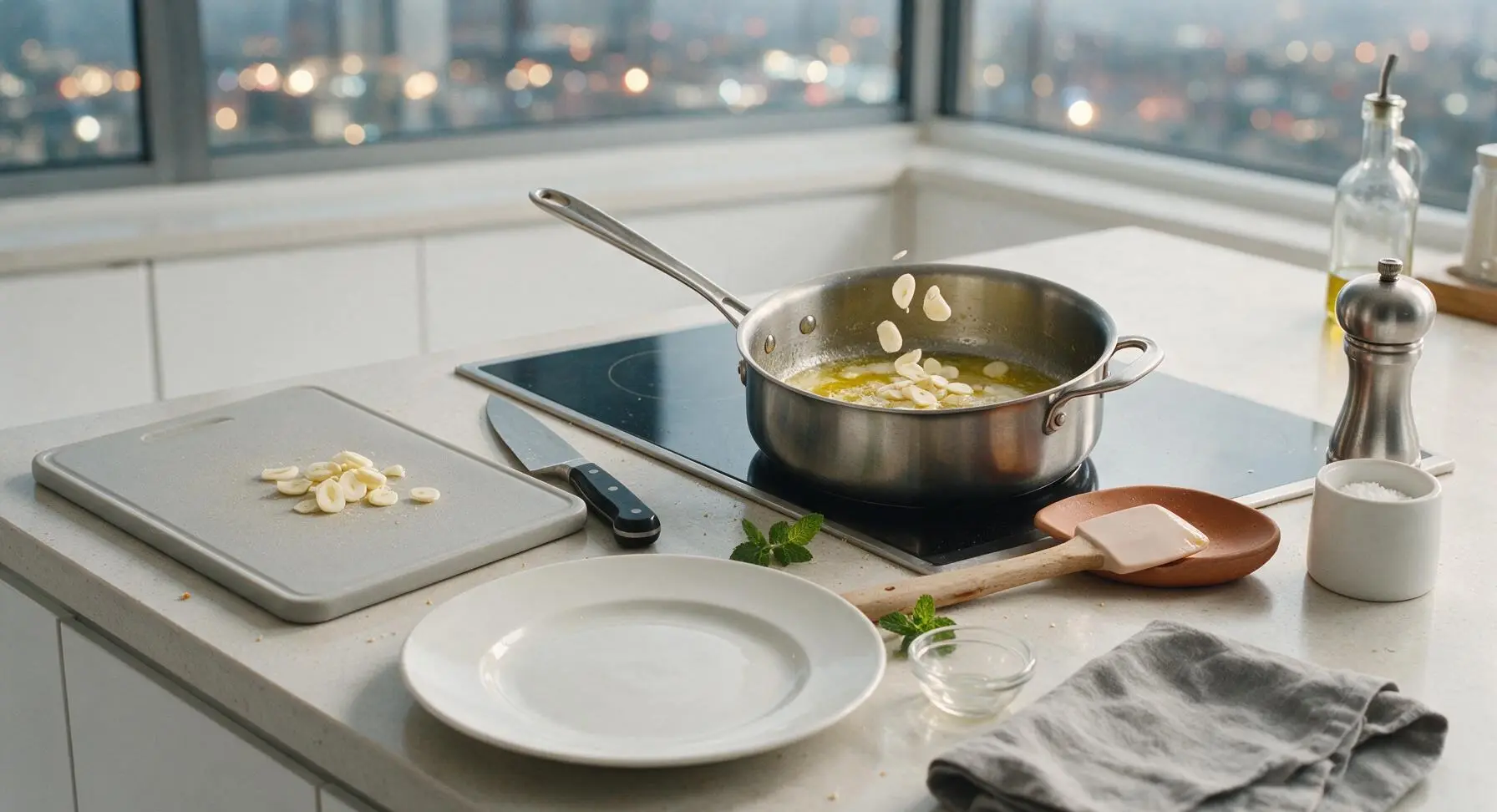
Step 2
step2:Sauté Garlic Aromatics
Step 2
step2:Sauté Garlic Aromatics
3

Simmer Tomato Base

Pour the 400g can of crushed San Marzano tomatoes into the saucepan with the sautéed garlic, stirring to fully combine with the silicone spatula. Bring the sauce to a gentle, low bubble, then reduce heat to low, season with 1/2 teaspoon kosher salt and 1/4 teaspoon black pepper. Let simmer for 10 minutes, stirring occasionally, until the sauce thickens slightly and the sharp, raw tomato taste mellows into a sweet, bright flavor.
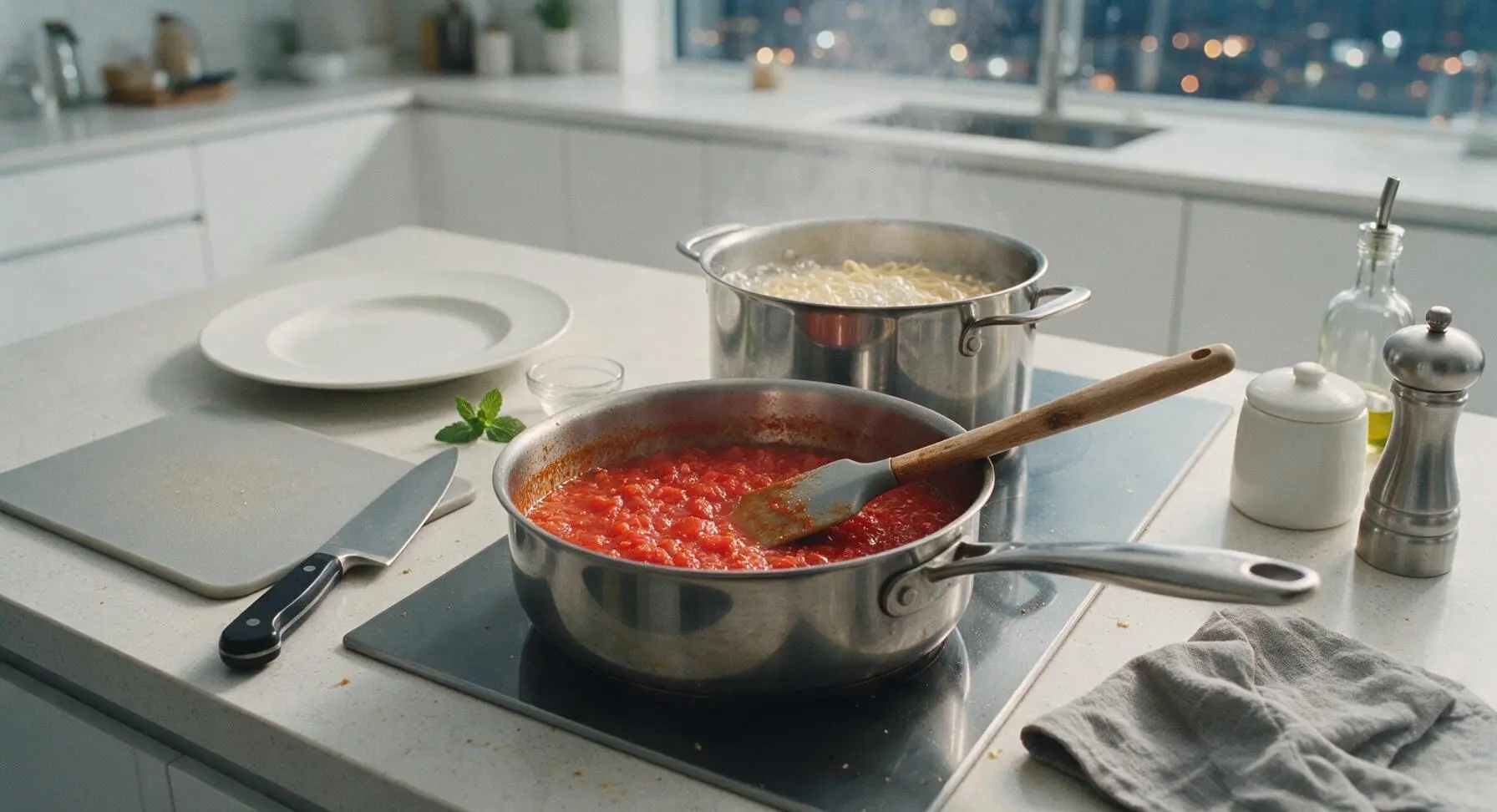
Step 3
step3:Simmer Tomato Base
4

Cook Al Dente Rigatoni

Once the pasta water reaches a rolling boil, add the 340g of dry rigatoni, stirring immediately with the stainless steel pasta tongs to prevent noodles from sticking to the pot bottom. Cook according to package directions minus 2 minutes (usually 9-10 minutes total), until the pasta is very al dente with a firm white core visible when you bite into a noodle— it will finish cooking directly in the sauce. Before draining, reserve 120ml of cloudy, starchy pasta water in a small measuring cup, then drain the pasta in the fine-mesh stainless steel strainer. Do not rinse the pasta, as the surface starch helps the sauce cling tightly.
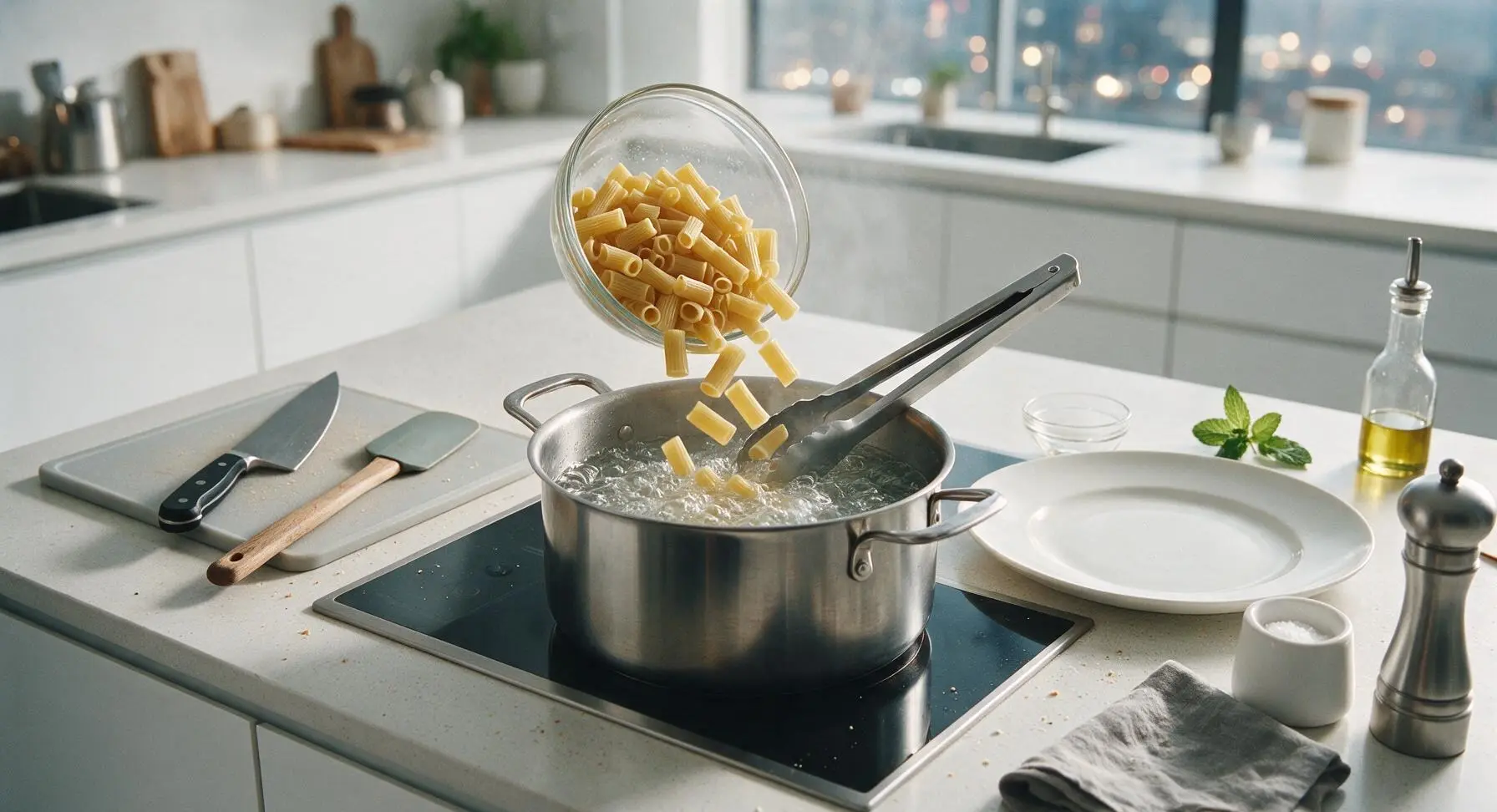
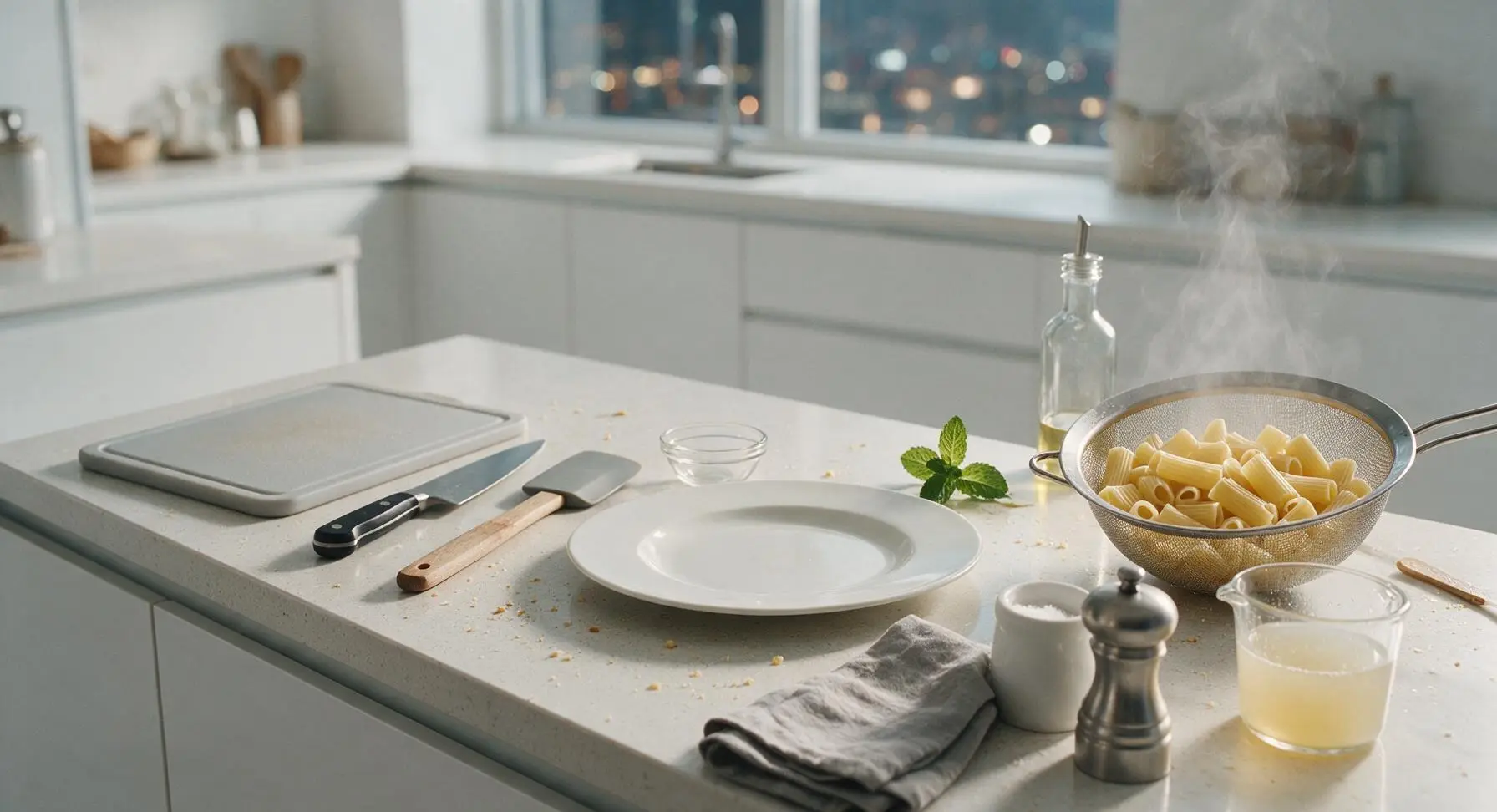
Step 4
step4:Cook Al Dente Rigatoni
Step 4
step4:Cook Al Dente Rigatoni
5

Blend Cream for Rose Color

After the tomato sauce has simmered for 10 minutes, reduce heat to the lowest setting. Slowly pour the 120ml of heavy whipping cream into the tomato sauce in a thin, steady stream while stirring constantly with the silicone spatula. Stir until the cream is fully incorporated, turning the bright red sauce into a soft, uniform blush pink. Let the sauce warm through for 1 minute; do not let it come to a boil once cream is added, as high heat will cause the dairy to curdle.
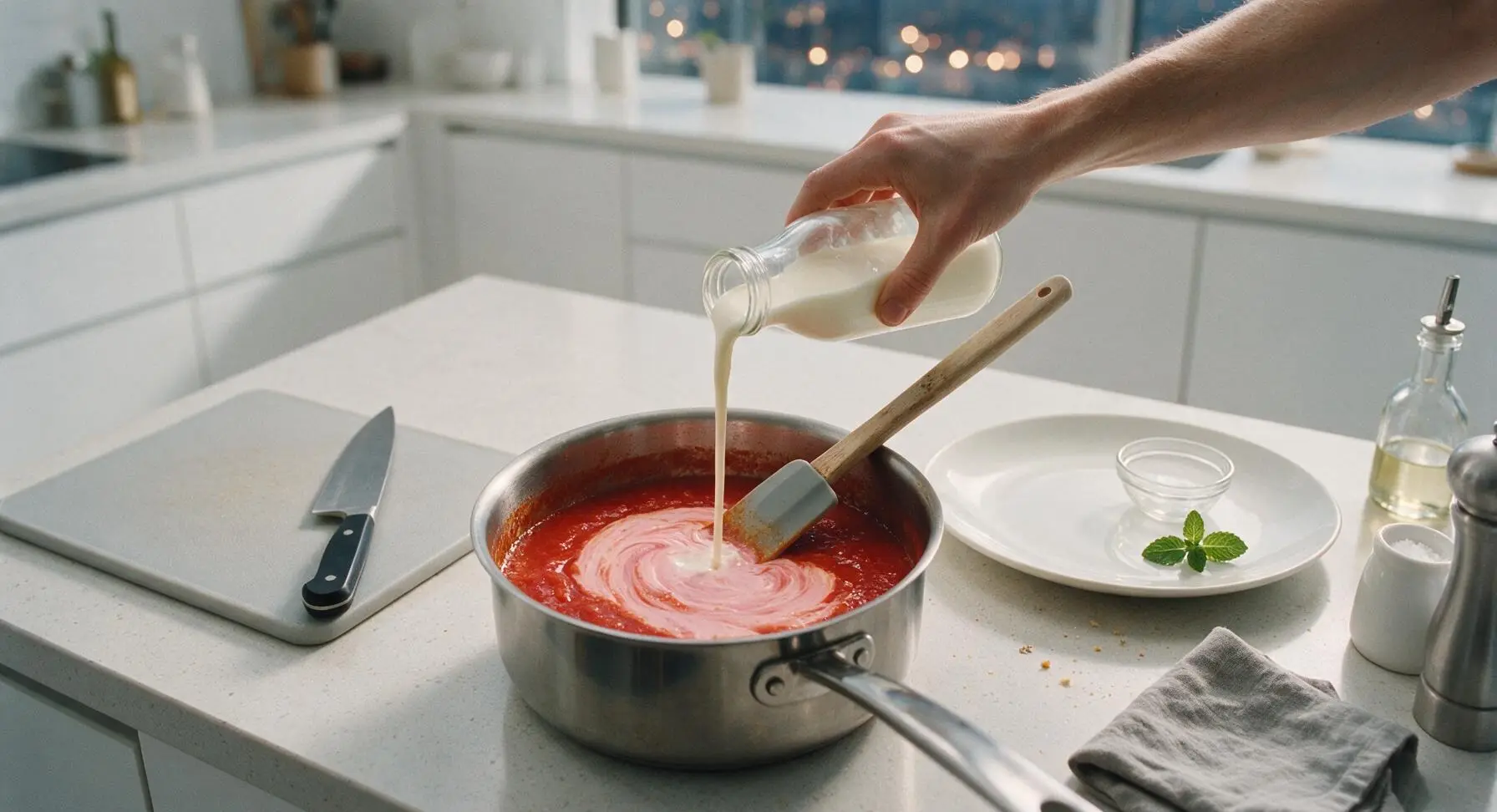
Step 5
step5:Blend Cream for Rose Color
6

Toss Pasta in Sauce

Add the drained al dente rigatoni directly from the strainer into the saucepan with the rose sauce. Toss vigorously with the stainless steel pasta tongs for 1-2 minutes over low heat, adding splashes of the reserved starchy pasta water 1 tablespoon at a time as needed, until the sauce emulsifies and clings tightly to every ridge of the pasta with a glossy, silky texture.
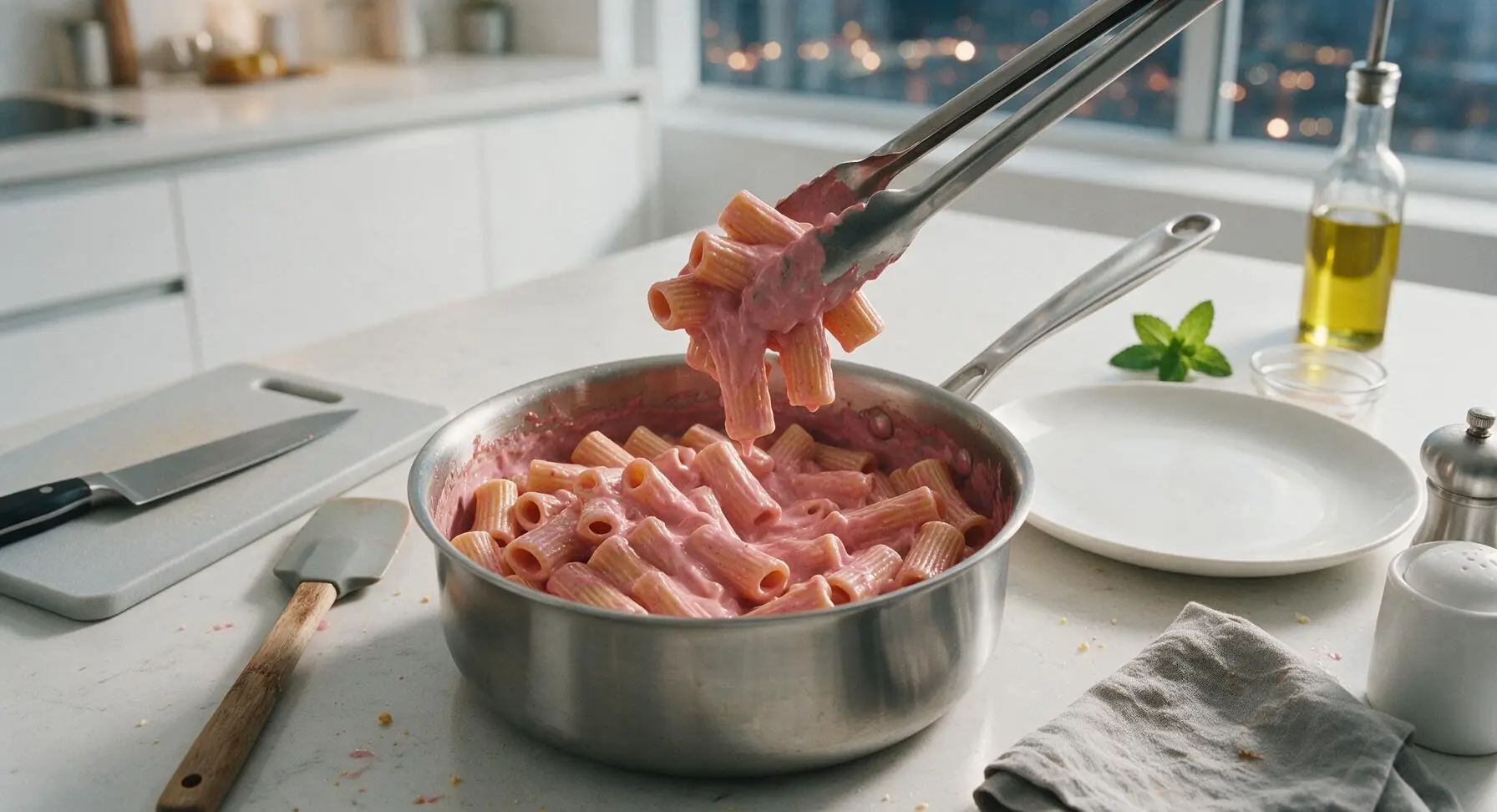
Step 6
step6:Toss Pasta in Sauce
7

Finish with Parmesan

Turn off the heat under the saucepan. Add 25g of the grated parmesan cheese and 5 torn fresh basil leaves, tossing once more with the tongs to combine, letting the residual heat from the pasta and pan melt the cheese into the sauce. Taste and adjust seasoning with extra kosher salt or black pepper if needed.
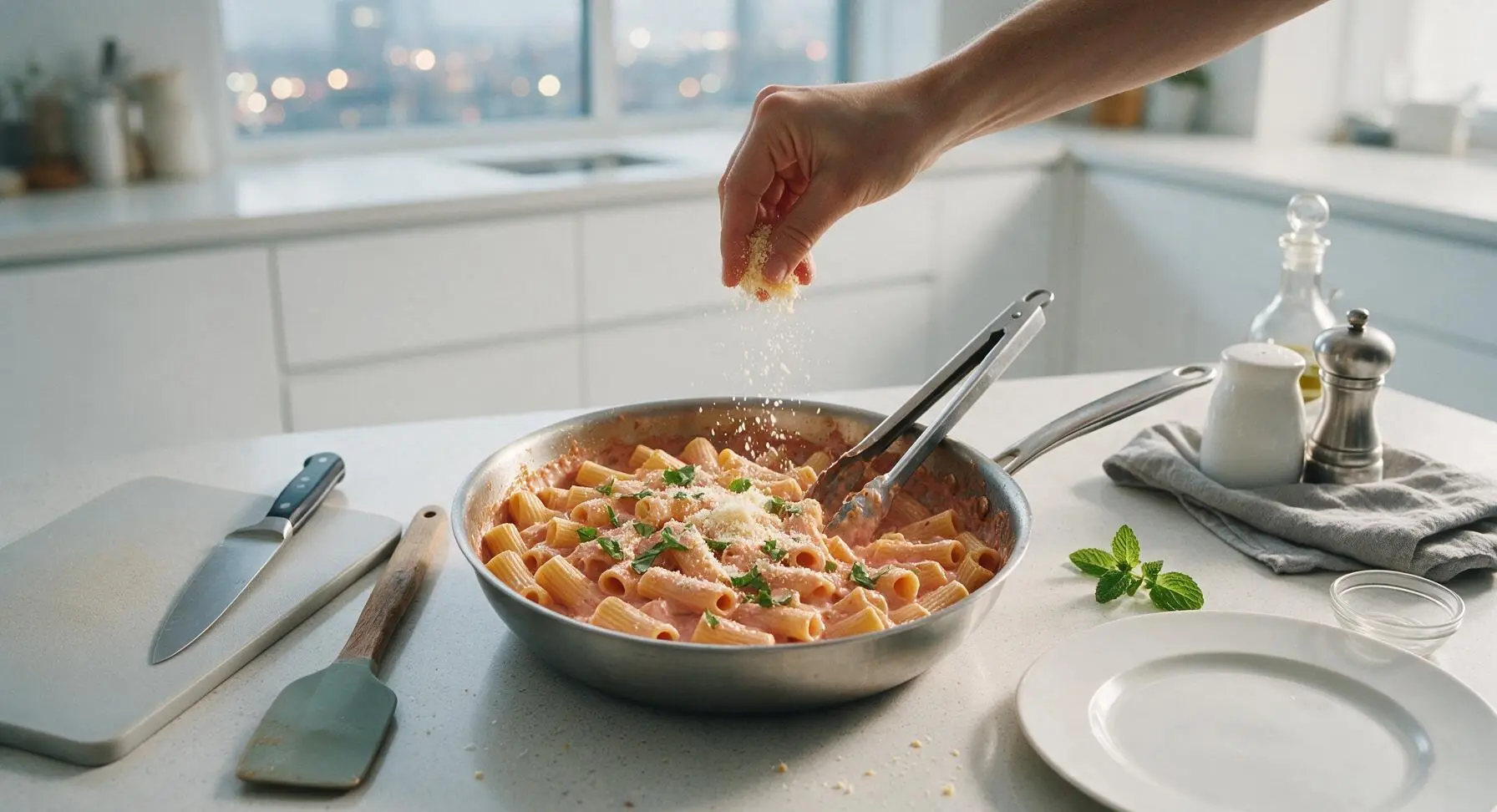
Step 7
step7:Finish with Parmesan
8

Plate and Garnish

Use the stainless steel tongs to lift mounds of sauced pasta into the fixed matte cream ceramic pasta bowl, twisting the tongs as you lift to create a neat, tall mound of pasta. Top with the remaining 5g of grated parmesan, a few small fresh basil leaves, a light crack of fresh black pepper, and one small edible pink rose petal for a delicate decorative touch. Serve immediately while warm.
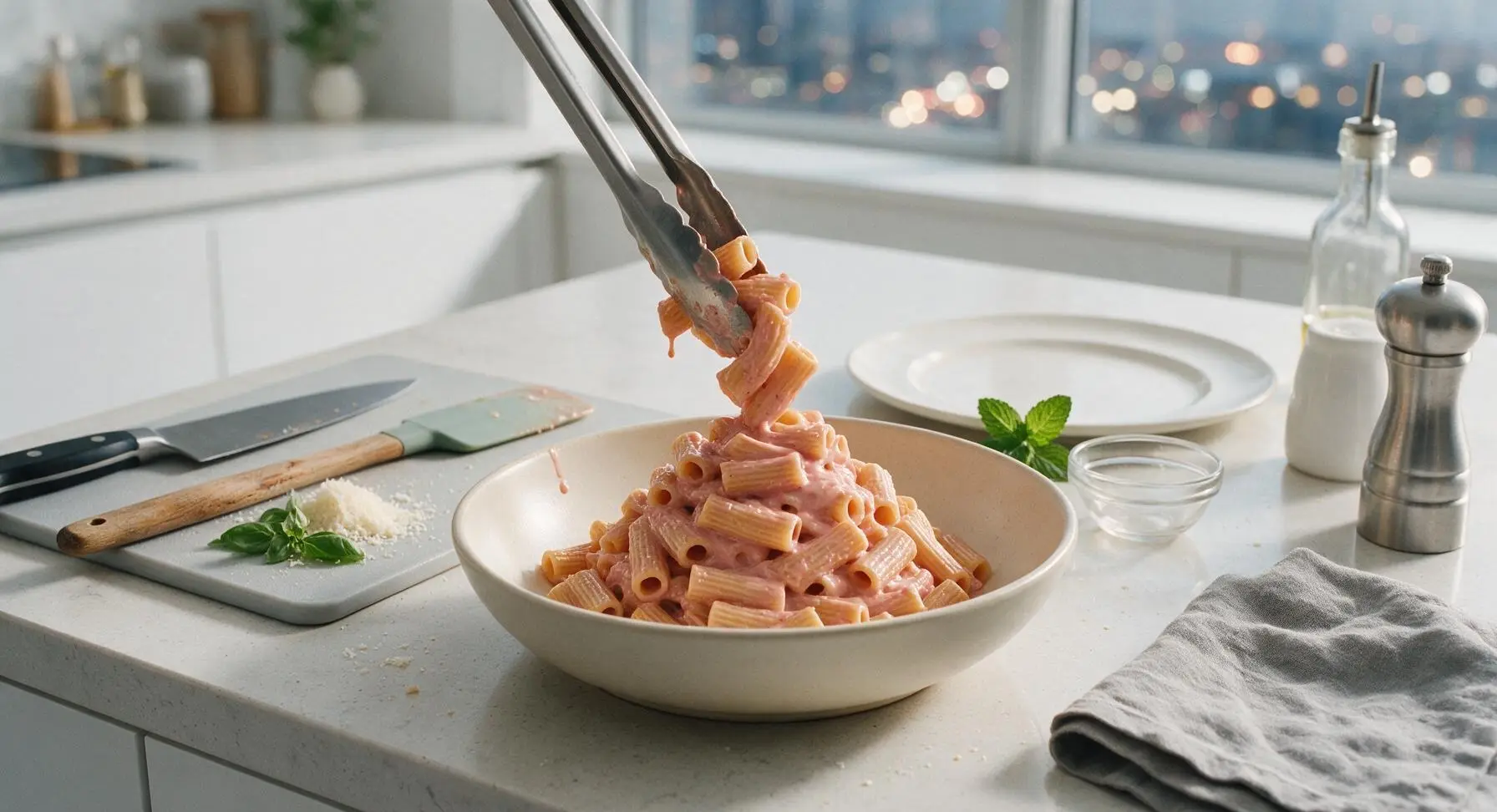
Step 8
step8:Plate and Garnish

Tips

1.Never rinse pasta after draining: the starchy coating on cooked pasta noodles emulsifies with the tomato, cream, and parmesan to create a smooth, clingy sauce, rather than a watery sauce that slides off smooth noodle surfaces.
2.Keep heat on low after adding cream: boiling dairy causes it to curdle and separate, leading to a grainy, uneven sauce instead of the silky, uniform blush pink that defines classic rose pasta sauce.
3.Reserve extra starchy pasta water: if your sauce feels too thick or separates slightly, a tablespoon of starchy pasta water will bring it back to a smooth, glossy consistency without diluting flavor, unlike plain tap water.
✨ You May Also Like

Main Course
🍜 United Kingdom

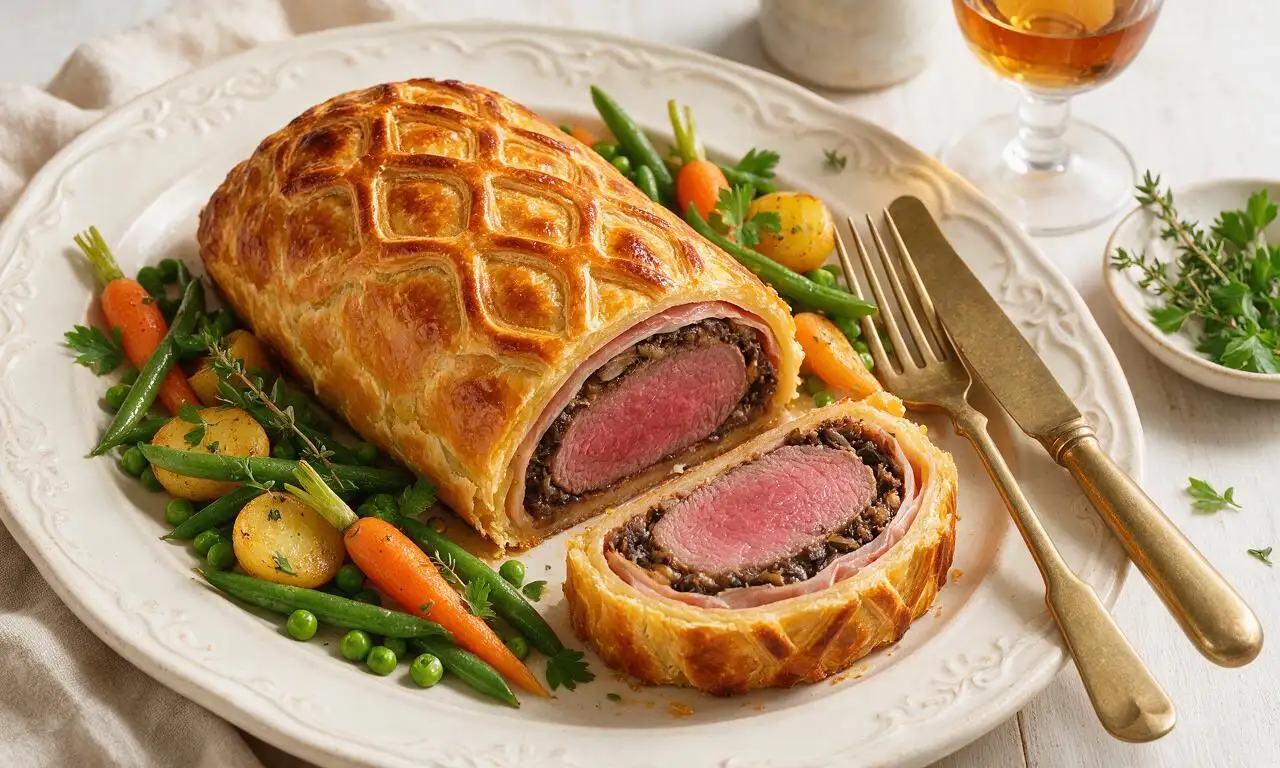
A showstopping classic of tender seared beef, savory mushroom duxelles, and crisp prosciutto wrapped in flaky golden puff pastry, baked to juicy perfection.

⏱️ 2 hours 1Main Course ★ 4.7
Main Course
🍜 India

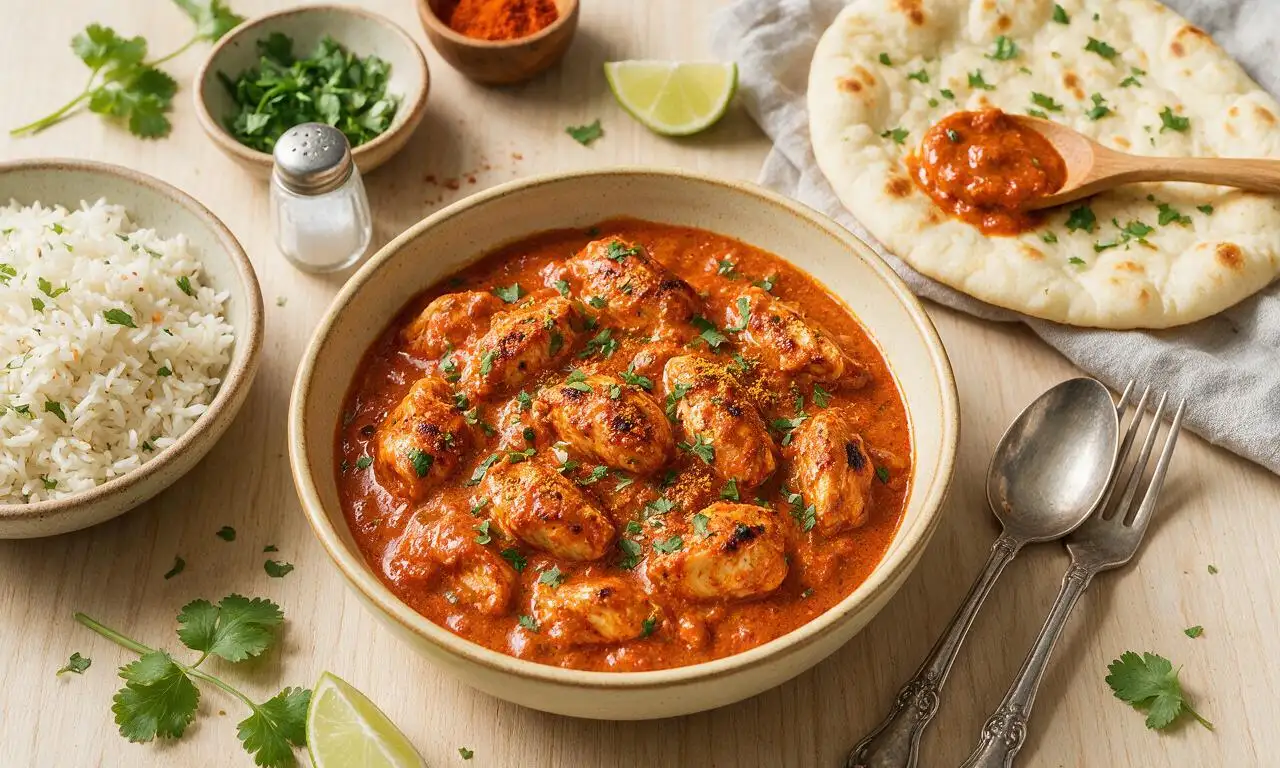
Tender charred marinated chicken simmered in a rich, spiced creamy tomato sauce, this iconic Anglo-Indian curry pairs perfectly with basmati rice or warm naan.

⏱️ 50 minuteMain Course ★ 4.6
Main Course
🍜 Thailand

Classic tangy, sweet, and savory Thai stir-fried rice noodles with shrimp, tofu, and crunchy garnishes, balancing all five core Thai flavor profiles.

⏱️ 30 minuteMain Course ★ 4.5
Main Course
🍜 United Kingdom

Crispy golden beer-battered cod and fluffy double-fried chips, served with tangy tartar sauce and malt vinegar: the timeless, beloved British pub comfort classic.

⏱️ 45 minuteMain Course ★ 4.7
Main Course
🍜 Mexico

Smoky, chile-marinated pork tacos with caramelized pineapple, fresh cilantro, and lime: a beloved classic Mexican street food perfect for casual summer gatherings.

⏱️ 1 hour 45Main Course ★ 4.8
Main Course
🍜 United States

Crunchy Fritos corn chips layered with savory beef chili and melted cheddar, topped with cool, zesty fixings for a beloved, cozy Tex-Mex comfort food.

⏱️ 35 minuteMain Course ★ 4.8

rose pasta sauce:Frequently Asked Questions

1.What exactly is rose pasta sauce, and how is it different from marinara or alfredo? ▾
It’s the perfect, crowd-pleasing middle ground! Unlike bright, dairy-free marinara or rich, cheese-heavy alfredo, rose sauce balances the sweet, tangy depth of crushed San Marzano tomatoes with smooth heavy cream for that signature blush pink hue. It’s lighter than alfredo but richer than plain marinara, made to cling to every ridge of rigatoni.
2.Why use rigatoni specifically for this sauce instead of other pasta shapes? ▾
Rigatoni’s wide, ridged exterior and hollow center is purpose-built for thick, creamy sauces like this! The ridges catch and hold the silky rose sauce so every bite is evenly coated, and the hollow tubes fill up with sauce as you toss. It’s far more satisfying than thin, smooth pasta shapes that let sauce slide right off with every bite.
3.Can I use regular canned crushed tomatoes instead of San Marzano tomatoes for this recipe? ▾
You absolutely can in a pinch, but San Marzano tomatoes are worth the small splurge here! Grown in nutrient-dense volcanic Italian soil, they have a brighter, sweeter, less acidic flavor than standard canned crushed tomatoes, which means you won’t need extra sugar to balance tang as the sauce simmers.
4.How do I keep the heavy cream from curdling when I mix it into the tomato sauce? ▾
Curdling happens when cold cream hits hot, acidic tomatoes too quickly, so it’s easy to prevent! Take your heavy cream out of the fridge 15 minutes before use to take the chill off, stir it into the sauce off direct high heat, and never let the sauce come to a rolling boil once the cream is added.
5.How al dente should I cook the dry rigatoni for this dish? ▾
Aim to cook your dry rigatoni 2 minutes less than the package’s listed al dente time, because you’ll finish cooking it directly in the rose sauce for the last couple of minutes. That lets the pasta absorb subtle sauce flavor, prevents mushy noodles, and leaves you with a firm, pleasant bite with no raw white core.
6.Can I make this rose sauce ahead of time for weekly meal prep? ▾
You sure can! Let the finished sauce cool completely, store it in an airtight container in the fridge for up to 3 days, and reheat it gently over low stovetop heat, stirring often, before tossing with freshly cooked rigatoni. Just avoid boiling it hard when reheating to prevent curdling the cream.
7.Do I need to add cheese to this sauce, or is it creamy enough on its own? ▾
The heavy cream gives this sauce a luxuriously smooth base all on its own, but I love stirring in ¼ cup of freshly grated parmesan right after tossing with pasta for an extra salty, umami kick. Skip pre-grated parmesan with anti-caking agents, though—it can make the sauce grainy instead of silky.
8.My tomato sauce always tastes too sharp and acidic—how do I fix that for this recipe? ▾
Starting with low-acid San Marzano tomatoes cuts down on that sharp, tart bite right off the bat. If your sauce still tastes too tangy after adding cream, stir in a tiny pinch of baking soda (1/8 teaspoon is all you need!) to neutralize excess acid, or a tiny drizzle of honey to balance flavors without making the sauce sweet.
9.Can I use half-and-half or milk instead of heavy whipping cream to cut calories? ▾
You can swap in half-and-half if you prefer, but know the sauce won’t be quite as rich or velvety, and it will be more prone to curdling if heated too high. I don’t recommend using plain milk, though—it’s too thin to create that signature blush creaminess, and will almost always curdle with acidic tomatoes.
10.How do I cook the garlic so it’s fragrant, not burnt and bitter? ▾
I recommend 3 to 4 medium garlic cloves, sliced thin instead of finely minced, sautéed over medium-low heat in extra-virgin olive oil for just 30 to 45 seconds until fragrant. Burnt garlic tastes unpleasantly bitter, so pull the pan off heat as soon as you smell that warm garlic aroma, before it turns dark golden.
11.What simple add-ins pair well with this creamy rose rigatoni? ▾
This simple, luxe sauce is super versatile! Toss in sautéed spinach, roasted cherry tomatoes, crispy pan-seared chicken, crumbled cooked Italian sausage, or a handful of fresh basil right before serving. Just keep add-ins light so you don’t overpower the delicate balance of sweet tomato and smooth cream.
12.Should I reserve pasta water when cooking the rigatoni, and why? ▾
Always reserve at least 1 cup of starchy, salty pasta water before draining your rigatoni! If your rose sauce is too thick after tossing with pasta, a splash of that starchy water thins it perfectly without making it watery, and helps the sauce cling tightly to every ridged piece of pasta for a restaurant-worthy finish.
13.Can I freeze this creamy rose sauce to use for quick future meals? ▾
I don’t recommend freezing this sauce, unfortunately. Dairy-based sauces made with heavy cream tend to separate and turn grainy when frozen and thawed, even if you reheat them very gently. It’s so quick to make from scratch, you’re better off storing leftovers in the fridge for short-term use.
14.What’s the best way to serve this dish for a casual dinner party? ▾
Plate it in warm shallow bowls, top with a light sprinkle of flaky sea salt, a crack of fresh black pepper, a tiny chiffonade of fresh basil, and an optional light dusting of parmesan. Serve right after tossing, since the sauce thickens as it sits—keep extra starchy pasta water handy to loosen it if needed.

Comments (0)