salted caramel sauce

title 1
salted caramel sauce
⏱️ cook time 12 minutes
🍽️ servings 12
⚡ Difficulty medium

intro

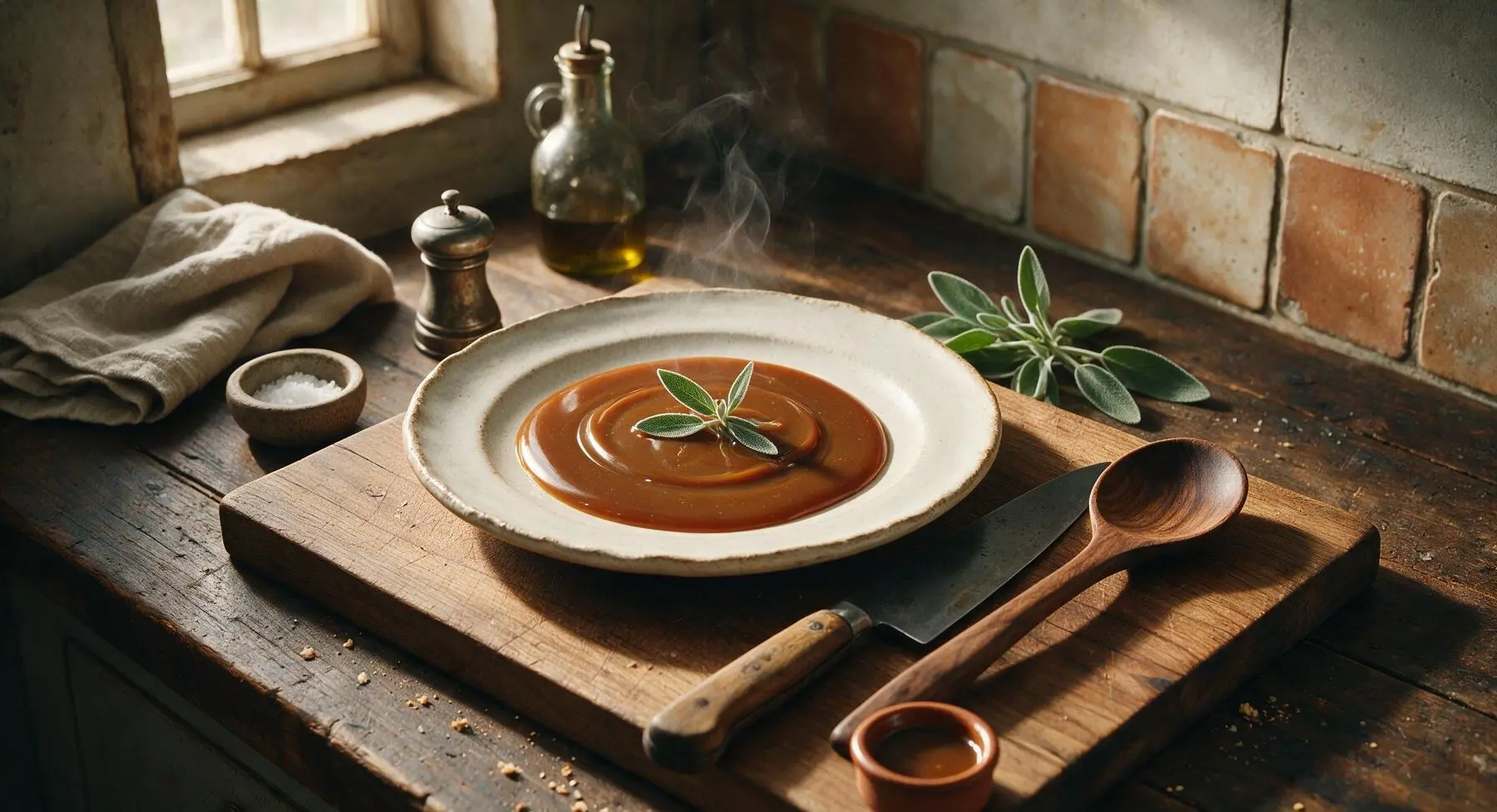
Rich, buttery, perfectly balanced salted caramel sauce: silky smooth, deep amber flavor with a gentle salty kick, ideal for drizzling, dipping, or holiday gifting.

Ingredients
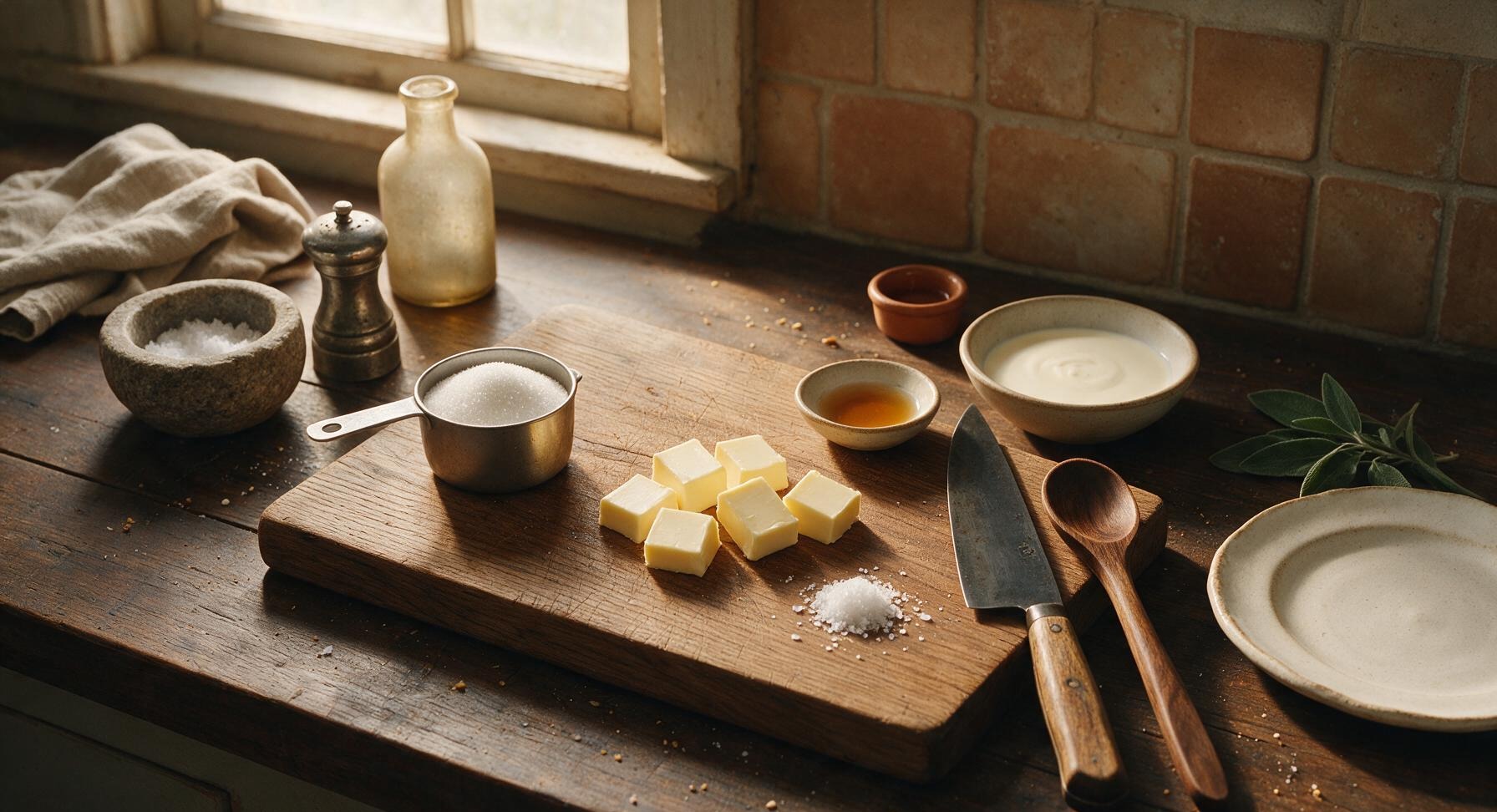
Granulated white sugar 1 cup (200g)
Unsalted butter 6 tbsp (85g, cut into 1-tbsp pieces)
Heavy whipping cream 1/2 cup (120ml, warmed)
Pure vanilla extract 1 tsp
Flaky sea salt 1 tsp, plus extra for garnish

Steps

1

Prep All Ingredients

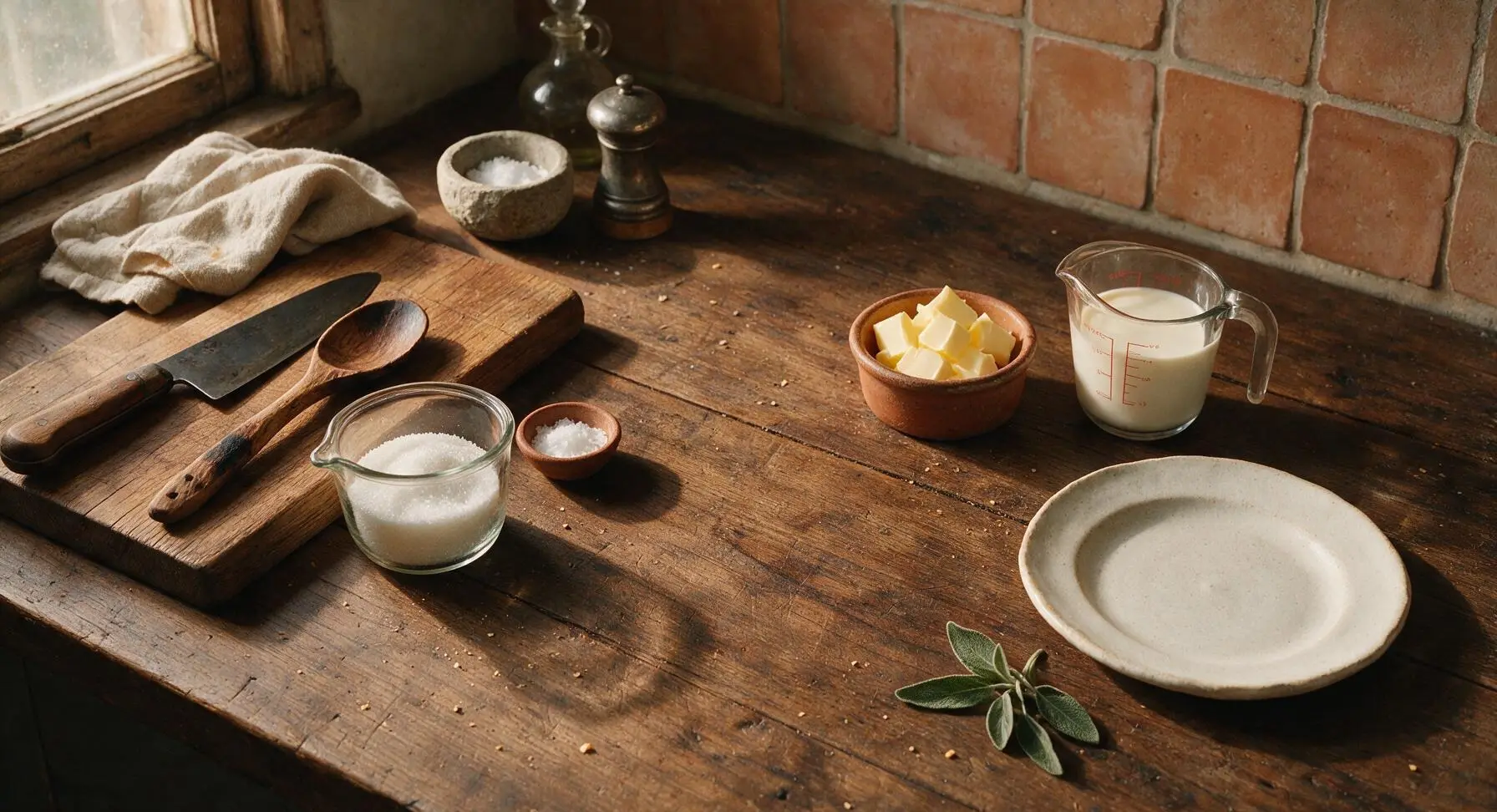
Before heating anything, measure all ingredients and arrange them within arm’s reach of the work zone: cut butter into 1-tablespoon pieces, warm heavy cream for 30 seconds in the microwave to take the chill off (this prevents seizing when added to hot sugar), and set out vanilla and flaky salt. Do not skip this step—caramel cooks very quickly once sugar melts, and you will not have time to grab missing ingredients mid-process.
Step 1
step1:Prep All Ingredients
2

Melt Granulated Sugar

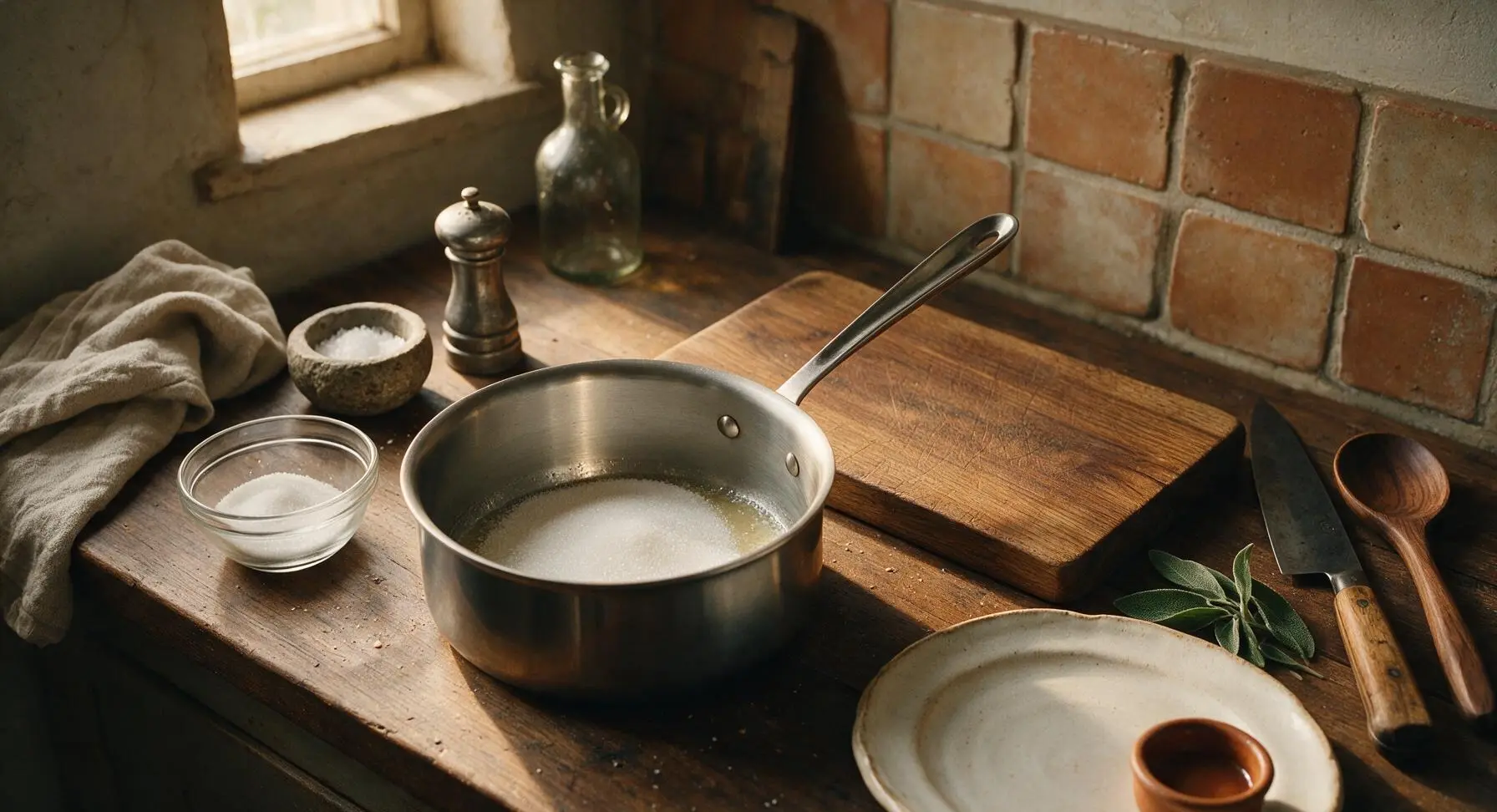
Pour the 1 cup of granulated sugar in an even layer across the bottom of the 2-quart heavy-bottomed stainless steel saucepan, set over medium-low heat. As the sugar begins to melt around the edges (after 3-4 minutes), gently tilt the pan in circular motions to distribute the melting liquid sugar, rather than stirring with a utensil. Watch closely as the sugar turns from opaque white to clear to pale golden, making sure no dark burnt spots form along the pan edges.
Step 2
step2:Melt Granulated Sugar
Step 2
step2:Melt Granulated Sugar
3

Cook to Amber Hue

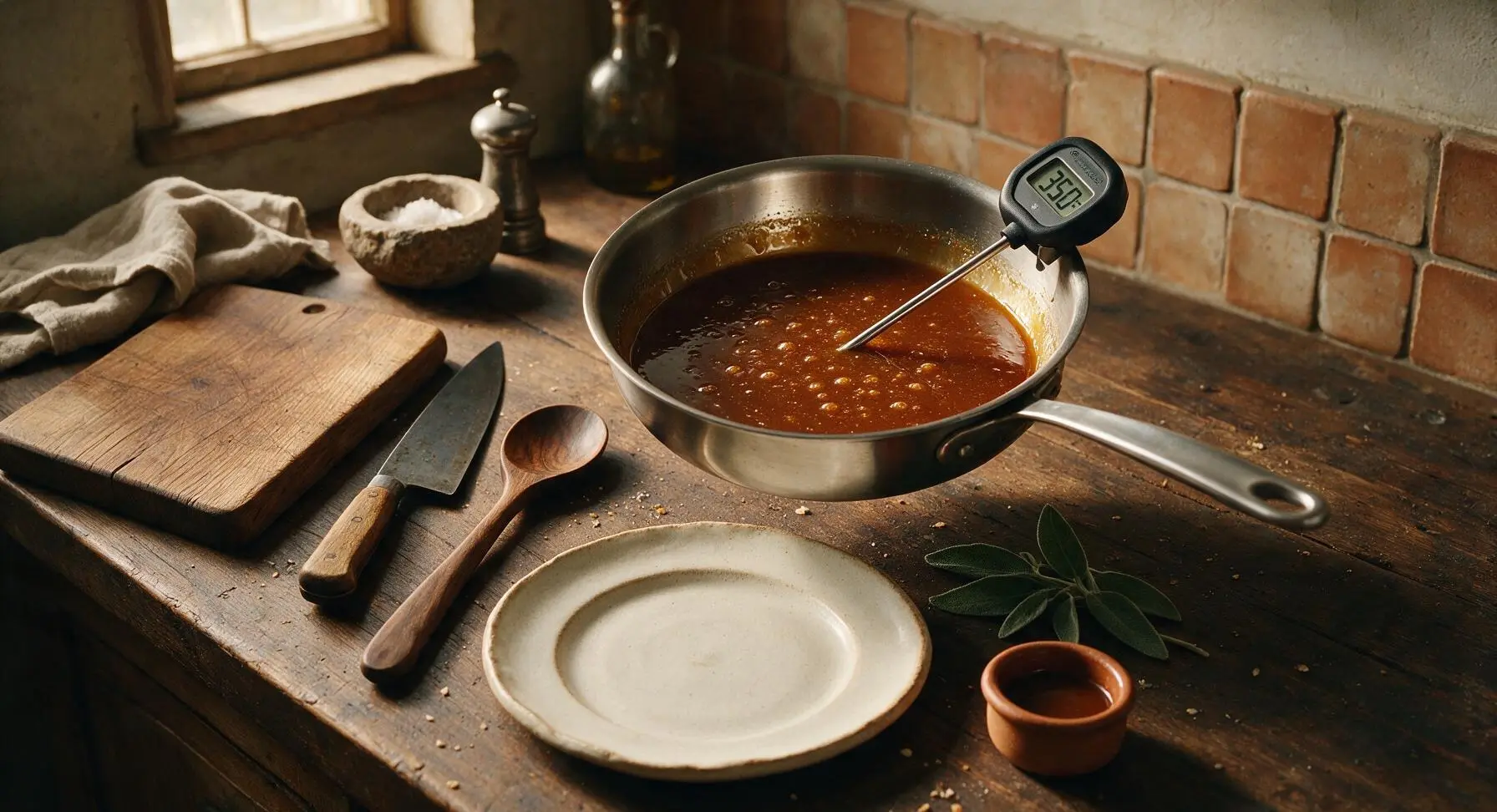
Continue cooking the melted sugar, tilting the pan occasionally, until it reaches a deep, warm amber color (the shade of aged wild honey) and registers 350°F (175°C) on the digital candy thermometer clipped to the pan side, about 2-3 more minutes. Do not walk away at this stage—sugar can burn in as little as 30 seconds, turning bitter and completely unusable. Immediately remove the pan from heat once it hits the target color and temperature.
Step 3
step3:Cook to Amber Hue
4

Whisk in Butter

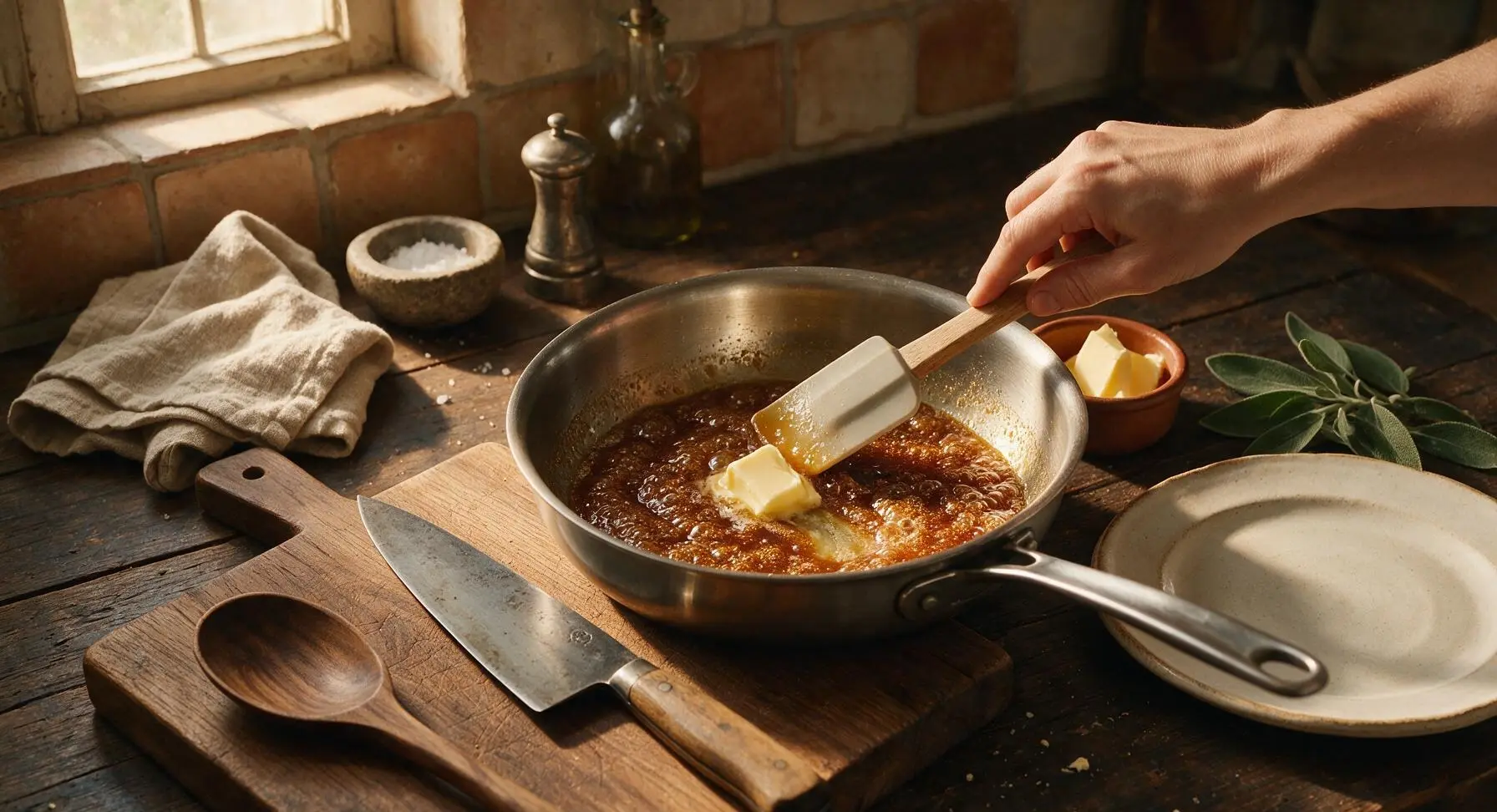
Carefully add the cut pieces of unsalted butter to the hot caramel one at a time, stirring slowly and constantly with the heatproof silicone spatula. The mixture will bubble vigorously and release hot steam as the butter melts—this is normal, so keep your hand and face a safe 6-inch distance from the pan edge to avoid burns. Stir until all butter is fully incorporated and the mixture is smooth, about 1 minute.
Step 4
step4:Whisk in Butter
5

Stir in Warm Cream

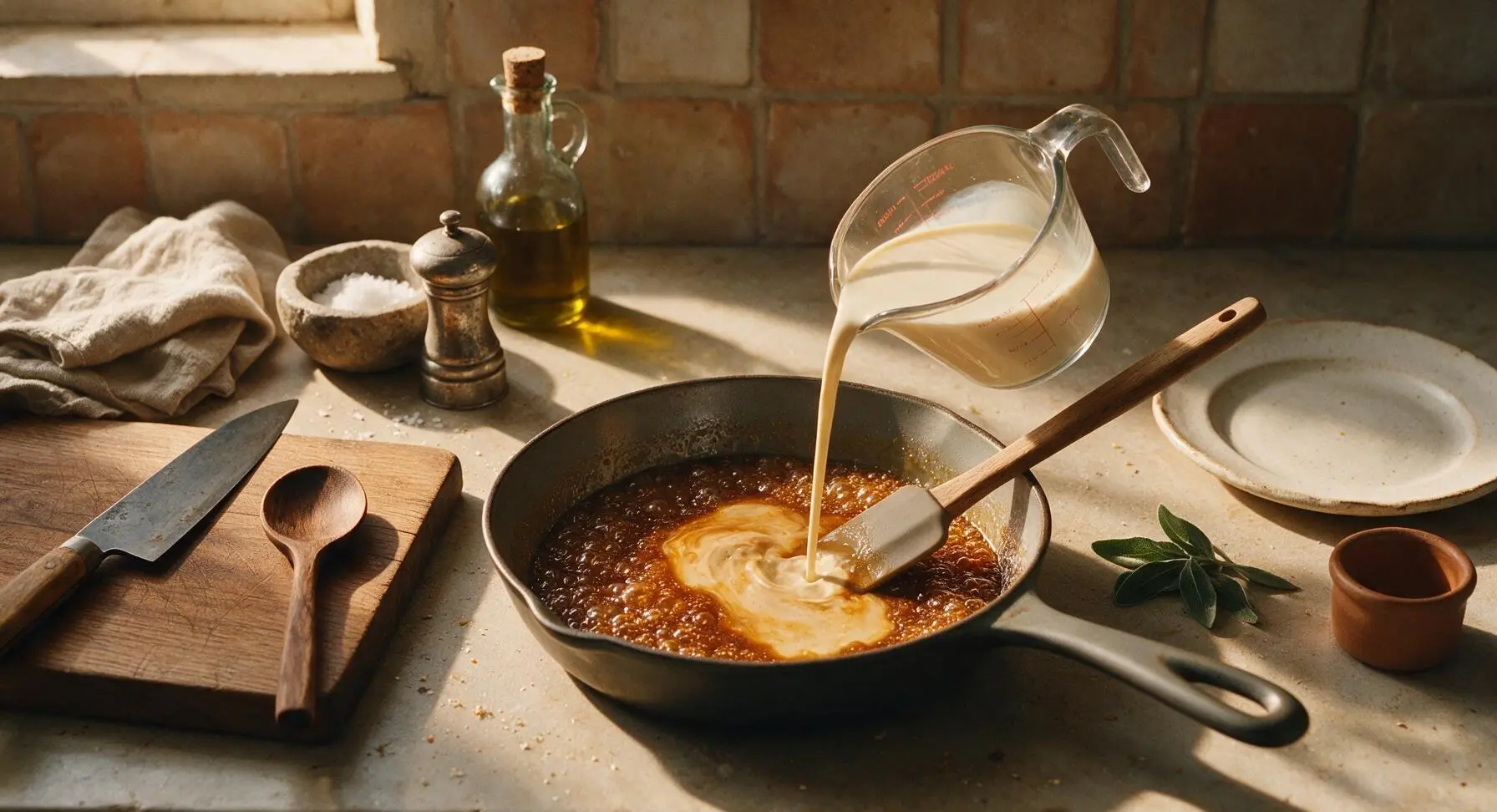
Slowly pour the warmed heavy cream into the caramel in a thin, steady stream, stirring constantly with the silicone spatula. Again, the mixture will bubble up fiercely—pour slowly to prevent it from boiling over the pan edges. Once all cream is added, stir until the sauce is completely smooth, with no lumps of hardened caramel, about 1 minute.
Step 5
step5:Stir in Warm Cream
6

Add Salt and Vanilla

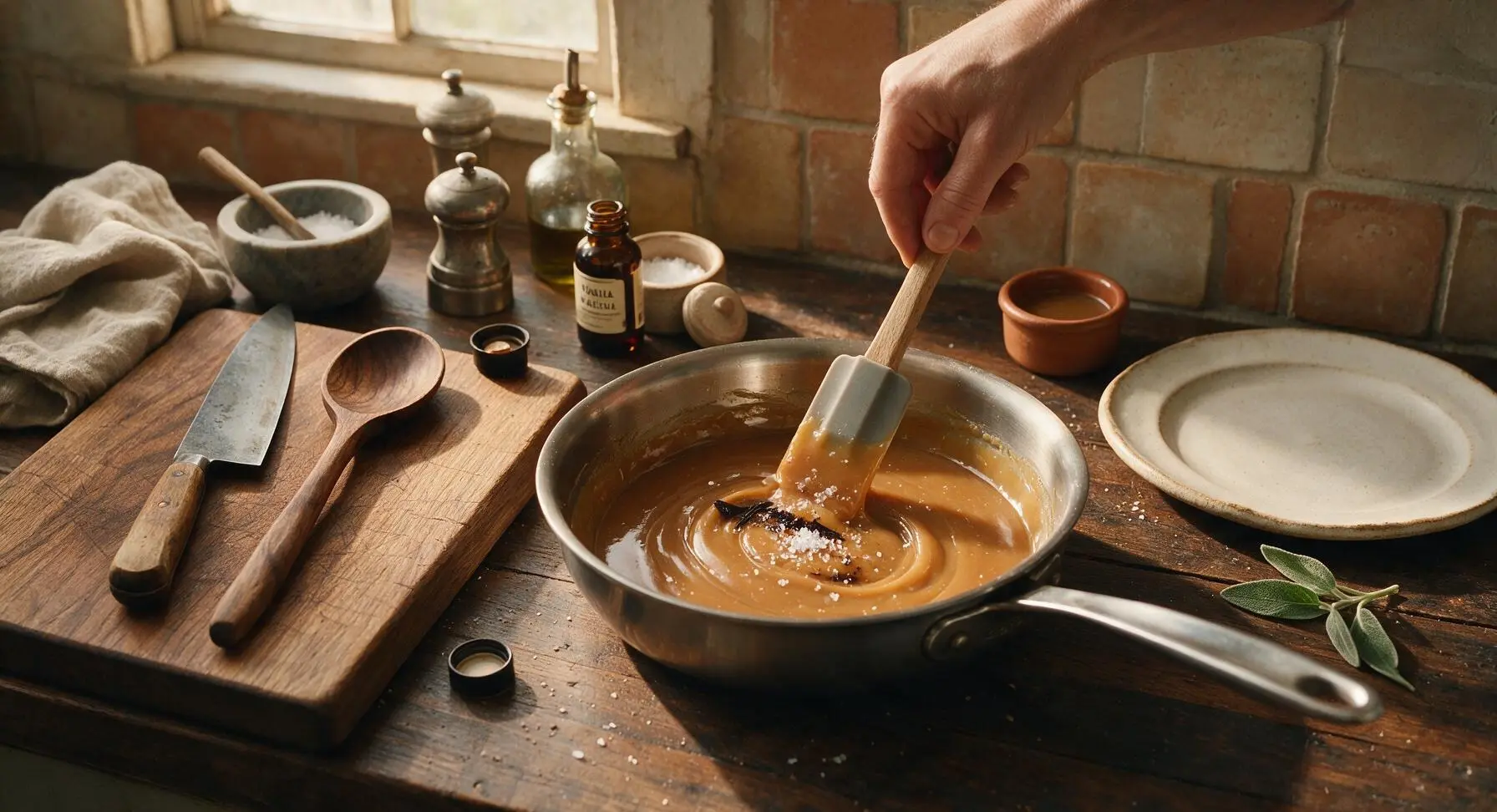
Stir in 1 teaspoon of pure vanilla extract and 1 teaspoon of flaky sea salt, mixing thoroughly to distribute evenly. Let the sauce rest in the pan for 5 minutes—it will be very thin right after cooking, and will thicken to the perfect pourable consistency as it cools. Taste and add a pinch more salt if you prefer a stronger salted flavor.
Step 6
step6:Add Salt and Vanilla
7

Jar and Cool Sauce

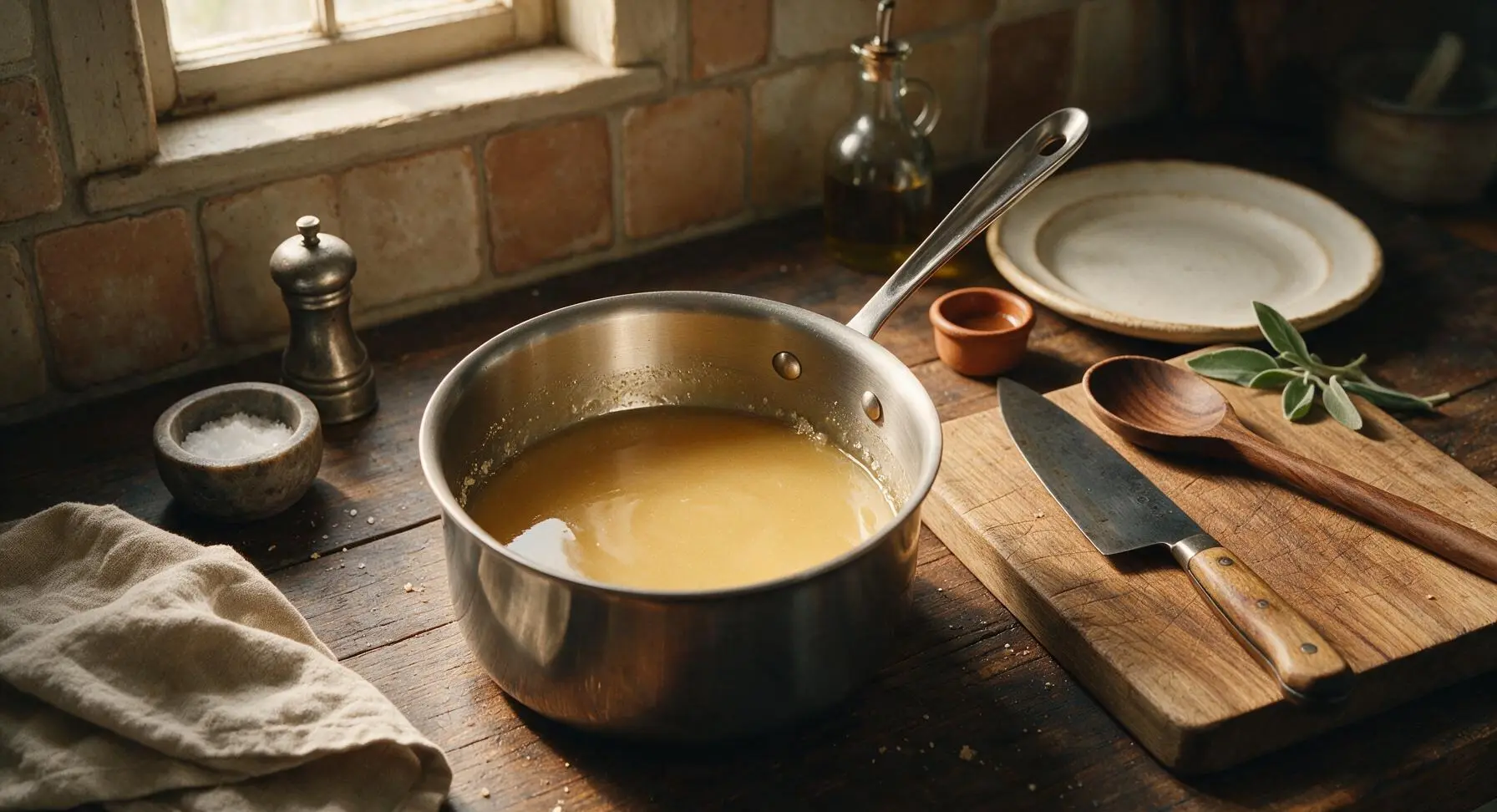
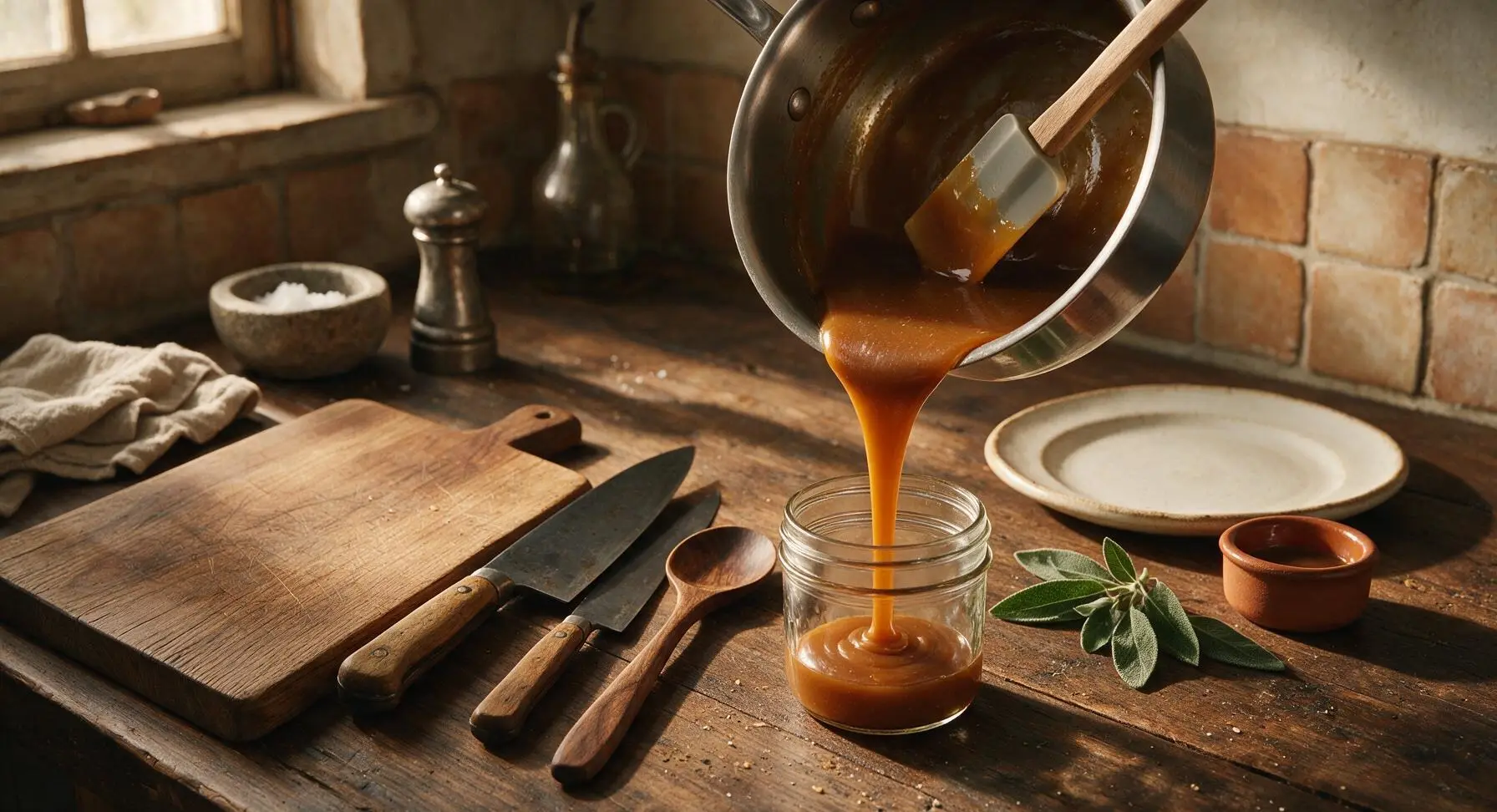
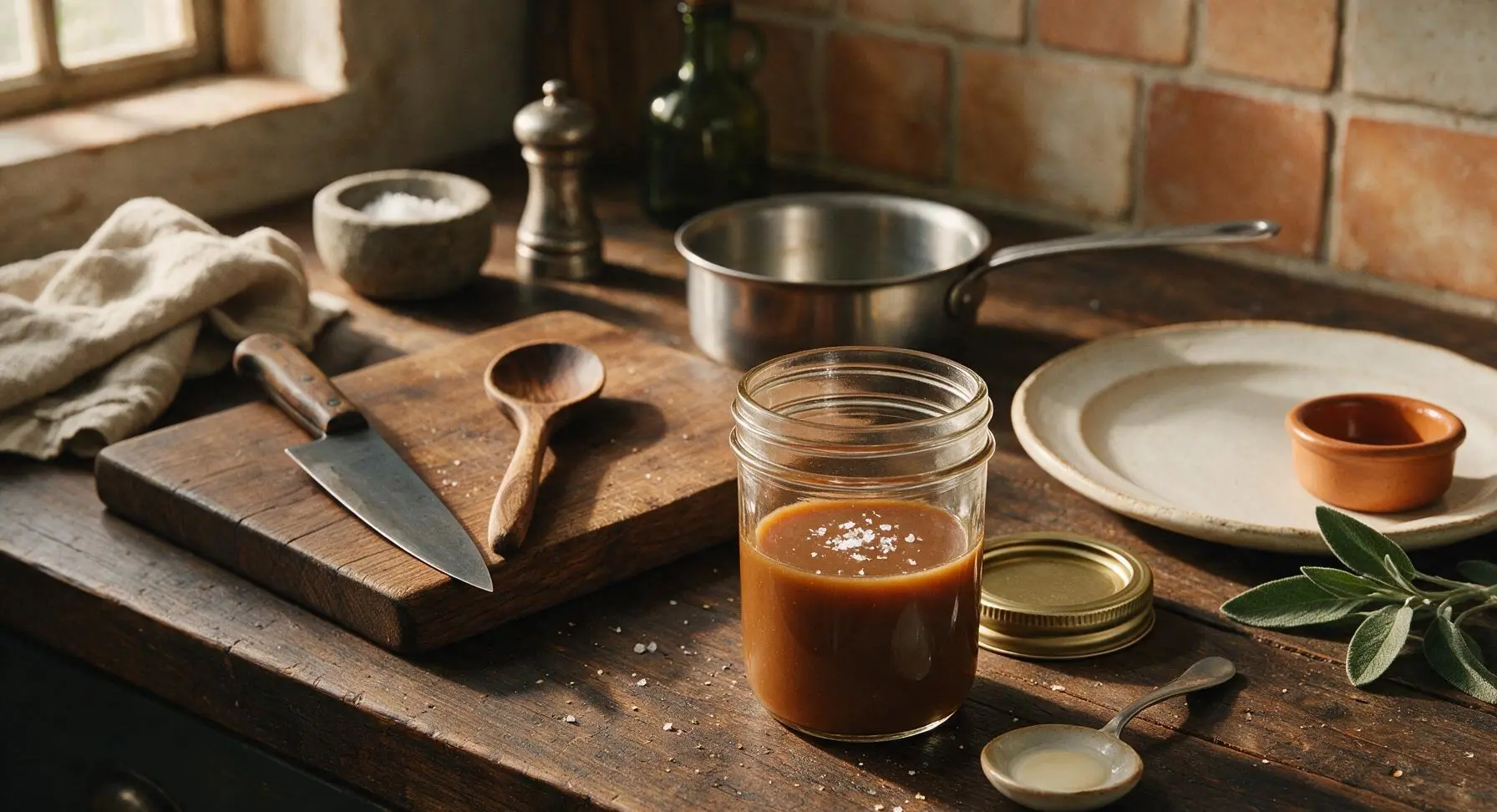
Carefully pour the warm caramel sauce into the clean 8oz clear glass mason jar, leaving 1/2 inch of headspace at the top. Let the sauce cool completely to room temperature (about 1 hour) before sealing with the brushed gold lid. Do not seal the jar while the sauce is hot, as trapped condensation will build up inside and shorten the sauce’s 2-week refrigerated shelf life.
Step 7
step7:Jar and Cool Sauce
Step 7
step7:Jar and Cool Sauce

Tips

1.Always warm your heavy cream before adding it to hot caramel: cold cream causes a sudden temperature shock that will make molten sugar seize into hard, lumpy chunks that are difficult to smooth out, ruining the sauce’s signature silky texture.
2.Use a heavy-bottomed saucepan for this recipe: thin, lightweight pans create uneven hot spots that burn sugar quickly along the bottom before the top layer fully melts, leading to bitter, off-flavored caramel.
3.If small lumps of seized sugar form while adding butter or cream, set the pan back over low heat and stir gently for 1-2 minutes until lumps fully melt—most minor seizing issues are easy to fix, so you don’t need to discard the whole batch.

✨ You May Also Like

Desserts & Baking
🍜 Italy

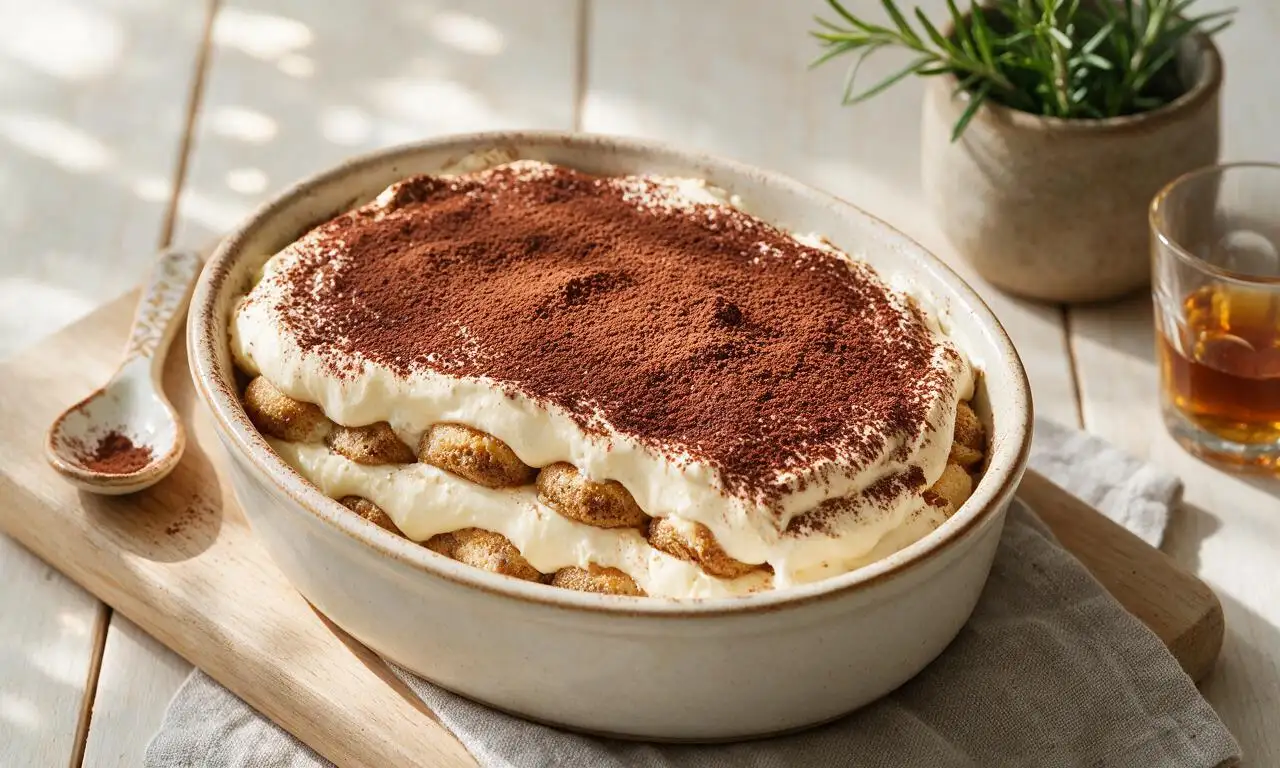
Creamy, coffee-kissed classic Northern Italian no-bake dessert, with layers of rum-spiked mascarpone cream, soft ladyfingers, and a rich cocoa dusting.

⏱️ 4 hours 3Desserts & Baking ★ 4.7
Desserts & Baking
🍜 France

Flaky, shatteringly crisp, buttery French croissants with golden exteriors and soft, airy layered interiors, perfect for pairing with coffee for a special morning treat.

⏱️ 12 hours Desserts & Baking ★ 4.5
Desserts & Baking
🍜 United States

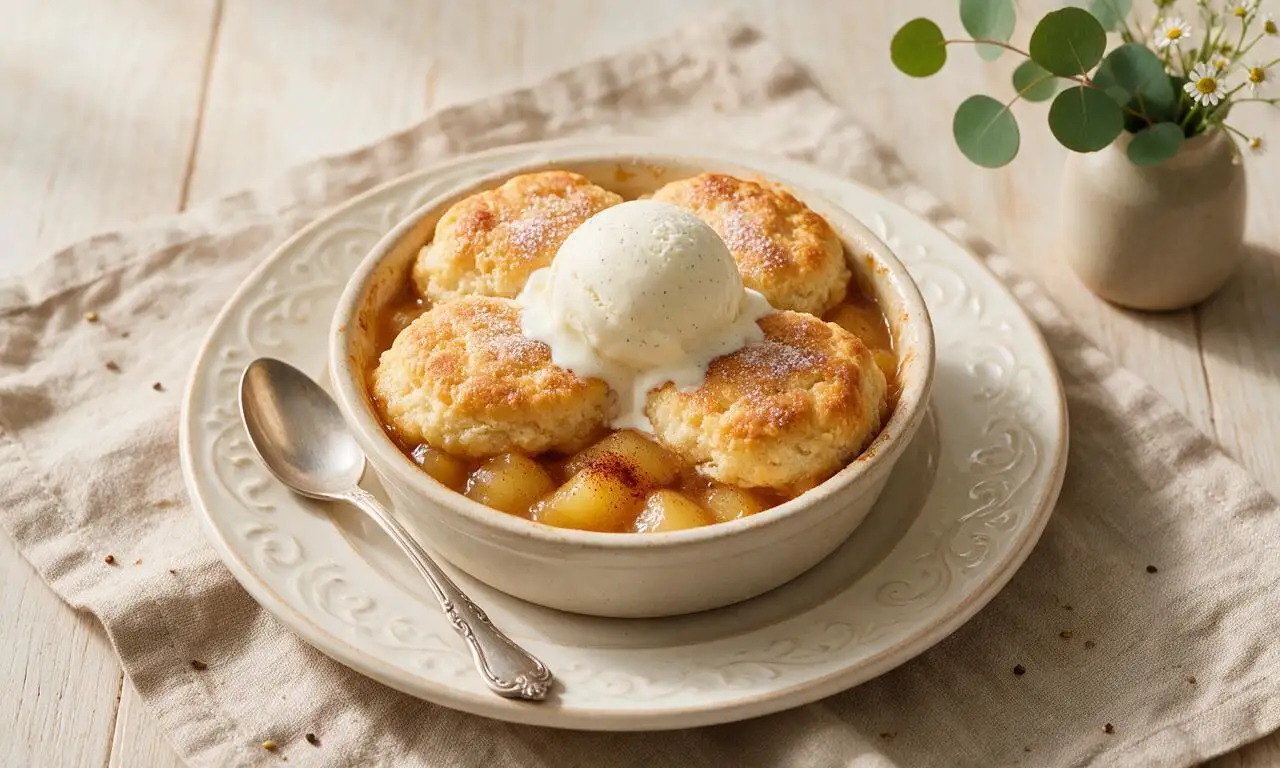
Warm, spiced baked apples topped with a fluffy golden biscuit crust, this cozy dessert pairs perfectly with vanilla ice cream for cool-weather comfort.

⏱️ 55 minuteDesserts & Baking ★ 4.6
Desserts & Baking
🍜 United States

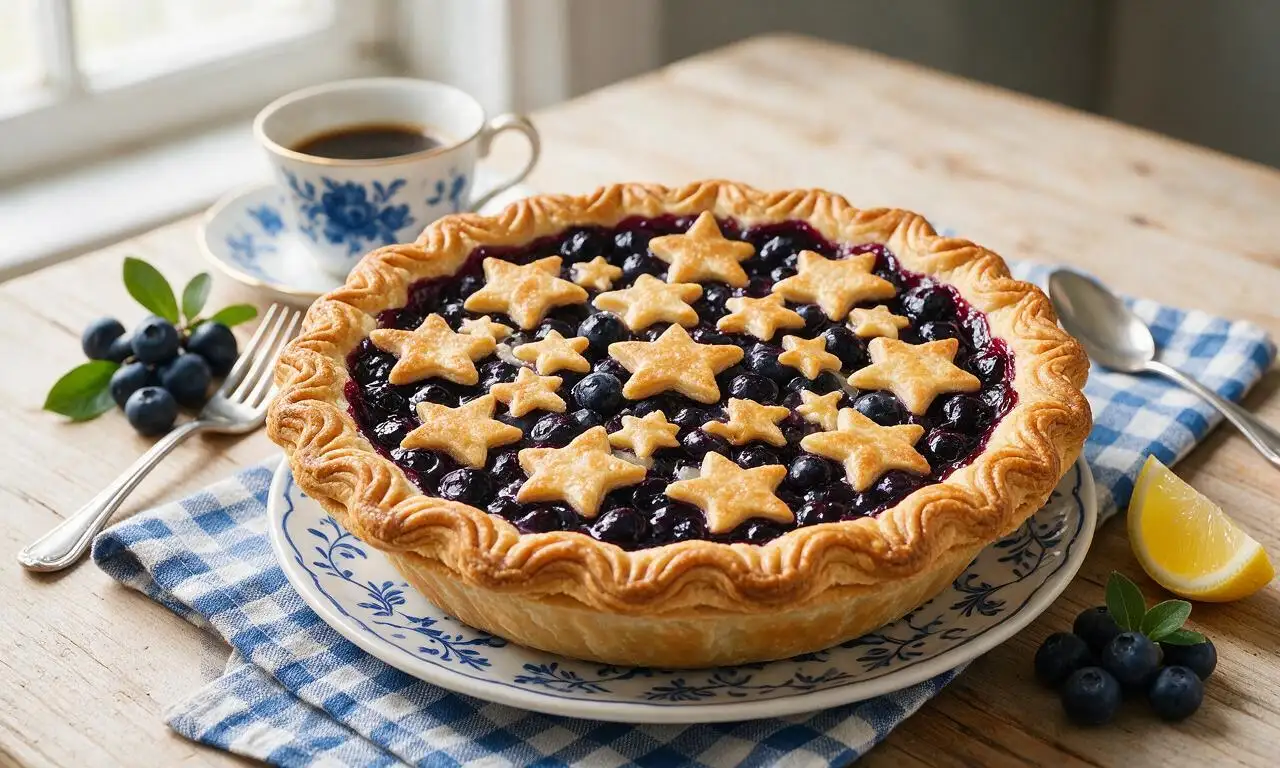
A star-spangled classic American blueberry pie with buttery flaky crust and bright sweet-tart filling, perfect for summer patriotic gatherings.

⏱️ 1 hour 25Desserts & Baking ★ 4.7
Desserts & Baking
🍜 United States

A beloved no-bake regional Maine candy with a chewy coconut-potato center coated in rich dark chocolate, a New England holiday staple since the 1870s.

⏱️ 2 hours 3Desserts & Baking ★ 4.8
Desserts & Baking
🍜 France

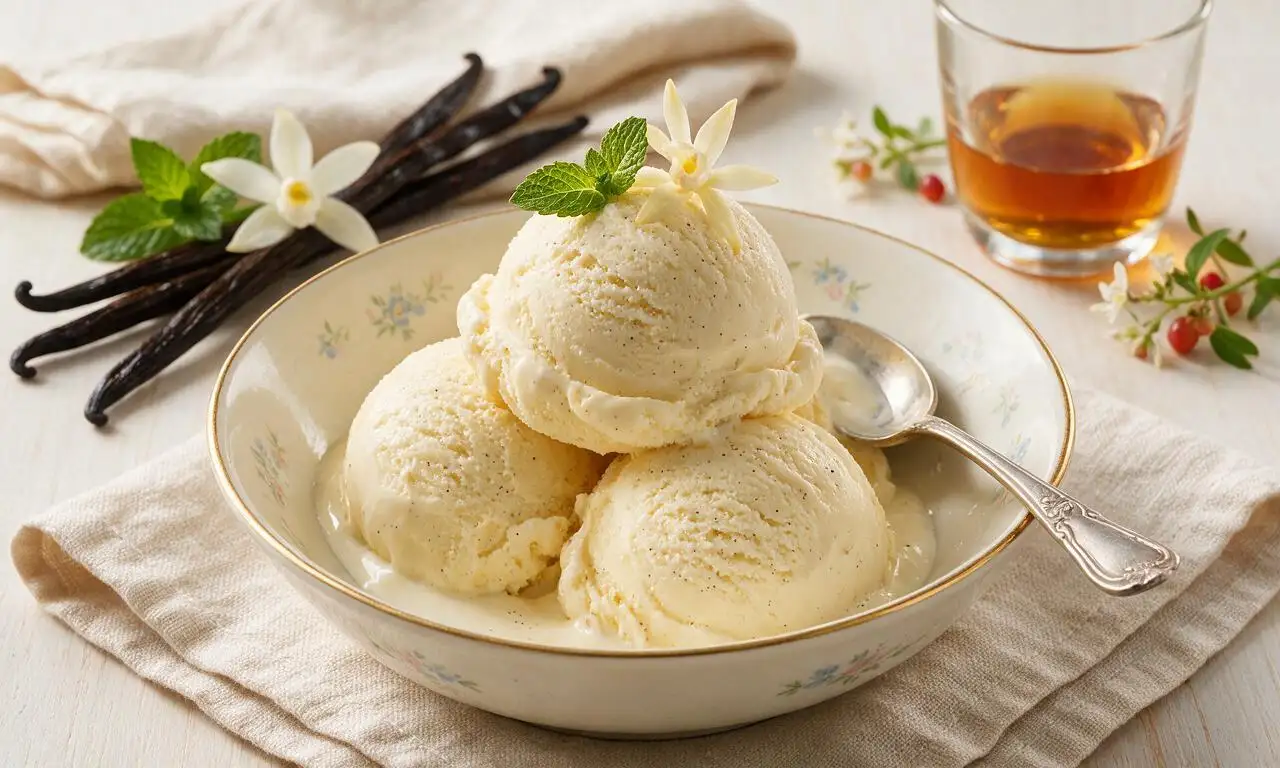
Luxuriously creamy, floral frozen custard made with aromatic Tahitian vanilla beans, boasting a smooth, rich texture that melts slowly on the tongue.

⏱️ 3 hours 3Desserts & Baking ★ 4.5

salted caramel sauce:Frequently Asked Questions

1.Why does my caramel turn grainy instead of smooth when I melt the sugar? ▾
Grainy caramel almost always comes from undissolved sugar crystals that re-form as the sugar heats. Avoid stirring the sugar once it starts to simmer; instead, gently swirl the pan, and brush down the pot sides with a wet pastry brush to wash away stray sugar crystals before they harden. A tiny splash of light corn syrup can also prevent crystallization if you run into this issue often.
2.Can I use salted butter instead of unsalted butter for this recipe? ▾
You absolutely can, but you’ll need to adjust the added flaky sea salt to avoid an overly salty final sauce. Cut the called-for sea salt amount in half to start, then taste the warm sauce and add a pinch more if needed. Using unsalted butter gives you full control over the final salt level, which is why it’s the standard pick for consistent results.
3.How should I store this salted caramel sauce, and how long will it keep? ▾
Let the sauce cool completely to room temperature first, then pour it into a clean, airtight glass jar and store it in the refrigerator for up to 1 month. The sauce will thicken significantly when chilled—just warm it in 10-second microwave bursts or a warm water bath, stirring well, before drizzling. Freezing is not recommended, as it breaks the smooth emulsion.
4.Why did my caramel seize up into hard clumps when I added the cream? ▾
Seizing happens when cold cream hits extremely hot melted sugar, shocking the sugar into hardening instantly. Prevent this by using room temperature or gently warmed cream, and add it slowly while stirring constantly. If seizing does happen, just keep the pan over low heat and stir continuously; the clumps will melt back into a smooth sauce in 2 to 3 minutes.
5.How dark should I let the melted sugar get before adding butter and cream? ▾
Wait for the fully melted sugar to turn a clear, deep copper-penny amber color, right when you first catch a warm, nutty toasted sugar aroma. Pull it off the heat right at that point—if you see smoke or smell a sharp, burnt scent, it’s too far gone and will taste bitter. Residual pan heat will keep cooking the sugar for a few seconds after you remove it.
6.Why is my finished sauce runny even after it cools completely? ▾
Runny caramel usually means you didn’t cook the melted sugar long enough to reach that deep amber stage, or you added slightly too much cream. You can fix this easily by pouring the cooled sauce back into a small pot, simmering it over low heat for 2 to 3 minutes to evaporate excess moisture, then letting it cool again to reach that thick, drizzly consistency.
7.Can I make this recipe dairy-free for vegan friends or family? ▾
You can, with a couple of simple swaps. Replace the unsalted butter with a firm vegan baking stick (avoid soft spreadable tub butter, which has too much added water), and use chilled full-fat canned coconut cream (skimmed of the watery liquid at the bottom of the can) in place of heavy whipping cream. The texture will stay silky, with a subtle pleasant coconut note.
8.Can I use regular table salt instead of flaky sea salt for this recipe? ▾
Flaky sea salt is ideal because it dissolves gently and adds soft, balanced salty notes without making the sauce briny. If you only have table salt, cut the called-for salt amount by 75% to start—table salt is far denser and more intensely salty per teaspoon. Add it a tiny pinch at a time, tasting as you go, to avoid over-salting the batch.

Comments (4)

3 days ago

SO good! I made this last night to top my morning lattes and it’s way better than the store-bought caramel syrup I’ve been buying for years. I was nervous because caramel always feels tricky (medium difficulty is no joke, I burned my first attempt a couple years ago!) but the timing notes kept me on track. My kids loved it drizzled over their after-school brownies too, and I’m planning to bring a jar to our block party potluck this weekend.

2 hours ago

Wait, quick question—when I made this, my sugar seized up into hard clumps when I added the cream! I followed the steps exactly, used heavy cream like the recipe said, any idea what went wrong? It still tasted okay after I stirred it forever to melt the clumps but the texture was a little grainy. Flavor was chef’s kiss though, even with the texture issue.

30 minutes ago

Great question! Seizing usually happens if your cream is straight out of the fridge super cold when it hits the hot melted sugar—try letting your cream come to room temp for 10-15 minutes before adding it, and pour it in slow while stirring constantly to avoid those clumps! So glad the flavor still came through for you 😊

1 week ago

Game changer alert! I brought this salted caramel sauce to our family dinner last Sunday to go with the apple crisp I baked, and my sister-in-law literally asked if I bought it from that fancy dessert shop downtown. It only took 12 minutes like the recipe said, which was perfect because I was running late as usual. Already have a jar in my fridge for this week’s yogurt parfaits for meal prep!

5 days ago

Oh how long does this stay good in the fridge? I want to make a jar to keep for lattes too but I don’t want it to go bad before I use it all!

2 weeks ago

I was so intimidated to try caramel since I’ve heard it’s super easy to mess up, and the medium difficulty rating had me nervous, but this was so straightforward! I messed up a little at first by stirring the sugar too much early on, but I course corrected and it turned out perfectly. Drizzled it over vanilla ice cream for my girlfriend’s birthday dessert and she said it was the best thing I’ve ever made. 10/10, will make again!

1 week ago

Wait did you use a candy thermometer? I don’t have one and I’m worried I’ll burn the sugar if I can’t check the temp!

5 days ago

You don’t need a candy thermometer for this recipe! Just keep a close eye on the sugar as it melts—once it’s a deep golden amber color and smells sweet and toasty, it’s ready to take off the heat to add your butter and cream. Go slow and you’ve got this!