thai shrimp curry

title 1
thai shrimp curry
⏱️ cook time 20 minutes
🍽️ servings 4
⚡ Difficulty easy

intro

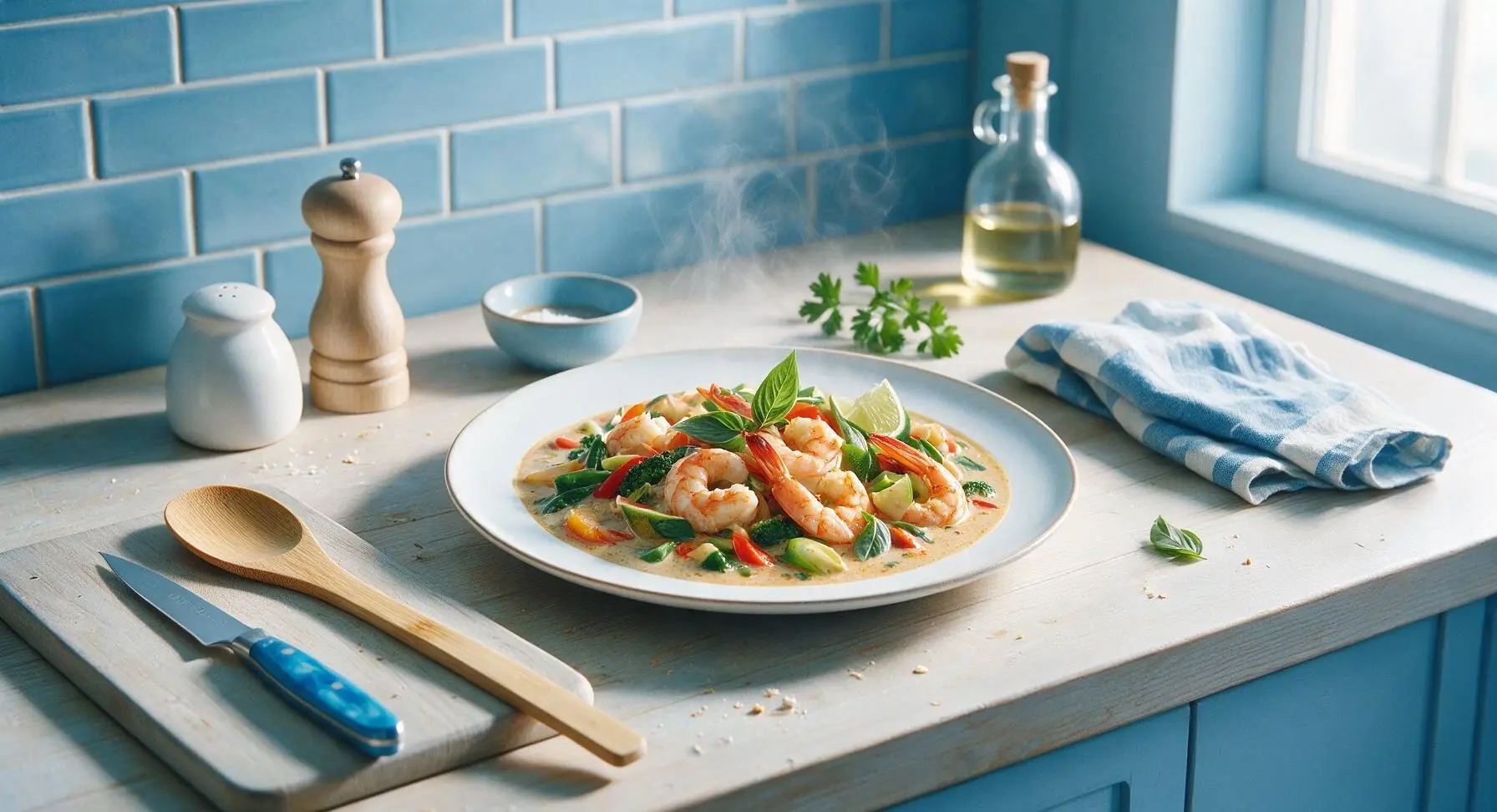
Creamy, aromatic Central Thai coconut curry brimming with plump shrimp, crisp veggies, and warm spices, balanced with bright lime and fresh basil for a fast, cozy weeknight meal.

Ingredients
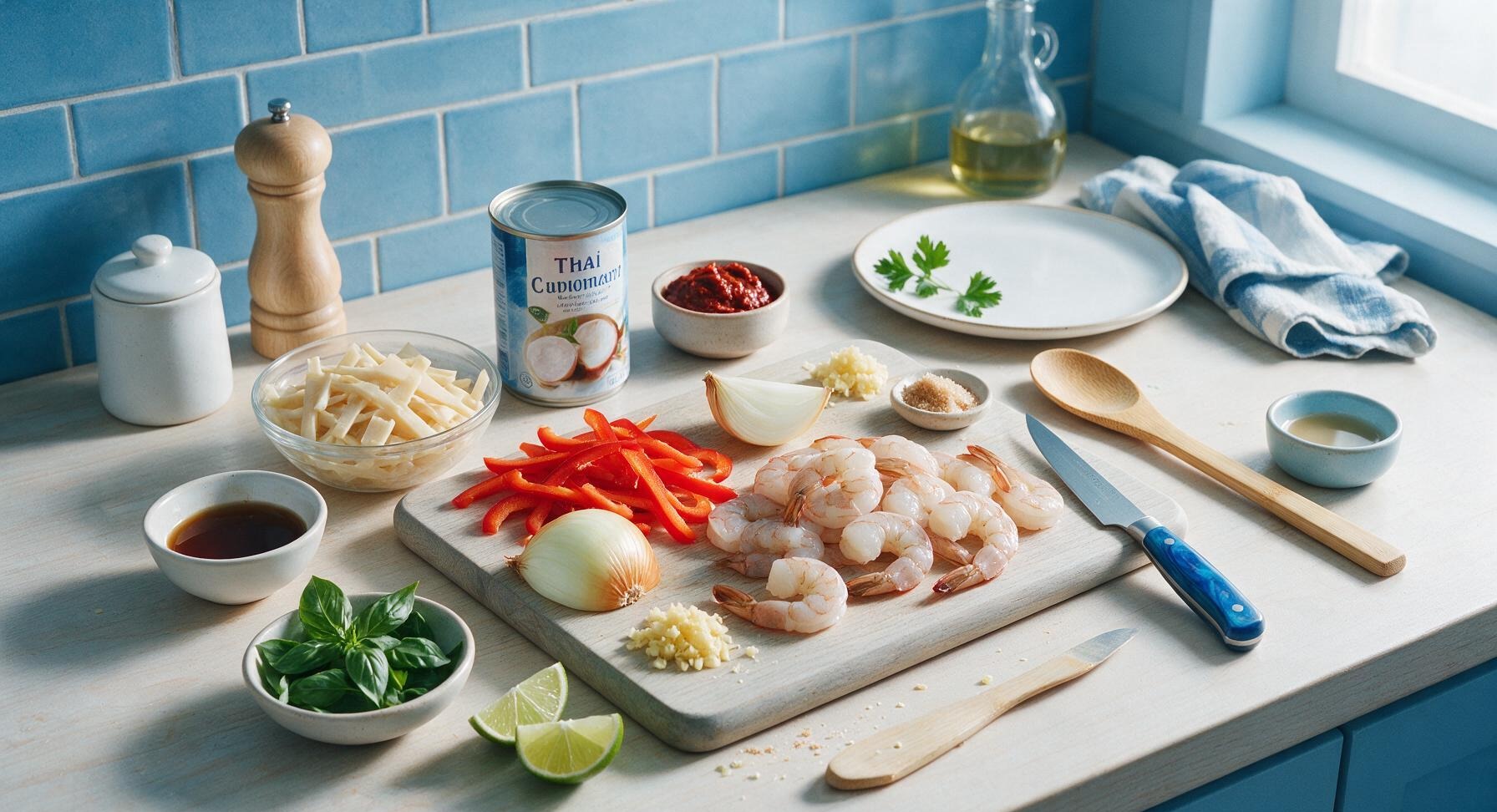
Large raw shrimp (peeled, deveined, tails on) 1 lb (450g)
Full-fat coconut milk 1 13.5oz (400ml) can
Thai red curry paste 3 tbsp
Red bell pepper 1 medium, sliced into 1/4-inch strips
Yellow onion 1 small, cut into 1-inch wedges
Canned bamboo shoots 1/2 cup, drained and rinsed
Garlic 3 cloves, minced
Fresh ginger 1 tbsp, grated
Fish sauce 2 tbsp
Palm sugar (or light brown sugar) 1 tbsp
Fresh Thai basil 1/2 cup packed leaves, plus extra for garnish
Fresh lime 1 medium, cut into wedges
Neutral cooking oil (avocado or canola) 1 tsp

Steps

1

Prep Shrimp and Aromatics

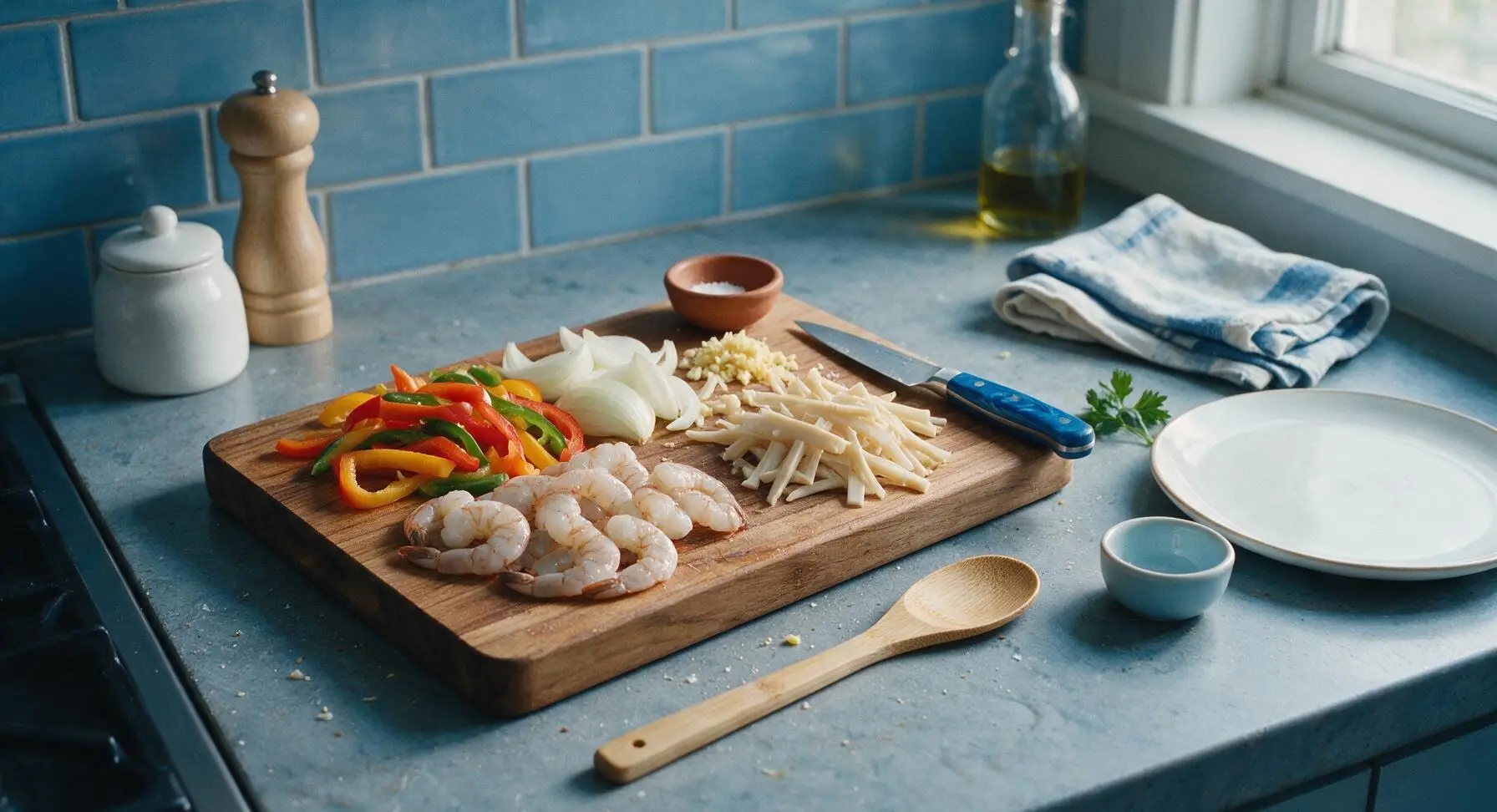
Pat the 1lb peeled, deveined shrimp dry with paper towels and set aside. Place the teak cutting board centered on the soapstone counter. Use the 6.5-inch chef’s knife to slice 1 medium red bell pepper into 1/4-inch strips, cut 1 small yellow onion into 1-inch wedges, mince 3 garlic cloves, and grate 1 tbsp fresh ginger. Drain and rinse 1/2 cup canned bamboo shoots, and arrange all prepped ingredients within arm’s reach of the stovetop. This prep takes approximately 10 minutes.
Step 1
step1:Prep Shrimp and Aromatics
2

Sauté Curry Paste Base

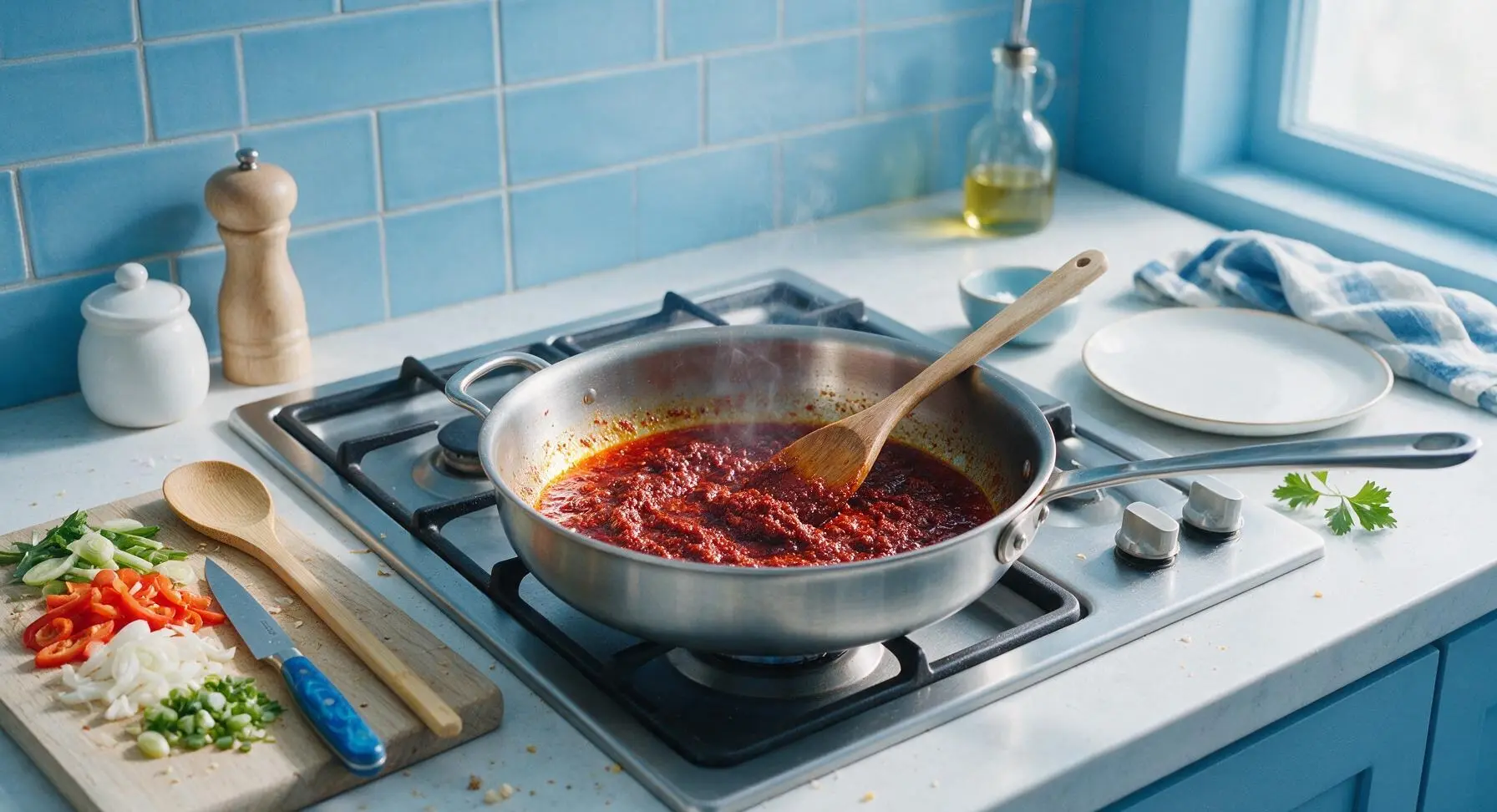
Place the 3-quart stainless steel sauté pan on the center stovetop burner, and turn heat to medium. Add 1 tsp neutral cooking oil, then spoon in 3 tbsp Thai red curry paste. Sauté the paste for 1-2 minutes, stirring constantly with the teak wooden spoon, until it becomes deeply fragrant, darkens slightly, and releases a thin layer of bright red oil around the edges. Do not burn the paste, as it will turn bitter and ruin the dish’s flavor.
Step 2
step2:Sauté Curry Paste Base
3

Simmer Coconut Milk Base

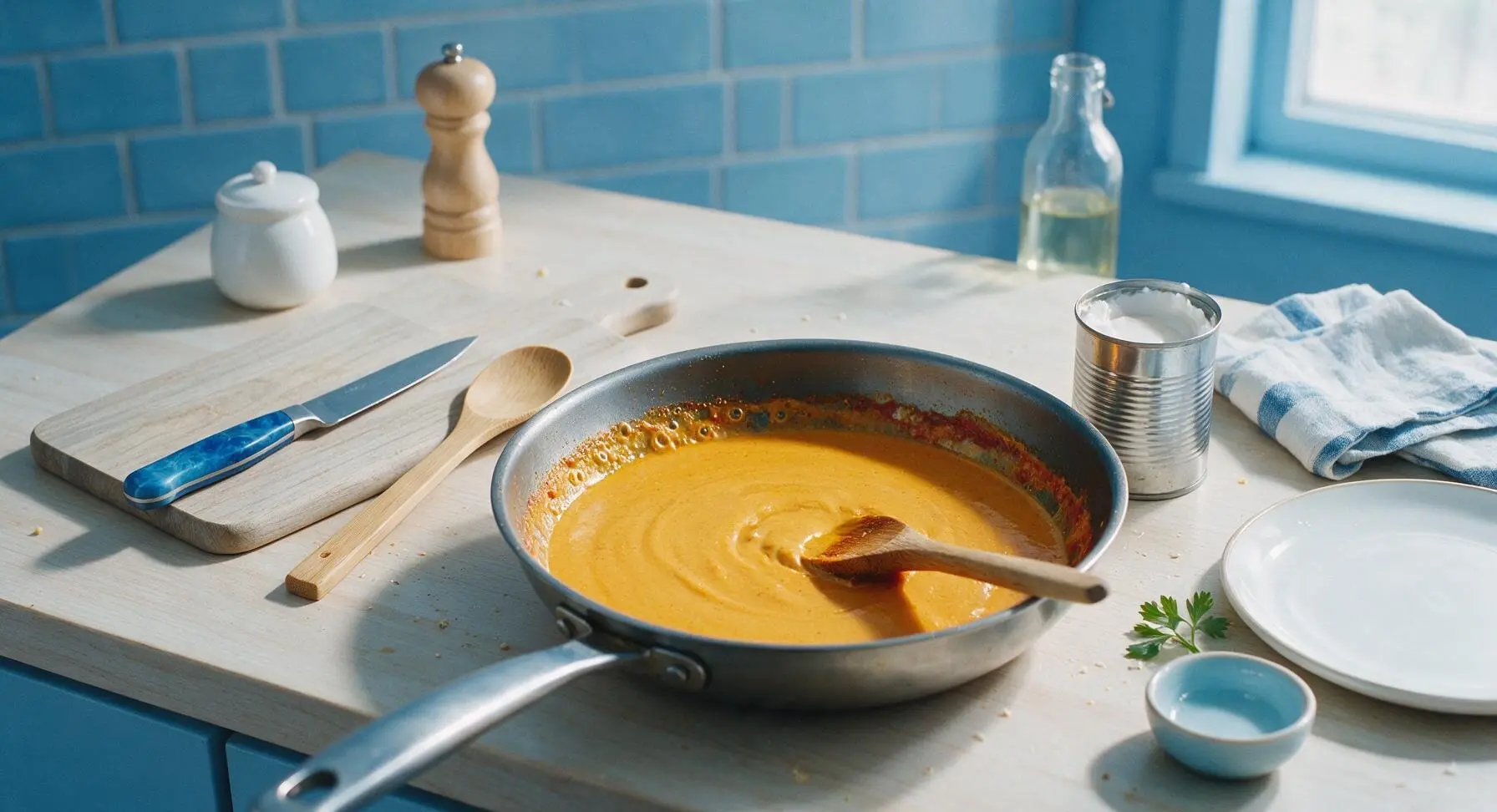
Shake the can of full-fat coconut milk vigorously before opening. Pour 3/4 of the coconut milk into the sauté pan with the toasted curry paste, stirring to combine fully until the sauce is a smooth, uniform golden-orange. Bring to a gentle simmer, then reduce heat to medium-low, and cook for 3 minutes, stirring occasionally, until the sauce thickens slightly and small slow bubbles break across the surface.
Step 3
step3:Simmer Coconut Milk Base
4

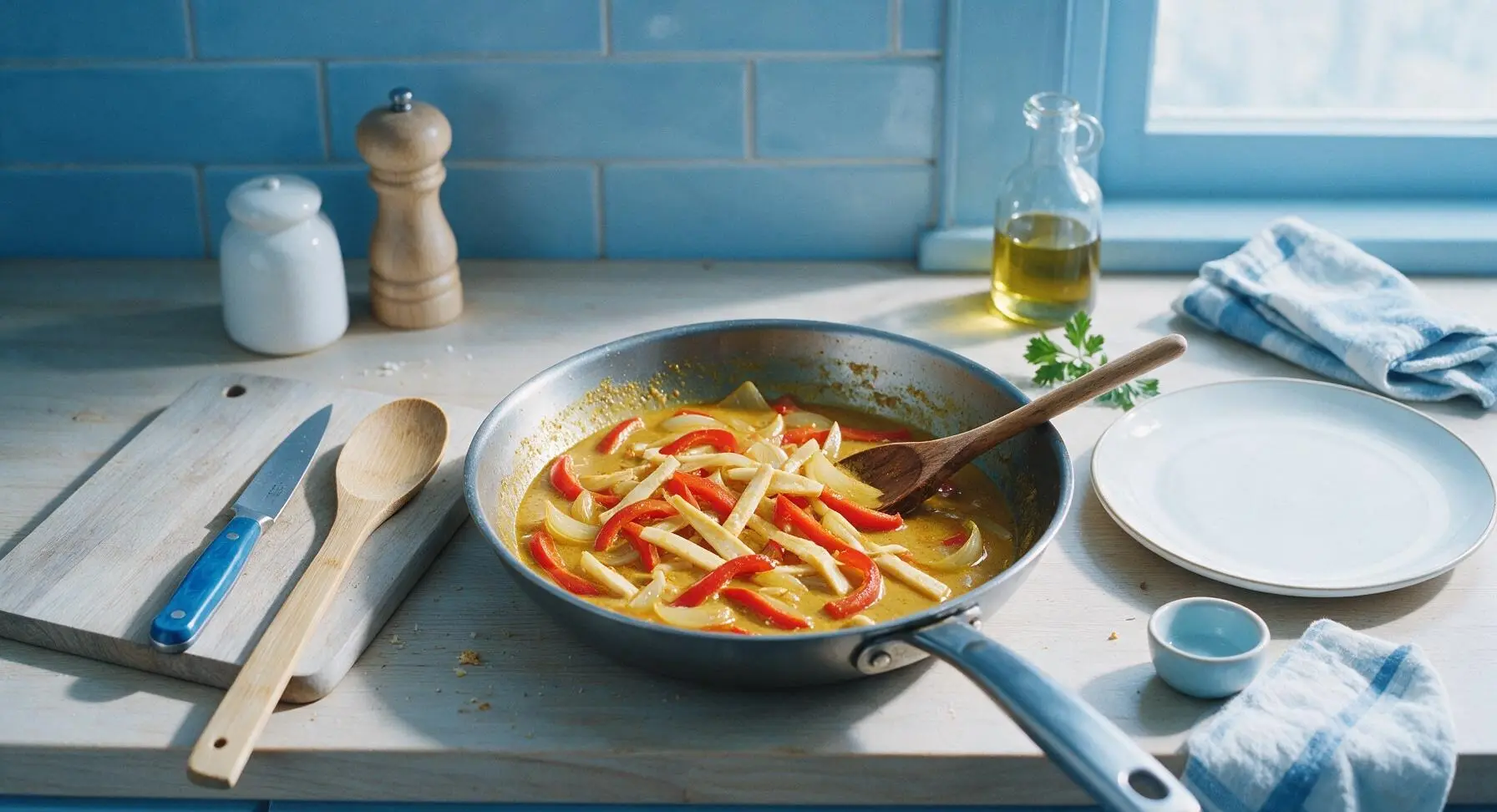
Add Vegetables to Simmer

Add the sliced onion wedges, bell pepper strips, and drained bamboo shoots to the simmering curry sauce. Stir to coat all vegetables fully in sauce. Simmer for 4 minutes, stirring occasionally, until the onions are translucent at the edges and the bell pepper is crisp-tender, not mushy. Vegetables should retain a slight, snappy crunch when poked with the spoon.
Step 4
step4:Add Vegetables to Simmer
5

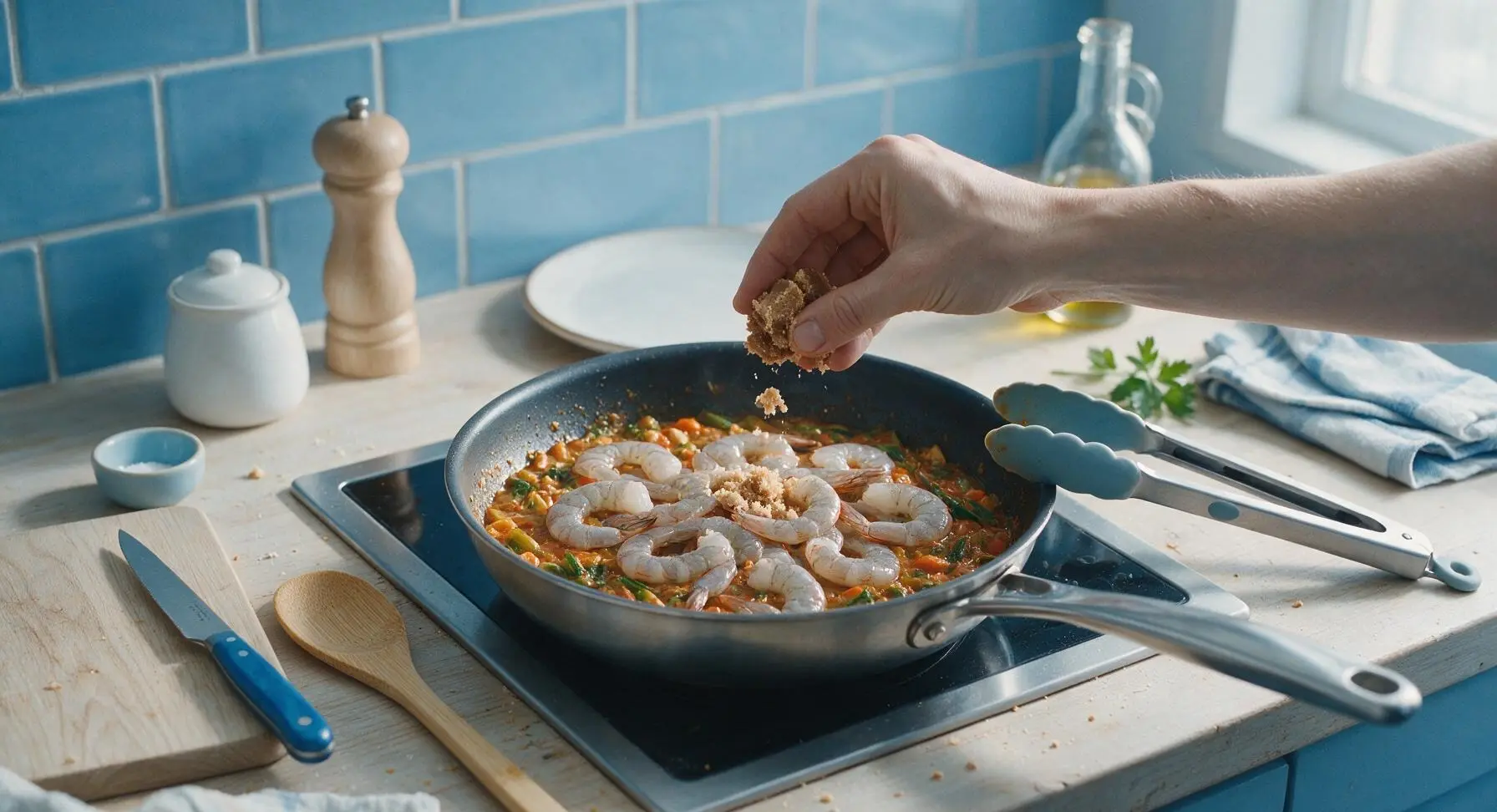
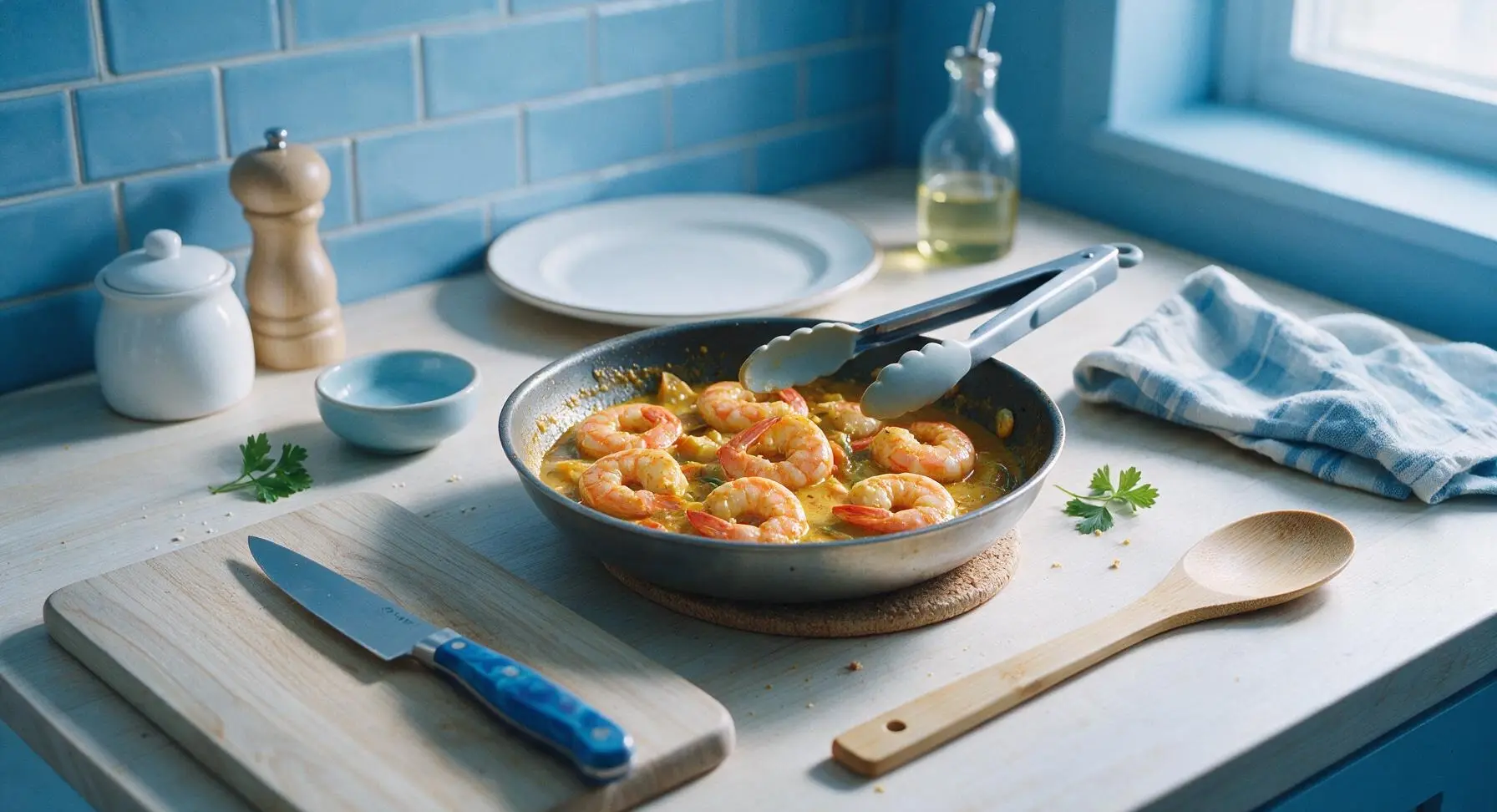
Add Shrimp and Season

Stir 2 tbsp fish sauce and 1 tbsp palm sugar into the curry, stirring until the sugar fully dissolves. Nestle the dried shrimp into the sauce in a single layer, ensuring each shrimp is partially submerged. Do not stir vigorously once shrimp are added, to avoid breaking their delicate flesh. Simmer for 3-4 minutes, flipping the shrimp once with the silicone-tipped tongs halfway through cooking, until shrimp are opaque pink on all sides with no translucent gray flesh remaining.
Step 5
step5:Add Shrimp and Season
Step 5
step5:Add Shrimp and Season
6

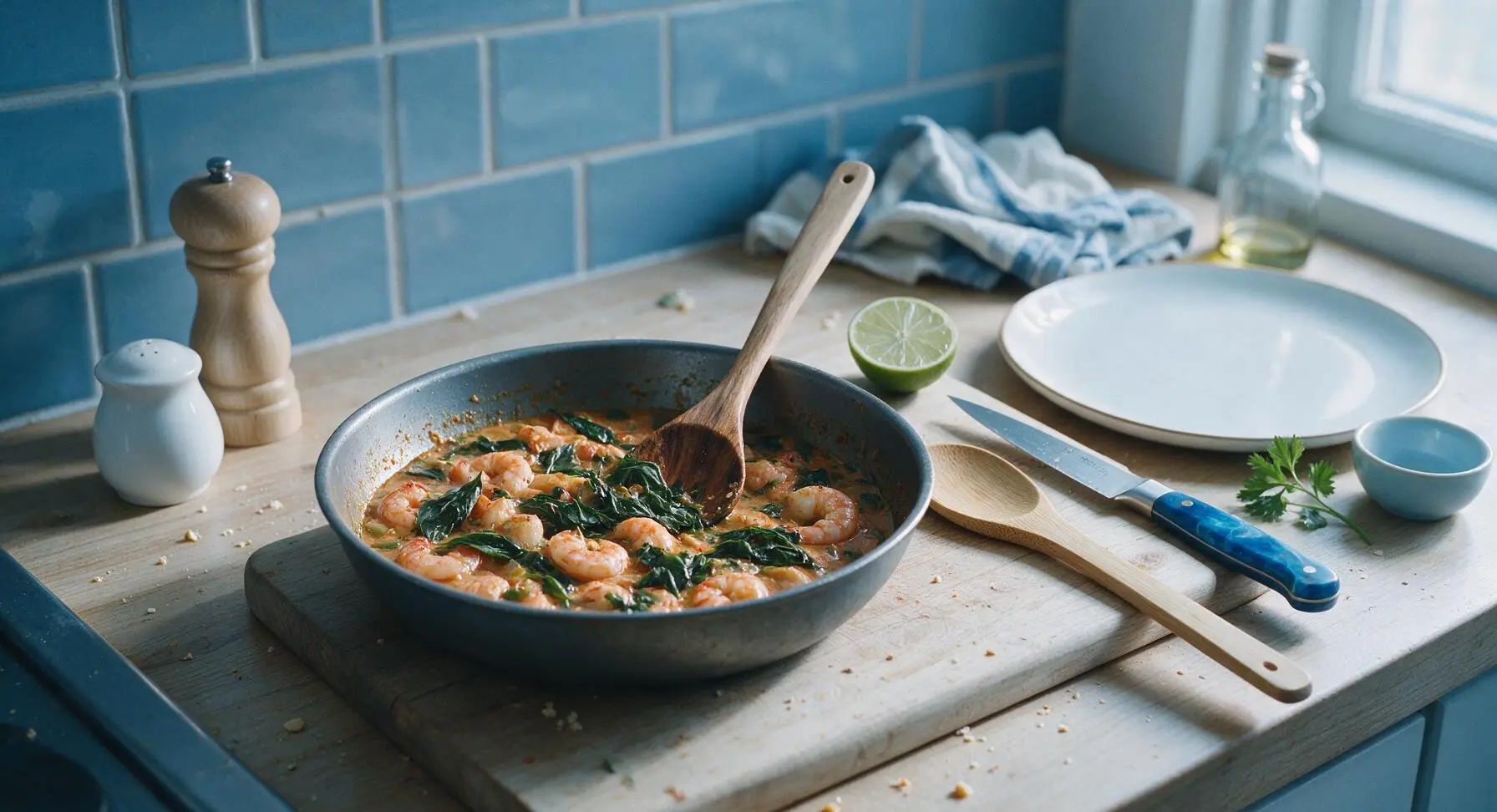
Finish with Fresh Herbs

Turn off the heat under the pan. Tear 1/2 cup packed Thai basil leaves into large pieces, and stir them into the hot curry until they just wilt, about 30 seconds. Taste the sauce, and adjust with an extra squeeze of fresh lime juice or pinch of salt if needed, to achieve a balanced mix of salty, sweet, sour, and spicy flavors.
Step 6
step6:Finish with Fresh Herbs
7

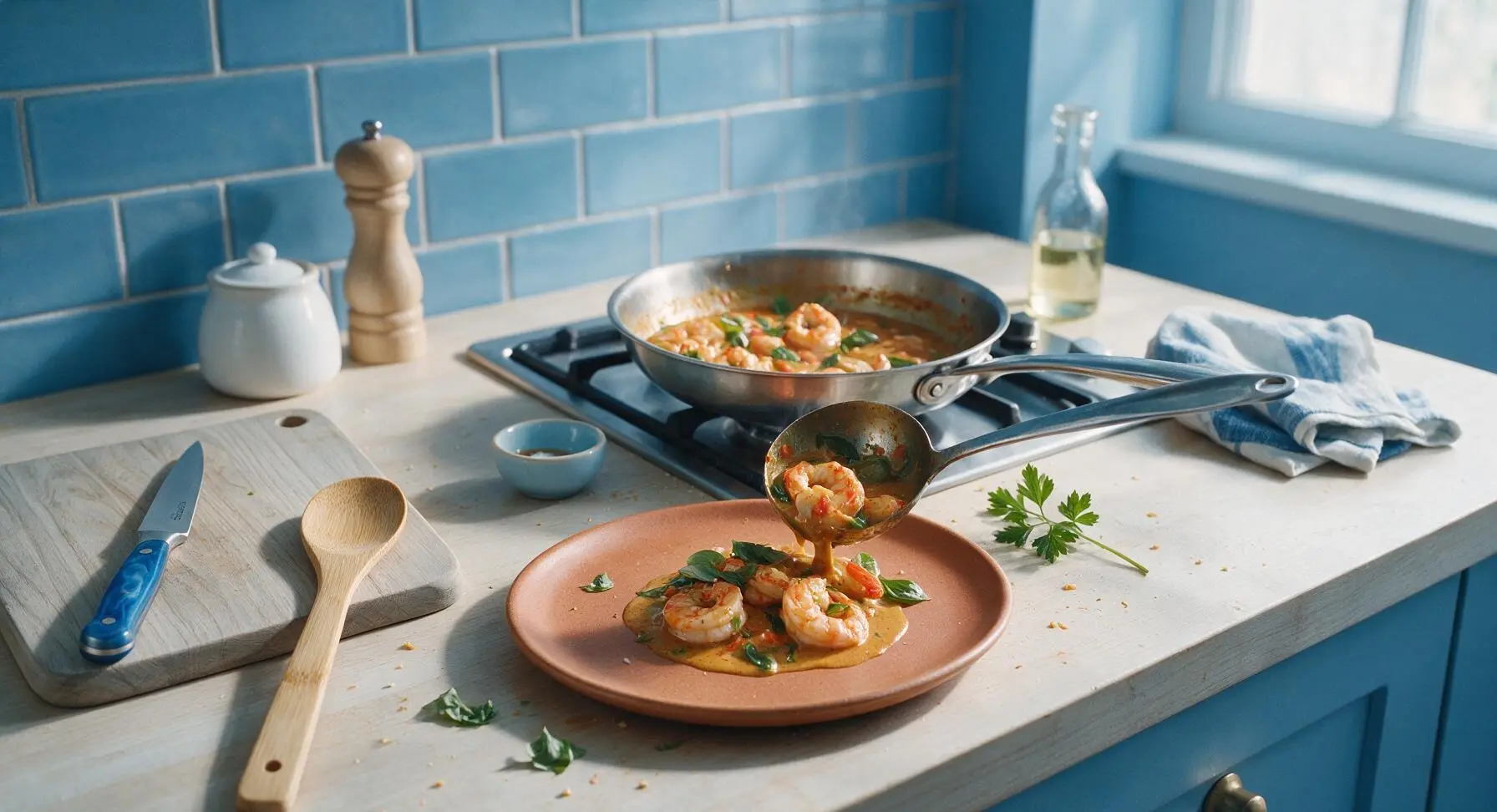
Plate and Garnish Curry

Ladle the curry evenly into 4 portions, ensuring each serving gets 4-5 shrimp, a mix of vegetables, and enough creamy sauce to coat. Garnish each plate with a few extra fresh Thai basil leaves, and place a lime wedge on the plate rim for squeezing at the table. Serve immediately, with steamed jasmine rice if desired.
Step 7
step7:Plate and Garnish Curry

Tips

1.Always use full-fat coconut milk, and shake the can vigorously before opening: the thick coconut cream that separates at the top of the can creates a luxuriously rich, smooth sauce that won’t separate or turn watery when simmered, while light coconut milk results in a thin, bland sauce that fails to balance the curry paste’s heat.
2.Watch shrimp closely to avoid overcooking: shrimp go from perfectly tender to rubbery in 60 seconds or less. Remove the pan from heat as soon as shrimp turn opaque pink and curl into a loose “C” shape; a tight “O” curl means they are already overcooked and tough.
3.Sauté curry paste in oil for 1-2 minutes before adding any liquid: toasting the spice blend in hot oil releases its aromatic essential oils, creating a deep, layered flavor, while stirring raw paste directly into coconut milk results in a flat, muted, raw-spice taste.

✨ You May Also Like

Main Course
🍜 United Kingdom

A showstopping classic of tender seared beef, savory mushroom duxelles, and crisp prosciutto wrapped in flaky golden puff pastry, baked to juicy perfection.

⏱️ 2 hours 1Main Course ★ 4.7
Main Course
🍜 India

Tender charred marinated chicken simmered in a rich, spiced creamy tomato sauce, this iconic Anglo-Indian curry pairs perfectly with basmati rice or warm naan.

⏱️ 50 minuteMain Course ★ 4.6
Main Course
🍜 Thailand

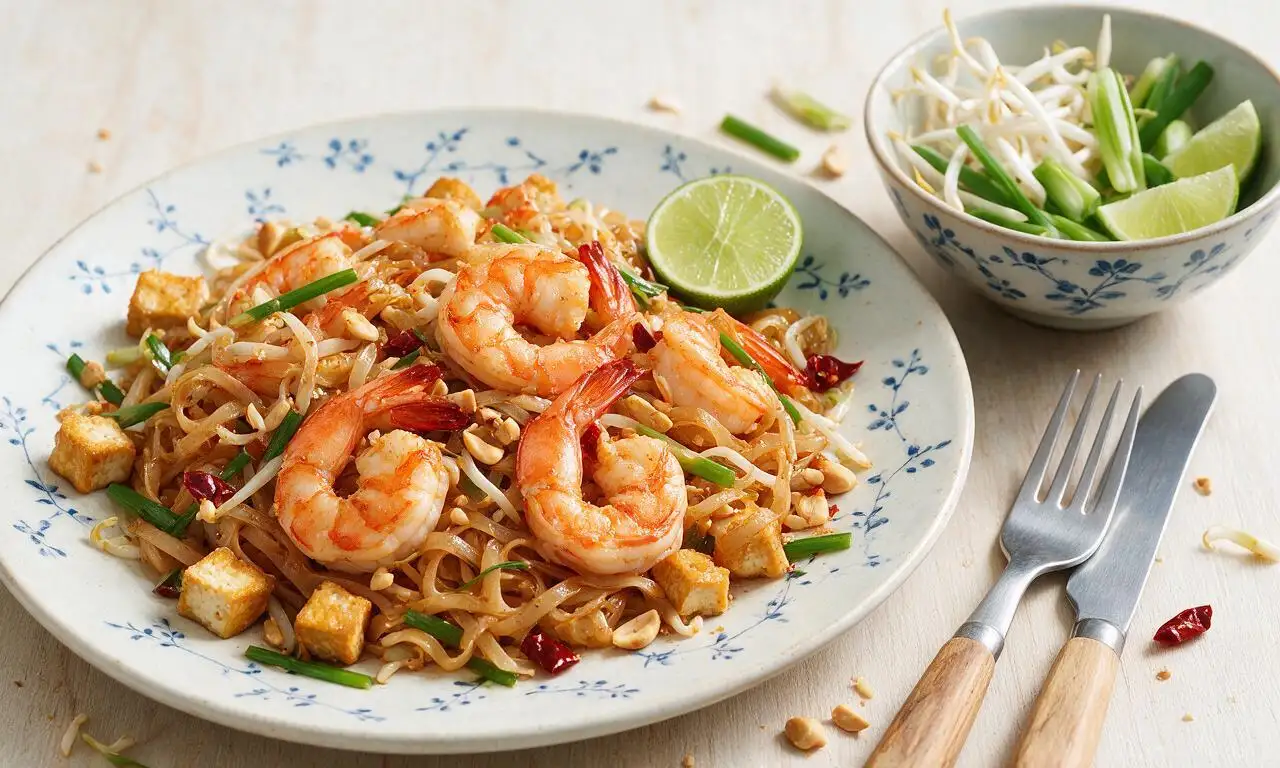
Classic tangy, sweet, and savory Thai stir-fried rice noodles with shrimp, tofu, and crunchy garnishes, balancing all five core Thai flavor profiles.

⏱️ 30 minuteMain Course ★ 4.5
Main Course
🍜 United Kingdom

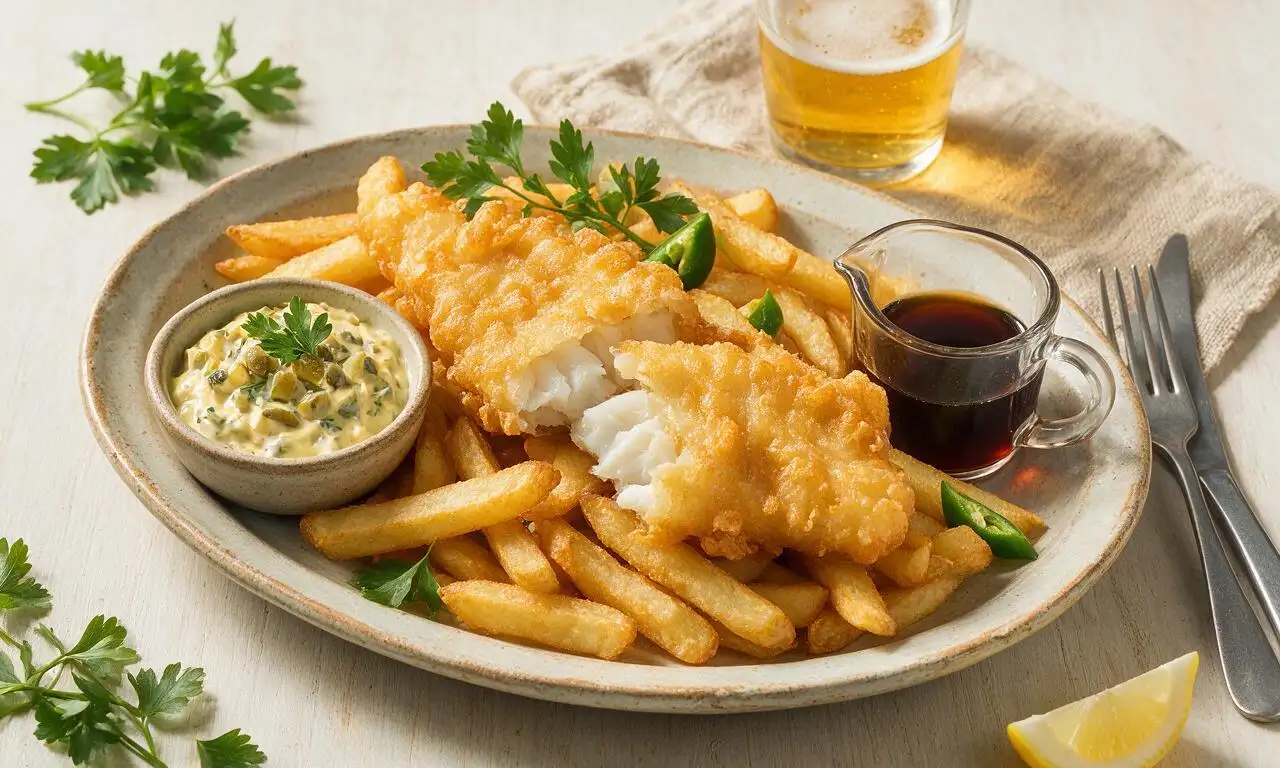
Crispy golden beer-battered cod and fluffy double-fried chips, served with tangy tartar sauce and malt vinegar: the timeless, beloved British pub comfort classic.

⏱️ 45 minuteMain Course ★ 4.7
Main Course
🍜 Mexico

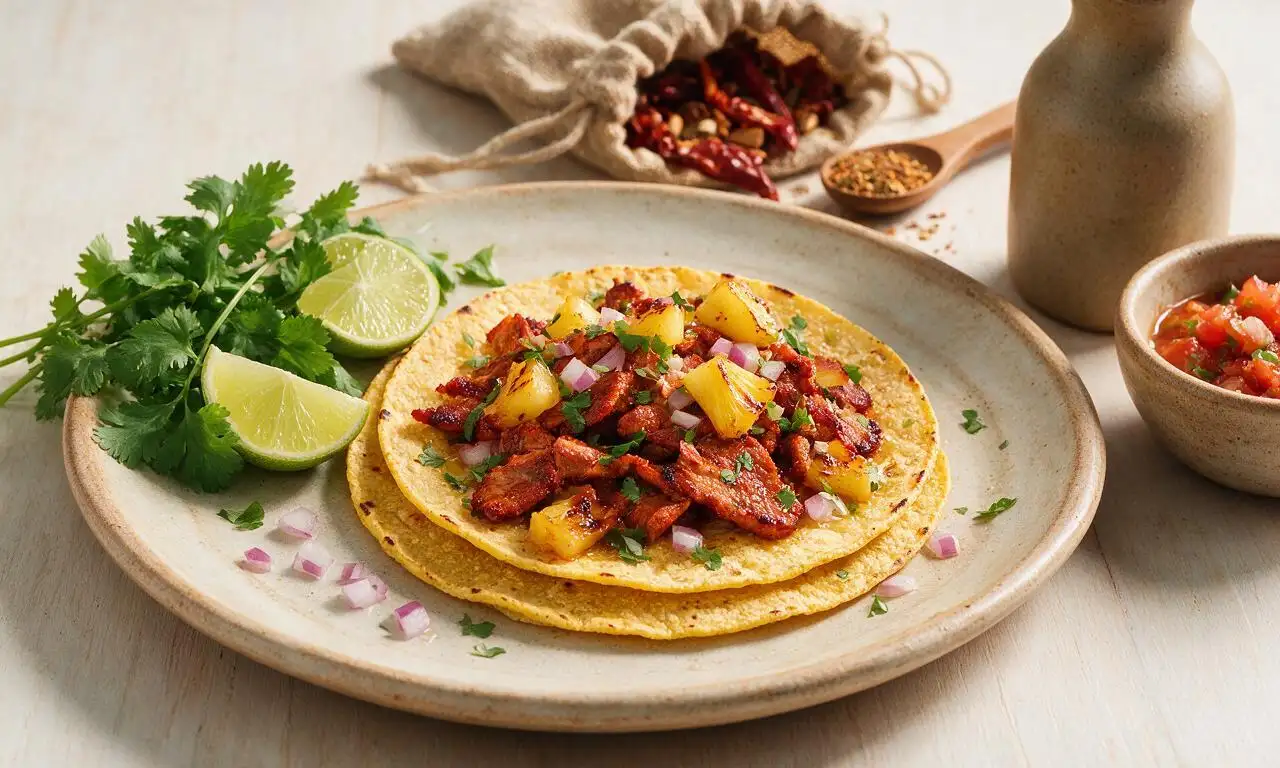
Smoky, chile-marinated pork tacos with caramelized pineapple, fresh cilantro, and lime: a beloved classic Mexican street food perfect for casual summer gatherings.

⏱️ 1 hour 45Main Course ★ 4.8
Main Course
🍜 United States

Crunchy Fritos corn chips layered with savory beef chili and melted cheddar, topped with cool, zesty fixings for a beloved, cozy Tex-Mex comfort food.

⏱️ 35 minuteMain Course ★ 4.8

thai shrimp curry:Frequently Asked Questions

1.Can I use light coconut milk instead of full-fat for this Thai shrimp curry? ▾
I don’t recommend swapping entirely for light coconut milk, as it’s diluted with water and often has added stabilizers that create a watery, grainy curry instead of that luxe, creamy classic texture. If you want to cut calories a bit, use ¾ of a can of full-fat coconut milk mixed with ¼ cup low-sodium chicken or vegetable broth instead.
2.Do I have to leave the shrimp tails on for this recipe? ▾
Leaving the tails on is totally optional! Tails add a subtle, briny seafood depth as the shrimp simmers, and they look nice for serving, but they’re a hassle to pick around while eating if you prefer easy, bite-sized pieces. Just peel them fully if that’s your preference, and add a tiny pinch of extra salt to make up for the lost brininess.
3.How spicy is this Thai red curry version going to be? ▾
Standard store-bought Thai red curry paste lands at a mild to medium heat level, around a 3/10 on the spice scale for most eaters, so it’s very approachable. If you love extra heat, stir in an extra tablespoon of paste or a sliced fresh Thai bird’s eye chili; for less heat, cut the paste amount in half and add a pinch more brown sugar to balance.
4.Can I make this curry ahead of time for meal prep? ▾
You can absolutely prep components ahead, but I don’t recommend cooking the shrimp fully until right before serving. Pre-chop your bell pepper and onion, measure out your curry paste and coconut milk, and store everything in airtight containers in the fridge for up to 3 days. If you cook shrimp early, they’ll turn rubbery and tough when you reheat the curry later.
5.What’s the best way to keep the shrimp tender and not rubbery? ▾
The biggest trick is to not overcook them! Pat your peeled, deveined shrimp dry first, then add them to the simmering curry during the last 3 to 4 minutes of cook time. They’re done the second they turn opaque pink and curl into a loose “C” shape; if they curl into a tight O, they’re already overcooked and chewy.
6.Can I substitute frozen shrimp for fresh in this recipe? ▾
Frozen shrimp works perfectly here, as long as you thaw it properly first! The easiest method is to seal frozen shrimp in a zip-top bag and submerge it in cold tap water for 15 to 20 minutes until fully thawed, then pat it completely dry with paper towels before adding it to the curry. Never thaw shrimp in hot water, as that makes the outside mushy.
7.Do I need any special equipment to make this weeknight curry? ▾
Nope, no fancy tools required! All you need is a large deep skillet or Dutch oven, a wooden spoon, and a cutting board and knife for prepping veggies. You don’t need a mortar and pestle here, since we use pre-made Thai red curry paste to keep this a fast, low-fuss weeknight meal ready in under 30 minutes total.
8.What should I serve with this Thai shrimp curry to make a full meal? ▾
The classic pairing is fluffy jasmine rice, which soaks up all that creamy, aromatic curry sauce perfectly. For a lower-carb option, serve it over riced cauliflower or zucchini noodles. I also love setting out extra fresh lime wedges and a small bowl of quick pickled cucumbers so people can add a bright, tangy kick to their own serving.
9.Can I swap the red bell pepper and yellow onion for other veggies? ▾
Absolutely, those veggies are just a classic, accessible base! Other great crisp-tender add-ins include sliced bamboo shoots, snow peas, diced baby corn, blanched broccoli florets, or thinly sliced carrots. Just don’t overcook your veggies—they should have a little crisp snap left to contrast the creamy sauce and tender shrimp.
10.Why does my curry taste bitter, and how do I fix it? ▾
Bitter curry almost always happens when you don’t sauté the red curry paste long enough before adding coconut milk. Fry the paste in a tiny splash of the thick coconut cream from the top of the can for 2 to 3 minutes first to mellow out harsh raw spice notes. If it’s still bitter, stir in a teaspoon of brown sugar or extra lime to balance.
11.Is this Thai shrimp curry gluten-free? ▾
As written, this curry is naturally gluten-free, as none of the core ingredients (shrimp, coconut milk, red curry paste, bell pepper, onion) contain wheat. That said, always double-check the label on your store-bought red curry paste, as some cheaper brands add wheat-based soy sauce as a filler. Swap for a gluten-free brand if needed.
12.Can I use a different curry paste instead of red? ▾
You can swap for green or yellow Thai curry paste if that’s what you have on hand, just note the flavor will shift! Green curry paste is brighter, grassier, and a touch spicier, while yellow curry paste is milder, warmer, and has notes of turmeric and cumin. Skip Indian curry powder, as it won’t give that classic Central Thai flavor.
13.How long will leftovers stay good in the fridge? ▾
Stored in a sealed airtight container, leftover Thai shrimp curry will stay fresh in the fridge for up to 3 days. When reheating, warm it gently over low heat on the stovetop rather than microwaving on high, as high heat will make the shrimp rubbery and can cause coconut milk to separate. Add a splash of broth if the sauce thickens too much.
14.Do I need to add fish sauce to this curry? ▾
A small splash of fish sauce is a great optional add-in to boost that classic umami depth that balances rich coconut and warm spices, but it’s not required if you don’t keep it on hand or avoid fish products. If you skip it, add a ¼ teaspoon of extra salt and a tiny pinch of sugar to replicate that balanced salty-savory note.
15.Why does my coconut milk separate when I cook the curry? ▾
A little separation is totally normal, especially with high-quality full-fat coconut milk, and it doesn’t mean you did anything wrong! If you want a super smooth, emulsified sauce, whisk in 2 to 3 tablespoons of the reserved thin coconut milk from the can a little at a time over low heat until the sauce comes back together smoothly.
16.When do I add the lime and fresh basil mentioned in the recipe intro? ▾
Add both at the very end, right after you turn off the heat! Squeezing fresh lime in too early will cook off that bright, zesty citrus aroma and make the curry taste flat instead of bright, and adding Thai basil early will wilt it completely and mute its signature anise-like fresh flavor. Toss both in right before serving.
17.Can I freeze leftover Thai shrimp curry for later? ▾
I don’t recommend freezing this curry once it’s cooked with shrimp, as the shrimp will turn mushy and rubbery when thawed and reheated, and the coconut milk sauce will often separate and turn grainy in the freezer. If you want a freezer-friendly batch, freeze the cooked sauce and veggies without shrimp, then add fresh shrimp when you reheat it to serve.

Comments (6)

2 days ago

OMG this Thai shrimp curry was a total game changer for our weeknight dinner rotation! I had all the ingredients on hand (swapped regular basil for Thai basil since my grocery store was out) and it was done in literally 20 minutes flat. My two picky kids devoured it and asked for seconds, which never happens. 10/10 will be making this for our next potluck too!

yesterday

Wait did the regular basil work okay? I can never find Thai basil at my store either and I’ve been nervous to substitute!

yesterday

So happy your family loved it! Regular basil works perfectly as a swap for Thai basil in a pinch — you can add a tiny pinch of anise seed to mimic that slight licorice note if you have it, but it’s totally delicious either way!

5 days ago

SO good. I meal prepped this on Sunday and ate it for lunch all week, held up way better than I thought it would over rice. Only thing I added was an extra squeeze of lime at the end because I love that bright zing. Super easy even for someone who burns toast half the time lmao

1 week ago

This was so quick and tasty! I used lite coconut milk to cut a few calories and it still came out super creamy and flavorful. Served it with coconut rice and roasted broccoli for a perfect date night in. Only gave 4 stars because I wish there was a little more heat, but that’s an easy fix with extra curry paste next time!

5 days ago

Thanks for the great feedback! So glad you enjoyed it — adding an extra teaspoon (or two!) of red curry paste or a sprinkle of red pepper flakes is the perfect way to crank up the heat to your taste. Hope you love it even more next time!

3 days ago

Made this last night for my family and wow, it tasted just like the takeout we get from our local Thai spot but half the cost and way faster! My husband said it’s restaurant quality. Has anyone tried adding veggies to this? I’m thinking bell peppers and snap peas next go around.

2 days ago

I added bell peppers, snap peas, and a handful of baby spinach last week! Tossed them in when the shrimp was almost done cooking so they stayed crisp-tender, it was chef’s kiss.

2 days ago

Adding veggies is such a great call! Bell peppers, snap peas, even cubed eggplant or bamboo shoots work beautifully — just add firmer veggies a few minutes before the shrimp so they cook through evenly. So happy it stacked up to your local takeout!

yesterday

This recipe saved my crazy Tuesday night! I got home late from soccer practice with the kids, had frozen shrimp in the freezer and a can of coconut milk in the pantry, threw this together faster than I could get delivery. Everyone cleaned their plates. Will be on permanent rotation!

30 minutes ago

Same! Frozen shrimp is my secret weeknight weapon, I never thought to use it for curry before this. Game changer for busy nights for sure.

2 hours ago

Made this after a long day on the trails and it hit so hard. Used extra shrimp, added a dollop of peanut butter to the sauce like I do with my homemade pad thai, and it was chef’s kiss. Super straightforward, zero fancy skills required. Will make again post-hike for sure.