tomato rasam

title 1
tomato rasam
⏱️ cook time 15 minutes
🍽️ servings 4
⚡ Difficulty easy

intro

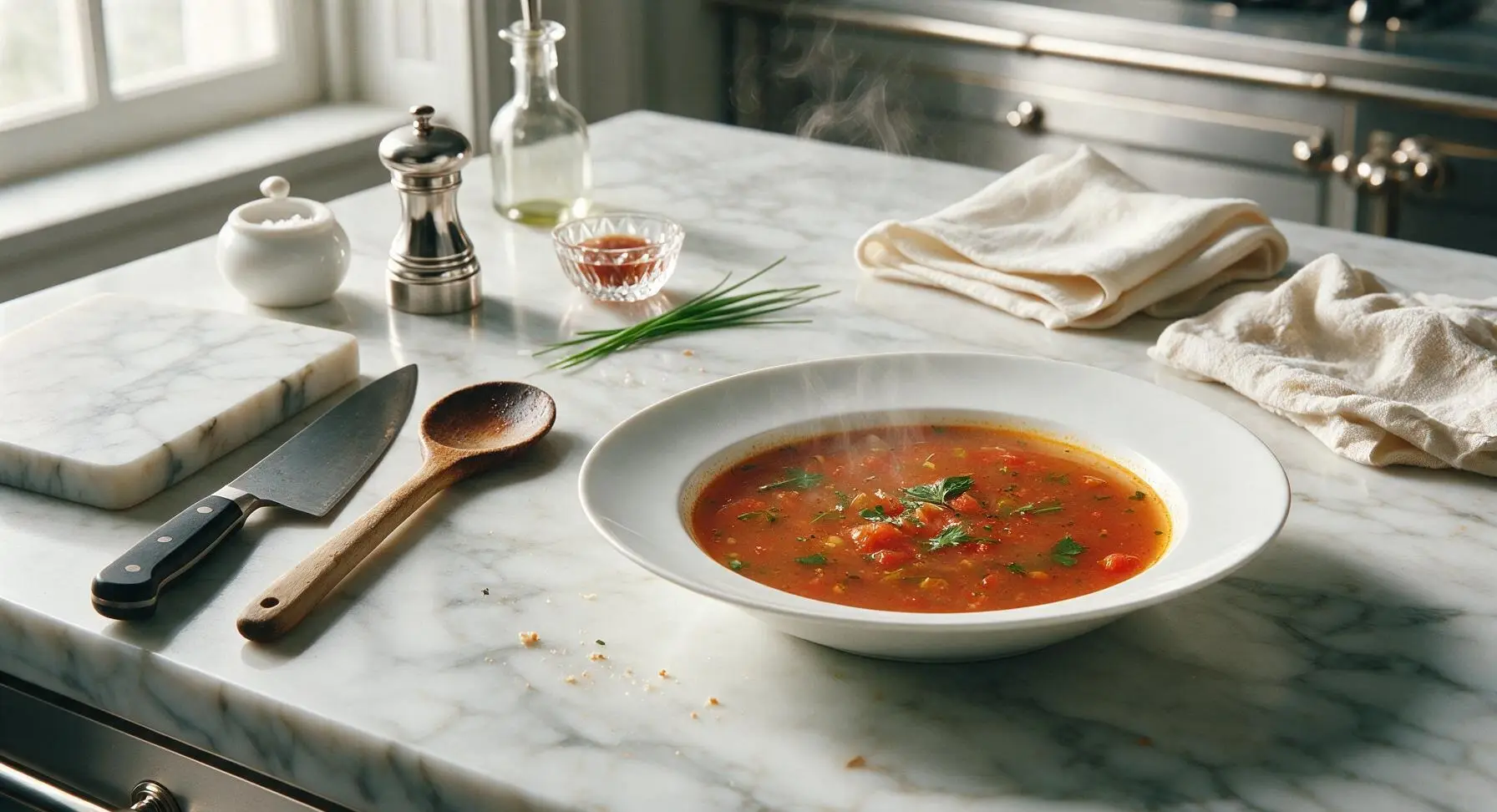
Tangy, aromatic spiced tomato broth, light yet deeply flavorful, perfect to sip on its own or pair with steamed rice for a quick, comforting meal.

Ingredients
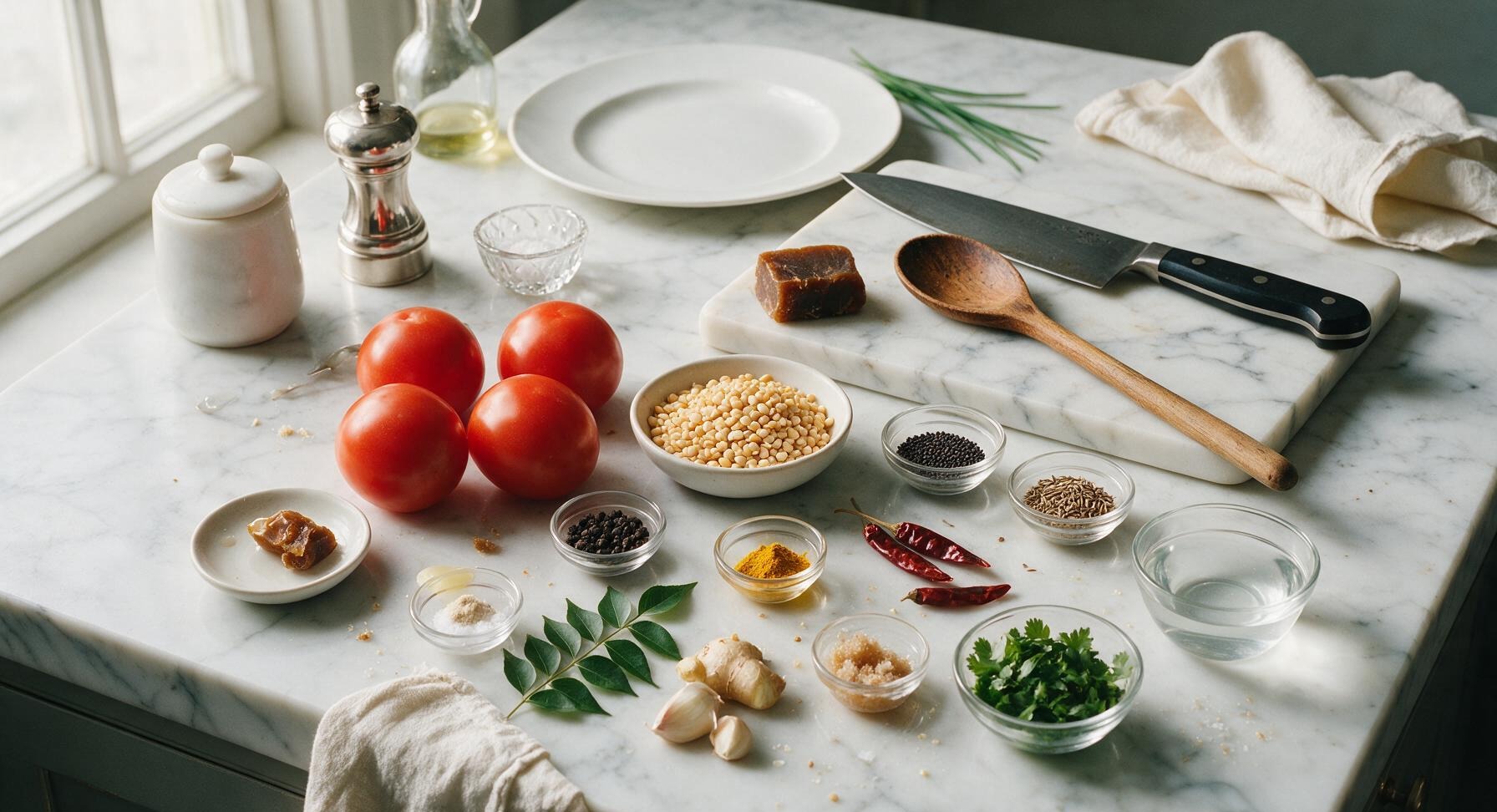
Ripe red tomatoes 4 medium (approx 500g)
Seedless tamarind block 1 tbsp
Cooked split pigeon peas (toor dal) 1/4 cup
Ghee 1 tsp
Black mustard seeds 1 tsp
Cumin seeds 1 tsp
Whole black peppercorns 1/2 tsp
Dried red chilies 2
Asafoetida (hing) 1/4 tsp
Turmeric powder 1/4 tsp
Fresh curry leaves 1 sprig (12 leaves)
Fresh ginger 1 inch knob
Garlic cloves 2
Fresh cilantro 2 tbsp chopped
Grated jaggery 1 tsp
Fine sea salt 1 tsp (adjust to taste)
Water 3.25 cups

Steps

1

Prep fresh produce

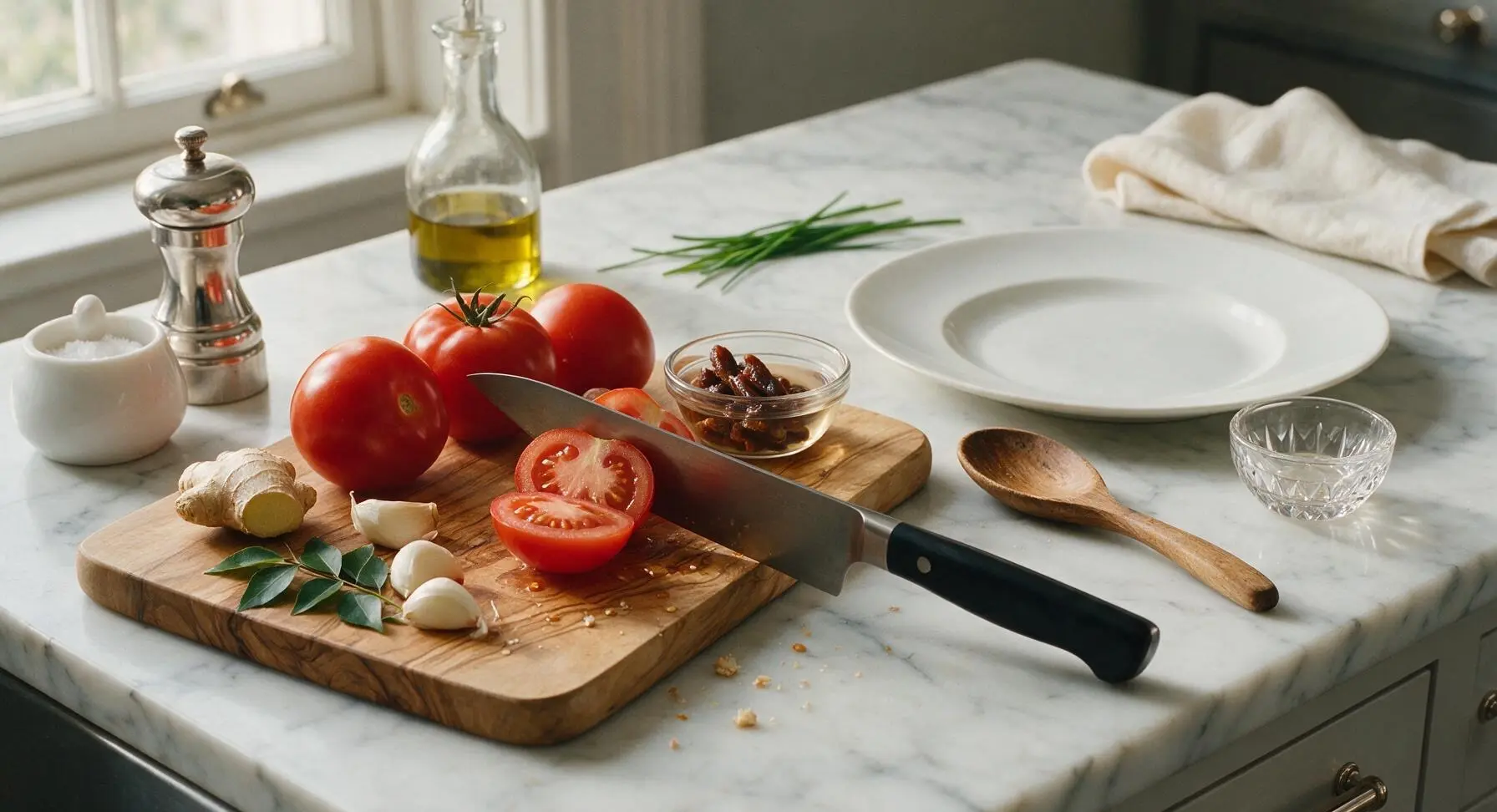
Set the honey-toned acacia cutting board in its fixed center-left counter position. Rinse 4 ripe tomatoes, 1 sprig of curry leaves, and cilantro under cool running water. Use the walnut-handled chef knife to roughly chop tomatoes into 2cm chunks, peel and lightly crush the 1-inch ginger knob and 2 garlic cloves with the flat of the knife, and set aside 12 whole curry leaves. Place 1 tbsp seedless tamarind in a small glass ramekin, cover with 1/4 cup warm water, and set aside to soften for 5 minutes.
Step 1
step1:Prep fresh produce
2

Strain tamarind pulp

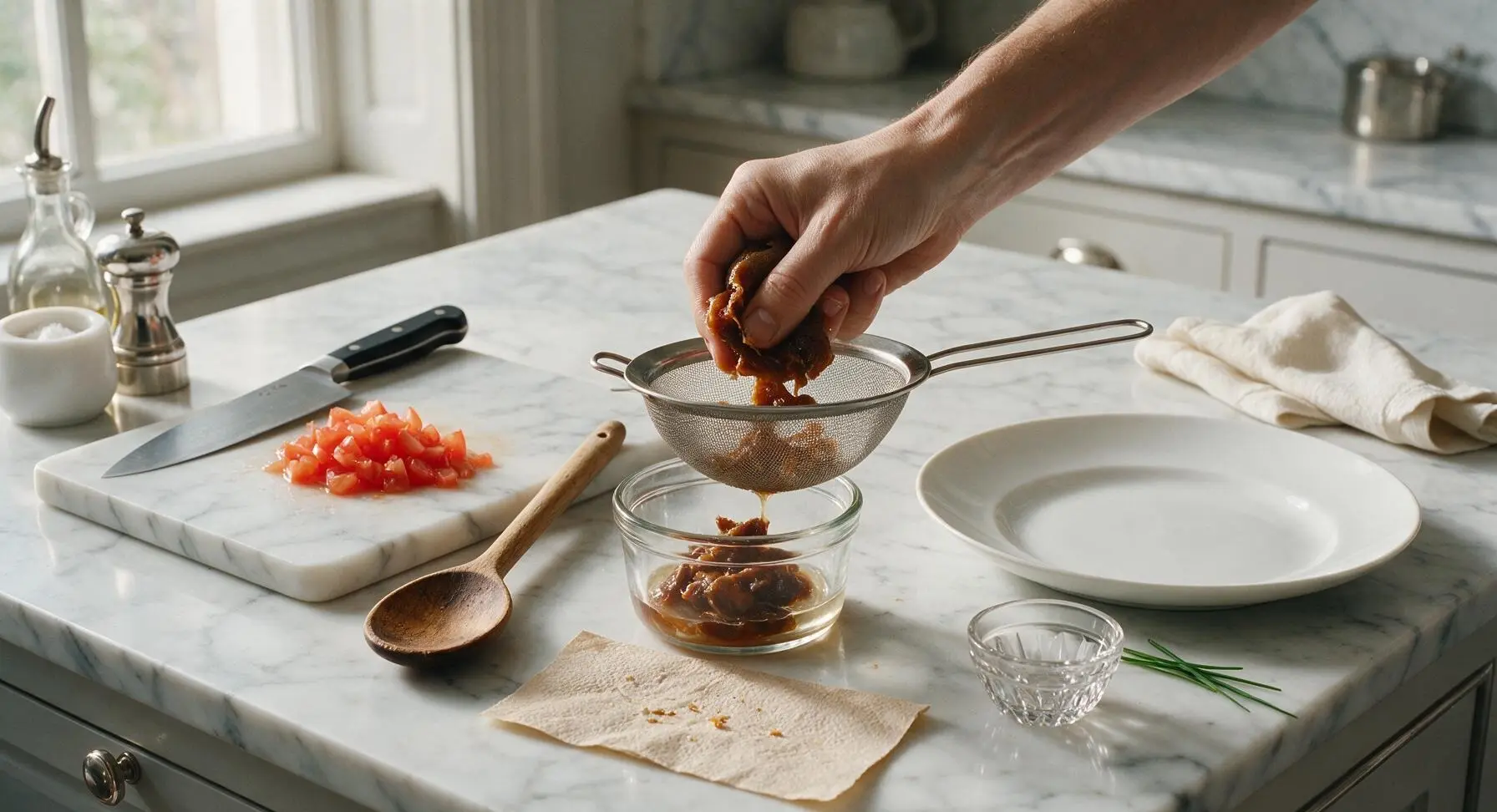
After 5 minutes of soaking, squeeze the softened tamarind in the warm water with clean fingers to extract all tangy, dark pulp, separating and discarding any tough fibrous strands or hidden seeds. Place the fine-mesh stainless steel sieve over a clean glass ramekin, and pour the tamarind mixture through to collect smooth, seed-free pulp; discard the solids left in the sieve. Set the strained pulp aside.
Step 2
step2:Strain tamarind pulp
3

Simmer tomato base

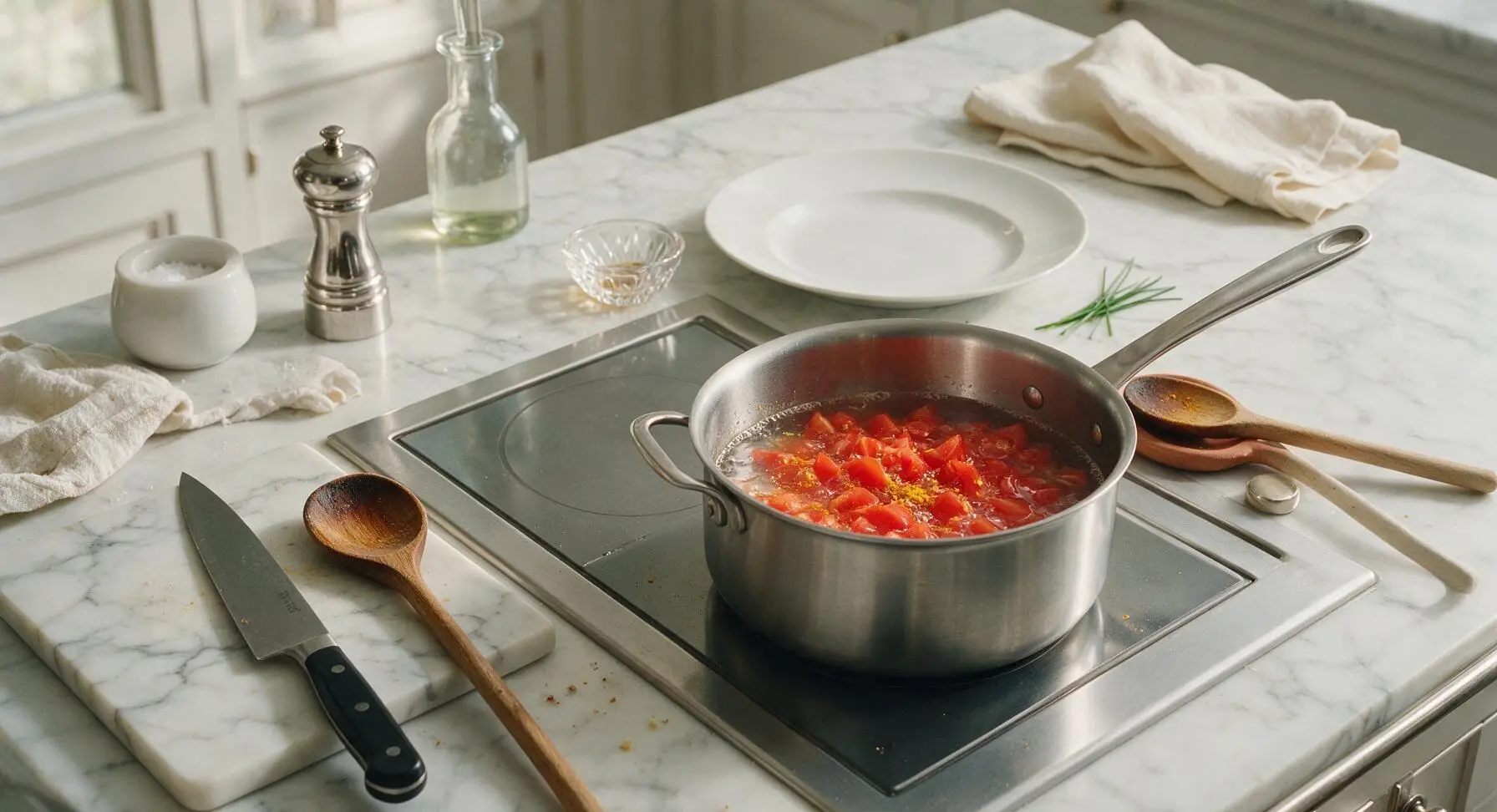
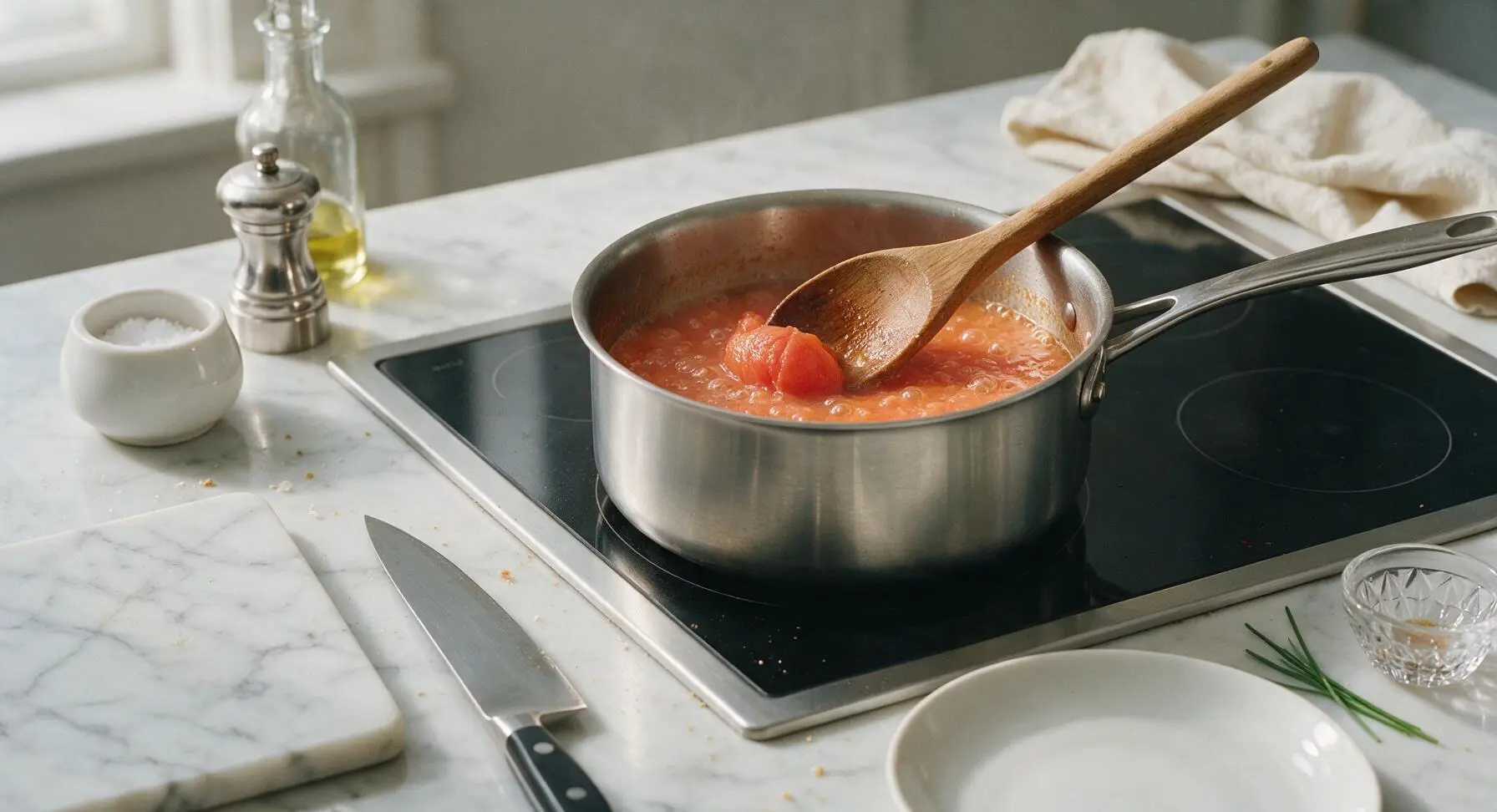
Retrieve the 2-liter brushed stainless steel saucepan and place it on the center-right induction cooktop zone. Add the chopped tomatoes, crushed ginger, crushed garlic, 1/4 tsp turmeric powder, 1 tsp sea salt, 1 tsp grated jaggery, and 2.5 cups water to the pan. Set heat to medium to bring the mixture to a gentle rolling boil, then reduce heat to low, cover, and simmer for 8 minutes. The base is ready when tomatoes are completely soft and break apart easily when pressed with the wooden stirring spoon.
Step 3
step3:Simmer tomato base
Step 3
step3:Simmer tomato base
4

Mash and add dal

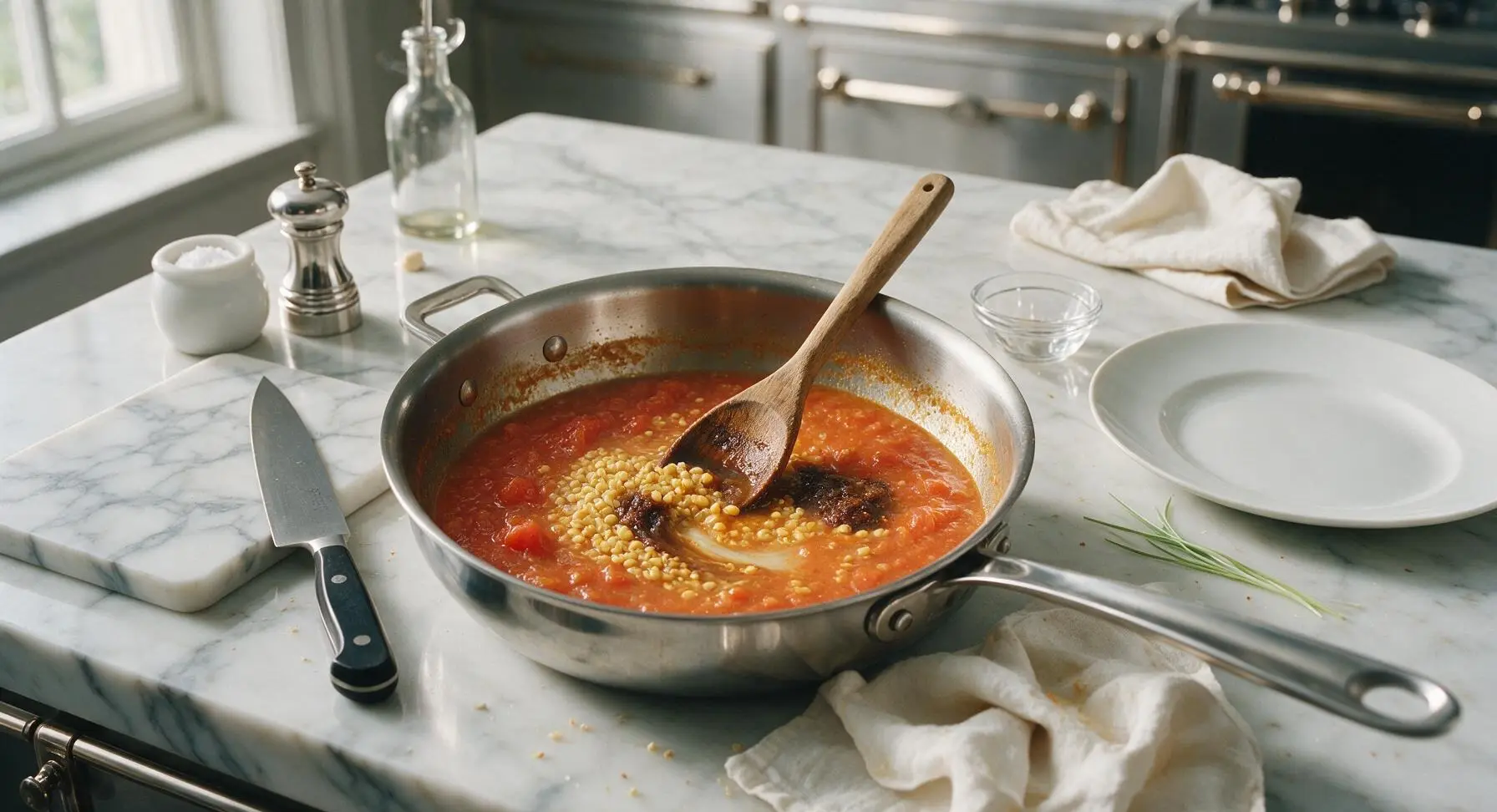
Turn heat to the lowest setting. Use the back of the wooden stirring spoon to gently mash the softened tomatoes directly in the pan until the broth is mostly smooth, leaving a few small tomato chunks for pleasant texture. Stir in the strained tamarind pulp and 1/4 cup pre-cooked toor dal, mixing thoroughly to create a uniform reddish-orange broth. Simmer for 2 additional minutes, then taste and add a pinch more salt if needed.
Step 4
step4:Mash and add dal
5

Make spice tempering

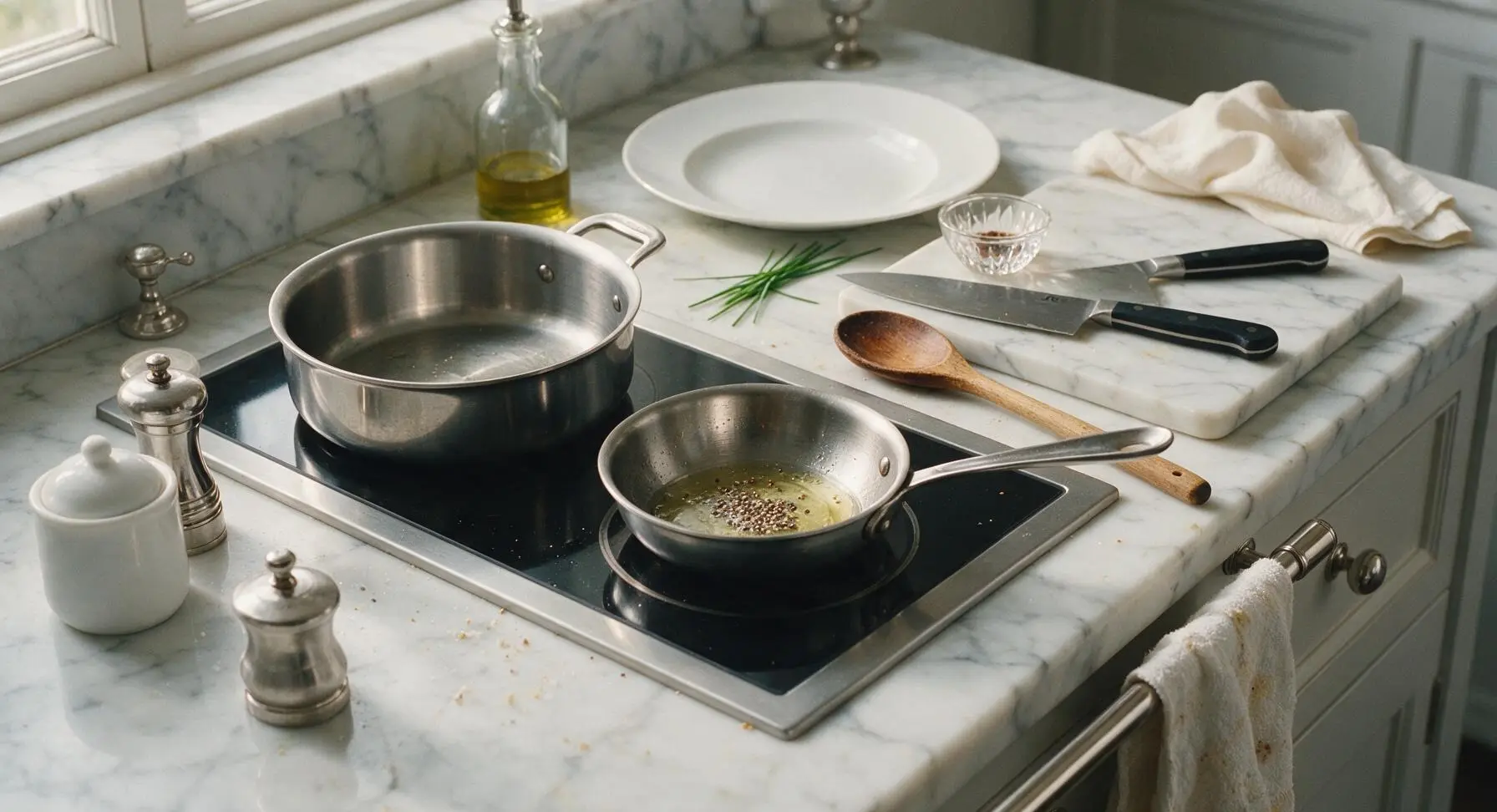
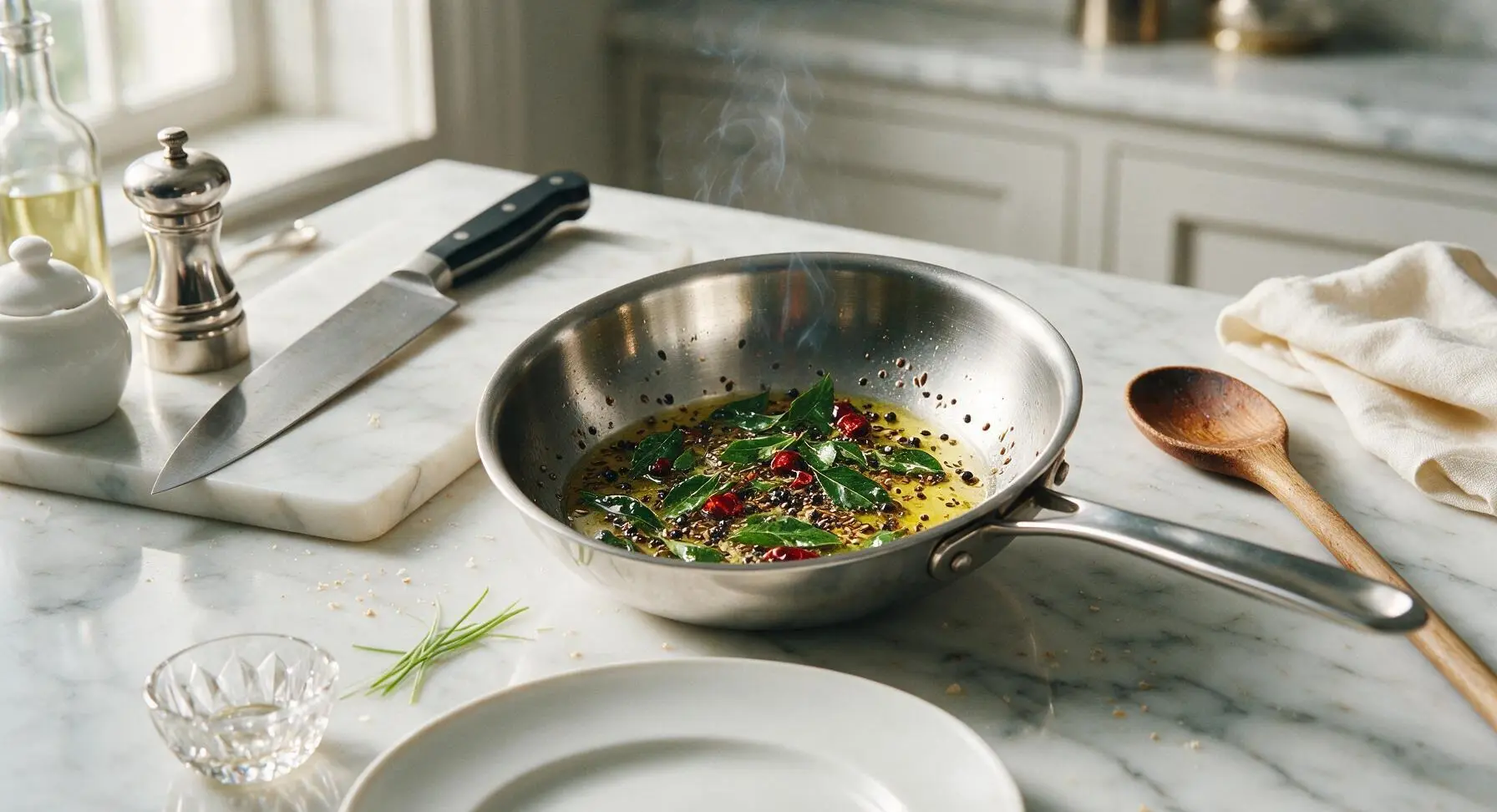
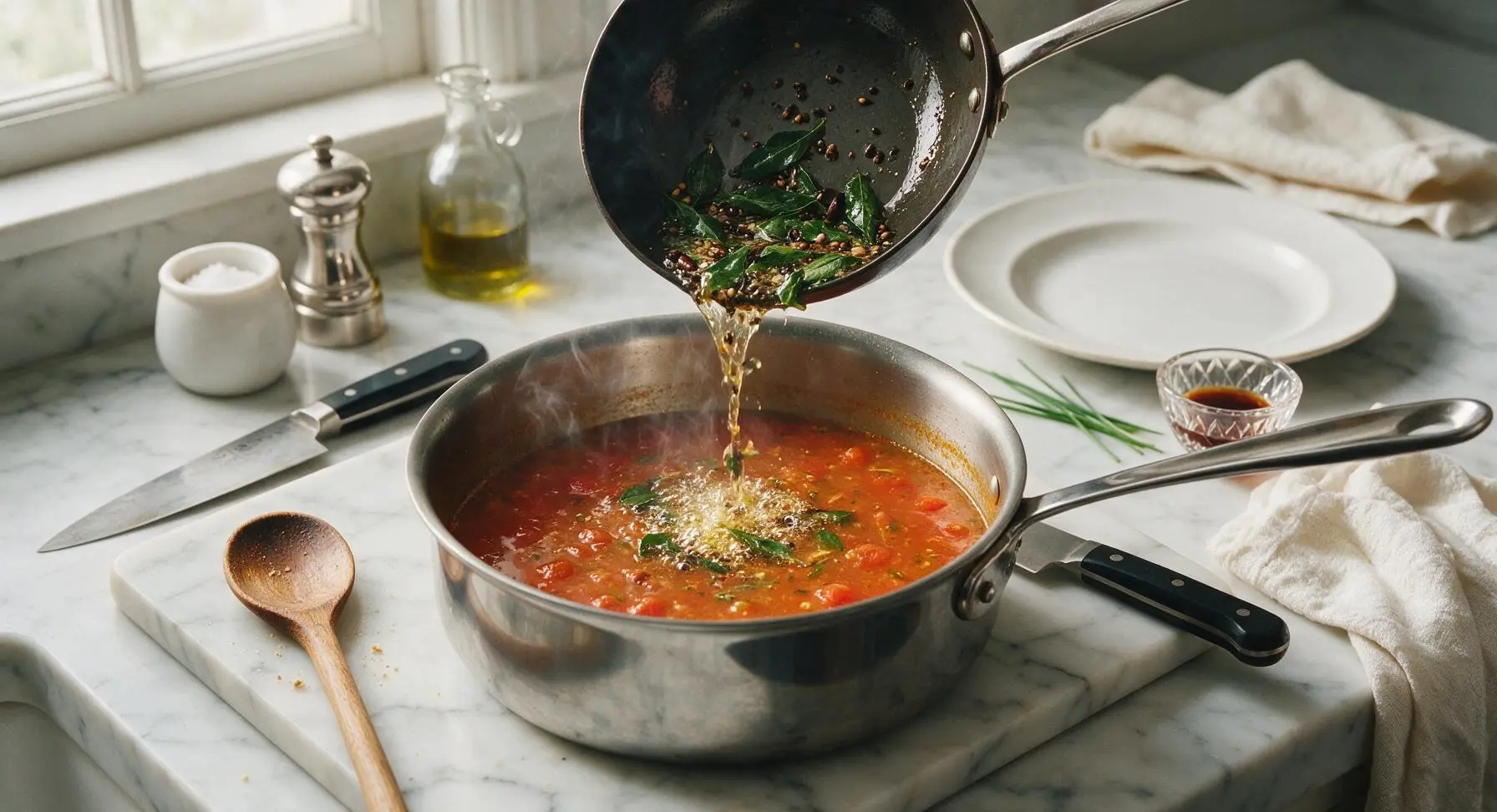
Retrieve the small stainless steel tadka pan and place it on the smaller induction zone adjacent to the main saucepan. Add 1 tsp ghee to the tadka pan and heat over medium-low until melted and shimmering (do not let it smoke). Add 1 tsp black mustard seeds and let them pop for 10 seconds, then add 1 tsp cumin seeds, 1/2 tsp whole black peppercorns, 2 dried red chilies (broken in half), the reserved curry leaves, and 1/4 tsp asafoetida. Sauté for 15 seconds until curry leaves turn crisp and release a bright, herby aroma, taking extreme care not to burn the spices.
Step 5
step5:Make spice tempering
Step 5
step5:Make spice tempering
6

Combine tempering with broth

Immediately pour the entire contents of the hot tadka pan (spiced ghee and all spices) directly into the simmering rasam in the main saucepan – you will hear a sharp, satisfying sizzle as the hot fat hits the warm broth. Stir once gently to distribute the spices, then turn off the heat entirely. Do not boil the rasam after adding the tempering, as high heat will destroy the delicate aromatic compounds in the spices.
Step 6
step6:Combine tempering with broth
7

Garnish and rest rasam

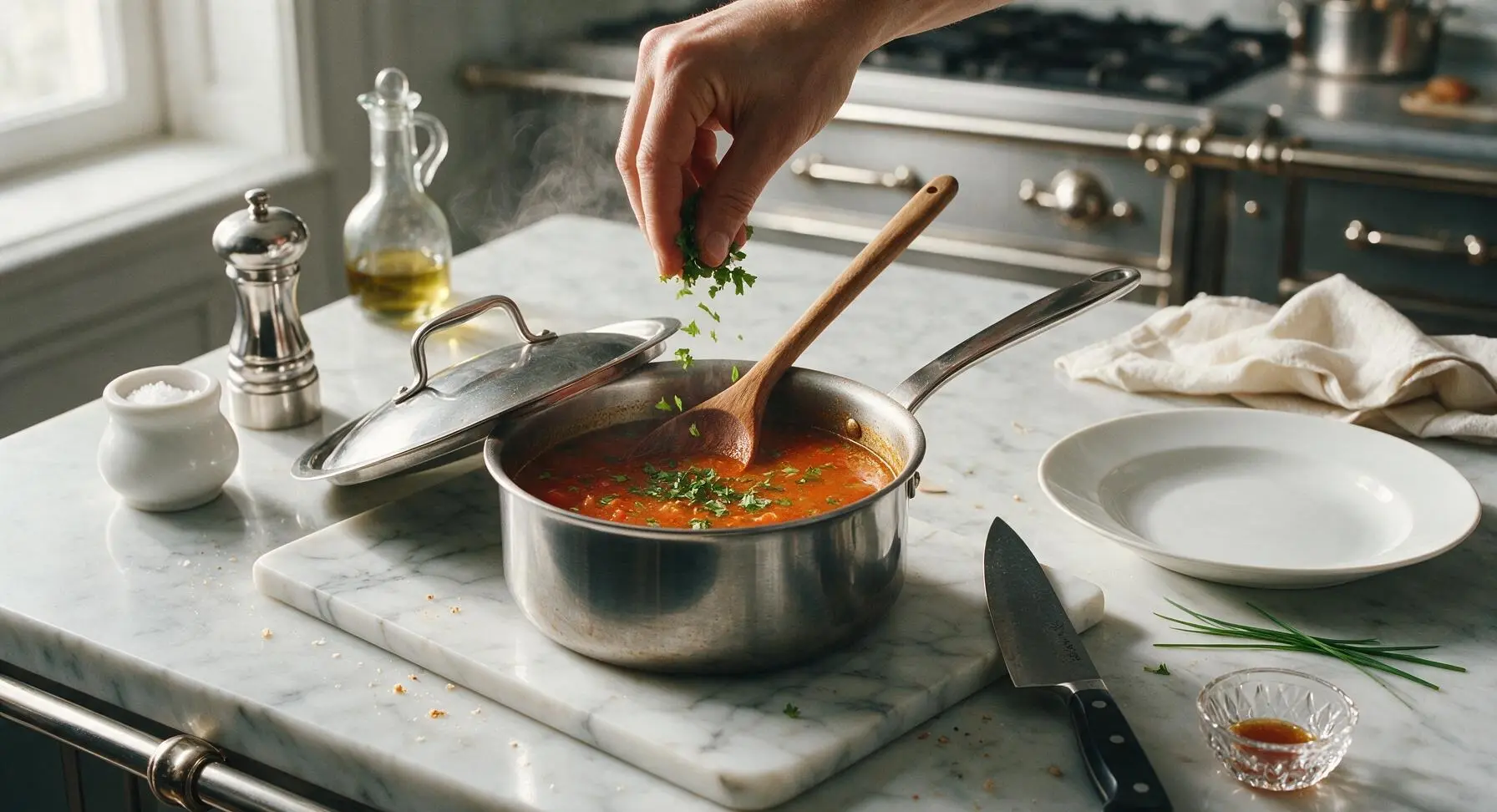
Stir 2 tbsp chopped fresh cilantro into the rasam, then place the lid loosely on the saucepan and let the dish rest for 3 minutes off heat. This resting period allows the spice flavors to meld evenly throughout the broth instead of remaining concentrated on the surface, resulting in a more balanced taste.
Step 7
step7:Garnish and rest rasam

Tips

1.Use fully ripe, juicy in-season tomatoes for the deepest, sweetest flavor: firm, underripe tomatoes will produce a flat, overly tart rasam that lacks the signature rich tomato base. If ripe tomatoes are unavailable, add 1 tbsp of unsweetened tomato puree to the simmering base to boost depth.
2.Watch the tempering spices closely to avoid burning: if mustard seeds turn dark brown or curry leaves turn black and brittle, discard the entire tempering batch and start over. Burnt spices add a harsh, bitter flavor that overwhelms the bright, tangy profile of the rasam.
3.Skip the post-tempering boil: the volatile aromatic compounds in curry leaves, cumin, and asafoetida break down quickly with prolonged high heat. Pouring the sizzling hot tempering into the warm broth and letting it rest off heat delivers the brightest, most authentic flavor without cooking off delicate spice notes.
✨ You May Also Like

Soups & Stews
🍜 Japan

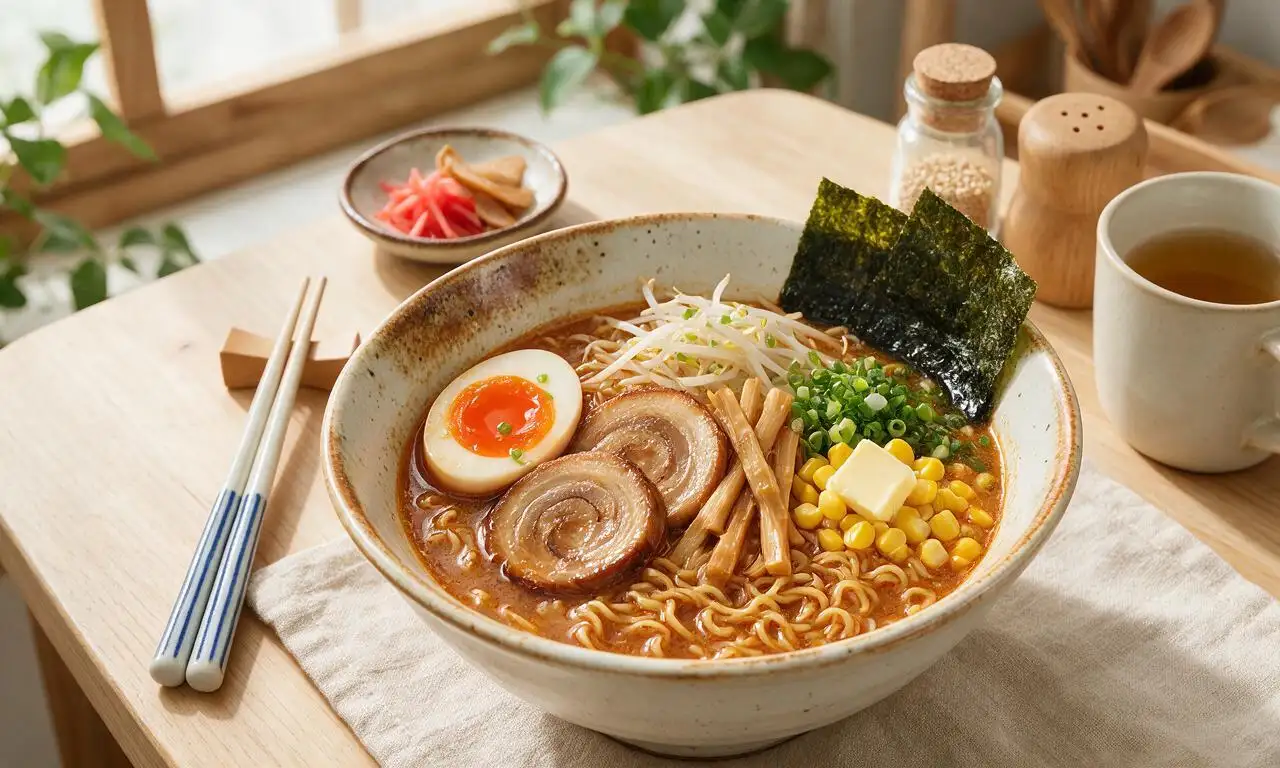
Rich, umami-dense Hokkaido-style miso ramen with chewy noodles, savory fermented broth, and classic toppings, a cozy, deeply satisfying warm meal.

⏱️ 45 minuteSoups & Stews ★ 4.5
Soups & Stews
🍜 United States

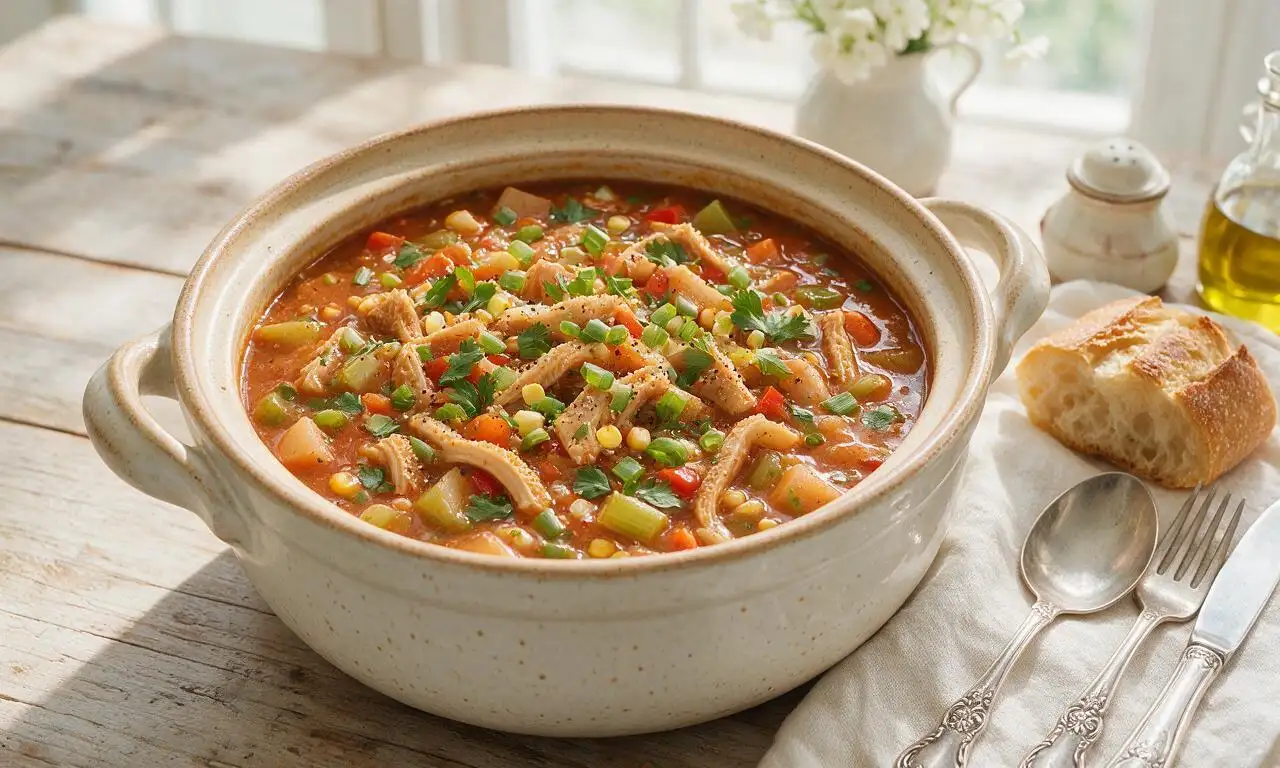
A hearty, peppery tripe and root vegetable stew with colonial Philadelphia roots, thick, warming, and packed with bold savory flavor for cold winter days.

⏱️ 2 hours 3Soups & Stews ★ 4.6
Soups & Stews
🍜 Mexico

Hearty, warming red pork posole loaded with tender hominy, slow-simmered in a rich smoky chile broth, served with zesty fresh garnishes for a deeply comforting, satisfying meal.

⏱️ 2 hours 3Soups & Stews ★ 4.7
Soups & Stews
🍜 United States

Warm, soothing classic chicken noodle soup loaded with tender chicken, soft egg noodles, and savory veggies, perfect for chasing chills and feeding the whole family.

⏱️ 40 minuteSoups & Stews ★ 4.9
Soups & Stews
🍜 France

Deeply savory caramelized onion broth topped with crusty bread and bubbly melted Gruyère, a timeless French bistro comfort food ideal for cold days.

⏱️ 1 hour 25Soups & Stews ★ 4.8
Soups & Stews
🍜 United States

Hearty, briny Maryland crab soup loaded with sweet blue crab, tender summer vegetables, and zesty Old Bay, a beloved Chesapeake Bay coastal comfort staple.

⏱️ 55 minuteSoups & Stews ★ 4.9

tomato rasam:Frequently Asked Questions

1.What makes South Indian tomato rasam different from sambar? ▾
Great question! Unlike thick, dal-heavy sambar, tomato rasam is a light, brothy, tangy spiced soup. It uses a small amount of cooked toor dal for subtle body rather than a thick base, leans into bright tomato and tamarind tang, and has a delicate aromatic tempering that makes it perfect for sipping straight or pairing with rice.
2.Can I use unripe green tomatoes for this rasam? ▾
I don’t recommend it for classic tomato rasam. Ripe, deep red tomatoes are non-negotiable for that signature sweet, bright, juicy base that balances tamarind’s sharp tang. Green tomatoes are overly tart and firm, and will throw off the dish’s balanced, rounded flavor instead of delivering that smooth, rich tomato depth.
3.How do I prep the seedless tamarind block for this recipe? ▾
It’s super simple! Tear off a 1-inch chunk of seedless tamarind, soak it in ½ cup of warm water for 15 minutes, then squeeze and mash it with your fingers to release all the pulp. Strain out any tough fibrous bits before adding the smooth pulp to your rasam, so you don’t end up with stringy texture in the broth.
4.Do I have to use toor dal (split pigeon peas) for this rasam? ▾
For the most authentic, subtle creamy body, cooked toor dal is ideal—it adds a faint, nutty depth without making the broth thick. If you’re in a pinch, you can substitute an equal amount of cooked red lentils (masoor dal), but skip heavier dals like chana dal, which will make rasam too thick and starchy, more like sambar.
5.Can I make this rasam without ghee for a vegan version? ▾
Absolutely! Traditional recipes use ghee for the tempering to add a rich, nutty note, but you can swap it 1:1 for cold-pressed coconut oil or neutral avocado oil to make a fully vegan rasam. Keep the rest of the recipe the same, and you’ll still get that bright, aromatic, tangy flavor you’re looking for.
6.Why do I need black mustard seeds for the tempering? ▾
Black mustard seeds are a core part of the classic South Indian tadka (tempering) that gives rasam its signature aromatic kick. When they pop in hot ghee, they release a nutty, slightly pungent, earthy flavor that cuts through tomato and tamarind tang. Don’t substitute yellow mustard seeds here—they have a sharp, vinegary taste that doesn’t fit.
7.How thick should my finished tomato rasam be? ▾
Classic tomato rasam is thin, brothy, and pourable, not thick like a stew or sambar. It should have a light, almost watery consistency with just a faint creaminess from the small amount of mashed toor dal, plus soft bits of cooked tomato. If it’s too thick, stir in a little hot water to thin it, then adjust salt to taste.
8.Can I drink rasam on its own, or do I have to serve it with rice? ▾
You absolutely can sip it on its own! It’s traditionally served as both a soothing sipping broth (great for colds, upset stomachs, or chilly days) and an accompaniment to steamed rice. Many people also serve it with crispy papadum or a side of vegetable stir-fry for a full, light South Indian meal.
9.My rasam turned out too sour—how do I fix that? ▾
Too much tang usually comes from overdoing the tamarind, or using underripe tomatoes. To balance it out, stir in a tiny pinch of jaggery or granulated sugar, a splash more of mashed cooked toor dal, and a little extra hot water to dilute the sourness. Taste as you adjust, adding small pinches of salt if needed to round out flavors.
10.How long does it take to cook the toor dal for this recipe? ▾
For perfectly soft, mashable toor dal, rinse ¼ cup of dal first, then pressure cook it with 1 cup of water for 3 whistles on medium heat, or simmer it on the stovetop for 20–25 minutes until completely tender. Mash it smooth with a spoon before adding it to rasam, so it blends evenly without lumps.
11.Can I use store-bought tamarind paste instead of a seedless block? ▾
You can, but adjust the quantity carefully! Store-bought tamarind concentrate is much more potent than fresh-soaked pulp from a block. Start with 1 teaspoon of concentrate, taste, and add more only if you want extra tang—using the same amount as block pulp will make your rasam aggressively sour and overpower the tomato flavor.
12.When do I add the tempering of ghee and mustard seeds? ▾
Always add the hot tempering at the very end of cooking, right before you take the rasam off the heat. Heat the ghee, pop the mustard seeds (you’ll hear them crackle!), then pour the entire hot mixture over the rasam and cover the pot for 2 minutes to let the aromatic flavors infuse before serving.
13.How long does leftover tomato rasam stay good in the fridge? ▾
Stored in an airtight container, leftover rasam will stay fresh for 3–4 days in the refrigerator. It actually tastes better the second day, as the spices and tangy flavors meld together more deeply. Reheat it gently on the stovetop over low heat, adding a splash of water if it thickens up as it chills.
14.Can I freeze tomato rasam for later? ▾
Yes, it freezes really well! Let the cooked rasam cool completely, then pour it into freezer-safe containers or bags, leaving ½ inch of headspace for expansion. It will keep for up to 3 months in the freezer. Thaw it in the fridge overnight, then reheat gently on the stovetop before serving, adjusting salt if needed.
15.What other spices are commonly added to classic tomato rasam? ▾
Beyond the core ghee and black mustard seed tempering, most classic recipes add a pinch of asafoetida (hing), a few fresh curry leaves, a dash of turmeric, crushed black pepper, and a small amount of cumin for warmth. These spices add aromatic depth without overpowering the bright, tangy tomato and tamarind base.
16.My mustard seeds aren’t popping when I heat them—what am I doing wrong? ▾
Mustard seeds need sufficiently hot ghee (or oil) to pop properly. If your ghee is too cool, the seeds will just sit there and eventually burn instead of crackling. Heat the ghee over medium heat until it shimmers, toss in one test seed—if it pops right away, the rest are ready to add.
17.Can I add other vegetables to this tomato rasam? ▾
Traditional tomato rasam keeps the focus on ripe tomatoes, but you can add small amounts of finely chopped garlic, diced shallots, or a handful of fresh cilantro at the end for extra flavor. Avoid adding heavy, starchy veggies like potatoes or carrots, though—they’ll make the broth too heavy and distract from its light, tangy profile.
18.Is tomato rasam a good option for when I’m sick? ▾
Absolutely! It’s light, easy to digest, packed with tangy flavor that cuts through congestion, and the warm broth is soothing for sore throats. Gentle spices like black pepper and cumin can help ease upset stomachs, and the small amount of toor dal adds a tiny hit of protein without feeling heavy when you have a low appetite.
19.Do I need to peel the tomatoes before making rasam? ▾
You don’t have to, but peeling them will give you a smoother, silkier broth. To peel easily, score a small X on the bottom of each ripe tomato, blanch them in boiling water for 30 seconds, then plunge into ice water—the skins will slide right off. If you don’t mind a little texture, you can chop unpeeled tomatoes and mash as they cook.
20.Why is my finished rasam bitter, and how can I fix it? ▾
Bitter rasam almost always comes from burnt tempering—if you cook mustard seeds or other spices in ghee too long over high heat, they turn acrid and ruin the broth. It can also happen if you use old, stale tamarind or underripe tomatoes. For slightly bitter batches, stir in a tiny pinch of jaggery and extra fresh tomato to balance the flavor.

Comments (6)

2 days ago

OMG this rasam is SO good! I was looking for a quick weeknight side to go with our leftover rice, and this took literally 15 minutes flat just like the recipe says. My 7 year old asked for a second bowl even though he usually complains about "spicy soup"! Game changer for our weekday meal rotation.

1 day ago

Right?! I made this for our potluck at work last week and everyone was begging for the recipe, even people who said they don't like Indian food!

20 hours ago

So glad your kiddo loved it, Mia! If you want to tone down the heat for little ones next time, you can cut back on the black pepper and skip the green chili entirely without losing that classic tangy flavor.

3 days ago

Super easy to throw together when I'm feeling under the weather! I had a terrible cold last week and this warm, tangy rasam cleared my sinuses better than any store-bought soup. I added a little extra garlic because I'm obsessed, and it turned out perfect.

30 minutes ago

Wait, quick question—can I make a big batch of this for meal prep? I usually cook on Sundays for the whole week and want to know if it freezes well, or if I should just keep it in the fridge for 3-4 days.

10 minutes ago

Great question, Jake! This rasam keeps really well in the fridge for up to 4 days, and it freezes beautifully for up to 3 months. Just give it a good stir when you reheat it, and add a splash of water if it thickens up too much!

1 week ago

Brought this to our family dinner last Sunday and my grandma, who is super picky about South Indian food, said it tasted just like the rasam her mom used to make! I did use fresh homegrown tomatoes from my garden instead of canned, and it was chef's kiss. Will be making this on repeat all tomato season.

2 weeks ago

I've been intimidated to make South Indian food at home because I thought it required a ton of special ingredients, but this was so straightforward! I already had all the spices in my cabinet except curry leaves, which I grabbed from the international aisle at my regular grocery store. SO flavorful, I ate two bowls straight from the pot.

1 week ago

So glad you gave it a try! If you can't find fresh curry leaves next time, the dried ones work in a pinch, just use a little extra since they're milder.

yesterday

Wait, is this supposed to be thinner than sambar? I made it last night and it was the perfect consistency for sipping, but my roommate said he thought it would be thicker? Tasted amazing regardless, just want to make sure I didn't mess up the water ratio!

5 hours ago

Dude rasam is definitely supposed to be thinner, almost like a spicy tomato broth! Your roommate is thinking of sambar, which is thicker and has lentils and veggies in it. You did it right!

2 hours ago

Mike is exactly right, Jenna! Traditional rasam is a light, soupy consistency meant to be sipped or mixed with rice, so it sounds like you nailed the ratio. So glad it tasted great for you!