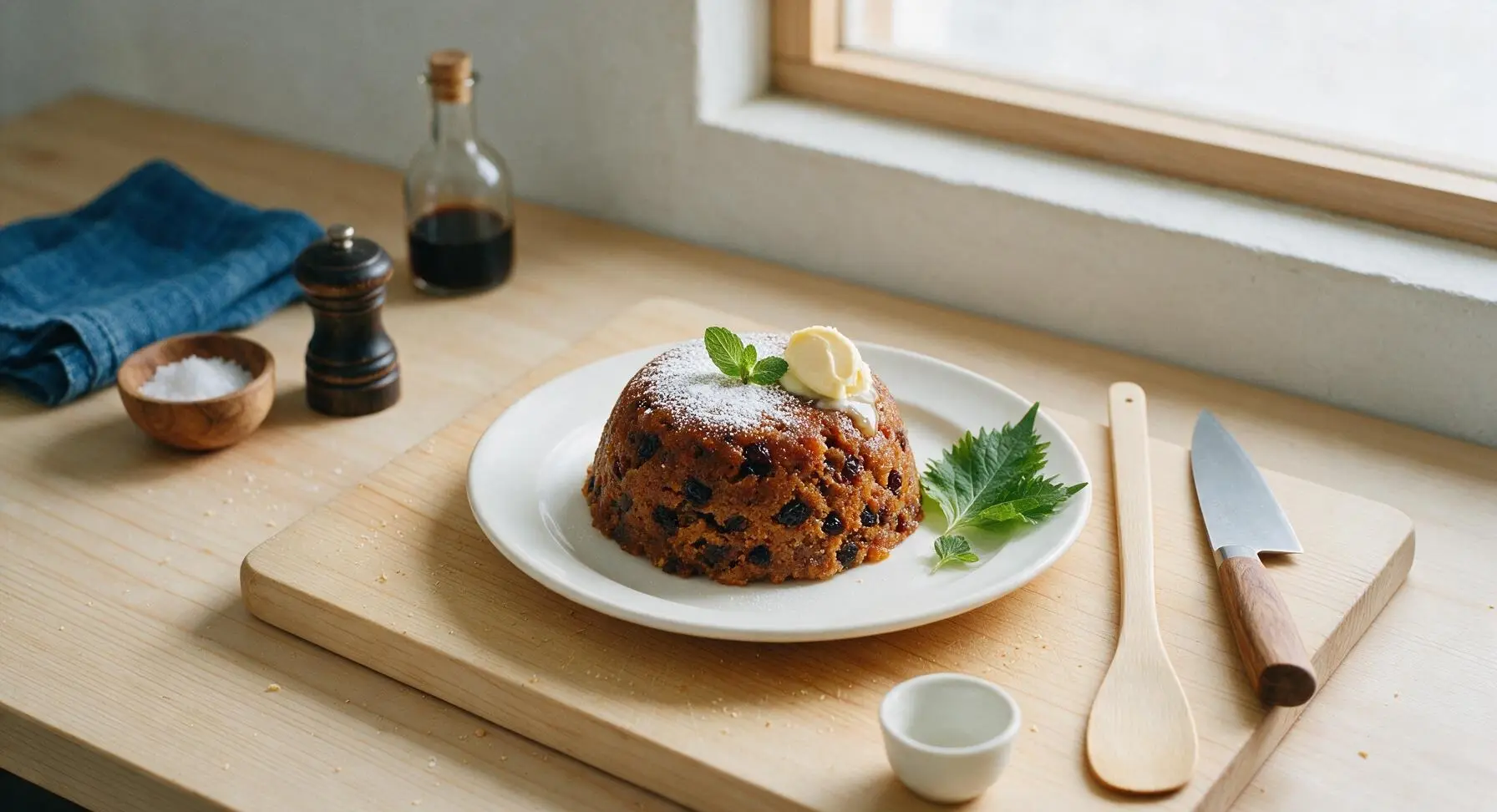
traditional steamed pudding

title 1
traditional steamed pudding
⏱️ cook time 2 hours 30 minutes
🍽️ servings 6
⚡ Difficulty medium

intro

Rich, spiced, moist traditional British steamed pudding studded with dried fruit, served with melting brandy butter: a beloved cozy winter holiday classic.

Ingredients
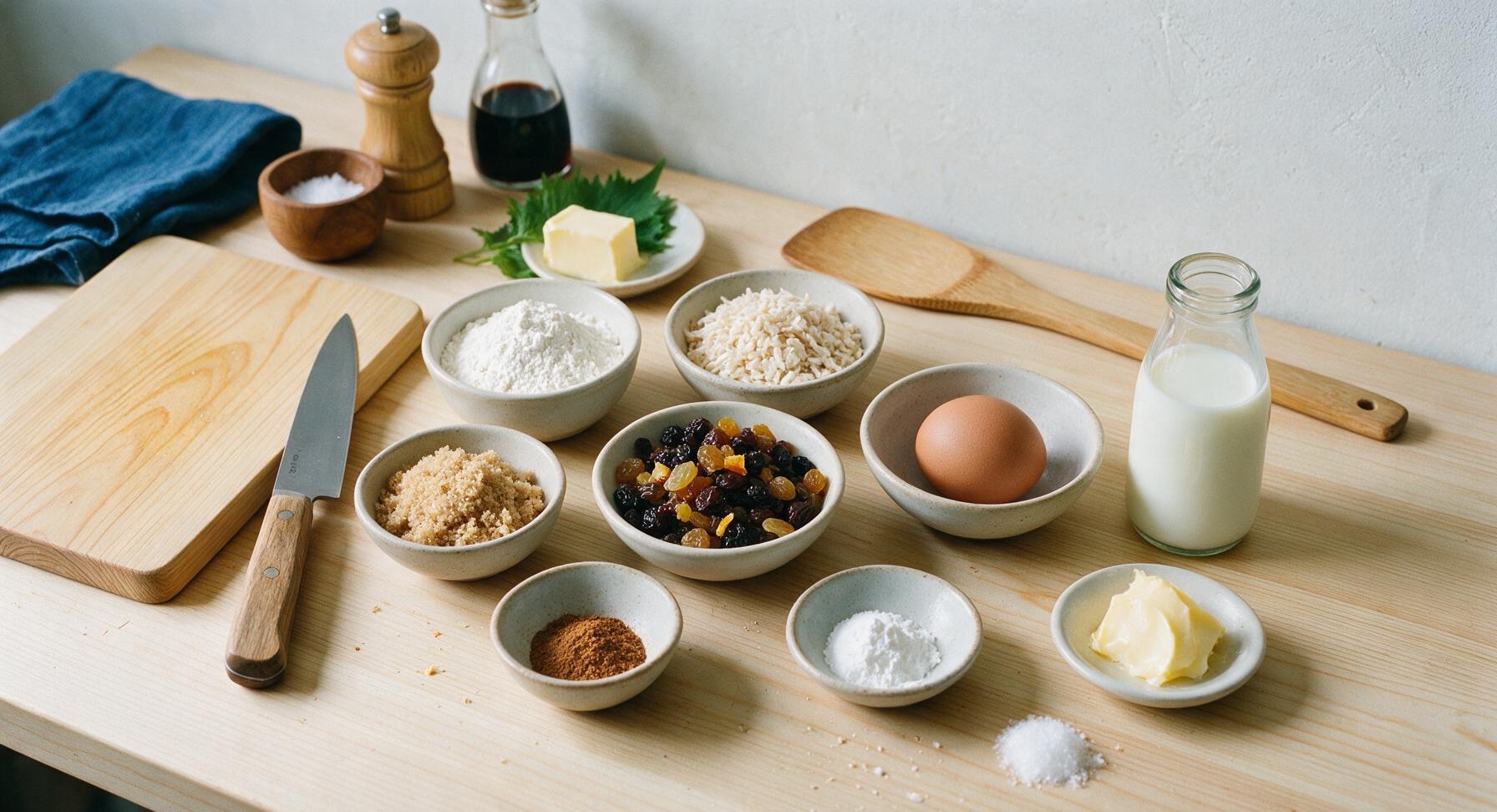
Self-raising flour 150g
Shredded vegetable suet 75g
Light soft brown sugar 75g
Mixed dried fruit (currants, raisins, sultanas, candied orange peel) 150g
Medium free-range egg 1 unit
Whole milk 120ml
Ground mixed spice (cinnamon, nutmeg, allspice) 1 tsp
Baking powder 1 tsp
Fine sea salt 1/4 tsp
Unsalted butter (for greasing) 20g
Brandy butter (for serving) 100g

Steps

1

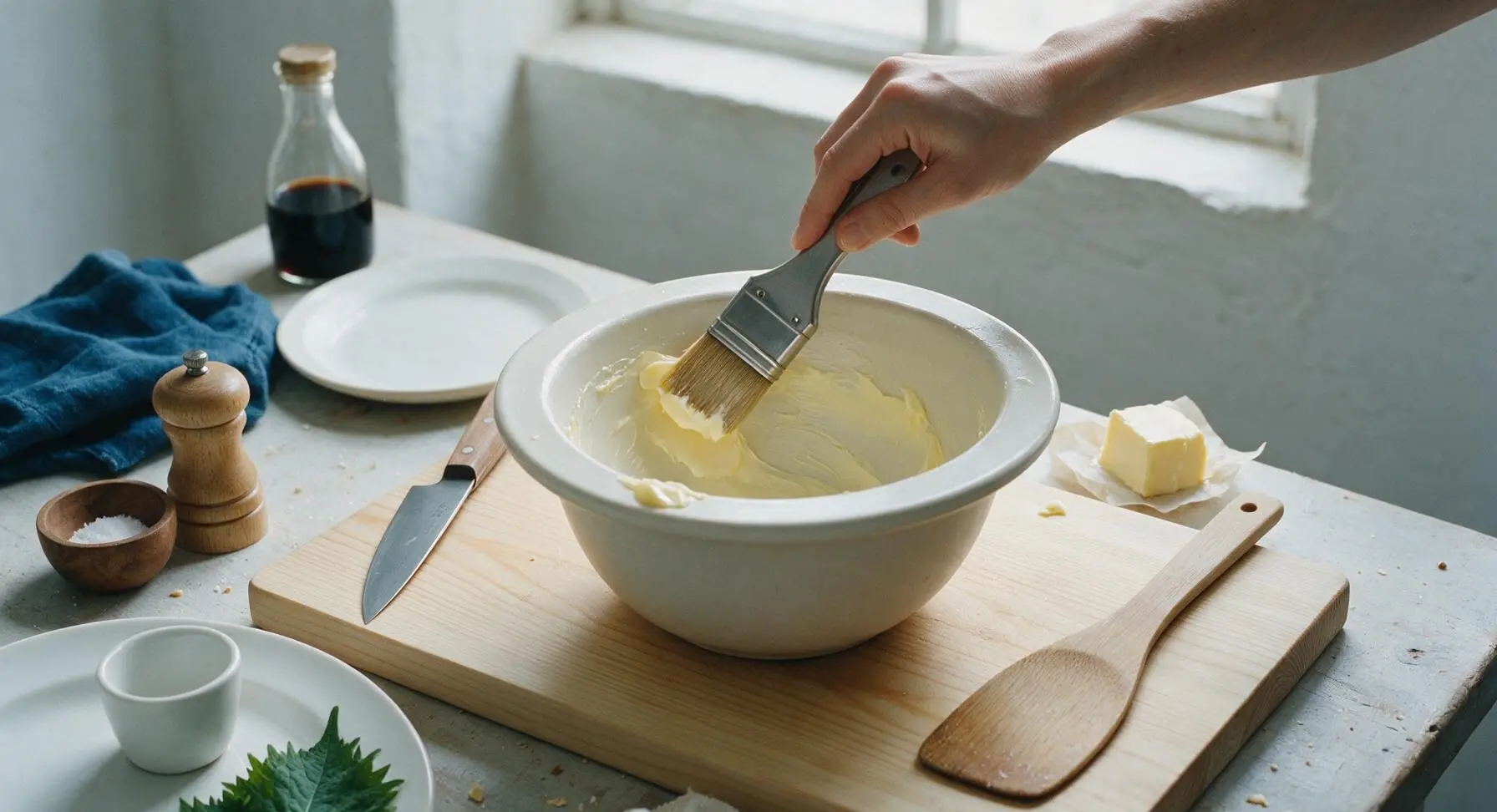
Grease Pudding Basin

Use the 18cm stainless steel pastry brush to spread the 20g softened unsalted butter evenly across the entire interior surface of the 1.2L matte cream ceramic pudding basin, including its wide flat rim. Ensure no bare ceramic spots remain, as ungreased spots will cause the pudding to stick when unmolded. Set the greased basin back in its fixed position left of the mixing bowl.
Step 1
step1:Grease Pudding Basin
2

Combine Dry Ingredients

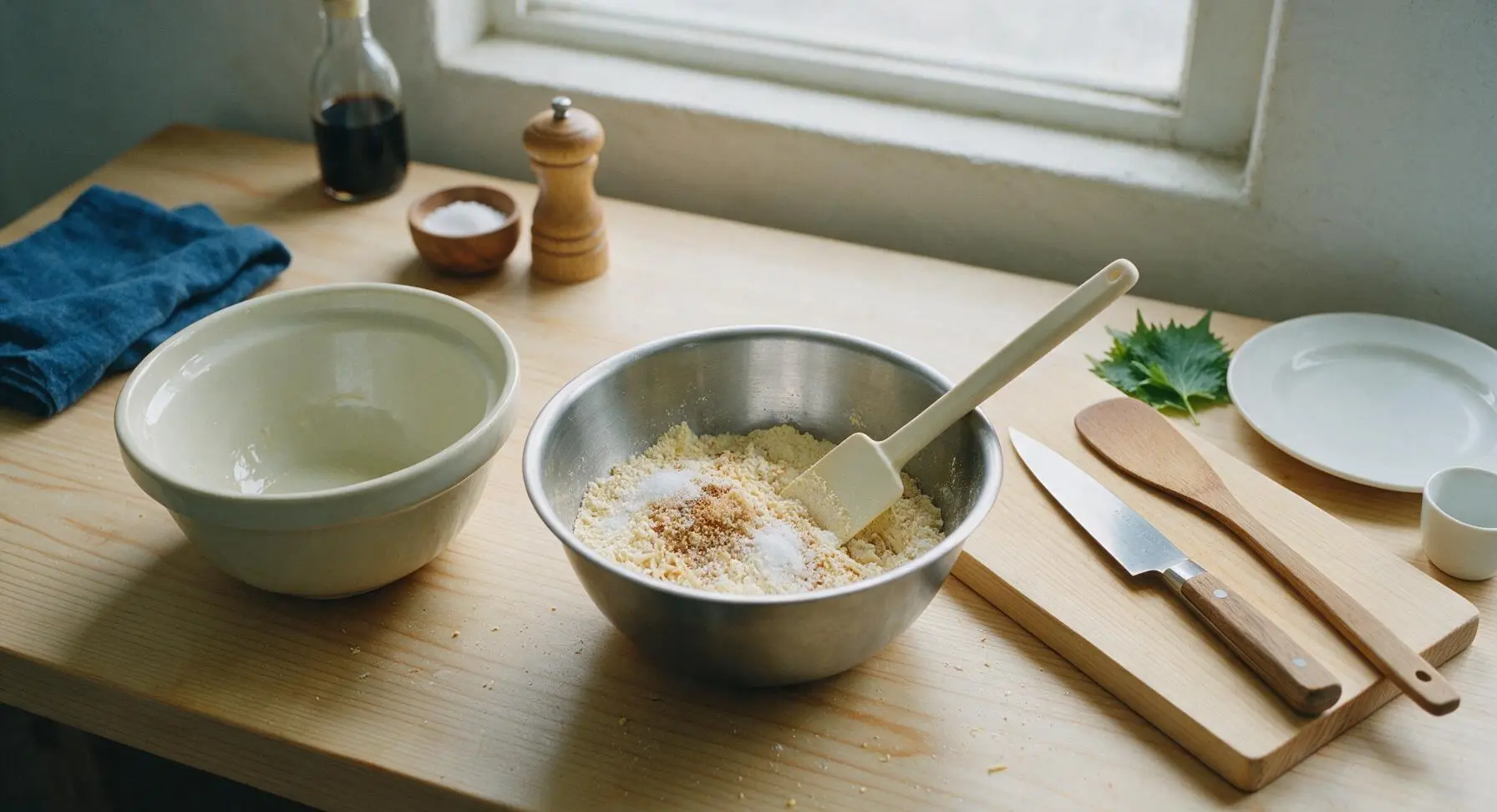
Add the 150g self-raising flour, 75g shredded suet, 75g soft light brown sugar, 1 tsp mixed spice, 1 tsp baking powder, and 1/4 tsp fine sea salt to the 15cm brushed stainless steel mixing bowl. Use the off-white silicone spatula to stir the ingredients together for 1 full minute until evenly combined, with no large clumps of suet or packed sugar visible.
Step 2
step2:Combine Dry Ingredients
3

Fold in Wet Ingredients

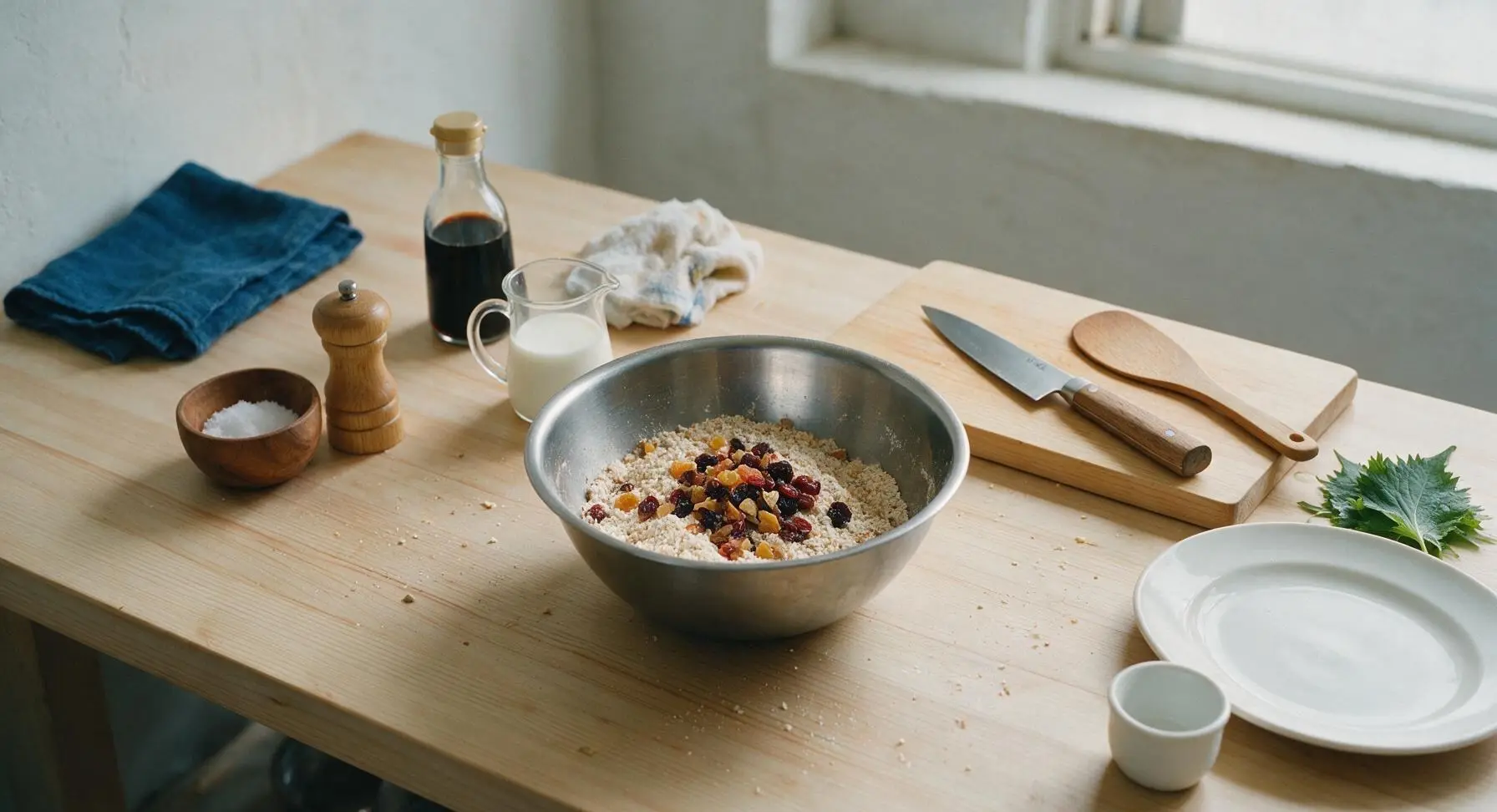
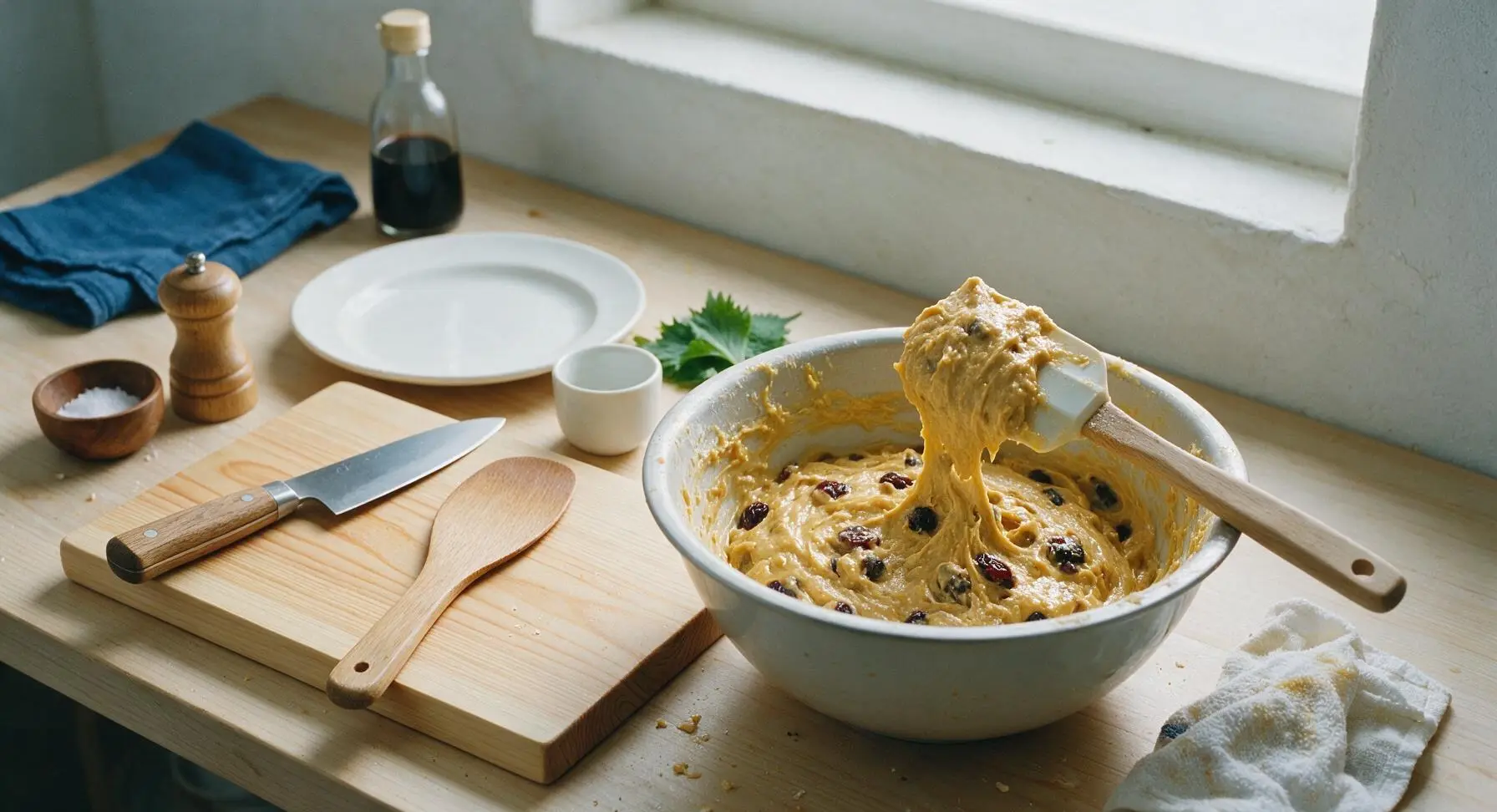
Stir the 150g mixed dried fruit into the dry mixture until evenly distributed. Crack the 1 medium egg into the bowl, pour in the 120ml whole milk, and stir gently with the silicone spatula for 45 seconds until a thick, sticky, uniform golden batter forms. Do not overmix, as overworking the batter will result in a tough, dense pudding.
Step 3
step3:Fold in Wet Ingredients
Step 3
step3:Fold in Wet Ingredients
4

Seal Pudding Basin

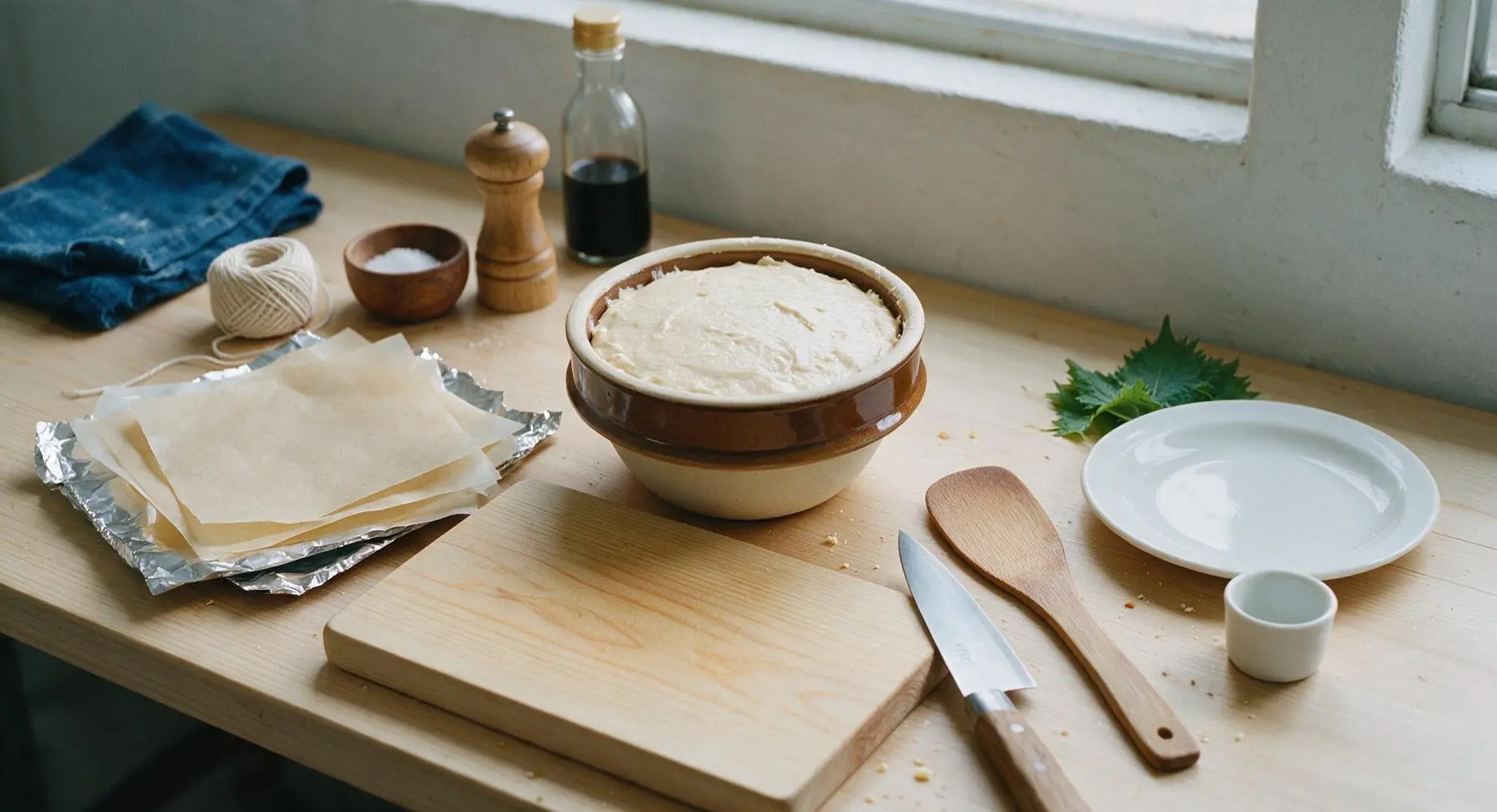
Scoop all of the batter into the greased pudding basin, smoothing the top flat with the silicone spatula. Lay the stacked parchment paper and aluminum foil square over the basin rim, pressing down to create a tight, wrinkle-free seal. Tie the unbleached cotton twine securely around the basin rim just under the lip to hold the cover in place, leaving a 10cm length of twine looped across the top to create a lifting handle.
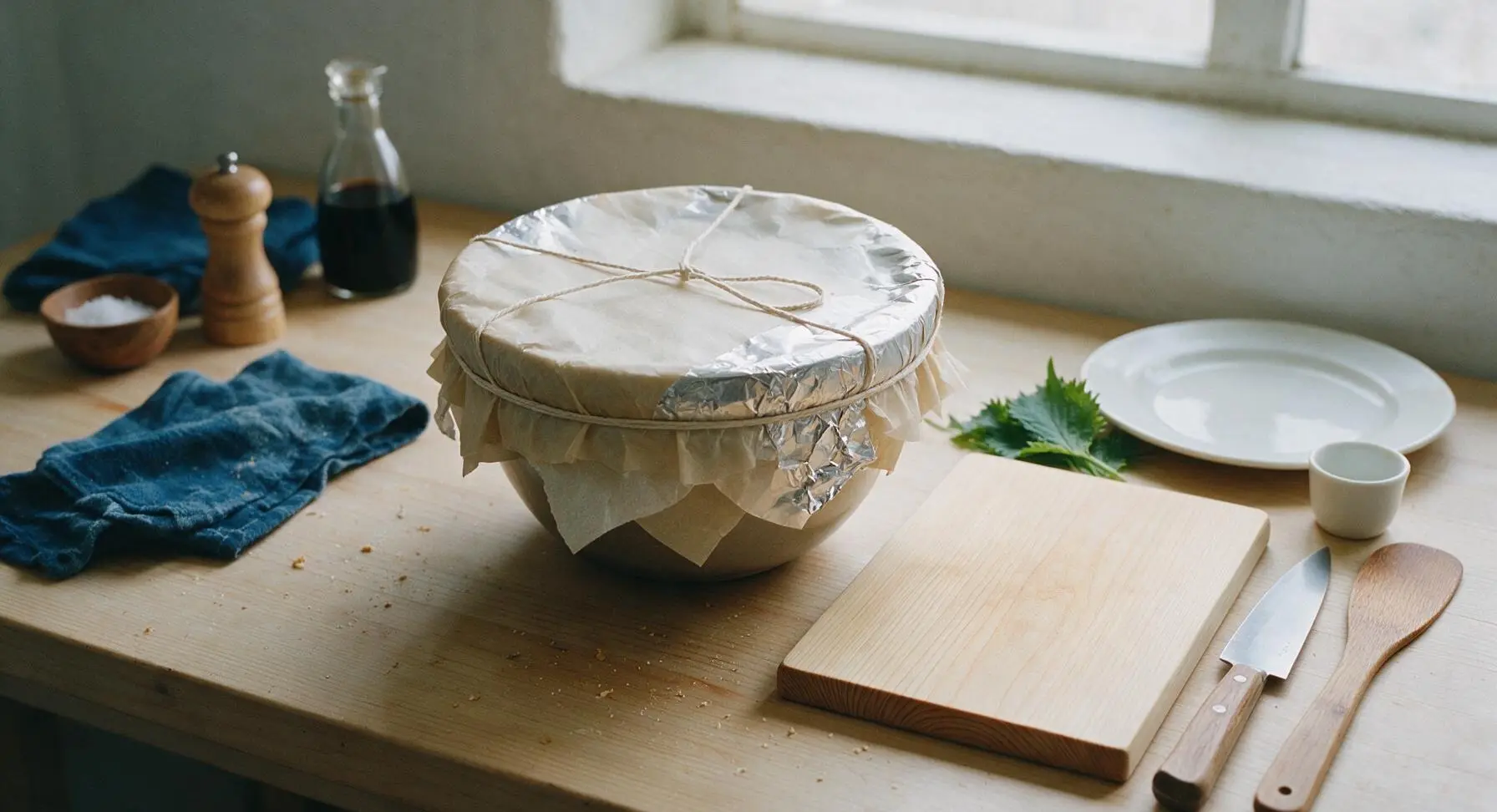
Step 4
step4:Seal Pudding Basin
Step 4
step4:Seal Pudding Basin
5

Set Up Steamer

Place the small stainless steel steamer trivet at the bottom of the 8L stainless steel stock pot. Lower the sealed pudding basin onto the trivet using the twine handle, then carefully pour boiling water from the electric kettle into the pot until the water reaches exactly halfway up the sides of the pudding basin. Bring the water back to a gentle simmer over medium heat, then cover the pot with its matching stainless steel lid.
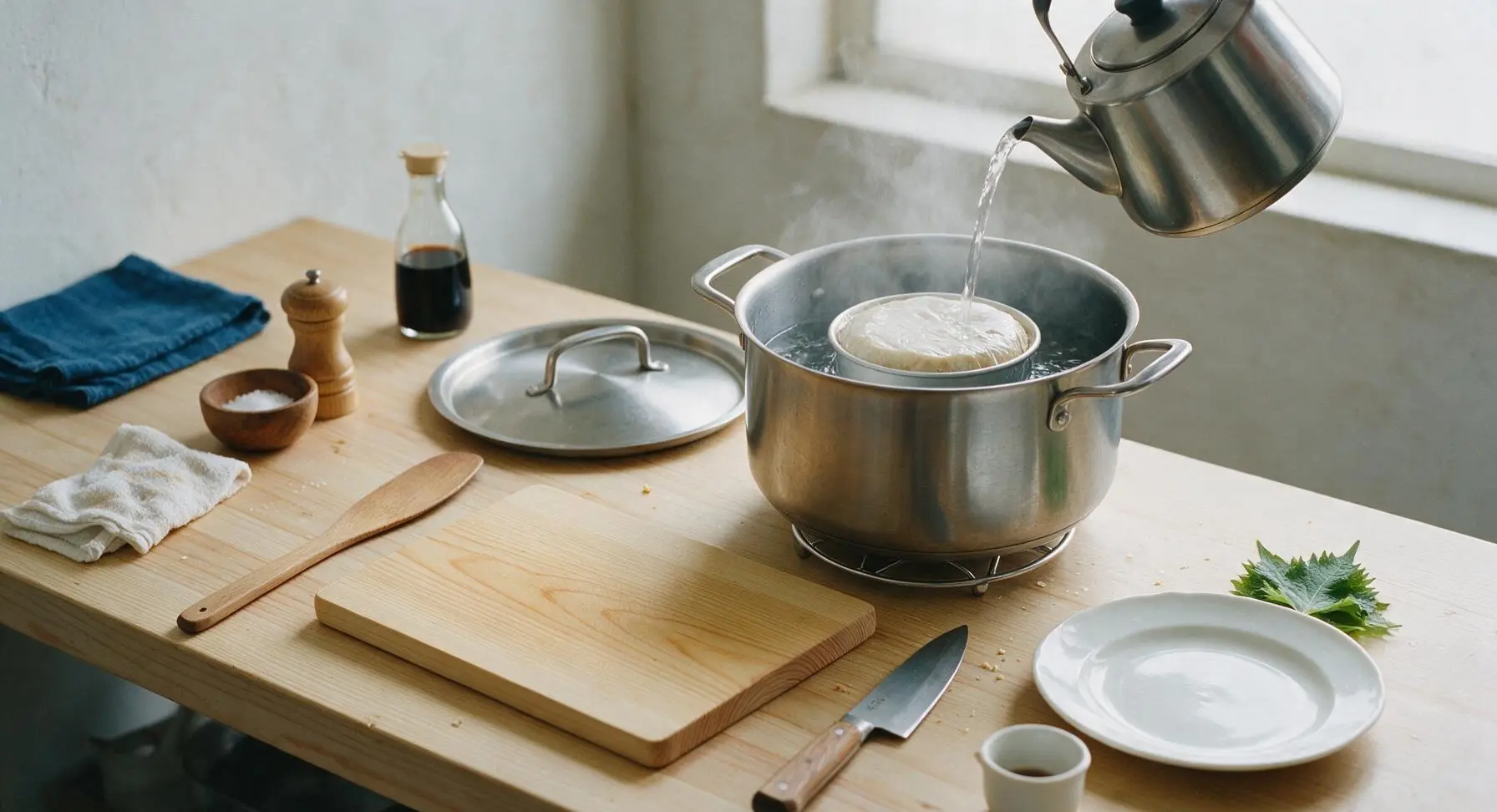
Step 5
step5:Set Up Steamer
6

Steam Pudding Slowly

Maintain a low, gentle simmer (not a rolling boil) for 2 hours 30 minutes. Check the water level every 30 minutes, topping up with additional boiling water as needed to prevent the pot from boiling dry. The pudding is fully cooked when the thin stainless steel skewer inserted through the foil and parchment into the center comes out clean, with no wet batter clinging to it.
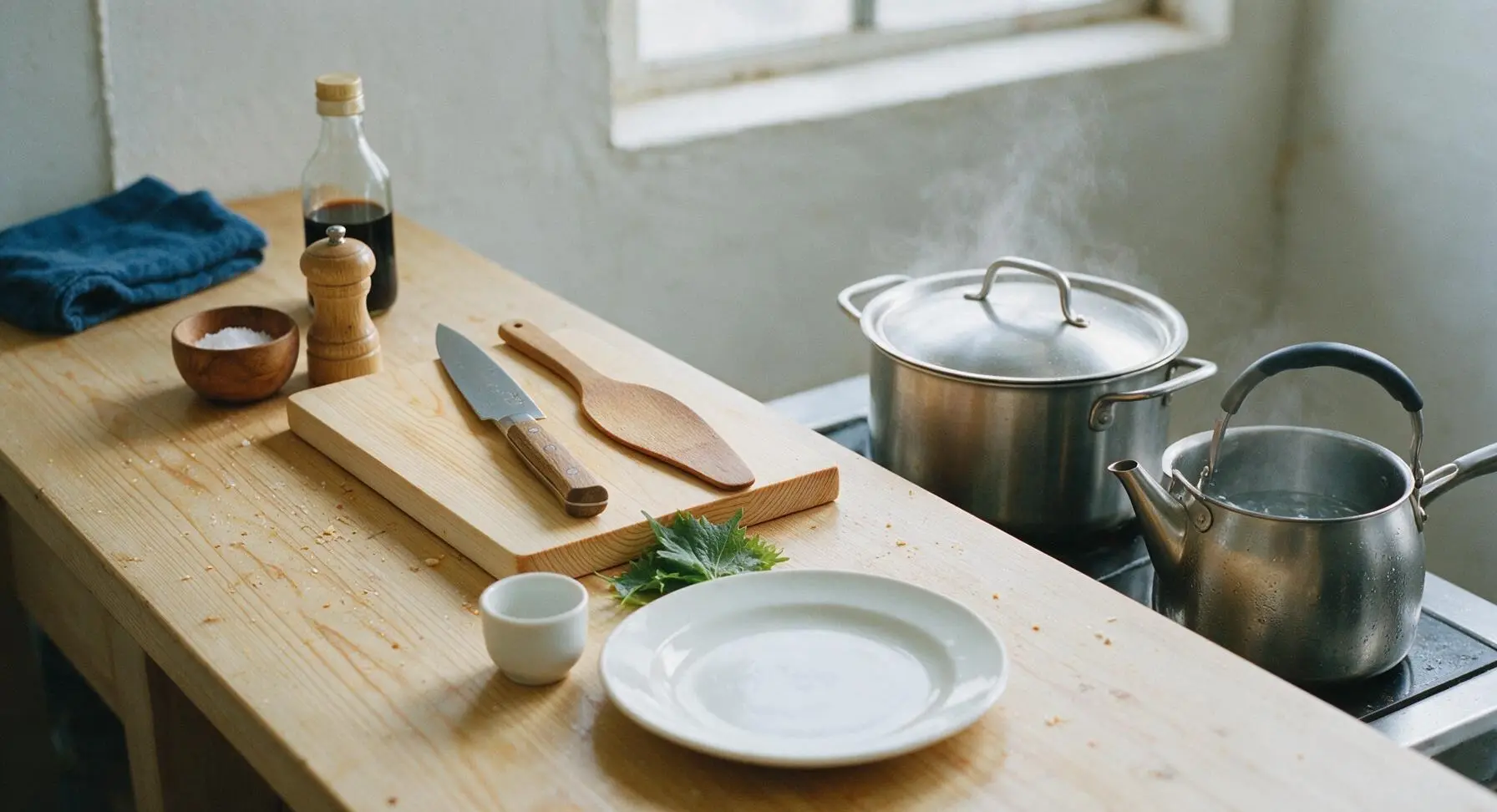
Step 6
step6:Steam Pudding Slowly
7

Unmold Cooked Pudding

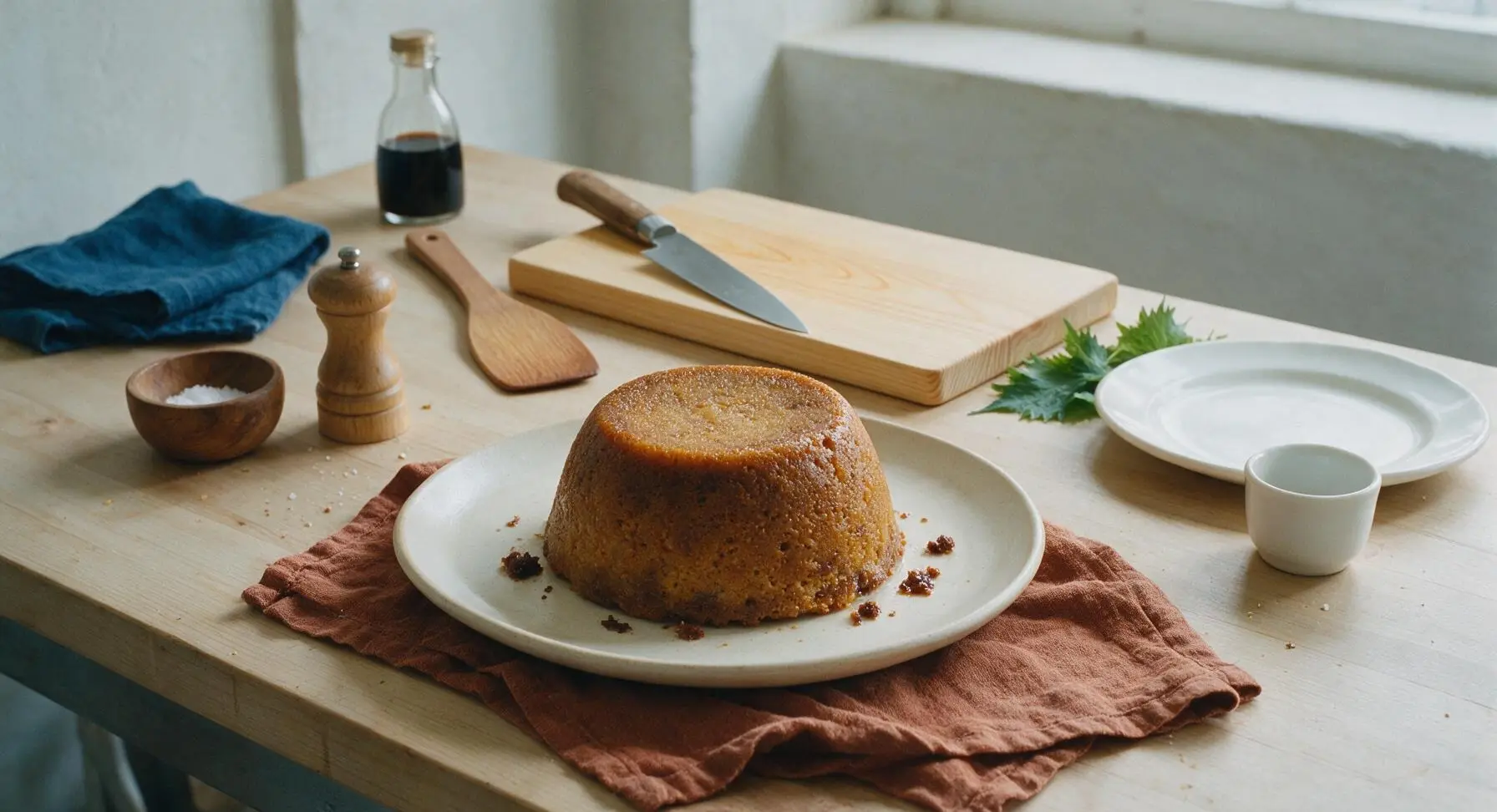
Carefully lift the pudding basin out of the pot using the twine handle, and set it on the rust-colored linen kitchen towel to cool for 10 minutes. Snip the twine and peel off the foil and parchment cover. Run the stainless steel palette knife around the inner edge of the basin to loosen the pudding, then place the matte ivory serving platter upside down over the top of the basin. Hold the platter and basin tightly together, flip them over in one smooth motion, then lift the basin straight up to reveal the set pudding.
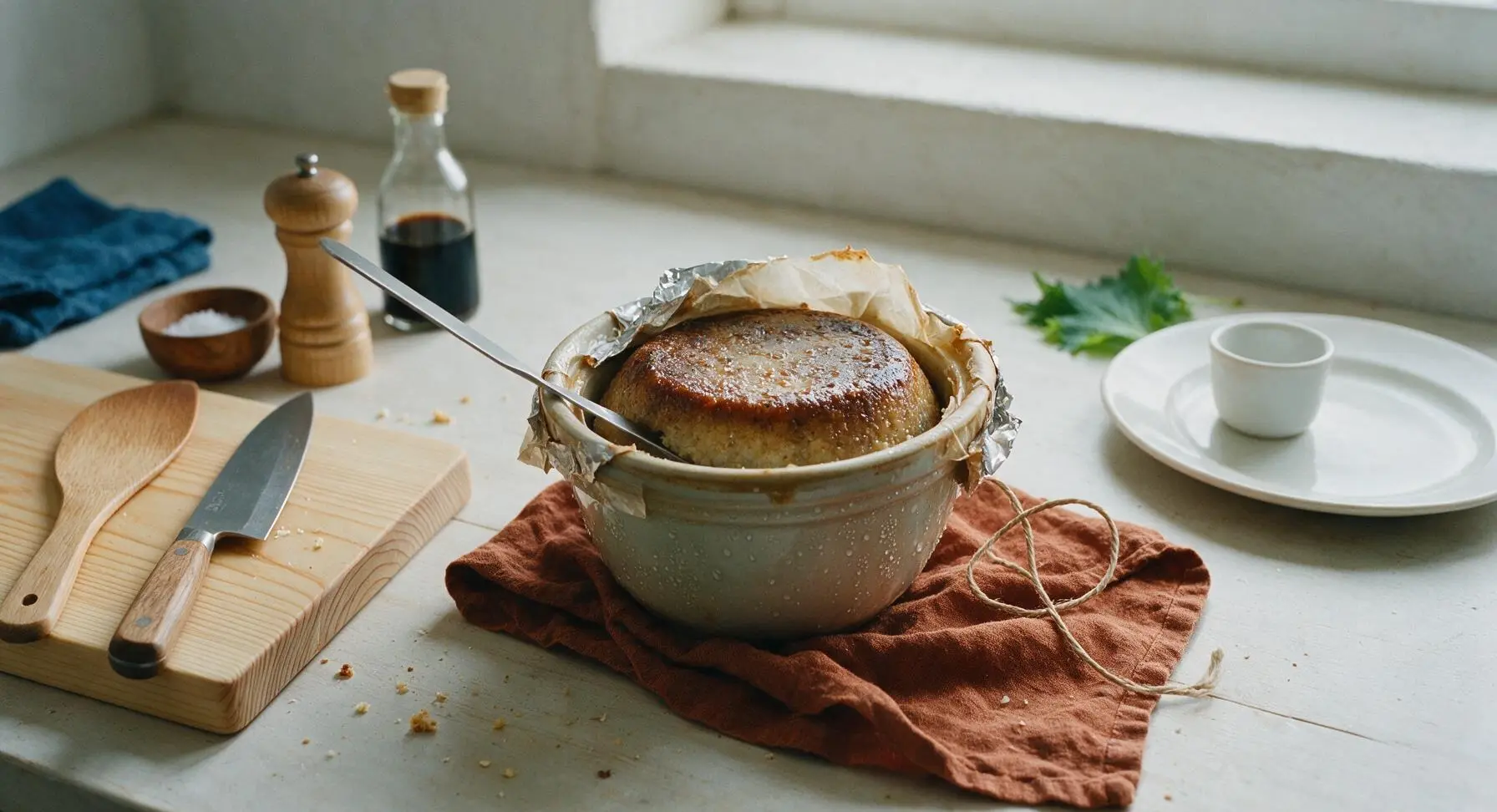
Step 7
step7:Unmold Cooked Pudding
Step 7
step7:Unmold Cooked Pudding
8

Garnish and Serve

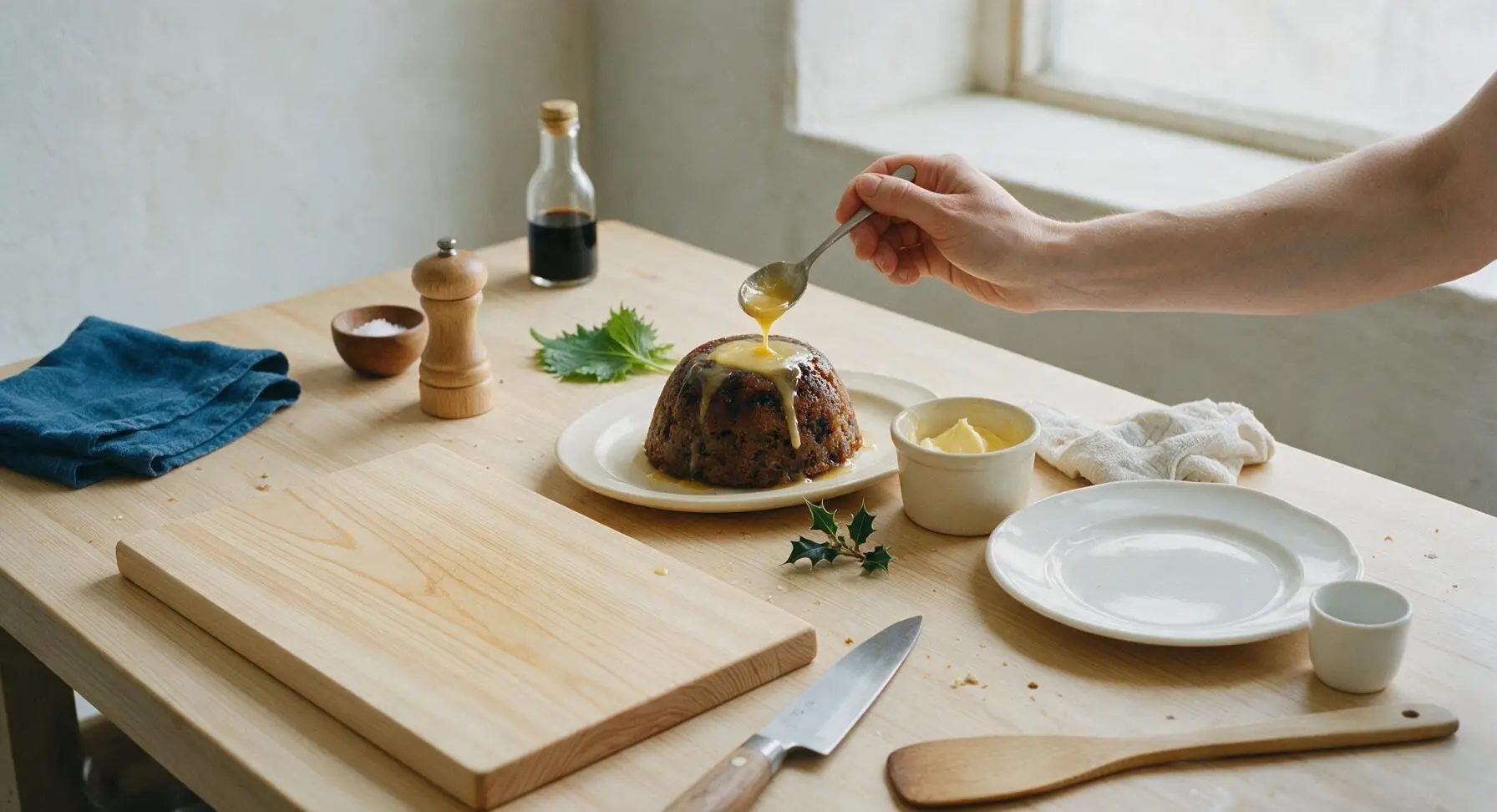
Drizzle 2 tablespoons of melted brandy butter over the top of the warm pudding, letting it run slowly down the sides. Tuck a small fresh holly sprig at the top of the pudding for a classic festive garnish. Slice the pudding into 3cm thick wedges, and serve on the small matte white dessert plates with an extra dollop of brandy butter per serving.
Step 8
step8:Garnish and Serve

Tips

1.Never let the steaming water reach a rolling boil: a gentle, steady simmer produces a soft, evenly textured crumb, while violently boiling water can jostle the batter and cause the pudding to become tough and waterlogged.
2.Always top up the steamer with boiling water, not cold: adding cold water drops the pot temperature abruptly, which can cause the pudding to sink in the middle and add 15-20 minutes to the required cooking time.
3.For a deeper, more complex festive flavor, stir 2 tablespoons of brandy or dark rum into the mixed dried fruit the night before making the pudding, letting it soak at room temperature to plump the fruit and infuse the batter.

✨ You May Also Like

Desserts & Baking
🍜 Italy

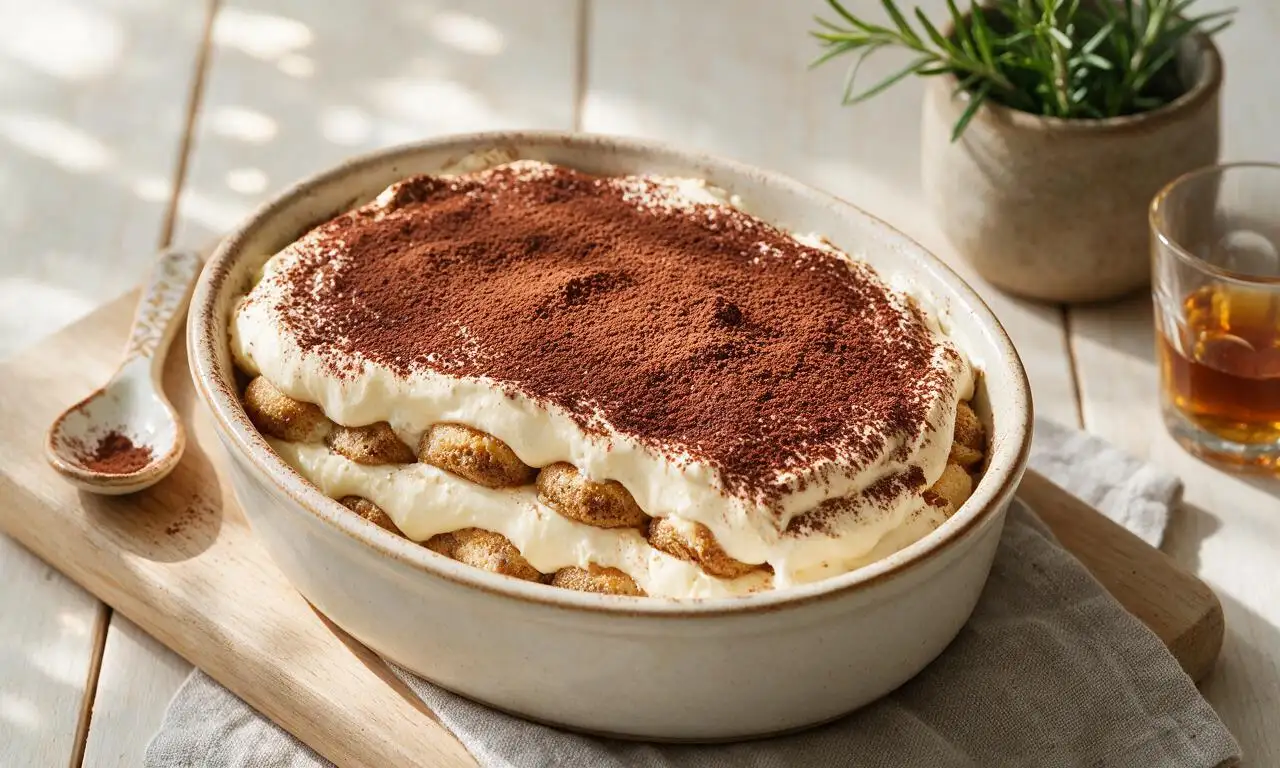
Creamy, coffee-kissed classic Northern Italian no-bake dessert, with layers of rum-spiked mascarpone cream, soft ladyfingers, and a rich cocoa dusting.

⏱️ 4 hours 3Desserts & Baking ★ 4.7
Desserts & Baking
🍜 France

Flaky, shatteringly crisp, buttery French croissants with golden exteriors and soft, airy layered interiors, perfect for pairing with coffee for a special morning treat.

⏱️ 12 hours Desserts & Baking ★ 4.5
Desserts & Baking
🍜 United States

Warm, spiced baked apples topped with a fluffy golden biscuit crust, this cozy dessert pairs perfectly with vanilla ice cream for cool-weather comfort.

⏱️ 55 minuteDesserts & Baking ★ 4.6
Desserts & Baking
🍜 United States

A star-spangled classic American blueberry pie with buttery flaky crust and bright sweet-tart filling, perfect for summer patriotic gatherings.

⏱️ 1 hour 25Desserts & Baking ★ 4.7
Desserts & Baking
🍜 United States

A beloved no-bake regional Maine candy with a chewy coconut-potato center coated in rich dark chocolate, a New England holiday staple since the 1870s.

⏱️ 2 hours 3Desserts & Baking ★ 4.8
Desserts & Baking
🍜 France

Luxuriously creamy, floral frozen custard made with aromatic Tahitian vanilla beans, boasting a smooth, rich texture that melts slowly on the tongue.

⏱️ 3 hours 3Desserts & Baking ★ 4.5

traditional steamed pudding:Frequently Asked Questions

1.Can I substitute shredded vegetable suet if I can’t find it at my local grocery store? ▾
Absolutely! If you can’t track down shredded vegetable suet, use an equal weight of frozen, coarsely grated unsalted butter. Keep it frozen right up until you mix it into the batter to replicate suet’s slow-melting, tender crumb texture, and avoid overworking the dough to keep the pudding light.
2.Do I need a special dedicated steamer pot to make this pudding? ▾
No fancy steamer is required! Set a metal trivet or crumpled aluminum foil in the bottom of a large, lidded stockpot, place your covered pudding basin on top, and pour in boiling water to come halfway up the basin. Keep the water at a gentle simmer, topping it up with more boiling water as needed during cooking.
3.How do I prevent the pudding from getting soggy while it steams? ▾
The key is a tight, water-resistant cover for your pudding basin. First lay a sheet of pleated parchment paper over the top (the 2-inch pleat gives room for the pudding to rise), then add a matching pleated sheet of aluminum foil, and tie it securely around the basin rim with kitchen twine to keep condensation from dripping in.
4.Can I make this pudding ahead of time for holiday gatherings? ▾
Absolutely—this pudding actually gets better with a short rest! Once it cools completely after steaming, re-wrap it tightly in fresh parchment and foil, and store it in a cool, dark spot for up to 2 weeks. Re-steam it for 30 to 45 minutes right before serving to warm it through fully.
5.What’s a good egg substitute for this recipe if I have an egg allergy? ▾
For an egg-free version, swap the single medium egg for ¼ cup of unsweetened applesauce mixed with ¼ teaspoon of extra baking powder. This will bind the batter just as well, keep the crumb moist, and won’t add an overpowering apple flavor that clashes with the warm spices and dried fruit.
6.Why does my steamed pudding turn out dense and heavy instead of light and moist? ▾
Dense pudding usually comes from one of two common mistakes: overmixing the batter once you add the flour, which develops tough gluten, or letting the steamer water stop simmering partway through cooking, which makes the pudding collapse. Mix only until ingredients just combine, and keep the water at a steady, gentle simmer the whole time.
7.Can I adjust the spices or swap the mixed dried fruit to match my taste? ▾
Feel free to tweak the mix to your taste! The classic spiced base works beautifully with extra ground cinnamon, nutmeg, or a pinch of allspice stirred into the flour. You can swap up to half the dried fruit for chopped dried cranberries, dried cherries, or even chopped candied ginger for a brighter twist.
8.Can I use a different sugar if I don’t have light soft brown sugar? ▾
You can swap light soft brown sugar for an equal measure of dark brown sugar for a deeper, molasses-forward flavor, but avoid using plain granulated sugar, as it will lack the moisture and subtle caramel note that keeps the pudding tender. Soften any hard lumps in your brown sugar before measuring for accuracy.
9.I don’t keep self-raising flour on hand—can I make my own? ▾
Absolutely! For every 1 cup of all-purpose flour needed for this recipe, add 1 ½ teaspoons of baking powder and ¼ teaspoon of fine table salt, then whisk them together thoroughly to evenly distribute the leavening. This will give you the exact same light, even rise as store-bought self-raising flour.
10.How long do I need to steam a standard-sized batch of this pudding? ▾
For a standard 1.5-pint pudding basin (the most common size for this recipe), you’ll need to steam it steadily for 2 full hours. Resist the urge to lift the pot lid for the first 90 minutes of cooking, as sudden temperature drops can make the rising pudding sink in the middle before it sets.
11.Is brandy butter the only serving option, or are there tasty alternatives? ▾
While brandy butter is the classic, indulgent pairing, you have lots of great options! Serve it with warm vanilla custard (often sold as crème anglaise in US grocery stores), salted caramel sauce, freshly whipped heavy cream with a splash of vanilla, or even a scoop of vanilla bean ice cream for a fun temperature contrast.
12.Can I make individual mini portions of this pudding, and how should I store leftovers? ▾
You can absolutely divide the batter between 6 to 8 buttered 4-ounce ramekins, steaming them for 35 to 40 minutes for perfect individual portions. Leftovers keep well wrapped in the fridge for 5 days, or frozen for up to 3 months, and reheat beautifully with a quick second steam or 20-second microwave bursts.

Comments (3)

2 days ago

OMG, I made this for our Sunday family dinner last weekend and every single person at the table went back for seconds! I was pretty intimidated at first because of the medium difficulty rating and 2.5 hour cook time — I’d never steamed any kind of pudding before, and I was sure I’d mess it up. But the step-by-step instructions were so easy to follow! I served it with warm vanilla custard just like my British nan used to make, my kids absolutely devoured it and begged me to add it to our monthly meal rotation. SO good, total game changer for those cold, rainy Pacific Northwest nights up here.

yesterday

Wait quick question — did you use a fancy traditional pudding basin for this, or just a regular heatproof glass bowl? I’ve been dying to try this recipe but I don’t own any specialty British bakeware and don’t want to drop money on something I’ll only use once a year!

2 hours ago

So thrilled your family loved the recipe, Mia! To answer Jake’s question too: you absolutely don’t need a specialty pudding basin! A regular heatproof glass mixing bowl works perfectly, just make sure you seal the top extra tight with parchment paper and a double layer of foil to keep steam and dripping water from ruining the top of the pudding while it cooks.

1 week ago

I made this for my neighborhood potluck last week and it was literally the first dessert completely gone off the table! Full transparency: I messed up the seal on my first try and a bunch of boiling water seeped in halfway through cooking, so I had to pull it out, re-wrap the top, and keep going. Total pro tip for any first-timers: double wrap that foil top and crimp the edges super tight! The end result was so worth the little hiccup — perfectly moist, gently spiced, and way cozier than the regular chocolate sheet cake I usually bring to gatherings. Will absolutely be making this again all fall and winter.

5 days ago

Thanks so much for sharing that awesome pro tip, Lizzy! A tight, double-wrapped seal is 90% of the battle with steamed puddings, so that advice will save so many new bakers from ending up with soggy tops. I’m so glad it was a hit at your potluck — nothing beats seeing a classic recipe disappear fast at a neighborhood get-together!

30 minutes ago

I’ve had this recipe saved for months but that 2.5 hour cook time feels impossible for regular weeknights! I had the most incredible traditional steamed pudding at a tiny British pub in downtown Chicago last winter and have been craving it nonstop ever since. Has anyone tried splitting the batter into individual ramekins to cut down on steam time? I’d love to make this for my kids on a random school night without having to start cooking right after lunch to have it ready for dessert!