
treacle suet pudding
intro
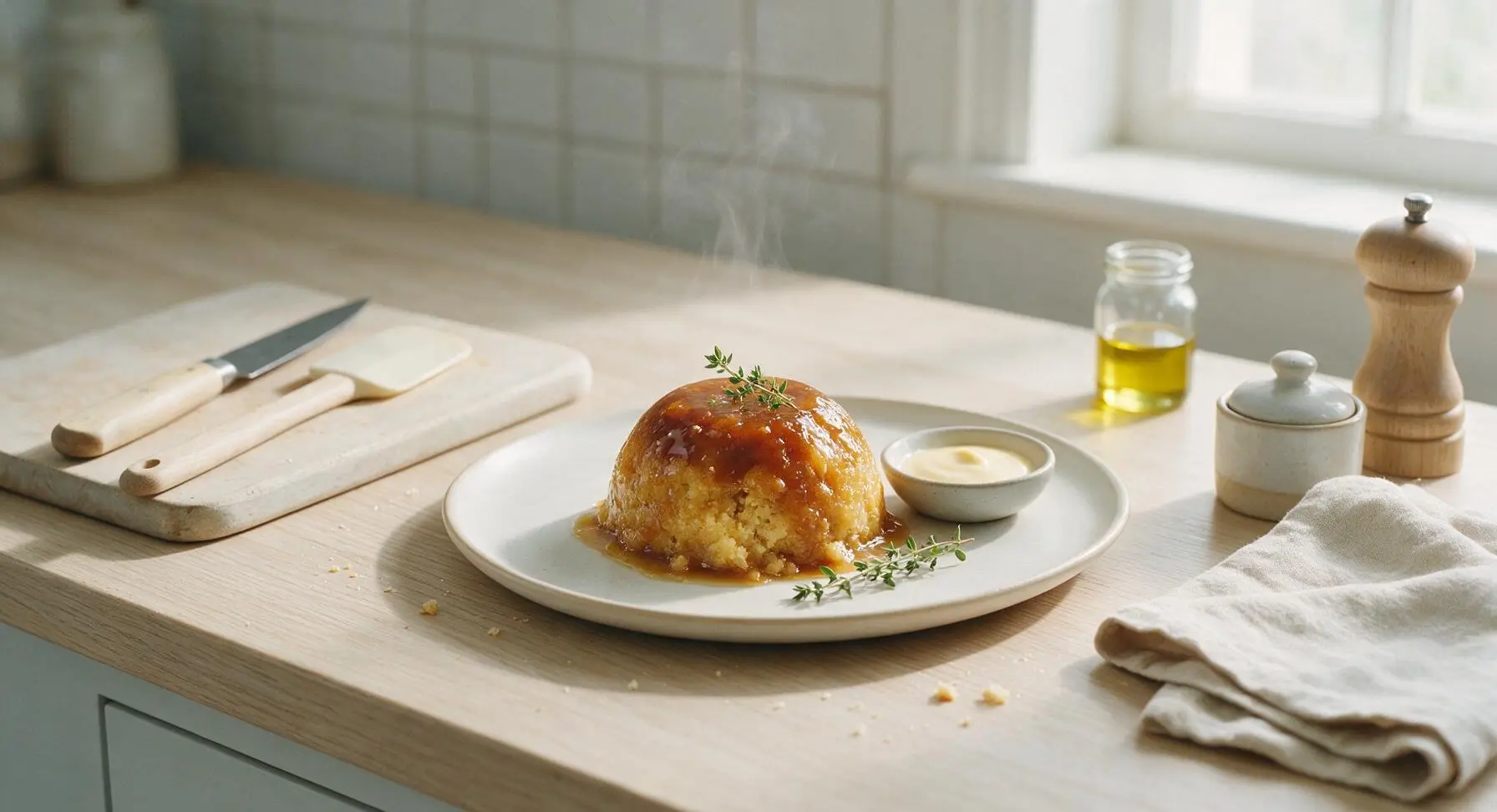
A sticky, warmly spiced classic British steamed pudding, with a glossy golden treacle base, soft fluffy suet crumb, and rich syrupy sauce, perfect served with warm custard.
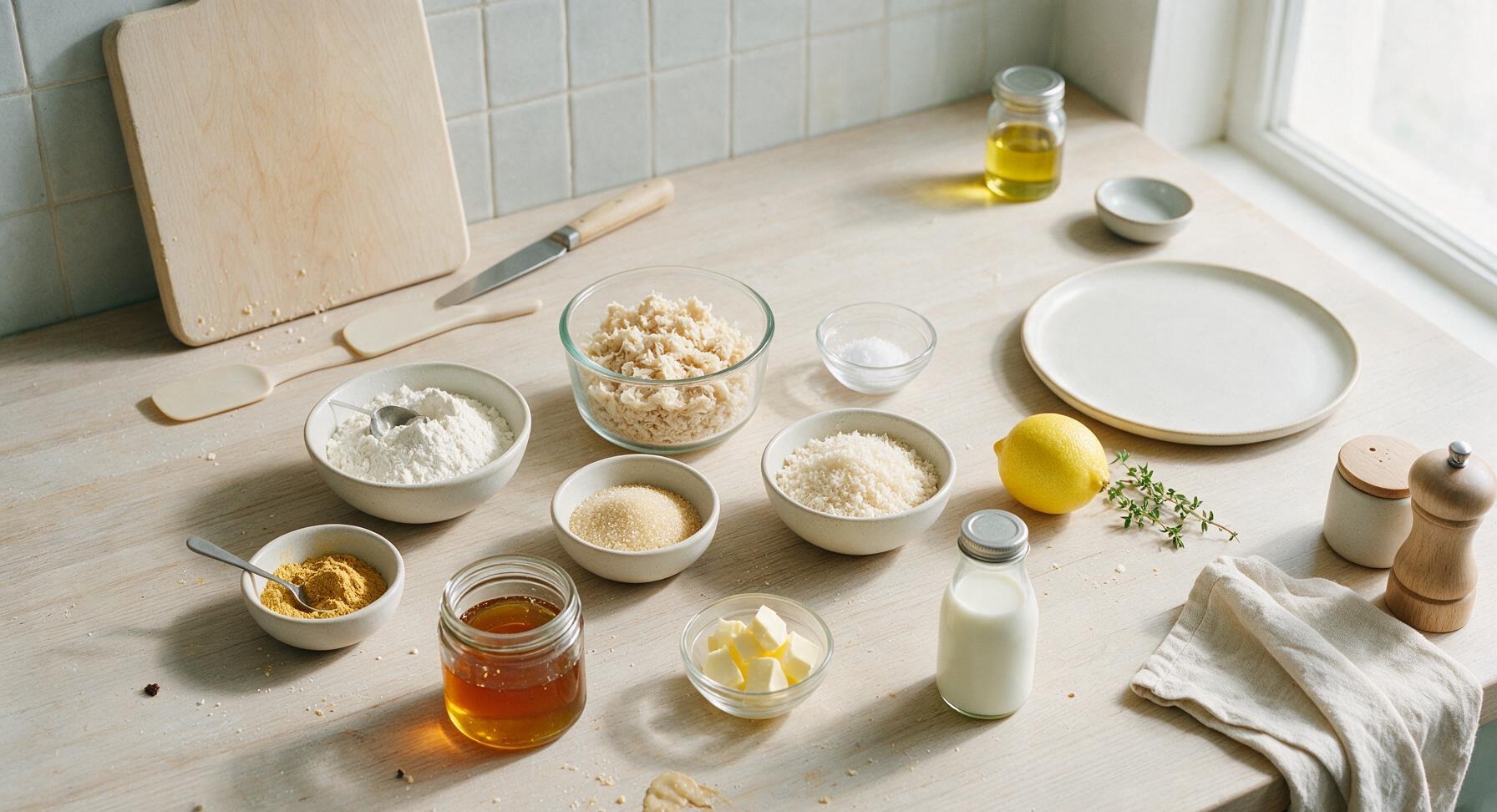
Ingredients
Steps
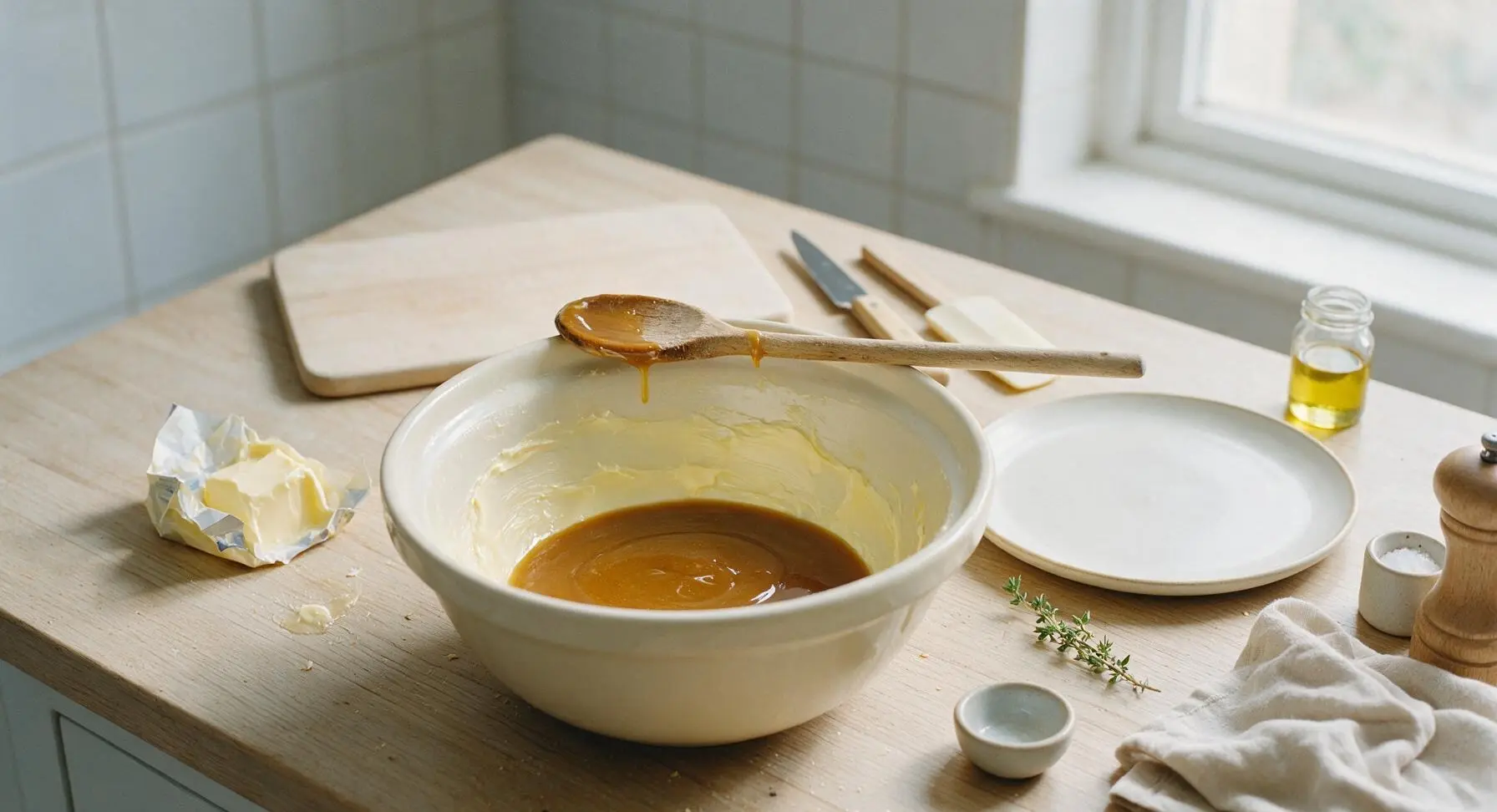
Grease Basin and Add Treacle
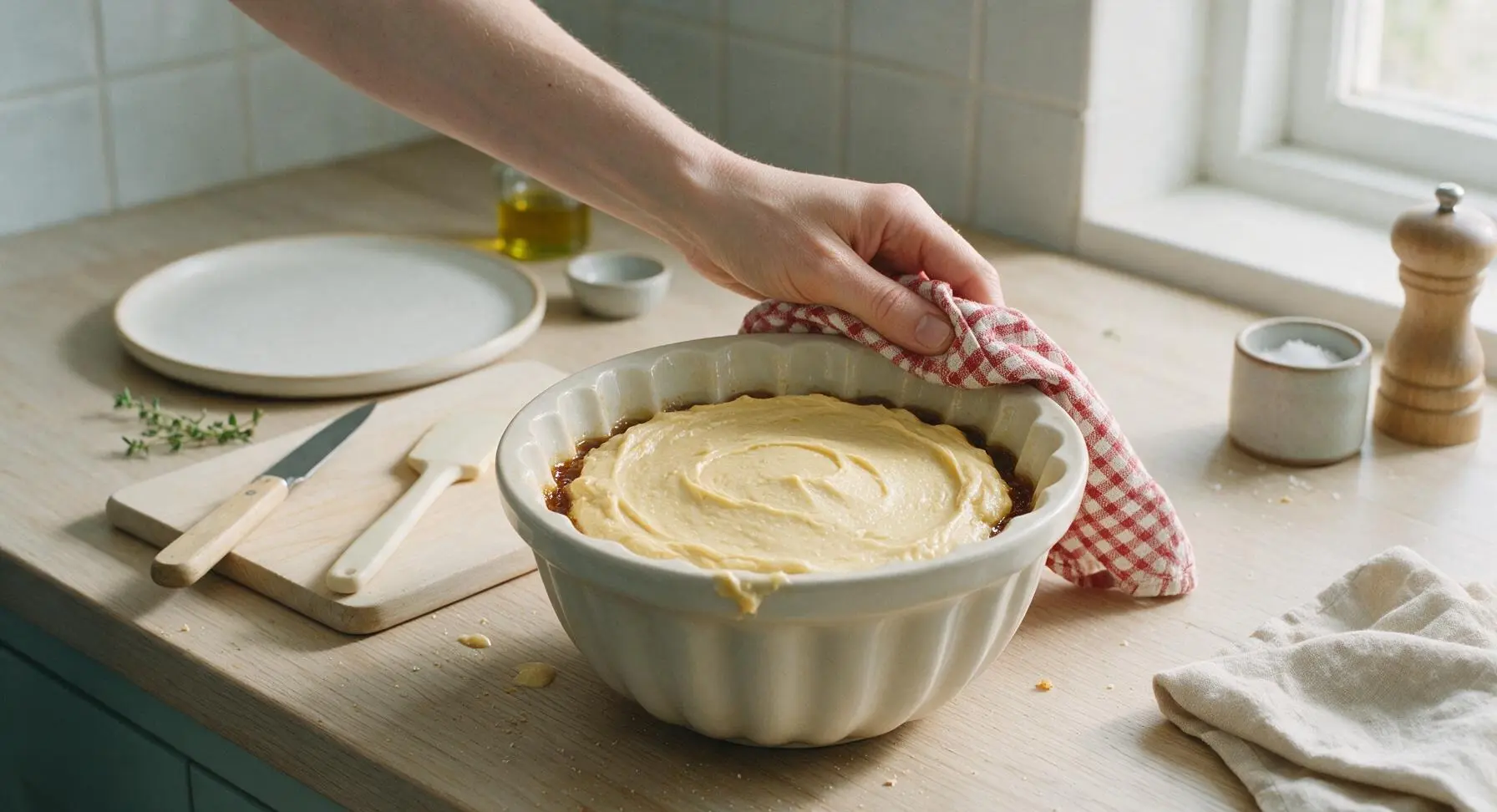
Use the 10g softened unsalted butter to thoroughly coat the entire interior surface of the 1.2L matte cream ceramic pudding basin, covering the base, sides, and fluted rim completely to prevent sticking during steaming. Spoon 100g of the light treacle into the base of the greased basin, spreading it into a smooth, even 5mm thick layer with the tip of the oak mixing spoon. Set the basin aside while you prepare the batter.
Combine Dry Ingredients
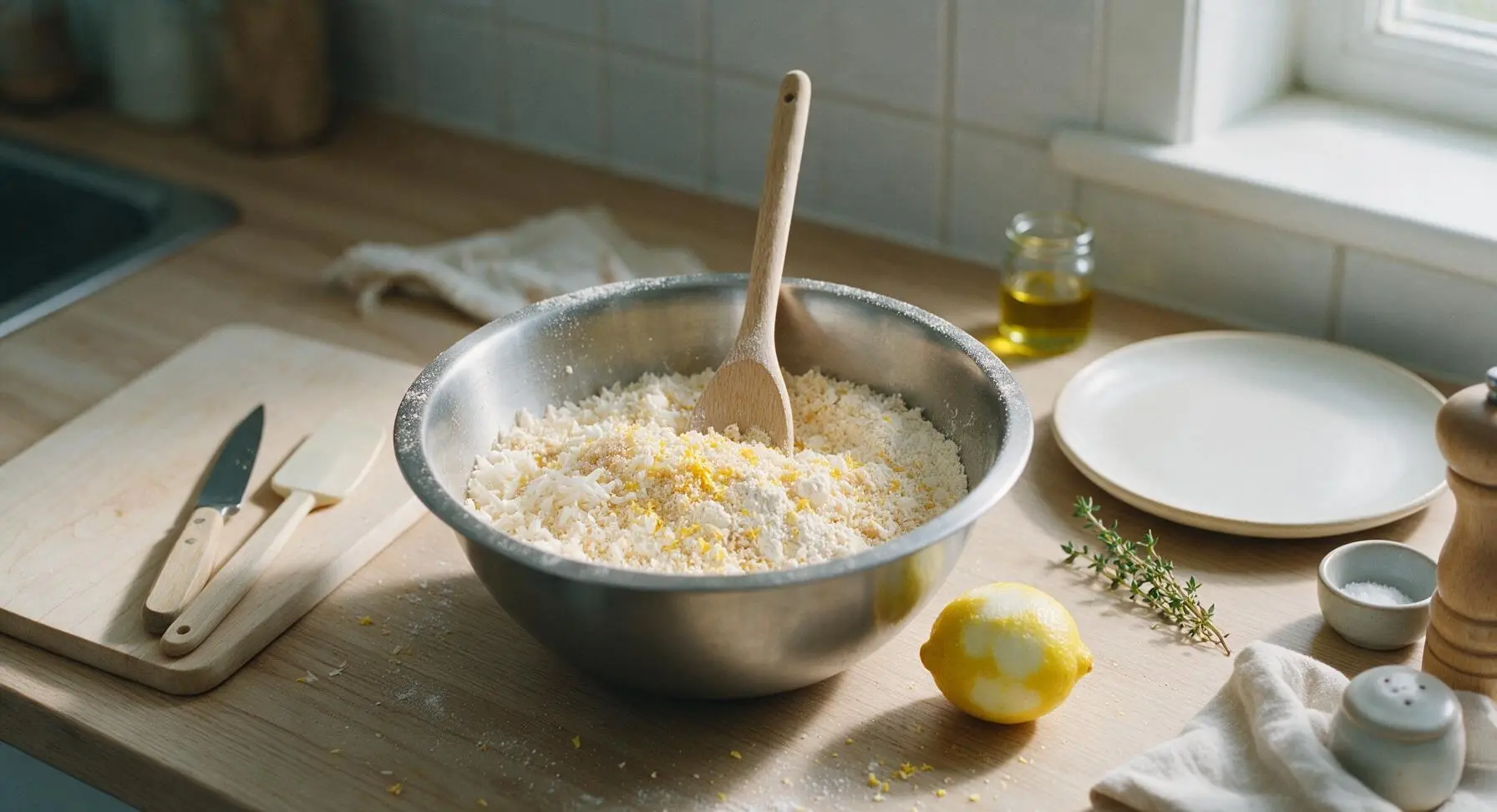
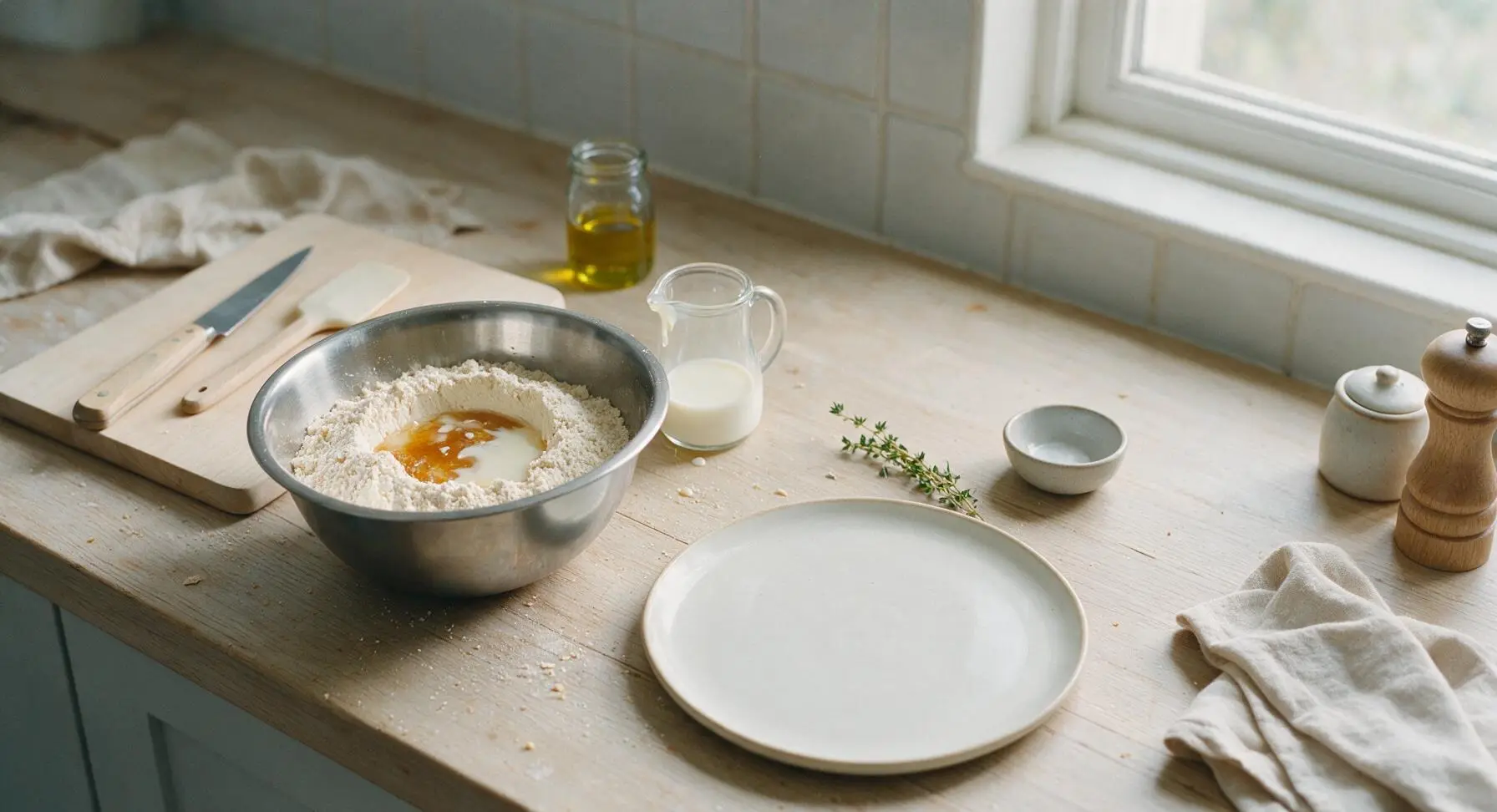
Add the 150g sifted self-raising flour, 100g shredded suet, 75g fresh white breadcrumbs, 50g golden caster sugar, 1 tsp ground ginger, and pinch of fine sea salt to the 25cm brushed stainless steel mixing bowl. Use the oak mixing spoon to stir the ingredients together for 30 seconds until evenly combined, with no visible clumps of suet or flour. Finely grate the zest of the whole lemon directly into the dry mix, stirring once more to distribute the bright yellow zest flecks evenly.
Stir in Wet Ingredients
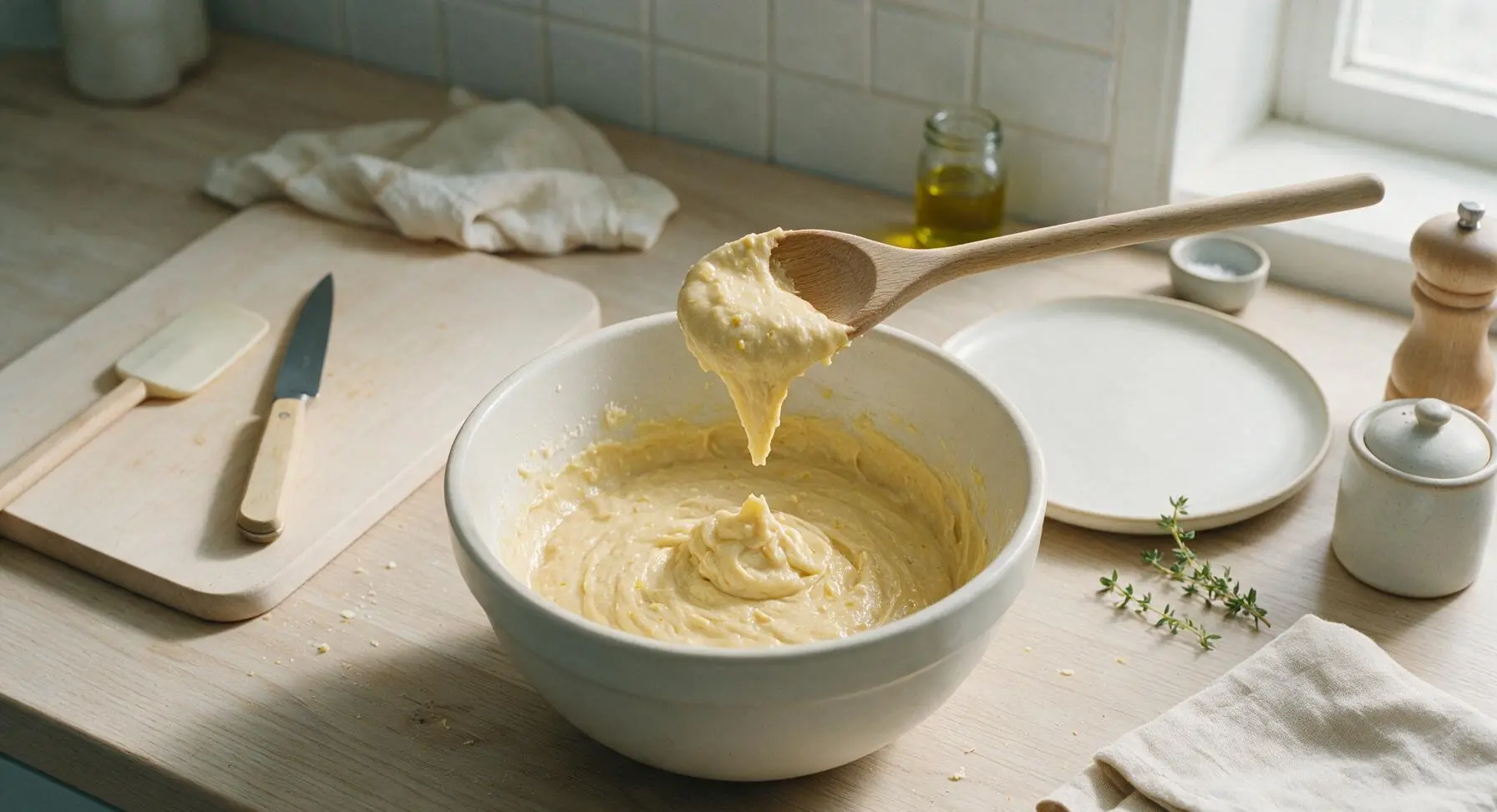
Make a small well in the center of the dry ingredient mixture. Pour the 120ml whole milk and remaining 75g light treacle into the well. Use the oak mixing spoon to stir steadily from the center outwards, combining the wet and dry ingredients into a thick, smooth, drop-consistency batter—this should take about 1 minute, with no dry flour pockets remaining at the bottom of the bowl. The batter will be thick enough to hold its shape briefly when lifted on the spoon.
Spoon Batter Into Basin
Carefully spoon the thick suet batter on top of the treacle layer in the prepared pudding basin, taking care not to disturb the treacle at the base. Smooth the top of the batter gently with the back of the spoon so it sits level, leaving a 2cm gap at the top of the basin to allow for the pudding to rise as it steams. Wipe any smudges of batter from the outside of the basin with a corner of the gingham tea towel.
Seal Basin For Steaming
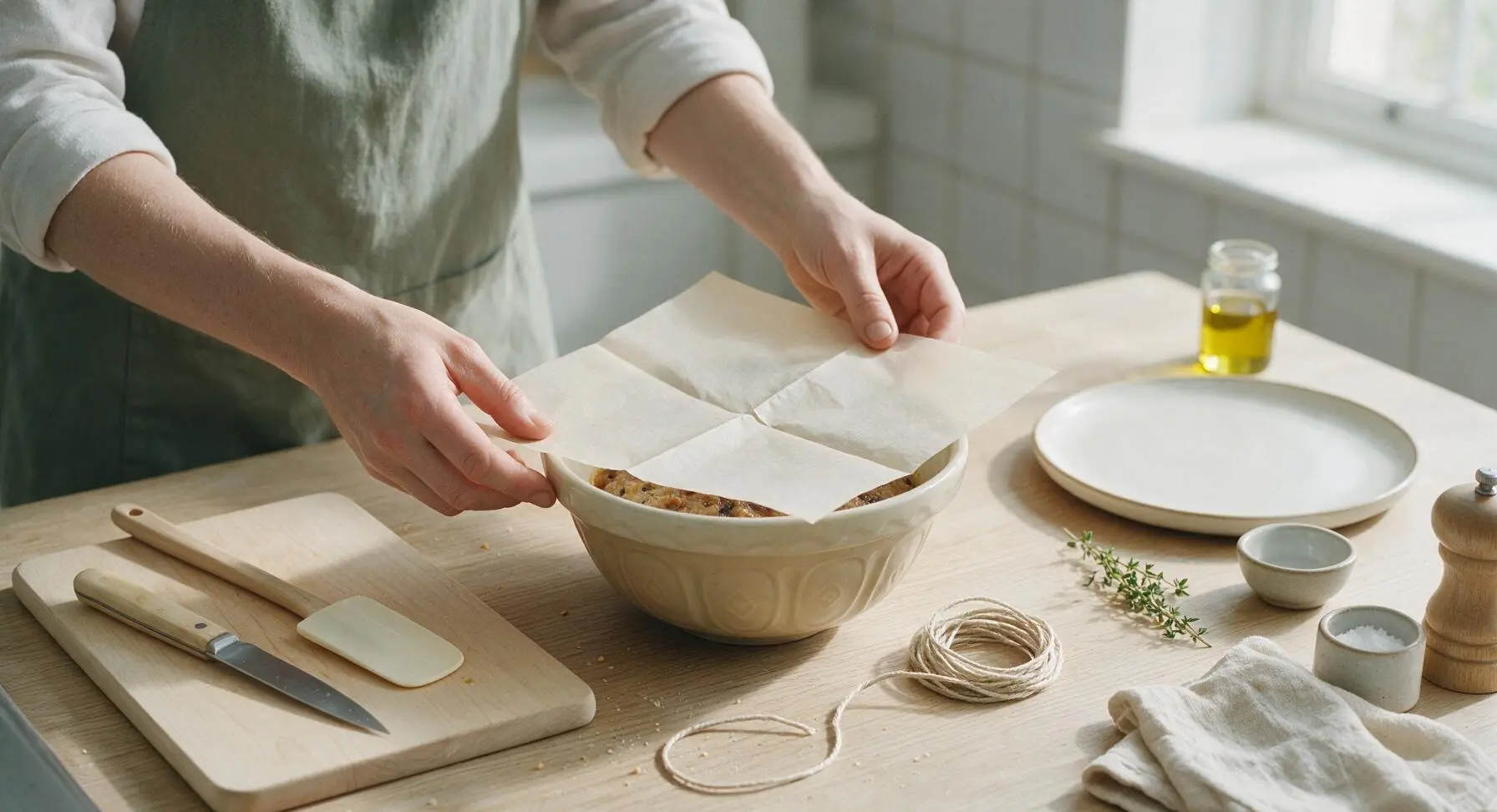
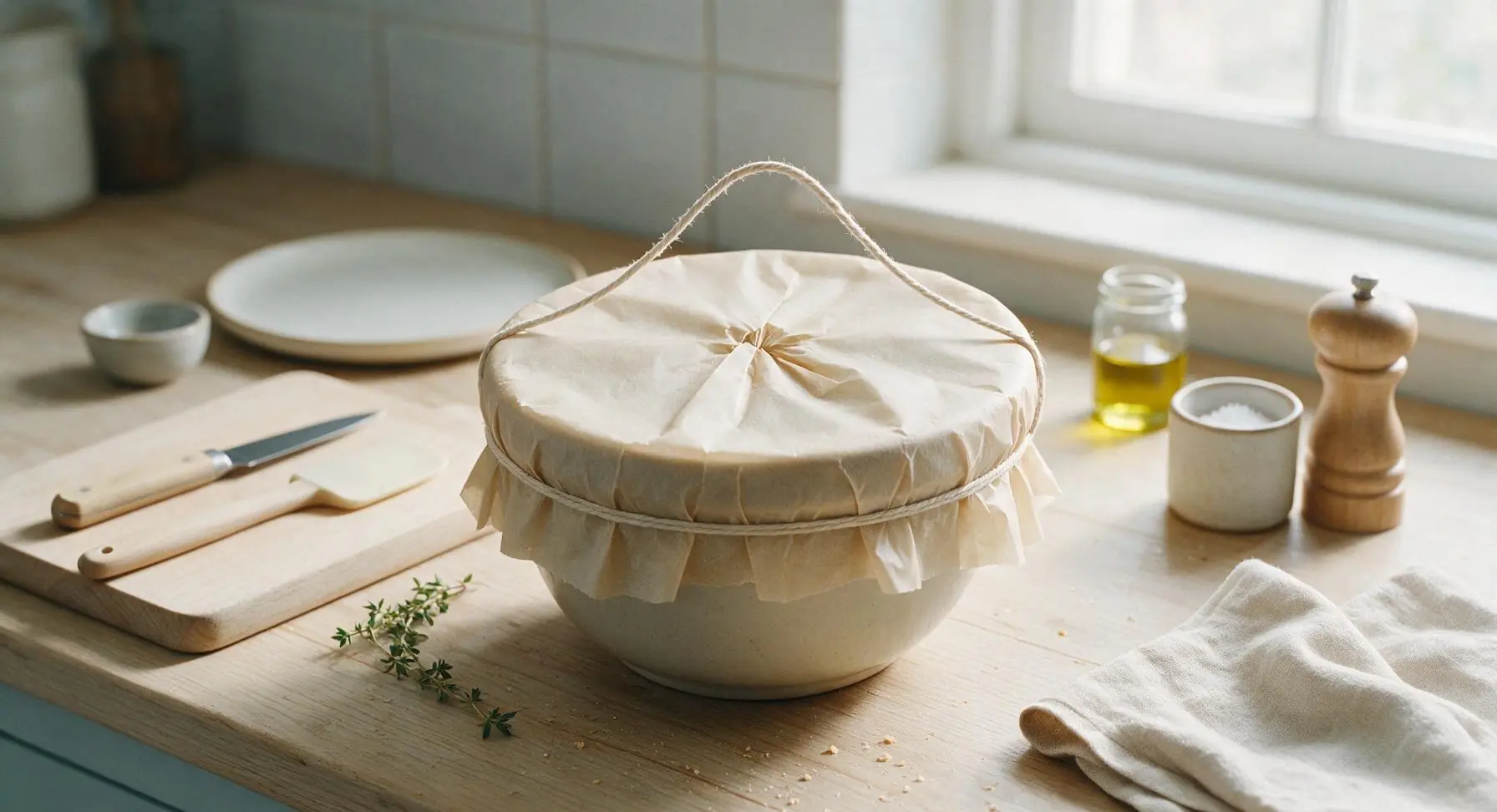
Take the 20cm square of unbleached greaseproof paper, fold a 3cm pleat across the center to allow room for the pudding to expand, then place it pleat-side up over the top of the pudding basin. Secure the paper tightly around the basin rim with the natural cotton kitchen twine, tying it firmly to create a watertight seal. Trim any excess paper hanging more than 2cm below the twine, then create a twine handle across the top of the basin to make it easy to lift out of the steamer later.
Steam Pudding Slowly
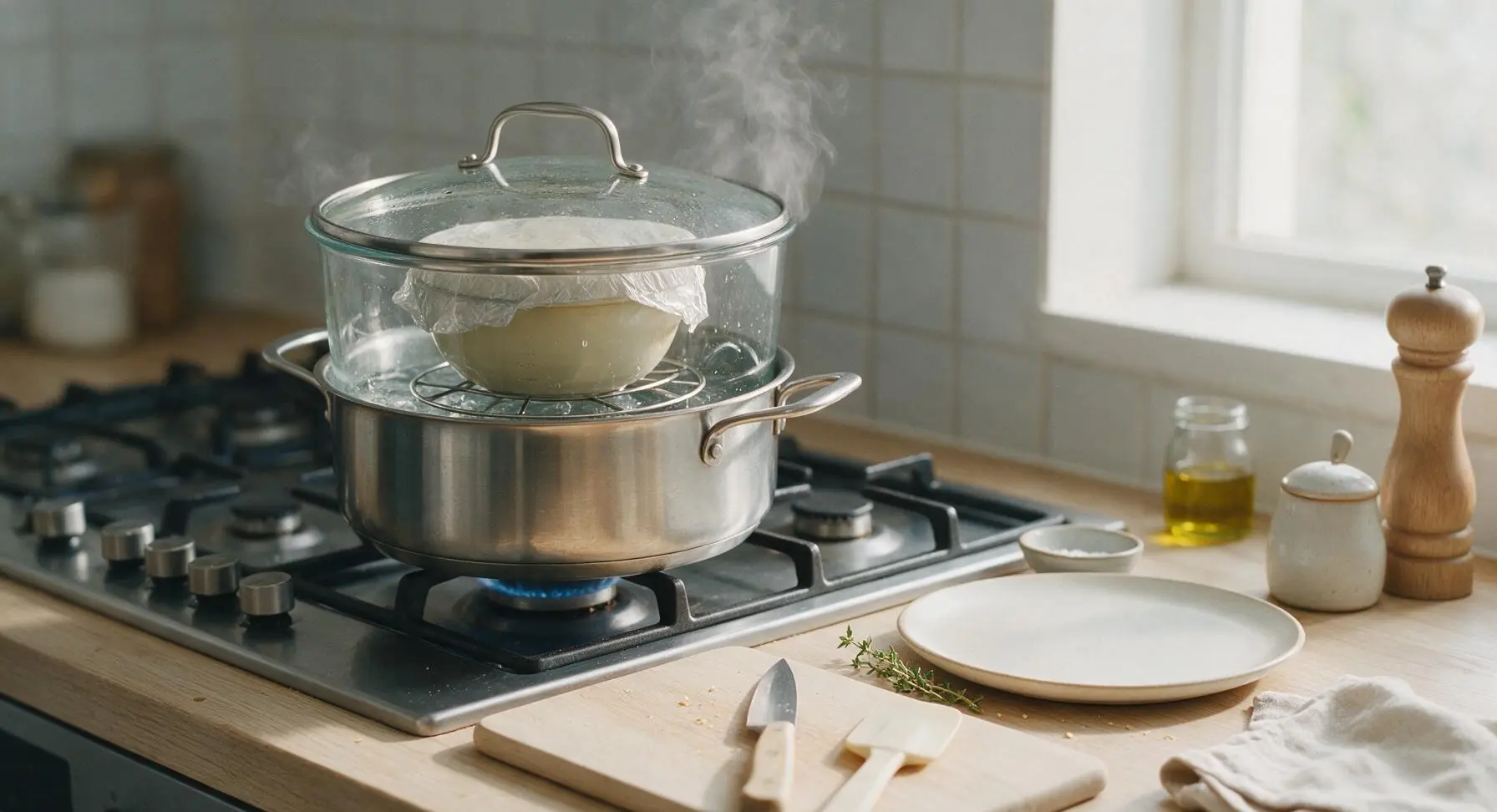
Place the metal trivet inside the 8L stainless steel stock pot, then pour boiling water into the pot until it comes halfway up the sides of the trivet. Lower the sealed pudding basin onto the trivet using the twine handle, then place the clear glass lid on the pot. Bring the water to a gentle simmer, then reduce heat to low to maintain a steady, gentle steam. Steam the pudding for 2 hours 30 minutes, checking the water level every 30 minutes and topping up with boiling water as needed to prevent the pot from boiling dry. Do not let the water touch the base of the pudding basin directly, as this will make the base soggy.
Unmold Warm Pudding
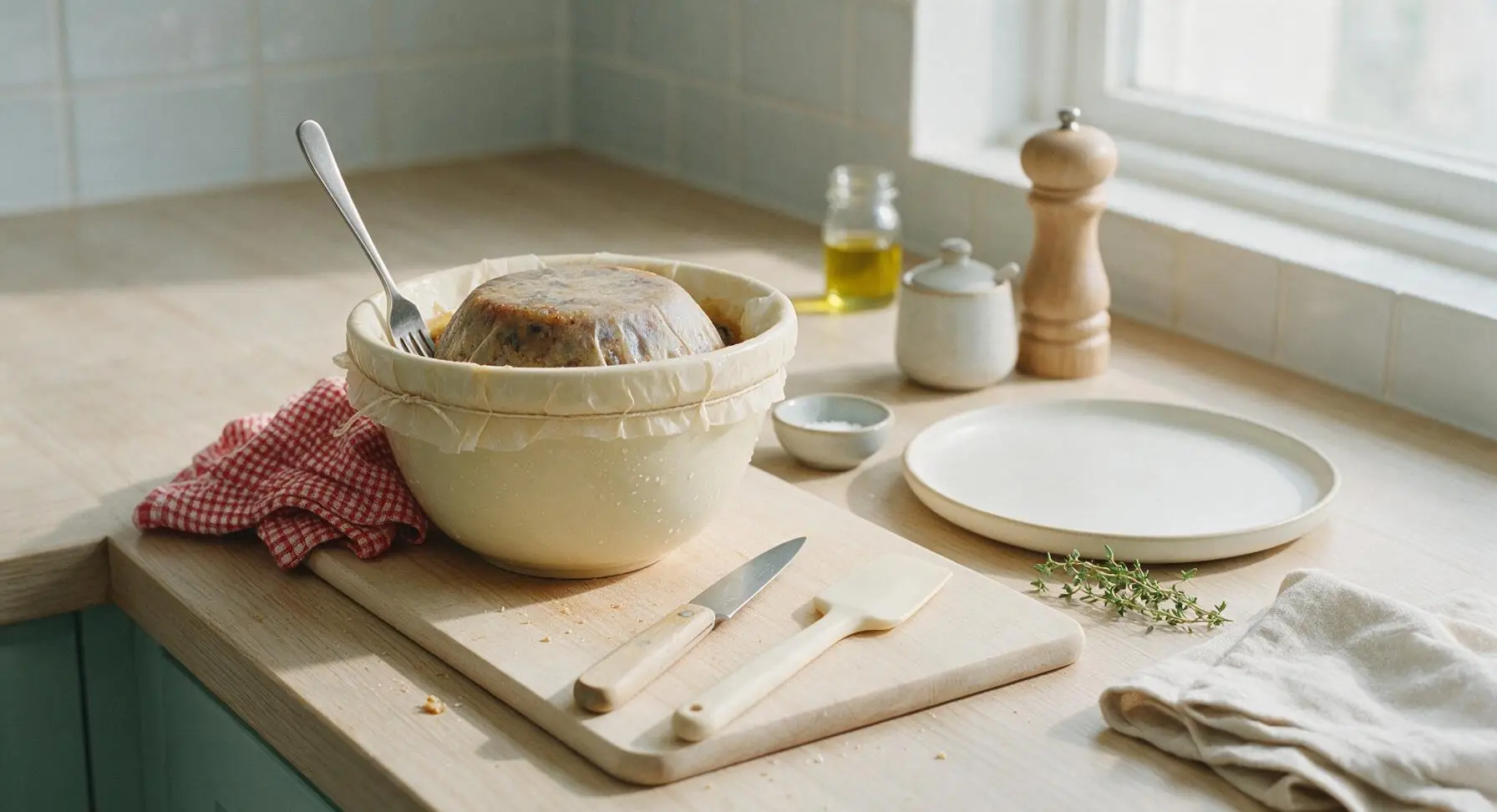
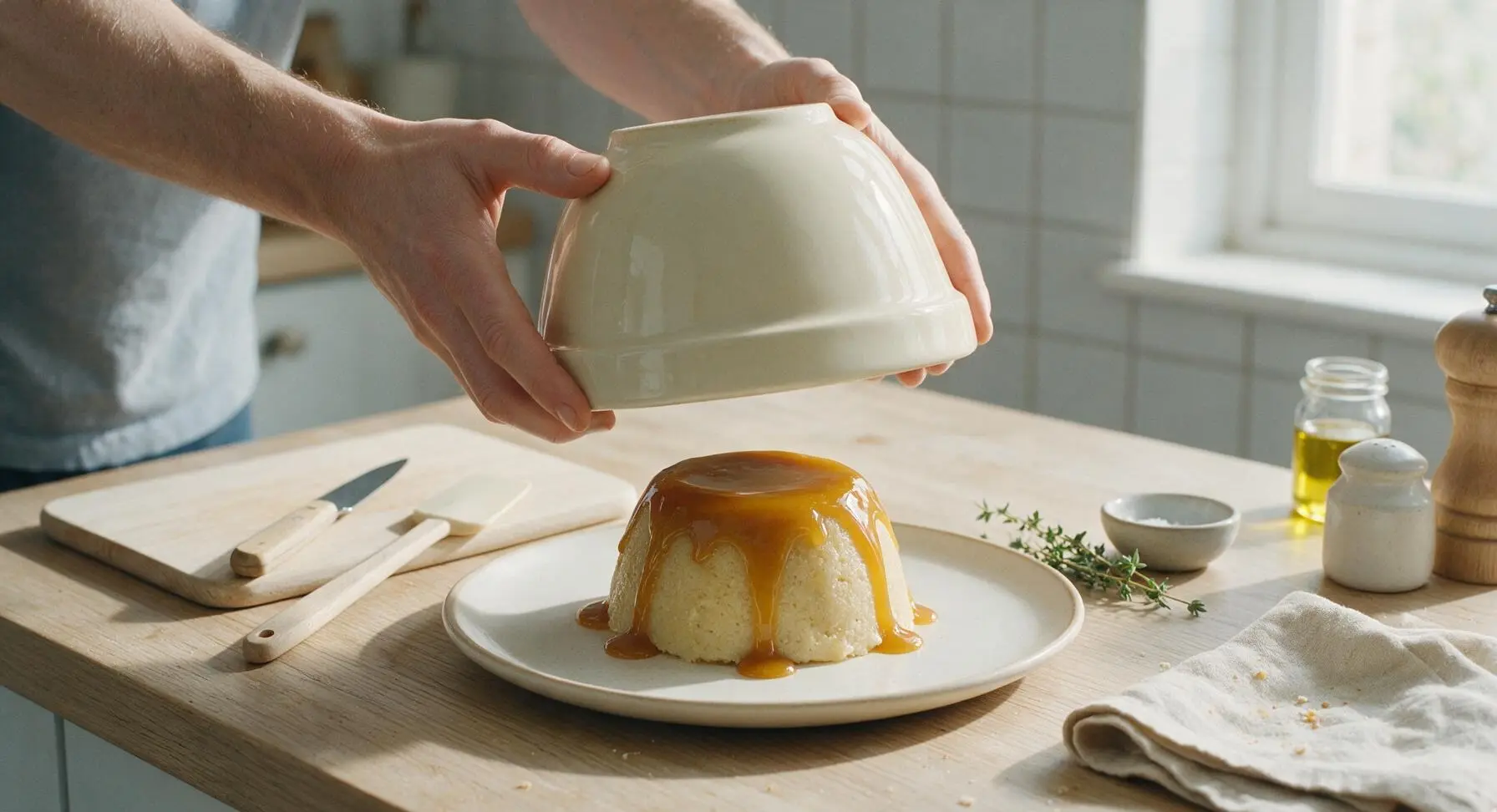
Once the 2.5 hour steaming time is complete, turn off the heat and carefully lift the sealed pudding basin from the stock pot using the twine handle, setting it on the marble counter to rest for 5 minutes. Snip the twine and peel off the greaseproof paper cover. Run the tip of the polished silver table fork around the inner edge of the basin to loosen the pudding sides. Place the 24cm vintage cream ceramic dinner plate upside down over the top of the basin, then hold the plate and basin firmly together with both hands and invert in one smooth, steady motion. Gently lift the basin straight up to release the pudding, allowing the warm treacle to flow down the sides of the suet crumb.
Tips
2.Use soft fresh white breadcrumbs instead of dried for the lightest crumb: dried breadcrumbs absorb excess moisture and produce a dense, heavy pudding, while fresh crumbs create the signature soft, fluffy suet texture.
3.Maintain a gentle, steady simmer when steaming, and top up water levels only with boiling water: rapid boiling will make the pudding tough and waterlogged, while adding cold water drops the pot temperature and leads to uneven cooking.





Wait, I’ve never worked with suet before—this is marked medium difficulty, should I be intimidated as someone who mostly makes boxed brownies? The photos look so good I really want to try it for my book club potluck next week!
Game changer! I grew up eating my British grandma’s suet pudding but could never get the recipe right after she passed. This version tastes exactly like hers—warm, gooey, perfectly sweet treacle oozing out when you cut into it. I served it with a dollop of clotted cream and cried a little, ngl.
SO good. I was skeptical making a steamed pudding on my stovetop since I usually do smoked meats and grilled stuff, but my wife begged me to try it after seeing the recipe. Served it with vanilla ice cream after our brisket dinner last night and even my teen son who hates ‘old people food’ ate two servings. Will make again.
Wait, has anyone tried making this ahead of time and reheating it? I host a big Christmas party every year and love having dishes I can prep the day before so I’m not stuck in the kitchen while guests are over.
Ugh, this looks so good but I have a gluten sensitivity—has anyone tested this with a gluten-free suet and all purpose GF flour blend? I don’t want to waste ingredients if it’ll turn out dense or crumbly.
Lol I messed up the first time because I forgot to cover the pudding top with parchment before putting the lid on, so water dripped in and made the top soggy. Don’t be like me! The parts that didn’t get soggy were insane though, I’m definitely trying again this weekend and paying better attention.
How heavy is this, really? I love sweet desserts but I’m not a huge fan of super dense, stodgy food that leaves me feeling bloated for hours. Is it lighter than it sounds?
Took this to my office potluck yesterday and people were literally fighting over the last slice. Multiple coworkers asked for the recipe, and I got three texts about it last night. 10/10, will be making this for every work event from now on.
Quick question—do I absolutely need a fancy pudding basin to make this? I don’t have one and don’t really want to buy a single-use kitchen gadget if I can use something I already own.
I’ve been on a mission to make all the classic old-school steamed puddings this winter, and this is hands down the best one I’ve tried yet. The treacle flavor is perfectly balanced, not too bitter, and the suet crust has that perfect soft, pillowy texture. Served it with warm custard and it was pure comfort food.
My kids loved it! I was worried the treacle flavor would be too strong for their picky palates, but they gobbled it up and asked for seconds. The 2.5 hour cook time felt long but most of it is hands-off, so I was able to help with homework and fold laundry while it steamed. Total weeknight win, even with the long cook time!
I added a tiny bit of fresh ginger and a sprinkle of flaky sea salt to the treacle filling and it elevated this so much! The salt cuts the sweetness perfectly and the ginger adds a little warm zing that pairs so well with the suet crust. Highly recommend that little tweak if you want to mix things up.
Made this today when we were stuck inside during that big Colorado snowstorm, and it was the coziest thing ever. The whole house smelled amazing while it was steaming, and it was the perfect warm treat after building a snowman with the kids. Will definitely be a snow day staple from now on.
Full transparency: I thought suet pudding sounded gross. Like, why would I put beef fat in a dessert? But my partner begged me to make it, so I caved. Y’all. I was so wrong. It’s so rich and tender and not beefy at all? I feel like I’ve been missing out my whole life. Game. Changer.
Tried this after seeing a bunch of suet pudding challenges on the Great British Baking Show, and it turned out way better than I expected! I oversteamed it by 10 minutes because I got wrapped up in an episode, but it was still totally delicious. Definitely easier than the show makes it look, even with the medium difficulty rating.
What do you all serve this with? I know traditional is clotted cream or custard, but I’m out of both and need a quick easy side to throw together with it tonight for dessert.