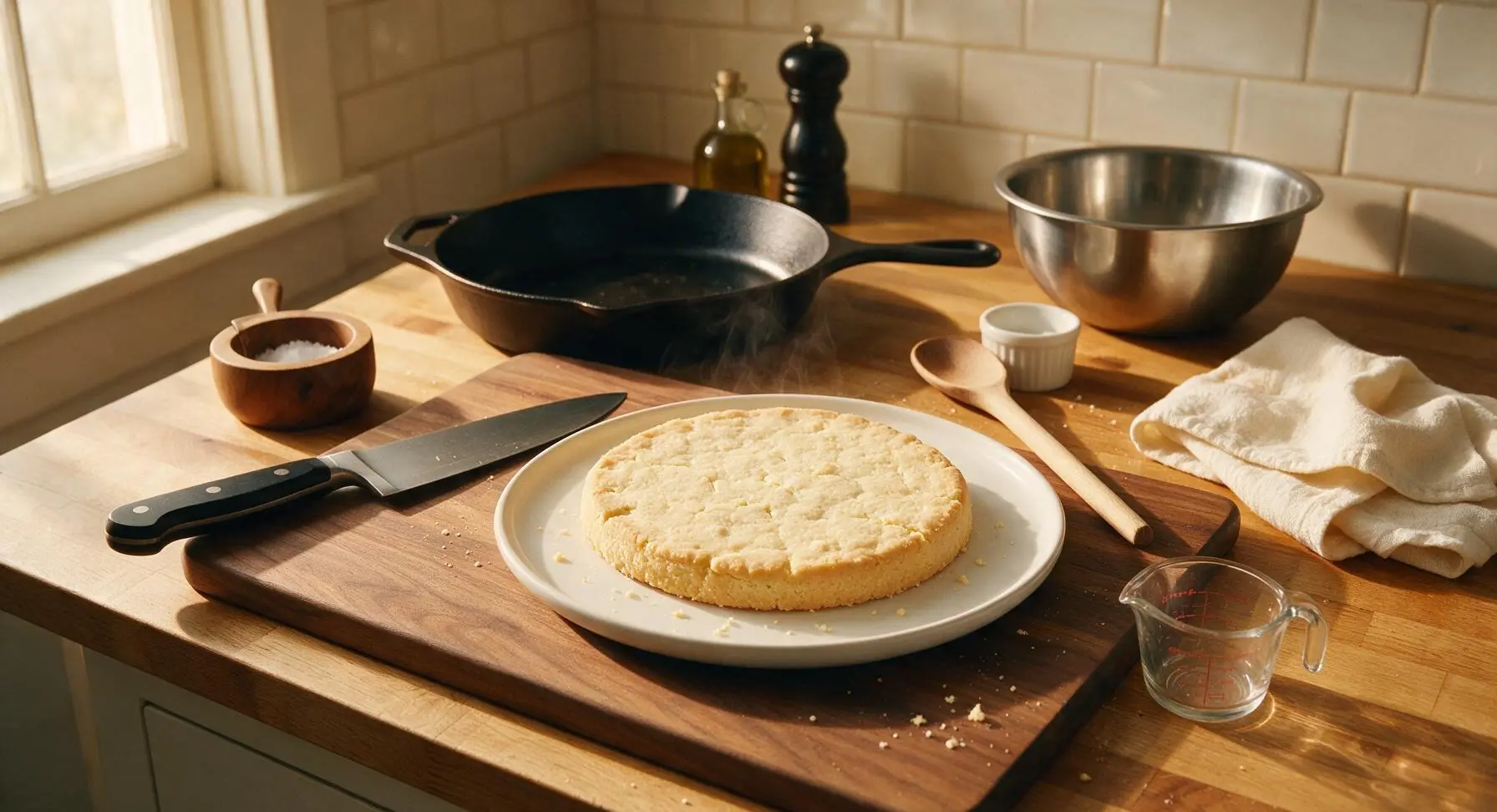
Walker's Shortbread

title 1
Walker's Shortbread
⏱️ cook time 40 minutes
🍽️ servings 16
⚡ Difficulty easy

intro

Buttery, dense, melt-in-your-mouth Walker’s-style Scottish shortbread, made with four simple ingredients for that iconic, timeless classic flavor.

Ingredients
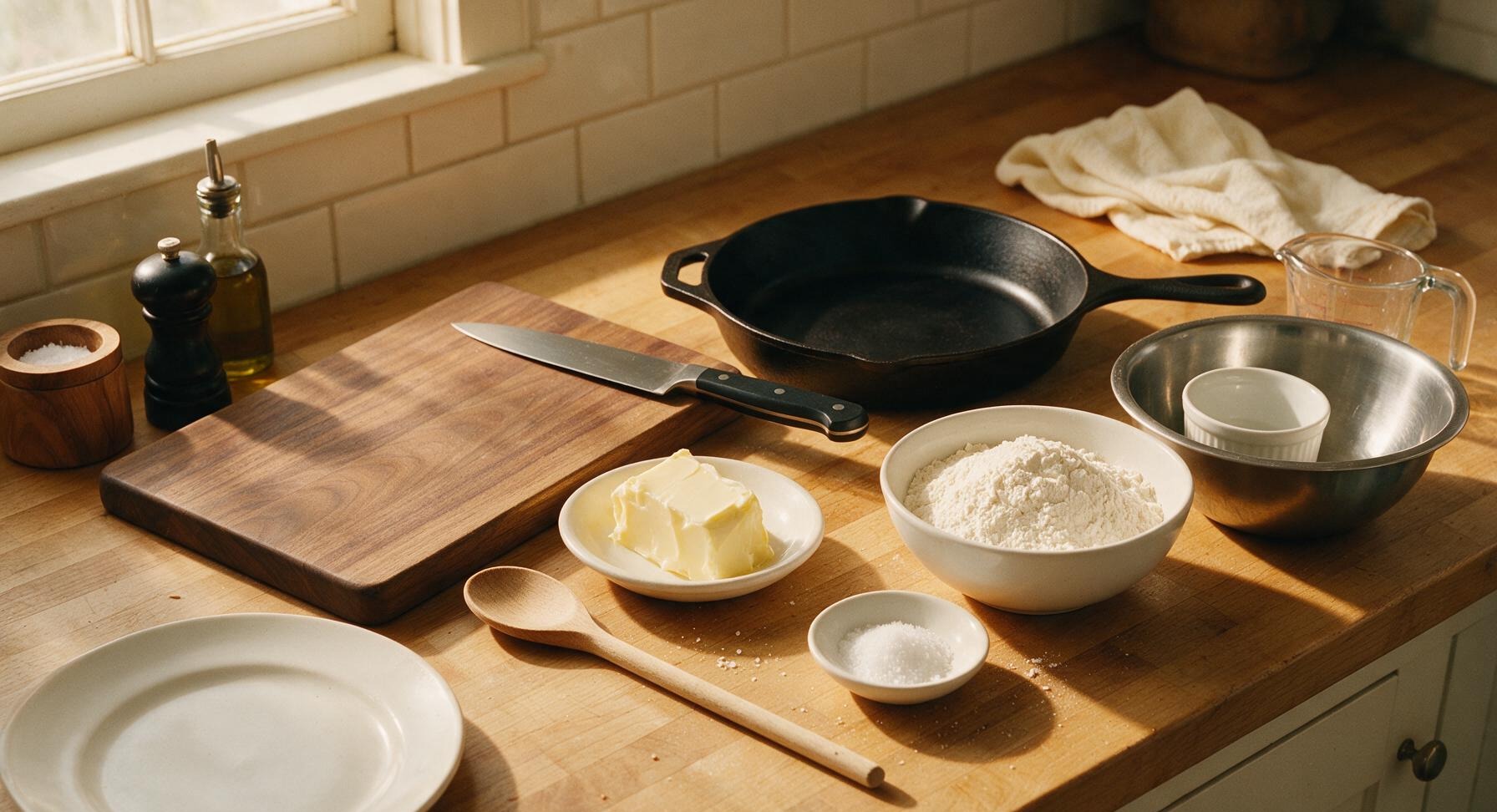
Unsalted high-fat European-style butter, softened to room temperature 225g (2 sticks / 1 cup)
Caster (superfine) sugar 115g (1/2 cup + 1 tbsp)
All-purpose plain flour, spooned and leveled 340g (2 3/4 cups)
Fine sea salt 1/4 tsp

Steps

1

Cream Butter and Sugar

Place the softened 225g unsalted butter into the large stainless steel mixing bowl. Add the 115g caster sugar and 1/4 tsp fine sea salt. Use the matte butter-yellow silicone spatula to cream the mixture together by hand for 2-3 minutes, until smooth, pale, and fully combined. Take care not to beat excess air into the mixture (over-aerating causes shortbread to spread while baking); the final mixture should be thick and smooth, not light or fluffy.
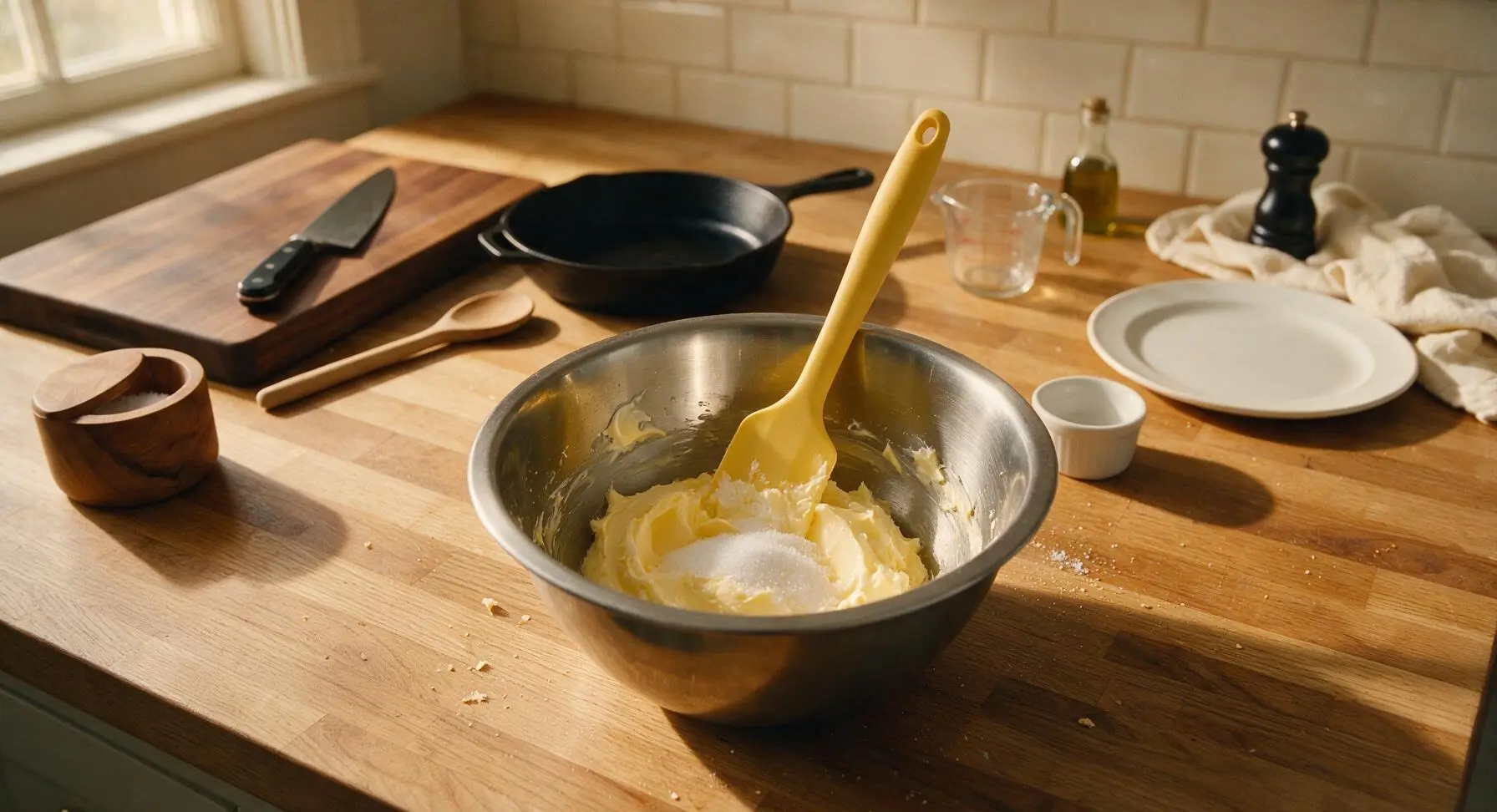
Step 1
step1:Cream Butter and Sugar
2

Sift in All-Purpose Flour

Rest the fine-mesh tinned steel sieve over the rim of the mixing bowl. Add the 340g spooned-and-leveled all-purpose flour to the sieve, tapping the side gently to sift flour evenly over the creamed butter mixture. Discard any coarse lumps or bran left in the sieve; sifting ensures a perfectly even, lump-free dough texture.
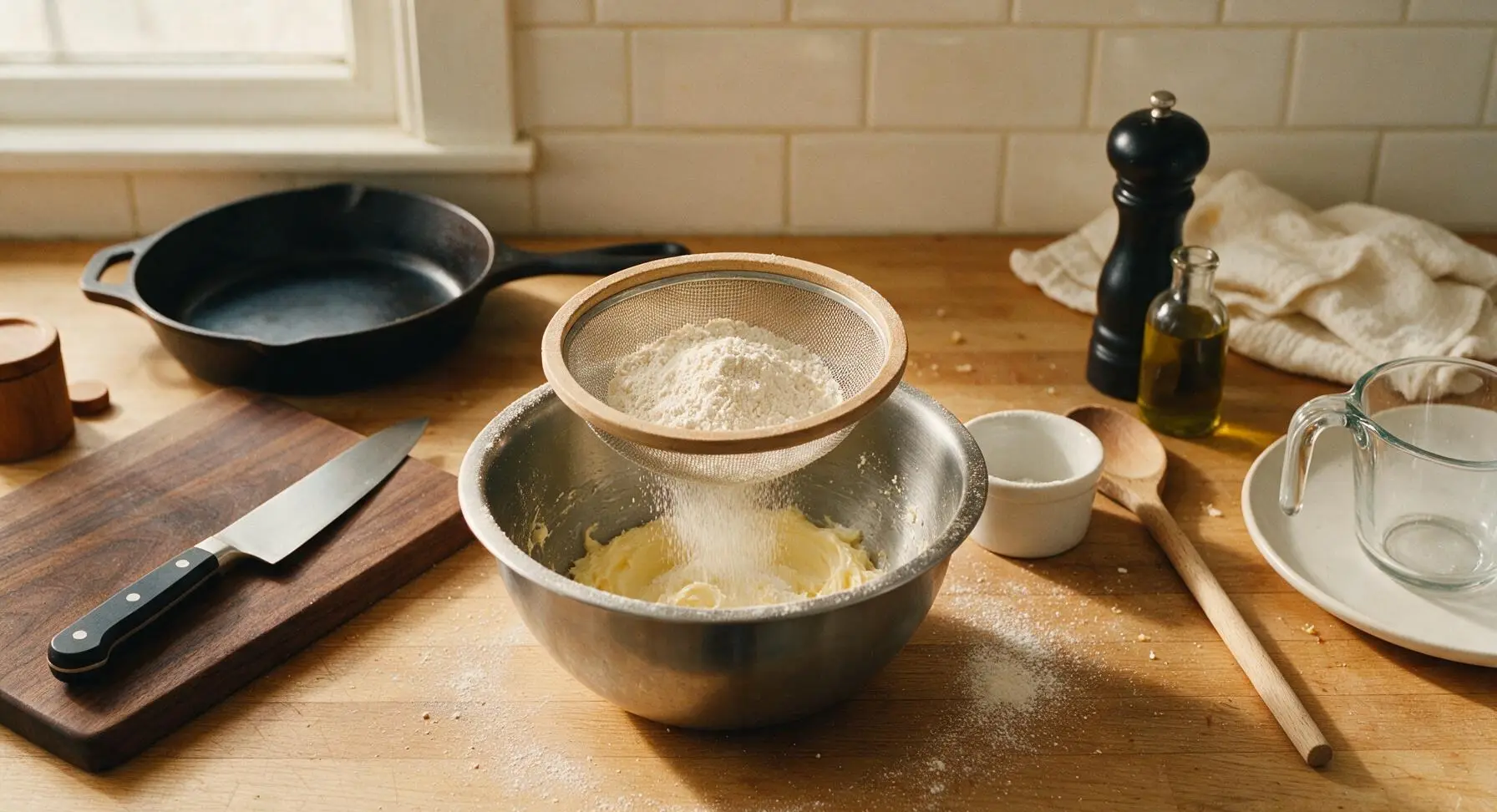
Step 2
step2:Sift in All-Purpose Flour
3

Form Crumbly Dough

Use the silicone spatula to gently cut and fold the sifted flour into the butter mixture, working slowly to avoid overdeveloping gluten in the flour. Stop mixing as soon as no dry flour remains, and the mixture forms soft, crumbly clumps that hold together when squeezed in your palm. The dough will feel slightly sandy, not smooth like bread dough; overmixing produces tough shortbread.
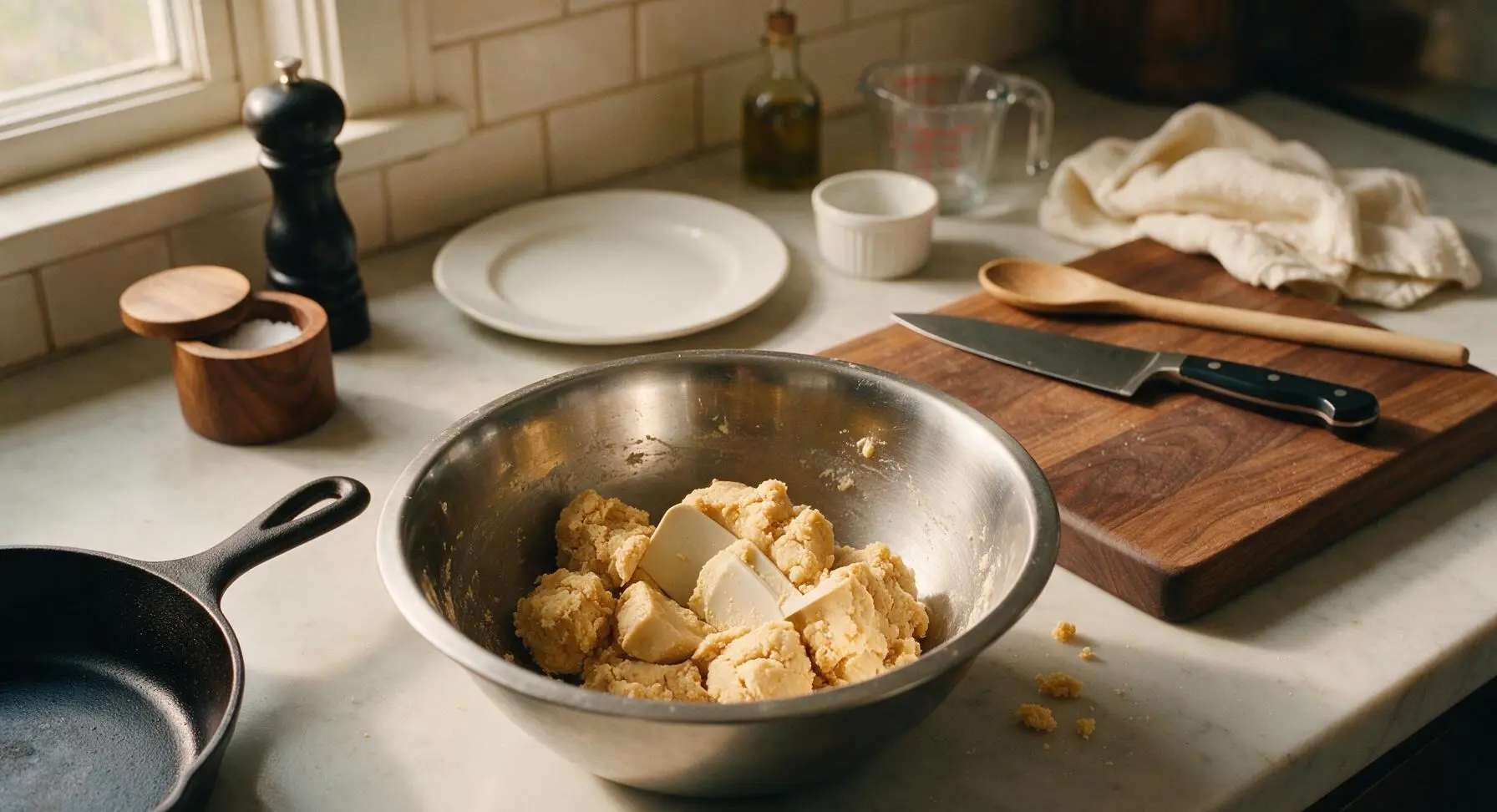
Step 3
step3:Form Crumbly Dough
4

Press Dough Evenly

Retrieve the 8-inch square anodized aluminum baking pan from below the counter (no greasing needed, as the dough’s high butter content prevents sticking). Transfer all crumbly dough into the pan, using clean fingertips or the flat base of a dry measuring cup to press dough firmly into a single smooth, even 1.5cm thick layer across the entire pan base. Ensure thickness is identical from edge to edge, and run a finger along the pan edges to create a neat, even border.
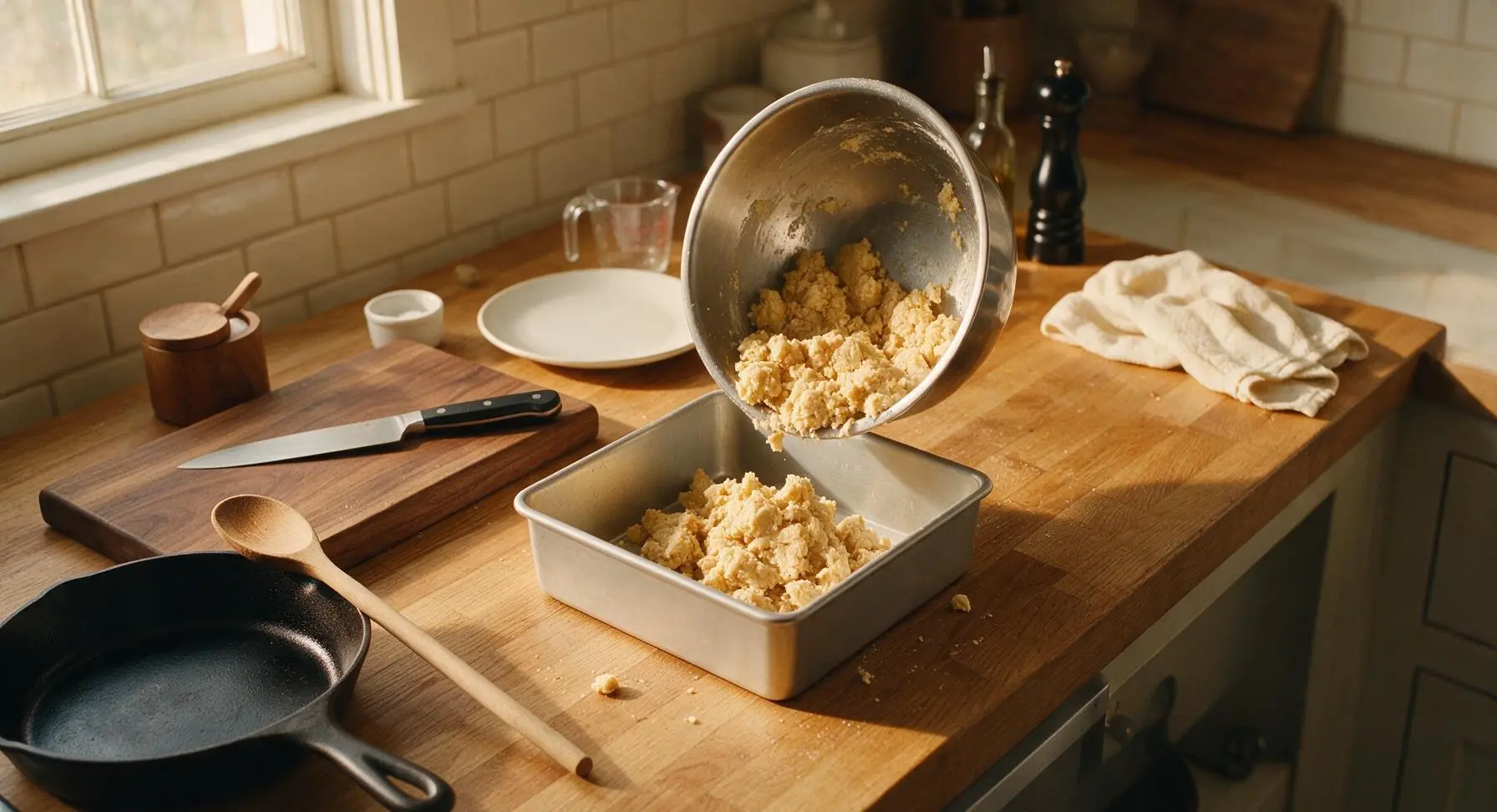
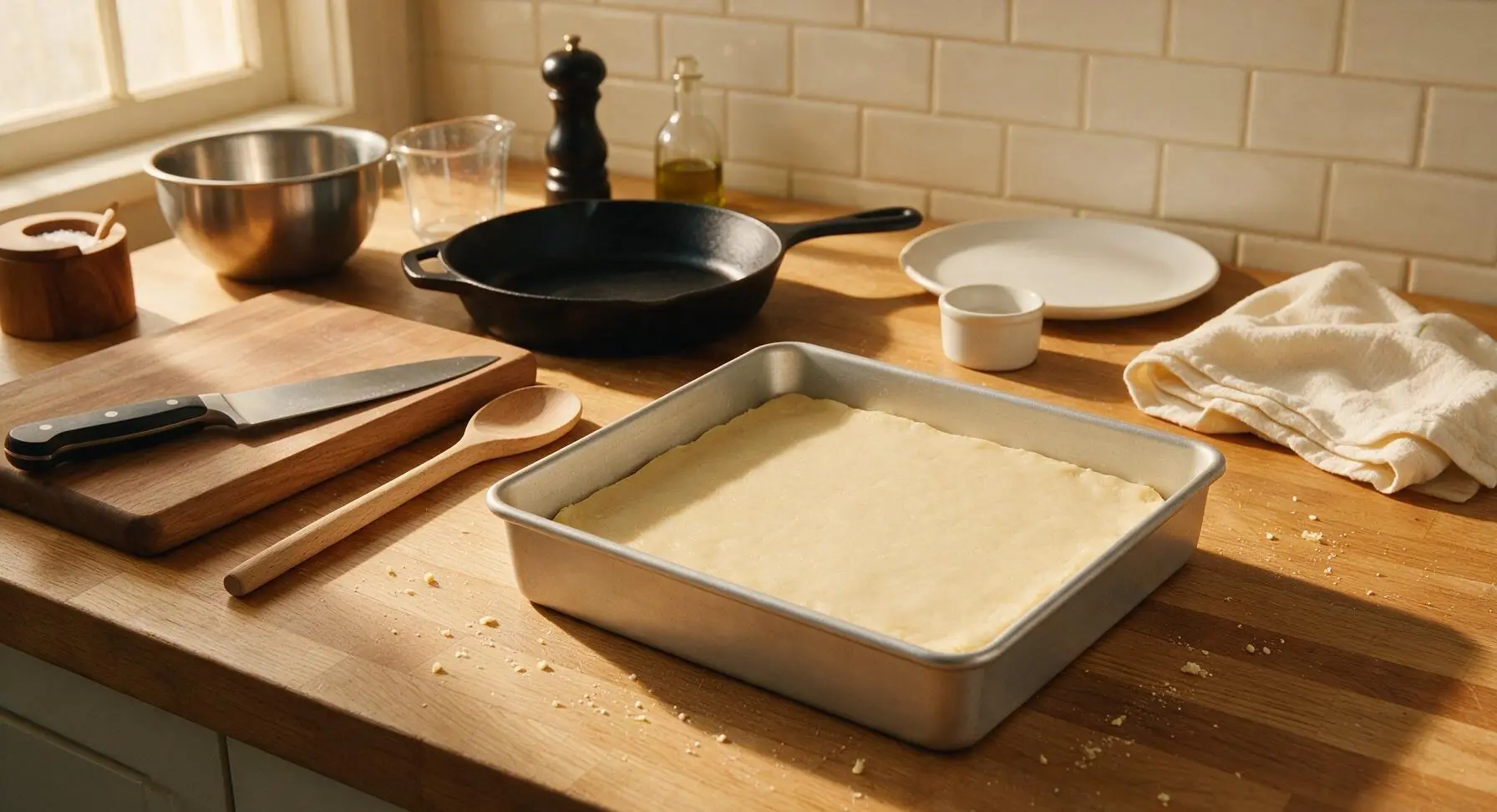
Step 4
step4:Press Dough Evenly
Step 4
step4:Press Dough Evenly
5

Dock and Score Dough

Use the light beech wood pastry docker to prick the entire dough surface evenly every 2cm, pressing all the way through to the pan base; this prevents trapped air bubbles from creating uneven bumps while baking. Next, use the small oak-handled paring knife to lightly score the dough into 16 even 2x4cm (1x1.5 inch) fingers, cutting only halfway through the dough. Prick the center of each scored finger once with the knife tip for the classic Walker’s decorative pattern.
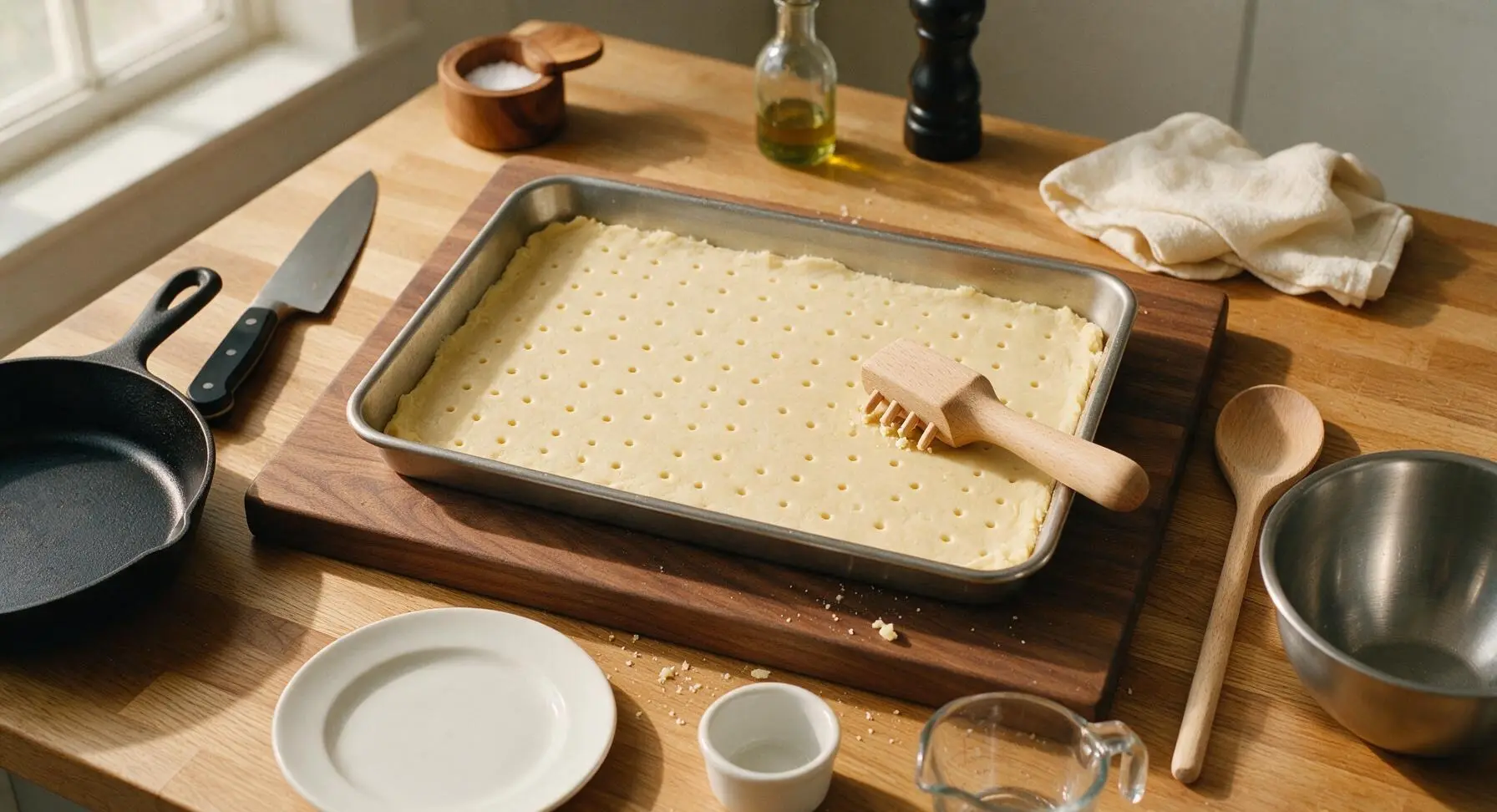
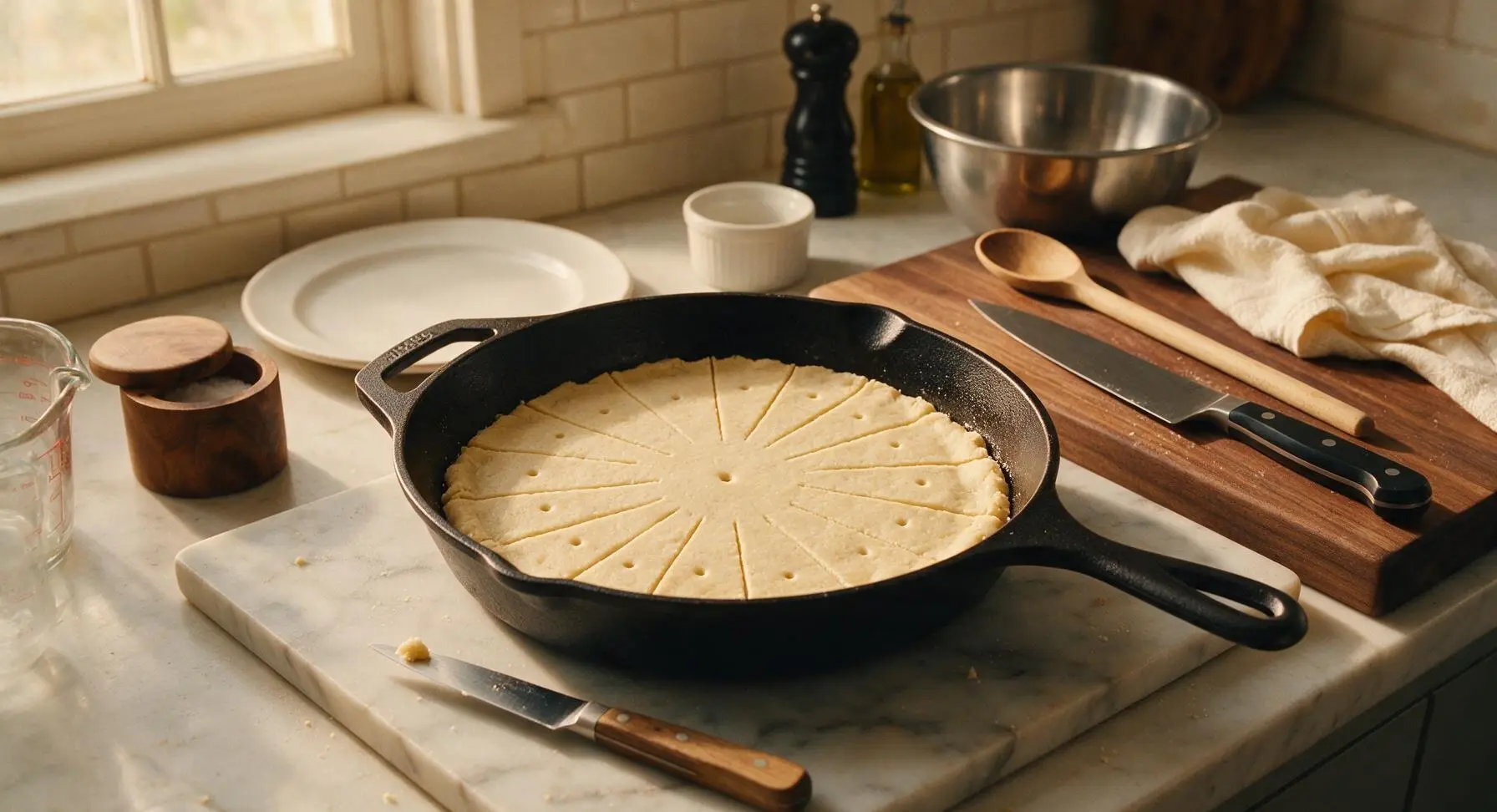
Step 5
step5:Dock and Score Dough
Step 5
step5:Dock and Score Dough
6

Bake Low and Slow

Place the baking pan on the middle rack of a preheated 150C (300F) oven (convection fan off, to avoid uneven browning). Bake for 38-42 minutes, until the shortbread edges are a pale even buttery gold, and the center is set and pale creamy blonde. Do not let the shortbread turn dark brown, and avoid opening the oven door for the first 30 minutes of baking to prevent sinking.
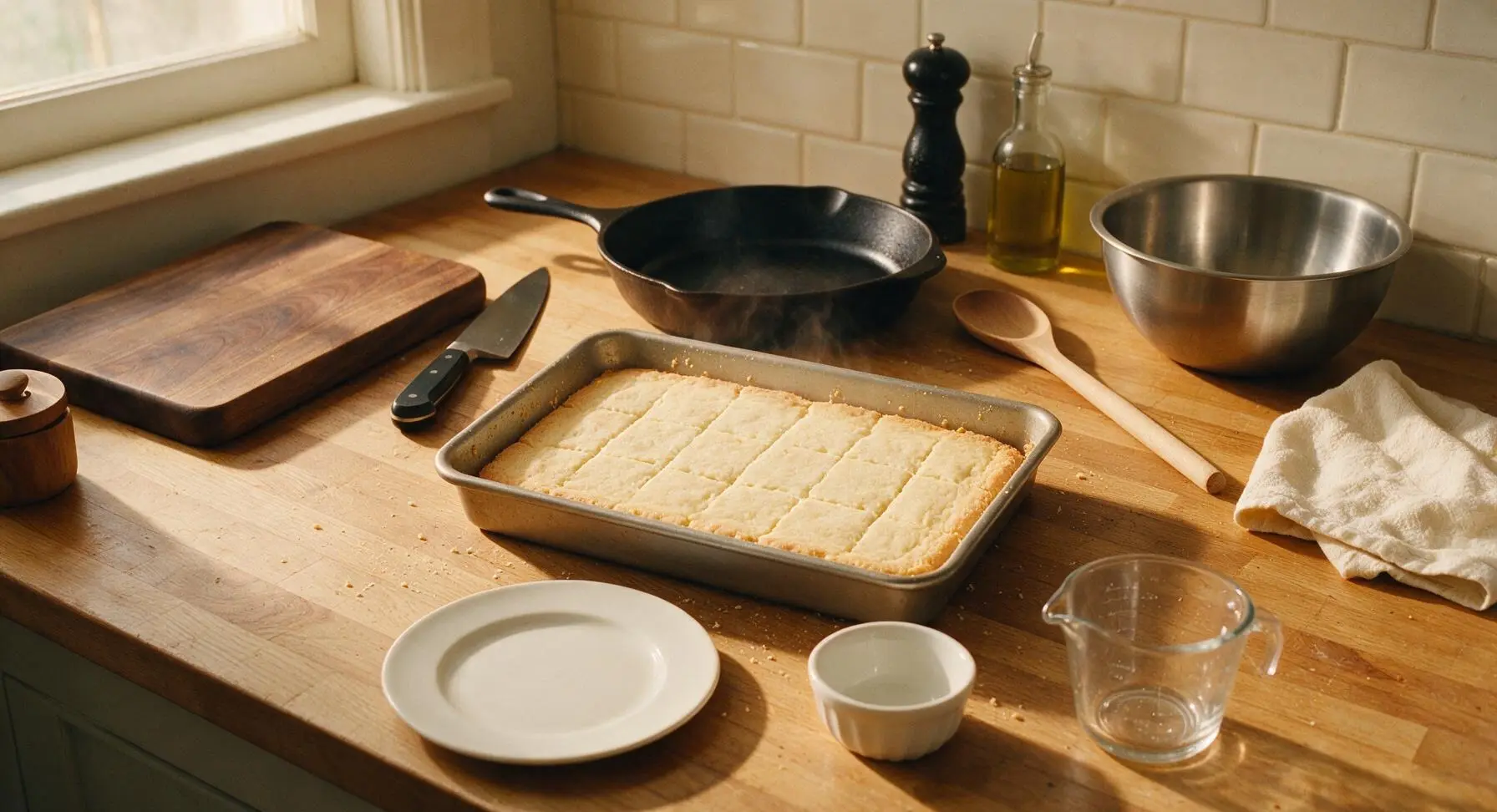
Step 6
step6:Bake Low and Slow
7

Cool and Cut Shortbread

Retrieve the matte chrome wire cooling rack from below the counter, and set the hot baking pan on top of the rack. Let shortbread cool in the pan for 20 minutes, then run the paring knife along the original score lines to cut all the way through into individual fingers. Do not attempt to remove shortbread from the pan while hot, as it will crumble and break.
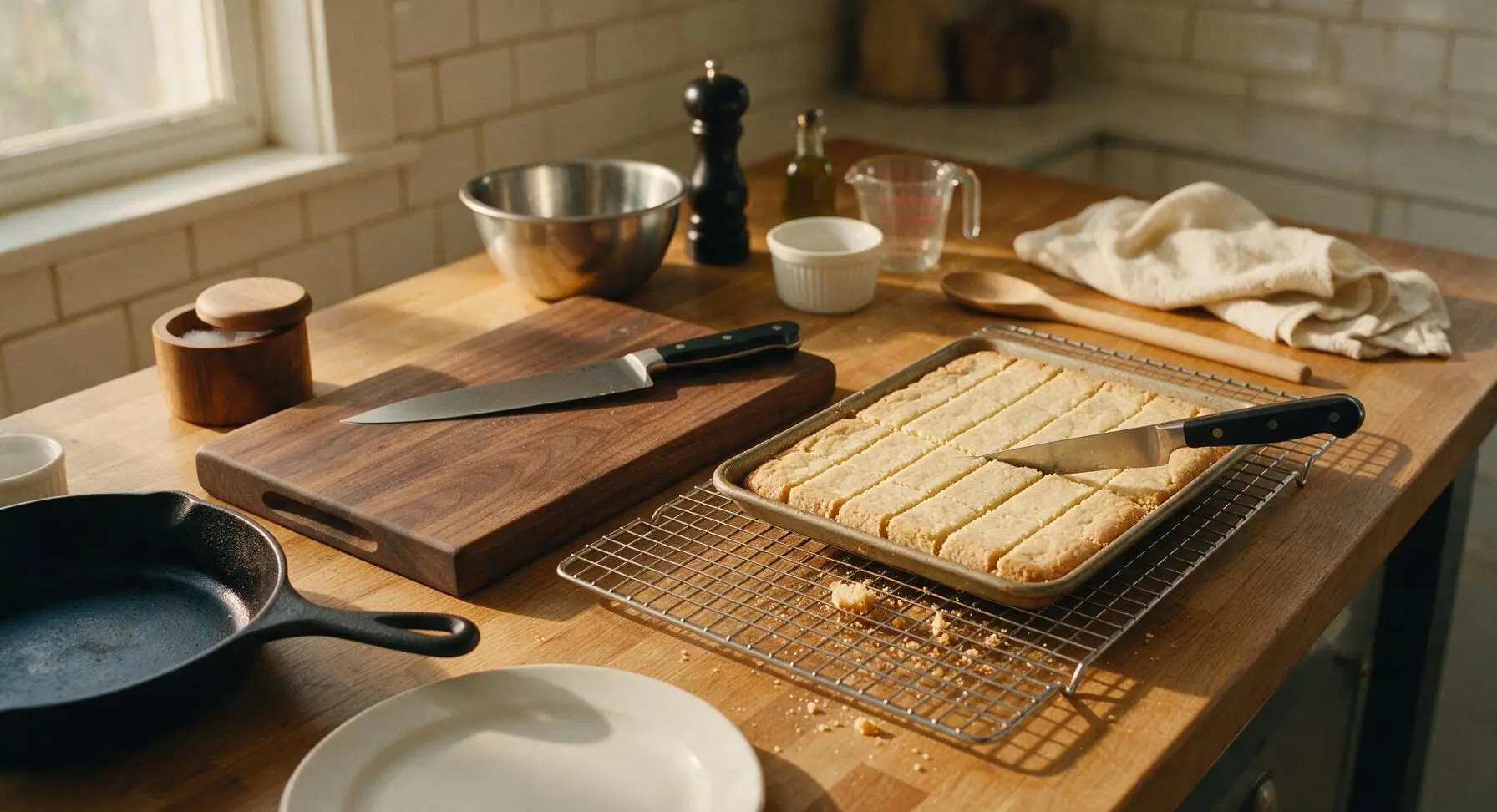
Step 7
step7:Cool and Cut Shortbread
8

Plate and Serve

Let cut shortbread cool completely for an additional 15 minutes on the rack, then carefully lift each finger from the pan and arrange on the cream white ceramic serving platter. Shortbread will keep in an airtight tin at room temperature for up to 2 weeks, and its flavor improves for 2-3 days after baking as the butter melds with the flour and sugar.
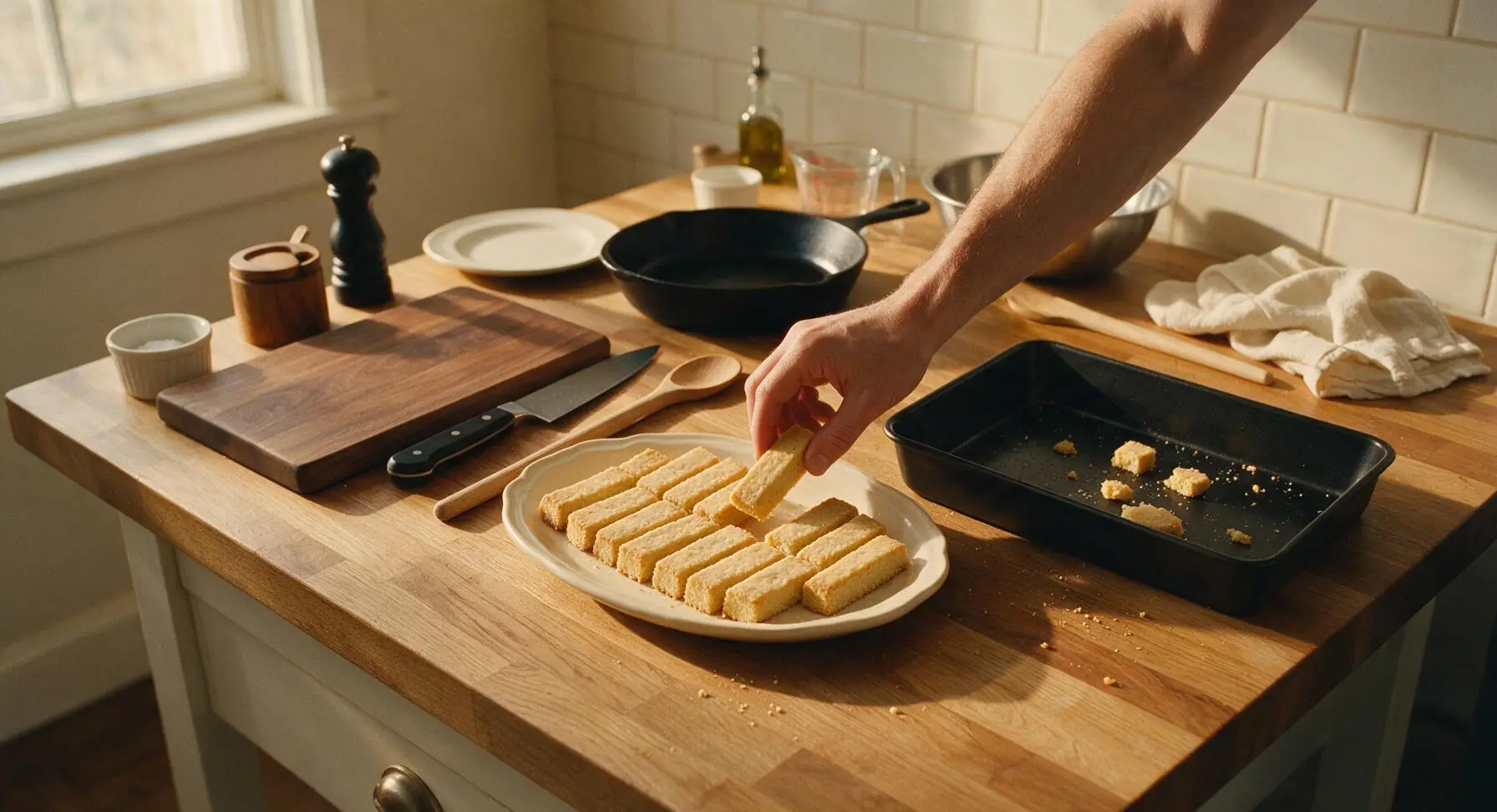
Step 8
step8:Plate and Serve

Tips

1.Use high-fat European-style unsalted butter (minimum 82% butterfat) for the most authentic Walker’s flavor and texture: lower-fat butter contains extra water, which creates tough shortbread and causes spreading during baking.
2.Always mix shortbread dough by hand with a spatula, never an electric mixer: beating on high speed incorporates too much air, which creates a light, crumbly cookie texture instead of the dense, melt-in-your-mouth bite of traditional Walker’s shortbread.
3.Err on the side of under-baking rather than over-baking: authentic Walker’s shortbread is pale blonde on top with only a faint golden edge. Over-baking results in dry, crunchy shortbread that loses its signature delicate buttery flavor.

✨ You May Also Like

Desserts & Baking
🍜 Italy

Creamy, coffee-kissed classic Northern Italian no-bake dessert, with layers of rum-spiked mascarpone cream, soft ladyfingers, and a rich cocoa dusting.

⏱️ 4 hours 3Desserts & Baking ★ 4.7
Desserts & Baking
🍜 France

Flaky, shatteringly crisp, buttery French croissants with golden exteriors and soft, airy layered interiors, perfect for pairing with coffee for a special morning treat.

⏱️ 12 hours Desserts & Baking ★ 4.5
Desserts & Baking
🍜 United States

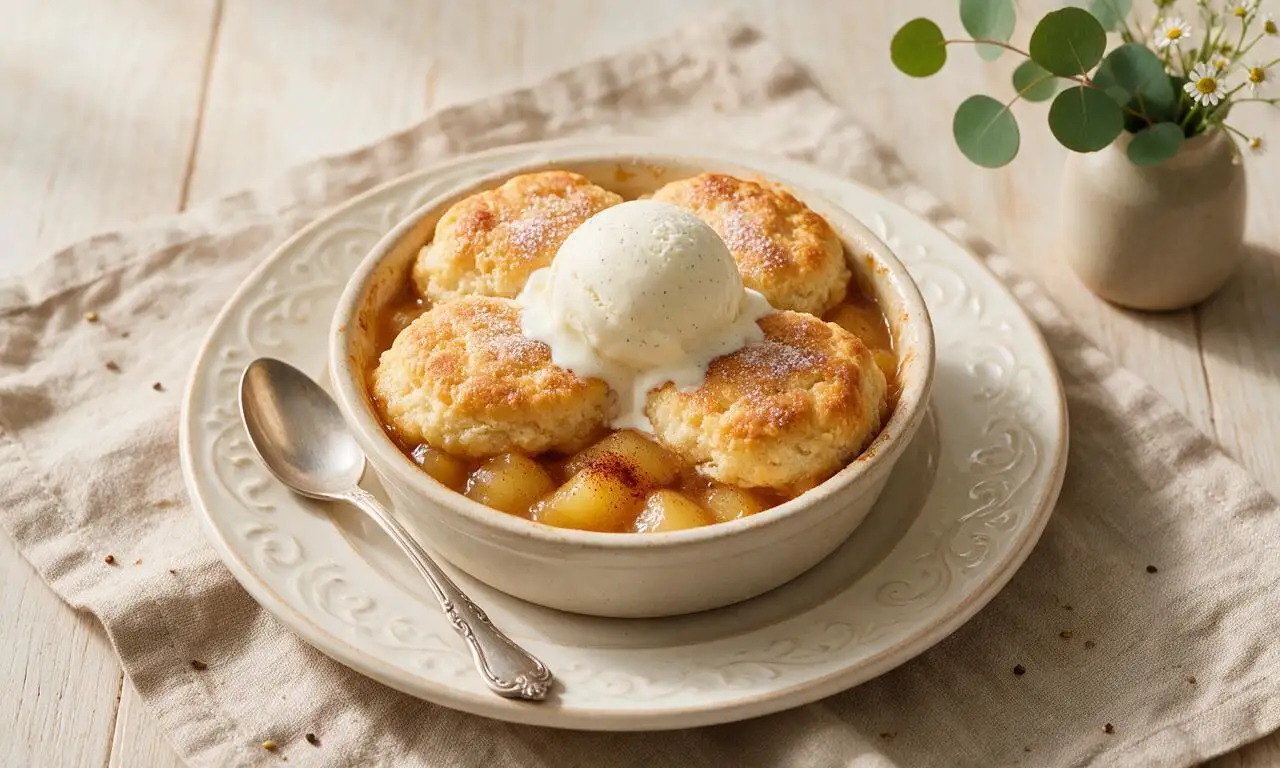
Warm, spiced baked apples topped with a fluffy golden biscuit crust, this cozy dessert pairs perfectly with vanilla ice cream for cool-weather comfort.

⏱️ 55 minuteDesserts & Baking ★ 4.6
Desserts & Baking
🍜 United States

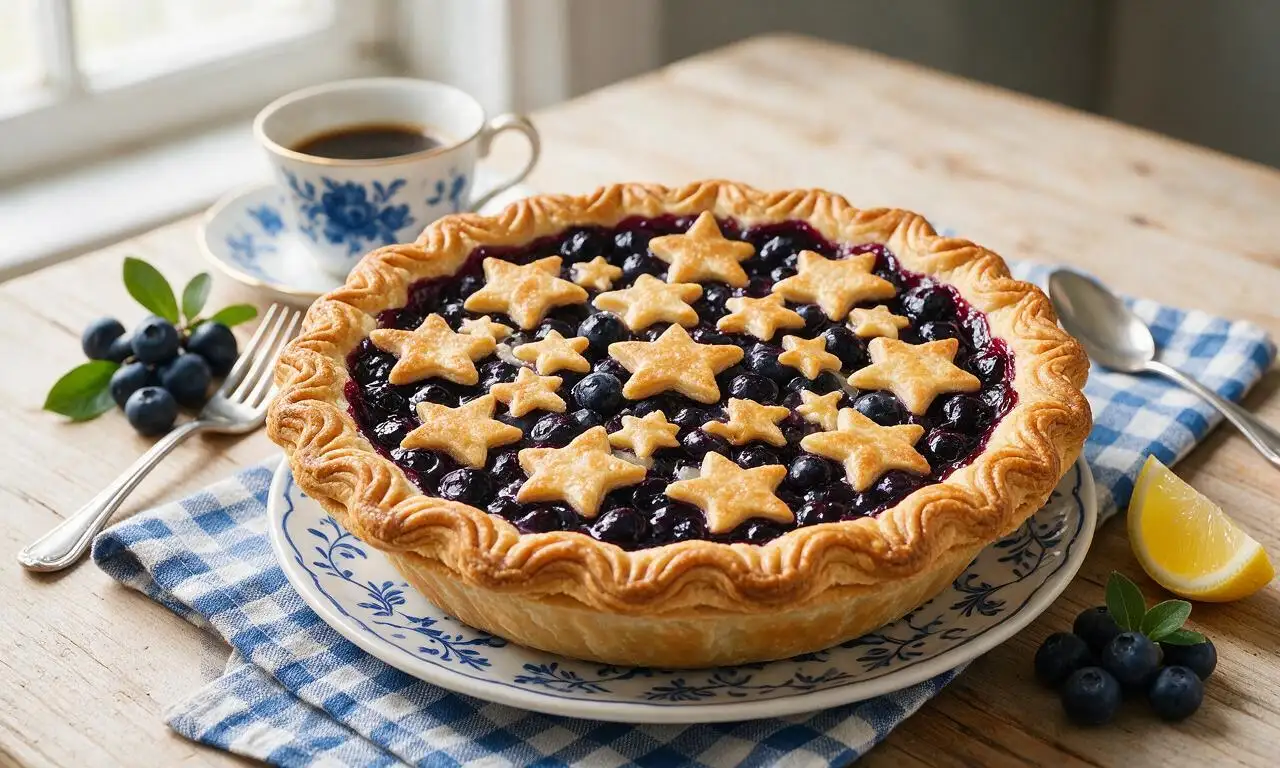
A star-spangled classic American blueberry pie with buttery flaky crust and bright sweet-tart filling, perfect for summer patriotic gatherings.

⏱️ 1 hour 25Desserts & Baking ★ 4.7
Desserts & Baking
🍜 United States

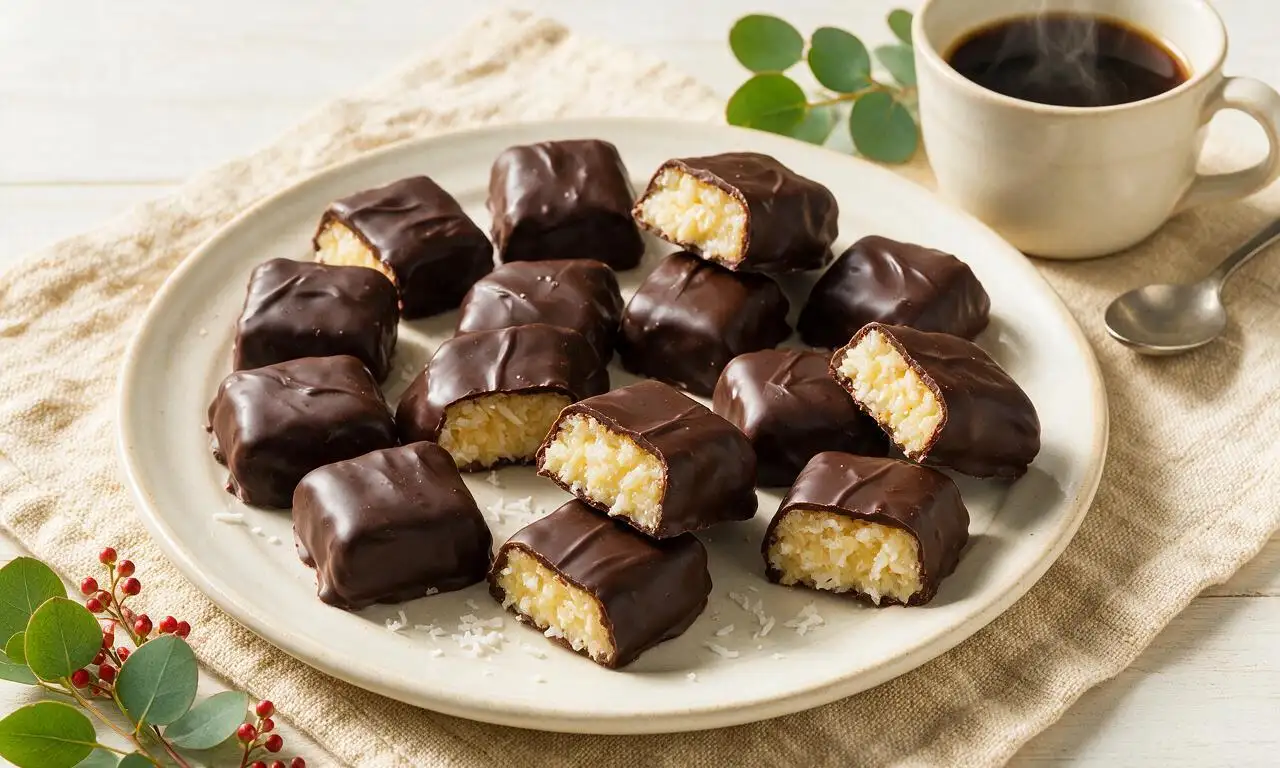
A beloved no-bake regional Maine candy with a chewy coconut-potato center coated in rich dark chocolate, a New England holiday staple since the 1870s.

⏱️ 2 hours 3Desserts & Baking ★ 4.8
Desserts & Baking
🍜 France

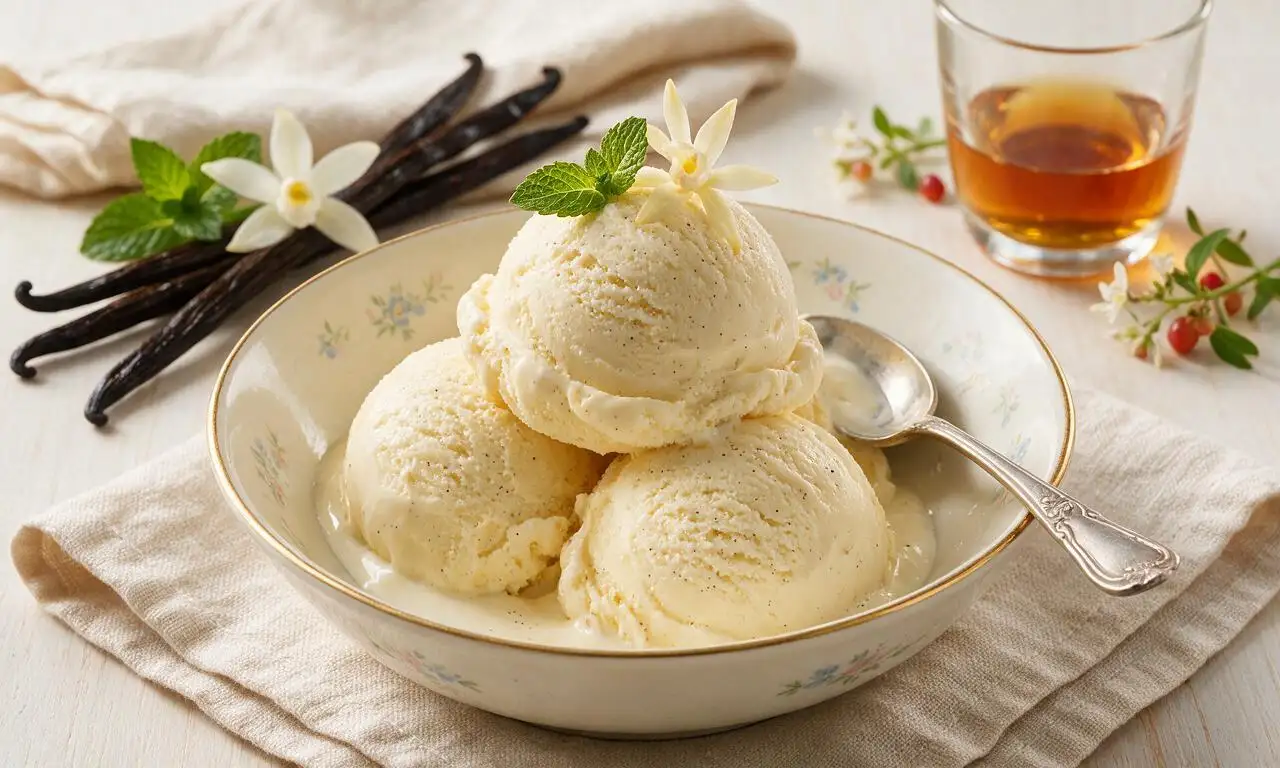
Luxuriously creamy, floral frozen custard made with aromatic Tahitian vanilla beans, boasting a smooth, rich texture that melts slowly on the tongue.

⏱️ 3 hours 3Desserts & Baking ★ 4.5

Walker's Shortbread:Frequently Asked Questions

1.Why does this recipe call for high-fat European-style unsalted butter instead of regular American butter? ▾
European-style butter has 82-86% butterfat, compared to the 80% standard for most American butter, with far less added water. This creates the signature dense, melt-in-your-mouth, non-crumbly texture and rich, clean buttery flavor Walker’s is famous for. Regular butter works in a pinch, but your shortbread will be slightly less tender and authentic.
2.Can I use salted butter instead of unsalted if that’s what I already have? ▾
Absolutely, just adjust the added fine sea salt to keep the flavor balanced. If using salted butter, cut the added sea salt to 1/8 teaspoon total (or omit it entirely if your salted butter is on the higher-salt end) so the bright buttery taste stays front and center, rather than coming across as overly salty. Stick to high-fat butter if possible for best texture.
3.What if I don’t have caster (superfine) sugar? Can I use regular granulated sugar? ▾
Regular granulated sugar won’t dissolve as easily during mixing, which can leave a subtle gritty texture in your finished shortbread. You can make a perfect quick substitute by pulsing regular granulated sugar in a clean spice grinder or food processor for 10-15 seconds, until finely ground but not turned to powdered sugar.
4.Why can’t I use powdered (confectioners’) sugar instead of caster sugar? ▾
Powdered sugar contains a small amount of added cornstarch to prevent clumping, which will make your shortbread overly tender and crumbly, instead of the dense, firm, snappy texture that defines classic Walker’s shortbread. It also mutes the bright, clean buttery flavor a bit, so it’s not recommended for an authentic result.
5.How soft should the butter be for this recipe, exactly? ▾
Your butter should be cool room temperature, around 65°F, so it gives slightly when pressed with a finger but doesn’t feel greasy or melt into a puddle. If it’s too cold, it won’t mix smoothly with sugar, leading to crumbly, uneven dough; if too warm, your shortbread will spread too much while baking and lose its shape.
6.Do I need to cream the butter and sugar for a long time like I do for cakes or chocolate chip cookies? ▾
No—over-creaming is one of the most common shortbread mistakes! You only need to mix butter and sugar for 1-2 minutes on low speed until smooth and just combined, not light and fluffy. Too much air in the dough will make shortbread rise, then collapse and spread, ruining that signature dense texture.
7.Why do I need to spoon and level my flour instead of scooping it straight from the bag? ▾
Scooping flour directly from the bag packs it tightly into your measuring cup, which can add 2-3 extra tablespoons of flour per cup, leading to dry, tough, crumbly shortbread that won’t hold together. Spooning flour lightly into the cup and leveling it off with a knife gives the exact, consistent ratio needed for that tender but firm Walker’s texture.
8.Can I add mix-ins like chocolate chips, dried cranberries, or lemon zest? ▾
You absolutely can, even though classic Walker’s shortbread is served plain with no add-ins. Stick to ½ cup total of mix-ins max to keep the signature dense texture from getting overwhelmed. Toss mix-ins in a tiny bit of flour first to keep them from sinking to the dough bottom, and fold them in gently right before pressing dough into your pan.
9.Why is my finished shortbread tough instead of melt-in-your-mouth tender? ▾
Tough shortbread almost always comes from overworking the dough after you add the flour. Mix the flour in only until just combined, with no dry streaks left, then stop. Kneading or over-mixing develops gluten in the flour, which creates a hard, bread-like texture instead of the delicate, crumbly bite you want.
10.Do I need to chill the dough before baking, and if so, for how long? ▾
Yes, a 30-minute chill in the refrigerator after pressing the dough into your pan is non-negotiable for authentic results. Chilling solidifies the butter in the dough, which prevents excess spreading in the oven, helps shortbread hold its classic shape, and deepens buttery flavor as the flour hydrates evenly.
11.What type of pan is best for baking this classic shortbread? ▾
A light-colored metal 8-inch square pan or 9-inch round shortbread mold works perfectly. Light metal prevents edges from browning too quickly before the center sets. Avoid dark nonstick pans, which over-brown the bottom, and glass pans, which conduct heat too slowly and lead to soggy, underbaked centers.
12.Why do recipes tell you to prick shortbread with a fork before baking? ▾
Pricking the dough all over with fork tines (about ¼ inch deep, every inch across the surface) serves two key purposes: it lets trapped steam escape as shortbread bakes, preventing air bubbles from puffing up the surface and creating uneven texture, and it creates the classic dotted pattern tied to traditional Scottish shortbread.
13.What oven temperature and bake time gives the perfect Walker’s-style result? ▾
Bake at 325°F (300°F if using convection) for 30-35 minutes, until edges are just barely pale golden and the center looks set, not wet or jiggly. Shortbread continues to cook as it cools, so don’t wait for the top to turn deep golden—over-baking is the top cause of dry, crumbly shortbread.
14.Why does my shortbread spread and lose its clean shape while it bakes? ▾
Spreading usually stems from one of three common issues: your butter was too warm when you mixed the dough, you skipped the post-press chill step, or your oven was running too cool. Use an oven thermometer to confirm temperature accuracy, use properly softened butter, and don’t skip that 30-minute chill for sharp edges.
15.When is the right time to cut shortbread into individual pieces? ▾
Cut the shortbread immediately after pulling it out of the oven, while it’s still warm and soft in the pan. If you wait until it cools completely, it will firm up into a snappy, crisp texture, and cutting it will cause messy, crumbly breaks instead of clean, even slices. Let cut pieces cool fully in the pan before removing.
16.How should I store baked shortbread to keep it fresh as long as possible? ▾
Once shortbread is fully cooled, store it in an airtight container at room temperature, separated by layers of parchment paper to prevent sticking, for up to 2 weeks. Don’t store it in the fridge, which will dry it out and mute the buttery flavor, and keep it away from strongly flavored foods, as shortbread picks up off odors easily.
17.Can I freeze this shortbread for longer-term storage? ▾
Absolutely! Wrap fully cooled shortbread pieces tightly in plastic wrap, tuck them into a freezer-safe zip-top bag, and freeze for up to 3 months. Thaw pieces at room temperature in their wrapping for 1-2 hours before serving, and they’ll taste just as fresh as the day you baked them, with no texture loss.
18.Why isn’t this shortbread as sweet as regular sugar cookies? ▾
Classic Walker’s shortbread is intentionally low in sugar to let the rich, high-quality butter be the star of the show, unlike sweeter, leavened sugar cookies. If you prefer a sweeter bite, you can add an extra 2 tablespoons of caster sugar, but don’t add more than that or you’ll lose the signature balanced, buttery traditional flavor.

Comments (8)

2 days ago

OMG this shortbread is SO good! I made it for our neighborhood potluck last weekend and everyone was begging for the recipe. It’s buttery, crumbly, exactly like the actual Walker’s tins I used to get as a kid from my Scottish grandma. Total game changer for holiday cookie platters! The 40 minute cook time is totally doable even on a busy weeknight, my kids loved it too, they had a blast helping cut out the shapes.

yesterday

Wait did you use salted or unsalted butter? I’ve messed up shortbread before by picking the wrong butter and it came out too salty!

2 hours ago

Great question! We recommend using unsalted butter so you can control the salt level, but if you only have salted on hand, just skip the added pinch of salt in the recipe and it’ll turn out perfect!

1 week ago

Wow, this is so close to the real thing I almost teared up! I moved from Glasgow to New York 6 years ago and haven’t been able to find Walker’s that doesn’t cost an arm and a leg at the import shop. This was so easy to make, even for someone who burns toast half the time. Only reason I’m not giving 5 stars is I wish it had a note about not overworking the dough—mine was a tiny bit tough the first batch because I kneaded it too much.

5 days ago

Thanks so much for the feedback! We just added a quick tip about gently pressing the dough instead of kneading to avoid toughness, so glad the flavor hit close to home for you!

30 minutes ago

I made a double batch of this for my weekly meal prep snack stash and it’s already gone! My coworkers kept stopping by my desk to ask where I bought the fancy shortbread, they couldn’t believe I made it myself. 10/10, will be making this every other week from now on.

yesterday

Took me 10 minutes to throw the ingredients together, popped it in the oven, and my whole house smelled like a cozy Scottish cottage for hours. I brought a tin to my in-laws for Sunday family dinner and my father-in-law (who is super picky about baked goods, by the way) said it was better than the store-bought version he’s been buying for 20 years. Absolute win!

2 hours ago

Did you cut it into the classic finger shapes or use cookie cutters? I’m making this for my book club tomorrow and can’t decide!

30 minutes ago

I did the classic fingers with the little fork pricks on top, super traditional! But my niece used heart cookie cutters on the leftover dough and those came out adorable too, either works!

5 minutes ago

Super easy recipe even for a broke college student with barely any baking supplies! I only had regular all-purpose flour, granulated sugar, and butter from the dining hall takeout, and it still turned out perfectly. Way cheaper than buying the name brand tins, I’m gonna make these for my little sister’s birthday care package.

3 days ago

I made this for our office holiday potluck and it was the first empty plate on the dessert table! Everyone kept asking if I’d ordered it from a fancy bakery. The texture is perfect—no weird gritty sugar, just smooth, buttery, melt-in-your-mouth goodness. I did add a tiny drizzle of white chocolate on half the batch for a little extra flair, and that was chef’s kiss.

2 days ago

Love the white chocolate drizzle idea! That sounds like such a fun, easy upgrade to the classic recipe, we might have to test that variation ourselves soon!

2 hours ago

I tried making this with my go-to 1:1 gluten free flour blend last night and it worked like a charm! I was worried it would be crumbly or have that weird GF aftertaste, but my roommate (who eats gluten literally every day) said it was the best shortbread he’s ever had. Total win for GF bakers!

30 minutes ago

So glad the gluten free flour swap worked out for you! We’ve tested it with a few different 1:1 blends and had great results too, it’s such an easy swap for folks with dietary restrictions.

2 weeks ago

OMG I’ve been looking for a copycat Walker’s recipe forever! I made these last night to have with my afternoon tea and they are spot on. I did chill the dough for 15 minutes before baking like I do with all my shortbread, and they held their shape perfectly, no spreading at all. 10/10, will be making these for every holiday from now on.

1 week ago

Oh thanks for the chilling tip! I made my first batch last week and they spread a little in the oven, I’ll definitely try popping the dough in the fridge next time!

5 days ago

The dough chilling tip is such a great hack! We’ll add that as an optional tip in the recipe notes for anyone who runs into spreading issues, thanks for sharing!