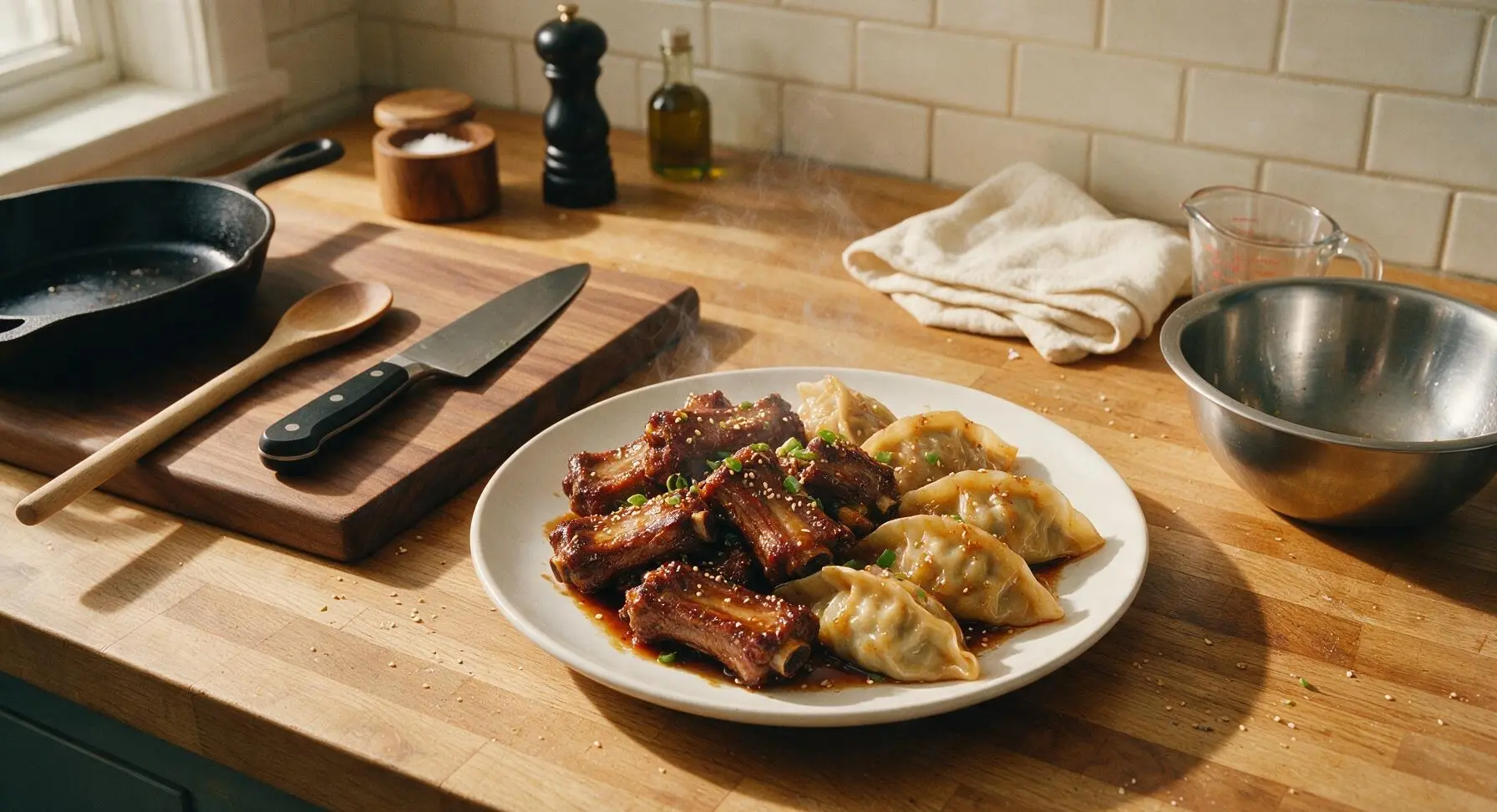
Wangmandu Ribs

title 1
Wangmandu Ribs
⏱️ cook time 1 hour 15 minutes
🍽️ servings 4
⚡ Difficulty medium

intro

Tender fall-off-the-bone pork ribs simmered in a sweet-savory soy-fruit glaze, paired with chewy king-sized wang mandu dumplings: a cozy, shareable Korean comfort classic.

Ingredients
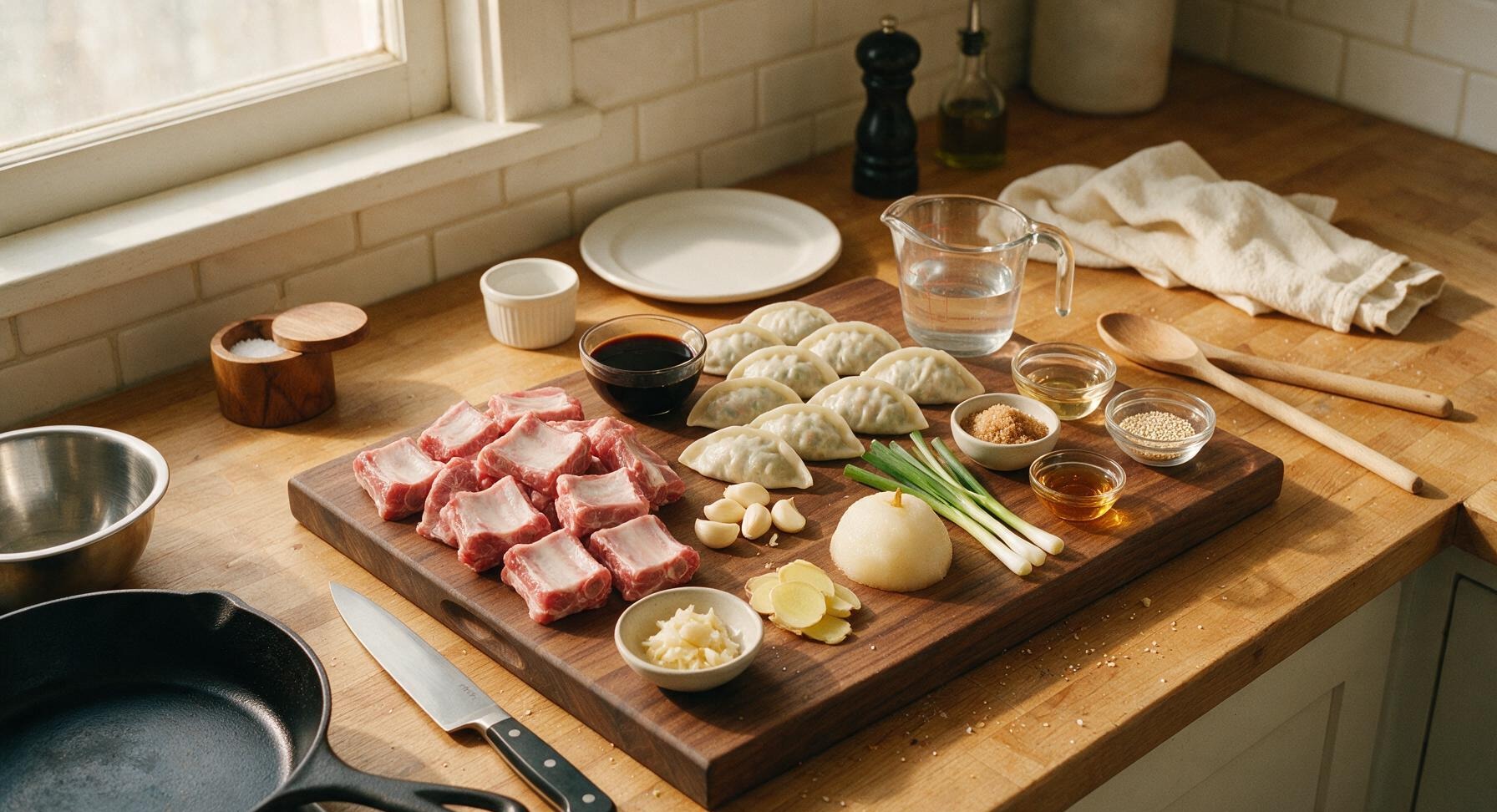
Pork spare ribs (cut into 5cm individual pieces) 1kg (2.2 lbs)
Frozen wang mandu (king-sized pork and vegetable dumplings) 8 pieces
Low-sodium soy sauce 120ml (1/2 cup)
Garlic cloves (crushed) 6 cloves
Fresh ginger (thinly sliced) 20g (1 small knob)
Korean pear (peeled, grated) 1 small (150g)
Scallions 4 stalks
Mirin 60ml (1/4 cup)
Korean rice wine (cheongju, or dry sherry) 30ml (2 tbsp)
Light brown sugar 2 tbsp
Toasted sesame oil 1 tbsp
Toasted white sesame seeds 1 tsp
Ground black pepper 1/2 tsp
Cold water 500ml (2 cups)

Steps

1

Blanch Pork Ribs

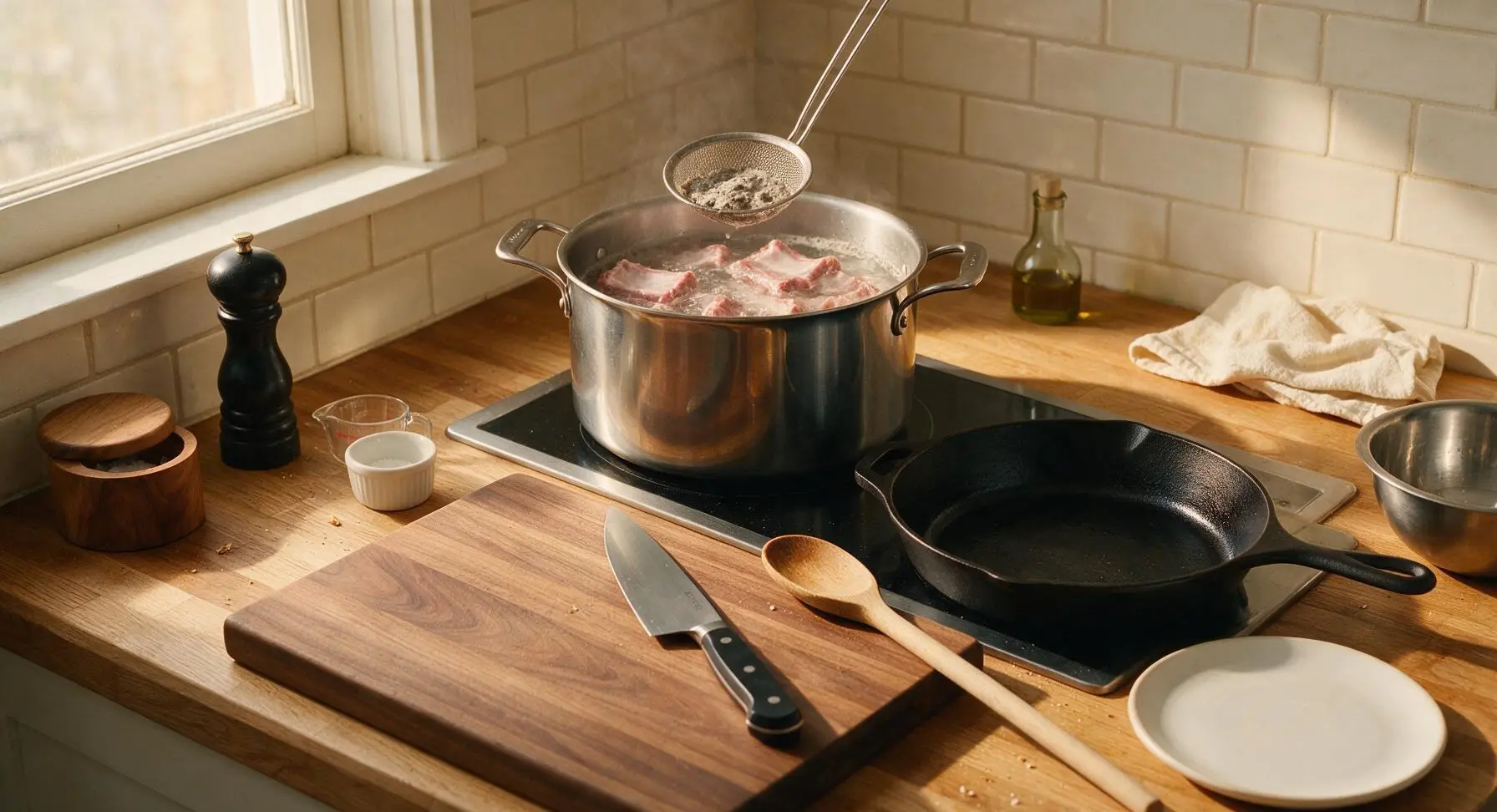
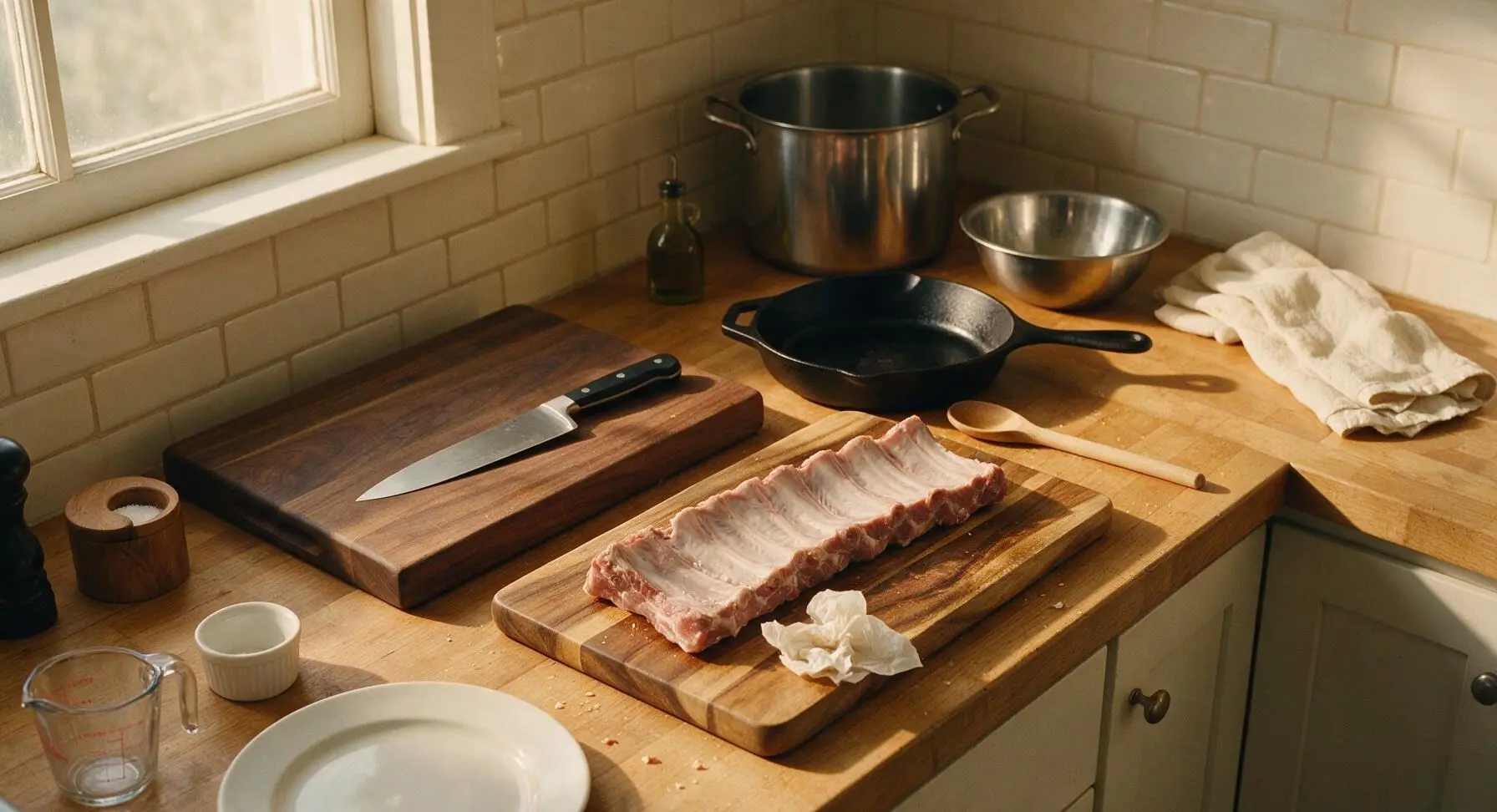
Fill the 6-quart stainless steel stock pot with 2 liters of cold water, add 1 sliced scallion and half the ginger, bring to a rolling boil over high heat. Add the cut spare ribs, boil for 5 minutes, skimming off all gray foam and scum that rises to the surface with the fine-mesh skimmer. This removes impurities and prevents the braise from tasting cloudy or gamey. Drain the ribs, rinse briefly under warm water to remove any remaining scum, and pat completely dry with paper towels.
Step 1
step1:Blanch Pork Ribs
Step 1
step1:Blanch Pork Ribs
2

Mix Braising Sauce

In the medium stainless steel mixing bowl, combine the low-sodium soy sauce, mirin, rice wine, light brown sugar, grated Korean pear, crushed garlic, remaining sliced ginger, 2 scallions cut into 5cm lengths, ground black pepper, and 2 cups of cold water. Stir thoroughly with the wooden spoon until the brown sugar is fully dissolved, and the grated pear is evenly distributed through the liquid. The sauce will smell sweet, savory, and slightly fruity.
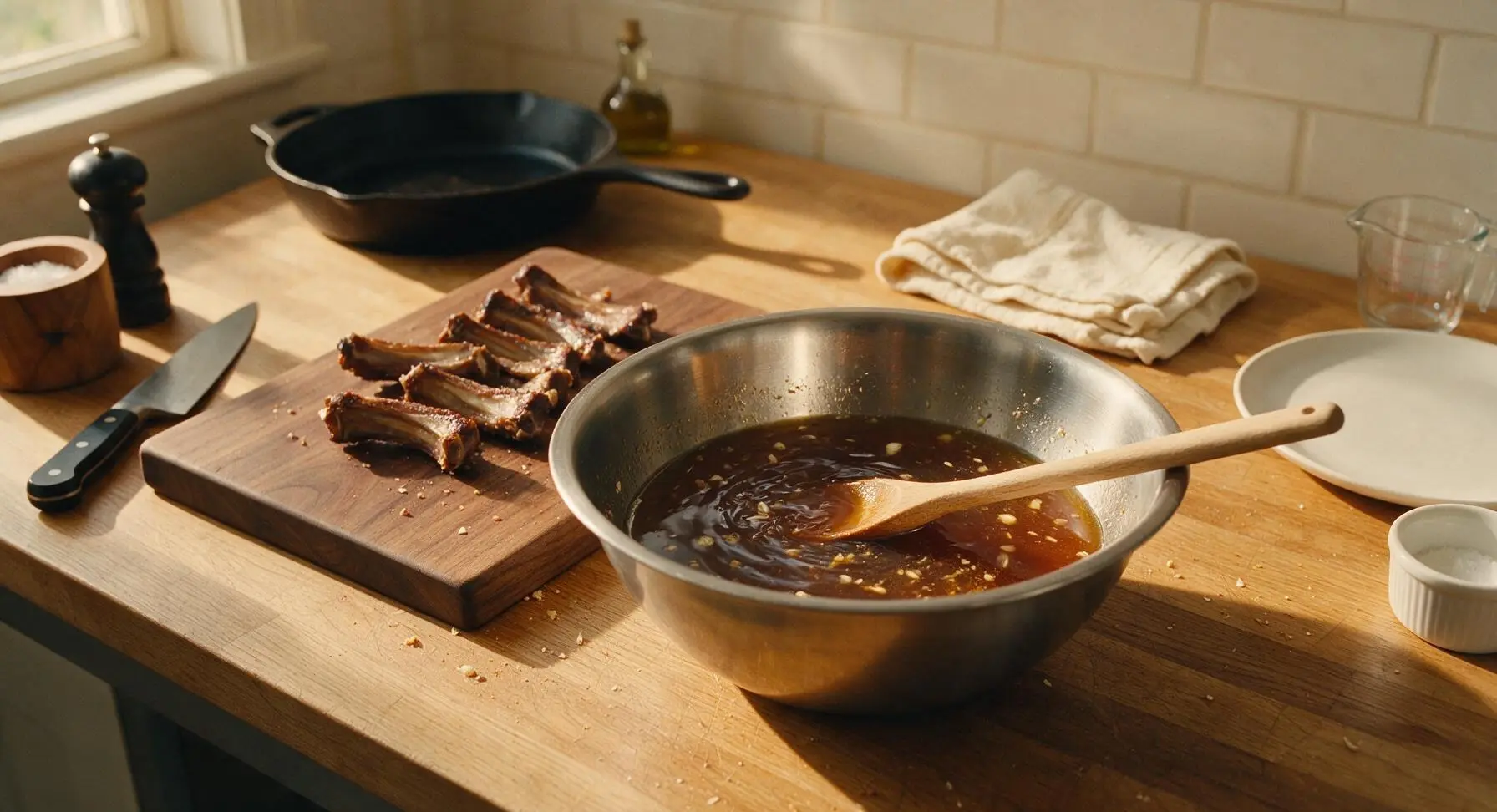
Step 2
step2:Mix Braising Sauce
3

Sear Blanched Ribs

Place the 12-inch sage green enameled braiser on the induction zone, heat over medium heat for 2 minutes until hot. Add 1 teaspoon of sesame oil, then arrange the dried blanched ribs in a single layer in the braiser, using the silicone-tipped tongs. Sear for 2 minutes per side, until the edges of the ribs turn a light golden brown, creating a caramelized base for the braise. Do not overcrowd the pan; sear in two batches if needed.
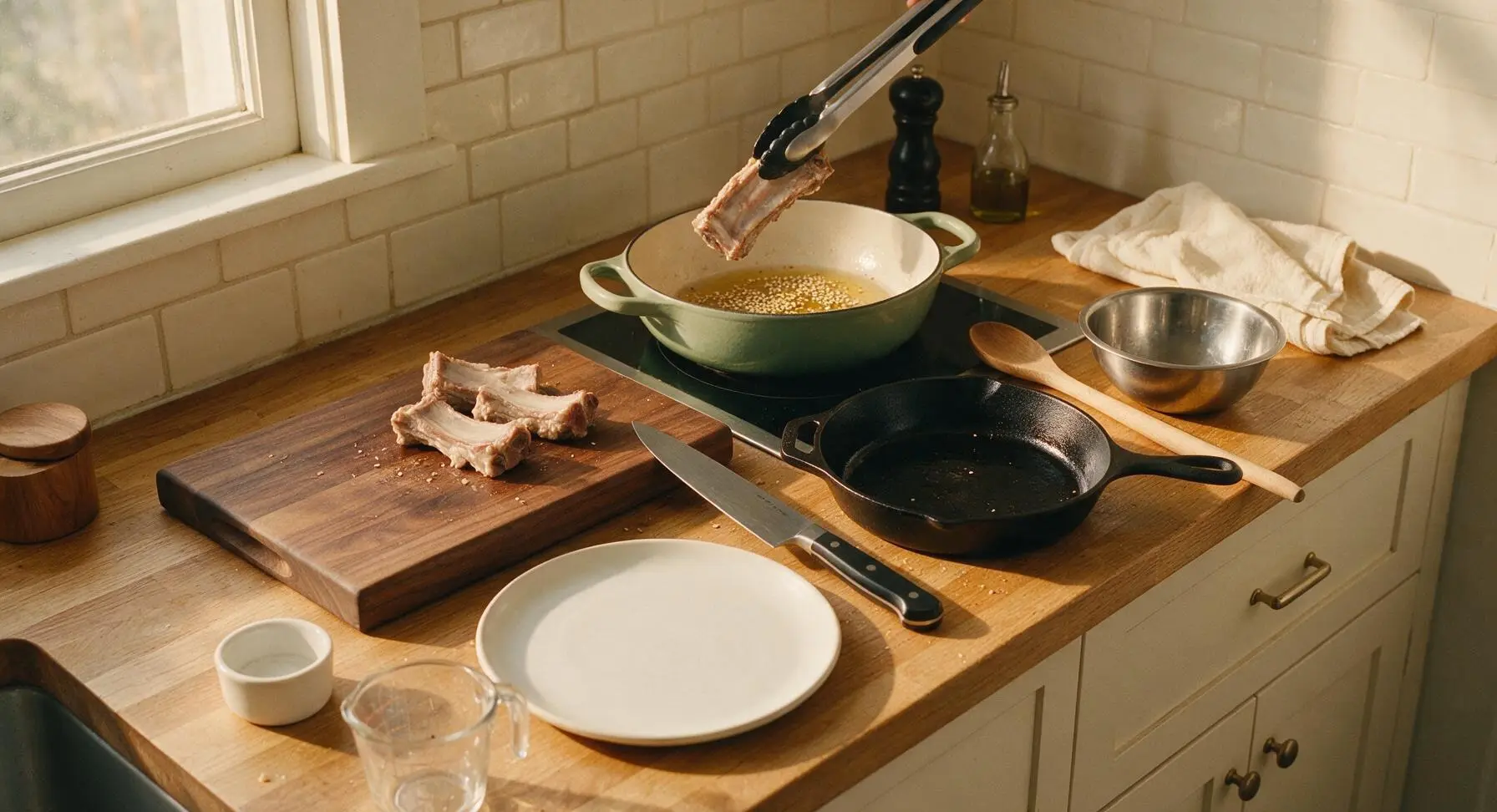
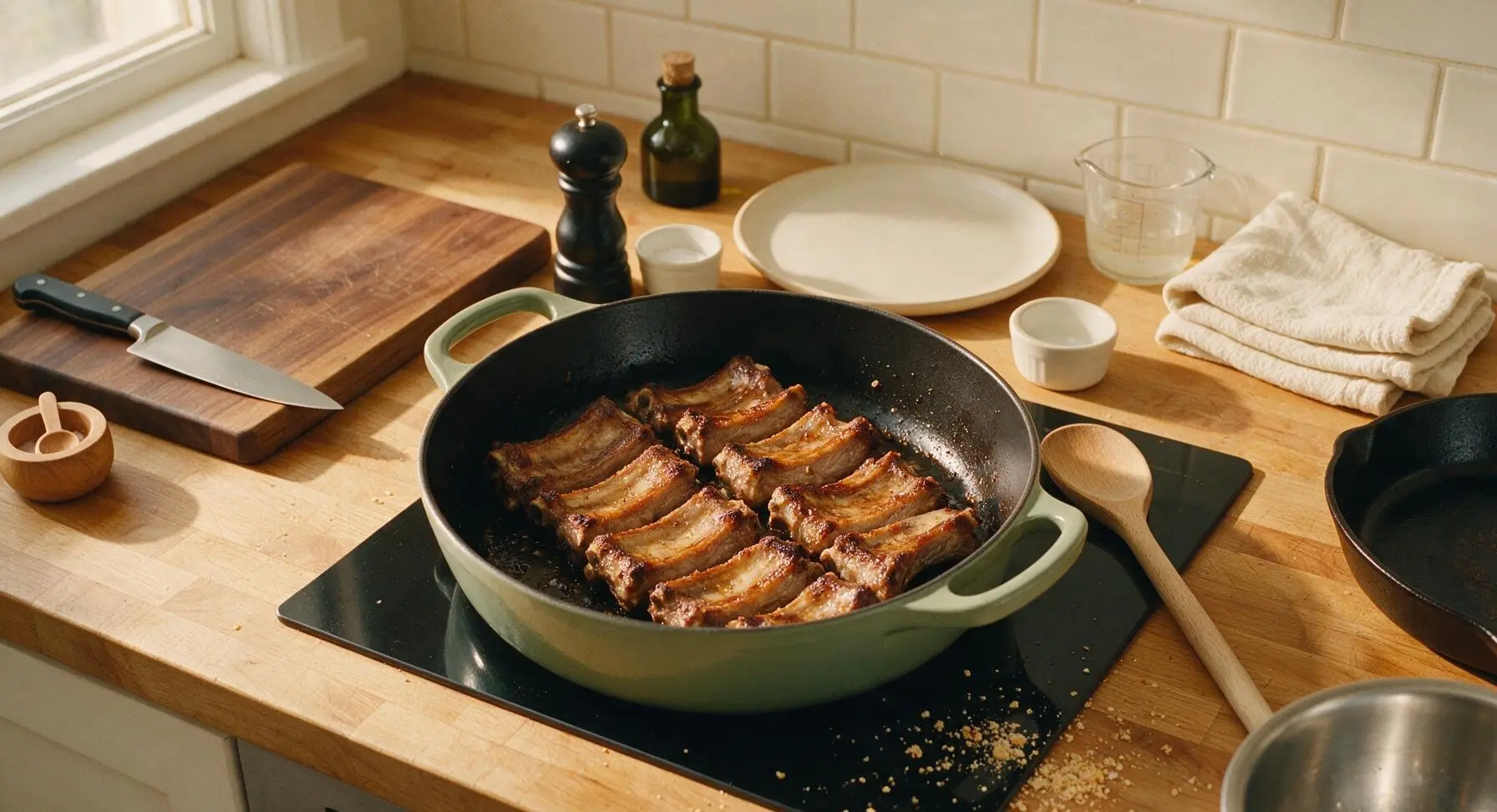
Step 3
step3:Sear Blanched Ribs
Step 3
step3:Sear Blanched Ribs
4

Simmer Ribs Slowly

Once ribs are seared on all sides, pour the entire mixed braising sauce over the seared ribs in the braiser, bring to a gentle boil over medium-high heat, then immediately turn the heat down to low, cover the braiser with its matching sage green lid, and simmer for 50 minutes. Check the ribs every 15 minutes, stirring gently with the wooden spoon to ensure they do not stick to the bottom of the pan. The ribs are ready for the next step when a fork pierces the meat easily with gentle pressure, but the meat does not yet fall completely off the bone.
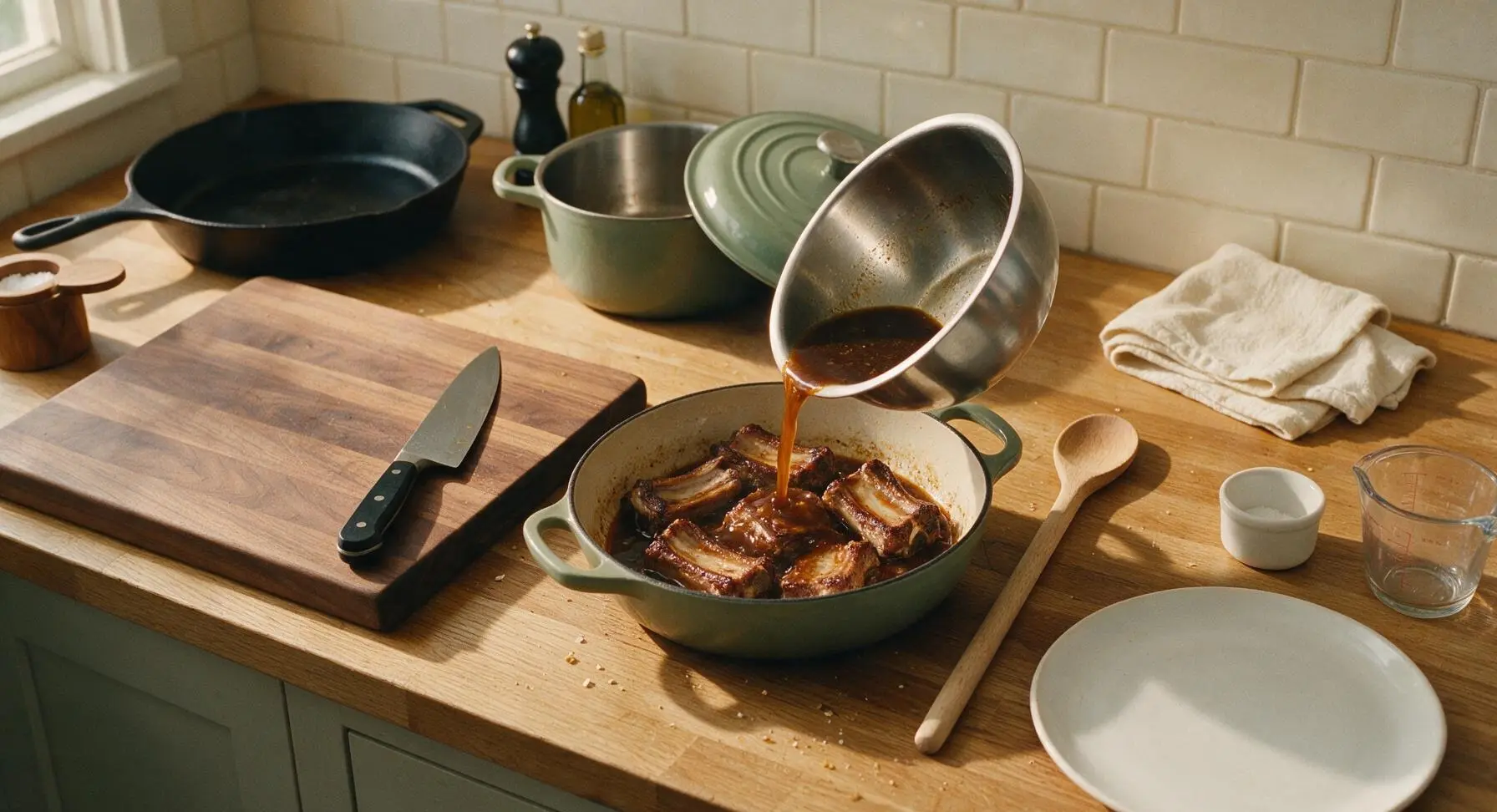
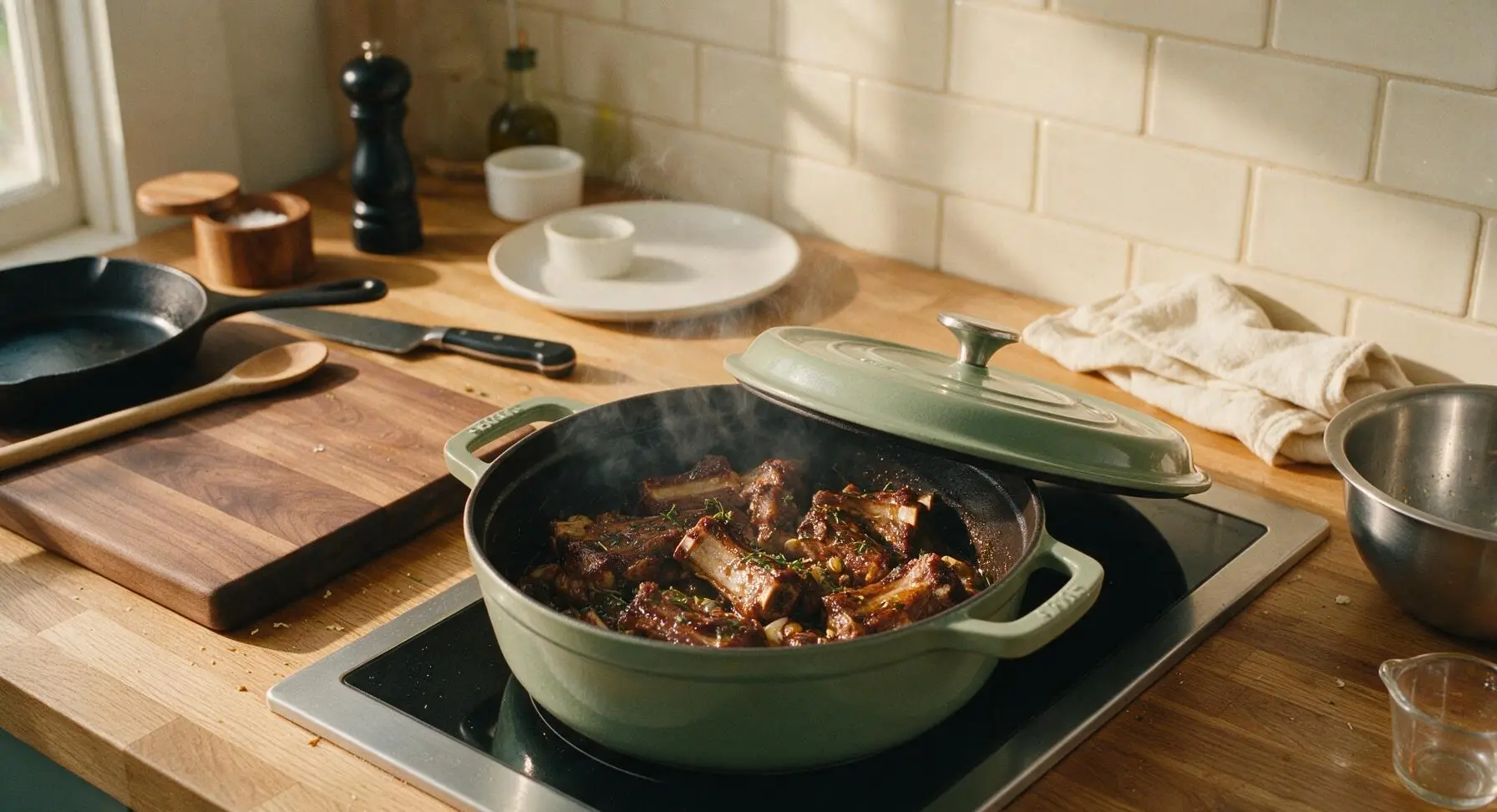
Step 4
step4:Simmer Ribs Slowly
Step 4
step4:Simmer Ribs Slowly
5

Add Wang Mandu

After 50 minutes of simmering, remove the braiser lid. Use the tongs to nestle the 8 frozen wang mandu into the braising liquid around the ribs, making sure each dumpling is partially submerged in the sauce so it cooks evenly. Do not stir roughly, as this can break the delicate dumpling wrappers. Turn the heat up slightly to medium-low, cover the braiser again, and cook for an additional 10 minutes, until the dumpling wrappers are translucent, chewy, and cooked through, and the ribs are fall-off-the-bone tender.
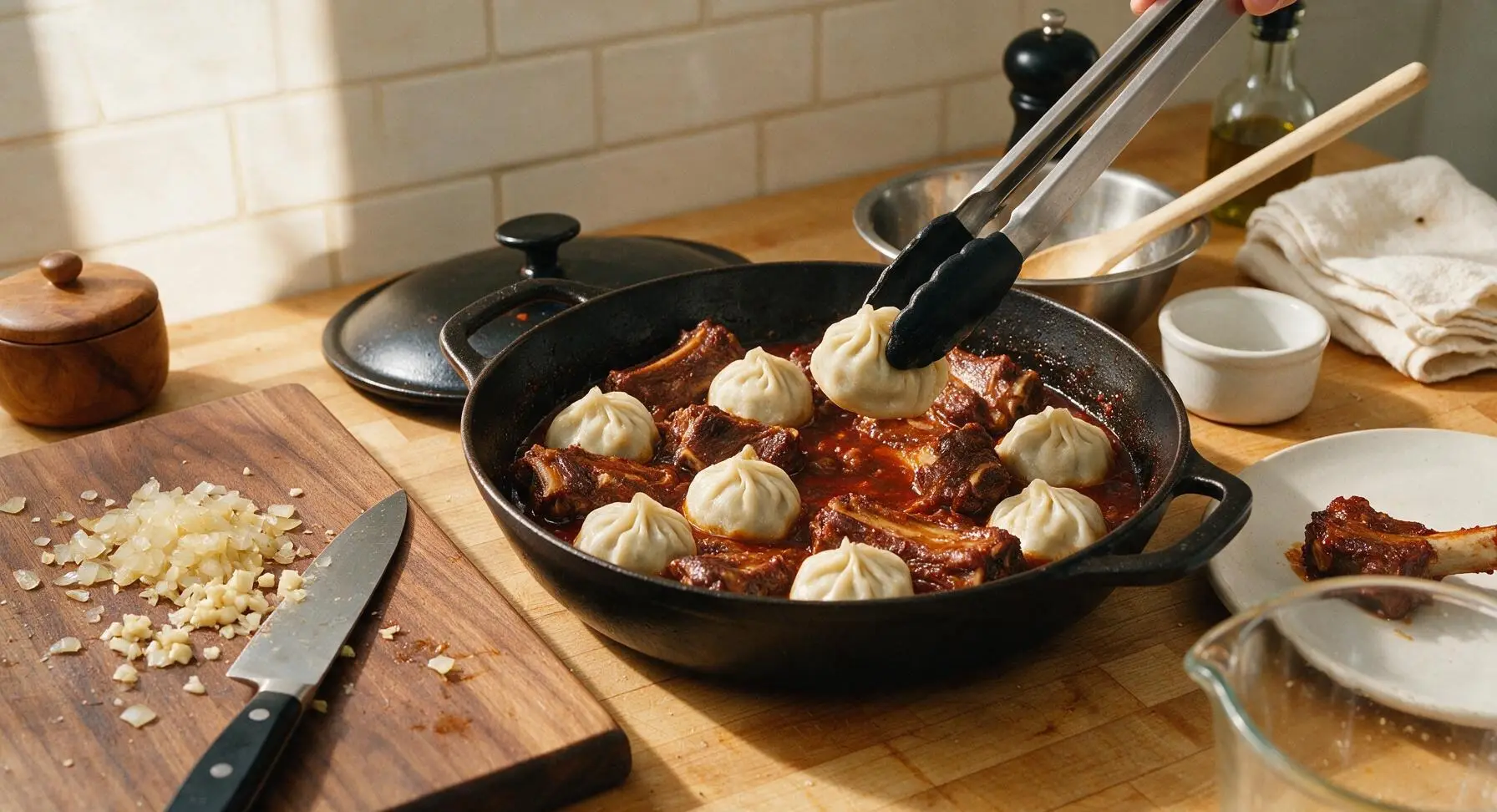
Step 5
step5:Add Wang Mandu
6

Thicken Braising Glaze

Remove the lid from the braiser, turn the heat up to medium, and simmer uncovered for 6 minutes, gently spooning the braising sauce over the ribs and dumplings with the wooden spoon as it reduces. The sauce will thicken to a glossy, syrupy consistency that coats the back of a spoon. Turn off the heat, stir in the remaining 2 teaspoons of toasted sesame oil, and discard the large pieces of ginger and scallion used for braising.
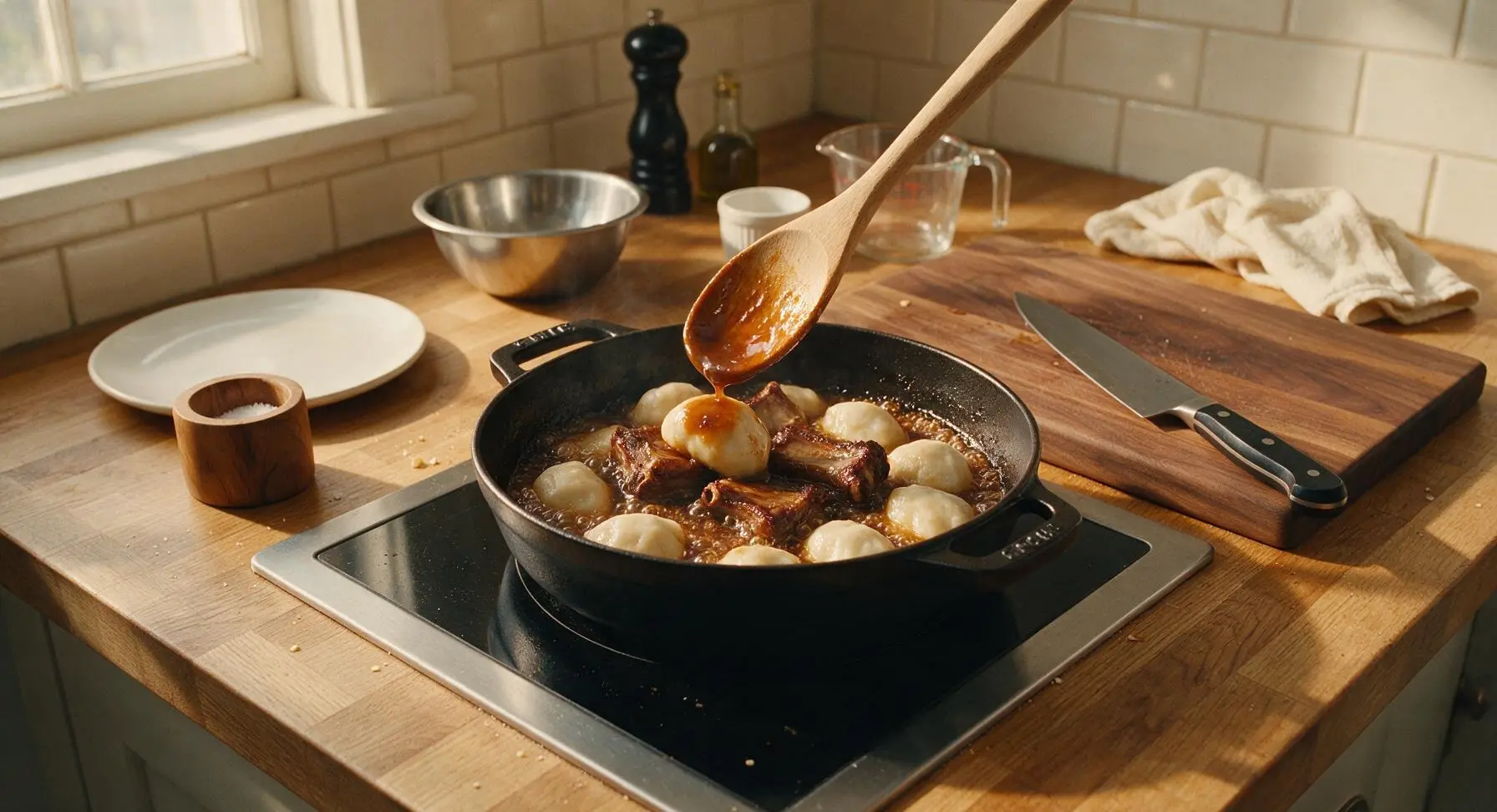
Step 6
step6:Thicken Braising Glaze
7

Plate and Garnish

Use the tongs to transfer the glossy ribs and plump dumplings to the large oval off-white ceramic serving platter, arranging the ribs in a loose pile with the dumplings tucked between them. Spoon any remaining thickened glaze over the top of the dish, then garnish evenly with thinly sliced scallion greens and the toasted white sesame seeds. Let rest for 2 minutes before serving, so the glaze sets slightly.
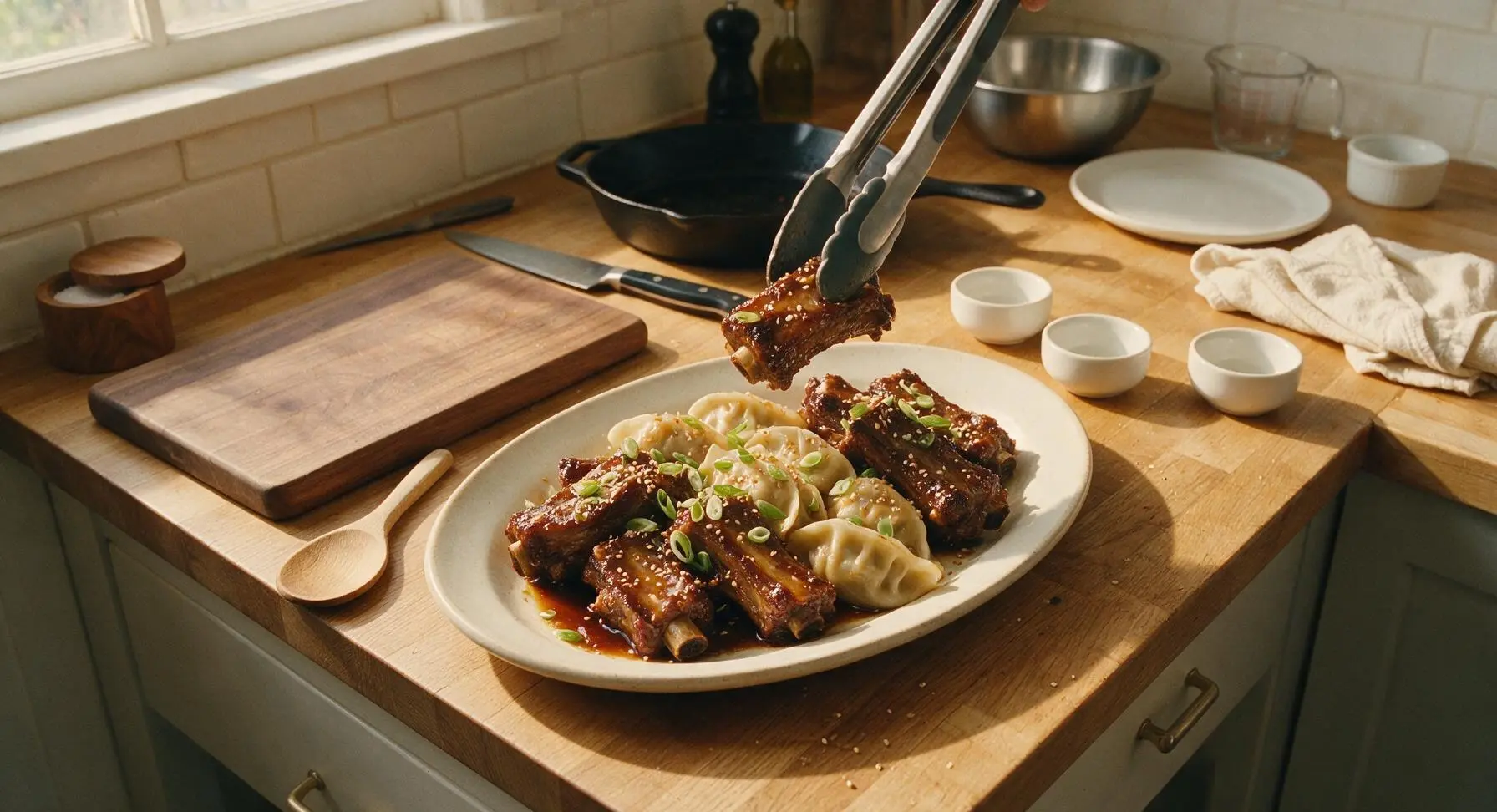
Step 7
step7:Plate and Garnish

Tips

1.Keep wang mandu frozen until adding to the braiser: thawed dumplings stick to the pan and break apart easily during simmering, while frozen dumplings hold their chewy texture and absorb sauce evenly without splitting.
2.Grate the Korean pear instead of chopping it for the braise: finely grated pear releases natural tenderizing enzymes that break down tough pork fibers during slow cooking, and adds subtle fruity sweetness without leaving chunky bits in the smooth glaze.
3.Maintain a gentle low simmer rather than a rolling boil while cooking the ribs: high heat causes pork muscle fibers to seize up and become tough, and agitates fat into the sauce making it cloudy instead of glossy and clear.
✨ You May Also Like

Main Course
🍜 United Kingdom

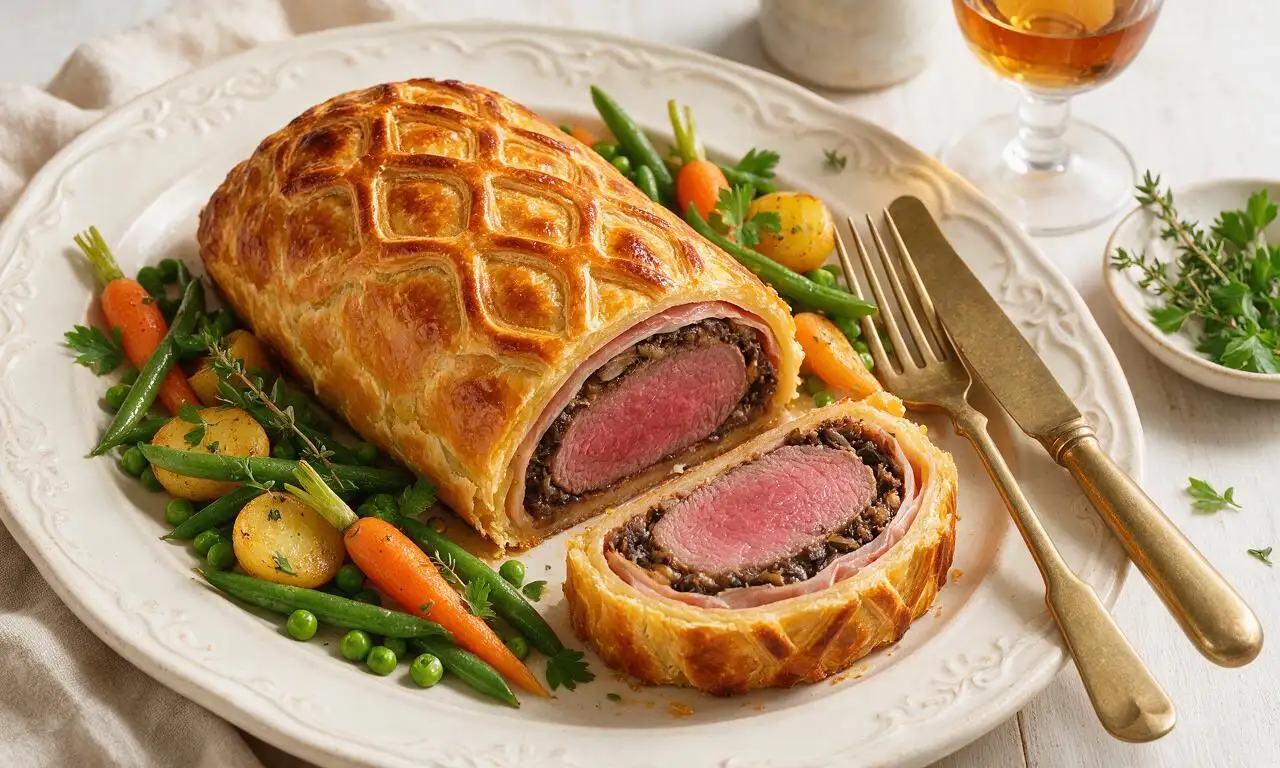
A showstopping classic of tender seared beef, savory mushroom duxelles, and crisp prosciutto wrapped in flaky golden puff pastry, baked to juicy perfection.

⏱️ 2 hours 1Main Course ★ 4.7
Main Course
🍜 India

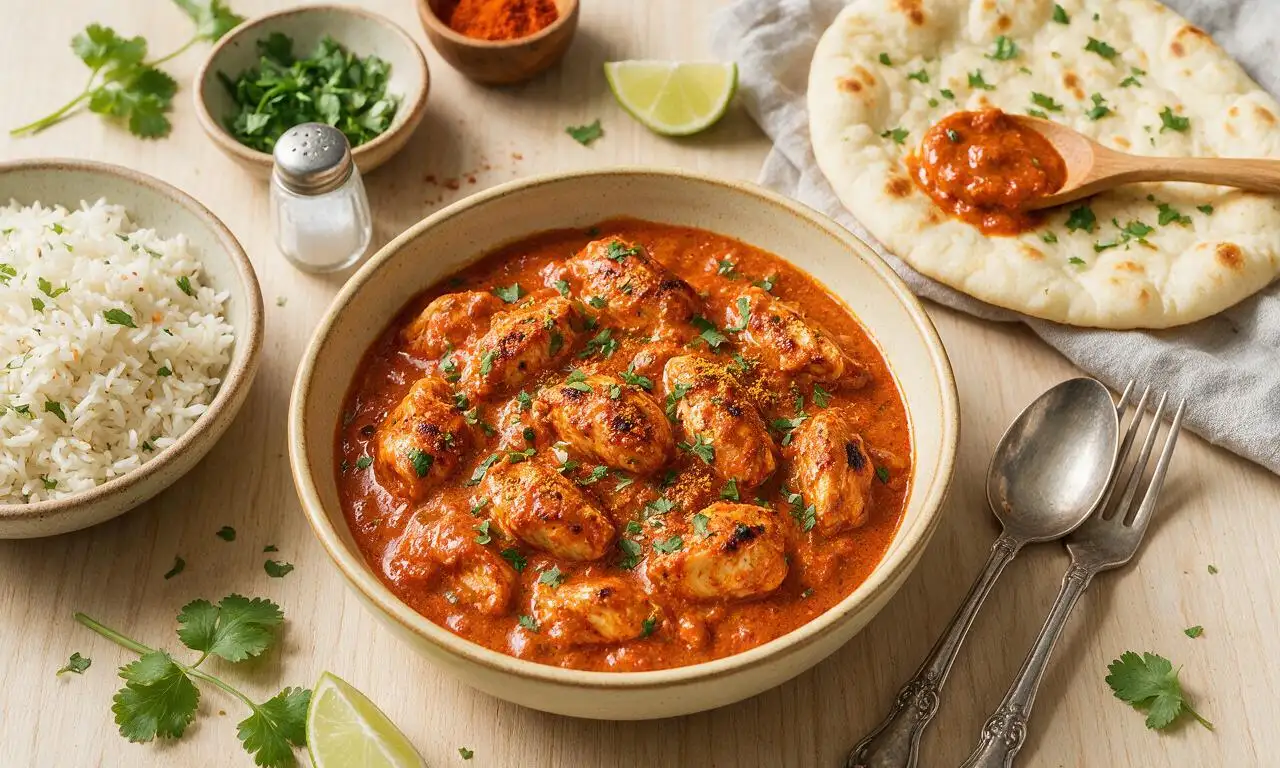
Tender charred marinated chicken simmered in a rich, spiced creamy tomato sauce, this iconic Anglo-Indian curry pairs perfectly with basmati rice or warm naan.

⏱️ 50 minuteMain Course ★ 4.6
Main Course
🍜 Thailand

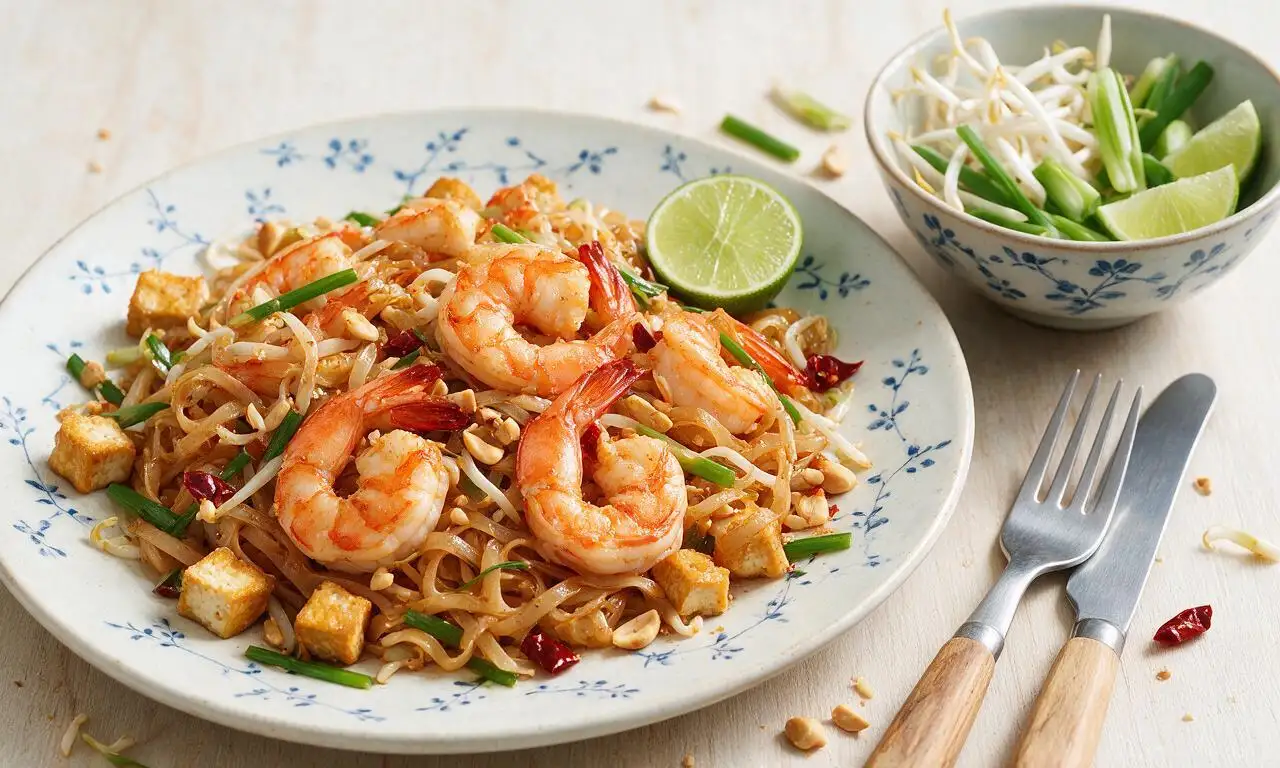
Classic tangy, sweet, and savory Thai stir-fried rice noodles with shrimp, tofu, and crunchy garnishes, balancing all five core Thai flavor profiles.

⏱️ 30 minuteMain Course ★ 4.5
Main Course
🍜 United Kingdom

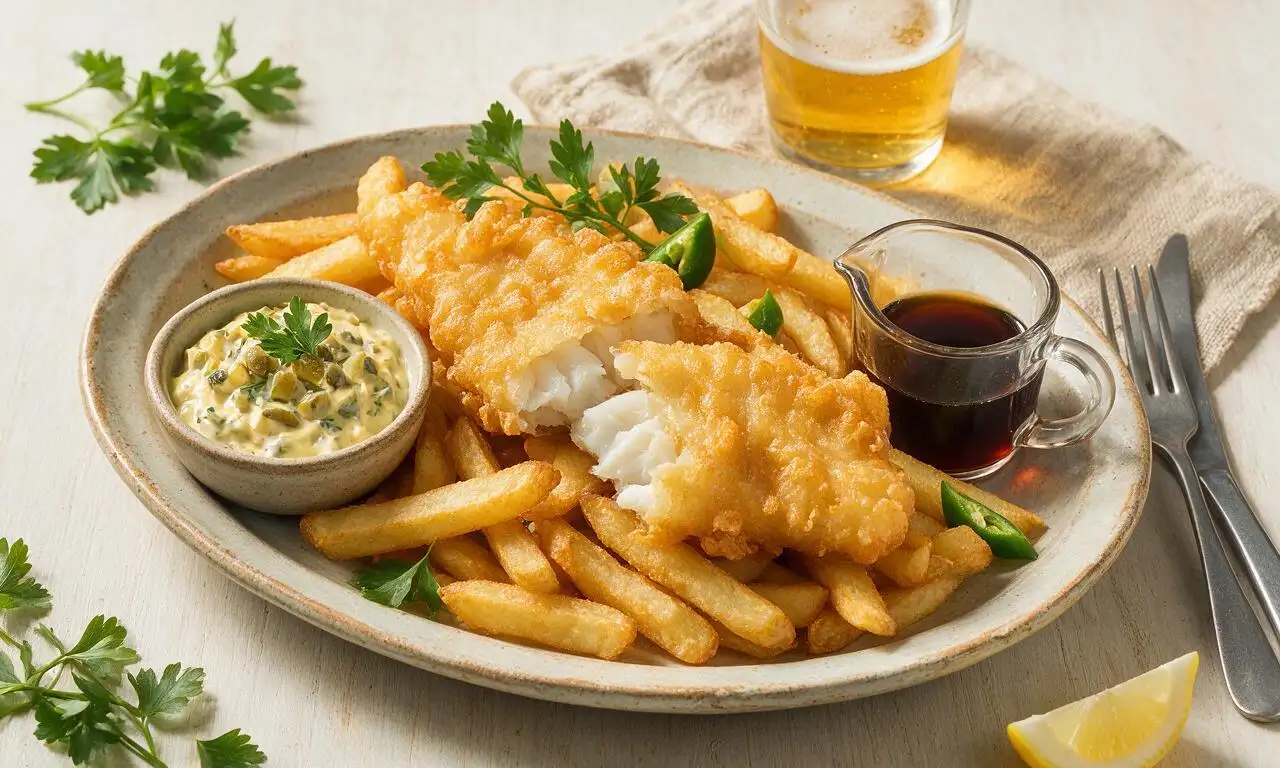
Crispy golden beer-battered cod and fluffy double-fried chips, served with tangy tartar sauce and malt vinegar: the timeless, beloved British pub comfort classic.

⏱️ 45 minuteMain Course ★ 4.7
Main Course
🍜 Mexico

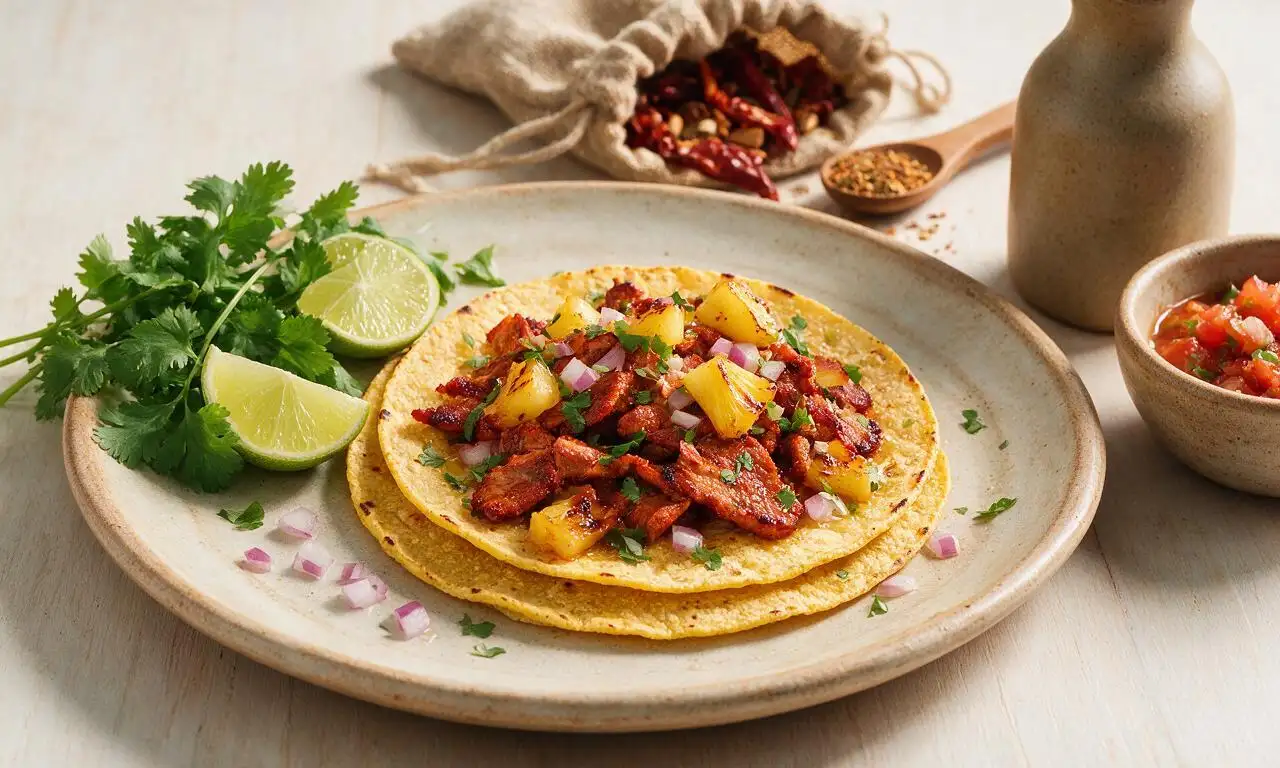
Smoky, chile-marinated pork tacos with caramelized pineapple, fresh cilantro, and lime: a beloved classic Mexican street food perfect for casual summer gatherings.

⏱️ 1 hour 45Main Course ★ 4.8
Main Course
🍜 United States

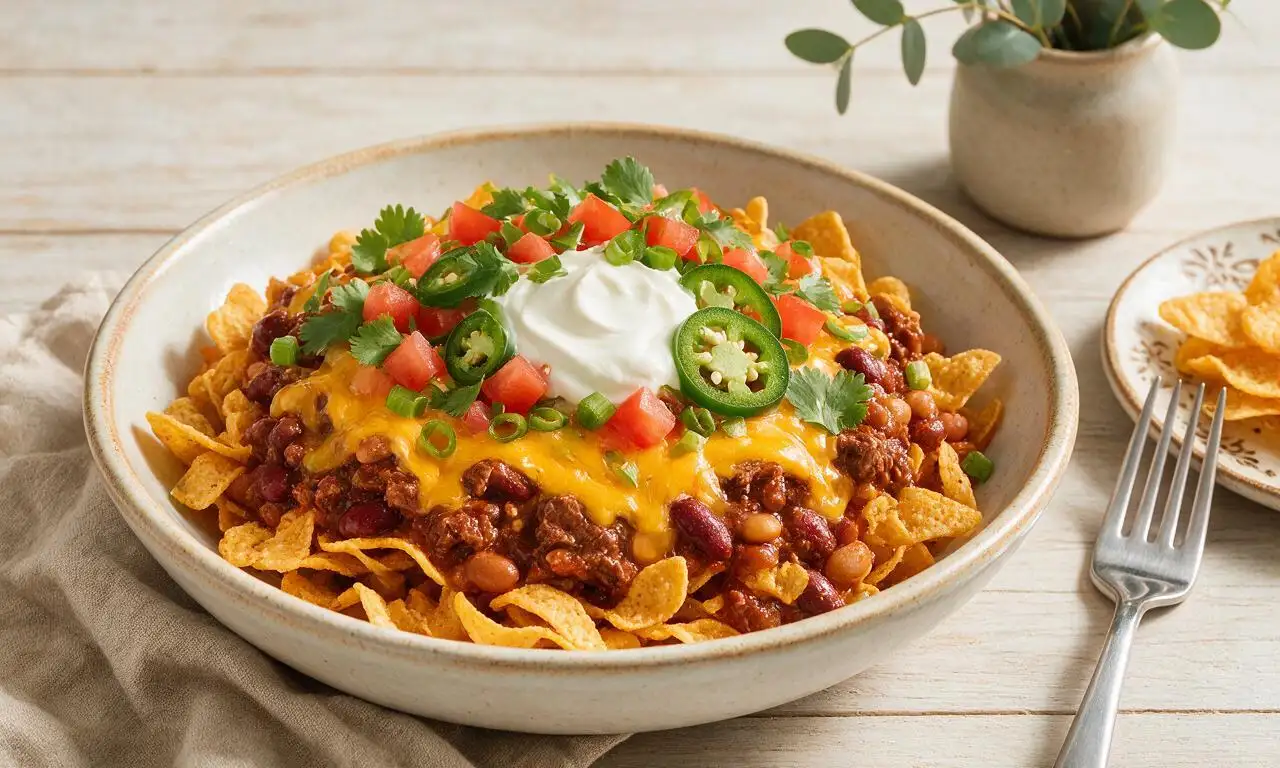
Crunchy Fritos corn chips layered with savory beef chili and melted cheddar, topped with cool, zesty fixings for a beloved, cozy Tex-Mex comfort food.

⏱️ 35 minuteMain Course ★ 4.8

Wangmandu Ribs:Frequently Asked Questions

1.What cut of pork works best for authentic Wangmandu Ribs? ▾
Stick to pork spare ribs cut into 5cm (2-inch) individual pieces for the most authentic, classic result. This cut has the ideal fat-to-meat ratio that turns fall-off-the-bone tender as it simmers, without drying out the way leaner loin back ribs can if you accidentally overcook them by a minute or two.
2.Can I use fresh homemade wang mandu instead of frozen for this recipe? ▾
Absolutely, though frozen king-sized pork and vegetable wang mandu is the standard convenience pick for this home-style comfort dish. If using fresh, add them 2 to 3 minutes later than the package directs for frozen, since fresh dumpling skins cook faster and can turn mushy if left to simmer too long in the rib glaze.
3.Why does the recipe call for low-sodium soy sauce instead of regular? ▾
Low-sodium soy sauce lets you control the salt level of the sweet-savory fruit-soy glaze as it reduces, without making the dish overly briny during the long simmer. If you only have regular soy sauce on hand, cut the total soy amount by 25% and add a splash of water to balance the salt concentration.
4.How do I get the ribs to be truly fall-off-the-bone tender? ▾
The key is low, slow covered simmering for 45 to 55 minutes before you add the dumplings. Don’t crank the heat to a rolling boil—high heat will make rib meat tough and stringy, and cause the glaze to reduce too fast before connective tissue breaks down into that soft, juicy texture.
5.What kind of fruit is traditionally used in the soy-fruit glaze? ▾
Most classic home recipes use Korean pear (bae) or crisp apple, grated and strained, to add natural sweetness and help tenderize rib meat. You can also use ripe Bosc pear or Fuji apple if you can’t find Korean pear—avoid super soft, overripe fruit that makes the glaze murky or overly sweet.
6.Can I make this dish in a slow cooker instead of on the stovetop? ▾
Definitely! Sear the ribs first for deeper flavor, then add the soy glaze, garlic, and ginger, and cook on LOW for 3 to 3.5 hours until ribs are tender. Add frozen wang mandu during the last 15 minutes of cooking, turning once to coat in glaze, so they stay chewy instead of falling apart.
7.How thick should I slice the fresh ginger for this recipe? ▾
Slice fresh ginger into thin, ⅛-inch coins so it releases its warm, bright aroma into the glaze as it simmers, without leaving harsh, fibrous chunks in the final dish. You don’t need to peel ginger if you scrub the skin really well, though peeling is fine if you prefer a smoother bite.
8.Do I need to thaw frozen wang mandu before adding them to the ribs? ▾
No, you can add dumplings straight from the freezer to the simmering rib pot—this is actually the preferred method to keep skins chewy and prevent filling from leaking out. If you thaw them first, skins get soft and sticky, and are far more likely to tear as you stir to coat everything in glaze.
9.How many people does one batch of Wangmandu Ribs serve? ▾
A standard batch made with 3.3 lbs (1.5kg) of spare ribs and 8 to 10 king-sized wang mandu serves 4 people as a hearty main dish, or 6 people as part of a larger spread of Korean side dishes. It’s designed to be shareable, perfect for casual family meals or small game night gatherings.
10.Should I remove the silver skin from the back of the ribs before cooking? ▾
Yes, take 2 minutes to peel off the tough, papery silver skin from the bone side of spare ribs before cutting them into 5cm pieces. That membrane doesn’t break down during simmering, so it will leave a chewy, unpleasantly tough layer on ribs if left on, even after the rest of the meat is perfectly tender.
11.Can I add extra vegetables to this Wangmandu Ribs recipe? ▾
Absolutely! Classic add-ins include chunks of daikon radish, carrot, or sweet potato added during the last 20 minutes of rib simmering, so they cook through but don’t turn mushy. Avoid adding delicate greens like bok choy until the last 2 minutes, since they wilt almost instantly in the hot glaze.
12.Why did my dumplings turn soggy when I made this last time? ▾
Soggy dumplings almost always come from adding them too early in the cooking process, or simmering them at too high a boil. Add frozen wang mandu only once ribs are fully tender, and simmer them for 8 to 10 minutes at a gentle bubble, turning once halfway, to keep their signature chewy, bouncy texture.
13.Can I use beef short ribs instead of pork spare ribs for this recipe? ▾
You can, though it will shift the classic flavor profile a bit. If using beef short ribs, increase the initial simmer time to 1.5 hours so connective tissue fully breaks down, and add an extra tablespoon of grated fruit to the glaze to cut through the richer, slightly gamier flavor of the beef.
14.How do I keep the sweet-savory glaze from burning as the ribs cook? ▾
Stir the pot every 10 to 12 minutes during the initial rib simmer, scraping the bottom of the pan to make sure no sugary glaze gets stuck and burns. If you notice glaze getting too thick before ribs are tender, add ¼ cup of water or low-sodium chicken broth to thin it out and lower heat slightly.
15.What sides pair best with Wangmandu Ribs? ▾
Stick to light, tangy sides to cut through the rich, sweet-savory flavor: quick pickled radish, steamed white rice, cold cucumber kimchi, or simple spinach namul work perfectly. The bright, acidic sides balance the heavy ribs and chewy dumplings so the meal doesn’t feel overly heavy or cloying.
16.How should I prepare the garlic cloves for this recipe? ▾
Crush garlic cloves with the flat side of your chef’s knife, then give them a rough chop instead of mincing into tiny pieces. This releases garlic’s mellow, sweet flavor as it simmers long and slow, instead of burning or turning harsh and bitter the way finely minced garlic can against the hot pan bottom.
17.Can I make Wangmandu Ribs ahead of time for meal prep? ▾
Yes, you can simmer the ribs in the glaze up to 3 days ahead and store them covered in the fridge. Wait to cook the wang mandu until you’re ready to serve—reheat ribs gently on the stovetop until bubbling, then add frozen dumplings and simmer as directed, so dumplings don’t get mushy in storage.
18.Is there a way to make this dish less sweet if I don’t love sugary glazes? ▾
Absolutely—cut the added sugar or fruit puree in the glaze by half, and add a teaspoon of unseasoned rice vinegar and a pinch of black pepper to balance the flavors. The soy, garlic, and ginger will still shine through, and you’ll get a more savor-forward profile without cloying sweetness.
19.What type of pot gives the most consistent results for Wangmandu Ribs? ▾
Use a heavy-bottomed Dutch oven or deep, lidded skillet for the most even heat distribution. Thin, lightweight pots develop hot spots that burn the glaze on the bottom before ribs cook through, so a heavy pot that holds a steady low simmer will give you tender, evenly coated results every time.

Comments (4)

2 hours ago

OMG these Wangmandu Ribs were the absolute star of our Sunday family dinner! I was a little nervous at first because medium difficulty sounded intimidating, but the steps were so straightforward even I didn't mess them up. The meat fell right off the bone, and my picky 7-year-old asked for seconds before he even finished his first serving. 10/10 will be making these for our next work potluck too!

30 minutes ago

Wait did you make any adjustments to the cook time? My ribs always come out a little tough when I bake them, wondering if I should tack on an extra 10 minutes or so?

5 minutes ago

Great question! If your home oven runs a little cool (so many of them do!), adding 8-10 minutes of covered cook time at the same temperature will get you that perfect fall-off-the-bone texture without drying the ribs out. So stoked your family enjoyed the recipe!

2 days ago

SO good, total game changer for my weekly meal prep! I whipped up a big batch Sunday night and the leftovers have held up perfectly for lunches so far this week. Only knocking off one star because I totally misread the instructions and didn't leave enough time for the dry rub to sit before cooking — definitely don't skip that step like I did, the flavor is next level when you let it meld a little.

yesterday

So happy these worked out for your meal prep rotation! That rub rest time really does pack a flavor punch, no lie. Next time you can even coat the ribs in the rub the night before and stash them in the fridge to cut down on day-of cook time, it works like a charm!

3 days ago

Made these for my college football watch party over the weekend and everyone was hounding me for the recipe before halftime even hit. Cook time was exactly as listed, no weird surprises even though I've never made ribs that weren't just slathered in generic grocery store BBQ sauce before. Will absolutely be adding this to my regular cookout rotation.

1 week ago

I was so skeptical that ribs could come out this good in just an hour and 15 minutes — I'm used to smoking ribs for 4+ hours on my backyard smoker! These had so much depth of flavor, my partner thought I ordered takeout from our favorite local Korean spot. The only small swap I made was adding a little extra gochujang because we live for spicy food around here.

5 days ago

Oh the extra gochujang swap sounds absolutely chef's kiss! I'm a total spice fiend, so I'll definitely be piling on extra when I make these for my date night this weekend. Thanks for the tip!