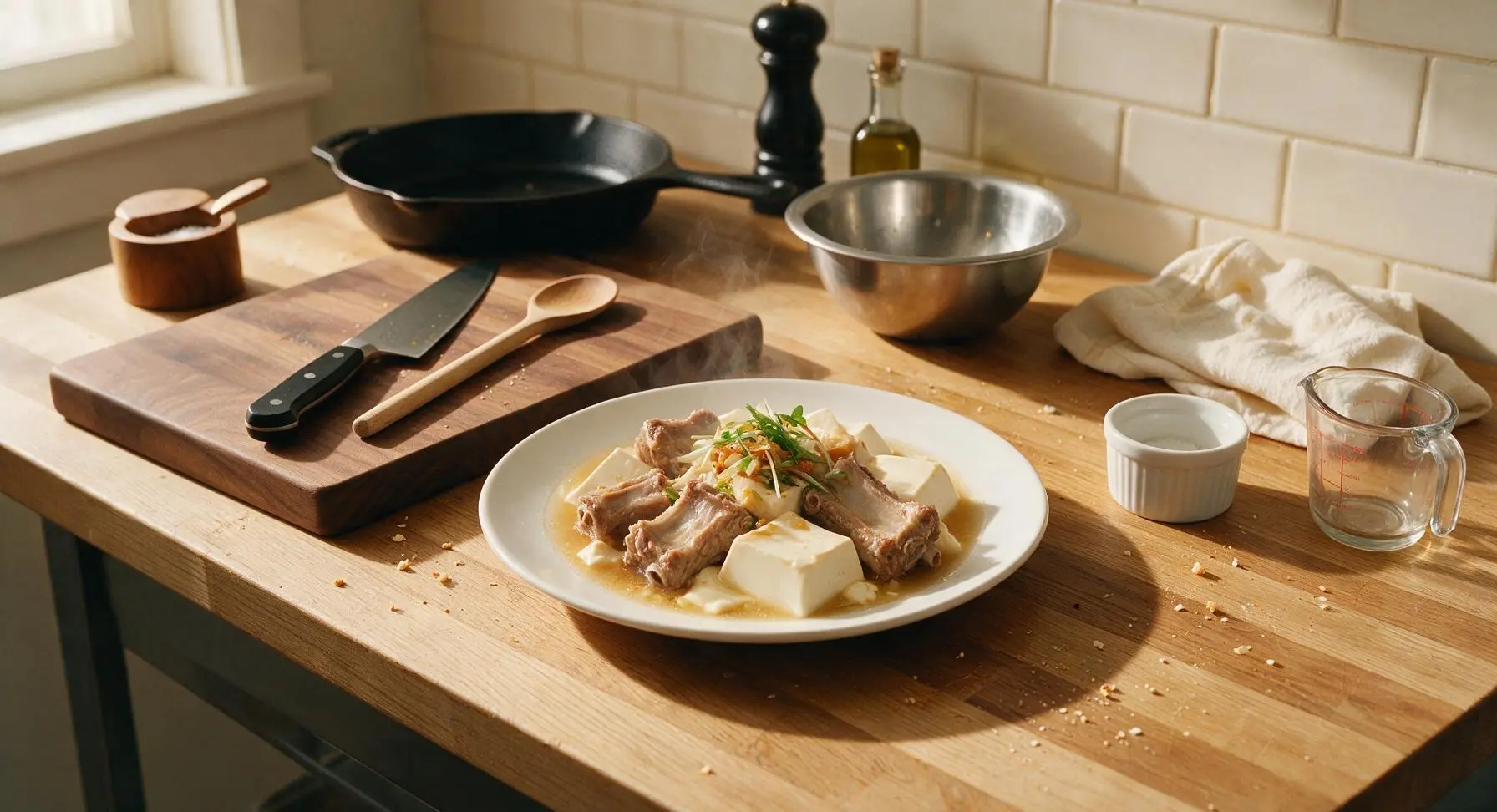
Yudofu Ribs

title 1
Yudofu Ribs
⏱️ cook time 1 hour 20 minutes
🍽️ servings 4
⚡ Difficulty medium

intro

Tender fall-off-the-bone pork ribs paired with silky custardy silken tofu in a light umami dashi broth, a cozy home-style dish balancing rich meat flavor with delicate, clean broth notes.

Ingredients
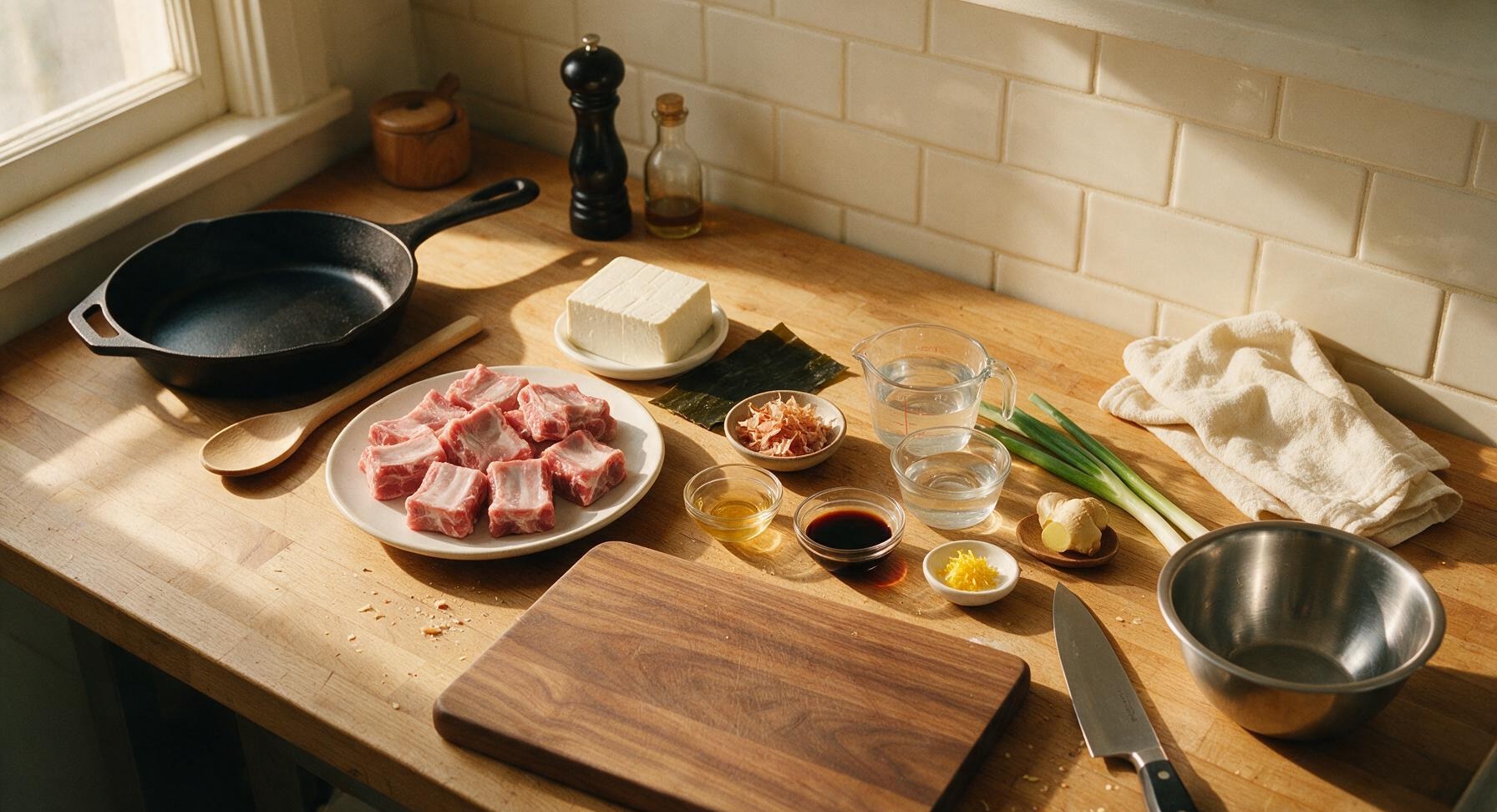
Bone-in pork spare ribs, cut into 5cm individual pieces 800g
Soft silken tofu, drained 400g
Dried kombu (kelp, for dashi) 10g (10cm square piece)
Katsuobushi (dried bonito flakes) 15g
Mirin 2 tbsp
Usukuchi light soy sauce 3 tbsp
Japanese long green onion (negi) 2 stalks
Fresh ginger, peeled 2cm knob
Fresh yuzu peel, finely grated 1 tsp
Coarse sea salt 1 tsp
Cold filtered water 1.2L

Steps

1

Blanch the Pork Ribs

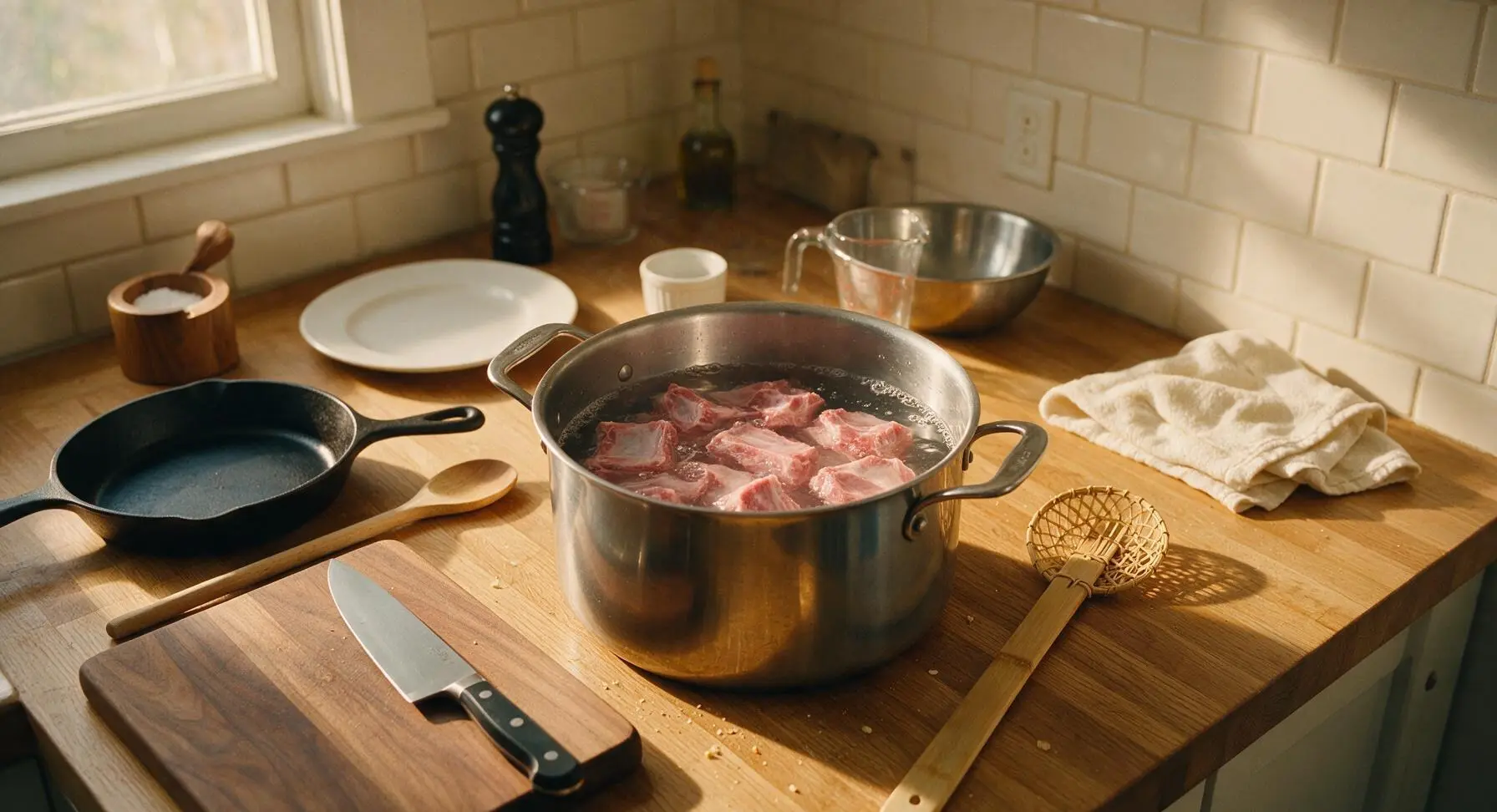
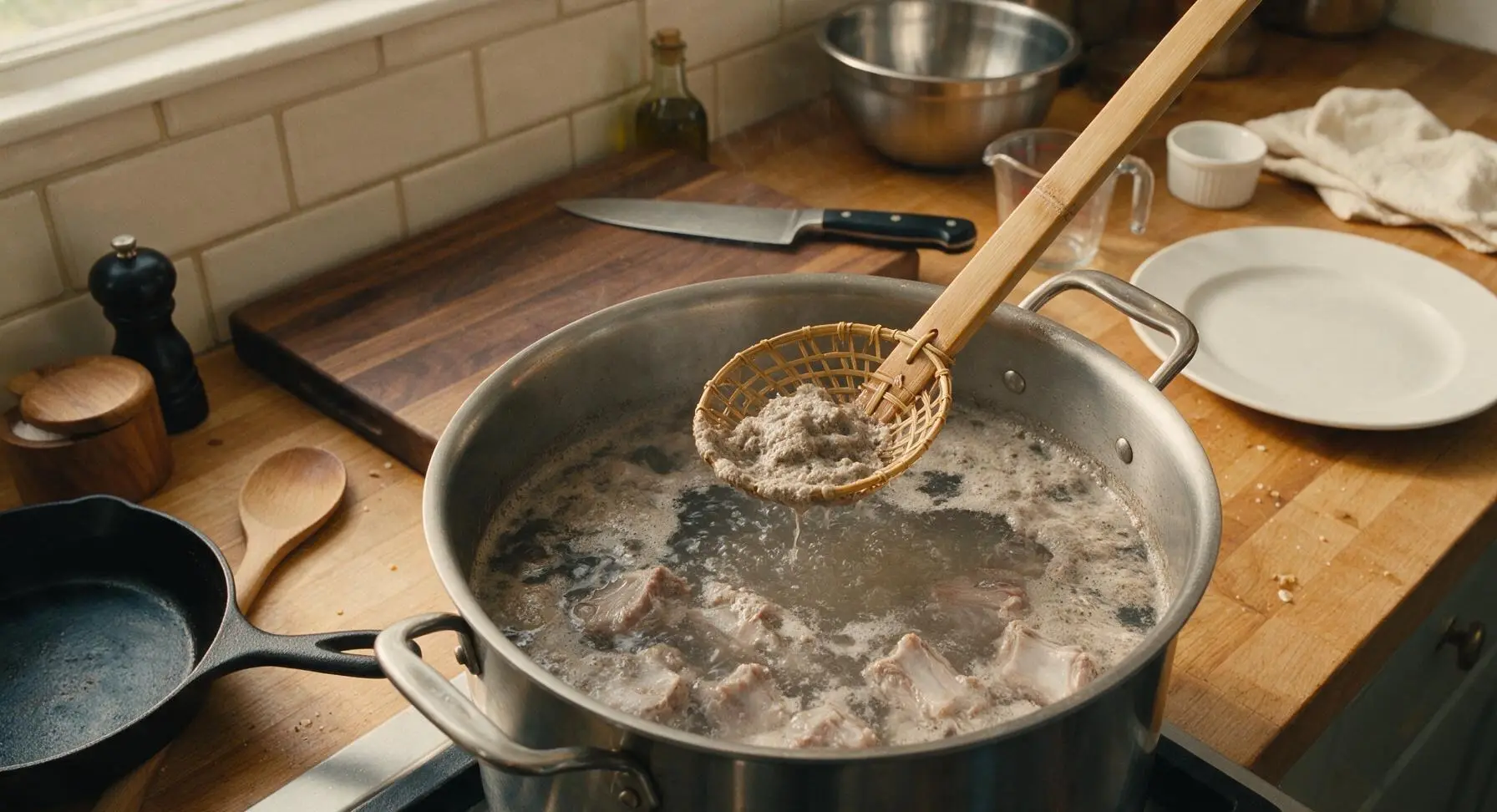
Fill the 5L stainless steel stock pot with 1L cold water, add the cut pork rib pieces, and place over medium-high heat to bring to a rolling boil. Once boiling, cook for 5 minutes to draw out blood and impurities, until gray, cloudy foam rises to the water surface. Use the bamboo skimmer to remove all floating scum completely; this step ensures the final dashi broth stays clear and clean-tasting, rather than cloudy and gamey.
Step 1
step1:Blanch the Pork Ribs
Step 1
step1:Blanch the Pork Ribs
2

Rinse Parboiled Ribs

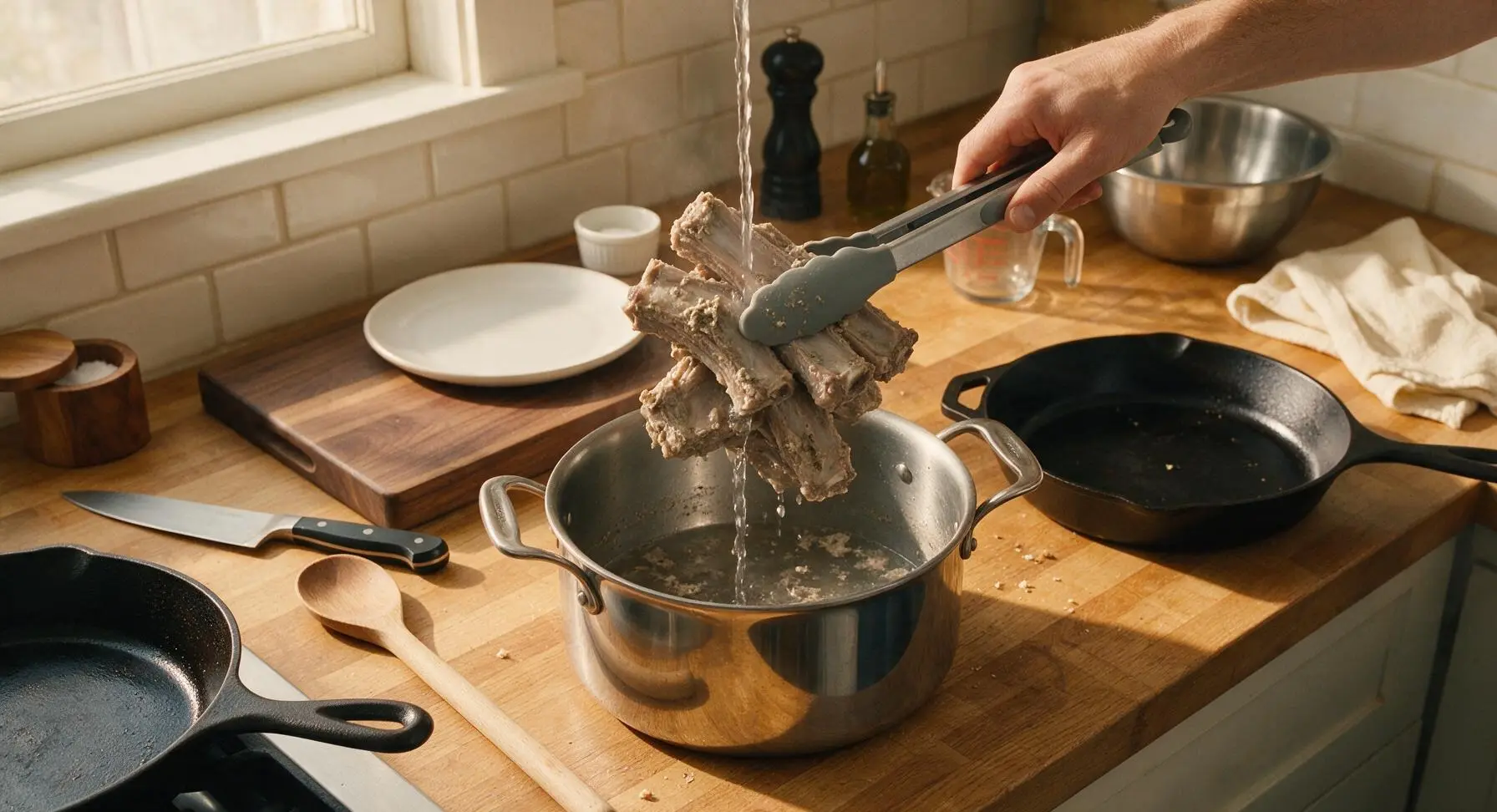
Turn off the heat, use the silicone tongs to lift all ribs out of the blanching water, discarding the cloudy blanching water entirely. Rinse each rib under warm running water to wash off any remaining scum stuck to the meat surface, then set the clean ribs aside temporarily. Wipe the inside of the stock pot clean with the oatmeal linen towel to remove any stuck-on residue before making dashi.
Step 2
step2:Rinse Parboiled Ribs
3

Simmer Fresh Dashi

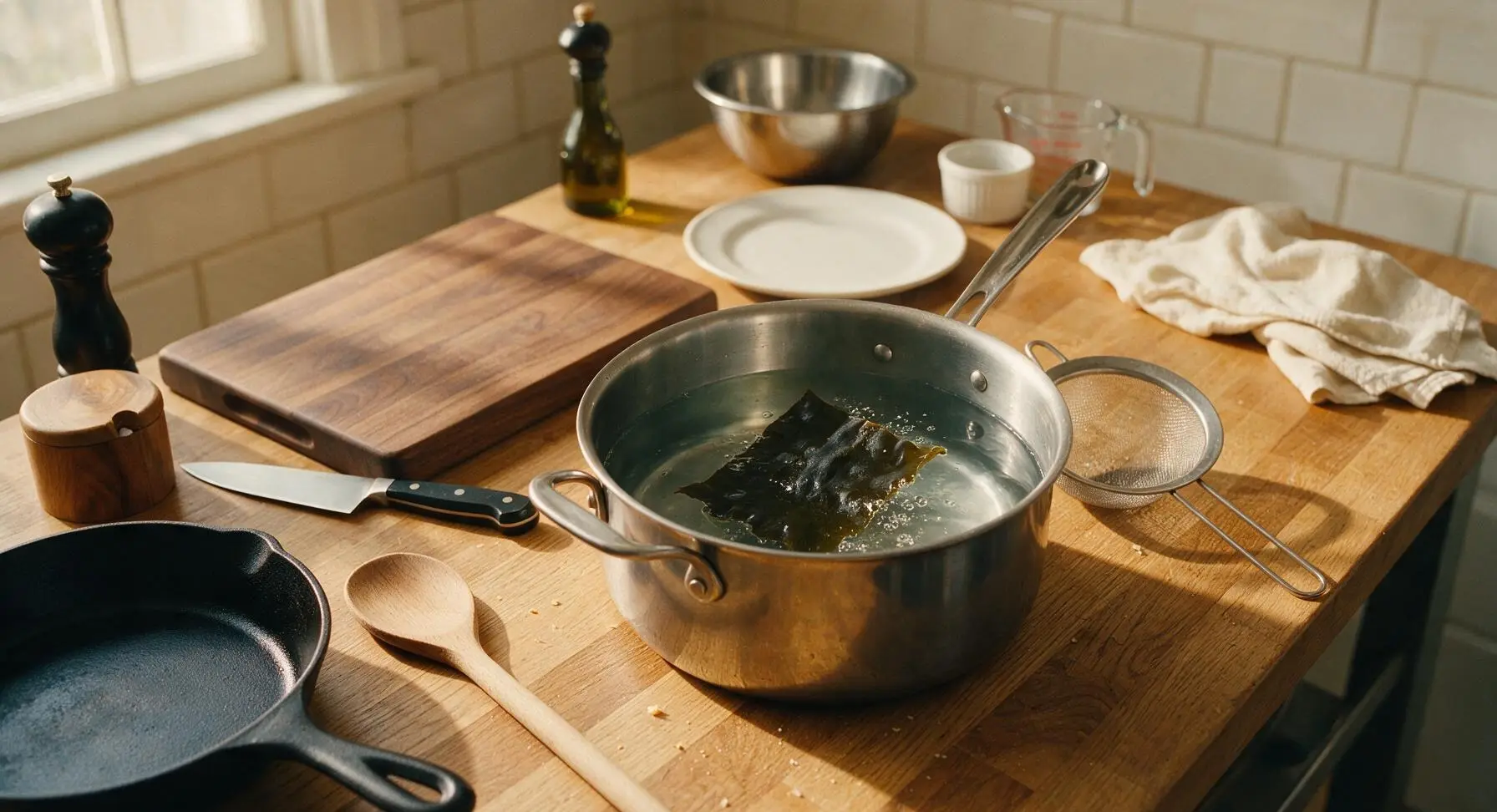
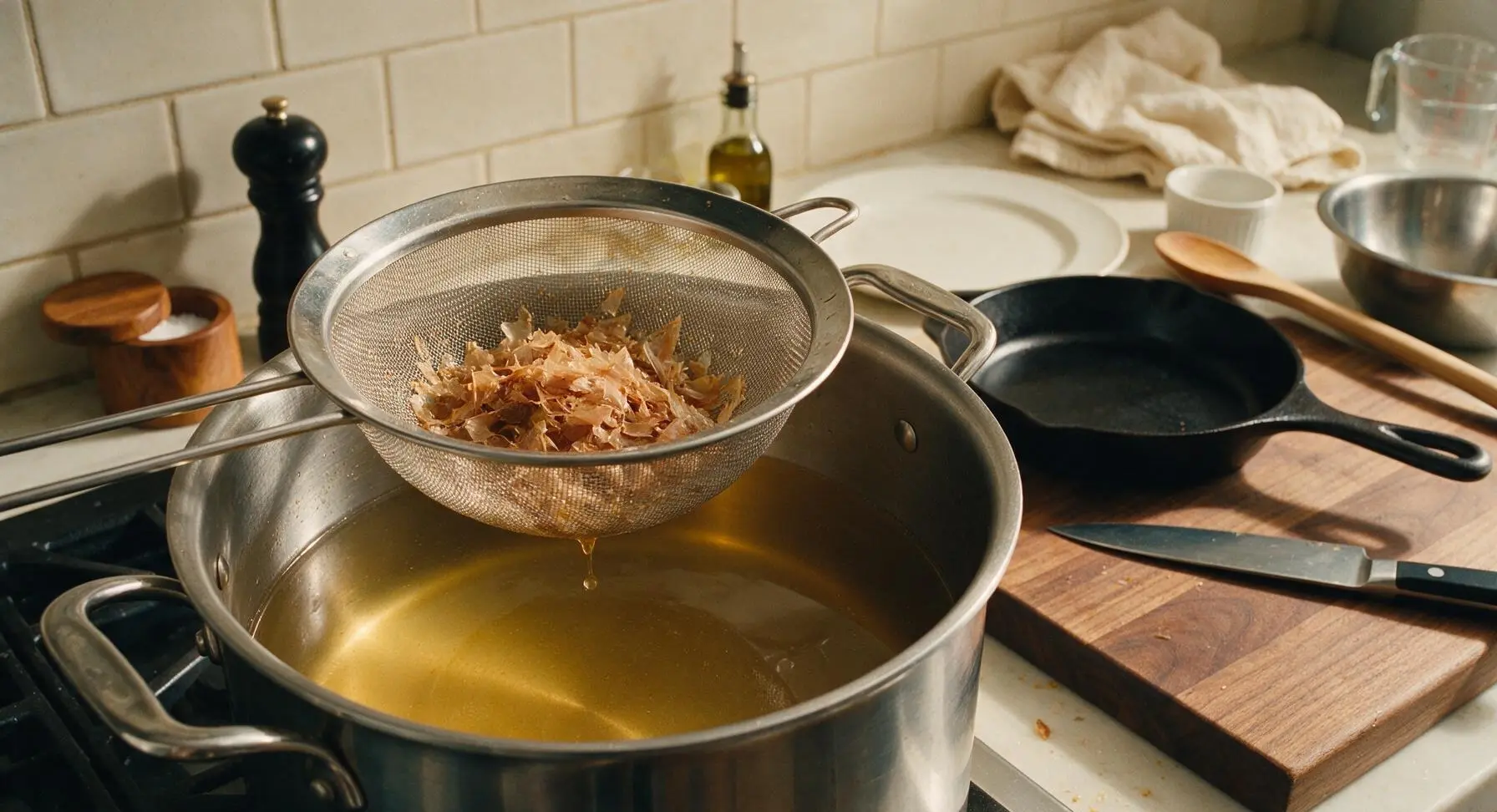
Return the clean stock pot to medium-low heat, add 1.2L cold filtered water and the dried kombu piece, heating slowly to 60C (140F) — small bubbles will form around the kombu edges, but do not let the water boil. Remove the kombu just before the water reaches a rolling boil, then add the katsuobushi flakes. Bring to a gentle 1-minute simmer, then turn off the heat and let the flakes sink to the pot bottom for 5 minutes. Strain the liquid through the fine-mesh porcelain strainer to remove all bonito flakes, leaving a clear, pale golden dashi broth.
Step 3
step3:Simmer Fresh Dashi
Step 3
step3:Simmer Fresh Dashi
4

Slow-Simmer Tender Ribs

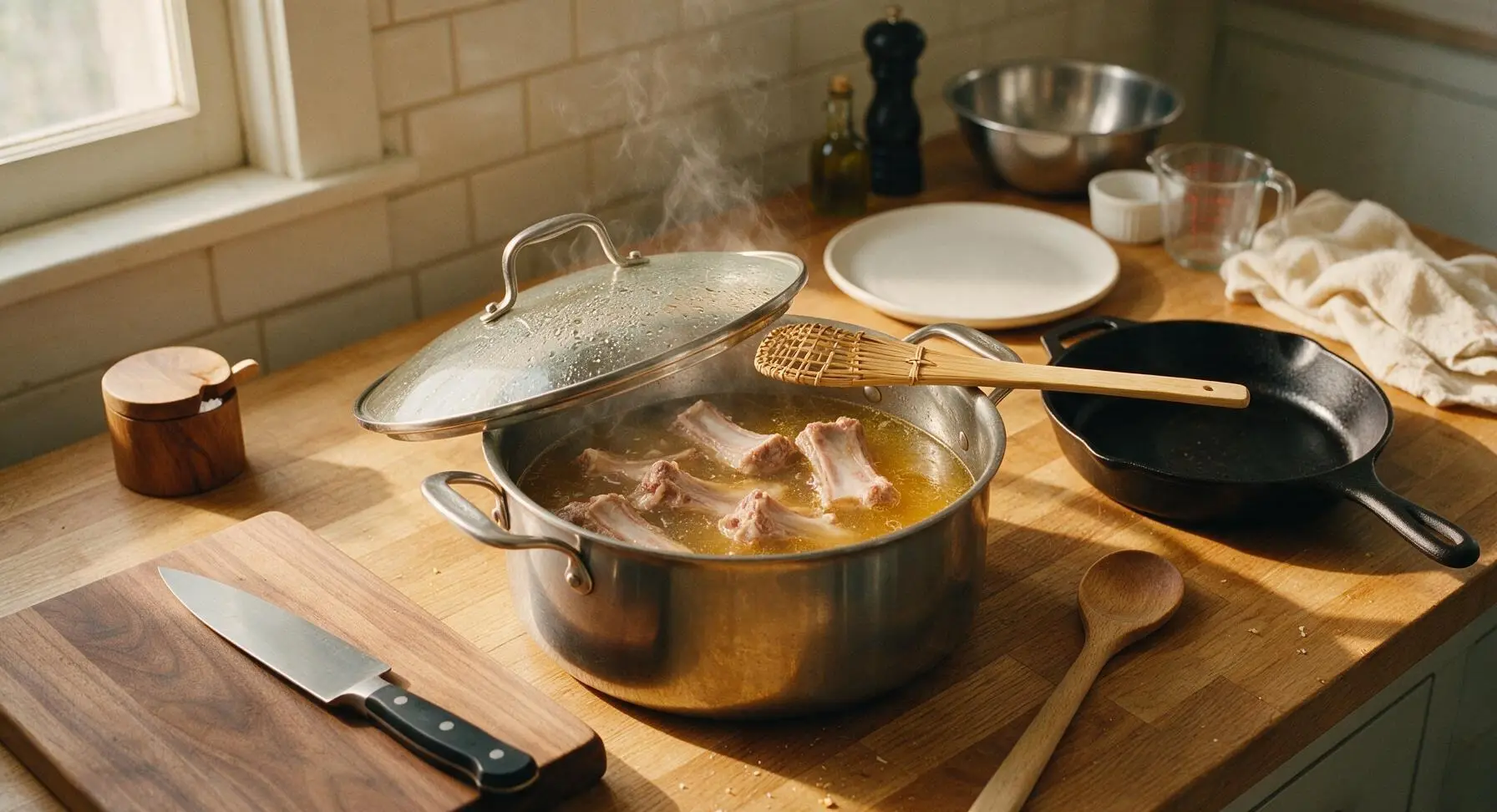
Return the strained dashi to medium-low heat, add the cleaned ribs, the lightly smashed ginger knob (crushed with the flat of the santoku knife), 2 tbsp mirin, and 3 tbsp light soy sauce. Bring the liquid to a very gentle simmer (85C/185F, with only tiny bubbles breaking the surface — no rolling boil), set the glass lid slightly ajar to let small amounts of steam escape, and cook for 1 hour. The ribs are done when a chopstick pierces the meat easily and the meat pulls slightly away from the bone edge. Skim any small patches of surface fat with the bamboo skimmer every 20 minutes for a cleaner broth.
Step 4
step4:Slow-Simmer Tender Ribs
5

Prep Tofu and Garnish

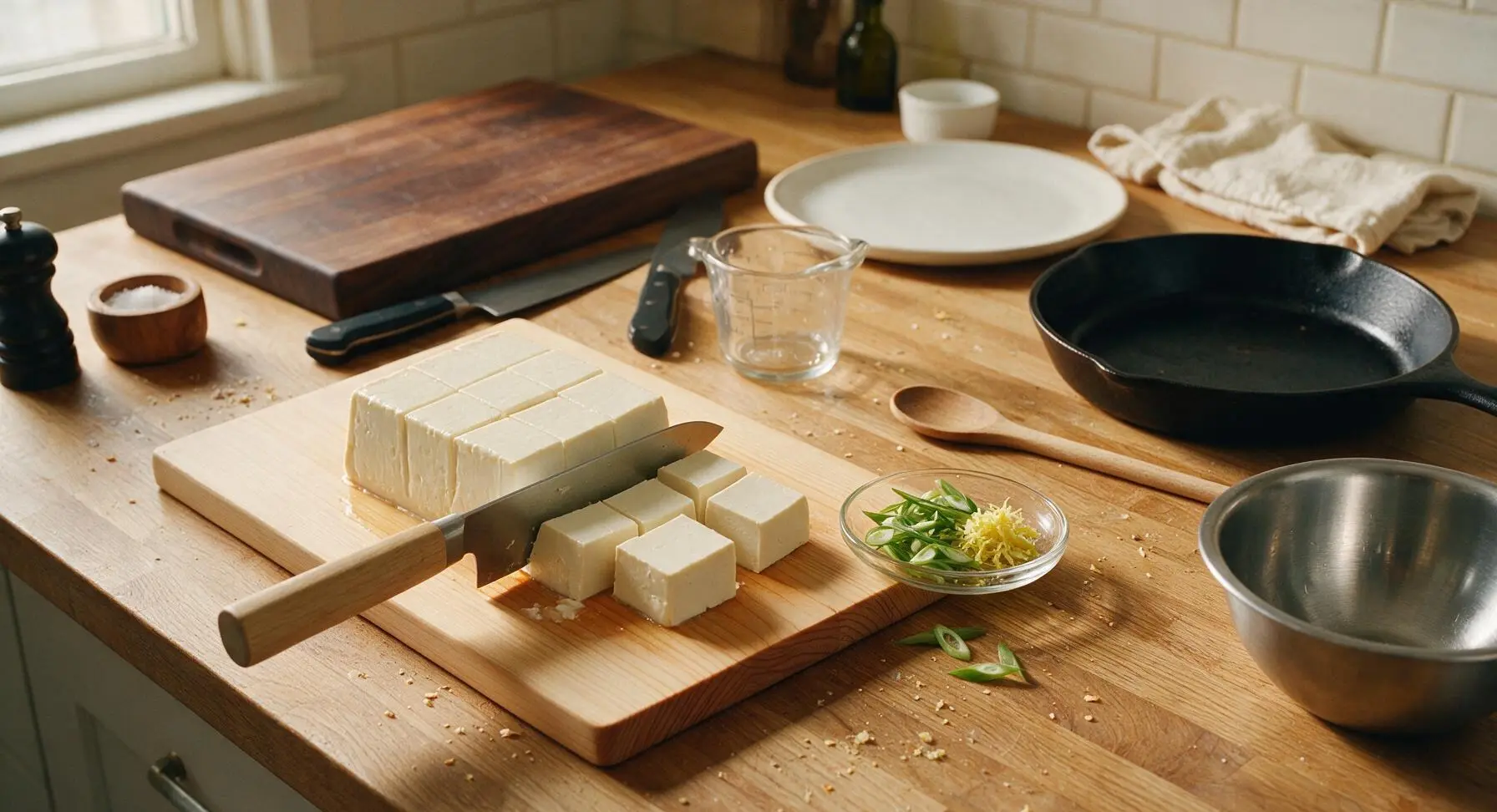
While the ribs simmer, carefully drain the silken tofu, placing it on the hinoki cutting board. Use the santoku knife to cut the tofu into 4 equal 5cm square blocks, taking care not to press too hard and break the soft curds. Slice the negi stalks into thin diagonal slices, and finely grate 1 tsp of yuzu peel, placing both garnishes in the small clear glass condiment dish until ready to use.
Step 5
step5:Prep Tofu and Garnish
6

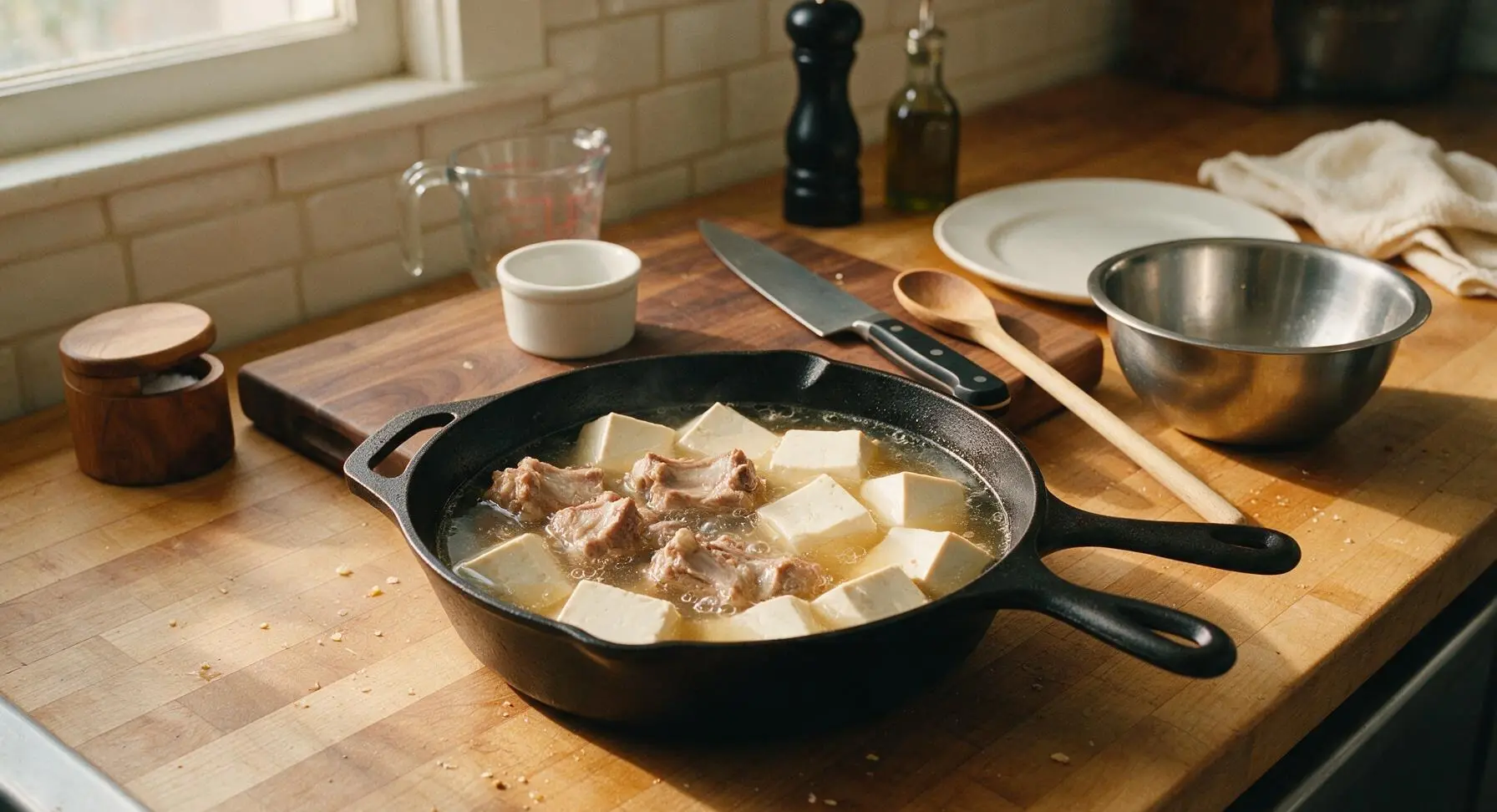
Add Tofu to Broth

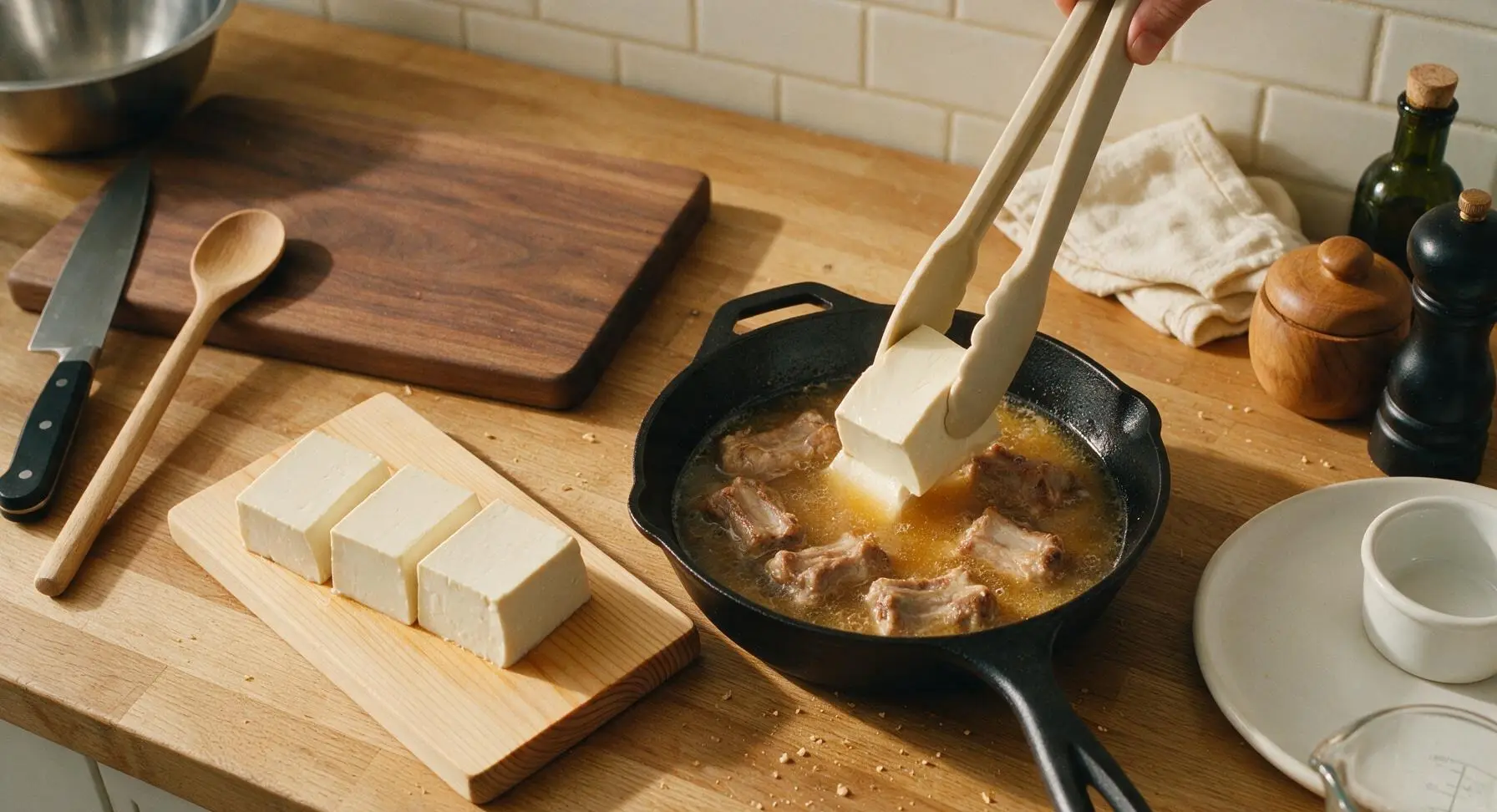
Once the ribs are fully tender after 1 hour of simmering, use the silicone tongs to gently lower each silken tofu block into the simmering broth, taking care not to drop the blocks and break the curds. Do not stir aggressively after adding tofu. Let the tofu simmer gently for 8 minutes, until heated all the way through and lightly infused with dashi flavor. Taste the broth, adjusting seasoning with a tiny pinch of coarse sea salt if needed.
Step 6
step6:Add Tofu to Broth
Step 6
step6:Add Tofu to Broth
7

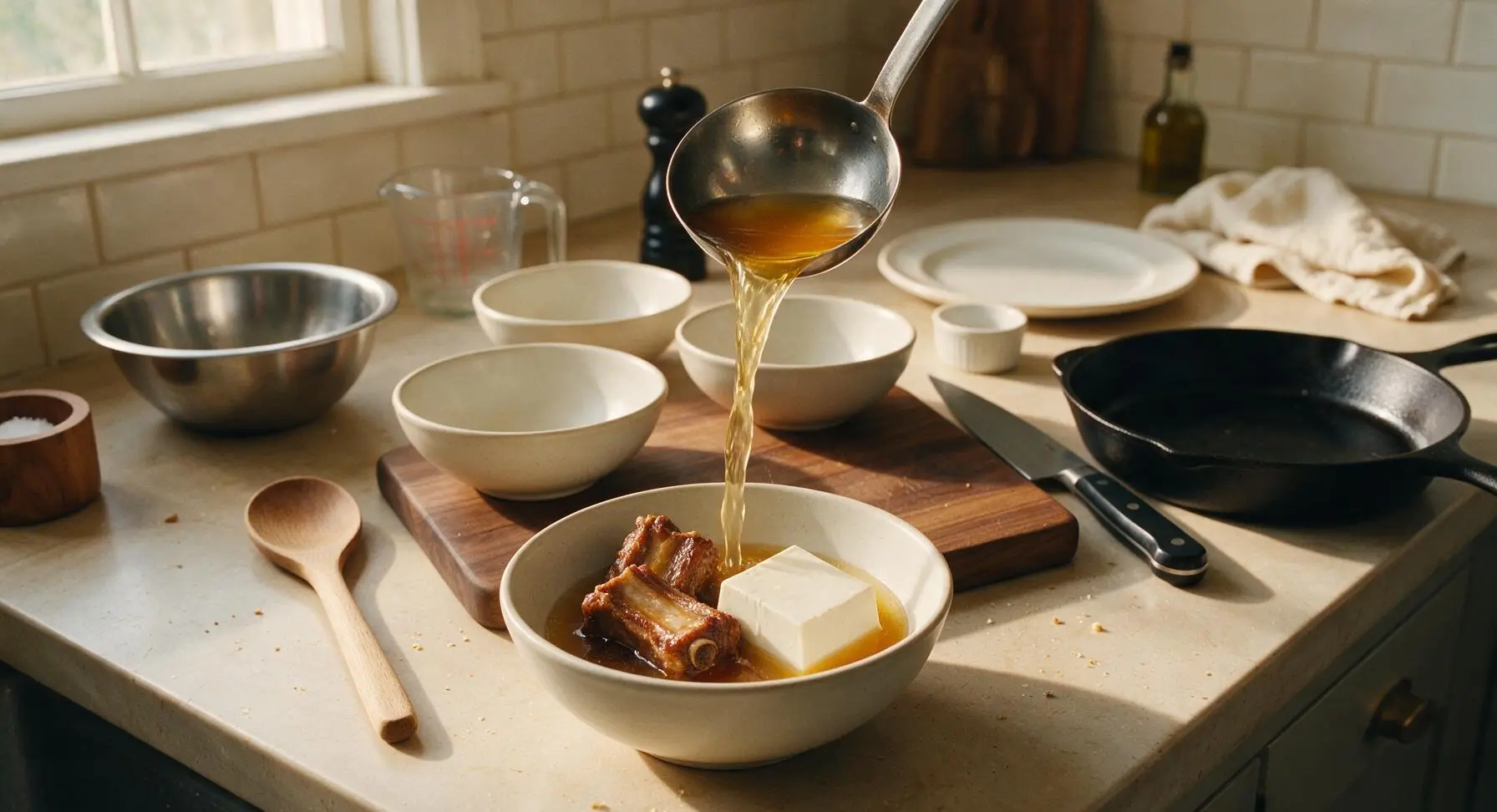
Ladle Broth into Bowls

Use the silicone tongs to place 2 rib pieces into each off-white ceramic soup bowl, then carefully lift one tofu block per bowl with a wide, gentle grip, placing it next to the ribs. Use the stainless steel soup ladle to pour enough warm dashi broth to fill 1/3 of each bowl, ensuring the broth covers the bottom third of the tofu and ribs.
Step 7
step7:Ladle Broth into Bowls
8

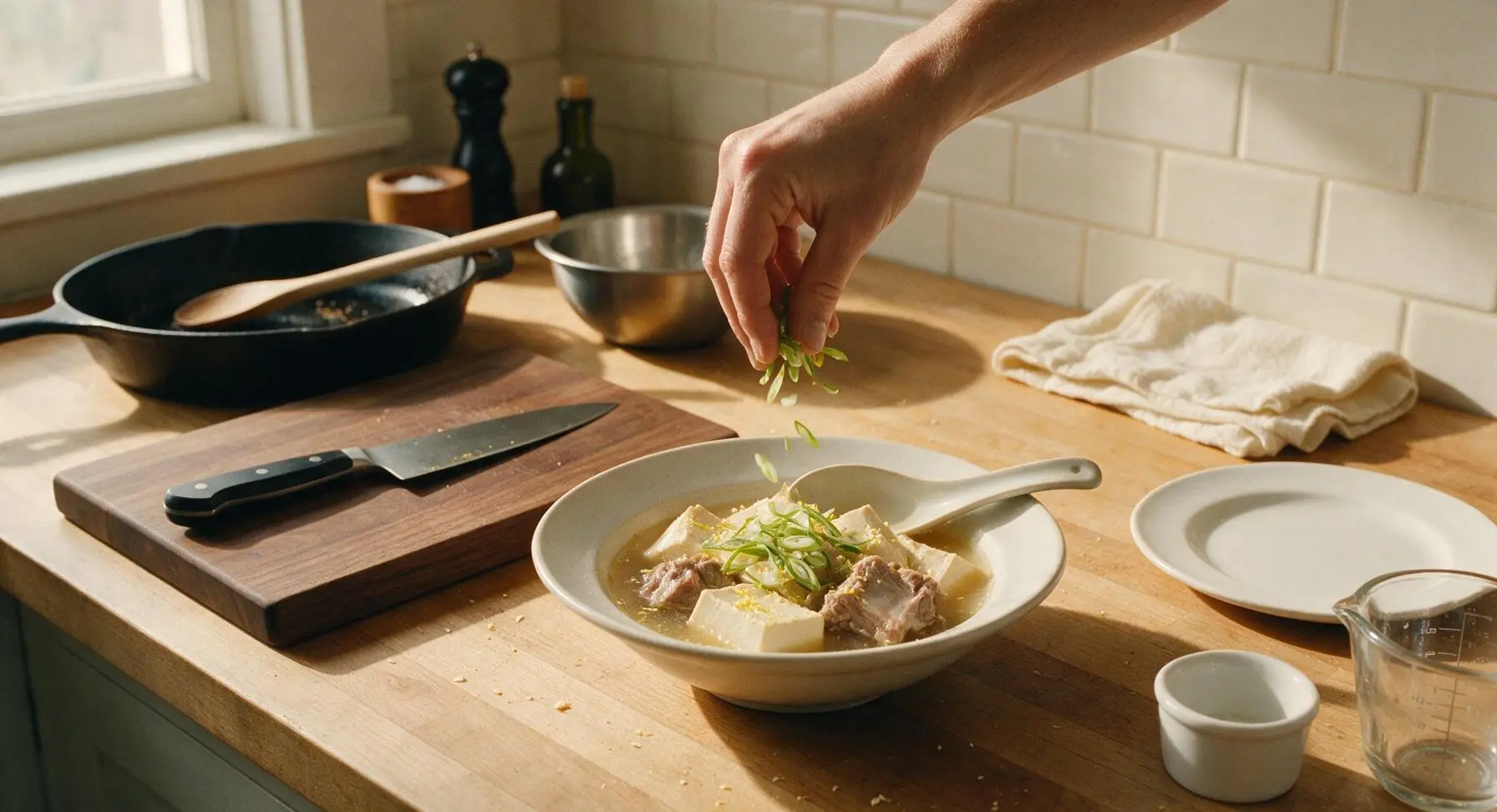
Garnish and Serve Hot

Top each bowl with a light pinch of thinly sliced negi and a tiny sprinkle of grated yuzu peel for a bright, citrusy aroma that cuts through the rich pork. Serve immediately while hot, placing a matching ceramic soup spoon on the edge of each bowl.
Step 8
step8:Garnish and Serve Hot

Tips

1.Never boil dashi after adding katsuobushi: high heat extracts bitter compounds from the bonito flakes that will make the broth taste harsh instead of light and umami-rich. Always remove the kombu before the water hits a full boil, as kombu also turns bitter when boiled for long periods.
2.Handle silken tofu as gently as you would handle a ripe avocado: its custard-like texture breaks easily under pressure, so use a wide, flat spatula or the flat edge of tongs to lift blocks instead of pinching the curd directly. For cleaner cuts, dip your knife in cold water before slicing tofu to prevent sticking.
3.Maintain the lowest possible gentle simmer when cooking the ribs: a violent rolling boil will tighten the meat fibers making ribs tough, and will jostle the tofu until it breaks apart. A steady 85C (185F) simmer, with only tiny bubbles breaking the surface, yields fall-off-the-bone tender ribs and perfectly intact silken tofu.


✨ You May Also Like

Main Course
🍜 United Kingdom

A showstopping classic of tender seared beef, savory mushroom duxelles, and crisp prosciutto wrapped in flaky golden puff pastry, baked to juicy perfection.

⏱️ 2 hours 1Main Course ★ 4.7
Main Course
🍜 India

Tender charred marinated chicken simmered in a rich, spiced creamy tomato sauce, this iconic Anglo-Indian curry pairs perfectly with basmati rice or warm naan.

⏱️ 50 minuteMain Course ★ 4.6
Main Course
🍜 Thailand

Classic tangy, sweet, and savory Thai stir-fried rice noodles with shrimp, tofu, and crunchy garnishes, balancing all five core Thai flavor profiles.

⏱️ 30 minuteMain Course ★ 4.5
Main Course
🍜 United Kingdom

Crispy golden beer-battered cod and fluffy double-fried chips, served with tangy tartar sauce and malt vinegar: the timeless, beloved British pub comfort classic.

⏱️ 45 minuteMain Course ★ 4.7
Main Course
🍜 Mexico

Smoky, chile-marinated pork tacos with caramelized pineapple, fresh cilantro, and lime: a beloved classic Mexican street food perfect for casual summer gatherings.

⏱️ 1 hour 45Main Course ★ 4.8
Main Course
🍜 United States

Crunchy Fritos corn chips layered with savory beef chili and melted cheddar, topped with cool, zesty fixings for a beloved, cozy Tex-Mex comfort food.

⏱️ 35 minuteMain Course ★ 4.8

Yudofu Ribs:Frequently Asked Questions

1.Can I use firm tofu instead of silken tofu for this recipe? ▾
Silken tofu is ideal here for that signature soft, custardy bite that balances the rich ribs, but you can use firm tofu in a pinch. Press it for 20 minutes to remove excess water first, cut it into 4cm cubes, and add it during the last 5 minutes of simmering to keep it from crumbling apart.
2.How do I get fall-off-the-bone tender ribs without making the broth greasy? ▾
Start by blanching the ribs in boiling water for 5 minutes first, then scrub off any grey scum from the rib surfaces and rinse the pot well before building your dashi. Simmer the ribs on the lowest possible heat, covered, for 45 to 50 minutes—rapid boiling makes broth cloudy, greasy, and leaves meat tough instead of tender.
3.Do I have to make fresh dashi from kombu and katsuobushi, or can I use instant dashi powder? ▾
Fresh dashi delivers that clean, delicate umami that defines Kyoto-style simmered dishes, but high-quality instant dashi powder works for quick weeknight meals. Use 1 teaspoon of dashi powder per 2 cups of water, and skip extra salt at first—most instant dashi is pre-salted, so taste and adjust seasoning at the end.
4.My silken tofu always breaks apart when I add it to the pot—how do I prevent that? ▾
First, drain silken tofu gently for 15 minutes on a paper towel-lined plate before cutting; don’t press it, or you’ll squeeze out its signature creamy texture. Cut it into large 5cm cubes, lower them into the pot with a slotted spoon, and don’t stir after adding—just gently swirl the broth to coat the tofu.
5.Can I make this dish ahead of time, and does it reheat well? ▾
This dish actually tastes better made a day ahead! The ribs and tofu absorb more dashi flavor as it rests in the fridge. Store it in an airtight container for up to 3 days, and reheat gently on the stovetop over low heat—don’t boil it, or the tofu will break down and the ribs will turn tough.
6.What’s the best substitute for mirin if I don’t have any on hand? ▾
If you don’t have mirin, mix 2 parts dry white wine or cooking sake with 1 part granulated sugar to replicate its mild, sweet umami depth. Skip seasoned rice vinegar as a swap—it’s far too tangy and will throw off the delicate, balanced flavor of the light dashi broth.
7.Should I remove the membrane from the back of the spare ribs before simmering? ▾
Yes, always peel off that tough, silvery membrane from the bone side of the ribs before cooking—it doesn’t break down during simmering, and will leave chewy, unpleasantly tough bites. Slide a butter knife under the membrane at one end, grip it with a paper towel, and pull it off in one smooth sheet.
8.Is this dish supposed to have a strongly flavored broth, or is it intentionally mild? ▾
This Kyoto-style dish has a deliberately light, clean umami broth, not a thick, heavy barbecue-style sauce. The goal is to balance rich, fatty pork ribs with delicate, savory dashi, so the broth should taste subtly salty-sweet, not overpowering, to let silky tofu and tender rib meat shine.
9.Can I add other vegetables to this recipe, or will that throw off the traditional flavor? ▾
You can absolutely add mild, quick-cooking vegetables without disrupting the dish’s balance. Try adding 2cm slices of daikon, napa cabbage, or shiitake mushrooms when you add the ribs to simmer; avoid strong veggies like broccoli, bell peppers, or tomatoes, which will overpower the delicate dashi.
10.Why do my ribs come out tough even after simmering them for a long time? ▾
Tough ribs almost always come from cooking at too high a temperature, or adding salty seasonings too early. If the broth is at a rolling boil, meat fibers seize up and get tough instead of softening. Add mirin and soy seasoning after the first 30 minutes of low simmer, keeping heat low enough for only tiny bubbles to break the surface.
11.How long should I steep kombu and katsuobushi for dashi so it doesn’t turn bitter? ▾
Steep kombu in cold water for 30 minutes first, then heat slowly until it just starts to simmer—remove kombu right before it boils, since boiling kombu releases bitter, slimy compounds. Add katsuobushi, turn off the heat, and let it steep for 1 minute before straining; don’t leave it sitting longer than that.
12.Can I make this with baby back ribs instead of spare ribs? ▾
Baby back ribs work as a substitute for spare ribs, just note they are leaner and will cook about 10 to 15 minutes faster than fattier spare ribs. Keep a close eye on them as they simmer, and pull them when meat pulls easily from the bone so they don’t dry out from overcooking.
13.What should I serve alongside Yudofu Ribs for a complete meal? ▾
Serve this dish with steamed short-grain white rice, a small side of pickled takuan or tangy cucumber sunomono, and a pinch of thinly sliced scallion or shiso leaf sprinkled over top right before serving. A tiny dollop of grated fresh ginger on the side adds a bright, zingy cut through rich rib fat.
14.Do I need to sear the ribs first before simmering them in dashi? ▾
Traditional Kyoto-style yudofu ribs don’t call for searing, because searing creates deep, browned flavors that overpower the light, clean dashi broth. The initial blanching step is enough to remove impurities, so you get clear, mild broth and tender ribs without the heavy caramelized notes of a Western-style braise.
15.My silken tofu came out watery and diluted the broth—what did I do wrong? ▾
That happens when you don’t drain silken tofu properly before adding it to the pot. Even though it’s ultra-soft, silken tofu holds lots of excess water from its packaging. Let it sit on a paper towel-lined plate for 15 minutes after removing it from the tub, and it won’t leach enough water to thin out your seasoned dashi.

Comments (6)

3 days ago

OMG, this was such a hit at our Sunday family dinner! I was worried the tofu would be bland but that dashi-soy simmer broth is a game changer—my picky 7 year old asked for seconds of both ribs AND tofu, which never happens. I did add an extra splash of mirin because we like things a little sweeter at our house, 10/10 will make again for our next potluck!

2 days ago

Wait did you use firm or silken tofu? I’ve had yudofu at restaurants in LA and it was super silky, but I don’t want it to fall apart while simmering with the ribs!

yesterday

So glad your family loved it! For this recipe, we recommend medium-firm tofu—it holds its shape during the long simmer but still has that soft, creamy texture traditional yudofu is known for. Silken will break apart too easily, extra firm will be too chewy!

1 week ago

Took me a minute to track down konnyaku for this but it was SO worth it. The ribs get fall-off-the-bone tender after that hour simmer, and the tofu soaks up every bit of that savory umami flavor. Cook time was spot on for me, no adjustments needed. Would be perfect for meal prep too, it tasted even better reheated for lunch today!

5 days ago

Great call making it for meal prep! The flavors do meld and get deeper as it sits in the fridge—just be gentle when reheating so the tofu doesn’t break apart. So happy you enjoyed it!

2 hours ago

Medium difficulty is no joke, y’all! I messed up the first batch by boiling the broth too hard and the tofu got all crumbly, but my second go-round I kept it at a gentle simmer like the recipe said and it turned out amazing. Served it over steamed rice with some pickled veggies on the side, chef’s kiss.

2 weeks ago

Had something just like this at a tiny ryokan in Kyoto last spring and I’ve been chasing that flavor ever since! This recipe is so close it made me emotional, honestly. Only thing I did different was use spare ribs instead of back ribs because that’s what my butcher had, worked like a charm. 10/10, tastes exactly like the meal I couldn’t stop raving about on my trip.

1 week ago

Oh that sounds amazing! Did you make your own dashi or use the instant packets? I’ve only ever used instant and I’m worried it won’t taste as authentic.

5 days ago

Such a good question! Homemade kombu-bonito dashi will give you the most delicate, traditional flavor, but high-quality instant dashi works totally fine for a weeknight cook. If you use instant, toss in a small extra piece of kombu while the broth simmers to add a little extra depth. So stoked this recipe brought back fun travel memories for you!

yesterday

I was skeptical about combining rich pork ribs with mild yudofu but this combo is insane. I added a little pinch of shichimi togarashi on top when serving for a tiny kick, and it was chef’s kiss. My roommate ate three servings and begged me for the recipe, so that’s the highest possible praise if you ask me.

2 hours ago

The shichimi togarashi tip is genius! I have a jar in my pantry I never use, I’m definitely sprinkling that on when I make this this weekend. Thanks for the idea!

30 minutes ago

This was way more budget friendly than I thought it would be! I got a big pack of ribs on sale, tofu is super cheap, and I already had most of the sauce ingredients in my pantry. Tastes way fancier than the cost would suggest, I’m gonna serve this when my in-laws come visit next month to impress them lol.