
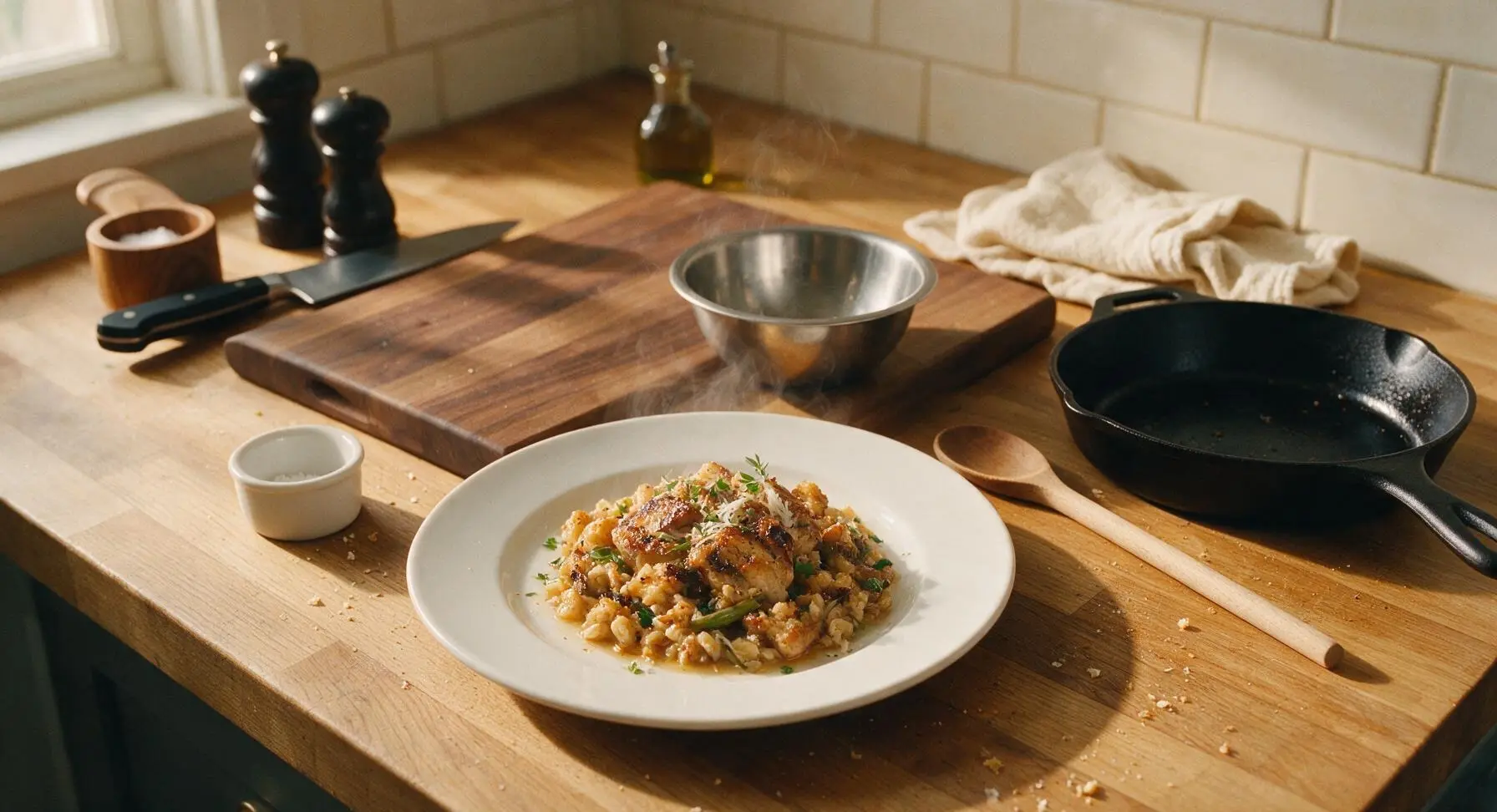
Abbey Ale

title 1
Abbey Ale
⏱️ cook time 1 hour 30 minutes
🍽️ servings 8
⚡ Difficulty medium

intro

Rich, malty, fruit-kissed Abbey Ale with caramel, dark stone fruit, and subtle spice notes, smooth enough for slow sipping with friends on cool evenings.

Ingredients
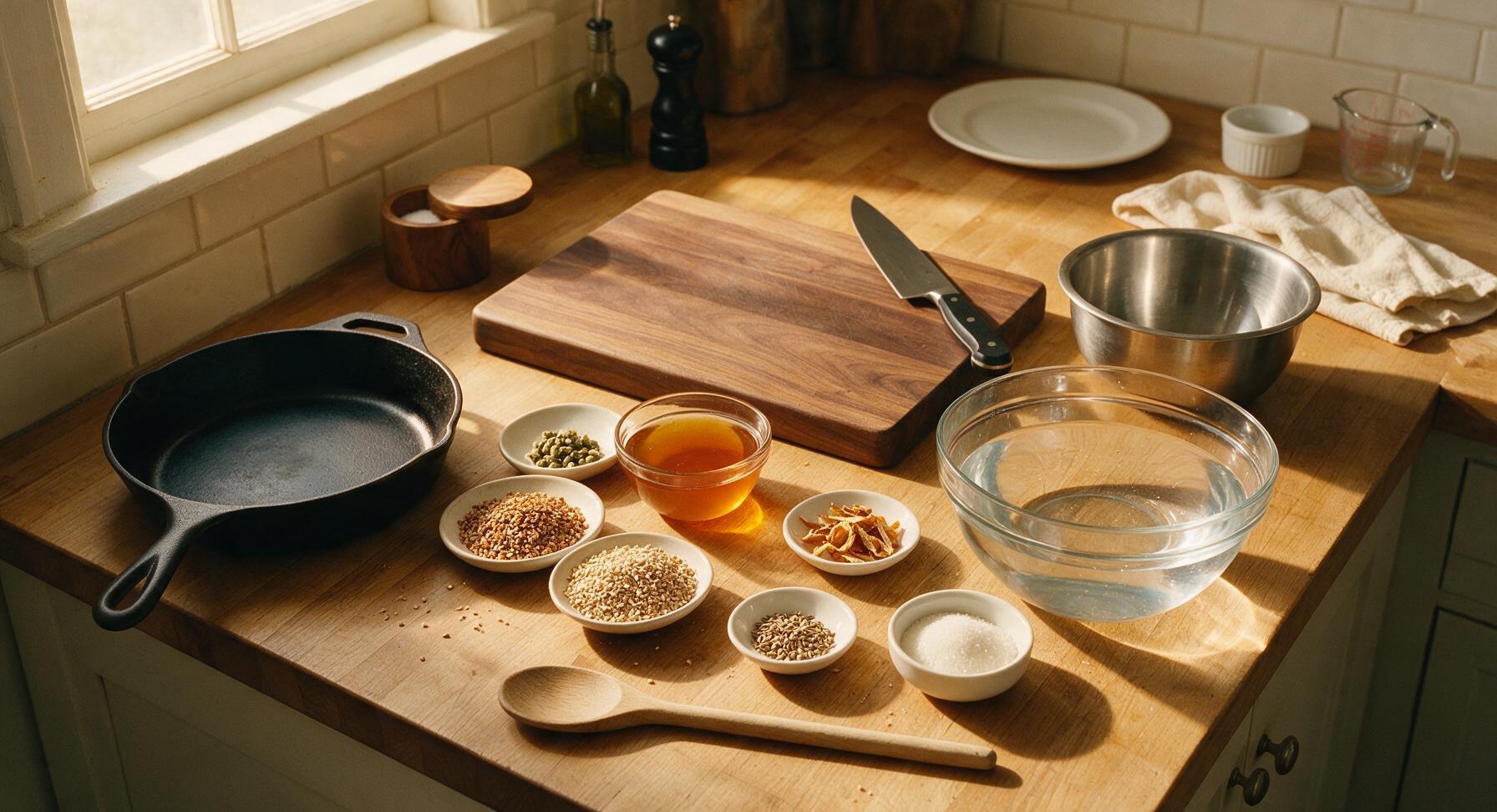
Pale liquid malt extract 907g (2 lbs)
Crushed Caramel 60L malt 113g (4 oz)
Crushed aromatic malt 57g (2 oz)
East Kent Goldings bittering hops 14g (0.5 oz)
East Kent Goldings aroma hops 7g (0.25 oz)
Dried bitter orange peel 7g (0.25 oz)
Crushed coriander seed 1 tsp (2g)
Abbey-style ale yeast 11g (1 packet)
Priming corn sugar 28g (1 oz)
Cold filtered water 4.7L (1.25 gal)

Steps

1

Sanitize All Equipment

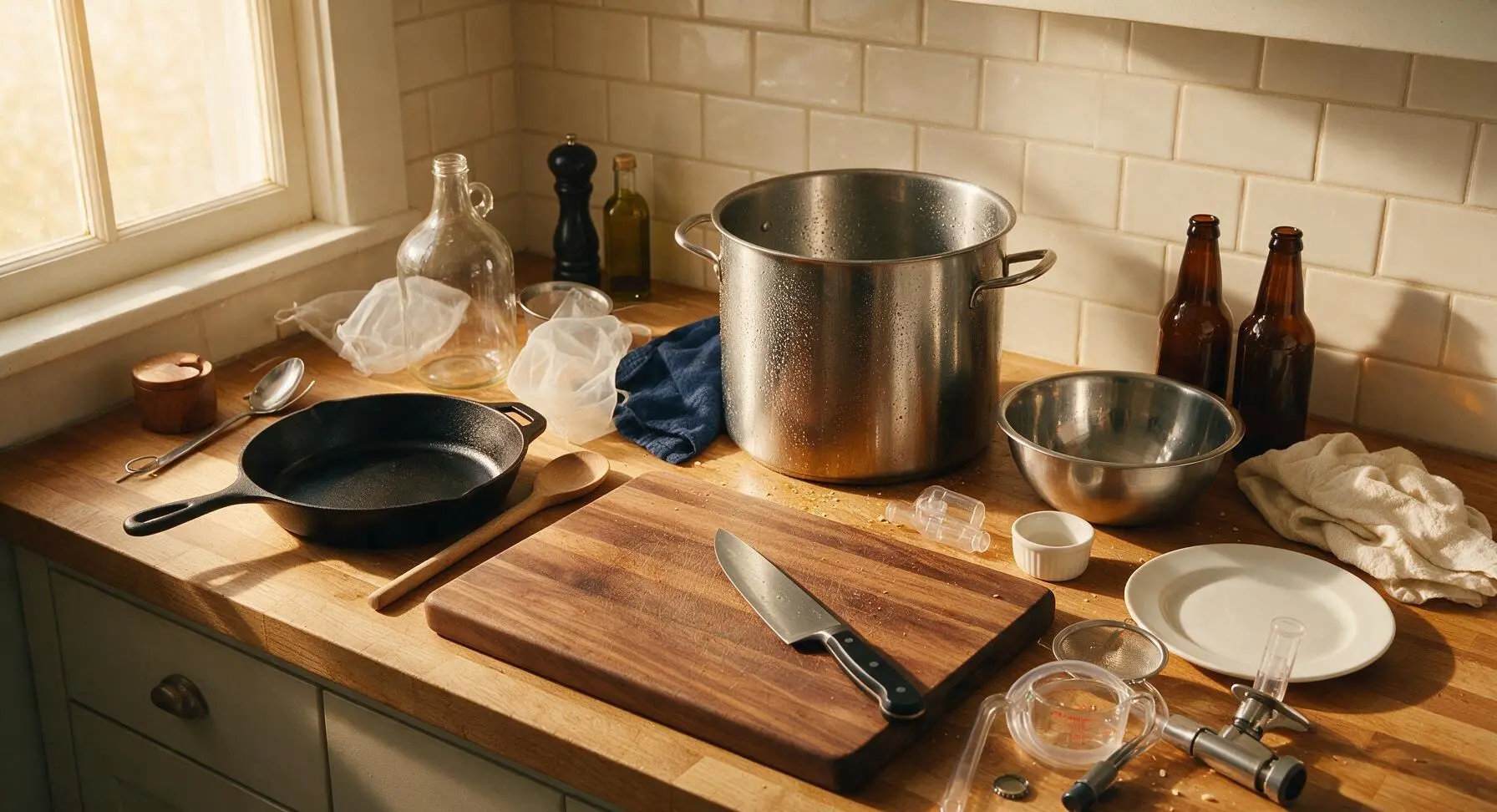
Wash all brewing tools (brew pot, stirring spoon, strainer, grain bag, carboy, siphon, airlock, stopper, bottles, capper) with warm soapy water, then coat all surfaces with no-rinse brewing sanitizer, letting it sit for 60 seconds to kill bacteria and wild yeast. Set sanitized tools on the cleaned counter to air dry briefly. Every surface that will touch cooled wort must be fully sanitized to prevent off-flavors.
Step 1
step1:Sanitize All Equipment
2

Steep Crushed Grains

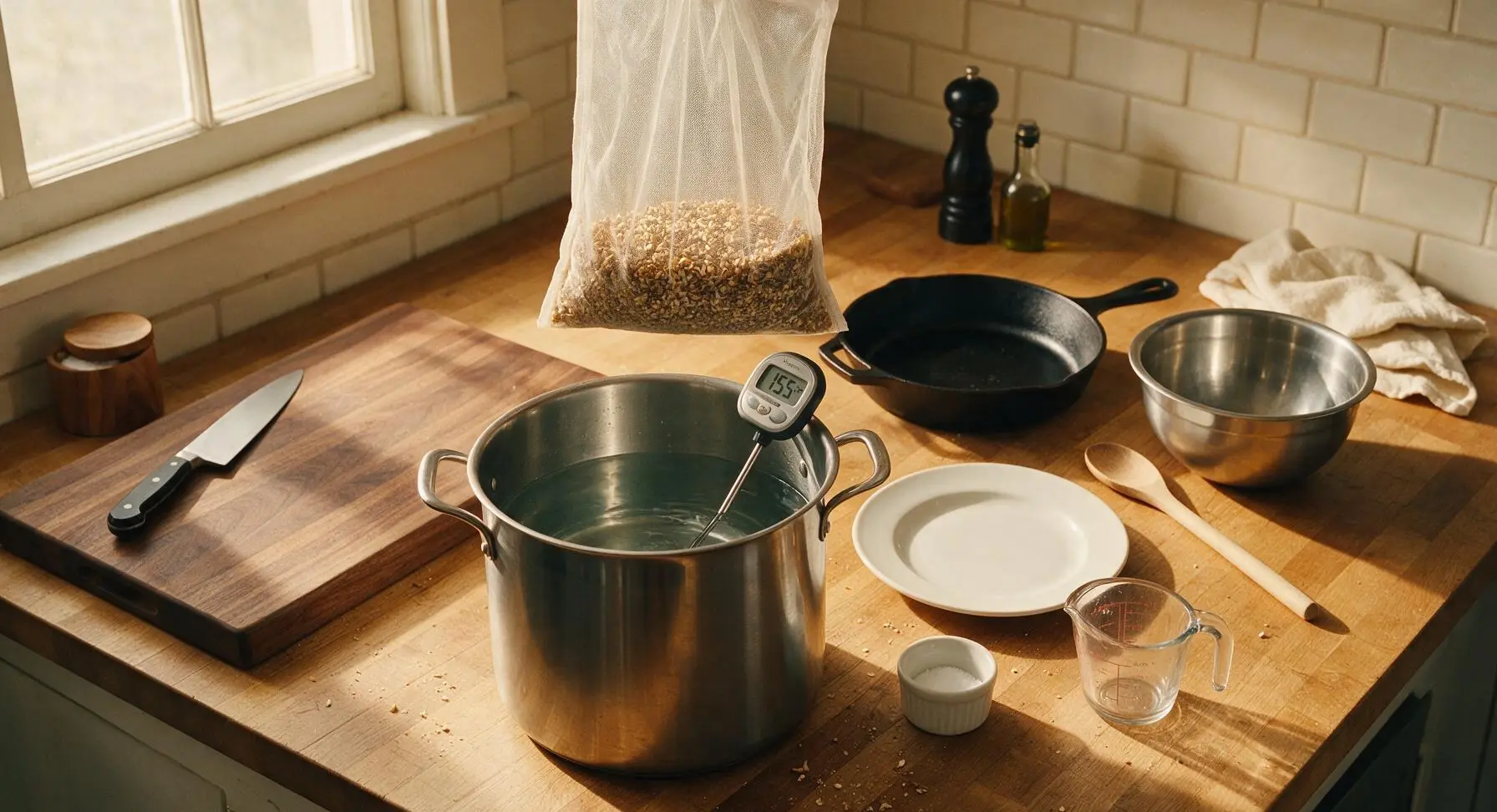
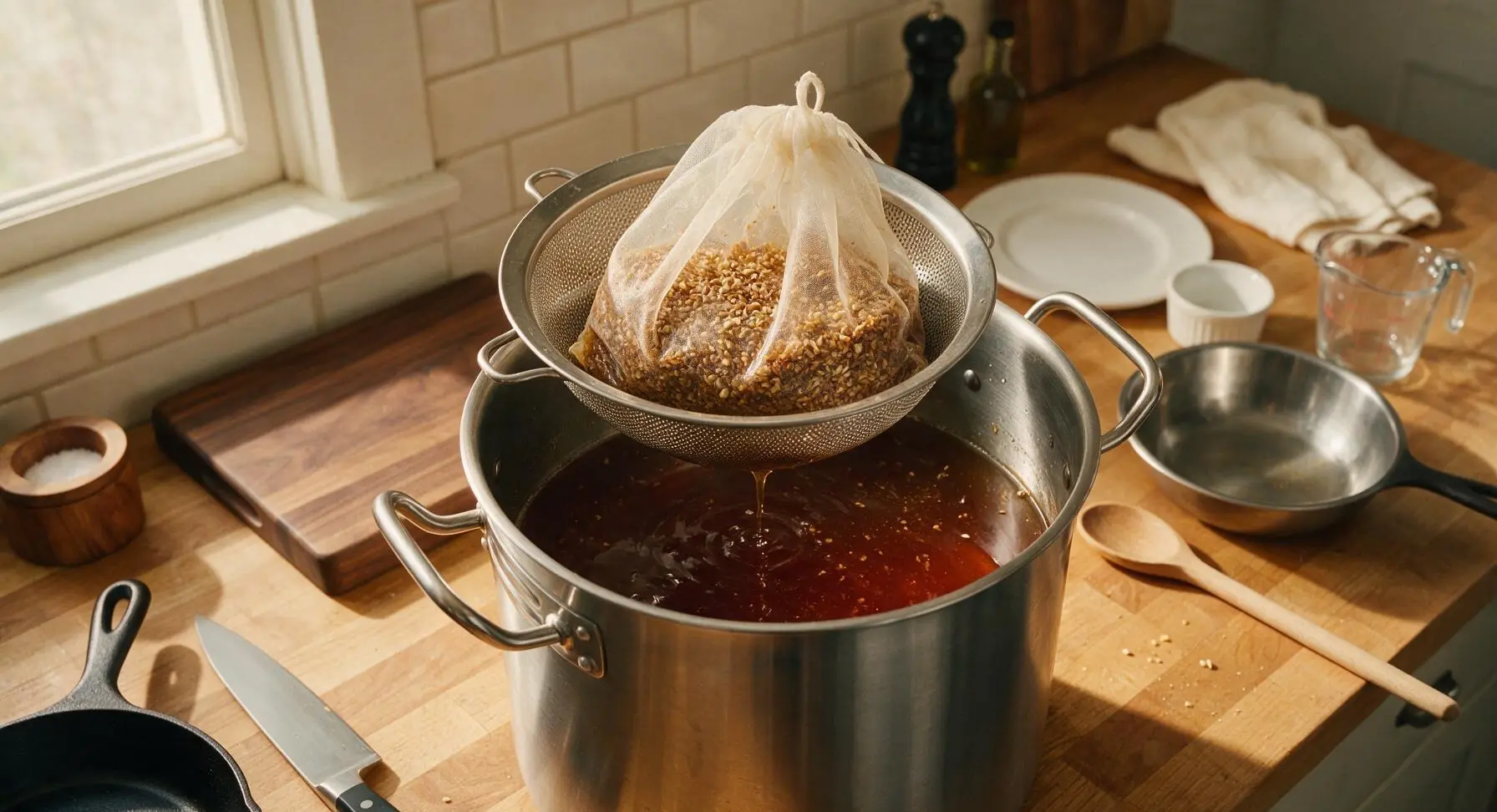
Pour 2 quarts of cold filtered water into the 2-gallon stainless steel brew pot, heat to 155°F (68°C). Place crushed caramel 60L and aromatic malts in the fine nylon mesh grain bag, submerge fully in heated water. Hold temperature steady at 150-155°F for 20 minutes, do not boil. The water will turn deep amber as grains release caramel and toasty flavors. Remove the grain bag, let drain over the pot without squeezing.
Step 2
step2:Steep Crushed Grains
Step 2
step2:Steep Crushed Grains
3

Boil Base Wort

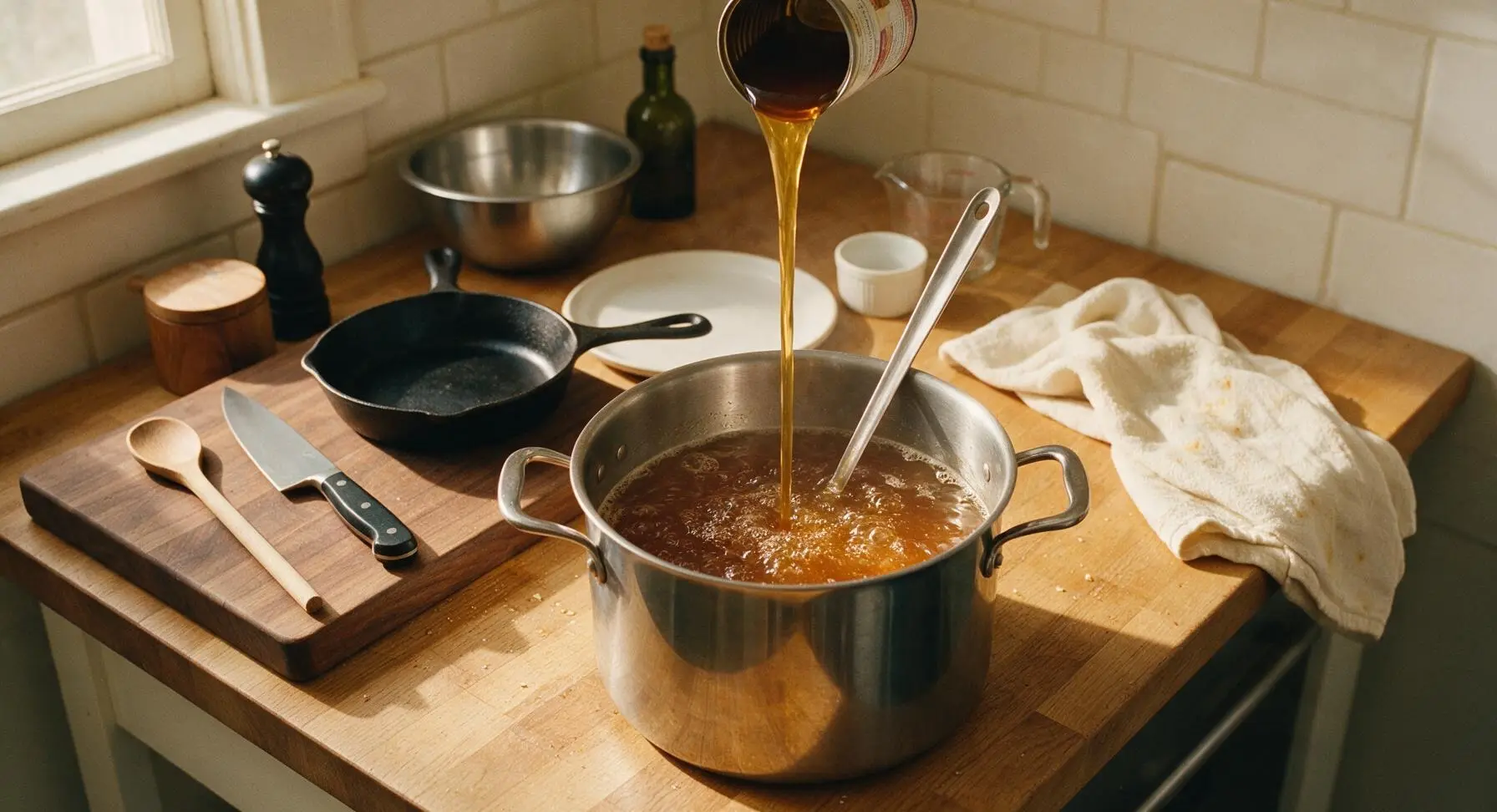
Remove the grain bag, increase heat to bring the amber wort to a gentle rolling boil. Once boiling steadily, slowly stir in the full 2 lbs of pale liquid malt extract, stirring constantly with the long stainless steel spoon to prevent scorching on the pot bottom. Return to a gentle rolling boil, set the kitchen timer for 60 minutes total boil time, adjusting heat as needed to prevent boilovers.
Step 3
step3:Boil Base Wort
4

Add Hops and Spices

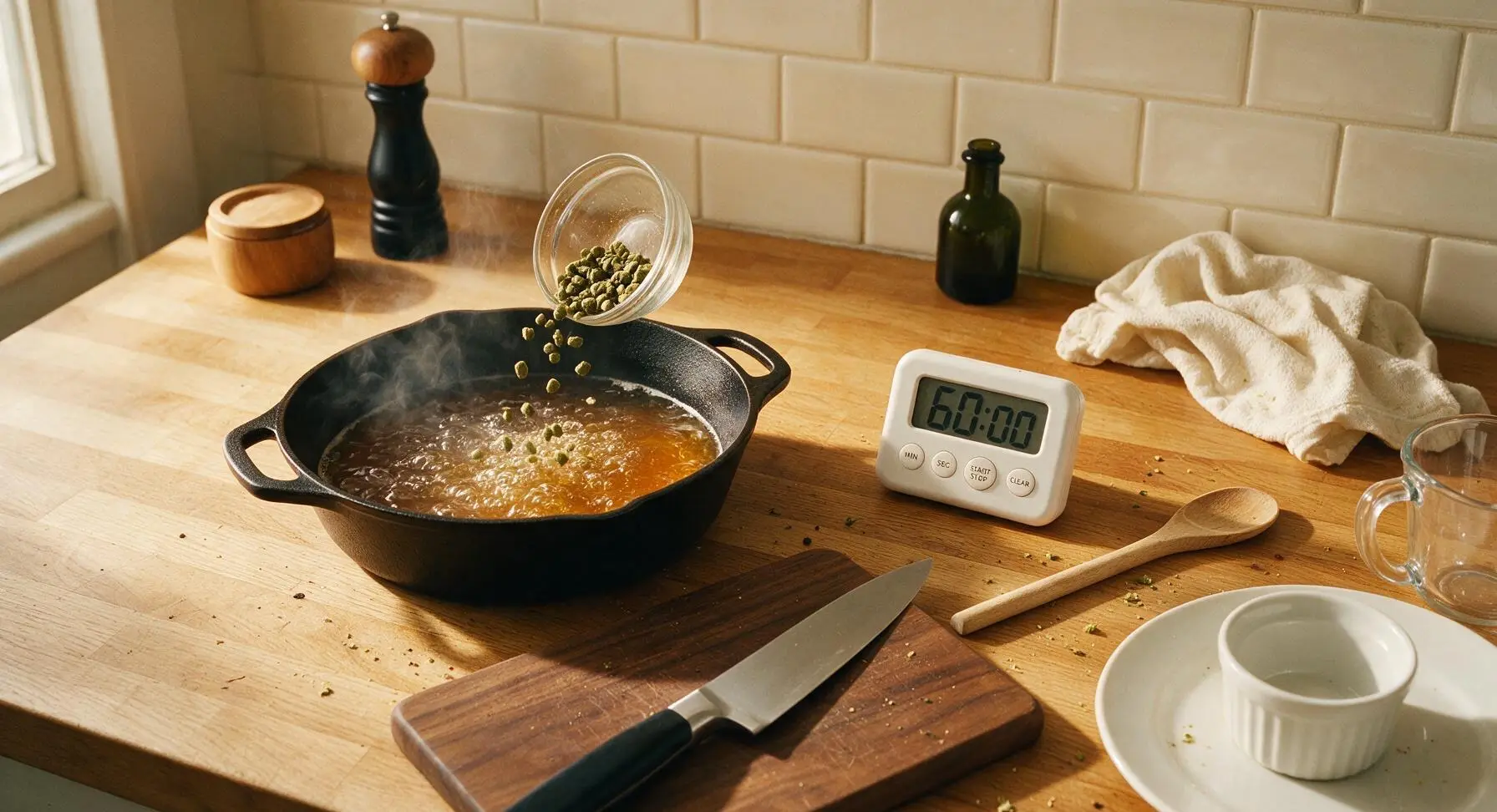
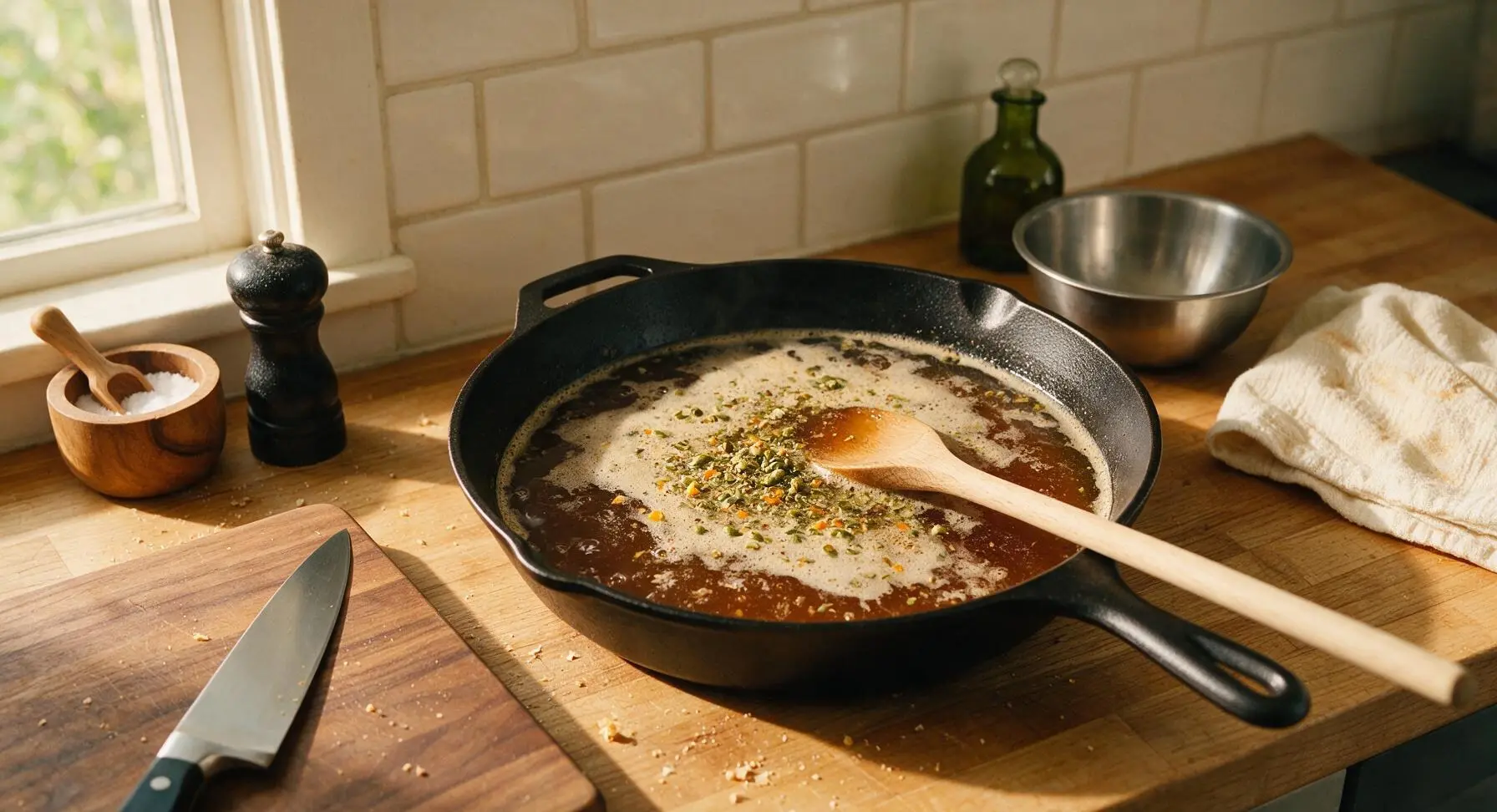
At the start of the 60-minute boil, add the 0.5 oz bittering East Kent Goldings hops. With 15 minutes remaining in the boil, add crushed coriander seed and dried bitter orange peel. With 2 minutes remaining, add the 0.25 oz aroma East Kent Goldings hops. After the full 60 minute boil, turn off the heat immediately.
Step 4
step4:Add Hops and Spices
Step 4
step4:Add Hops and Spices
5

Cool and Transfer Wort

Move the covered brew pot to an ice bath in the sink until wort cools to exactly 70°F (21°C), approximately 20 minutes. Once cooled, pour wort through the fine-mesh stainless steel strainer into the 1-gallon glass carboy, top off with cold filtered water to reach the 1-gallon volume mark. Gently swirl the carboy for 30 seconds to aerate the wort for healthy yeast growth.
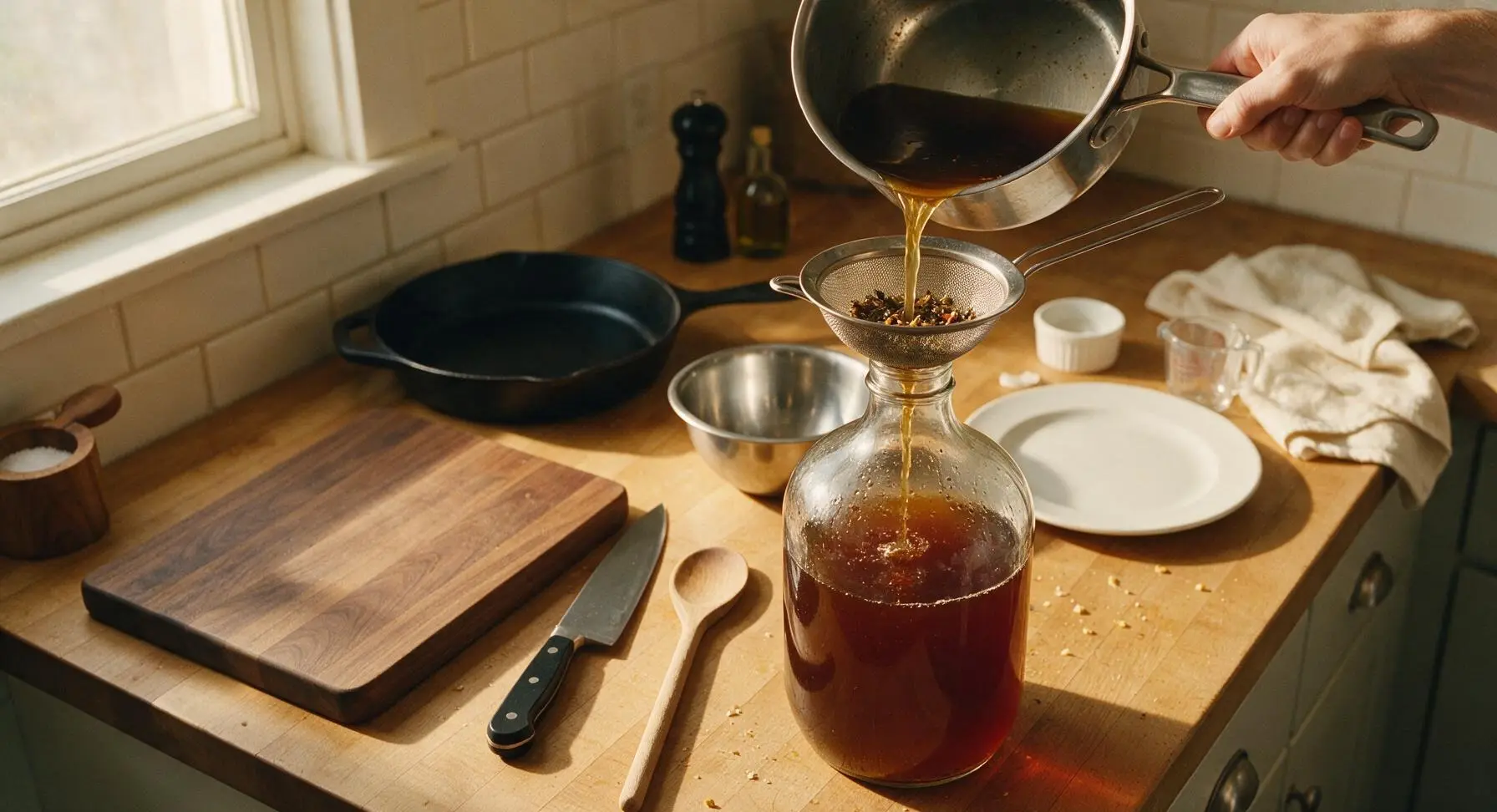
Step 5
step5:Cool and Transfer Wort
6

Pitch Ale Yeast

Sprinkle the full packet of Abbey-style ale yeast evenly over the surface of the cooled, aerated wort in the carboy. Fit the drilled black rubber stopper tightly into the carboy neck, fill the 3-piece airlock halfway with sanitizer, and press it firmly into the stopper hole. Move the carboy to a dark, temperature-stable 65-70°F spot away from direct sunlight.
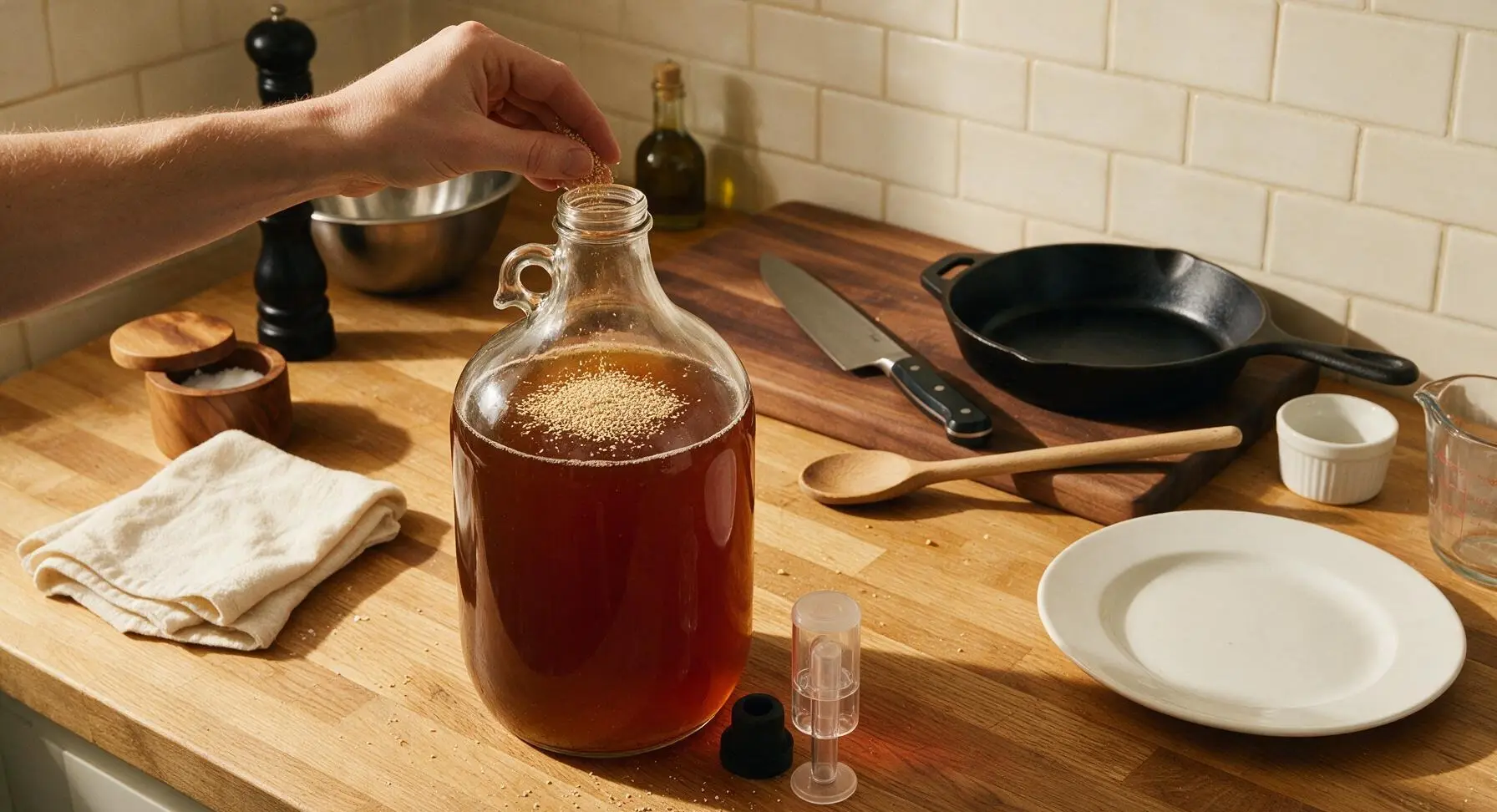
Step 6
step6:Pitch Ale Yeast
7

Monitor Fermentation

Over 7-10 days, check the airlock regularly: steady bubbling (1-2 bubbles per second) in the first 3-4 days confirms active fermentation, as yeast converts sugar to alcohol and carbon dioxide. Fermentation is complete when bubbling stops entirely, the beer clears from cloudy to transparent amber, and a thin layer of tan yeast sediment settles at the carboy bottom, approximately 10 days after pitching yeast.
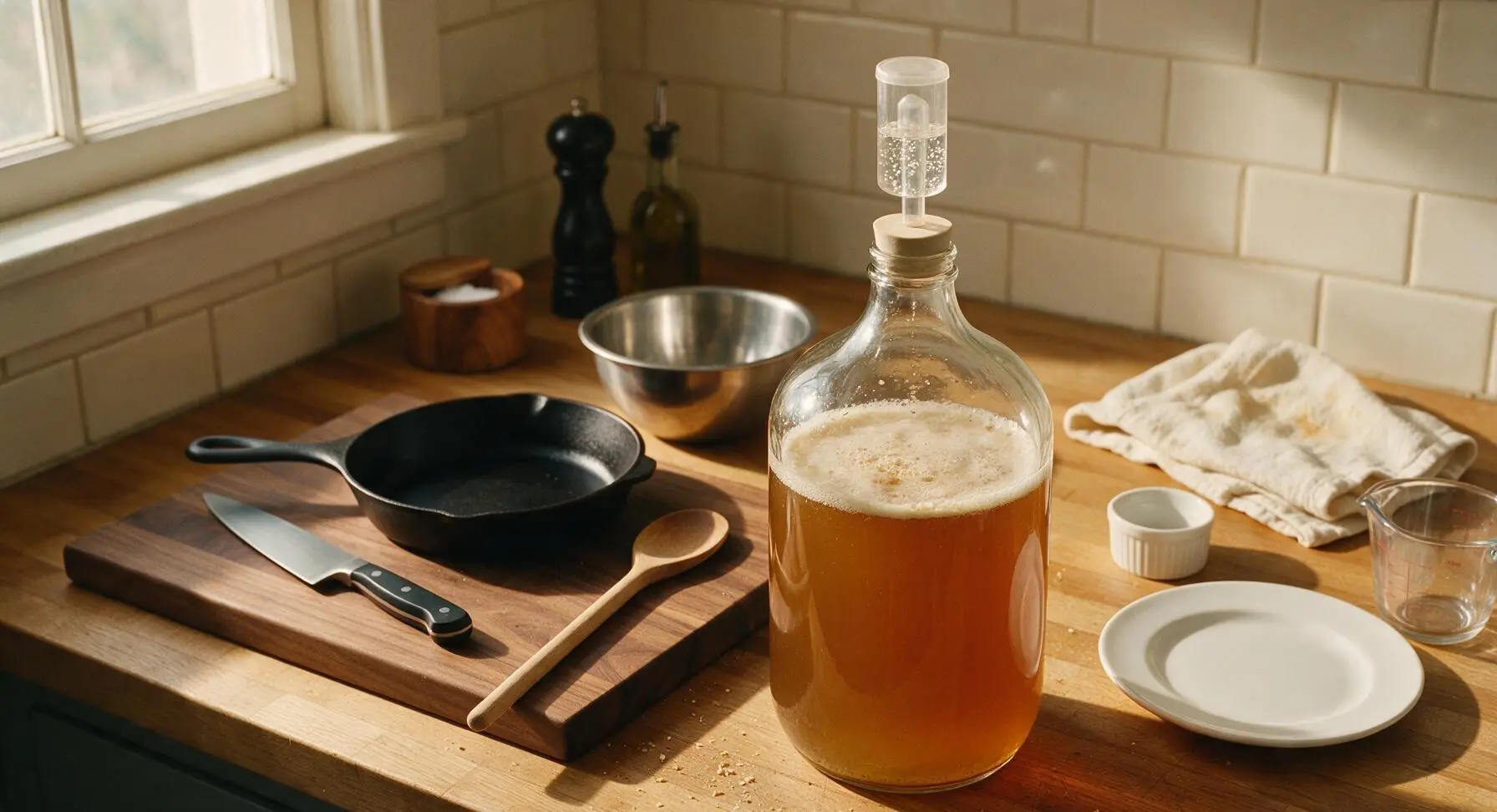
Step 7
step7:Monitor Fermentation
8

Bottle for Carbonation

Once fermentation finishes, boil 1 oz priming corn sugar in 1/4 cup water for 5 minutes, cool to 70°F, and add gently to the carboy, stirring very slowly with the sanitized stirring spoon to distribute evenly without introducing oxygen. Use the auto-siphon to gently transfer finished beer from the carboy into sanitized 12oz glass bottles, avoiding disturbing the yeast sediment at the bottom. Cap bottles tightly with the bottle capper, and store in a dark 65-70°F spot for 2 weeks to build natural carbonation. Chill bottles for 24 hours before serving.
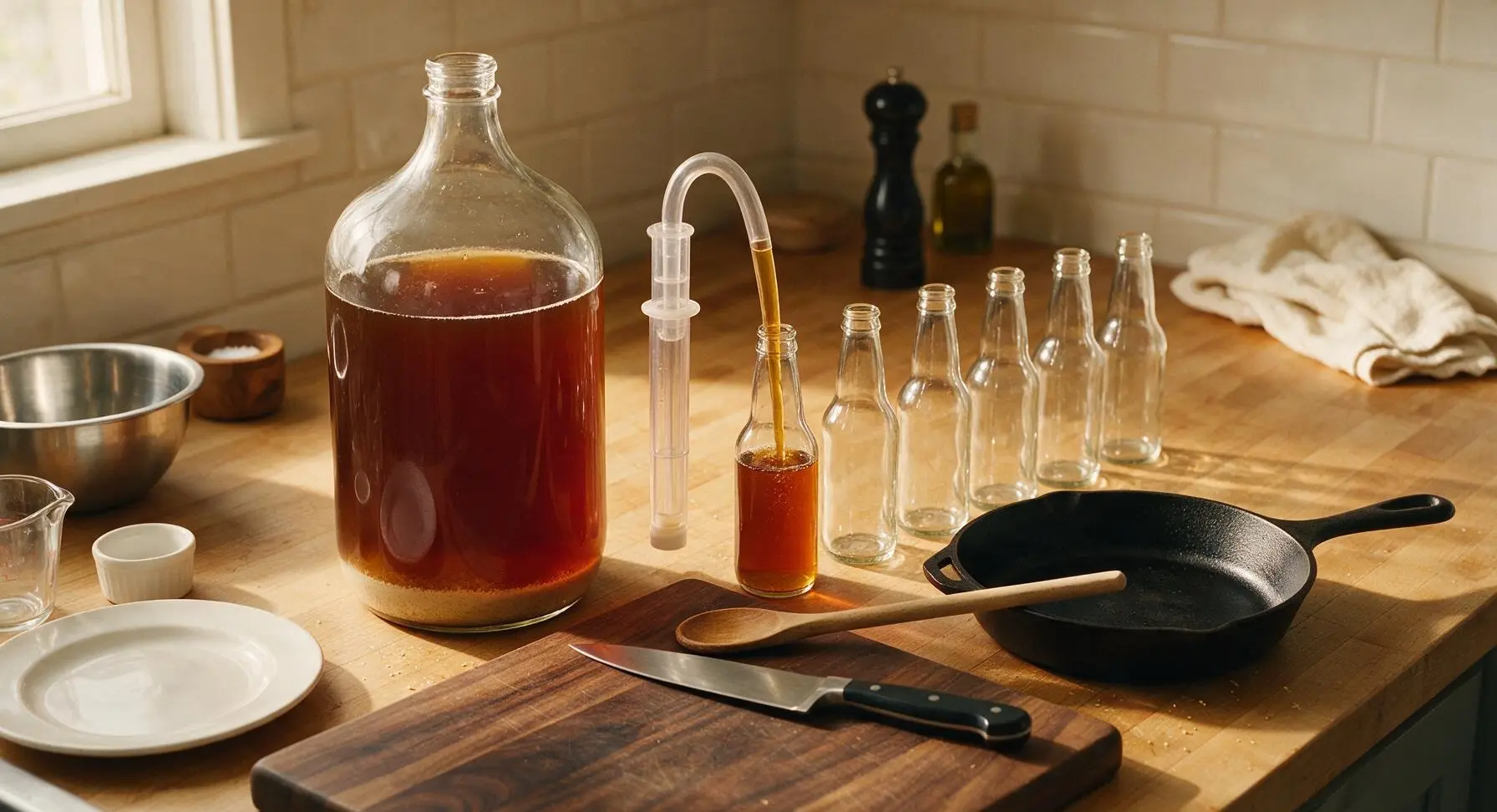
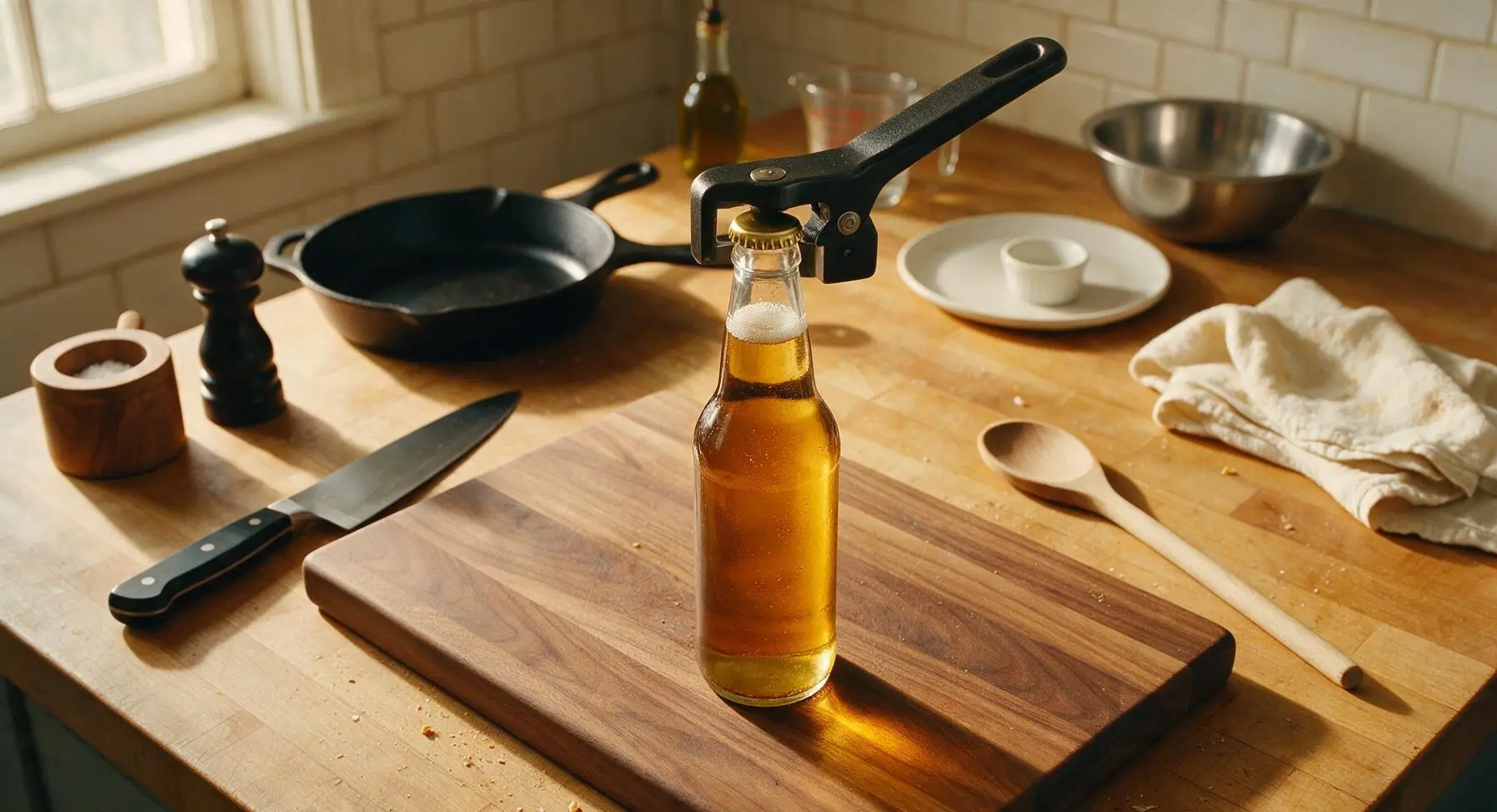
Step 8
step8:Bottle for Carbonation
Step 8
step8:Bottle for Carbonation

Tips

1.Never squeeze the grain bag after steeping: pressing the bag extracts harsh, astringent tannins from grain husks that create a dry, bitter aftertaste, rather than the smooth, sweet malt profile Abbey Ale is known for.
2.Sanitize every surface that touches cooled wort: wild yeast and common kitchen bacteria can create sour, wet-cardboard, or rotten-fruit off-flavors that will ruin your batch after weeks of waiting.
3.Resist opening the carboy or bottles during fermentation and carbonation: early oxygen exposure causes stale, sherry-like off-flavors, and releasing pressure early will result in flat, under-carbonated beer.


✨ You May Also Like

Drinks & Beverages
🍜 Mexico

A bright, balanced tequila-based cocktail with zesty fresh lime, smooth orange liqueur, and a signature salt rim, perfect for warm summer sipping.

⏱️ 5 minutesDrinks & Beverages ★ 4.9
Drinks & Beverages
🍜 United States

Thick, creamy, nostalgic classic vanilla milkshake with a rich, smooth texture, topped with whipped cream and a cherry for cool, sweet refreshment.

⏱️ 5 minutesDrinks & Beverages ★ 4.7
Drinks & Beverages
🍜 United States

A bright, golden strong ale with fruity banana-clove notes, subtle hop spice, and soft carbonation, brewed in classic Trappist Tripel tradition.

⏱️ 2 hours aDrinks & Beverages ★ 4.5
Drinks & Beverages
🍜 United States

A frothy, nostalgic American soda fountain treat pairing bubbly cold root beer with creamy vanilla ice cream, perfect for cooling down at warm weather gatherings.

⏱️ 20 minuteDrinks & Beverages ★ 4.8
Drinks & Beverages
🍜 United States

Tart, funky, effervescent American Wild Ale is a complex fruity craft beer brewed with wild yeast, delivering bright, zesty notes perfect for warm-weather sipping.

⏱️ 2 hours aDrinks & Beverages ★ 4.4
Drinks & Beverages
🍜 United States

Bright, bubbly copycat of the iconic American caramel cola, balanced with citrus and warm spice, perfect for sipping ice-cold on hot days.

⏱️ 15 minuteDrinks & Beverages ★ 4.8

Abbey Ale:Frequently Asked Questions

1.What ABV can I expect from a standard 5-gallon batch of this Homemade Abbey Ale? ▾
A properly brewed batch will land between 6.5–7.5% ABV, right in the classic range for smooth, sippable abbey ales. You’ll hit that target if you follow the listed malt amounts and ferment at the recommended temperature range; adding extra malt to boost ABV will create a harsh, boozy finish that throws off the balanced, fruit-kissed profile.
2.Do I need special all-grain brewing equipment to make this recipe? ▾
No, this is an extract-based recipe perfect for brewers without a full all-grain setup. You only need a basic 5-gallon brew kettle, fermentation bucket with an airlock, siphon, and no-rinse brewing sanitizer. The crushed specialty malts just need a simple steep, with no complex lautering or mashing equipment required.
3.How long do I steep the crushed Caramel 60L and aromatic malts for the best flavor? ▾
Steep both crushed malts in 150–155°F (65–68°C) water for 20 to 30 minutes before bringing your wort to a boil. Never let the steeping water climb over 160°F, or you’ll leach harsh, astringent tannins from the grain husks that will ruin the smooth, malty balance of the finished ale.
4.Why does this recipe use East Kent Goldings hops instead of traditional Belgian hop varieties? ▾
East Kent Goldings bring a soft, earthy, subtly floral bitterness and aroma that complements the rich caramel and stone fruit notes without overpowering them, unlike spicier, more pungent Belgian hops. They’re also widely available to U.S. homebrewers, so you won’t have to hunt down rare imported hops for a great result.
5.When do I add the bittering vs. aroma East Kent Goldings hops during the boil? ▾
Add your measured bittering hops at the very start of the 60-minute boil to extract their balanced alpha acid bitterness that cuts through sweet malt. Toss the aroma hops in during the last 15 minutes of the boil—any earlier and you’ll boil off all the delicate, floral, honeyed notes that make this ale feel layered.
6.What yeast strain works best to get that classic fruit-kissed Abbey Ale profile? ▾
Reach for a dedicated Belgian Abbey Ale yeast strain, like Wyeast 1214 or White Labs WLP530, for the most authentic result. It ferments cleanly at 68–75°F, producing subtle dark cherry and plum notes plus faint peppery spice, without the overly sharp, phenolic bite some stronger Belgian yeasts create.
7.How critical is proper sanitization when brewing this Abbey Ale? ▾
It’s non-negotiable! Every piece of equipment that touches your wort after the boil—fermentation bucket, airlock, siphon, bottles—must be fully sanitized with a no-rinse brewing sanitizer. Even tiny amounts of stray bacteria will create off-flavors like sourness or mold that ruin weeks of work on your smooth ale.
8.How long does primary fermentation take for this recipe? ▾
Plan for 7 to 10 days of primary fermentation at a steady 68–72°F. You’ll know it’s done when your airlock stops consistent bubbling, and the wort reads a stable final gravity for two days straight. Don’t rush this step—fast, warm fermentation leads to harsh, fusel alcohol notes that ruin that smooth finish.
9.Can I add extra fruit to amp up the dark stone fruit notes mentioned in the recipe intro? ▾
Absolutely! If you want bolder fruit flavor, add 1–2 pounds of pitted, pureed dark cherry or plum to your secondary fermenter after primary fermentation wraps. Freeze the fruit first to break down its cell walls, and sanitize all tools used to add it to avoid introducing bacteria that spoils your batch.
10.What creates the caramel note in this ale, and can I adjust its intensity? ▾
That warm caramel flavor comes primarily from the crushed Caramel 60L malt, plus a tiny bit of gentle kettle caramelization if you avoid constant stirring early in the boil. For deeper caramel, add 2 extra ounces of Caramel 60L during the steep; for a lighter profile, cut the Caramel 60L amount in half.
11.What does the crushed aromatic malt contribute to the final beer? ▾
Aromatic malt adds a rich, toasty, slightly bready malt depth and warm, inviting malt aroma that makes the beer feel full-bodied without adding heavy, cloying sweetness. It amplifies caramel and stone fruit notes, so don’t skip it—if you’re out, substitute a small amount of light Munich malt in a pinch.
12.Why is pale liquid malt extract used as the base for this recipe instead of dry malt extract? ▾
Pale liquid malt extract has a fresher, rounder, less processed malt flavor than most dry malt extracts, which creates a smoother, more authentic abbey ale base. It dissolves easily in boiling wort with minimal clumping, and it doesn’t carry the faint, grainy aftertaste that cheaper dry extracts can leave in finished beer.
13.How long do I need to condition this ale before it’s ready to drink? ▾
After bottling with priming sugar to build natural carbonation, let bottles sit at room temperature for 2 weeks to fully carbonate, then move them to a cool, dark spot for 2 to 4 more weeks of aging. This time lets harsh young flavors mellow, so caramel, fruit, and subtle spice notes blend into that signature smooth profile.
14.What carbonation level is ideal for this Abbey Ale? ▾
Aim for a medium carbonation level, about 2.2 to 2.5 volumes of CO2, which matches traditional abbey ale profiles. That translates to roughly 3/4 cup of corn priming sugar for a 5-gallon batch at bottling. Too much fizz makes the ale feel sharp, while flat carbonation makes the rich malt taste cloying and heavy.
15.Can I brew this recipe if I’ve only made simple pre-made beer kits before? ▾
Definitely! This is a perfect next step after basic extract kits, because it only adds one simple new step: steeping crushed specialty grains before adding your pale liquid malt extract. There’s no complex mashing or tight temperature control needed beyond basic fermentation monitoring, so you’ll get an impressive ale without a steep learning curve.
16.What common mistakes should I avoid to keep this ale smooth, not harsh? ▾
The three most common missteps are steeping grains over 160°F (which pulls astringent tannins), boiling aroma hops for too long (which strips delicate notes and adds harsh bitterness), and fermenting over 78°F (which creates sharp, solvent-like fusel alcohols). Stick to the temperature guidelines for a silky, sippable result every time.
17.What foods pair best with this finished Homemade Abbey Ale? ▾
Its rich caramel, stone fruit, and soft spice notes pair beautifully with sharp aged cheddar, roasted pork tenderloin with fruit glaze, spiced pear tarts, or dark chocolate truffles. It’s also perfect on its own for slow sipping with friends on cool evenings, exactly the cozy vibe the recipe is designed for.
18.Can I scale this recipe down to make a smaller 1-gallon test batch? ▾
Absolutely! Just divide all ingredient amounts by 5 for a 1-gallon batch: you’ll use roughly 1.5 lbs of pale liquid malt extract, proportional amounts of crushed Caramel 60L and aromatic malt, and scaled weights of bittering and aroma East Kent Goldings. Keep steep, boil, and fermentation timings identical for perfect results.

Comments (17)

2 days ago

Just bottled my first batch of this last weekend! The caramel and dark fruit notes are exactly what I love about classic abbey ales, no weird off flavors at all. Cook time was spot on for the partial mash setup I have, super doable even if you’re not a total brew pro.

1 week ago

Brought a growler of this to my neighbor’s potluck last week and everyone was begging for the recipe! My kids loved getting tiny sips (don’t tell the other neighborhood parents lol) — it’s way smoother than the store-bought abbey ale I usually pick up, not too bitter, perfect for sipping while we grilled burgers.

5 days ago

Honestly thought medium difficulty would be too intimidating for my first ever homebrew, but this walked me through every step. Only messed up the temperature on the first steep a little, but it still turned out way better than I expected! SO good.

3 days ago

My partner is a total craft beer nerd and he was blown away when I made this for our anniversary dinner. Paired perfectly with the braised short ribs I made, we ended up drinking half the batch over the weekend lol.

2 weeks ago

Game changer! I’ve been trying to nail an abbey ale recipe for months and this one finally hits that perfect balance of malty sweetness and subtle spice. Will be making this on rotation for all my future game nights.

30 minutes ago

Wait, do I need a dedicated wort chiller for this? I only have basic homebrew equipment right now and don’t want to drop extra cash if I don’t have to.

5 minutes ago

Great question! You don’t absolutely need a wort chiller — you can set your brew pot in an ice bath in your sink to bring the temp down quickly, just make sure you sanitize everything that touches the wort after it cools! It adds about 15 minutes to the process, but works totally fine for home setups.

yesterday

OMG, the hint of clove and dried plum in this is insane! I added a tiny extra splash of Belgian candi sugar because I like mine a little sweeter, and it turned out chef’s kiss.

2 hours ago

I did the extra candi sugar trick too! Made the mouthfeel so much richer, totally worth the tiny bit of extra ingredients.

1 week ago

Made this for my dad’s retirement party and he said it tasted better than the abbey ale he tried on his trip to Belgium last year! High praise coming from a guy who’s been drinking import beer for 40 years.

5 days ago

That’s such a fun story, Ryan — so stoked it was a hit for your dad’s big day! That classic Belgium-style malt balance is exactly what we were going for with this recipe.

2 hours ago

Wait, how long do you recommend letting this condition in the bottle before drinking? I bottled mine 4 days ago and cracked one early, it was a little flat still.

30 minutes ago

I usually let mine condition for at least 2 weeks at room temp! The carbonation takes a minute to build up, trust me it’s worth the wait — the flavors mellow out so much too.

2 days ago

I was worried this would be too time consuming but the 1 hour 30 minute cook time was totally manageable after work on a Friday. Threw on a podcast while I was stirring the wort, super low stress.

yesterday

Love that! We designed this recipe to be accessible for folks who don’t want to spend a whole weekend on a brew day, so that’s awesome to hear it worked for your after-work schedule.

2 weeks ago

Do you think this would work for a meal prep batch to have on hand for fall bonfires? My friend group does a monthly bonfire and I want to bring something homemade this year.

1 week ago

I brought 2 growlers of this to our bonfire last weekend and it was gone in 45 minutes! Perfect for crisp fall weather, pairs so well with s’mores too weirdly enough.

3 days ago

Used this recipe as a base and added a little vanilla bean in the secondary ferment, holy cow it turned out incredible. The vanilla cuts the malt sweetness just enough, would 100% recommend that twist.

2 days ago

That vanilla twist sounds amazing, Steve! Thanks for sharing that hack — we might have to test that variation ourselves for a future recipe update.

5 days ago

My husband and I tried making this last weekend and we ended up with a slightly sour off flavor? Did we do something wrong during the boil? We followed the steps exactly as written, super confused.

3 days ago

That sour note almost always comes from poor sanitization, not the boil! Make sure you’re sanitizing every single thing that touches the wort after it finishes boiling — even your thermometer, spoon, airlock, all of it. I had the same issue my first ever batch!

2 days ago

Tim is spot on! Off sour flavors are almost always a sanitization issue, not a problem with the boil steps. Double check that you’re using a no-rinse brewer’s sanitizer on all post-boil equipment, and your next batch will turn out perfect.

1 week ago

OMG this is so good! I made it for our family dinner last Sunday and even my cousin who hates dark beer loved it. The carbonation was perfect, the flavor was so smooth, no bitter aftertaste at all.

5 days ago

That’s such a good review! I want to make this for our family Thanksgiving dinner but I’m nervous about messing up the bottle carbonation — did you run into any issues when you made yours?

3 days ago

Great question! If you’re prepping for Thanksgiving, bottle this 3 weeks ahead of time to give it plenty of time to carbonate and condition at room temp, and you’ll have perfectly bubbly ale ready for dinner. Just double check your priming sugar measurement and you’ll be golden!

just now

Just finished the boil for my second batch of this! First batch was a huge hit at my fantasy football draft, everyone kept asking where I bought it. This time I’m adding a little orange peel to see how it tastes.

just now

Orange peel is such a good call! I did that with my last batch and it added the brightest little citrus note that went so well with the malty base. 10/10 twist.

just now

Love that this was a hit at your draft! The orange peel addition sounds chef’s kiss — citrus pairs so well with the dark fruit notes in this ale, we love seeing everyone’s custom twists.

2 hours ago

Wait, is there a non-alcoholic version of this recipe? My partner is sober but loves the taste of abbey ale, I’d love to make a batch he can enjoy too.

30 minutes ago

I make this non-alc by stopping fermentation early and using a non-alc yeast strain! You still get all the malty, fruity flavors without the high ABV, turns out great.

5 minutes ago

Great question! We’re actually testing a non-alcoholic adaptation of this recipe right now to post in the next couple weeks — stay tuned! In the meantime, the early fermentation trick with non-alc yeast that SoberBrewFan mentioned works really well too.

1 week ago

Game changer for tailgates! I brought a cooler of this to the college football tailgate last weekend and it was way more popular than the cheap seltzer everyone else brought. 10/10, will be making every tailgate season from now on.

5 days ago

Dude I did the same for the UGA game two weeks ago! People were offering to pay me for growlers to take home after the game lmao.

3 days ago

That’s the best tailgate review we could ask for! Nothing beats a smooth, homemade ale to enjoy during game day, so glad it was a hit with your crew.



