1.What makes this ahi poke traditional Hawaiian, different from the mainland fusion versions I see at grocery stores?
▾
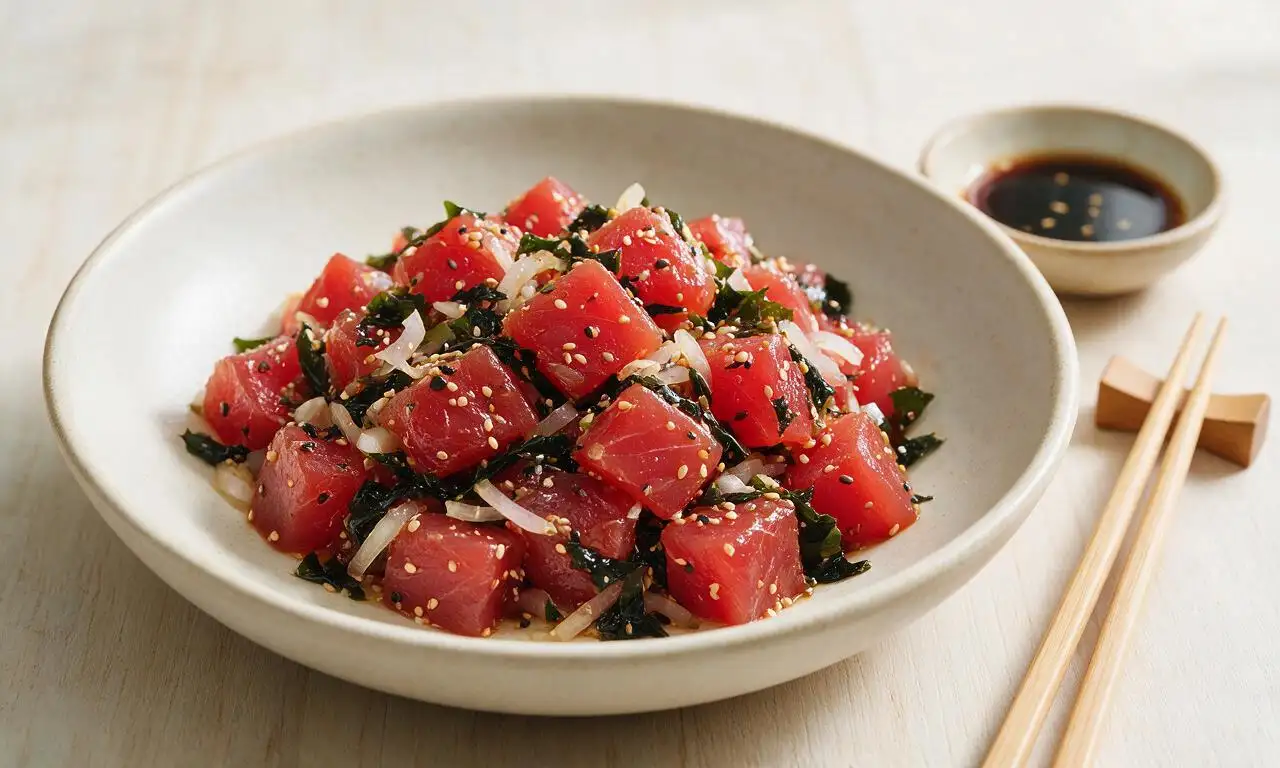
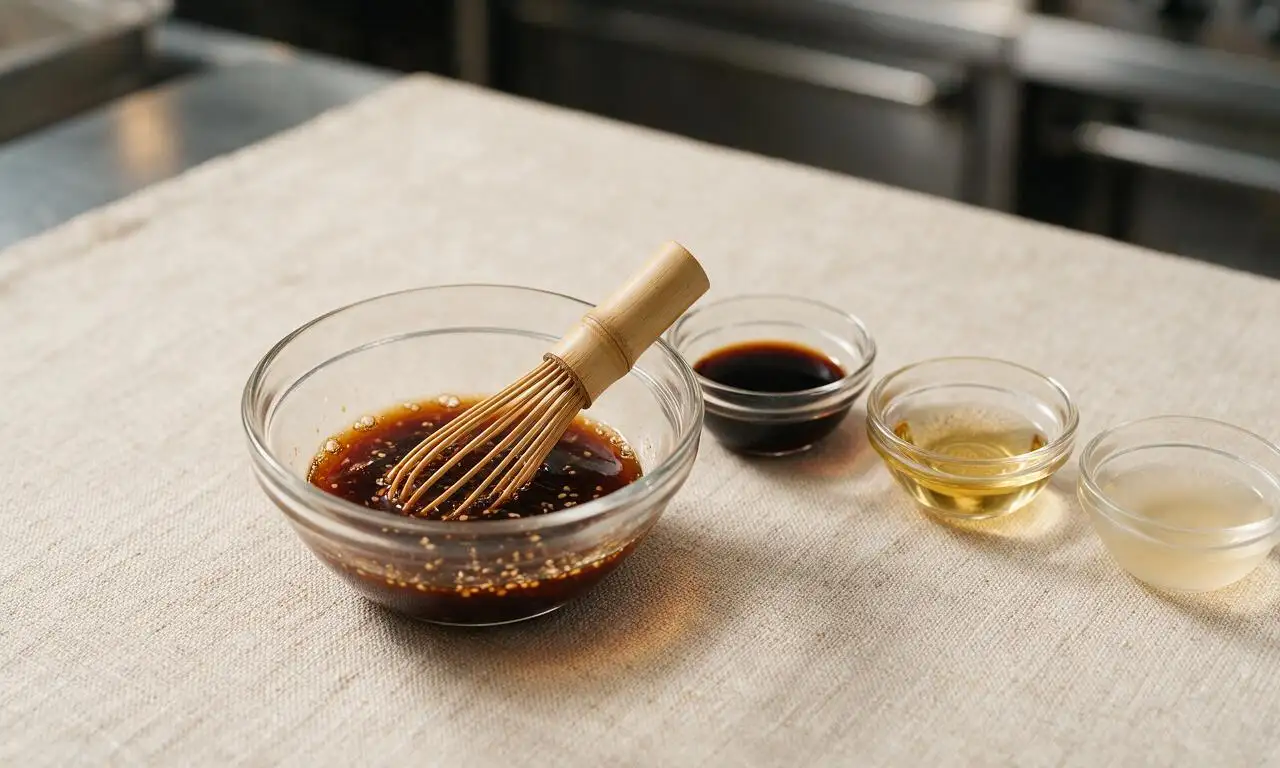
Great question! Traditional Hawaiian poke skips fusion add-ins like spicy mayo, mango, or avocado you often see on the mainland. It leans into simple, bright, umami core flavors: fresh sashimi-grade ahi, shoyu, toasted sesame oil, a touch of rice vinegar, briny seaweed, and sweet Maui onion, with no heavy coatings to mask the tuna’s natural, buttery flavor.
2.Why do I need to use sashimi-grade ahi tuna for this recipe? Can I use regular frozen tuna from the grocery store?
▾
Sashimi-grade (also labeled sushi-grade) tuna is handled and flash-frozen to strict FDA standards that kill harmful parasites, making it completely safe to eat raw. Regular grocery store frozen tuna isn’t processed for raw consumption, so it poses a food safety risk if eaten uncooked. Always source your ahi from a trusted, reputable fishmonger for the best, safest results.
3.I can’t find Maui sweet onions where I live—what’s a good substitute?
▾
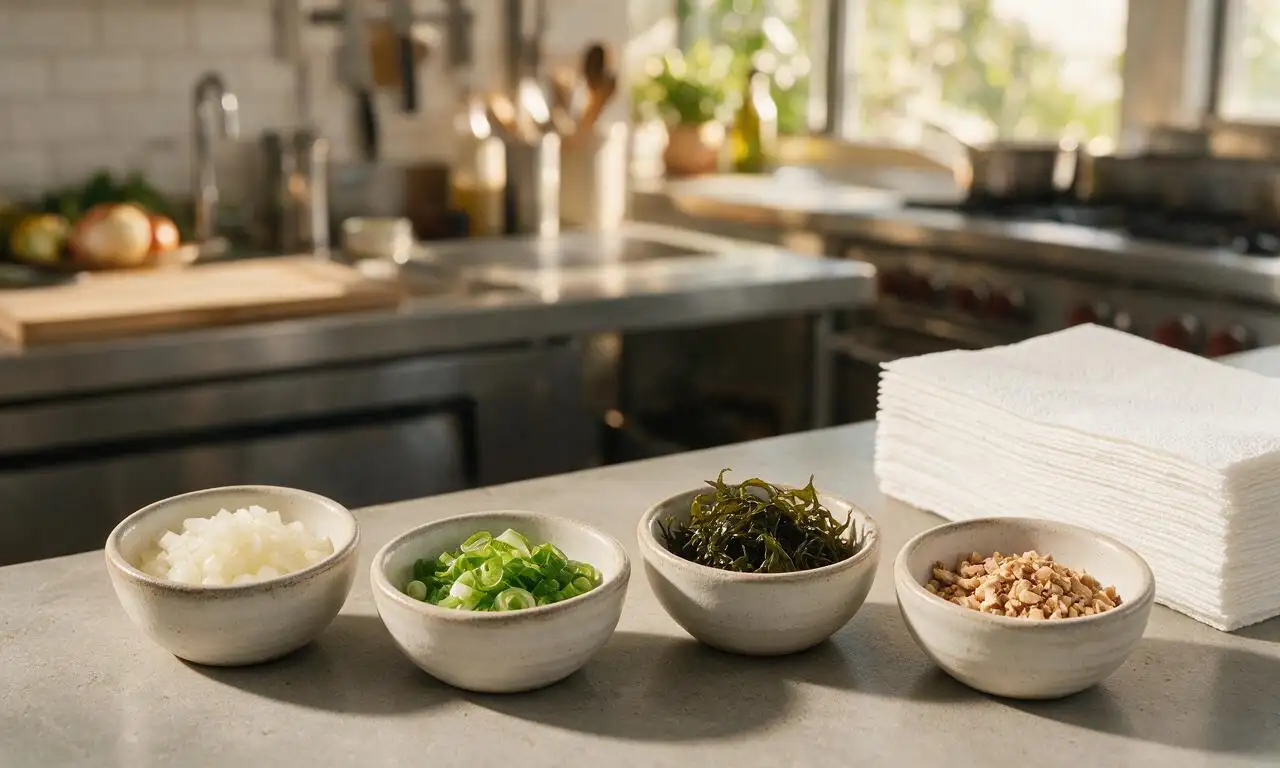
Maui onions are ultra-sweet, mild, and far less sharp than regular yellow onions, so the closest swap is finely diced Vidalia or Walla Walla sweet onion. If those aren’t available, use a quarter of the amount of regular yellow onion, rinsed under cold water for 1 minute to mellow out its harsh, biting flavor before tossing it in.
4.How long do I need to let the poke marinate before serving?
▾
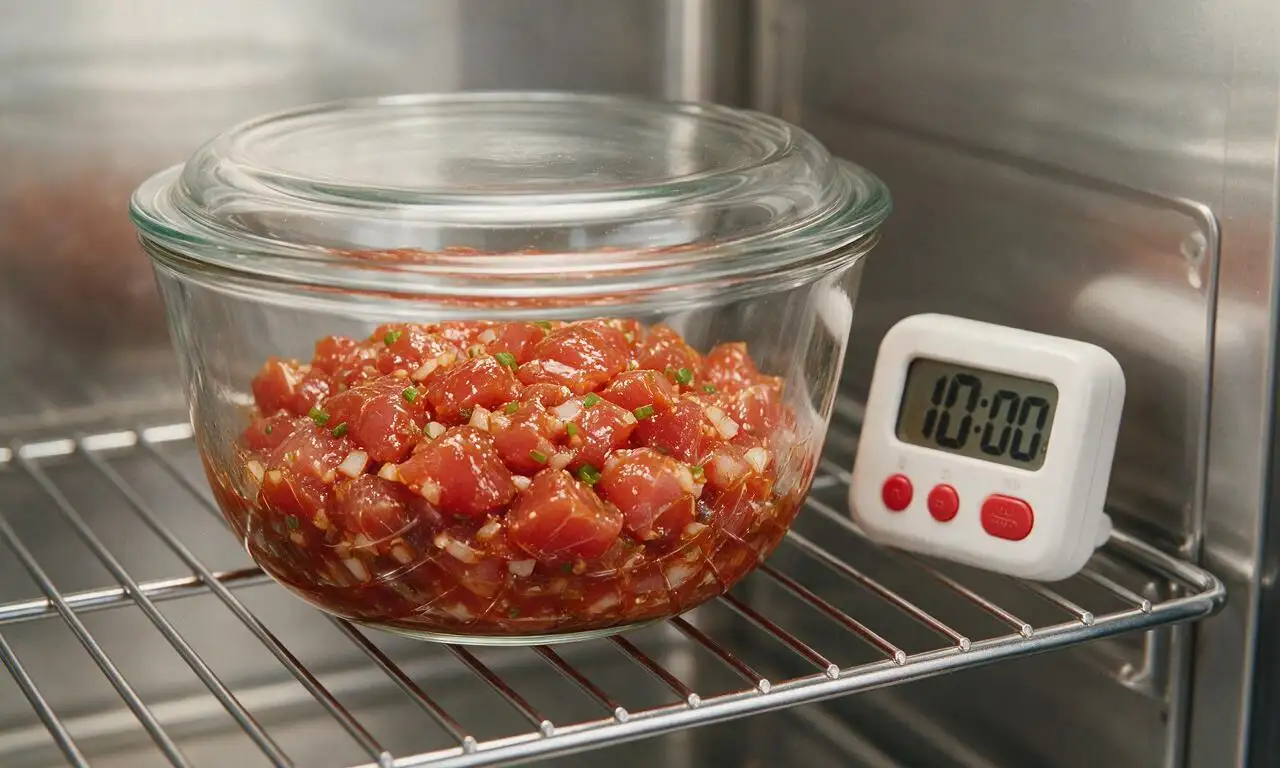
For the best texture and flavor, let the poke marinate for 15 to 20 minutes in the refrigerator, tossing once halfway through. Any longer than 30 minutes, and the acid from the rice vinegar and salt from the soy sauce will start to “cook” the ahi edges like ceviche, making it tough and opaque instead of buttery and tender.
5.Can I make this poke ahead of time for a party or potluck?
▾
I don’t recommend making the fully tossed poke more than 2 hours ahead of serving, and it needs to stay tightly covered in the fridge the entire time. The tuna’s texture breaks down quickly in the salty, acidic marinade, losing that fresh, bright bite. Prep all ingredients ahead, but toss the marinade with tuna right before guests arrive for best results.
6.The recipe calls for low-sodium soy sauce—can I use regular soy sauce instead?
▾
You can, but cut the amount by 25% if you use full-sodium shoyu, otherwise the poke will be overly salty and overpower the delicate tuna flavor. If you’re gluten-free, swap the soy sauce for low-sodium tamari for an almost identical flavor profile that works perfectly here, with no other adjustments needed.
7.What kind of seaweed is traditional for this poke, and where do I find it?
▾
Traditional poke uses ogo, a briny, crisp red seaweed common in Hawaiian cooking. If you can’t find fresh or frozen ogo at a local Asian market or Hawaiian grocery, well-rinsed rehydrated dried wakame works as a great swap, or even a sprinkle of crushed roasted nori strips if that’s all you have on hand.
8.Is toasted sesame oil really different from regular sesame oil? Can I swap it?
▾
Toasted sesame oil has a deep, nutty, warm flavor that’s core to traditional poke’s signature taste—untoasted regular sesame oil is very mild and won’t deliver that same rich nuttiness. If you don’t have it, a tiny pinch of toasted white sesame seeds can help mimic that flavor, but it’s worth grabbing a bottle for the most authentic result.
9.How do I cut the ahi tuna properly for poke?
▾
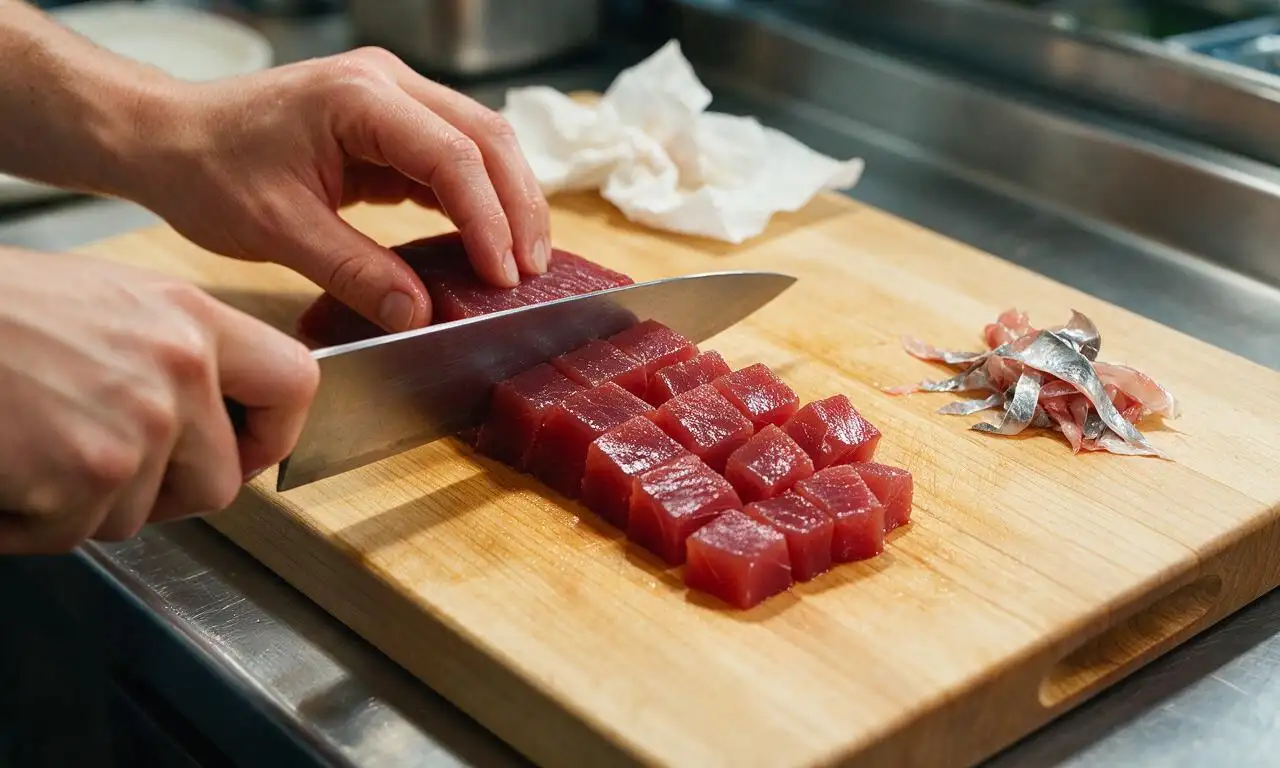
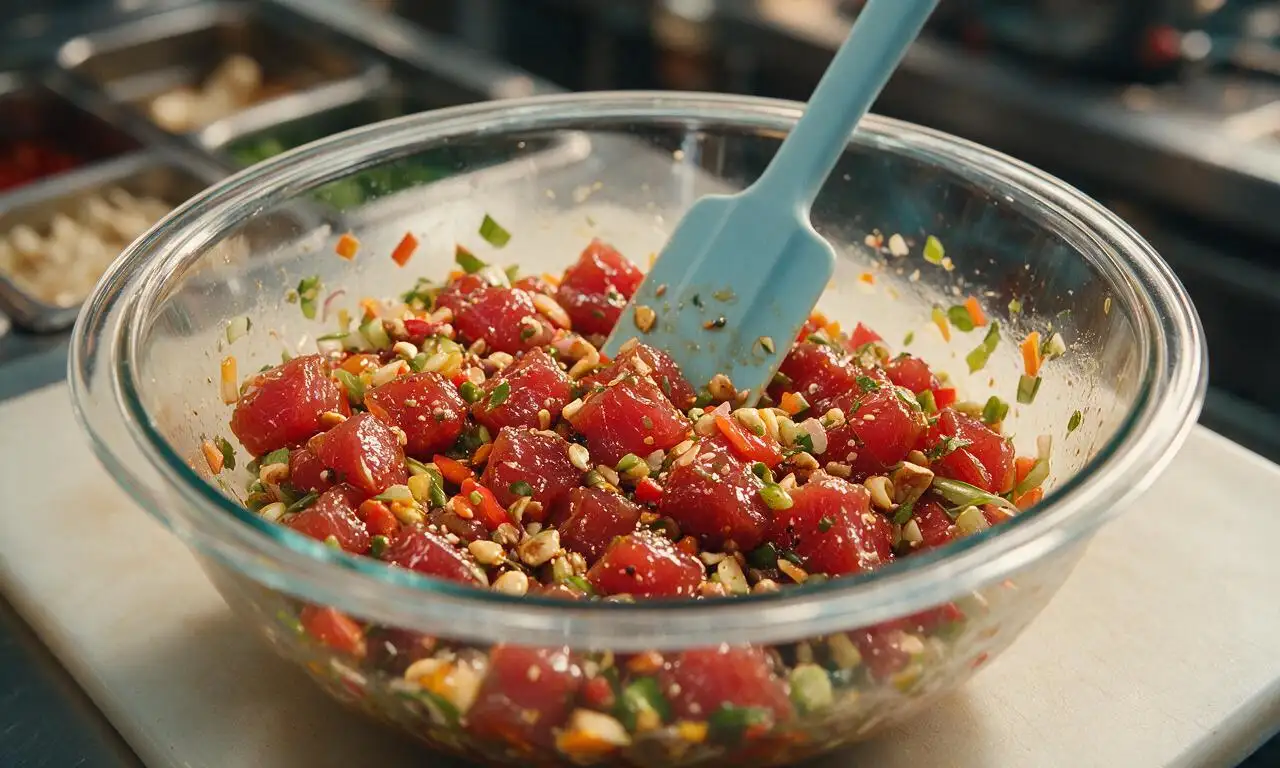
Pat the tuna completely dry first, then use a very sharp knife to cut it into uniform ½-inch cubes. Cut against the grain of the fish to keep each bite tender, and avoid sawing at the tuna—make clean, smooth cuts so you don’t mash the delicate flesh, which leads to mushy, unappealing texture.
10.Can I add other ingredients, like avocado or cucumber, and still keep it close to traditional?
▾
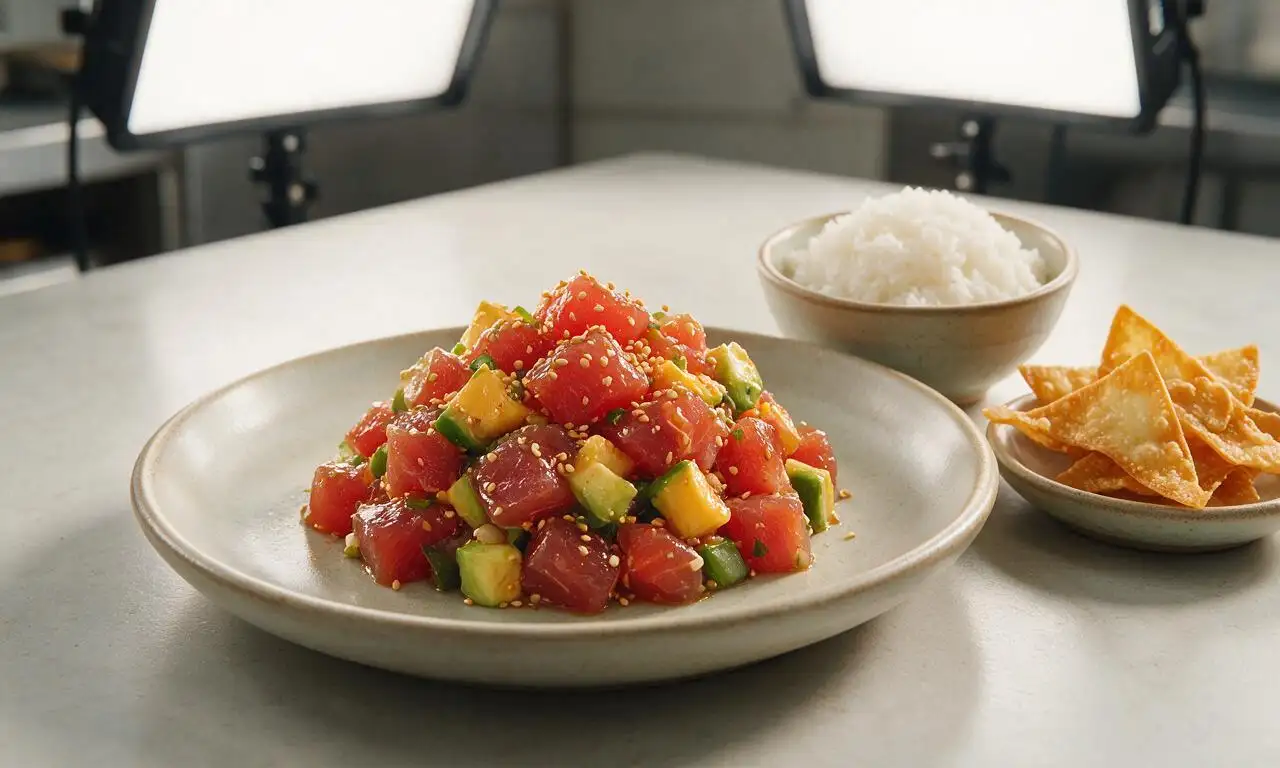
While those aren’t strictly traditional, small additions of crisp, thinly sliced cucumber or a few chunks of ripe avocado added right before serving won’t throw off the classic flavor profile. Just skip heavy, creamy add-ins like spicy mayo, cream cheese, or fried toppings if you want to keep the profile light and true to the Hawaiian original.
11.How should I store leftover poke, and how long will it stay good?
▾
Store leftover poke in a tightly sealed, airtight container in the coldest part of your fridge for no more than 24 hours. Never freeze leftover poke, as the raw tuna will turn mushy and watery when it thaws. Give it a gentle toss before eating, and discard it immediately if it smells overly fishy or has a slimy texture.
12.What do people traditionally serve with this ahi poke?
▾
Traditional poke is most often served over plain steamed short-grain white rice, alongside a side of poi, or simply eaten on its own as a pupu (Hawaiian appetizer). For a casual summer spread, you can serve it with crispy wonton chips, but skip heavy sides that will compete with the poke’s bright, clean flavor.
13.Is unseasoned rice vinegar necessary, or can I use seasoned rice vinegar instead?
▾
Stick to unseasoned rice vinegar if you can! Seasoned rice vinegar has added sugar and salt, which will throw off the marinade’s balance, making it overly sweet and briny. If that’s all you have, cut the vinegar amount by half and skip any extra salt to keep the flavor profile bright and well-balanced.
14.I don’t eat raw fish—can I make this recipe with cooked ahi instead?
▾
You can, though it won’t be the traditional raw preparation. Use ahi that’s seared rare (cooled completely, then cubed) for the closest texture, since fully cooked tuna will be dry and firm. Toss it with the same marinade right before serving, but note the texture and flavor will be noticeably different from the classic version.
15.Why is my poke turning out mushy instead of firm and buttery?
▾
Mushy poke usually stems from one of three common issues: you used lower-quality tuna that wasn’t ultra-fresh, you cut the tuna with a dull knife that mashed the flesh instead of slicing cleanly, or you let it marinate too long so acid and salt broke down the fish fibers. Stick to fresh sashimi-grade ahi, a sharp knife, and short marination for perfect texture.
16.Should I add sesame seeds to my poke, and if so, what kind?
▾
A light sprinkle of toasted white (or mixed black and white) sesame seeds right before serving is a traditional, welcome addition! Toast them for 1 to 2 minutes in a dry pan over low heat until fragrant to amp up their nuttiness, but don’t add them to the marinade early—they’ll get soggy sitting in liquid too long.
17.Can I use a different type of tuna instead of yellowfin ahi for this recipe?
▾
Yellowfin ahi is traditional for its firm, buttery, mild flavor, but you can swap it for other high-quality sashimi-grade fish if needed: bigeye tuna is the closest match, with a slightly richer fat content. Skip softer, oilier fish like salmon or fatty bluefin toro for this prep, as their flavor and texture won’t match the classic profile.
18.Is it safe to serve this poke at an outdoor summer party when it’s warm out?
▾
It’s totally safe as long as you keep it chilled the entire time it’s out. Serve the bowl of poke nested in a larger bowl filled with ice to keep it at 40°F or below, and don’t leave it out at room temperature for more than 2 hours total (1 hour if temps are above 90°F) to avoid foodborne illness risk.

OMG I grew up eating poke on Oahu and this is the first mainland recipe that actually tastes like the real deal! No weird added mango or creamy sauce nonsense, just the classic shoyu, sesame oil, inamona kick. Made it for our neighborhood potluck last weekend and people were begging for the recipe before I even set the bowl down. SO good, 10/10.
Game changer for my weekly meal prep! I was intimidated to make poke at home but this was so easy, came together in 20 minutes flat like the recipe says. I portion it out with some steamed rice and cucumber for quick work lunches all week, and my husband even asked for a second portion last night. Only swap I did was add a little extra sliced green onion because we love that stuff.
Wait, hold up—where do you guys find inamona where you live? I checked three grocery stores here in Phoenix and no luck. I don’t want to use a weird substitute that makes it taste off!
Made this for my girlfriend’s birthday dinner last night since she’s been craving Hawaiian food ever since our Maui trip last year. She literally teared up after the first bite, said it tasted exactly like the poke we got from that little roadside stand in Lahaina. Win for me, fr.
Solid base recipe! I added a teaspoon of chili oil and a pinch of red pepper flakes because I like a little heat, but the traditional version is perfect as written too. Great for a quick weeknight dinner when you don’t feel like turning on the stove.
First time ever making raw fish at home and I was low-key panicking I’d mess it up. The directions were so straightforward though! Sushi-grade ahi from the local fish market, tossed with all the ingredients, let it marinate 10 minutes, done. My kids loved it? Even my super picky 8 year old asked for seconds. Wild.
Brought this to our office potluck on Friday and the bowl was literally scraped clean in 10 minutes. Multiple coworkers asked if I’d open a side hustle selling poke, lmao. Who knew such a simple recipe could hit that hard? Will absolutely be making this again for our next family cookout.
Quick question—can I use tamari instead of regular shoyu to make this gluten free? I have a bad wheat sensitivity but have been craving poke so bad lately, don’t want to mess up the flavor balance though.
Macro king meal right here! High protein, low carb, no weird processed ingredients. I make a big batch on Sundays, eat it post-workout all week, and it keeps me full for hours. Way cheaper than buying poke bowls from the spot near my gym too, saves me like $15 a meal. No brainer.
I was worried this would be too complicated for a beginner cook, but difficulty says easy and it did not lie! No fancy equipment needed, just a sharp knife and a bowl. I served it over crispy rice for a little texture contrast and it was chef’s kiss.
Pro tip from someone who’s been making this for 20+ years: don’t marinate the ahi for longer than 15 minutes max! If you let it sit too long in the shoyu the fish gets tough and too salty. I see so many recipes saying to marinate it for an hour, that’s a crime against good poke.
I was shocked how much cheaper this is than getting takeout poke! The sushi grade ahi was on sale at my local grocery store for $10, and I had all the other ingredients already in my pantry. Made enough for two full servings, which would’ve cost me $30+ at the poke shop down the street. Will be making this on repeat.
Made this for our Fourth of July BBQ last week and it was the perfect light, fresh option next to all the burgers and hot dogs. Everyone kept commenting on how refreshing it was on a 90 degree day. I’ll be adding this to our permanent summer recipe rotation for sure.
Wait, is it normal to add a little extra toasted sesame oil? I may have gotten a little heavy handed when I was measuring and it still turned out incredible? Like, I’m not even mad about it, the nutty flavor is so good. 10/10, will definitely be overpouring the sesame oil next time too lmao.