
American Light Lager

title 1
American Light Lager
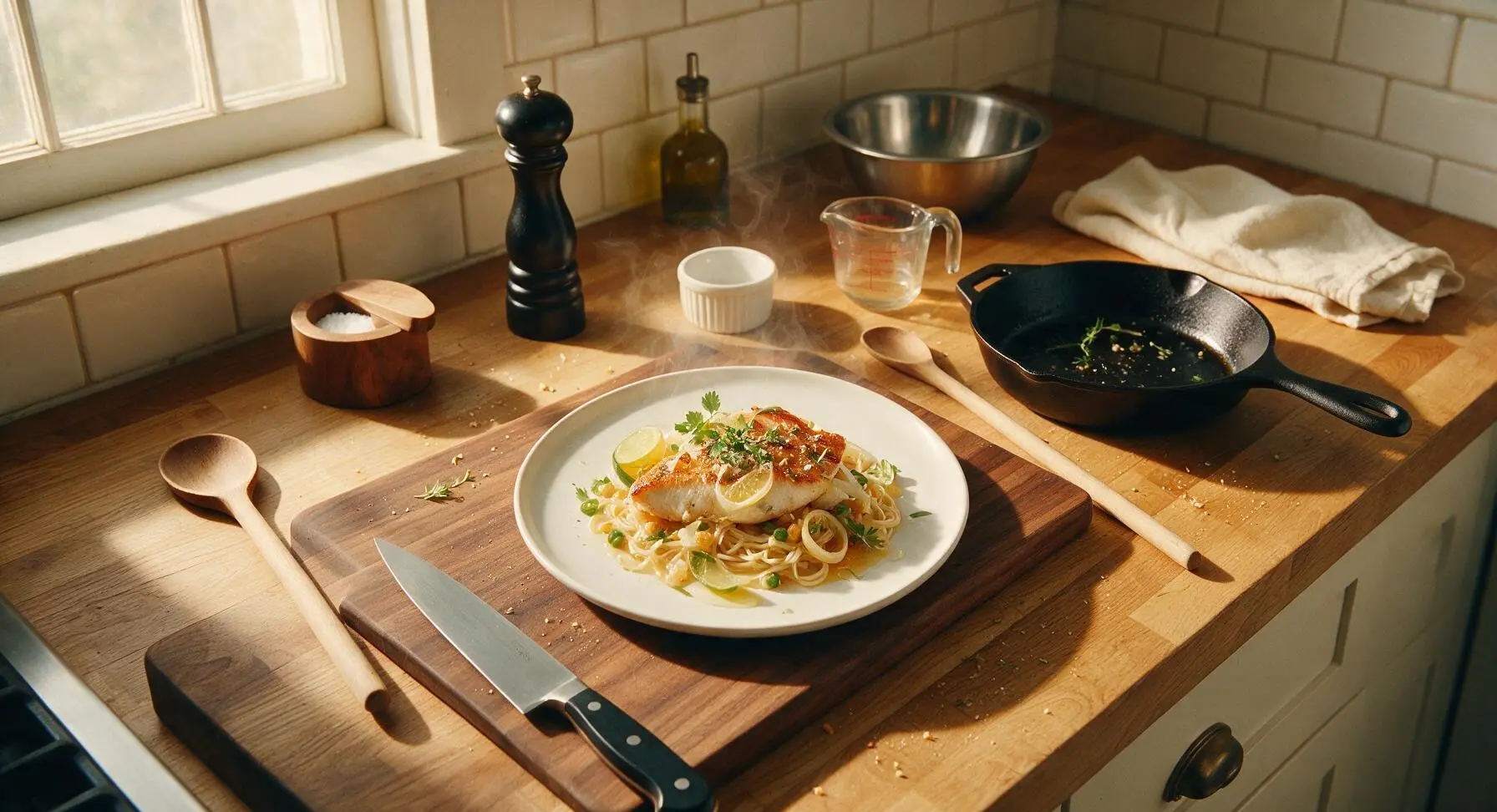
⏱️ cook time 2 hours 30 minutes
🍽️ servings 10
⚡ Difficulty medium

intro

Crisp, clean, ultra-refreshing American Light Lager, the iconic easy-drinking brew, with subtle malt sweetness, delicate hop bitterness, and a dry, smooth finish perfect for sipping ice-cold.

Ingredients
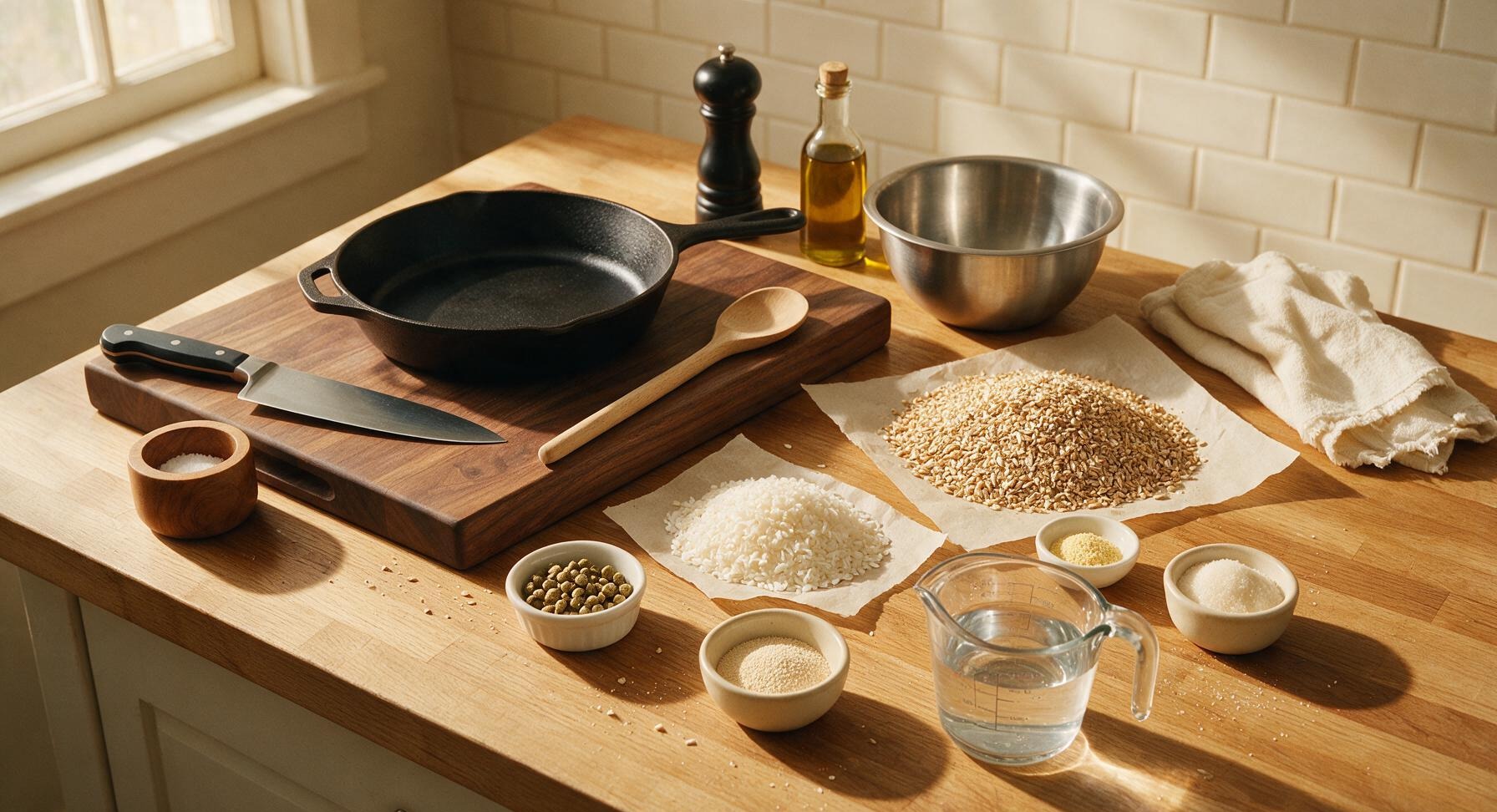
Crushed 6-row pale malt 2 lbs
Flaked rice 8 oz
Hallertau hop pellets 0.5 oz
American lager yeast (W34/70 strain) 5g (1 packet)
Filtered water 1.25 gallons
Yeast nutrient 1 tsp
Corn sugar (for priming) 2 oz

Steps

1

Sanitize Brewing Equipment

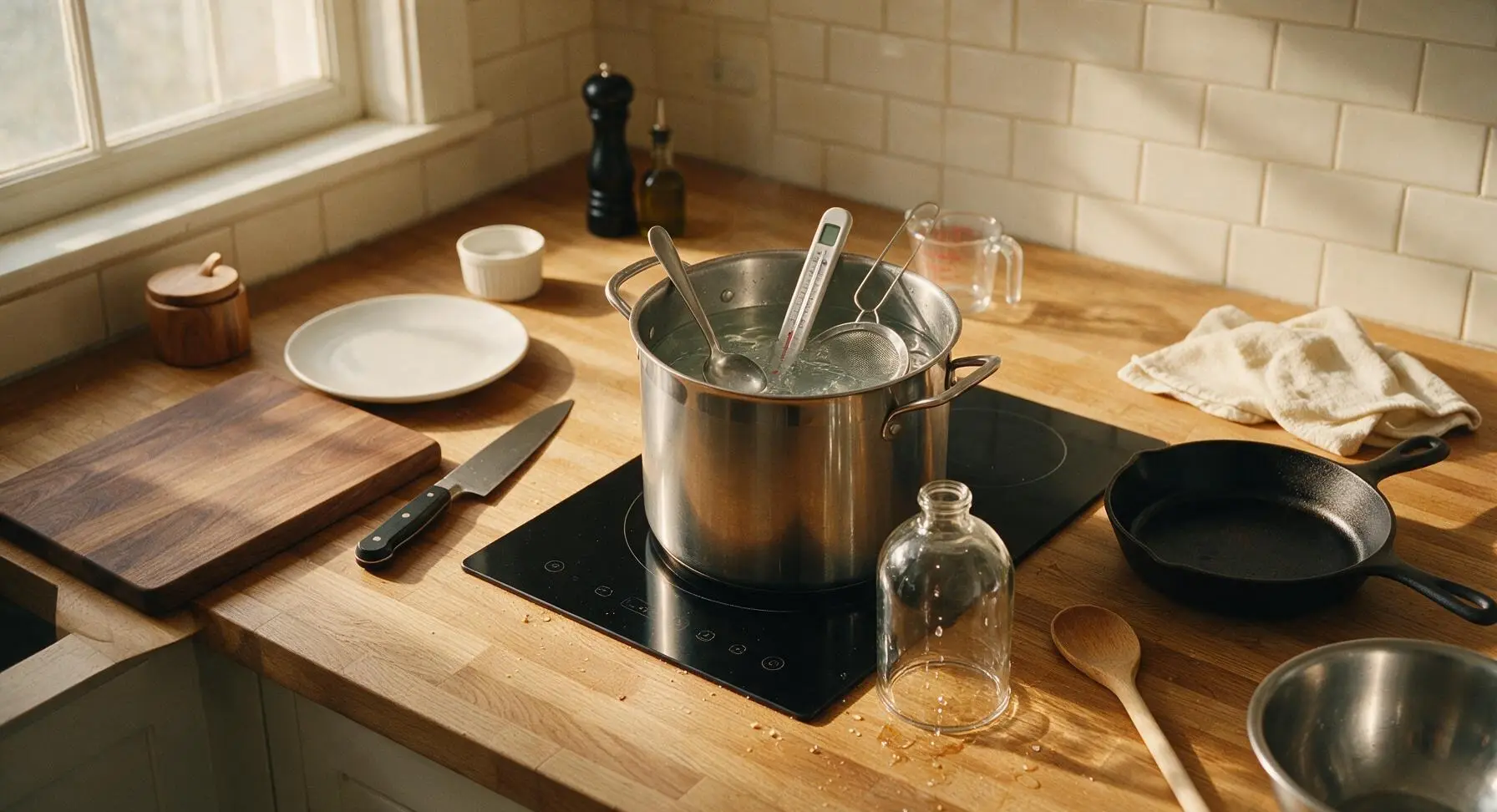
First, mix 1 tablespoon of no-rinse brewing sanitizer with 1 gallon of cool water in the 2-gallon stainless steel brew pot. Submerge the stirring spoon, thermometer, strainer, auto-siphon, fermentation jug, airlock, bottles, bottle caps, and bottle capper for 2 minutes. Remove items and let air-dry completely on the clean counter; do not wipe dry with a towel, as this can introduce bacteria. All surfaces that will touch cooled beer must be fully sanitized to prevent sour or off-flavors.
Step 1
step1:Sanitize Brewing Equipment
2

Heat Mash Water

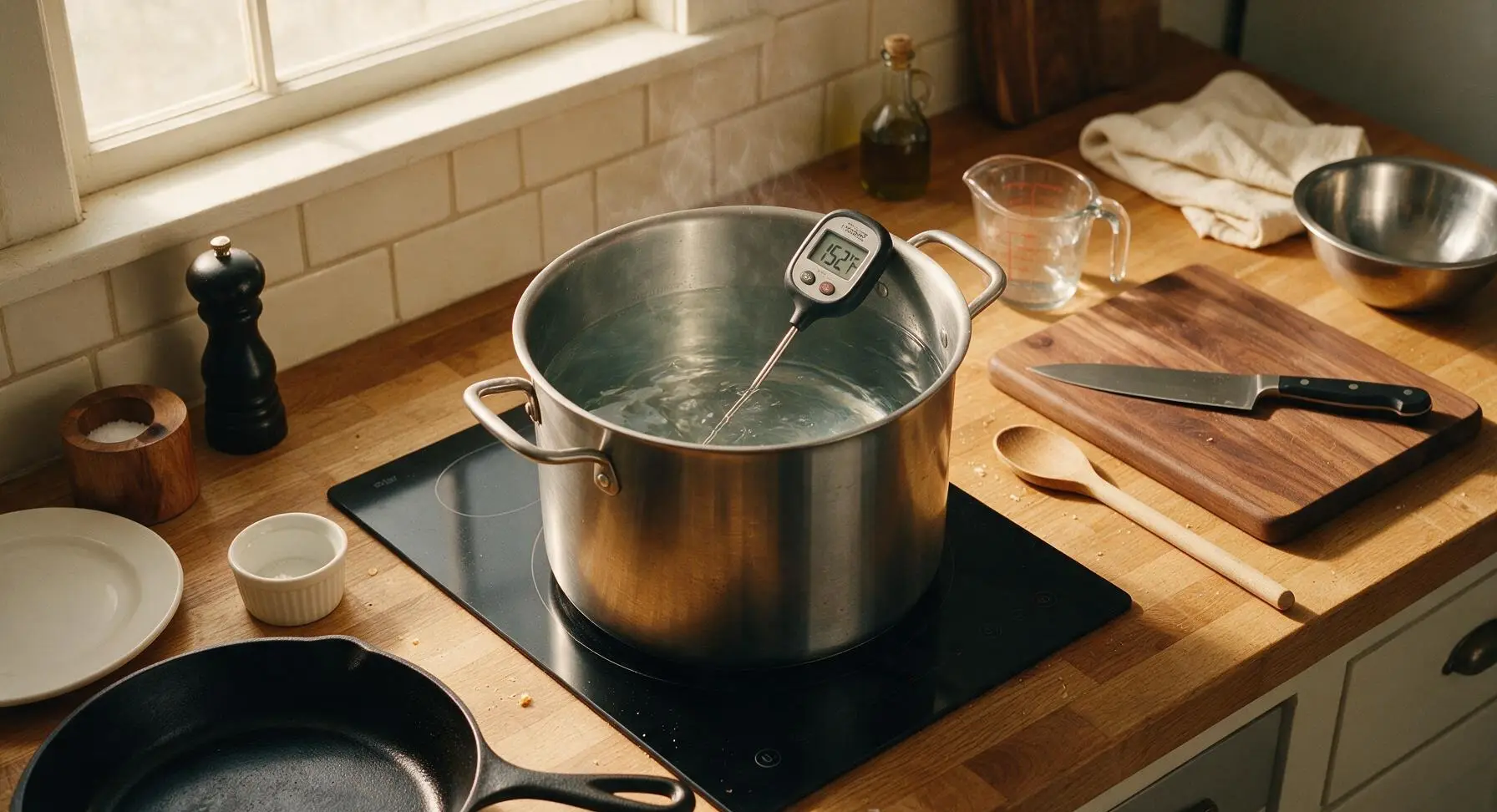
Pour 1 gallon of filtered water into the sanitized 2-gallon brew pot, set on the center matte black induction burner, and heat to 152°F, checking temperature with the digital instant-read thermometer. Hold this temperature steady, adjusting burner settings as needed, for 5 minutes before adding grains to ensure consistent sugar extraction during mashing.
Step 2
step2:Heat Mash Water
3

Mash Grain Mixture

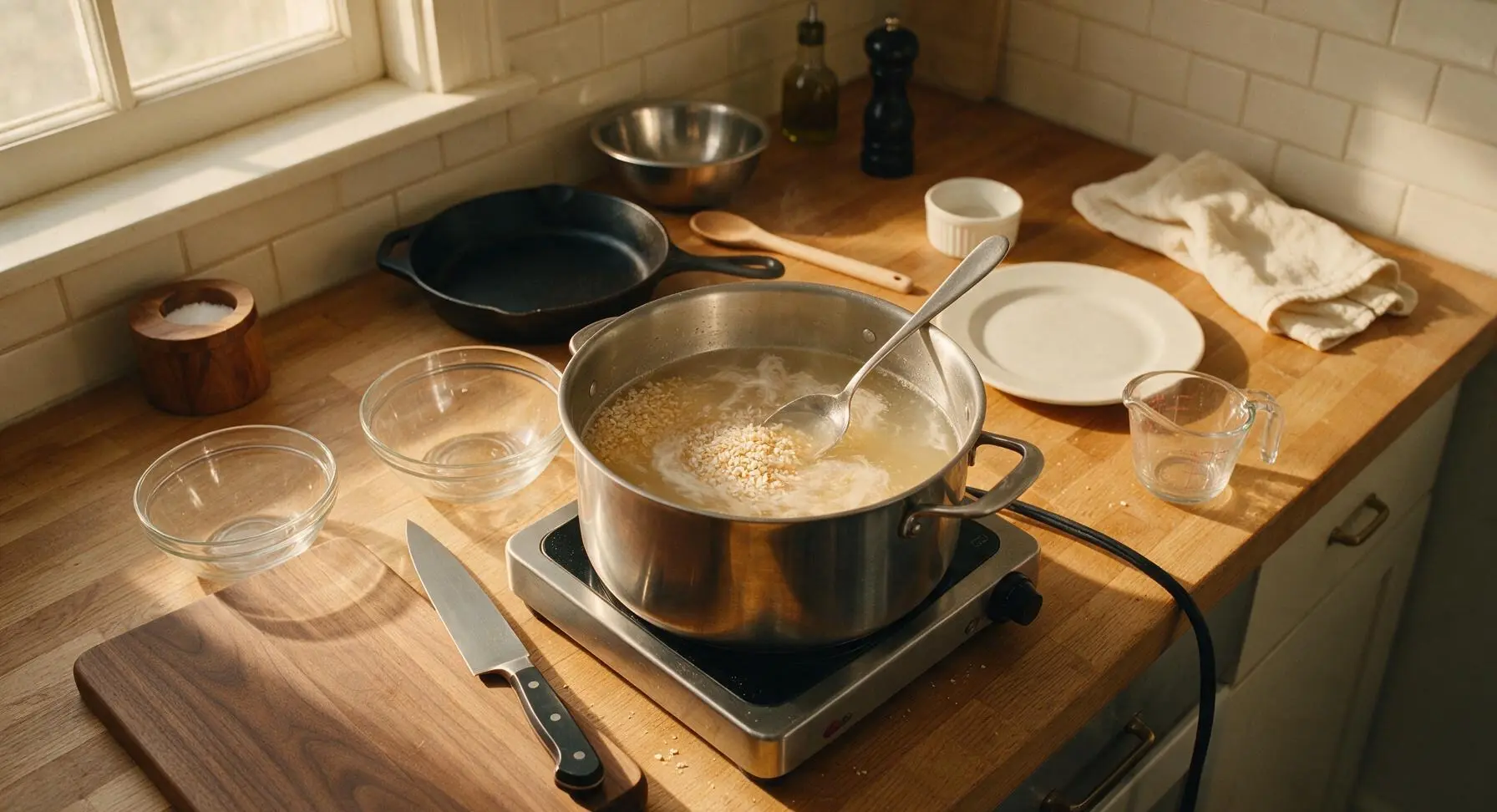
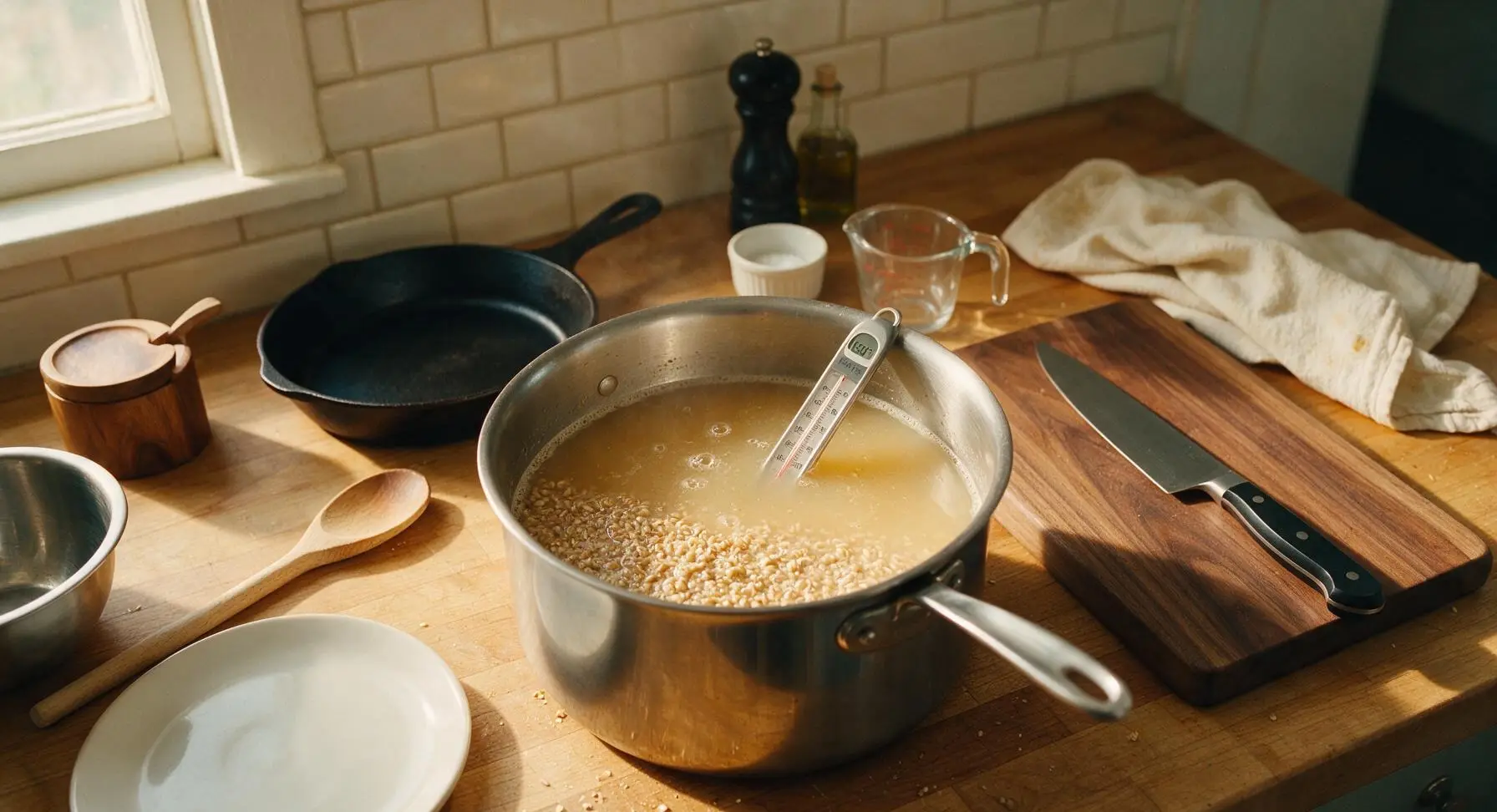
Slowly stir the crushed 6-row pale malt and flaked rice into the 152°F water, mixing thoroughly with the stainless steel stirring spoon to eliminate any dry clumps of grain. Hold the mash temperature steady at 148–152°F for 60 minutes, covering the pot with its stainless lid and checking temperature every 10 minutes. The mixture will smell like sweet, warm breakfast cereal, and the liquid will turn a pale hazy straw color as grain sugars extract into the water.
Step 3
step3:Mash Grain Mixture
Step 3
step3:Mash Grain Mixture
4

Boil Wort with Hops

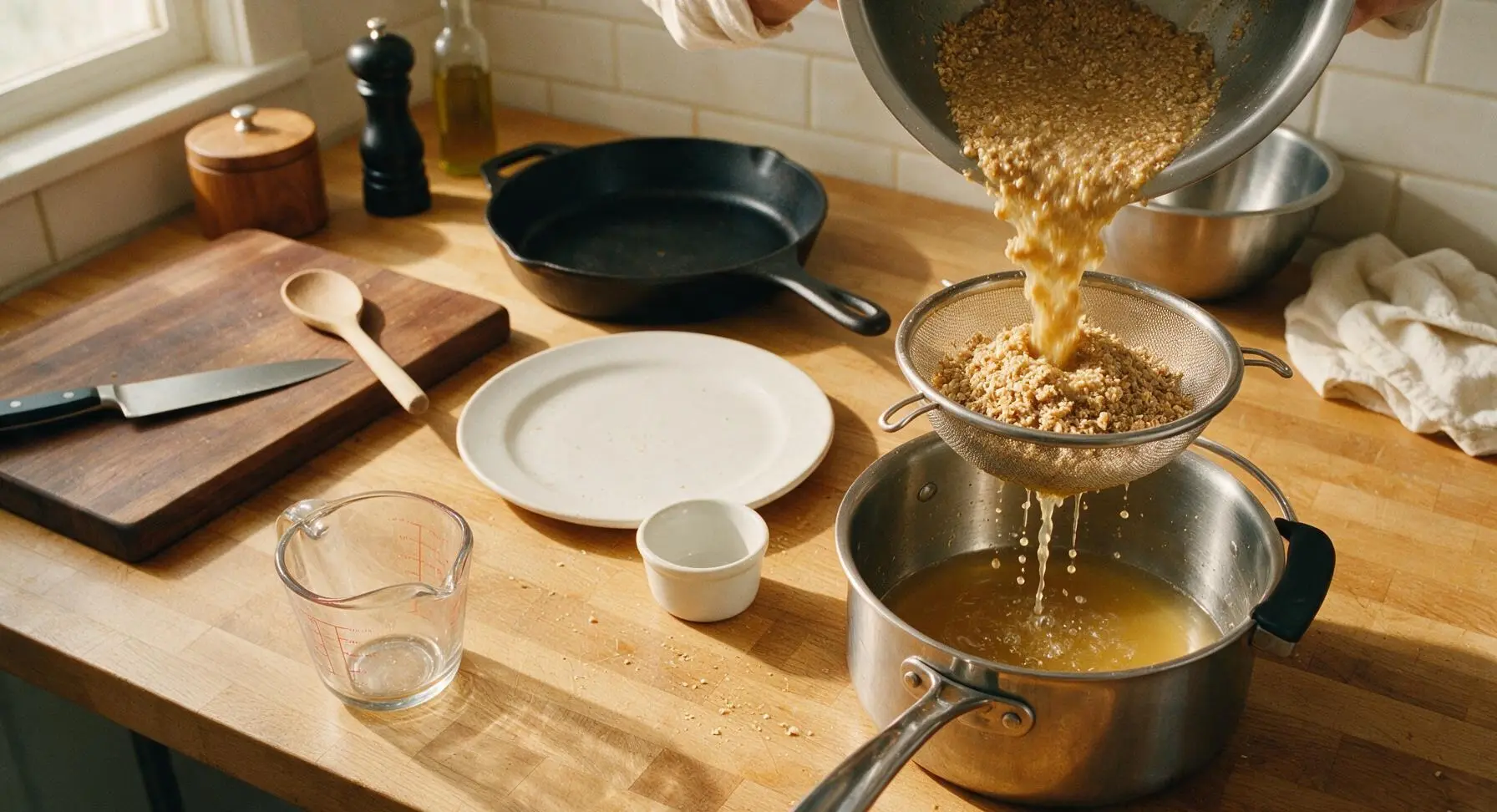
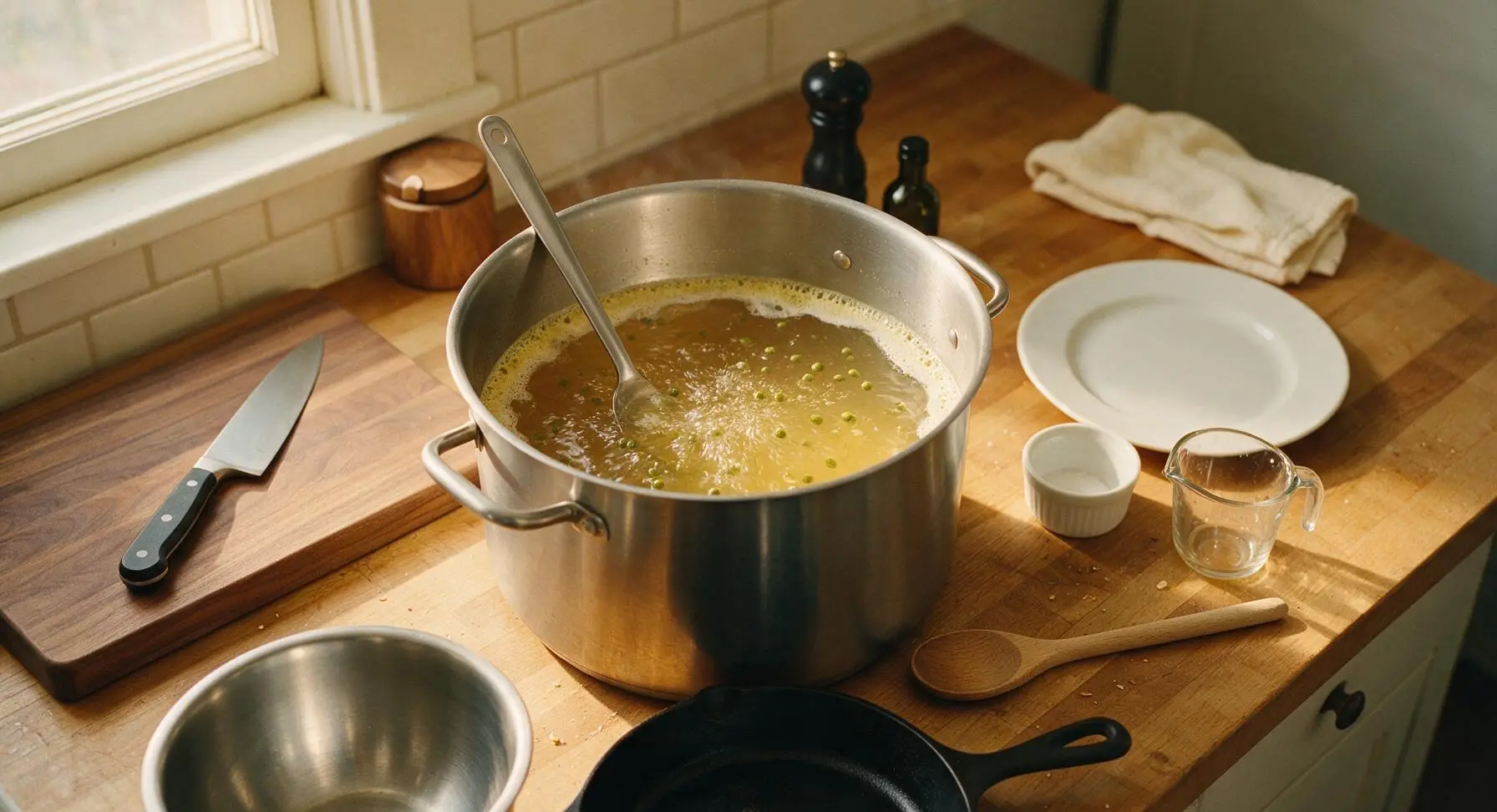
Pour the finished mash through the fine-mesh stainless steel strainer to separate sweet wort from spent grain, then return the strained clear wort to the brew pot. Turn the induction burner to high, and bring the wort to a gentle rolling boil (212°F at sea level). Once a steady boil is reached, add 0.5 oz of Hallertau hop pellets and 1 tsp of yeast nutrient, set a timer for 60 minutes, and maintain a gentle rolling boil, stirring occasionally to prevent boilovers. Leave the pot uncovered for the full boil to allow volatile off-flavors to evaporate. After 60 minutes, turn off the heat.
Step 4
step4:Boil Wort with Hops
Step 4
step4:Boil Wort with Hops
5

Cool and Pitch Yeast

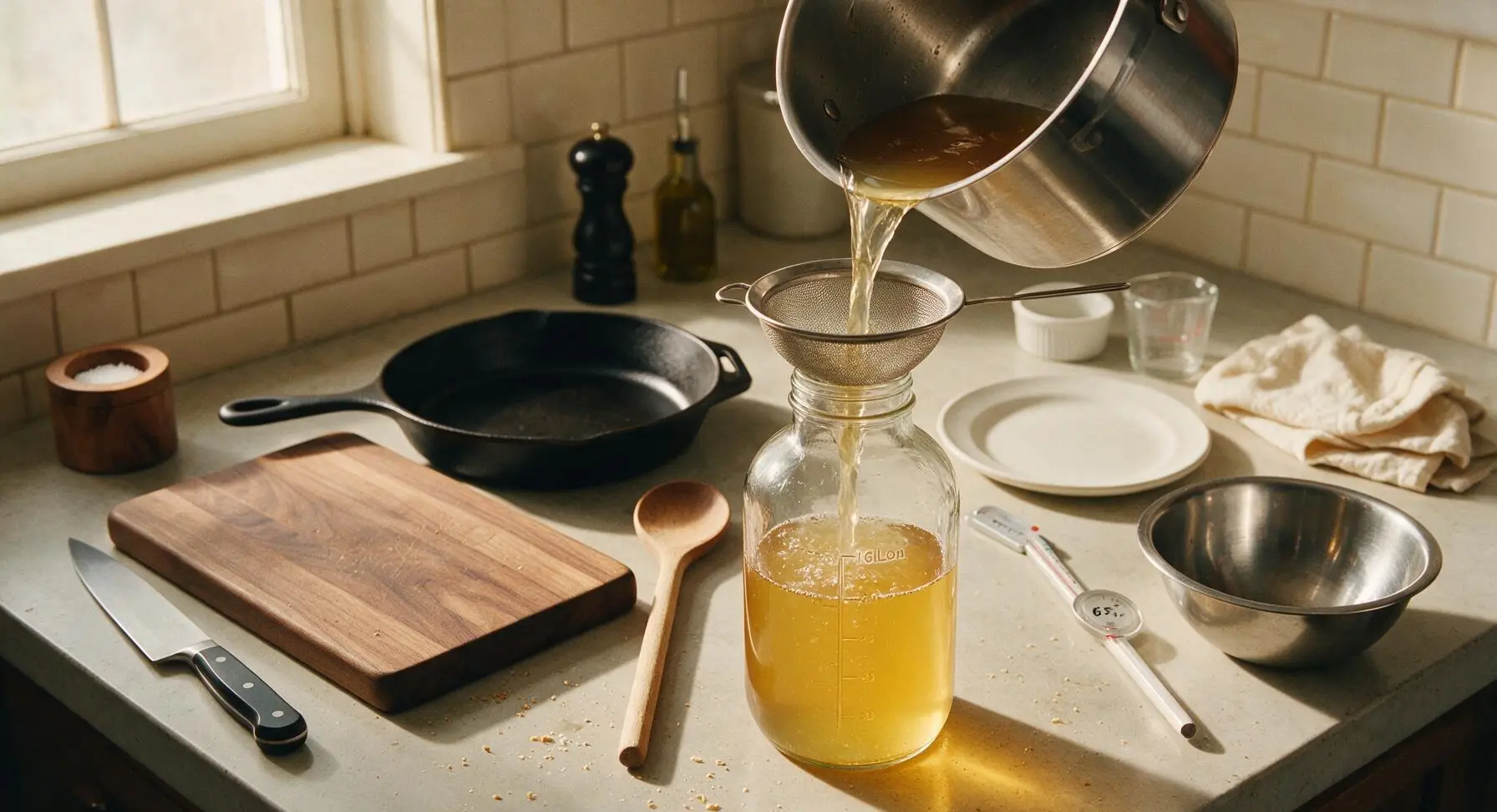
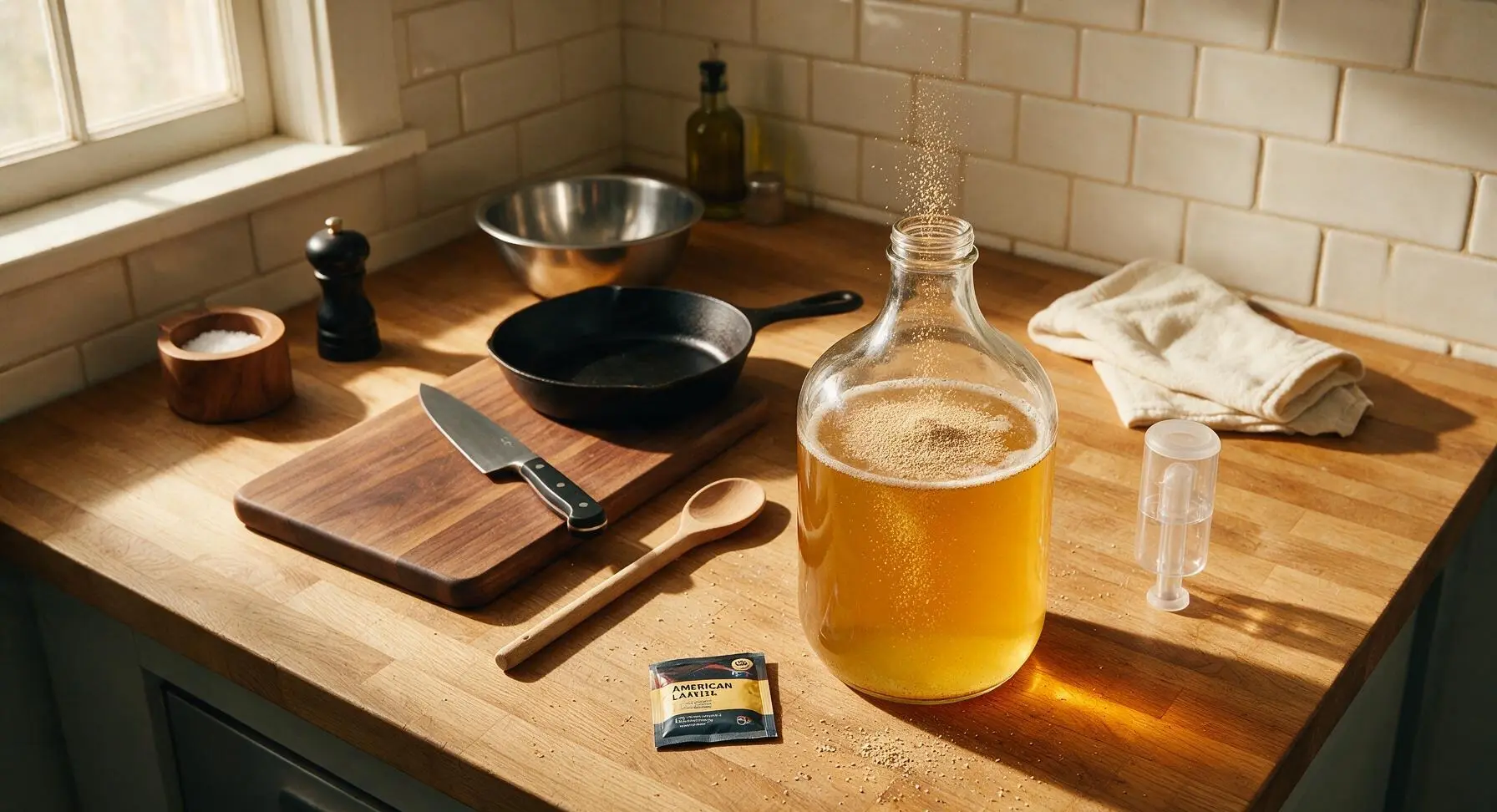
Cover the brew pot with its lid, and set it in a sink of ice water to cool the wort rapidly to 65°F, checking temperature every 5 minutes with the sanitized thermometer (this takes approximately 15 minutes). Once cooled, pour the wort through the sanitized strainer into the 1-gallon clear glass fermentation jug, then sprinkle the entire 5g packet of American lager yeast over the wort surface. Seal the jug with the 3-piece airlock filled halfway with sanitizer solution, and move it to a dark, temperature-stable space held at 50–55°F for primary fermentation.
Step 5
step5:Cool and Pitch Yeast
Step 5
step5:Cool and Pitch Yeast
6

Ferment and Condition

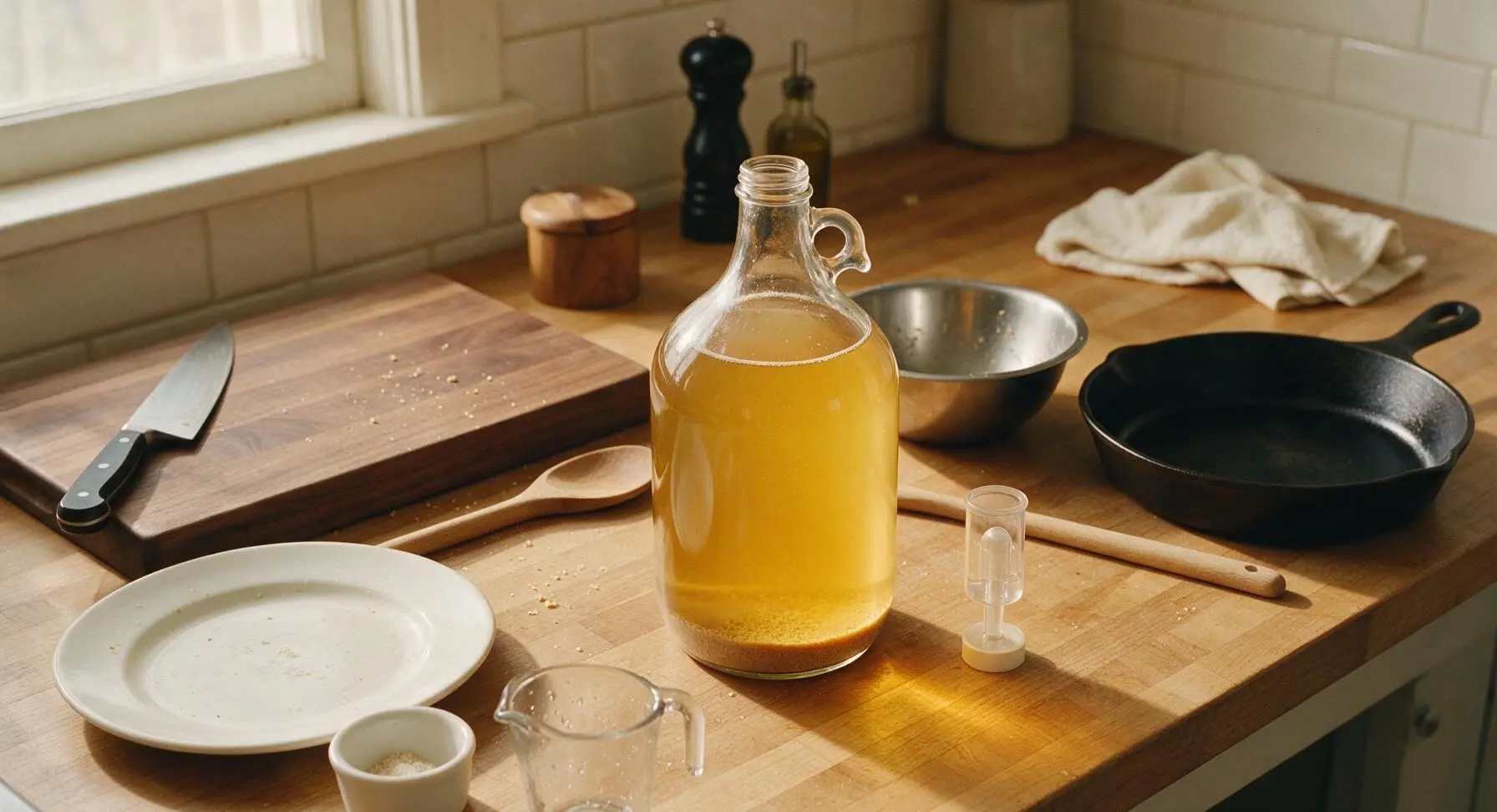
Leave the sealed fermentation jug undisturbed at 50–55°F for 2 weeks, until bubbling in the airlock slows to less than 1 bubble per minute, and the wort is completely clear with a thin, compact layer of tan yeast sediment at the bottom of the jug. After primary fermentation is complete, slowly raise the storage temperature to 60°F for 3 days to allow the yeast to clean up subtle buttery off-flavors (a diacetyl rest), then move the jug to a 38°F refrigerator for 2 weeks of cold conditioning to smooth the flavor and create crystal-clear beer.
Step 6
step6:Ferment and Condition
7

Bottle and Carbonate

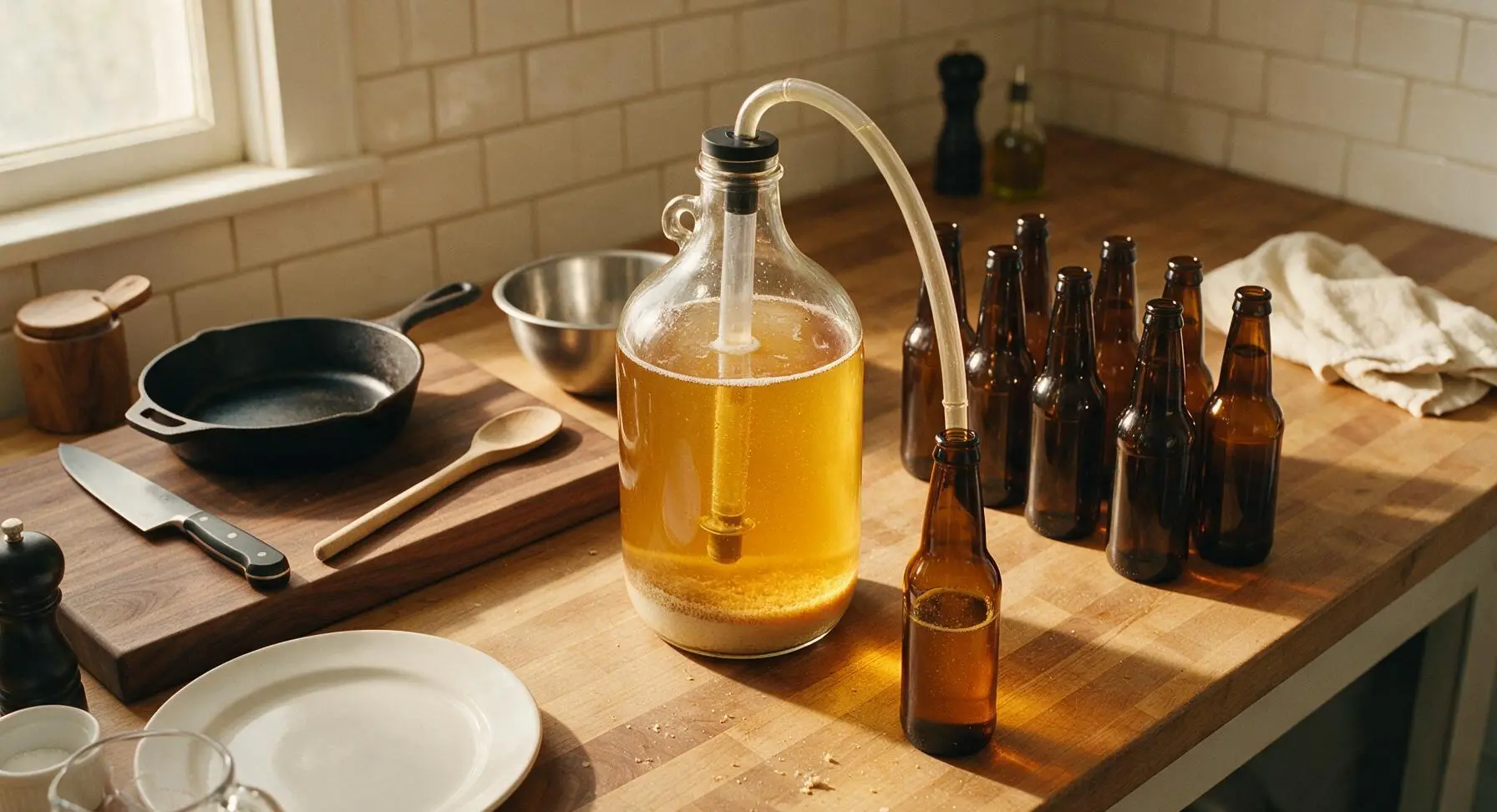
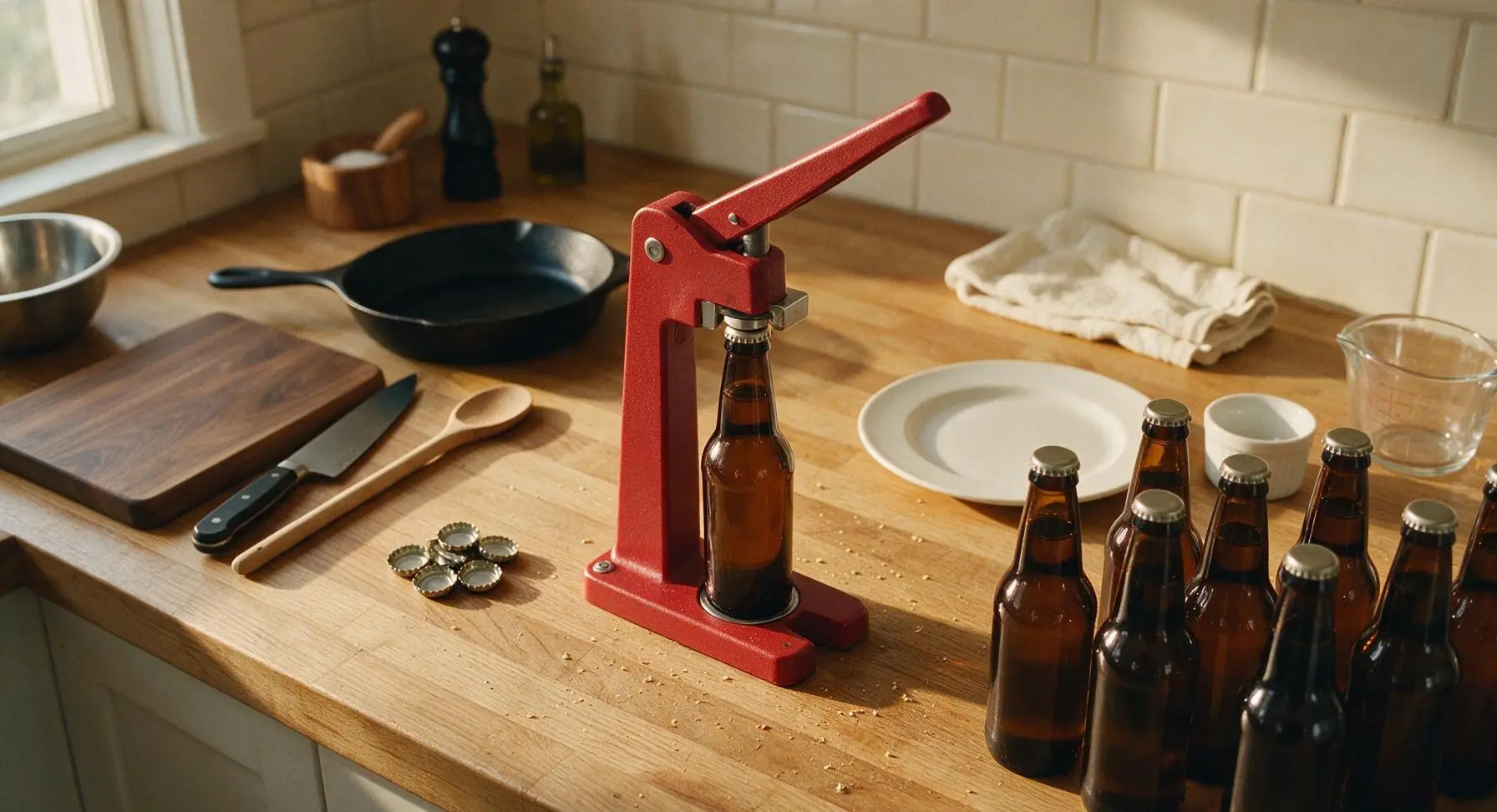
Dissolve 2 oz of corn sugar in 1/4 cup of boiling water, cool to room temperature, and pour into the bottom of a sanitized container. Use the auto-siphon to transfer the clear, conditioned lager from the fermentation jug into the container, taking care not to disturb the yeast sediment at the jug bottom. Attach the bottling wand to the siphon tubing, fill each sanitized 12oz amber glass bottle to 1 inch below the rim, then use the matte red bench capper to crimp a sanitized metal bottle cap onto each bottle. Store sealed bottles at 65°F for 2 weeks to allow natural carbonation to develop, then chill to 38°F for at least 24 hours before serving.
Step 7
step7:Bottle and Carbonate
Step 7
step7:Bottle and Carbonate

Tips

1.Use flaked rice instead of corn sugar or corn syrup for an authentic classic light lager profile: it creates a crisp, dry, clean finish without adding heavy grainy sweetness, and helps produce the brilliant clarity the style is known for when mashed at 150°F.
2.Maintain strict temperature control during fermentation: fermenting above 58°F will produce fruity, solvent-like off-flavors that ruin the clean, neutral taste of American Light Lager, so use a temperature-controlled fridge or cool basement for the most consistent results.
3.Do not skip the 2-week cold conditioning step: holding beer at 38°F allows yeast and protein particles to settle into a compact sediment layer, creating a perfectly smooth, clear beer without hazy, yeasty off-flavors common in rushed homebrew.


✨ You May Also Like

Drinks & Beverages
🍜 Mexico

A bright, balanced tequila-based cocktail with zesty fresh lime, smooth orange liqueur, and a signature salt rim, perfect for warm summer sipping.

⏱️ 5 minutesDrinks & Beverages ★ 4.9
Drinks & Beverages
🍜 United States

Thick, creamy, nostalgic classic vanilla milkshake with a rich, smooth texture, topped with whipped cream and a cherry for cool, sweet refreshment.

⏱️ 5 minutesDrinks & Beverages ★ 4.7
Drinks & Beverages
🍜 United States

A bright, golden strong ale with fruity banana-clove notes, subtle hop spice, and soft carbonation, brewed in classic Trappist Tripel tradition.

⏱️ 2 hours aDrinks & Beverages ★ 4.5
Drinks & Beverages
🍜 United States

A frothy, nostalgic American soda fountain treat pairing bubbly cold root beer with creamy vanilla ice cream, perfect for cooling down at warm weather gatherings.

⏱️ 20 minuteDrinks & Beverages ★ 4.8
Drinks & Beverages
🍜 United States

Tart, funky, effervescent American Wild Ale is a complex fruity craft beer brewed with wild yeast, delivering bright, zesty notes perfect for warm-weather sipping.

⏱️ 2 hours aDrinks & Beverages ★ 4.4
Drinks & Beverages
🍜 United States

Bright, bubbly copycat of the iconic American caramel cola, balanced with citrus and warm spice, perfect for sipping ice-cold on hot days.

⏱️ 15 minuteDrinks & Beverages ★ 4.8

American Light Lager:Frequently Asked Questions

1.Why does this recipe use flaked rice instead of 100% malted barley? ▾
Great question! Flaked rice is the classic secret to that iconic ultra-light, crisp American lager profile. It softens the fuller, bready weight of 6-row pale malt, creates a cleaner, drier finish, and adds no strong competing flavors. Since it's pre-gelatinized, you don't need a separate cereal mash—just mix it straight in with your crushed malt during mashing for easy, authentic results.
2.Can I substitute 2-row pale malt if I don't have 6-row on hand? ▾
Absolutely, with one small adjustment. 6-row has higher diastatic power to fully break down starches from the flaked rice, so if you swap for 2-row, add a tiny pinch (about 10% of your total grain bill) of amylase enzyme to ensure full conversion. You'll still get that clean, light malt sweetness, just with a slightly softer, less grain-forward base.
3.Why do you recommend Hallertau hops instead of bolder American hop varieties? ▾
Hallertau is a delicate noble hop that delivers exactly the soft, subtle bitterness and faint floral, earthy notes this style needs. Big, citrusy American hops like Cascade or Citra would overpower the crisp, mild profile of a light lager, leading to an unbalanced brew. Stick to early-boil Hallertau additions for smooth, barely-there bitterness without harsh hop flavor.
4.What makes the W34/70 yeast strain a good pick for this lager? ▾
W34/70 is a reliable workhorse American lager yeast that ferments ultra-clean, with none of the fruity, estery notes you get from ale yeast or funkier lager strains. It flocculates well (drops clear easily post-fermentation) and creates a smooth, neutral base that lets subtle malt and soft hop notes shine, exactly what you want for easy-drinking light lager.
5.How long do I need to ferment this lager to get that clean, smooth flavor? ▾
Plan for slow, cold primary fermentation around 50°F for 2 weeks first, then ramp the temp up 5°F for 3 days for a diacetyl rest to eliminate any buttery off-flavors. After that, cold crash the beer close to freezing for 2–3 weeks to let it clear and mellow. Rushing fermentation at warmer temps leads to harsh, fruity off-notes that ruin the crisp profile.
6.Do I have to filter the finished beer to get that crystal-clear classic light lager look? ▾
You don't need fancy commercial filtration gear to get that bright, clear appearance! The W34/70 yeast drops out really well on its own during a long cold crash, especially if you add a pinch of Irish moss finings during the last 15 minutes of the boil. If you want ultra-polished results, a simple inline filter works, but it's totally optional for great flavor.
7.Why is filtered water specified instead of regular tap water for this recipe? ▾
Tap water often has chlorine, chloramine, or high mineral levels that can create off-flavors—think plastic-like or harsh metallic notes—in a beer as mild and delicate as a light lager. Filtered water has a clean, neutral mineral profile that lets soft malt and subtle hop flavors come through without interference. If you only have tap, treat it with a campden tablet first to remove chlorine compounds.
8.What carbonation level should I aim for to match classic commercial American light lagers? ▾
Shoot for 2.5–2.7 volumes of CO2, that bright, snappy carbonation level that makes the beer feel ultra-refreshing when ice cold. Under-carbonating will make the beer feel flat and heavy, while over-carbonating leads to too much foam and a thin, sharp taste. If bottle conditioning, use 5 ounces of corn sugar for a 5-gallon batch to hit that perfect fizz.
9.Can I swap flaked rice for flaked corn to make a similar light lager? ▾
You absolutely can, though it will shift the profile slightly! Flaked corn adds a faint, subtle sweet corn note and a touch softer mouthfeel than rice, landing closer to classic Midwest American lager profiles rather than the ultra-dry, crisp rice-based version. Just like flaked rice, it's pre-gelatinized, so no separate cereal mash is needed for an easy swap.
10.What temperature should I serve this American Light Lager at for the best experience? ▾
Skip the fancy cellar temperature rules for this brew—serve it ice cold, between 33–38°F, just like you would a commercial classic. The cold temperature amplifies that crisp, refreshing quality, mutes any faint off-notes, and makes the dry, smooth finish feel extra satisfying on a hot day. Pour it into a frosted pint glass for the full nostalgic experience.
11.How do I avoid making a heavy, bready light lager that lacks that signature light, crisp mouthfeel? ▾
The biggest culprit here is mashing too hot, which creates more unfermentable sugars that leave a heavy, sweet, bready body. Stick to a mash temperature of 148–150°F to create highly fermentable wort that ferments out to that dry, light finish. Also, avoid over-adding hops, as extra bitterness can make the beer feel heavier and unbalanced.
12.How long will this homebrewed light lager stay fresh after bottling or kegging? ▾
When stored cold and away from direct sunlight, it will stay crisp and fresh for about 3–4 months. Because it has such a mild, delicate flavor profile, it doesn't age well like heavier, hoppier, or higher-alcohol beers—stale light lager quickly develops unpleasant papery, cardboard-like off-flavors. It's best enjoyed fresh, ice cold, within the first few months after carbonation.
13.Can I make a lower-alcohol version of this lager without ruining the classic flavor? ▾
Definitely! To drop the ABV to the classic 3.2–4% range of commercial light lagers, cut the total grain bill by about 15% and keep your mash temp low at 148°F to make sure the wort ferments fully dry. Don't cut back too much on the rice ratio, because that light body is key to keeping the low-ABV version from tasting thin, watery, or unbalanced.

Comments (7)

1 week ago

OMG, I’ve been trying to nail a copycat of my favorite grocery store light lager for MONTHS and this recipe is a total game changer! Took the full 2.5 hours on brew day, didn’t cut any corners, and the final batch is so crisp and crushable. Brought a growler to my buddy’s backyard potluck last weekend and everyone was asking for the recipe. 10/10, will be brewing this on repeat all summer.

5 days ago

Wait did you use the rice adjunct the recipe calls for? I accidentally skipped it on my first try and it came out a little too malty, curious how yours turned out with it!

3 days ago

So glad it was a hit at the potluck! Kim is totally right— the rice addition is key for that super light, clean classic light lager mouthfeel, don’t skip it if you want that authentic taste!

2 days ago

I was super intimidated because the difficulty says medium, but the step-by-step instructions were so easy to follow! My husband is a total light lager snob who swears by the big name brands, and he said this tastes even better than what we buy at the liquor store. We served a batch at our last family dinner, my kids thought it was so fun that we made our own “grown-up soda” at home, and even my picky brother in law went back for three glasses. SO good.

yesterday

That makes my day! We designed this recipe to be approachable even for folks who don’t have a ton of homebrewing experience, so I’m thrilled it won over your resident light lager snob 😊

3 days ago

Solid recipe! The flavor is spot on for a classic American light lager, super refreshing after a long trail run. My only note is that my first batch carbonated a little slower than the guide said, so I’d give it an extra 2-3 days in the bottle if you’re used to faster carbonating ales. Will definitely make again though.

5 days ago

Hmm, I followed the recipe exactly but my batch came out with a weird slightly fruity off-flavor? I’m pretty new to homebrewing so I’m sure I messed up a temperature step somewhere, but I was expecting it to be a little more foolproof given how straightforward the instructions looked. Cook time was right at 2 and a half hours like it said, just wish the end result turned out better for me.

3 days ago

That fruity off-flavor is usually from fermenting too warm! I kept my fermentation temp right at 50°F for the first week like the note at the bottom says and mine came out totally clean, no weird fruit notes at all.

2 days ago

Sorry to hear your first batch didn’t turn out perfect, Tyler! Steve is spot on—temperature control during fermentation is make or break for lagers. If you give it another shot, try keeping your fermenter a few degrees cooler and that fruity off-note should disappear entirely. Feel free to shoot us a message if you run into issues on your next brew day!

2 weeks ago

Game. Changer. I brewed this ahead of our college football tailgate a couple weeks ago and it was gone in under an hour. No weird heavy aftertaste, super smooth, even my friends who “don’t like beer” were sipping on it. Total crowd pleaser, can’t recommend enough for group events.

1 week ago

Did you can it or bring it in growlers? I want to make this for our next tailgate but I’m trying to figure out the easiest way to transport it without making a mess!

yesterday

I never thought homebrewing a lager would fit into my busy schedule, but 2.5 hours of active time is totally doable on a Sunday afternoon! I did a batch last Sunday for drink prep for the week lmao and it’s so nice to have a cold, crisp beer waiting for me after work without having to run to the store. My roommate is already begging me to make another batch.

30 minutes ago

Love the “drink prep” approach! This recipe is perfect for that— it’s low-fuss once brew day is done, and it’s light enough to enjoy any night of the week. Tell your roommate we said you’re definitely due for a brew day soon 😉

5 minutes ago

SO good! I brought a keg of this to our neighborhood block party last weekend and people were lined up to fill their cups. It’s light enough that you can have a couple without feeling bloated or full, which is exactly what you want for a sweltering Florida summer day outside. Next time I’m going to add a little lime zest to secondary fermentation to see if it gives it that extra bright zing, will report back how it turns out!



