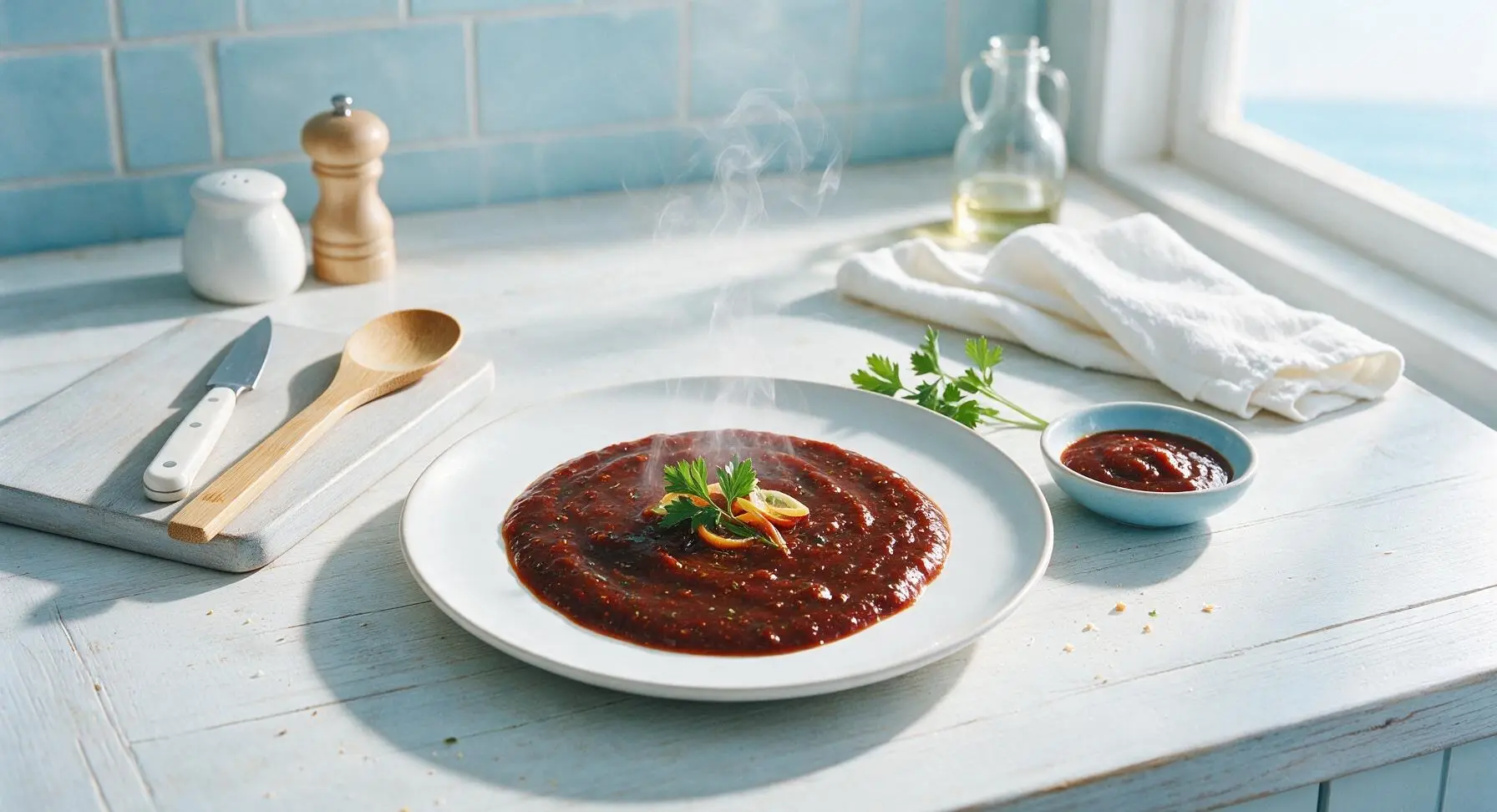
barbecue marinade

title 1
barbecue marinade
⏱️ cook time 5 minutes
🍽️ servings 16
⚡ Difficulty easy

intro

This tangy, smoky-sweet all-purpose barbecue marinade tenderizes proteins, builds deep grilled flavor, and works for every summer cookout, from chicken and ribs to vegetables.

Ingredients
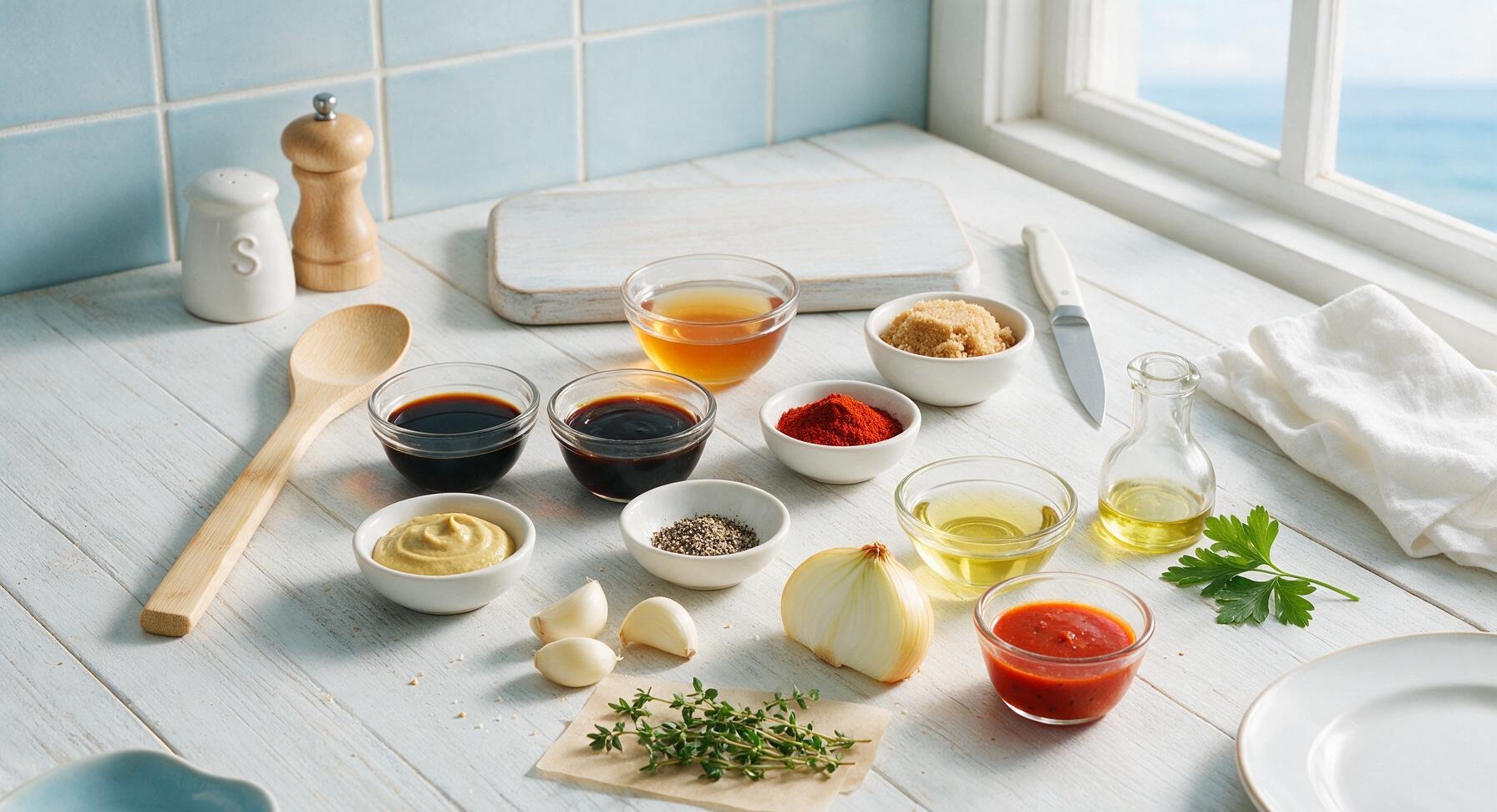
Apple cider vinegar 1/2 cup (120ml)
Light brown sugar (packed) 1/3 cup (70g)
Low-sodium soy sauce 3 tbsp (45ml)
Worcestershire sauce 2 tbsp (30ml)
Dijon mustard 2 tbsp (30g)
Smoked paprika 1 tbsp (7g)
Garlic cloves 4 cloves (12g, peeled)
Yellow onion 1/2 small (50g)
Freshly cracked black pepper 1 tsp (2g)
Neutral canola oil 1/4 cup (60ml)
Hot sauce 1 tsp (5ml)
Fresh thyme 1 tbsp (3g, leaves picked)

Steps

1

Mince Garlic and Onion

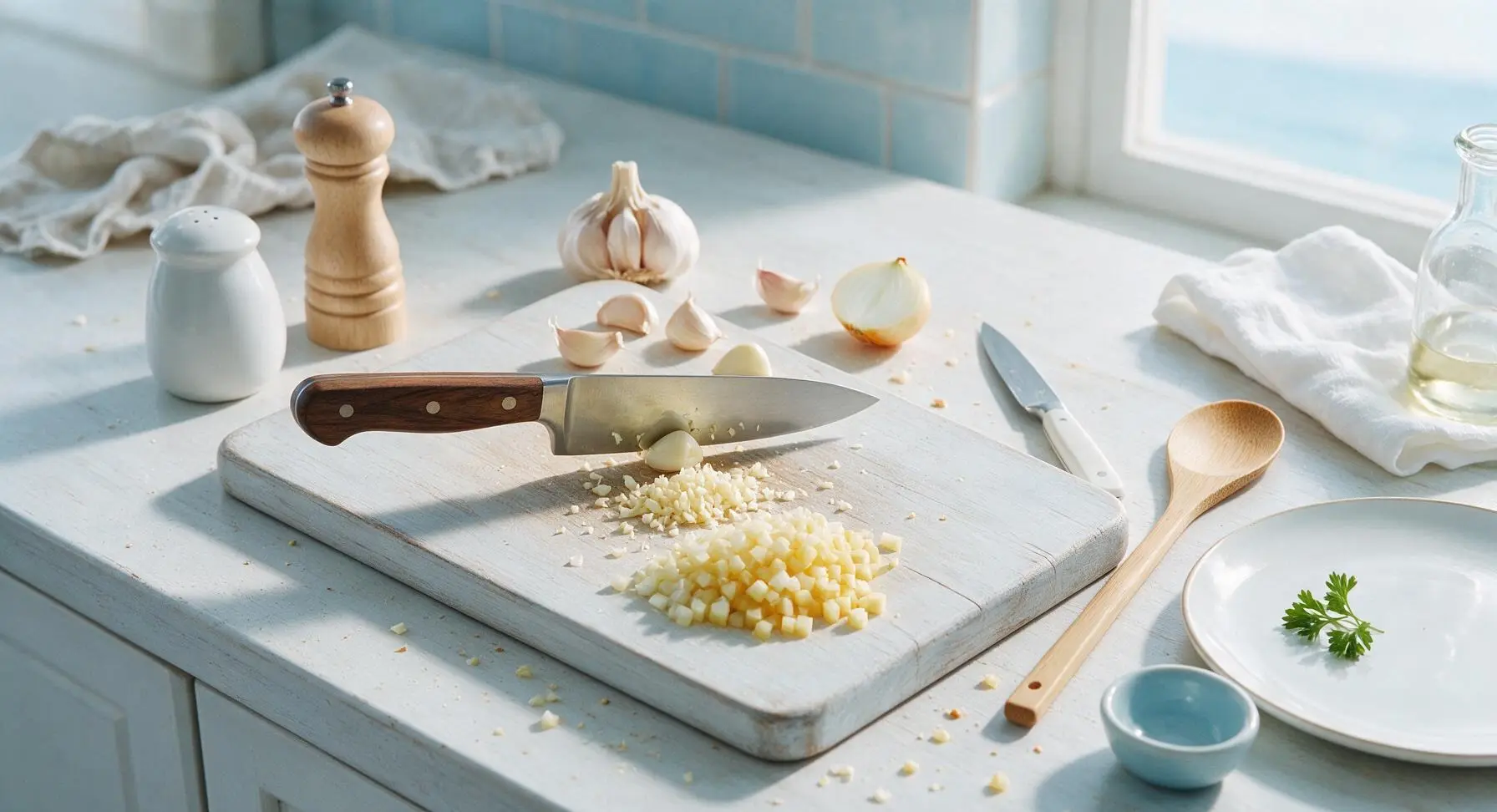
Place the 4 peeled garlic cloves and ½ small yellow onion on the honey-toned maple cutting board. Using the 8-inch walnut-handled chef knife, finely mince the garlic until it forms a coarse, even texture, then dice the onion into uniform 2mm pieces. Set the prepped aromatics on the edge of the cutting board; discard any large, tough onion chunks, as these will burn quickly over high grill heat.
Step 1
step1:Mince Garlic and Onion
2

Mix Base Marinade Components

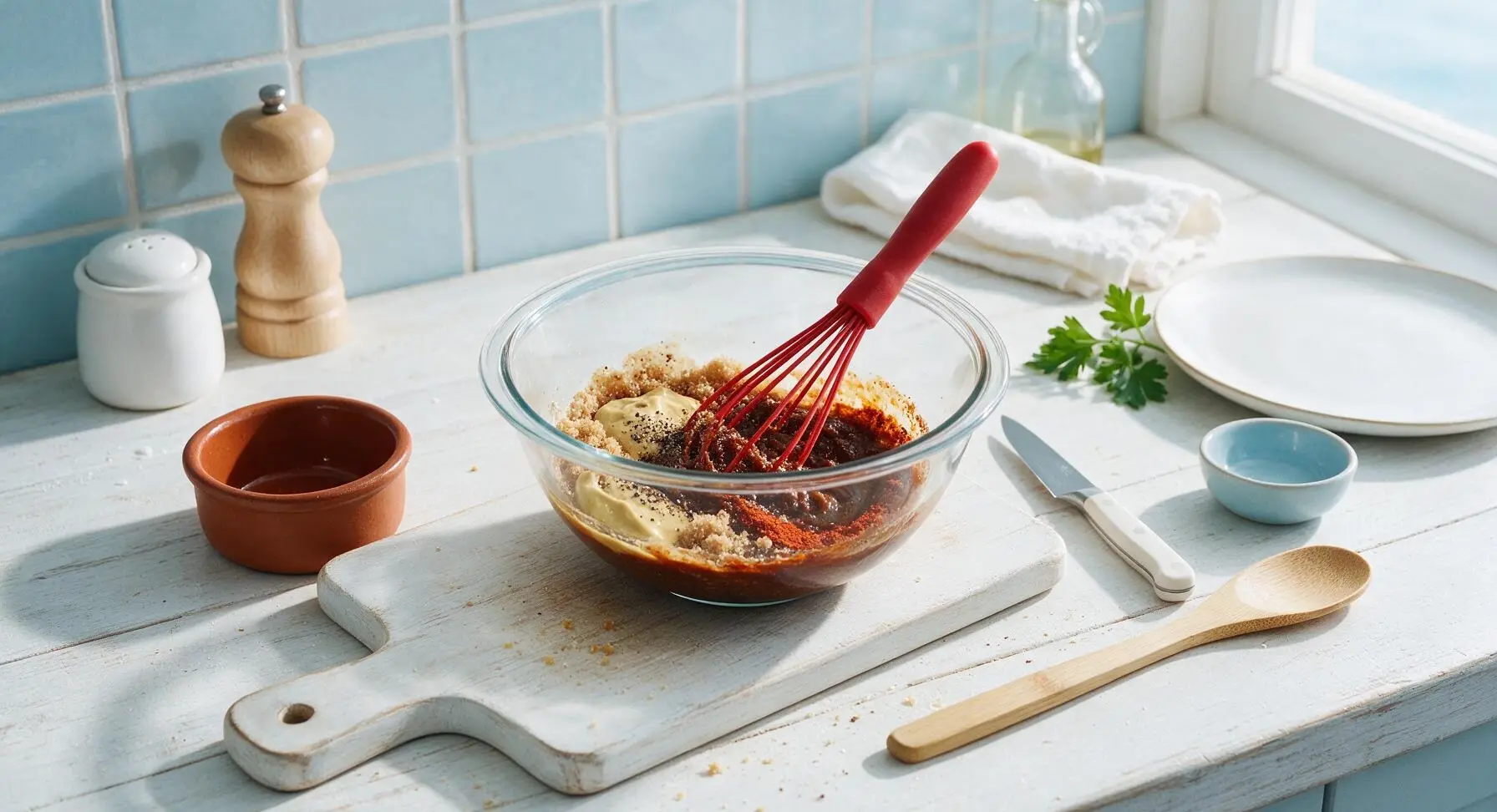
Return the clear glass mixing bowl to its central counter position. Add the packed light brown sugar, Dijon mustard, smoked paprika, and freshly cracked black pepper to the bowl. Use the red silicone whisk to stir the thick dry ingredients into a uniform paste, pressing out any lumps of brown sugar or mustard against the side of the bowl for 30 seconds until no dry spice clumps remain.
Step 2
step2:Mix Base Marinade Components
3

Whisk in Liquid Ingredients

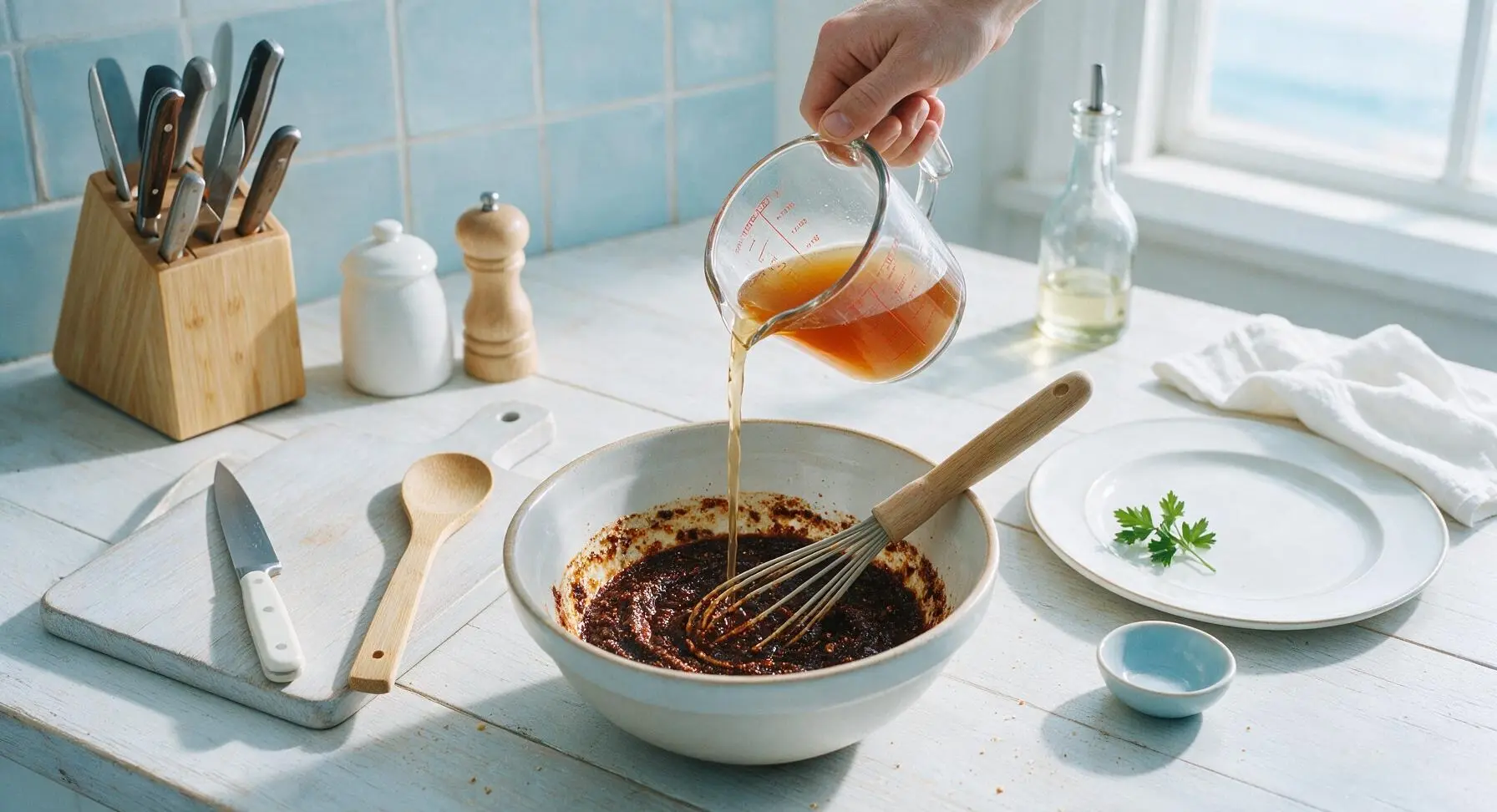
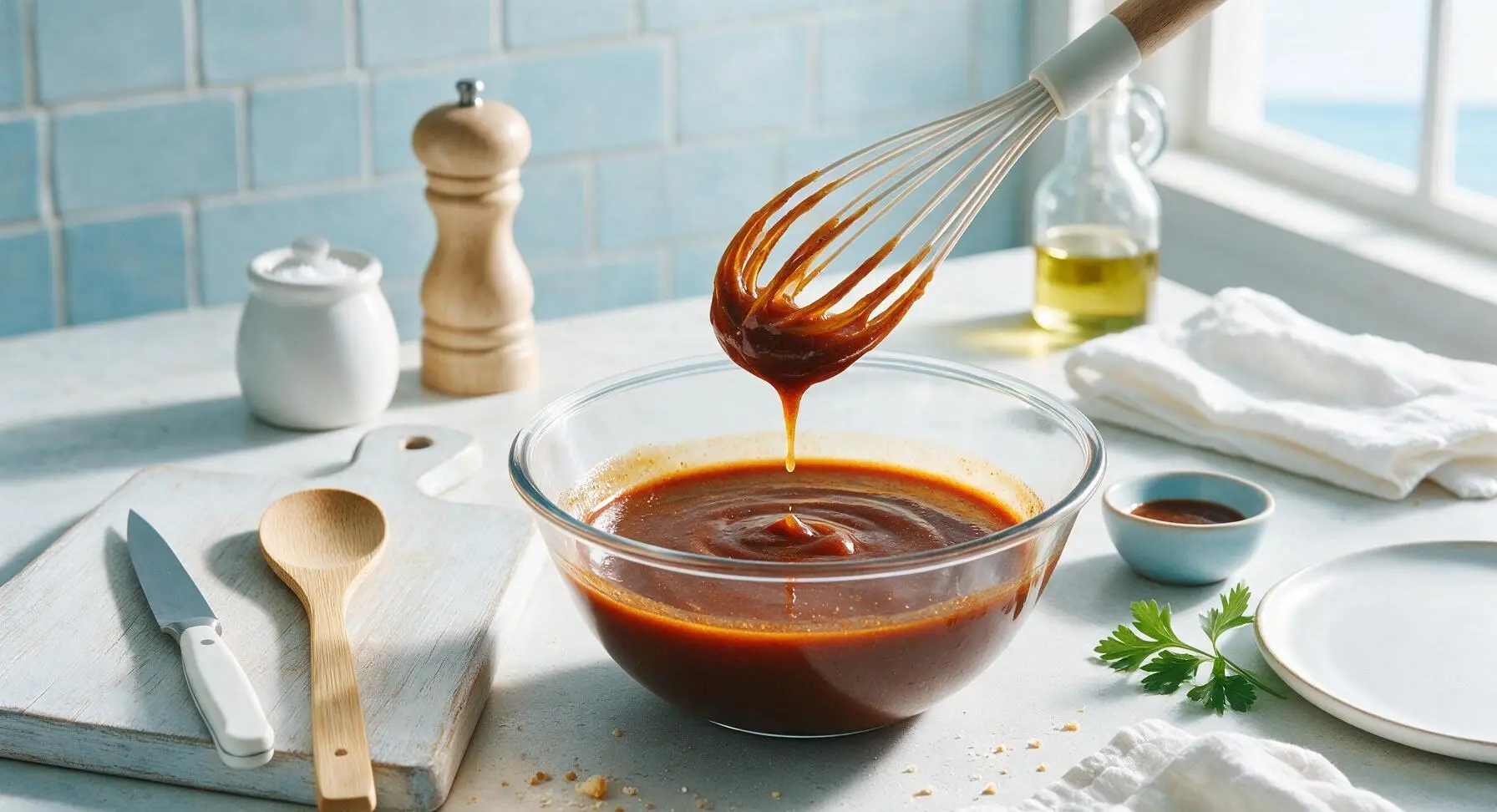
Slowly pour the apple cider vinegar, low-sodium soy sauce, Worcestershire sauce, hot sauce, and neutral canola oil into the spice paste while whisking continuously. Whisk vigorously for 1 full minute to fully emulsify the oil into the acidic ingredients; the finished mixture should be smooth, glossy, and uniform with no visible oil separation on the surface.
Step 3
step3:Whisk in Liquid Ingredients
Step 3
step3:Whisk in Liquid Ingredients
4

Stir in Aromatics and Herbs

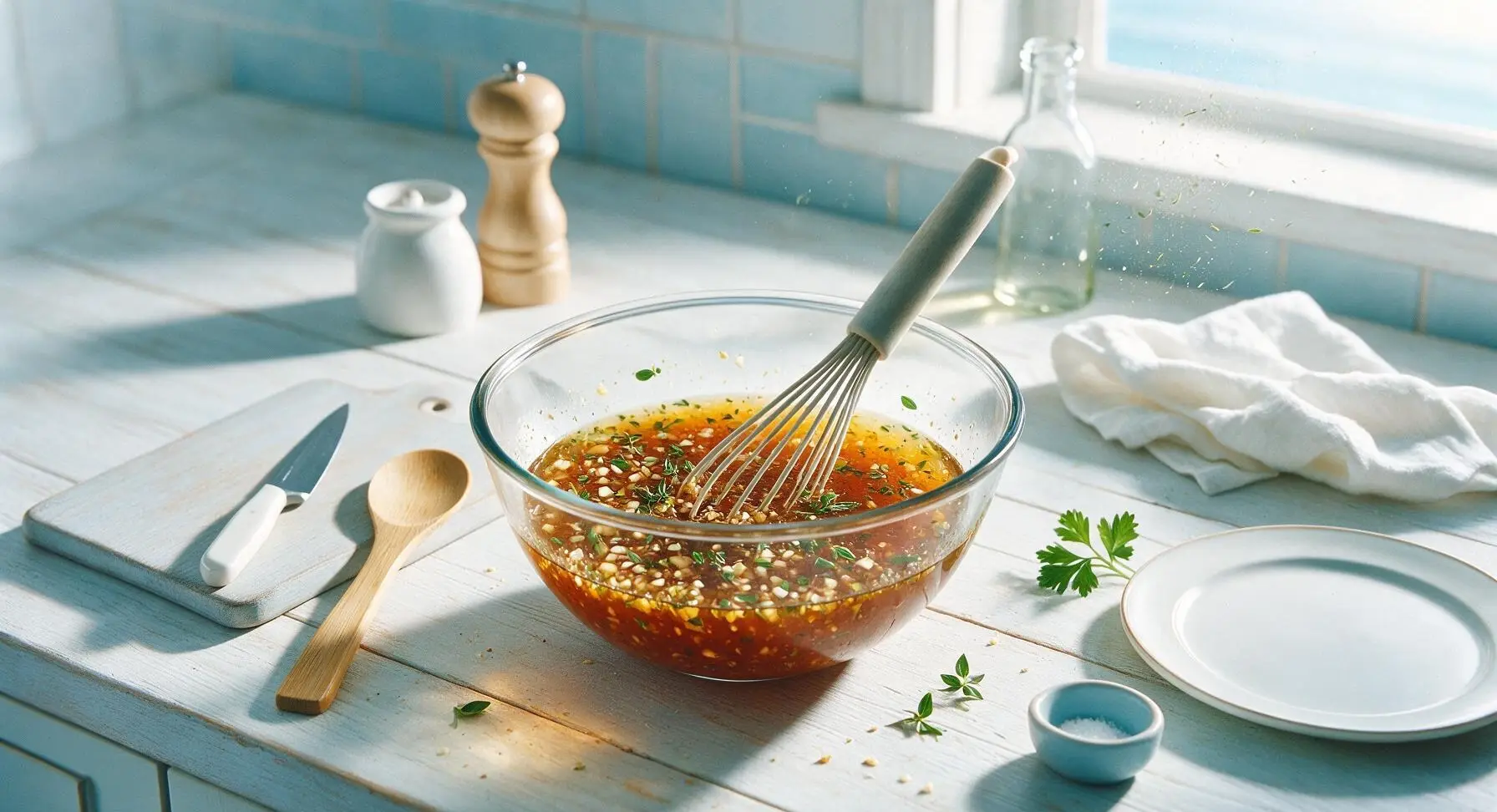
Add the minced garlic, diced onion, and picked fresh thyme leaves to the mixed liquid marinade. Stir with the silicone whisk to evenly distribute the solid ingredients throughout the liquid, scraping the bottom of the bowl to ensure no garlic or onion clumps are left settled.
Step 4
step4:Stir in Aromatics and Herbs
5

Simmer Marinade Briefly

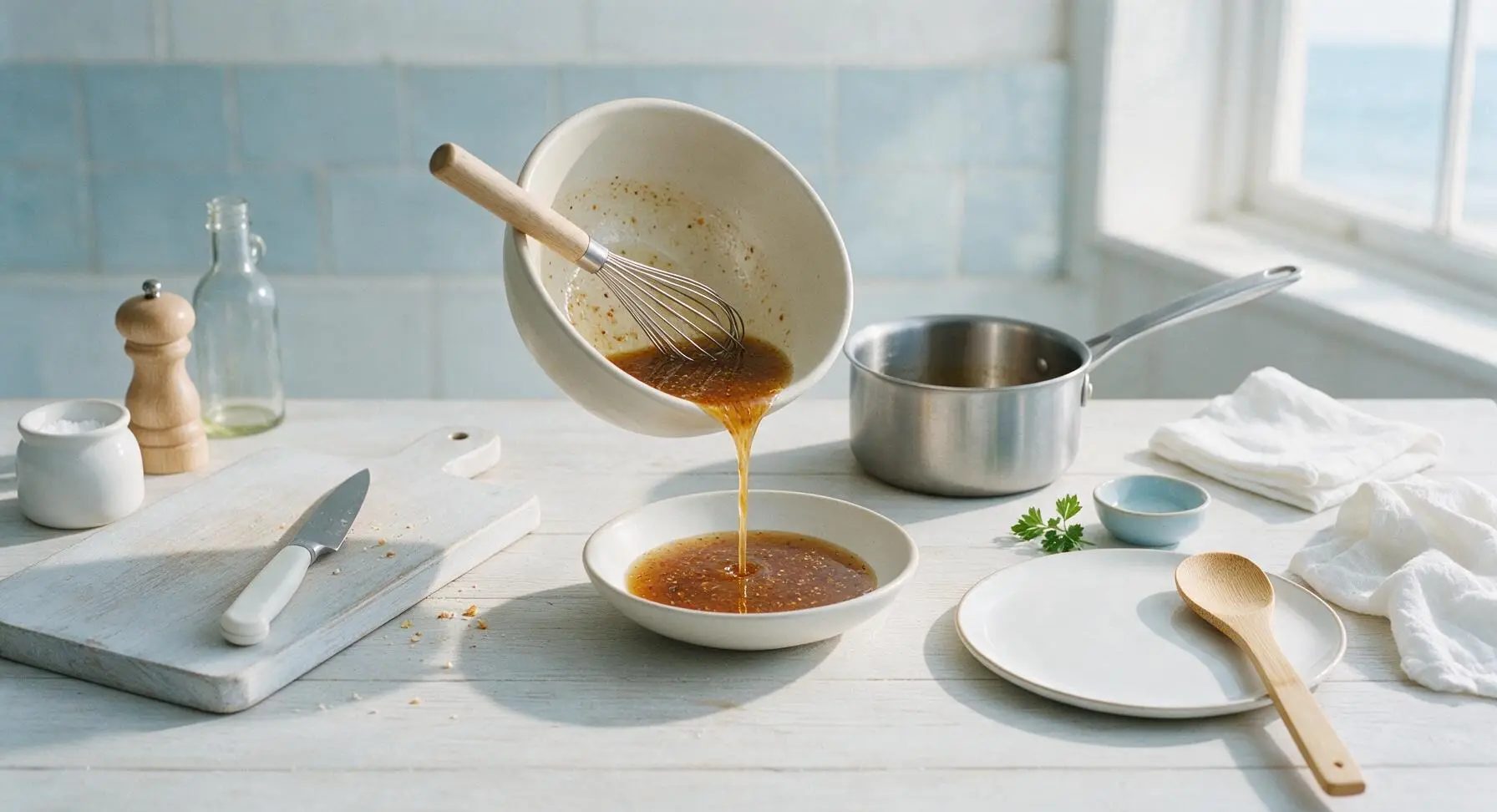
Pour the entire mixed marinade into the 1L matte stainless steel saucepan positioned on the back right of the counter. Place over medium-low heat (130°C / 270°F) and bring to a gentle simmer, stirring occasionally with the whisk. Let simmer for exactly 5 minutes to soften the onion and garlic and mellow the sharp vinegar bite; do not bring to a rolling boil, as this will cook off too much bright acidity and make the marinade overly sweet. Remove from heat and let cool for 10 minutes at room temperature.

Step 5
step5:Simmer Marinade Briefly
Step 5
step5:Simmer Marinade Briefly
6

Strain for Smooth Consistency

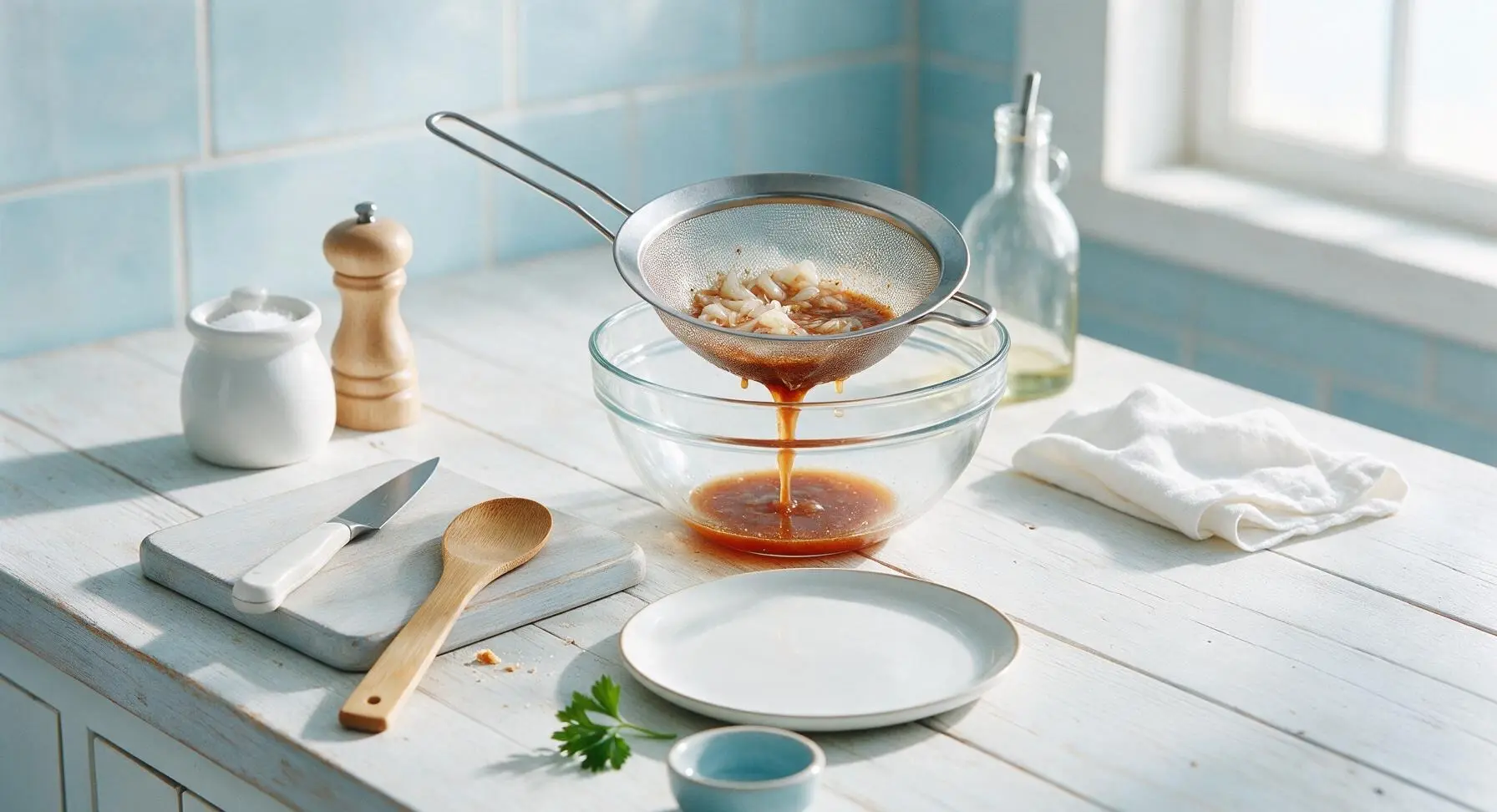
Position the stainless steel fine-mesh strainer over the now-clean central glass mixing bowl. Pour the slightly cooled marinade through the strainer, pressing gently on the collected onion and garlic solids with the back of the whisk to extract all flavorful liquid, leaving soft, pale pulp behind in the strainer. Skip this step if you prefer a chunkier marinade with visible vegetable pieces for extra texture.
Step 6
step6:Strain for Smooth Consistency
7

Transfer to Storage Jar

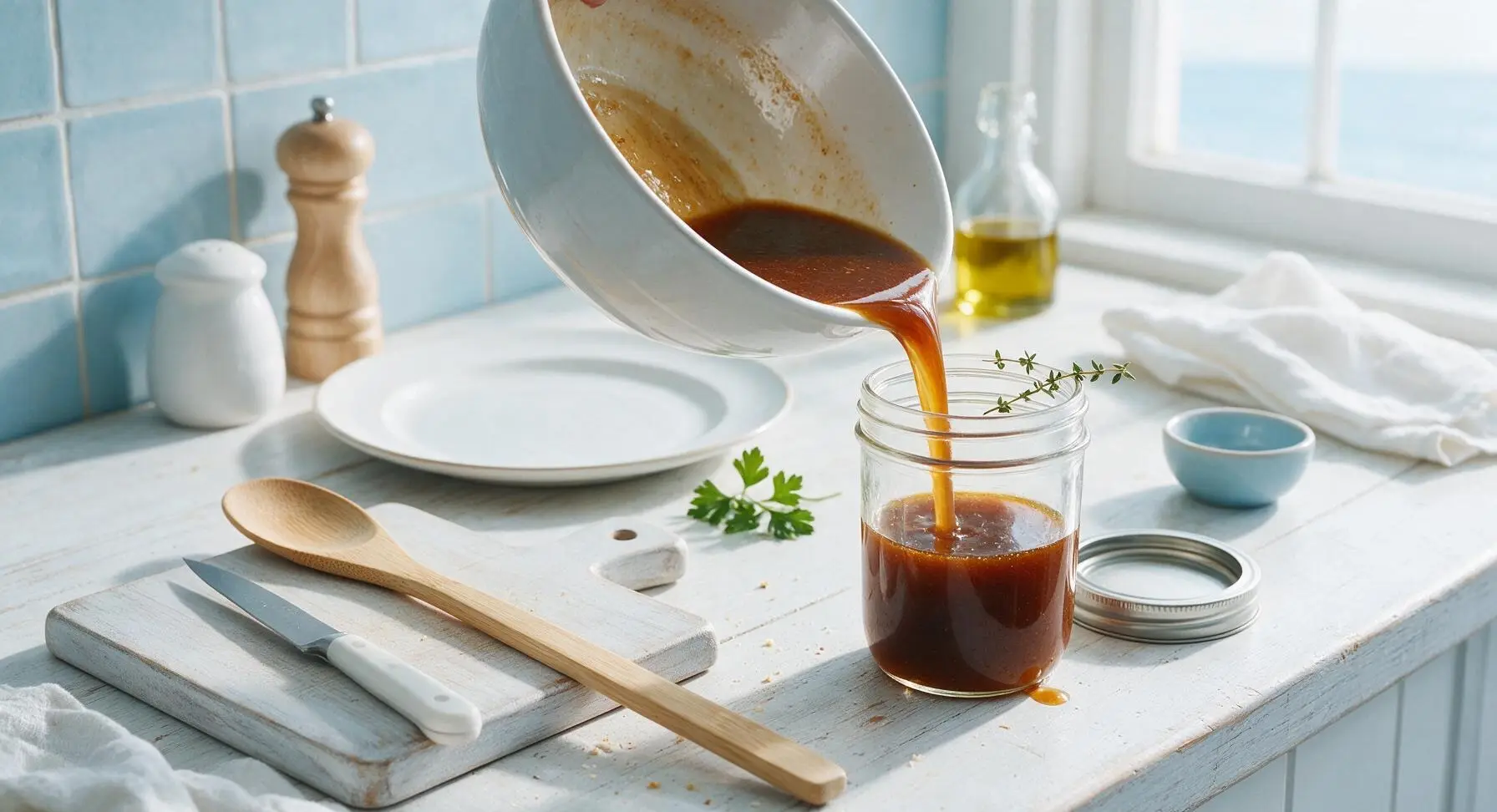
Pour the smooth, strained, fully cooled marinade into the 500ml clear glass mason jar positioned at the front right of the counter. Seal tightly with the silver metal lid, and refrigerate for up to 2 weeks, or use immediately to marinate chicken, pork, ribs, beef, or grilled vegetables for 30 minutes to 12 hours before cooking. Shake the jar well before each use to re-combine any lightly separated ingredients.
Step 7
step7:Transfer to Storage Jar

Tips

1.Always marinate proteins in the refrigerator, not at room temperature, to prevent harmful bacteria growth; denser meats like pork ribs or brisket can marinate for up to 12 hours, while delicate fish or vegetables only need 30-60 minutes to avoid turning mushy from the vinegar’s acid.
2.Reserve half the marinade in a separate container before adding raw meat or vegetables to use as a basting sauce during grilling; never use marinade that has touched raw protein for basting unless you boil it for a full 3 minutes first to kill foodborne pathogens.
3.For extra wood-fired smoky flavor when cooking on a gas or electric grill, add 1/4 teaspoon of hickory liquid smoke to the finished marinade; start with a small amount, as too much liquid smoke will give the marinade an artificial, bitter taste.
✨ You May Also Like

BBQ & Grilling
🍜 United States

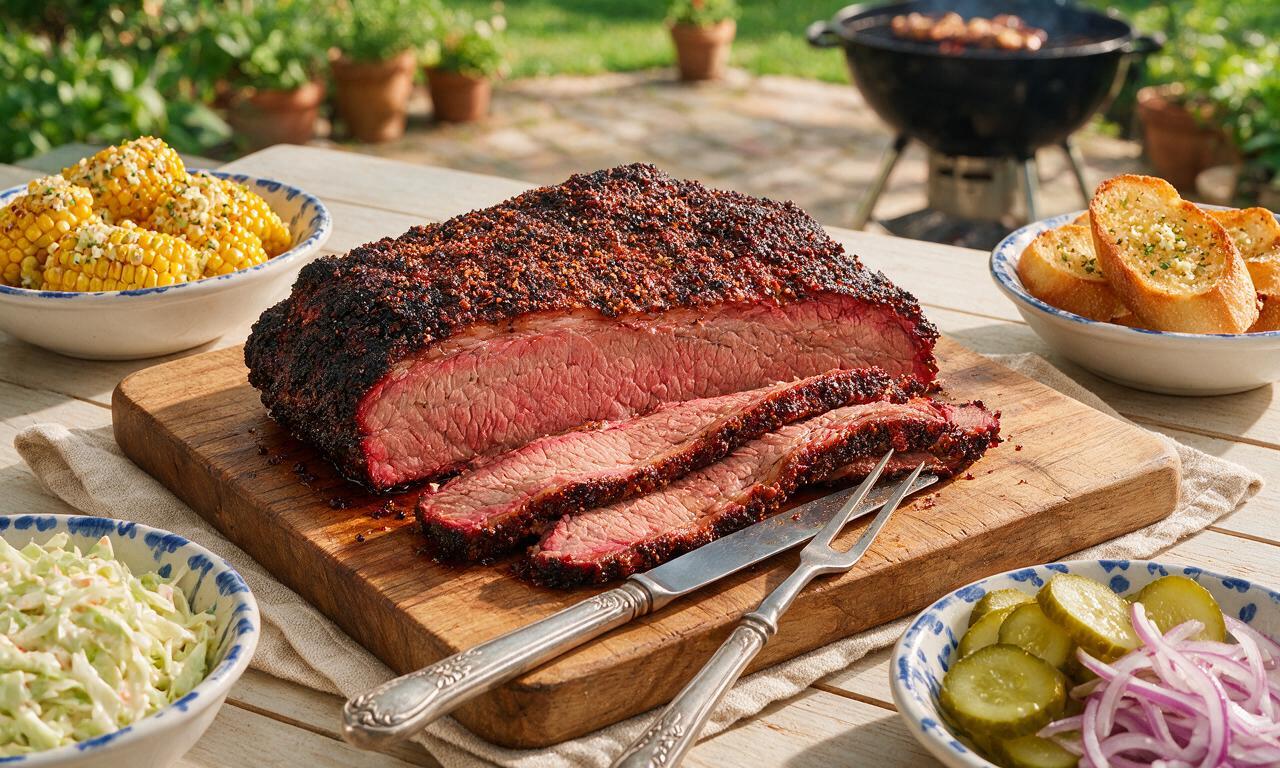
Tender, melt-in-your-mouth beef brisket with a crisp, spiced bark, slow-smoked to deep smoky perfection, the iconic centerpiece of Texas backyard barbecue.

⏱️ 12 hours BBQ & Grilling ★ 4.4
BBQ & Grilling
🍜 Korea

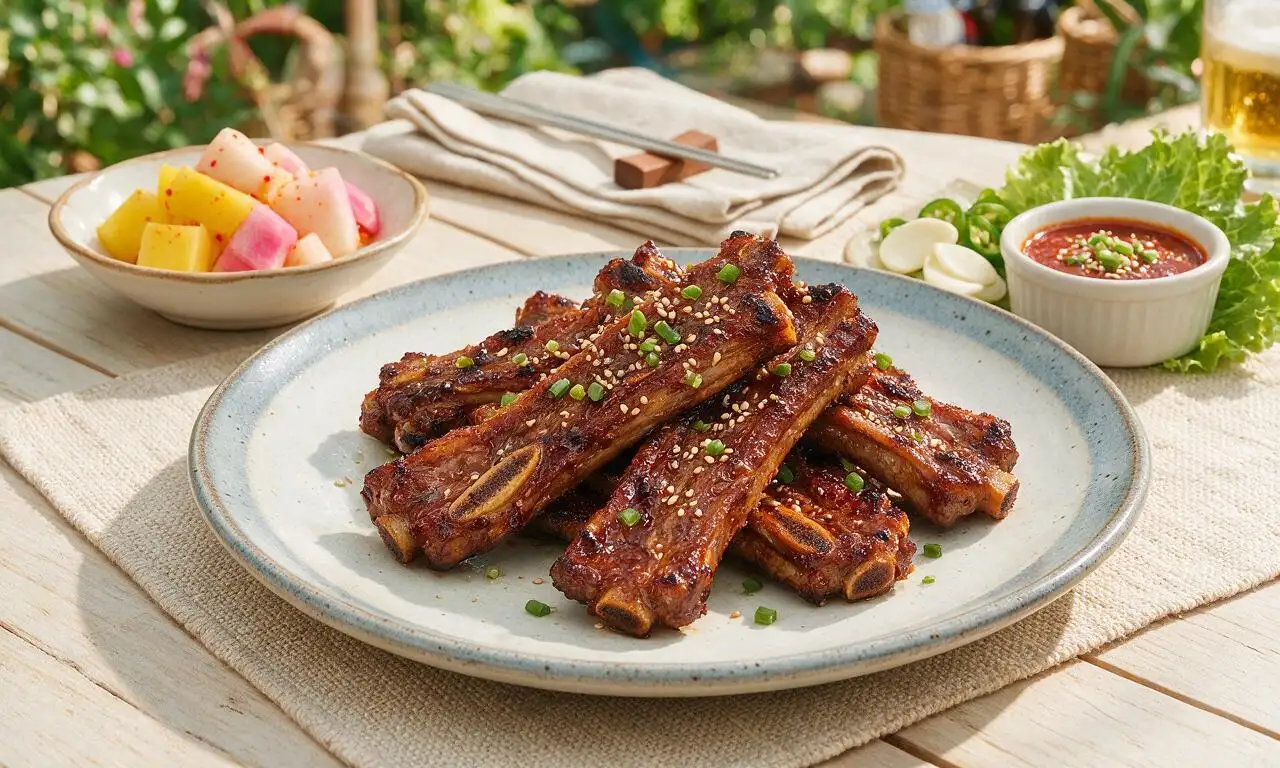
Tender, sweet-savory marinated beef short ribs, a beloved Korean BBQ staple with caramelized, slightly charred edges and deep umami flavor, perfect for outdoor summer gatherings.

⏱️ 4 hours 2BBQ & Grilling ★ 4.8
BBQ & Grilling
🍜 United States

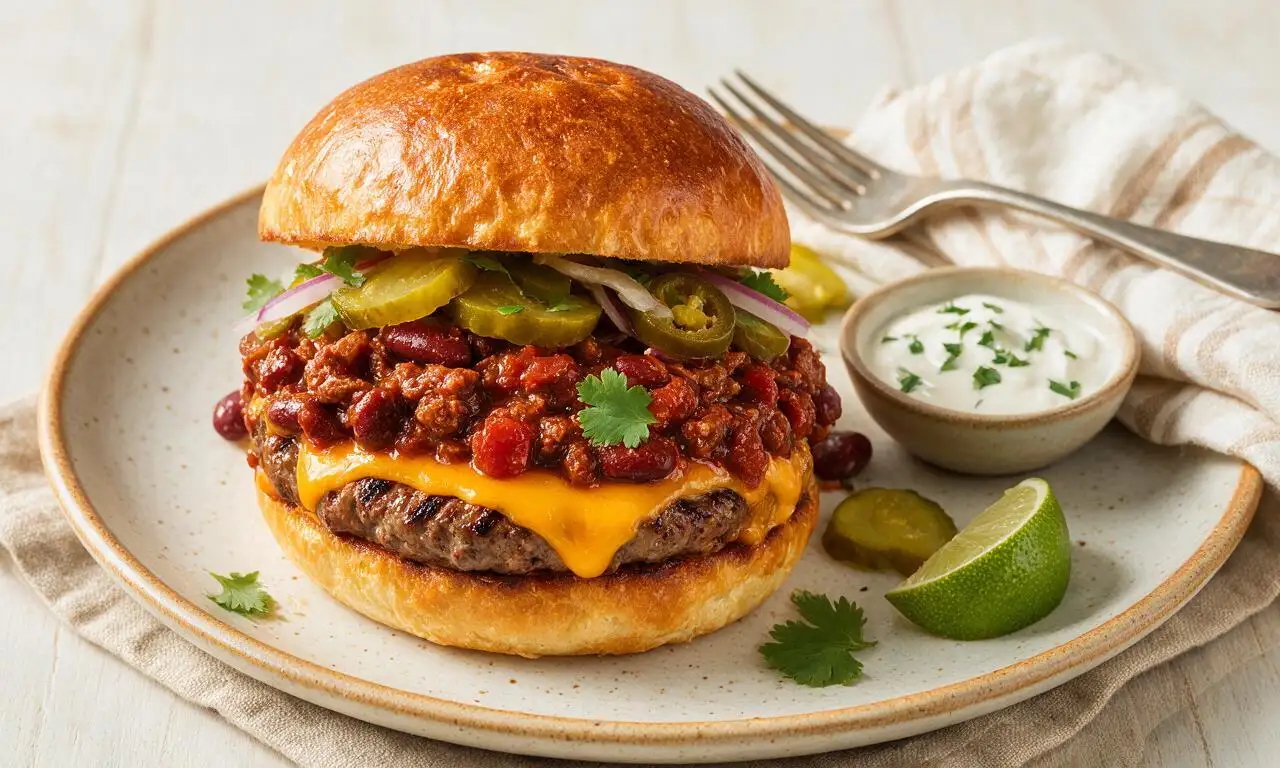
Juicy grilled beef patties topped with smoky homemade chili, melted cheddar, and tangy pickles on toasted brioche buns for a hearty, flavor-packed handheld meal.

⏱️ 40 minuteBBQ & Grilling ★ 4.7
BBQ & Grilling
🍜 United States

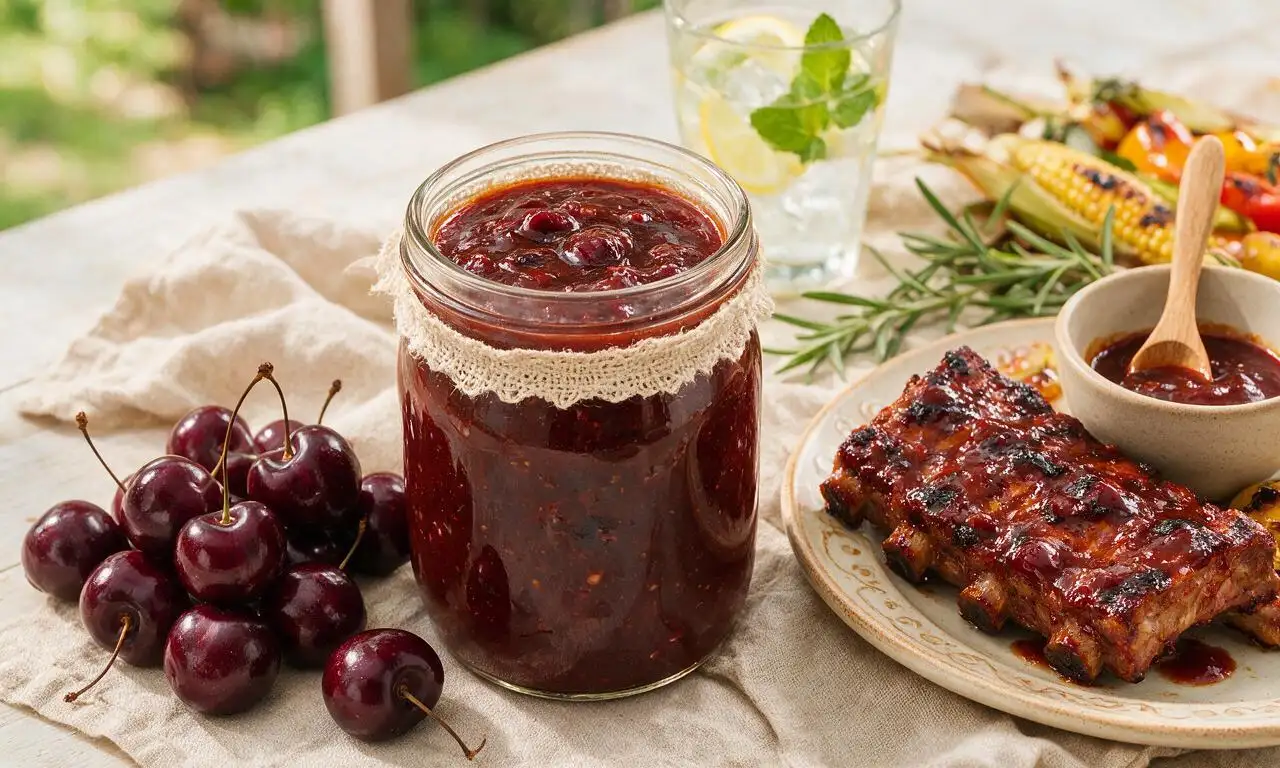
A sweet, smoky, tangy BBQ sauce brightened with peak-season dark cherries, ideal for glazing grilled ribs, chicken, pork, or summer roasted veggies.

⏱️ 35 minuteBBQ & Grilling ★ 4.7
BBQ & Grilling
🍜 United States

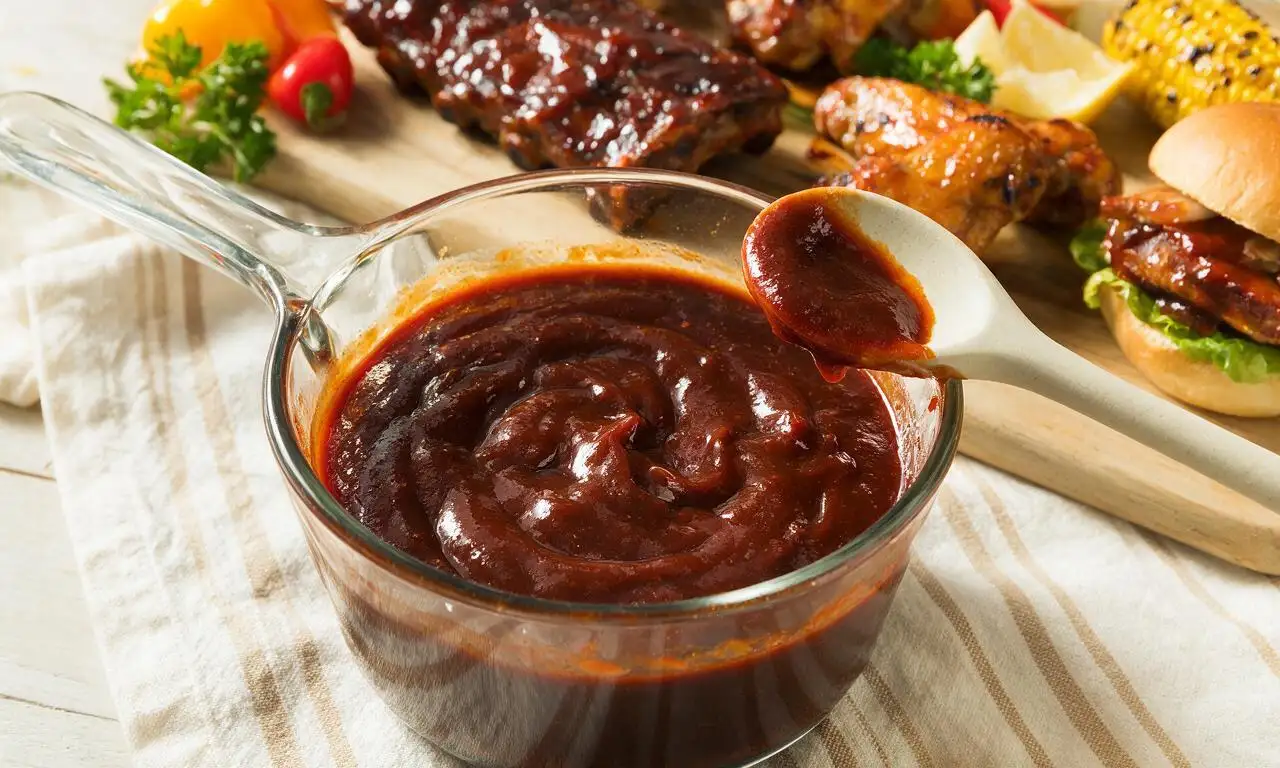
Rich, smoky, slightly sweet homemade bourbon BBQ sauce with deep caramel notes, ideal for glazing grilled ribs, chicken, and burgers at cookouts.

⏱️ 25 minuteBBQ & Grilling ★ 4.7
BBQ & Grilling
🍜 United States

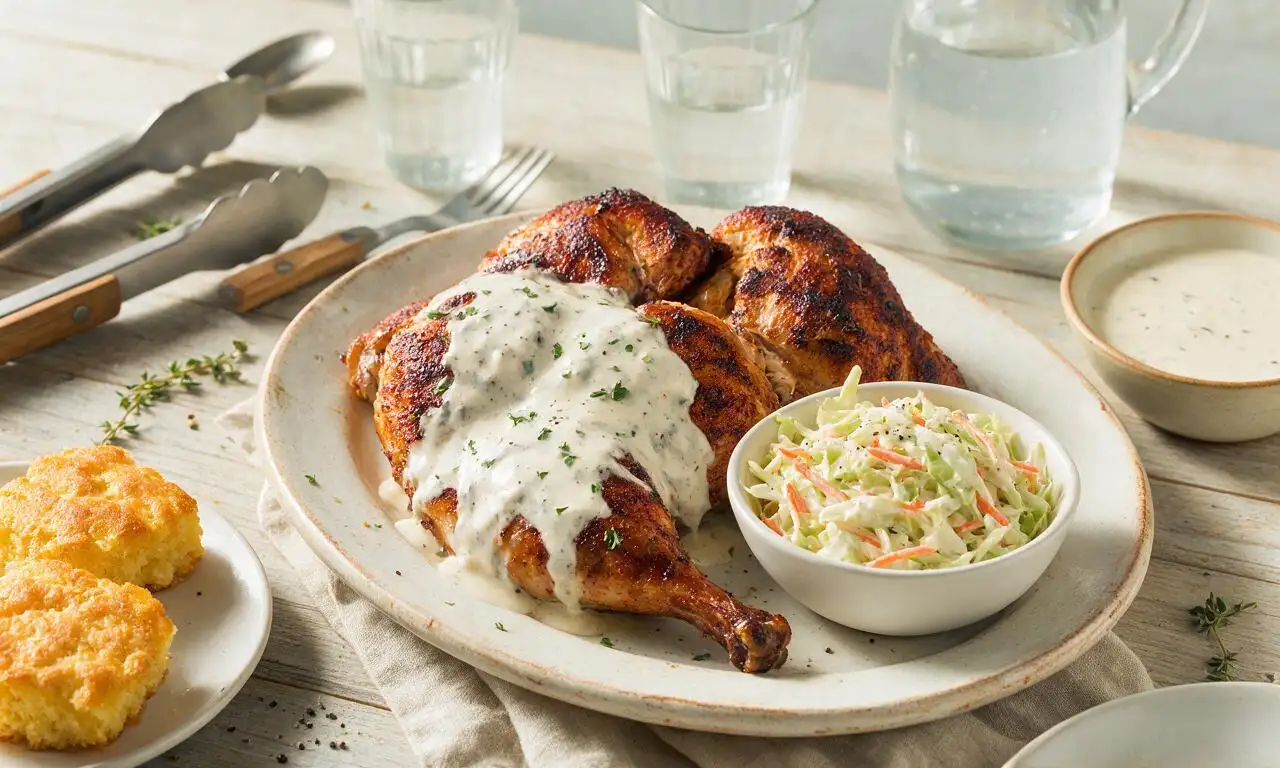
Iconic Alabama-style BBQ featuring tender hickory-smoked chicken slathered in tangy creamy white sauce, a beloved regional Southern cookout staple.

⏱️ 3 hoursBBQ & Grilling ★ 5

barbecue marinade:Frequently Asked Questions

1.How long should I marinate different foods in this all-purpose smoky barbecue marinade? ▾
For tough, dense cuts like pork ribs or bone-in chicken thighs, marinate 4 to 12 hours in the fridge. For thinner cuts like chicken breasts, pork chops, or shrimp, stick to 1 to 2 hours. Firm veggies and pressed tofu only need 30 to 45 minutes—any longer and the vinegar can turn their texture unpleasantly mushy.
2.Can I use this marinade as a finishing barbecue sauce, or is it only for marinating? ▾
You can absolutely use it as a finishing sauce, but you must boil it for 3 full minutes first if it has come into contact with raw meat, poultry, or seafood to kill harmful bacteria. If you set aside a portion before adding raw protein, you can brush it on during the last 5 minutes of grilling or drizzle it over served food right away, no boiling needed.
3.I don’t have apple cider vinegar on hand—what’s a good substitute? ▾
Your closest swap is unseasoned rice vinegar, which has a similar mild tang, though it lacks the subtle fruity note of apple cider vinegar. In a pinch, use white wine vinegar mixed with 1/4 teaspoon of apple juice per tablespoon of vinegar to mimic that bright, slightly sweet depth; skip plain white distilled vinegar, which is far too sharp and harsh.
4.Why does the recipe call for low-sodium soy sauce instead of regular? ▾
Regular soy sauce and Worcestershire sauce both pack a hefty salt punch, so using low-sodium soy sauce lets you control the final salt level without diluting that rich umami depth. If you only have regular soy sauce, cut the amount by 1 tablespoon, add an extra tablespoon of water to keep flavor balanced, and skip adding any extra salt to the marinade.
5.How do I get that signature smoky flavor if I don’t have a dedicated smoker? ▾
You don’t need a fancy dedicated smoker for that classic smoky kick! Stir 1/2 to 1 teaspoon of smoked paprika (sweet or hot, per your preference) or 1/4 teaspoon of liquid hickory smoke into the base marinade. Both options blend seamlessly with the brown sugar and tangy vinegar to replicate slow-smoked taste even on a standard gas or charcoal grill.
6.Can I make this marinade ahead of time and store it for later use? ▾
Absolutely! Mix all the ingredients together, store in a tightly sealed glass jar or airtight container in the fridge, and it will stay fresh for up to 2 weeks. Give it a really good shake before each use, since the Dijon and brown sugar will settle to the bottom as it sits. You can also freeze it for up to 3 months for quick, last-minute cookout prep.
7.Does this marinade actually tenderize meat, or does it just add surface flavor? ▾
It does both! The apple cider vinegar has mild acetic acid that breaks down tough connective tissue in denser cuts like ribs and chicken thighs without making the meat surface mushy. The soy sauce and Worcestershire also penetrate deep into proteins to add umami, rather than just sitting on top like many overly sweet, one-note barbecue marinades.
8.I’m gluten-free—what simple swaps do I need to make for this recipe? ▾
This recipe is easy to make fully gluten-free with two quick swaps: replace regular low-sodium soy sauce with certified gluten-free tamari for the same rich umami taste, and use gluten-free Worcestershire sauce, since standard Worcestershire often contains wheat-based soy. All other core ingredients are naturally gluten-free; just check labels for cross-contamination notes if you’re highly sensitive.
9.Can I adjust the sweetness level if I don’t like super sweet barbecue marinades? ▾
Definitely! The packed light brown sugar balances the sharp tang of the vinegar, but you can cut it by 1 to 2 tablespoons if you prefer a more savory, tang-forward profile. Don’t skip it entirely, though—even a small amount of sugar helps create that beautiful caramelized char on the grill, rather than leaving you with pale, bland grilled food.
10.Is it safe to reuse leftover marinade that has touched raw meat? ▾
Never reuse unboiled marinade that has come into contact with raw meat, poultry, or seafood—it can harbor harmful bacteria that cause foodborne illness. If you want to repurpose leftover marinade from a batch, pour it into a small pot, bring it to a rolling boil, and let it simmer for 3 full minutes to kill all pathogens before using it as a drizzle or basting sauce.
11.What role does Dijon mustard play in this marinade? ▾
Dijon does two key jobs here: first, it acts as an emulsifier that binds the tangy vinegar, savory soy, and brown sugar together so the marinade doesn’t separate when you brush it on food. Second, it adds a subtle sharp, tangy depth that cuts through sweetness and rich grilled meat flavor, without leaving a strong, obvious mustard taste after cooking.
12.Will this marinade work for baked or air-fried foods, or is it only for grilling? ▾
It works beautifully for baked, air-fried, and even pan-seared foods, not just summer grill cookouts! For baked proteins, cook at 375°F and baste with a reserved, uncontaminated portion of marinade during the last 10 minutes of cooking. For air fryer items, toss food in a light coating of marinade before cooking, and spritz with a little oil to get that same crisp, charred edge you’d get on the grill.
13.Can I use dark brown sugar instead of light brown sugar in this recipe? ▾
You absolutely can! Dark brown sugar has a higher molasses content, so it will add a deeper, richer, slightly more caramelized flavor to the marinade that pairs especially well with bold cuts like beef ribs or brisket. If you prefer a lighter, brighter sweetness that works great with chicken and veggies, stick to the original light brown sugar, but the swap will never ruin the recipe.
14.Should I pat marinated food dry before putting it on the grill? ▾
Yes, always! After pulling food out of the marinade, gently pat off excess liquid with paper towels before placing it on a preheated grill. Excess marinade dripping onto hot grates causes harsh flare-ups that burn the outside of your food before it cooks through, and dry contact between food and hot grates is what creates that perfect, crispy, golden grill mark everyone loves.

Comments (0)