beef chow mein recipe with cabbage

title 1
beef chow mein recipe with cabbage
⏱️ cook time 10 minutes
🍽️ servings 4
⚡ Difficulty easy

intro

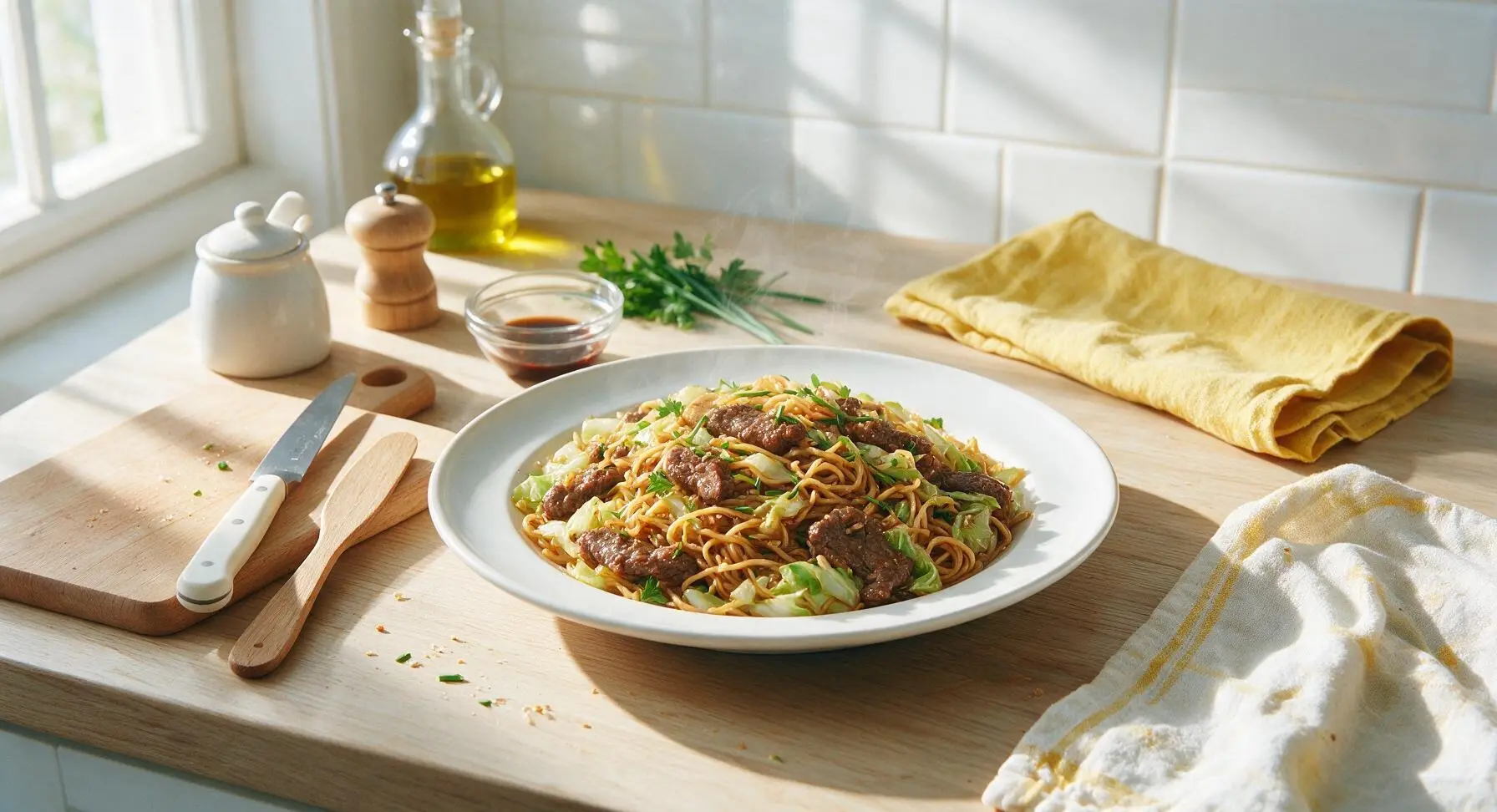
Savory, slurp-worthy beef chow mein with crisp-tender cabbage, juicy marinated beef, and springy noodles tossed in umami sauce, ideal for fast, satisfying weeknight meals.

Ingredients
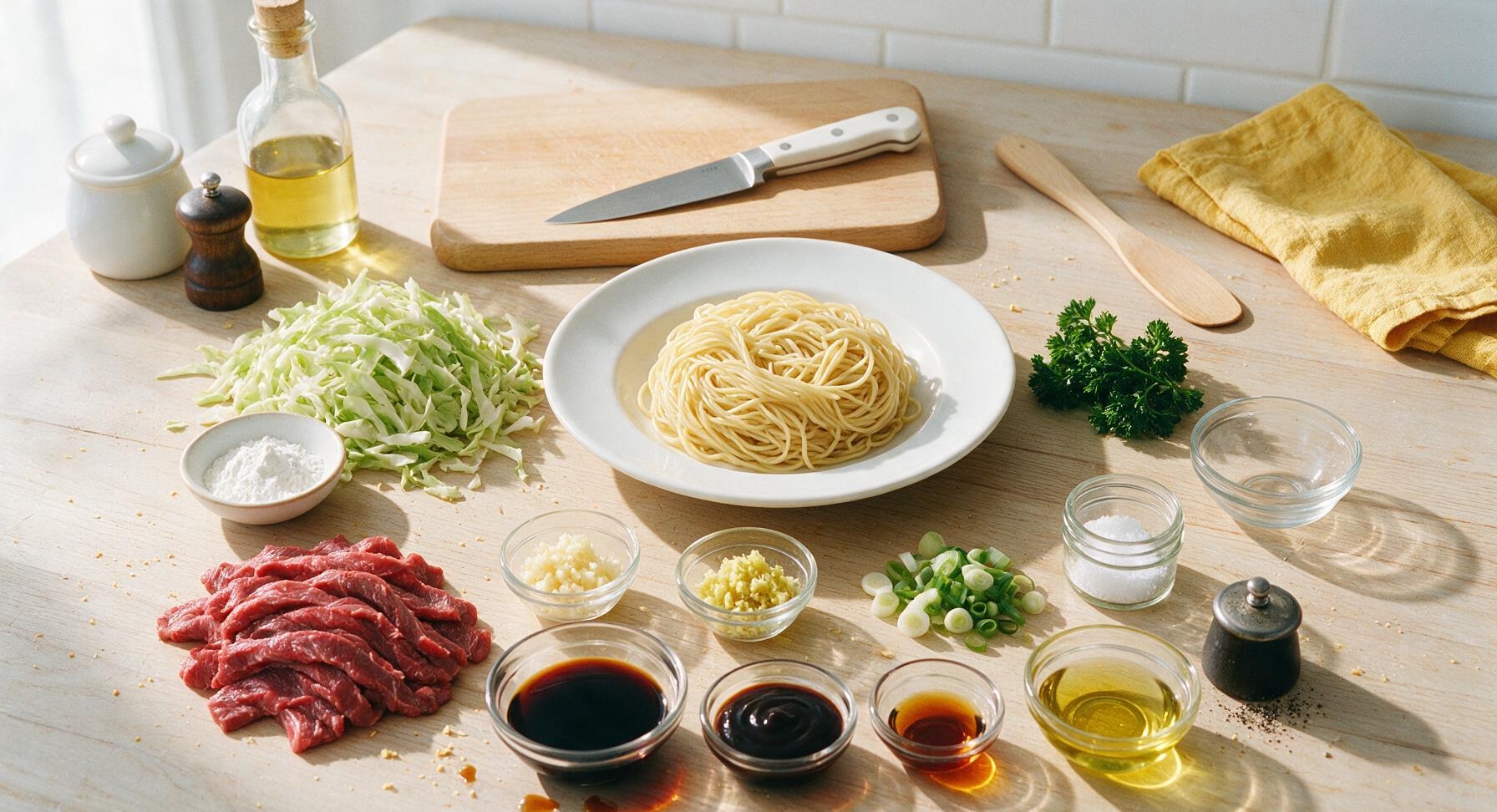
Fresh chow mein noodles 225g (8oz)
Flank steak, thinly sliced against the grain 225g (8oz)
Green cabbage, cored and shredded into 1cm strips 3 cups (about 1/4 small head)
Cornstarch 1 teaspoon
Low-sodium soy sauce 3 tablespoons, divided
Oyster sauce 1 tablespoon
Toasted sesame oil 1 teaspoon, plus extra for serving
Fresh ginger, peeled and minced 1 tablespoon
Garlic cloves, minced 3 (about 1 tablespoon)
Green onions, sliced, white and green parts separated 2
Neutral cooking oil (canola or avocado) 2 tablespoons
Freshly ground black pepper 1/4 teaspoon
Kosher salt 1/4 teaspoon

Steps

1

Marinate Sliced Beef

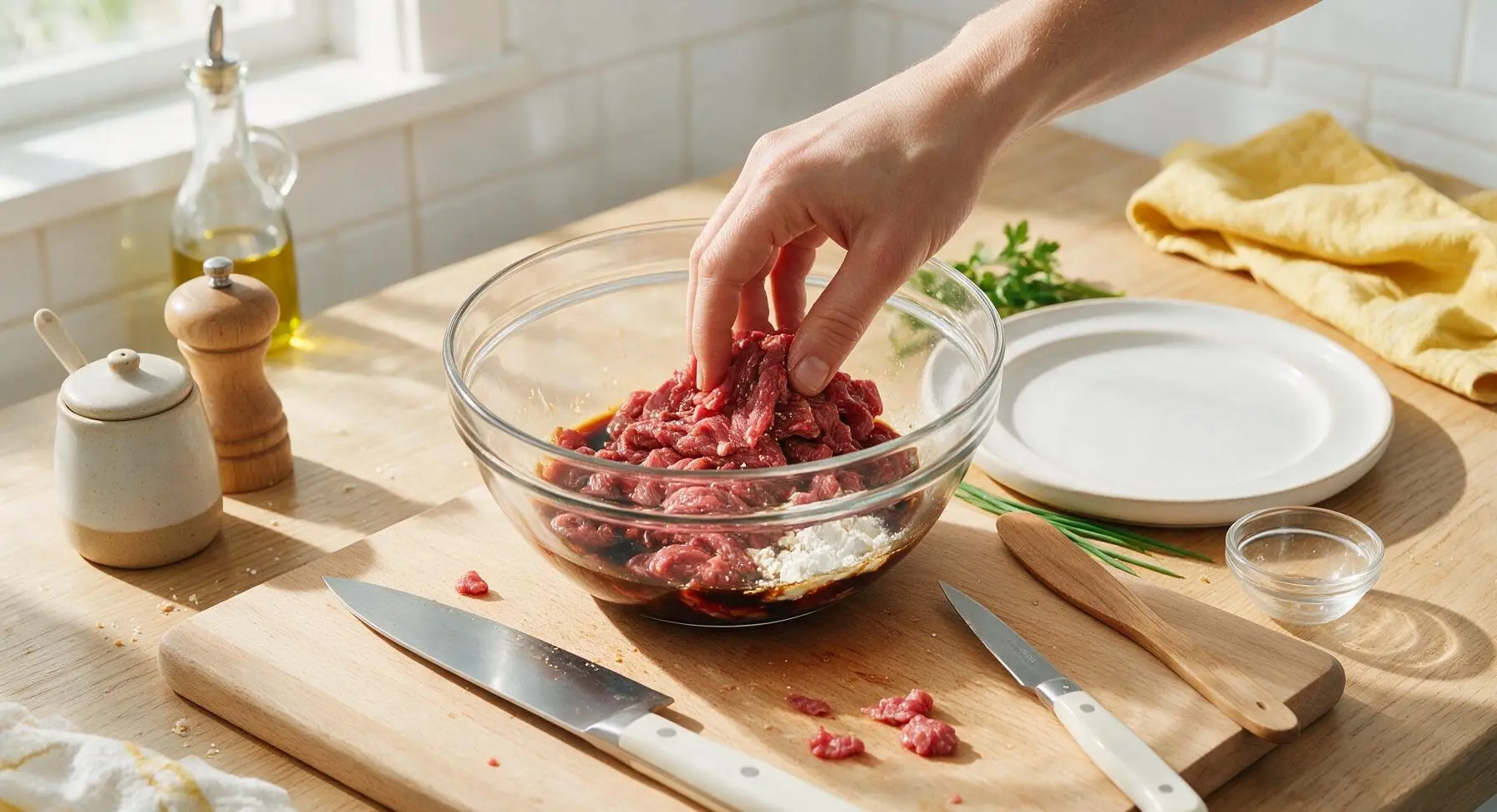
Place thinly sliced flank steak on the bamboo cutting board, then transfer to the first clear glass prep bowl. Add 1 tablespoon low-sodium soy sauce, 1 teaspoon cornstarch, and 1/4 teaspoon freshly ground black pepper. Toss to coat every slice evenly, then set aside to marinate for 10 minutes at room temperature. This quick marinade tenderizes the beef and locks in juiciness during high-heat stir-frying.
Step 1
step1:Marinate Sliced Beef
2

Mix Chow Mein Sauce

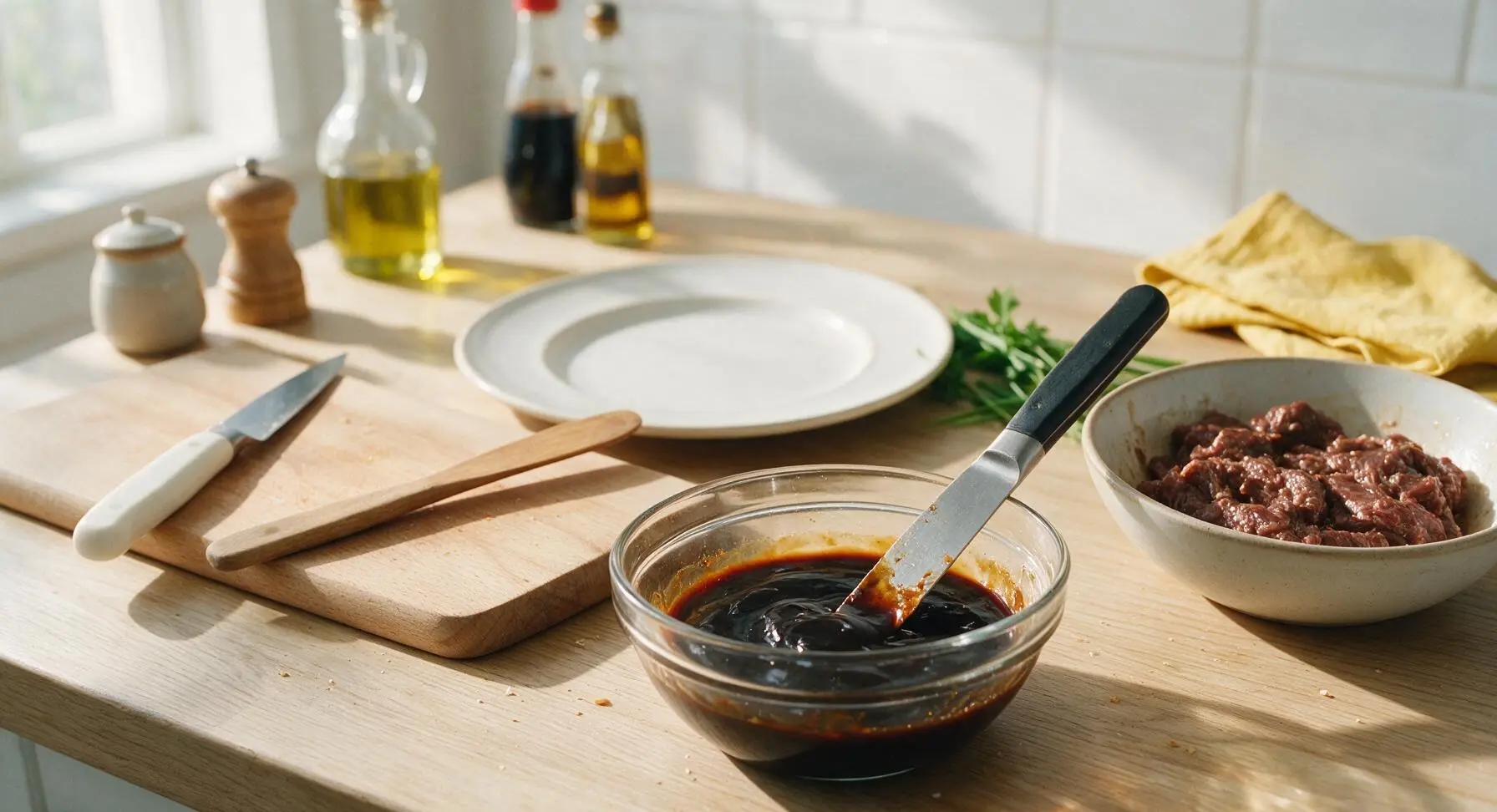
In the second clear glass prep bowl, combine the remaining 2 tablespoons low-sodium soy sauce, 1 tablespoon oyster sauce, and 1 teaspoon toasted sesame oil. Stir gently with the tip of the chef knife to mix evenly. Pre-mixing the sauce eliminates the need to measure ingredients during the fast stir-fry process, preventing overcooked veggies or noodles.
Step 2
step2:Mix Chow Mein Sauce
3

Prep Noodles and Cabbage

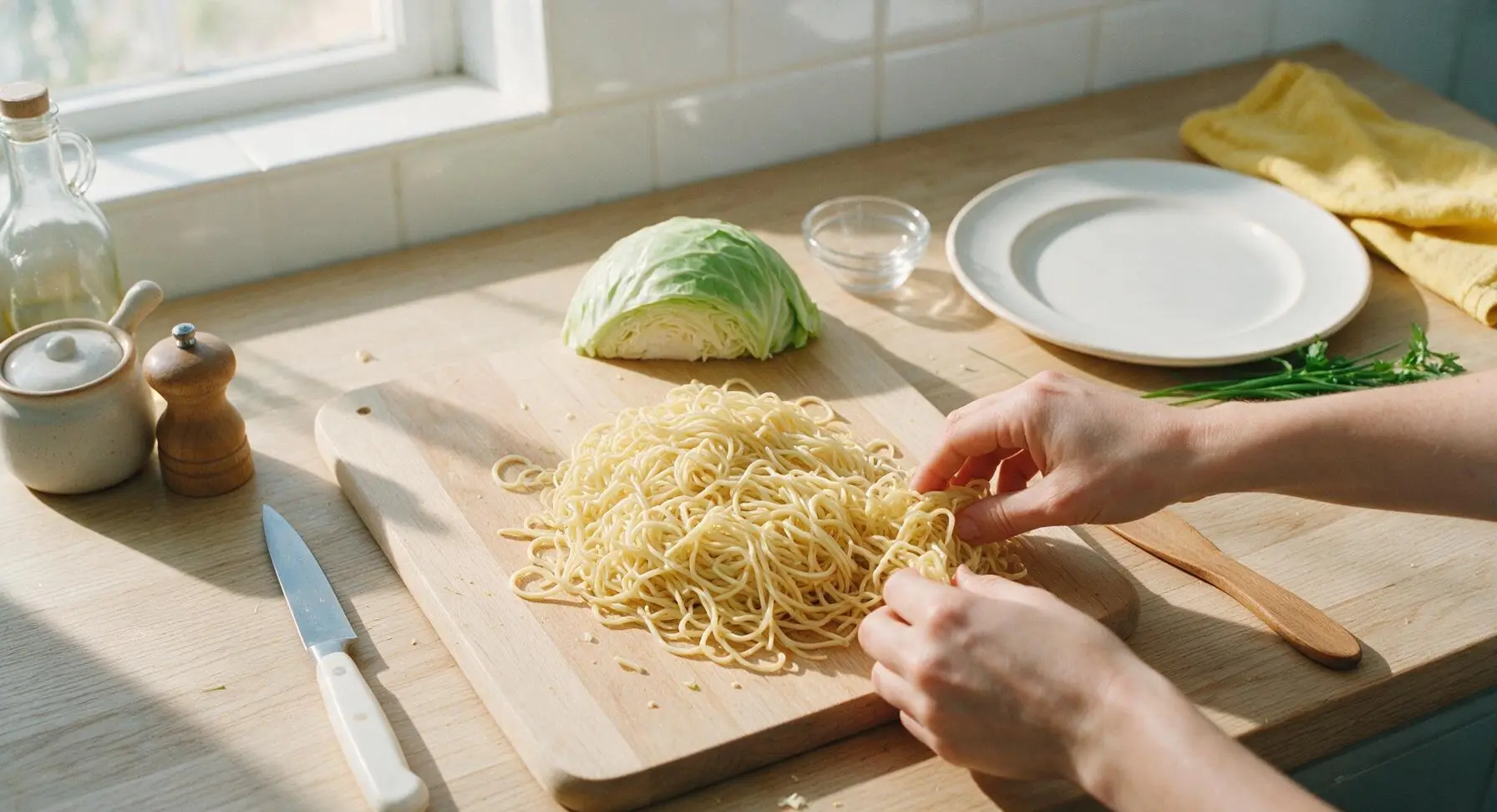
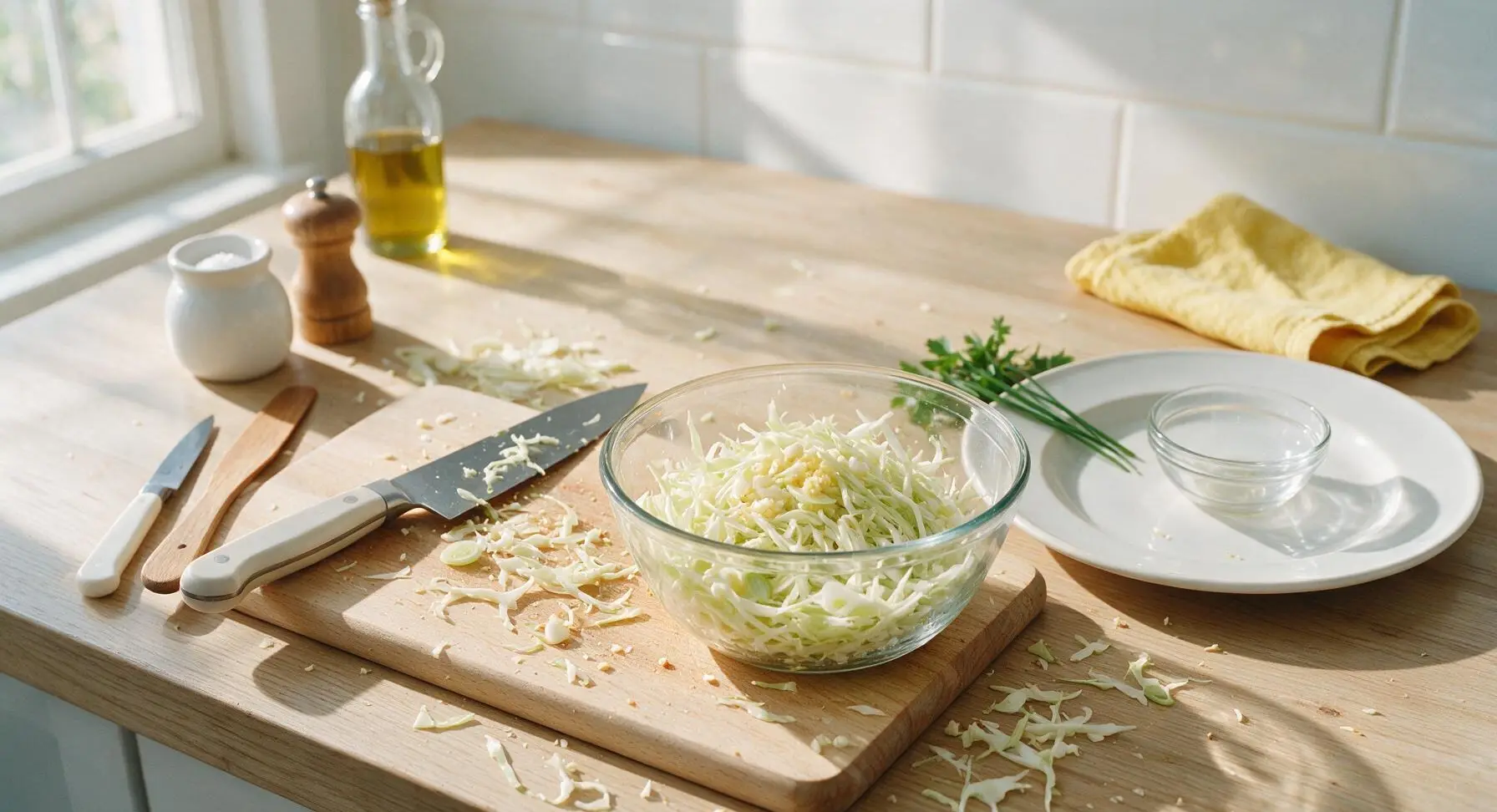
Gently loosen fresh chow mein noodles with your fingers to separate any clumps; if using dried noodles, cook to al dente per package directions, drain, and rinse briefly with cool water to prevent sticking. Use the chef knife to shred the cored cabbage into uniform 1cm strips on the bamboo cutting board, then transfer shredded cabbage to the third prep bowl along with minced ginger, minced garlic, and the white parts of the sliced green onions.
Step 3
step3:Prep Noodles and Cabbage
Step 3
step3:Prep Noodles and Cabbage
4

Sear Marinated Beef

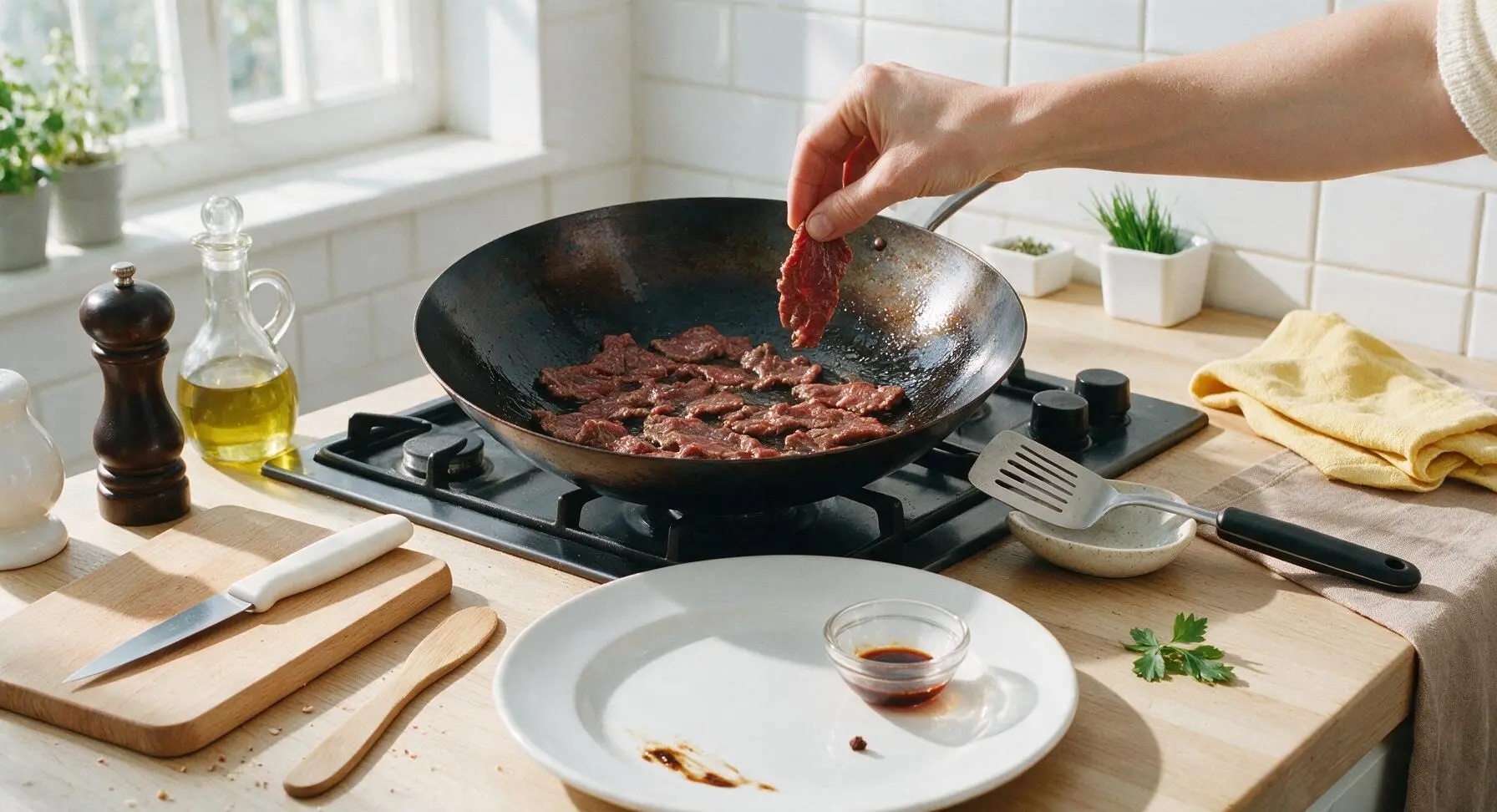
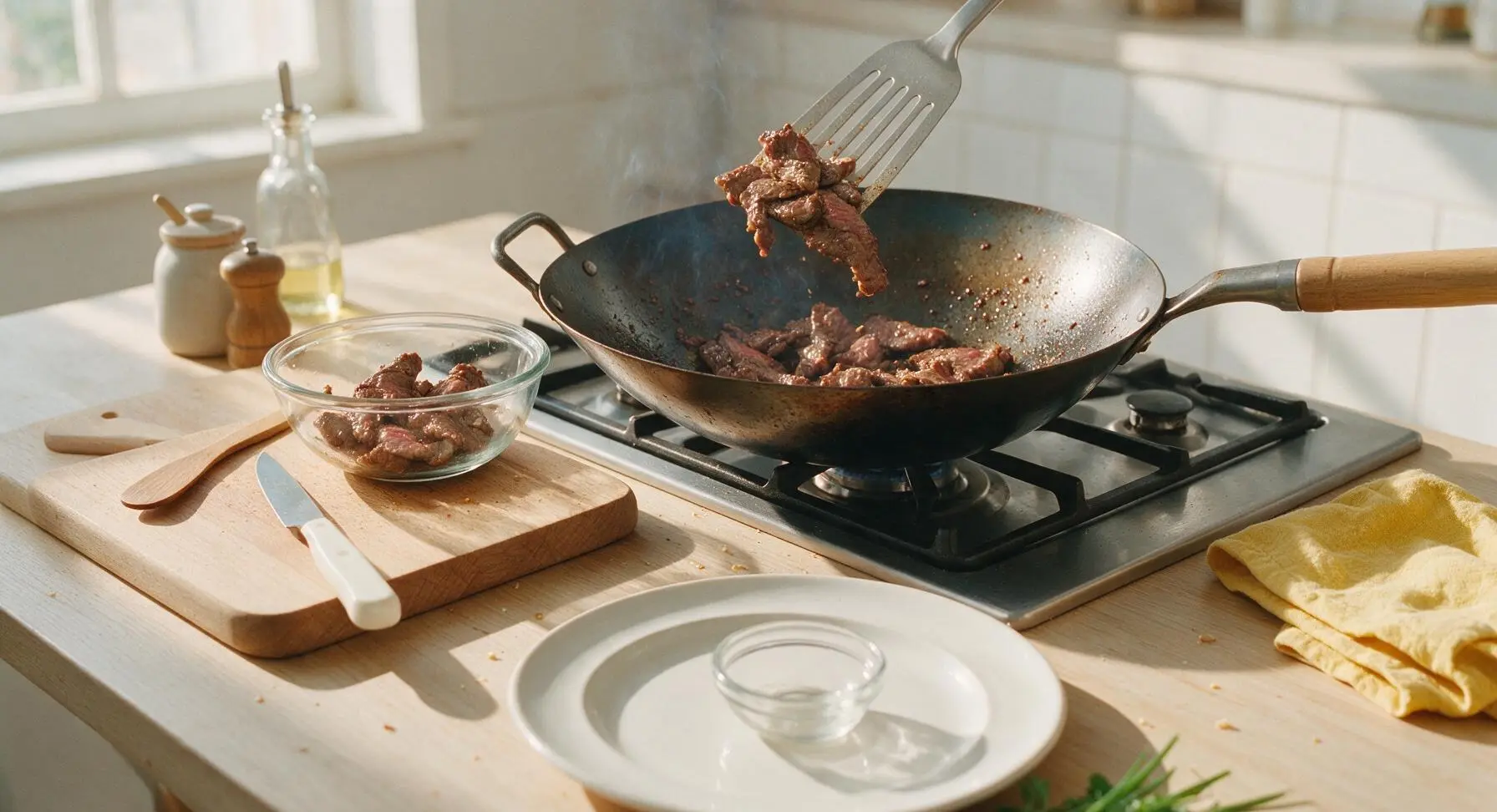
Place the 12-inch carbon steel wok on the back-center gas burner, heat 1 tablespoon neutral oil over high heat until the oil shimmers (about 1 minute). Add marinated beef slices in a single layer, leaving space between slices to avoid steaming. Sear for 45 seconds without stirring, then flip with the slotted stainless steel turner and cook for another 30 seconds until edges are lightly browned and beef is just barely pink in the center. Transfer seared beef back to its prep bowl and set aside; do not wipe the wok, as browned fond bits add deep flavor.
Step 4
step4:Sear Marinated Beef
Step 4
step4:Sear Marinated Beef
5

Stir-Fry Cabbage Mix

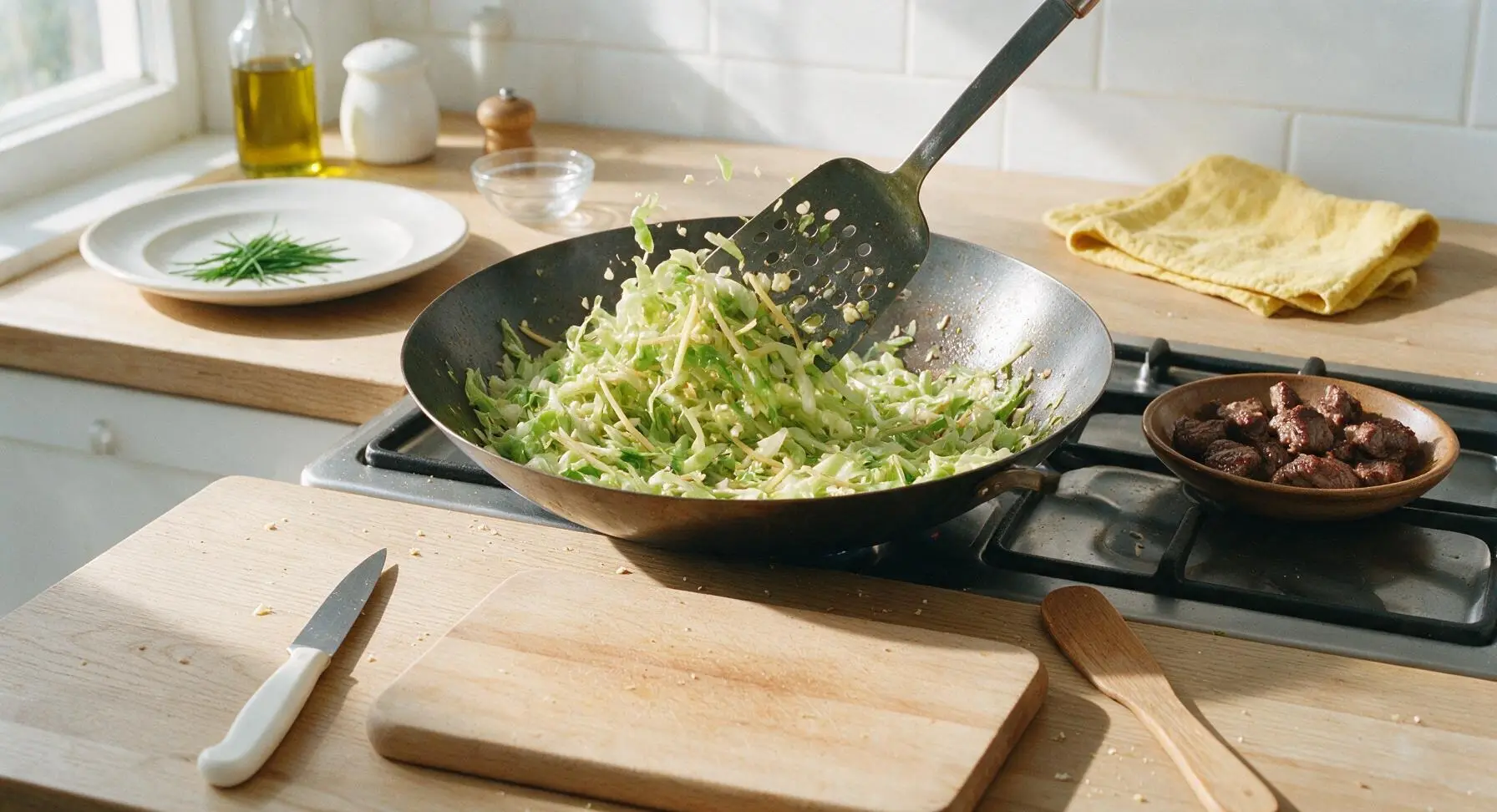
Add the remaining 1 tablespoon neutral oil to the same wok over high heat. Toss in the minced ginger, garlic, green onion whites, and shredded cabbage. Stir-fry constantly with the slotted turner for 1.5 minutes, until cabbage is bright green and crisp-tender, with no raw bitter taste remaining. Do not overcook the cabbage, as it will turn mushy and release excess water.
Step 5
step5:Stir-Fry Cabbage Mix
6

Toss Noodles and Sauce

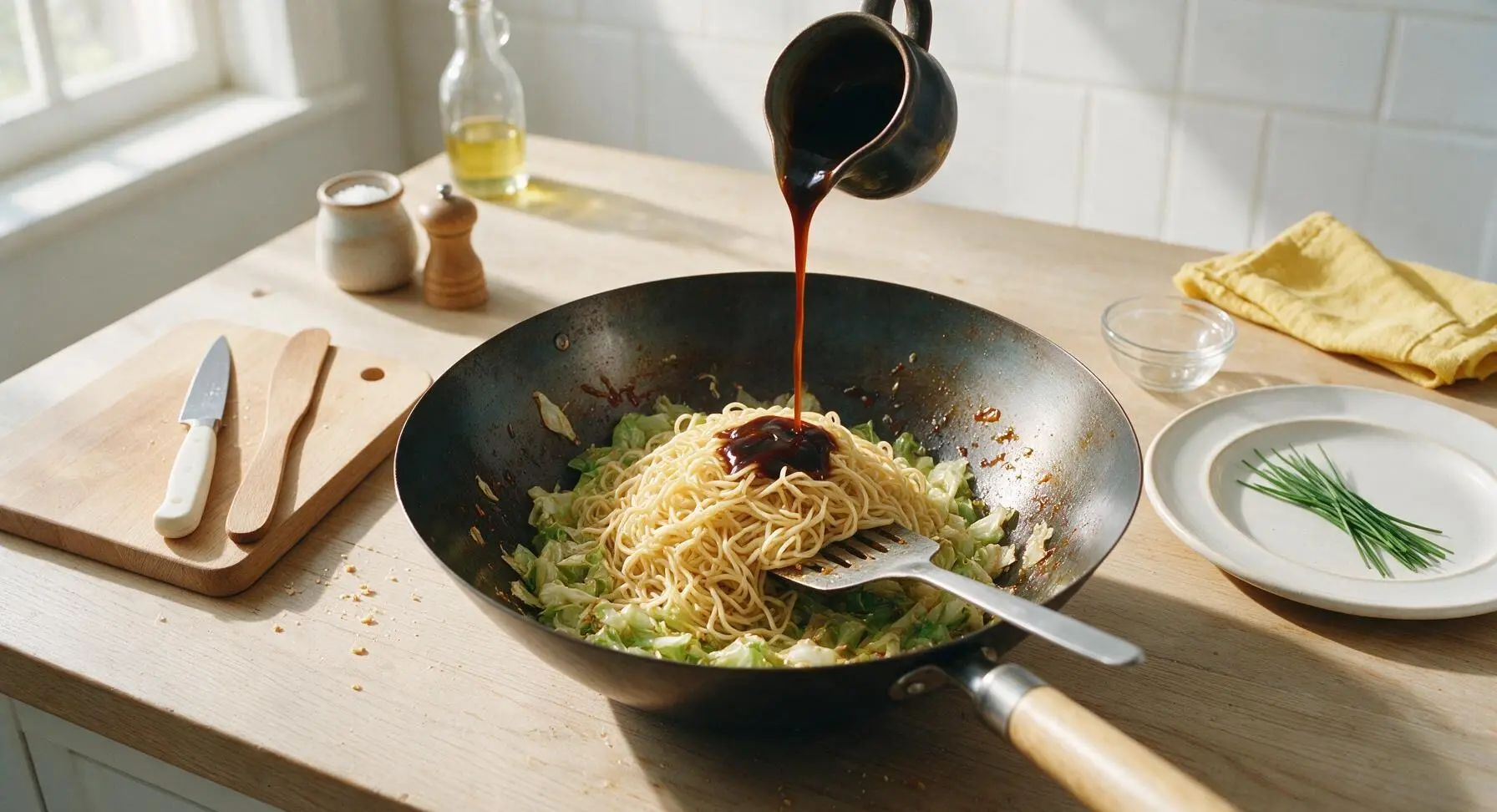
Add the loosened chow mein noodles to the wok with the cabbage, then pour the pre-mixed sauce evenly over the top. Use the slotted turner to toss constantly for 2 minutes over high heat, until every noodle is evenly coated in glossy sauce and no dry noodle clumps remain. Avoid pressing down on the noodles, as this will crush them and create a mushy texture.
Step 6
step6:Toss Noodles and Sauce
7

Finish with Seared Beef

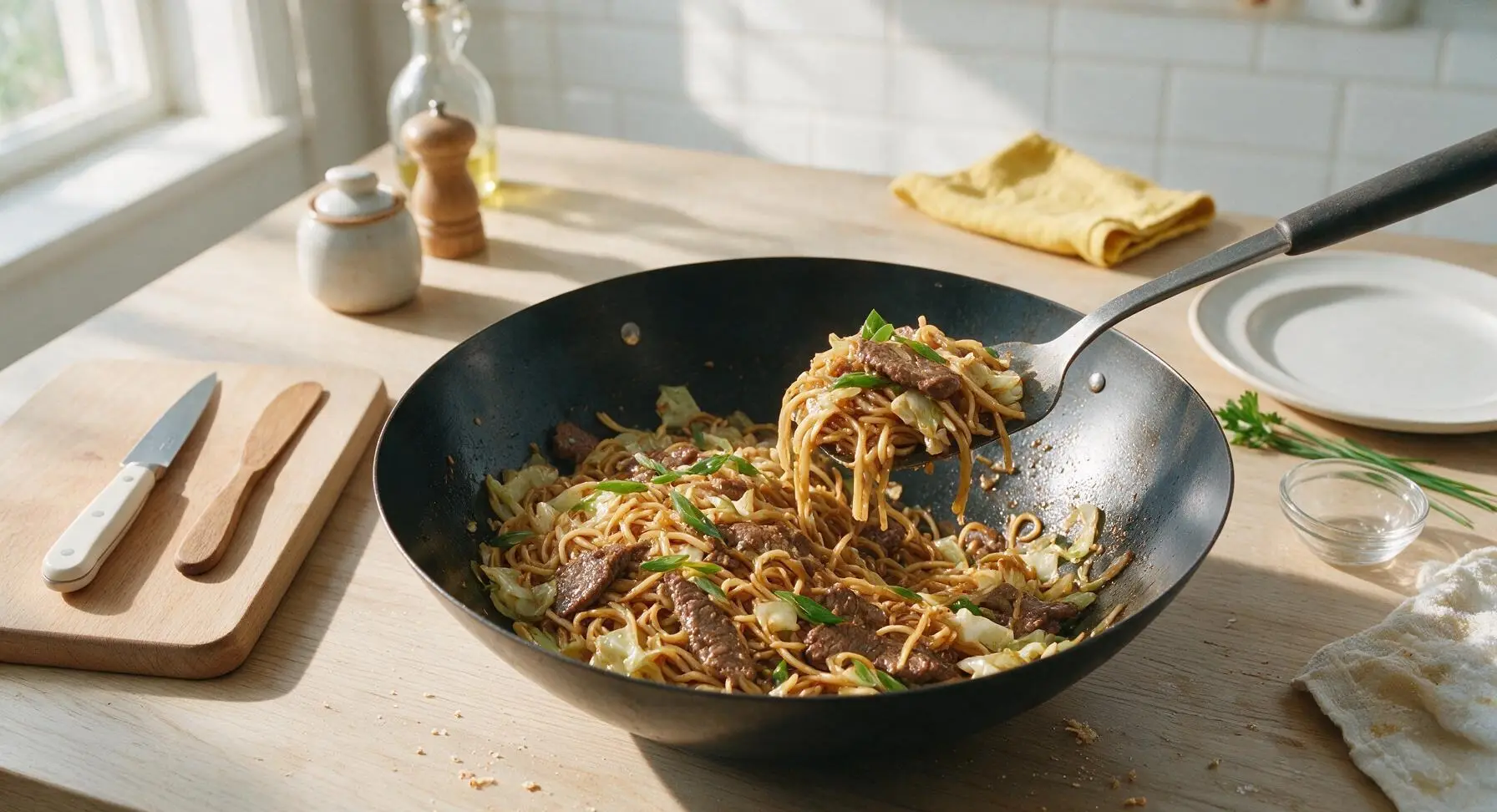
Return the seared beef slices to the wok, add the green parts of the sliced green onions, and toss for 30 seconds to combine all ingredients evenly and warm the beef through. Turn off the heat immediately; overcooking will make the beef tough and the noodles soggy.
Step 7
step7:Finish with Seared Beef
8

Plate and Serve

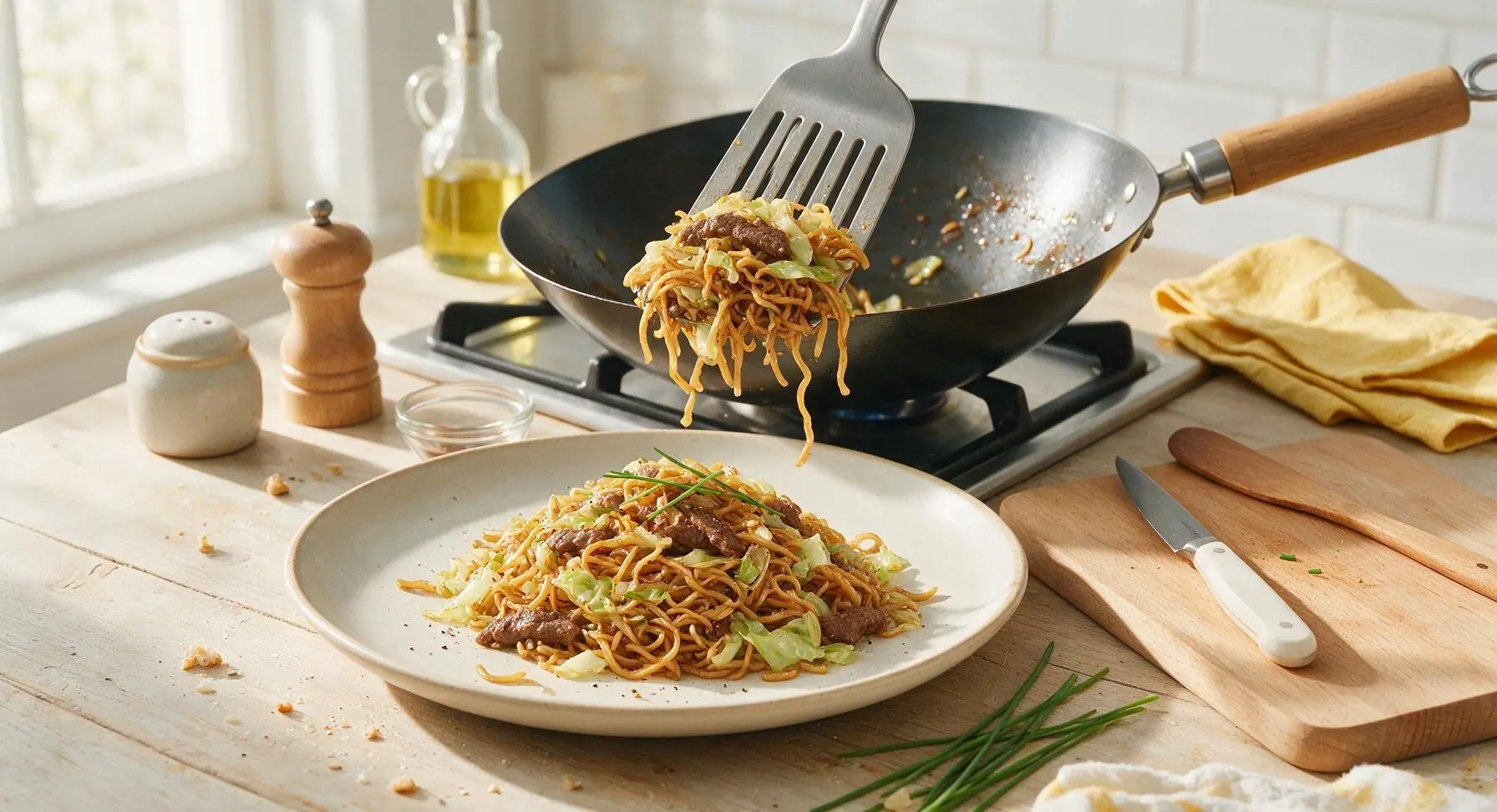
Transfer the finished chow mein to the matte off-white ceramic dinner plate, mounding it slightly in the center. Garnish with a light sprinkle of extra black pepper and a few fresh chive snips from the potted terracotta plant if desired. Serve immediately while hot for the best texture.
Step 8
step8:Plate and Serve

Tips

1.Freeze flank steak for 15 minutes before slicing to make cutting paper-thin slices against the grain much easier; thin slices cut across muscle fibers stay tender even with short high-heat cooking, avoiding chewy, tough beef.
2.Do not overcook the cabbage – it should remain bright green and crisp-tender after 90 seconds of stir-frying. Overcooked cabbage releases excess water that will turn glossy, dry noodles into a soggy, mushy mess.
3.Loosen all fresh chow mein noodle clumps completely before adding them to the wok. Tight clumps will not absorb sauce evenly, leaving dry, flavorless noodle chunks in the finished dish; toss extra-sticky noodles with a 1/4 teaspoon of neutral oil to separate them if needed.
✨ You May Also Like

Main Course
🍜 United Kingdom

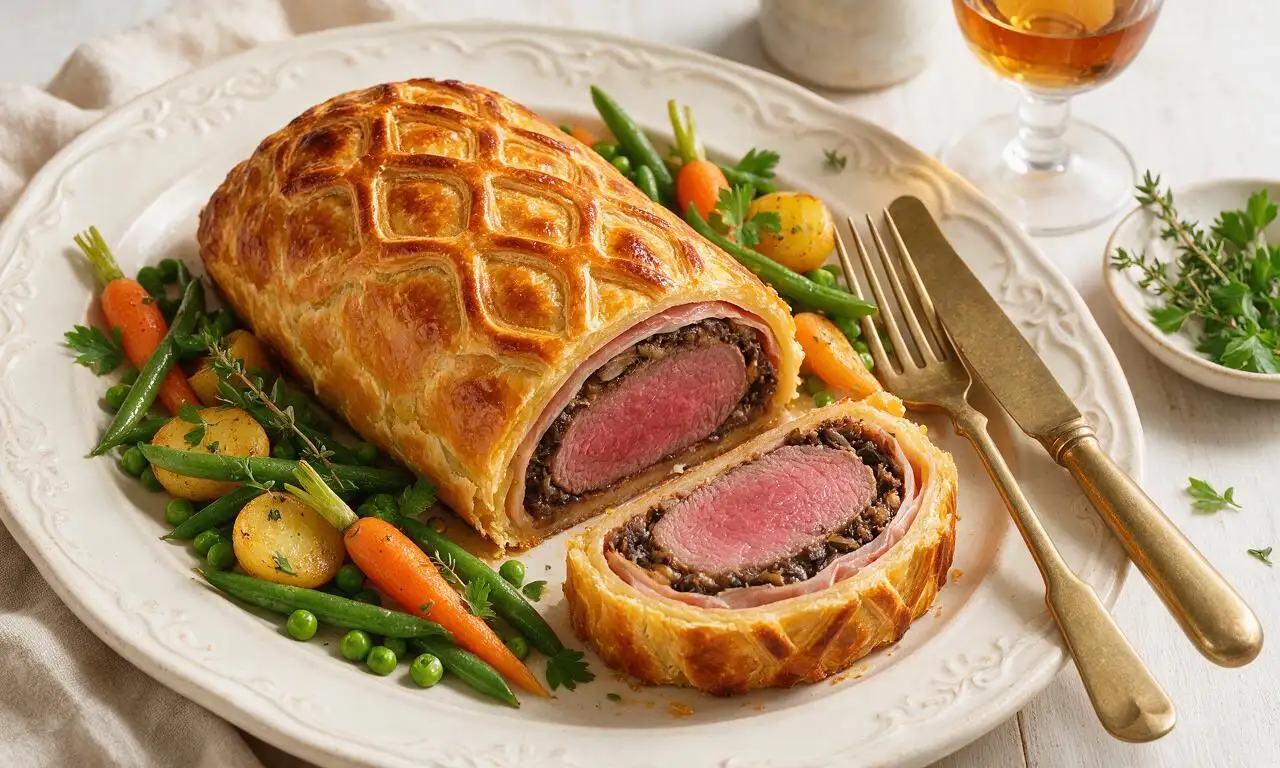
A showstopping classic of tender seared beef, savory mushroom duxelles, and crisp prosciutto wrapped in flaky golden puff pastry, baked to juicy perfection.

⏱️ 2 hours 1Main Course ★ 4.7
Main Course
🍜 India

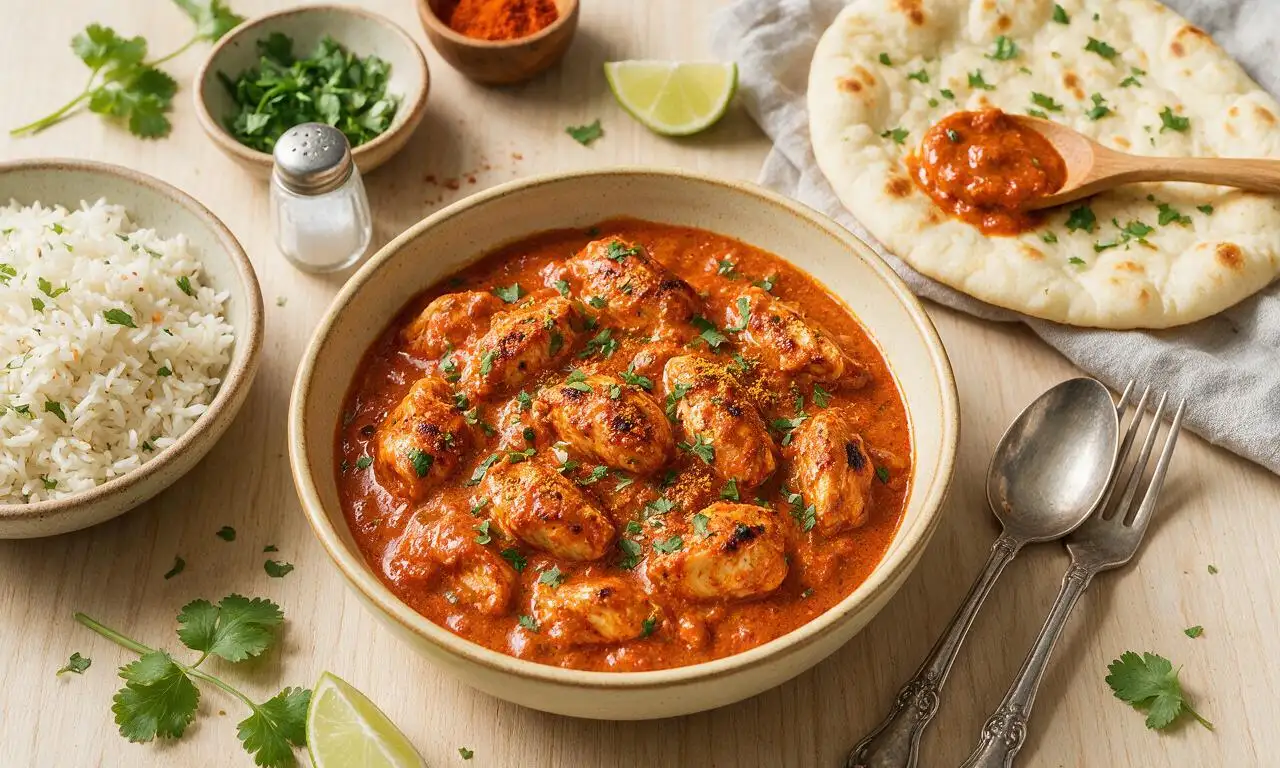
Tender charred marinated chicken simmered in a rich, spiced creamy tomato sauce, this iconic Anglo-Indian curry pairs perfectly with basmati rice or warm naan.

⏱️ 50 minuteMain Course ★ 4.6
Main Course
🍜 Thailand

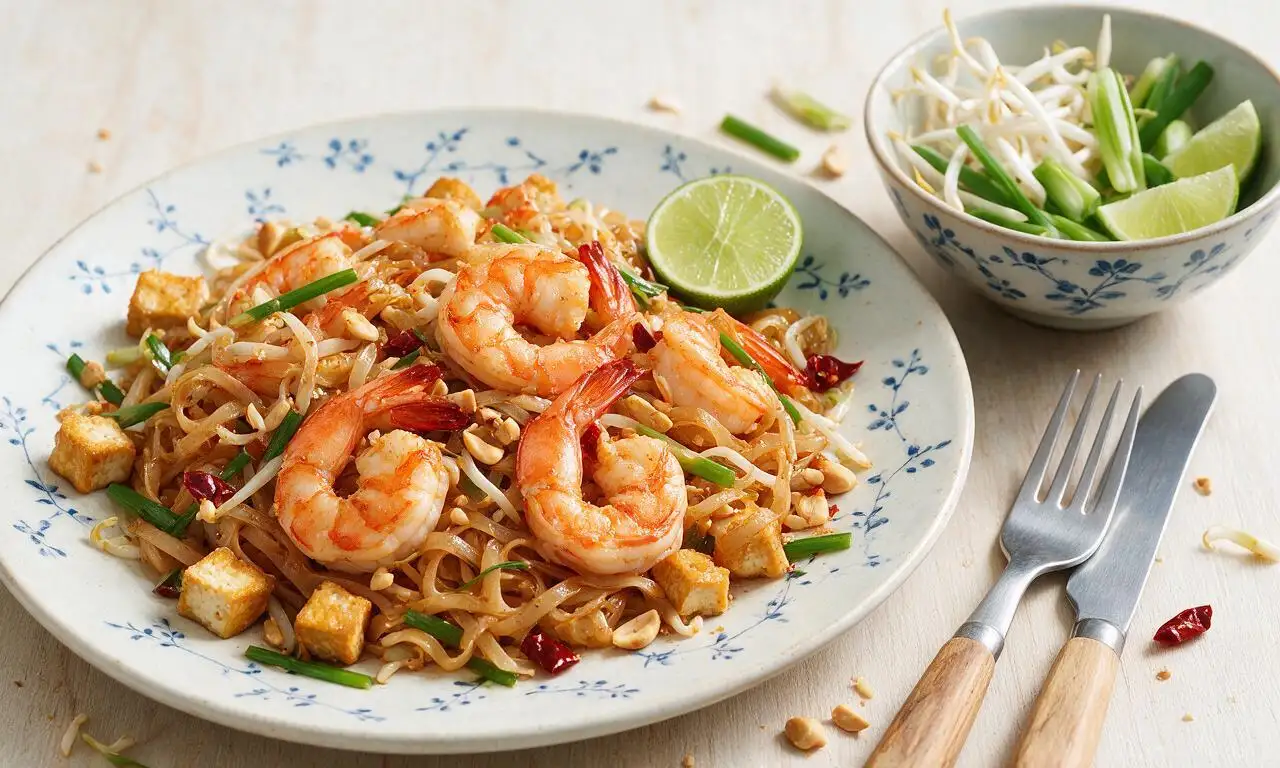
Classic tangy, sweet, and savory Thai stir-fried rice noodles with shrimp, tofu, and crunchy garnishes, balancing all five core Thai flavor profiles.

⏱️ 30 minuteMain Course ★ 4.5
Main Course
🍜 United Kingdom

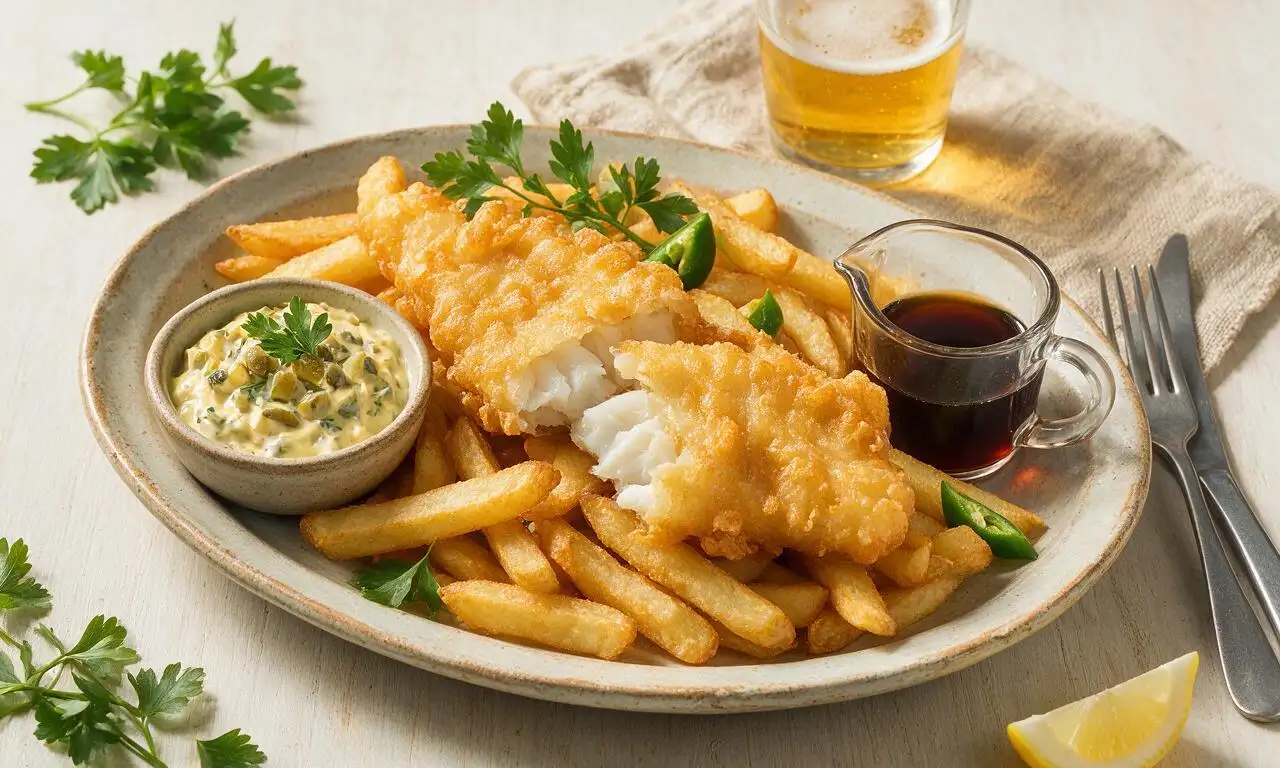
Crispy golden beer-battered cod and fluffy double-fried chips, served with tangy tartar sauce and malt vinegar: the timeless, beloved British pub comfort classic.

⏱️ 45 minuteMain Course ★ 4.7
Main Course
🍜 Mexico

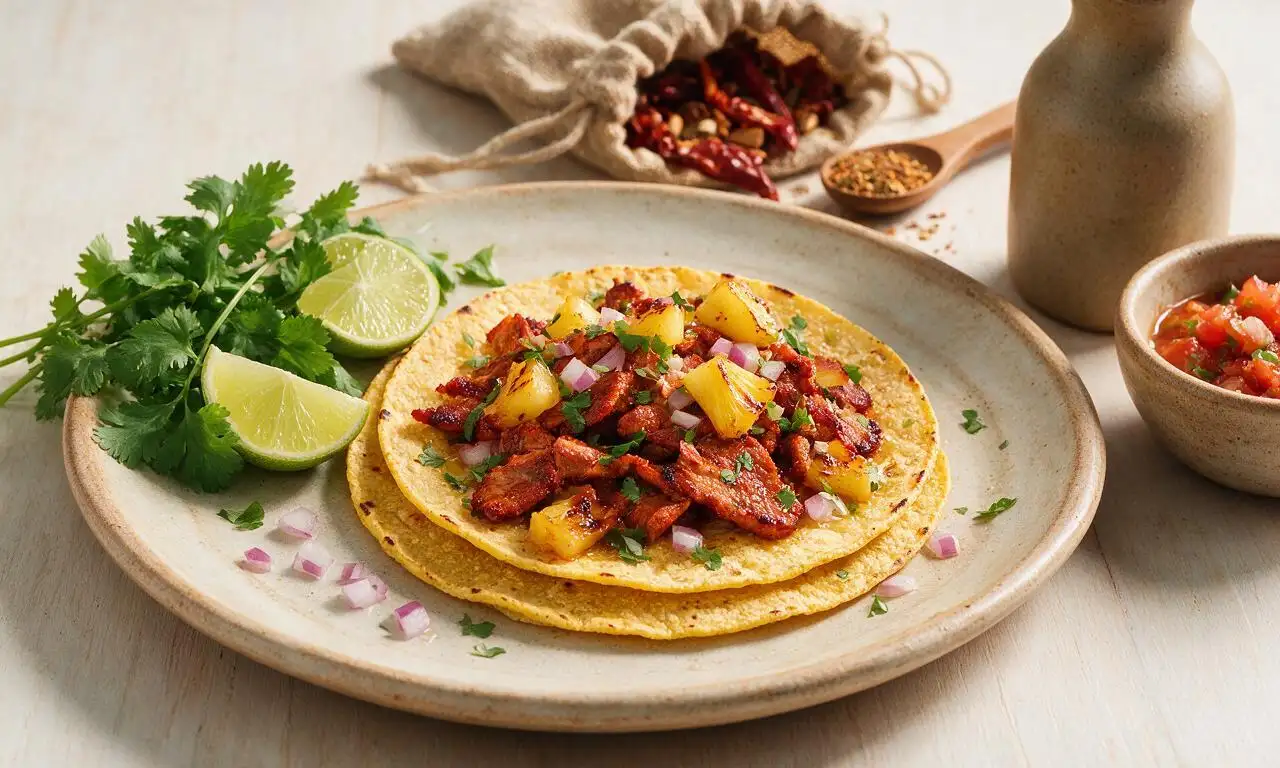
Smoky, chile-marinated pork tacos with caramelized pineapple, fresh cilantro, and lime: a beloved classic Mexican street food perfect for casual summer gatherings.

⏱️ 1 hour 45Main Course ★ 4.8
Main Course
🍜 United States

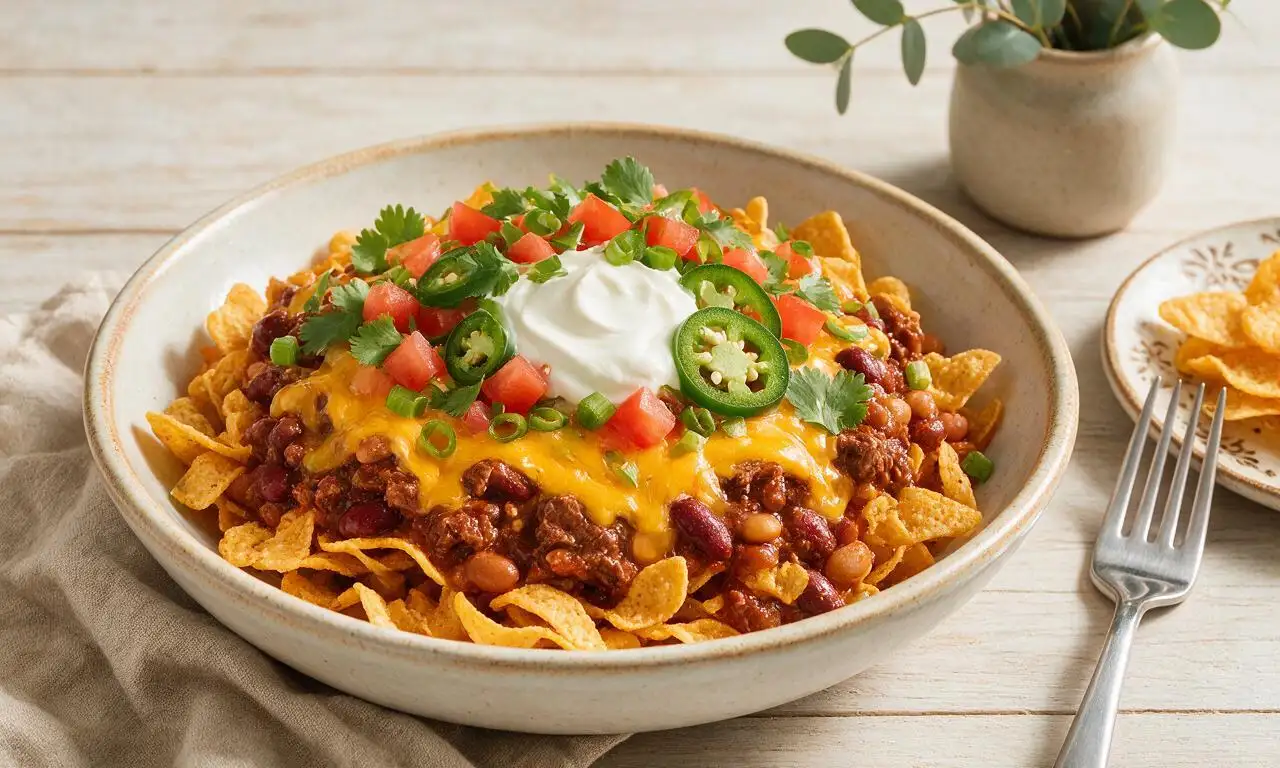
Crunchy Fritos corn chips layered with savory beef chili and melted cheddar, topped with cool, zesty fixings for a beloved, cozy Tex-Mex comfort food.

⏱️ 35 minuteMain Course ★ 4.8

beef chow mein recipe with cabbage:Frequently Asked Questions

1.Can I use dried chow mein noodles instead of fresh ones for this recipe? ▾
Absolutely! If fresh chow mein noodles are hard to find, swap in dried chow mein or dried lo mein noodles. Cook them 1 minute less than the package directions so they stay springy and don’t turn mushy when tossed in sauce, then drain and rinse briefly with cool water to keep strands from sticking together.
2.Why do I need to slice the flank steak against the grain? ▾
Slicing flank steak against the grain cuts through the cut’s long, tough muscle fibers, so every bite stays tender instead of chewy. Aim for ¼-inch thick slices, and use a sharp knife to get clean, even cuts that marinate evenly and cook quickly over the high heat used for stir-fry.
3.What purpose does cornstarch serve in the beef marinade? ▾
Cornstarch creates a thin, protective coating on beef slices that locks in moisture as they cook, keeping meat juicy instead of drying out over high heat. It also helps the marinade cling to the beef instead of running off into the pan, so every piece gets maximum, evenly distributed savory flavor.
4.Can I use regular soy sauce instead of low-sodium soy sauce? ▾
You can, but you’ll want to cut the total soy sauce amount by about ⅓ to avoid making the dish overly salty. Regular soy sauce has nearly double the sodium of low-sodium varieties, so taste the finished sauce before tossing it with noodles, and add a tiny splash of water if it tastes too briny.
5.How do I keep the cabbage crisp-tender instead of soggy? ▾
The trick is high heat and avoiding overcooking! Shred cabbage to consistent 1cm strips, add it to a very hot wok or skillet, and stir-fry for just 2 to 3 minutes before adding other ingredients. Never cover the pan, as trapped steam will turn cabbage mushy and dull its bright, fresh color.
6.My noodles always stick together when I stir-fry—what am I doing wrong? ▾
Sticky noodles usually come from overcooking them first or skipping a light oil coating after draining. After cooking noodles to just under al dente, drain them well, toss with ¼ teaspoon of neutral oil, and loosen strands with your fingers before adding them to the pan. Avoid overly aggressive stirring right away, too.
7.Can I prep components of this recipe ahead for fast weeknight cooking? ▾
Absolutely! You can slice beef and marinate it for up to 24 hours in the fridge, shred cabbage 2 to 3 days ahead stored in an airtight zip-top bag, and mix the stir-fry sauce up to 3 days in advance. Cook noodles right before stir-frying for the best springy, non-mushy texture, though.
8.What beef cut can I use if I don’t have flank steak? ▾
Flank steak is ideal for its fast-cooking, lean texture, but easy swaps include skirt steak, sirloin tip, or thinly sliced tri-tip. Just make sure whatever cut you pick is sliced very thin against the grain to stay tender, and skip tough, fatty cuts like chuck that need long, slow cooking to be palatable.
9.Why does my stir-fry beef turn out tough and chewy? ▾
Tough stir-fry beef almost always comes from slicing with the grain, cooking it too long, or using a pan that isn’t hot enough. Sear marinated beef in a single layer over high heat for just 45 to 60 seconds per side, then scoop it out of the pan while you cook veggies so it doesn’t overcook.
10.Can I add other vegetables besides cabbage to this chow mein? ▾
Of course! This recipe is super flexible for mix-ins. Try adding shredded carrot, thinly sliced bell pepper, mung bean sprouts, or sliced baby bok choy along with the cabbage. Just cut all veggies to a similar size so they cook evenly, and don’t overload the pan or you’ll steam instead of stir-fry.
11.What kind of oil is best for stir-frying this chow mein? ▾
Use a neutral oil with a high smoke point, like canola, avocado, or peanut oil, for best results. These oils handle the high heat needed for good stir-fry without burning or adding a bitter, off flavor to your dish. Skip olive oil or toasted sesame oil for initial cooking, as they burn easily at high temps.
12.How do I nail that classic umami chow mein sauce flavor? ▾
Balance is key! Start with low-sodium soy as your base, add a tiny splash of oyster sauce (or vegetarian oyster sauce for plant-based versions), a pinch of sugar to cut saltiness, a dash of white pepper, and a tiny bit of sesame oil to finish. Toss quickly over high heat so sauce coats every noodle evenly.
13.Can I make this beef chow mein recipe gluten-free? ▾
Yes, with a few simple swaps. Use gluten-free fresh or dried chow mein noodles (made from rice or buckwheat), swap regular low-sodium soy sauce for gluten-free tamari, and double-check that any add-ins like oyster sauce are labeled gluten-free. The cornstarch, beef, and cabbage are all naturally gluten-free.
14.How long do leftovers last, and what’s the best way to reheat them? ▾
Leftovers stay good stored in an airtight container in the fridge for up to 3 days. The best way to reheat is in a hot skillet with a tiny splash of water or soy sauce, tossing for 2 to 3 minutes until noodles are springy again. You can microwave for 1 minute, stirring halfway, but the skillet method gives far better texture.
15.Do I need a wok to make this chow mein, or will a regular skillet work? ▾
You don’t need a wok at all! A large, heavy-bottomed stainless steel or cast iron skillet works perfectly, as long as it gets nice and hot. Use a skillet that’s at least 12 inches wide so you have room to toss noodles and veggies without spilling, and work in small batches if your pan is smaller to avoid steaming food.
16.Why is my finished chow mein soggy instead of having slightly crisp noodles? ▾
Soggy chow mein usually comes from overcooked noodles, too much sauce, or a pan that isn’t hot enough. Cook noodles just under al dente, don’t douse them in more sauce than needed to coat, and let noodles sit in the hot pan for 1 minute without stirring after tossing to let a few edges crisp up lightly.

Comments (5)

2 days ago

OMG this was such a game changer for weeknight dinners! I had some leftover flank steak in the fridge and a half head of cabbage I needed to use up, and this came together in literally 10 minutes like the recipe says. My two picky kids devoured it and asked for seconds, even the part with cabbage! I added a little extra sesame oil at the end because we love that nuttiness. Will absolutely be adding this to our regular meal prep rotation!

yesterday

Wait did you use fresh chow mein noodles or the dried ones? I’ve only ever made this with dried and it feels like it’s missing something!

yesterday

Great question! Fresh egg noodles work best for that chewy, restaurant-style texture, but if you only have dried, just boil them 1 minute less than the package says and toss with a tiny bit of oil before stir frying to keep them from sticking! So glad your family loved the recipe, Mia!

2 weeks ago

As a college student with barely any cooking skills and a tiny dorm kitchen, this was so easy to pull off! I used pre-sliced beef from the grocery store stir fry mix, a bag of coleslaw mix for the cabbage, and it still turned out amazing. My roommate walked in and thought I ordered delivery, lol. Only thing I messed up was adding too much garlic the first time, but even that was still tasty.

1 week ago

Wait the coleslaw mix hack is genius! I never thought of that, I’ve been chopping cabbage for 10 minutes every time I make this. Thanks for the tip!

5 days ago

Made a big batch of this for my Sunday meal prep and it held up perfectly in the fridge all week! The noodles didn’t get soggy, the beef stayed tender, and the cabbage still had a nice crunch even after reheating. I added a teaspoon of chili garlic sauce to half the batch for a little kick, and tossed in a handful of bean sprouts mid-week to switch it up. Total chef’s kiss, so easy and tasty.

3 days ago

How did you reheat it? I tried meal prepping chow mein once and it got all mushy when I microwaved it at work!

2 days ago

Great question! For best results when reheating, sprinkle a tiny bit of water over the top before microwaving, or toss it in a hot pan for 1-2 minutes to crisp the noodles back up. It makes a huge difference for meal prep!

5 minutes ago

I used to order beef chow mein from our local Chinese spot at least once a week, and this recipe is SO good—just as good if not better than takeout! It doesn’t leave me feeling all greasy and bloated like takeout usually does, and it costs a fraction of the price. I used pre-shredded cabbage from the grocery store to cut down on prep time even more, total game changer.

just now

Love the pre-shredded cabbage hack! That’s such a smart way to cut down on prep for busy nights. So glad this hits the spot better than takeout for you!

30 minutes ago

I brought this to our neighborhood block party potluck last weekend and people were hovering over the platter asking for the recipe! It’s so easy to scale up for a crowd too— I tripled the recipe and it still only took me 15 minutes total to cook. The cabbage stays perfectly crisp-tender, not mushy at all, which I was worried about. Knocking off one star because I felt the sauce was a little light on flavor for my taste, so I added a splash of oyster sauce and a pinch of white pepper to punch it up. Will absolutely make again for our next game night!