
Belgian Pale Ale
intro
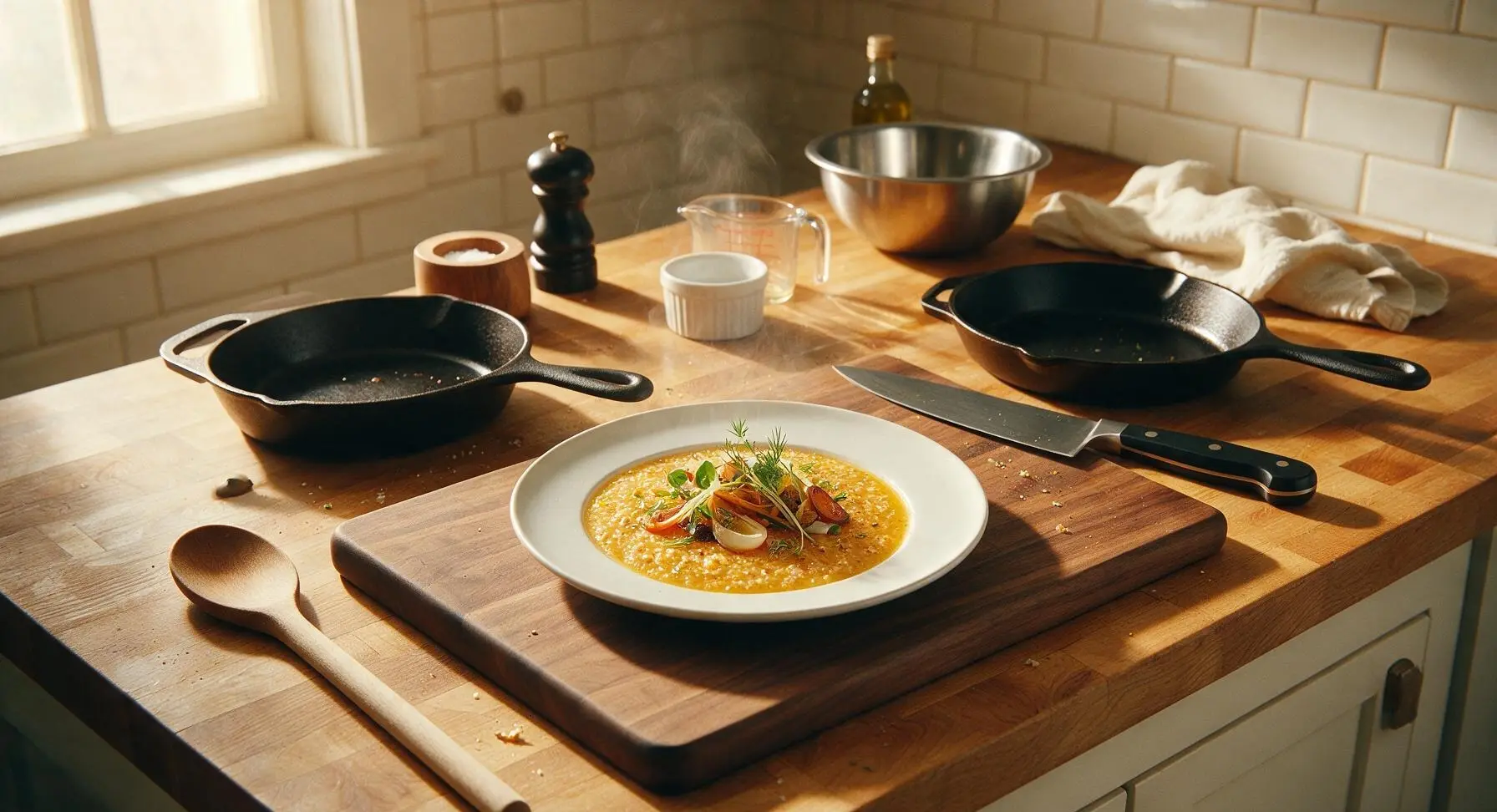
Crisp, fruity, and gently malty, this homebrewed Belgian Pale Ale balances subtle spicy hop notes with a clean, dry finish, ideal for sipping with grilled food at summer gatherings.
Ingredients
Steps
Sanitize Brewing Equipment
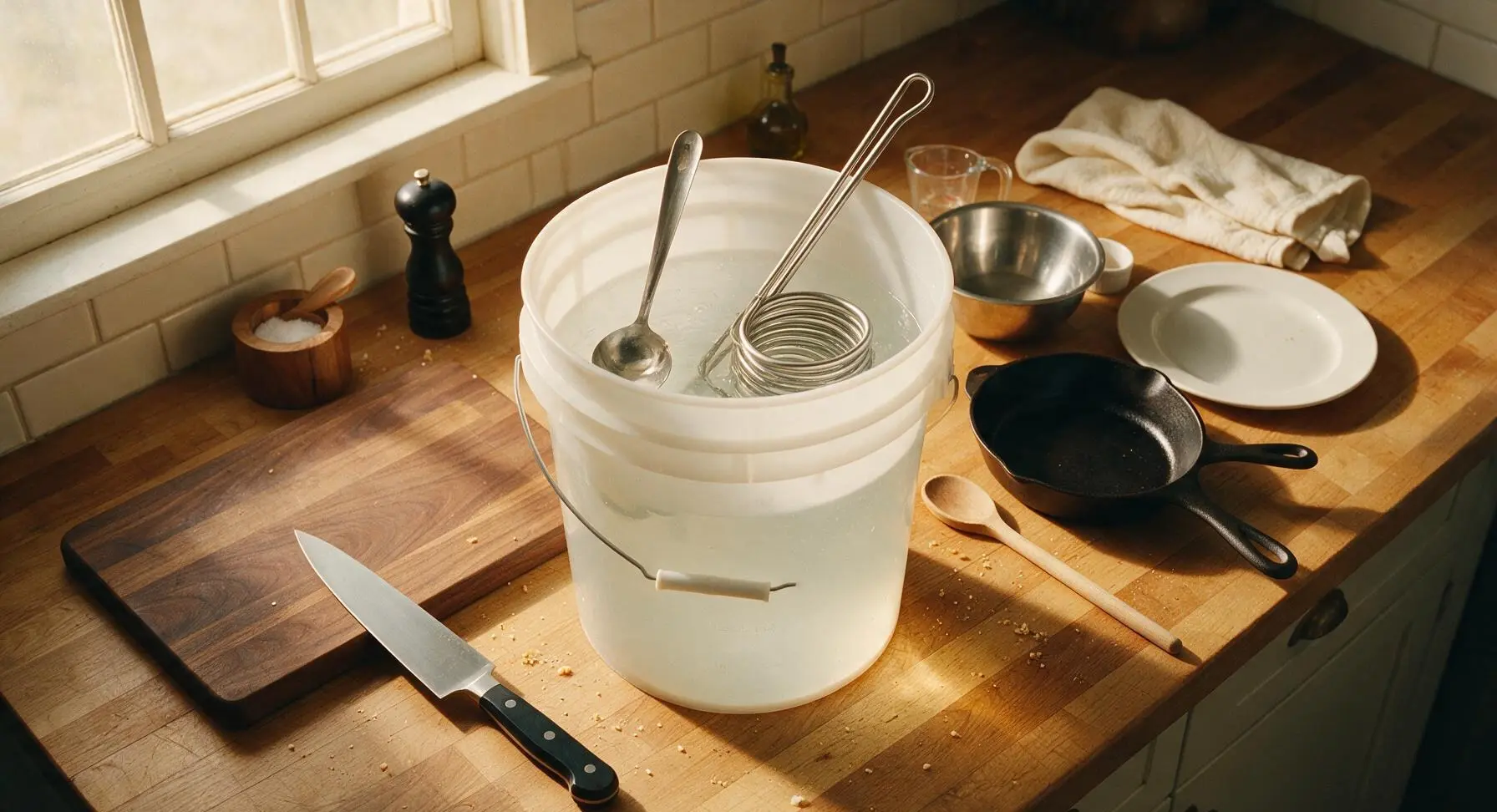
Fill the 6-gallon translucent sanitizing bucket with 5 gallons of cool filtered water, mix in no-rinse brewing sanitizer per package instructions. Submerge the stainless steel stirring spoon, digital thermometer, wort chiller, carboy stopper, airlock, and auto-siphon tubing in the solution for 2 full minutes. Lift each item out and let it drain completely, ensuring no sanitizer pools in crevices—surfaces should glisten with no visible suds to avoid off-flavors in the finished beer.
Steep Specialty Grains
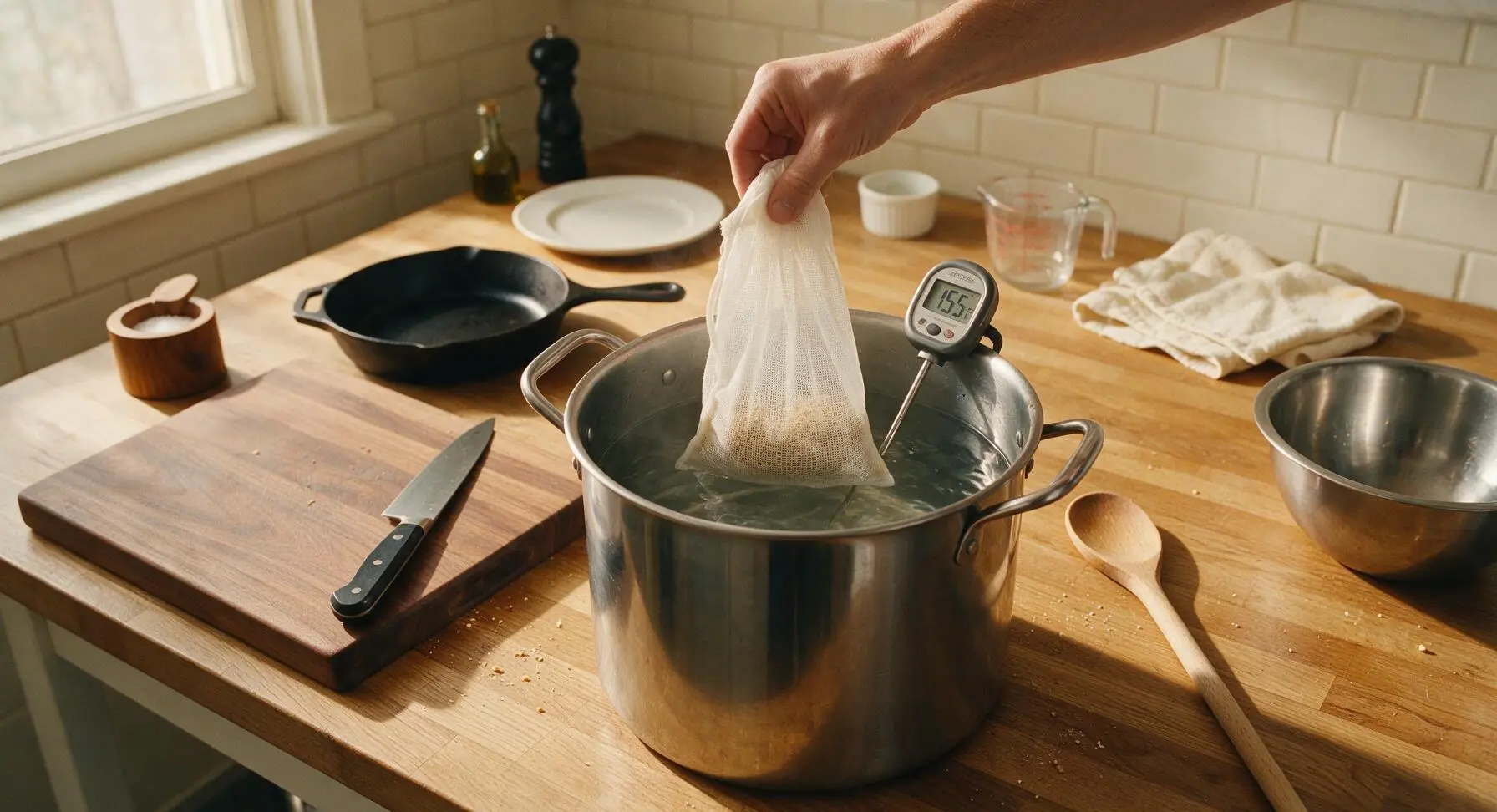
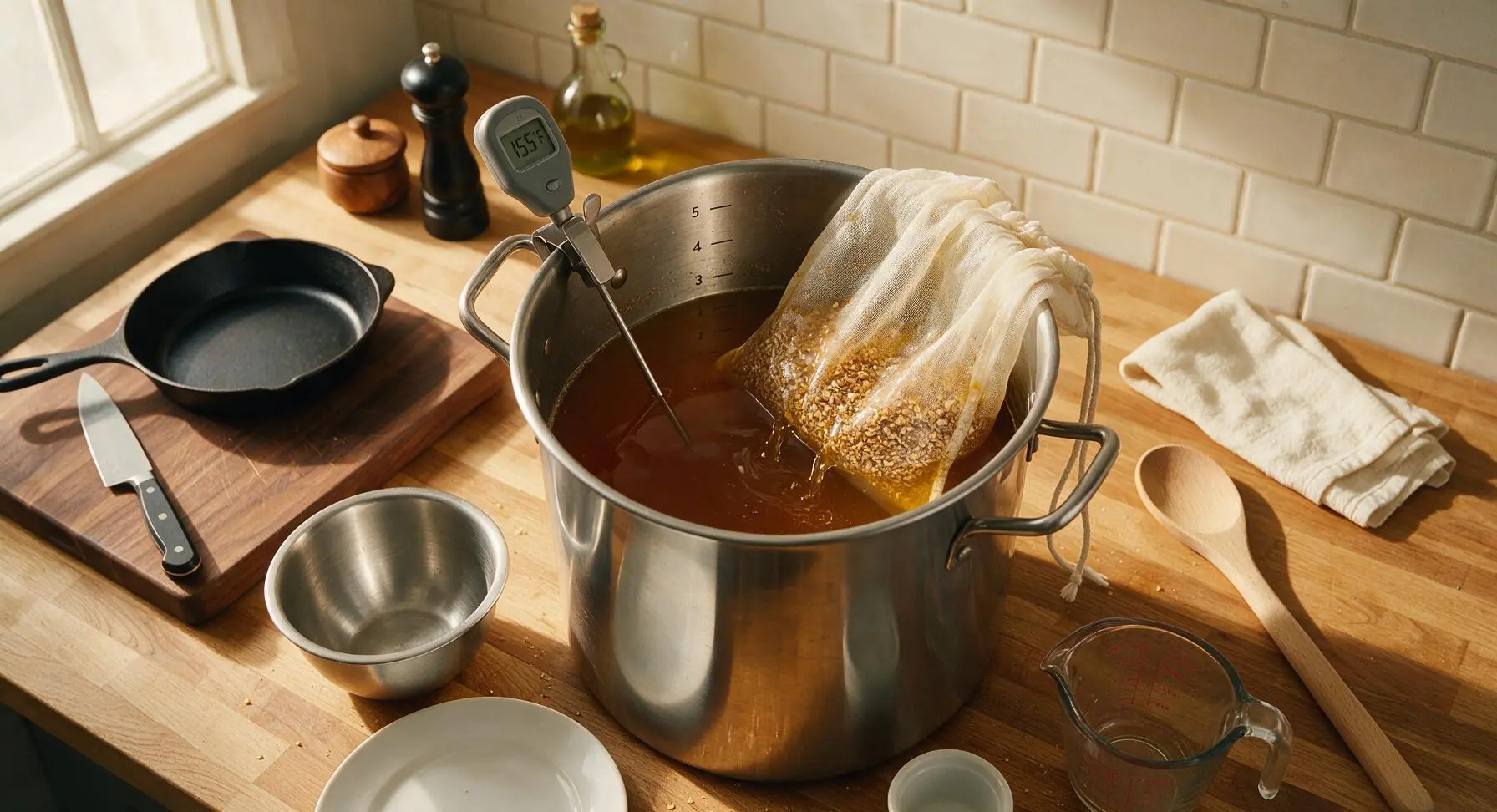
Place the crushed Belgian aromatic malt and Caravienne malt into the fine-weave nylon grain bag, pull the cotton drawstring tight to seal. Heat 2.5 gallons of filtered water in the 5-gallon stainless steel brew kettle to 155°F (68°C), monitored with the clipped digital instant-read thermometer. Submerge the sealed grain bag fully in the heated water, cover the kettle, and hold a steady 150-155°F temperature for 20 minutes. The water will deepen to a rich golden amber as grain sugars and flavors infuse. After 20 minutes, lift the grain bag out and let it drain fully over the kettle—do not squeeze the bag, as this extracts harsh astringent tannins.
Dissolve Malt Extract
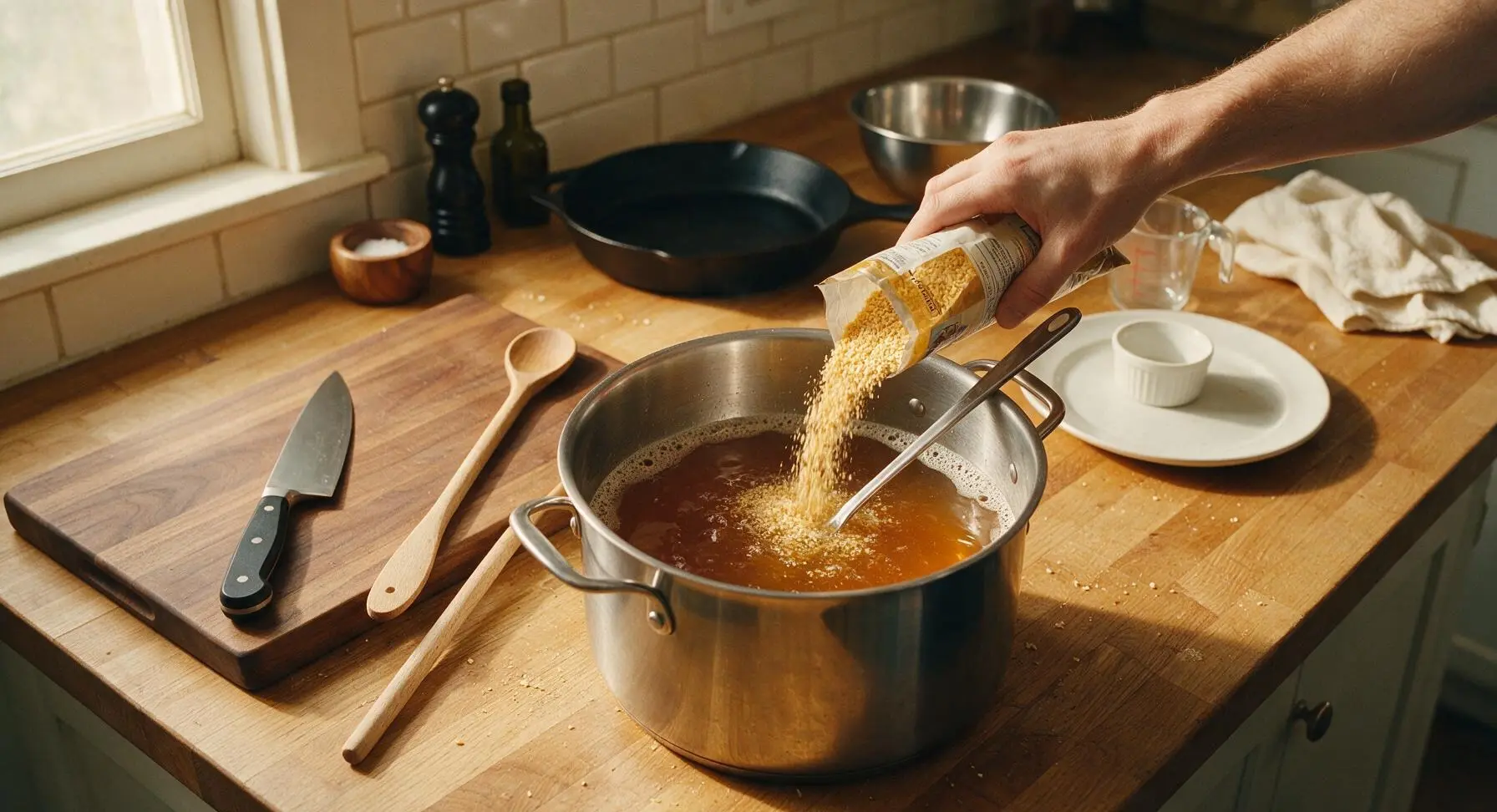
Remove the kettle from heat after removing the drained grain bag. Slowly pour the full 6 lbs of light dried pilsner malt extract into the warm amber wort, stirring continuously with the long stainless steel stirring spoon until all extract is fully dissolved, with no dry clumps stuck to the kettle bottom. Return the kettle to heat and bring the wort to a slow, rolling boil, watching closely for rapid foaming that can cause boil-overs.
Boil Wort with Hops
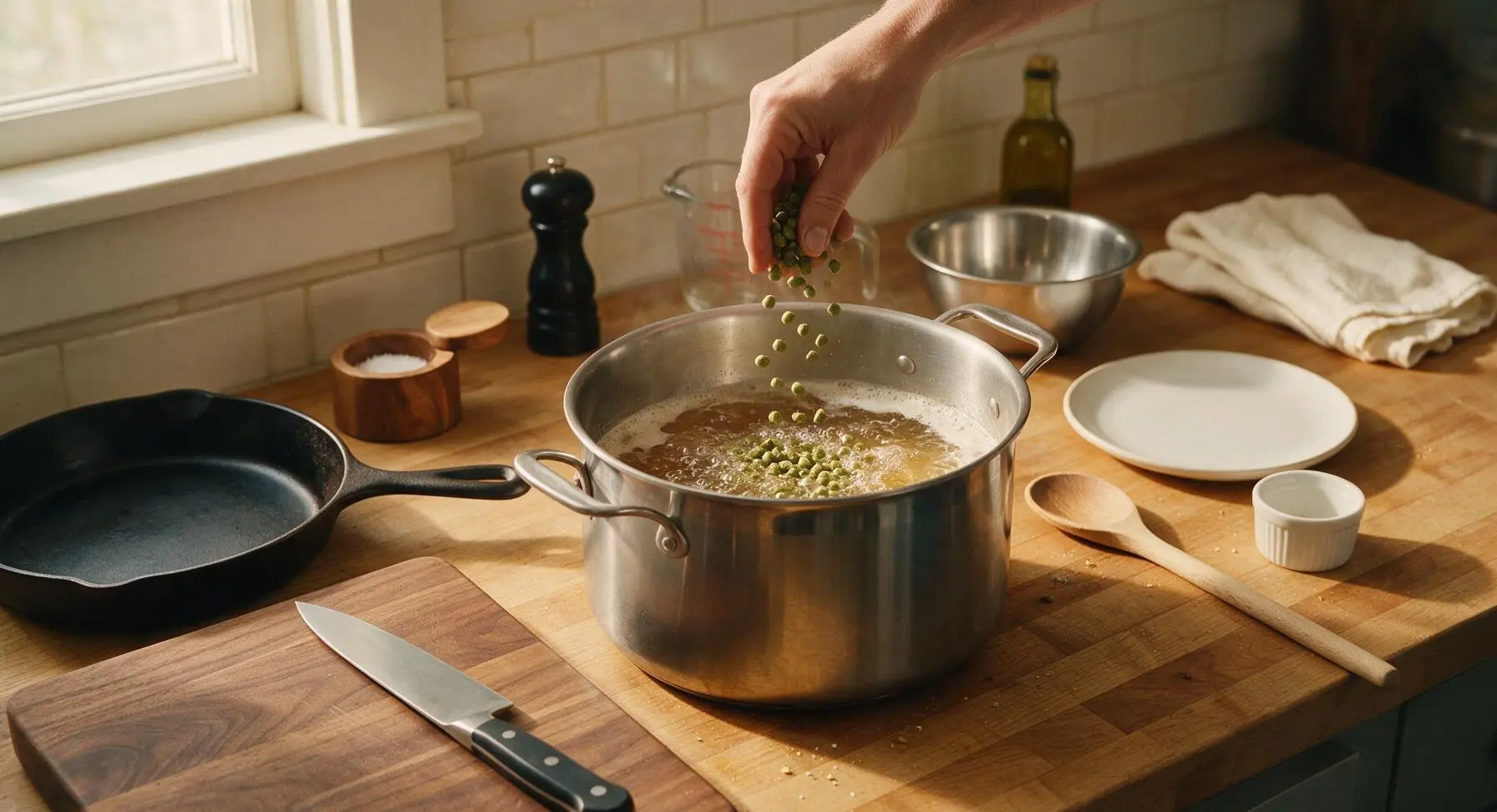
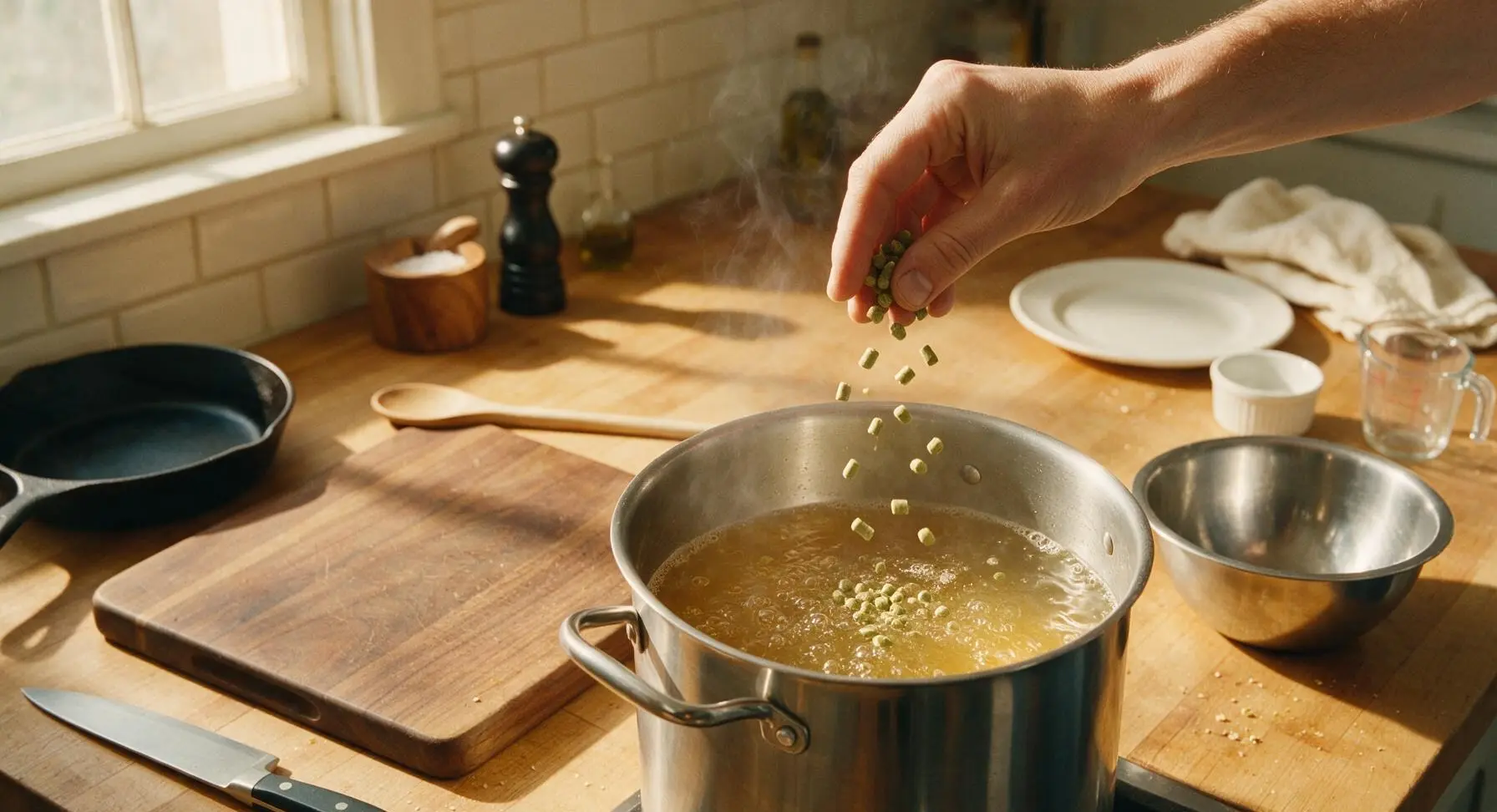
Once the wort reaches a steady, gentle rolling boil, set a timer for 60 minutes. Add the full 1 oz of Hallertau hop pellets immediately at the start of the boil to contribute balanced, soft bitterness. With 15 minutes remaining in the boil, add the Irish moss and yeast nutrient to help clarify the finished beer. With 2 minutes remaining in the boil, add the 0.5 oz of Saaz hop pellets to add bright, spicy floral aroma. Maintain the gentle rolling boil for the full 60 minutes, stirring occasionally to prevent scorching on the kettle bottom.
Cool Wort Rapidly
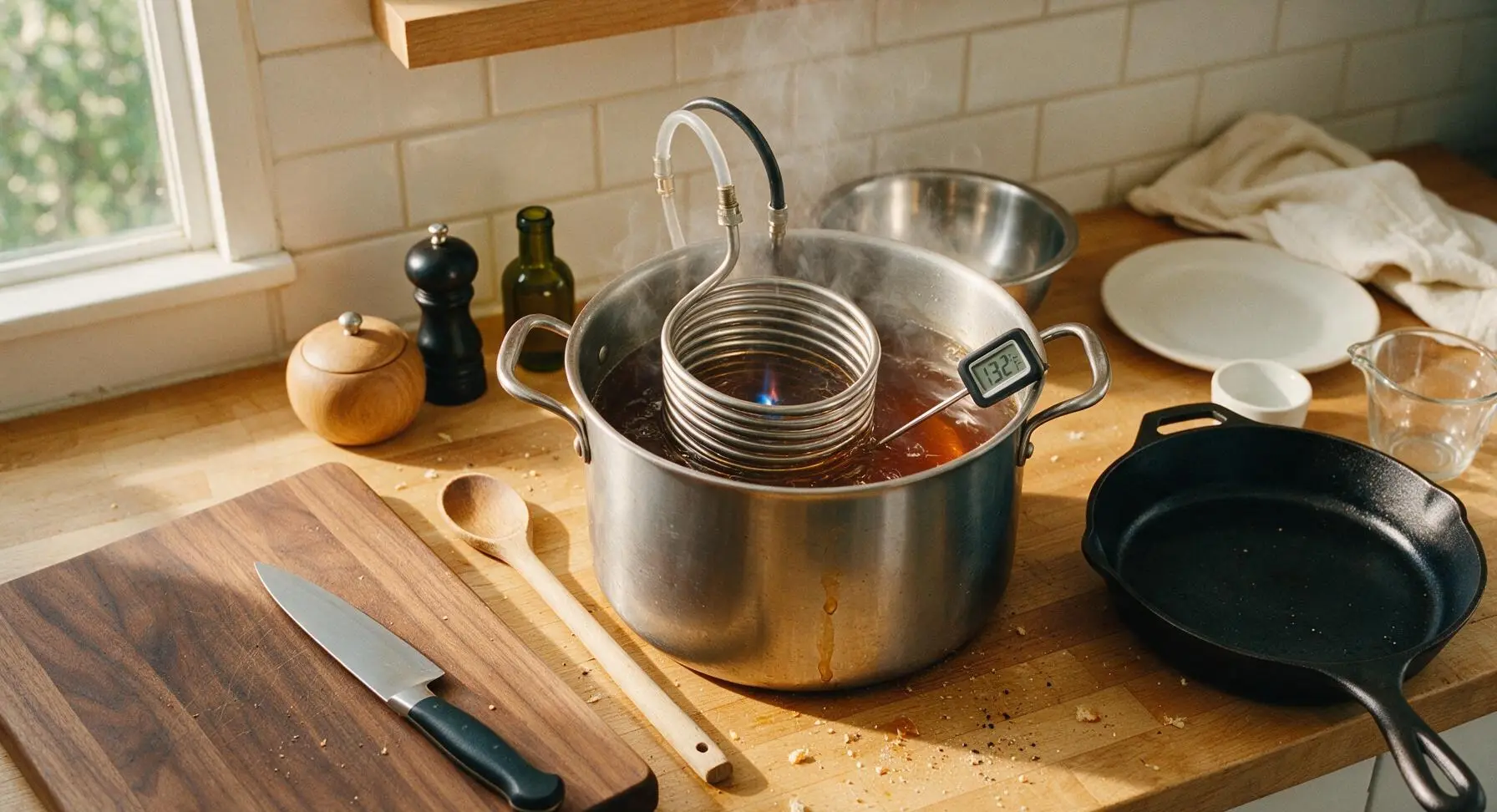
When the 60-minute boil finishes, turn off heat immediately. Submerge the coiled stainless steel wort chiller into the boiling wort for 1 minute to sanitize the coil, then run cold tap water through the chiller tubing to bring the wort temperature down to 70°F (21°C) as quickly as possible (aim for under 30 minutes total cool time to reduce contamination risk). Do not agitate the wort while cooling to avoid introducing oxygen too early.
Transfer to Fermenter
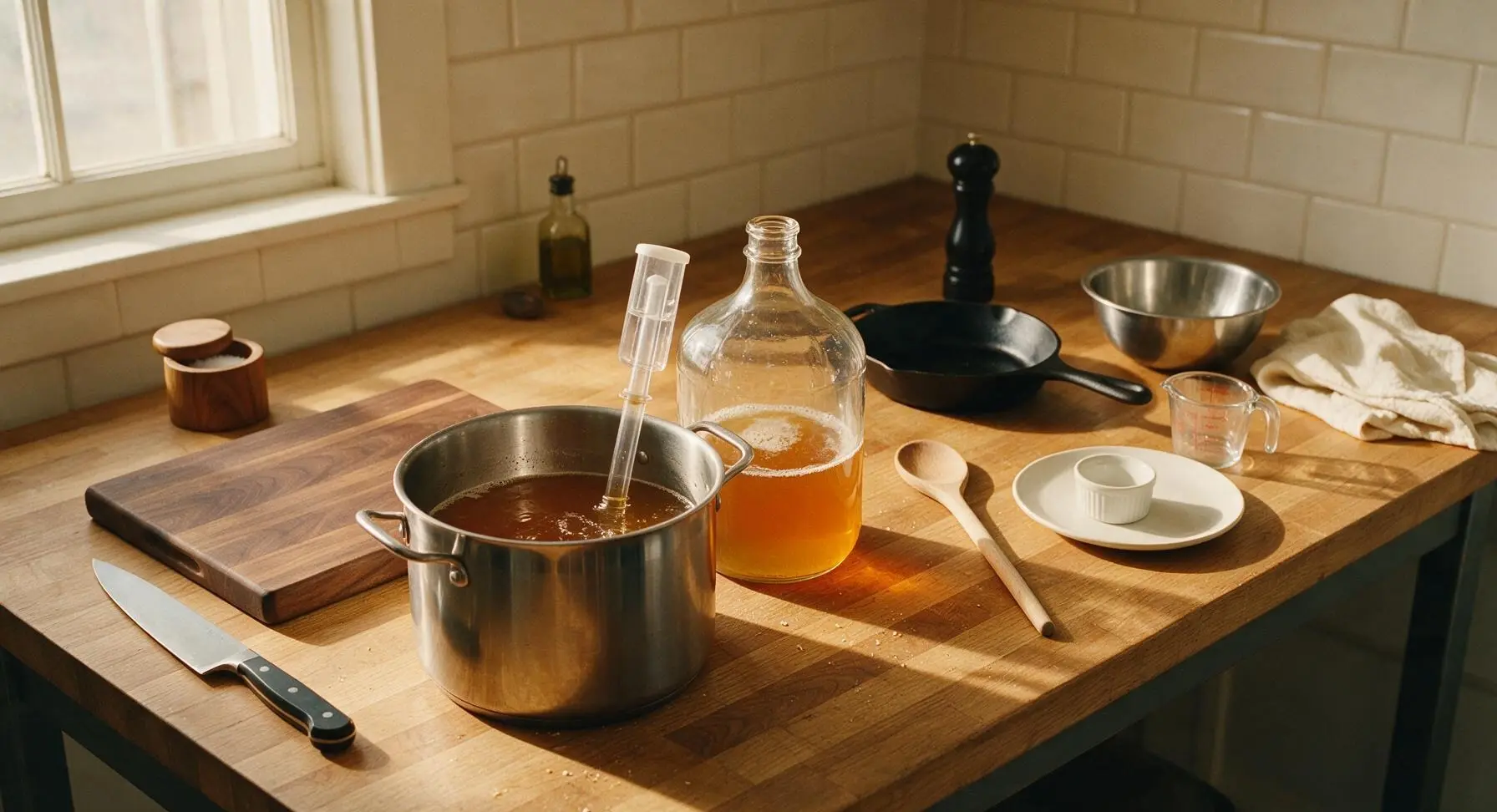
Once the wort cools to exactly 70°F, place the auto-siphon into the kettle and transfer the clear amber wort into the sanitized 5-gallon glass carboy. Top up with additional cool filtered water as needed to reach a total volume of 5 gallons. Seal the carboy mouth and shake vigorously for 30 seconds to aerate the wort, providing oxygen for healthy yeast growth.
Pitch Yeast and Seal
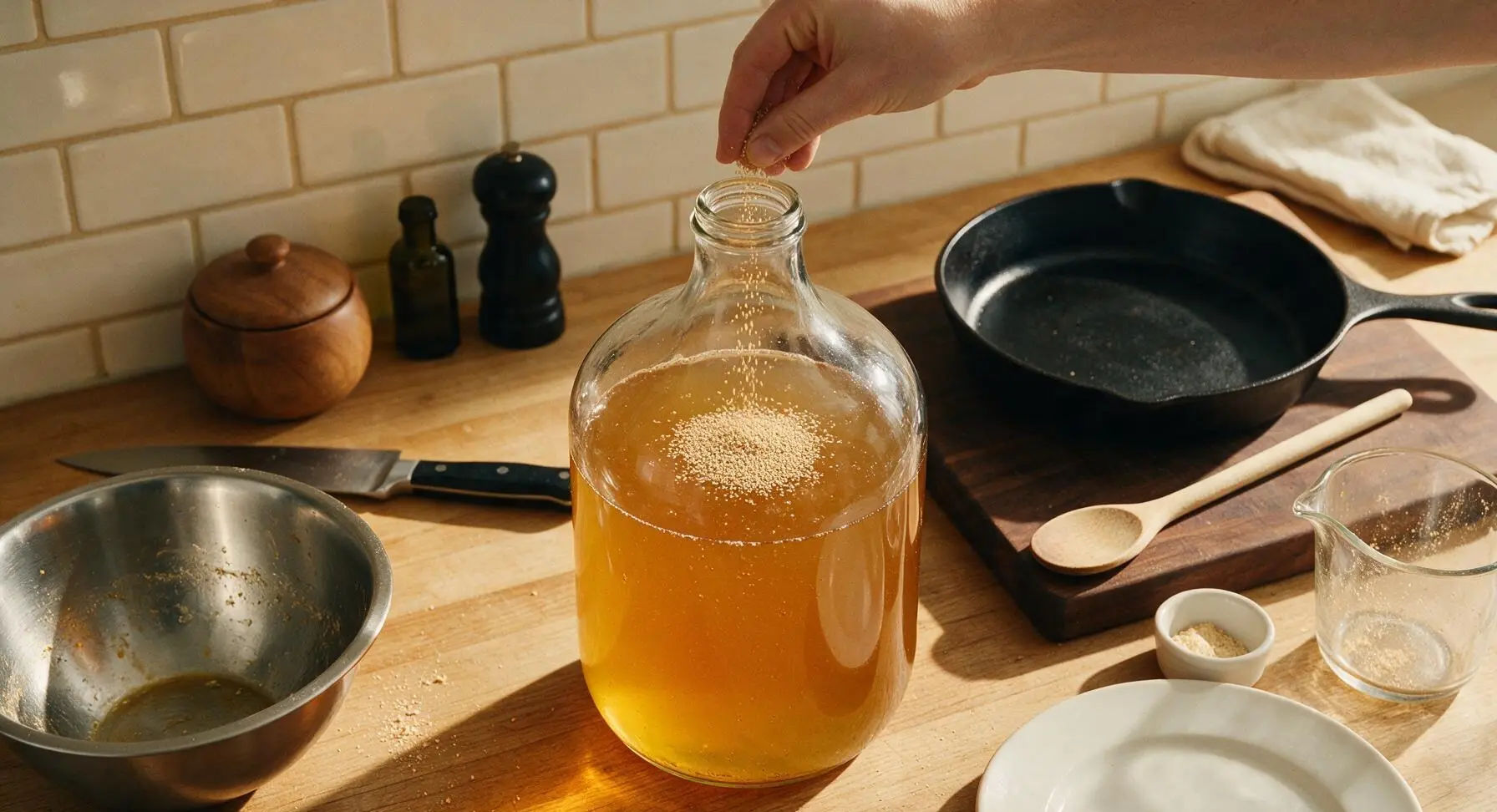
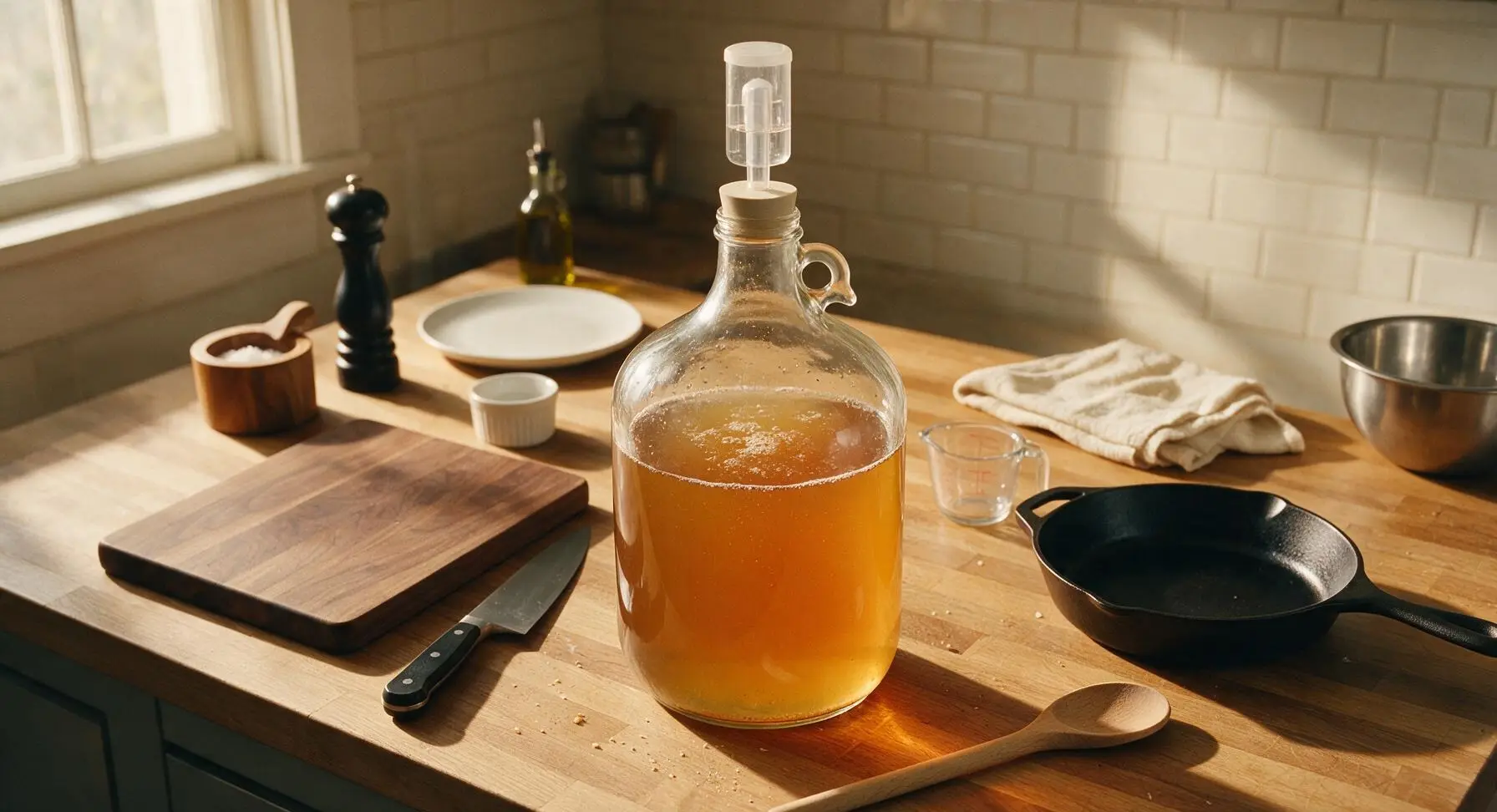
Sprinkle the entire packet of Belgian Abbey ale yeast evenly across the surface of the aerated wort—no stirring is needed, as the yeast will rehydrate on its own. Fit the sanitized rubber stopper into the carboy mouth, fill the 3-piece airlock halfway with sanitizer solution, and press it firmly into the stopper hole. Move the sealed carboy to a dark, temperature-stable space held at 68-72°F (20-22°C) for primary fermentation.
Ferment and Condition
Let primary fermentation proceed for 2 weeks, until no more bubbles pass through the airlock and the beer clears completely, with no visible cloudiness. Boil the 5 oz of corn sugar in 1 cup of filtered water to make a priming solution, gently mix it into the siphoned beer, then transfer to sanitized glass bottles and cap tightly. Let bottles condition at room temperature for 1 additional week to build natural carbonation, then chill to 45°F before serving.
Tips
2.Resist the urge to squeeze the grain bag after steeping: squeezing presses bitter, astringent tannins out of the grain husks into the wort, which will make your finished beer taste dry and harsh. Let gravity drain the bag fully for 2 minutes instead.
3.Keep fermentation temperature steady between 68-72°F for classic Belgian Pale Ale character: temperatures above 75°F will produce overpowering solvent-like banana and clove notes, while temperatures below 65°F will cause yeast to go dormant, leading to stuck fermentation and flat, sweet beer.






OMG, this Belgian Pale Ale recipe is a total game changer! I’ve been dabbling in homebrewing for a couple years and always struggled to get that perfect balance of fruity yeast notes and crisp hop bite without it tasting too boozy. Followed the directions exactly, waited the full 3 weeks, and brought a growler to my buddy’s potluck last weekend—everyone was asking where I bought it! 10/10 will brew again.
SO good! My husband has been begging me to try brewing a Belgian style for months, and this was the perfect medium-difficulty recipe to dip our toes in. The 1 hour 15 minute active time was totally manageable even with the kids running around on a Saturday, no fancy extra equipment needed either. We’re on day 2 of conditioning right now and the little sample we pulled tasted amazing already.
Solid baseline recipe! I added a half ounce of orange peel during the last 10 minutes of the boil for a little extra citrus zing, and it paired so nicely with the malt backbone. Will probably cut the bittering hops just a tiny bit next batch to lean more into that fruity profile, but that’s just personal preference.
Help! I’m a total newbie, this is my first ever homebrew attempt. I messed up and let the fermentation temp get up to 78 degrees for the first two days—am I going to end up with undrinkable swill? I’m panicking a little because I dropped a decent chunk of change on supplies for this.
Brewed this for our first college football tailgate of the season a few weeks back, and it was gone in the first 45 minutes! People kept going back for refills instead of the seltzers and macro beer we brought. The only heads up I’ll give is to make sure you have enough bottles capped and ready because you will go through this way faster than you expect.
Wait, do I really need a wort chiller for this? I’ve been doing small batch brews for a year without one, just using an ice bath in my sink, and I don’t want to drop extra cash if I don’t have to. The recipe notes it as optional but I’m curious if people have had success skipping it.
Tried this a few weeks back, and honestly? It’s better than a lot of the Belgian pales I’ve picked up at my local bottle shop. It’s got that nice, slightly bready malt taste, just enough hop bite to keep it from being too sweet, and that classic Belgian yeast finish that doesn’t overpower everything. Already have the ingredients for a second batch sitting in my closet.
My partner and I made this together for our at-home date night a little over 3 weeks back, and it was such a fun activity! We labeled all our bottles with custom silly labels and cracked the first one on our 3 year anniversary the other night. It was so smooth, we both couldn’t believe we made actual good beer at home. 10/10 for a fun couple’s activity that gives you a great payoff weeks later.
Has anyone tried dry hopping this? I love a super aromatic, hoppy pale ale and I’m wondering if adding an ounce of Cascade or Saaz at the end of fermentation would mess with that classic Belgian profile too much.
Been brewing for over 20 years, tried dozens of Belgian pale recipes, and this one is a keeper. It’s straightforward, no weird trendy gimmicks, produces a consistent, clean beer every time if you follow the steps. I appreciate that the fermentation timeline is clear too—so many recipes skimp on telling you to wait the full conditioning time, which makes all the difference.
Quick question—does this produce a really strong smell during fermentation? I live in a tiny 1 bedroom apartment in Brooklyn and I don’t want my neighbors (or my landlord!) complaining about weird beer smells seeping into the hallway.
Brought this to our neighborhood block party last weekend and it was the hit of the drink table! So many neighbors asked for the recipe, I already sent the link to like 8 people. Pro tip: chill it for a full 48 hours before serving, it’s so much crispier than if you only chill it for a few hours.
This looks so good! Has anyone tried making this with a gluten free malt extract blend? I have celiac so I can’t do regular barley malt, but I’ve been missing Belgian pale ale so bad since I went gluten free.