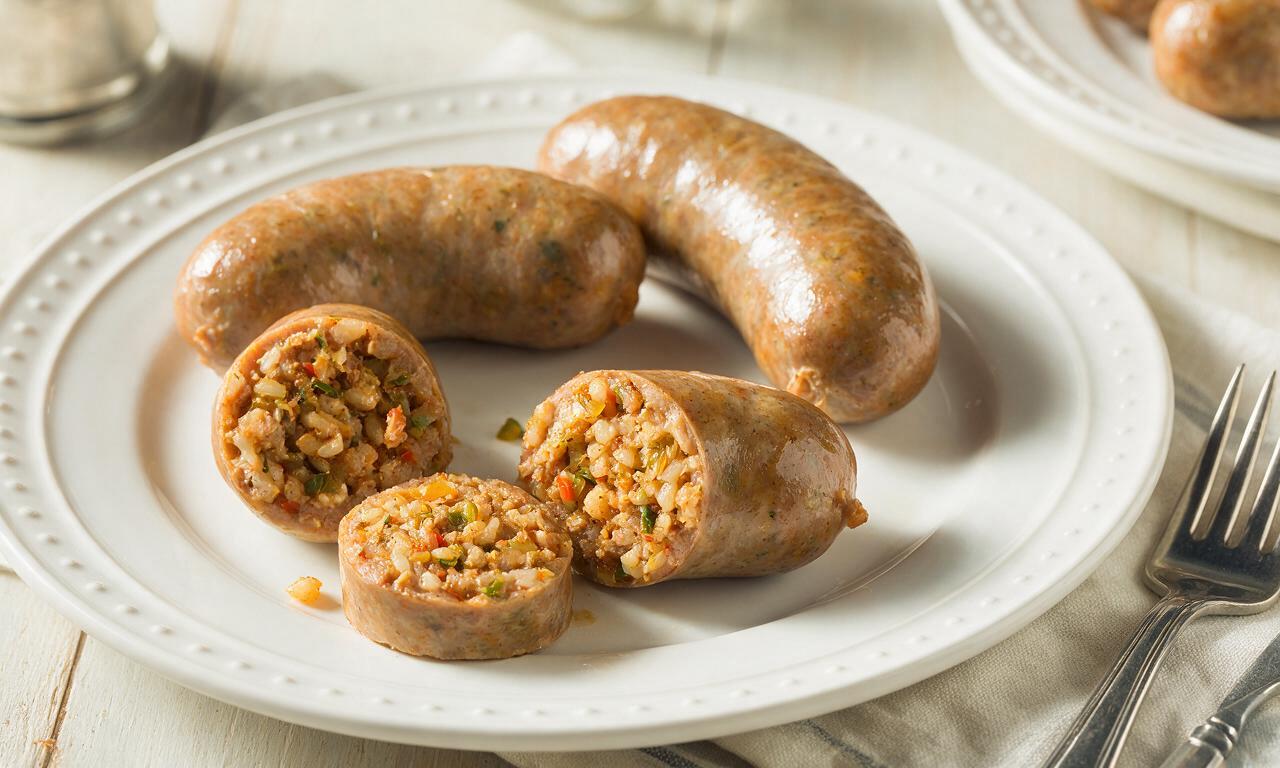
Boudin

Boudin
⏱️ cook time 2 hours
🍽️ servings 6
⚡ Difficulty medium

intro

Savory Cajun pork and rice sausage, packed with aromatic vegetables and warm spices, a beloved hearty Louisiana staple for shared family meals.

Ingredients

Boneless pork shoulder 900g (2 lbs), cut into 5cm cubes
Long-grain white rice 200g (1 cup, uncooked)
Pork liver 225g (8 oz), cut into 2.5cm chunks
Yellow onion 200g (1 large, diced)
Celery 120g (2 stalks, diced)
Green bell pepper 150g (1 medium, diced)
Garlic 18g (6 cloves, minced)
Scallions 60g (4 stalks, thinly sliced)
Pork stock 475ml (2 cups)
Kosher salt 2 tablespoons
Freshly ground black pepper 1 teaspoon
Cayenne pepper 1 teaspoon
Smoked paprika 1 tablespoon
Dried thyme 1 teaspoon
Natural hog casings 3 meters (10 feet), rinsed and soaked 30 minutes in warm water
Neutral cooking oil 1 tablespoon

Steps

1

Cook pork and aromatics

Place 900g cubed boneless pork shoulder, 225g cubed pork liver, 200g diced yellow onion, 120g diced celery, 150g diced green bell pepper, 18g minced garlic, and 475ml pork stock in a large Dutch oven over medium-high heat. Bring to a rolling boil, then reduce heat to medium-low, cover, and simmer for 45 minutes until pork is fork-tender. Remove from heat, reserve 240ml (1 cup) of cooking liquid, then drain remaining liquid from the solids.
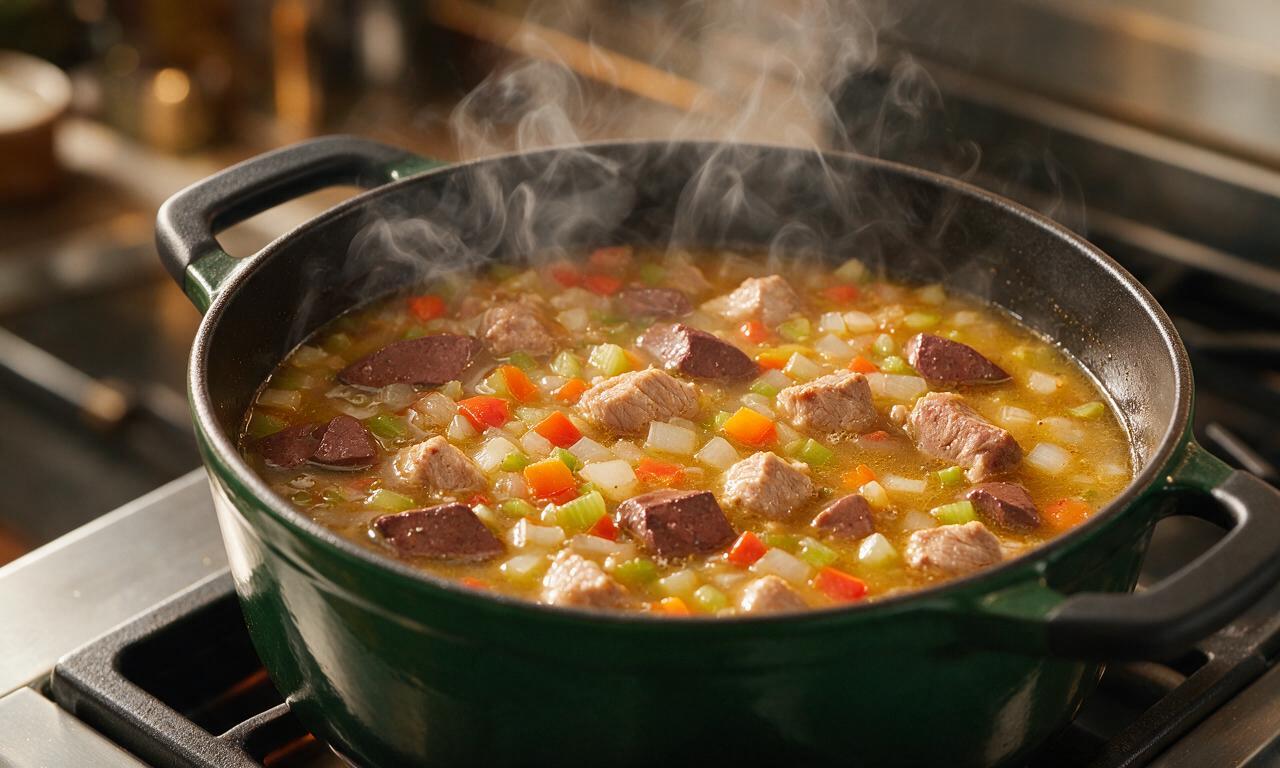
Step 1
step1:Cook pork and aromatics
2

Cook the long-grain rice

While the pork simmers, rinse 200g uncooked long-grain white rice under cold running water until the water runs clear. Combine rinsed rice with 375ml cold water in a small saucepan, bring to a boil over high heat, then reduce heat to low, cover tightly, and cook for 18 minutes until all water is absorbed and rice is fluffy. Set aside to cool 10 minutes.
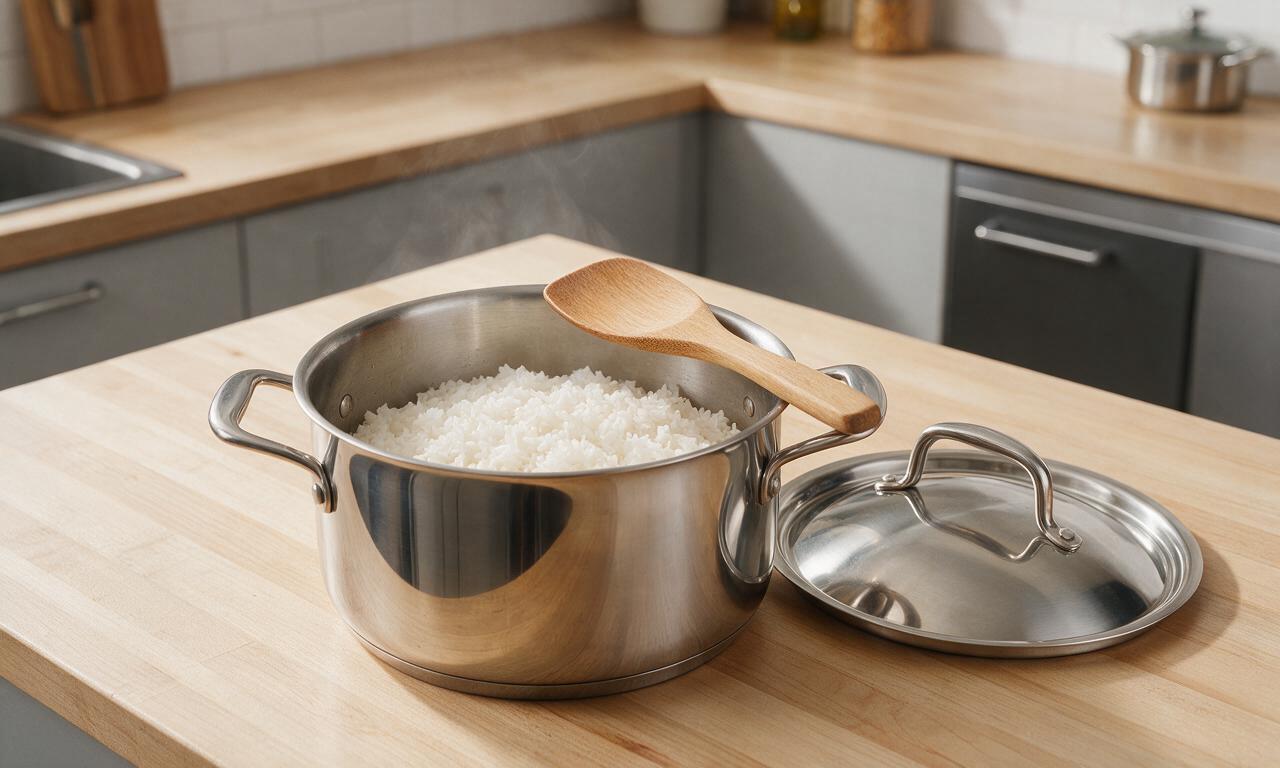
Step 2
step2:Cook the long-grain rice
3

Mix the boudin filling

Fit a meat grinder with a 6mm (1/4-inch) grinding die. Feed the cooked pork, liver, and softened vegetables through the grinder into a large mixing bowl. Add cooled cooked rice, 60g sliced scallions, 2 tablespoons kosher salt, 1 teaspoon ground black pepper, 1 teaspoon cayenne pepper, 1 tablespoon smoked paprika, and 1 teaspoon dried thyme. Mix thoroughly, adding reserved cooking liquid 2 tablespoons at a time until the mixture holds its shape when squeezed, without being mushy.
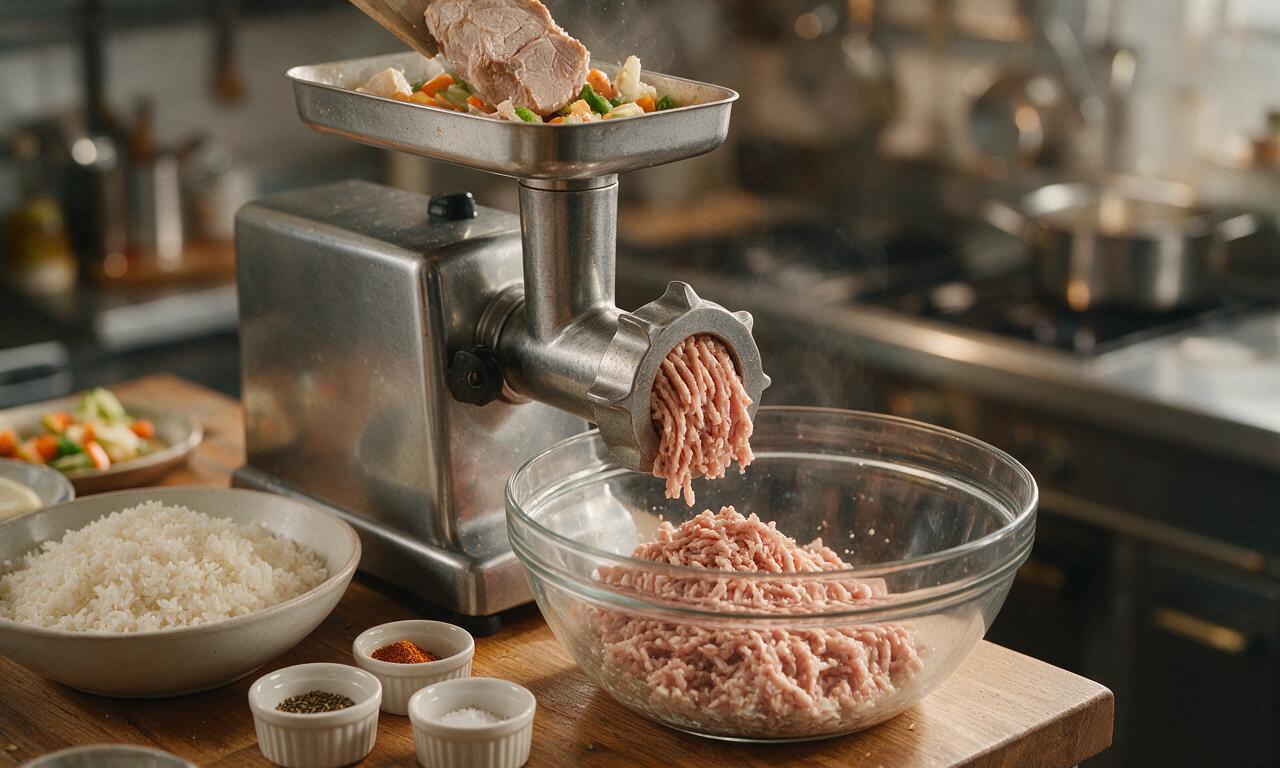
Step 3
step3:Mix the boudin filling
4

Stuff casings into links

Thread one end of the prepared 3-meter hog casing onto a sausage stuffer attachment, tying a tight overhand knot at the free end of the casing. Feed the boudin filling through the stuffer at medium speed, filling casings evenly to a 2.5cm (1-inch) diameter, taking care not to overstuff to prevent bursting during cooking. Once all filling is used, twist the filled casing into 15cm (6-inch) individual links, twisting every other link in the opposite direction to secure seals.
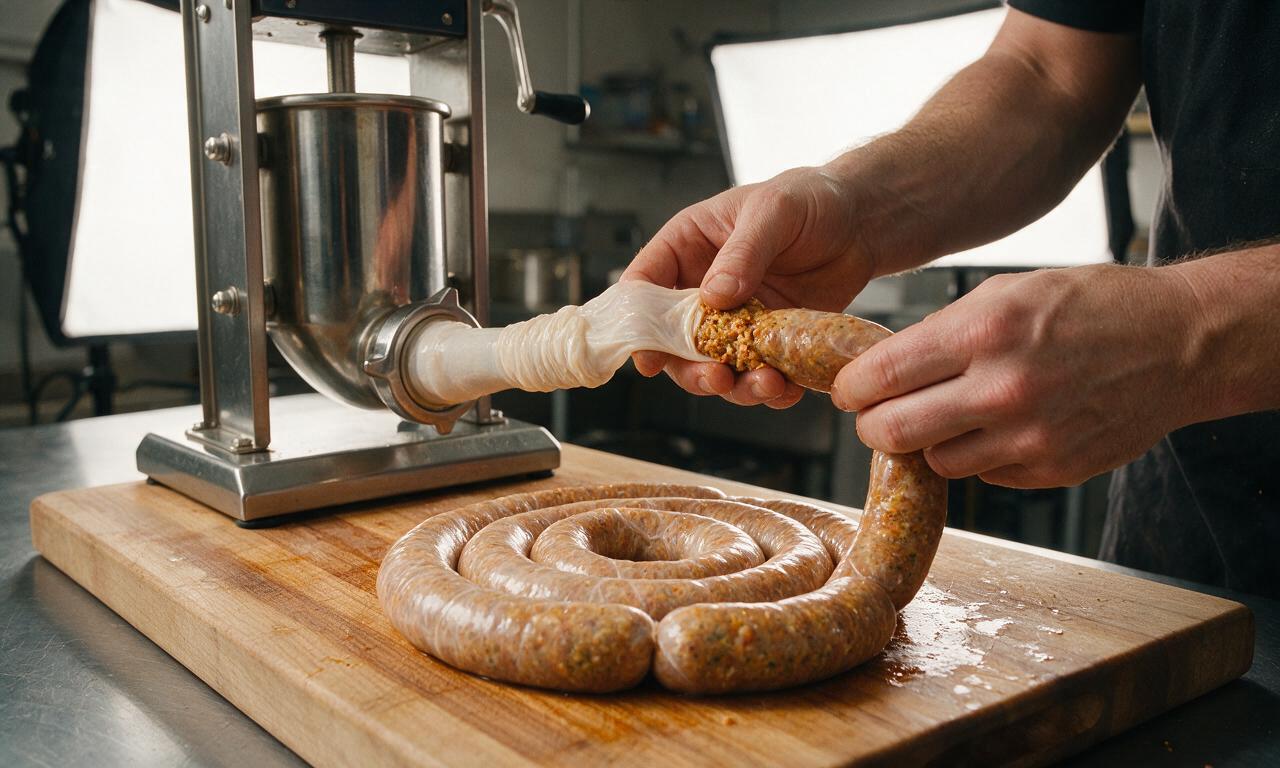
Step 4
step4:Stuff casings into links
5

Poach boudin to cook through

Fill a large stockpot with 4 liters of water, and bring to a gentle 82C (180F) simmer over medium-low heat—do not boil, as rolling bubbles will burst casings. Carefully lower coiled boudin links into the hot water, and poach for 15 minutes until the internal temperature of links reaches 71C (160F) when checked with an instant-read meat thermometer. Use tongs to remove boudin from water, and let rest 10 minutes on a wire rack.
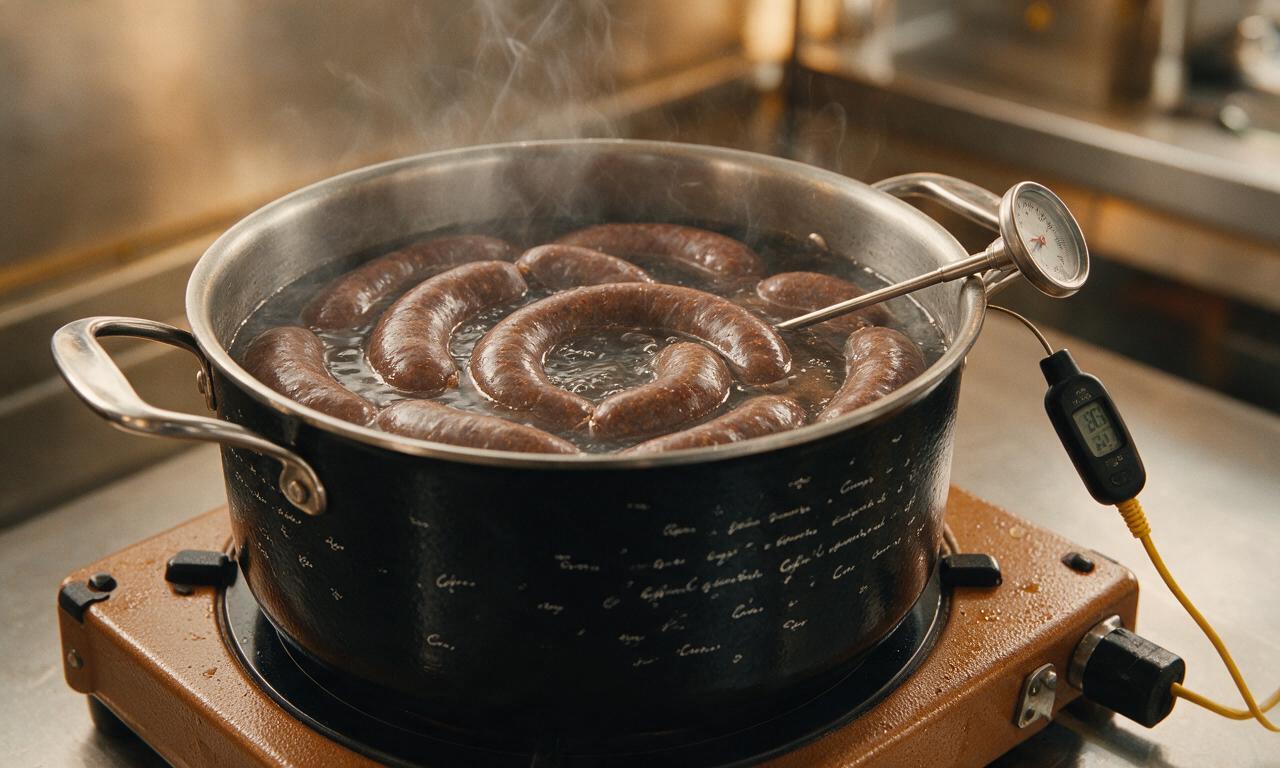
Step 5
step5:Poach boudin to cook through
6

Sear and serve boudin

Heat 1 tablespoon neutral cooking oil in a cast iron skillet over medium heat. Working in batches to avoid crowding the pan, sear poached boudin links for 2 minutes per side until the casing is crisp and deep golden brown. Serve warm, paired with hot sauce or saltine crackers if desired.
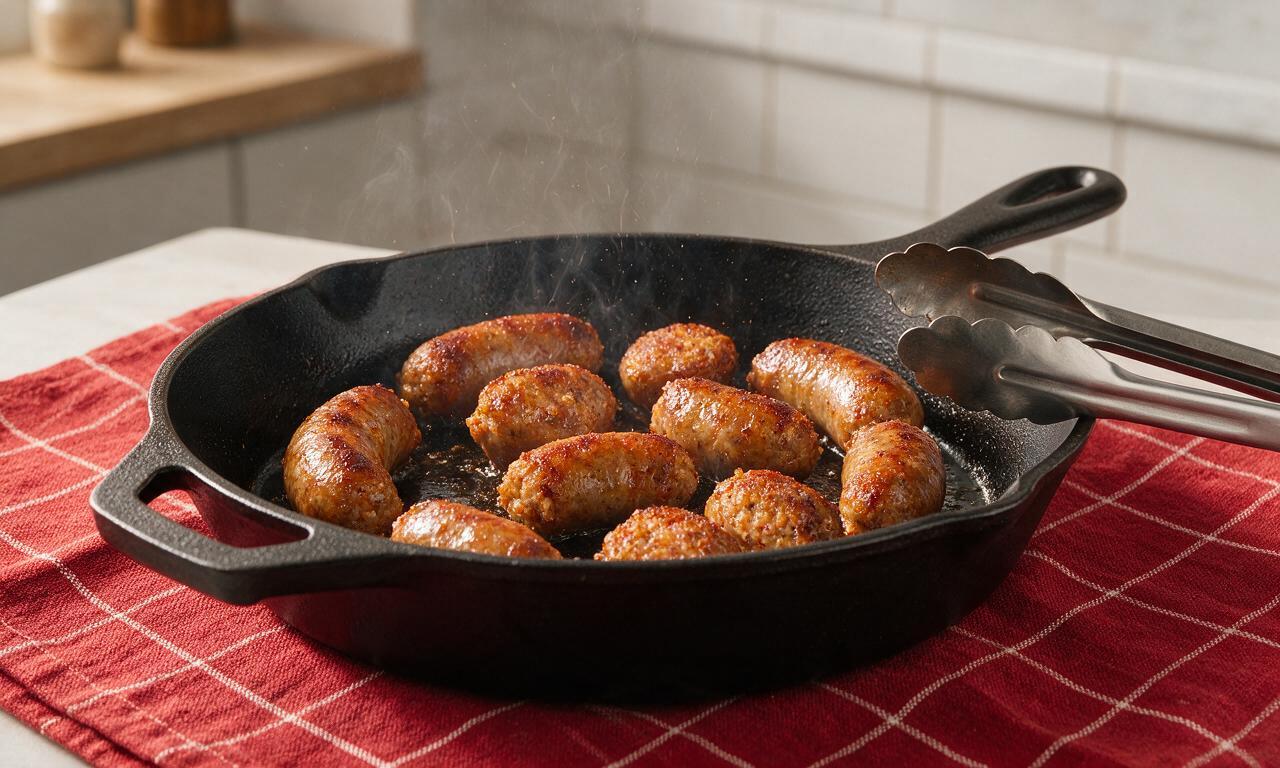
Step 6
step6:Sear and serve boudin

Tips

1.Never allow poaching water to reach a rolling boil—high heat will split casings and cause the soft rice filling to leak out, ruining the texture of your links.
2.If you do not have sausage casings or a stuffer, form the boudin mixture into 100g (3.5oz) patties and pan-fry for 3 minutes per side for a delicious, easier no-casing version.
3.Stick to a coarse grind for the pork and vegetable mixture—traditional boudin has a crumbly, textured filling, not a smooth, paste-like consistency.
✨ You May Also Like

Main Course
🍜 United Kingdom

A showstopping classic of tender seared beef, savory mushroom duxelles, and crisp prosciutto wrapped in flaky golden puff pastry, baked to juicy perfection.

⏱️ 2 hours 1Main Course ★ 4.7
Main Course
🍜 India

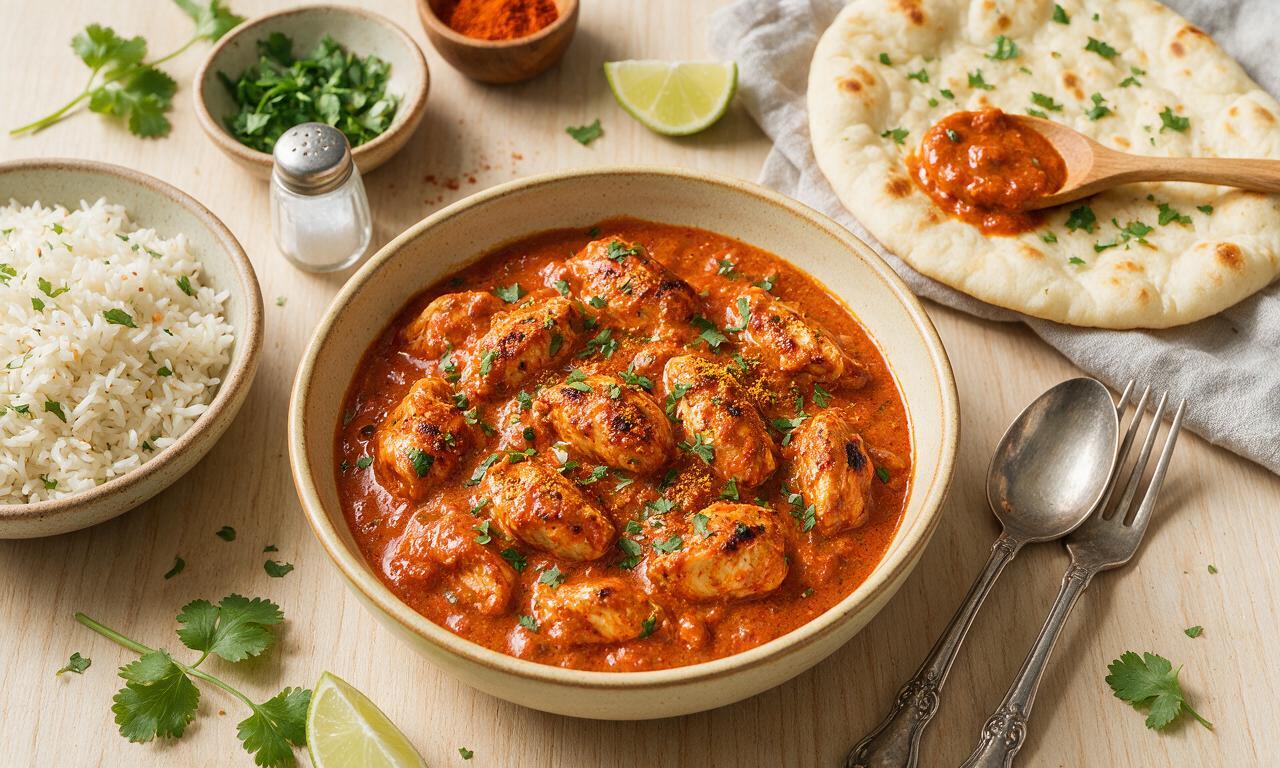
Tender charred marinated chicken simmered in a rich, spiced creamy tomato sauce, this iconic Anglo-Indian curry pairs perfectly with basmati rice or warm naan.

⏱️ 50 minuteMain Course ★ 4.8
Main Course
🍜 Thailand

Classic tangy, sweet, and savory Thai stir-fried rice noodles with shrimp, tofu, and crunchy garnishes, balancing all five core Thai flavor profiles.

⏱️ 30 minuteMain Course ★ 4.6
Main Course
🍜 United Kingdom

Crispy golden beer-battered cod and fluffy double-fried chips, served with tangy tartar sauce and malt vinegar: the timeless, beloved British pub comfort classic.

⏱️ 45 minuteMain Course ★ 4.9
Main Course
🍜 Mexico

Smoky, chile-marinated pork tacos with caramelized pineapple, fresh cilantro, and lime: a beloved classic Mexican street food perfect for casual summer gatherings.

⏱️ 1 hour 45Main Course ★ 4.7
Main Course
🍜 United States

Crunchy Fritos corn chips layered with savory beef chili and melted cheddar, topped with cool, zesty fixings for a beloved, cozy Tex-Mex comfort food.

⏱️ 35 minuteMain Course ★ 4.9

Boudin:Frequently Asked Questions

1.Do I really need to use pork liver for authentic boudin, or can I leave it out?
Pork liver is core to that deep, earthy, classic Cajun boudin flavor, so I don’t recommend skipping it entirely. If you’re put off by strong liver taste, trim off all tough connective tissue, blanch it for 2 minutes before simmering with pork shoulder, and cut the quantity by 25% max to keep the authentic profile without overpowering the mix.
2.Can I swap the long-grain white rice for a different rice variety?
Long-grain white rice is traditional because it stays light, separate, and never gets mushy mixed with meat and veggies, even after stuffing. You can use brown rice if you prefer, but cook it 10 minutes past package directions so it’s fully tender—just note it will have a chewier, nuttier texture that diverges from the classic light boudin consistency.
3.Do I need a fancy sausage stuffer to make homemade boudin?
You don’t need special equipment! A dedicated sausage stuffer makes filling casings fast, but you can use the wide stuffing attachment on a standard stand mixer, or even cut the corner off a heavy-duty gallon zip-top bag to pipe filling into casings. Plenty of Cajun home cooks even serve boudin loose as a side, no stuffing required at all.
4.How do I keep my homemade boudin from turning out dry and crumbly?
Dry boudin almost always comes from overcooked rice or skimping on reserved pork cooking liquid. When you mix your filling, stir in 2 to 3 tablespoons of that savory simmered pork broth at a time until the mix holds together softly when squeezed, without dripping. Don’t over-process the meat either—keep it coarsely ground for ideal texture.
5.What’s the best way to cook stuffed boudin links?
The most gentle, even method is to poach linked sausages in 165°F (not boiling!) water for 10 to 12 minutes until heated all the way through. You can finish them on a hot grill or cast iron pan for a crisp, snappy casing if you like, but skip high, rolling boil heat that will burst casings and make filling leak out.
6.Can I make boudin ahead of time, and how long does it store?
Absolutely! Boudin actually tastes better the day after you make it, once the warm spices have time to fully meld with the meat, rice, and veggies. Cool stuffed links completely, store in airtight containers in the fridge for up to 4 days, or wrap tightly in freezer paper and freeze for up to 3 months. Thaw frozen boudin in the fridge overnight before reheating.
7.How do I prep the yellow onion and celery for the best boudin texture?
Stick to the classic Cajun trinity prep here: dice your yellow onion and celery into small, even ¼-inch pieces, then simmer them until completely tender in the same pot you use to cook the pork. Don’t drain off the soft veggies or their cooking liquid—all that aromatic, savory moisture helps keep the filling juicy and evenly flavored.
8.Why does my boudin taste bland even after I add Cajun seasoning?
Bland boudin usually means you skipped seasoning the liquids you cook the pork and rice in. Salt your pork simmer pot as heavily as you would salt pasta water, taste the filling before you stuff casings, and adjust with cayenne, paprika, garlic, or black pepper a pinch at a time. Warm a small test bite to taste, since cold filling tastes less seasoned than hot.
9.What type of casings work best for homemade boudin?
Natural hog casings sized 32 to 35mm are the traditional pick for that perfect snappy, tender bite. Rinse them thoroughly under cool running water to remove excess packing salt before stuffing, and don’t overfill them—leave a little slack so you can twist the sausage into links without the casings bursting. Edible collagen casings work as a pork-free substitute.
10.Is there a good substitute for pork shoulder in this recipe?
Pork shoulder gives boudin its signature rich, fatty, juicy base, but you can swap it for boneless, skinless chicken thighs for a lighter, red-meat-free version. Keep a small amount of liver for depth if your diet allows, or swap it for sautéed cremini mushrooms for umami, plus a tablespoon of melted butter to make up for the missing pork fat.
11.What are the most traditional ways to serve Cajun boudin?
Boudin is made for casual, shared family meals, per Louisiana tradition! Serve it hot with saltine crackers, spicy Creole mustard, pickled okra, and a dash of hot sauce for a classic spread. You can also squeeze filling out of the casing to top grits, stuff into bell peppers, or mix into breakfast hash with eggs for a hearty, flavorful bite.

Comments (4)

3 days ago

OMG y’all, this boudin recipe is a total game changer! I brought a batch to my family’s crawfish boil last weekend and everyone was begging for the recipe before we even got the pots boiling. I added a little extra cayenne because my crew loves extra heat, and it was chef’s kiss. Only hiccup was I struggled a little getting the casings stuffed evenly my first go-round—any tips for that?

2 days ago

Ugh I had the exact same casing issue my first time making this! I found that if you don’t overstuff them and twist every 4-5 inches to make individual links, they don’t pop when you boil ‘em. Total game changer for me!

2 days ago

So glad it was a hit at your crawfish boil, Matt! Deb’s tip is spot on—don’t overpack the casings, and be sure to poke a few tiny pinholes in each link before cooking to let trapped air escape so they don’t burst. That extra cayenne addition sounds perfect for a heat-loving crew!

1 week ago

SO good! I made a double batch on Sunday for meal prep this week and it’s been holding up perfectly. I skipped the pork casings entirely to make bite-sized boudin balls for quick lunches and air fried them for 12 minutes—crispy on the outside, perfectly savory rice and pork on the inside. My 7 and 9 year old even asked for seconds, which never happens with new recipes!

5 days ago

Love the boudin ball air fryer hack, Mia! That’s such a smart swap if you don’t want to mess with stuffing casings, and it’s ideal for quick weeknight meals or grab-and-go lunches. So stoked your kids were fans—nothing beats a kid-approved recipe!

yesterday

Solid recipe, pretty on par with the boudin I’ve had at actual Cajun spots when I visited Louisiana a few years back. Cook time took me a little closer to 2.5 hours instead of the listed 2 because I pre-rinsed my rice a few extra times, but that’s totally on me. Difficulty is definitely medium like the recipe says—wouldn’t recommend this as your first ever sausage making project, but it’s totally doable if you take your time and follow the steps. Will be making this for our next neighborhood potluck and Sunday family dinner for sure.

2 weeks ago

I can’t believe I wasted so much money on store-bought boudin over the years—homemade is so much better! I used this recipe for our house Mardi Gras party last month and people were literally going back for thirds. The only tweak I’ll make next time is cutting the liver amount just a tiny bit because I’m not a super strong liver fan, but otherwise it was absolute perfection.

1 week ago

I cut the liver by about a third too and toss in a little extra green onion and bell pepper to compensate, it’s so good! My grandma used to make it that way for folks who didn’t love the strong liver flavor, you’ll be obsessed with it next batch.