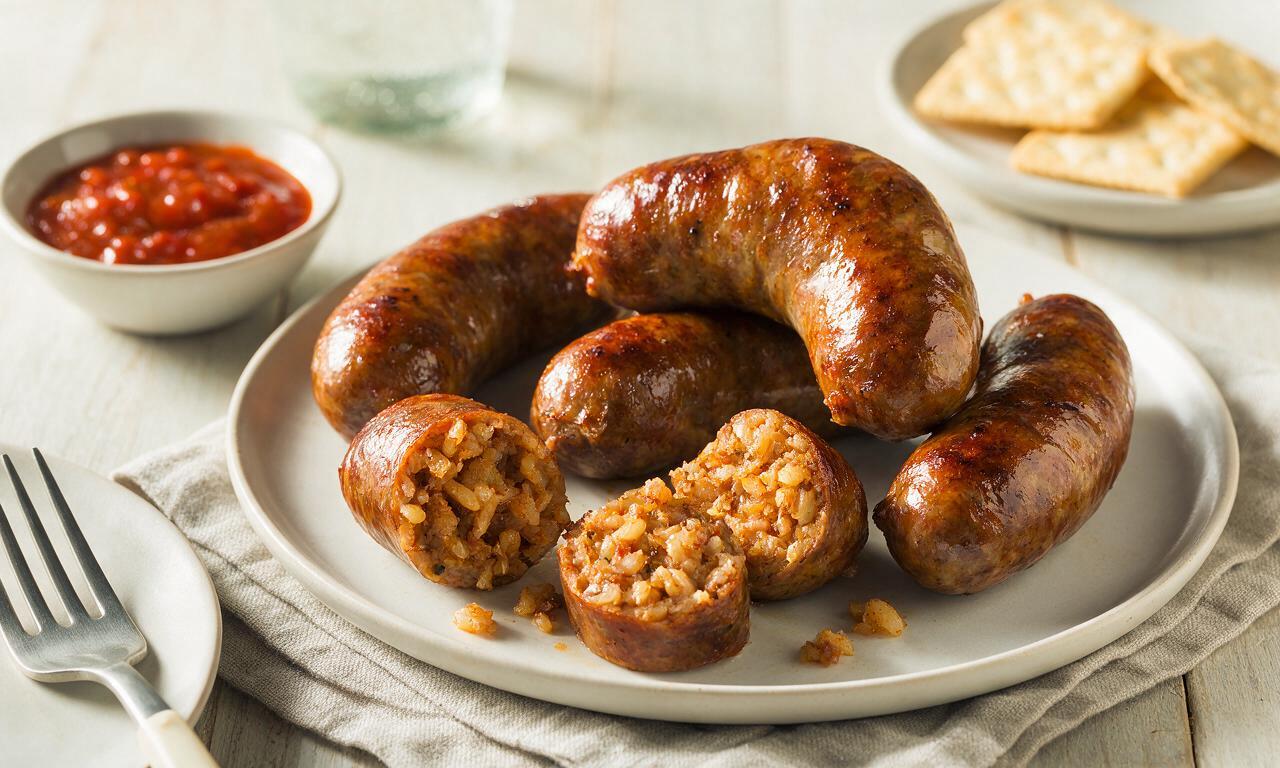
Boudin Sausage

Boudin Sausage
⏱️ cook time 2 hours 15 minutes
🍽️ servings 6
⚡ Difficulty medium

intro

Savory, spiced Cajun pork and rice sausage, a beloved Louisiana staple with French roots, served hot with hot sauce or crackers for hearty, casual shared meals.

Ingredients

Boneless pork shoulder 900 grams (cut into 5cm cubes)
Pork liver 225 grams (cut into 2.5cm chunks)
Long-grain white rice (uncooked) 185 grams (1 cup)
Yellow onion 200 grams (1 large, diced)
Celery 120 grams (2 stalks, diced)
Green bell pepper 150 grams (1 medium, diced)
Garlic 12 grams (4 cloves, minced)
Green onions 60 grams (4 stalks, thinly sliced)
Kosher salt 2 tablespoons
Ground black pepper 1 teaspoon
Cayenne pepper 1 teaspoon
Smoked paprika 1 teaspoon
Dried thyme 1 teaspoon
Natural hog casings 3 meters (rinsed, pre-soaked 30 minutes)

Steps

1

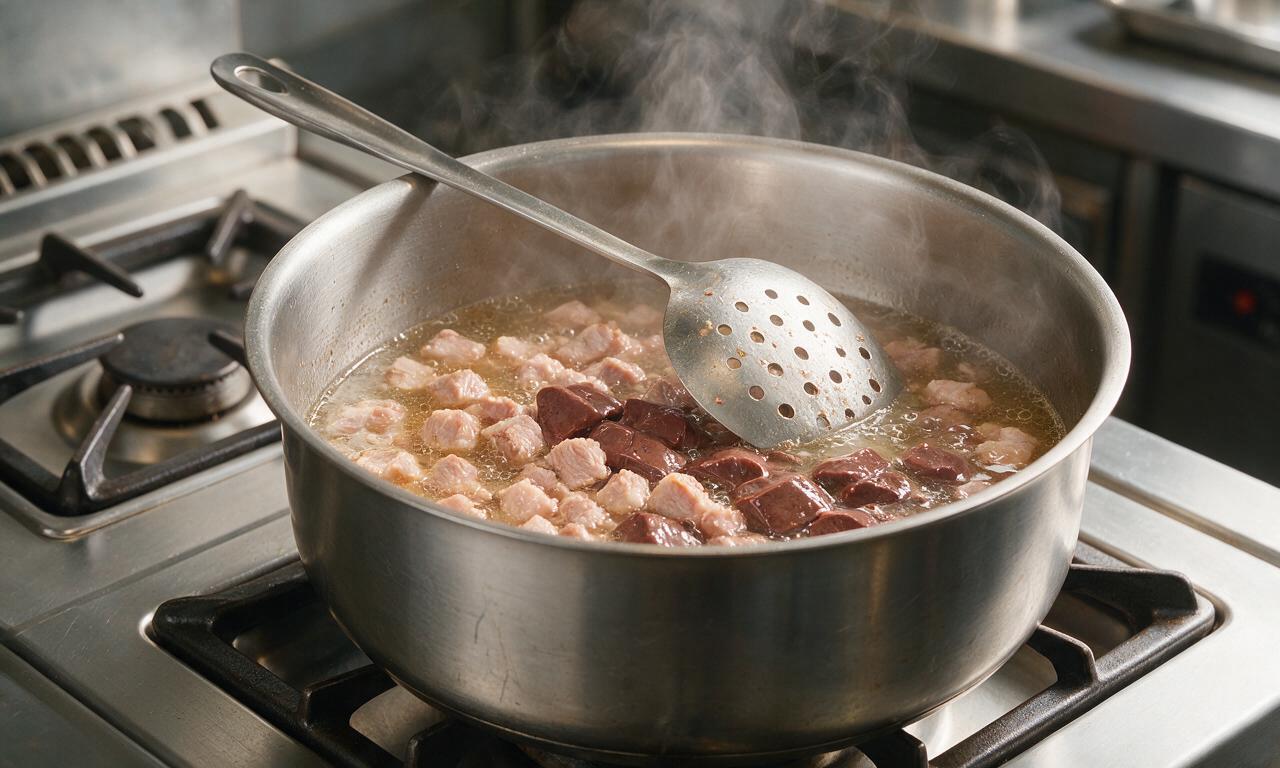
Place 900g cubed boneless pork shoulder and 225g chunked pork liver in a large stockpot, cover with 2 liters of cold water, and bring to a rolling boil over medium-high heat. Reduce heat to medium-low, cover, and simmer for 60 minutes until the pork is fork-tender. Use a slotted spoon to remove the pork and liver from the pot, reserve 720ml (3 cups) of the cooking broth, and set the meat aside to cool for 15 minutes.
Step 1
step1:
2

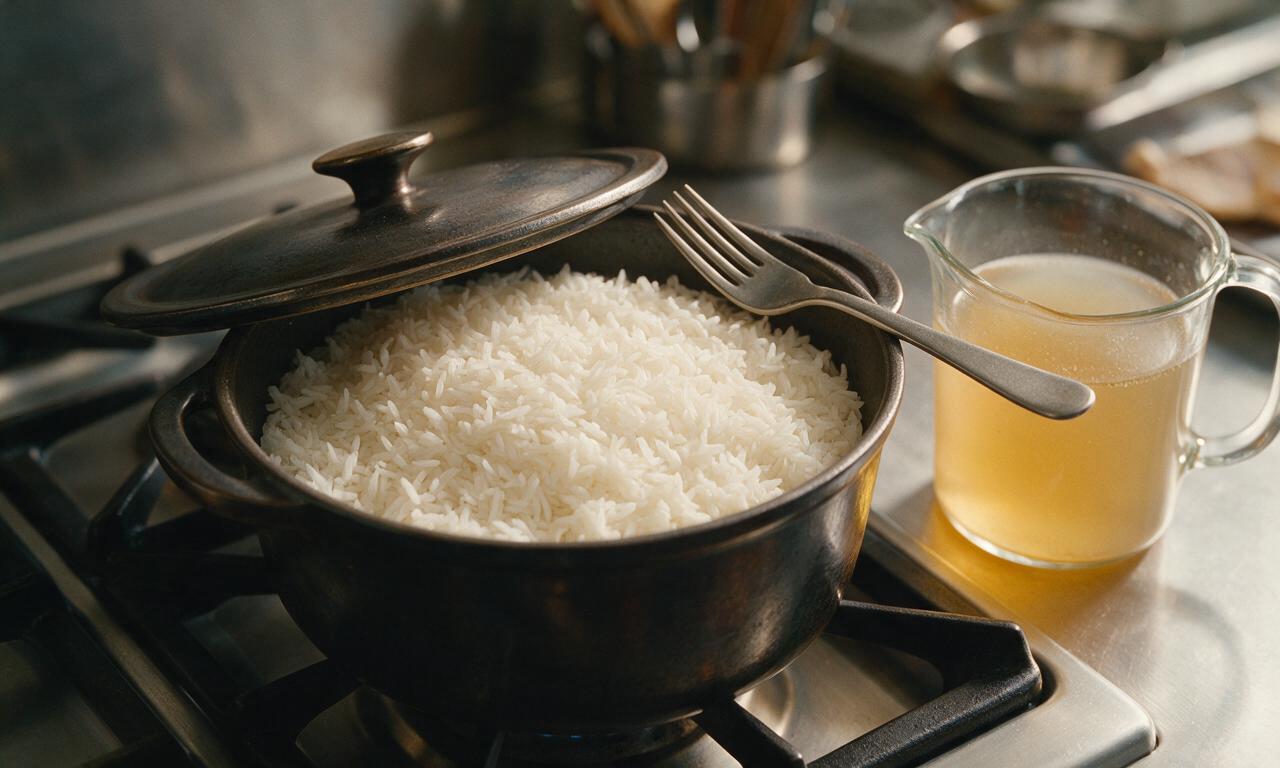
While the pork simmers, combine 185g (1 cup) uncooked long-grain white rice with 480ml (2 cups) of the reserved pork broth in a medium saucepan. Bring to a rolling boil over high heat, then reduce heat to the lowest setting, cover tightly, and cook for 18 minutes until all liquid is absorbed and rice is fluffy. Remove from heat, let sit covered for 5 minutes, then fluff gently with a fork.
Step 2
step2:
3

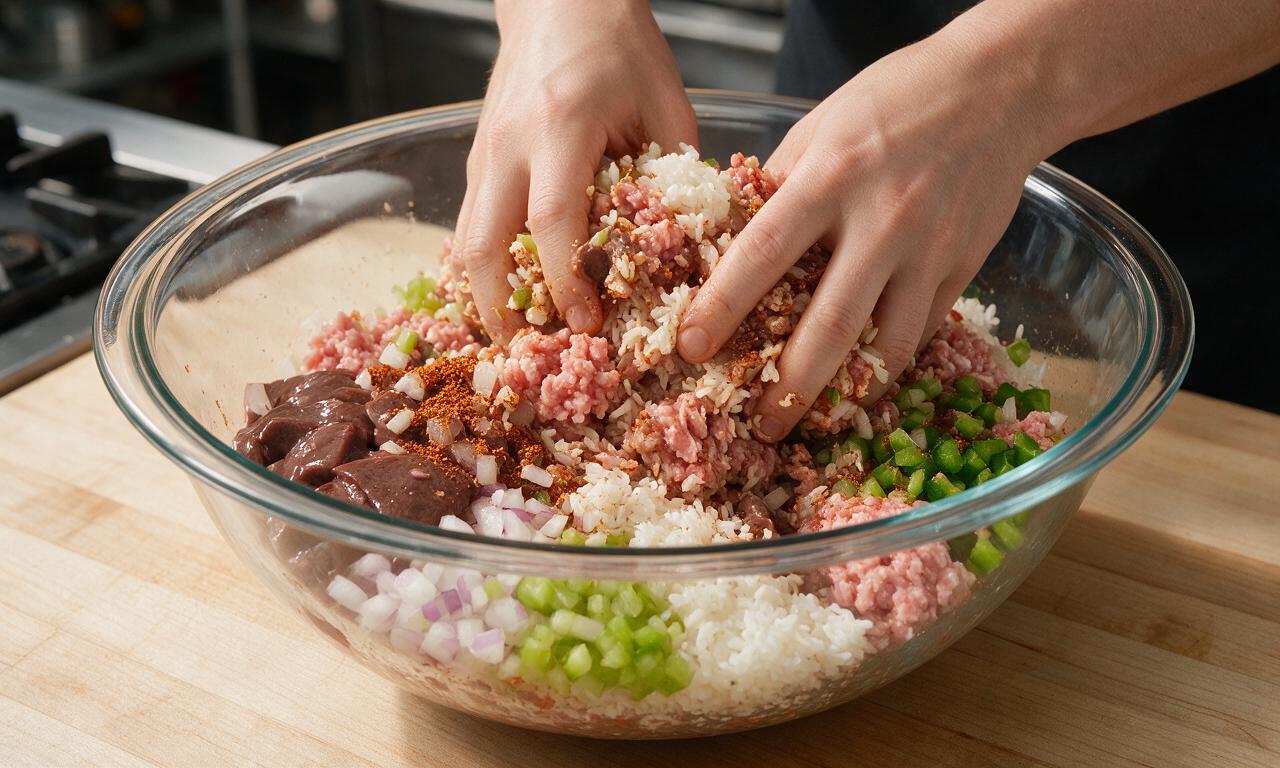
Once the cooled pork and liver are safe to handle, cut them into 5cm chunks and pass through a meat grinder fitted with a coarse 6mm plate into a large mixing bowl. Add the cooked rice, 200g diced yellow onion, 120g diced celery, 150g diced green bell pepper, 12g minced garlic, 60g sliced green onions, 2 tablespoons kosher salt, 1 teaspoon ground black pepper, 1 teaspoon cayenne pepper, 1 teaspoon smoked paprika, 1 teaspoon dried thyme, and the remaining 240ml (1 cup) reserved pork broth. Mix thoroughly with clean hands until all ingredients are evenly distributed; the filling should be moist but not soupy.
Step 3
step3:
4

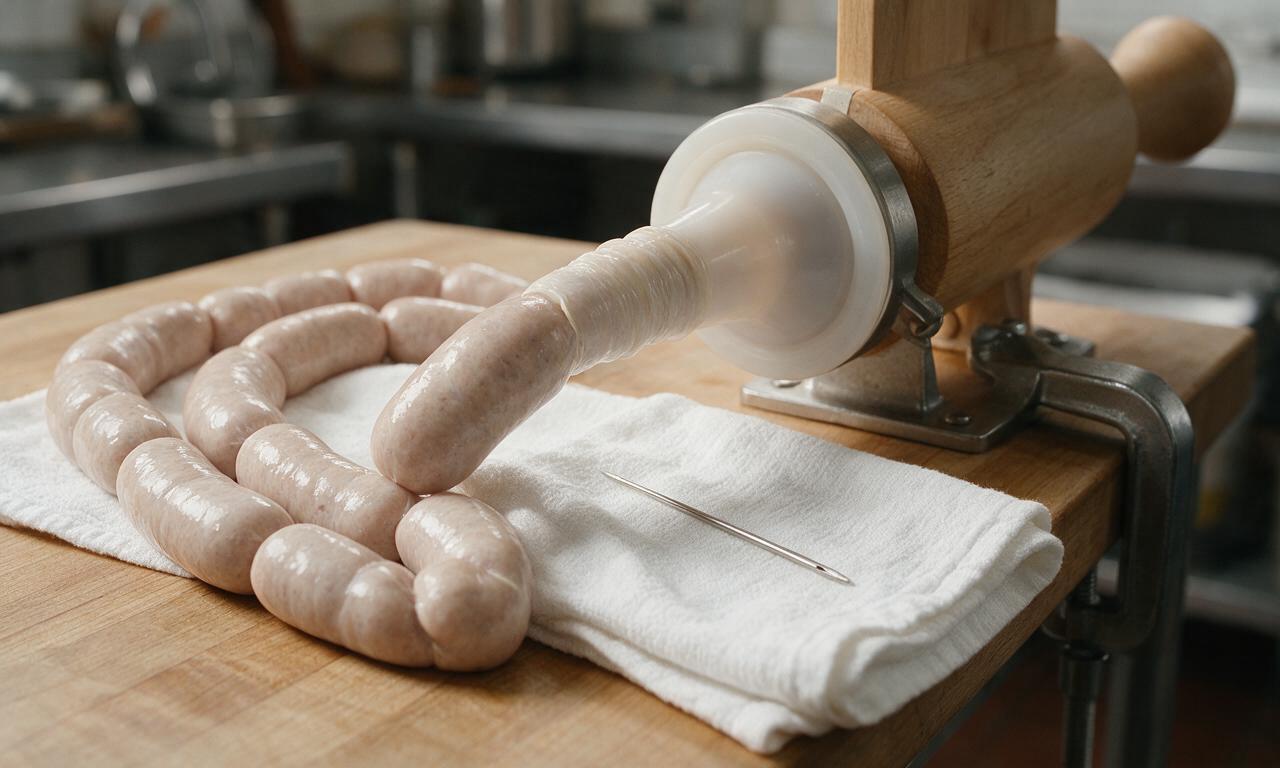
Take 3 meters of pre-soaked, rinsed natural hog casings (soaked 30 minutes in cool water to soften), slide one end over the nozzle of a sausage stuffer, and tie a tight knot at the free end of the casing. Feed the boudin filling through the stuffer at medium speed, filling the casing evenly to a 4cm (1.5 inch) diameter, leaving 10% slack to prevent bursting during cooking (rice expands when heated). Twist the filled casing into 15cm (6 inch) individual links, poking any visible air bubbles with a sterilized pin to release trapped air.
Step 4
step4:
5

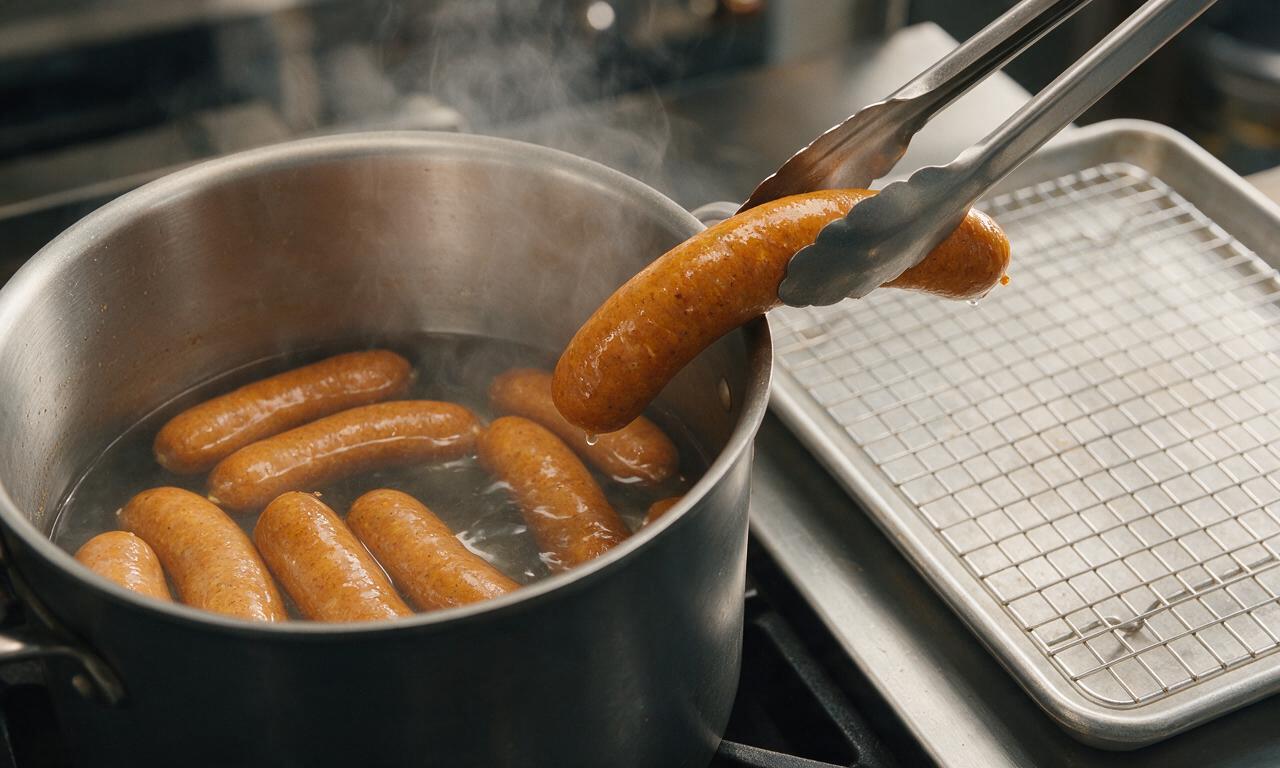
Fill a large deep pot with water and heat to 75C (167F) over medium-low heat; do not bring to a rolling boil, as high heat will split casings. Gently lower the linked boudin into the warm water, and poach for 20 minutes, maintaining a steady water temperature between 70-77C (160-170F) for the entire cook time. Remove the boudin from the water with tongs, and transfer to a wire rack to cool for 10 minutes.
Step 5
step5:
6

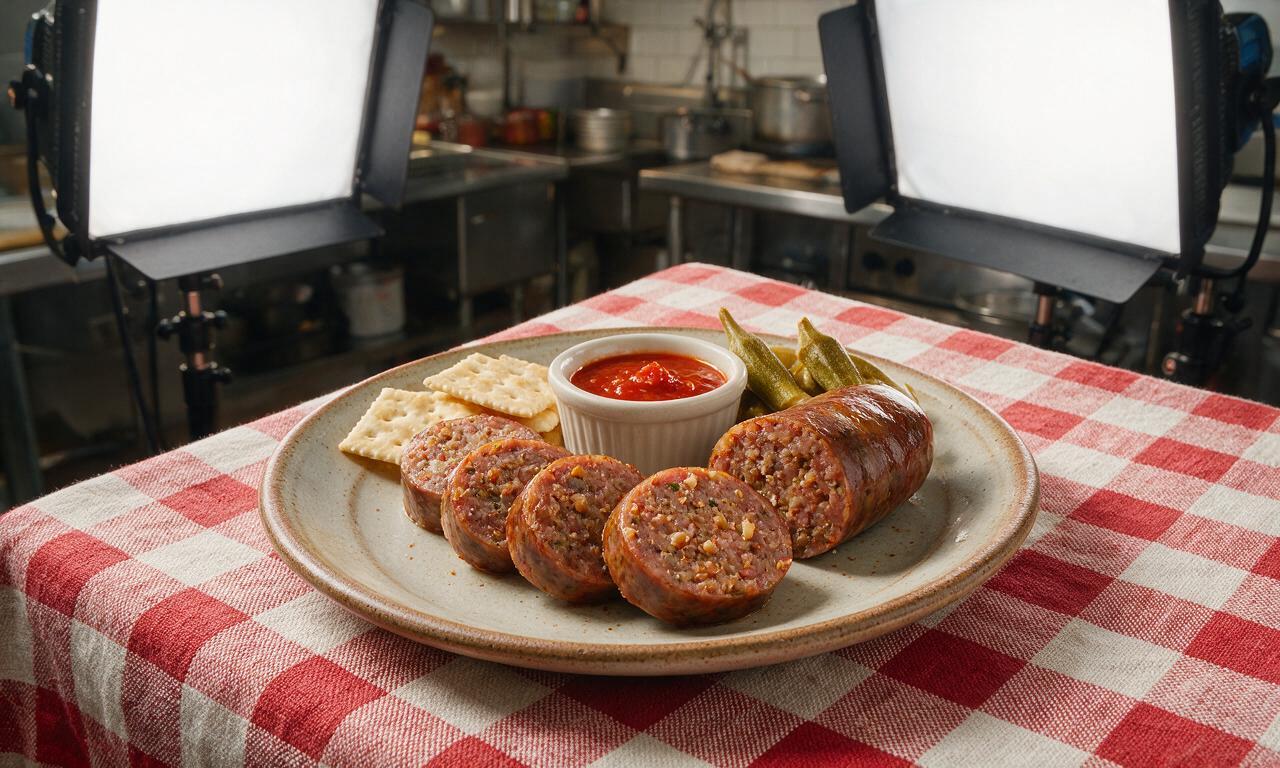
Serve the boudin warm: either slice links open to expose the soft filling, or squeeze filling directly from the casing, and pair with hot sauce, saltine crackers, or pickled vegetables as desired. For a crisp, smoky variation, grill poached links for 2 minutes per side over medium heat before serving.
Step 6
step6:

Tips

1.Never let poaching water exceed 80C (175F): boiling temperatures cause casings to split and render out the rich pork fat, leading to dry, crumbly boudin filling.
2.If you do not own a sausage stuffer, skip the casings entirely: roll chilled filling into 4cm balls, coat in panko breadcrumbs, and fry at 180C (350F) for 4 minutes for crispy, crowd-pleasing boudin balls.
3.Always use a coarse 6mm grinder plate for the pork and liver: fine grinding will turn the filling into a dense, paste-like texture that does not match the traditional soft, crumbly boudin consistency.
✨ You May Also Like

Main Course
🍜 United Kingdom

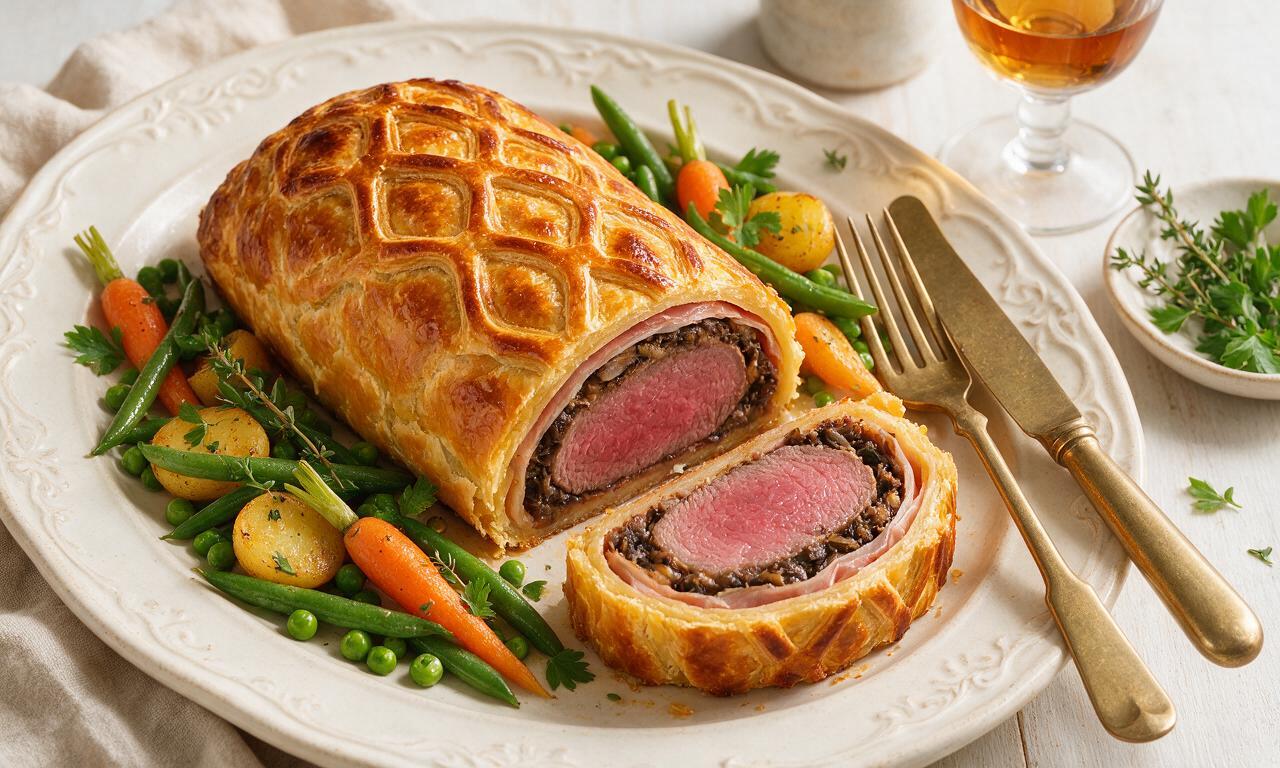
A showstopping classic of tender seared beef, savory mushroom duxelles, and crisp prosciutto wrapped in flaky golden puff pastry, baked to juicy perfection.

⏱️ 2 hours 1Main Course ★ 4.7
Main Course
🍜 India

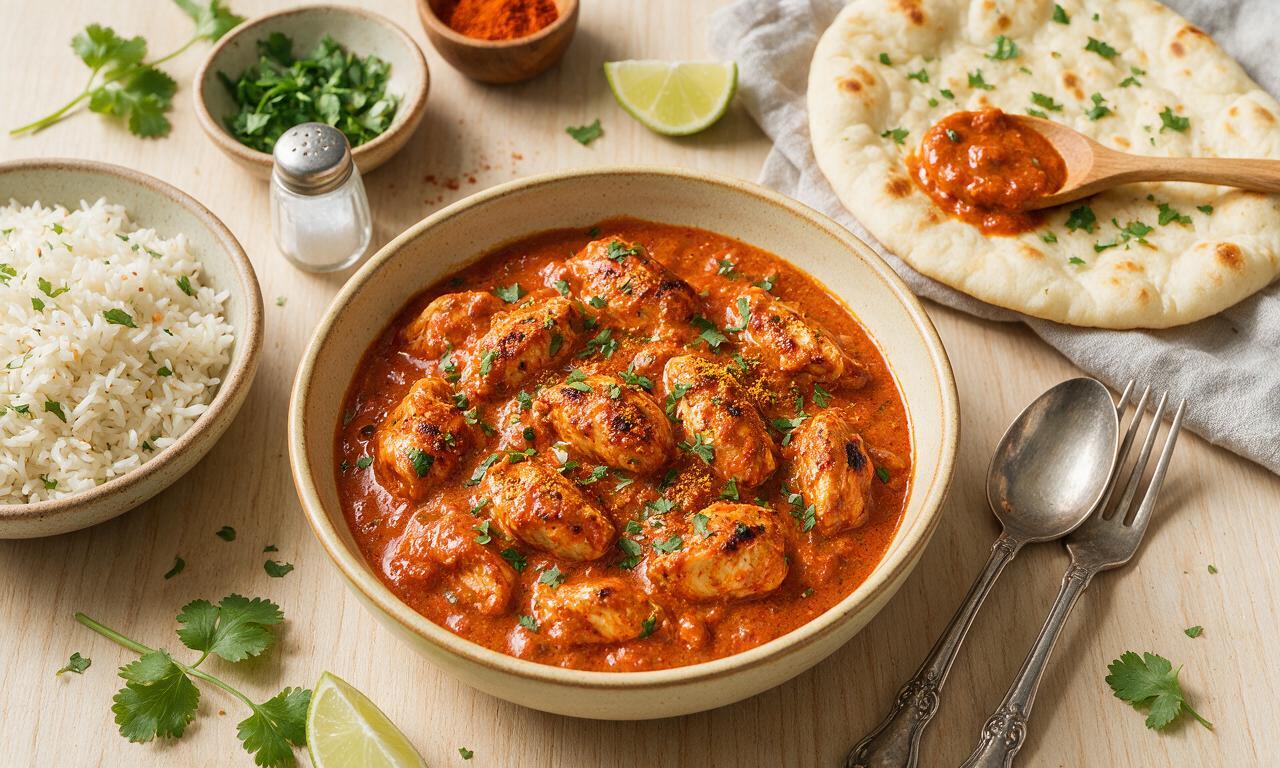
Tender charred marinated chicken simmered in a rich, spiced creamy tomato sauce, this iconic Anglo-Indian curry pairs perfectly with basmati rice or warm naan.

⏱️ 50 minuteMain Course ★ 4.8
Main Course
🍜 Thailand

Classic tangy, sweet, and savory Thai stir-fried rice noodles with shrimp, tofu, and crunchy garnishes, balancing all five core Thai flavor profiles.

⏱️ 30 minuteMain Course ★ 4.6
Main Course
🍜 United Kingdom

Crispy golden beer-battered cod and fluffy double-fried chips, served with tangy tartar sauce and malt vinegar: the timeless, beloved British pub comfort classic.

⏱️ 45 minuteMain Course ★ 4.9
Main Course
🍜 Mexico

Smoky, chile-marinated pork tacos with caramelized pineapple, fresh cilantro, and lime: a beloved classic Mexican street food perfect for casual summer gatherings.

⏱️ 1 hour 45Main Course ★ 4.7
Main Course
🍜 United States

Crunchy Fritos corn chips layered with savory beef chili and melted cheddar, topped with cool, zesty fixings for a beloved, cozy Tex-Mex comfort food.

⏱️ 35 minuteMain Course ★ 4.9

Boudin Sausage:Frequently Asked Questions

1.Do I really need to use pork liver for authentic boudin, or can I skip it?
Pork liver is a core traditional ingredient that gives boudin its signature deep, earthy savoriness that balances the rice and warm spices, so I don’t recommend skipping it for a true Cajun result. If you strongly dislike liver, cut the amount in half and replace it with extra pork shoulder, but expect a milder, less complex final flavor.
2.What type of rice works best for boudin, and can I use pre-cooked rice?
Stick to uncooked long-grain white rice for the best texture—it cooks up light, separate, and absorbs all the savory pork and vegetable flavor without turning mushy. Pre-cooked rice won’t soak up those delicious juices, leading to bland, dry, crumbly filling that doesn’t hold together well, and starchy short-grain rice will make your filling unpleasantly gummy.
3.Do I need a fancy professional sausage stuffer to make homemade boudin?
You don’t need top-of-the-line equipment to make great boudin at home! A hand-cranked stuffer attachment for a standard stand mixer works perfectly, and even a large piping tip fitted to a heavy-duty zip-top bag will get the job done for casual batches. If you don’t want to stuff casings at all, you can roll the filling into breaded boudin balls and fry them, no special tools required.
4.What’s the classic ratio of meat to rice for traditional Cajun boudin?
Traditional Cajun boudin uses a roughly 2:1 ratio of cooked, seasoned meat mixture to cooked long-grain rice, which keeps the filling moist without being too heavy or overly starchy. If you prefer a meatier boudin, you can bump that ratio to 2.5:1, but avoid using more rice than the classic balance—you’ll end up with dry, bland filling that tastes like seasoned rice instead of sausage.
5.Can I make boudin ahead of time, and what’s the best way to store it?
Boudin stores extremely well for meal prep or party planning! Once stuffed and fully cooled, keep it tightly wrapped in the fridge for up to 4 days, or freeze it for up to 3 months without losing flavor or texture. Thaw frozen boudin in the fridge overnight before reheating, and avoid microwaving it straight from frozen to prevent split casings.
6.Onion and celery are listed as core ingredients—do I really need the celery, or can I leave it out?
Onion and celery make up two-thirds of the Cajun “holy trinity” aromatic base, building the foundational savory depth that makes boudin taste authentic instead of plain seasoned pork and rice. You can add a small amount of bell pepper if you’d like, but don’t skip the celery: its bright, herbaceous savoriness cuts through rich pork and keeps the filling from tasting flat or greasy.
7.What’s the best way to cook boudin once it’s been stuffed into casings?
The most popular traditional method is to gently poach stuffed links in barely simmering (not rolling boil) water for 10 to 12 minutes, until the internal temperature hits 165°F, then finish them on a hot grill or cast iron pan for 1 to 2 minutes per side to crisp the casing. Never boil boudin hard, as rapid bubbles will split casings and let filling leak out.
8.Can I use a different cut of pork instead of boneless pork shoulder?
Boneless pork shoulder is ideal because its even marbling of fat keeps boudin moist and rich during cooking, even when mixed with rice. If you don’t have shoulder, use boneless country-style ribs as a 1:1 swap, but avoid lean cuts like pork loin or tenderloin—they’re too low in fat, and will leave your boudin dry, tough, and lacking that signature lush mouthfeel.
9.Do I have to use natural hog casings for homemade boudin?
Natural hog casings are the traditional pick, as they have the perfect tender, snappy texture and hold up to poaching and grilling without getting tough or chewy. If you can’t find hog casings, use edible collagen casings sized for link sausage, or skip casings entirely to make fried boudin balls, a beloved Louisiana cookout alternative to stuffed links.
10.How much Cajun seasoning should I add, and how do I keep boudin from being too spicy?
Start with 2 tablespoons of salt-free Cajun seasoning per 3 pounds of total meat and rice mixture, then taste a small cooked pinch of filling before stuffing to adjust. For mild boudin, skip added cayenne in your seasoning blend; for extra heat, add 1/4 teaspoon cayenne or a dash of hot sauce, and always serve extra hot sauce on the side for guests.
11.Why did my boudin turn out dry and crumbly, and how do I fix that next time?
Dry, crumbly boudin almost always comes from one of three common mistakes: using too lean a cut of pork, overcooking the rice so it doesn’t hold moisture, or skimping on poaching liquid when mixing the filling. Reserve 1/2 to 3/4 cup of the savory pork poaching liquid to stir into the rice and meat mix until it’s moist but not soggy to avoid this issue.
12.Is traditional boudin supposed to have a coarse or smooth filling texture?
Classic Cajun boudin has a coarsely ground, rustic texture—you should be able to distinguish individual rice grains and small, tender bits of pork and liver, rather than a smooth, hot-dog-like paste. Grind your cooked pork and liver through the large die of your meat grinder, and don’t overmix once you add rice, or you’ll mash grains and get a gummy texture.
13.Can I add extra mix-ins to my boudin without ruining the classic flavor?
Small amounts of complementary mix-ins work beautifully without straying too far from the traditional profile! Popular Louisiana add-ins include chopped green onion, a pinch of dried thyme, a splash of Worcestershire, or diced jalapeño for extra heat. Just avoid heavy, watery mix-ins like fresh tomatoes, which make filling soggy and dilute that signature savory flavor.
14.How do I keep boudin casings from splitting while I cook the links?
Split casings are almost always caused by stuffing links too tight, cooking at too high a temperature, or pricking casings excessively before cooking. Leave 1/2 inch of empty space at each end of links when stuffing, poach at a gentle simmer rather than a rolling boil, and only prick casings once per link to release trapped air if you see large bubbles.
15.What are the best classic sides to serve with homemade boudin?
Classic casual pairings for boudin stay true to its Louisiana roots: keep it simple with saltine crackers, vinegary Louisiana hot sauce, tangy potato salad, pickled okra, or creamy coleslaw. For a heartier spread, serve it alongside gumbo, jambalaya, or fried catfish for a full Cajun feast perfect for casual shared meals with friends and family.

Comments (3)

2 days ago

OMG y’all, I grew up eating boudin at every family crawfish boil back home in Lake Charles and I’ve been chasing that exact flavor since I moved to Austin 5 years ago. This recipe is a total game changer. I was nervous about stuffing the casings at first since it’s my first time making sausage from scratch, but the step-by-step instructions were so easy to follow even for a medium-skill recipe. My kids devoured half the batch before I even got the rest pulled off the stove! I brought a platter of links to my office potluck yesterday and everyone was begging for the recipe. The only tiny tweak I made was adding an extra dash of cayenne because we like extra heat in our house. SO good, will be making a batch monthly for meal prep!

yesterday

Wait did you use natural hog casings or the collagen ones? I’m trying this this weekend and I’m overthinking the casing choice so bad lol!

2 hours ago

Great question! We recommend natural hog casings for that classic snappy boudin texture, but food-safe collagen casings work perfectly too if that’s what you have easy access to — just be sure to soak and rinse them per the package directions before stuffing. So excited you’re giving the recipe a go!

3 days ago

Took this for a test run ahead of our neighborhood tailgate last weekend, and overall it was a huge hit! The flavor profile is spot on — that perfect mix of savory pork, rice, and zesty Cajun seasoning that tastes just like the boudin I had on a work trip to New Orleans a couple years back. My only note is that the listed 2 hour 15 minute cook time didn’t account for the extra 30 minutes I spent fumbling with my cheap sausage stuffer, so next time I’ll block extra time for prep instead of rushing. Served it up with some spicy brown mustard and buttery crackers, and even my super picky father-in-law went back for thirds. Would absolutely make again!

2 days ago

So glad the boudin was a hit at your tailgate! Great call on building in extra prep time — sausage stuffing can definitely have a steep learning curve if you’re not used to working with a stuffer, especially for a medium-difficulty recipe like this. We’ll add a quick note to the recipe card about blocking extra buffer time for first-time sausage makers. Thanks so much for the helpful feedback!

30 minutes ago

Just pulled my first batch out of the kitchen and WOW. I was so intimidated to try making boudin because I thought it was way too fancy for my weeknight cooking skill level, but this recipe was totally doable! I made a double batch to portion out for weekday lunches, and it smells incredible. I paired a test link with some roasted collard greens and cornbread for a quick early dinner, and my husband said it’s better than the boudin we got at that pricey Cajun spot in downtown Phoenix last month. Can’t wait to bring the rest to my friend’s potluck this weekend! 10/10, no notes.