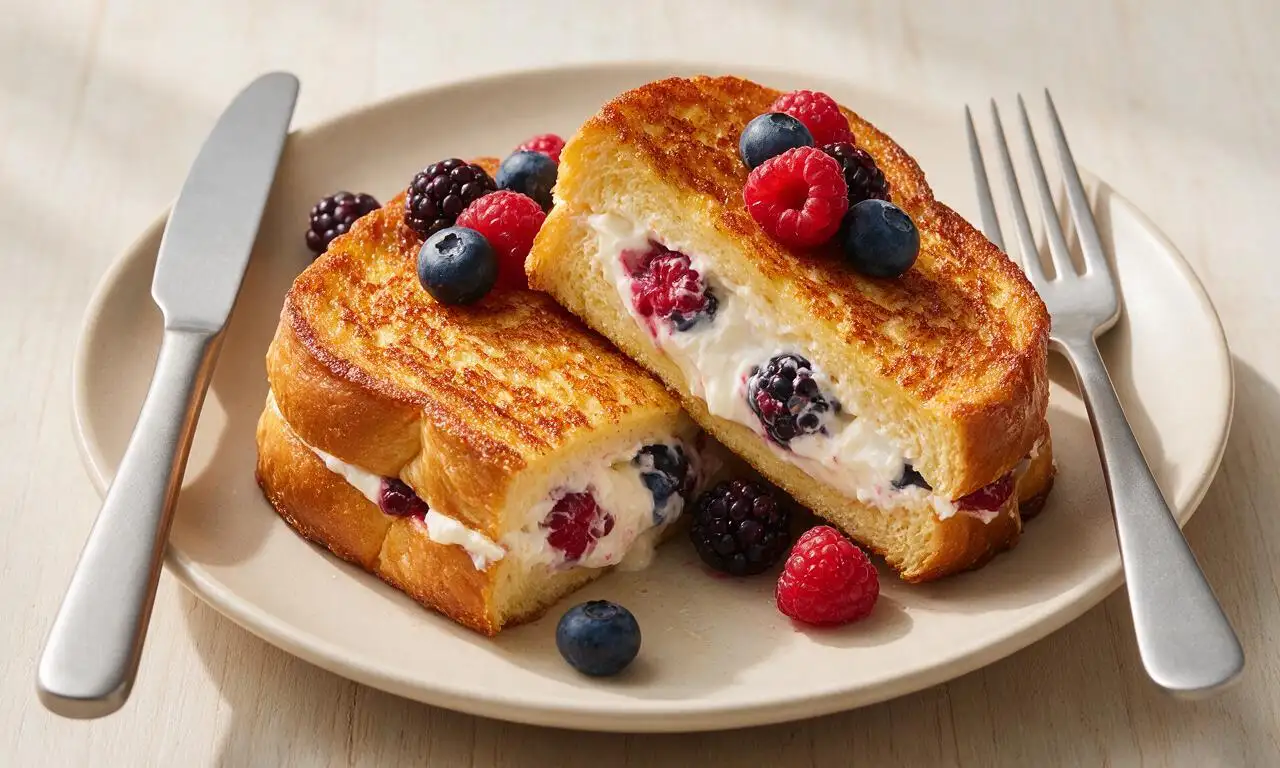
bread to use for french toast

title 1
bread to use for french toast
⏱️ cook time 35 minutes
🍽️ servings 6
⚡ Difficulty medium

intro

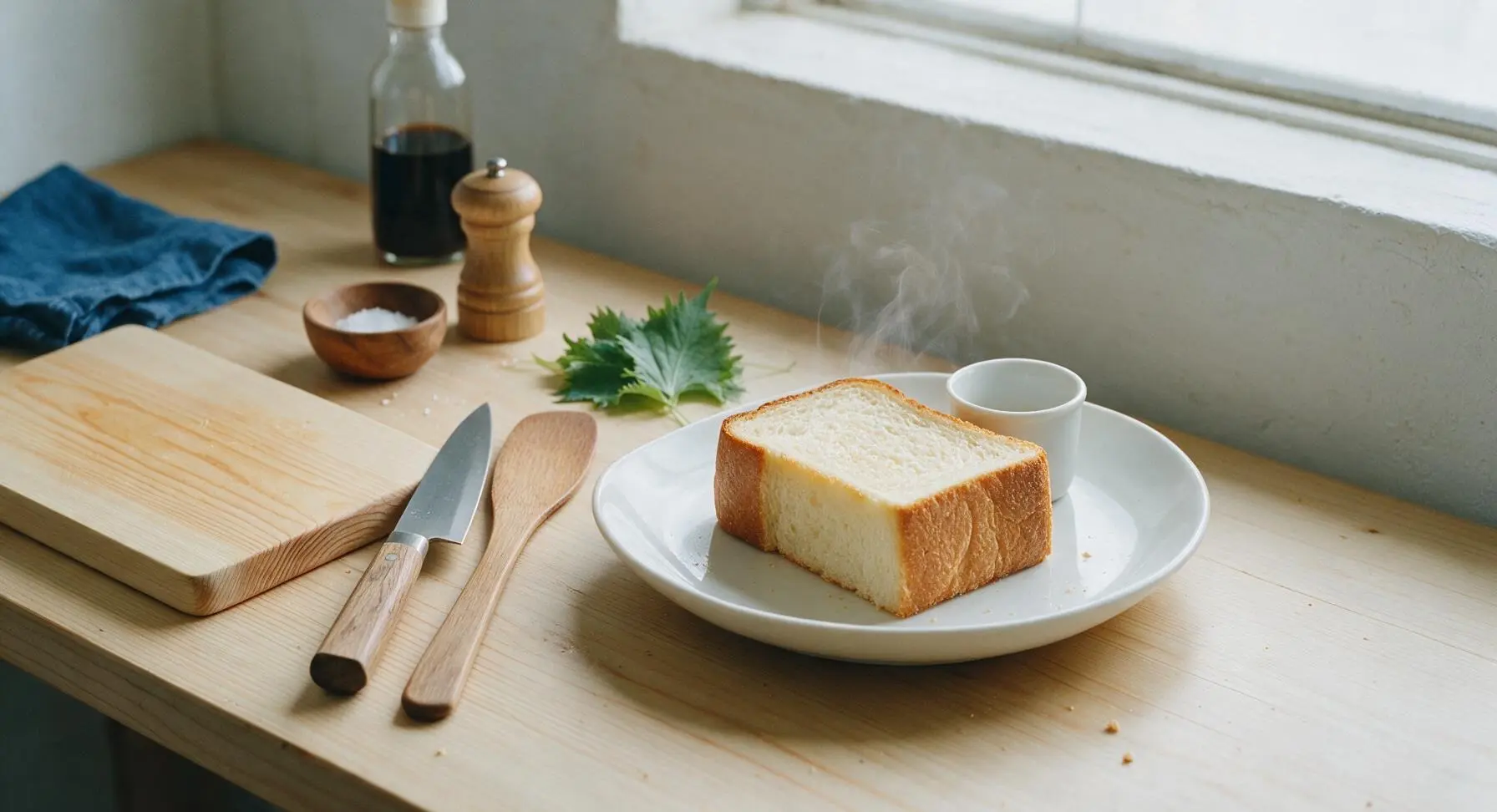
This sturdy, lightly enriched white loaf has a tight, soft crumb and crisp golden crust, engineered to hold rich French toast custard without turning soggy or falling apart.

Ingredients

All-purpose flour 450g (3 ½ cups)
Whole milk 180ml (¾ cup, lukewarm)
Active dry yeast 7g (1 standard packet)
Granulated sugar 30g (2 tbsp)
Unsalted butter 43g (3 tbsp, melted and cooled)
Large eggs 2, room temperature
Fine sea salt 8g (1 ½ tsp)

Steps

1

Activate the Yeast

In a clear glass measuring cup, combine lukewarm whole milk (heated to 110°F/43°C, warm to the touch but not hot enough to burn skin), 1 teaspoon of the measured granulated sugar, and the full 7g packet of active dry yeast. Stir gently once to combine, then let rest for 5-7 minutes until the surface forms a foamy, creamy layer that smells distinctly of bready yeast. If no foam forms after 7 minutes, your yeast is inactive and should be replaced to avoid a dense, unrisen loaf.

Step 1
step1:Activate the Yeast
2

Mix Dough Ingredients

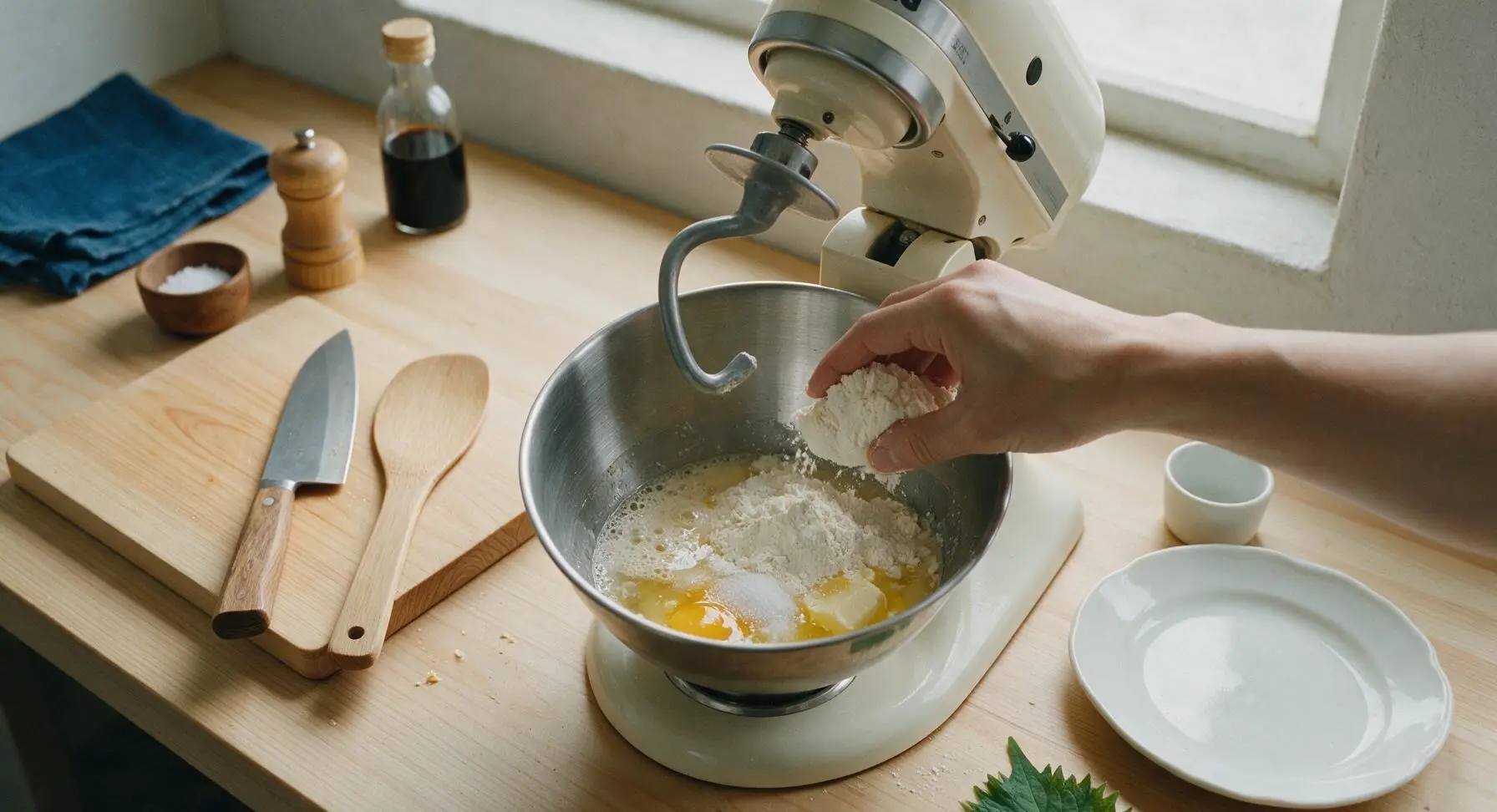
Attach the dough hook to the matte cream stand mixer. Add the remaining granulated sugar, cooled melted butter, lightly beaten room-temperature eggs, fine sea salt, and foamy activated yeast mixture to the stainless steel mixer bowl. With the mixer on low speed (speed setting 2), gradually add all-purpose flour ½ cup at a time, mixing for 3 minutes until a shaggy, slightly sticky dough forms that pulls away from the sides of the bowl.
Step 2
step2:Mix Dough Ingredients
3

Knead Until Smooth

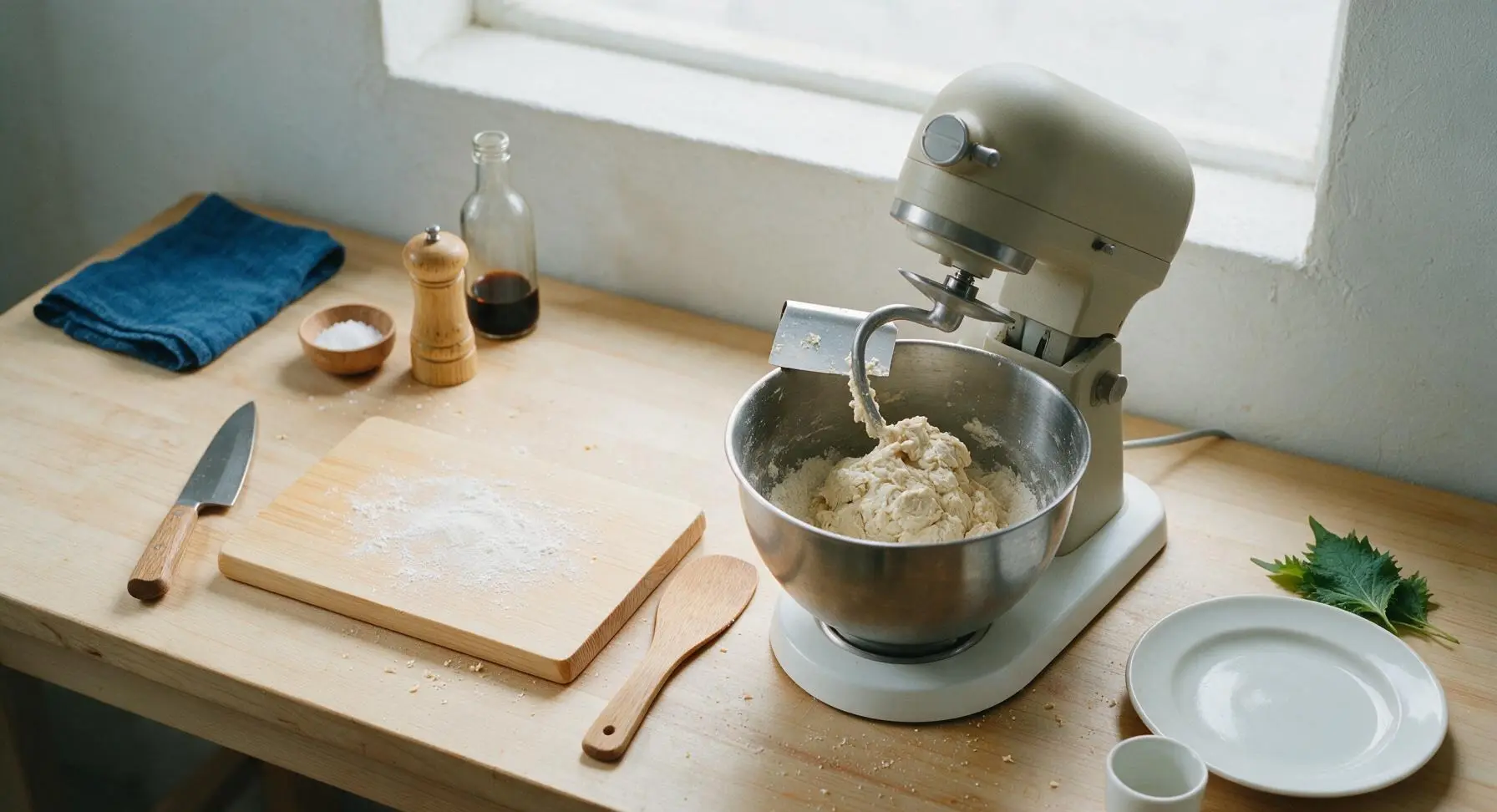
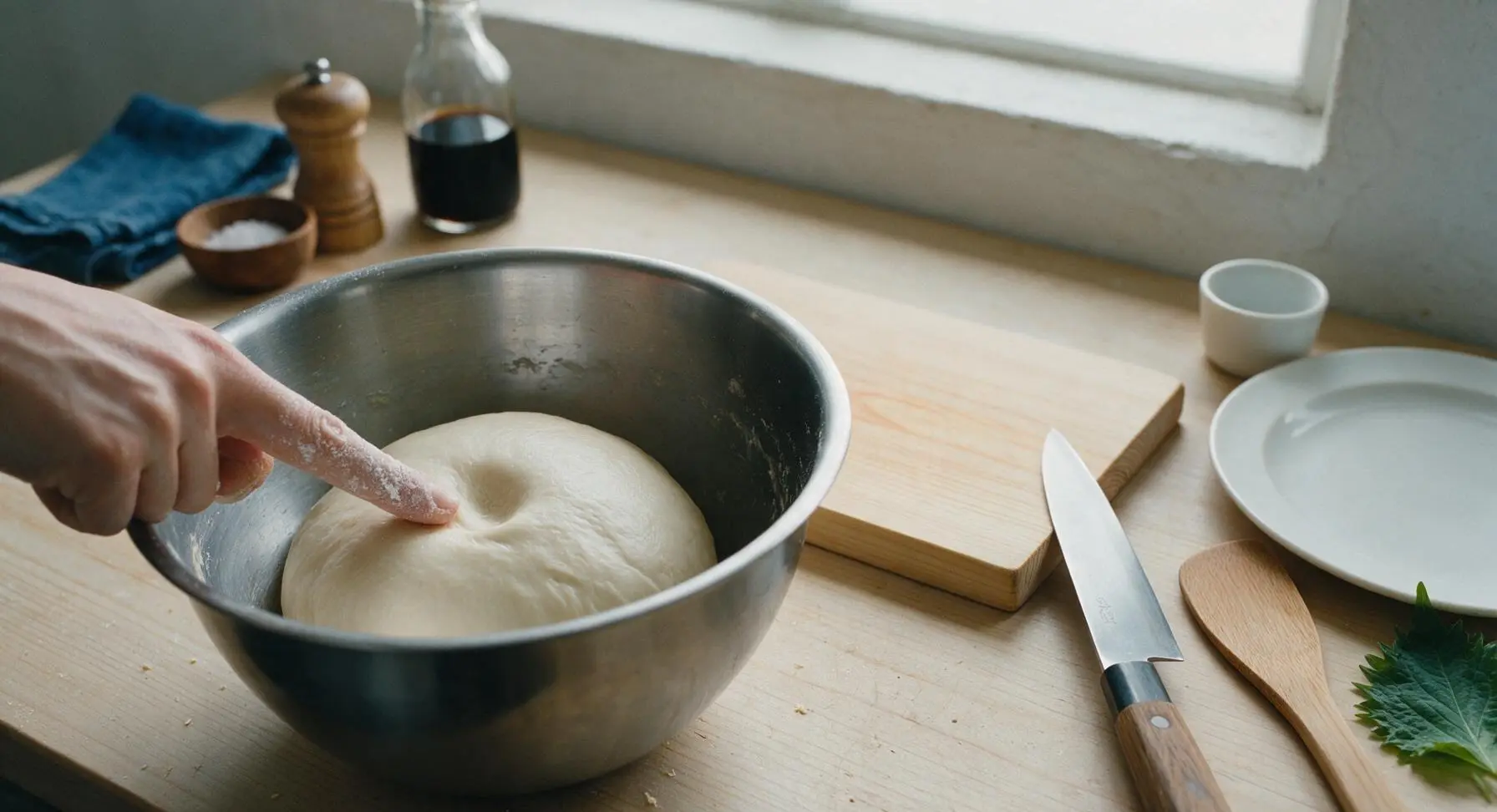
Keep the mixer on low speed (speed 2) and knead the dough for 8-10 minutes, stopping once to scrape down the sides of the bowl with the stainless steel dough scraper. The finished dough will be smooth, elastic, and slightly tacky to the touch: when you press a floured finger into the surface, the indent will slowly spring back halfway. Avoid adding extra flour unless the dough is sticking aggressively to the bowl, as excess flour creates a dry, dense loaf that will not absorb French toast custard well.
Step 3
step3:Knead Until Smooth
Step 3
step3:Knead Until Smooth
4

First Dough Rise

Use the dough scraper to form the kneaded dough into a tight, smooth ball. Lightly grease the inside of the mixer bowl with a tiny pat of butter, place the dough ball back in the bowl, and cover loosely with the terracotta linen towel. Let rise in a warm, draft-free spot on the counter for 1 to 1.5 hours, until the dough has doubled in size and a finger pressed into the center leaves an indent that does not spring back at all.

Step 4
step4:First Dough Rise
5

Shape the Loaf

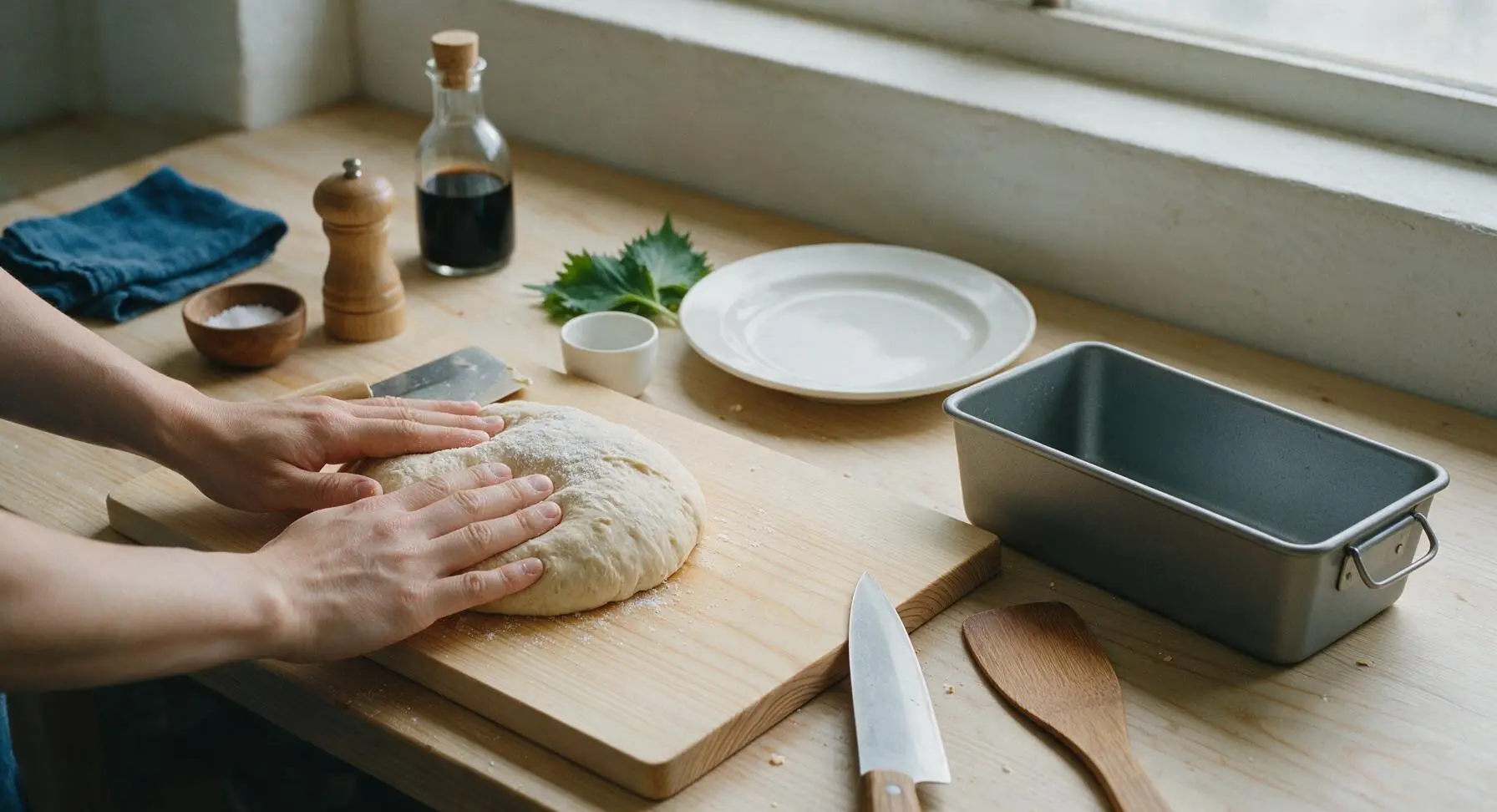
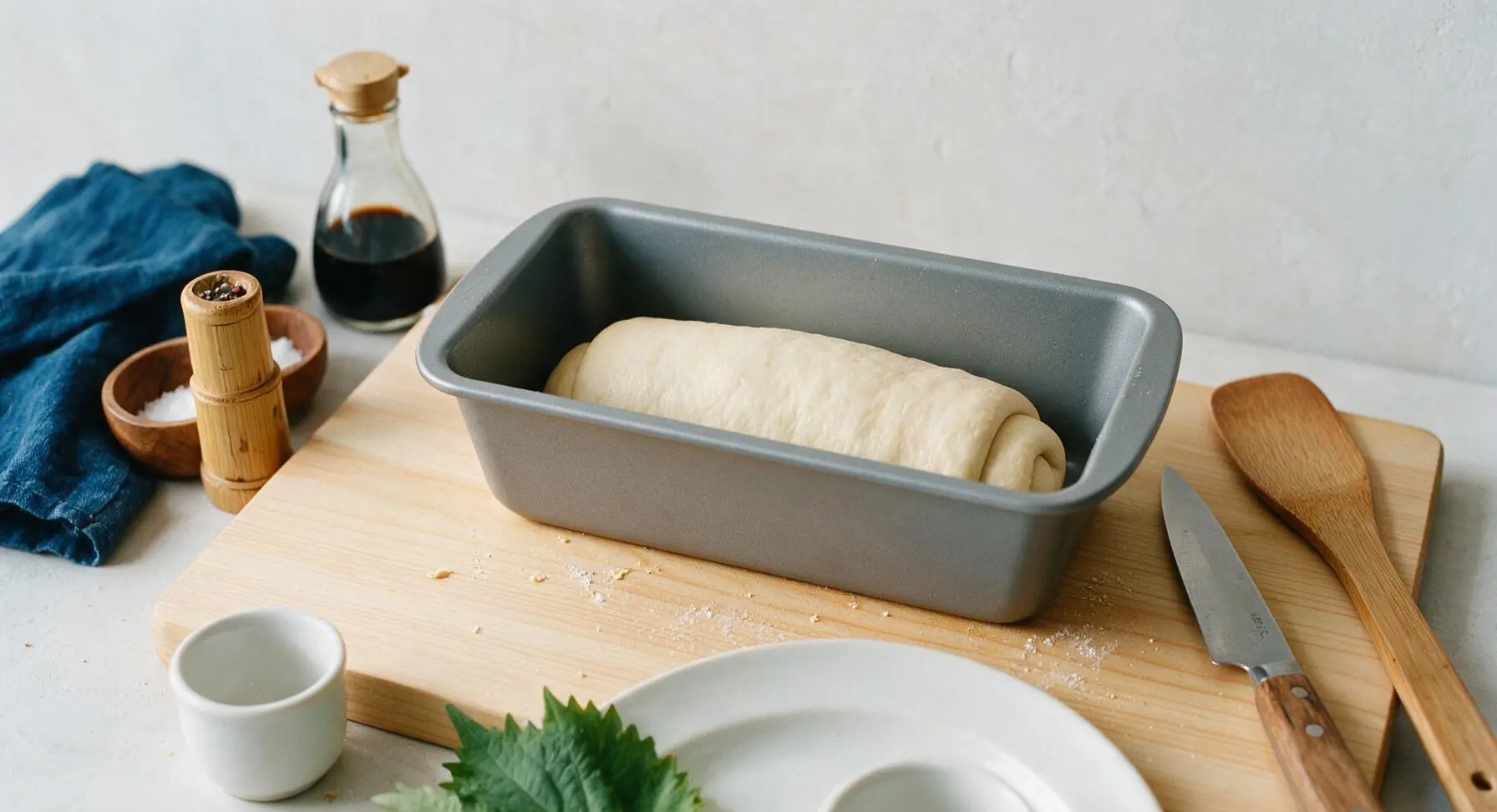
Once the dough has doubled, turn it out onto the lightly floured surface of the beech wood cutting board. Gently press the dough with your palms to deflate all large air bubbles, patting it into a 9-inch wide even rectangle. Starting from the short end closest to you, roll the dough tightly into a log, pinching the long seam and both ends closed to seal. Place the log seam-side down into the 9x5 inch grey non-stick loaf pan, pressing gently so the dough fills the bottom of the pan evenly.
Step 5
step5:Shape the Loaf
Step 5
step5:Shape the Loaf
6

Second Pan Proof

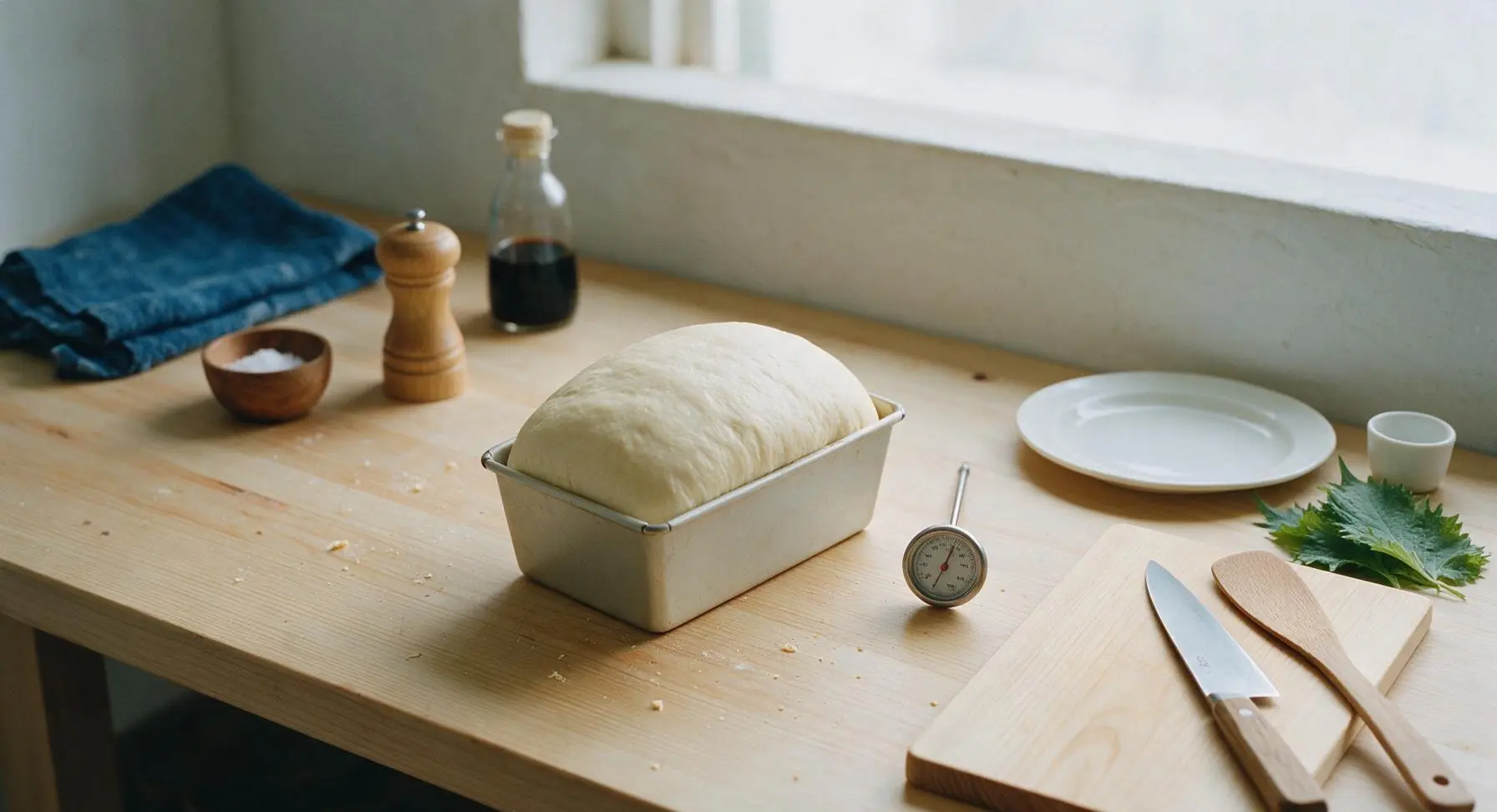
Cover the loaf pan loosely with the same terracotta linen towel, and let rise for another 45-60 minutes in the same warm, draft-free spot. The dough is ready to bake when it has risen 1 inch above the rim of the loaf pan, and a light finger press leaves a slow-rebounding indent. While the dough finishes its final rise, preheat your oven to 350°F (175°C) with a rack positioned in the center.

Step 6
step6:Second Pan Proof
7

Bake Until Golden

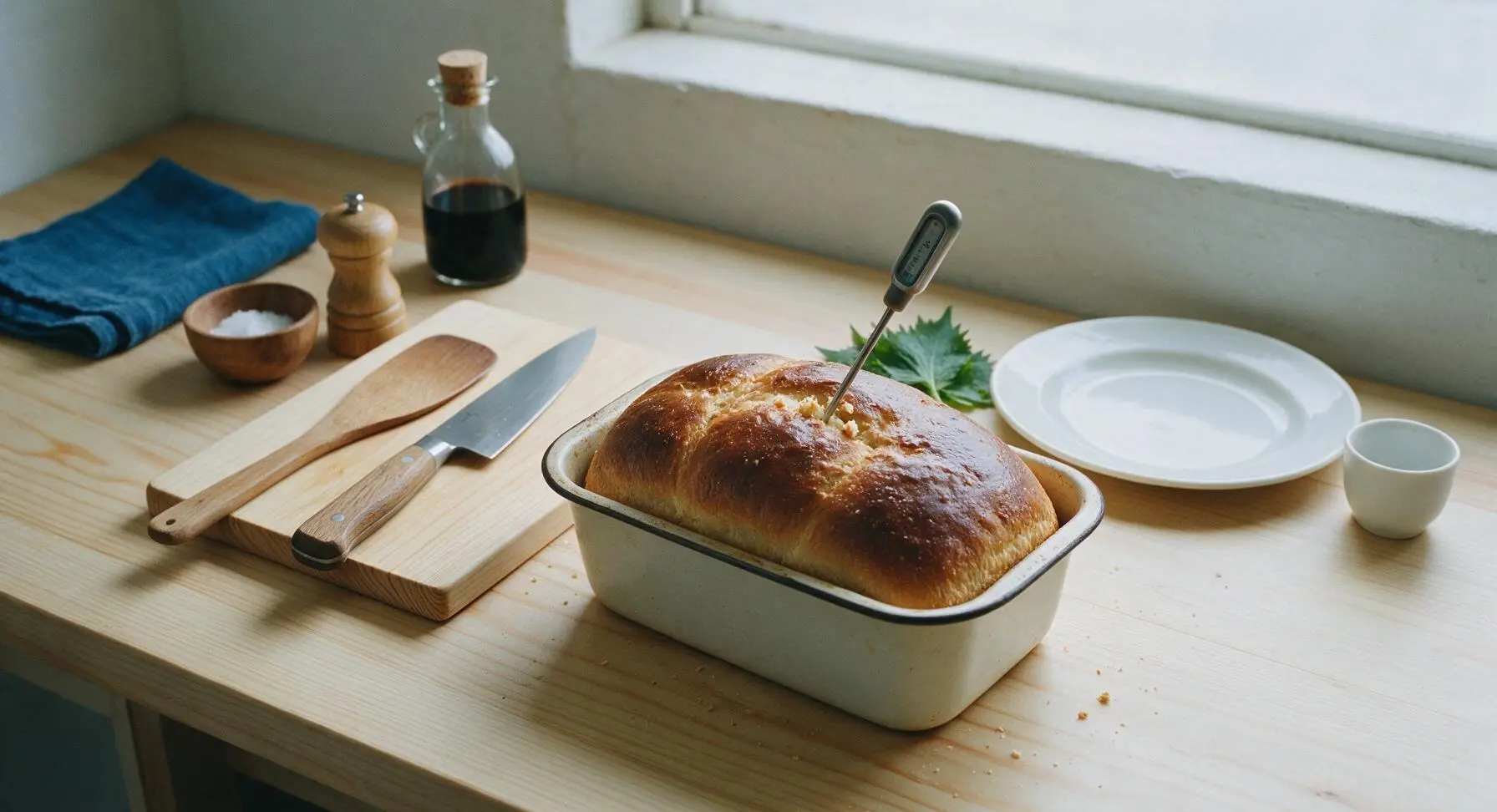
Remove the towel from the pan, and place the loaf pan on the center oven rack. Bake for 32-37 minutes, until the top crust is a deep, even golden brown, and the internal temperature of the loaf reads 190°F (88°C) when measured with the instant-read thermometer inserted into the thickest part of the center. If the top crust browns too quickly before the interior reaches temperature, tent loosely with a small piece of aluminum foil for the last 10 minutes of baking to prevent burning.
Step 7
step7:Bake Until Golden
Step 7
step7:Bake Until Golden
8

Cool Bread Fully

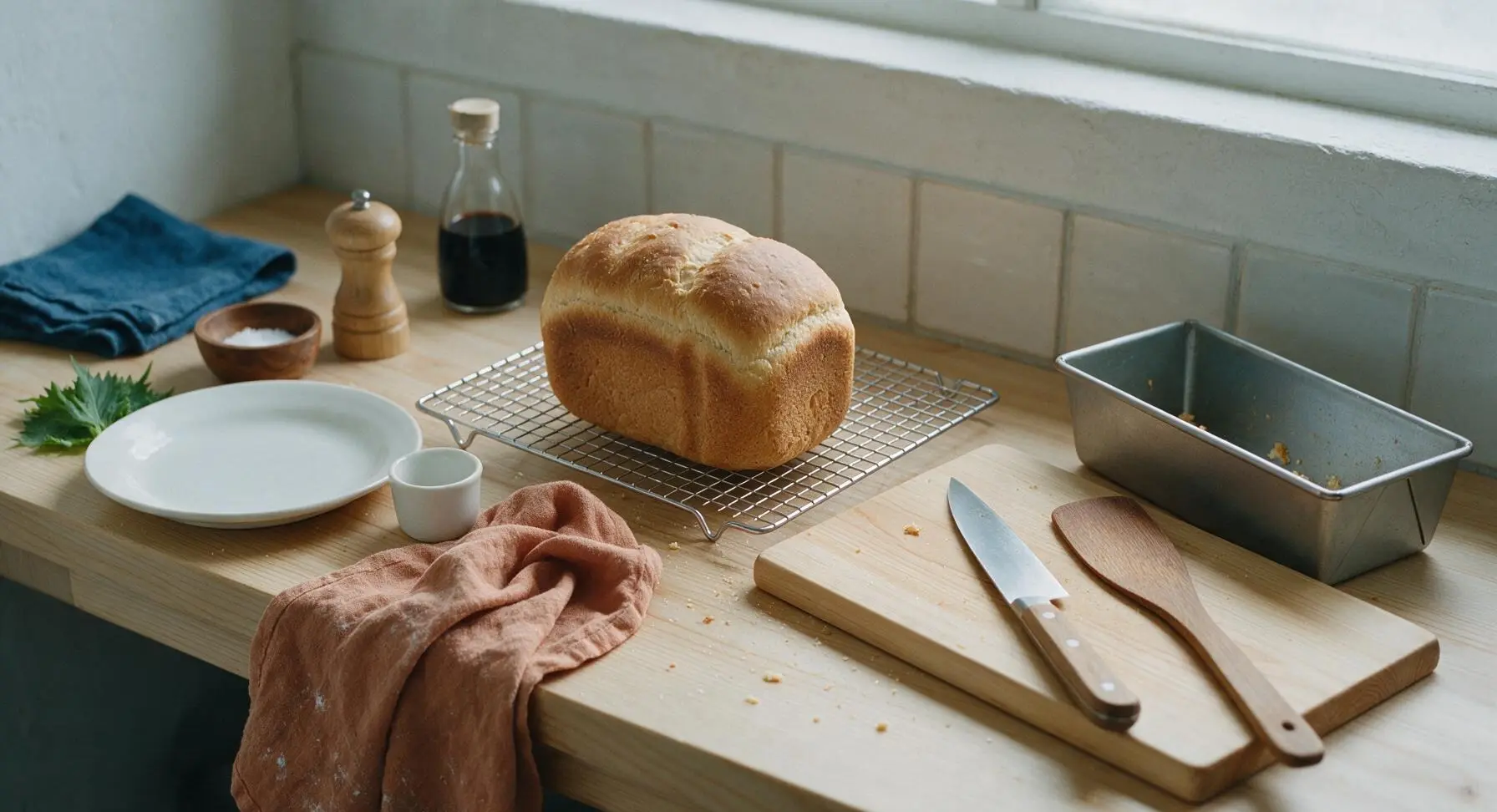
Let the baked loaf rest in the pan for 10 minutes to set, then use the dough scraper to loosen the edges from the pan, and turn the loaf out onto the matte chrome wire cooling rack. Let cool completely for 1 full hour before slicing—cutting warm bread causes gummy, compressed slices that fall apart when soaked for French toast. Once cool, slice into 1-inch thick slices with the serrated bread knife to use for French toast.
Step 8
step8:Cool Bread Fully

Tips

1.For the best French toast texture, let the fully cooled loaf sit uncovered at room temperature for 4-6 hours (or overnight) after slicing. Slightly dry, day-old bread absorbs egg custard far better than fresh, soft bread, which turns soggy and falls apart during cooking.
2.Resist the urge to add extra flour while kneading if the dough feels slightly tacky. A soft, slightly sticky dough produces a light but sturdy crumb; too much extra flour creates a dry, dense loaf that cannot absorb custard properly and results in tough French toast.
3.Skip mix-ins like cinnamon, chocolate chips, nuts, or dried fruit in this loaf. These ingredients create uneven gaps and hard spots in the crumb that cause custard to leak out or burn when cooking French toast; add flavorings directly to your custard instead for even, consistent results.

✨ You May Also Like

Breakfast
🍜 United States

Crisp-edged, fluffy lard griddle cakes are a nostalgic homestyle staple, with rich savoriness from rendered lard, perfect topped with maple syrup or savory gravy.

⏱️ 25 minuteBreakfast ★ 4.8
Breakfast
🍜 United States

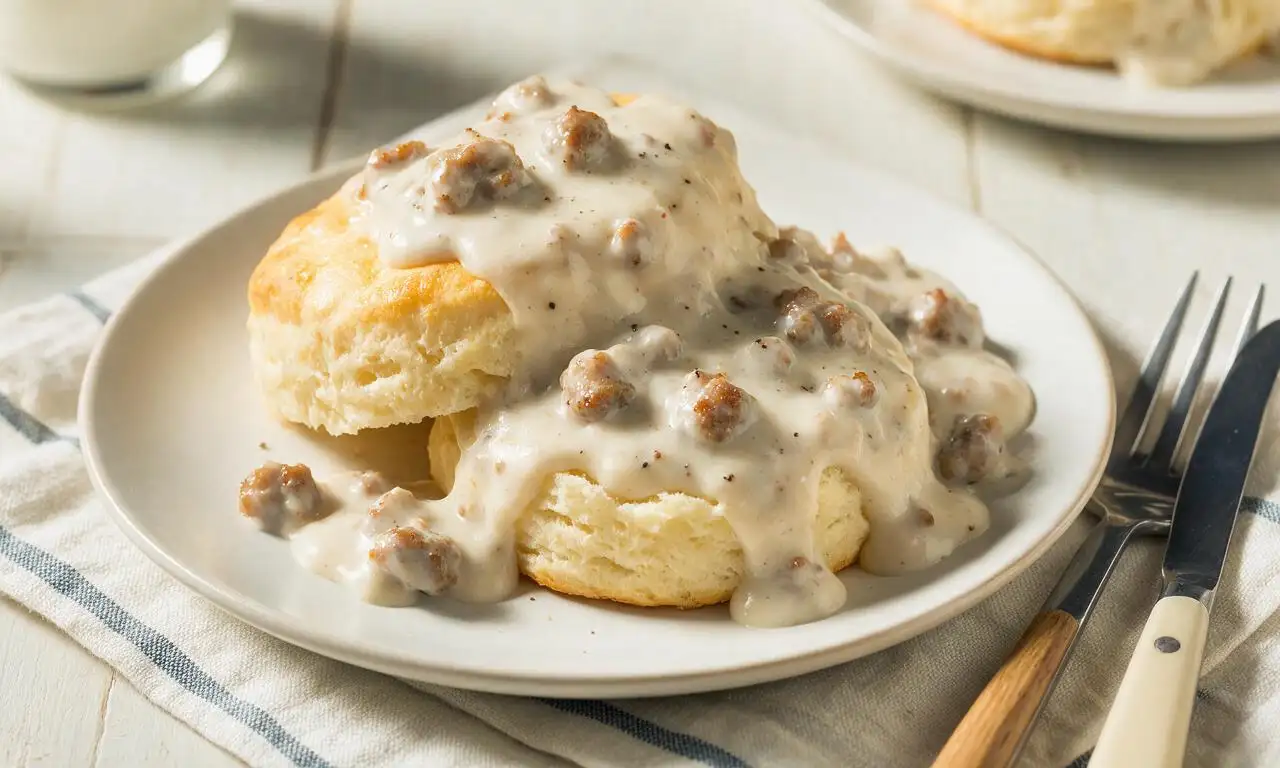
Flaky, buttery homemade buttermilk biscuits smothered in creamy, peppery pork sausage gravy: a beloved, hearty Southern American comfort food classic.

⏱️ 35 minuteBreakfast ★ 4.8
Breakfast
🍜 United States

Golden, custardy brioche stuffed with sweet cream cheese and fresh berries, pan-fried to crisp perfection. An indulgent, cozy breakfast perfect for slow weekend mornings.

⏱️ 30 minuteBreakfast ★ 4.7
Breakfast
🍜 United States

Flaky, buttery Southern-style biscuits stuffed with savory salty country ham, a portable, satisfying classic perfect for casual on-the-go meals.

⏱️ 25 minuteBreakfast ★ 4.8
Breakfast
🍜 United States

Iconic puffy baked pancake popularized in Seattle, with crisp golden edges and soft custardy center, served warm with classic sweet toppings.

⏱️ 35 minuteBreakfast ★ 4.6
Breakfast
🍜 United States

Fluffy, golden pancakes studded with juicy peak-summer mixed berries, drizzled with maple syrup for a bright, comforting, crowd-pleasing family breakfast.

⏱️ 25 minuteBreakfast ★ 4.7

bread to use for french toast:Frequently Asked Questions

1.Why is this bread better for French toast than regular store-bought sliced white bread? ▾
Regular soft store-bought white bread has an ultra-open, airy crumb that soaks up too much custard too fast, turning soggy and falling apart during cooking. This loaf has a tight, structured crumb and light enrichment that absorbs just the right amount of custard for a creamy center without getting mushy, plus a crust that crisps perfectly instead of turning gummy.
2.Can I use instant yeast instead of active dry yeast in this recipe? ▾
Yes, you can swap in instant yeast with a simple ratio adjustment: use 25% less instant yeast than the active dry amount called for (roughly 3/4 teaspoon instant per 1 teaspoon active dry). You won’t need to proof instant yeast in warm milk first—mix it directly with dry ingredients for the same tight, sturdy, custard-ready crumb.
3.How long do I need to let the baked loaf cool before slicing it for French toast? ▾
Resist the urge to slice the loaf warm! Let it cool completely on a wire rack for a full 2 hours after baking. Slicing early compresses the crumb and creates a gummy texture, and warm bread soaks up custard unevenly, leading to soggy, inconsistent spots when you cook your French toast.
4.Do I need to let this bread go slightly stale before using it for French toast? ▾
You don’t have to, but letting the sliced loaf sit uncovered on the counter for 12 to 24 hours to dry out slightly gives even better results. That light staling helps the crumb lock in custard without getting mushy, so you get that signature crisp exterior and creamy, fully set interior everyone loves in great French toast.
5.Can I substitute bread flour for the all-purpose flour in this recipe? ▾
You can swap bread flour 1:1 for all-purpose flour if that’s what you have on hand, but it will create a slightly chewier, more elastic crumb. Stick with unbleached all-purpose flour for the ideal balance of soft, tight crumb and sturdy structure that holds custard without turning tough or dense once cooked into French toast.
6.Can I freeze this loaf to use for French toast later? ▾
Definitely. Once the loaf is fully cooled, wrap it tightly in two layers of plastic wrap and a layer of aluminum foil, and it will keep in the freezer for up to 3 months. Thaw it completely on the counter, then slice it; you can let it dry out slightly post-thaw for extra custard-holding sturdiness before making French toast.
7.What happens if I add extra butter or sugar to make the loaf richer? ▾
Adding extra butter or sugar will make the loaf softer, sweeter, and more tender, but it will break down the tight, sturdy crumb structure we engineered here. Too much extra fat or sugar means the bread will turn soggy and fall apart when soaked in custard, defeating the purpose of this purpose-built French toast loaf.

Comments (3)

5 days ago

OMG this bread is an absolute game changer for French toast! I used to just grab whatever cheap sandwich bread was on sale and it would always turn soggy halfway through cooking, no matter how long I let the excess custard drip off. This loaf stayed perfectly sturdy, had that soft rich enriched crumb, and my kids devoured three slices each with extra maple syrup and fresh strawberries. 10/10 will be my go-to from now on for weekend brunch, even planning to bake a couple loaves for our neighborhood potluck next month!

3 days ago

Totally agree! I brought a loaf of this to my family dinner last weekend and everyone was hounding me for the recipe. I added a tiny bit of ground cinnamon to the dough and it was chef’s kiss.

2 days ago

So glad you and the kids loved it, Sarah! If you’re baking loaves ahead for the potluck, you can make them 2 days in advance and store them tightly wrapped on the counter – they hold up perfectly for slicing when you’re ready to make French toast for a crowd. That cinnamon addition Jake mentioned sounds delicious too!

yesterday

Took a stab at this yesterday because I’ve been chasing that perfect diner-style French toast that doesn’t fall apart when you flip it. The 35 minute cook time was spot on for my oven, but my first loaf rose a little lopsided? Tasted incredible though, super buttery and soft but firm enough to hold a thick layer of custard without turning to mush. Already prepping a second loaf for meal prep this week so I can grab quick French toast slices before work.

2 hours ago

Hi Tyler! A lopsided rise is usually just from uneven shaping when you form the loaf before the second proof – it doesn’t impact the flavor or texture at all, so glad it tasted great! If you’re prepping ahead for the week, sliced loaves freeze beautifully for up to 3 months, just pop a slice straight in the toaster when you’re ready to eat.

30 minutes ago

SO good! I was worried this would be too tricky since I’m pretty new to baking enriched breads, but the instructions were straightforward even for a medium-difficulty recipe. I made a batch for my partner’s birthday breakfast and he said it was better than the French toast we got on our honeymoon in Maui. Already sent the recipe to my whole book club!