1.Why should I use cold-water lobster tails instead of warm-water ones for this recipe?
▾
Cold-water lobster tails (sourced from Maine or Atlantic Canada) have firmer, sweeter, less mushy meat than warm-water variants, which often carry a faint iodine aftertaste and softer texture. Look for tails with firm, opaque white meat under the shell and no gray discoloration for the most restaurant-worthy result.
2.What’s the safest way to thaw frozen lobster tails?
▾
The lowest-risk method is to thaw tails in the refrigerator for 8 to 12 hours before cooking. If you’re short on time, seal tails in a leak-proof plastic bag and submerge in cold tap water for 30 to 60 minutes, changing the water every 15 minutes. Never thaw at room temperature, as that raises bacteria risk and causes rubbery meat.
3.Do I really need to butterfly lobster tails before broiling them?
▾
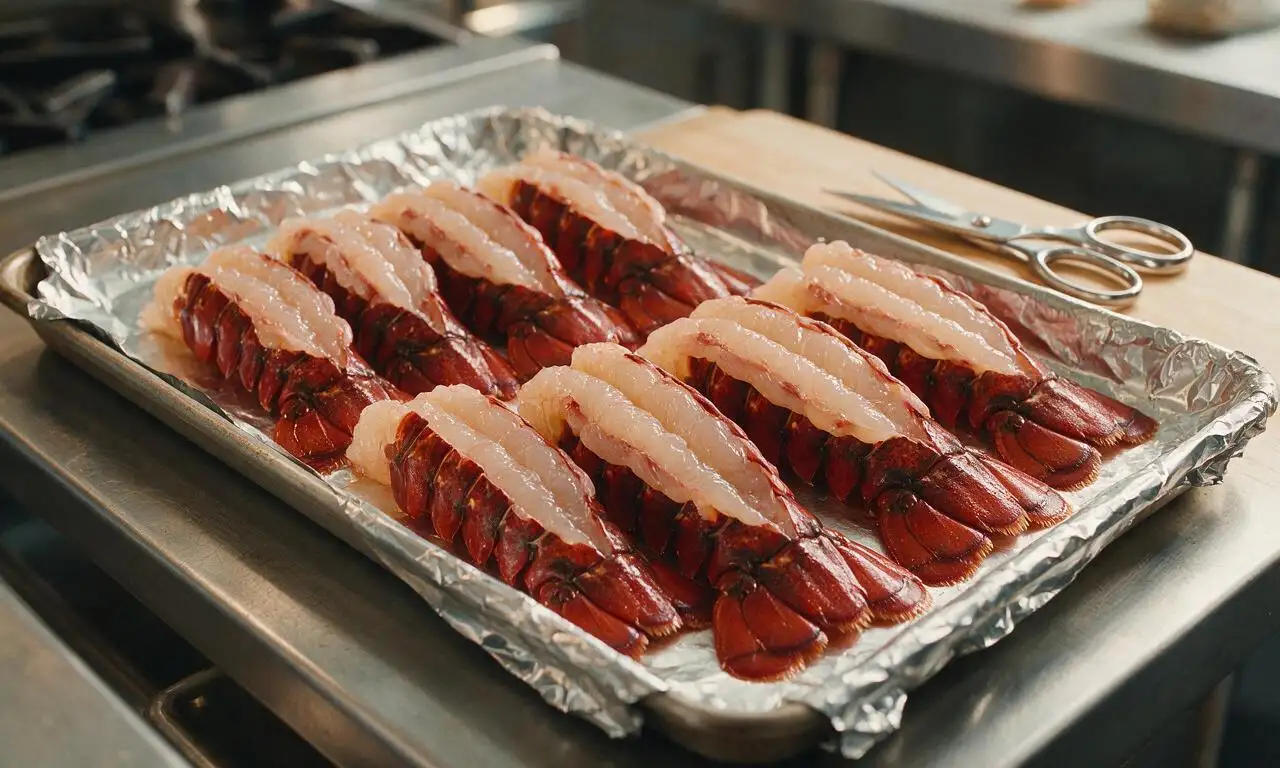
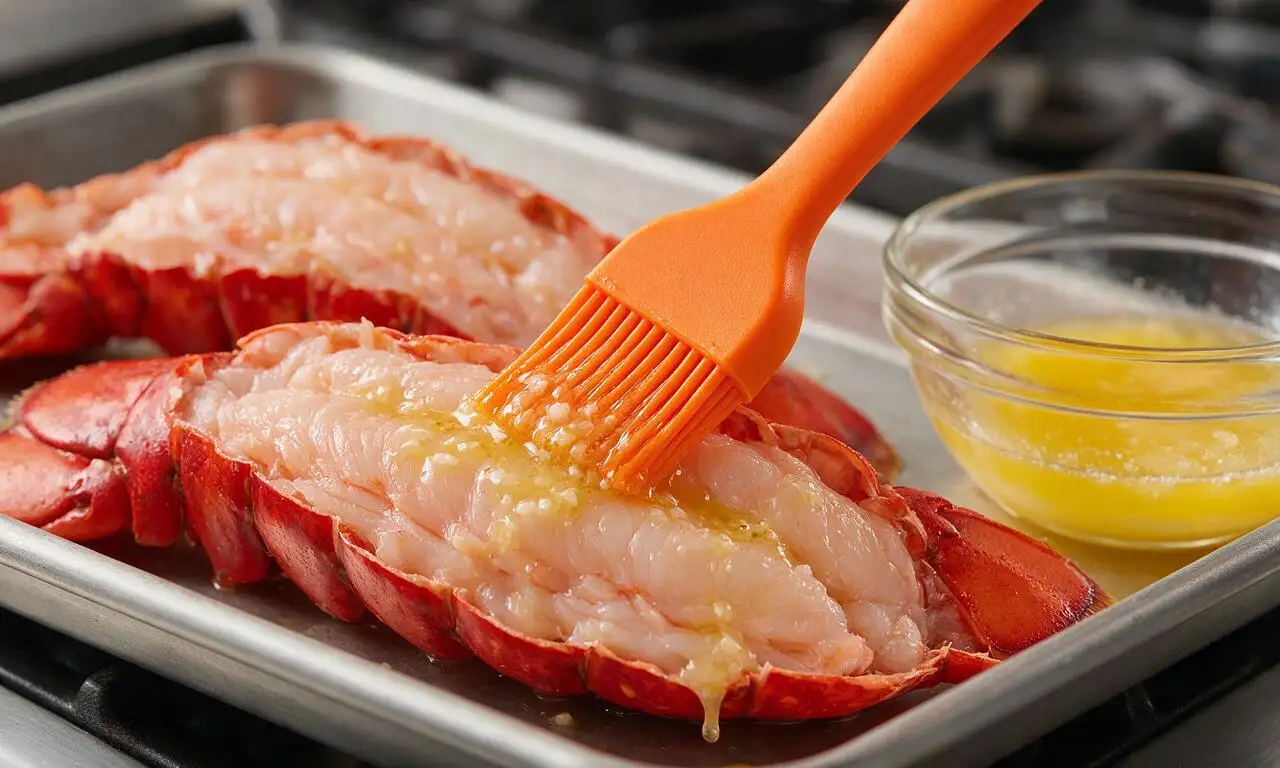
Absolutely—butterflying lets the garlic butter baste the meat directly as it cooks, prevents tails from curling tightly, and cuts down on uneven cook time. Use kitchen shears to cut down the center of the top shell, stopping at the tail fin, then gently lift the meat to rest on top of the shell before adding butter.
4.How far from the broiler element should I position my oven rack?
▾
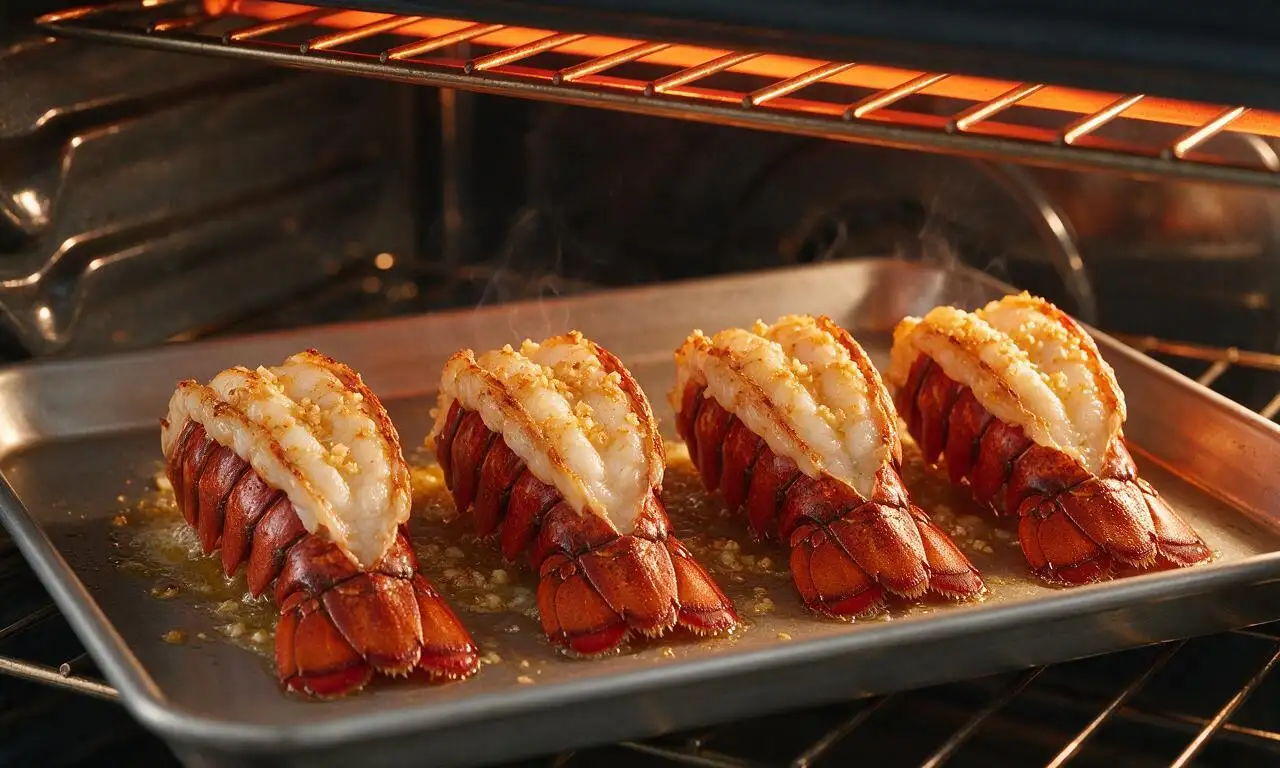
Set your oven rack 4 to 6 inches directly below the broiler element for this recipe. Any closer, and the garlic in the butter will burn and the top of the meat will char before the center cooks through; any farther, and the lobster will steam instead of developing that signature slightly caramelized broiled top.
5.How do I tell when broiled lobster tails are perfectly done?
▾
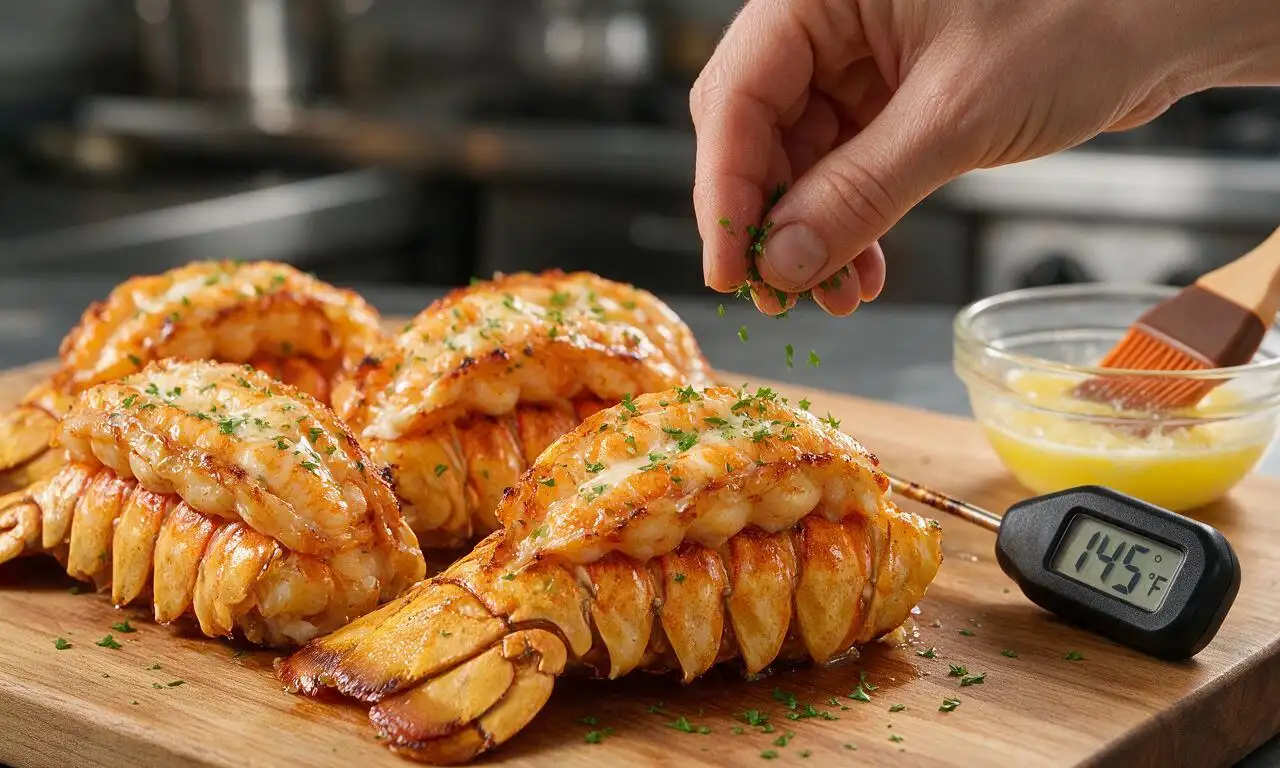
Lobster is done when the meat turns opaque pearly white, reaches an internal temperature of 140 to 145°F at its thickest point, and pulls easily from the shell. For standard 5 to 6 oz tails, that’s usually 8 to 10 minutes total. Don’t cook past 145°F, or the meat will turn tough, rubbery, and lose its natural sweetness.
6.Can I use salted butter instead of unsalted for the garlic butter?
▾
You can, but cut the added kosher salt in the recipe by half to avoid over-seasoning. Unsalted butter lets you control the exact sodium level, so you can highlight the sweet lobster flavor and warm smoked paprika without the dish tasting overly salty. If using salted butter, taste the mix before brushing it on the meat.
7.Why did my lobster meat turn out tough and rubbery?
▾
That issue is almost always caused by overcooking, which happens very quickly under high broiler heat. Lobster protein tightens fast when exposed to too much heat, squeezing out all its natural moisture. Next time, set a timer, check internal temp at the 7-minute mark, and pull tails as soon as they hit 140°F, as residual heat will finish cooking them.
8.What size lobster tails work best for broiling?
▾
Five to 8 oz cold-water tails are ideal for this recipe. They’re large enough to stay juicy under high broiler heat, cook evenly without drying out, and make a generous single serving. Tails smaller than 4 oz cook too fast and easily overcook, while tails over 10 oz may develop a tough outer layer before their center cooks through.
9.Can I prep these lobster tails ahead of time for a dinner party?
▾
You can butterfly the tails and mix the garlic butter up to 24 hours ahead, storing both separately in airtight containers in the fridge. Wait to brush the butter on and broil until 10 minutes before you plan to serve, though—cooked lobster gets rubbery when reheated, and loses its ideal texture just a few minutes after cooking.
10.Why does the recipe call for smoked paprika instead of regular paprika?
▾
Smoked paprika adds a subtle, earthy, smoky depth that mimics that classic steakhouse broiled lobster flavor, without overpowering the delicate sweet lobster or rich garlic butter. If you only have regular sweet paprika on hand, you can use it, and add a tiny pinch of cayenne for gentle warmth if you want extra dimension.
11.Should I leave the oven door cracked open while broiling?
▾
For most electric ovens, leave the door cracked 1 to 2 inches while broiling to keep the heating element from cycling on and off, which maintains consistent high heat for even cooking. If you have a gas broiler, keep the door fully closed, as gas broilers are designed to hold steady high heat with the door shut.
12.Can I mix other seasonings into the garlic butter?
▾
Absolutely—this recipe is a fantastic, flexible base! Try adding a squeeze of fresh lemon juice, a tablespoon of finely chopped parsley, a pinch of red pepper flakes, a tiny grating of Parmesan, or a splash of dry white wine to the melted butter. Just avoid heavy, strong seasonings that will cover the lobster’s delicate sweet flavor.
13.What went wrong if my garlic burned while broiling?
▾
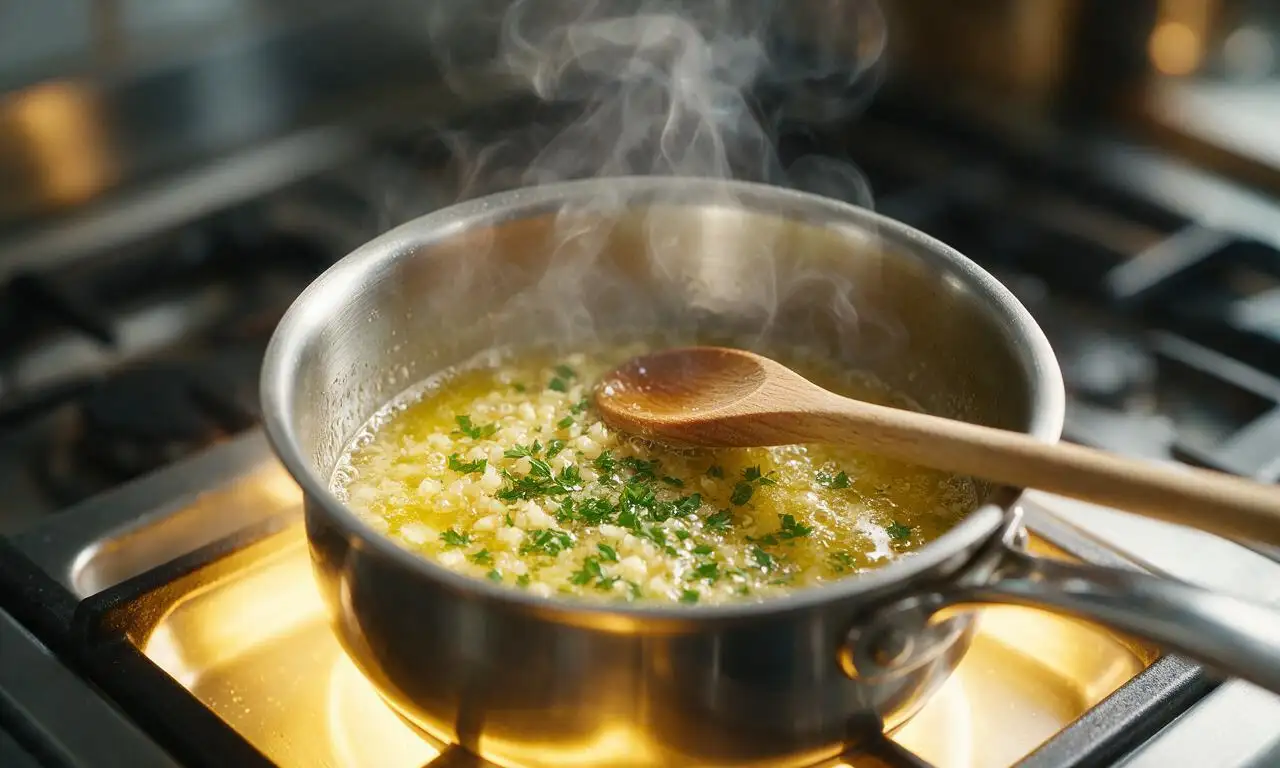
Burnt garlic usually happens if you mince the garlic too fine, position the rack too close to the broiler element, or cook the tails too long. For next time, mince garlic to a medium (not powdery) consistency, keep the rack 4 to 6 inches from the heat, and sauté garlic in butter for 30 seconds first to mellow its bite before brushing.
14.What side dishes pair best with these garlic butter lobster tails?
▾
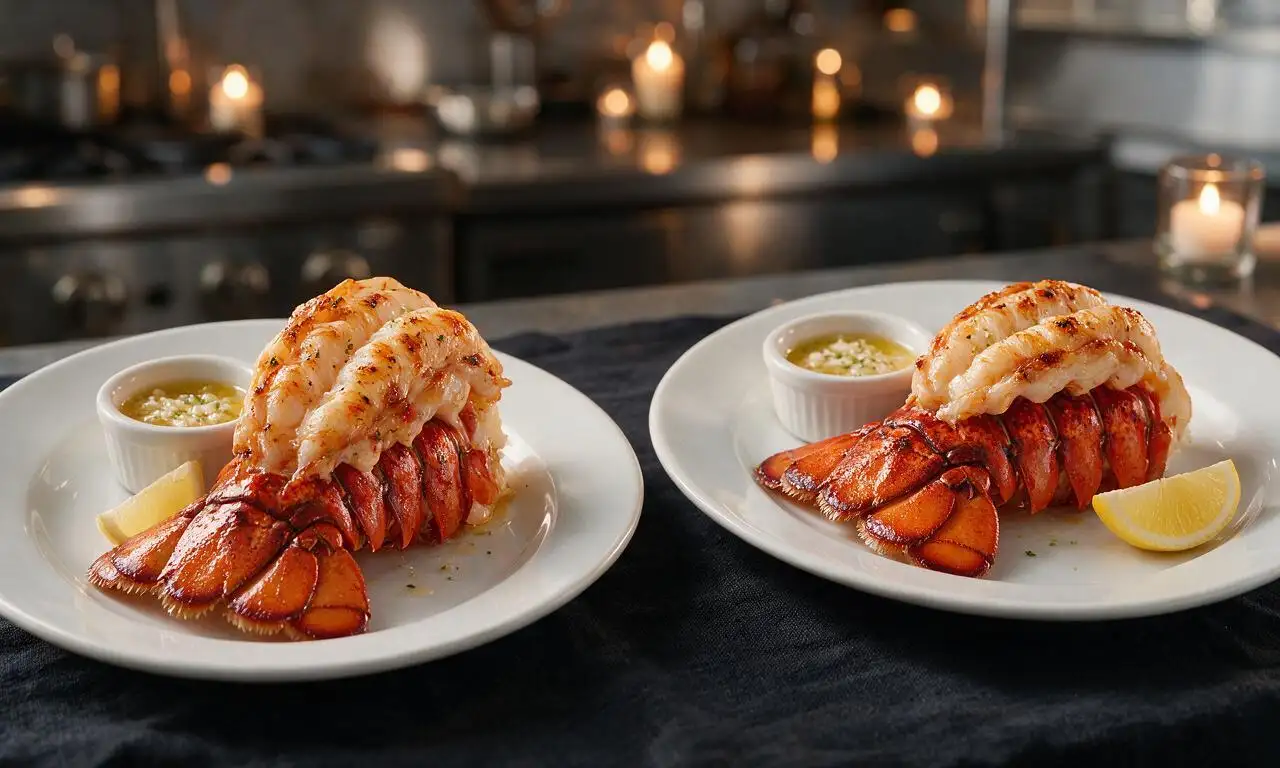
Keep sides simple to let the lobster be the star! Classic pairings include roasted asparagus, buttery mashed potatoes, crusty sourdough to soak up extra garlic butter, a light arugula salad with lemon vinaigrette, or steamed corn on the cob. Skip heavy, overly sauced sides that compete with the lobster’s rich, delicate flavor.
15.Can I cook frozen lobster tails directly without thawing them first?
▾
It’s not recommended, as they’ll cook very unevenly—the outer layer of meat will overcook and turn rubbery before the center thaws and cooks through. If you’re truly in a time crunch, you can add 3 to 4 minutes to the total cook time, but you’ll get far juicier, more even results if you thaw them fully first with the cold water method.
16.How do I keep lobster tails from curling up while they broil?
▾
The easiest, most reliable trick is to run a small metal or soaked wooden skewer lengthwise through the center of the lobster meat after butterflying, to hold it straight as it cooks. Pull the skewer out right before serving, and the tail will hold its nice, flat, restaurant-style presentation instead of curling into a tight C-shape.
17.Why did my lobster meat come out soft and mushy?
▾
Mushy lobster meat almost always means you used low-quality warm-water lobster tails, or tails that were thawed and refrozen multiple times before purchase. Always buy cold-water tails from a reputable fishmonger or well-stocked frozen section with no freezer burn, and check that meat feels firm through the shell before prepping.

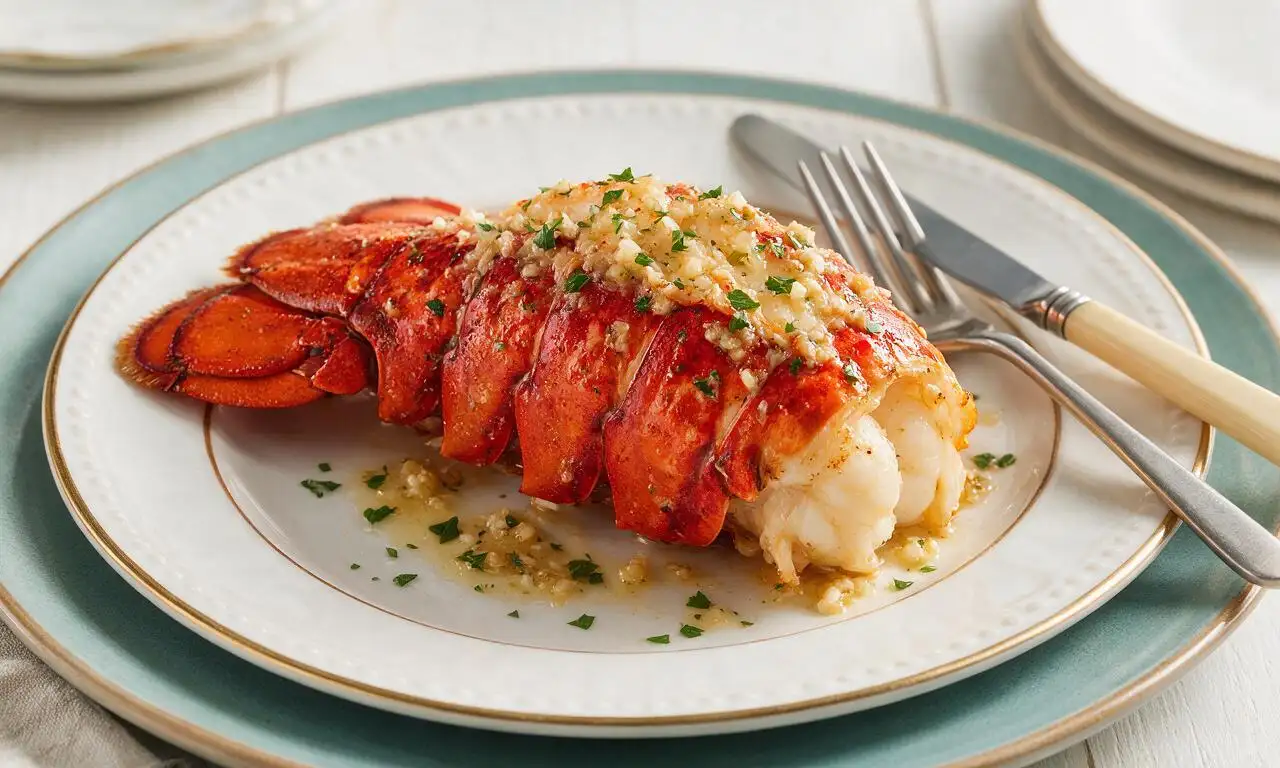
OMG these broiled lobster tails were a total game changer for our date night in! I was so intimidated because I’ve only ever had lobster at restaurants, but the 20 minute cook time was no joke and the garlic butter was SO good — I mopped up every last drop with crusty sourdough. My husband kept saying it tasted better than the fancy seafood spot we went to for our anniversary last year. 10/10 will be making this for my in-laws when they visit next month!
Made this last night for our weekly Sunday family dinner and my kids loved it! I was worried lobster would be too fancy for my picky 7 and 9 year old, but they dipped every bite in extra garlic butter and asked for seconds. Only tweak: I added a tiny pinch of smoked paprika to the melted butter for a little warm, smoky kick, and it was chef’s kiss. Already added this to our regular monthly rotation!
Solid recipe, but as someone who’s still pretty new to cooking seafood I will say the difficulty felt a touch higher than medium for me! I over-broiled my first two tails by about 2 minutes because I didn’t realize how aggressively hot my apartment oven’s broiler runs, but the third tail came out perfectly tender and that garlic butter is insanely good. Quick pro tip for other new cooks: keep a super close eye on them after the 8 minute mark, they go from perfectly cooked to chewy so fast!