
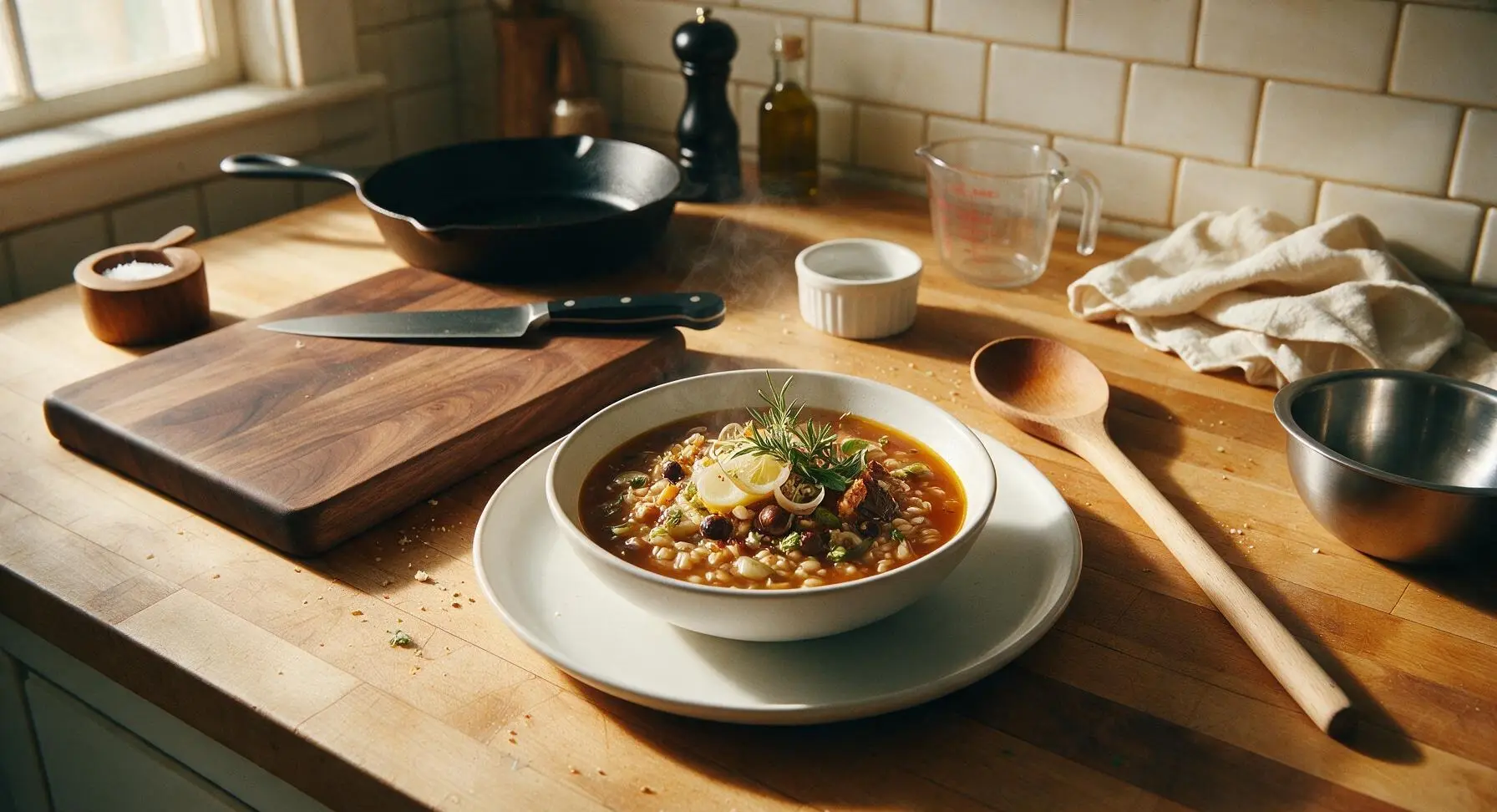
Brown IPA

title 1
Brown IPA
⏱️ cook time 1 hour 30 minutes
🍽️ servings 48
⚡ Difficulty medium

intro

A balanced, malty American Brown IPA with notes of toasted caramel, dark nut, and bright pine-citrus hops, with a smooth, medium body perfect for pairing with hearty grilled food.

Ingredients
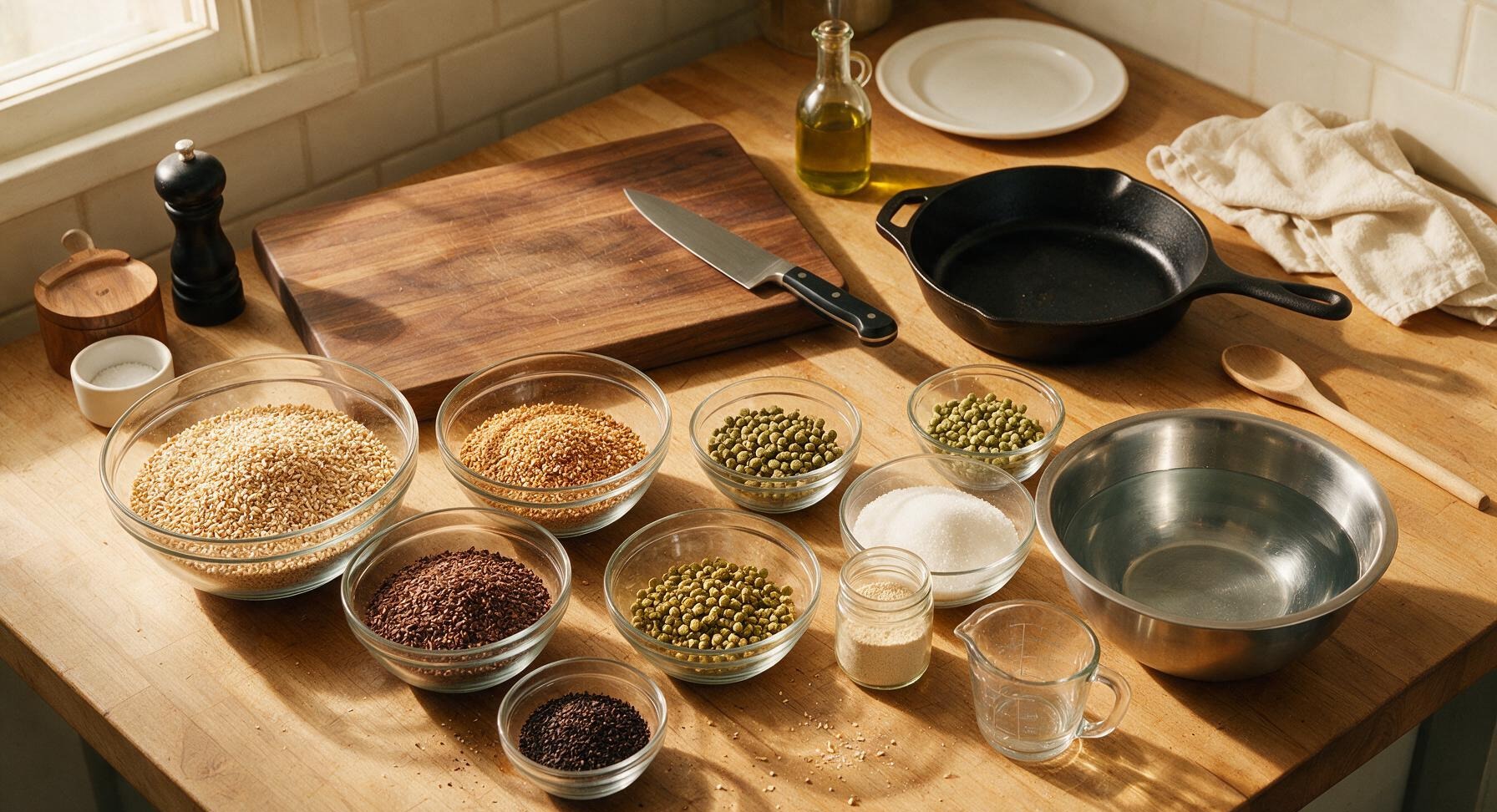
Milled 2-row pale malt 3.6kg (8 lbs)
Milled crystal 60L malt 450g (1 lb)
Milled chocolate malt 225g (0.5 lb)
Milled roasted barley 113g (4 oz)
Columbus hop pellets (14% AA) 28g (1 oz)
Cascade hop pellets 28g (1 oz)
Simcoe hop pellets 14g (0.5 oz)
American ale yeast (US-05) 11g (1 packet)
Corn sugar (for priming) 150g (5.3 oz)
Filtered brewing water 21L (5.5 gallons)

Steps

1

Heat Mash Water

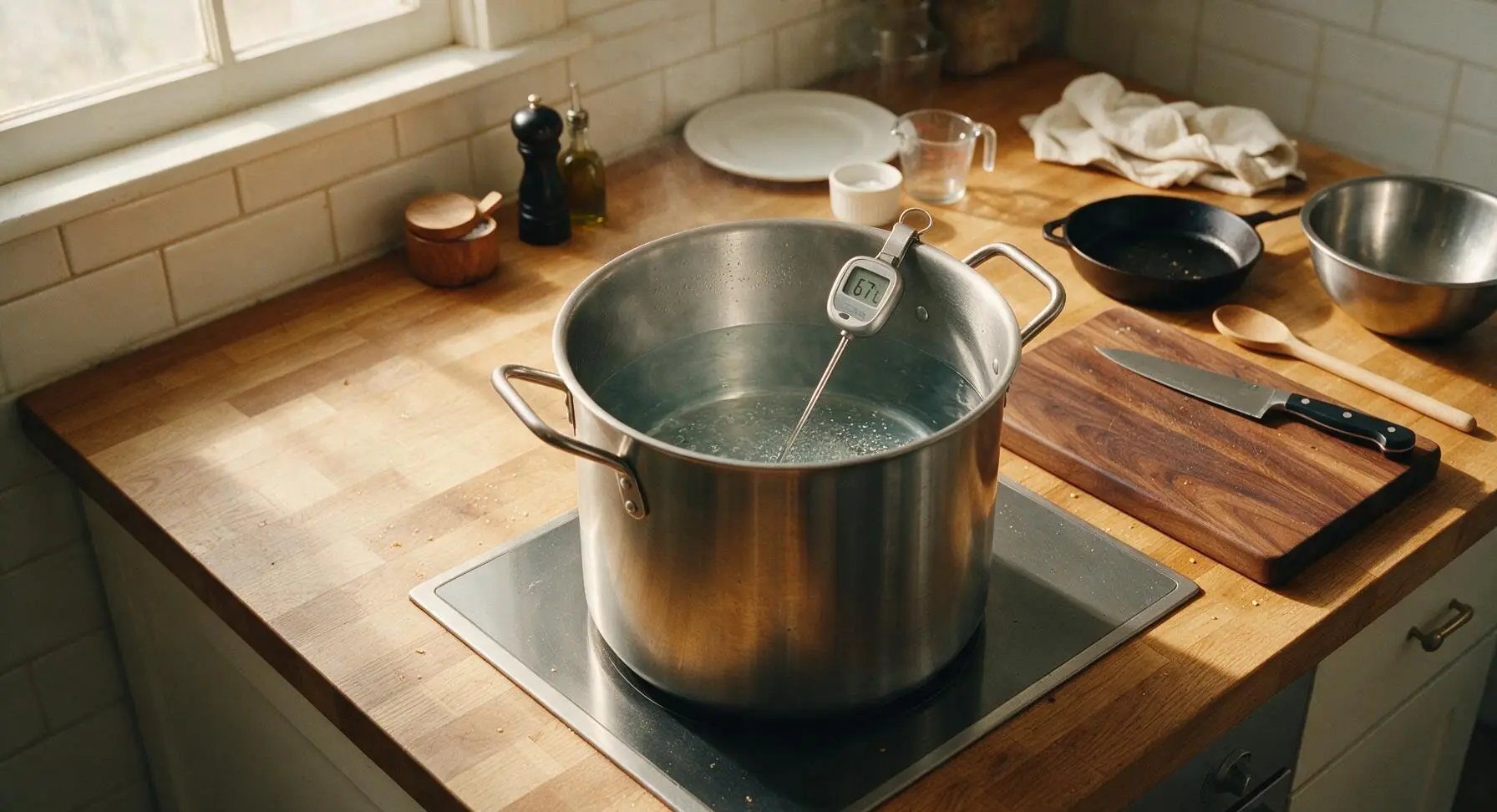
Pour 13L (3.4 gallons) of filtered water into the 5-gallon brushed stainless steel brew kettle. Set the kettle on the flush-mounted induction cooktop zone of the counter, and warm the water to exactly 67°C (153°F), clipping the digital instant-read thermometer to the kettle rim to monitor temperature. Hold this temperature steady, avoiding spikes above 70°C which will denature the mash enzymes needed to convert grain starch to sugar.
Step 1
step1:Heat Mash Water
2

Mash the Grains

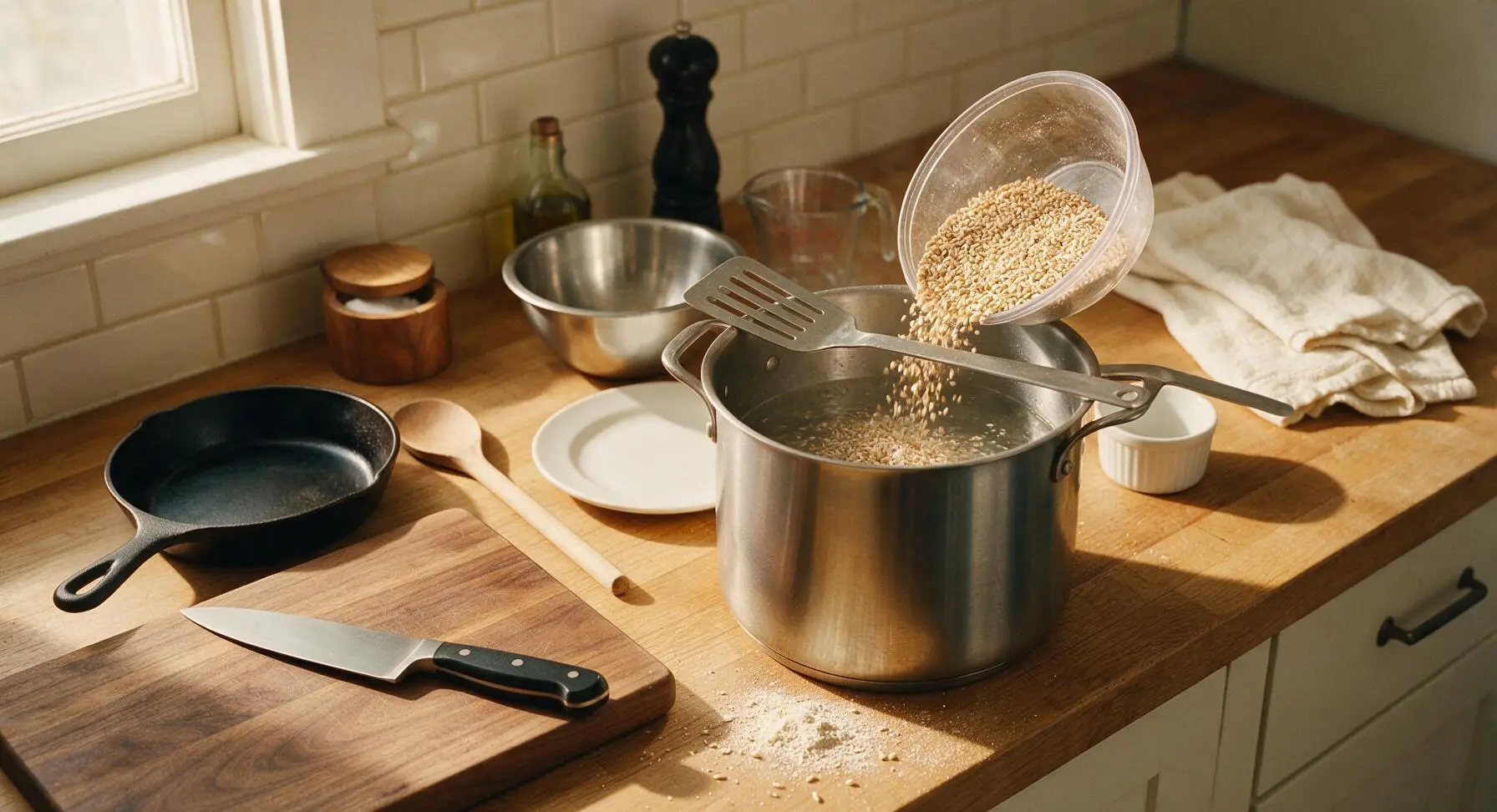
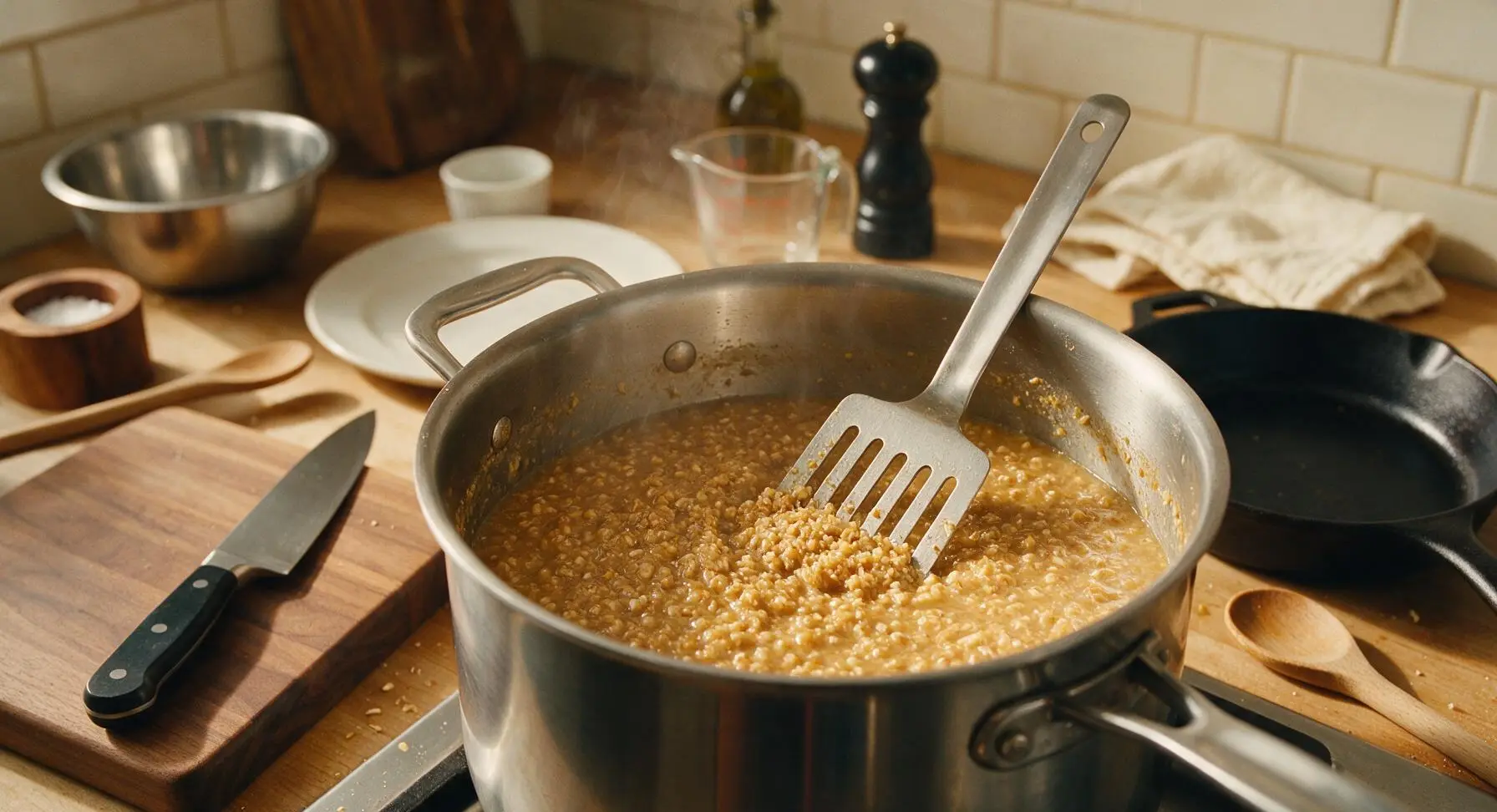
Slowly stir all milled grains (2-row pale, crystal 60L, chocolate malt, roasted barley) into the heated water using the slotted stainless steel mash paddle, mixing thoroughly to break up any dry clumps of grain. Cover the kettle and hold the mash temperature steady at 67°C (153°F) for 60 minutes, checking temperature every 15 minutes to adjust heat as needed. The finished mash will have a thick, porridge-like consistency and a sweet, toasty, slightly nutty aroma.
Step 2
step2:Mash the Grains
Step 2
step2:Mash the Grains
3

Lauter Sweet Wort

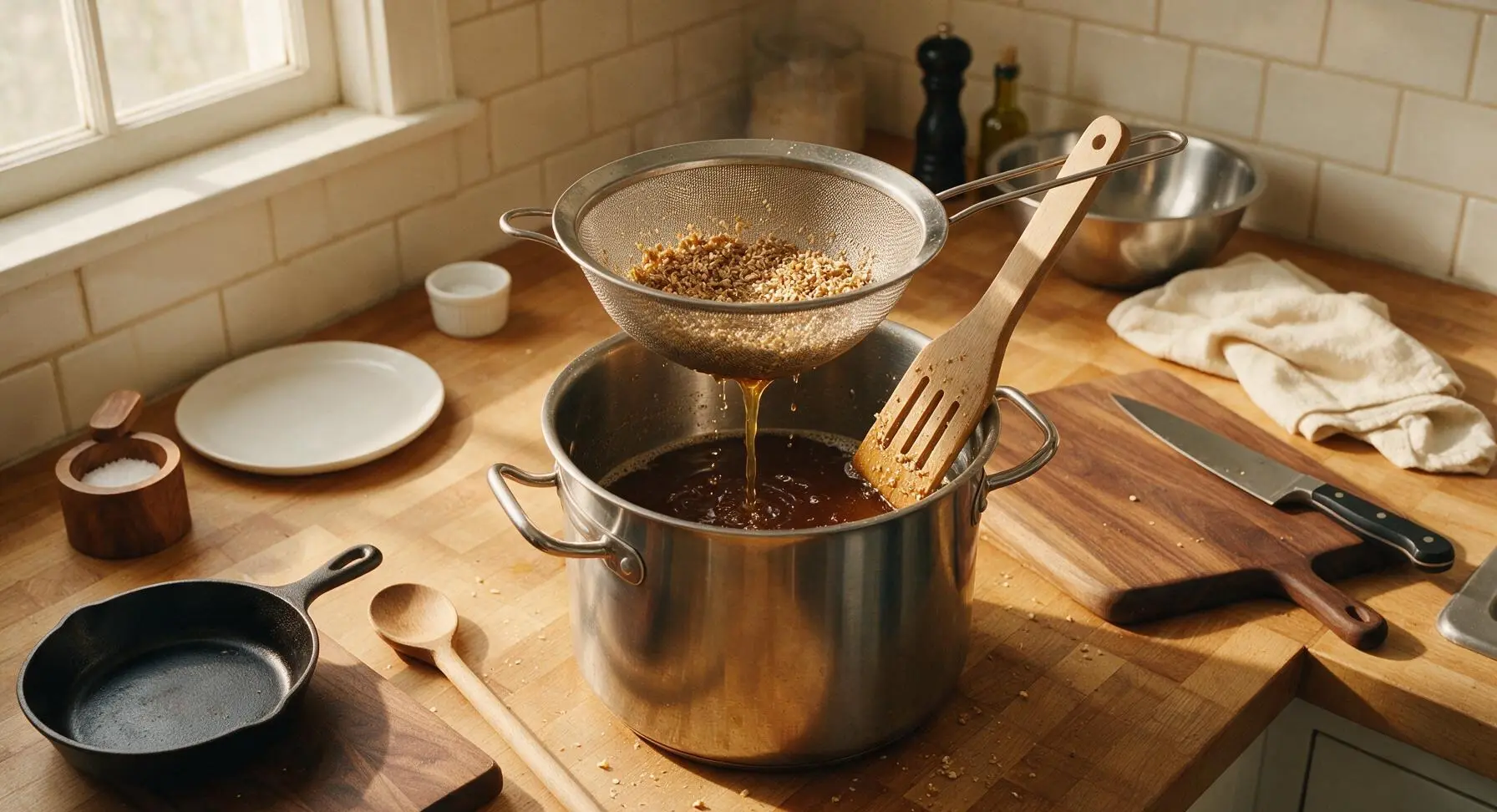
After the 60-minute mash rest, slowly raise the water temperature to 77°C (170°F) to halt enzyme activity. Position the fine-weave stainless steel mesh strainer over the kettle, then pour the mash through the strainer to separate sweet amber wort from spent grain. Sparge (rinse) the spent grains with the remaining 8L (2.1 gallons) of 77°C filtered water to collect a total of 19L (5 gallons) of clear, sweet wort; discard the drained spent grains.
Step 3
step3:Lauter Sweet Wort
4

Boil Bittering Hops

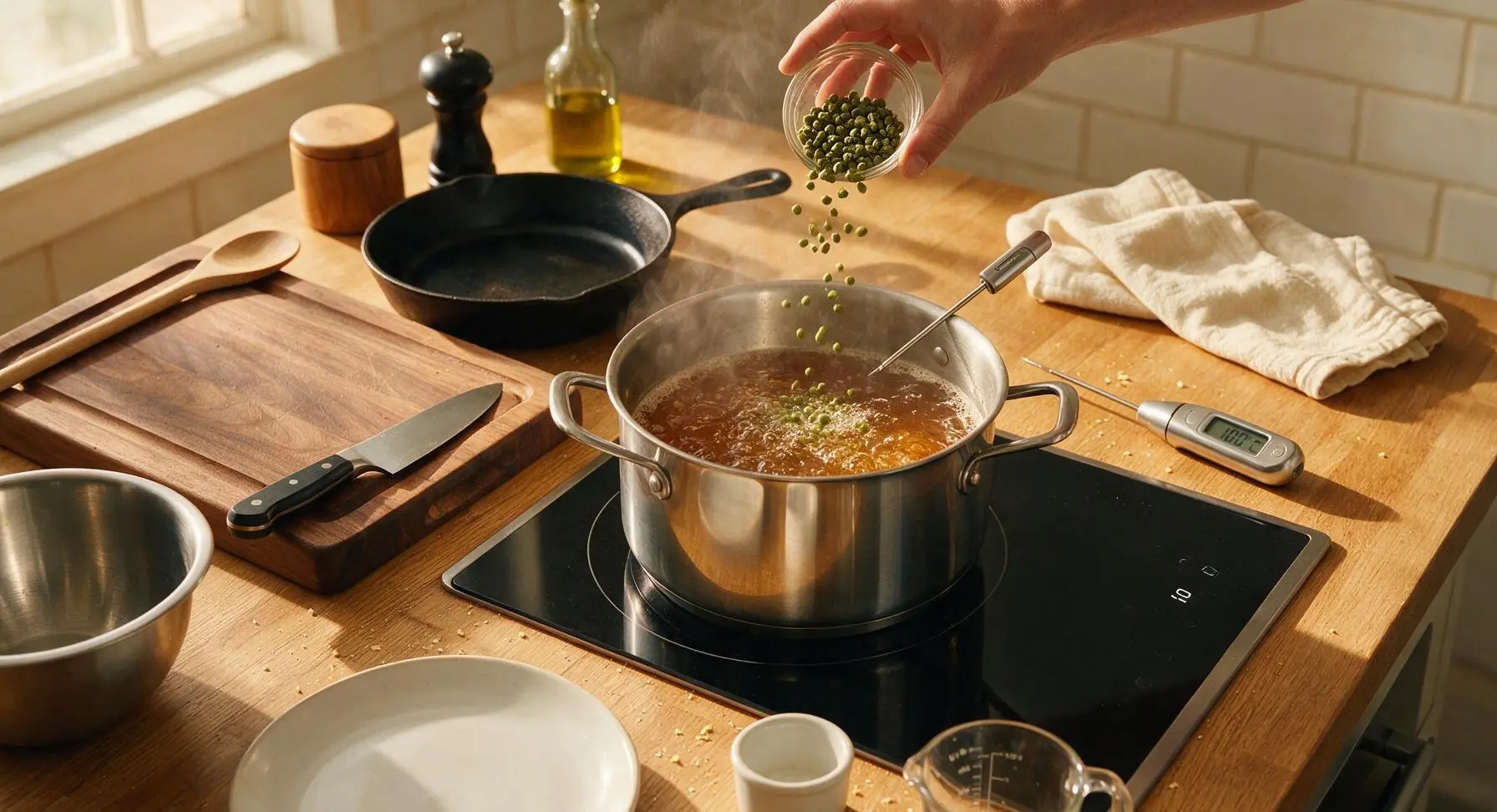
Place the kettle of collected wort back on the induction cooktop, and bring to a gentle rolling boil, adjusting heat to avoid messy boilovers. Once a steady boil is reached, add the full 28g portion of Columbus hop pellets, set a timer for 60 minutes, and maintain the gentle boil. These early-add hops contribute clean, resinous bitterness that balances the sweet, rich malt character of the beer.
Step 4
step4:Boil Bittering Hops
5

Add Late Flavor Hops

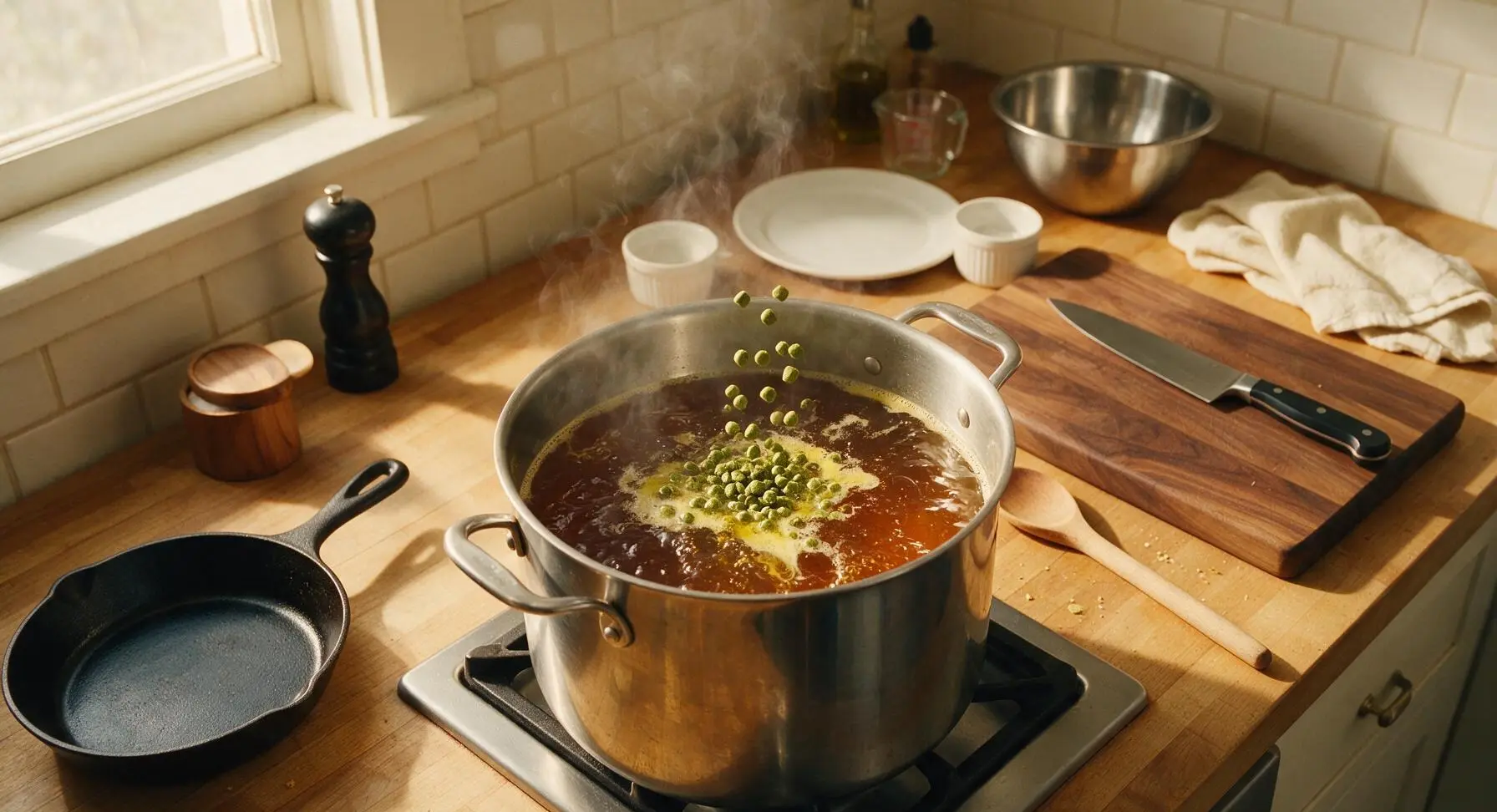
When 15 minutes remain in the 60-minute boil, add 14g of Cascade hop pellets to the kettle. When 5 minutes remain in the boil, add the remaining 14g of Cascade hop pellets. These late additions contribute bright citrus and pine flavor without adding harsh, astringent bitterness. When the 60-minute boil is complete, turn off the heat immediately.
Step 5
step5:Add Late Flavor Hops
6

Cool and Transfer Wort

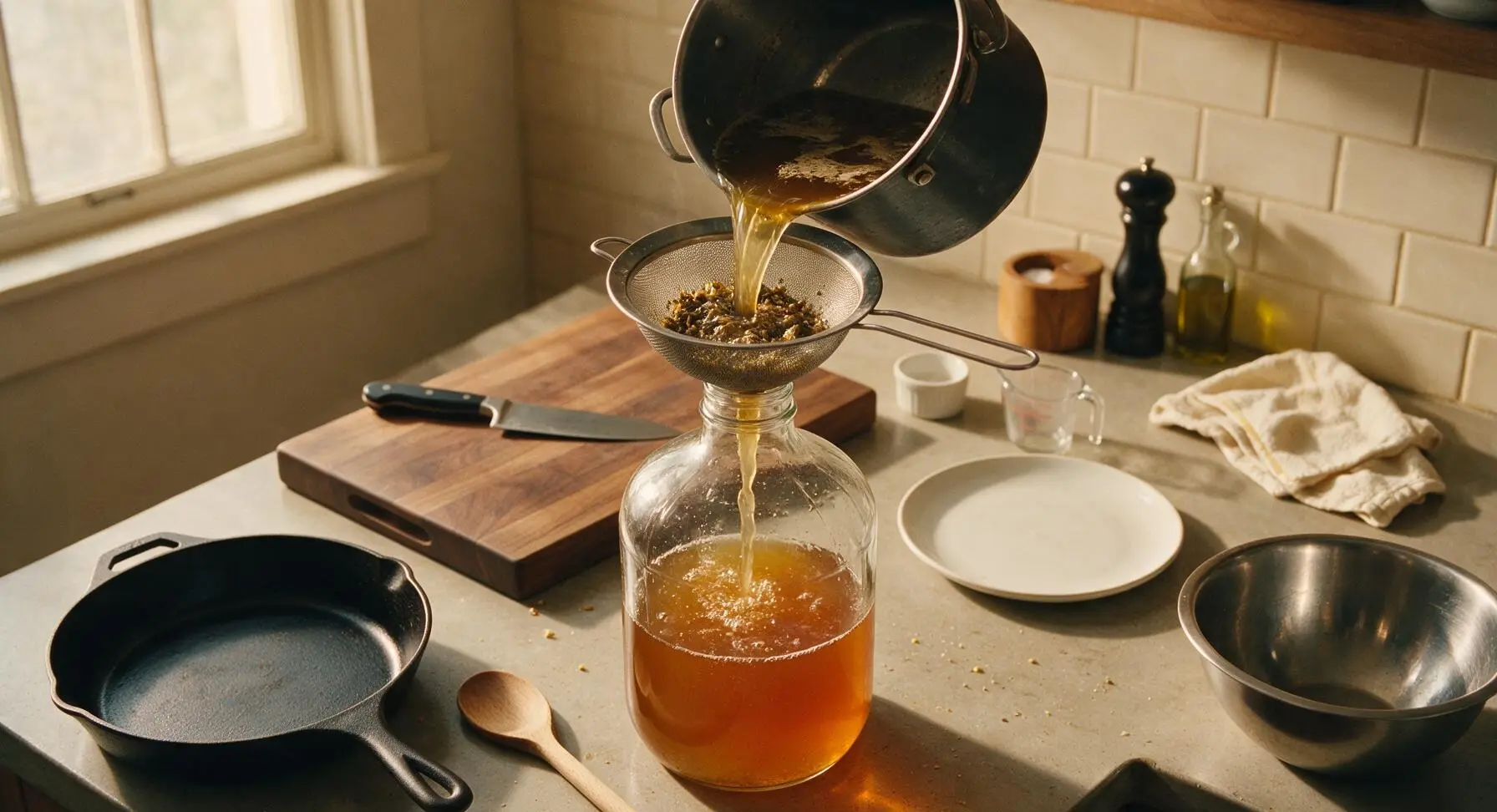
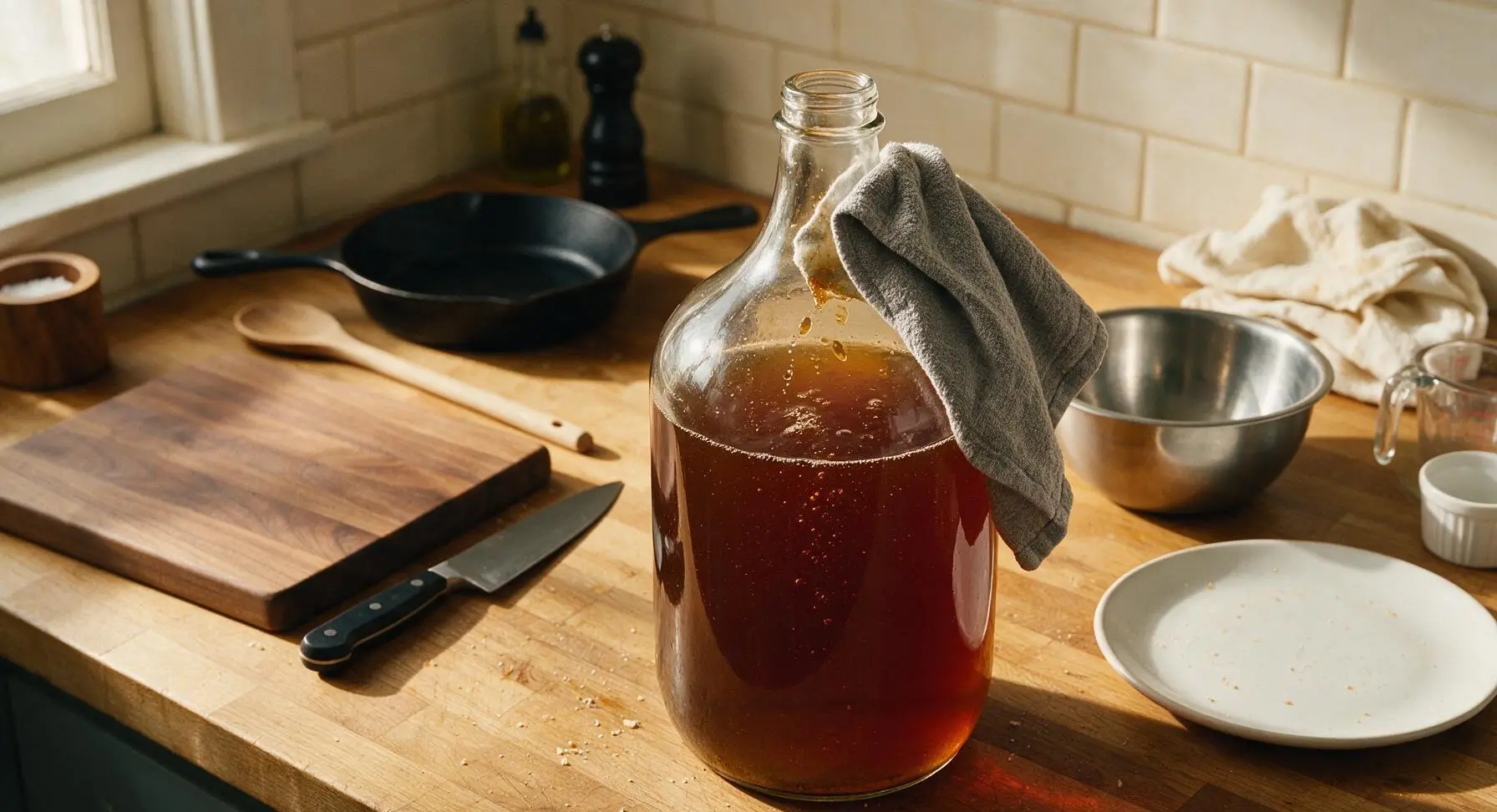
Quickly cool the boiled hopped wort to 21°C (70°F) by setting the kettle in an ice bath, taking care not to splash or introduce unsanitized material to the wort. Once cooled, position the sanitized fine-mesh strainer over the mouth of the 5-gallon clear glass fermentation carboy, and pour the wort through the strainer into the carboy, leaving thick hop sediment and trub (protein solids) behind in the kettle.
Step 6
step6:Cool and Transfer Wort
Step 6
step6:Cool and Transfer Wort
7

Pitch Ale Yeast

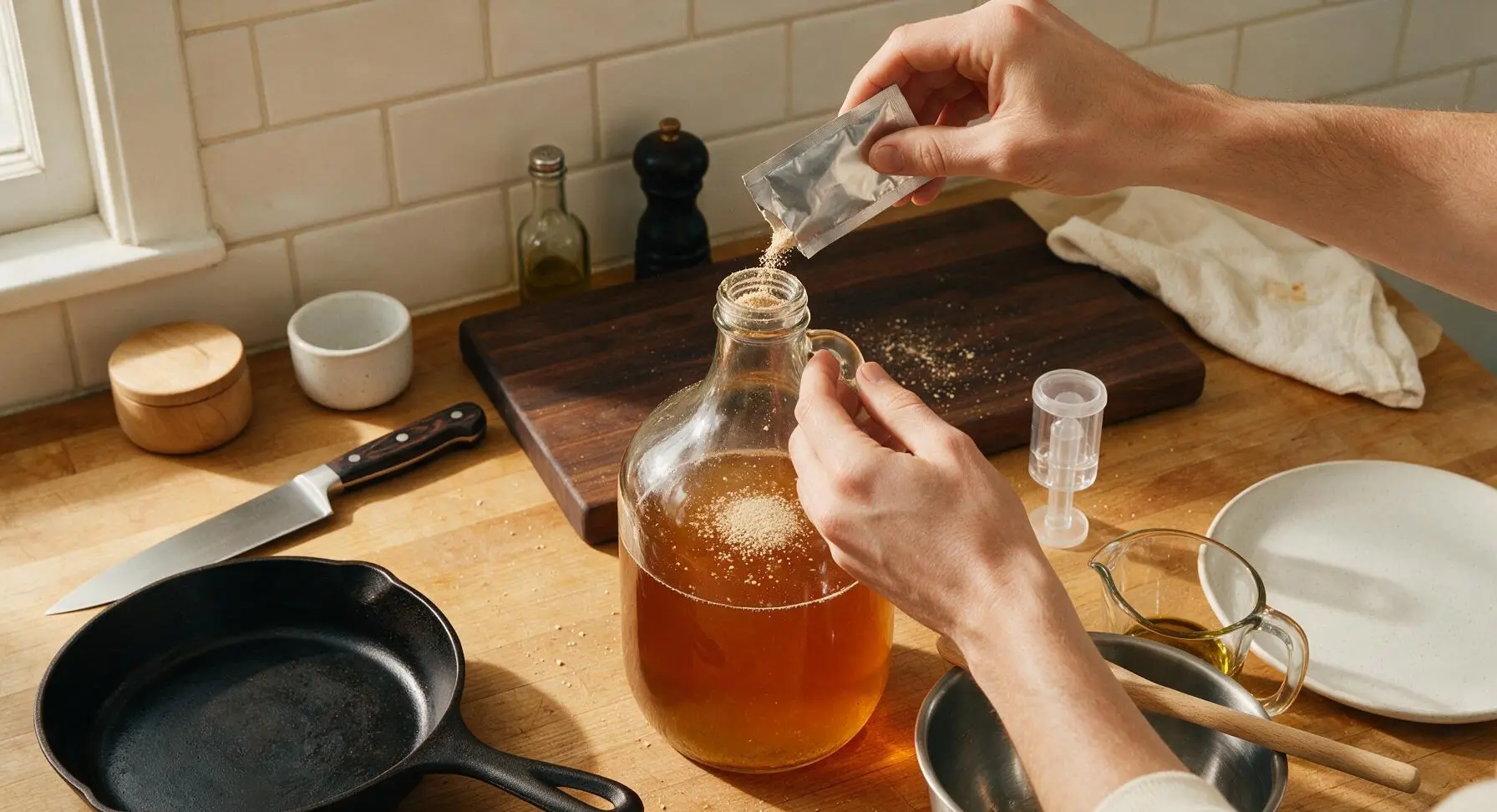
Sprinkle the full 11g packet of American ale yeast evenly over the surface of the cooled wort in the carboy. Seal the carboy with a sanitized airlock filled halfway with sanitizer solution from the terracotta crock, then move the carboy to a dark, temperature-stable space held at 19-21°C (66-70°F) for 14 days of primary fermentation. Fermentation will start within 24-48 hours, visible as steady bubbles moving through the airlock.
Step 7
step7:Pitch Ale Yeast
8

Dry Hop for Aroma

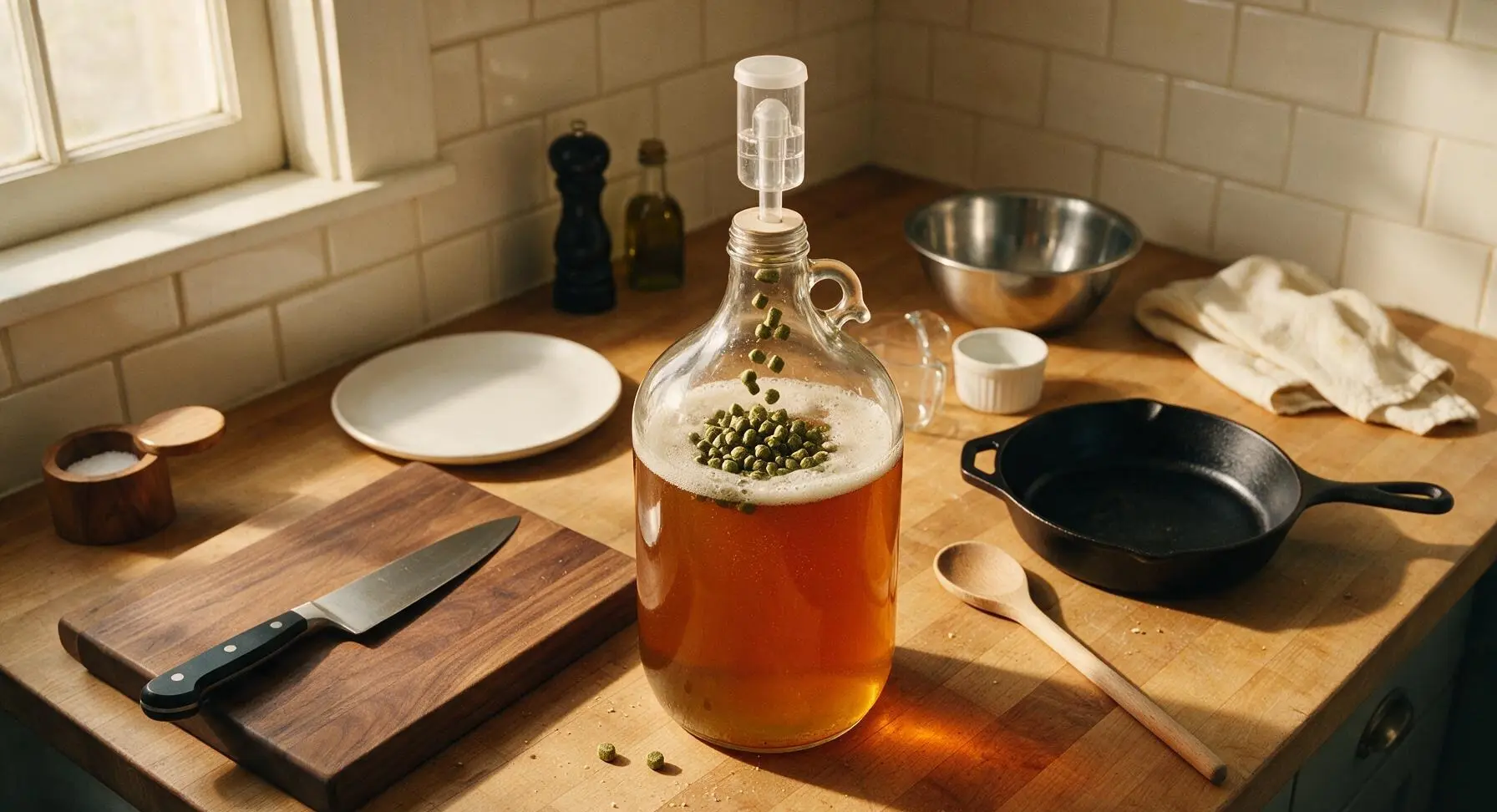
After 7 days of primary fermentation (when airlock bubbling slows to 1 bubble every 30 seconds or longer), carefully sanitize the carboy opening, then add the full 14g portion of Simcoe hop pellets directly to the fermenting beer. Reseal the airlock, and allow the beer to rest on the hops for the remaining 7 days of fermentation. This cold addition adds bright, tropical pine aroma without extra bitterness.
Step 8
step8:Dry Hop for Aroma
9

Bottle and Condition

Boil the 150g of corn sugar in 250ml of water to create a priming solution, then pour the cooled solution into a sanitized bottling bucket. Use the clear food-grade auto-siphon to transfer finished beer from the carboy into the bottling bucket, stirring gently with the stainless steel stirring spoon to evenly mix the priming sugar. Fill sanitized amber longneck bottles, cap tightly, and store at room temperature for 2 weeks to allow natural carbonation to develop before chilling and serving.
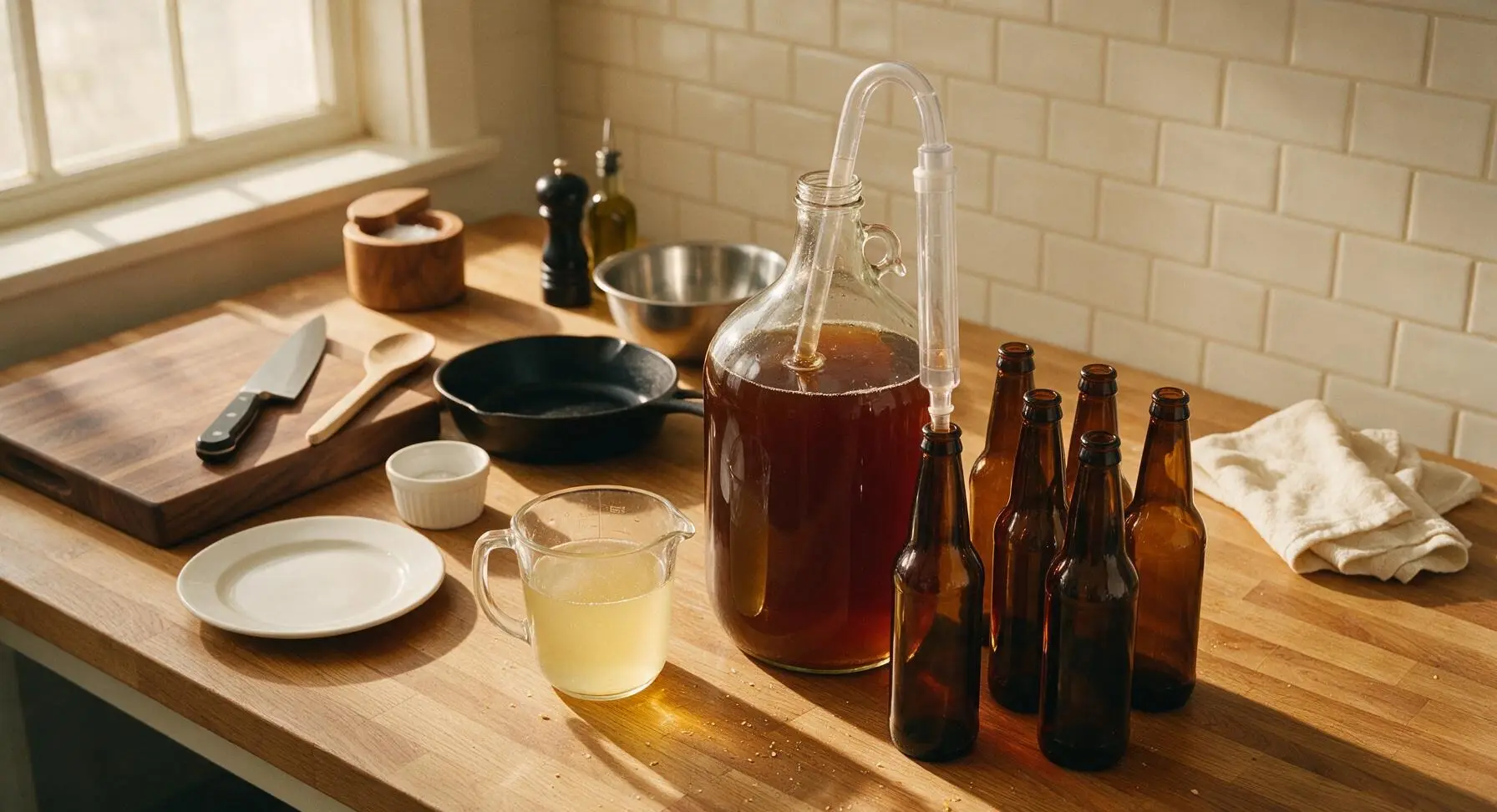
Step 9
step9:Bottle and Condition

Tips

1.Sanitize every piece of equipment that touches cooled wort or beer with a no-rinse brewing sanitizer—wild yeast or bacteria will cause sour, off-flavors that can ruin an entire batch, so never skip this step even for small tools like thermometers or siphons.
2.Do not over-sparge (rinse) grains with water hotter than 77°C, as this will extract harsh, astringent tannins from grain husks that make the finished beer taste dry and ashy instead of smooth and nutty.
3.Wait to add dry hops until primary fermentation is mostly complete (after 7 days, when bubbling slows significantly)—active, vigorous fermentation will blow delicate hop aroma compounds out through the airlock, wasting the fragrant, expensive hop oils.


✨ You May Also Like

Drinks & Beverages
🍜 Mexico

A bright, balanced tequila-based cocktail with zesty fresh lime, smooth orange liqueur, and a signature salt rim, perfect for warm summer sipping.

⏱️ 5 minutesDrinks & Beverages ★ 4.9
Drinks & Beverages
🍜 United States

Thick, creamy, nostalgic classic vanilla milkshake with a rich, smooth texture, topped with whipped cream and a cherry for cool, sweet refreshment.

⏱️ 5 minutesDrinks & Beverages ★ 4.7
Drinks & Beverages
🍜 United States

A bright, golden strong ale with fruity banana-clove notes, subtle hop spice, and soft carbonation, brewed in classic Trappist Tripel tradition.

⏱️ 2 hours aDrinks & Beverages ★ 4.5
Drinks & Beverages
🍜 United States

A frothy, nostalgic American soda fountain treat pairing bubbly cold root beer with creamy vanilla ice cream, perfect for cooling down at warm weather gatherings.

⏱️ 20 minuteDrinks & Beverages ★ 4.8
Drinks & Beverages
🍜 United States

Tart, funky, effervescent American Wild Ale is a complex fruity craft beer brewed with wild yeast, delivering bright, zesty notes perfect for warm-weather sipping.

⏱️ 2 hours aDrinks & Beverages ★ 4.4
Drinks & Beverages
🍜 United States

Bright, bubbly copycat of the iconic American caramel cola, balanced with citrus and warm spice, perfect for sipping ice-cold on hot days.

⏱️ 15 minuteDrinks & Beverages ★ 4.8

Brown IPA:Frequently Asked Questions

1.What makes this Brown IPA different from a standard American IPA or brown ale? ▾
This style sits perfectly between a hoppy American IPA and a malty brown ale: it gets rich toasted caramel, dark nut notes from crystal 60L, chocolate malt, and a small hit of roasted barley that standard IPAs skip, plus bold pine-citrus Columbus hop punch that most mild brown ales lack, for a perfectly balanced, medium-bodied pour.
2.Can I adjust the roasted barley amount if I don’t want overly dark, roasty flavors? ▾
Absolutely! The roasted barley in this recipe is only for subtle depth, not heavy, stout-like roast. For a softer, nuttier profile, cut it by half (around 1–2 oz for a standard 5-gallon batch) to keep warm caramel notes front and center without ashy, bitter roast that can overpower bright Columbus hops. Don’t skip it entirely, or you’ll lose the signature brown IPA hue and subtle nutty backbone.
3.What’s the best way to add Columbus hops to get pine-citrus flavor without harsh bitterness? ▾
Split your Columbus hop additions for the best balance: use 60% of the 14% AA pellets at the start of your 60-minute boil for smooth, clean bittering, 25% at the 15-minute boil mark for layered hop flavor, and the final 15% at flameout or as dry hops to lock in bright pine-citrus aroma without the harsh, grassy bite that comes from over-boiling high-alpha acid hops.
4.What mash temperature works best to get that signature smooth, medium body? ▾
Aim for a mash temperature between 152–154°F (67–68°C) for this Brown IPA. That range produces enough unfermentable sugars to give you that smooth, medium mouthfeel the style is known for, without making the final beer too thick or cloyingly sweet that it covers up the bright hop character. Hold that temp steady for 60 minutes for consistent sugar conversion.
5.What foods pair best with this finished Homemade Brown IPA? ▾
This beer is made for hearty, savory grilled food! Its caramel-nut malt backbone stands up perfectly to charred burgers, smoked brisket, grilled bratwurst, and roasted root veggies, while the bright pine-citrus hop bite cuts through rich, fatty cheeses like sharp cheddar or smoked gouda. It also pairs surprisingly well with spiced chocolate desserts for a fun, contrasting match.
6.Do I need special professional equipment to brew this as a beginner homebrewer? ▾
You don’t need fancy pro gear to pull this off! A basic 5-gallon homebrew kit with a boil kettle, fermenter, airlock, thermometer, and auto-siphon is all you need. Since all the malts come pre-milled, you won’t even need a separate grain mill to start. Just be sure to sanitize every piece of equipment that touches cooled wort to avoid off-flavors from contamination.
7.How long should I ferment and condition this beer before it’s ready to drink? ▾
Ferment this IPA with a clean American ale yeast at 68°F (20°C) for 7–10 days, until fermentation activity fully stops. If you add dry hops, let it condition on them for 3–4 days at the same temp, then bottle or keg and let it carbonate for 2 weeks. It tastes great right after carbonation, but will mellow and improve for up to 3 months stored in a cool, dark spot.
8.Can I substitute Columbus hops if I can’t find them at my local homebrew shop? ▾
Columbus brings signature bold pine, bright citrus, and smooth 14% alpha acid content, but you can swap it for other high-AA American hops if needed. A 50/50 mix of Chinook and Centennial gets you very close to that same pine-citrus profile, or you can use straight Simcoe for a slightly tropical, piney twist that still pairs beautifully with the recipe’s malty backbone.
9.Won’t the chocolate malt in this recipe make the beer taste like a stout? ▾
The small amount of chocolate malt in this recipe won’t make it taste like a stout at all! We only use a tiny portion (around 4–6 oz for a 5-gallon batch) to add subtle dark nut, light toasty cocoa notes and that deep amber-brown color. It won’t add heavy, roasty stout flavors as long as you stick to the measured amount, and it balances the bright hop bite beautifully.
10.What ABV should I expect if I follow this recipe exactly? ▾
When brewed to style with the listed 2-row pale malt base and specialty grains, this Brown IPA lands at a very approachable 6.2–6.8% ABV, right in the classic range for the style. It’s strong enough to have lasting, layered malt and hop flavor, but not so boozy that it feels heavy or hot, making it perfect for sipping through a long backyard cookout.

Comments (5)

3 days ago

OMG, this brown IPA is a total game changer! I’ve been messing around with homebrewing for 2 years and could never nail that perfect balance of roasty malt and bright citrus hops until I tried this recipe. Brought a growler to my buddy’s cookout last weekend and everyone was begging for the recipe—even my cousin who swears he only drinks light lager! Cook time was totally manageable for a medium difficulty brew, no weird hard-to-find ingredients either. 10/10 will be making this again for our fall camping trip.

2 days ago

Wait, did you use the recommended Cascade hops or swap anything out? I’m getting ready to brew this next weekend and want to make sure I don’t mess it up!

2 days ago

So glad you loved the recipe! Cascade works beautifully for that classic citrus-pine note, but if you want a little more tropical kick you can swap 1 oz of Cascade for Mosaic without throwing off the malt balance. Just make sure to keep your mash temp steady at 154°F for that smooth, medium body!

1 week ago

Made this for our neighborhood potluck a couple weeks ago and it was gone in 45 minutes flat! My wife said it’s way better than the overpriced craft brown IPA we pick up at the local bottle shop. Only note: I let mine condition an extra 3 days in the bottle and it really mellowed out that initial sharp hop bite, perfect for pairing with smoked brisket. SO good.

5 days ago

Love that tip about extra conditioning time! That extra few days lets the malt and hops meld so well, especially when you’re pairing it with rich, smoky foods like brisket. Thanks for sharing your hack!

5 days ago

This was my first ever medium-difficulty homebrew and I was so nervous I’d mess it up, but the step-by-step instructions were super clear! The only tiny issue I had was my boil got a little foamy and almost boiled over on my stovetop, so just a heads up for other new brewers to keep a close eye during that first 10 minutes of the boil. End result was nutty, a little chocolatey, with just the right amount of hop zing—can’t wait to brew another batch.

2 weeks ago

Tried this last month and honestly? It’s become my go-to house beer. My grown kids came over for Sunday dinner last week and they each took home a 6-pack to share with their friends. I did add a tiny splash of vanilla extract at bottling like I do with most of my brown ales, and it complemented the chocolate malt so well, would highly recommend that little tweak!

1 week ago

Oh that vanilla addition sounds chef’s kiss! How much did you add per 5 gallon batch? I don’t want to add too much and make it taste like a cream soda!

2 hours ago

Followed the recipe exactly, but I think I messed up my hop addition timing because mine came out way more bitter than I expected. Bummer, because the malt profile was so tasty—nutty, a little caramel, exactly what I want in a brown IPA. I’ll definitely give it another go next weekend and set a timer for those late hop additions so I don’t overdo it.

30 minutes ago

Oh I did the same thing my first batch! Turns out I added my bittering hops twice because I got distracted by my dog barking at a squirrel. Second batch I taped the hop addition schedule right to my brew kettle and it turned out perfect, you got this!

5 minutes ago

So sorry the first batch came out extra bitter! Hop timing is so easy to mess up when you’re juggling all the brew day tasks. Pro tip: measure out all your hop additions into separate labeled baggies before you start heating your water, so all you have to do is toss them in when the timer goes off. You’ll nail it next time!



