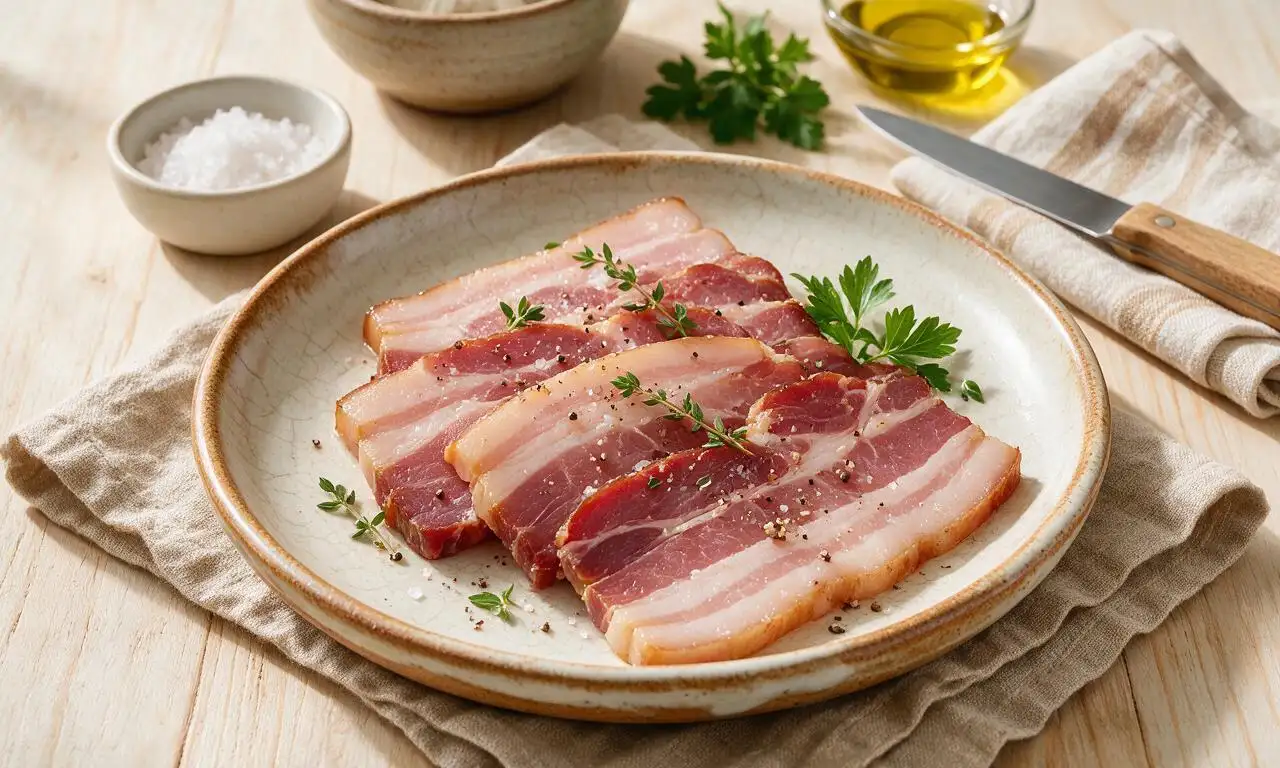
cheese curds for poutine

title 1
cheese curds for poutine
⏱️ cook time 2 hours 30 minutes
🍽️ servings 4
⚡ Difficulty medium

intro

Fresh, squeaky homemade cheese curds: the non-negotiable core of perfect poutine. Springy, mild, and made to soften just slightly under hot gravy over crispy fries.

Ingredients
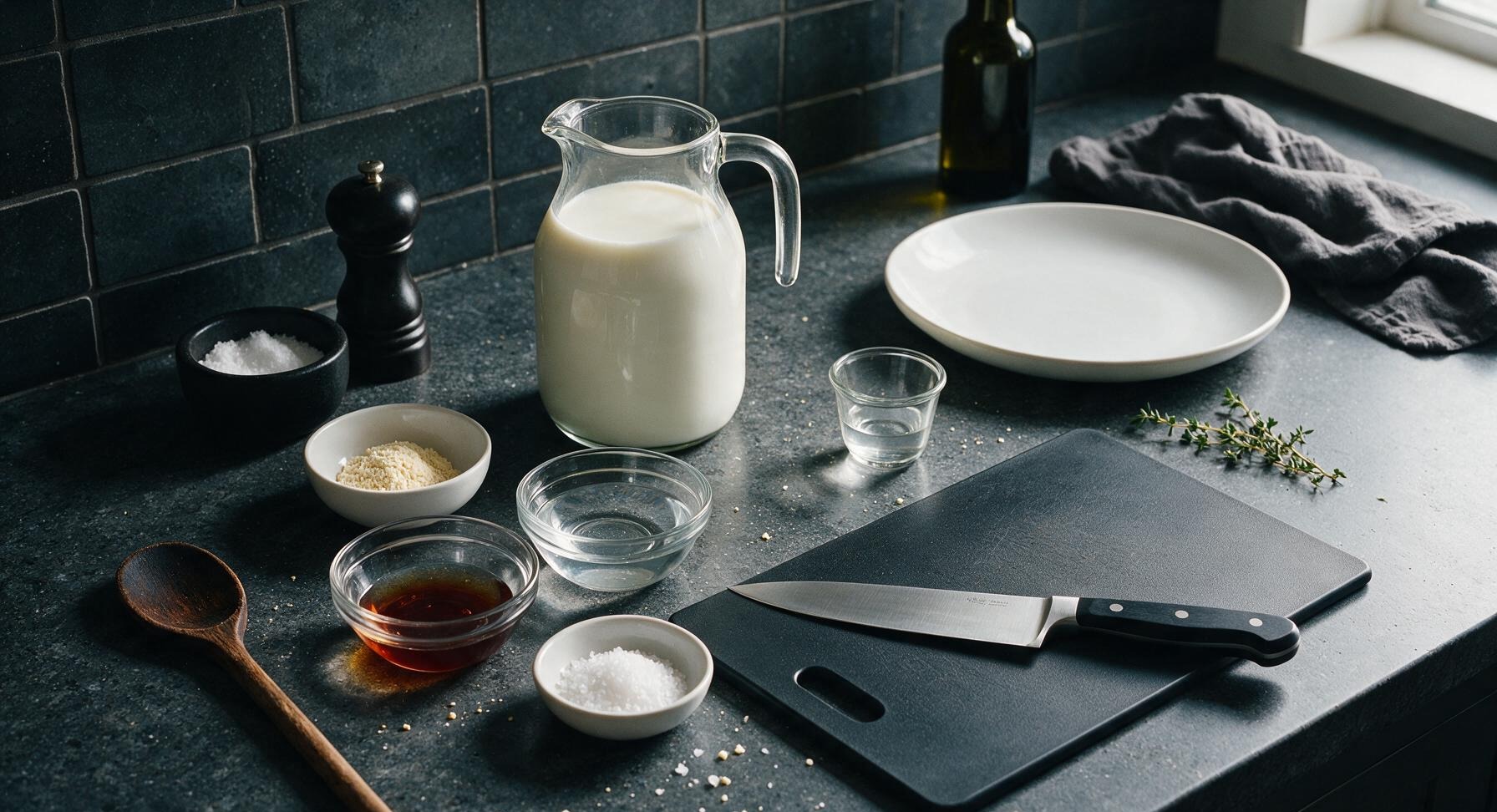
Whole cow's milk (not ultra-pasteurized) 4L (1 gallon)
Mesophilic cheese culture (MM100 or equivalent) 1/4 tsp
Liquid animal rennet 1/2 tsp, diluted in 60ml cool non-chlorinated water
Calcium chloride 1/4 tsp, diluted in 60ml cool non-chlorinated water
Flaky sea salt 1.5 tsp

Steps

1

Heat Milk Gently

Pour the 4L whole milk into the 8L stainless steel stock pot. Stir in the diluted calcium chloride, then place the pot over medium-low heat. Heat the milk slowly to 32°C (90°F), stirring occasionally with the stainless steel slotted spoon to prevent scorching on the pot bottom. Check temperature frequently with the digital instant-read thermometer; do not let the milk exceed 32°C at this stage. The milk will feel lukewarm to the touch, with no visible steam rising.

Step 1
step1:Heat Milk Gently
2

Add Mesophilic Culture

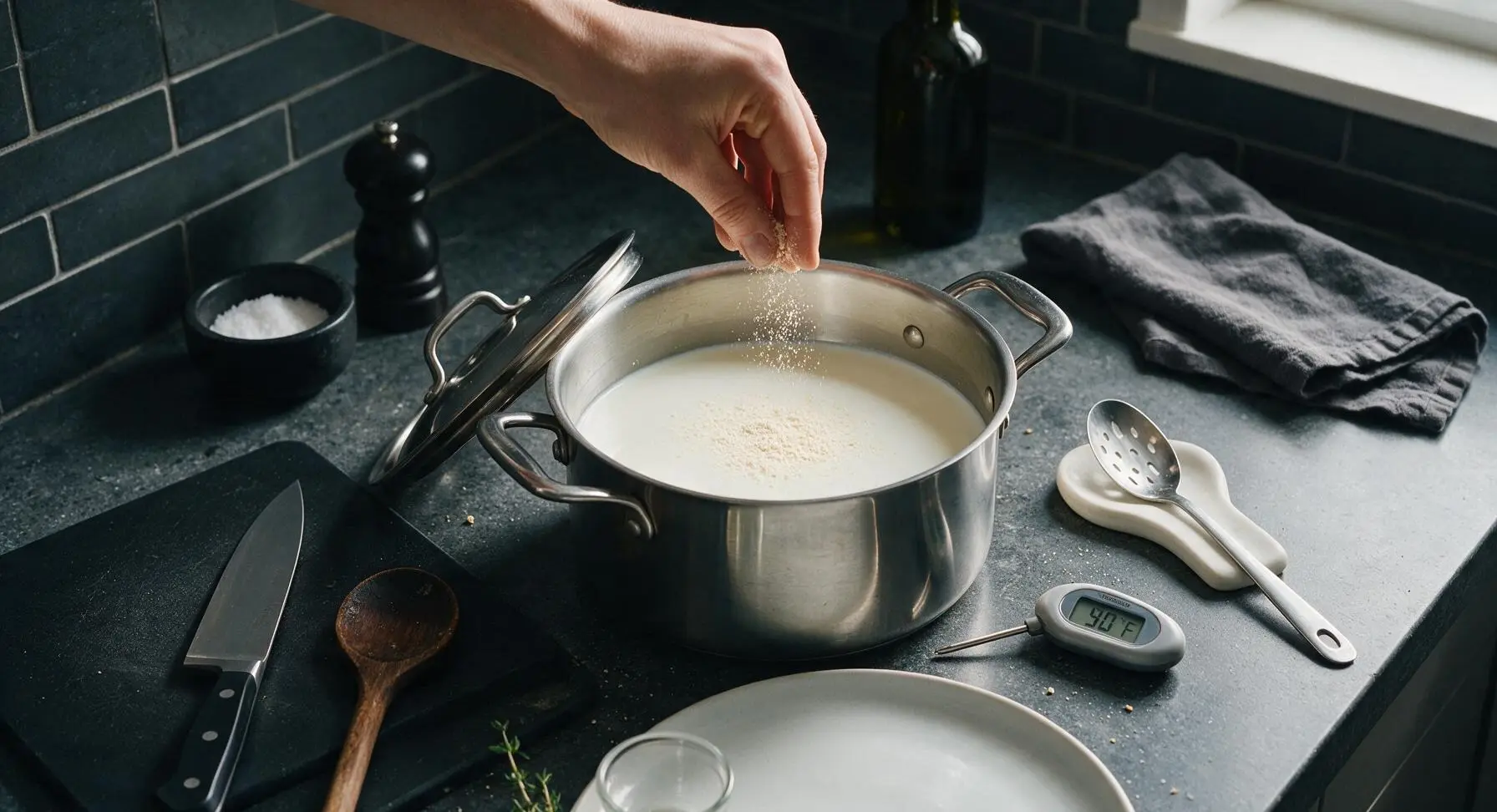
Once the milk holds a steady 32°C (90°F), sprinkle the 1/4 tsp mesophilic cheese culture evenly across the milk surface. Let the powder rehydrate for 5 minutes without stirring, then use the slotted spoon to incorporate the culture with slow, gentle up-and-down stirring motions to avoid agitating the milk too much. Cover the pot, hold the temperature steady at 32°C, and let the milk ripen undisturbed for 45 minutes. The milk will remain fully liquid at this stage, with no visible thickening.
Step 2
step2:Add Mesophilic Culture
3

Mix in Diluted Rennet

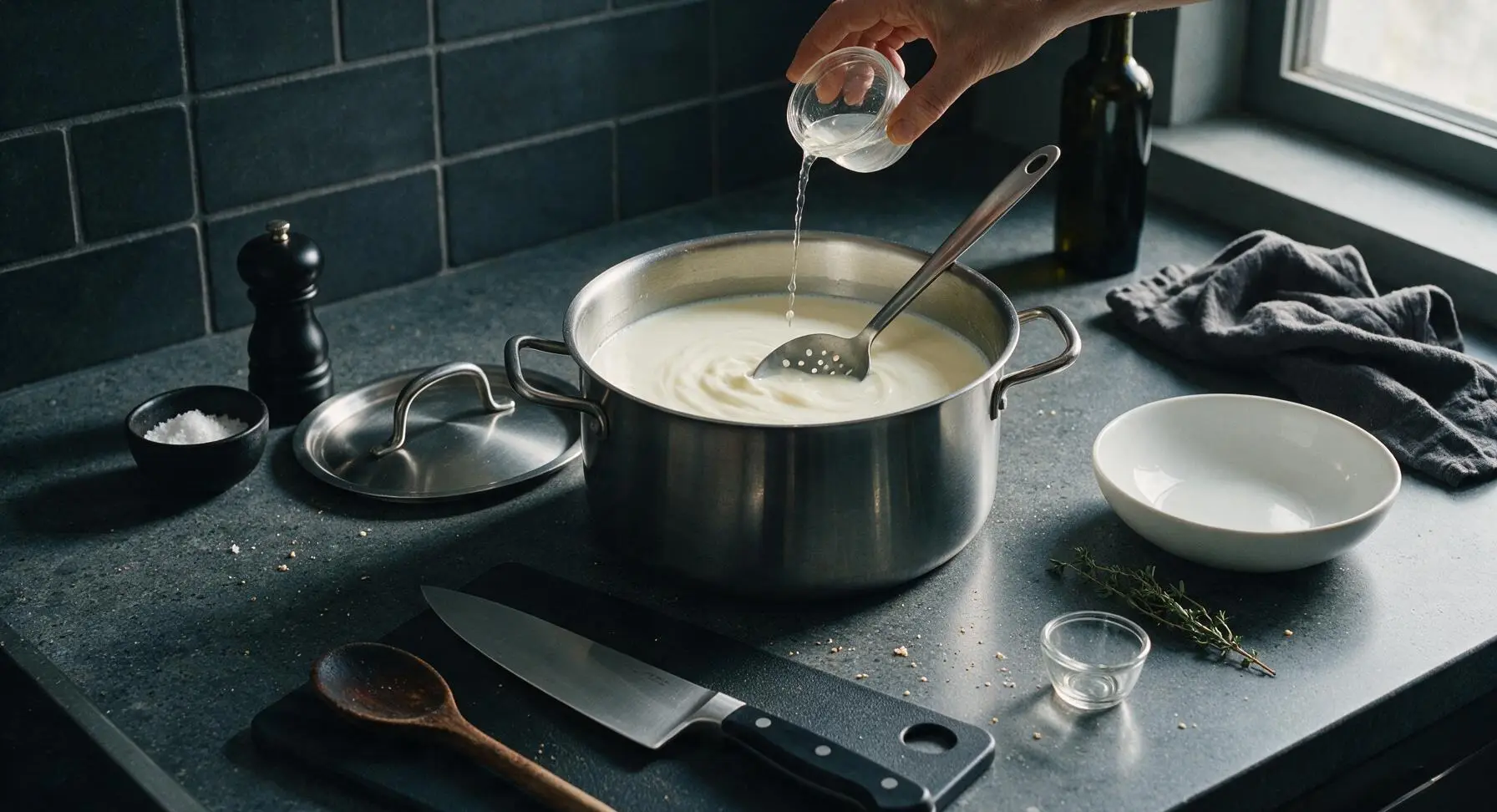
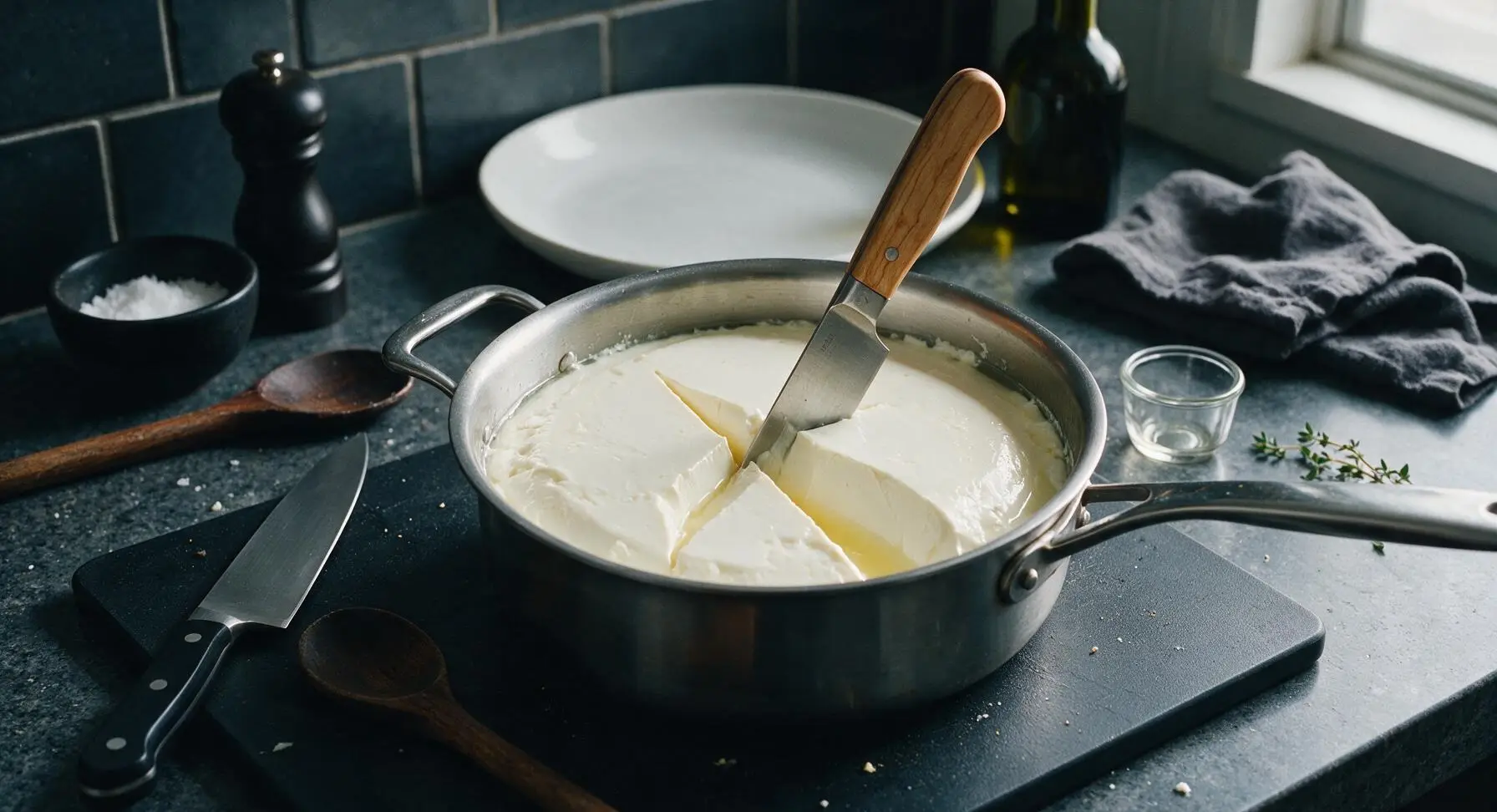
After the 45-minute ripening period, pour the diluted rennet mixture into the milk while stirring slowly with the slotted spoon for exactly 30 seconds to distribute the rennet evenly. Stop stirring immediately once incorporated—do not agitate the milk further. Cover the pot, hold the temperature at 32°C, and let set undisturbed for 40 minutes, until a clean break forms: insert the curd knife into the set curd, pull up slightly, and the curd will split cleanly with clear pale yellow whey filling the cut line.
Step 3
step3:Mix in Diluted Rennet
Step 3
step3:Mix in Diluted Rennet
4

Cut Curds Evenly

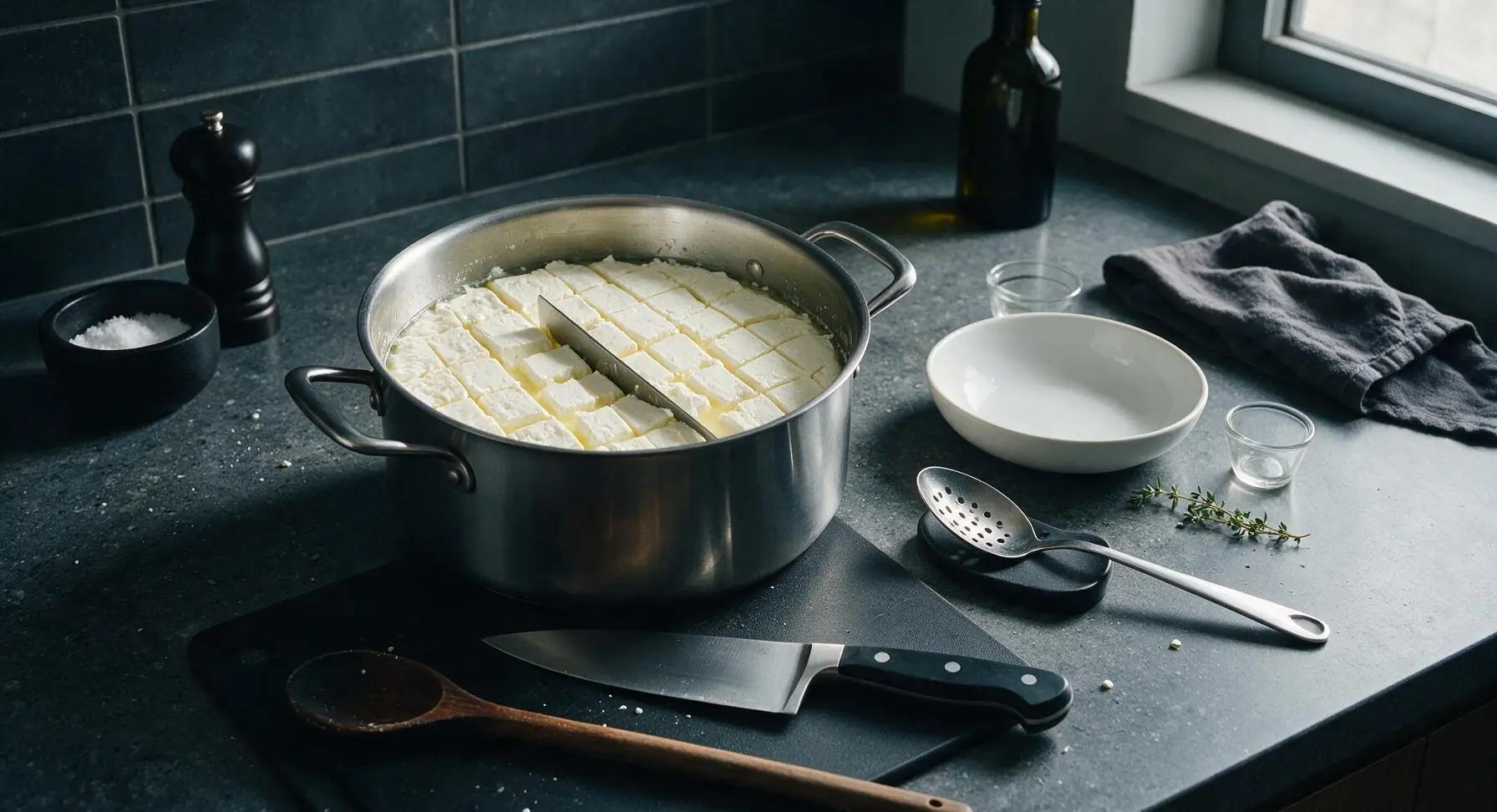
Once a clean break is confirmed, use the curd knife to cut the entire curd mass into uniform 1.5cm (1/2 inch) cubes: first make straight vertical cuts across the full width of the pot in one direction, then make vertical cuts perpendicular to the first set to form a grid, then cut diagonally across the curds at a 45-degree angle to create evenly sized cubes. Let the cut curds rest for 5 minutes to allow whey to release from cut surfaces; curds will shrink slightly as whey pools around them.
Step 4
step4:Cut Curds Evenly
5

Cook Curds Gradually

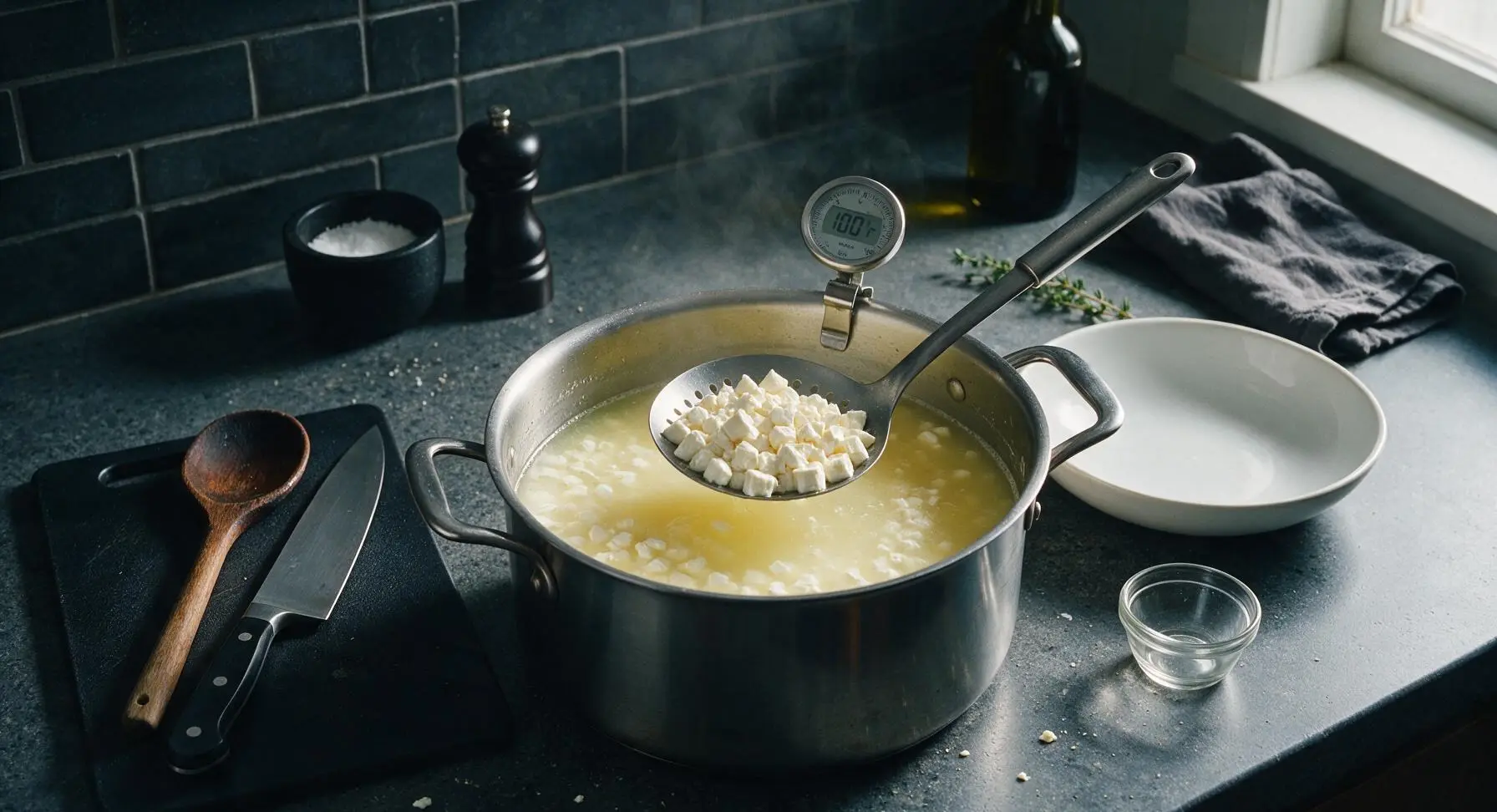
Place the pot back over low heat, slowly raising the temperature of the curds and whey to 38°C (100°F) over 30 minutes, stirring gently every 5 minutes with the slotted spoon to prevent curds from matting together. Once the temperature reaches 38°C, hold it steady for 15 more minutes, stirring occasionally. Curds will shrink to roughly 1cm in size, feel firm to the touch, and sink to the bottom of the pot when stirring stops.
Step 5
step5:Cook Curds Gradually
6

Drain Excess Whey

Line the stainless steel colander with a double layer of unbleached cheesecloth, set it on the right counter near the sink. Pour the entire pot of curds and whey into the colander, letting whey drain freely for 10 minutes. Gently stir the curds every 2 minutes with the slotted spoon to release trapped whey; do not press or squeeze the curds, as this will compact them into a solid mass.
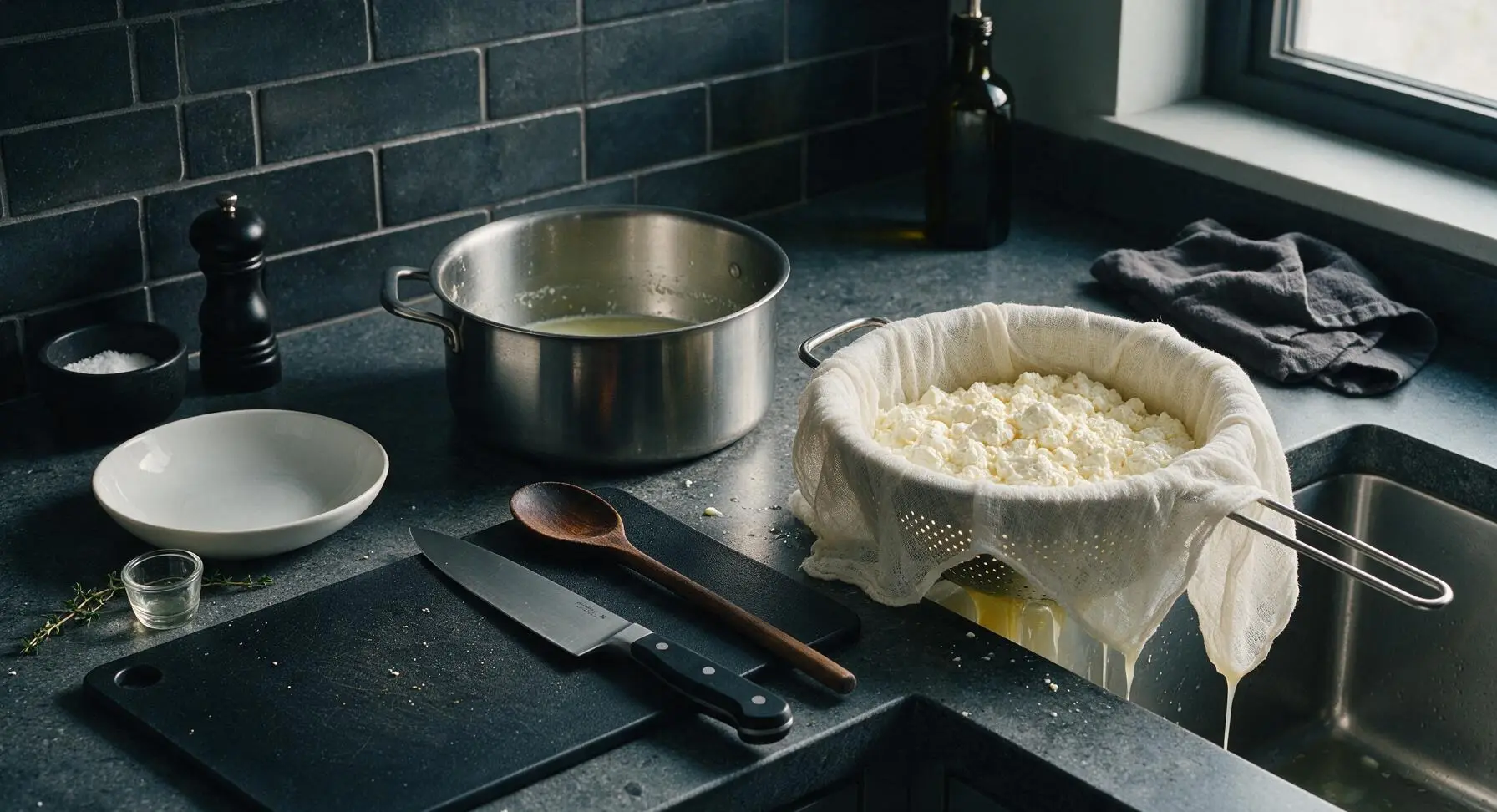
Step 6
step6:Drain Excess Whey
7

Season Curds Lightly

Transfer the drained, warm curds from the colander to the light maple cutting board. Sprinkle 1.5 tsp flaky sea salt evenly over the curds, then toss gently with clean hands to distribute the salt, breaking up any large matted curd clumps as you go. Let curds rest for 10 minutes at room temperature to cool slightly, allowing salt to dissolve and absorb into curd surfaces. Curds are now ready to use for poutine, with their signature springy, squeaky texture.
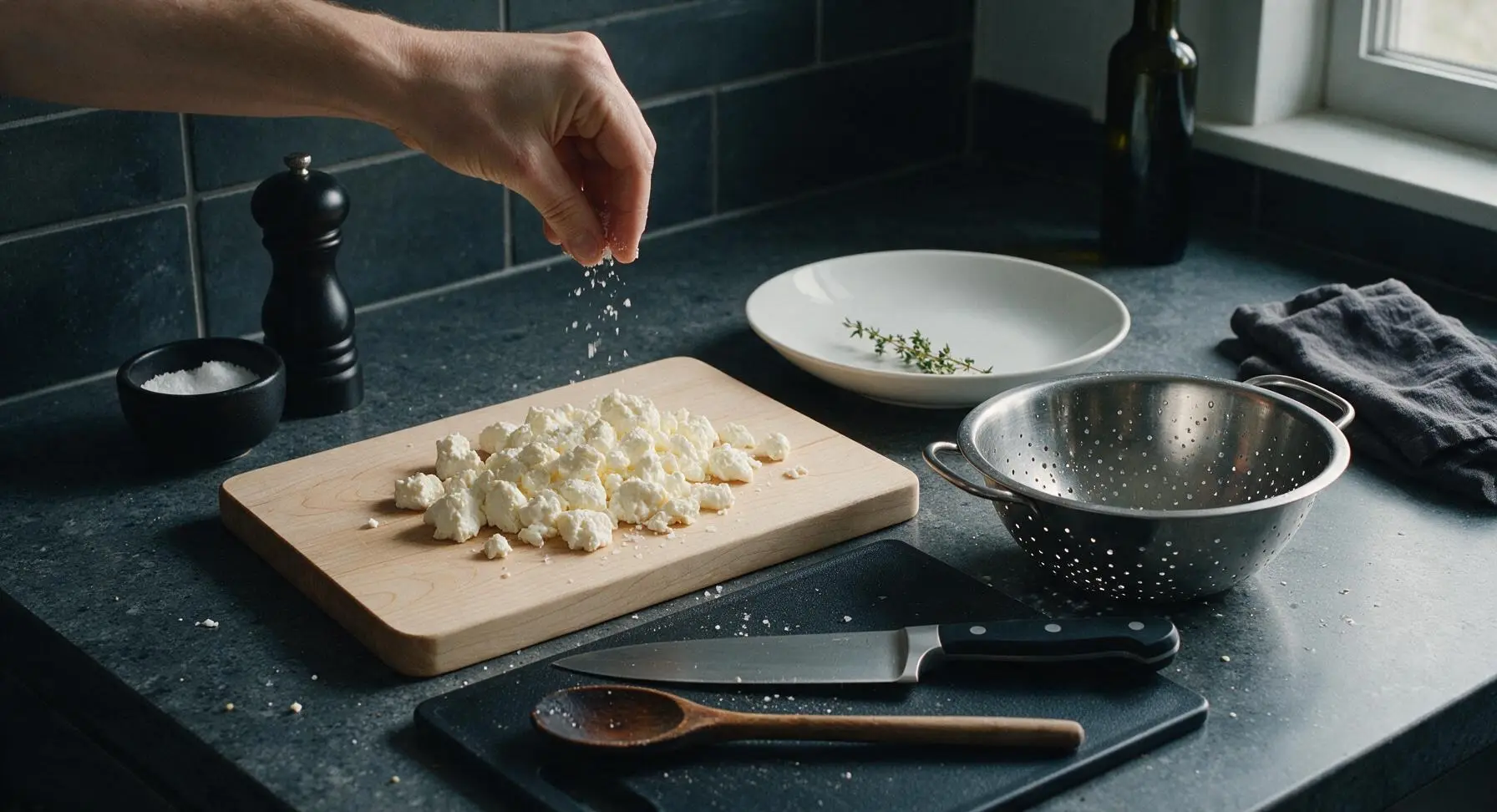
Step 7
step7:Season Curds Lightly

Tips

1.Never use ultra-pasteurized milk for these curds: high-heat processing denatures milk proteins, preventing a firm curd set and eliminating the signature squeaky texture that makes poutine curds iconic. Regular pasteurized whole milk works best.
2.Resist the urge to press or squeeze curds during draining: compacting curds creates a solid cheese block instead of loose, springy individual chunks that soften and melt slightly when hot poutine gravy is poured over crispy fries.
3.For maximum squeak, use curds within 12 hours of making them at room temperature. Refrigeration muffles the squeak; if storing curds for later use, let them come to room temperature for 30 minutes before assembling poutine to restore texture.


✨ You May Also Like

Side Dishes
🍜 India

Velvety, aromatic all-purpose curry sauce perfect for tossing with roasted veggies, grilled protein, or rice for fast, cozy, flavorful meals.

⏱️ 25 minuteSide Dishes ★ 4.8
Side Dishes
🍜 Spain

Tender, starchy boiled yuca tossed in bright, garlicky citrus mojo sauce—an iconic, zesty side that pairs beautifully with roasted pork, grilled meats, and rice and beans.

⏱️ 40 minuteSide Dishes ★ 5
Side Dishes
🍜 United States

Tender, paper-thin potato flatbread, a beloved Norwegian-American Minnesota Christmas staple, griddled until softly spotted and served warm with butter.

⏱️ 1 hour 30Side Dishes ★ 4.6
Side Dishes
🍜 United States

Rich, deeply savory cured salt pork, a long-lasting kitchen staple perfect for frying crispy as a side or adding umami to stews, beans, and chowders.

⏱️ 7 days (2Side Dishes ★ 4.9
Side Dishes
🍜 United States

Crispy, tangy classic Southern fried green tomatoes with a crunchy cornmeal crust, served hot for a nostalgic, comforting summery bite.

⏱️ 25 minuteSide Dishes ★ 4.9
Side Dishes
🍜 United States

Moist, golden-crusted savory muffins with sweet corn, zesty jalapeño, and melted cheddar, perfect for pairing with smoky summer grilled fare.

⏱️ 30 minuteSide Dishes ★ 4.9

cheese curds for poutine:Frequently Asked Questions

1.Why don’t my homemade cheese curds have that iconic squeak when I bite into them? ▾
That signature squeak comes from intact, tightly bound milk protein networks in ultra-fresh curds. Squeak fades if curds are older than 24 hours, refrigerated immediately after making, over-pressed, or heated too high during cooking. For best results, keep curds at cool room temperature for 12-24 hours before using on poutine for maximum squeak.
2.Can I use ultra-pasteurized milk to make these poutine cheese curds? ▾
No, ultra-pasteurized (UP/UHT) milk is heated to extremely high temperatures that denature whey proteins, preventing them from forming the tight, springy curd structure you need for squeak. Stick to regular pasteurized whole cow’s milk—high-quality raw milk works too if you trust the source, but skip ultra-pasteurized options entirely for consistent results.
3.What can I substitute for MM100 mesophilic cheese culture? ▾
Any direct-set mesophilic cheese culture formulated for fresh, soft cheeses works as an even 1:1 swap for MM100. If you don’t have specialty cheese culture, use 1/4 cup of fresh, plain, unthickened buttermilk with active live cultures per gallon of milk, though your curd set time may run 30-45 minutes longer than the recipe states.
4.Why is calcium chloride a required ingredient for these curds? ▾
Most store-bought pasteurized milk has a portion of its natural calcium broken down during processing, which weakens curd formation. Calcium chloride helps rebuild that mineral structure, giving you firmer, springier curds that hold their shape instead of turning crumbly, and locks in that iconic poutine-perfect squeak.
5.Can I use vegetable rennet instead of liquid animal rennet? ▾
You can, but note that vegetable rennet can leave a faint bitter aftertaste if overused, and may produce slightly softer curds than animal rennet. If you swap, use the exact measured amount called for, choose a product formulated for fresh cheese making, and avoid compressed rennet tablets for the most consistent, reliable curd set.
6.How long do these curds stay fresh and squeaky enough for poutine? ▾
For peak squeak and that perfect soft-but-not-melty texture under hot gravy, use your curds within 24 hours of making, stored loosely covered at cool room temperature. After that, refrigerate curds for up to 2 weeks, but know the squeak will fade after the first 48 hours, even if you bring them back to room temperature before using.
7.What size should I cut curds for the best poutine texture? ▾
Cut your fully set curd into uniform 1/2-inch cubes before cooking them. This size is ideal because it’s big enough to hold that signature springy bite and squeak, but small enough to soften just slightly on the edges when hot gravy hits it, without fully melting into a goopy mess over crispy fries.
8.Why did my curds turn out rubbery instead of soft and springy? ▾
Rubbery curds almost always come from cooking cut curds at too high a temperature, stirring them too aggressively while they cook, or pressing them for too long after draining. Keep your curd cooking temperature right around 100°F, stir gently to avoid breaking pieces, and skip heavy pressing entirely for light, squeaky, poutine-perfect texture.
9.Can I use regular table salt instead of flaky sea salt for the curds? ▾
Flaky sea salt is ideal because it dissolves slowly, coating the outside of each curd for a bright, even salty pop without making curds soggy. If you only have table salt, cut the measurement by half (table salt is much denser and saltier) and toss with drained curds a little at a time, tasting as you go to avoid over-salting.
10.Can I freeze leftover curds to use for poutine later? ▾
Freezing curds breaks down their delicate protein structure, so they’ll lose their squeak entirely and turn crumbly or grainy when thawed, instead of softening gently under hot gravy. If you have extra curds you can’t use within 2 weeks, they work great melted on grilled cheese or in eggs, but won’t deliver classic poutine texture after freezing.
11.How do I know when rennet has properly set the milk? ▾
After adding rennet, let the milk sit undisturbed for 45-60 minutes at 72°F, then test for a “clean break”: stick a clean finger into the set curd and pull up gently. If the curd splits cleanly around your finger and clear, pale yellow whey fills the crack, it’s ready to cut. If it leaves milky residue, wait 10 more minutes.
12.Should I rinse my curds after draining the whey? ▾
Skip rinsing your curds for poutine! Rinsing washes away residual whey and surface cultures that add that subtle, mild, fresh dairy flavor curds are known for, and can make them unpleasantly soggy. Just drain them well for 10-15 minutes after cooking, toss with flaky salt, and let them rest briefly before piling on fries.
13.Why is my whey cloudy instead of clear after cutting curds? ▾
Cloudy whey means you cut the curds too early, before rennet fully set the protein network, so tiny curd particles are leaching into the whey. If this happens, let the cut curds rest for 10 minutes before you start heating them to let proteins firm up, and stir extra gently during cooking to avoid losing more curd mass.
14.Can I use low-fat or skim milk to make a lighter version of these curds? ▾
I don’t recommend it. The fat in whole milk is what gives curds their rich, mild flavor and springy, melt-resistant texture that holds up to hot gravy. Skim or low-fat milk will produce dry, crumbly, bland curds that don’t squeak, and will turn rubbery instead of softening slightly when you pour gravy over them.
15.Do I need a special cheese press to make these poutine curds? ▾
No! Unlike harder aged cheeses, poutine curds don’t need any pressing at all. Once you drain the cooked curds, just toss them with salt and let them rest in a cheesecloth-lined colander for 15 minutes to let excess whey drip off. Pressing squeezes out too much moisture, creating dense, rubbery curds that lose their signature squeak.
16.How warm should the milk be when I add the cheese culture? ▾
Warm your milk slowly to 72°F before adding mesophilic culture. If the milk is hotter than 78°F, you’ll kill the active culture, and it won’t acidify the milk properly to form solid curds. If it’s too cold, the culture will work too slowly, leading to soft, weak curds that won’t hold their shape when piled on poutine.
17.My curds fully melted when I poured hot gravy over them—what went wrong? ▾
That usually means your curds had too much residual moisture, or you cooked them at too low a temperature during the make process, leaving them under-set. Next time, make sure you cook cut curds to a full 100°F, hold that temperature for 20 minutes while stirring gently, and drain all excess whey before salting for perfect, gravy-resistant curds.

Comments (17)

2 days ago

OMG these squeaky curds are a GAME CHANGER for my weekly poutine nights! I’ve been buying the sad grocery store curds forever and these taste exactly like the ones I got on my trip to Montreal. SO good, even my picky roommate stole half the batch before I could even assemble the poutine.

1 week ago

Made these for our family dinner last Sunday and my kids loved it! They thought the squeak when you bite into them was the funniest thing ever, kept asking for ‘squeaky cheese bites’ as a snack even before we put them on the fries and gravy. Will absolutely be adding this to our monthly rotation.

5 days ago

Took me a minute to get the curd texture right because my dorm stove runs super hot, but once I dialed the temp down it worked out! Way cheaper than ordering curds online for poutine nights with my friends, perfect for game day spreads.

yesterday

Brought these as part of a build-your-own poutine bar for our football watch party potluck and people went crazy! I was worried they’d lose their squeak sitting out for a couple hours but they held up perfectly. Zero leftovers, 10/10.

3 days ago

I make a big batch of these on Sundays to use for poutine, snacking, even tossing on salads throughout the week. They hold up great in the fridge for 3-4 days if you store them right, total meal prep win. The two and a half hour cook time is totally worth it for how fresh they taste.

30 minutes ago

Wait, I tried this yesterday and my curds didn’t squeak at all? They tasted fine but just had the texture of regular fresh mozzarella almost, no iconic squeak. Did I mess up the temperature when heating the milk? I used whole milk like the recipe said.

5 minutes ago

Hi Nate! The squeak usually happens when the curds are heated to exactly 100°F during the cooking process and then drained quickly before pressing. If your temp went over 110°F or you let them sit too long in the whey, they can lose that signature squeak. Try using a candy thermometer to track temp closely next time, it makes a huge difference!

2 weeks ago

Has anyone tried adding a little smoked paprika or garlic powder to the curds for extra flavor? I’m wondering if that would mess with the curd setting or if it’s a fun twist for loaded poutine.

1 week ago

I tossed mine with a tiny bit of garlic powder and smoked salt after they finished pressing last week and it was chef’s kiss! Didn’t mess with the texture at all as long as you add the seasonings after you’re done cooking the curds, not while the milk is heating.

5 days ago

I grew up eating fresh cheese curds in Wisconsin and I was so skeptical I could make them at home that taste like the real deal. This recipe did not disappoint! The only note I have is that I wish there was a note about how much salt to add at the end, I eyeballed it and almost over-salted my first batch.

3 days ago

So glad these brought back those Wisconsin curd memories for you, Mia! Thanks for the feedback — we just added a note to the recipe recommending 1-2 tsp of flaky salt to toss with curds after pressing, adjusted to your taste preference. Appreciate you pointing that out!

1 week ago

I threw these curds on the smoker for 10 minutes after making them to add a little smoky flavor for my brisket poutine and it was insane. Anyone else tried smoking their curds? Curious what wood pairings work best.

5 days ago

I did apple wood smoked curds with my pulled pork poutine last weekend and it was unreal! Mild fruit woods work way better than hickory or mesquite here, those are too strong and overpower the fresh dairy flavor of the curds.

2 weeks ago

Solid curd recipe! I’ve been making cheese at home for 10 years and this is one of the most accessible beginner-friendly curd recipes I’ve seen. My only tip for new makers is don’t skip the rennet step, I’ve seen so many new home cheesemakers cut that corner and end up with crumbly messes.

2 weeks ago

Thanks so much for the kind words and the great tip, Pat! We totally agree — the rennet is non-negotiable for that firm, squeaky curd texture. We love hearing from experienced home cheesemakers that the recipe holds up!

2 days ago

I made these last night for our kid’s birthday dinner poutine bar and one of their friends is lactose intolerant. Has anyone tried making this with lactose-free whole milk? Wondering if the curds set the same way.

yesterday

I make these with lactose-free whole milk all the time for my partner who’s lactose intolerant! It sets exactly the same, you can’t tell a difference in texture or squeak. Just make sure it’s regular lactose-free milk, not the ultra-pasteurized kind, that messes with the curd formation.

2 hours ago

How long do these curds keep their squeak in the fridge? I want to make them a day ahead for a big potluck this weekend so I don’t have to rush the day of, but I don’t want them to be boring non-squeaky curds by the time people eat them.

30 minutes ago

Great question! Fresh curds keep their signature squeak for up to 48 hours when stored in a loosely sealed container in the fridge (don’t seal them airtight, they get soggy!). If you make them the day before your potluck, they’ll be perfectly squeaky for your spread. Enjoy!

3 days ago

Wait, medium difficulty? I’ve never made any kind of cheese at home before, is this actually doable for a total newbie? I don’t have any fancy cheese making equipment, just regular pots and a candy thermometer.

2 days ago

Total newbie here too! I made these last week with just a regular stock pot, slotted spoon, and a cheap candy thermometer I got at the grocery store. The only thing I had to buy extra was rennet, which I grabbed off Amazon for like 5 bucks. You got this!

2 days ago

Totally doable for a first-time cheesemaker, Tim! You don’t need any fancy presses or special equipment — a regular heavy-bottomed pot, thermometer, and cheesecloth (which you can also pick up at most grocery stores) is all you need. Just take the temperature steps slow and you’ll end up with perfect squeaky curds!

1 week ago

I messed up my first batch because I cut the curds way too big, they didn’t press right and were super watery. Any tips for getting the curd size right when you’re cutting them after they set?

5 days ago

Aim for 1/2 inch cubes, like the size of a standard pea! I use a long sharp knife to cut straight lines down through the set curd one direction, then turn the pot 90 degrees and cut lines the other direction, then cut diagonally to get even cubes. It doesn’t have to be perfect but uniform size helps them cook evenly.

3 days ago

Seconding the pea size tip! I used a plastic bench scraper to cut my curds last time and it was way easier than a knife, got way more even cuts without squishing the curds too much. Also let them rest 5 minutes after cutting before you start heating them, that helps them hold their shape.

2 weeks ago

I used raw milk from my local dairy for this batch and the curds came out so rich and creamy, way better than when I used regular grocery store pasteurized milk. The squeak was next level! 10/10, will be making these every other week from now on.

2 weeks ago

That sounds incredible, local raw milk makes such a huge difference in fresh cheese flavor! So glad the recipe worked out with your local dairy milk — there’s really nothing better than super fresh curds.

1 week ago

Jealous! I wish I had a local dairy close by that sold raw milk, I’ve been using the best organic whole milk I can find at the grocery store and it’s still great, but I can only imagine how good raw milk curds taste. I’ll have to hit up the farmers market this weekend to see if anyone sells fresh milk!

5 days ago

How long do you press these curds for? I pressed mine for 2 hours like the recipe said but they were still a little crumbly when I cut them up, didn’t hold together as well as the curds I get from the cheese shop.

3 days ago

I had the same issue my first batch! I found that if I put a little extra weight on top of the press (like a 28oz can of tomatoes on top of my plate press) and press for an extra 30 minutes, they hold together way better without losing the squeak.

2 days ago

Make sure you’re draining all the whey off really well before you put them in the press too! If there’s leftover whey trapped in the curds when you start pressing, they get crumbly and soggy instead of firm. I let mine drain in the cheesecloth for 10 minutes before pressing now and that fixed it for me.

just now

Y’all, I tried making these curds to do fried cheese curds as an appetizer before our poutine dinner and they were so good! Battered them in a little beer batter, fried for 30 seconds, crispy outside, squeaky melty inside. Who else has used this recipe to make fried curds instead of just plain for poutine?

just now

I did that last month for my kid’s birthday party and they were the first thing gone! I served them with a little side of gravy for dipping and people were begging for the recipe. The fresh curds melt so much better than store bought for frying, no weird rubbery texture.

just now

That’s such a delicious twist, we love that idea! Fresh squeaky curds make the absolute best fried cheese curds because they don’t leak out of the batter when you fry them. So glad you got creative with the recipe and loved the results!