1.What cut of pork is best for making traditional cured salt pork?
▾
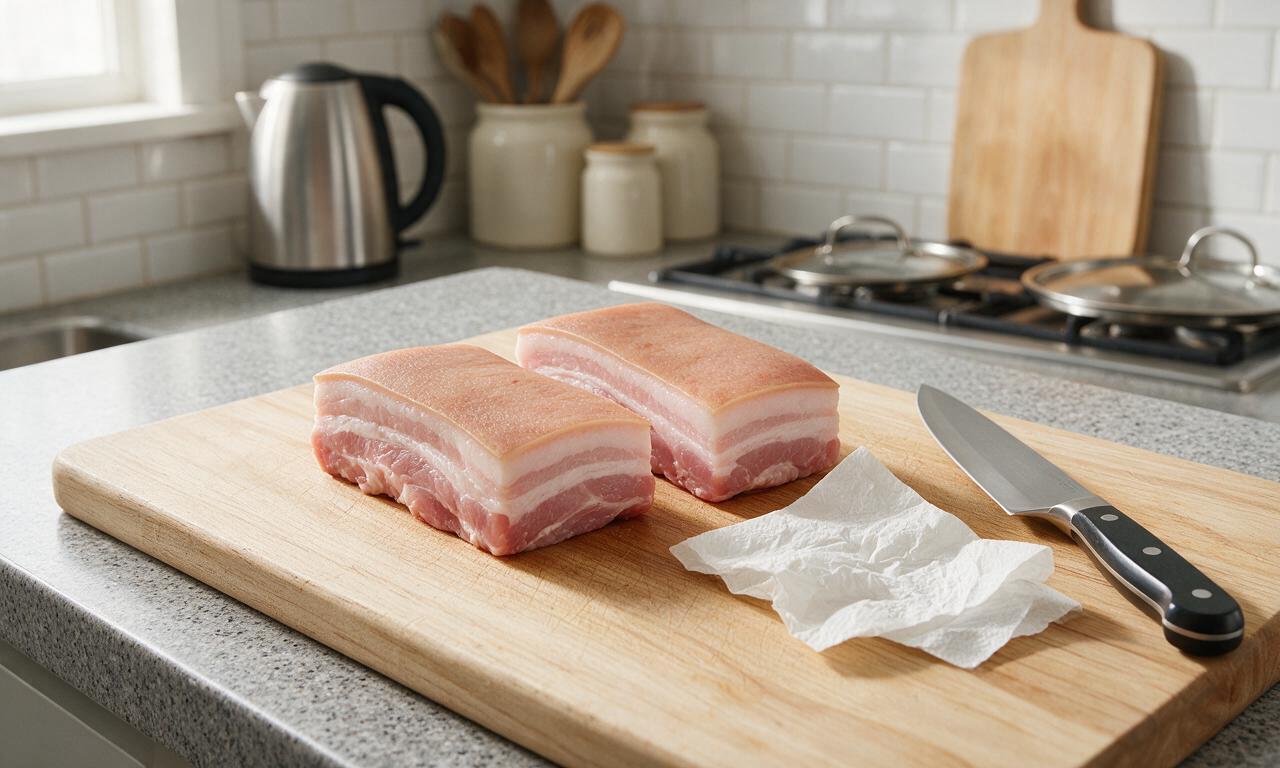
Stick with skin-on pork belly, just as the classic recipe calls for. Its ideal 1:1 to 2:1 fat-to-lean ratio creates that rich, savory, melt-in-your-mouth texture you want, and the attached skin helps blocks hold their shape through curing and long storage. Skip super lean cuts like pork loin—they’ll turn tough, dry, and lack that signature deep savoriness.
2.Do I actually need pink curing salt #1 for this recipe, or can I skip it?
▾
Pink curing salt #1 isn’t just a formality here—it prevents dangerous botulism growth during the long, cool curing process, and it gives salt pork that classic subtle pink cured color and rounded, non-bitter savory flavor. Never skip it for safe, long-lasting cured pork; it’s formulated specifically for short, cool cures like this that aren’t cooked at high heat immediately.
3.Can I use regular table salt instead of Kosher salt for the cure?
▾
I don’t recommend it. Table salt has much finer, denser grains and often includes anti-caking agents that can leave a weird metallic or bitter aftertaste on your finished pork, and it’s easy to over-salt since it measures so differently. If you’re in a pinch, use half the measured volume of table salt to match Kosher salt’s salinity, but Kosher is always the most reliable pick.
4.What’s the point of adding granulated sugar to the salt pork cure?
▾
The small amount of granulated sugar doesn’t make the finished pork taste sweet—it balances out the sharp, harsh bite of straight salt, rounds out the deep umami savoriness, and helps the cure penetrate the pork more evenly for consistent flavor all the way through each block. You won’t pick up any sugary note at all in the final cooked product, I promise.
5.Can I swap crushed whole black peppercorns for pre-ground black pepper?
▾
You can, but freshly crushed whole peppercorns give a much brighter, warmer, less stale peppery note than pre-ground pepper, which loses its aromatic oils fast sitting on the shelf. If you use pre-ground, cut the amount by 25% to avoid an overpowering dusty pepper flavor, and stick to a freshly opened container for the best result.
6.How thick should I cut my pork belly before applying the cure?
▾
Cut your skin-on pork belly into 2 to 3 inch thick, evenly sized blocks for the most consistent cure. Thinner pieces will cure too fast and end up overly salty, while extra-thick chunks can take too long to cure all the way through, creating a food safety risk in the center of the block. Keep cuts uniform so every piece finishes at the same time.
7.How long does the curing process actually take for this salt pork?
▾
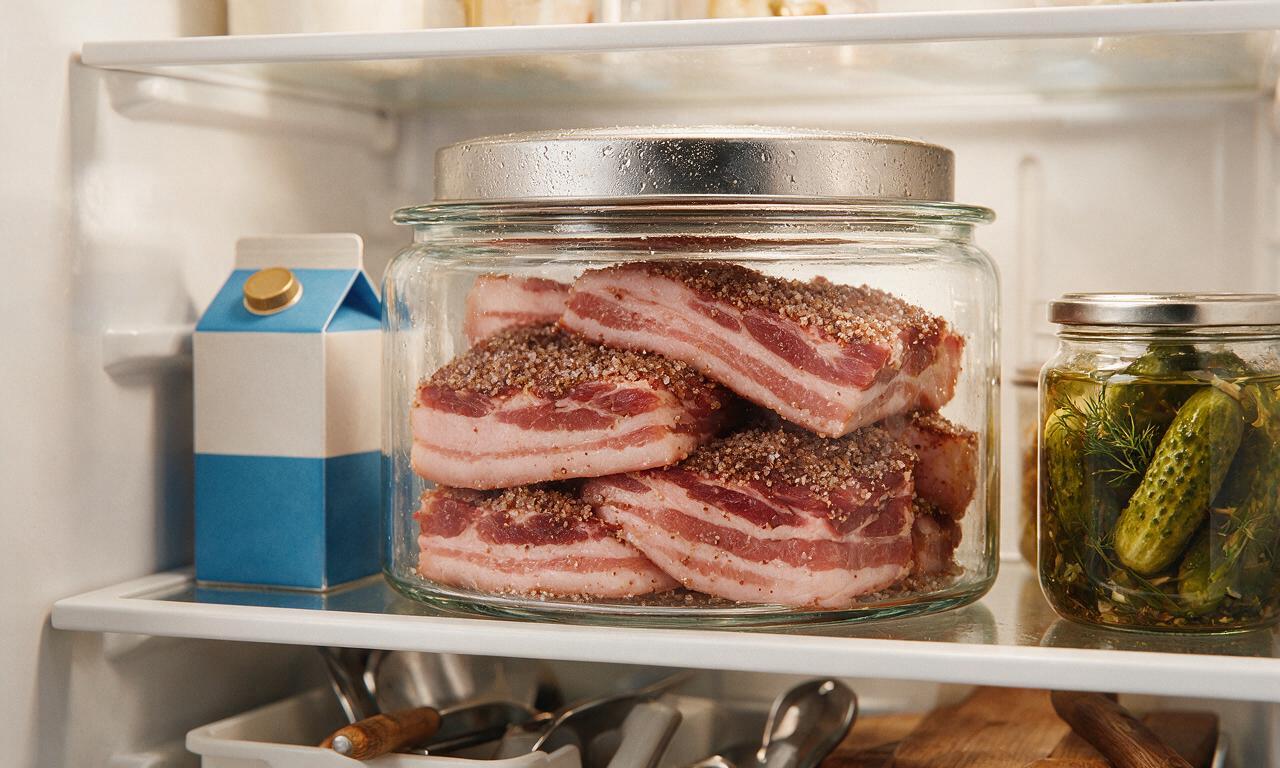
Plan for 7 to 10 days of curing time in the refrigerator, depending on the thickness of your pork blocks. You’ll know it’s ready when the entire piece feels firm to the touch all the way through, with no soft, squishy raw spots in the center, and the surface feels slightly dry. Don’t rush the process—undercured pork won’t keep well.
8.Do I need to rinse the cure off the pork once it’s done curing?
▾
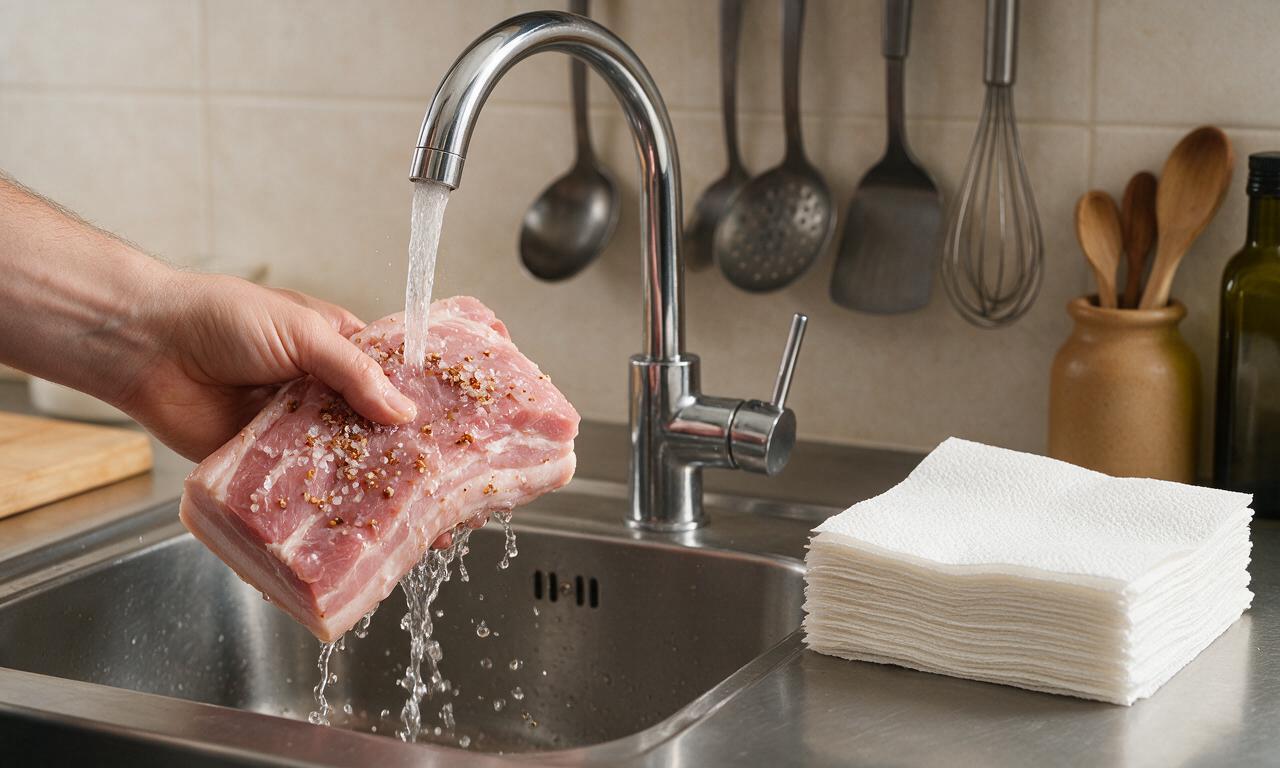
Absolutely. Once curing time is up, rinse every block thoroughly under cold running water to scrub off all excess salt, crushed peppercorns, and residual cure from the surface. If you skip this step, the outer layer of your salt pork will be unpalatably salty, and leftover surface salt can draw out too much moisture during storage, making the pork tough.
9.Should I leave the skin on the pork belly, or can I remove it before curing?
▾
I strongly recommend leaving the skin on through curing and storage. The skin acts as a natural barrier that helps the cure penetrate evenly instead of over-salting the outer fat layer, it holds the block shape as you slice it later, and it crisps up beautifully when you fry salt pork for sides or chowder toppings. You can remove it post-cure if you really prefer.
10.How do I store finished cured salt pork to keep it fresh as long as possible?
▾
After rinsing and patting cured blocks completely dry, wrap them tightly in plastic wrap or vacuum-seal them, then store in the coldest part of your refrigerator for up to 3 months. For even longer storage, freeze tightly wrapped blocks for up to a year with no major loss of flavor, texture, or quality.
11.Is this traditional homemade salt pork the same thing as store-bought bacon?
▾
It’s not! Unlike bacon, this traditional cured salt pork isn’t smoked, so it has a cleaner, pure salty-umami pork flavor instead of that signature smoky note. It also has a higher salt concentration for longer fridge life, and it’s usually cut into small cubes rather than thin strips for cooking in stews and beans.
12.Why does my finished salt pork taste way too salty when I cook with it?
▾
That almost always comes from one of two common mistakes: either you didn’t rinse off all the surface cure after the curing period ended, or you skipped soaking cut pieces before cooking. For less salty results, dice or slice your salt pork, soak it in cold water for 30 to 60 minutes, then drain well to pull out excess salt.
13.Can I add other spices to the cure to customize the flavor?
▾
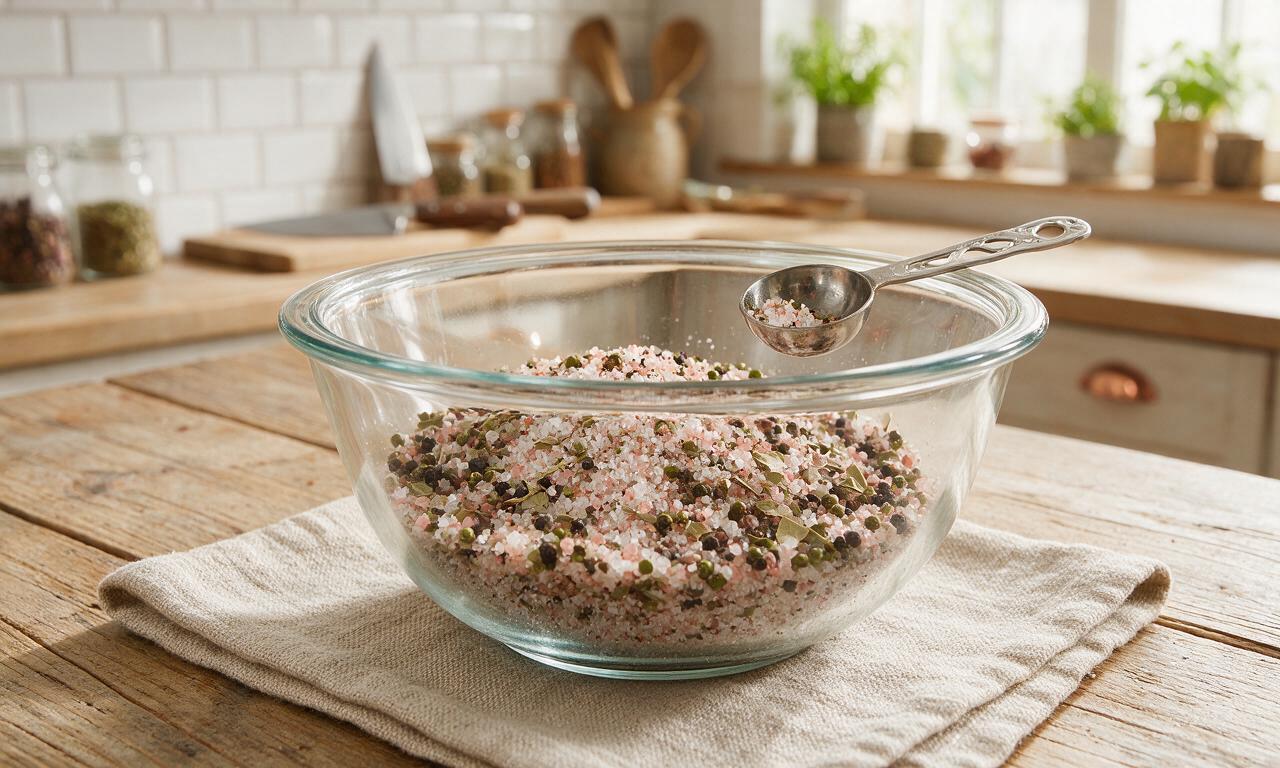
Of course! The base recipe is classic, but you can toss in crushed bay leaves, whole juniper berries, crushed garlic cloves, dried thyme, or red pepper flakes to the cure mix for extra depth. Just stick to the core ratio of Kosher salt, pink curing salt #1, and sugar to keep the cure safe and effective, and don’t overdo add-ins.
14.What temperature should my fridge be set to while the pork is curing?
▾
Keep your fridge consistently between 34°F and 38°F for the entire curing period. If it’s warmer than 40°F, you run the risk of harmful bacteria growing on the pork before the cure can fully penetrate, and if it’s below 32°F, the cure won’t move evenly through the meat, leading to undercured, bland spots.
15.Do I need to weigh the pork down while it’s curing?
▾
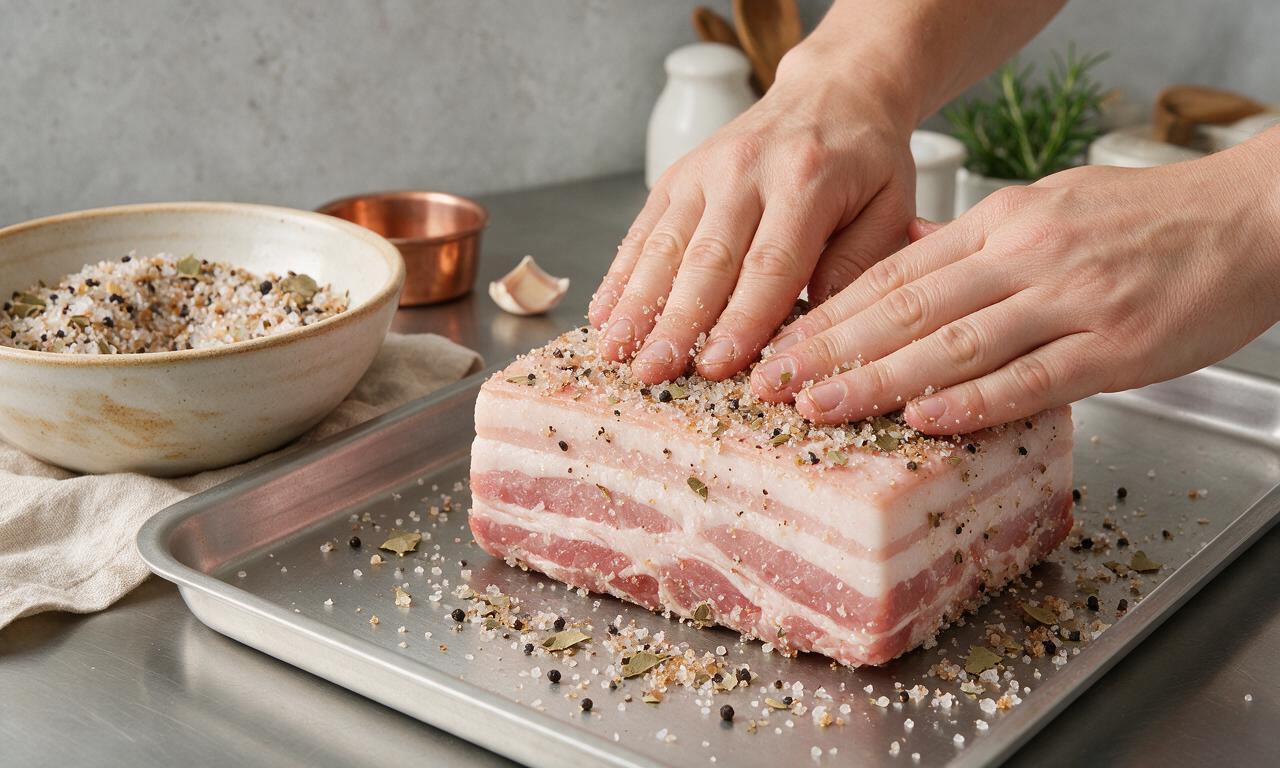
It’s not strictly required, but setting a small, clean weight (like a sealed glass jar full of water) on top of the curing pork blocks helps press out excess moisture, keeps the pork fully in contact with the curing mix, and creates a denser, firmer finished salt pork that slices cleanly instead of being soft and crumbly. I recommend it for classic texture.
16.What are the best ways to use this homemade cured salt pork in cooking?
▾
It’s an incredibly versatile long-lasting staple! Dice it small and fry it up crispy to serve as a rich side, render the fat to cook vegetables or hash, toss cubed pieces into slow-simmered beans, stews, or New England chowders for a huge umami boost, or use rendered fat to make flaky, savory biscuits. A little goes a long way.
17.Can I skip pink curing salt #1 and just use extra regular salt instead?
▾
No, that’s not a safe swap. Higher amounts of regular salt don’t provide the same botulism protection that pink curing salt #1 does during the long, cool curing process. If you don’t have pink curing salt #1, you can make a quick 2-day fridge-cured salt pork for immediate use, but it won’t have the same multi-month storage life as the traditional version.
18.Why are there soft, mushy spots on my pork after the full curing time?
▾
Those soft spots mean those sections didn’t get enough cure penetration, usually because your cure wasn’t applied evenly across the whole pork surface, blocks were cut too thick, or your fridge was too warm during curing. Cut away those mushy spots entirely—they’re not safe to eat—and rub cure into every crevice on your next batch.
19.Do I need to cook cured salt pork before eating it?
▾
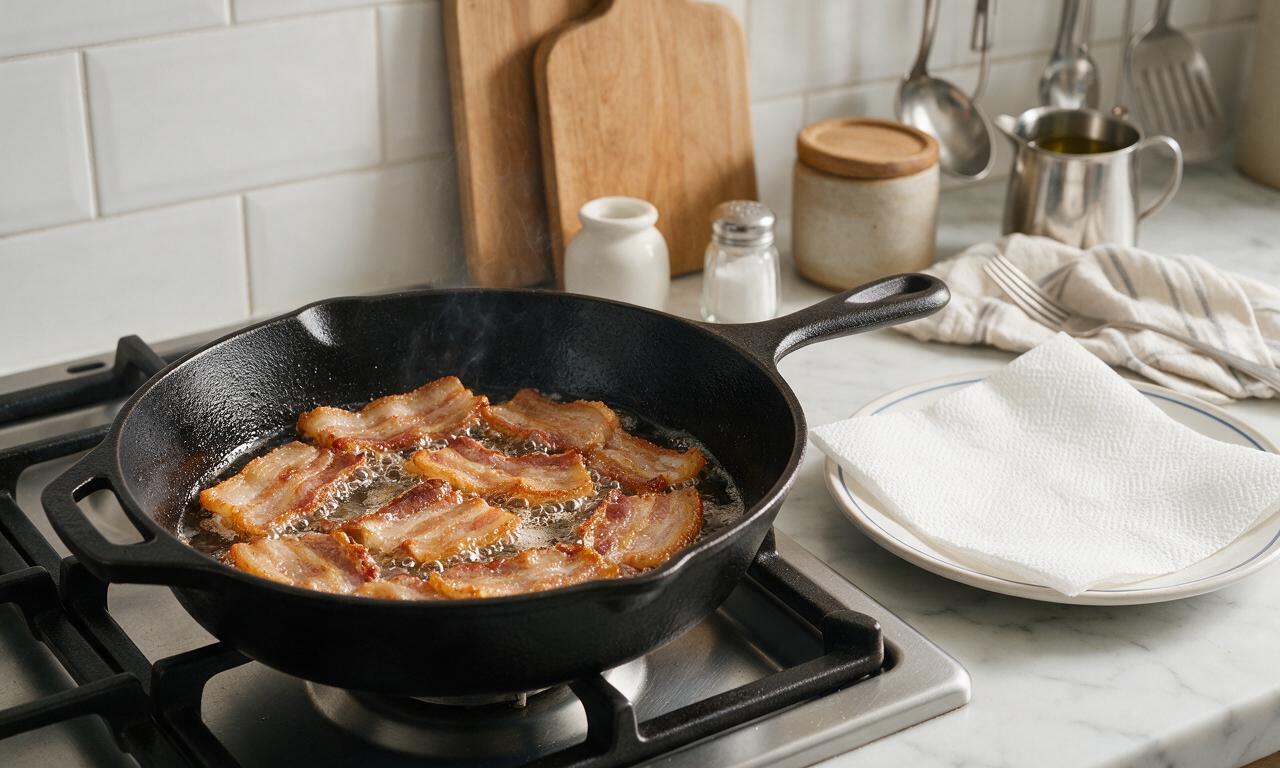
Yes, always. Even though it’s cured, it’s not a ready-to-eat product like dry-cured prosciutto. You’ll need to cook it thoroughly—usually by frying, simmering in a dish, or rendering it—before eating, both to reach a safe internal temperature of 165°F and to get that signature crispy, rich texture it’s known for.




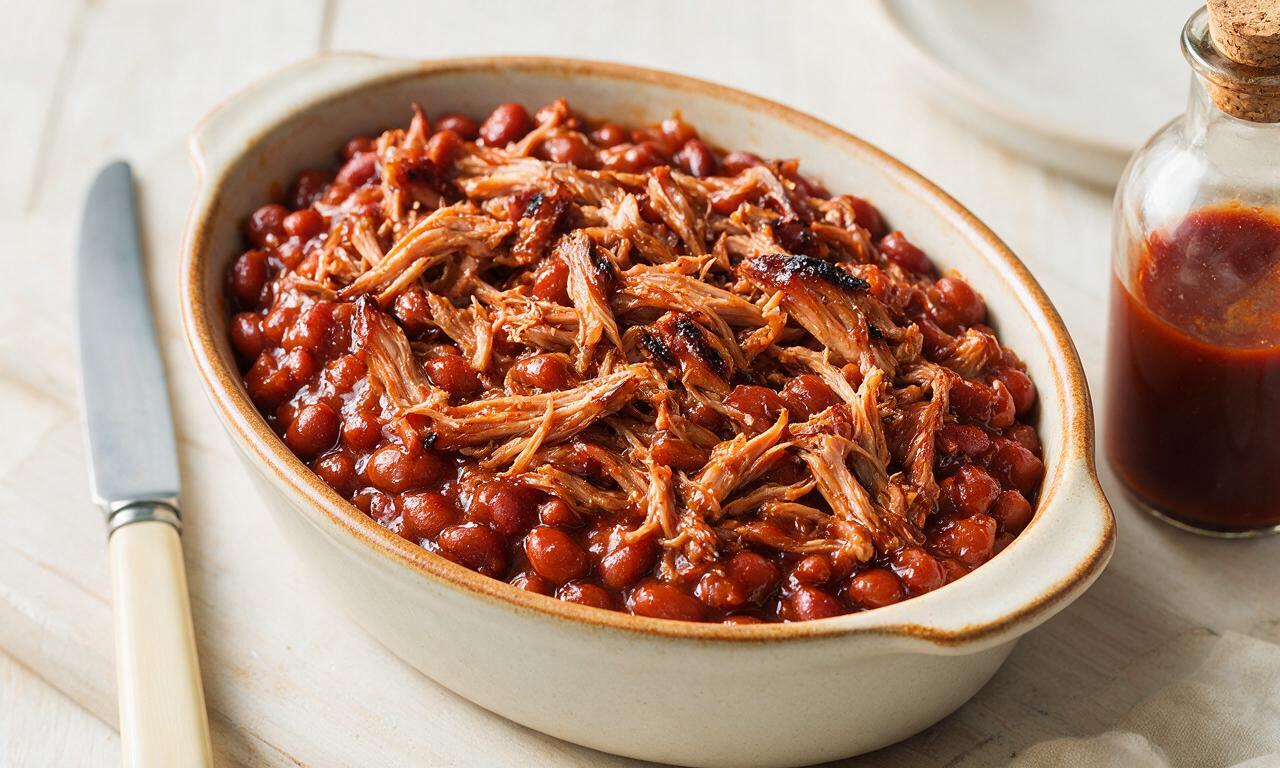
OMG this salt pork is a total game changer! I grew up eating my grandpa’s salt pork in his baked beans and I’ve been buying the grocery store stuff for years because I thought curing it at home would be so hard. 20 minutes of active prep? Are you kidding? So easy! My kids devoured the beans I made with this last Sunday for our family dinner, they kept asking for seconds. 10/10 would make again.
Made this last weekend for a camping trip meal prep, fried up a few slices to go with our campfire eggs and potatoes. SO good. Only thing I will say is I wished I’d read the note about rinsing off excess salt before cooking first — my first batch of slices was a little too salty for my taste, totally my bad though.
I’ve been making cured salt pork for 40+ years and this recipe is spot on. No weird added nitrates, just simple salt and sugar cure, exactly how my mom taught me to make it back in rural Ohio. Tastes exactly like the stuff we used to keep in the root cellar all winter. Great job putting this out there for new cooks!
Added this to my weekly meal prep rotation! I cube it up and freeze portions so I can toss a handful into soups, bean dishes, and roasted veggies all month long. Way cheaper than buying pre-packaged salt pork from the deli, and I know exactly what’s in it. Win win.
Wait, super dumb question — do I have to keep this in the fridge the whole 7 days it’s curing? I don’t have a ton of extra fridge space right now and was hoping I could leave it in a cool pantry like people did back in the day. Don’t want to make anyone sick though!
Brought a big pot of clam chowder made with this salt pork to my office potluck last week and people were literally scraping the pot clean. Three different coworkers asked me for the salt pork recipe before the end of the lunch hour! Who knew something so simple would be such a hit?
Perfect for my keto meal plan! Zero weird added sugars if you skip the tiny bit of sugar in the cure, right? I fried up a couple slices for breakfast this morning and it paired so well with my eggs and avocado. Way better than the sugar-cured bacon I usually buy.
I remember helping my ma make salt pork every fall when I was a kid, we’d hang it in the smokehouse for a day after curing. This recipe took me right back, I added a little hickory smoke powder to my cure to get that old-fashioned smoky taste I remember. Turned out perfect.
I was so intimidated to try curing meat at home, I thought you needed special equipment or fancy ingredients. All I needed was a glass dish, kosher salt, and pork belly! It was so straightforward, even for someone who lives in a tiny apartment with a tiny fridge. 10/10 for accessibility.
Quick question — how long does this keep in the fridge once it’s done curing? I made a big batch and don’t want it to go bad before I get a chance to use all of it!
Wait, can I use this like pancetta? I was making pasta carbonara last night and realized I was out of pancetta, so I fried up a few thin slices of this salt pork and tossed it in. It was unreal! My roommate said it was the best carbonara I’ve ever made.
Took a block of this on my 5 day backpacking trip last week, it didn’t need refrigeration on the trail since it’s so high salt, and I fried up little bits to add to my dehydrated bean dinners. Total game changer for backcountry meals, added so much flavor to otherwise boring trail food.
I added a tablespoon of crushed red pepper and a teaspoon of garlic powder to my cure mix and it came out so flavorful! Used it in my red beans and rice for Mardi Gras this year and every single person at the party asked for my secret. This base recipe is so easy to customize to your own taste.
Used pork belly from the hog we butchered on our farm last fall for this, and it’s hands down the best salt pork I’ve ever made. The cure ratio is perfect, not too salty, not too bland. I’m gonna make a double batch next time to last us through the spring.
Made this for my husband who grew up in Maine and eats salt pork in his baked beans every Saturday night. He said it tasted exactly like the stuff his grandma used to make when he was a kid, and that’s the highest compliment I could get! Will be making this on repeat from now on.