cheese sauce for lasagna

title 1
cheese sauce for lasagna
⏱️ cook time 15 minutes
🍽️ servings 8
⚡ Difficulty easy

intro

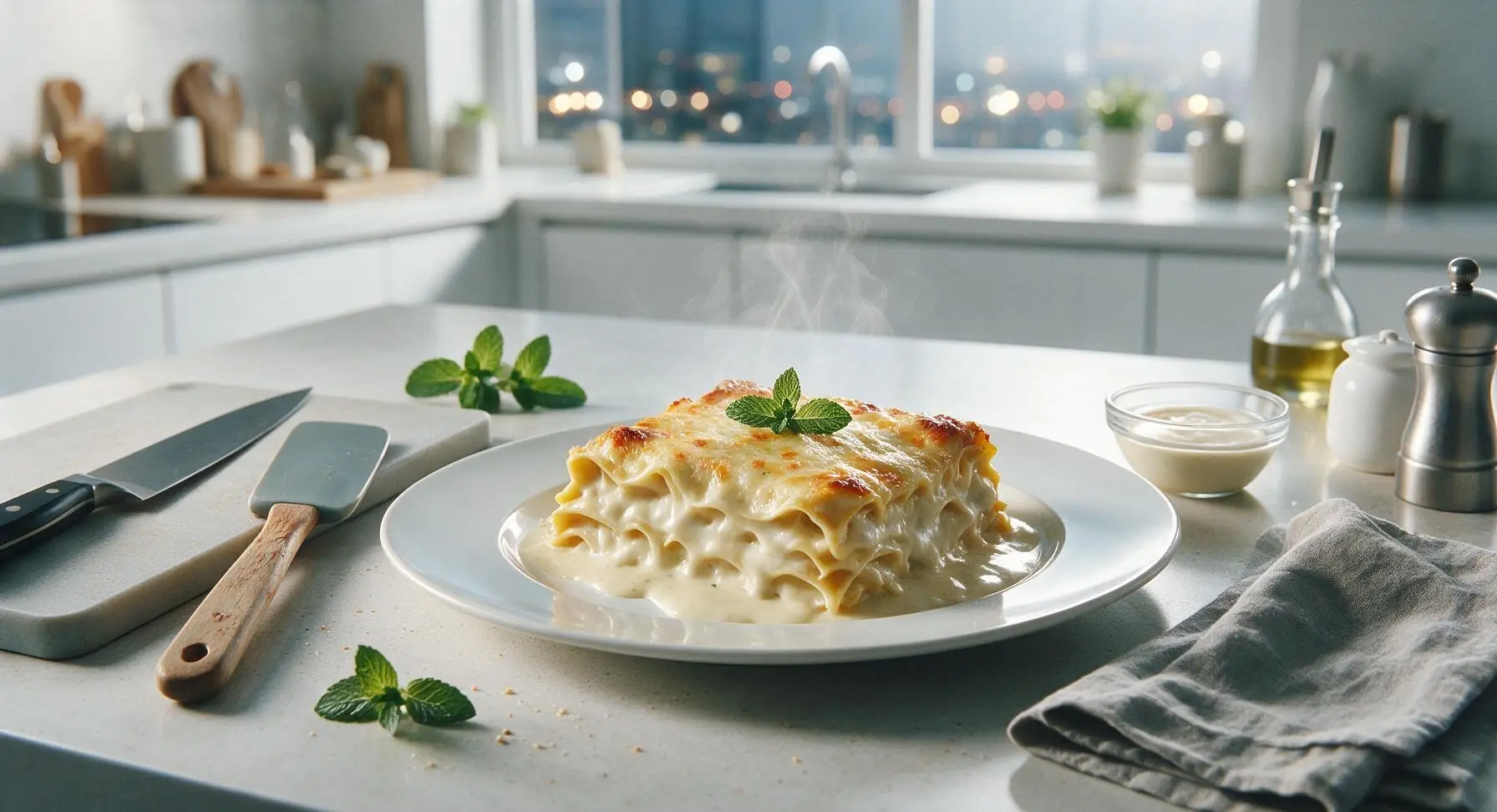
Silky, lump-free cheese sauce for lasagna, blended with nutty parmesan and warm nutmeg to bind every pasta layer into cozy, melty, perfectly balanced comfort food.

Ingredients
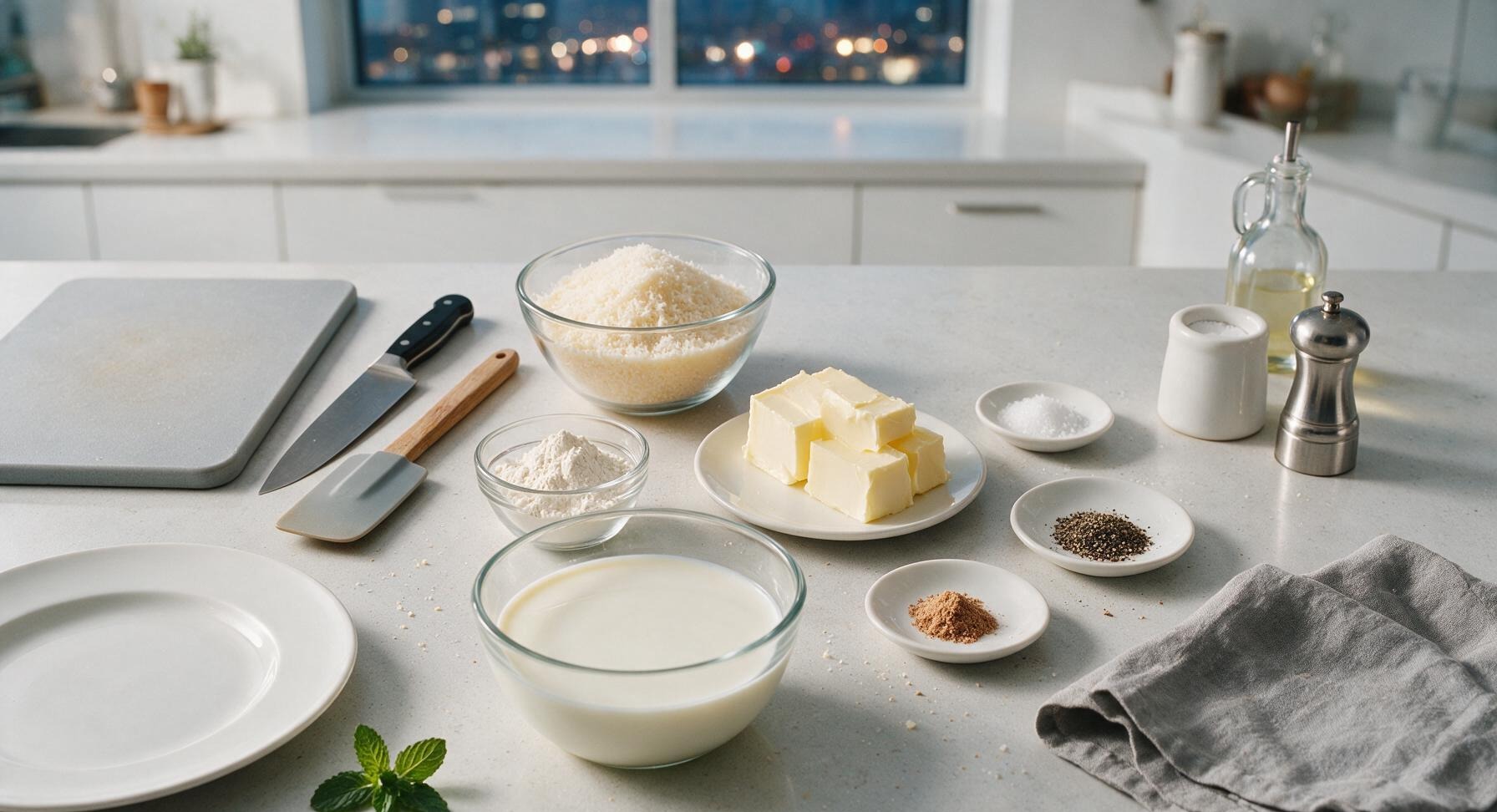
Unsalted butter 4 tbsp (57g)
All-purpose flour 1/4 cup (32g)
Whole milk 3 cups (720ml)
Aged Parmigiano-Reggiano cheese, freshly grated 1.5 cups (135g)
Kosher salt 1 tsp
Freshly ground black pepper 1/4 tsp
Freshly grated nutmeg 1/4 tsp

Steps

1

Grate Fresh Parmesan

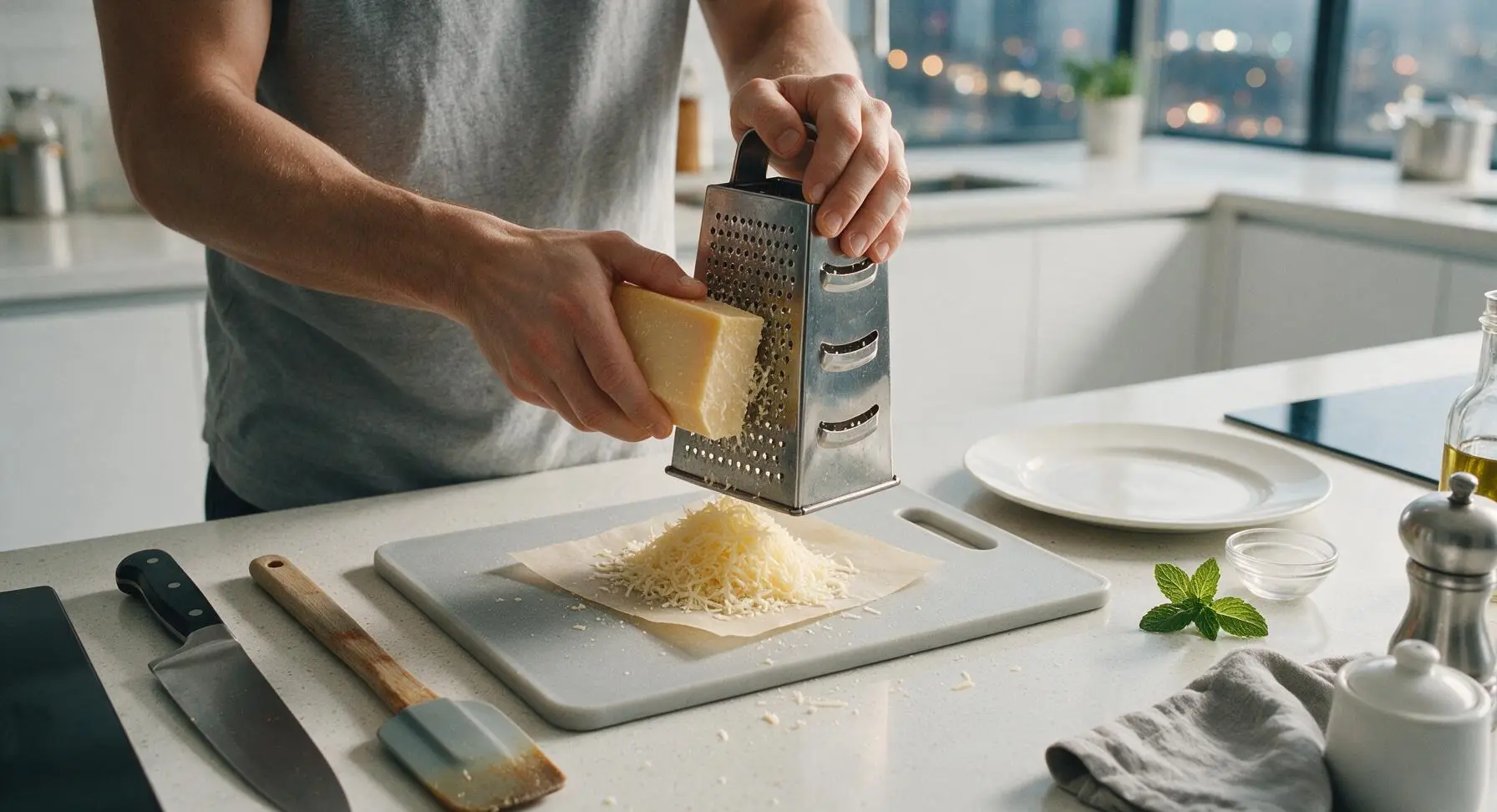
Using the box grater on its smallest hole setting, grate 1.5 cups of Parmigiano-Reggiano cheese from the block, avoiding the hard dark rind. Do not use pre-grated cheese (it contains anti-caking agents that cause grainy sauce). Set grated cheese aside on the parchment square; you should have a light, fluffy pile of pale yellow shreds with no large clumps.
Step 1
step1:Grate Fresh Parmesan
2

Melt Butter Slowly

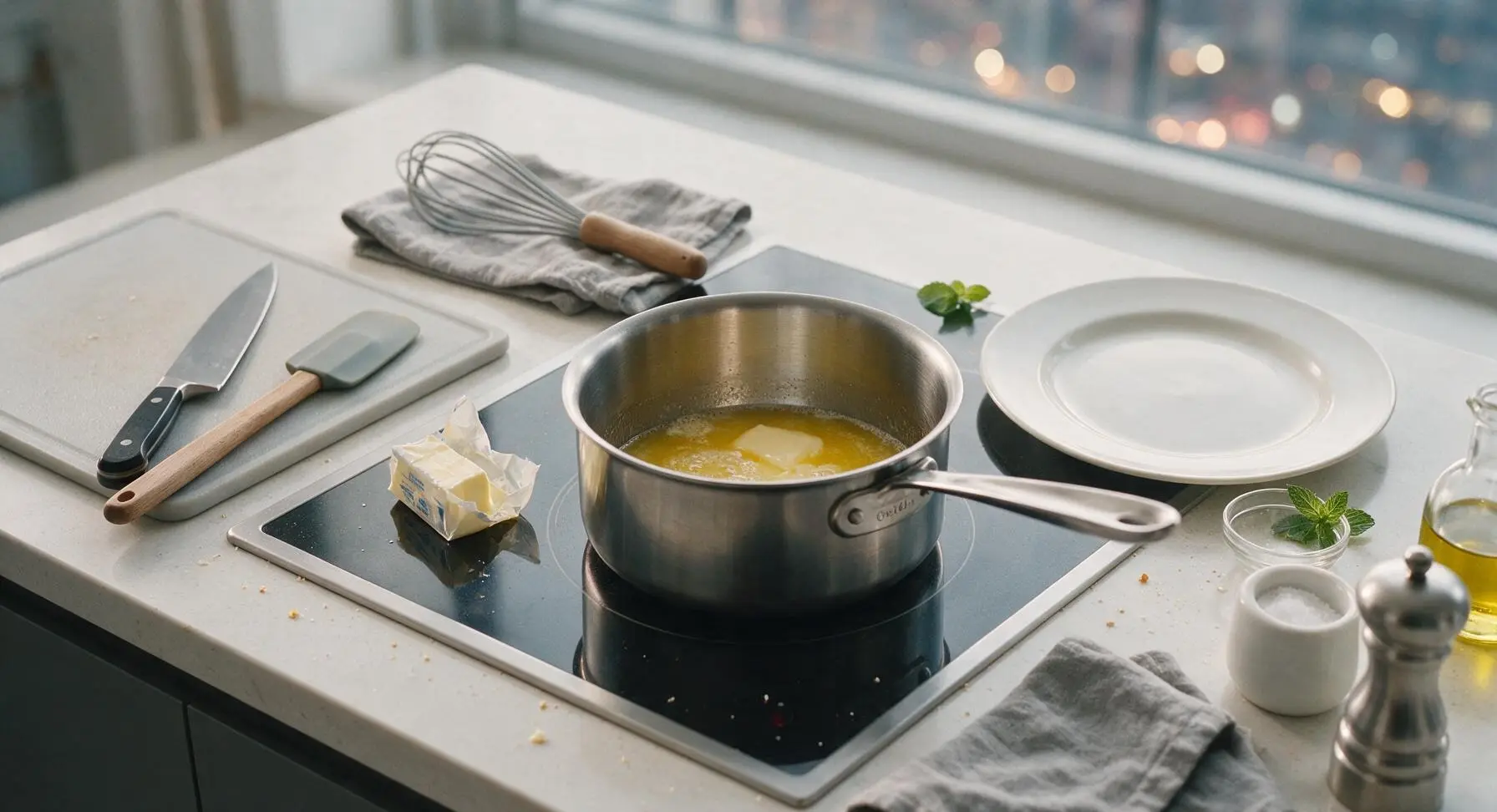
Place the 2-quart stainless steel saucepan on the center induction cooktop zone over medium-low heat (3/10 heat setting). Add the 4 tbsp of unsalted butter to the pan, allowing it to melt fully over 2-3 minutes, swirling occasionally. Do not let the butter brown or bubble vigorously; it should be fully liquid, pale golden, with a quiet gentle fizz when melted.
Step 2
step2:Melt Butter Slowly
3

Cook Flour Roux

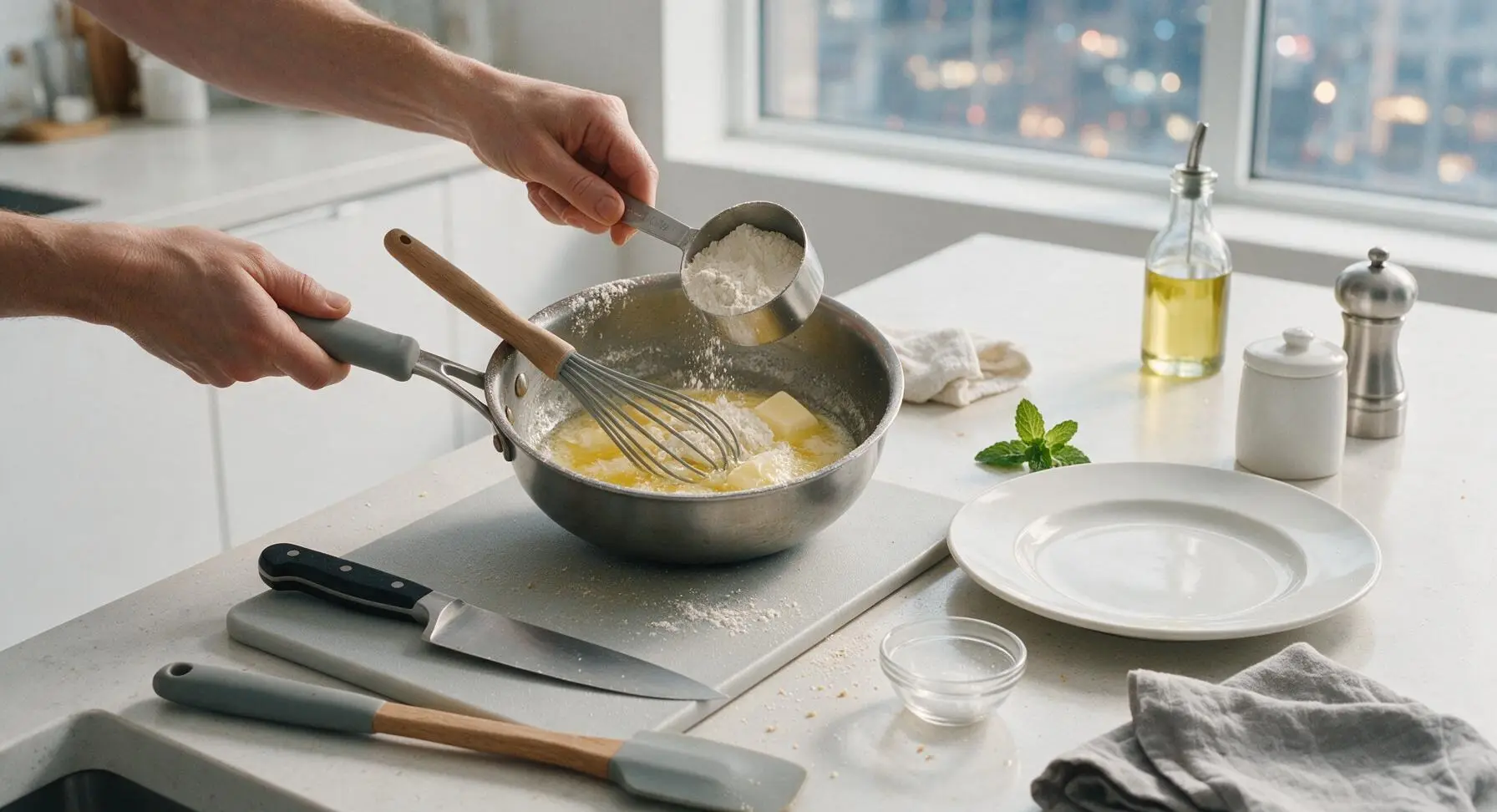
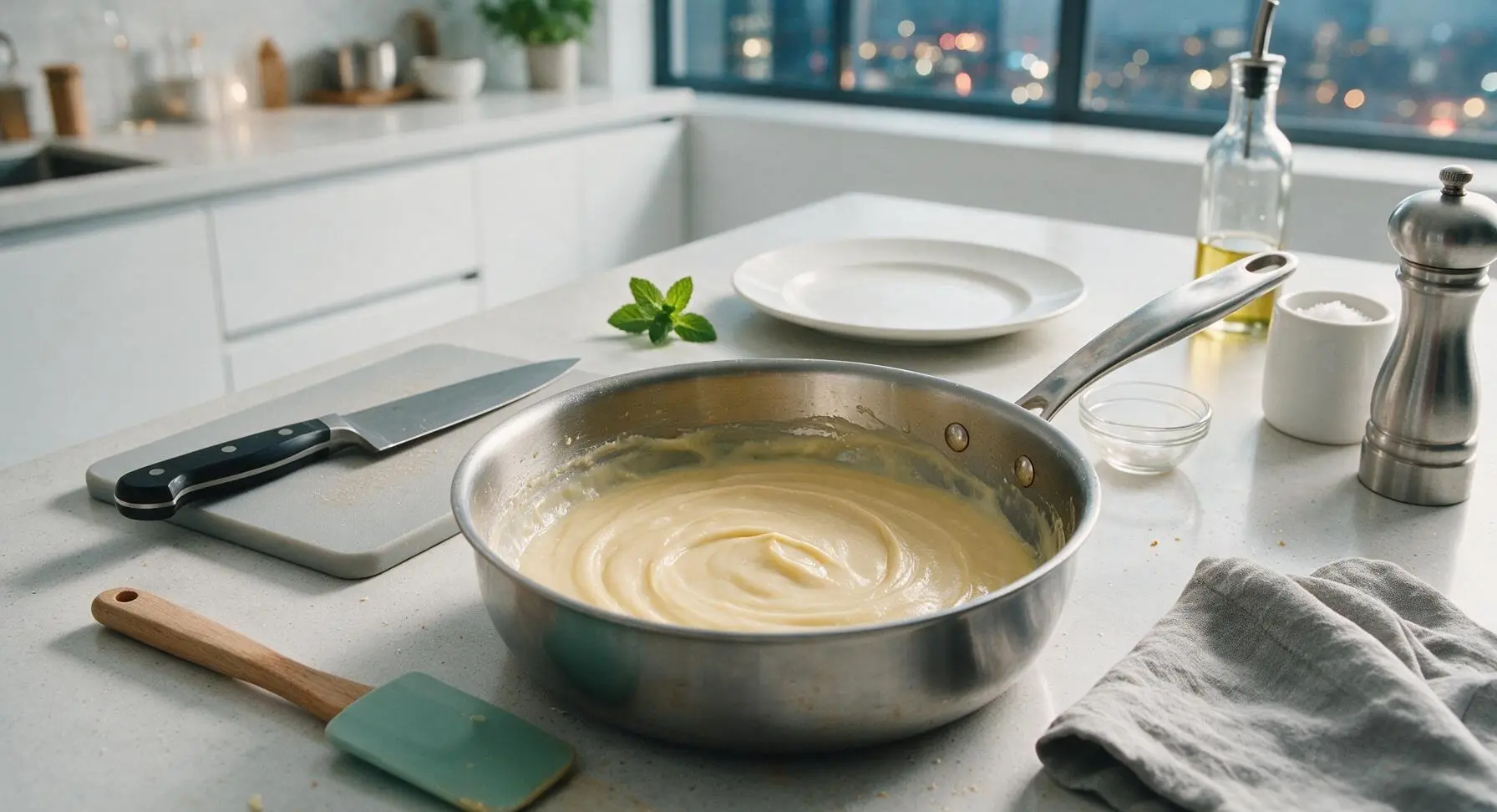
Add the 1/4 cup all-purpose flour to the melted butter, stirring immediately with the silicone whisk to form a smooth, thick paste (roux). Cook the roux for 2 full minutes over medium-low heat, whisking constantly, until it smells faintly nutty and turns a pale creamy blonde color, with no raw flour taste remaining. Do not let the roux turn dark brown, as this will create a nutty flavor too strong for lasagna.
Step 3
step3:Cook Flour Roux
Step 3
step3:Cook Flour Roux
4

Whisk in Milk Gradually

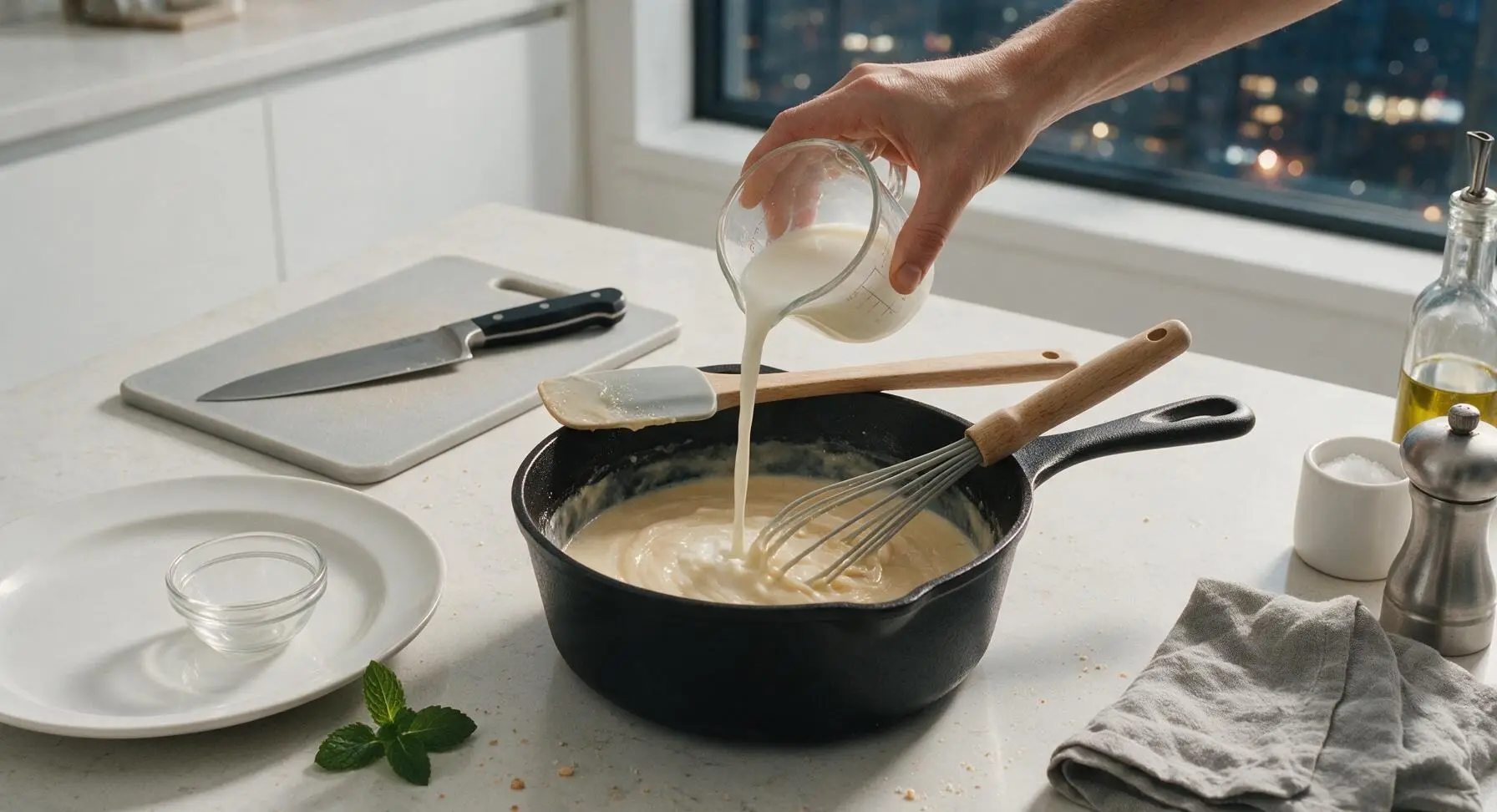
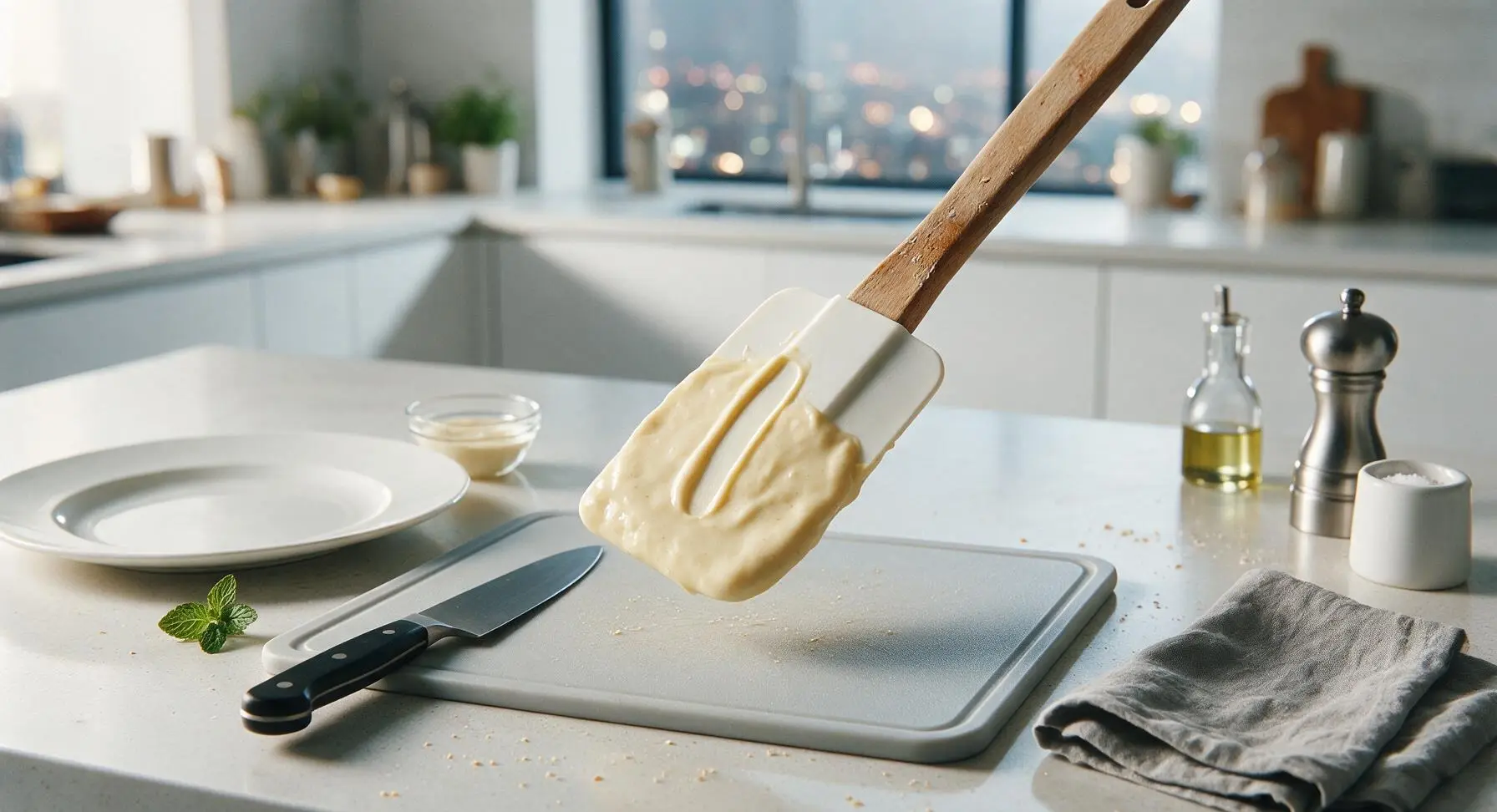
Warm the 3 cups of whole milk slightly to 100°F (lukewarm to the touch, no boiling) in the microwave for 45 seconds to prevent lumps. Add the milk to the roux 1/4 cup at a time, whisking constantly and vigorously in a figure-8 pattern after each addition, waiting until the sauce is completely smooth before adding more milk. Once all milk is added, increase heat to medium (5/10 setting) and bring the sauce to a gentle simmer, whisking occasionally, for 3-4 minutes until it thickens enough to coat the back of the wooden spatula—when you run your finger across the coated spatula, the line should hold cleanly without running.
Step 4
step4:Whisk in Milk Gradually
Step 4
step4:Whisk in Milk Gradually
5

Season Sauce Base

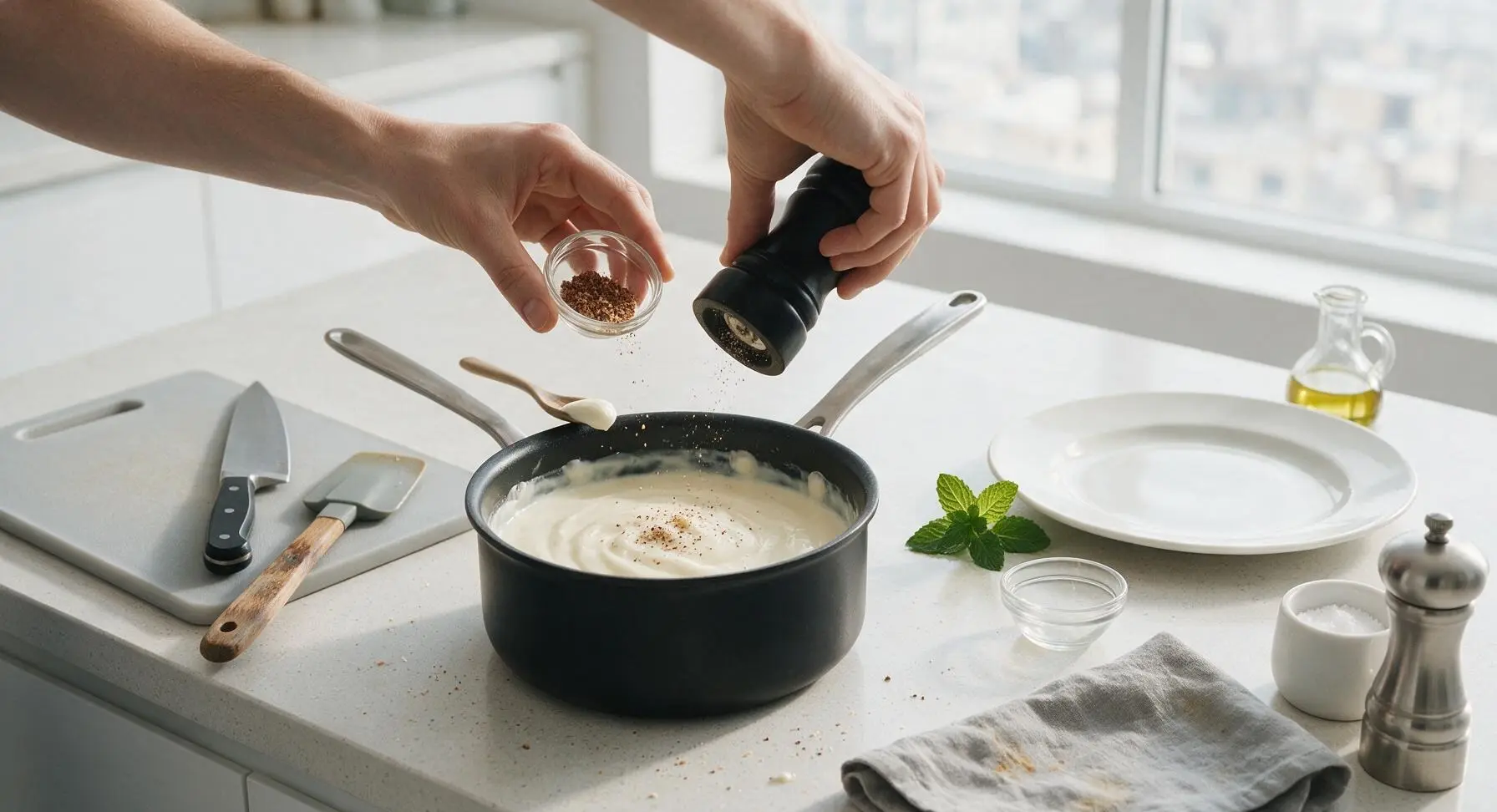
Reduce heat to low (2/10 setting). Stir in 1 tsp kosher salt, 1/4 tsp freshly ground black pepper, and 1/4 tsp freshly grated nutmeg, whisking to combine evenly. Taste the sauce with a small spoon; it should taste mildly savory, with a faint warm background note from the nutmeg, not overpowering. Adjust salt if needed, remembering the parmesan will add additional saltiness.
Step 5
step5:Season Sauce Base
6

Stir in Grated Cheese

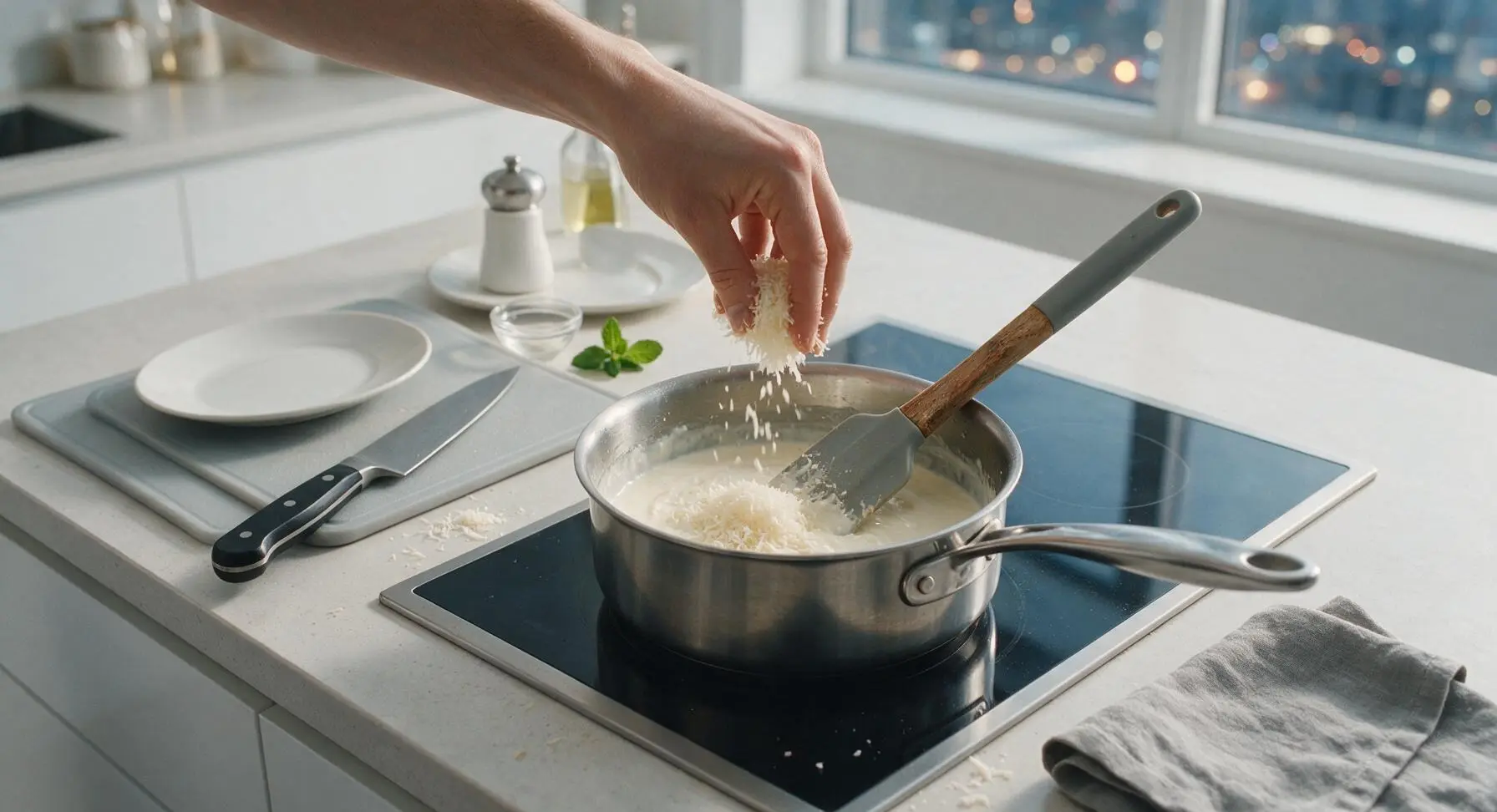
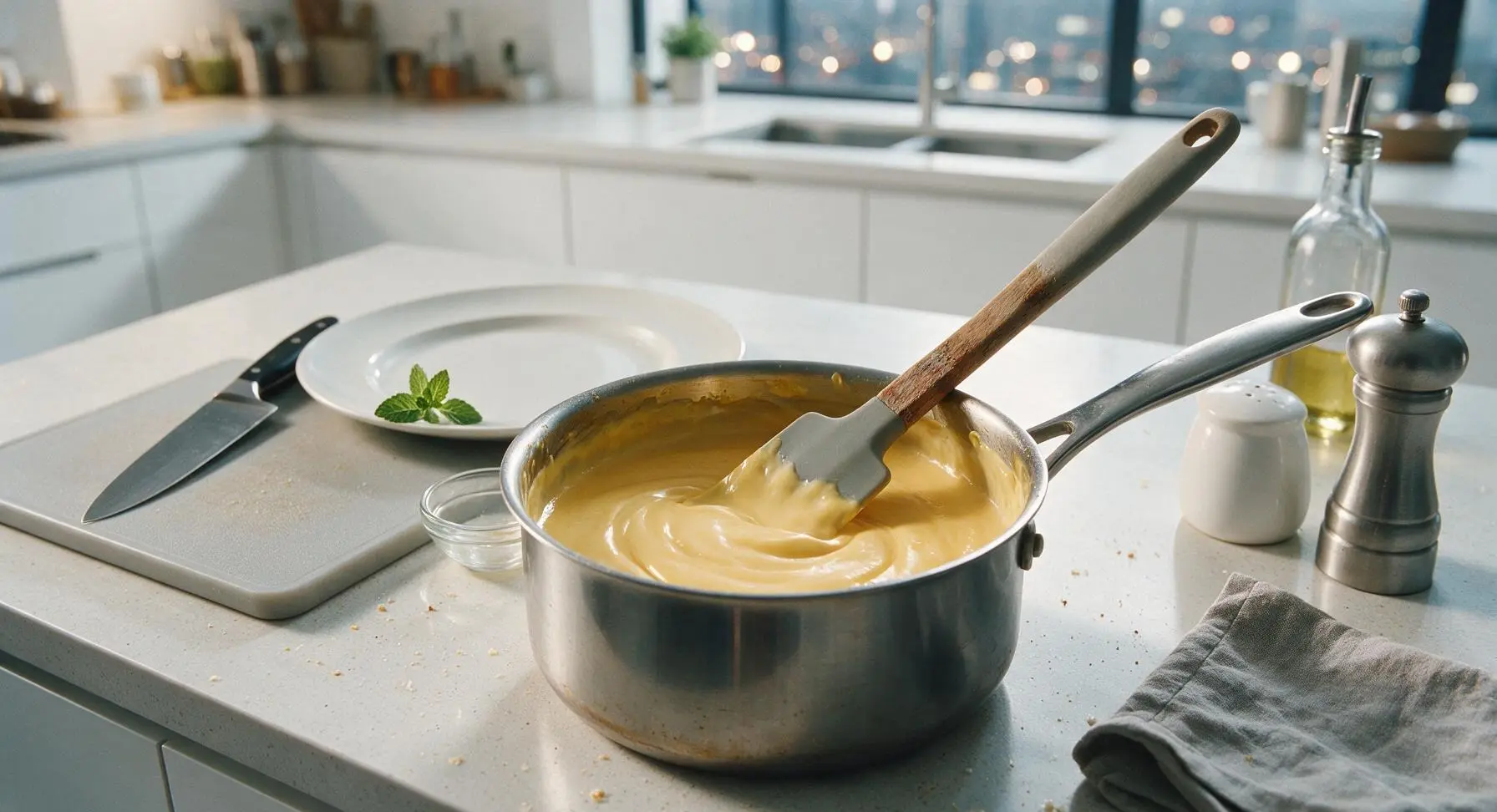
Remove the saucepan from the heat entirely to prevent the cheese from separating and turning grainy. Add the freshly grated parmesan cheese one handful at a time, stirring slowly with the wooden spatula after each addition until the cheese is fully melted and the sauce is completely smooth, with no stringy clumps or grainy bits. Do not re-boil the sauce after adding cheese, as high heat will cause the cheese proteins to curdle.
Step 6
step6:Stir in Grated Cheese
Step 6
step6:Stir in Grated Cheese
7

Strain for Smoothness

For perfectly silky lasagna sauce, set the fine-mesh sieve over the matte cream white ceramic serving bowl. Pour the hot cheese sauce through the sieve, pressing gently with the silicone spatula to push all smooth sauce through, catching any tiny lumps of roux or undissolved cheese in the sieve. Discard any small lumps left in the sieve; the finished sauce will be pourable, thick enough to spread easily between lasagna layers without running.

Step 7
step7:Strain for Smoothness

Tips

1.Always grate parmesan fresh from a block instead of using pre-shredded store-bought cheese: pre-shredded cheese is coated in potato starch and anti-caking agents that prevent smooth melting, leading to a grainy, clumpy sauce that won’t coat lasagna layers evenly.
2.Add milk to the roux 1/4 cup at a time, and warm the milk first: pouring cold milk or large volumes of milk at once shocks the roux, causing it to form hard lumps that cannot be whisked out. Lukewarm milk incorporates smoothly for a silkier base.
3.Never return the pan to high heat or boil the sauce after adding cheese: high heat causes parmesan’s milk proteins to curdle and separate, leaving greasy, grainy curds instead of a smooth, velvety texture. Always stir cheese in off the heat for best results.


✨ You May Also Like

Main Course
🍜 United Kingdom

A showstopping classic of tender seared beef, savory mushroom duxelles, and crisp prosciutto wrapped in flaky golden puff pastry, baked to juicy perfection.

⏱️ 2 hours 1Main Course ★ 4.7
Main Course
🍜 India

Tender charred marinated chicken simmered in a rich, spiced creamy tomato sauce, this iconic Anglo-Indian curry pairs perfectly with basmati rice or warm naan.

⏱️ 50 minuteMain Course ★ 4.6
Main Course
🍜 Thailand

Classic tangy, sweet, and savory Thai stir-fried rice noodles with shrimp, tofu, and crunchy garnishes, balancing all five core Thai flavor profiles.

⏱️ 30 minuteMain Course ★ 4.5
Main Course
🍜 United Kingdom

Crispy golden beer-battered cod and fluffy double-fried chips, served with tangy tartar sauce and malt vinegar: the timeless, beloved British pub comfort classic.

⏱️ 45 minuteMain Course ★ 4.7
Main Course
🍜 Mexico

Smoky, chile-marinated pork tacos with caramelized pineapple, fresh cilantro, and lime: a beloved classic Mexican street food perfect for casual summer gatherings.

⏱️ 1 hour 45Main Course ★ 4.8
Main Course
🍜 United States

Crunchy Fritos corn chips layered with savory beef chili and melted cheddar, topped with cool, zesty fixings for a beloved, cozy Tex-Mex comfort food.

⏱️ 35 minuteMain Course ★ 4.8

cheese sauce for lasagna:Frequently Asked Questions

1.Why does my cheese sauce turn out lumpy instead of silky smooth? ▾
Lumps almost always come from adding cold milk too quickly to your hot roux, or using cheese coated in anti-caking agents. Warm your whole milk slightly first, add it in 1/4-cup increments while whisking constantly to smooth out the base between pours, and always use freshly grated cheese to avoid stubborn clumps.
2.Can I use pre-grated parmesan from the grocery store shaker instead of freshly grated? ▾
I don’t recommend it for that perfect silky, lump-free texture. Pre-grated parmesan is coated in potato starch or anti-caking powder to prevent clumping in the container, which stops it from melting smoothly into the base. Freshly grated aged Parmigiano-Reggiano melts fully for that luxe, even texture we want between lasagna layers.
3.Is the pinch of nutmeg really necessary? I don’t usually keep it in my pantry. ▾
That tiny pinch of nutmeg is a classic trick to make dairy and cheese flavors taste brighter and richer, without adding a noticeable spiced flavor. You can skip it if you don’t have it, but a whole nutmeg lasts for years, and that warm, subtle note makes the sauce taste restaurant-quality instead of flat.
4.How thick should the sauce be before I layer it into my lasagna? ▾
Aim for the consistency of warm, pourable heavy cream, thick enough to coat the back of a spoon so it doesn’t run off pasta layers, but thin enough to spread easily without clumping. If it thickens too much as it sits, just whisk in a splash of warm whole milk a teaspoon at a time to adjust, and season to taste with kosher salt before layering.
5.Can I make this cheese sauce ahead of time for meal prep? ▾
Absolutely! Make the sauce up to 3 days ahead, let it cool completely, then store it in a sealed airtight container in the fridge. When you’re ready to assemble lasagna, reheat it gently over low heat on the stovetop, whisking constantly, and thin with a splash of warm milk if it thickened up too much.
6.What ratio of butter to flour do I need for a stable, smooth roux? ▾
Use equal parts unsalted butter and all-purpose flour by weight—for a standard lasagna batch, that’s 4 tablespoons of butter to 1/4 cup of flour. Cook the roux for 2 full minutes over medium-low heat, whisking constantly, to cook out raw flour taste before you start adding milk, which also prevents lumps.
7.Why is my sauce grainy even when I use freshly grated parmesan? ▾
Grainy texture almost always comes from overheating the sauce after you add cheese. Once your milk base is properly thickened, turn the heat all the way down before stirring in parmesan, and never let the sauce boil after adding cheese—high heat makes cheese proteins seize, creating that unpleasant gritty texture.
8.Can I mix in other cheeses to make the sauce richer? ▾
You definitely can, as long as you keep at least half the cheese as freshly grated Parmigiano-Reggiano for that signature nutty base. Great add-ins are small amounts of shredded low-moisture mozzarella for extra melt or fontina for creaminess; avoid high-moisture crumbly cheeses that break the silky texture.

Comments (3)

2 days ago

OMG this cheese sauce is a total game changer! I’ve struggled for years to make a non-grainy cheese sauce for our weekly Sunday family lasagna dinner, and this came out so silky smooth in literally 15 minutes? My kids went back for seconds, even my super picky 7-year-old asked for extra sauce drizzled on his garlic bread. SO good, I’m never going back to my old lumpy roux-based recipe!

yesterday

Same here! I used to add way too much flour and end up with that weird thick paste texture, and this recipe totally fixed that for me! I brought a lasagna made with this sauce to our neighborhood potluck last weekend and people kept coming up to beg for the recipe

30 minutes ago

That makes my whole day to hear! So glad your picky kiddo and the potluck crowd loved it—quick pro tip: a tiny pinch of freshly grated nutmeg takes this sauce up another notch if you want to experiment next time you make it!

3 days ago

Super easy recipe, perfect for my Sunday meal prep routine! I made a double batch to use for lasagna roll ups for weekday lunches this week and it reheats like a dream—no weird separation or greasy film like every other cheese sauce I’ve tried before. Only quick swap: I used a mix of low-moisture mozzarella and smoked provolone instead of straight mozz and it was chef’s kiss

2 days ago

Love that provolone swap! Great call, that adds such a nice subtle smoky depth that pairs so well with lasagna layers. So glad it holds up for meal prep too—pro tip for reheating: warm it low and slow on the stovetop with a splash of milk if it thickens up too much in the fridge!

5 minutes ago

Wait this is way easier than the fussy classic béchamel I was taught in my community cooking class! No constant vigorous whisking for 20+ minutes, zero clumps, and the flavor is perfectly balanced so it doesn’t overpower the ricotta or marinara layers in the lasagna. I’m making this for my book club potluck next week and already know it’s gonna be a total hit