1.Why does this recipe use bone-in, skin-on chicken thighs instead of chicken breast?
▾
Bone-in, skin-on thighs stay juicy through the slow simmer, and their rendered skin fat adds deep, savory depth to the paprika sauce that lean breast can’t match. If you do swap for breast, use thick bone-in cuts, reduce simmer time by 10 minutes, and watch closely to avoid dry, stringy meat.
2.What can I use if I can’t find sweet Hungarian paprika?
▾
Sweet Hungarian paprika has a bright, fruity, earthy depth regular grocery store paprika lacks, but if you can’t source it, mix 3 parts mild sweet paprika with 1 part smoked sweet paprika (skip hot paprika here) to mimic its warm, rounded flavor. Never use paprika older than 6 months, as stale spice will make the sauce taste flat and dusty.
3.Can I make this chicken paprikash ahead of time for a dinner party?
▾
Absolutely! This paprikash actually tastes better the next day, as the paprika and chicken flavors meld fully as it chills. Store cooled, fully cooked paprikash in an airtight container for up to 3 days, and reheat gently over low heat (don’t bring it to a rolling boil) to prevent the sour cream from curdling as it warms.
4.Why did my sour cream curdle the last time I made paprikash?
▾
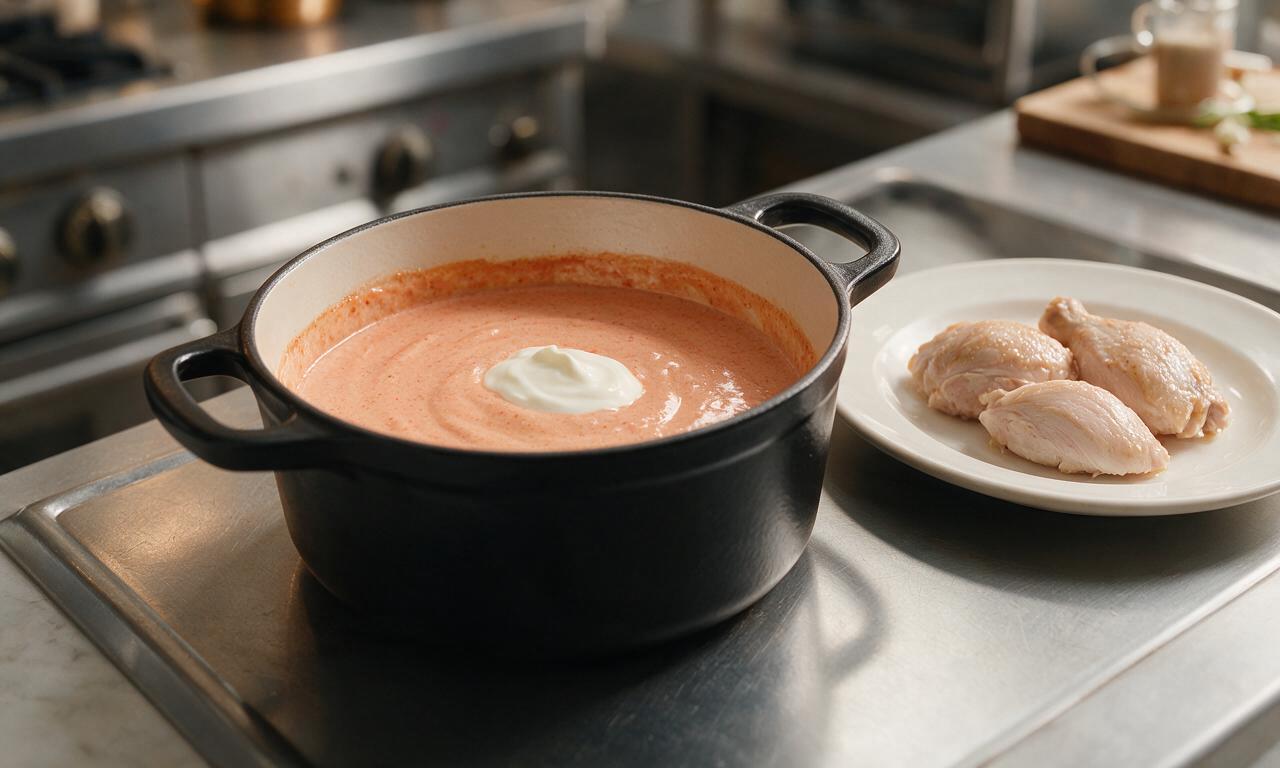
Sour cream curdles when it hits boiling heat or is added straight from the fridge ice-cold. To avoid this, take your sour cream out 20 minutes before using, stir a spoonful of warm sauce into it first to temper it, then stir the mixture into the pan off heat, only returning to a gentle simmer once it’s fully incorporated.
5.What are the best sides to serve with creamy chicken paprikash?
▾
The classic traditional pairing is buttered wide egg noodles, which catch every bit of that rich, tangy sauce perfectly. Other great options include fluffy white rice, boiled or roasted baby potatoes, crusty sourdough for dipping, or a bright pickled cucumber salad to cut through the sauce’s richness.
6.Can I use salted butter instead of unsalted butter for this recipe?
▾
You can, just adjust added salt accordingly! Unsalted butter lets you control the exact sodium level of the sauce, since salt content varies widely across salted butter brands. If you use salted butter, hold off on adding extra salt until the very end of cooking, after tasting, to avoid over-seasoning the final dish.
7.How do I get the best, most robust flavor from the paprika?
▾
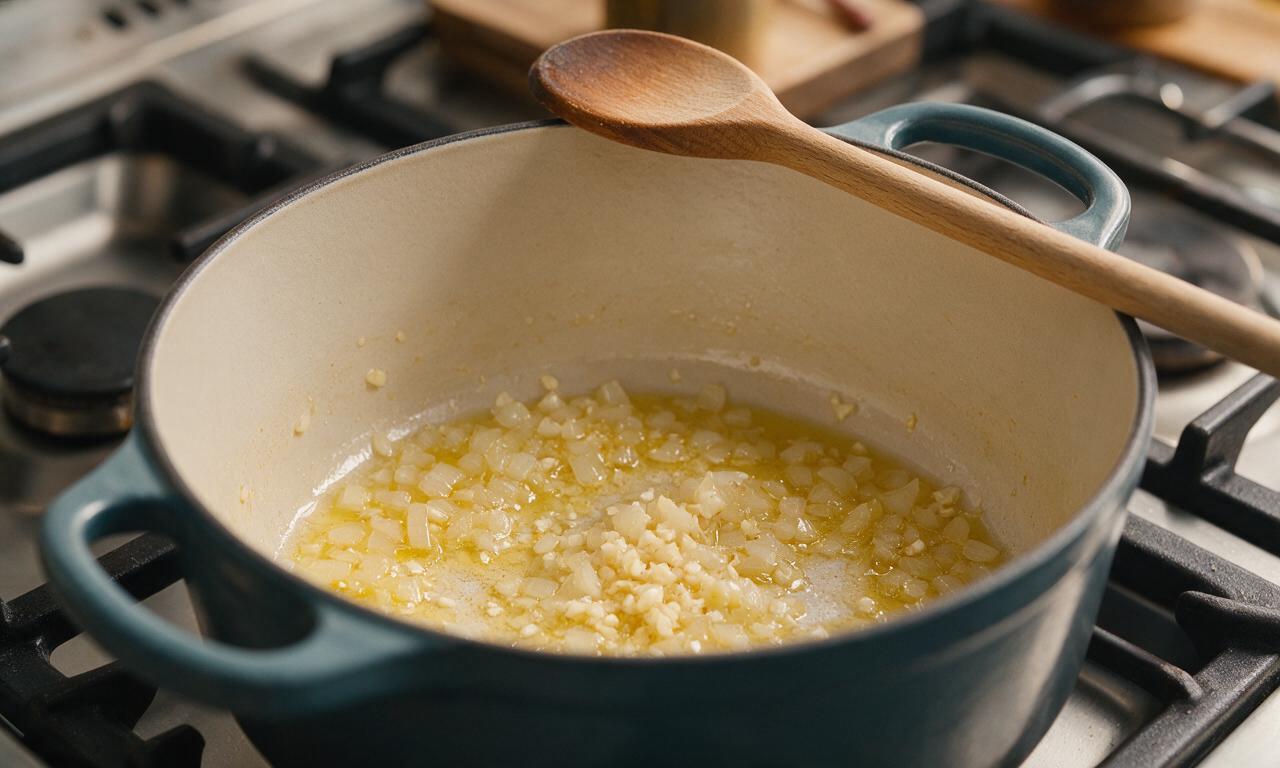
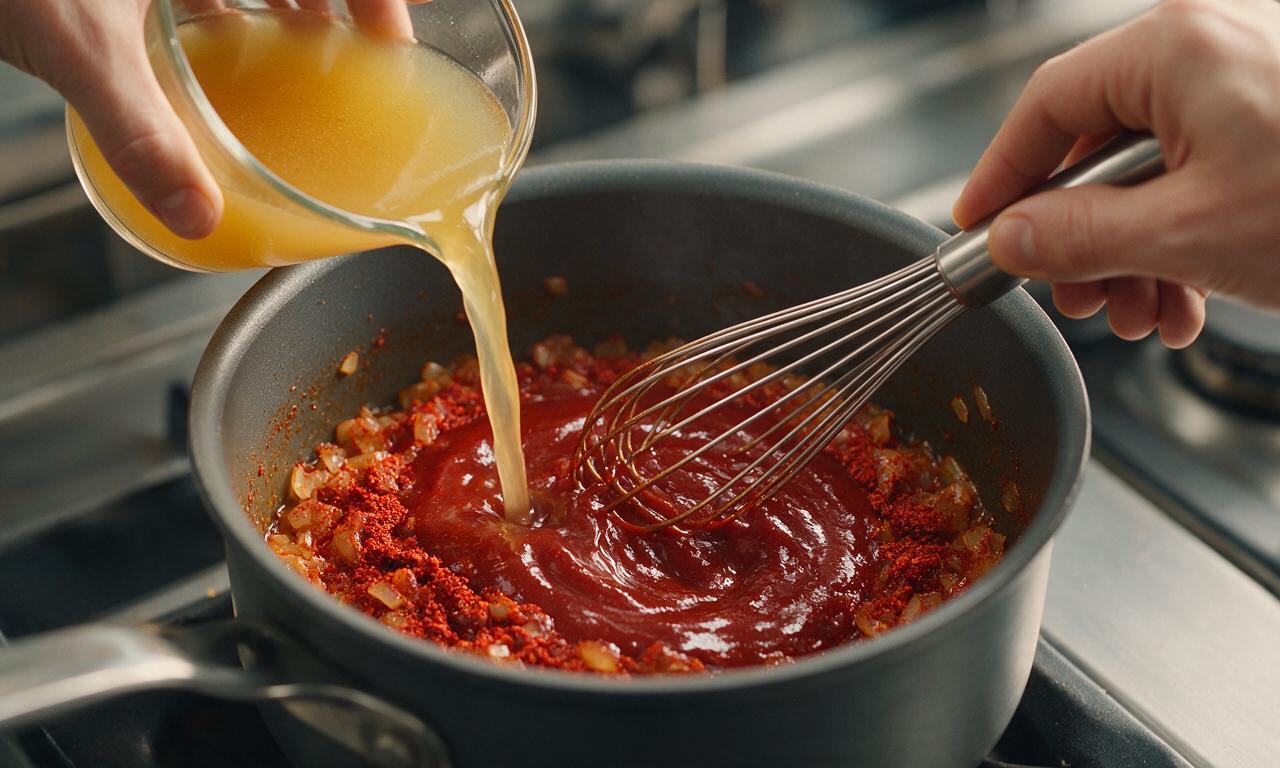
Don’t dump paprika straight into boiling liquid! Toast it briefly in melted butter and rendered chicken fat with softened onion and garlic for 30 to 60 seconds over medium-low heat, stirring constantly, until you smell its warm, bright aroma. Watch closely, though—burnt paprika turns bitter and will ruin the sauce.
8.Can I freeze leftover chicken paprikash for later?
▾
You can, but note that the sour cream sauce may separate slightly when thawed. Freeze cooled portions in airtight, freezer-safe containers for up to 3 months, then thaw in the fridge overnight. Reheat over low heat, stirring constantly, and whisk in a tiny splash of heavy cream to bring the sauce back to a smooth, creamy texture.
9.Should I peel the skin off the chicken thighs before simmering?
▾
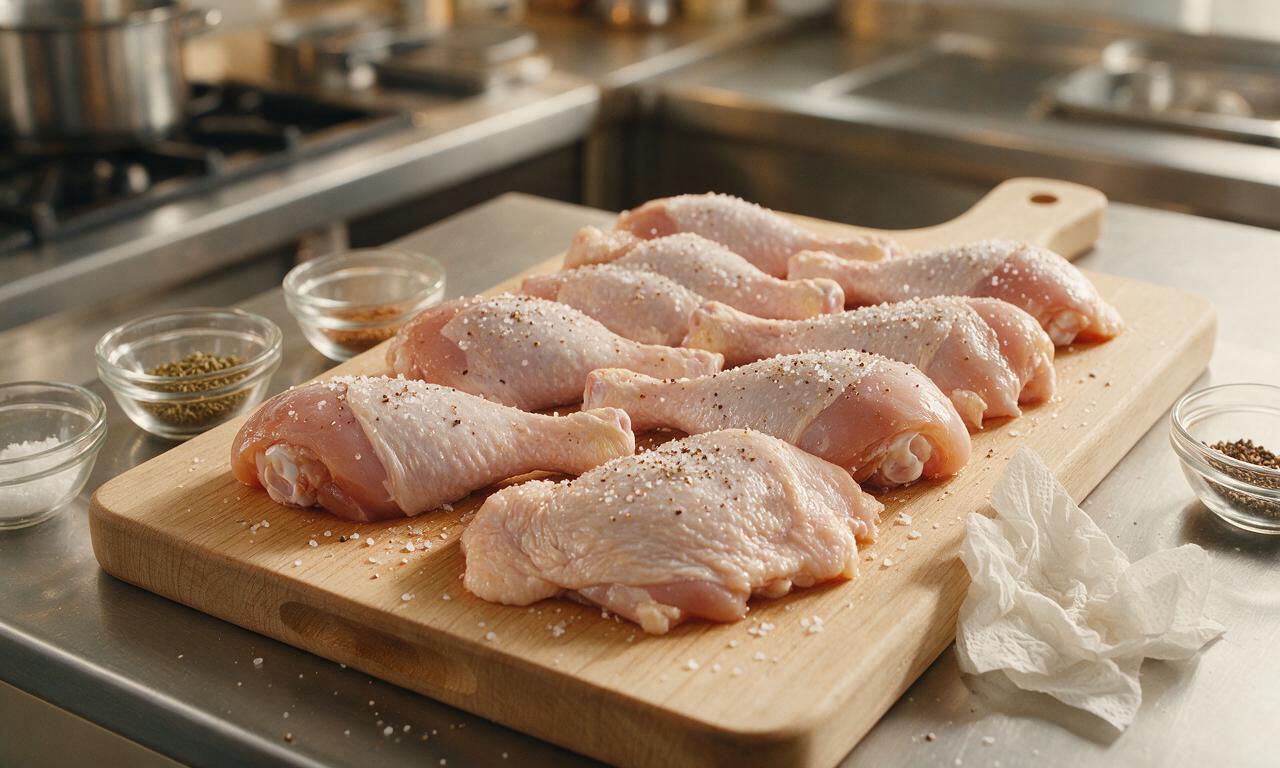
Don’t remove it! The skin renders delicious, savory fat as you sear the chicken, which you’ll use to cook the onion and garlic and toast the paprika, building the sauce’s core flavor. If you don’t want to eat the skin, you can peel it off after cooking, but leave it on during cooking to lock in juiciness.
10.Can I add extra vegetables to make this a heartier one-pan meal?
▾
Definitely! Traditional versions sometimes include diced sweet bell pepper or tomato, but you can also add sliced mushrooms, diced carrot, or parsnip chunks to the onion as it softens. Cook firm root veggies until nearly tender before adding the chicken back to simmer, so every ingredient cooks evenly.
11.What’s the difference between chicken paprikash and chicken goulash?
▾
The biggest difference is the luxe, tangy sour cream base that defines paprikash. Goulash is a thicker, heartier stew usually made with more tomatoes, root vegetables, and occasional caraway, and it doesn’t include the generous amount of sour cream stirred in at the end that gives paprikash its signature texture.
12.My sauce turned out too thin—how do I fix that?
▾
First, let the sauce simmer uncovered for 3 to 5 minutes after adding sour cream to reduce slightly, if needed. If it’s still too thin, make a quick slurry of 1 teaspoon cornstarch mixed with 1 tablespoon cold water, stir it into the gently simmering sauce, and cook 2 minutes until it thickens without turning gluey or heavy.
13.Can I use light sour cream or Greek yogurt instead of full-fat sour cream?
▾
Full-fat sour cream makes the richest, most stable sauce that’s least likely to curdle, but light sour cream works if that’s what you have—just take extra care to temper it and keep heat low. Full-fat plain Greek yogurt works too, but it’s tangier, so add a tiny pinch of sugar to balance the flavor if needed.
14.How long do I need to simmer the chicken for it to be fully tender?
▾
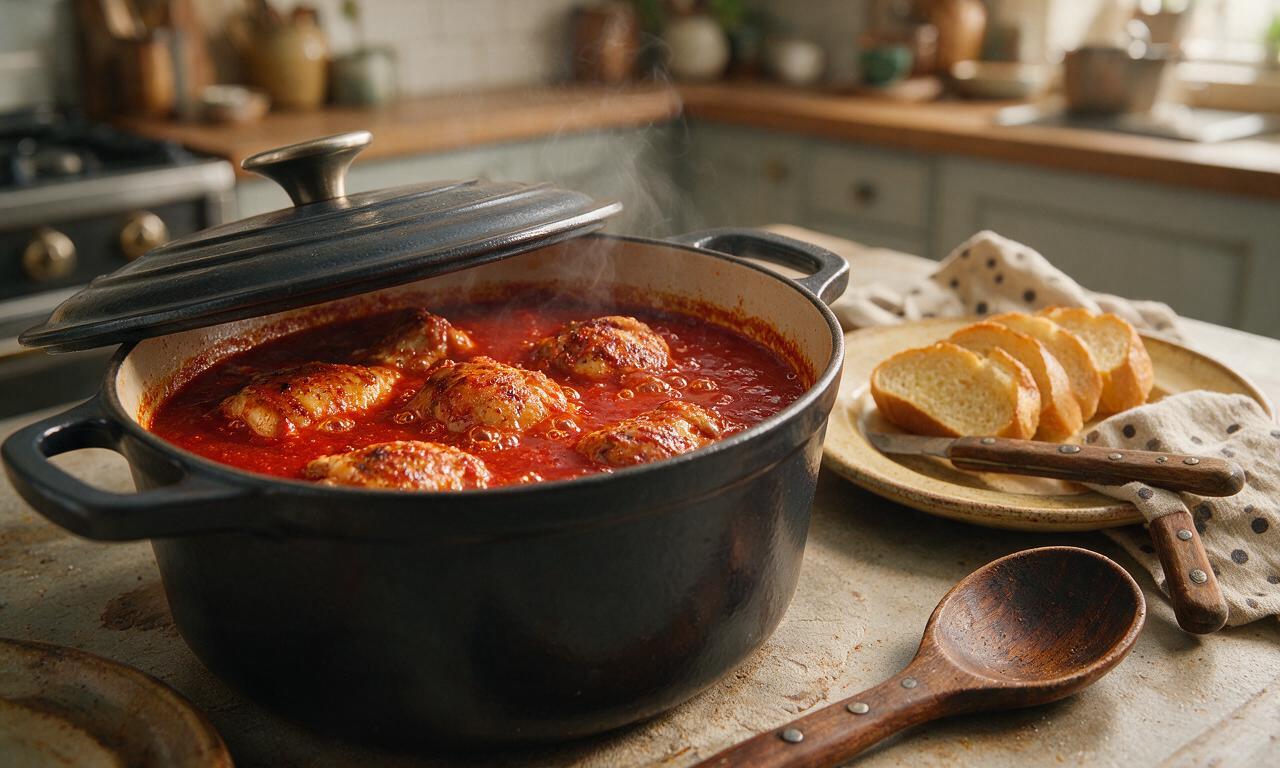
Once you return seared chicken thighs to the pan with the aromatic base and cooking liquid, keep heat at a gentle low simmer (not a rolling boil) for 20 to 25 minutes. The chicken is done when it hits 165°F on an instant-read thermometer, and meat pulls easily away from the bone without being tough or rubbery.
15.Do I need a special variety of yellow onion for this recipe?
▾
Standard everyday yellow storage onions work perfectly here—they have a balanced sweet-savory flavor that softens beautifully in butter, without the sharp bite of raw white onion or the overly mild sweetness of Vidalia onions. If you only have sweet onion on hand, reduce onion cook time by a minute so it doesn’t turn mushy.
16.Can I use jarred pre-minced garlic instead of fresh garlic?
▾
Fresh garlic is always best for this dish, as jarred pre-minced garlic has a flat, slightly metallic flavor that can throw off the bright, warm balance of the paprika sauce. If you’re in a total pinch, you can use it, but use 25% less than the recipe calls for, and add it 30 seconds before toasting the paprika to avoid burning it.
17.Can I adjust this recipe to make spicy paprikash?
▾
Of course! Traditional Hungarian paprikash is mild and earthy, but if you love heat, add ¼ to ½ teaspoon of hot Hungarian paprika or a pinch of cayenne when you toast the sweet paprika in butter. Start small—you can always add more heat, but you can’t take it out once it’s mixed into the sauce.
18.Why is searing the chicken first necessary, instead of boiling it in sauce?
▾
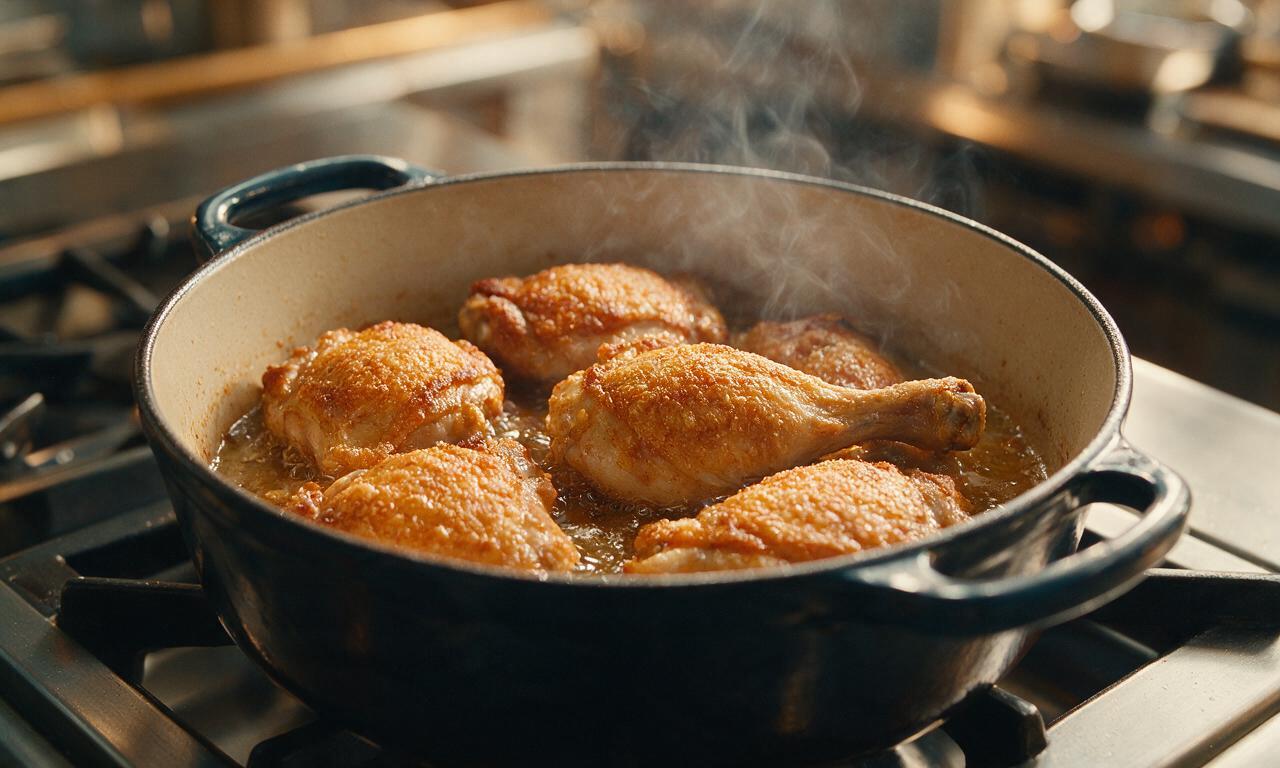
Searing chicken over medium-high heat until skin is deep golden does two key things: it renders that flavorful fat you’ll use for the sauce base, and it creates Maillard browning on the pan and chicken that adds deep, nutty, savory notes you can never get from boiling. Skipping this step leaves your sauce tasting flat and one-note.
19.I don’t eat dairy—can I make a non-dairy version of this paprikash?
▾
You absolutely can! Swap the unsalted butter for a neutral, high-quality plant-based butter, and use thick, cultured, unsweetened plant-based sour cream in place of dairy sour cream. Take extra care to temper the non-dairy sour cream and keep heat low, as plant-based dairy alternatives are often more prone to curdling than full-fat dairy sour cream.

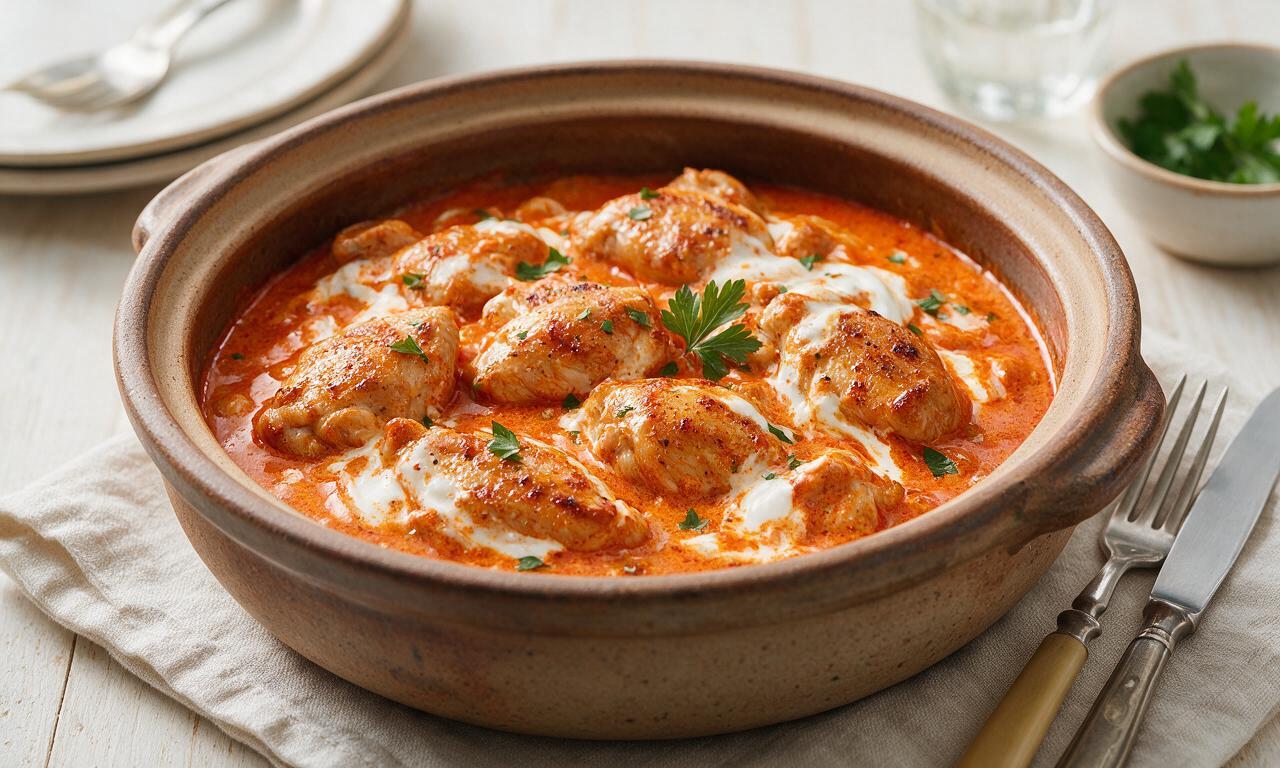
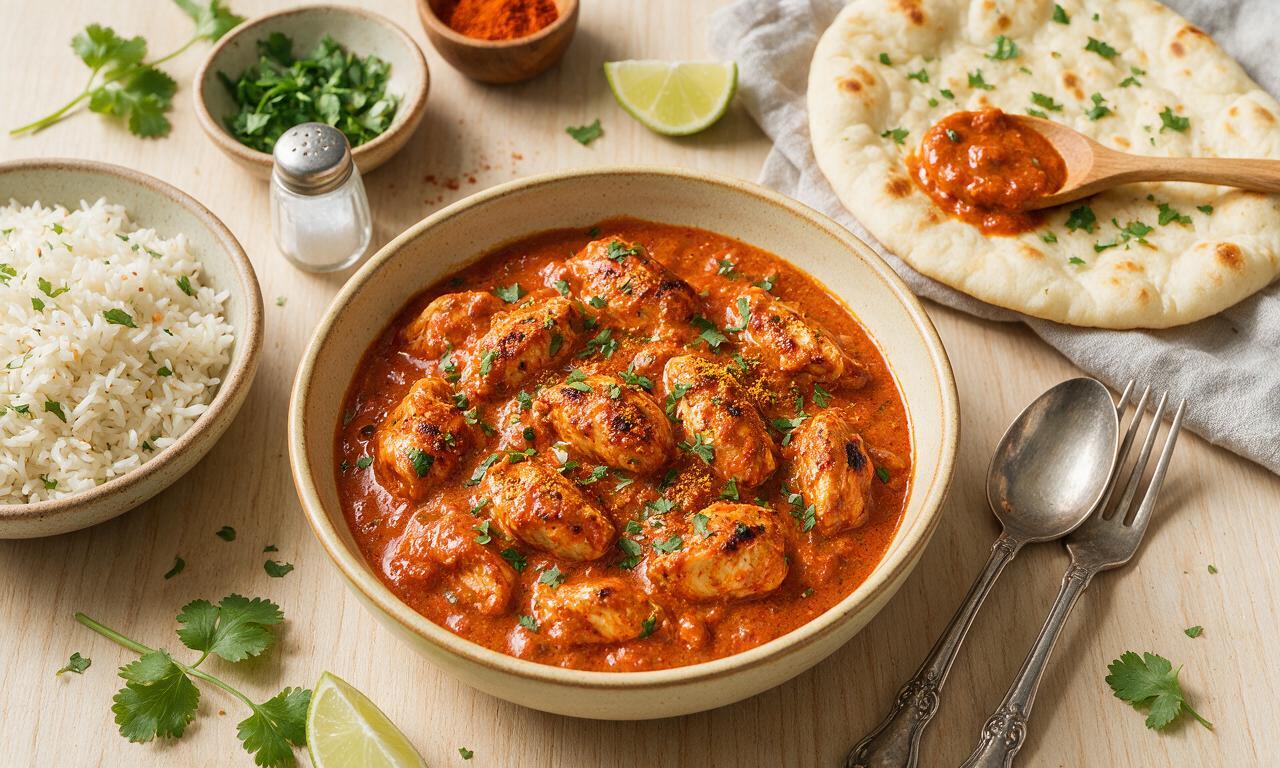
Made this for our neighborhood potluck last weekend and everyone was begging for the recipe! I was worried it would be too complicated but the easy difficulty rating was totally accurate, done in right around 45 minutes even with me stopping to chat with my roommate while cooking. The creamy paprika sauce is unreal— I added a tiny extra dash of smoked paprika because I love that depth, and it worked perfectly. Served it over buttery egg noodles, zero leftovers!
OMG as someone who barely knows how to boil pasta without burning it, this recipe was so forgiving! I grabbed boneless skinless chicken thighs because they were way cheaper at the campus grocery store, and it still turned out so rich and creamy. Didn't have sour cream on hand so I used full fat Greek yogurt and honestly couldn't tell the difference. SO good, 10/10, making this again when my parents come to visit next month to show off my new cooking skills.
This is pretty close to the chicken paprikash my Hungarian grandma used to make for Sunday family dinners! The only thing I did differently was toss in a handful of frozen dumplings instead of serving over egg noodles, and it took me right back to being a kid sitting at her kitchen table. Cook time was spot on too, done in right around 45 minutes, which is a total win on busy work nights. Only reason it's not 5 stars is I wish it had a little more paprika kick for my taste, but that's an easy fix next time!
OMG this was SO good! I made this last night with a side of roasted broccoli, and my twin 7 year olds who usually refuse any chicken that's not nuggets went back for seconds. Total win for a chaotic weeknight! The sauce didn't break or get grainy when I added the sour cream, which is usually my downfall with creamy skillet meals. Super straightforward steps, no weird fancy ingredients I had to run to three stores to find. Will definitely be adding this to my regular rotation, paired with a glass of crisp dry white wine for me after the kids go to bed, obviously.
Quick question for folks who've made this! When I added the sour cream my sauce got a little lumpy? It still tasted amazing, don't get me wrong—my roommate even said it was restaurant quality!—so 5 stars for sure, but I want it to be perfectly smooth next time I make it for my partner's birthday dinner next week. Any tips?
OMG this was a total game changer for my office potluck yesterday! I made a double batch and people were going back for seconds and thirds—so many coworkers asked if I catered it, I felt like a total rockstar. It held up really well in my slow cooker on the warm setting for a couple hours too, which was a lifesaver since our team meeting ran long before the potluck started. 10/10, adding this to my go-to potluck and meal prep list permanently.