1.How do I properly clean raw chitlins before cooking?
▾
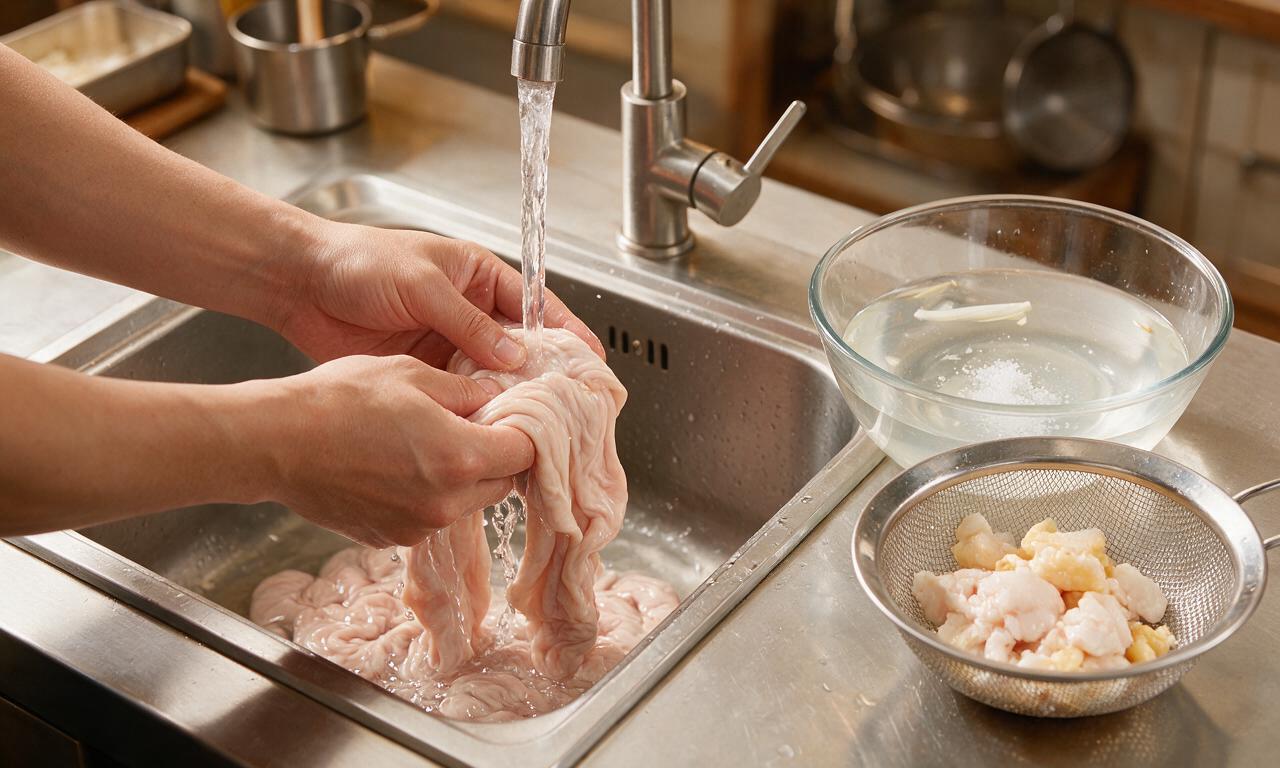
Start by rinsing chitlins thoroughly under cold running water, then soak them for 2 hours in a solution of 1/2 cup white vinegar and 1/4 cup kosher salt per gallon of cold water. Pull away any remaining fat, trapped food debris, and tough membrane bits, then rinse 2 to 3 more times until the water runs completely clear with no cloudy residue.
2.What’s the purpose of using white vinegar when prepping chitlins?
▾
White vinegar pulls double duty for this recipe! It cuts through the strong, gamey natural odor of raw chitlins, helps lift stuck-on debris during the soaking step, and adds a subtle bright tang that balances the rich, savory pork flavor as they simmer. It also helps reduce surface bacteria during the pre-cook soak for safer prep.
3.How long do I need to slow-simmer chitlins to get them perfectly tender?
▾
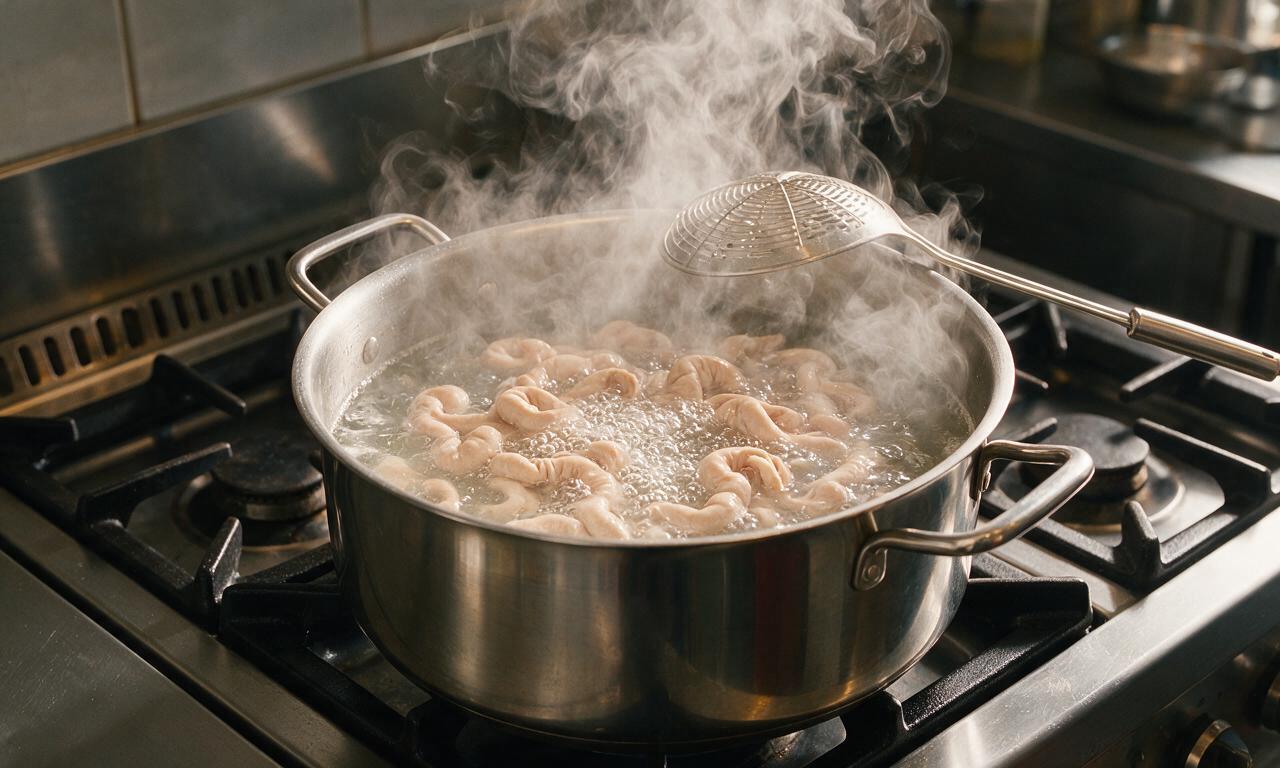
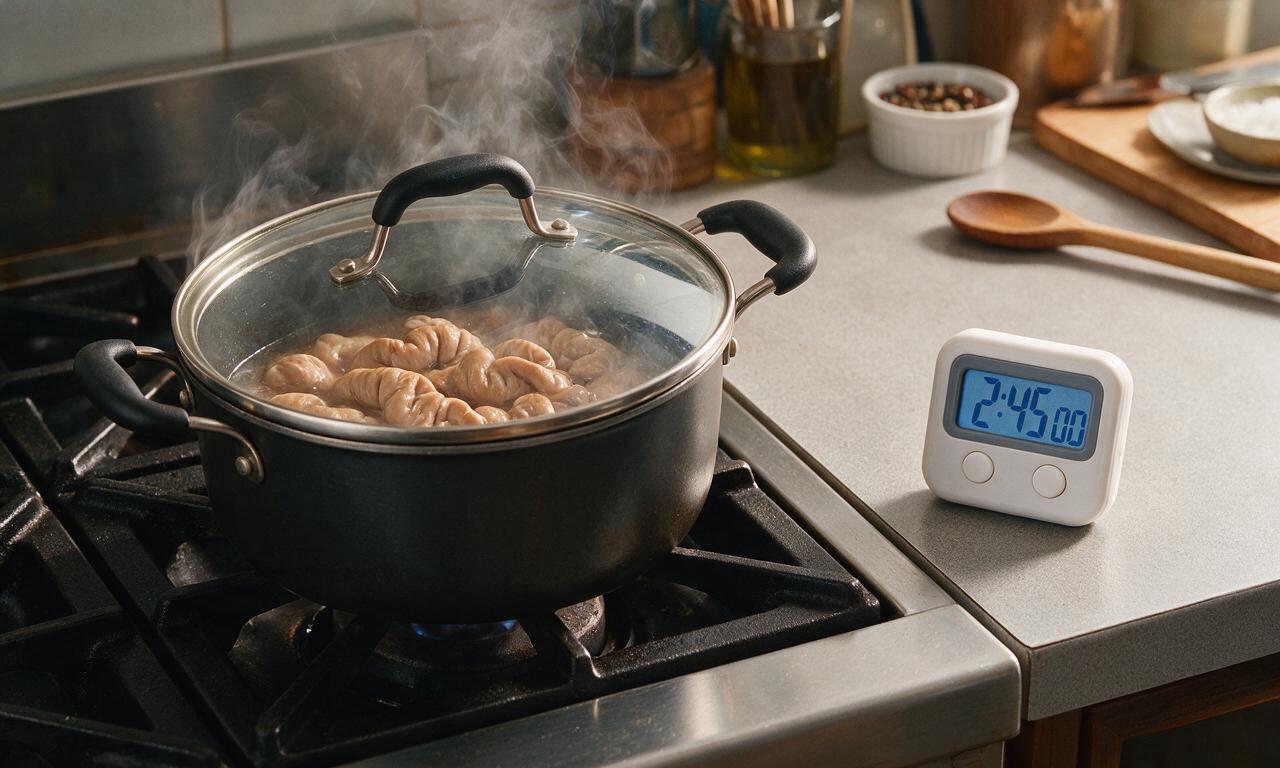
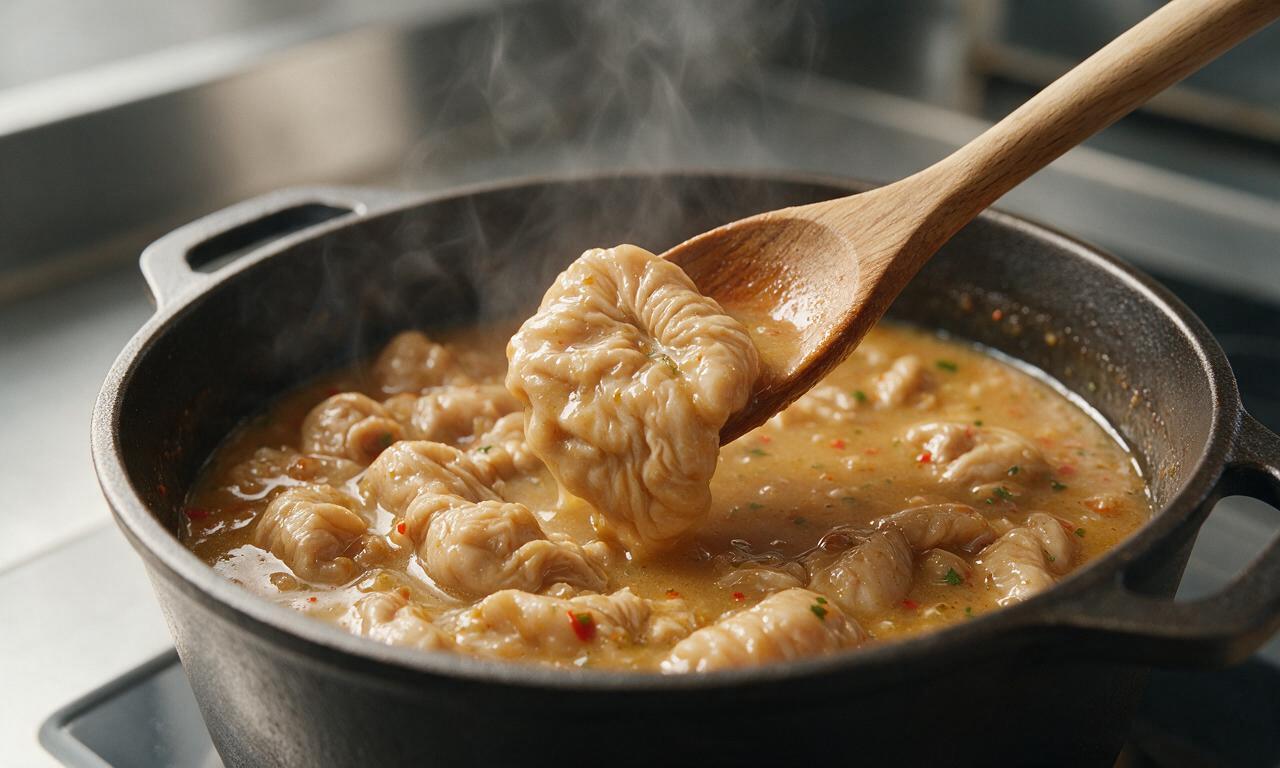
Plan for a minimum of 3 to 4 hours of gentle, low simmer (not a rolling boil) over low heat, checking tenderness at the 3-hour mark. Properly cooked chitlins should be soft enough to pierce easily with a fork with no chewy, rubbery bite, but not so overcooked that they fall apart when you stir them.
4.Can I cook chitlins in a slow cooker instead of on the stovetop?
▾
Absolutely! A slow cooker is actually ideal for this dish, because it maintains that consistent low, even heat perfect for slow simmering. After prepping and cleaning your chitlins, add them to the pot with your diced yellow onion, celery, kosher salt, and vinegar, cover, and cook on LOW for 6 to 7 hours until perfectly tender.
5.How do I reduce the strong cooking smell chitlins are known for?
▾
That distinct, strong cooking odor comes from residual compounds in the intestinal lining, but you can cut it way down! First, make sure you’ve fully cleaned all debris away during prep. Add a halved potato, a splash more white vinegar, or a cinnamon stick to the pot, and run your range hood vent the entire cook time to pull fumes outside.
6.Do I need to pre-boil chitlins before the long slow simmer?
▾
It’s a smart safety and flavor step! After cleaning, give chitlins a quick 10-minute pre-boil in salted, vinegared water, then drain and rinse them again before moving to the long simmer. This removes last traces of debris, cuts down on cooking odor, and reduces risk of cross-contamination from bacteria on raw chitlins.
7.What’s the classic aromatic ratio for seasoning chitlins?
▾
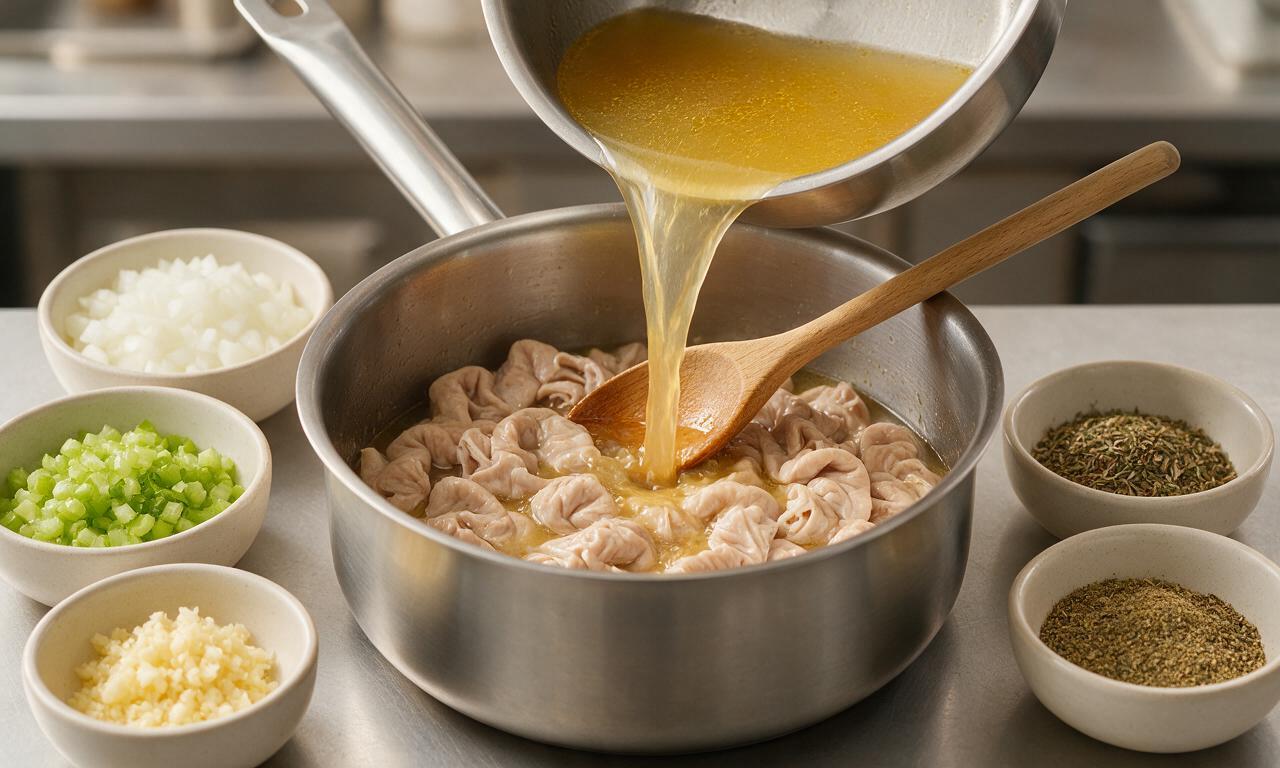
For 5 pounds of cleaned chitlins, use 1 large diced yellow onion, 2 diced celery stalks, 2 tablespoons kosher salt, and 1/4 cup white vinegar as your core flavor base. You can add extras like minced garlic or red pepper flakes if you like, but that simple mix delivers that iconic, balanced soul food flavor without overpowering the mild pork.
8.How can I tell if raw chitlins have gone bad before cooking?
▾
Fresh raw chitlins should have a mild, meaty pork smell once thawed and rinsed. If you notice a sour, putrid, overly foul odor that doesn’t fade after the first vinegar soak, if they feel slimy after rinsing, or if you spot gray or green discoloration, toss them immediately to avoid foodborne illness.
9.Can I freeze leftover cooked chitlins for later?
▾
Yes! Let fully cooked chitlins cool completely to room temperature within 2 hours of cooking, then portion them into airtight freezer-safe bags or containers, leaving 1/2 inch of headspace for expansion. They’ll keep for up to 3 months in the freezer; reheat gently on the stovetop over low heat until warmed all the way through.
10.Should I leave fat on the chitlins for extra flavor?
▾
A small amount of thin, white fat is fine to leave on for subtle richness, but trim away any thick, clumpy fat deposits or bits attached to tough leftover membrane. Too much excess fat will make the final dish greasy, and can amp up that strong, gamey flavor that throws off the dish’s balanced, savory profile.
11.Is it safe to let chitlins simmer overnight on the stovetop?
▾
I don’t recommend leaving stovetop chitlins unattended overnight, as it creates a fire risk if heat fluctuates or liquid boils dry. If you want an overnight cook, use a slow cooker on a heat-safe surface away from flammable items, set to LOW, and confirm there’s enough liquid to cover chitlins by an inch first.
12.Why are my chitlins still tough and chewy after hours of cooking?
▾
Tough, chewy chitlins almost always come from cooking them at too high a heat, or not simmering them long enough. A rolling boil will make the muscle fibers seize up and turn rubbery, even after hours of cooking. Keep heat low to maintain a gentle bubble, and add 30-minute simmer increments until they’re fork-tender.
13.Do I need to add smoked meats like ham hock to get authentic chitlin flavor?
▾
Ham hock, bacon, or smoked turkey are popular optional add-ins for extra smoky depth, but they’re not required for the classic preparation! The simple base of yellow onion, celery, kosher salt, and white vinegar builds a rich, comforting flavor that lets the mild, tender pork taste of properly cleaned chitlins shine on its own.
14.How far in advance can I clean chitlins before I plan to cook them?
▾
Once you’ve fully cleaned and rinsed chitlins, you can store them in a sealed airtight container in the coldest part of your fridge for up to 2 days before cooking. Don’t leave them in the vinegar-salt soak for longer than 2 hours, though, as the acid will make them break down and turn mushy.
15.What are the best side dishes to serve with slow-simmered chitlins?
▾
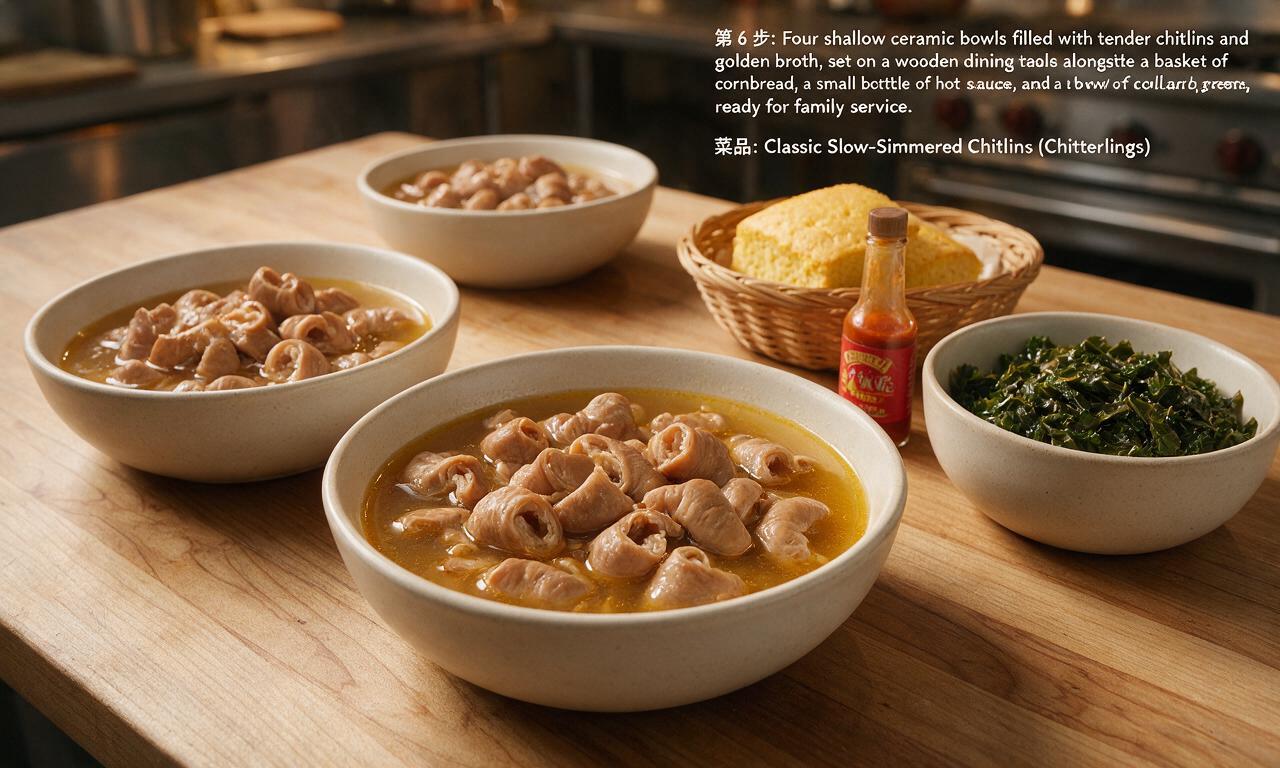
This classic soul food pairs perfectly with traditional Southern sides! Serve it alongside buttery cornbread, collard greens, baked mac and cheese, candied yams, and a bottle of hot sauce for a little kick. A side of white rice also works great to soak up the rich, savory simmering pot liquor.
16.Can I use apple cider vinegar instead of white vinegar for this recipe?
▾
You can swap in apple cider vinegar if that’s what you have on hand, but know it will add a slightly sweeter, fruitier tang to the final dish compared to the sharp, clean bite of white vinegar. Stick to the same measured amount called for, and skip infused or flavored vinegars that will throw off the classic savoriness.
17.How do I avoid cross-contamination when prepping raw chitlins?
▾
Raw chitlins can carry harmful bacteria, so prep them carefully! Use a separate cutting board, utensils, and bowl for chitlins that you don’t use for ready-to-eat foods, wash your hands with hot soapy water for 20 seconds after handling them, and sanitize all prep surfaces once you’re finished.

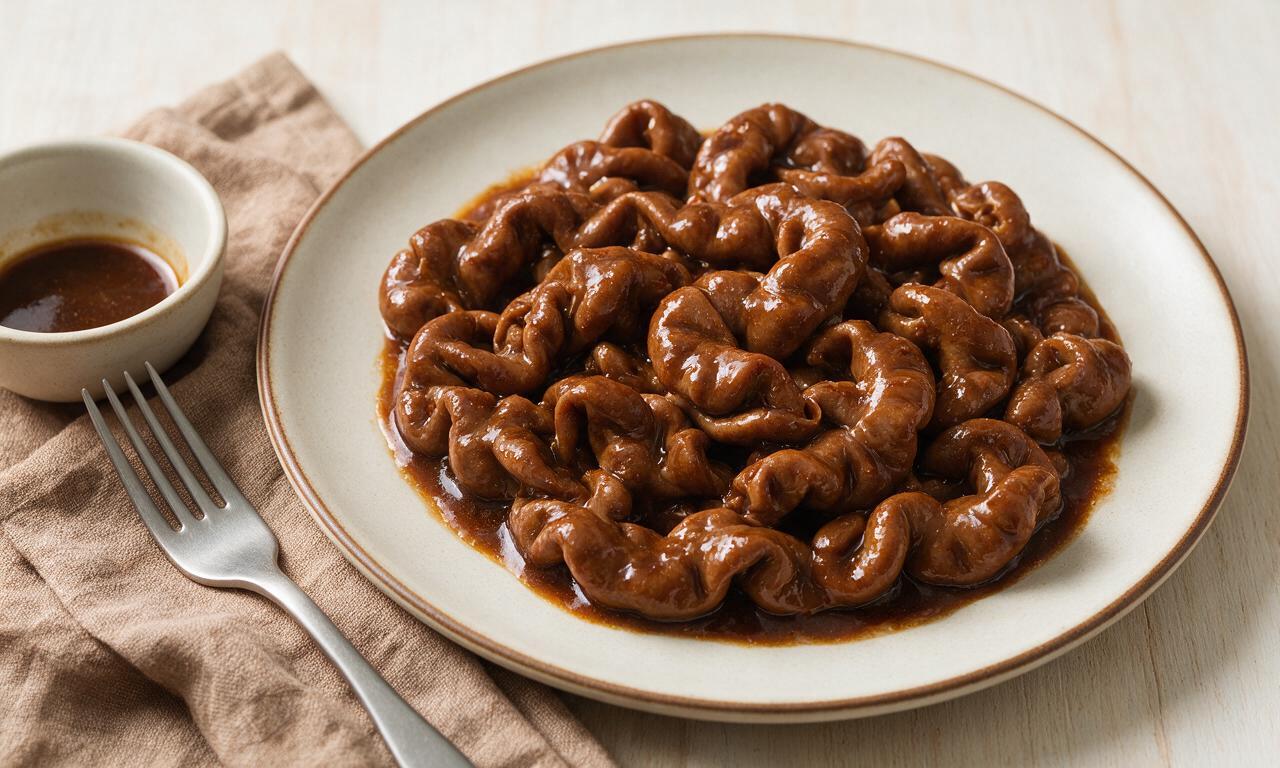
OMG, I’ve been making chitlins for my family’s annual New Year’s Day dinner for 40+ years and this recipe is the GOAT. The slow simmer time is perfect, no weird rubbery texture at all! My grandkids even went back for seconds, which never happens lmao. Served with hot sauce, collards, and cornbread, just like my mama taught me.
Took me forever to clean these bad boys (pro tip: don’t skip the multiple cold water rinses, I learned that the hard way my first try) but the end result was SO good. Brought them to my office potluck last week and folks went crazy, only reason I’m not giving 5 stars is the cook time felt a little longer than advertised when I factored in prep? Maybe I’m just slow at cleaning though 😂
Game changer!!! I used to buy pre-cooked chitlins from the grocery store because I thought simmering them from scratch was too much work, but this recipe made it so straightforward. The onion and garlic ratio is *chef’s kiss*, no extra funky aftertaste like some recipes leave. 10/10 will make again for Sunday dinner.
Okay, flavor was great, but my whole house REEKED for three days after making these. I followed the recipe to a T, even opened all the windows, had candles going, everything. Did I do something wrong? They tasted good, just the smell was next level.
First time ever making chitlins and I was so nervous I’d mess ‘em up, but this recipe held my hand the whole way! Brought ‘em to my cousin’s cookout this past weekend and everybody asked for the recipe. Even my picky uncle who swears no one makes chitlins as good as his mom said they were fire. Win in my book.
My kids loved it! I’ve been searching for a chitlin recipe that’s close to what my mom made when we were growing up in Alabama, and this is the closest I’ve found so far. The slow simmer makes ‘em so tender they practically melt in your mouth. Already bought another 5 lbs of chitlins to make for my grandson’s birthday next month.
Made a big batch of these for meal prep last week and they held up great in the fridge all week! Only knock is I wish the recipe had more specific notes on how to tell when they’re fully done, I ended up pulling ‘em off the stove a little early on my first batch so they were chewier than I wanted. Flavor was still bomb though.
I was in charge of the meat for our church potluck last Sunday and decided to take a risk and make these instead of my usual fried chicken. Y’all, they were the first dish gone! People were scraping the bottom of the crockpot (I transferred ‘em to a crockpot to keep warm) asking for seconds. Will absolutely be making these for every big family gathering from now on.
Full transparency: I had zero clue what chitlins were before my roommate begged me to make these with him. I was fully prepared to hate them, but OMG they’re so good? We dipped ‘em in hot sauce and ate ‘em with mac and cheese, and I’m already asking him when we’re making another batch. Don’t knock it till you try it, people!
So flavorful! I added a little extra cayenne and a bay leaf to the simmer pot because I like mine with a little kick, and it turned out perfect. My only complaint is the cleaning process is so tedious, I spent almost 2 hours just rinsing and picking through them before I could even start cooking. Worth it in the end, though.
Made these for my dad’s 75th birthday, he grew up eating chitlins on his family’s farm in Mississippi and he said these tasted exactly like his childhood. I almost teared up, y’all. The slow simmer method is no joke, don’t rush it! I tried speeding it up on high heat once years ago and they came out terrible, this low and slow is the only way to go.
Taste was great, but this is definitely a weekend-only recipe for me. Between the cleaning, the prep, and the 3+ hour simmer time, there’s no way I can pull this off on a weeknight after work. Good for special occasions, though! My husband ate three servings, so that’s a win.
I know chitlins are super divisive out here in the PNW, but I grew up eating them when we visited my grandma in South Carolina so I had to give this recipe a shot. It did not disappoint! I invited a bunch of my friends over to try them, and even the ones who swore they’d never eat chitlins ended up liking them. Win!
I’ve been collecting vintage Southern recipes for years and this chitlin recipe is easily one of the best I’ve tested. No weird shortcuts, just classic, slow-simmered flavor the way it’s supposed to be. Served it with pickled okra and hot water cornbread, just like the old recipe cards I have say, and it was perfect.
I really wanted to like this, but I think I messed up the cleaning step? Mine had a really strong, bitter aftertaste even after simmering the full time. I only rinsed them twice, is that not enough? I followed the rest of the recipe exactly, so I’m confused what went wrong.