Chitlins (Chitterlings)

title 1
Chitlins (Chitterlings)
⏱️ cook time 4 hours
🍽️ servings 4
⚡ Difficulty hard

intro

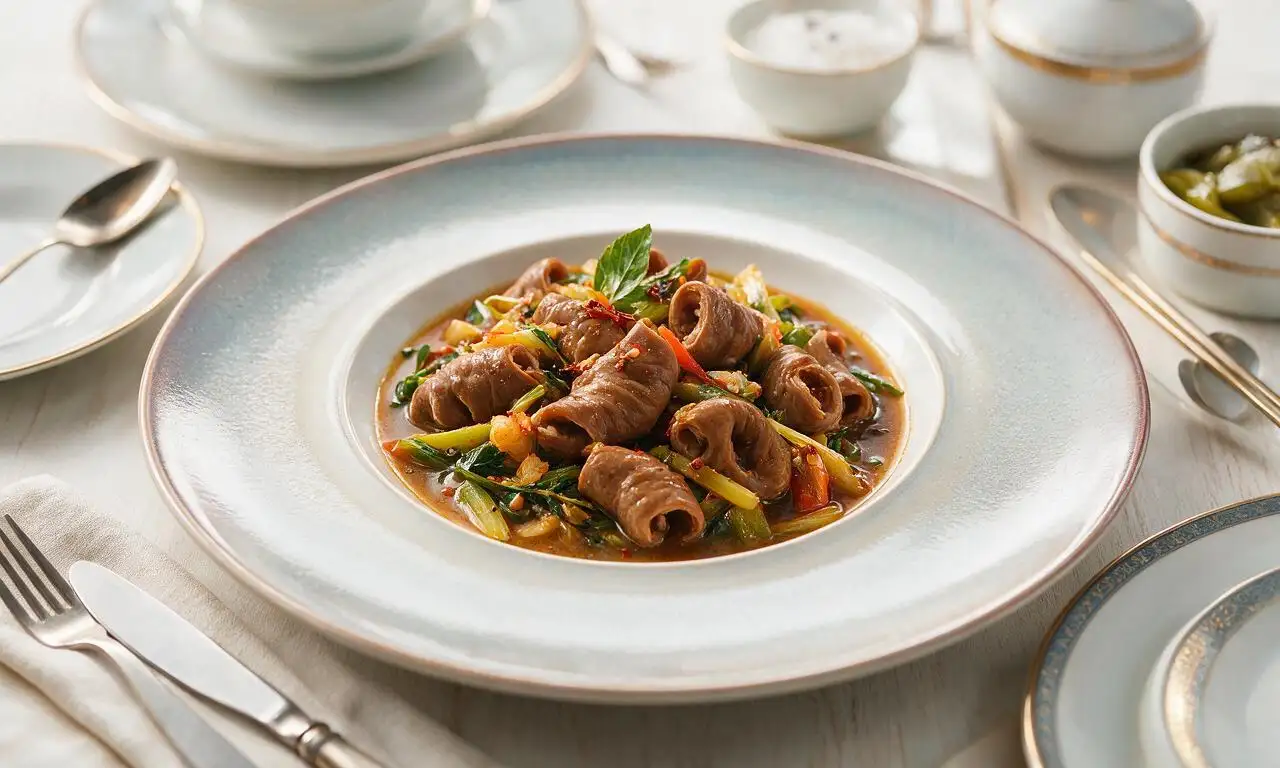
Tender, slow-simmered pork chitterlings, a classic soul food staple seasoned with aromatic veggies and spices for rich, comforting, deeply flavored bites.

Ingredients

Pork chitterlings 907g (2 lbs)
White vinegar 240ml (1 cup)
Kosher salt 3 tablespoons (divided)
Yellow onion 1 large (200g, diced)
Celery 2 stalks (120g, diced)
Green bell pepper 1 medium (150g, diced)
Garlic 6 cloves (18g, minced)
Crushed red pepper flakes 1 teaspoon
Ground black pepper 1 teaspoon
Dried thyme 1 teaspoon
Bay leaves 2 whole
Cold water 3.8L (16 cups, divided)

Steps

1

Clean and soak chitlins

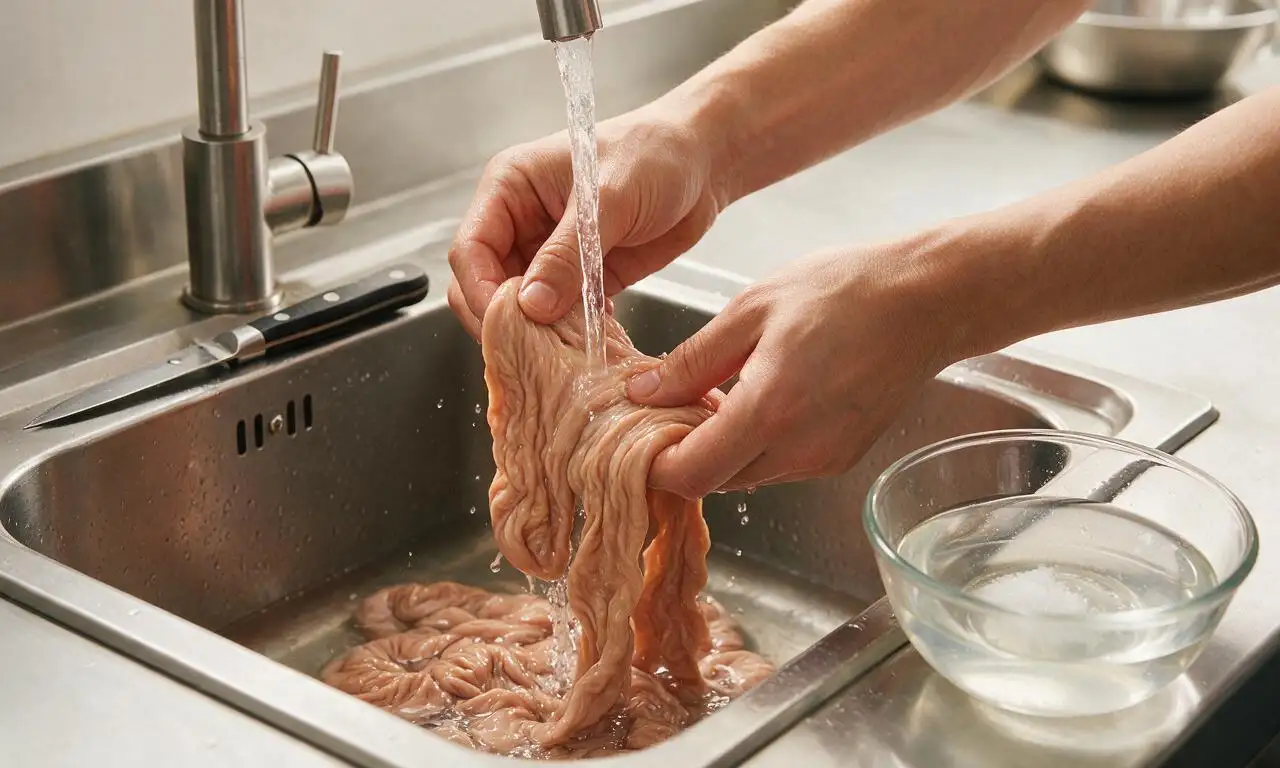
Place raw chitterlings in a large colander in the sink, rinsing thoroughly under cold running water. Use a sharp paring knife to trim away all excess fat, trapped undigested particles, and discolored, tough membranes. Cut cleaned chitlins into 5cm (2-inch) pieces, then transfer to a large non-reactive bowl. Cover with cold water, stir in 120ml (1/2 cup) white vinegar and 2 tablespoons kosher salt, then refrigerate to soak for 1 hour, draining and replacing the salt-vinegar water once at the 30-minute mark.
Step 1
step1:Clean and soak chitlins
2

Parboil to reduce odor

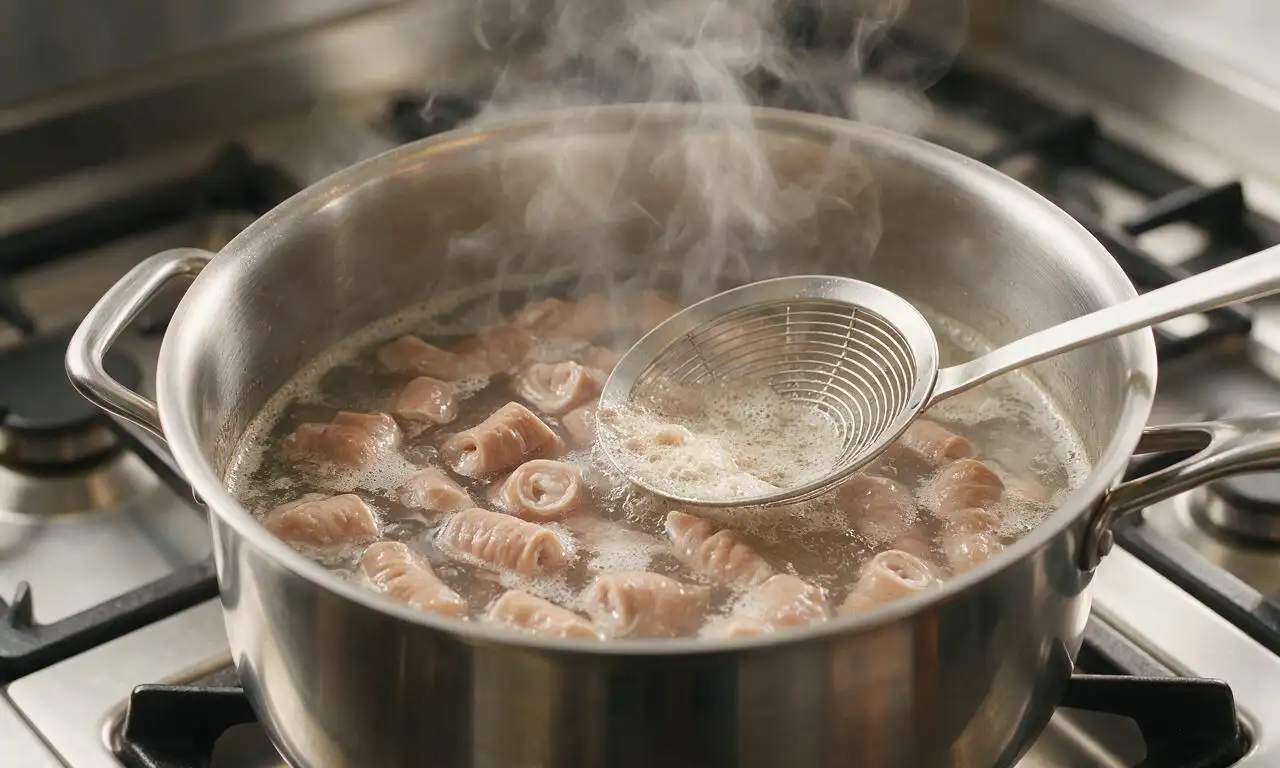
Drain the soaked chitlins fully and transfer to a large 8L stockpot. Cover with 1.9L (8 cups) cold water, stir in the remaining 120ml (1/2 cup) white vinegar and 1 teaspoon kosher salt. Bring to a rolling boil over medium-high heat (approx. 8-10 minutes), then reduce heat to medium-low to maintain a steady gentle boil, leaving the pot uncovered. Cook for 25 minutes, using a slotted spoon to skim all gray, foamy residue that rises to the surface as it cooks. Drain parboiled chitlins and rinse thoroughly under warm water, then wash the stockpot completely to remove any residual odor or foam.
Step 2
step2:Parboil to reduce odor
3

Prep aromatic seasoning base

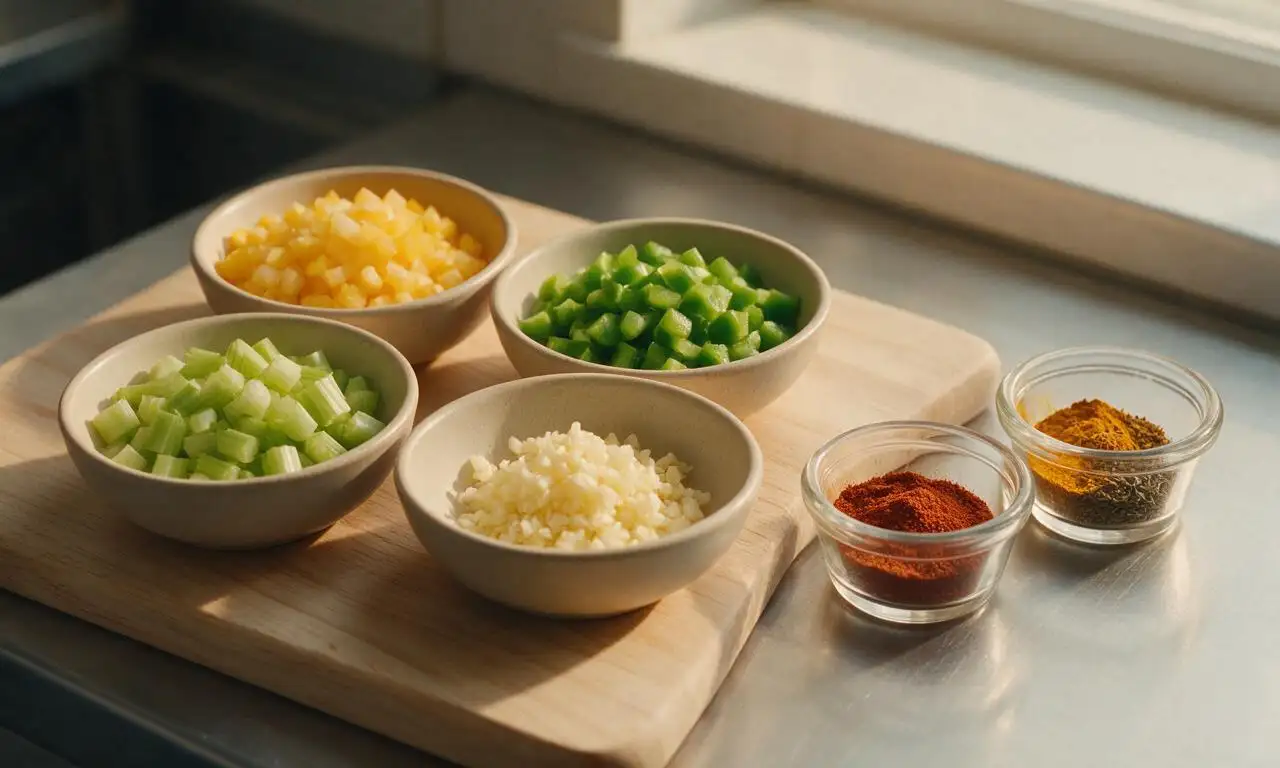
While chitlins parboil, prep the flavor base: dice the yellow onion, celery, and green bell pepper into uniform 0.6cm (1/4-inch) pieces, and mince the garlic cloves finely. Measure out crushed red pepper flakes, ground black pepper, dried thyme, and whole bay leaves into small ramekins, setting all prepped ingredients within arm’s reach of the stovetop to streamline cooking.
Step 3
step3:Prep aromatic seasoning base
4

Slow simmer until tender

Return the rinsed, parboiled chitlins to the clean stockpot. Add the prepped diced vegetables, minced garlic, measured spices, remaining 2 teaspoons kosher salt, and 1.9L (8 cups) fresh cold water. Stir well to combine all ingredients, then bring to a low simmer over medium heat (approx. 10 minutes, when small steady bubbles break the broth surface). Reduce heat to the lowest stovetop setting, cover the pot with a tight-fitting lid, and simmer for 2 hours 30 minutes, stirring gently every 30 minutes to prevent chitlins from sticking to the pot bottom, until pieces are easily pierced with a fork.
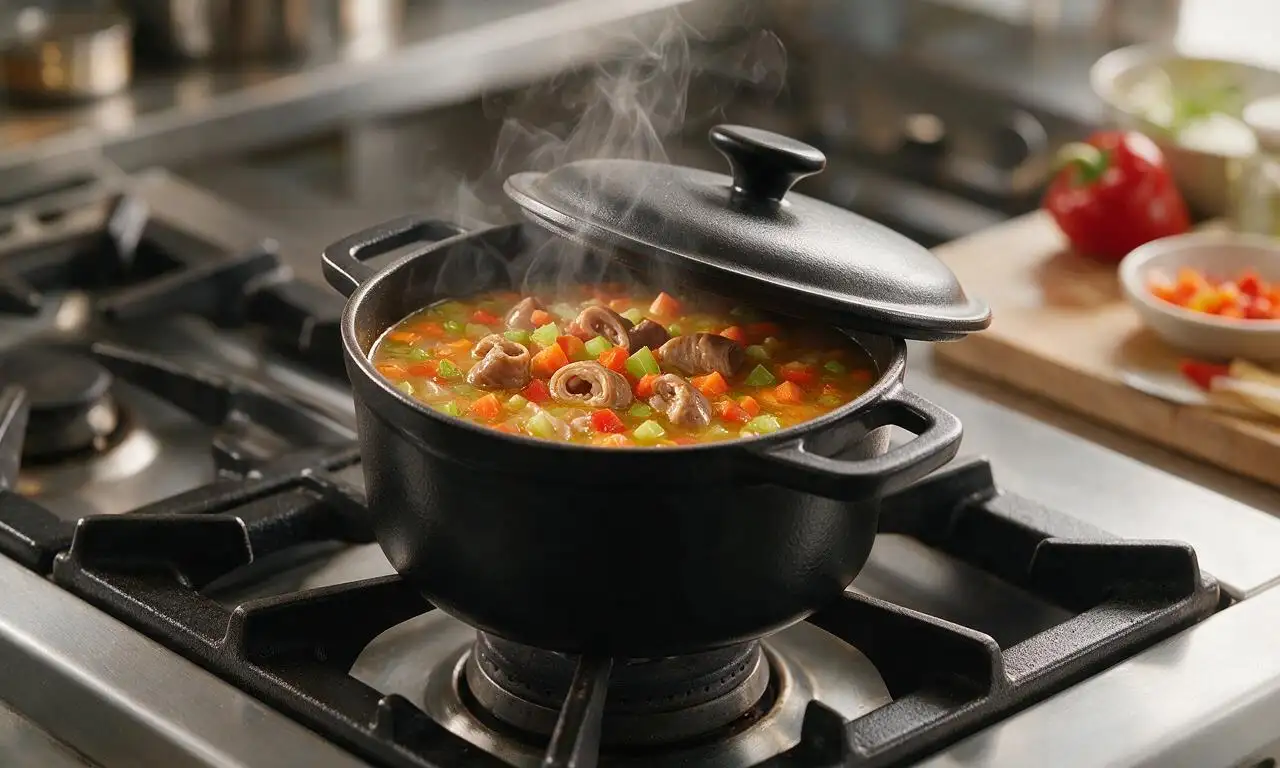
Step 4
step4:Slow simmer until tender
5

Adjust seasoning and rest

After simmering, turn off the stovetop heat, then use tongs to find and discard the 2 whole bay leaves. Taste a small piece of chitlin and a spoonful of broth, adding extra salt or black pepper in 1/4 teaspoon increments if the flavor tastes muted. Replace the pot lid and let the chitlins rest for 15 minutes off the heat to fully absorb the seasoned broth.
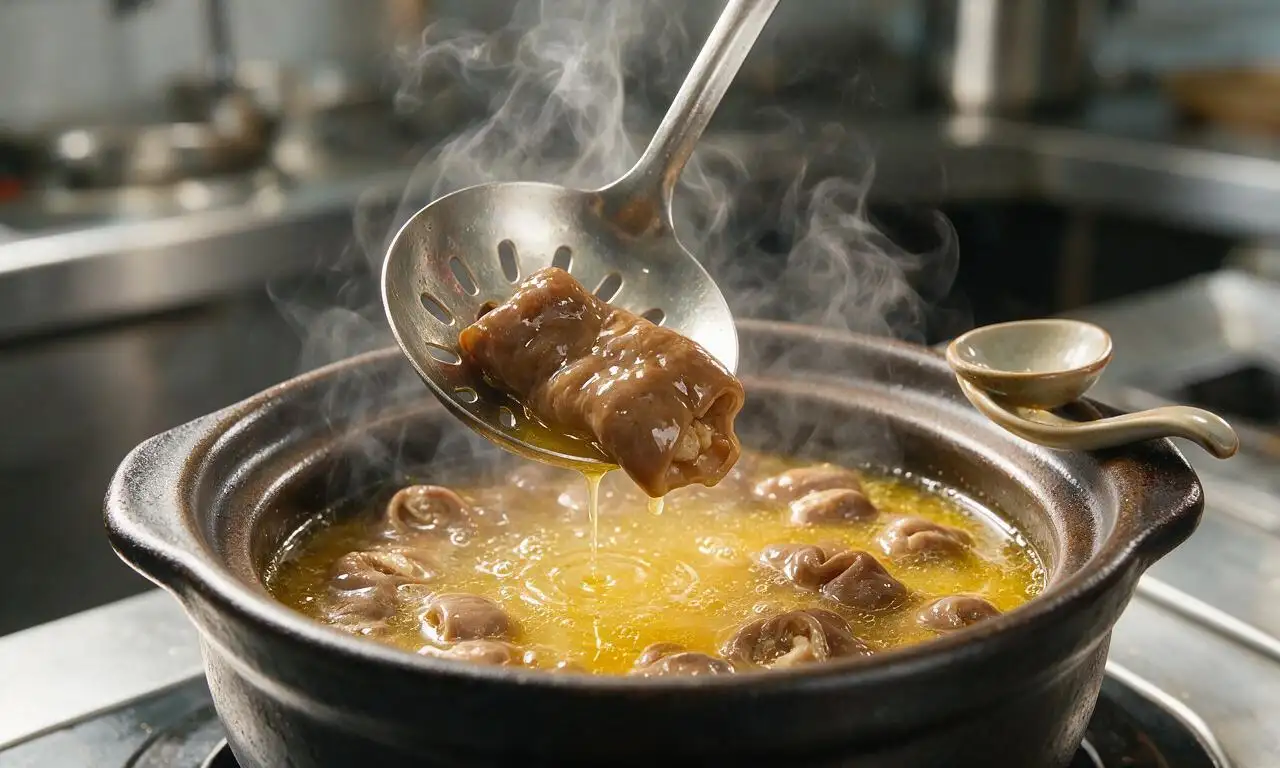
Step 5
step5:Adjust seasoning and rest
6

Plate and serve hot

Use a slotted spoon to transfer chitlins and 2-3 tablespoons of the seasoned broth per serving to shallow bowls. Serve immediately with classic Southern sides like buttery cornbread, collard greens, and a bottle of hot sauce for diners to add heat to taste.
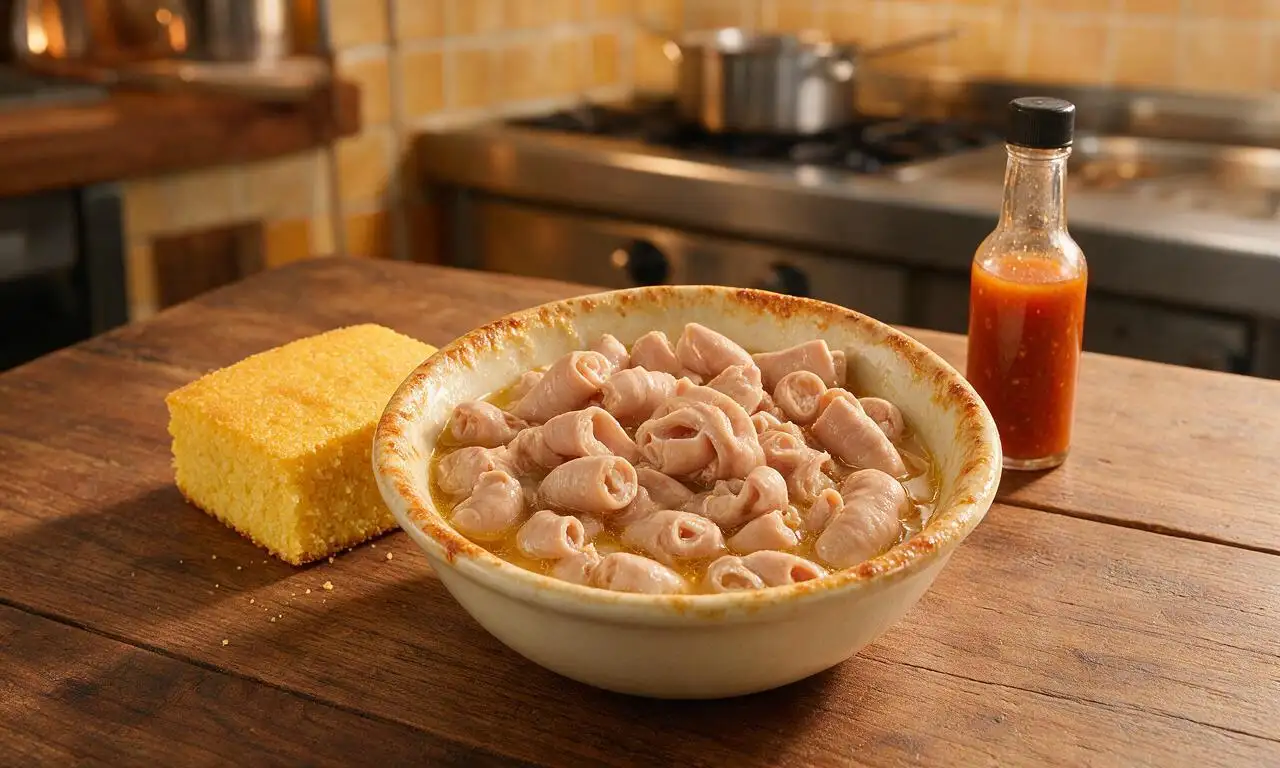
Step 6
step6:Plate and serve hot

Tips

1.Never skip the soaking and parboiling steps—these are critical for removing residual waste, strong gamey odor, and grit from chitterlings, even if you purchase pre-cleaned chitlins.
2.Open a kitchen window or turn on your stovetop exhaust fan while parboiling chitlins, as the cooking process releases a strong, distinct odor that can linger in your home without proper ventilation.
3.Do not boil chitlins at a high rolling heat during the long simmer, as this will make the meat tough and rubbery instead of melt-in-your-mouth tender.
✨ You May Also Like

Main Course
🍜 United Kingdom

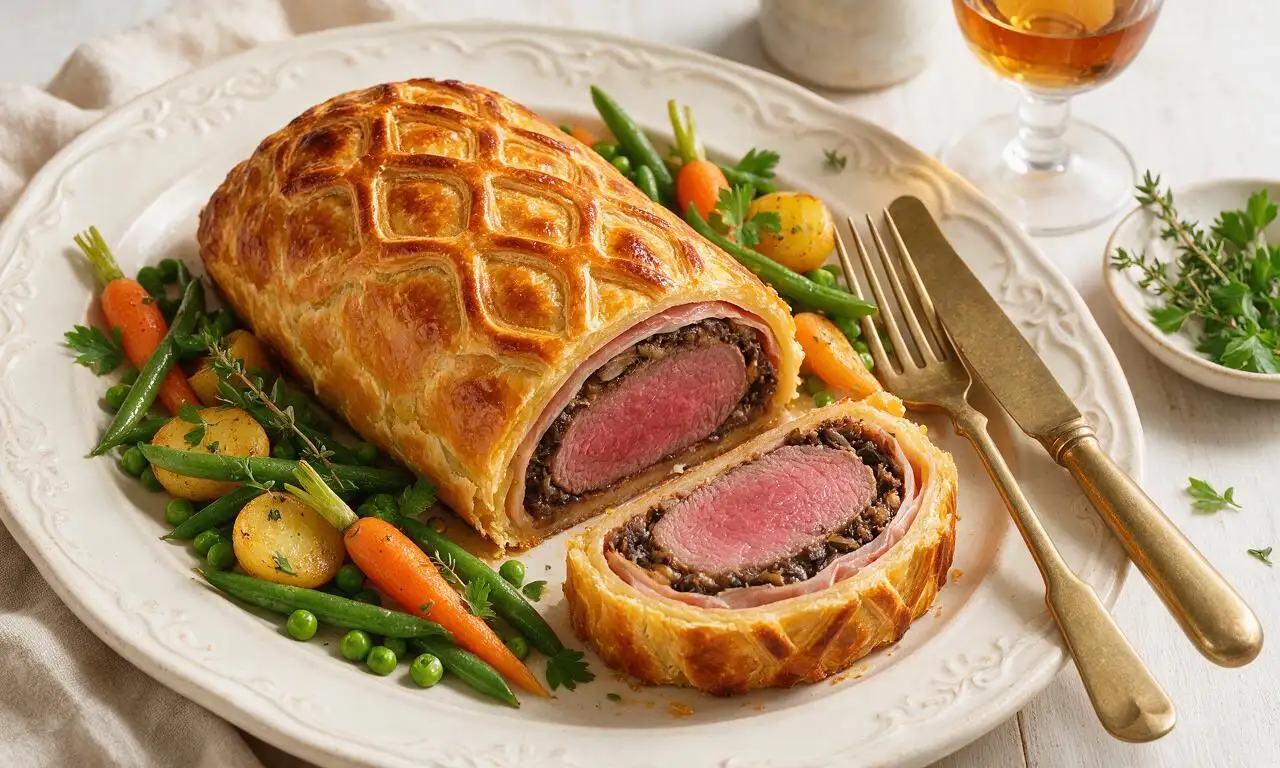
A showstopping classic of tender seared beef, savory mushroom duxelles, and crisp prosciutto wrapped in flaky golden puff pastry, baked to juicy perfection.

⏱️ 2 hours 1Main Course ★ 4.7
Main Course
🍜 India

Tender charred marinated chicken simmered in a rich, spiced creamy tomato sauce, this iconic Anglo-Indian curry pairs perfectly with basmati rice or warm naan.

⏱️ 50 minuteMain Course ★ 4.6
Main Course
🍜 Thailand

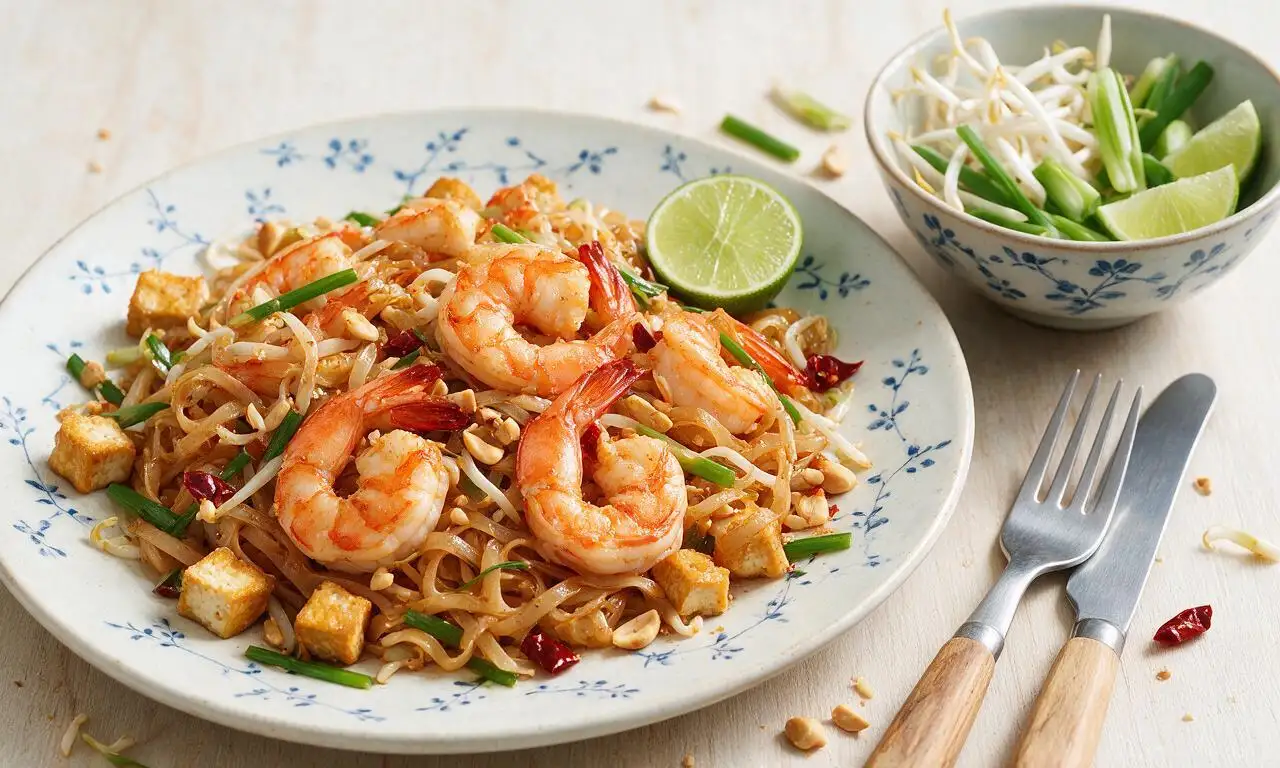
Classic tangy, sweet, and savory Thai stir-fried rice noodles with shrimp, tofu, and crunchy garnishes, balancing all five core Thai flavor profiles.

⏱️ 30 minuteMain Course ★ 4.5
Main Course
🍜 United Kingdom

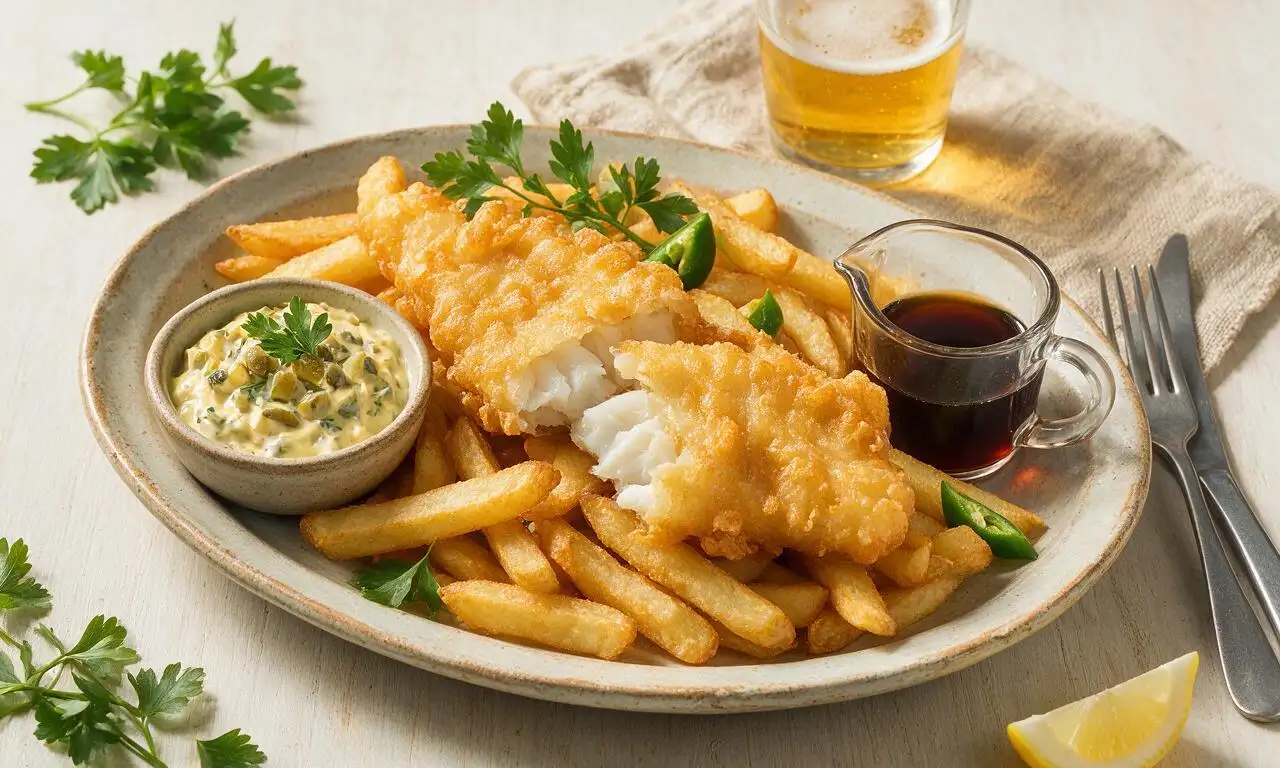
Crispy golden beer-battered cod and fluffy double-fried chips, served with tangy tartar sauce and malt vinegar: the timeless, beloved British pub comfort classic.

⏱️ 45 minuteMain Course ★ 4.7
Main Course
🍜 Mexico

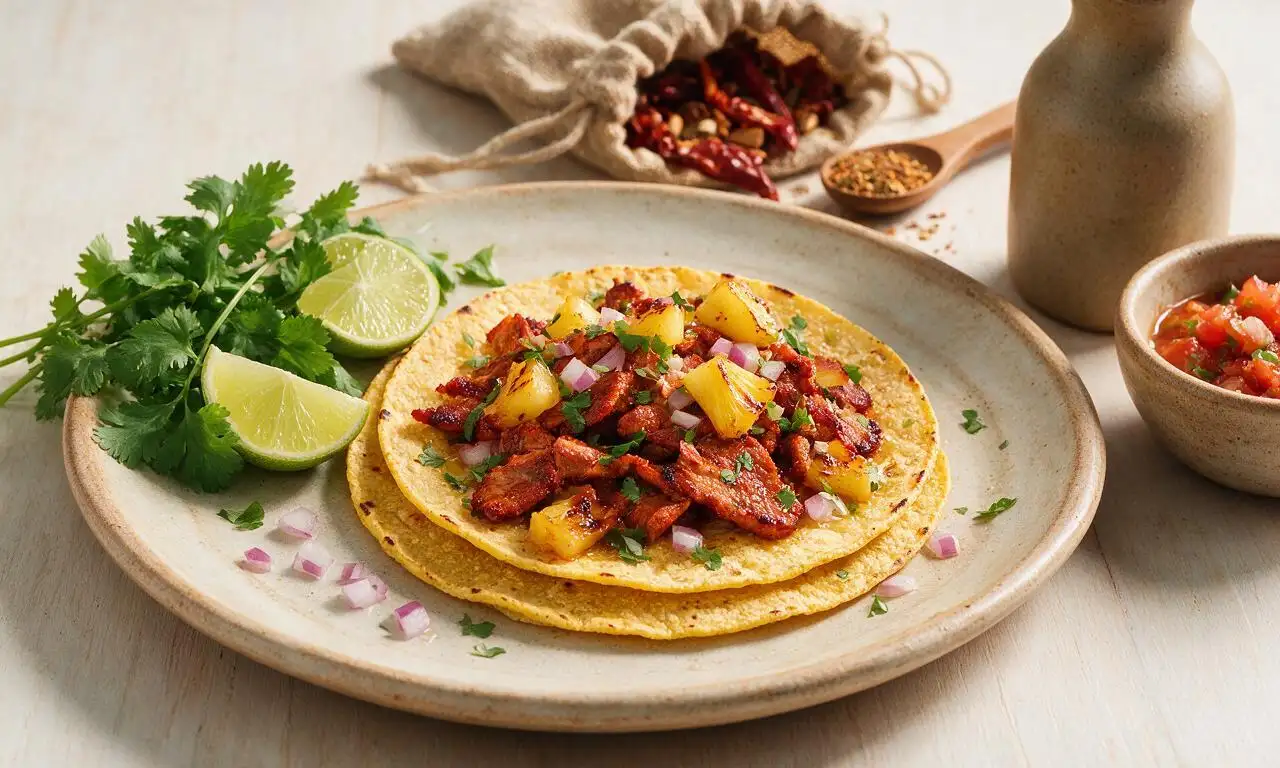
Smoky, chile-marinated pork tacos with caramelized pineapple, fresh cilantro, and lime: a beloved classic Mexican street food perfect for casual summer gatherings.

⏱️ 1 hour 45Main Course ★ 4.8
Main Course
🍜 United States

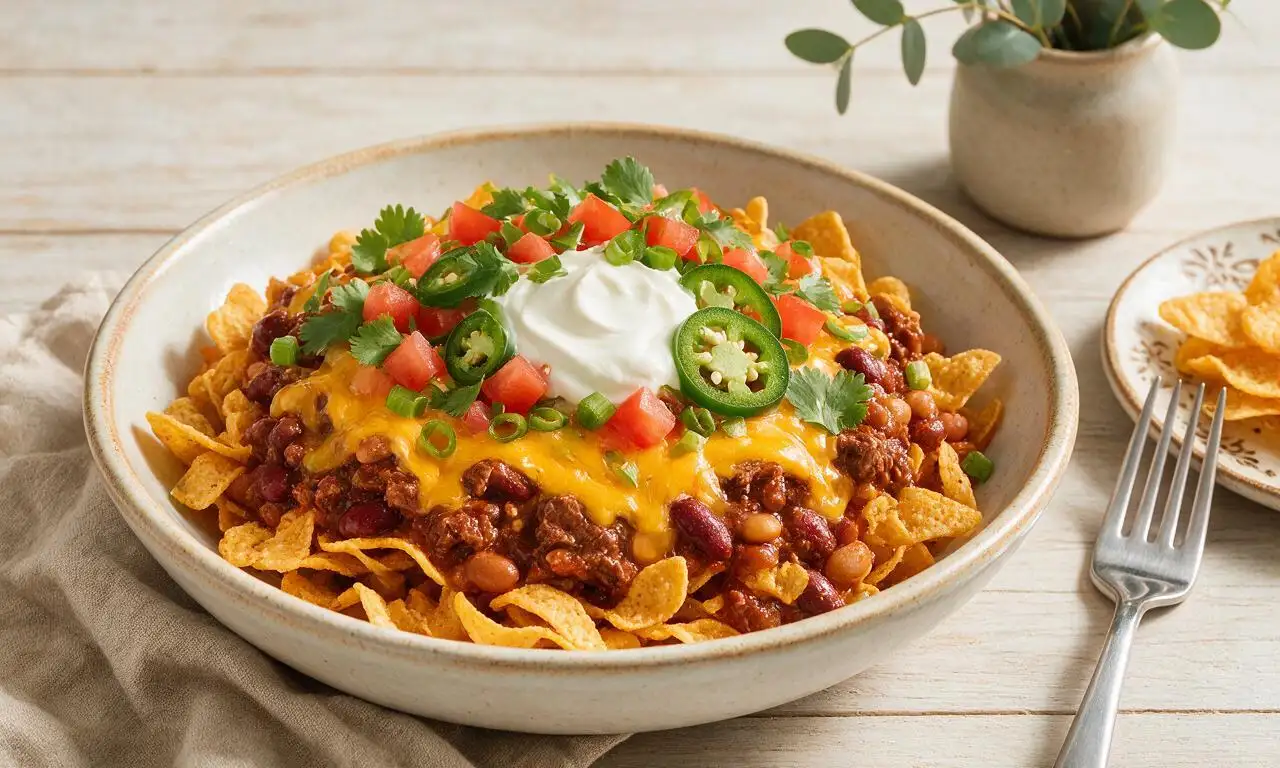
Crunchy Fritos corn chips layered with savory beef chili and melted cheddar, topped with cool, zesty fixings for a beloved, cozy Tex-Mex comfort food.

⏱️ 35 minuteMain Course ★ 4.8

Chitlins (Chitterlings):Frequently Asked Questions

1.How do I properly clean chitlins before cooking to remove grit and off-flavors? ▾
Start by rinsing them several times in cold water, then soak for 2 hours in a solution of 1/4 cup white vinegar per gallon of cold water mixed with 2 tablespoons kosher salt. Scrape away any remaining residue, discolored bits, and thick fat chunks, then rinse again until the water runs completely clear before simmering.
2.Why is white vinegar used in chitlin prep and cooking? ▾
White vinegar cuts through chitlins’ naturally strong, gamey odor during both prep and cooking, helps break down tough residual membrane for more tender results, and adds a subtle bright tang that balances their rich, porky flavor so the final dish doesn’t taste heavy or overly funky.
3.How long do I need to slow-simmer chitlins to get them perfectly tender? ▾
Plan for a minimum of 3 to 4 hours of gentle, low simmer (not a rolling boil) over low heat. Test doneness by piercing a piece with a fork—they should give easily with no chewy, rubbery resistance. Rushing this step with high heat will leave them tough no matter how long you cook them later.
4.Can I make these chitlins in a slow cooker instead of on the stovetop? ▾
Absolutely, a slow cooker is ideal for this low-and-slow dish. After cleaning, add prepped chitlins, vinegar, seasonings, onion, and celery, cover, and cook on LOW for 6 to 7 hours until fully tender. Crack the lid slightly for the last 30 minutes if you prefer a thicker, less brothy final consistency.
5.How do I reduce the strong cooking smell chitlins release while simmering? ▾
To cut down on lingering cooking odors, start by fully cleaning the chitlins, as leftover residue is the biggest smell culprit. Add a halved potato or splash of extra vinegar to the simmer pot, and set a small bowl of white vinegar near your stove while cooking to absorb airborne odors before they spread.
6.Do I need to remove every bit of fat from chitlins before cooking? ▾
You don’t need to strip away every trace of fat—small, thin flecks add great rich, porky flavor to the final dish. Do remove any thick, lumpy chunks of excess fat, tough connective tissue, or discolored membrane, as these won’t break down fully and can leave the dish greasy or chewy.
7.What extra seasonings work well with chitlins beyond the base onion and celery? ▾
Classic Southern add-ins include crushed red pepper flakes, whole black peppercorns, a bay leaf, minced garlic, a pinch of cayenne, smoked paprika, or a split ham hock for extra smoky depth. Hold off on adding extra salt early on, since the simmering liquid reduces and concentrates flavors as it cooks.
8.How can I tell if raw chitlins have spoiled before I cook them? ▾
Fresh, raw chitlins should have a mild, meaty pork smell after rinsing. Any sour, rancid, or extremely foul odor that doesn’t fade after soaking and rinsing means they are spoiled and should be discarded. They should feel firm and slick, not slimy, sticky, or marked with gray or green discoloration.
9.Can I freeze leftover cooked chitlins, and how long do they stay good? ▾
Yes, cooked chitlins freeze extremely well. Let them cool completely, portion into airtight, freezer-safe containers with a bit of their cooking liquid to prevent drying out, and freeze for up to 3 months. Thaw in the fridge overnight, then reheat gently over low stovetop heat until warmed all the way through.
10.Why did my chitlins turn out rubbery and tough even after hours of cooking? ▾
This almost always happens from cooking them at too high a heat, which makes the pork protein seize up and turn tough even with long cook times. Keep heat at the lowest setting to maintain a soft, gentle bubble, not a rolling boil, and avoid adding lots of cold liquid mid-cook which can shock the meat.
11.Are chitlins safe for kids or immunocompromised people to eat? ▾
Raw chitlins can carry harmful bacteria like Yersinia, so it’s critical to cook them to a full internal temperature of 165°F as measured with a food thermometer, and fully sanitize all surfaces, utensils, and hands that touch raw chitlins during prep. When fully cooked, they are safe for everyone to enjoy.
12.Do I need to use bleach to clean chitlins properly to kill bacteria? ▾
No, never use bleach or harsh household cleaners to clean chitlins—residual bleach can make you sick and will completely ruin the dish’s flavor. The vinegar and cold salt water soak, paired with repeated rinsing and scraping of residue, is more than enough to clean them safely when followed by thorough, full cooking.
13.What are classic Southern sides to serve with these slow-simmered chitlins? ▾
Traditional soul food pairings include collard greens seasoned with ham hock, buttery cornbread, hot sauce for drizzling, baked macaroni and cheese, candied yams, and tangy coleslaw. The crisp, bright sides and starchy cornbread cut through the rich, savory chitlins for a perfectly balanced, comforting meal.

Comments (5)

2 days ago

What can I say, I've been making chitlins for 30+ years for our annual church potluck and I was so nervous my go-to recipe was getting stale. Tried this one last weekend, slow simmered the full 4 hours with the vinegar and onion like the recipe said, and OMG people were lined up for seconds! Even my teenage grandson who swears he "hates organ meat" ate two helpings. Game changer, y'all.

yesterday

Wait did you do the extra cleaning step with the lemon juice soak? I always skip that and wonder if mine come out too gamey, curious if that made a difference here!

30 minutes ago

So glad your family and church crew loved them! The lemon juice soak during cleaning cuts down so much on that strong gamey flavor—highly recommend not skipping it if you want that mild, rich taste without the overpowering funk.

3 days ago

First time ever attempting chitlins, went into this knowing it was gonna be a project since the difficulty says hard. The 4 hour simmer time is no joke, make sure you block off a whole afternoon for this! Mine came out a little saltier than I wanted so I'll cut the salt by half next time, but overall the texture was perfect and my roommates lost their minds when they smelled it cooking. We had it with hot sauce and cornbread for Sunday dinner, SO good, chef's kiss.

2 days ago

Great tip on cutting the salt next time! Salt levels can vary a ton depending on what brand of chitlins you buy, so tasting as you go during the last hour of simmering always helps avoid over-salting. So glad you and your roommates enjoyed!

1 week ago

I made a big batch of these for meal prep last week hoping they'd reheat well, and honestly? They were amazing fresh, but got a little rubbery after 3 days in the fridge. Also, pro tip: open your windows while you cook! The smell lingers for HOURS if you don't, my whole apartment smelled like chitlins for two days lmao. Flavor was on point though, just not ideal for weekly meal prep in my opinion.

5 days ago

Grew up eating my grandad's chitlins every Thanksgiving and haven't found a recipe that comes close until now! Slow simmered for the full 4 hours, added a little extra cayenne like I always do, and it tasted exactly like I remembered. My kids loved it, even my picky 8 year old who turns her nose up at everything asked for seconds. 10/10 will be making this for our family dinner every holiday from now on.

3 days ago

How much extra cayenne did you add? I love a little kick but don't want to make it too spicy for my in-laws who can't handle any heat above mild!

2 days ago

I only added about a 1/4 teaspoon extra! It gives a nice warm kick without being overwhelming, you could always leave a bottle of hot sauce on the side for people who want to turn up the heat too.

yesterday

I was so excited to make this for my neighbor's weekend cookout but I severely underestimated how long the cleaning process takes! I thought the 4 hour cook time was the long part, nope—spent almost 3 hours cleaning them before I even could turn the stove on. Ended up running late to the cookout and they were still a little tough because I had to cut the simmer time short by 45 minutes. Bummed because the little bite I tried had such great flavor!

2 hours ago

Oh no, sorry you ran short on time! The cleaning step is definitely the most labor-intensive part of making chitlins—most folks opt for pre-cleaned chitlins to cut that prep time down drastically if they're crunched for time. Hope you give it another shot when you have a full afternoon to spare, it's so worth it!