coconut shrimp soup

title 1
coconut shrimp soup
⏱️ cook time 20 minutes
🍽️ servings 4
⚡ Difficulty easy

intro

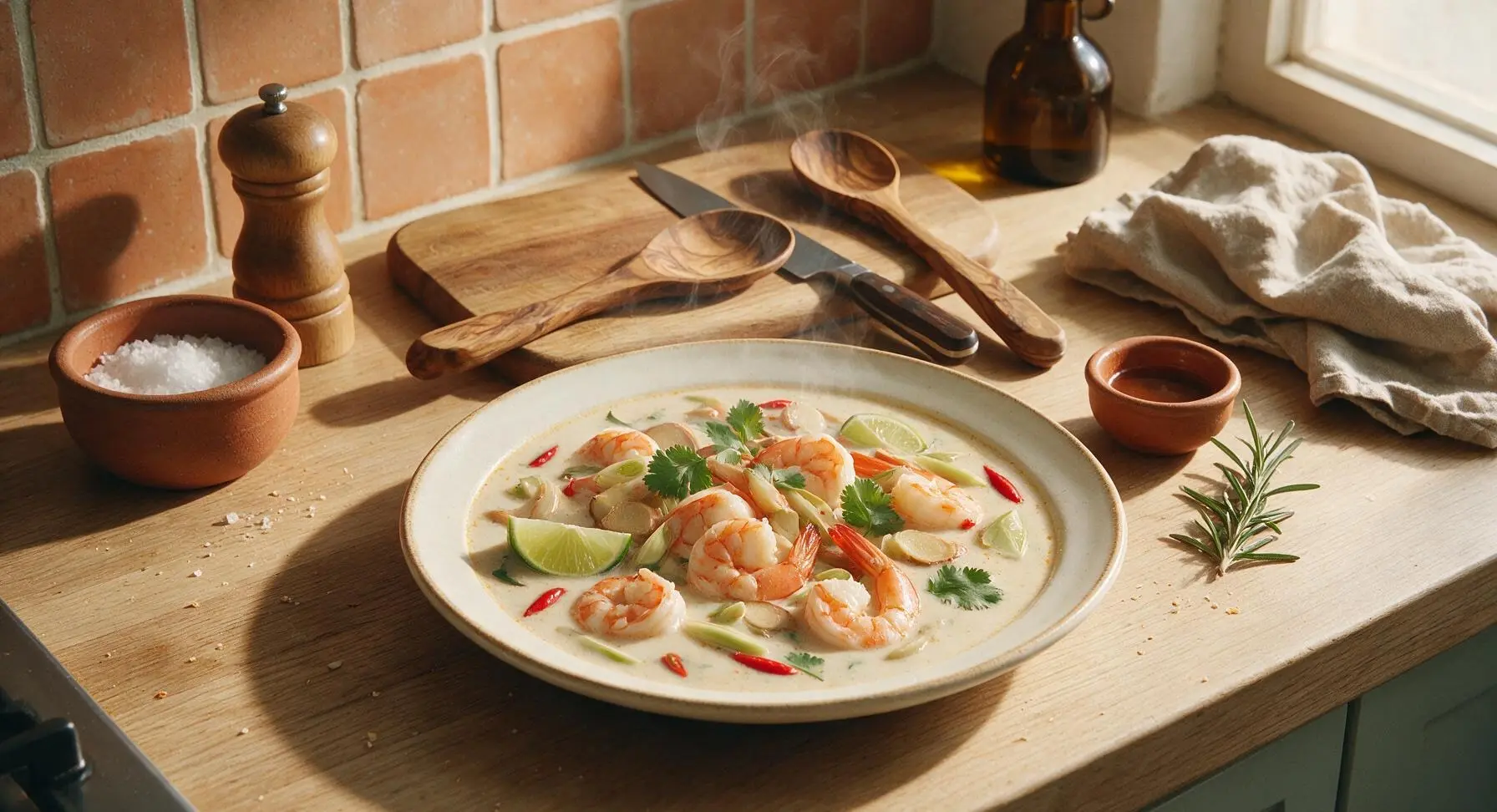
Silky, aromatic Thai coconut broth brimming with plump shrimp, bright lime, lemongrass, and galangal—this cozy, balanced soup blends creamy, tangy, spicy, and savory notes in every spoonful.

Ingredients
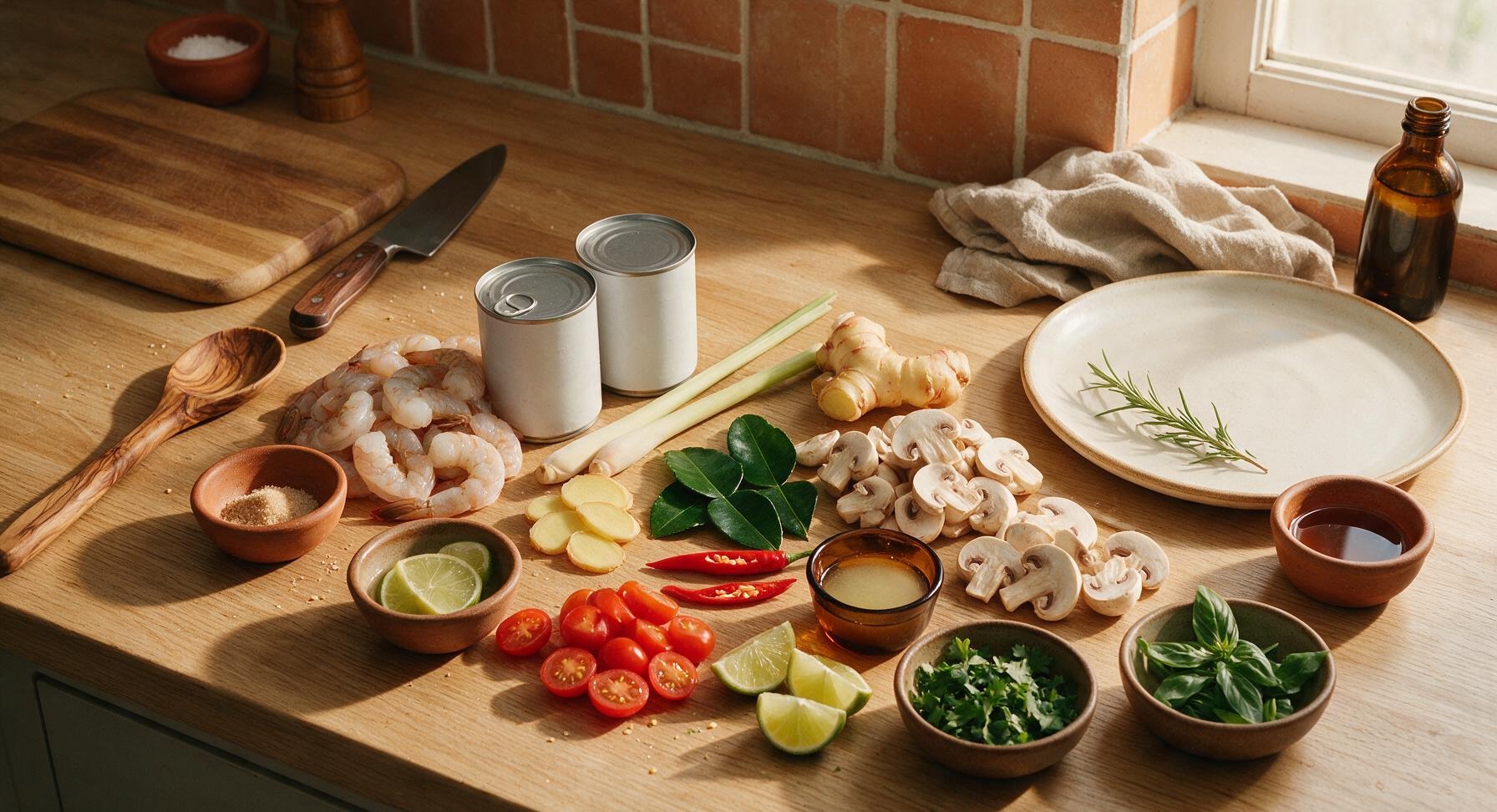
Large raw shrimp (peeled, deveined, tails on) 1 lb (450g)
Full-fat coconut milk 2 (13.5oz/400ml) cans
Lemongrass stalks 2 stalks
Fresh galangal (or young ginger, as substitute) 3-inch knob, thinly sliced
Kaffir lime leaves 5 whole leaves
Fresh Thai red chilies 2, sliced (seeds removed for mild heat)
White button mushrooms, sliced 8 oz (225g)
Cherry tomatoes, halved 1 cup (150g)
Fish sauce 2 tbsp
Fresh lime juice 3 tbsp
Palm sugar (or light brown sugar, as substitute) 1 tsp
Fresh cilantro, chopped 1/4 cup
Fresh Thai basil leaves 1/4 cup
Lime wedges (for serving) 4 wedges

Steps

1

Prep Soup Aromatics

Place the end-grain maple cutting board in its fixed center-left counter position. Use the 8-inch chef knife to trim the woody top 2 inches and hard root end from each lemongrass stalk, peel off the tough outer 2 fibrous layers, then bruise the stalks firmly with the flat side of the knife to release aromatic oils. Thinly slice the galangal into 1/8-inch rounds, tear each kaffir lime leaf in half to expose its fragrant veins, and slice 1 Thai chili into thin rings (set the second chili aside for heat adjustment at the end). Transfer all prepped aromatics to one of the small terracotta pinch bowls.

Step 1
step1:Prep Soup Aromatics
2

Simmer Coconut Broth

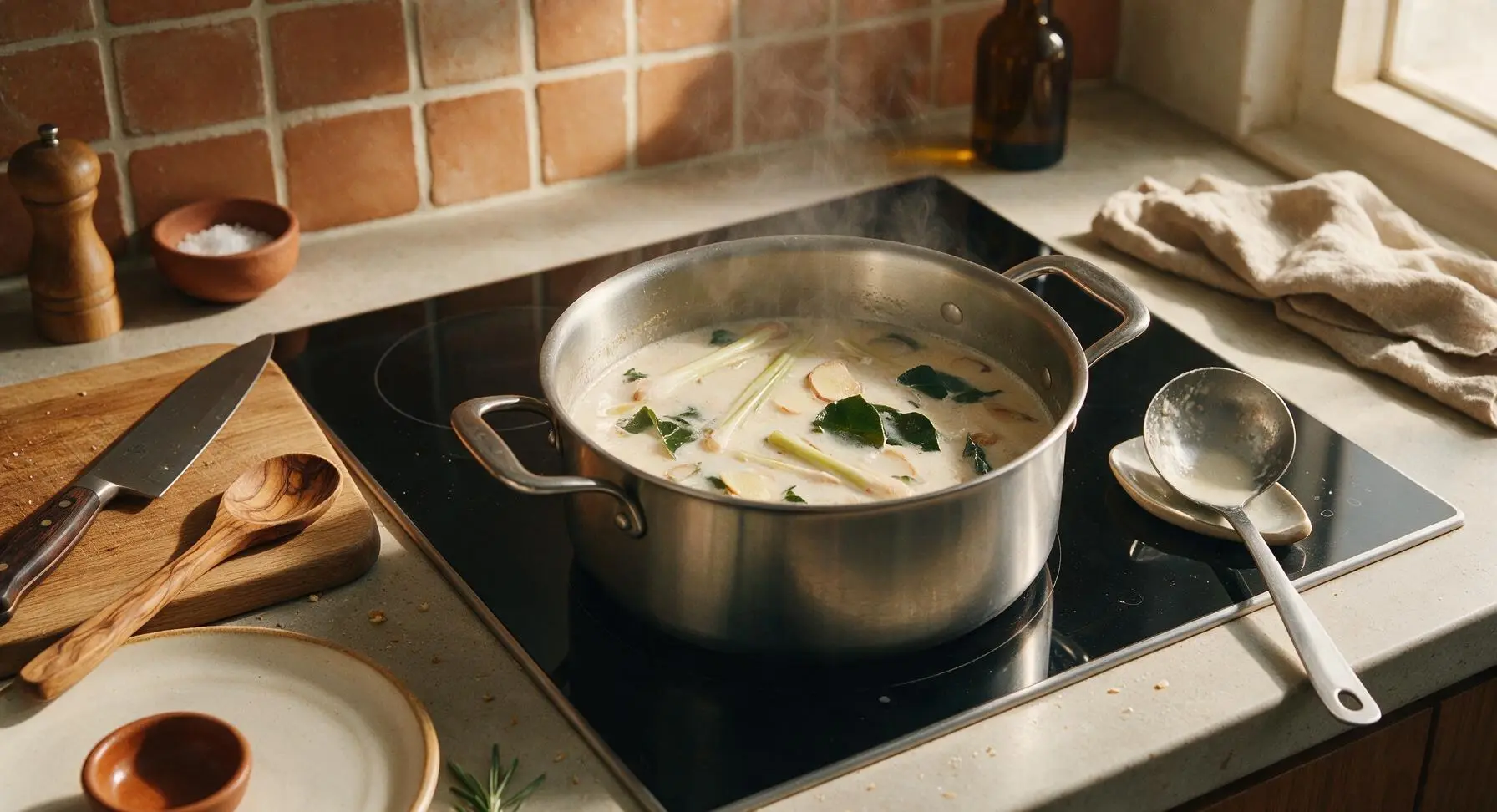
Open both cans of full-fat coconut milk, scoop the thick, solid coconut cream from the top of each can into the 3-quart brushed stainless steel soup pot set to medium heat (350°F/175°C on the integrated induction cooktop). Once the cream bubbles and releases a thin layer of clear, fragrant coconut oil (about 3 minutes), add the prepped lemongrass, galangal, kaffir lime leaves, and sliced chili. Stir gently with the stainless steel ladle to coat aromatics in cream, then pour in the remaining thin coconut milk from the cans. Bring the broth to a gentle, low simmer (do not let it boil rapidly, as high heat will split the coconut milk and create a grainy texture) and cook for 8 minutes to let the aromatics fully infuse into the base.

Step 2
step2:Simmer Coconut Broth
Step 2
step2:Simmer Coconut Broth
3

Strain Infused Broth

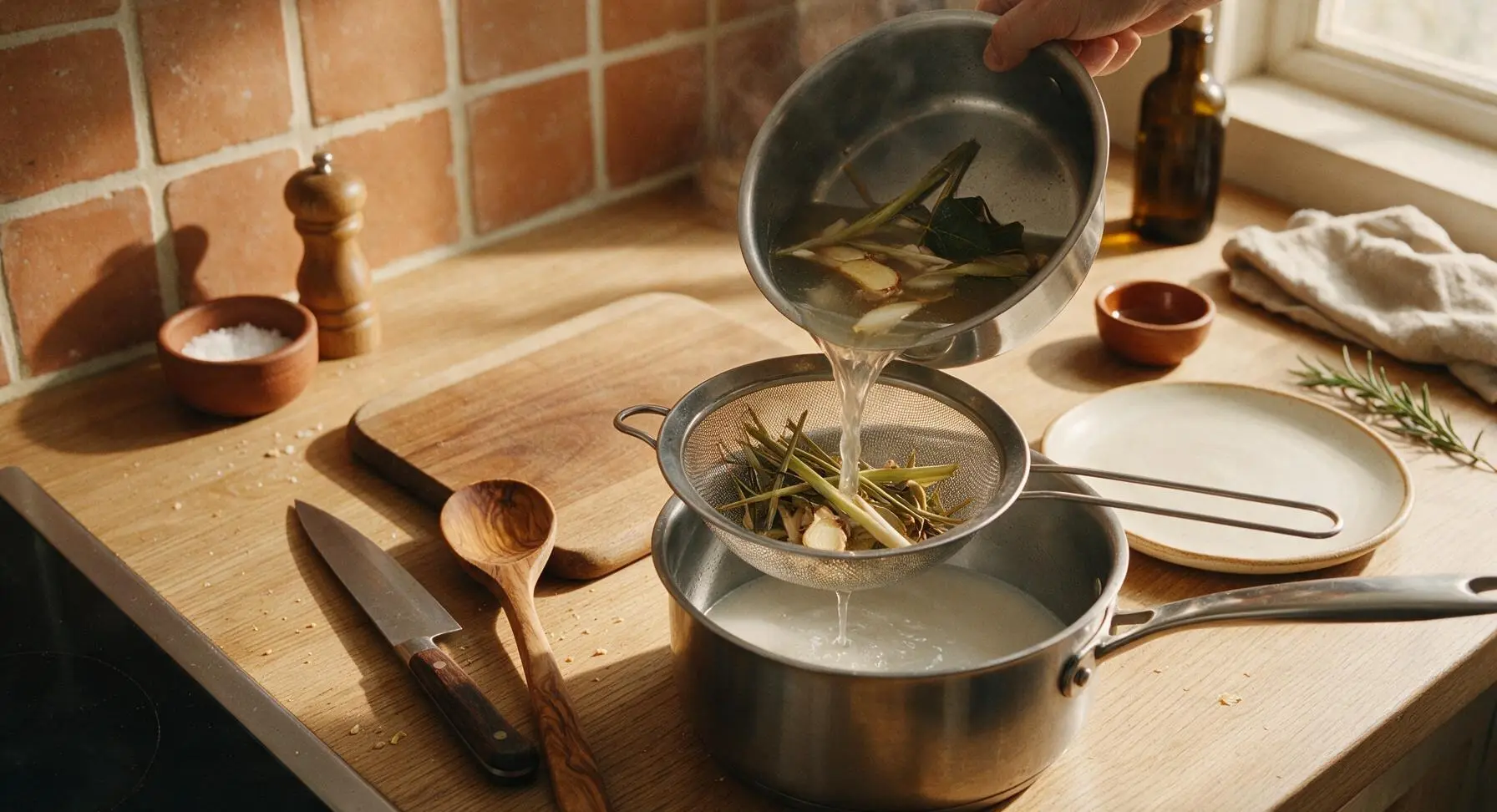
Once the broth has infused for 8 minutes, reduce heat to low (200°F/95°C). Set the 12cm fine-mesh stainless steel strainer across the top of the soup pot, then carefully pour the broth and aromatics through the strainer to catch all tough lemongrass stalks, fibrous galangal slices, and woody lime leaf veins, leaving a smooth, fragrant coconut base in the pot below. Discard the spent aromatics collected in the strainer.
Step 3
step3:Strain Infused Broth
4

Add Veggies and Season

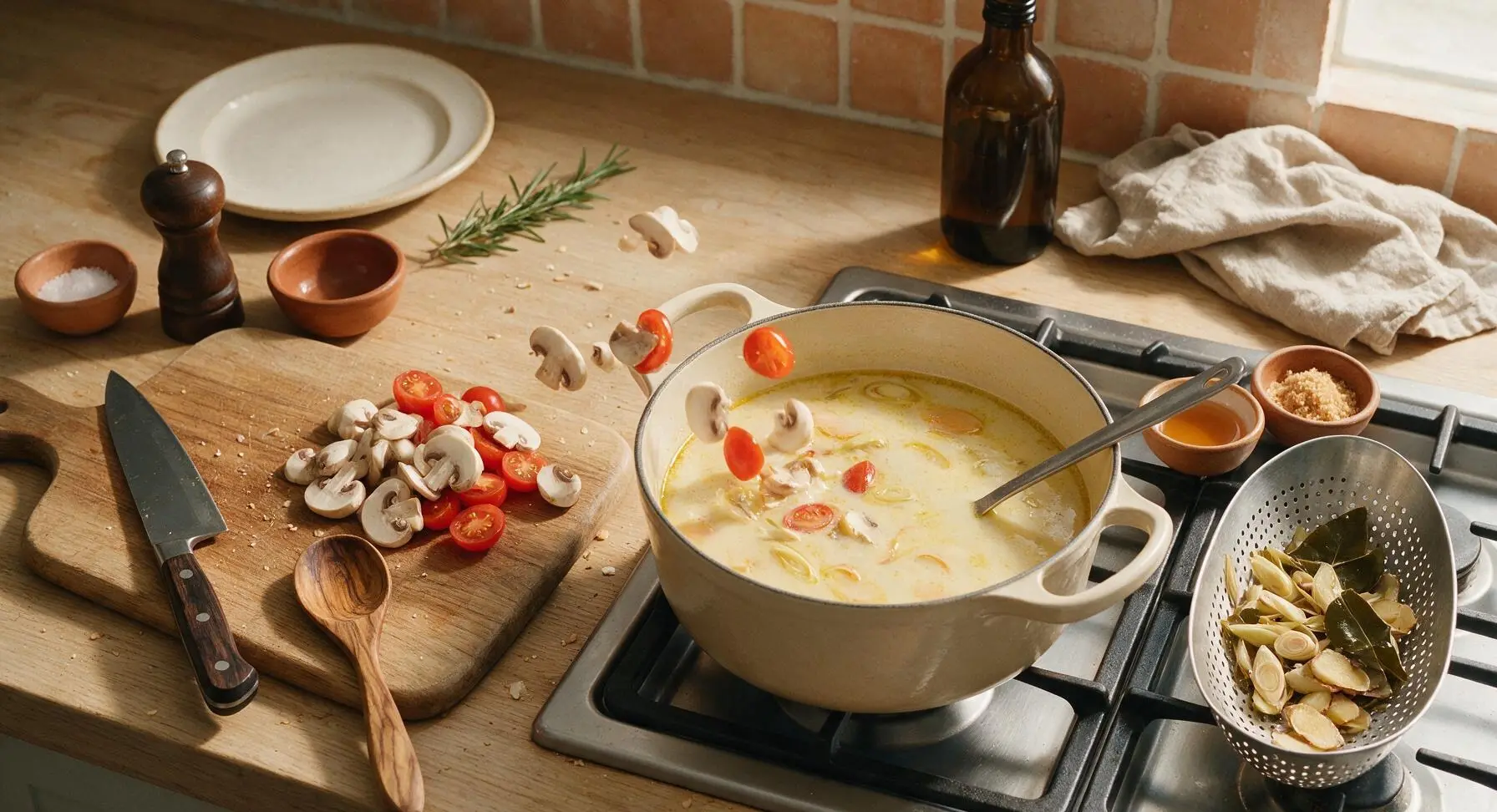
Return the pot of strained coconut broth to medium-low heat (275°F/135°C). Add the sliced white mushrooms and halved cherry tomatoes to the broth, stir gently with the ladle, and simmer for 4 minutes until the mushrooms are tender and slightly translucent, and the tomatoes have softened just enough to release a hint of their sweet juice. Stir in 2 tablespoons fish sauce and 1 teaspoon palm sugar, stirring continuously until the sugar fully dissolves with no grit at the bottom of the pot. Taste the broth and adjust: add 1 teaspoon more fish sauce for extra saltiness, or a tiny pinch more sugar to balance tartness if needed.
Step 4
step4:Add Veggies and Season
5

Poach Shrimp Gently

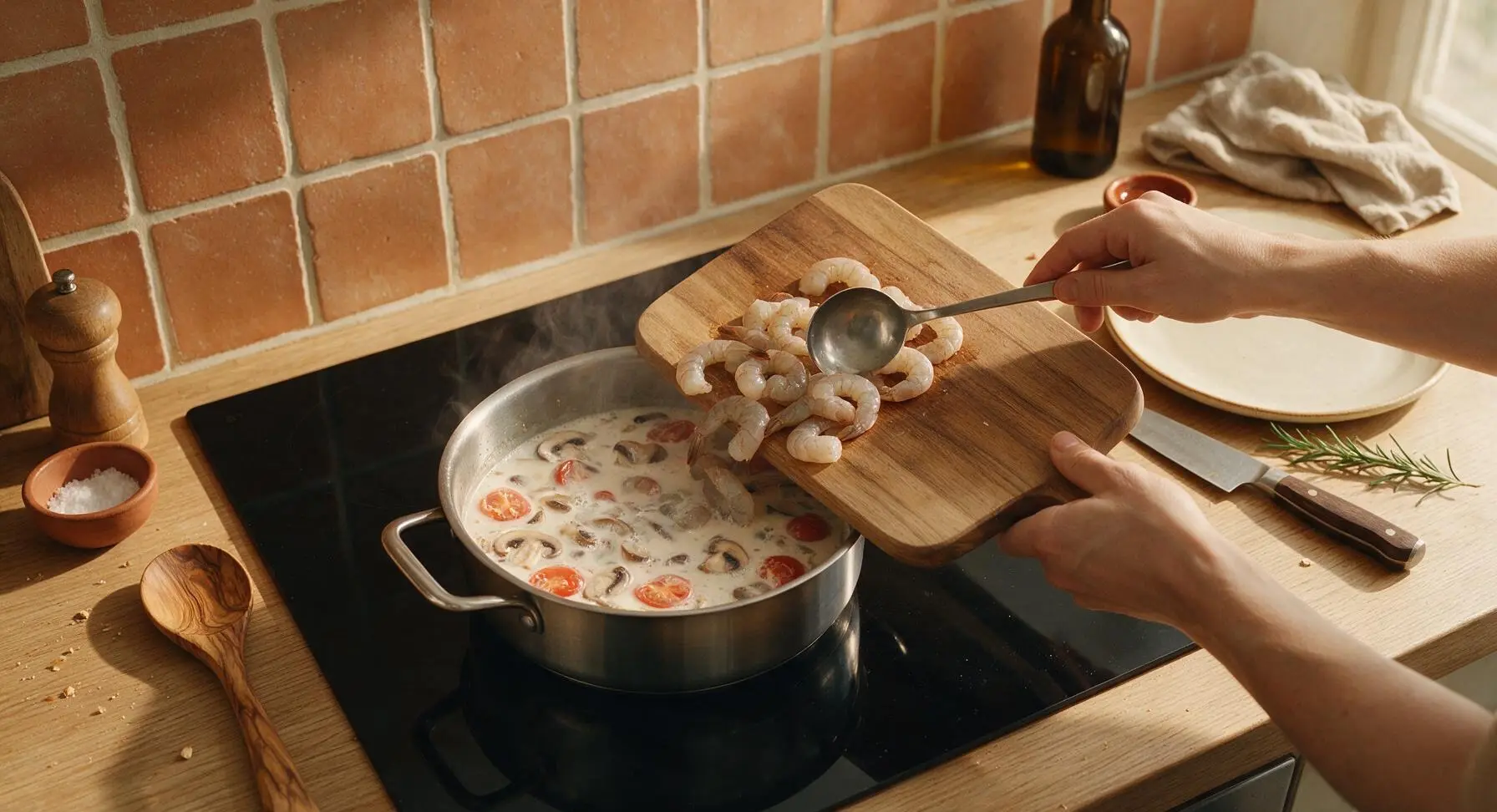
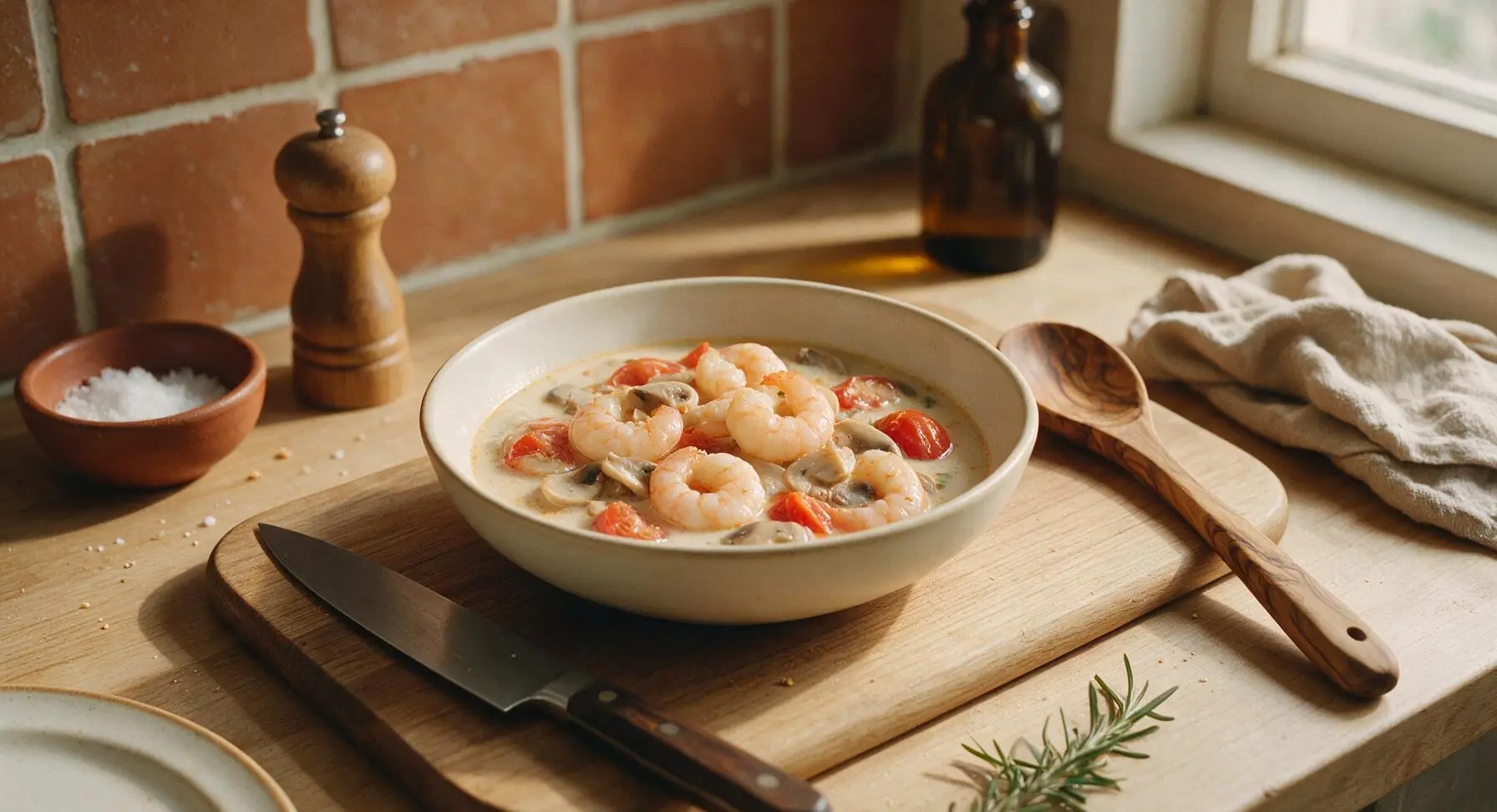
Once the mushrooms are fully tender, add the peeled raw shrimp to the simmering broth, stirring gently to submerge every piece under the liquid. Cook for 2-3 minutes, just until the shrimp turn opaque pale pink and curl into tight C-shapes—do not overcook, as shrimp will turn tough and rubbery if left in hot broth for longer than 3 minutes. Immediately turn off the induction heat to stop residual cooking.
Step 5
step5:Poach Shrimp Gently
Step 5
step5:Poach Shrimp Gently
6

Finish with Bright Flavors

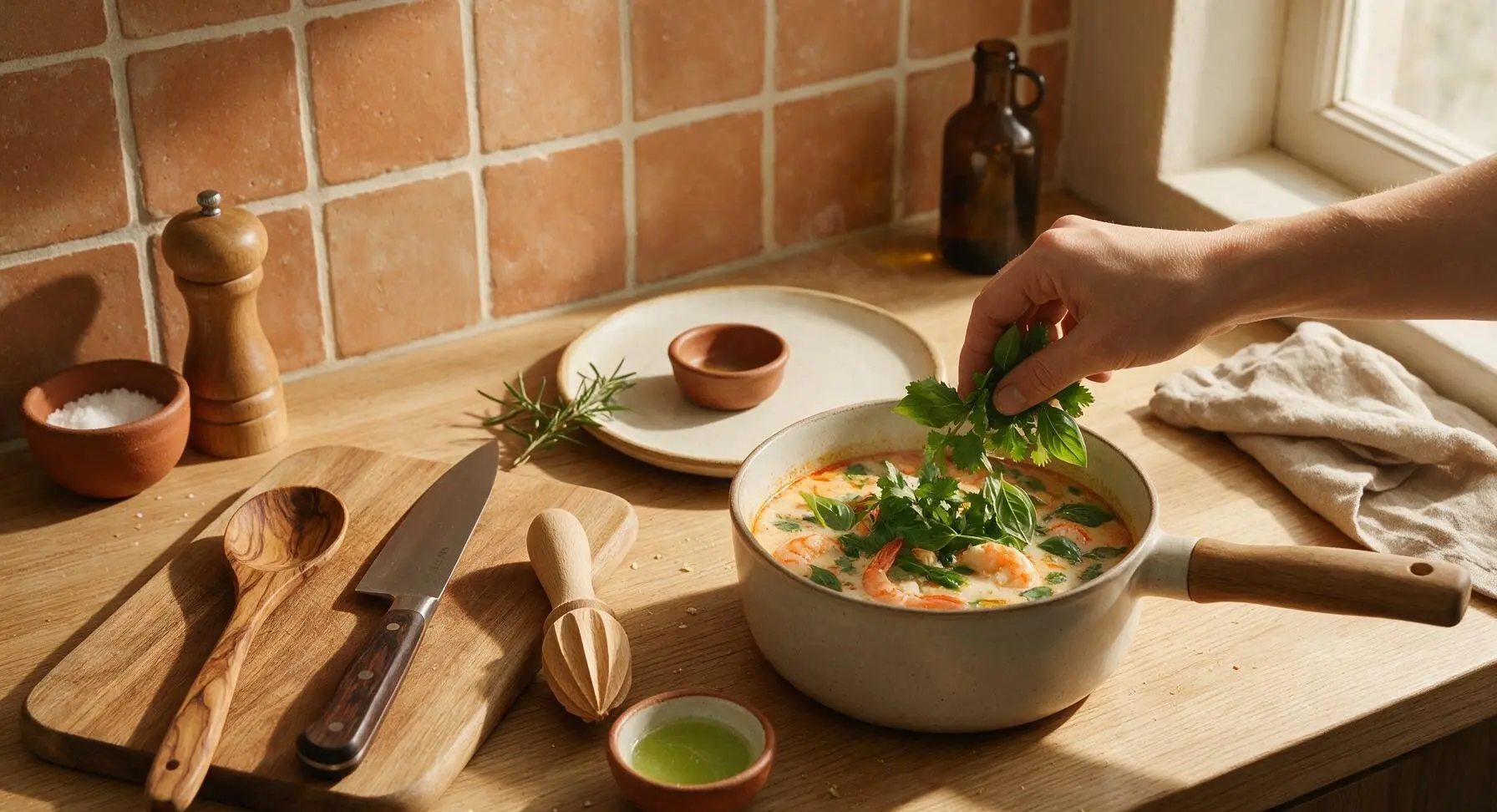
Use the beechwood citrus reamer to squeeze fresh lime juice, measuring out exactly 3 tablespoons, then stir the juice into the warm (not boiling) broth—adding lime juice to boiling liquid will make the juice taste bitter and dull its bright tang. Add half of the chopped cilantro and half of the Thai basil leaves, stirring gently to wilt the herbs slightly into the broth. Taste once more, and add thin slices from the reserved second Thai chili if you prefer a spicier soup.
Step 6
step6:Finish with Bright Flavors
7

Plate and Garnish Soup

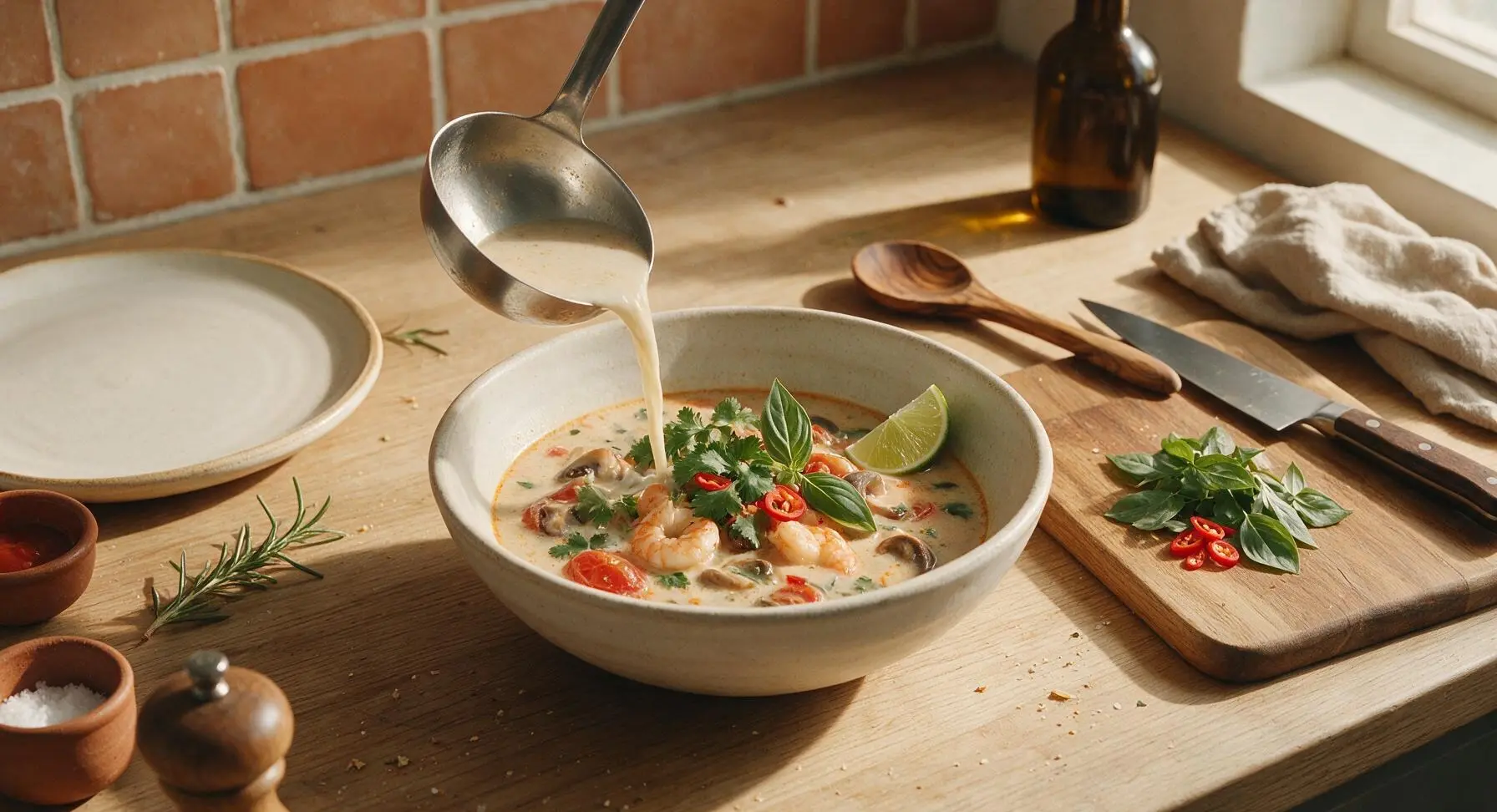
Set the matte off-white hand-thrown ceramic deep soup bowl in the center of the counter prep area. Use the stainless steel ladle to scoop 1.5 cups of soup into the bowl, making sure each serving includes 4-5 plump shrimp, a mix of tender mushrooms and soft tomato halves, and enough creamy broth to fill the bowl 3/4 full. Top the soup with the remaining fresh cilantro, whole Thai basil leaves, a few thin slices of red chili for color and heat, and rest a lime wedge on the right rim of the bowl for guests to squeeze to taste.
Step 7
step7:Plate and Garnish Soup

Tips

1.Always use full-fat coconut milk for this recipe: Light or reduced-fat coconut milk contains added water and stabilizers that create a thin, watery broth with muted coconut flavor, and it is far more likely to separate and turn grainy when simmered.
2.Wait to add lime juice until the broth is off boil: High heat breaks down the bright citric acid in fresh lime juice, creating a flat, bitter taste instead of the signature tang that balances the rich, creamy coconut base.
3.Prep and portion all ingredients before turning on the heat: This soup cooks in just 20 minutes once started, and overcooked shrimp (which turn rubbery in seconds) or mushy mushrooms will ruin the delicate texture—having components ready means you will never miss a critical timing cue.

✨ You May Also Like

Soups & Stews
🍜 Japan

Rich, umami-dense Hokkaido-style miso ramen with chewy noodles, savory fermented broth, and classic toppings, a cozy, deeply satisfying warm meal.

⏱️ 45 minuteSoups & Stews ★ 4.5
Soups & Stews
🍜 United States

A hearty, peppery tripe and root vegetable stew with colonial Philadelphia roots, thick, warming, and packed with bold savory flavor for cold winter days.

⏱️ 2 hours 3Soups & Stews ★ 4.6
Soups & Stews
🍜 Mexico

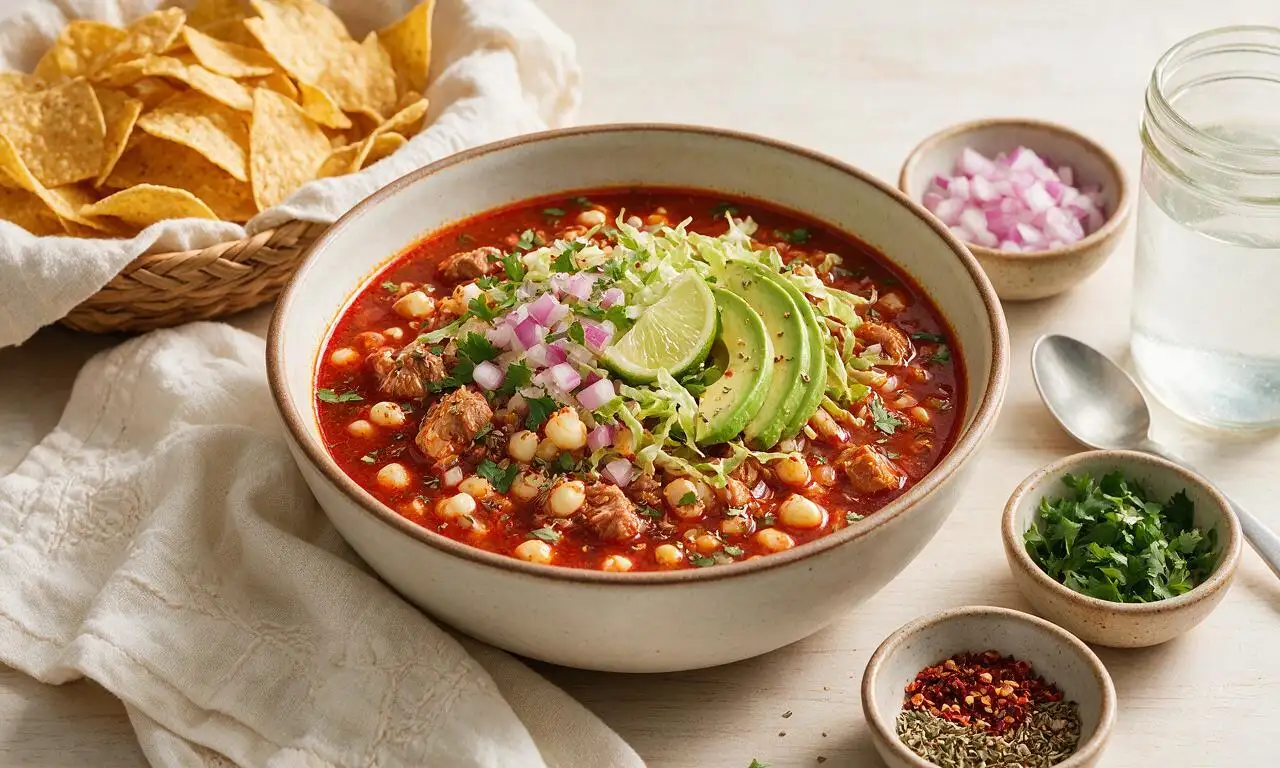
Hearty, warming red pork posole loaded with tender hominy, slow-simmered in a rich smoky chile broth, served with zesty fresh garnishes for a deeply comforting, satisfying meal.

⏱️ 2 hours 3Soups & Stews ★ 4.7
Soups & Stews
🍜 United States

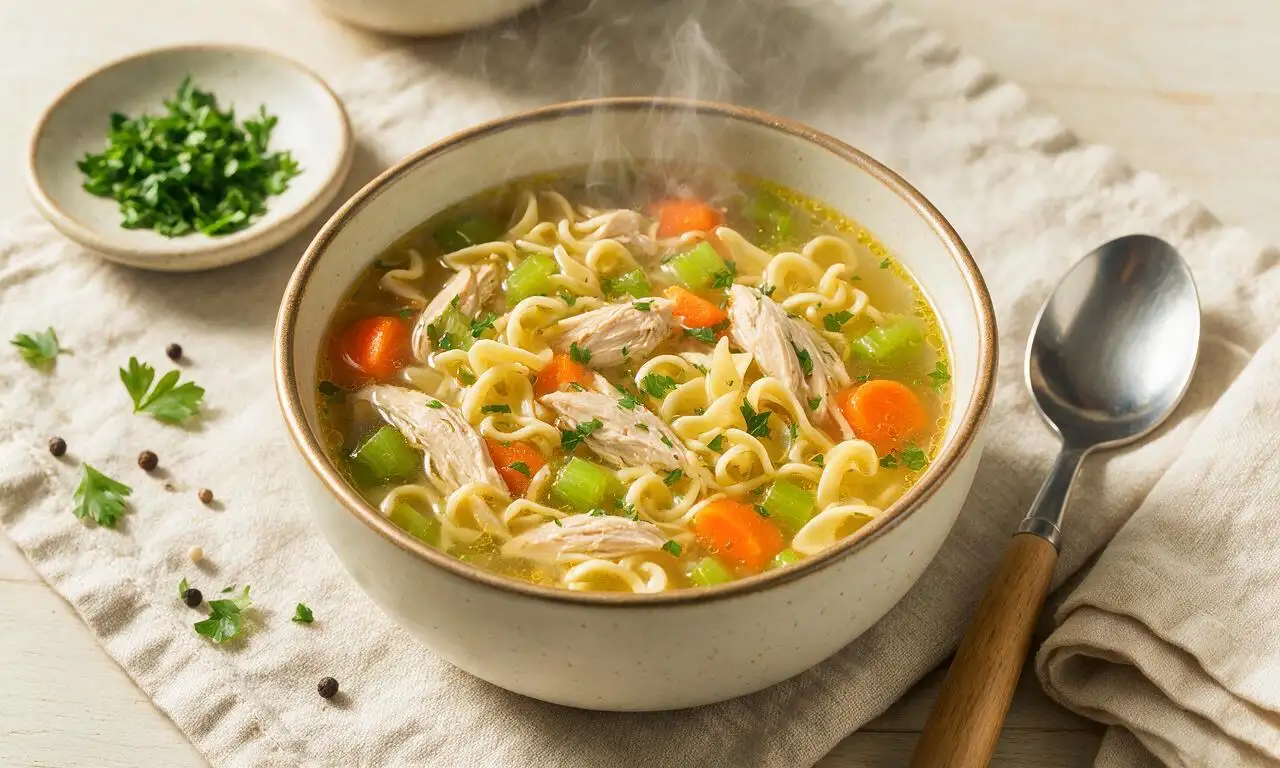
Warm, soothing classic chicken noodle soup loaded with tender chicken, soft egg noodles, and savory veggies, perfect for chasing chills and feeding the whole family.

⏱️ 40 minuteSoups & Stews ★ 4.9
Soups & Stews
🍜 France

Deeply savory caramelized onion broth topped with crusty bread and bubbly melted Gruyère, a timeless French bistro comfort food ideal for cold days.

⏱️ 1 hour 25Soups & Stews ★ 4.8
Soups & Stews
🍜 United States

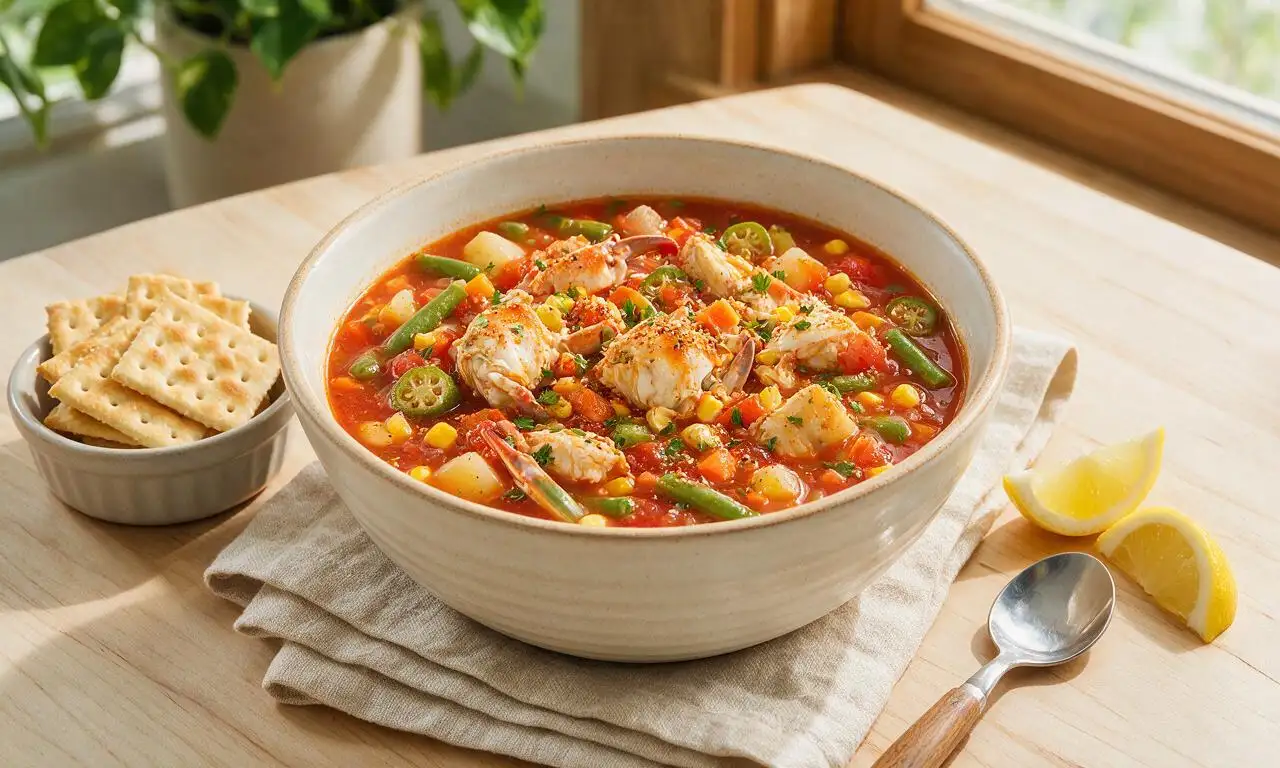
Hearty, briny Maryland crab soup loaded with sweet blue crab, tender summer vegetables, and zesty Old Bay, a beloved Chesapeake Bay coastal comfort staple.

⏱️ 55 minuteSoups & Stews ★ 4.9

coconut shrimp soup:Frequently Asked Questions

1.Can I use light coconut milk instead of full-fat for this soup? ▾
Full-fat coconut milk is ideal here—it creates that signature silky, rich broth that balances the soup’s bright tang and gentle heat, while light coconut milk is thin, watery, and more prone to curdling when simmered. If you only have light on hand, stir in 1 tablespoon of coconut cream per can of light milk to boost body, and never boil the broth hard after adding coconut milk.
2.What’s a good substitute if I can’t find fresh galangal? ▾
Young fresh ginger is the closest swap, as it has a milder, less sharp bite than mature ginger that mirrors galangal’s bright, piney-citrus notes. For a closer flavor match, add a tiny pinch of dried galangal powder along with the young ginger if you have it. Skip regular mature ginger as a direct swap—it’s too peppery and sharp, and will throw off the soup’s balanced flavor.
3.Do I have to leave shrimp tails on, or can I peel them completely? ▾
Leaving tails on adds subtle briny, shellfish depth to the broth as the shrimp cook, and they also make a nice visual garnish for serving, but you can absolutely peel shrimp fully for no-fuss eating. If you do remove all the shells, toss 2-3 clean shrimp shells into the broth while it simmers to capture that same seafood flavor, then fish them out before serving.
4.Why does my coconut broth look curdled or split, and how do I fix it? ▾
Split coconut broth almost always happens when you boil the soup too hard after adding coconut milk—high heat breaks down coconut’s fat solids quickly. Once you add coconut milk, keep the heat at a gentle simmer, never a rolling boil. If it does split, stir in 2-3 tablespoons of cold coconut cream or cold water while whisking gently over low heat, and the broth will smooth right out.
5.Can I make this soup ahead of time, and how do I store leftovers? ▾
This soup stores beautifully for up to 3 days in an airtight container in the fridge, but hold off on adding fresh lime juice and raw shrimp until you’re ready to reheat and serve if possible. Cooked shrimp turn rubbery when reheated repeatedly, and lime juice develops a bitter, off flavor when stored long-term. Reheat leftovers gently over low heat, don’t boil.
6.Are the simmered lemongrass, galangal, and kaffir lime leaves meant to be eaten? ▾
Those tough, fibrous aromatics are used strictly to infuse flavor into the broth, not for eating—they’re woody, overly chewy, and can be unpleasantly bitter if you bite into them, similar to a bay leaf in Western cooking. You can either fish all of them out before serving, or leave them in the pot and let diners push them to the side of their bowls as they eat.
7.How spicy is traditional Tom Kha Goong, and can I adjust the heat level? ▾
Traditional versions have a gentle, warm background heat from fresh Thai chilies, not an overpowering burn, and it’s totally flexible to your taste. Add 1-2 sliced chilies for mild heat, 3-4 for medium, or skip them entirely for a zero-spice batch. If you accidentally overdo the heat, stir in an extra splash of coconut milk or a tiny pinch of sugar to mellow it out.
8.What protein swaps work well if I don’t eat shrimp? ▾
Sliced boneless, skinless chicken thigh is the most classic swap—cut it into thin strips and add it a couple minutes earlier than shrimp, since it takes slightly longer to cook through. For plant-based versions, use cubed pressed firm tofu or mixed mushrooms, and swap fish sauce for low-sodium tamari or soy sauce to keep the recipe fully vegan if desired.
9.Why does my soup taste flat, and how do I fix the flavor balance? ▾
Tom Kha’s magic comes from balancing creamy, sour, salty, sweet, and spicy notes, so flat flavor means one element is missing. Adjust in small increments: add a squeeze more lime for tang, a tiny splash of fish sauce for savoriness, a pinch of brown sugar to cut sharp acid, or a light sprinkle of salt, tasting after each tweak until all the flavors feel bright and balanced.
10.Can I use dried kaffir lime leaves instead of fresh? ▾
Dried kaffir lime leaves work perfectly well as a substitute when fresh aren’t available—use about half the amount the recipe calls for, since dried leaves have a more concentrated, slightly muted flavor. Crush them lightly between your fingers before adding to the broth to release their aromatic oils, and fish them out before serving just like you would fresh leaves.
11.What are the best side dishes to serve with Tom Kha Goong for a full meal? ▾
Fluffy steamed jasmine rice is the classic pairing, served on the side or stirred right into the bowl to soak up the creamy coconut broth. For a heartier Thai spread, add crisp cucumber salad, crispy vegetable spring rolls, or simple stir-fried bok choy. For a light lunch, the soup works perfectly on its own, topped with a sprinkle of fresh cilantro.
12.Do I have to use fish sauce, and what’s a good substitute if I can’t have it? ▾
Fish sauce adds the signature briny, umami depth that’s core to Tom Kha’s flavor, but you can swap it easily for dietary needs. For vegan or vegetarian versions, use equal parts low-sodium tamari or soy sauce mixed with a tiny pinch of dried mushroom powder to replicate that savory depth. If you avoid fish but eat animal products, a small splash of Worcestershire sauce works too.

Comments (6)

2 hours ago

OMG this soup is SO good! I threw it together on a busy weeknight after work and it tasted exactly like the tom kha I order at my favorite local Thai spot. The 20 minute cook time is no joke, even with me fumbling to peel the shrimp last minute. My husband went back for a second bowl before I even finished my first! 10/10 will be adding this to our regular weeknight rotation.

30 minutes ago

Super easy recipe but I had a quick question - I don’t have any fresh galangal on hand, can I use dried galangal powder as a substitute? Don’t want to mess up the flavor profile since this is my first time making tom kha!

5 minutes ago

Great question! You can absolutely use dried galangal powder in a pinch - use about 1 teaspoon of powder for every 1 inch of fresh galangal called for in the recipe. I’d recommend adding it a minute or two earlier than you would fresh to let the flavor bloom fully in the coconut milk. Hope you love it!

yesterday

Made this for my family dinner last night and my kids loved it! I was worried the lemongrass would be too strong for my picky 7 year old but she asked if we could have it for lunch every day this week. I added a handful of sliced mushrooms and a little extra lime juice at the end, game changer. Perfect cozy soup for the random cold snap we’ve been having here!

2 hours ago

Wait how much extra lime did you add? I love super tangy tom kha and I always feel like restaurant versions hold back on the lime!

30 minutes ago

I squeezed in two extra whole limes right before turning off the heat! It gave it that perfect bright, zingy kick that cuts through the creaminess of the coconut milk. Just add it a little at a time and taste as you go so you don’t overdo it!

3 days ago

I meal prepped this on Sunday for my work lunches this week and it held up so much better than I thought it would! I kept the shrimp separate from the broth so they didn’t get rubbery when I reheated it, and tossed in some fresh cilantro right before eating. All my coworkers kept stopping by my desk to ask what smelled so good when I heated it up today. Will definitely be making a double batch next time!

1 week ago

This was my first time ever making any kind of Thai soup at home and I was shocked how easy it was! I brought a big pot of it to my neighborhood potluck over the weekend and the whole pot was gone in 20 minutes. Only thing I’ll change next time is adding a little extra chili paste because I love that extra heat kick.

5 days ago

Oh how much chili paste do you think you’ll add next time? I’m a total wimp when it comes to spice but my partner loves super spicy food, so I’m trying to figure out how much to set aside for him before I make it mild for me!

2 weeks ago

Tastes just like the tom kha I had when I visited Bangkok a few years ago, no cap. I used full fat coconut milk like the recipe says and it was so rich and creamy, no weird separated texture like I’ve gotten with other coconut soup recipes I’ve tried. 10/10, no notes, this is going to be my go-to cold weather soup from now on.

1 week ago

Wait did you use light coconut milk by accident in those other recipes? I made that mistake once and it was so watery and bland, never again!

5 days ago

So glad you loved it! Full fat coconut milk is definitely the secret to that luxe, velvety texture that makes tom kha so comforting. If you ever want to mix it up, try swapping the shrimp for tofu or chicken for a fun variation!