
Coffee Porter

title 1
Coffee Porter
⏱️ cook time 1 hour 10 minutes
🍽️ servings 8
⚡ Difficulty medium

intro

Smooth, roasty coffee porter with deep dark malt backbone, cold-infused coffee notes, and subtle chocolate finish, perfectly carbonated for crisp autumn sipping.

Ingredients
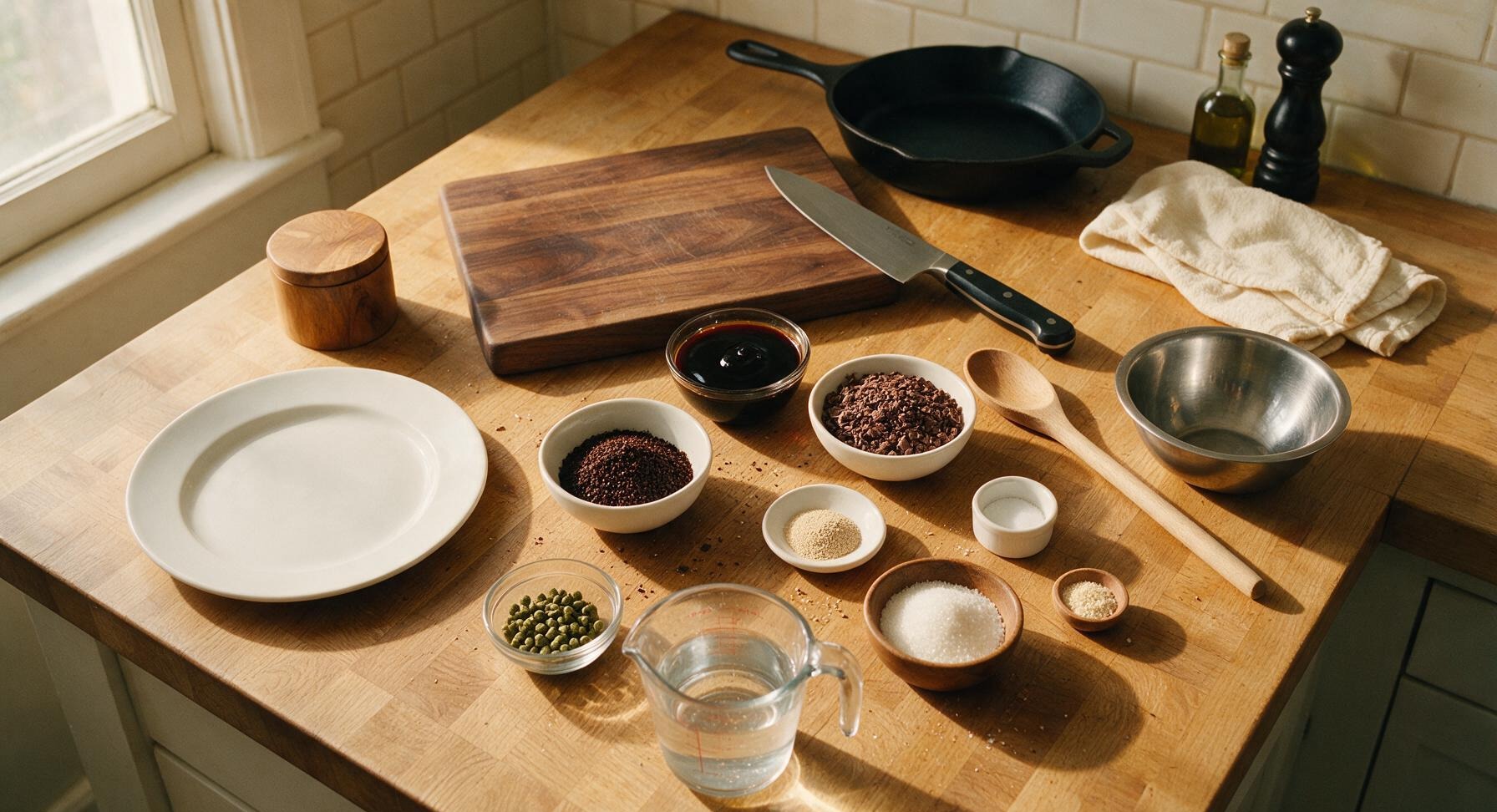
Dark liquid malt extract (Munich and dark crystal blend) 2 lbs (907g)
Crushed chocolate malt 4 oz (113g)
Medium-dark roast coarse ground coffee 2 oz (57g)
Cascade hop pellets 0.5 oz (14g)
Dry American ale yeast 1 packet (5g)
Yeast nutrient 1 tsp (5g)
Corn priming sugar 2 tbsp (25g)
No-rinse brewing sanitizer 1 tbsp (mixed with 32oz water)

Steps

1

Sanitize Brewing Gear

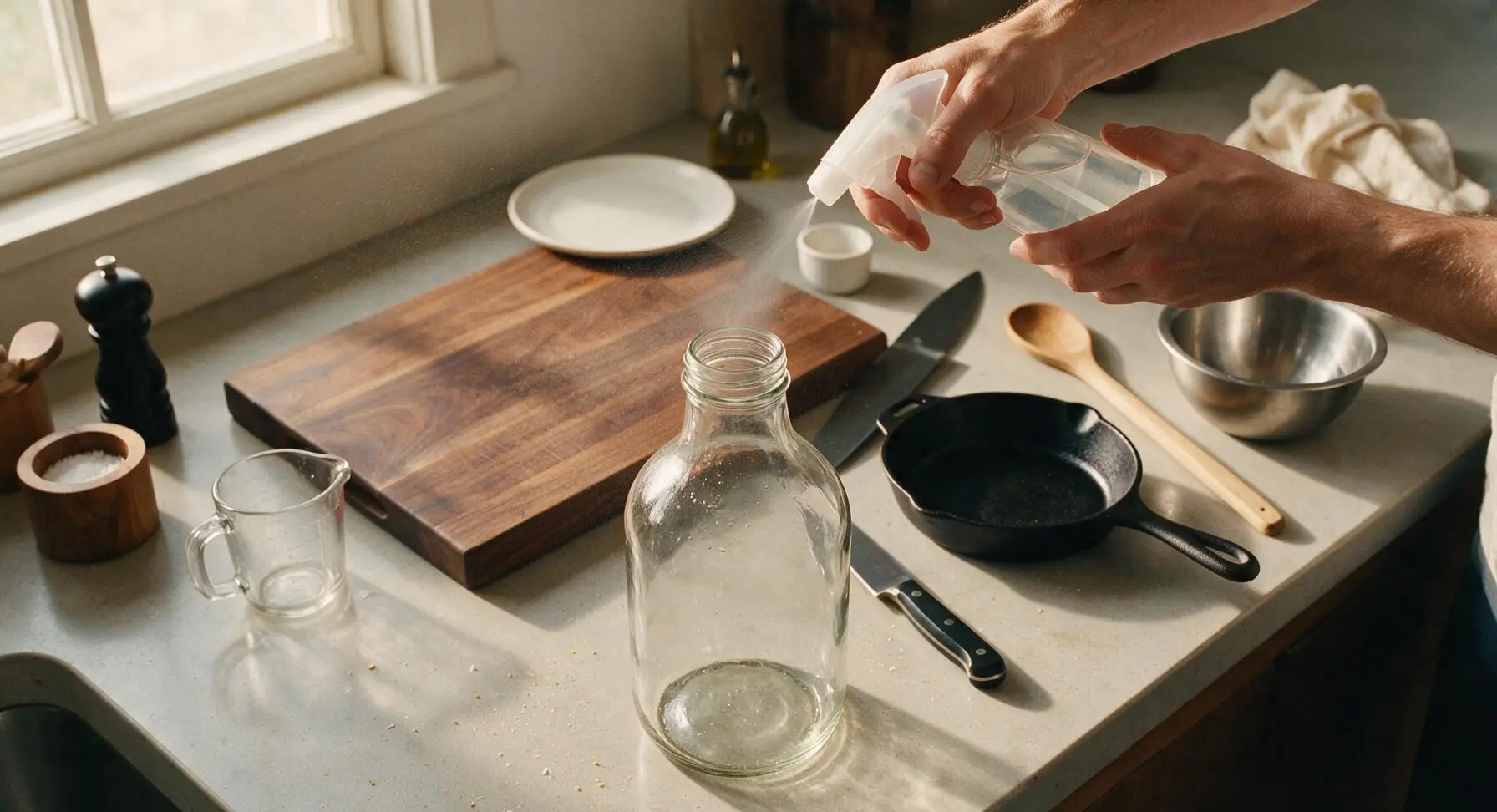
First, mix 1 tablespoon no-rinse sanitizer with 32oz cool water in the spray bottle. Thoroughly spray all surfaces of the brew pot, stirring spoon, thermometer, can opener, strainer, fermentation jug, airlock, and auto-siphon. Let sanitizer sit for 60 seconds, then drain excess liquid—no rinsing required. Proper sanitization prevents off-flavors from wild bacteria or yeast.
Step 1
step1:Sanitize Brewing Gear
2

Steep Roasted Grains

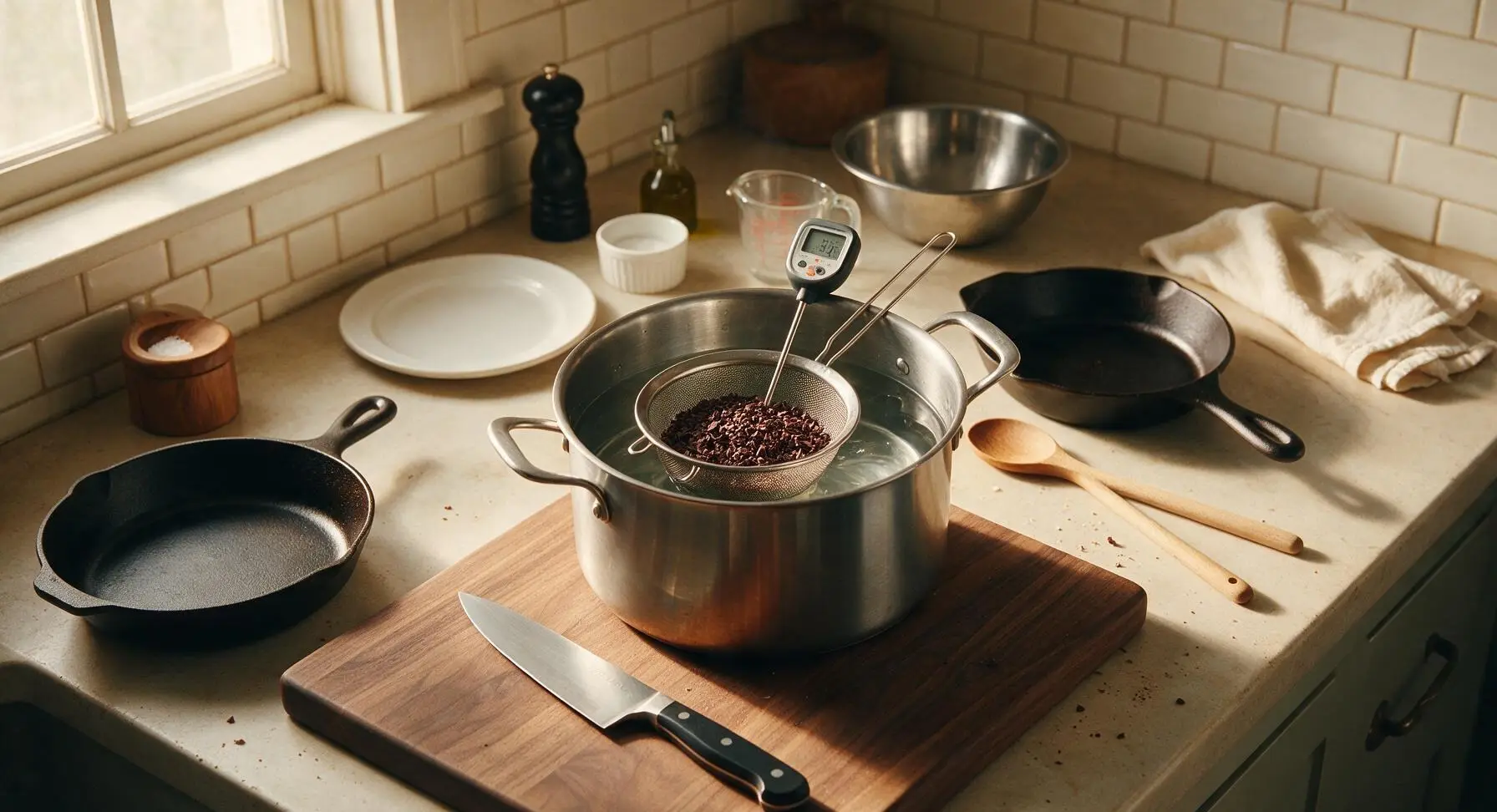
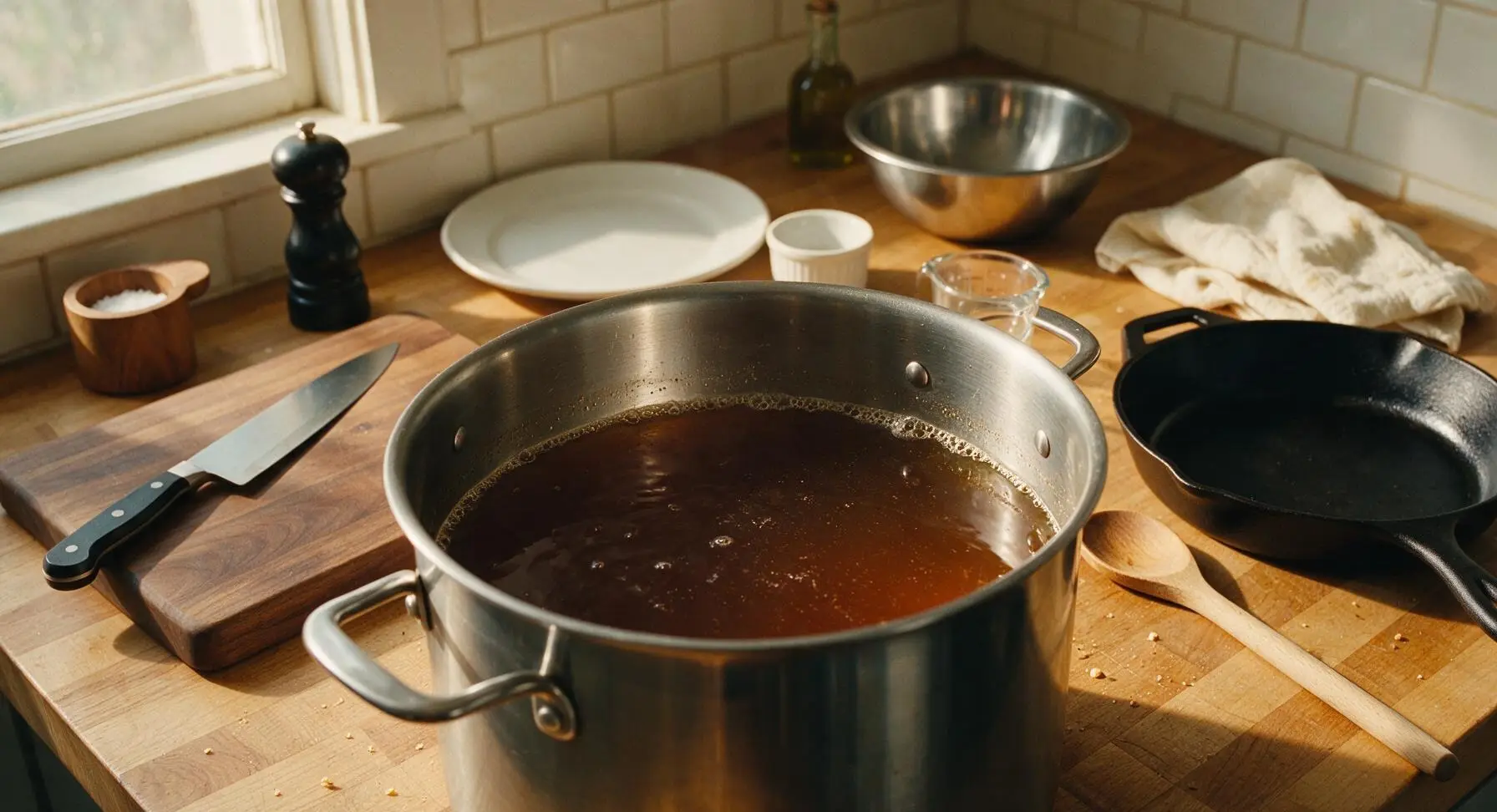
Pour 1 gallon of cool filtered water into the stainless steel brew pot, set to medium heat to bring water to 155°F (68°C). Place the 4oz crushed chocolate malt in the fine-mesh strainer, lower into the heated water, and steep for 20 minutes, holding temperature steady between 150-155°F. Do not let water boil during steeping, as this extracts harsh bitter tannins from grain husks. After 20 minutes, lift the strainer, let all liquid drain back into the pot, and discard spent grains.
Step 2
step2:Steep Roasted Grains
Step 2
step2:Steep Roasted Grains
3

Bring Wort to Boil

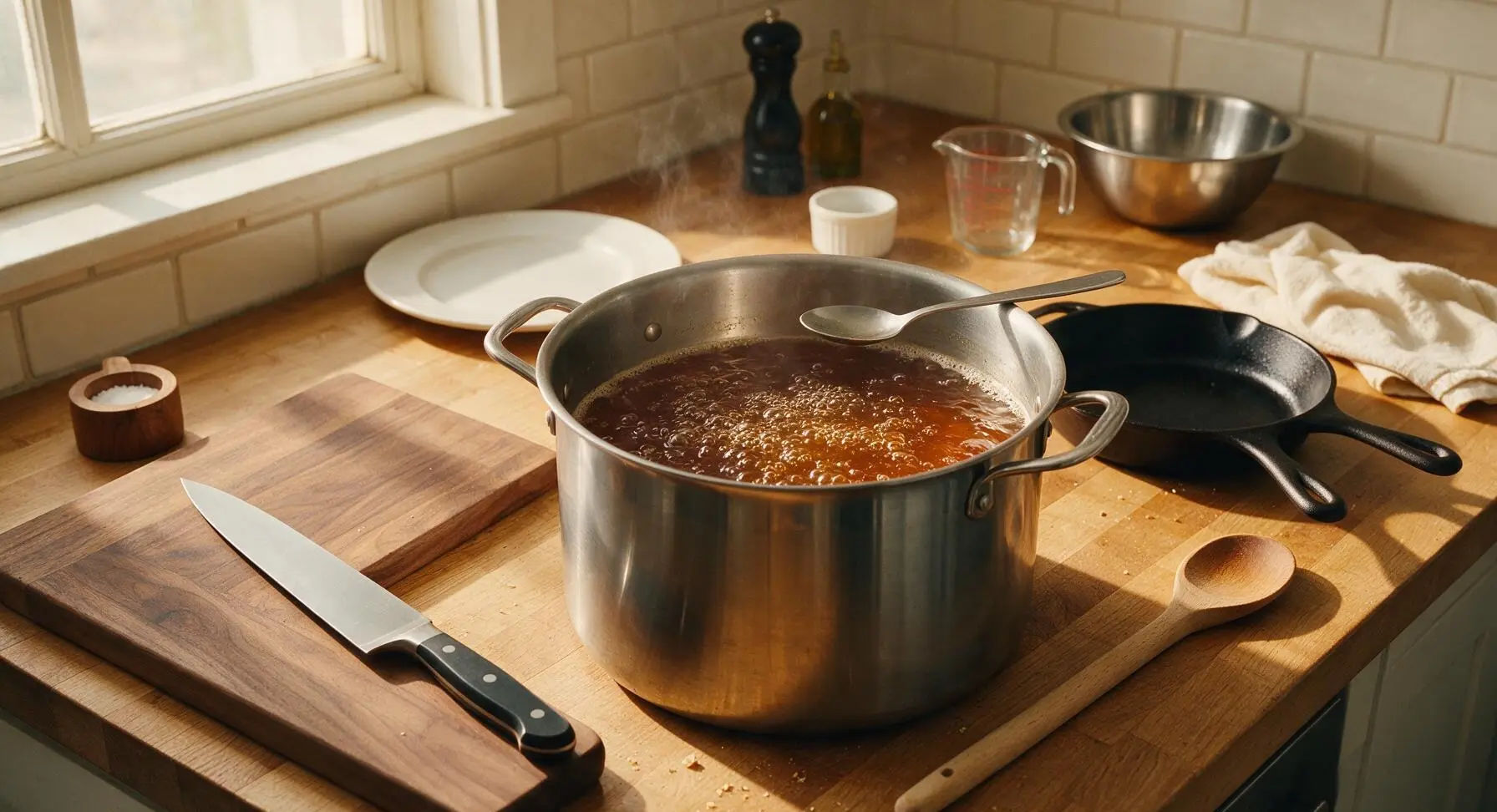
Increase heat to high to bring the steeped wort to a gentle, rolling boil (212°F/100°C at sea level). Watch closely to avoid boilovers, which occur quickly as sugary wort heats. Once a steady, non-violent rolling boil is reached, reduce heat slightly to maintain the boil without overflow.
Step 3
step3:Bring Wort to Boil
4

Add Malt and Hops

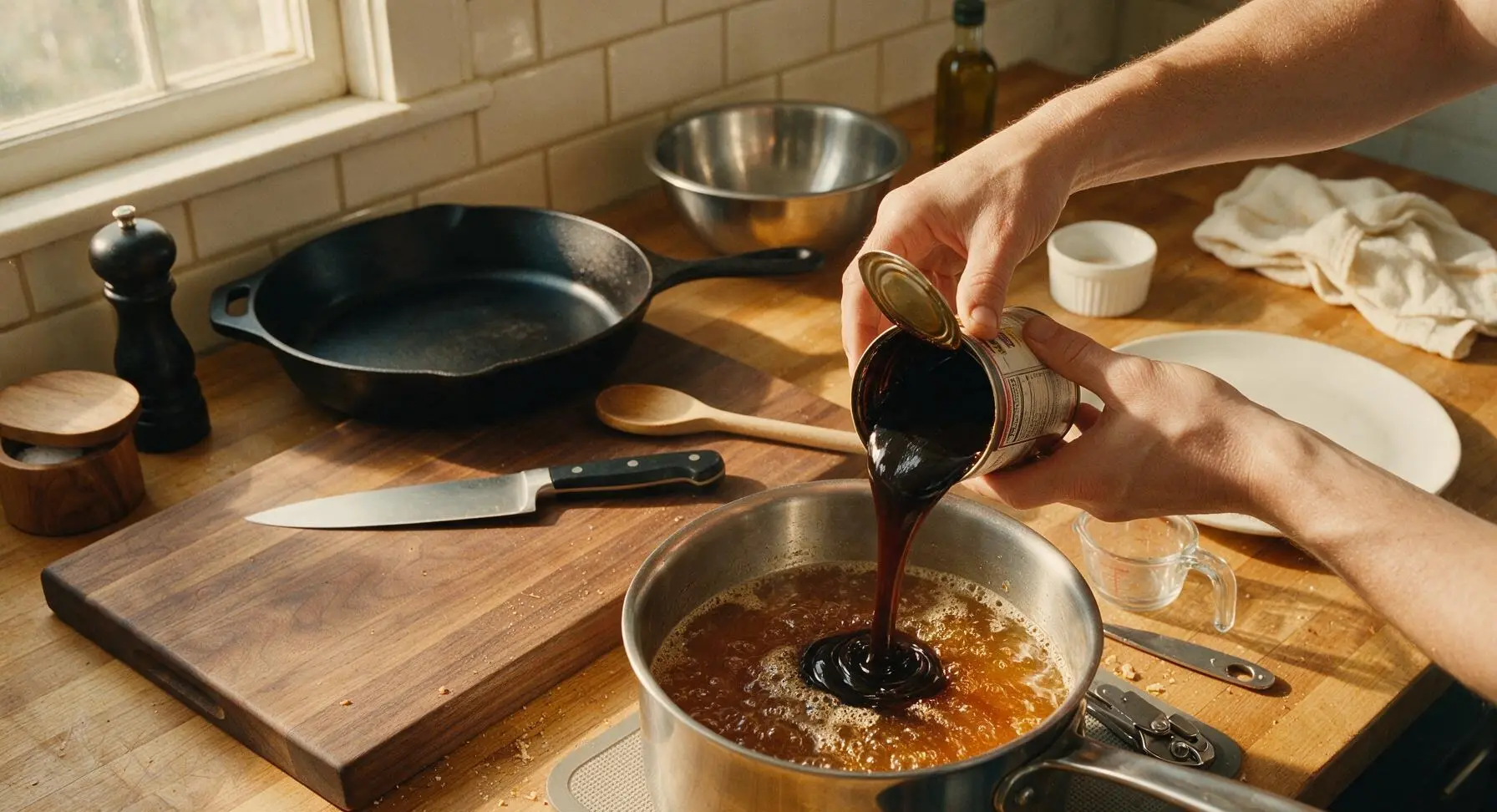
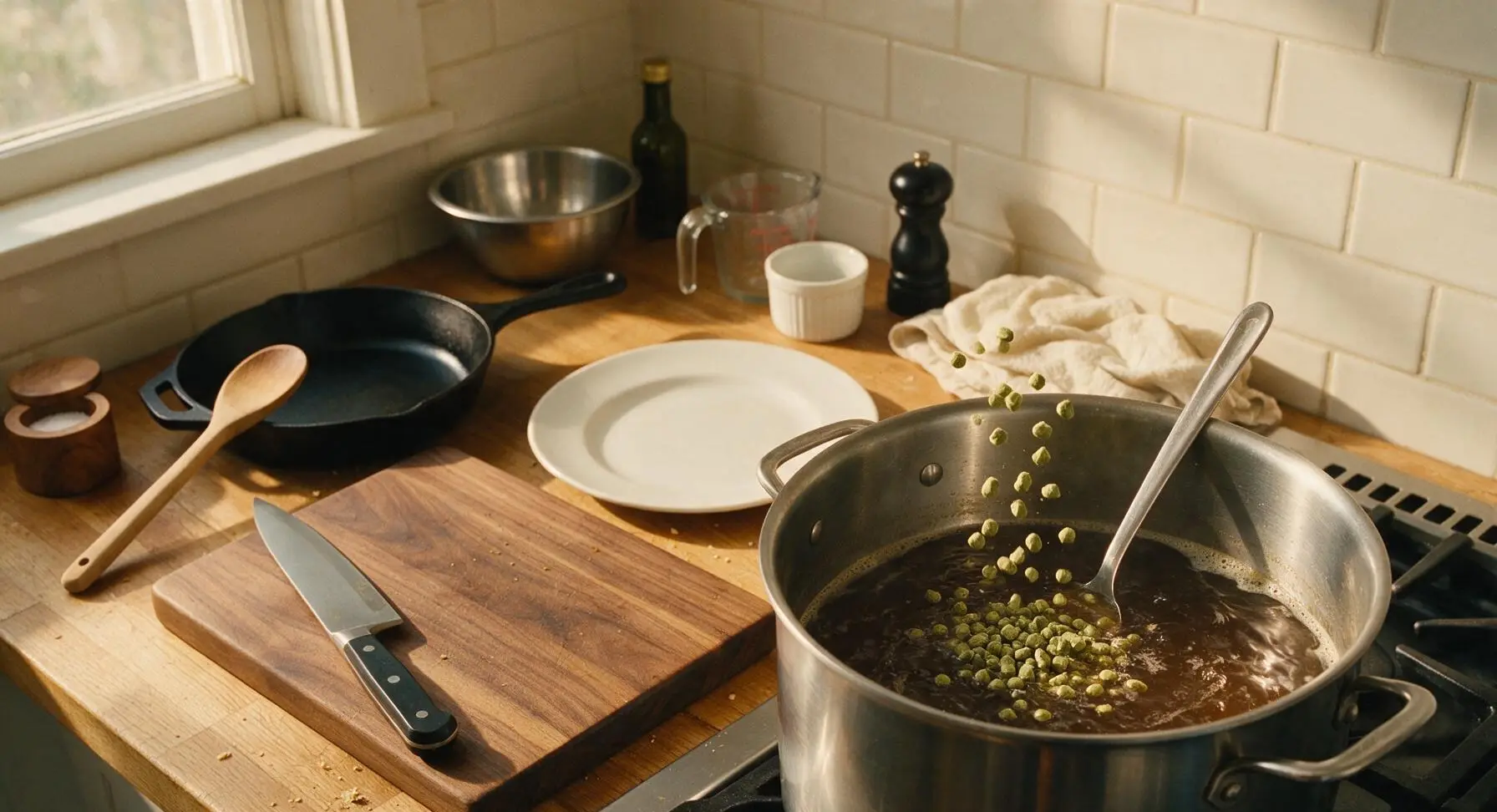
Stir the 2lbs of dark liquid malt extract into the boiling wort slowly with the stainless steel spoon, stirring constantly until fully dissolved to prevent burning on the pot bottom. Once dissolved, return to a gentle boil and set a 45-minute timer. Add 0.3oz of Cascade hop pellets at the start of the boil for bittering. With 5 minutes remaining on the timer, add the remaining 0.2oz Cascade hops and 1 tsp yeast nutrient, stirring gently to combine.
Step 4
step4:Add Malt and Hops
Step 4
step4:Add Malt and Hops
5

Cool Wort Rapidly

When the 45-minute boil completes, turn off heat immediately. Let the wort cool undisturbed on the counter until it reaches a steady 70°F (21°C), roughly 25 minutes. Do not cover the pot tightly while cooling, as trapped condensation can drip back into the wort and cause off-flavors. The wort is ready when the pot exterior feels lukewarm to the touch, and the thermometer holds 70°F for 2 consecutive minutes.
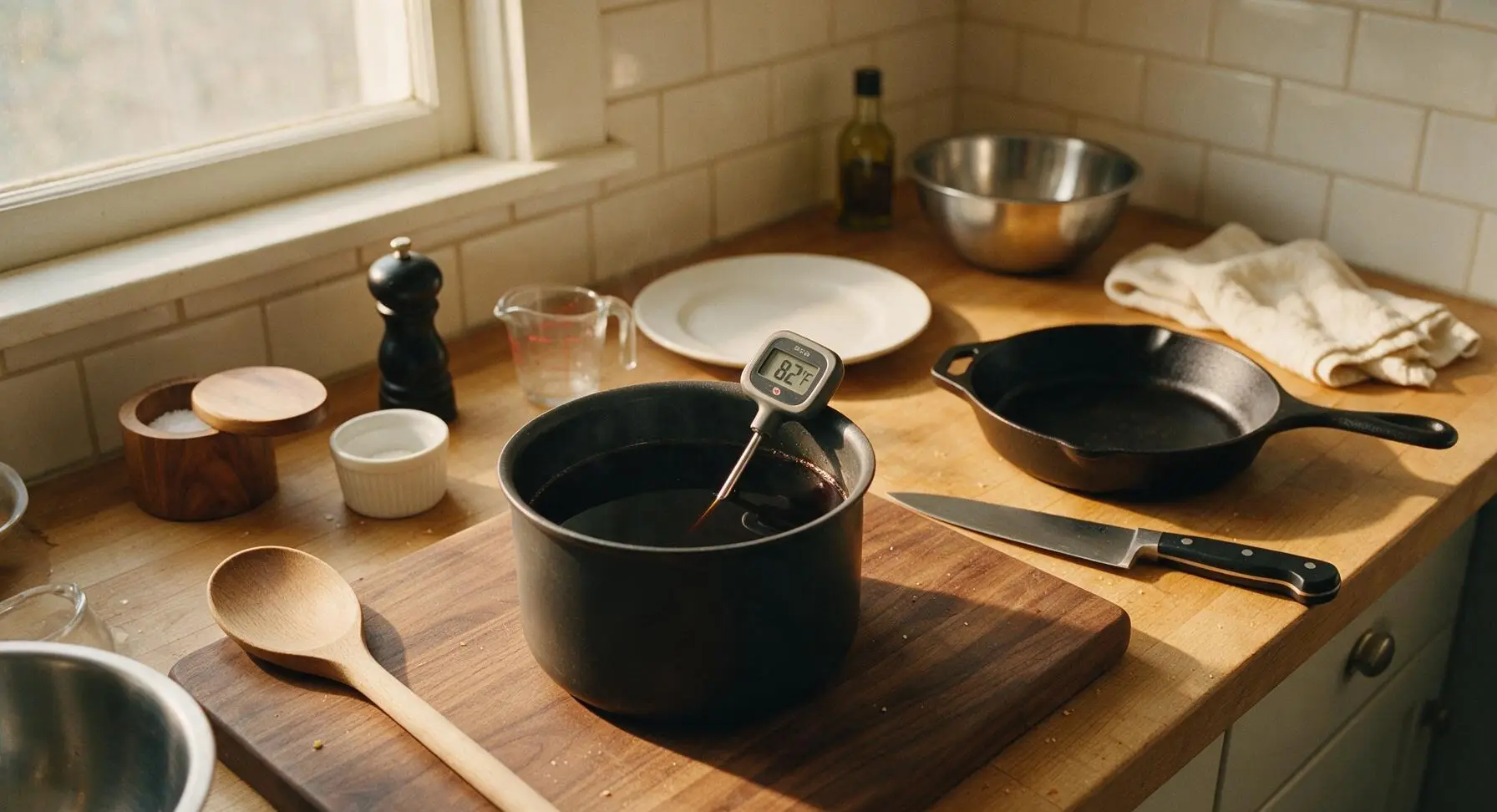
Step 5
step5:Cool Wort Rapidly
6

Pitch Ale Yeast

Set the fine-mesh strainer over the mouth of the sanitized 1-gallon fermentation jug. Pour the cooled wort through the strainer to filter out hop debris and fine grain sediment. Once all wort is transferred, sprinkle the entire 5g packet of dry American ale yeast evenly across the wort surface. Do not stir the yeast in; it will rehydrate and activate on its own within a few hours.
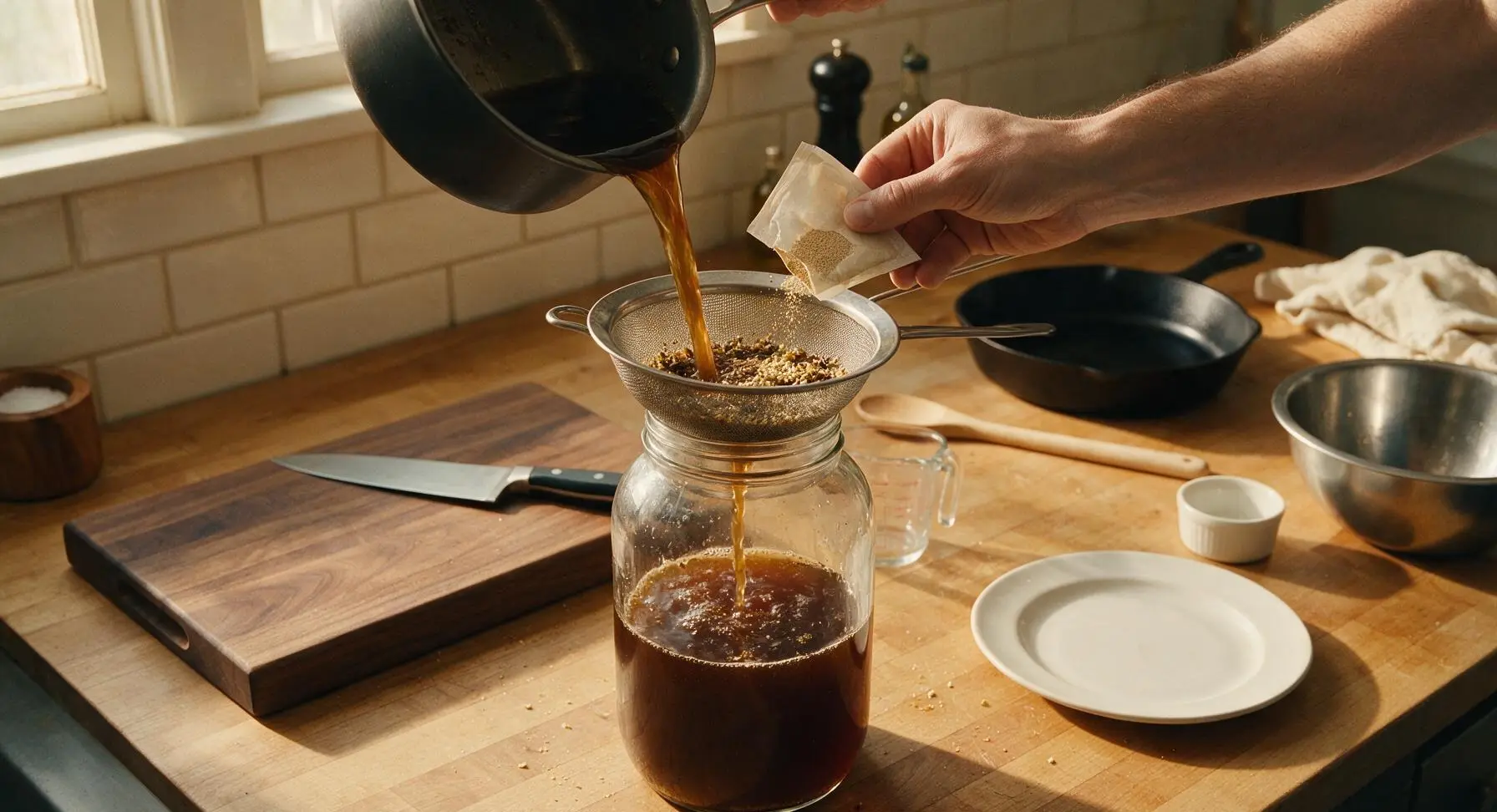
Step 6
step6:Pitch Ale Yeast
7

Add Coffee and Seal

Pour the 2oz coarse-ground medium-dark roast coffee directly into the wort in the fermentation jug. Adding coffee at cool pitching temperature (instead of during the boil) creates smooth, bright coffee flavor without harsh astringency. Fit the red rubber stopper into the jug mouth, fill the 3-piece airlock halfway with sanitizer solution, and press the airlock into the stopper. Move the jug to a dark, 65-70°F space to ferment for 10-14 days; active fermentation is marked by steady bubbles rising through the airlock every few seconds.
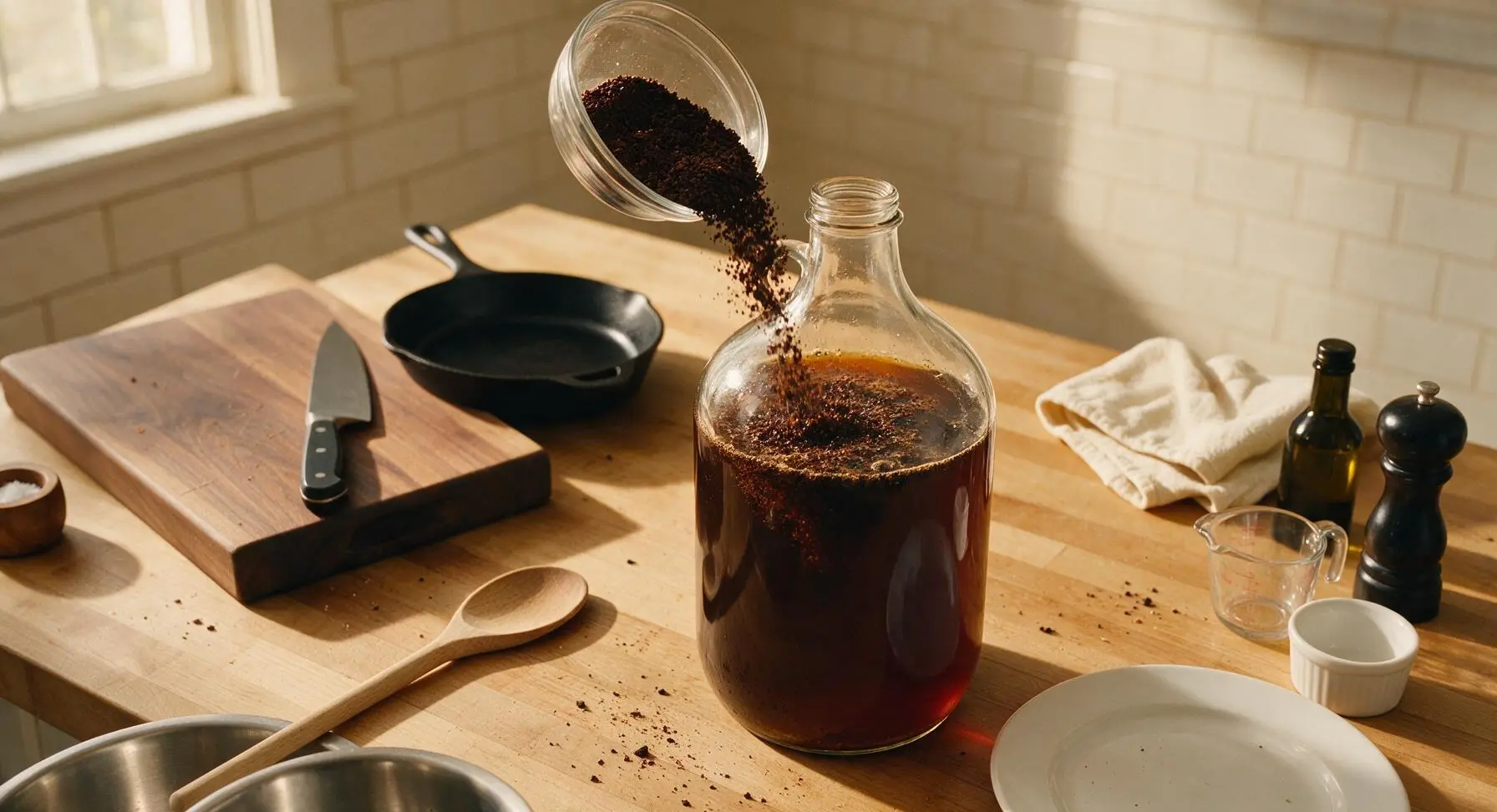
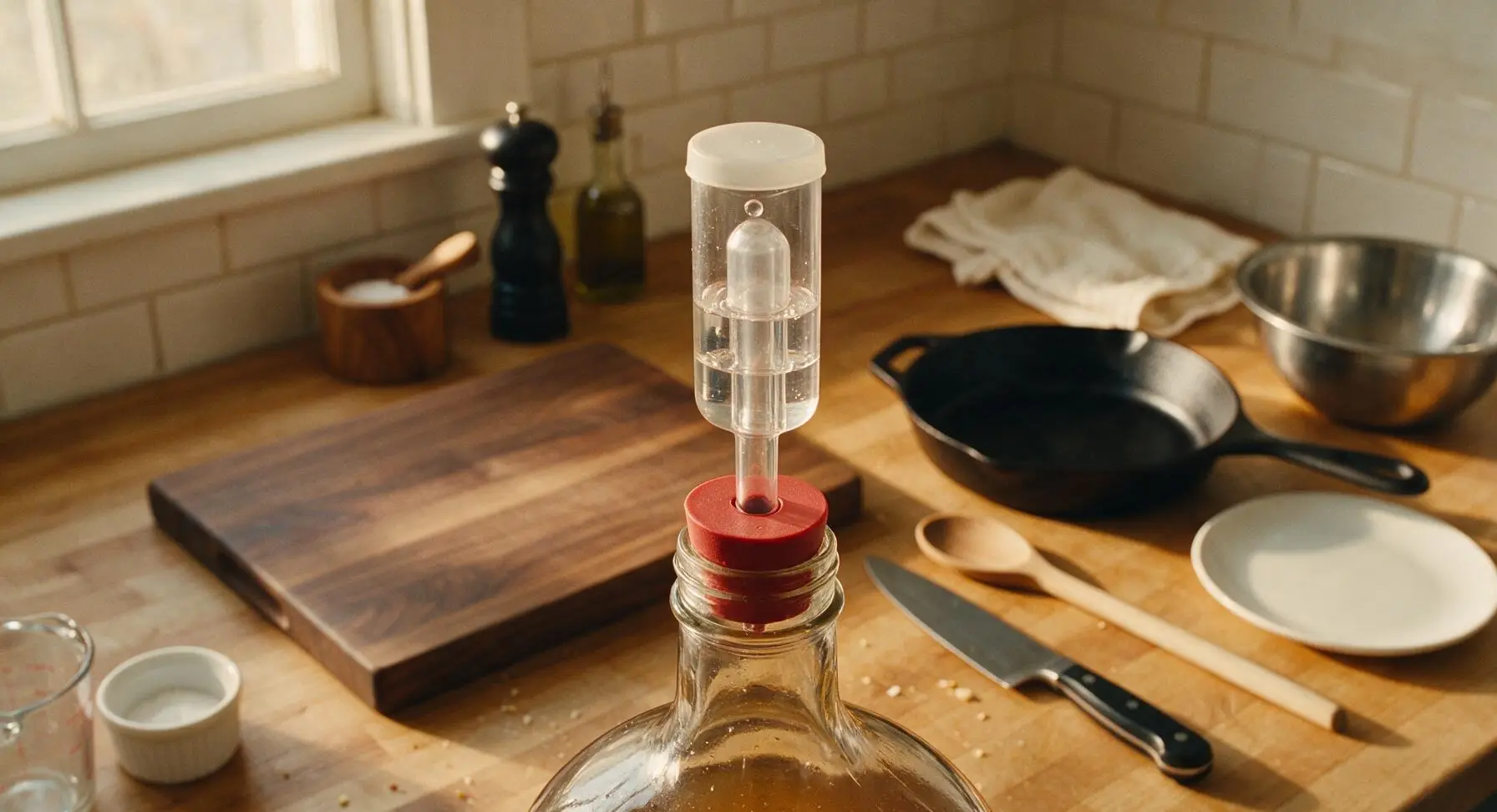
Step 7
step7:Add Coffee and Seal
Step 7
step7:Add Coffee and Seal
8

Bottle and Condition

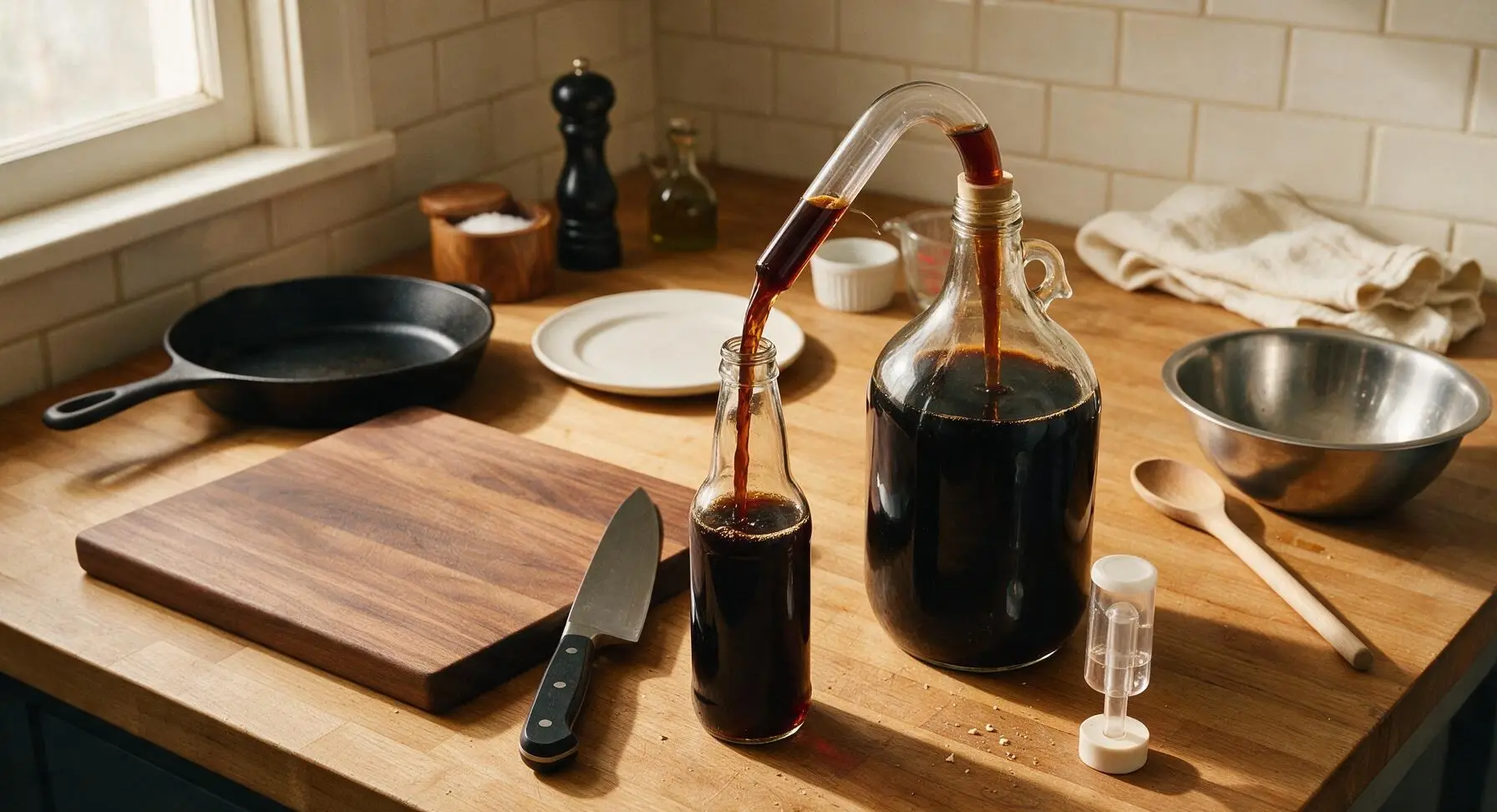
When airlock bubbling stops completely for 48 consecutive hours, and the wort appears clear with a thin layer of pale yeast sediment at the jug bottom, fermentation is complete. Use the sanitized auto-siphon to transfer finished porter into sanitized 12oz glass bottles, leaving 1 inch of headspace at the top of each bottle. Add 1/4 tsp corn priming sugar per bottle to create natural carbonation, then cap bottles tightly. Let bottles condition at room temperature for 7 days to carbonate, then chill for 48 hours before serving.
Step 8
step8:Bottle and Condition

Tips

1.Add coffee grounds only after wort cools to 70°F, never during the boil. Boiling coffee extracts harsh, astringent bitter compounds that overpower smooth chocolate malt notes, while cold infusion during fermentation brings out bright, roasty coffee flavor without bitterness.
2.Never skip sanitizing every surface that touches cooled wort. Unsanitized tools introduce wild bacteria and yeast that create sour, off-flavors that ruin an entire batch; no-rinse brewer’s sanitizer is inexpensive, leaves no aftertaste, and eliminates 99.9% of contaminants.
3.Let bottles condition for a full 7 days at room temperature before chilling. Chilling too early slows yeast activity and prevents proper carbonation, leading to flat, lifeless porter; the 48-hour chill period before serving also helps sediment settle for a crystal-clear pour.


✨ You May Also Like

Drinks & Beverages
🍜 Mexico

A bright, balanced tequila-based cocktail with zesty fresh lime, smooth orange liqueur, and a signature salt rim, perfect for warm summer sipping.

⏱️ 5 minutesDrinks & Beverages ★ 4.9
Drinks & Beverages
🍜 United States

Thick, creamy, nostalgic classic vanilla milkshake with a rich, smooth texture, topped with whipped cream and a cherry for cool, sweet refreshment.

⏱️ 5 minutesDrinks & Beverages ★ 4.7
Drinks & Beverages
🍜 United States

A bright, golden strong ale with fruity banana-clove notes, subtle hop spice, and soft carbonation, brewed in classic Trappist Tripel tradition.

⏱️ 2 hours aDrinks & Beverages ★ 4.5
Drinks & Beverages
🍜 United States

A frothy, nostalgic American soda fountain treat pairing bubbly cold root beer with creamy vanilla ice cream, perfect for cooling down at warm weather gatherings.

⏱️ 20 minuteDrinks & Beverages ★ 4.8
Drinks & Beverages
🍜 United States

Tart, funky, effervescent American Wild Ale is a complex fruity craft beer brewed with wild yeast, delivering bright, zesty notes perfect for warm-weather sipping.

⏱️ 2 hours aDrinks & Beverages ★ 4.4
Drinks & Beverages
🍜 United States

Bright, bubbly copycat of the iconic American caramel cola, balanced with citrus and warm spice, perfect for sipping ice-cold on hot days.

⏱️ 15 minuteDrinks & Beverages ★ 4.8

Coffee Porter:Frequently Asked Questions

1.What makes this cold-infused coffee porter different from standard coffee porters that use hot-brewed coffee? ▾
Unlike hot-brewed coffee additions that pull harsh, bitter, ashy compounds, cold infusion extracts smooth, sweet roasty coffee notes without astringency. It keeps the dark malt and subtle chocolate flavors front and center, creating a less sharp, more sippable brew that feels balanced instead of burnt, made for cool fall sipping.
2.Can I use a different coffee roast if I don’t have medium-dark roast on hand? ▾
Stick as close to medium-dark (full city roast) as possible. Light roasts add overly bright, fruity notes that clash with dark malt, while extra dark, oily French or Italian roasts bring harsh, burnt ash flavors. If you must swap, avoid any roast with visible surface oil, and keep the coarse grind size consistent.
3.Why does this recipe use Cascade hops instead of earthy, traditional English porter hops? ▾
Cascade’s mild, bright pine-citrus character cuts through the rich dark malt sweetness without competing with coffee and chocolate notes. Its low alpha acid content adds just enough balancing bitterness to keep the beer from feeling heavy, so it stays crisp and drinkable instead of cloying on cool autumn evenings.
4.How long should I cold-infuse the coffee for the best possible flavor? ▾
Steep coarse ground coffee directly in fully fermented, 60°F or cooler porter for 12 to 18 hours. Never steep longer than 24 hours, as that will pull bitter, astringent compounds that ruin the smooth profile. Strain all grounds completely before carbonating to avoid gritty sediment or stale off-flavors as the beer ages.
5.Can I swap crushed chocolate malt for chocolate syrup to get that chocolate finish? ▾
Skip the chocolate syrup entirely. Crushed chocolate malt adds nutty, toasty raw cacao notes from roasted grain without added sugar, while syrup makes the beer cloyingly sweet, throws off fermentation by feeding yeast unplanned extra sugar, and leaves a flat, artificial chocolate aftertaste that clashes with coffee notes.
6.What fermentation temperature works best for this porter with dry American ale yeast? ▾
Hold your wort at a steady 65°F to 68°F for the entire primary fermentation. This range prevents overly fruity, solvent-like off-flavors from too-warm temps, and avoids stuck fermentation from conditions that are too cold. Let it ferment 7 to 10 days, until bubbling fully stops, before adding your cold coffee infusion.
7.How carbonated should this porter be to get that described crisp, sippable texture? ▾
Aim for 2.2 to 2.5 volumes of CO2 when bottling or kegging. That’s slightly softer than a bright IPA, but crisp enough to cut through the rich roasty malt weight. Over-carbonating makes coffee notes taste sharp and acidic, while under-carbonating leaves the beer feeling flat and heavy, like plain cold coffee.
8.Can I use whole coffee beans instead of coarse ground coffee for the cold infusion? ▾
Whole beans won’t impart enough flavor in the 12–18 hour steep window, since their low surface area prevents those smooth roasty notes from extracting. If you only have whole beans, grind them to a coarse, French press consistency right before infusing for the freshest flavor, and sift out excess fine grounds to avoid sediment.
9.How long will the finished Cold-Infused Coffee Porter stay fresh? ▾
Properly sealed, carbonated bottles or kegs will stay fresh for 3 to 4 months when stored in a dark, 45°F to 55°F spot (a cool cellar or fridge works great). The delicate coffee notes will fade after that window, and you’ll start to notice stale, papery off-flavors, so plan to drink it within that timeframe.
10.What’s a good substitute if I can’t find the Munich and dark crystal blended dark liquid malt extract? ▾
Mix 6 pounds of plain dark liquid malt extract with 8 ounces of crushed Munich malt and 4 ounces of crushed dark crystal malt. Steep those crushed grains for 20 minutes at 155°F before adding the extract to your boil, and you’ll replicate the rich, toasty, slightly caramelized malt backbone the recipe calls for.
11.Why is the coffee added cold post-fermentation instead of during the hot boil? ▾
Adding coffee to the hot boil cooks delicate coffee compounds, creating harsh, burnt, ashy flavors that stick around through fermentation. Cold infusing after fermentation is complete preserves the smooth, sweet, nuanced roast flavor that complements the malt and chocolate, instead of overpowering it with bitter, cooked coffee notes.
12.Do I need to rehydrate the dry American ale yeast before pitching it? ▾
You can sprinkle it directly on cooled wort if you’re short on time, but rehydrating in 4 ounces of 95°F sterile, unchlorinated water for 15 minutes before pitching gives a faster, more consistent fermentation start. It also cuts down on sulfury, yeasty off-notes and reduces the risk of a stuck fermentation mid-batch.
13.Can I add extra coffee or chocolate malt to make those flavors more intense? ▾
Stick to the recipe measurements: max 2 ounces of coarse coffee per 5-gallon batch, and don’t exceed the called-for amount of chocolate malt. Too much coffee leads to astringent, overly bitter, unnecessarily caffeinated beer, while extra chocolate malt creates harsh, acrid burnt flavors that throw off the smooth balance.
14.Do I need to move the beer to a secondary fermenter before adding the coffee? ▾
You don’t need a dedicated secondary vessel at all. Once primary fermentation finishes, add the strained cold coffee directly to the primary fermenter, let it rest 24 hours for sediment to settle, then bottle or keg. This cuts down on oxidation risk and extra cleanup without sacrificing any flavor depth in the finished beer.
15.What foods pair best with this Cold-Infused Coffee Porter? ▾
It’s made for fall eating: pair it with spiced apple crisp, salted caramel brownies, or roasted spiced nut mixes for casual sipping. The roasty coffee and malt notes also cut through rich, fatty foods like smoked brisket sliders or sharp aged cheddar, making it ideal for bonfires, tailgates, or cozy porch nights.

Comments (3)

3 days ago

OMG, this cold-infused coffee porter is a total game changer! I brought a batch to my buddy’s backyard potluck last weekend and every single person was hounding me for the recipe. I swapped in a medium roast for my second batch instead of the suggested light roast for the cold infusion and it came out even nuttier, SO good. Only heads up is the steep time is easy to mess up if you zone out, so definitely set a timer!

2 days ago

Wait quick question—did you steep the coffee separately first or toss the grounds right in with the porter base? I botched my last coffee beer and it got so bitter I had to dump half the batch, don’t wanna make that same mistake again!

1 day ago

Great question! For this cold infusion method, add coarsely ground coffee directly to the finished porter base right after primary fermentation, and don’t let it steep longer than the 12 hour mark noted in the recipe to avoid that harsh, over-extracted bitter taste. So stoked your potluck batch was such a hit, Jake!

1 week ago

I made this for my husband’s birthday dinner with the whole extended family last night, and he said it’s way better than the overpriced coffee porter we get at our local craft brewery! I was nervous at first because the difficulty is listed as medium, and I’ve only tried basic homebrewing once before a couple years ago, but the steps were so clear and easy to follow, plus the active cook time is only a little over an hour which was way less of a time commitment than I expected. My brother-in-law already begged me to teach him to make a batch for his college football tailgate next month.

5 days ago

So happy this was a birthday win for your husband! Quick pro tip if you’re making a batch for the tailgate: you can do the cold infusion 2-3 days ahead, seal it up in clean growlers, and keep it cold in the fridge—it holds up perfectly and saves you last minute work before the game.

just now

Tried this last night as my weekend fun drink prep (yes, I count good beer as meal prep, don’t @ me) and it turned out so dang smooth. I was worried the coffee flavor would be way too strong and overpower the malty porter taste, but it’s perfectly balanced. Only tiny thing is I wish the recipe noted how long it stays fresh in the fridge, but I guess I’ll just have to test that by drinking it over the next week—tough job, right? 😂



