1.Do I need to rinse the corned beef brisket before cooking it?
▾
Absolutely—corned beef is cured in a heavily salted brine, so a quick 30-second rinse under cool running water before cooking removes excess surface salt that would make the final dish overly salty. Pat it dry with paper towels after rinsing to help pickling spices adhere better if you sear the brisket first for extra savoriness.
2.Can I make this recipe in a slow cooker instead of on the stovetop?
▾
You bet! Place the rinsed corned beef and pickling spice in the slow cooker first, cover with low-sodium beef broth or water, and cook on LOW for 8 to 9 hours. Add quartered Yukon Gold potatoes, carrot chunks, and onion during the last 2 hours, then add cabbage wedges for the final 45 minutes to avoid mushy veggies.
3.What if my corned beef didn’t come with a pickling spice packet?
▾
No need to panic! Whip up a quick substitute with 1 teaspoon each of whole black peppercorns, mustard seeds, coriander seeds, 2 crushed bay leaves, ½ teaspoon whole allspice, and a pinch of crushed red pepper. Tie the mix in cheesecloth for easy removal after cooking, and you’ll get that same classic warm, tangy flavor.
4.How do I know when the corned beef is fully cooked and tender?
▾
The corned beef is done when a fork slides into the thickest part of the brisket with almost no resistance, which usually hits around 195°F on an instant-read thermometer. Don’t rely on set cook times alone—brisket size varies, so start checking doneness 30 minutes early to avoid tough, undercooked meat.
5.Why does my corned beef always turn out too salty?
▾
Overly salty corned beef usually comes from skipping the pre-cook rinse, using full-sodium cooking liquid, or adding veggies too early to cook directly in concentrated brine. For a milder result, rinse the brisket well, use low-sodium broth or fresh water, or soak the brisket in cold water for 2 hours pre-cook to draw out excess salt.
6.Can I prep this dish the night before St. Patrick’s Day to save time?
▾
You can tackle nearly all prep the night before! Rinse and trim the corned beef, chop your carrots, yellow onion, and Yukon Gold potatoes, and cut cabbage into wedges, storing all veggies in sealed airtight containers in the fridge. You can even cook the brisket a day early, slice it against the grain, and reheat gently in its cooking liquid the next day.
7.Should I cut the cabbage into big wedges or shred it for this recipe?
▾
Stick with 2-inch thick wedges for classic St. Patrick’s Day corned beef and cabbage—shredded cabbage will turn mushy and fall apart during slow cooking. Leave the core intact on each wedge to help leaves hold their shape, then toss cooked wedges with a pat of melted butter and black pepper before serving for extra richness.
8.Why do people eat corned beef and cabbage on St. Patrick’s Day?
▾
This dish is an Irish-American staple, not a traditional Irish meal! 19th-century Irish immigrants in the U.S. found corned beef was a cheap, accessible alternative to the Irish bacon they ate back home, pairing it with affordable cabbage and root veggies for a hearty meal that became tied to St. Patrick’s Day over time.
9.What’s the best way to cut cooked corned beef so it’s not chewy?
▾
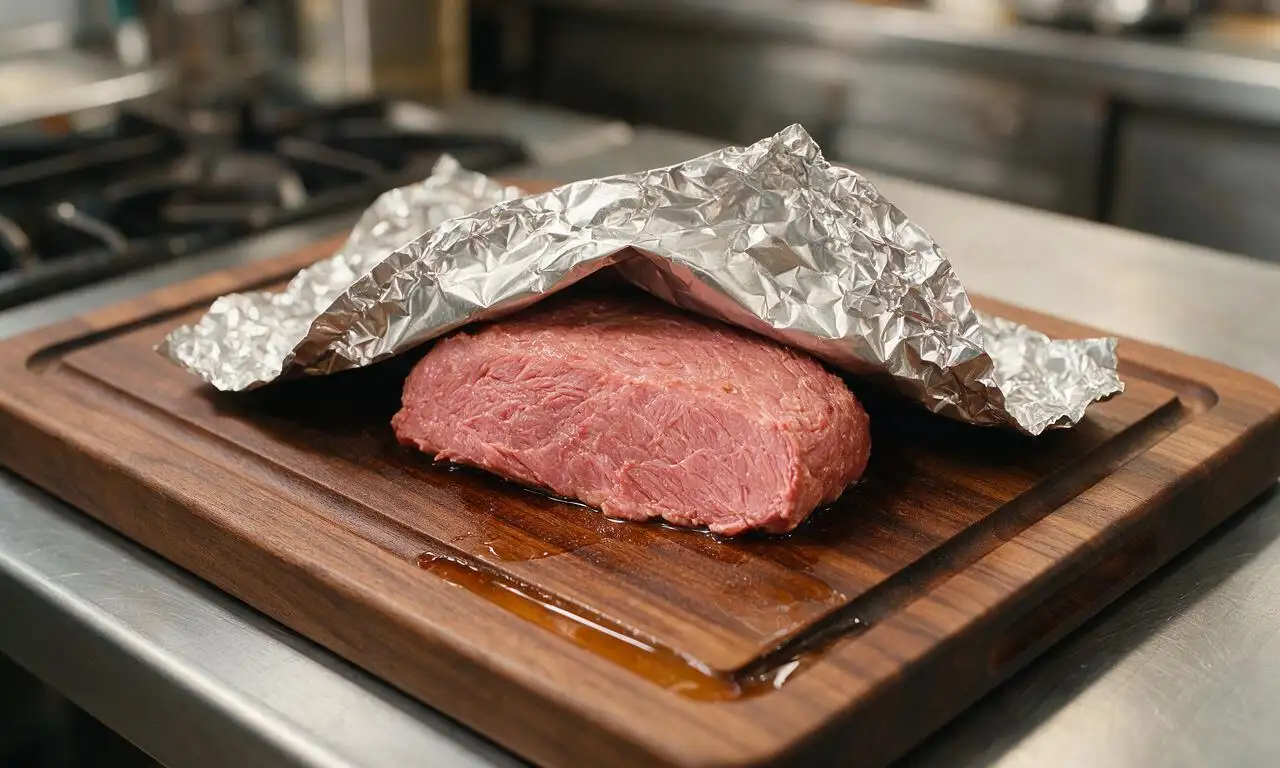
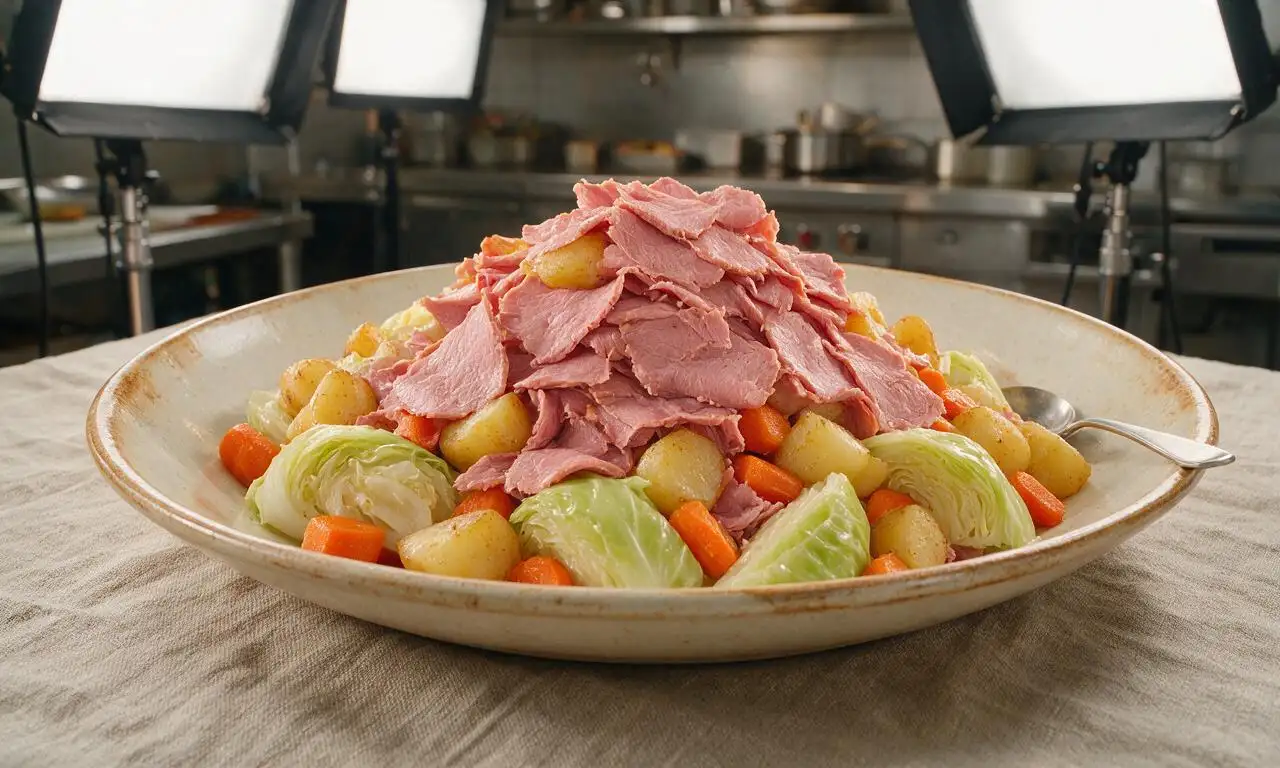
Always slice corned beef against the grain, meaning you cut perpendicular to the long, visible muscle fibers running through the brisket. Cut slices about ¼-inch thick, and if you notice long stringy fibers pulling as you slice, turn the meat 90 degrees—this shortens tough fibers for melt-in-your-mouth tender bites every time.
10.Can I use red potatoes instead of Yukon Golds for this recipe?
▾
You absolutely can, though Yukon Golds are my top pick for their creamy, buttery texture that holds up beautifully during long cooking. Red potatoes have a slightly firmer, waxier texture that works fine too—just cut them into 2-inch chunks so they cook at the same rate as your carrot pieces, and don’t add them too early or they’ll turn mealy.
11.How long do leftovers keep in the fridge, and what’s the best way to reheat them?
▾
Leftovers will stay fresh for 3 to 4 days stored in a sealed airtight container in the fridge. For the best texture, reheat sliced corned beef and veggies gently in a small amount of reserved cooking liquid on the stovetop over low heat, rather than microwaving on high, which can make brisket tough and cabbage mushy.
12.Do I need to sear the corned beef before slow cooking it?
▾
Searing isn’t required, but it adds a wonderful deep, savory crust that boosts the overall flavor of the dish. If you have 5 extra minutes, pat the rinsed brisket dry, then sear it on all sides in a hot Dutch oven with a little oil before adding liquid and spices. It’s a small step that makes a noticeable difference, but you can skip it if you’re short on time.
13.My cabbage always turns out mushy—how do I avoid that?
▾
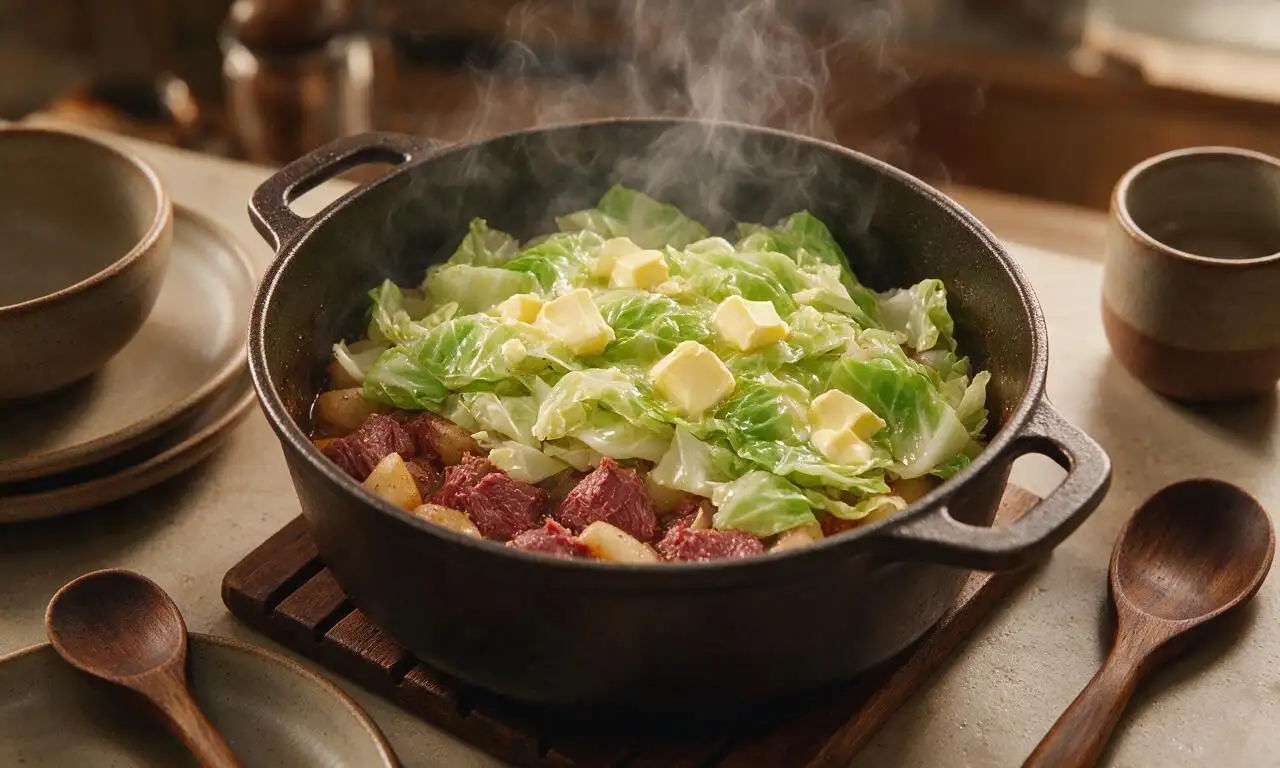
Mushy cabbage almost always comes from adding it too early in the cooking process. Cabbage breaks down much faster than dense root veggies like potatoes and carrots, so wait to add your cabbage wedges until the last 30 to 45 minutes of cook time, whether you’re using the stovetop, oven, or slow cooker. This leaves it tender with a pleasant, subtle bite.
14.Can I add other veggies to this recipe, or should I stick to the classic mix?
▾
The classic potato, carrot, onion, and cabbage mix is traditional, but you can absolutely add other sturdy root veggies if you’d like! Parsnips, turnips, and small chunks of rutabaga work beautifully, just cut them to the same size as your potato chunks so they cook evenly. Skip soft veggies like zucchini, which turn to mush during long cooking.
15.Is there a way to make this recipe without alcohol? I’ve seen versions that call for beer.
▾
Absolutely! Many modern recipes add dark beer for depth, but it’s not required for an authentic, delicious result. Use low-sodium beef broth, or a mix of half water and half low-sodium chicken broth, as your cooking liquid, and you’ll get that same rich, savory flavor without alcohol—perfect for kids or guests who avoid alcohol.
16.What should I serve alongside corned beef and cabbage for a full St. Patrick’s Day meal?
▾
This dish is a hearty one-pot meal on its own, but a few simple sides make it feel extra festive. Serve it with spicy brown mustard or horseradish cream for dipping the corned beef, warm Irish soda bread with salted butter, and a light green salad to cut through the rich, savory flavors of the brisket and buttery veggies.

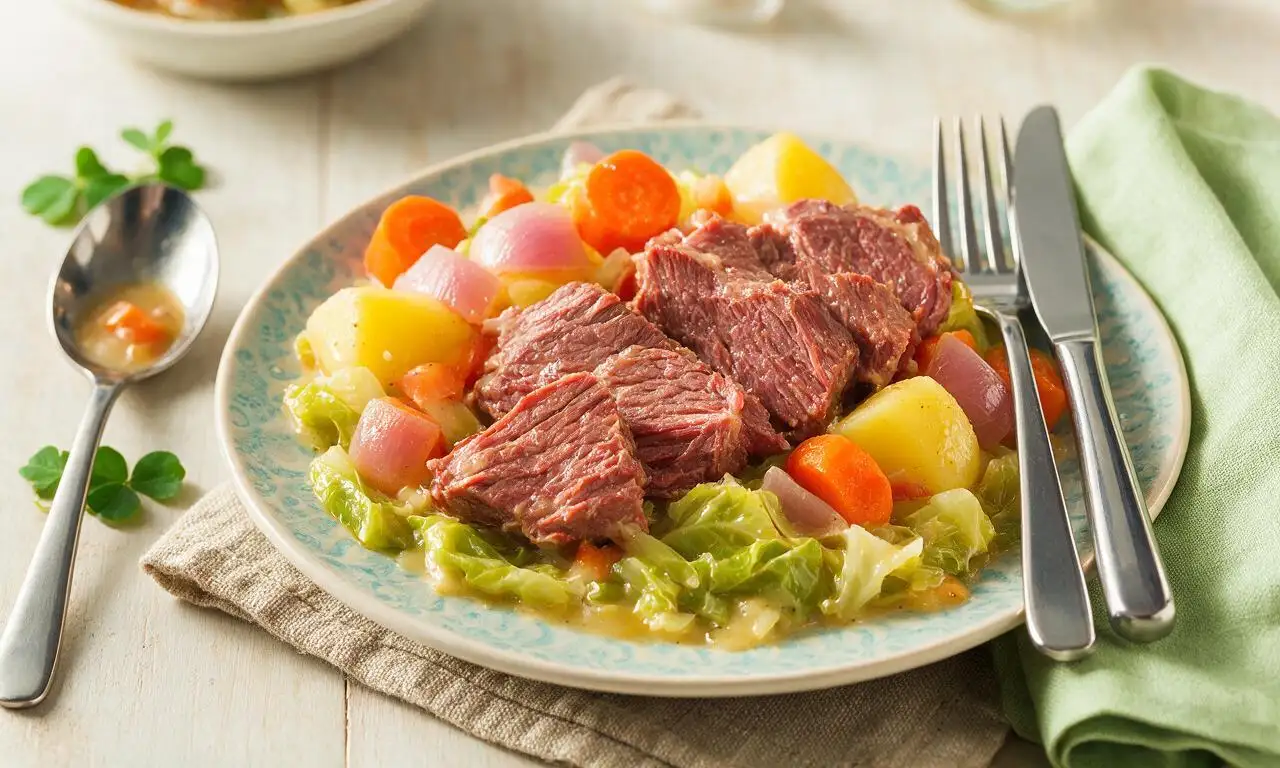




OMG, this recipe was such a hit at our St. Patrick’s Day family dinner! I was nervous I’d overcook the corned beef since I’ve never made it before, but the directions were so straightforward even my 10 year old helped chop the veggies. The meat came out fall-apart tender, and the cabbage had just the right amount of savoriness from the braising liquid. My kids even asked for seconds of cabbage, which NEVER happens. SO good, will be making this every year from now on!
Game changer! I tested this recipe ahead of my office St. Paddy’s potluck this weekend, since I’ve made corned beef every year for the last 10 years and always boiled it to death, it came out tough half the time. This low and slow braise method? Perfect. I tossed in a few extra red potatoes like my grandma used to and it worked like a charm. My roommate tried a bite and begged for the recipe, so I know it’ll be a hit. Zero leftovers from the test batch, that’s how you know it slaps.
Super easy for a first time corned beef maker! I live in a tiny apartment with a tiny oven so I was worried it wouldn’t fit, but my Dutch oven worked perfectly. Only reason I’m not giving 5 stars is I wish it had a note about how salty the corned beef brisket can be if you don’t rinse it first! I almost skipped that step and it would’ve been way too salty. Other than that, turned out great, fed me and my 3 roommates for 2 days of meal prep.
I’m 72 years old and I’ve been making corned beef and cabbage for St. Patrick’s Day longer than most of y’all have been alive, and I have to say—this recipe is dead on. I’ve messed with all kinds of fancy add-ins over the years, but going back to the simple, classic seasonings and low slow cook time? It tastes just like my mom made back in Boston. My grandkids came over and ate three plates each. No notes, 10/10.
Made this for our neighborhood block party St. Pattys cookout and it was a total showstopper! I was worried the 3 and a half hour cook time would be too long for a weekend cook, but most of that is hands off so I was able to get the rest of the food prepped while it braised. The carrots were my favorite part, they soaked up all that delicious broth. 10/10, already saved to my recipe folder for next year.
Wait quick question—can I make this in a slow cooker instead of the oven? I made this last year and it was incredible, but this year I work from home and am in back to back meetings all day on St. Patrick’s Day, so I won’t be able to check the oven every hour. Would love to throw it in the Crockpot first thing in the morning!
Meal prep win! I made a big batch of this on Sunday and it’s held up perfectly all week for lunches. The meat gets even more flavorful when it sits in the broth for a couple days, honestly. I added a splash of apple cider vinegar to my portions when I reheated it and it kicked it up a notch. Super easy, minimal cleanup, totally worth the cook time.
Really solid recipe! The cook time was spot on, the corned beef was perfectly tender. My only small tweak was adding a little extra black pepper and a pinch of caraway seeds to the braising liquid because I love that rye bread vibe with corned beef. Will definitely be making this again, might even try it with Guinness in the broth next year for fun.