
Cream Stout
intro
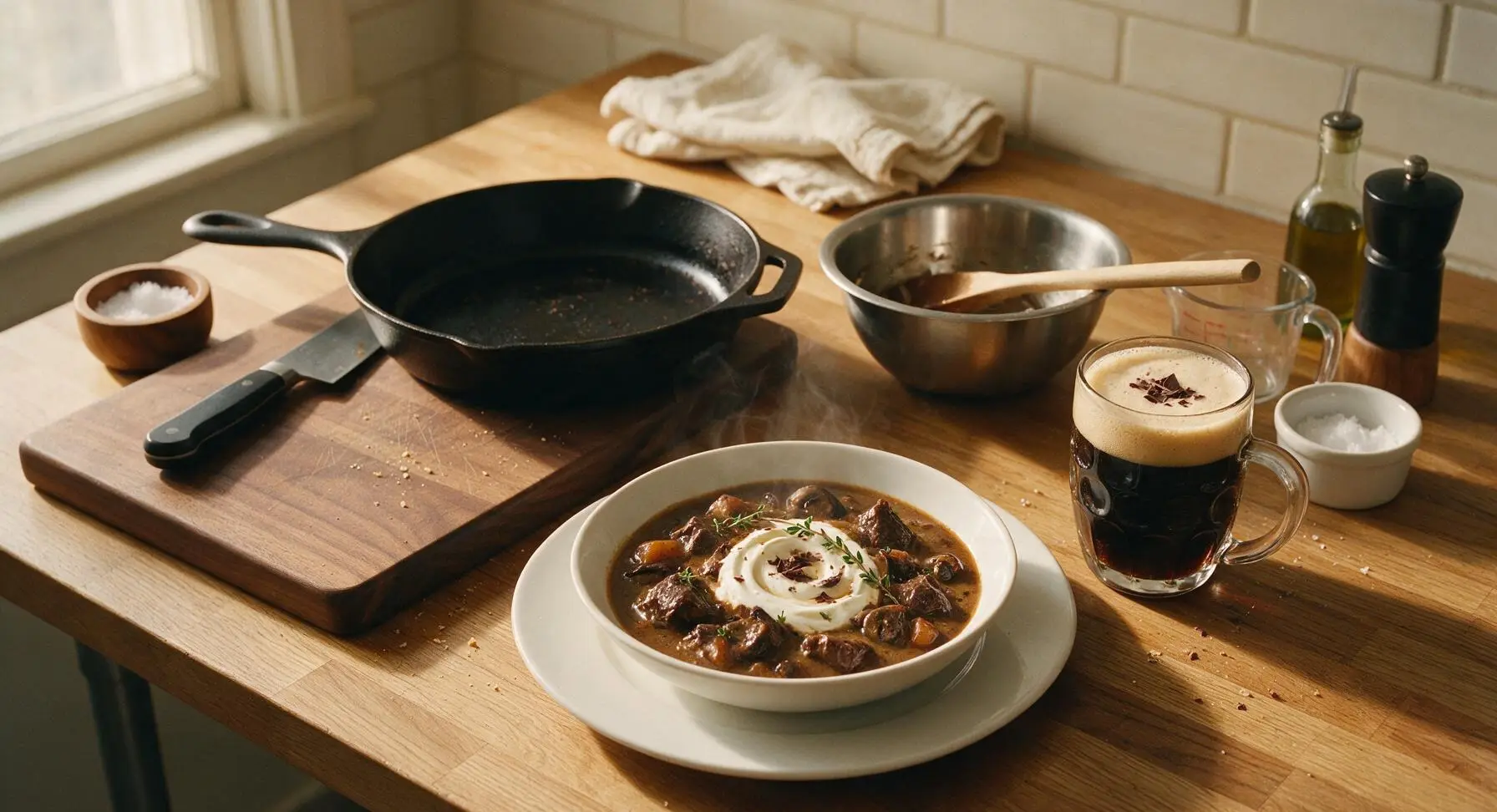
Velvety, roasty cream stout with notes of dark coffee, bittersweet chocolate, and smooth milky sweetness, balanced by mild earthy hop bitterness. Perfect for slow sipping on cold winter nights.
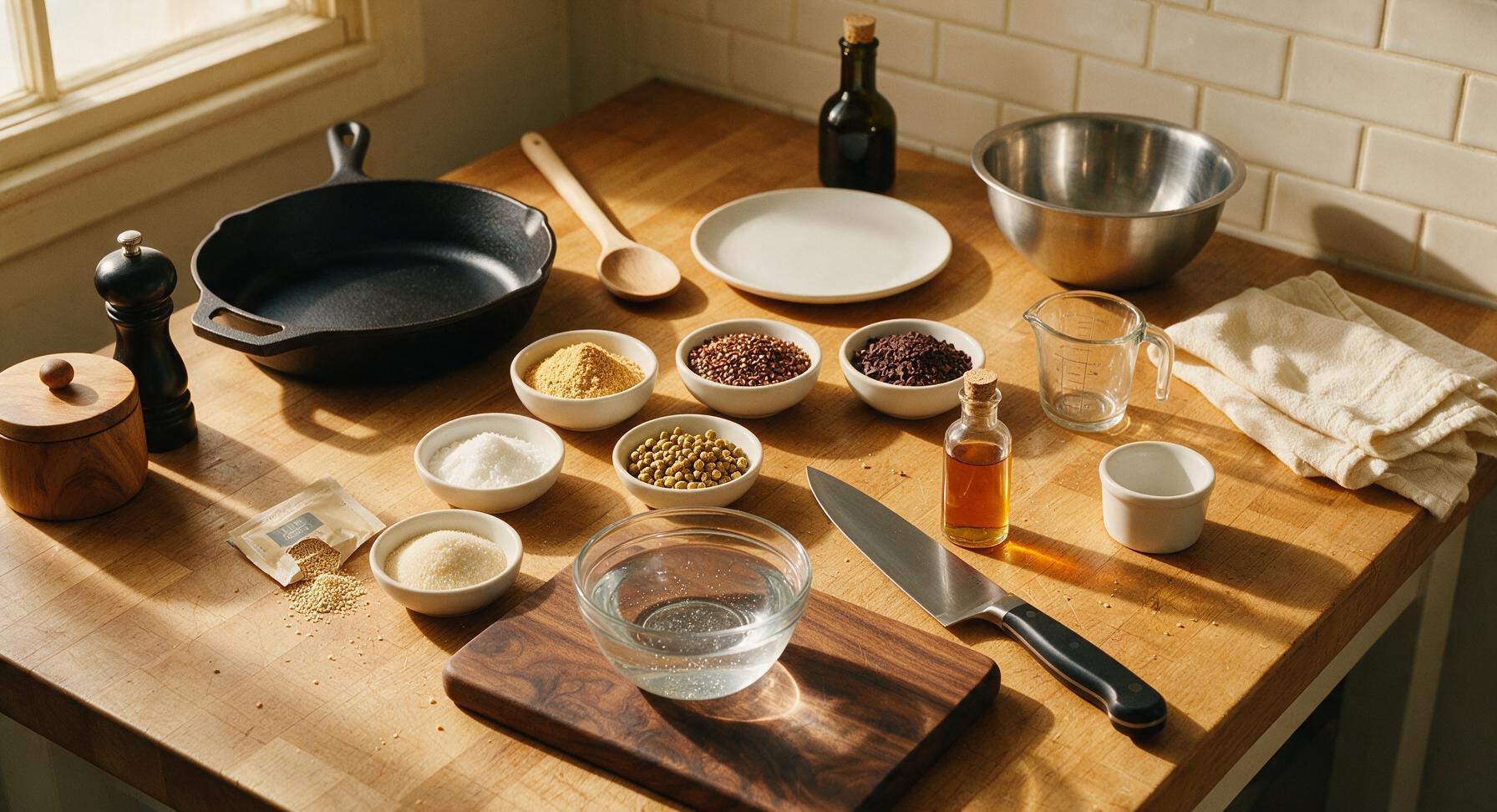
Ingredients
Steps
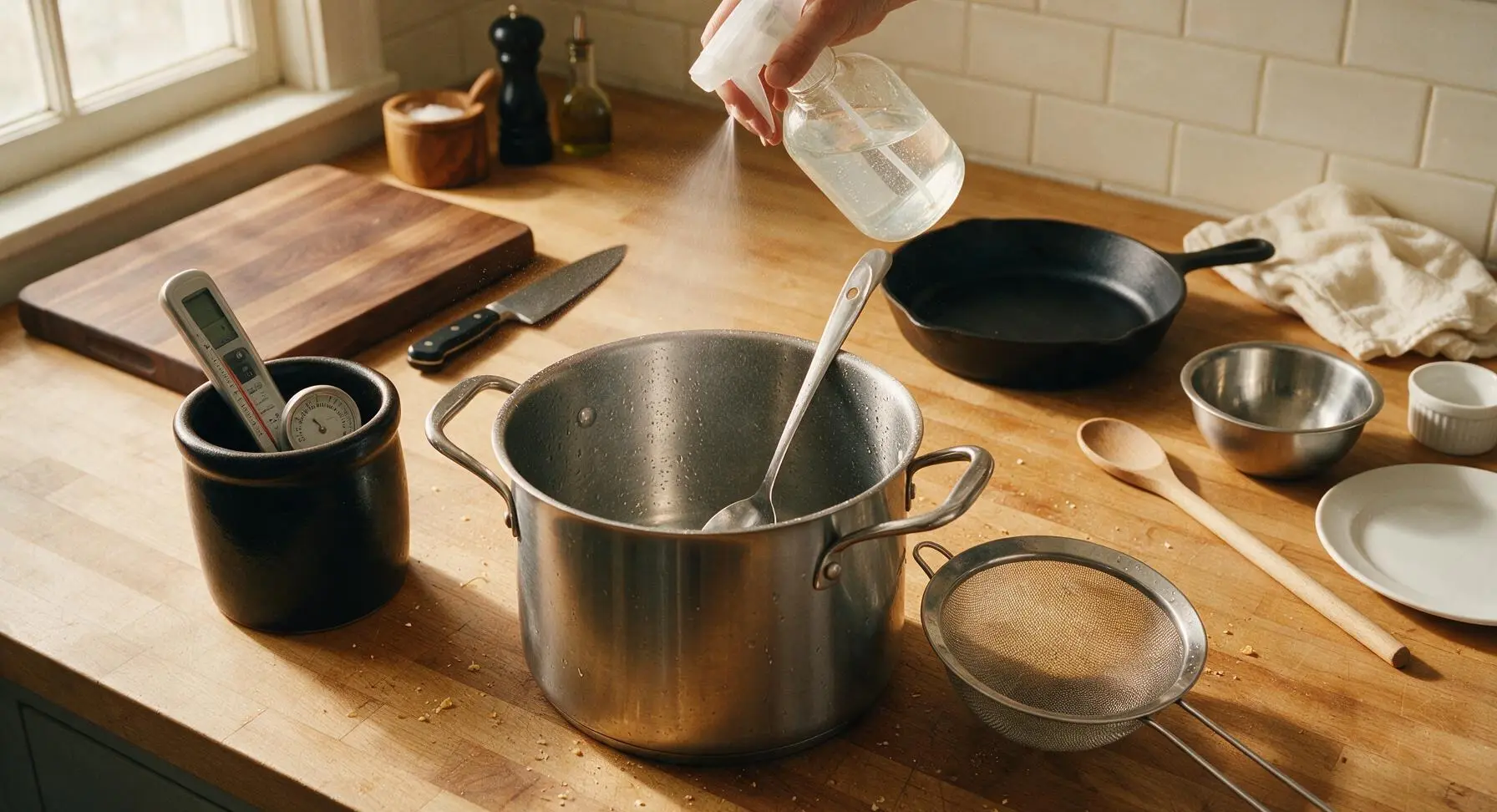
Sanitize Brewing Equipment
First, mix no-rinse food-grade sanitizer according to package directions in the 500ml glass measuring cup. Spray all surfaces of the brew pot, stirring spoon, strainer, fermenter, airlock, siphon, and bottles with sanitizer, allowing to air dry completely for 2 minutes. No visible water droplets should remain on equipment surfaces to avoid contaminating the beer. This step is non-negotiable for safe, good-tasting stout.
Steep Roasted Grains
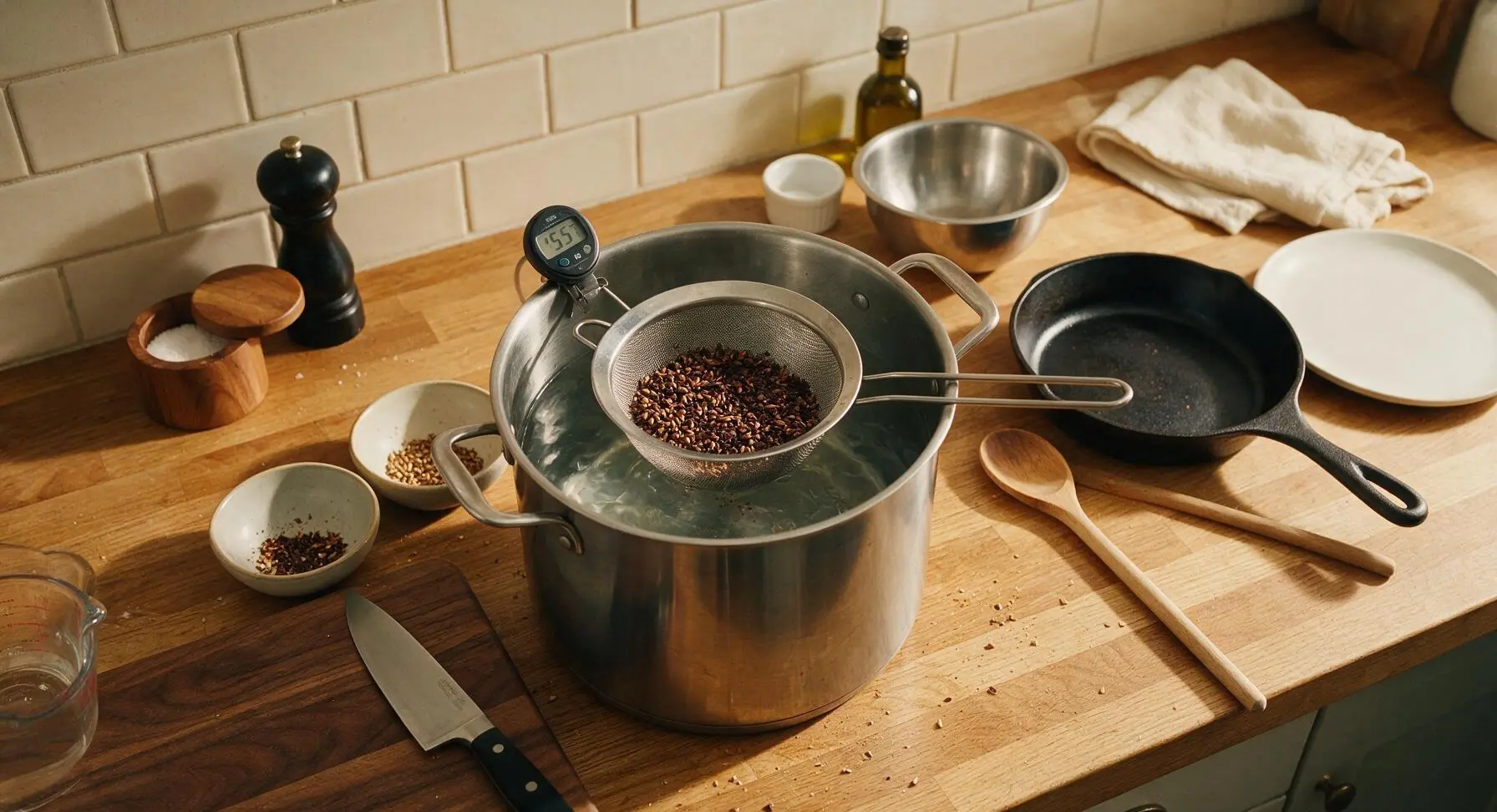
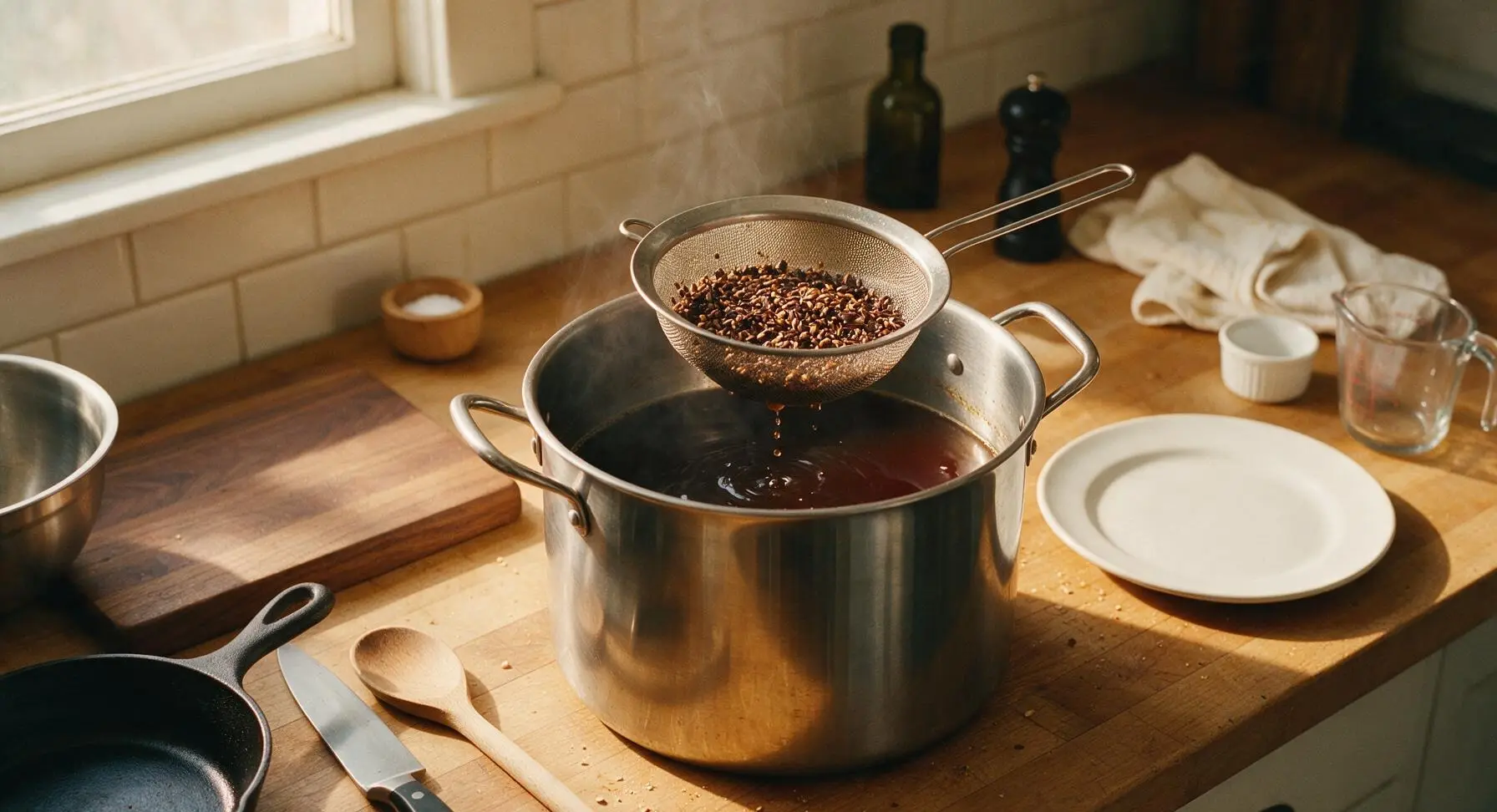
Pour 1 gallon of cold filtered water into the 1-gallon stainless steel brew pot, place over medium heat. Add crushed roasted barley and crushed chocolate malt to the fine-mesh strainer, lower into the water once it reaches 155°F (68°C). Hold at this steady temperature for 20 minutes, then remove the strainer with grains, allowing all liquid to drain back into the pot. The water will turn a deep, rich chestnut brown as the grains steep.
Boil Wort Base
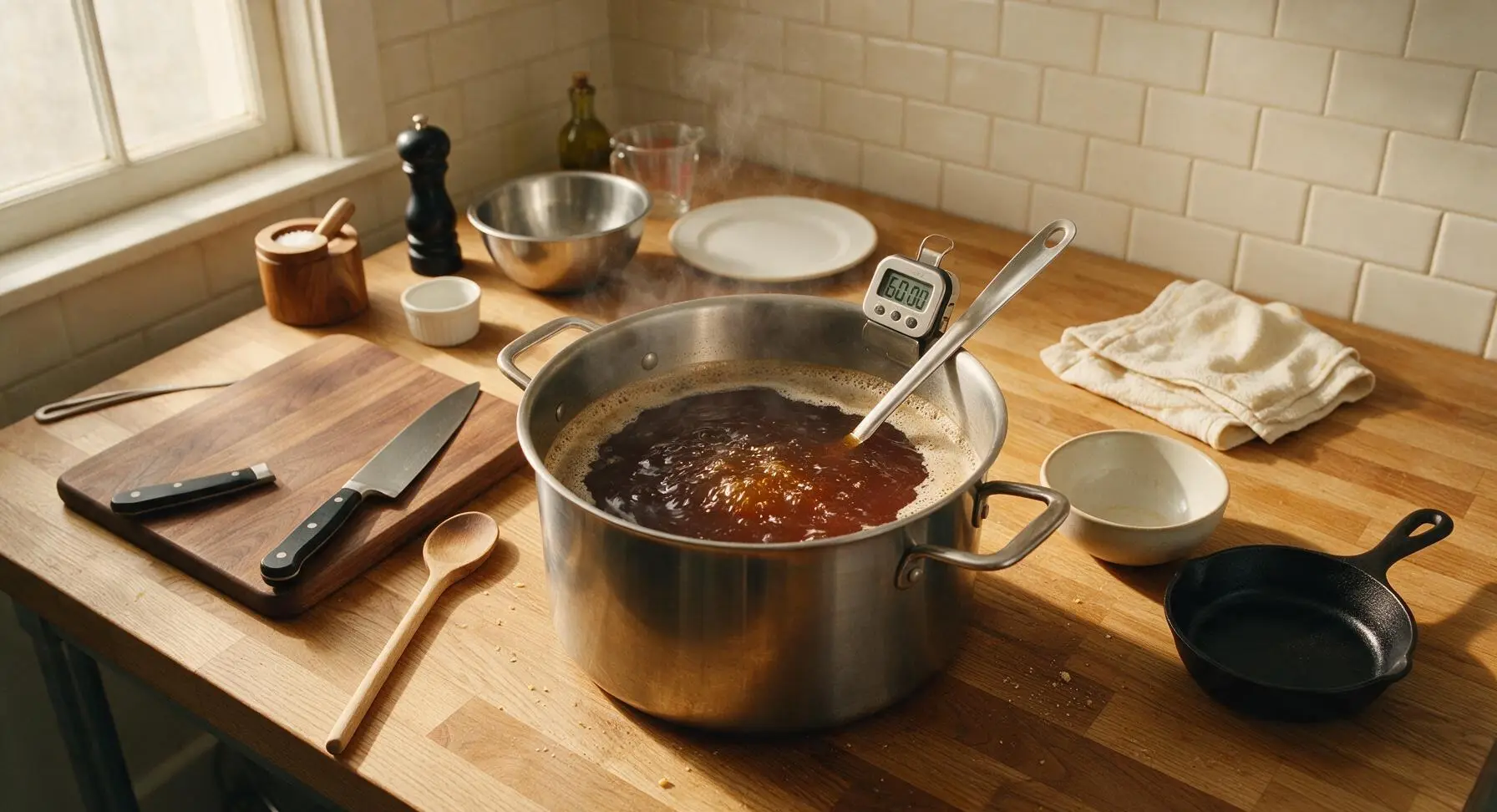
Increase heat to bring the grain-infused water (wort) to a gentle, rolling boil. Once boiling is steady, remove the pot from heat briefly, stir in the light dry malt extract and lactose until fully dissolved, with no clumps of powder remaining. Return to a rolling boil, set the kitchen timer for 60 minutes, and maintain a steady boil that does not bubble over the pot rim.
Add Hops and Vanilla
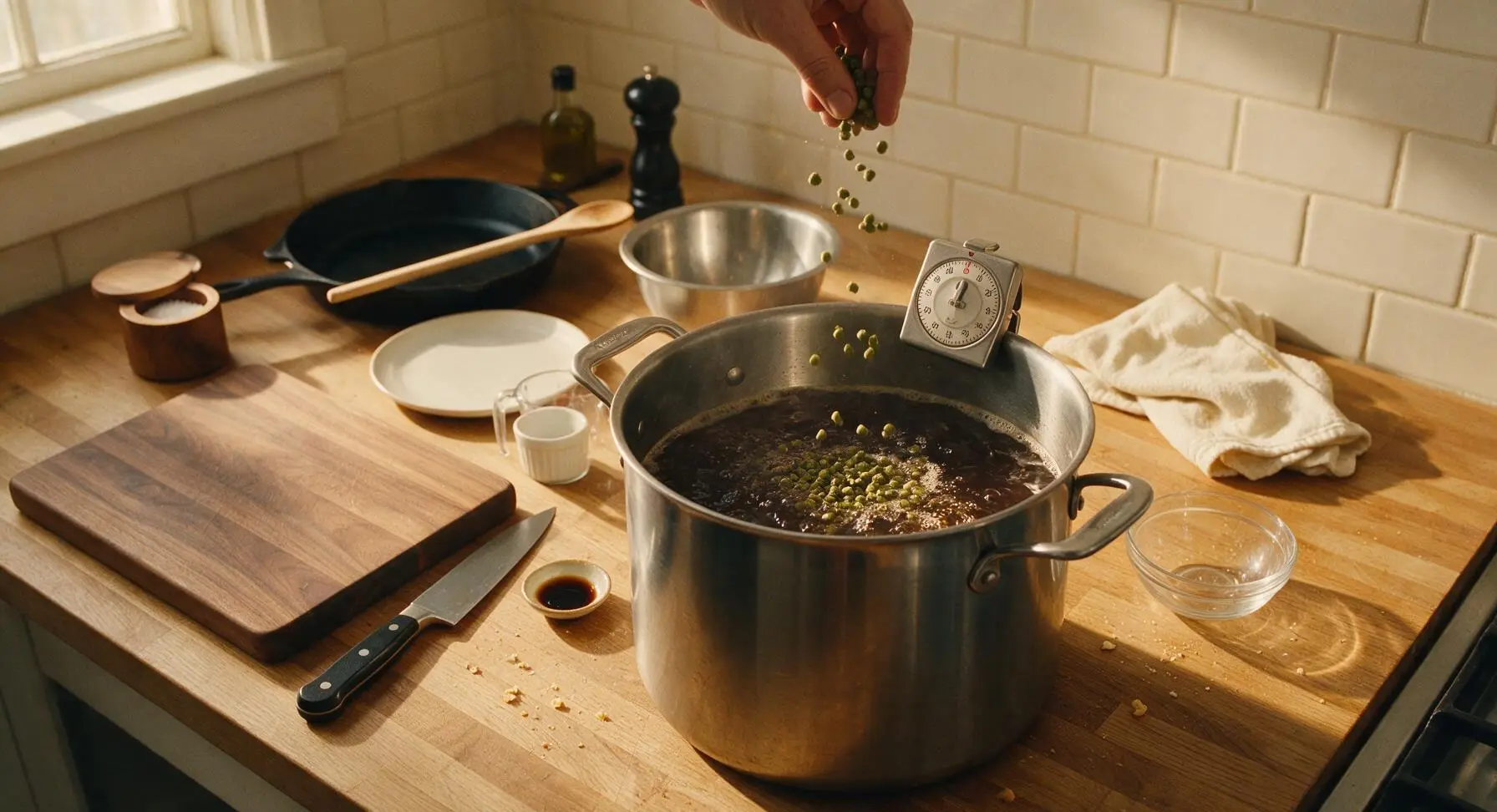
With 15 minutes remaining on the 60-minute boil timer, add the East Kent Goldings hops to the boiling wort. When the 60-minute boil is complete, turn off the heat immediately, stir in the 1 tsp vanilla extract, and cover the pot with its lid. The wort will smell deeply of roasted grain, earthy hops, and subtle vanilla.
Cool and Pitch Yeast
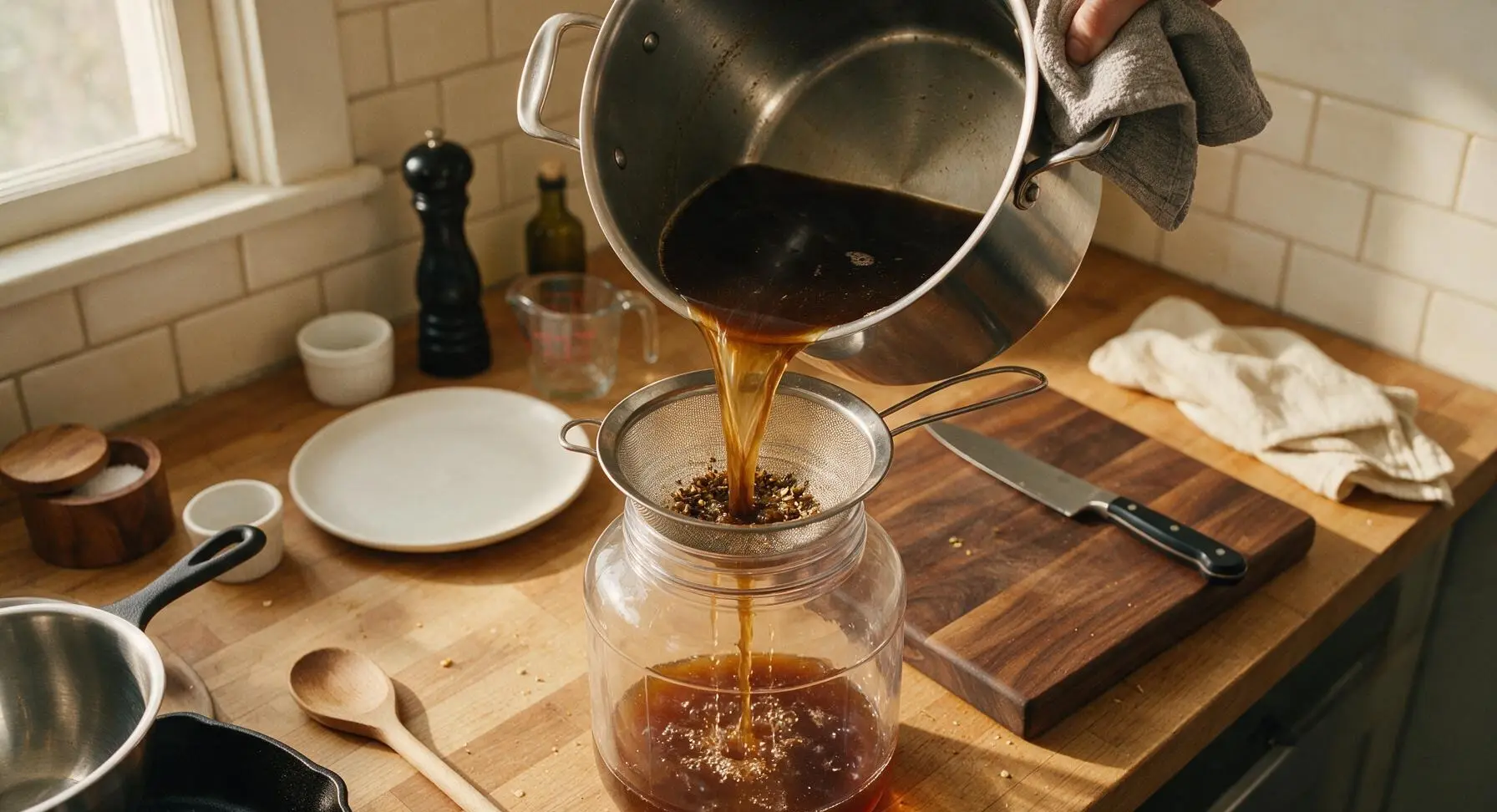
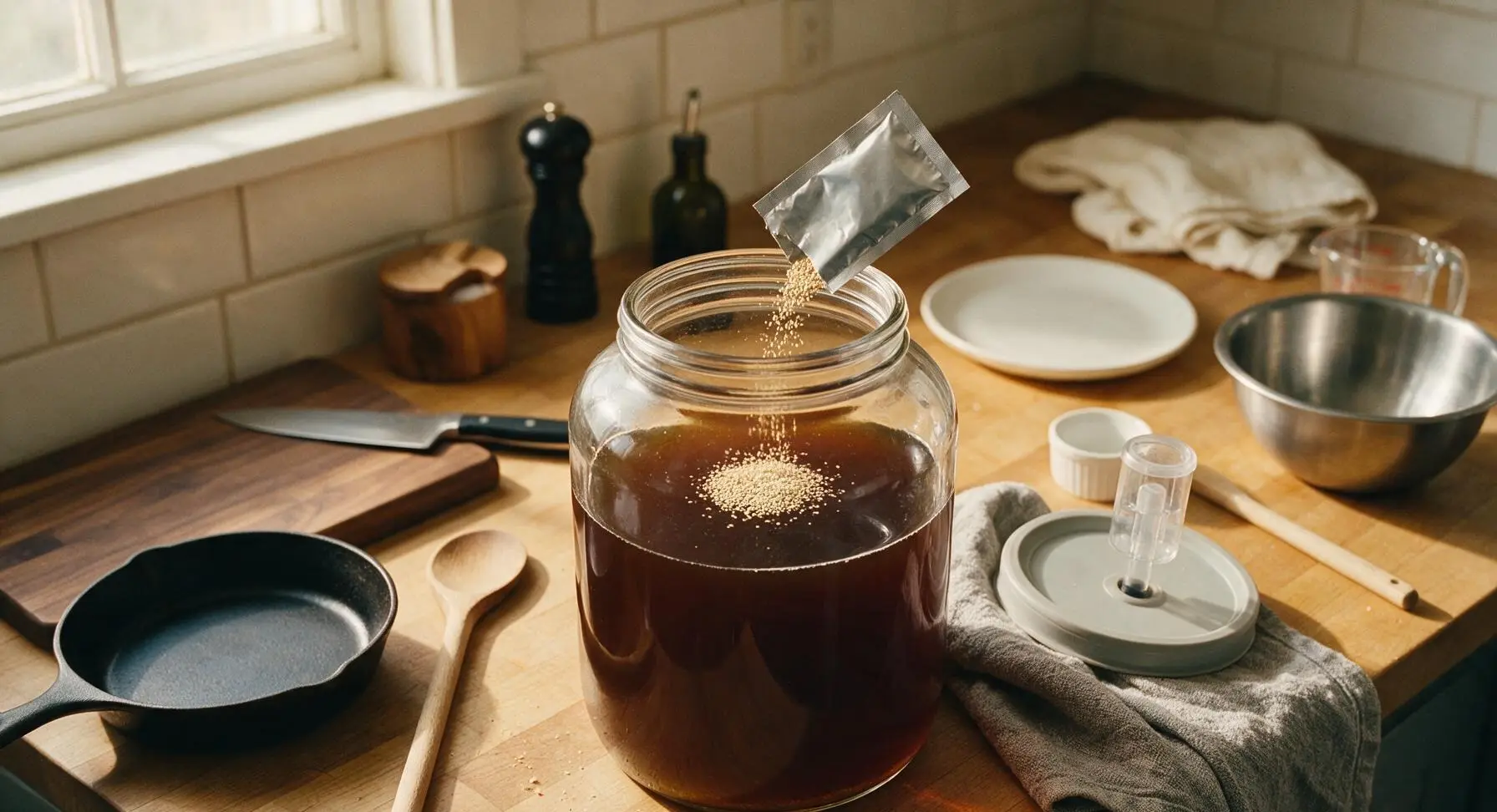
Place the covered brew pot into an ice bath in the kitchen sink until the wort cools to exactly 70°F (21°C), approximately 20 minutes. Pour the cooled wort through the fine-mesh strainer into the clear 1.5-gallon fermenter, to catch any hop or grain sediment. Sprinkle the English ale yeast evenly over the wort surface, seal the fermenter lid, and fill the airlock to the marked line with sanitizer. Store the fermenter in a dark, 65-70°F space for 14 days to ferment, with no need to disturb it during this time.
Bottle Carbonated Stout
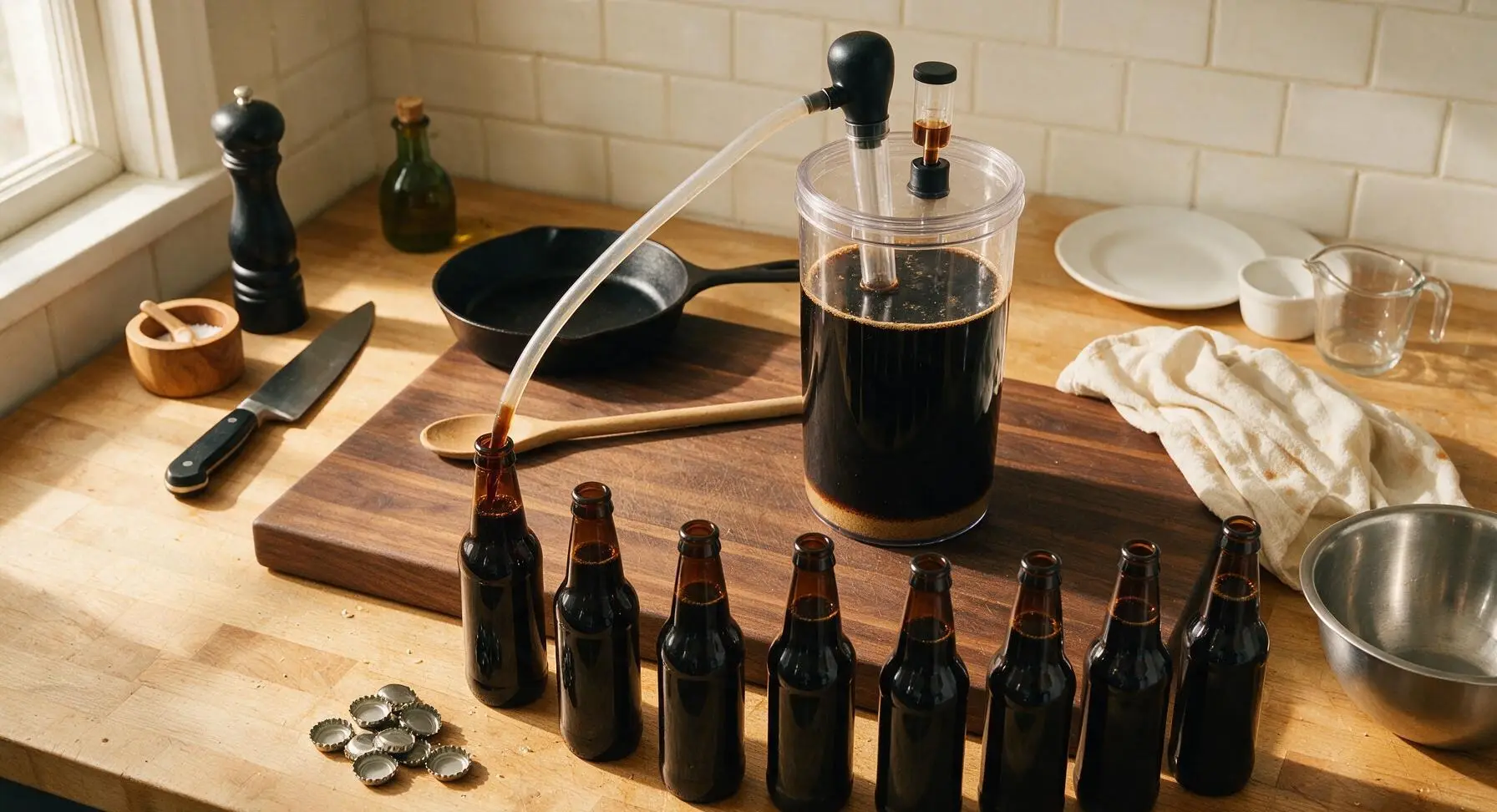
After 14 days of undisturbed fermentation, sanitize the auto-siphon, tubing, and 10 amber 12oz glass bottles. Dissolve 0.5 oz corn priming sugar in 2 tbsp boiling water, cool, and divide evenly between the bottles. Use the auto-siphon to transfer the fully fermented stout into each bottle, leaving 1 inch of headspace at the top of each bottle. Cap bottles tightly with sanitized crown caps, and store in a dark 65-70°F space for 7 more days to carbonate.
Chill and Serve
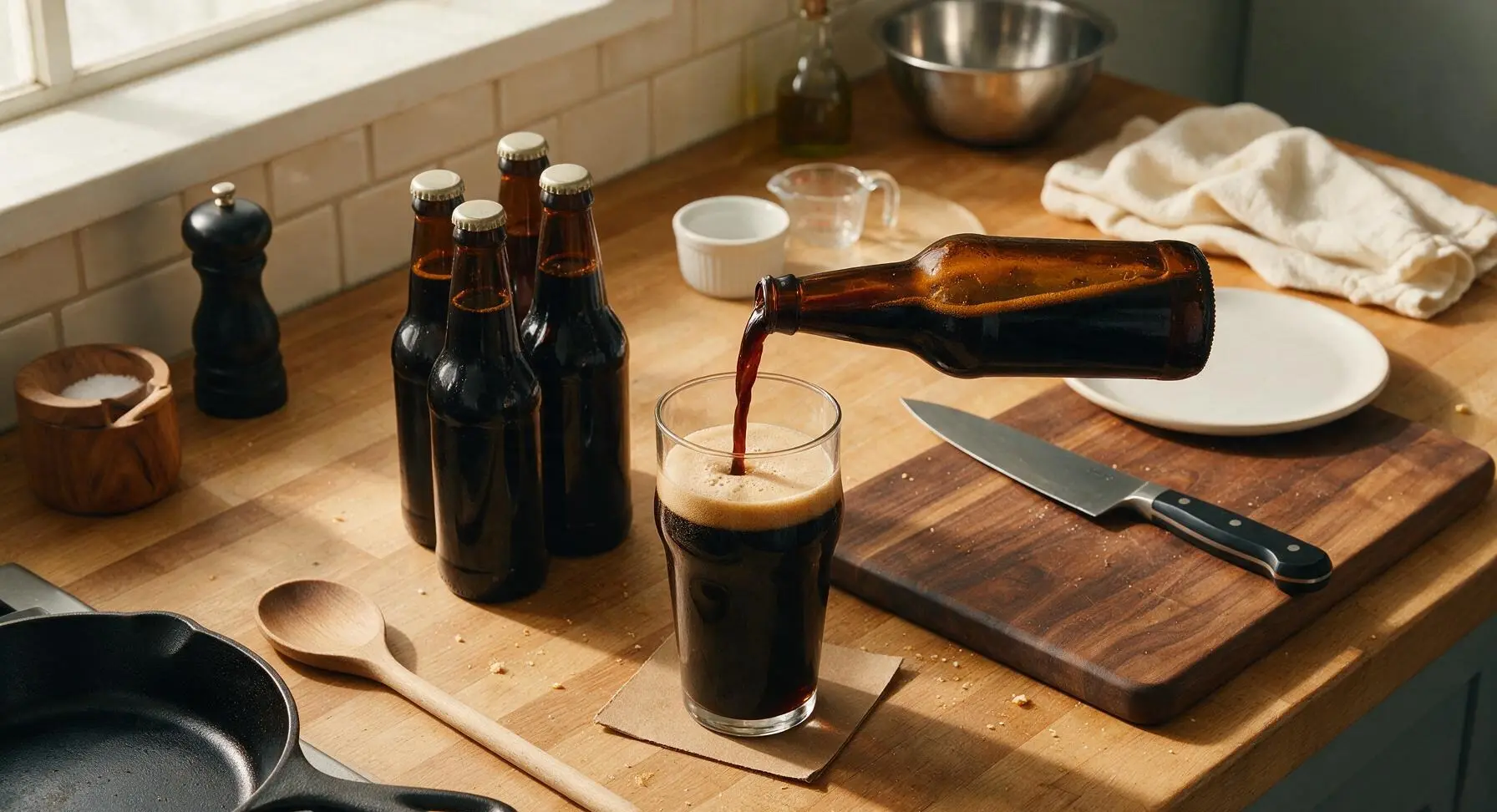
After 7 days of bottle carbonation, chill the cream stout in the refrigerator for at least 4 hours until it reaches 45°F (7°C), the ideal serving temperature. Pour slowly into the clear nonic pint glass, tilting the glass at a 45-degree angle to create a 2cm thick tan head, then straighten the glass to finish pouring.
Tips
2.Watch the boil closely once malt extract is added: The high sugar content in malt creates fast-rising foam that can boil over in seconds if heat is too high, creating a sticky mess and reducing your final beer volume. Adjust heat down slightly if foam climbs the pot sides.
3.Resist the urge to open bottles early: Full carbonation takes 7 full days at room temperature, as yeast slowly consumes priming sugar to create fine, long-lasting bubbles. Opening bottles early results in flat, under-carbonated stout with no creamy head.






OMG this small-batch cream stout turned out so smooth on my first try! Brought it to my weekend camping trip with the crew and everyone was asking for the recipe. No weird bitter aftertaste, just that perfect creamy, malty kick I’ve been chasing. 10/10 will brew again next month.
Made this for my husband’s birthday cookout and he was obsessed! I was nervous about nailing the medium difficulty level as a total homebrew newbie, but the steps were way more straightforward than I expected. So good with a scoop of vanilla ice cream floated on top, trust me.
Solid recipe, but I found the cook time ran a little long for my stovetop setup — took me closer to 2 hours total instead of 90 minutes. Flavor was still great though, perfect for our weekly board game night with neighbors. Would recommend to anyone just getting into small-batch brewing.
Game changer for small apartment brewing! I don’t have space for a huge 5-gallon setup, so this 1-hour 30 minute small batch is exactly what I needed. Tastes way better than the store-bought cream stout I usually grab from the local liquor store. My roommate already begged me to make a second batch this weekend.
Took this to my friend’s fall potluck last weekend and it was the hit of the drink table! I added a tiny pinch of cinnamon during the boil and it gave it the coziest little kick that paired so well with all the chili and cornbread. Only thing I’d change is maybe a touch more lactose for extra creaminess next time.
As someone who’s messed up quite a few stout recipes before, I was shocked how well this turned out. Super balanced, not too heavy, perfect for sipping on rainy Seattle evenings. My dad is a huge stout snob and even he gave it two thumbs up when he came to visit last week.
Wait, can I substitute the lactose with something non-dairy? I’m lactose intolerant but have been dying to make a cream stout that doesn’t upset my stomach. Don’t want to mess up the texture too bad!
Just bottled my first batch of this last night! The sample I pulled during the boil tasted insane, I’m so excited to let it carbonate for a couple weeks. Has anyone tried adding coffee to this recipe?
I’m a total beginner to homebrewing — is this recipe really doable for someone who’s only made hard seltzer before? The medium difficulty tag is making me nervous I’ll waste a bunch of ingredients.
Made this for my tailgate last weekend and my Ohio State crew went absolutely crazy for it. So much better than the cheap beer we usually bring. I will say, make sure you have enough bottles on hand because this goes fast.
How long does this stay good for once bottled? I want to make a batch to give out as Christmas gifts to my coworkers but don’t want to brew it too early and have it go flat.
My kids thought it was so cool that dad was making “homemade root beer but for grown ups” when I brewed this last weekend. They kept hovering by the stove asking to smell the grains. Ended up making a little non-alcoholic root beer batch with them the next day to include them, fun family weekend activity!
I messed up and added the lactose 10 minutes earlier than the recipe says — is that going to ruin the whole batch? I’m panicking a little because I was so excited for this.
SO good, I’ve already made this three times in the last two months. It’s become my go-to when I have friends over for pizza nights. The creamy mouthfeel pairs so perfectly with pepperoni and garlic bread, I can’t get enough.
Tried this recipe last week and it was good, but mine came out a little thinner than I expected a cream stout to be. Any ideas where I might have gone wrong? I followed the measurements exactly as written.
Who else is brewing this for their Super Bowl party this year? I’m making two batches so I don’t run out — one regular, one with a little chocolate added for extra richness. Already got my growlers labeled and ready to go.
Wait, the recipe says 1 hour 30 minutes cook time — does that include the time it takes to heat up the water for the mash, or is that just active boil/processing time? I’m trying to plan my brew day schedule for Saturday.
My partner is obsessed with milk stouts, so I made this for our anniversary dinner at home. Paired it with steak and chocolate cake for dessert and they said it was better than any stout we’ve had at fancy restaurants. Total win, I’m never buying store-bought stout again.
I don’t have a traditional brew kettle — can I make this in a regular large stock pot? I don’t want to drop a bunch of money on special equipment before I know if I like homebrewing.