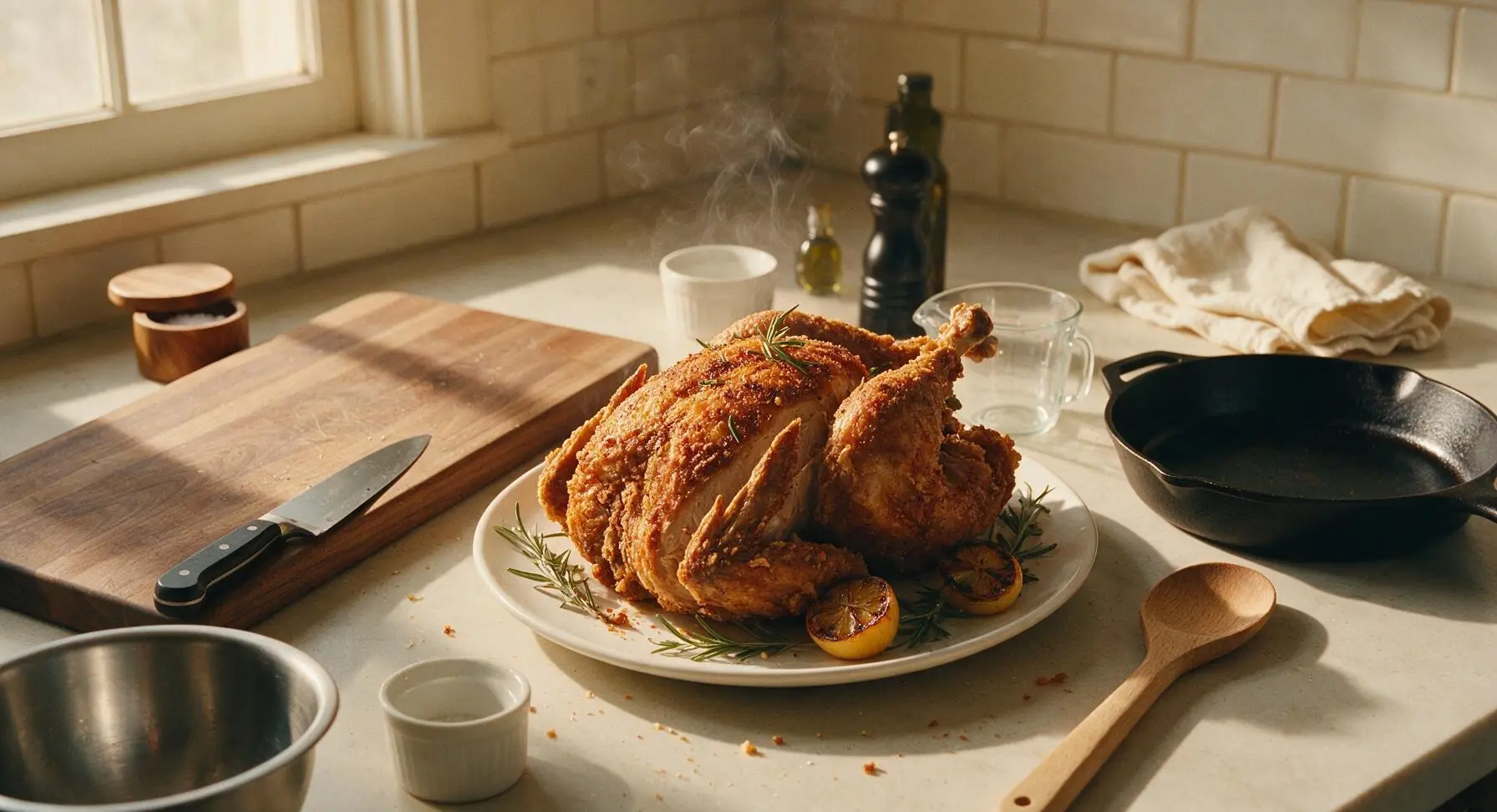
Deep Fried Turkey

title 1
Deep Fried Turkey
⏱️ cook time 45 minutes
🍽️ servings 10
⚡ Difficulty medium

intro

Crispy golden-skinned deep fried turkey with juicy, well-seasoned meat, a beloved Southern American Thanksgiving favorite that cooks fast for tender, crowd-pleasing results.

Ingredients
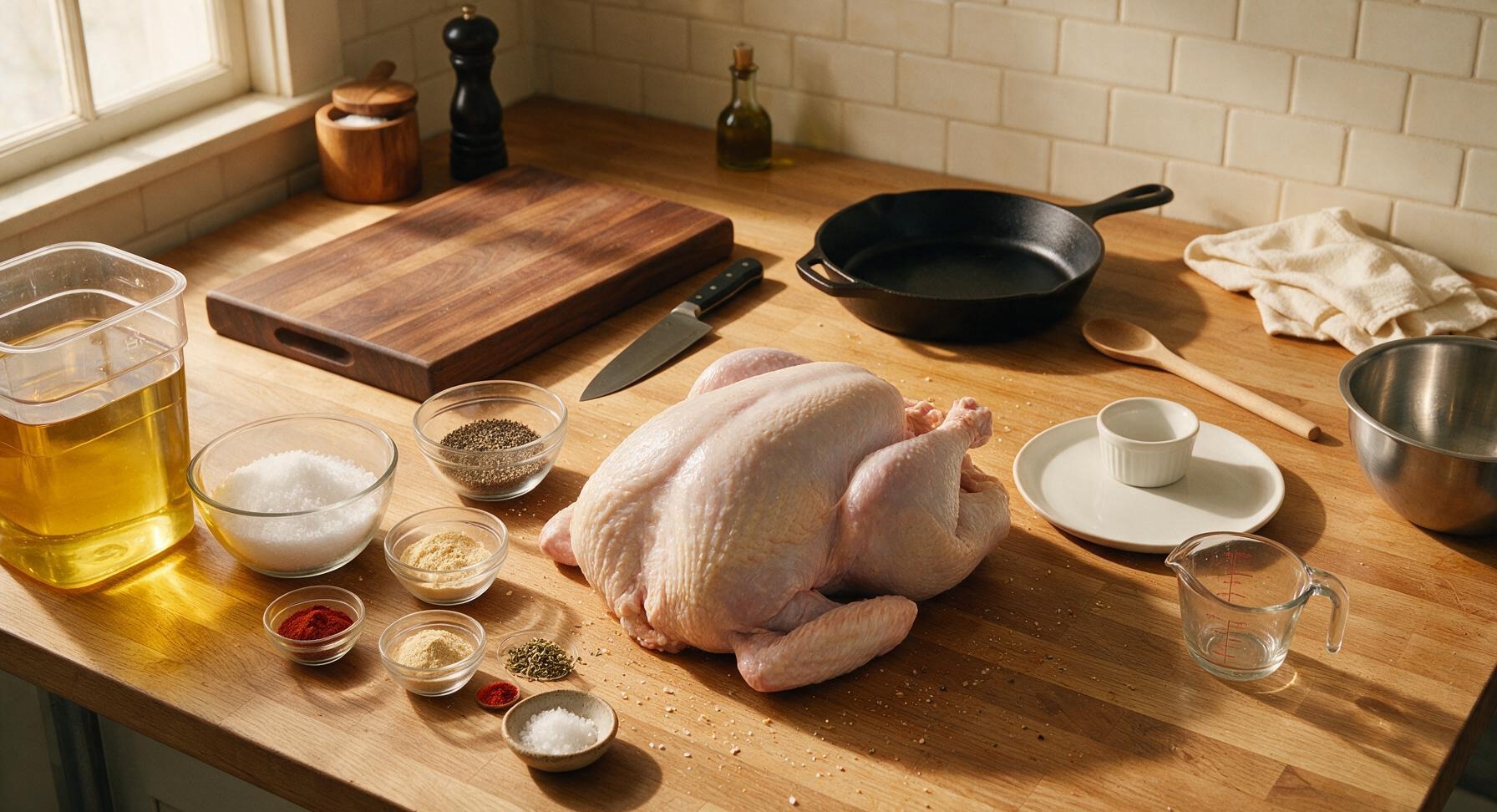
Whole young turkey (fully thawed, giblets removed) 12 lb (5.4 kg)
Peanut oil 3-4 gallons (as needed for pot size)
Kosher salt 3 tbsp
Freshly ground black pepper 2 tbsp
Garlic powder 1 tbsp
Smoked paprika 1 tbsp
Onion powder 1 tbsp
Dried rubbed sage 1 tsp
Cayenne pepper 1/2 tsp
Flaky sea salt 1 tsp

Steps

1

Prep and Pat Turkey Dry

Remove the fully thawed 12lb turkey from packaging, pull out the giblet bag and neck from the body and neck cavities, discard or reserve for gravy. Pat every surface of the turkey (skin and cavity interior) completely dry with paper towels, paying extra attention to crevices under the wings and legs. Any remaining moisture will cause dangerous oil splatter, so the skin should feel completely dry to the touch with no damp spots. Let the turkey rest at room temperature for 20 minutes while you prepare the fryer.
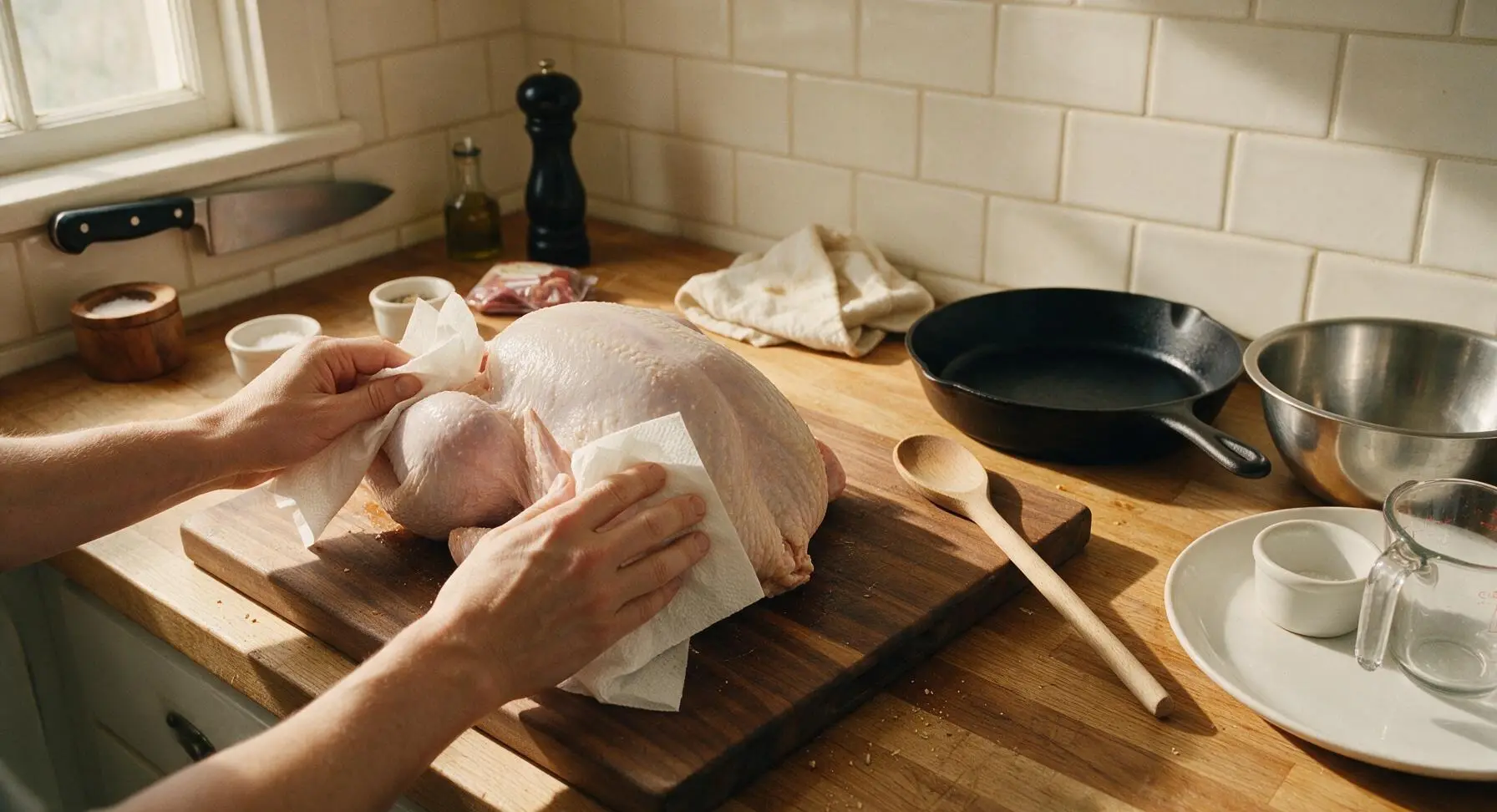
Step 1
step1:Prep and Pat Turkey Dry
2

Blend Dry Spice Rub

In the medium brushed stainless steel mixing bowl, combine 3 tablespoons kosher salt, 2 tablespoons freshly ground black pepper, 1 tablespoon garlic powder, 1 tablespoon smoked paprika, 1 tablespoon onion powder, 1 teaspoon dried rubbed sage, and 1/2 teaspoon cayenne pepper. Stir with a small spoon until all spices are evenly mixed, with no clumps of paprika or sage visible, creating a uniform reddish-tan blend.
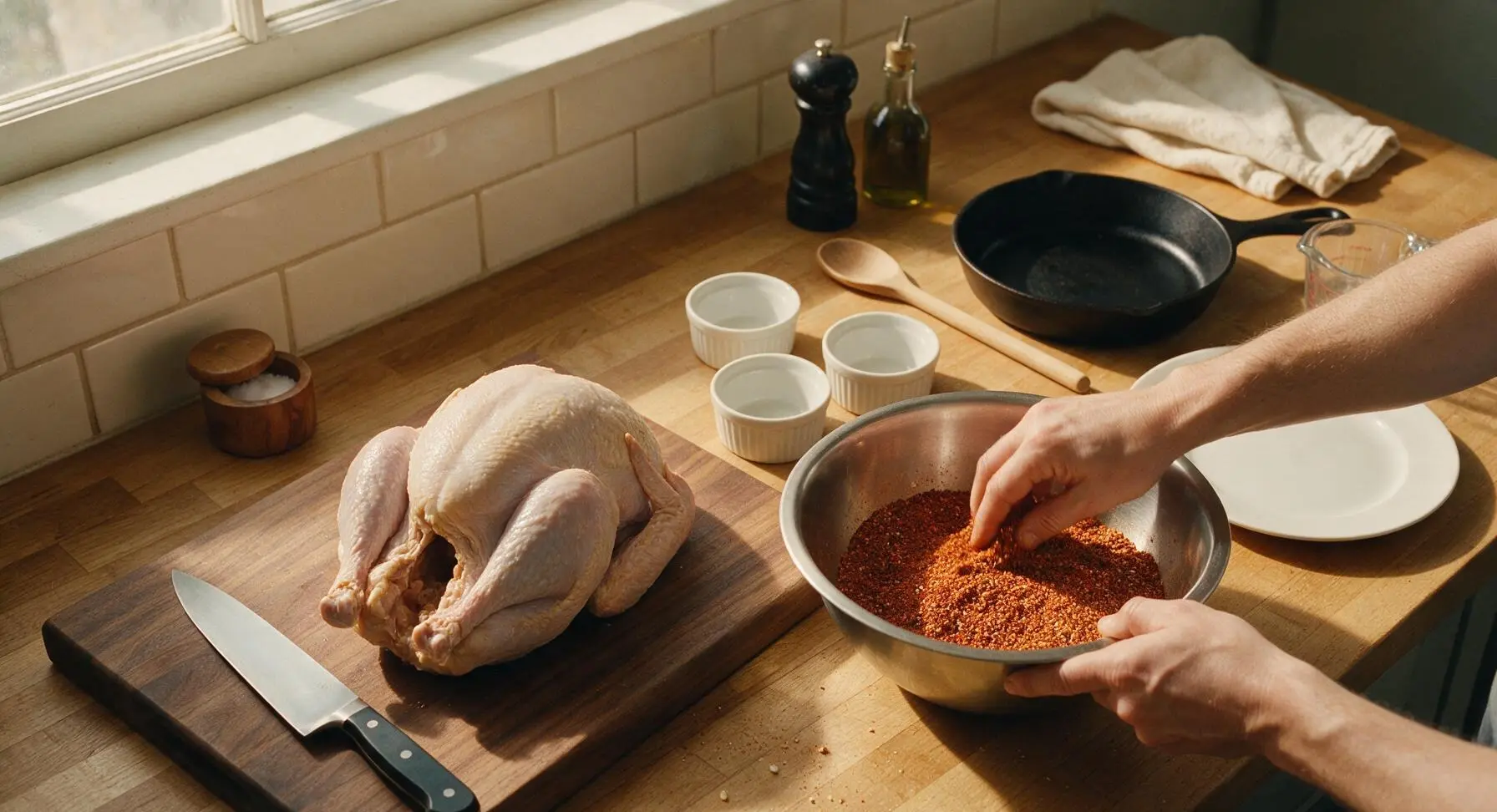
Step 2
step2:Blend Dry Spice Rub
3

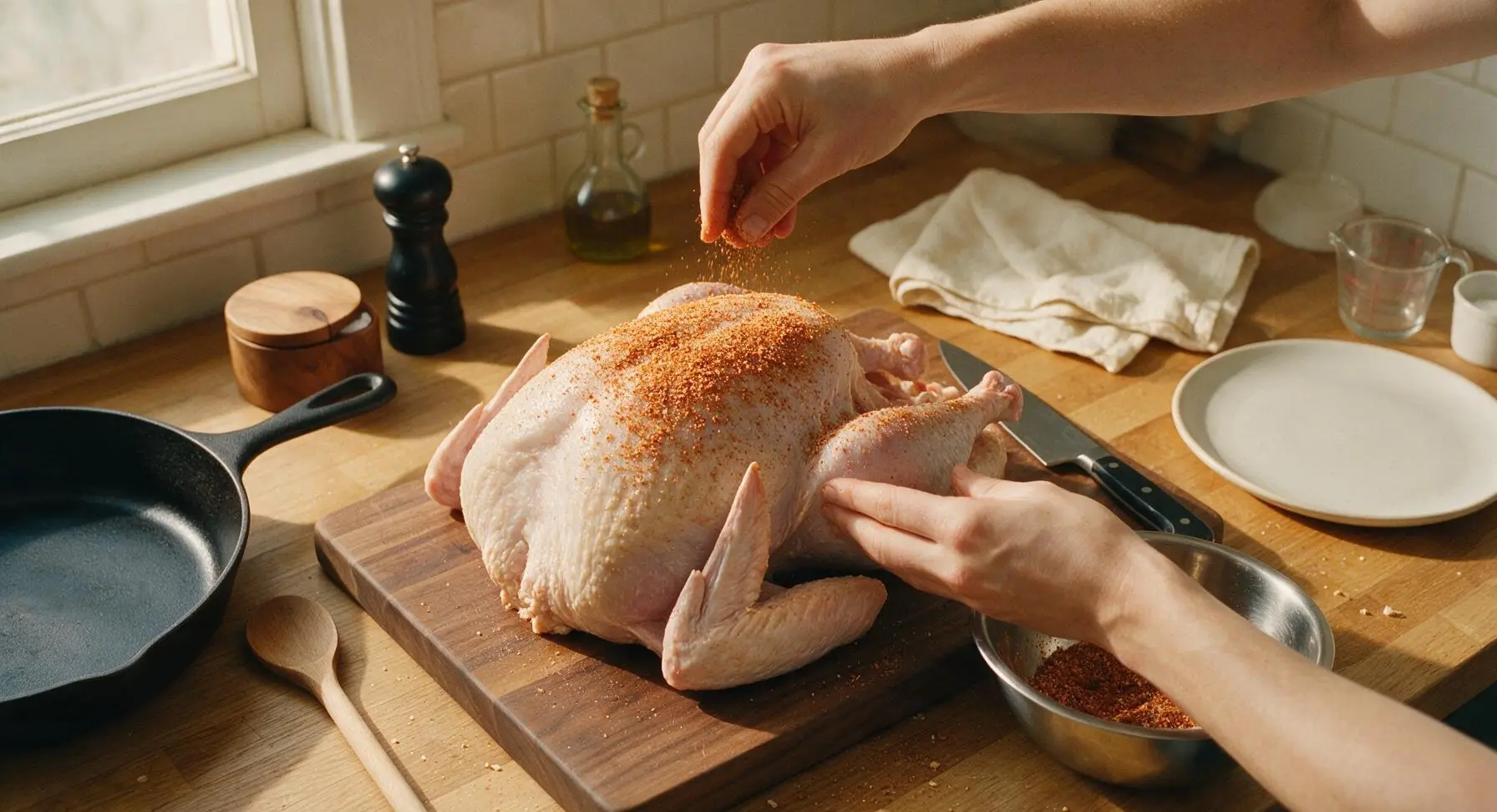
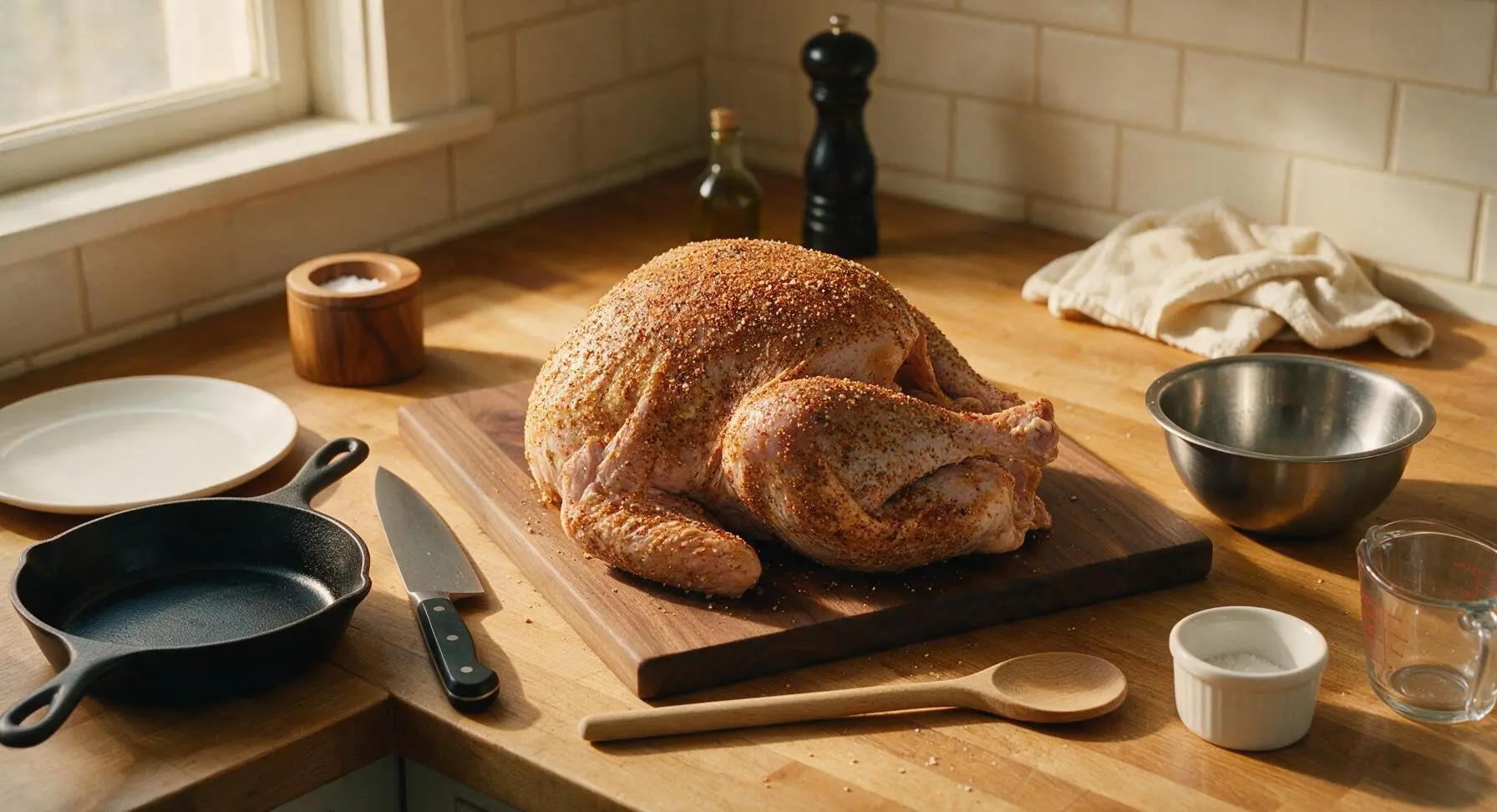
Season Turkey Generously

Sprinkle the dry spice rub evenly over every surface of the turkey: the breast, legs, wings, back, and a light coating inside the cavity. Press the rub gently into the skin with clean hands to ensure it adheres, creating a thin, even coating across the entire bird. Do not leave any bare patches of pale skin unseasoned, as the rub creates the crispy, flavorful crust during frying.
Step 3
step3:Season Turkey Generously
Step 3
step3:Season Turkey Generously
4

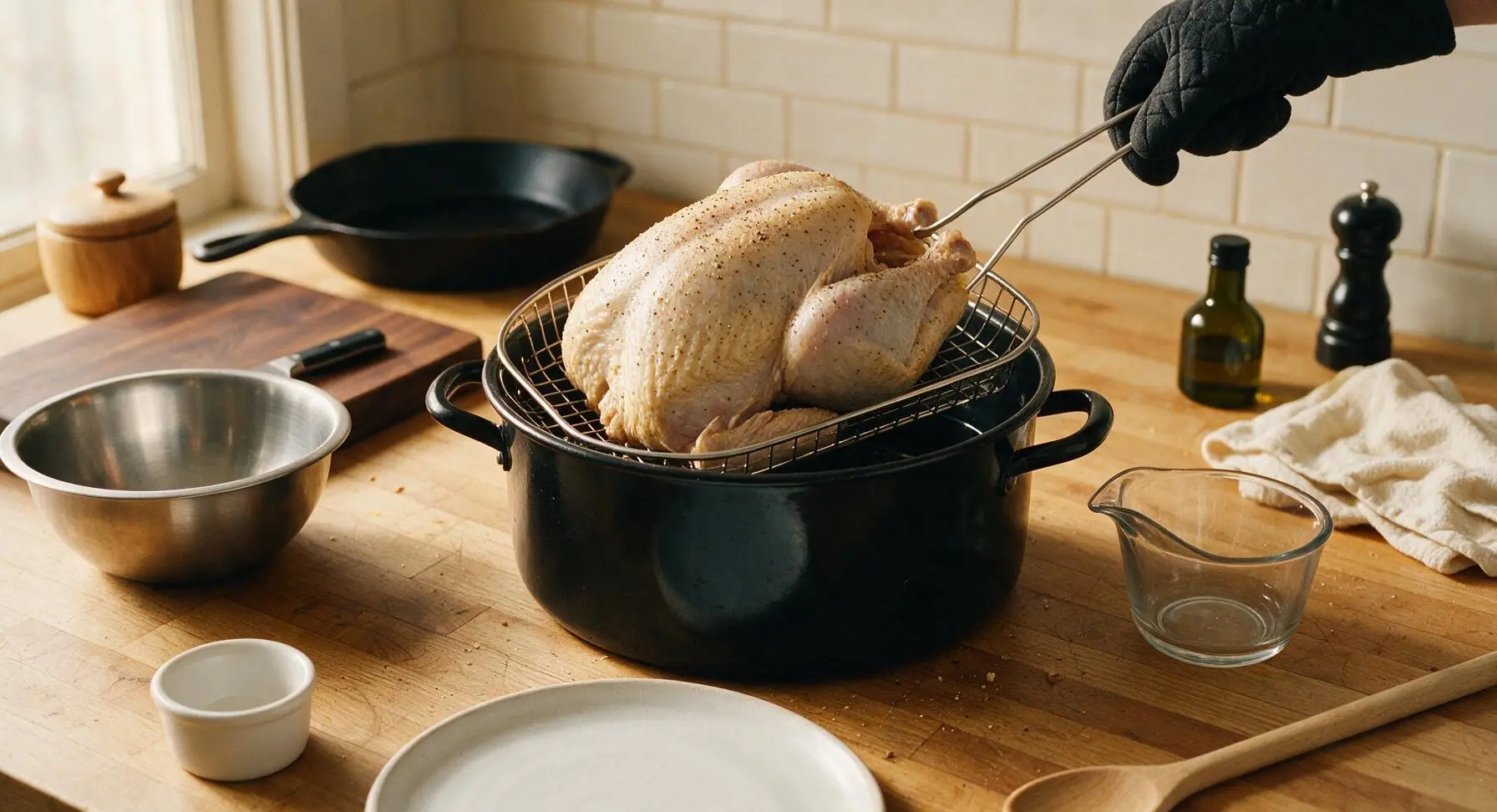
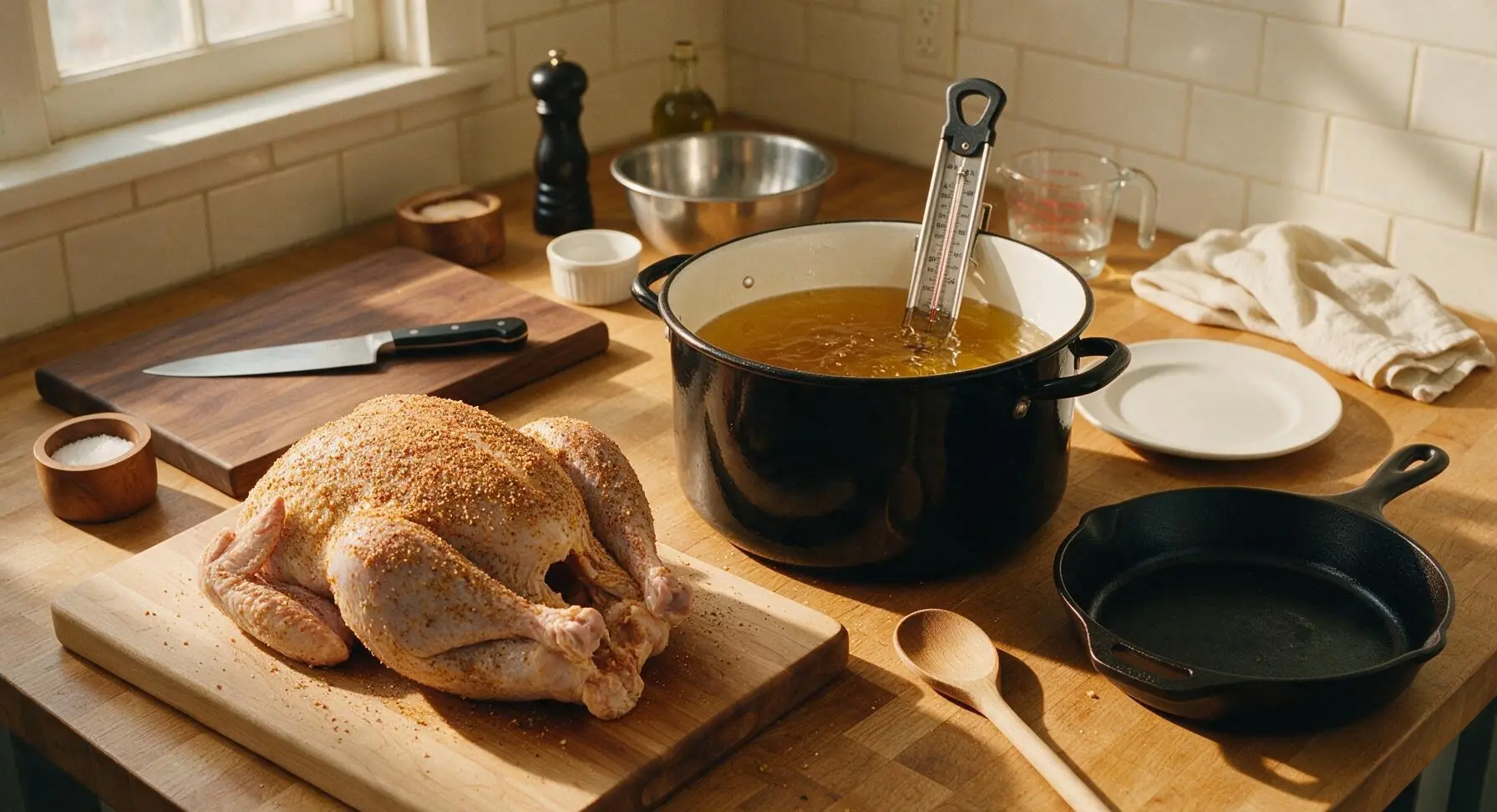
Measure Correct Oil Amount

Place the seasoned turkey on the perforated stainless steel lift rack and lower it into the empty 30-quart black enamel fryer pot on the bluestone patio. Add tap water to the pot until it covers the turkey by exactly 1 inch. Remove the turkey, then mark the water line on the inside of the pot to indicate the correct oil fill level—this step prevents dangerous oil overflow when frying. Pour out all water, dry the pot completely with paper towels, then add peanut oil up to the marked line. Heat the oil to 350°F (175°C), monitoring temperature closely with the pot-mounted fry thermometer.
Step 4
step4:Measure Correct Oil Amount
Step 4
step4:Measure Correct Oil Amount
5

Lower Turkey Slowly

Temporarily turn off the propane burner before lowering the turkey to reduce flare-up risk. Wearing heat-resistant gloves, slowly lower the racked turkey into the 350°F oil, taking a full 30 seconds to fully submerge it to prevent violent oil bubbling over. Once the turkey is fully submerged, relight the burner and adjust the flame to maintain a steady oil temperature of 325°F (165°C) for the duration of cooking.
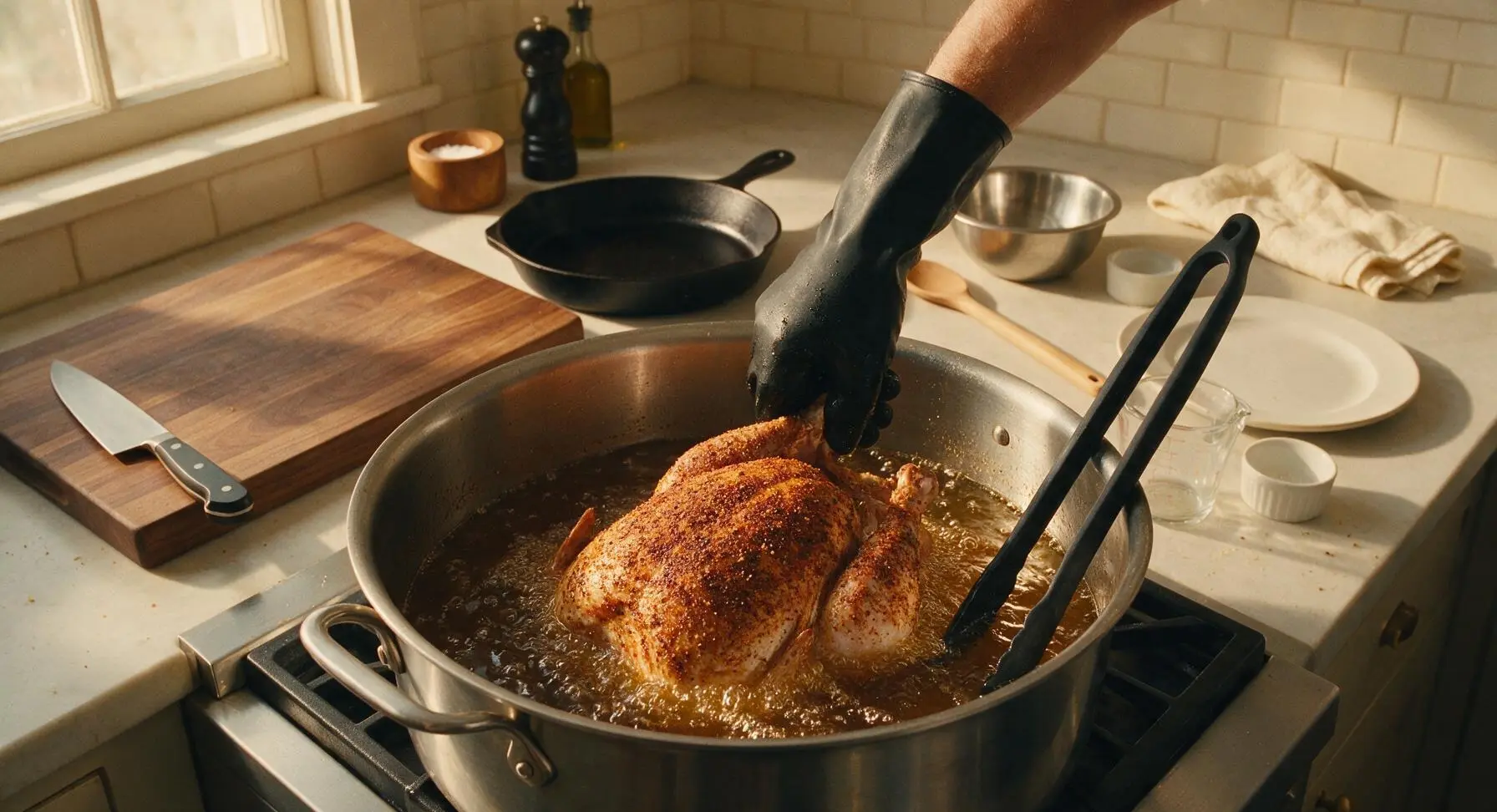
Step 5
step5:Lower Turkey Slowly
6

Fry to Internal Temp

Cook the turkey for 3.5 minutes per pound, totaling 42 minutes for the 12lb bird. Adjust the propane flame as needed to keep oil temperature between 325-350°F, avoiding large temperature drops that will make the turkey greasy. After 40 minutes of cooking, use the long metal hook to lift the turkey slightly out of the oil, then insert the digital instant-read thermometer into the thickest part of the thigh (avoiding contact with bone) to check for a final internal temperature of 165°F (74°C).
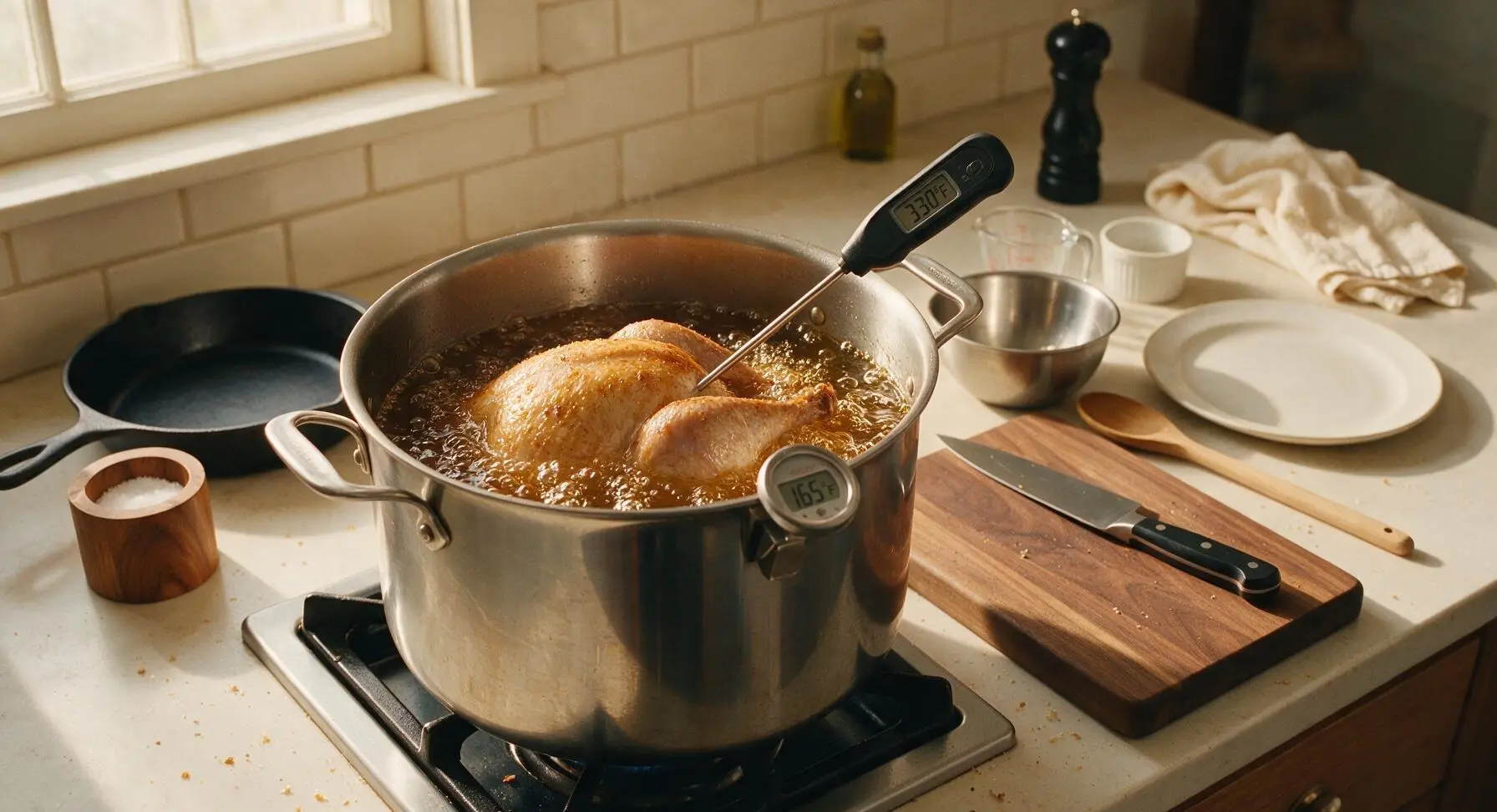
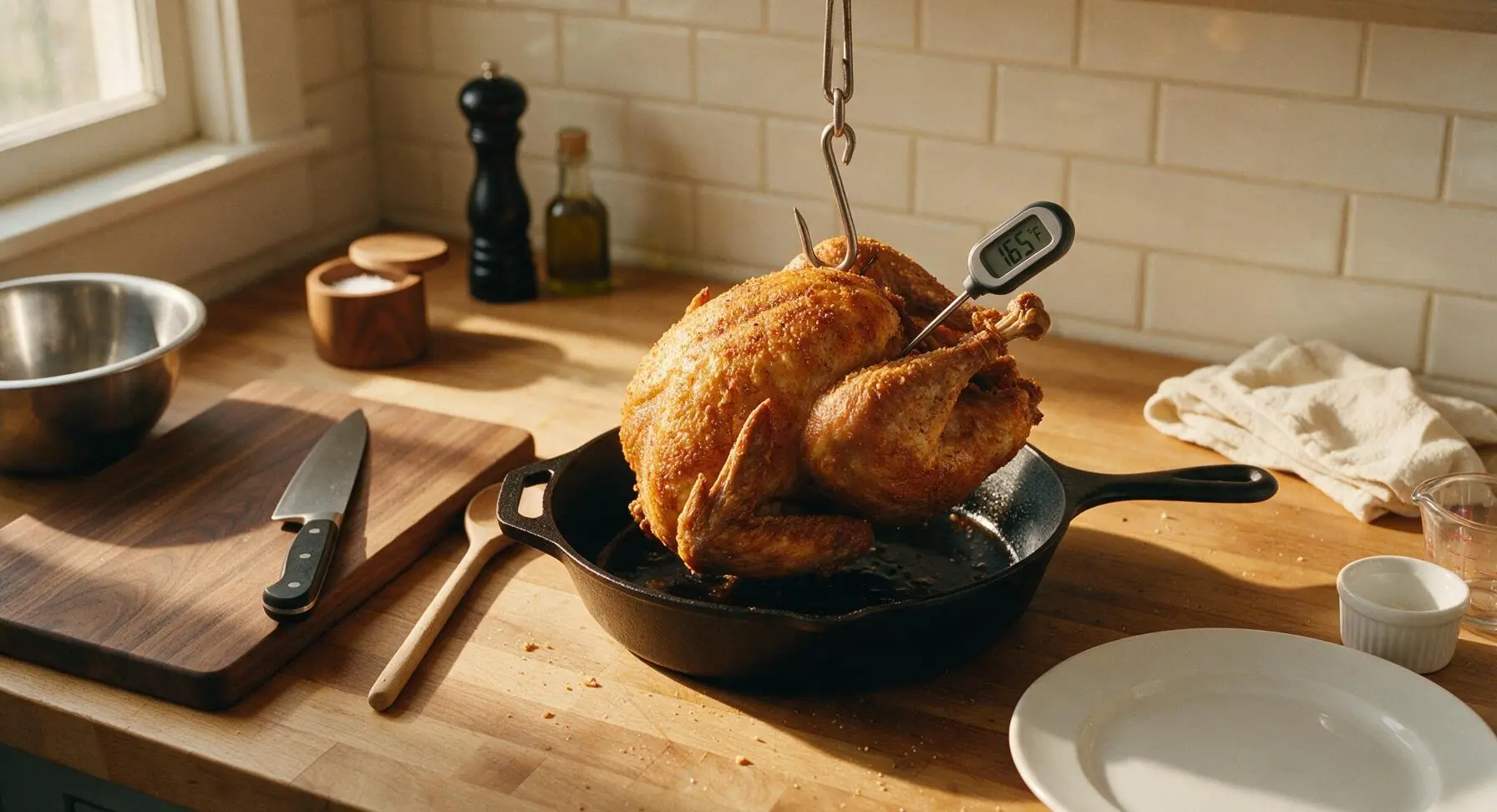
Step 6
step6:Fry to Internal Temp
Step 6
step6:Fry to Internal Temp
7

Drain and Rest Turkey

Once the turkey reaches 165°F, slowly lift it completely out of the oil, hooking the rack to the pot edge to let excess oil drain back into the pot for 10 minutes. Transfer the turkey to the large oval matte cream ceramic serving platter, and let it rest for an additional 15 minutes to allow juices to redistribute before carving. Lightly sprinkle the breast with 1 teaspoon flaky sea salt immediately after removing from oil to enhance crust flavor.
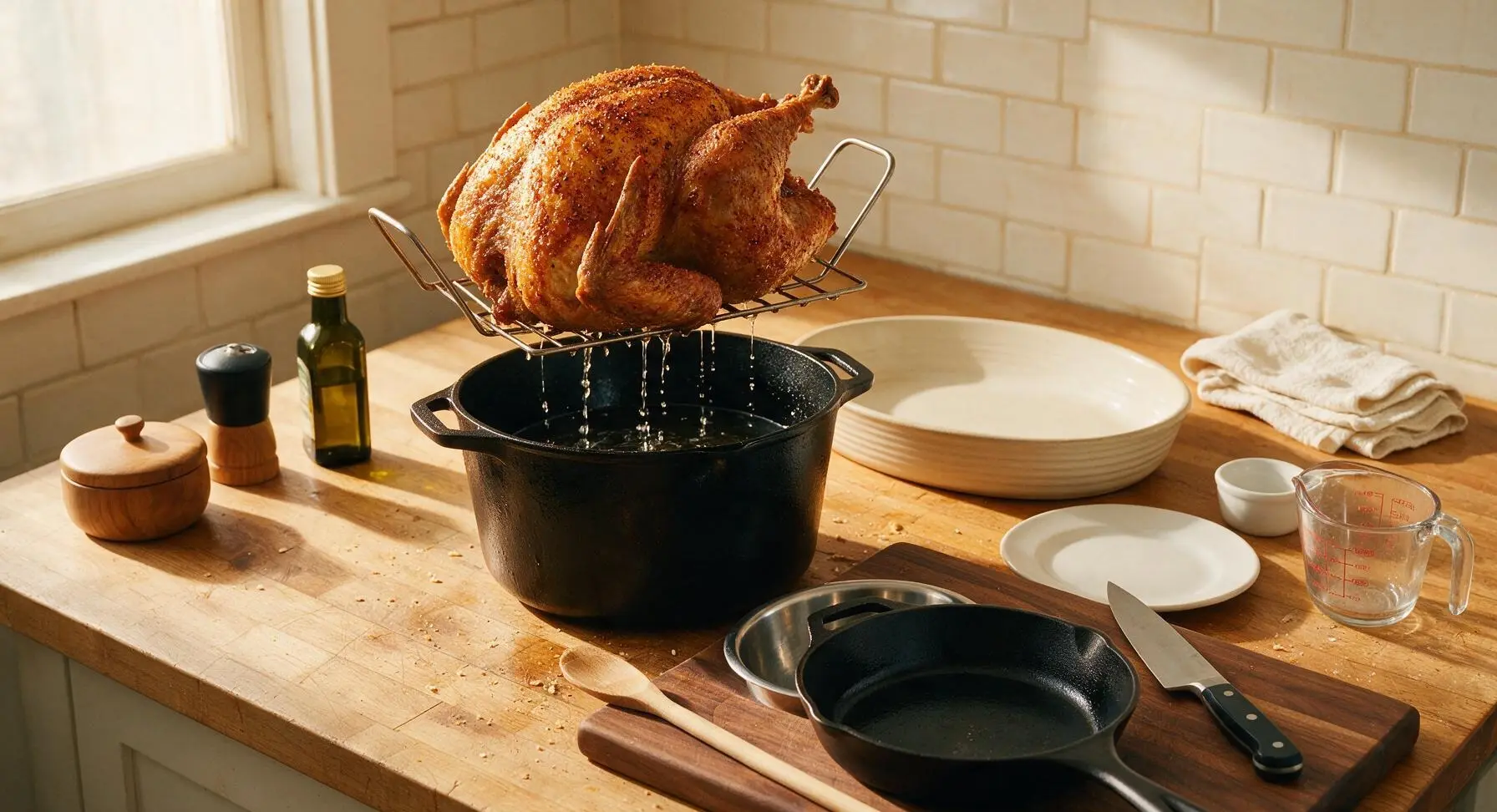
Step 7
step7:Drain and Rest Turkey

Tips

1.Never fry a frozen or partially frozen turkey: even tiny ice crystals trapped in the skin or cavity will cause violent oil splatter and dangerous boil-over that can lead to major fires. Allow 24 hours of refrigerator thaw time per 4 pounds of turkey, and confirm there are no remaining ice crystals in the cavity before cooking.
2.Always set up your fryer on a flat, paved surface at least 10 feet from your home, deck rails, overhanging tree branches, or flammable materials, and never leave hot oil unattended for any length of time. Keep the 2lb Class B fire extinguisher within arm’s reach—never use water to extinguish an oil fire, as it will spread the flames.
3.Do not stuff the turkey cavity with dressing, vegetables, or fresh herbs when deep frying: any moist ingredients will release steam as they heat, causing dangerous oil splatter, and the stuffing will not reach a safe 165°F internal temperature in the short frying time. Cook all stuffing separately as a side dish for food safety.
✨ You May Also Like

Main Course
🍜 United Kingdom

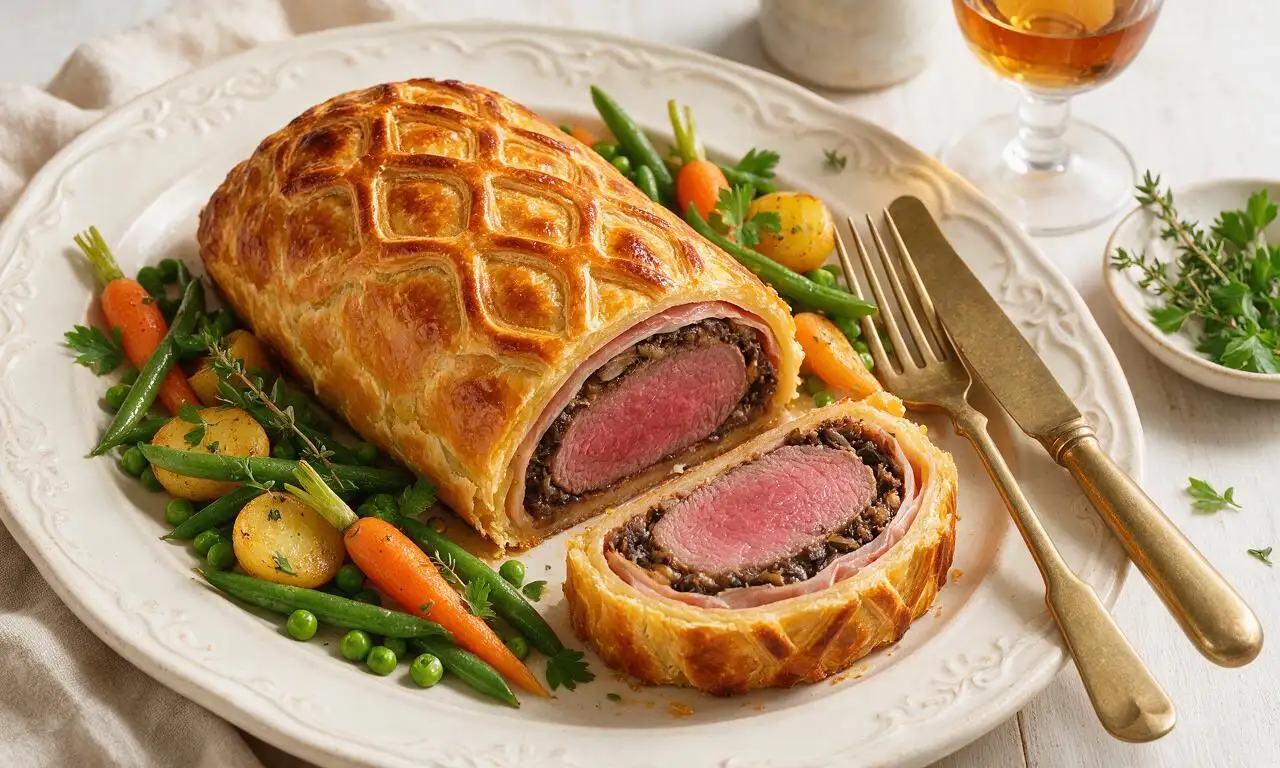
A showstopping classic of tender seared beef, savory mushroom duxelles, and crisp prosciutto wrapped in flaky golden puff pastry, baked to juicy perfection.

⏱️ 2 hours 1Main Course ★ 4.7
Main Course
🍜 India

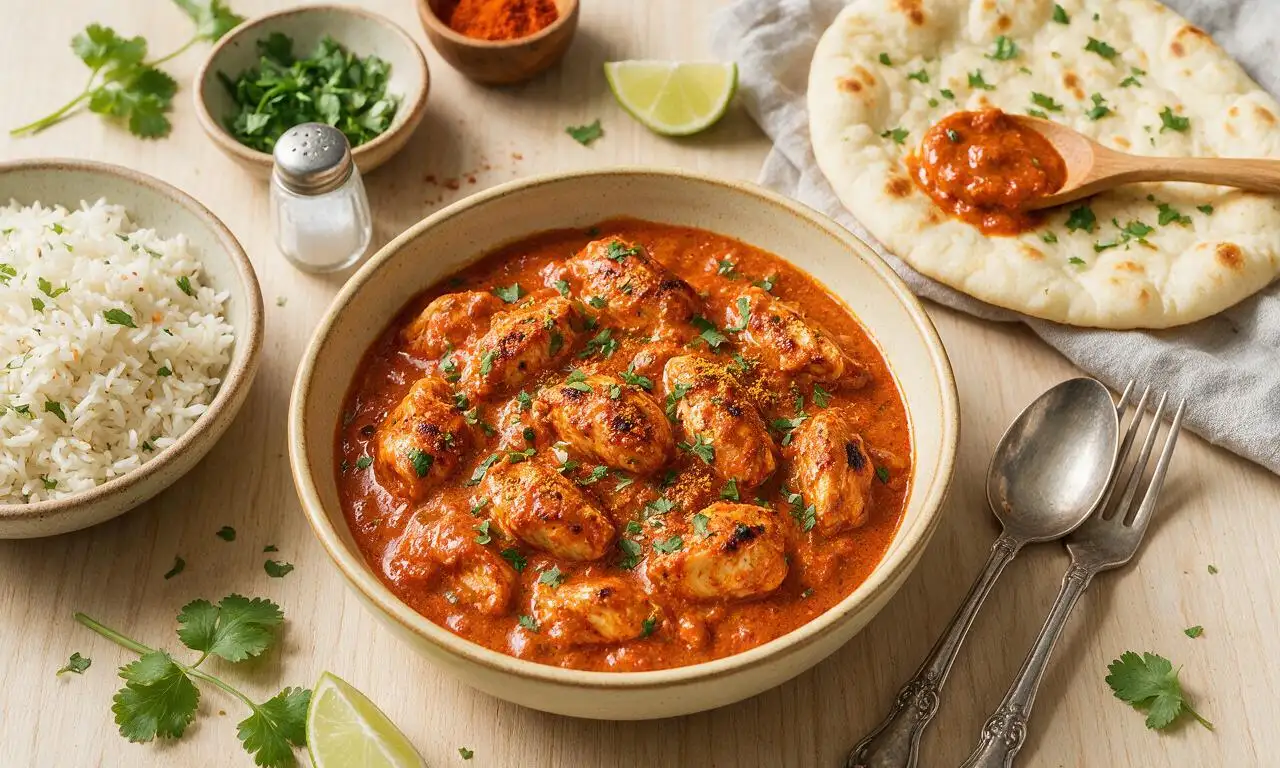
Tender charred marinated chicken simmered in a rich, spiced creamy tomato sauce, this iconic Anglo-Indian curry pairs perfectly with basmati rice or warm naan.

⏱️ 50 minuteMain Course ★ 4.6
Main Course
🍜 Thailand

Classic tangy, sweet, and savory Thai stir-fried rice noodles with shrimp, tofu, and crunchy garnishes, balancing all five core Thai flavor profiles.

⏱️ 30 minuteMain Course ★ 4.5
Main Course
🍜 United Kingdom

Crispy golden beer-battered cod and fluffy double-fried chips, served with tangy tartar sauce and malt vinegar: the timeless, beloved British pub comfort classic.

⏱️ 45 minuteMain Course ★ 4.7
Main Course
🍜 Mexico

Smoky, chile-marinated pork tacos with caramelized pineapple, fresh cilantro, and lime: a beloved classic Mexican street food perfect for casual summer gatherings.

⏱️ 1 hour 45Main Course ★ 4.8
Main Course
🍜 United States

Crunchy Fritos corn chips layered with savory beef chili and melted cheddar, topped with cool, zesty fixings for a beloved, cozy Tex-Mex comfort food.

⏱️ 35 minuteMain Course ★ 4.8

Deep Fried Turkey:Frequently Asked Questions

1.What size turkey works best for deep frying? ▾
Stick to a 12–14 pound fully thawed young turkey for the safest, most delicious results. Turkeys larger than that won’t cook evenly—you’ll end up with burnt skin before the thickest thigh reaches a safe temperature, and they also raise the risk of hot oil overflow when you lower them into the pot.
2.Why is it so important to fully thaw the turkey before frying? ▾
Any remaining ice crystals on or inside the turkey will cause instant, violent oil splatter and boil-over when it hits hot oil, which is a major fire and burn risk. A fully thawed turkey also cooks evenly, so you won’t get partially frozen, undercooked meat next to overcooked, dry sections.
3.Can I use a different oil if someone in my group has a peanut allergy? ▾
Peanut oil is ideal because of its high 450°F smoke point and neutral flavor, but for peanut allergies, refined safflower, canola, or avocado oil work as safe substitutes. Just make sure whatever oil you use has a smoke point of at least 425°F to avoid burning and off-flavors during frying.
4.How do I know how much peanut oil to add to my fryer? ▾
The no-mess, no-overflow trick is to place your raw, thawed turkey in the empty fry pot first, then cover it with water until it sits 1 inch above the turkey. Mark that level, pour the water out, dry the pot completely, then fill oil to that exact mark for perfect results every time.
5.What temperature should I heat the oil to before adding the turkey? ▾
Heat your peanut oil to a steady 350°F before lowering in the turkey, using a deep-fry thermometer clipped to the pot side to monitor temperature consistently. Don’t heat oil above 375°F, as this raises fire risk and will burn the turkey skin before the meat cooks through properly.
6.How long does it take to deep fry a whole turkey? ▾
Plan for roughly 3 to 4 minutes of cook time per pound of turkey at a steady 350°F. For a standard 12–14 pound bird, that works out to 36 to 56 minutes total. Always verify doneness with a meat thermometer instead of relying solely on timing to avoid under or overcooking.
7.What internal temperature means my fried turkey is safely done? ▾
Check the temperature in the thickest part of the thigh (avoiding bone) and the thickest part of the breast—both should read 165°F per USDA food safety guidelines. Once it hits that temp, pull it immediately to rest, as carryover cooking will raise the temp a few extra degrees as it sits.
8.Do I need to brine the turkey before deep frying? ▾
You don’t have to brine, but a dry brine with kosher salt, garlic powder, and black pepper applied 12–24 hours before frying locks in extra juiciness and helps skin crisp up perfectly. Skip wet brines, though—excess surface moisture will cause dangerous oil splatter when you lower the bird in.
9.How should I season the turkey if I’m short on prep time? ▾
If you don’t have time for an overnight dry brine, pat the turkey completely dry inside and out with paper towels first, then rub the entire surface and cavity generously with kosher salt, freshly ground black pepper, and garlic powder right before lowering it into hot oil, getting in every nook for even flavor.
10.Do I really need to remove the giblets before frying? ▾
Absolutely—always reach into the turkey cavity and neck pocket to pull out the packaged giblets and neck before frying. Leaving them in blocks even heat circulation, adds unwanted moisture that causes splatter, and you won’t be able to use them for gravy if they cook submerged in hot oil.
11.Why does my fried turkey skin turn out soggy instead of crispy? ▾
Soggy skin almost always traces back to excess surface moisture on the turkey when it hits the oil, or oil that’s too cool when you add the bird. Pat every inch of the turkey (inside the cavity too!) completely dry with paper towels, and confirm oil holds a steady 350°F before lowering the bird in.
12.Is it safe to set up my turkey fryer on a wooden deck? ▾
It’s not recommended to fry on a wooden deck, under a covered porch, or within 10 feet of your home, overhanging tree branches, or flammable materials. Always set up your fryer on flat, level concrete or dirt ground outdoors, and keep a Class B fire extinguisher nearby for emergencies.
13.How do I lower the turkey into hot oil without splashing myself? ▾
First, turn off the burner temporarily while you lower the bird to reduce flare-up risk. Use the sturdy metal hook or rack that comes with your fryer, wear long, heat-resistant oven mitts, and lower the turkey slowly and steadily—don’t drop it, as that will cause hot oil to splash and lead to painful burns.
14.Should I put the lid on the fryer while the turkey cooks? ▾
Keep the fryer lid off while the turkey cooks. Covering the pot traps condensation that drips back into hot oil, causing messy, dangerous splatter, and it makes it much harder to monitor your oil temperature consistently to avoid overheating. Only use the lid for storing cooled, used oil after cooking.
15.How long should I let the turkey rest after frying before carving? ▾
Let the fried turkey rest on a wire rack set over a baking sheet for 20 to 30 minutes before carving. This rest time lets hot, juicy meat reabsorb its internal juices so they don’t run all over your cutting board when you slice, and it gives the skin time to set to that perfect crispy bite.
16.Can I inject the turkey with marinade for extra flavor? ▾
You absolutely can inject melted butter mixed with extra garlic powder, black pepper, and a pinch of kosher salt into the breast and thigh meat 1–2 hours before frying for extra richness. Just pat injection holes dry before frying, and avoid injecting too much liquid that leaks out and causes oil splatter.
17.What should I do with leftover peanut oil after frying? ▾
Let the oil cool completely to room temperature for 3–4 hours first, then strain it through a fine-mesh sieve lined with cheesecloth to remove burnt food particles. Store strained oil in a sealed, airtight container in a cool, dark place for up to 6 months, and reuse it 2–3 more times if it doesn’t smell rancid.
18.Why did my oil bubble over the last time I tried to fry a turkey? ▾
Oil boil-over is almost always caused by one of three issues: too much oil in the pot, a turkey that wasn’t fully thawed, or a turkey that was still wet on the surface. Always measure your oil level ahead of time, confirm the bird is 100% thawed, and pat it completely dry to avoid this dangerous mess.
19.Can I stuff the turkey cavity with stuffing before deep frying? ▾
Never stuff the cavity of a deep fried turkey. Hot oil will not heat stuffing to a safe 165°F internal temperature fast enough to avoid foodborne illness, and loose stuffing can fall out into the oil, create burnt, bitter bits, and throw off your consistent oil temperature. Cook stuffing separately in a casserole dish.
20.How do I keep the breast meat from drying out during frying? ▾
First, don’t overcook the bird—start checking internal temperature 10 minutes before your estimated cook time ends, pulling it as soon as the breast hits 160°F (it will rise to 165°F during rest). Keep oil at a steady 350°F, and lower the turkey breast-side up to protect delicate white meat from harsh direct heat.

Comments (3)

2 days ago

OMG, this deep fried turkey was the absolute star of our Friendsgiving potluck last weekend! I was so nervous to try frying a whole bird for the first time since I’ve heard horror stories about oil fires, but the step-by-step safety tips in this recipe made it totally stress-free. The skin was shatteringly crisp, the meat was so juicy even the white breast meat didn’t dry out, and my friends kept going back for seconds and thirds. Total game changer, I’ll never roast a Thanksgiving turkey again! 10/10

yesterday

Wait, did you brine it first like the recipe says? I’m making this for my family’s Christmas dinner and I’m on the fence about skipping the brine to save time!

2 hours ago

Hi Jake! So stoked your Friendsgiving was a hit! Quick note for anyone reading, like Lisa asked – that 12 hour brine is non-negotiable for that ultra juicy meat, I promise the time payoff is huge! Always make sure your turkey is fully thawed and patted completely dry before lowering it into the oil too, that’s the best way to avoid messy oil boil-overs :)

5 days ago

Made this for our Sunday family dinner last night and my kids loved it! I was worried the 45 minute cook time felt too short for a 12lb bird, but I used my candy thermometer to check the oil temp like the recipe said and it came out perfectly. The cajun spice rub was SO good, my husband even asked if we can make this for our next neighborhood block party instead of our usual smoked turkey. Only tiny note: I’d recommend wearing old long sleeves when you’re lowering the turkey in, the oil pops a little even when the bird is totally dry!

3 days ago

Thanks so much for the great tip about long sleeves, Katie! That’s such an important safety note I’ll add a quick line about that to the recipe writeup this week. So happy the whole family enjoyed it – that block party spread is gonna be a total hit!

1 week ago

Tried this recipe last week for an early Thanksgiving potluck at work, and man it did not disappoint. I usually do smoked turkey for holidays but decided to switch it up for my weekly meal prep too, since leftover fried turkey is chef’s kiss. The only tweak I made was adding a little extra paprika and garlic powder to the rub, because I like my food a little more bold. Cooked a 14lb bird in right at 45 minutes just like the recipe said, no dry spots even in the thickest part of the breast. Can’t wait to make this again when my parents come into town for Christmas.