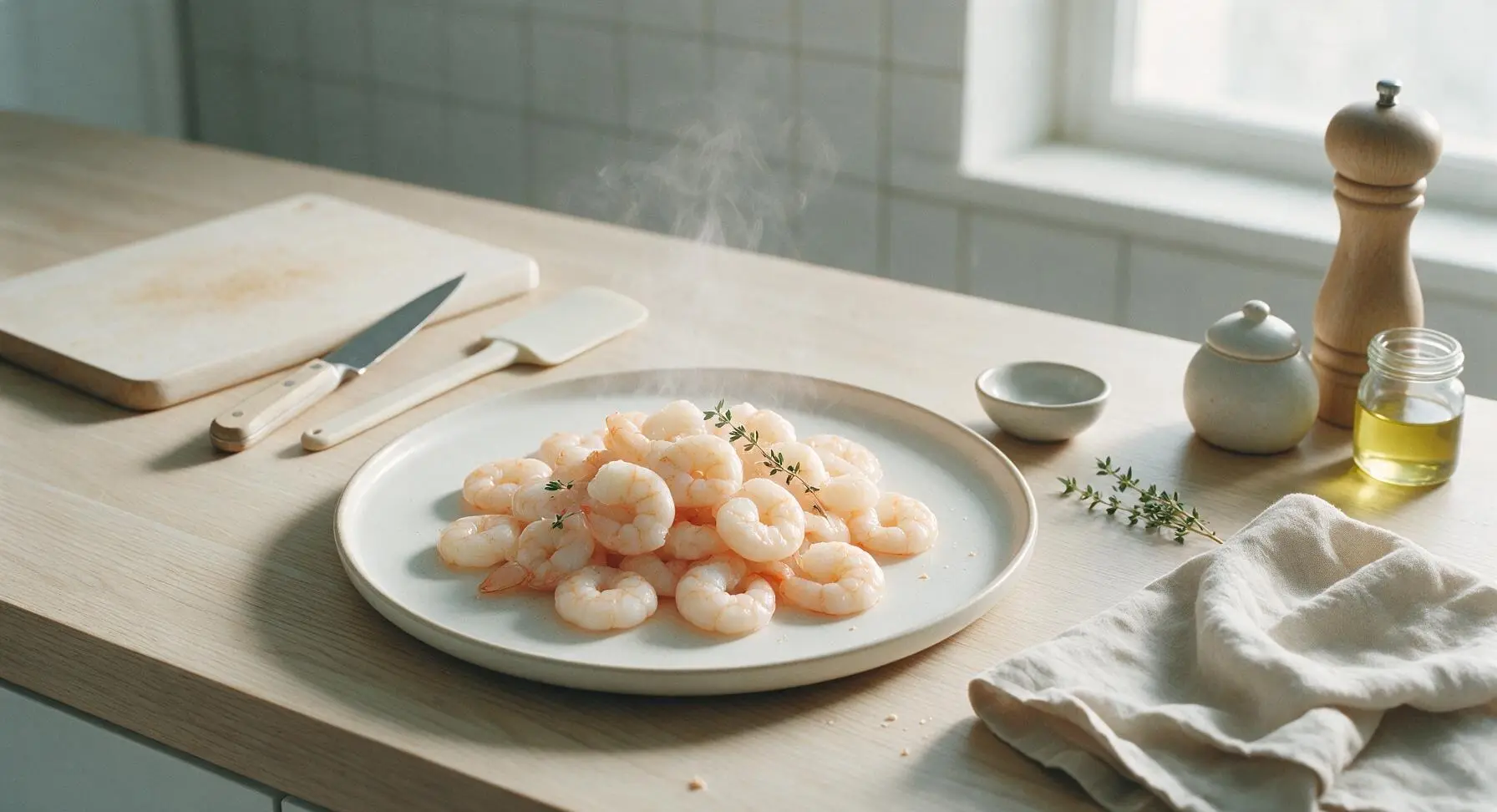
defrosting shrimp

title 1
defrosting shrimp
⏱️ cook time 0 minutes (no cooking required)
🍽️ servings 4
⚡ Difficulty easy

intro

Master the food-safe, texture-preserving method to defrost frozen shrimp, yielding plump, firm, non-mushy shrimp ready for stir-fries, grilling, pastas, and boils.

Ingredients
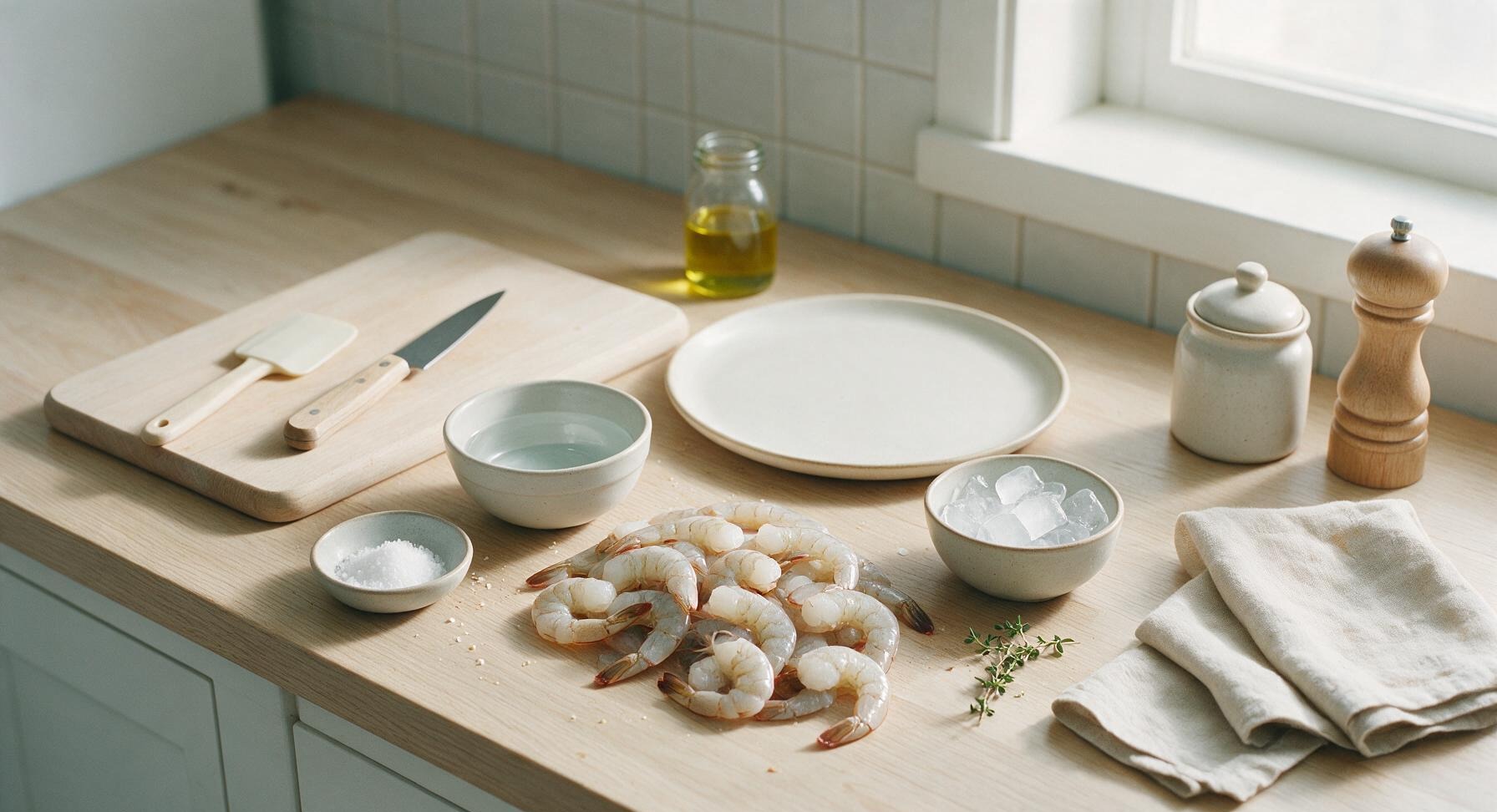
Frozen raw shell-on tail-on shrimp 450g (1lb)
Cold tap water 1L (4 cups)
Coarse kosher salt 15g (1 tbsp)
Ice cubes 240g (2 cups)

Steps

1

Mix Salted Cold Water

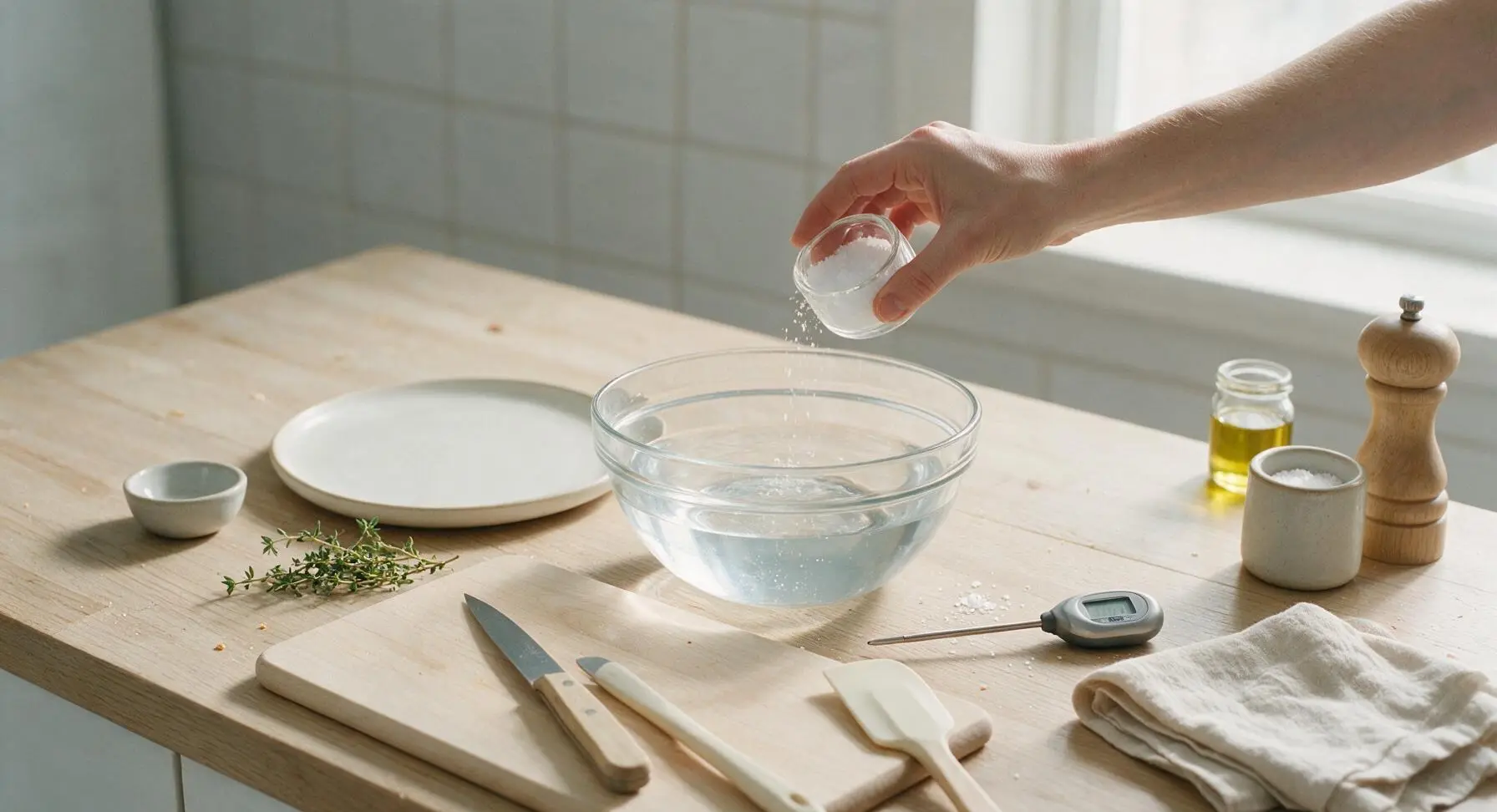
Place the 3-quart clear glass mixing bowl in the center of the workspace. Add 1 tablespoon (15g) of coarse kosher salt from the glass salt cellar to the bowl, then pour in 4 cups (1L) of cold tap water (4°C / 40°F or colder, verify with the instant-read thermometer for food safety). Stir gently with the 1-cup stainless steel measuring cup until all salt grains are fully dissolved, with no salt settling at the bottom of the bowl.
Step 1
step1:Mix Salted Cold Water
2

Submerge Frozen Shrimp

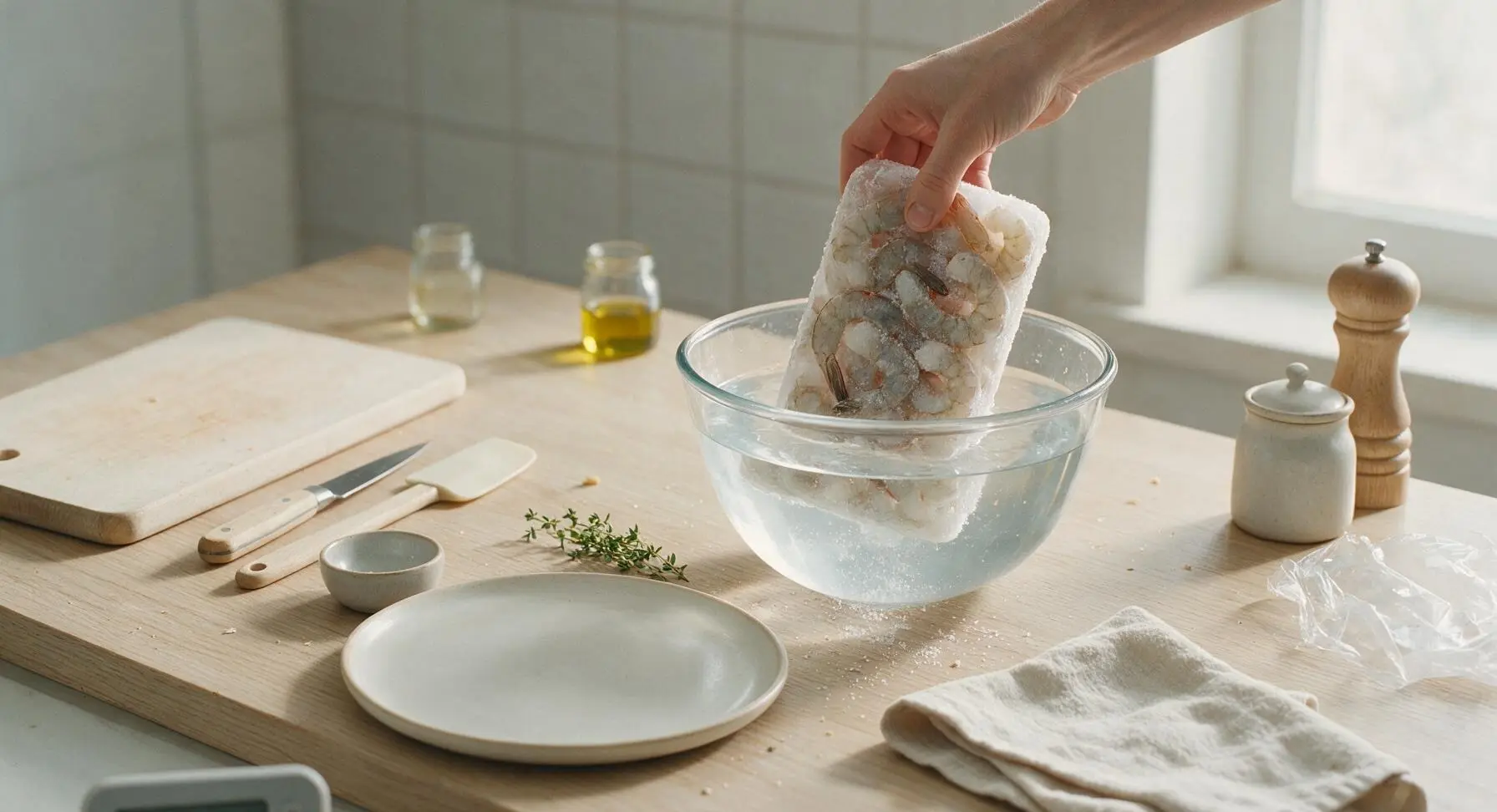
Unwrap the 450g block of frozen shrimp, setting plastic packaging off to the far edge of the counter for disposal. Place the entire solid, frost-covered shrimp block directly into the salted cold water, pressing gently to ensure the block is fully submerged. Do not break the block apart at this stage, as prying frozen shrimp can tear delicate flesh and cause uneven thawing.
Step 2
step2:Submerge Frozen Shrimp
3

Add Ice to Brine

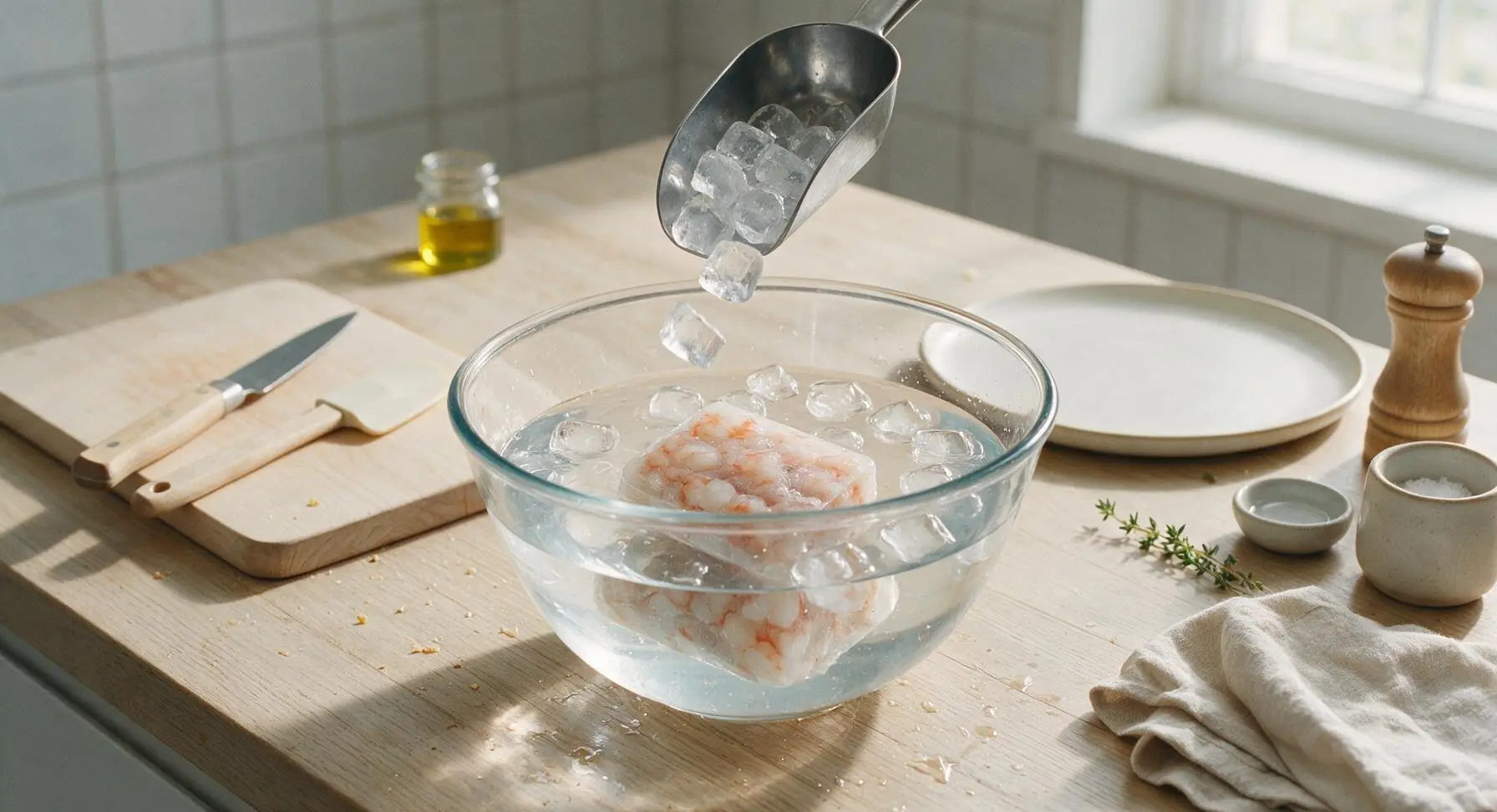
Use the stainless steel ice scoop to add 2 cups (240g) of ice cubes to the mixing bowl around the submerged shrimp block. This keeps the water temperature consistently at or below 4°C / 40°F for the full defrost time, preventing bacterial growth and stopping the outer shrimp layers from warming and turning mushy while the center thaws.
Step 3
step3:Add Ice to Brine
4

Monitor Thaw Progress

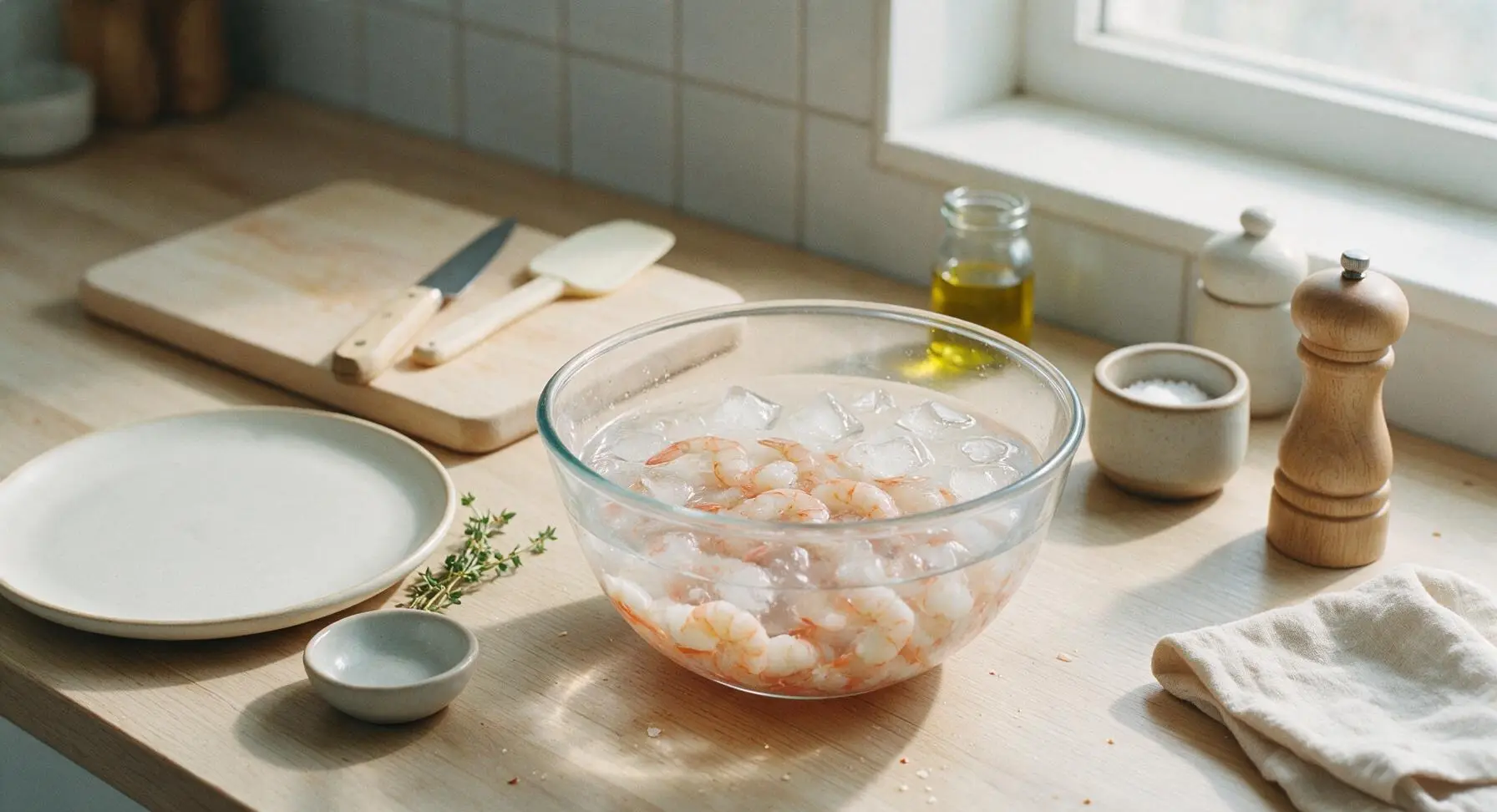
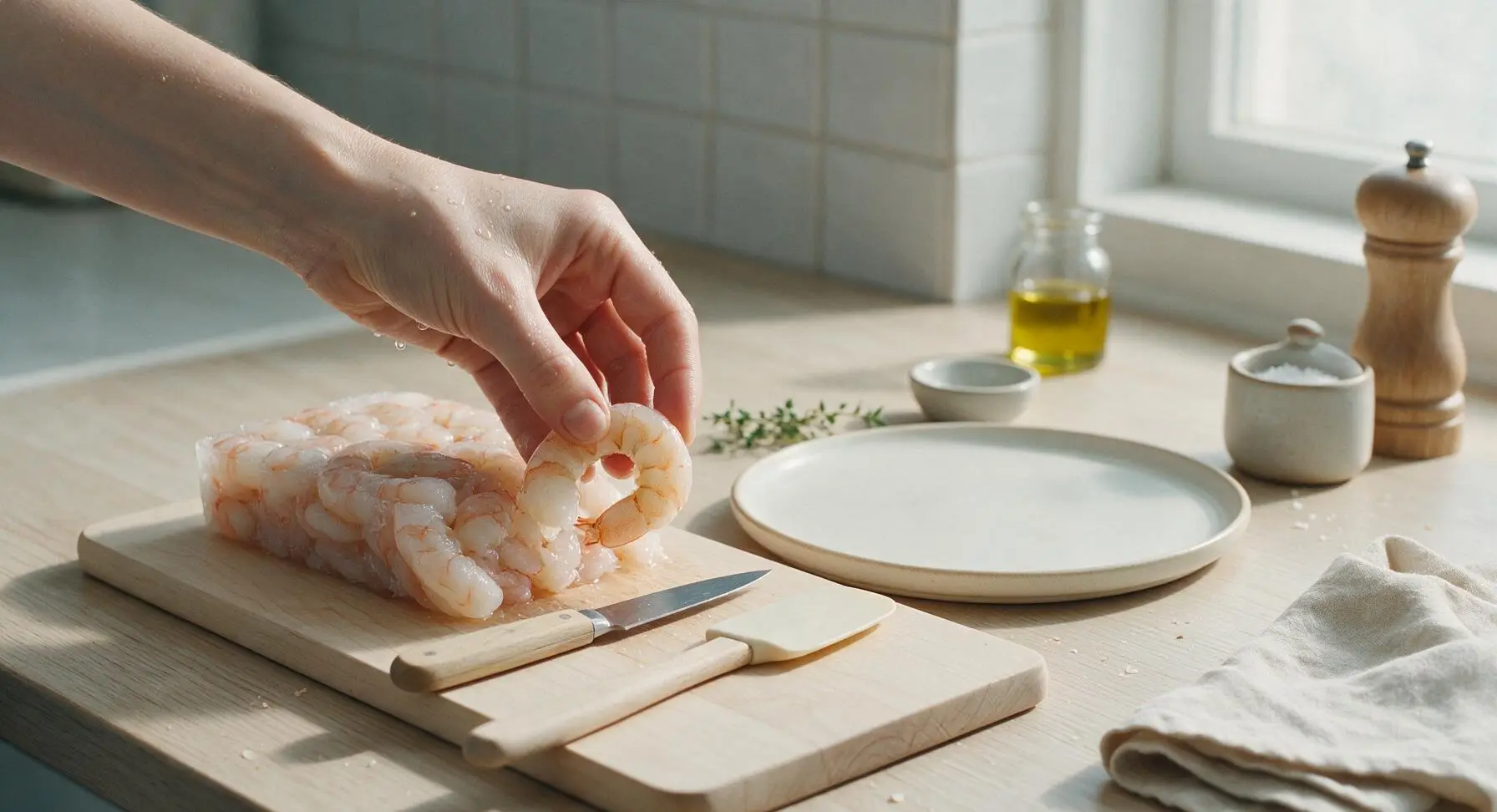
Let the shrimp rest in the cold brine, checking every 5 minutes. After 10 minutes, gently pry individual shrimp away from the thawing block with clean fingers. Total defrost time will be 15-20 minutes, depending on shrimp size. Shrimp are partially thawed when individual pieces separate easily but still have a firm, faintly icy core.
Step 4
step4:Monitor Thaw Progress
Step 4
step4:Monitor Thaw Progress
5

Drain Thawed Shrimp

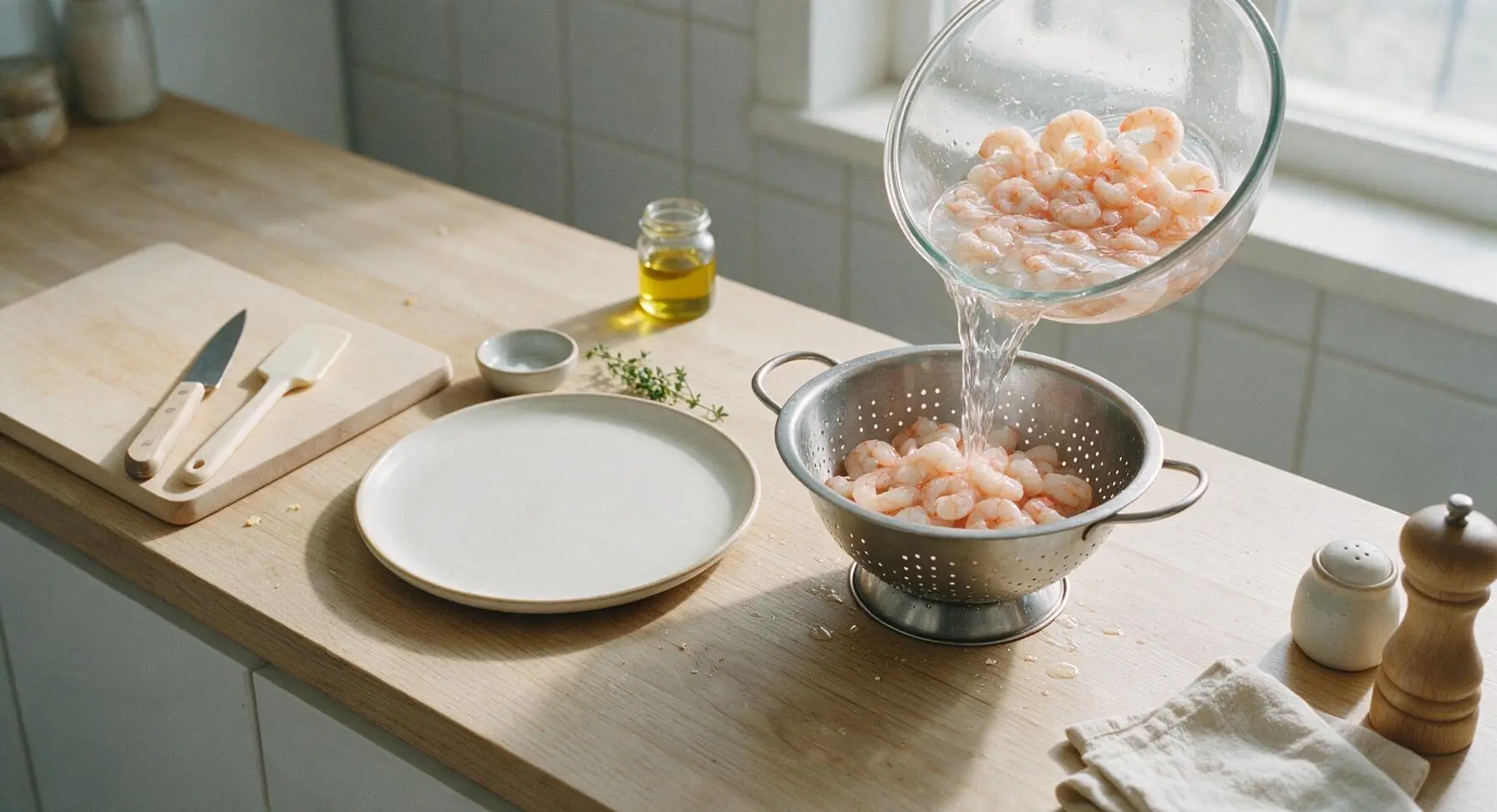
Once all shrimp are fully separated and pliable with no large solid ice chunks remaining, lift the glass mixing bowl and pour the entire contents into the adjacent stainless steel colander. Shake the colander gently for 30 seconds to drain all excess brine and melted ice water from the shrimp, letting water run through the colander holes into the sink just out of frame below the counter edge.
Step 5
step5:Drain Thawed Shrimp
6

Confirm Full Thaw

Pick 2-3 random shrimp from the colander, gently squeezing the thickest tail section to check for any remaining hard, frozen ice cores. Fully defrosted shrimp will be firm, pliable, and uniformly cold, with no crunchy frozen sections. If frozen spots remain, return shrimp to the cold brine for 3-5 additional minutes before re-draining.
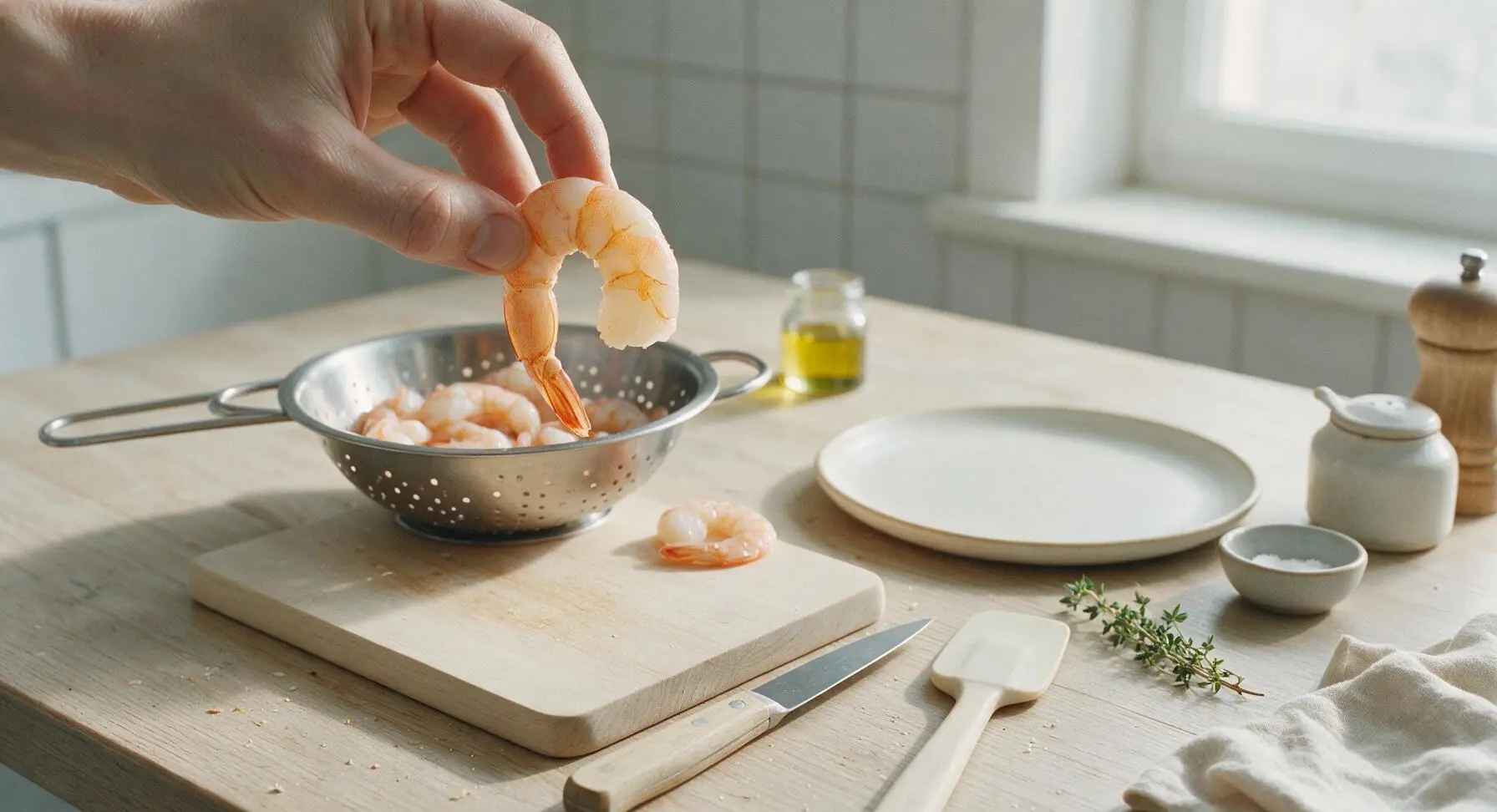
Step 6
step6:Confirm Full Thaw
7

Pat Shrimp Dry

Transfer the fully drained, thawed shrimp from the colander to the front-center matte pale grey ceramic platter. Gently pat the surface of the shrimp with the clean corner of the oatmeal linen kitchen towel to remove excess surface moisture, which prevents oil splatter during cooking and helps seasonings and marinades adhere evenly.
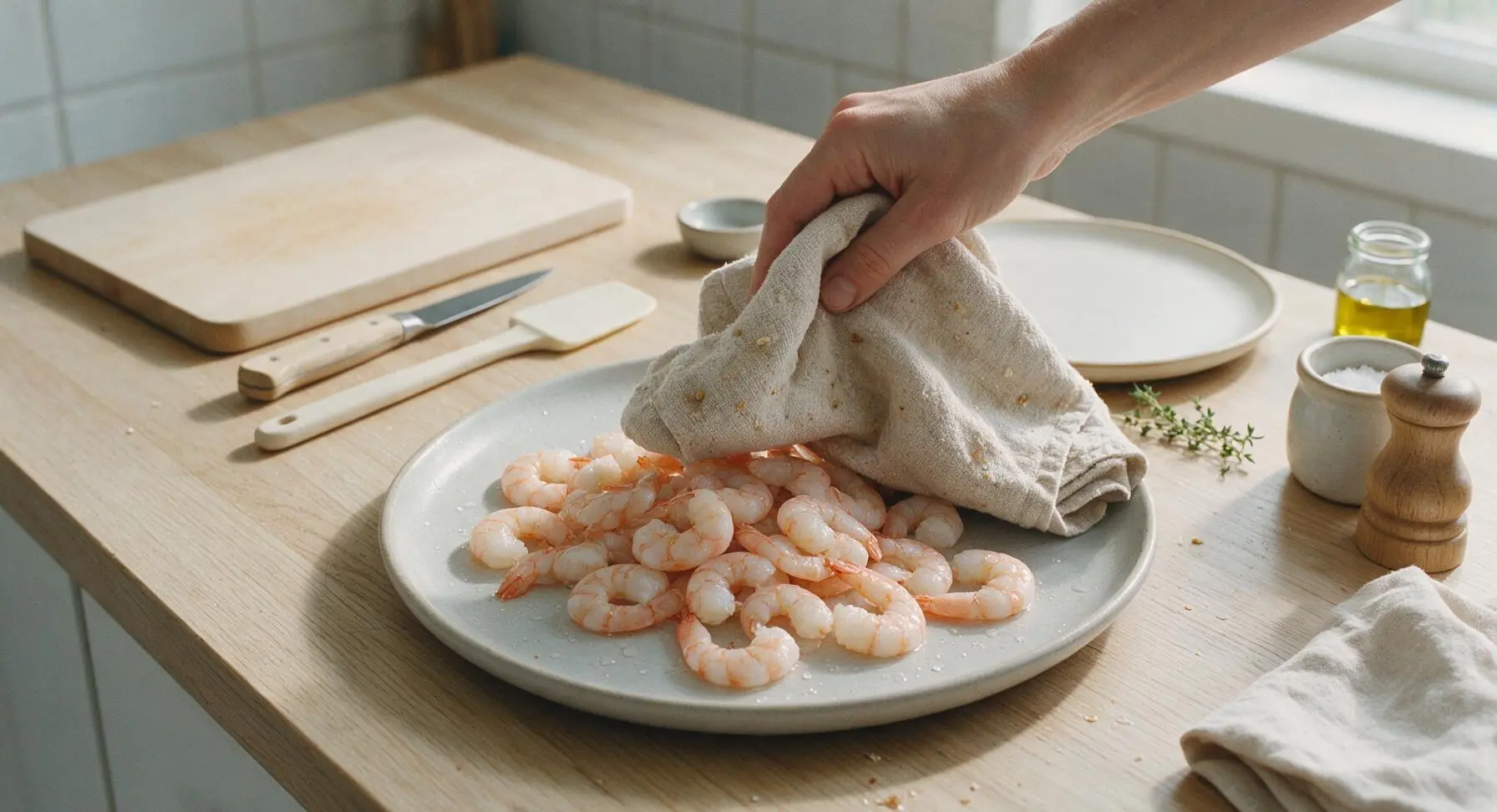
Step 7
step7:Pat Shrimp Dry

Tips

1.Never defrost shrimp in warm/hot water or on the counter at room temperature for longer than 20 minutes: temperatures between 4°C and 60°C (40°F and 140°F) are the food safety danger zone where harmful bacteria multiply rapidly, and warm water also turns the delicate outer shrimp flesh mushy before the center thaws.
2.Avoid using your microwave's defrost setting for shrimp: microwave energy heats unevenly, cooking the thin tail edges of shrimp to a rubbery texture while the thick center remains frozen, leading to inconsistent results unsuitable for stir-fries, grilling, or pasta dishes.
3.Do not refreeze raw shrimp defrosted in cold water: ice crystals that form during refreezing break down the shrimp's delicate muscle fibers, resulting in a mushy, watery texture when cooked. Defrosted shrimp can be stored in a sealed airtight container in the refrigerator for up to 2 days before cooking.
✨ You May Also Like

Seafood
🍜 United States

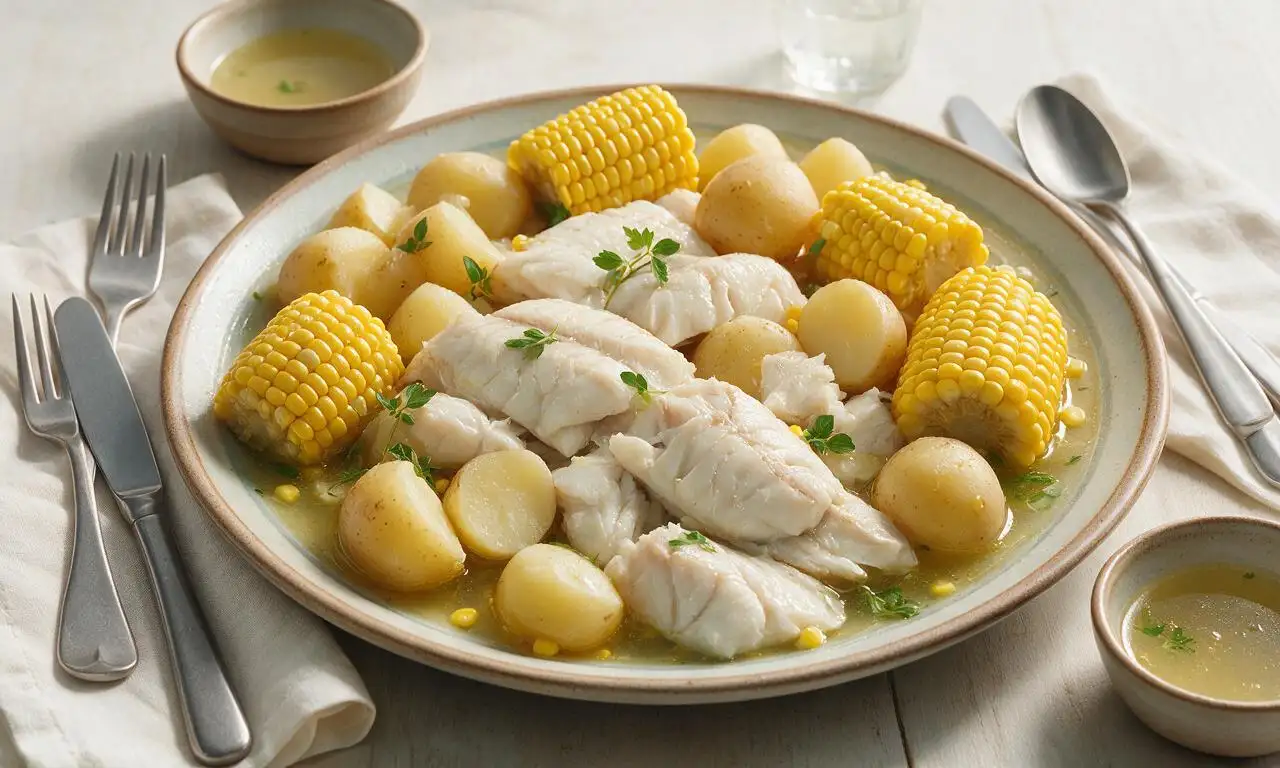
An iconic Door County, Wisconsin tradition of flaky boiled whitefish, tender potatoes, and sweet corn, cooked outdoors for casual, communal summer gatherings.

⏱️ 45 minuteSeafood ★ 4.7
Seafood
🍜 United States

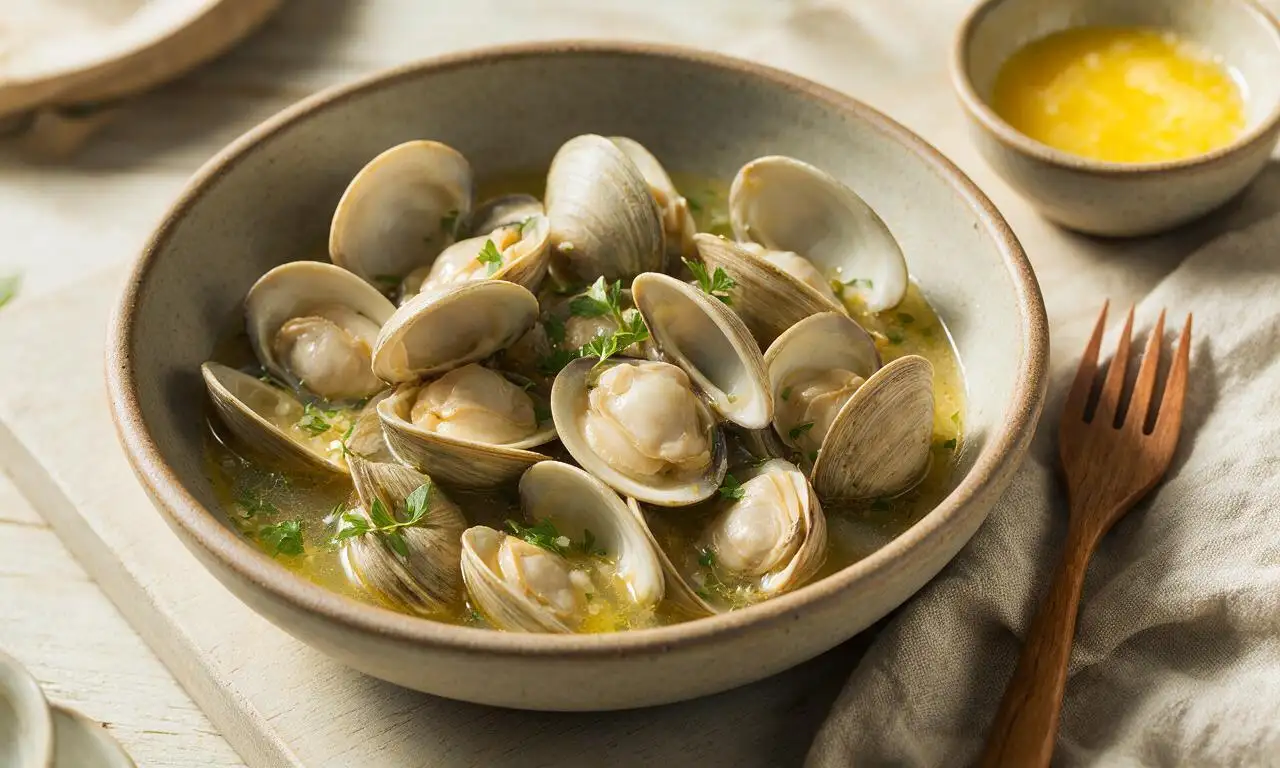
Tender, briny soft-shell clams steamed in garlicky white wine broth, served with warm broth and melted butter for dipping—classic coastal comfort food.

⏱️ 30 minuteSeafood ★ 4.7
Seafood
🍜 United States

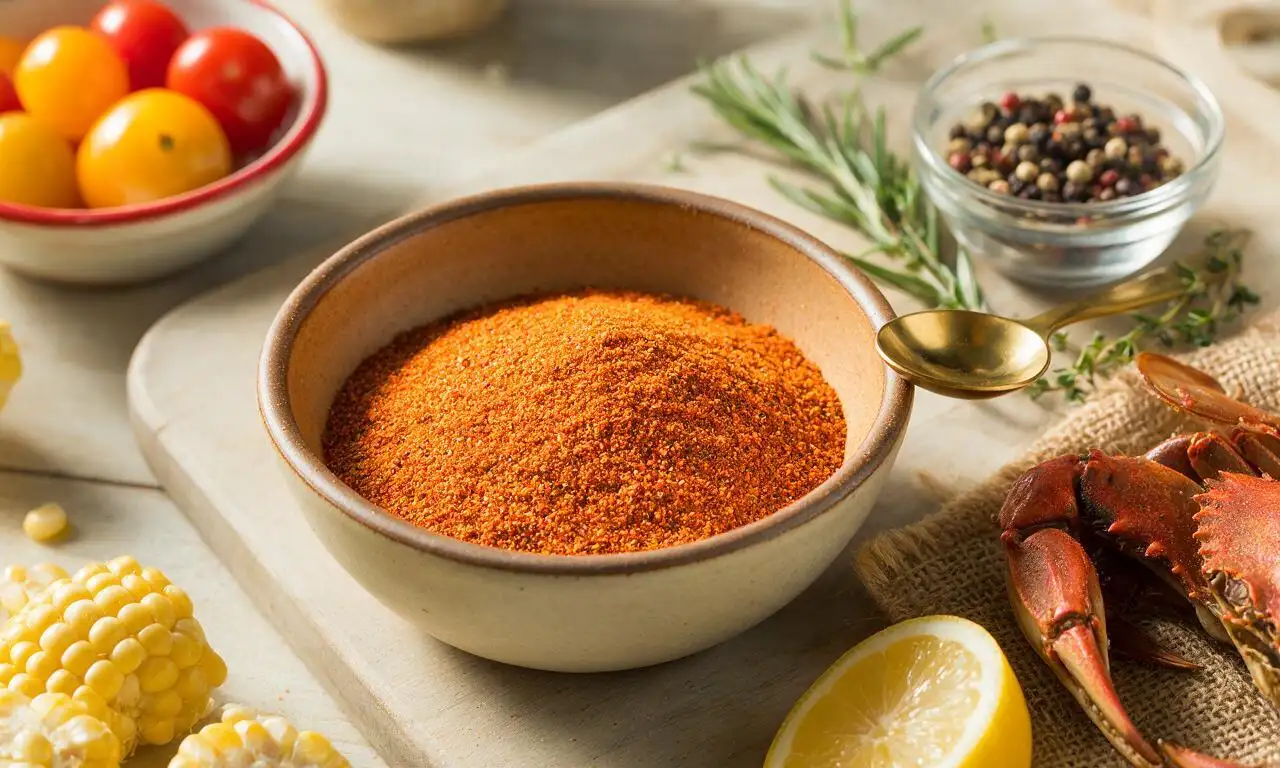
Iconic zesty, savory spice blend from Maryland’s Chesapeake Bay, perfect for seafood boils, grilled fare, fries, and corn, made fresh without preservatives.

⏱️ 10 minuteSeafood ★ 4.9
Seafood
🍜 China

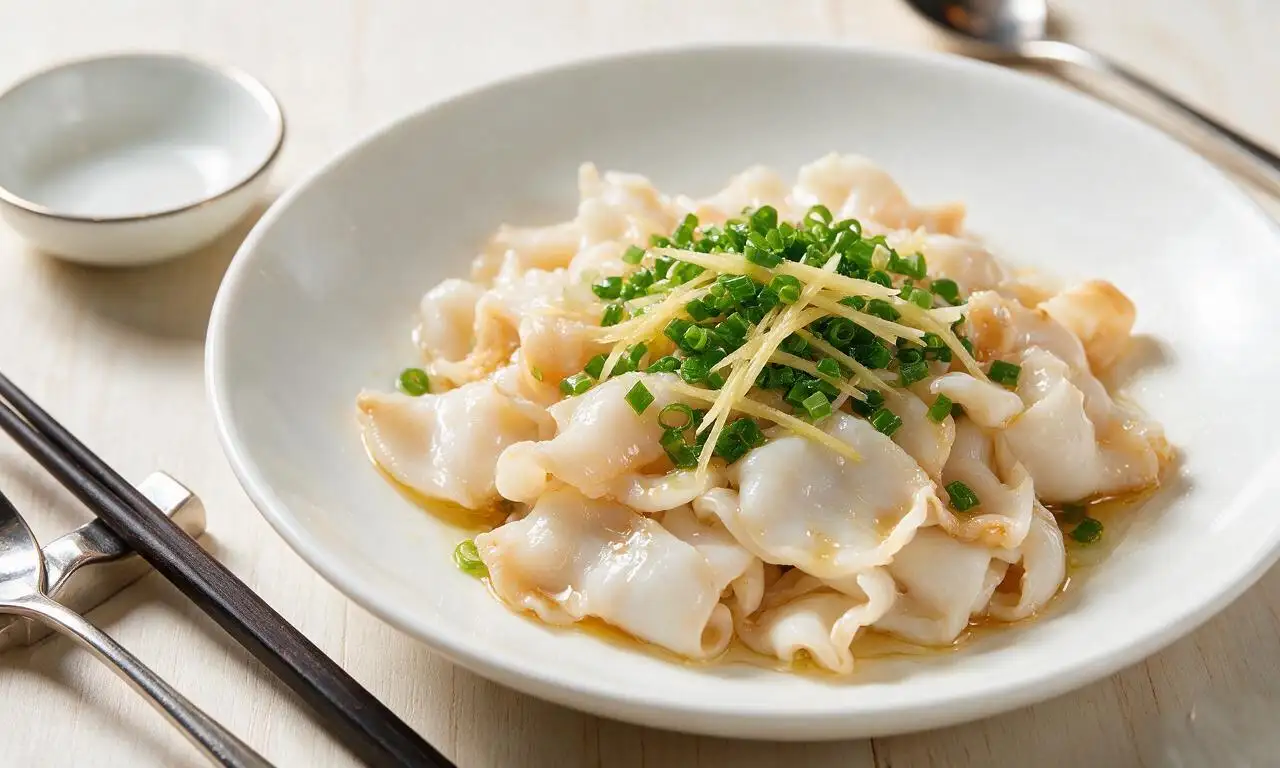
Tender, crisp, sweet blanched geoduck topped with fragrant sizzled ginger and scallion, a luxurious Cantonese dish highlighting the clam’s natural briny, delicate flavor.

⏱️ 30 minuteSeafood ★ 4.7
Seafood
🍜 United States

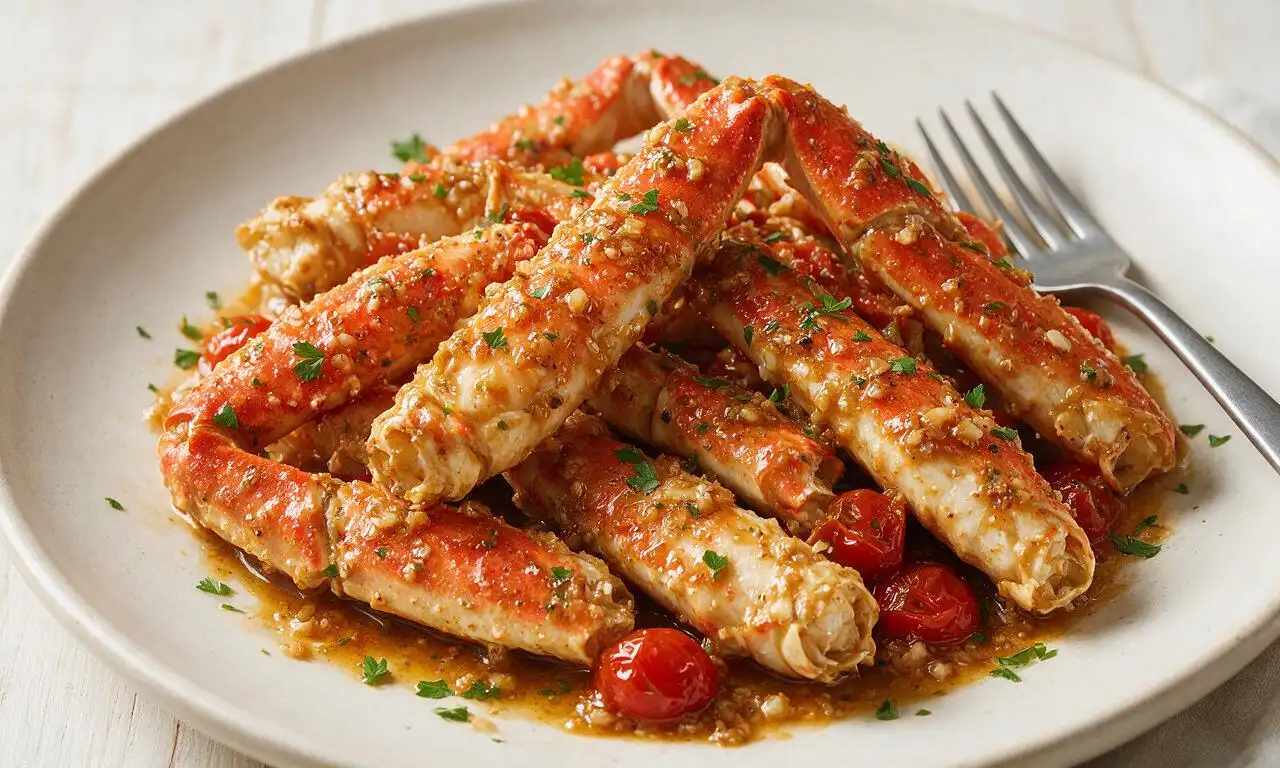
Succulent sweet crab legs coated in rich garlic butter, steamed to tender perfection for a juicy, indulgent seafood feast that requires minimal prep and cook time.

⏱️ 25 minuteSeafood ★ 4.7
Seafood
🍜 United States

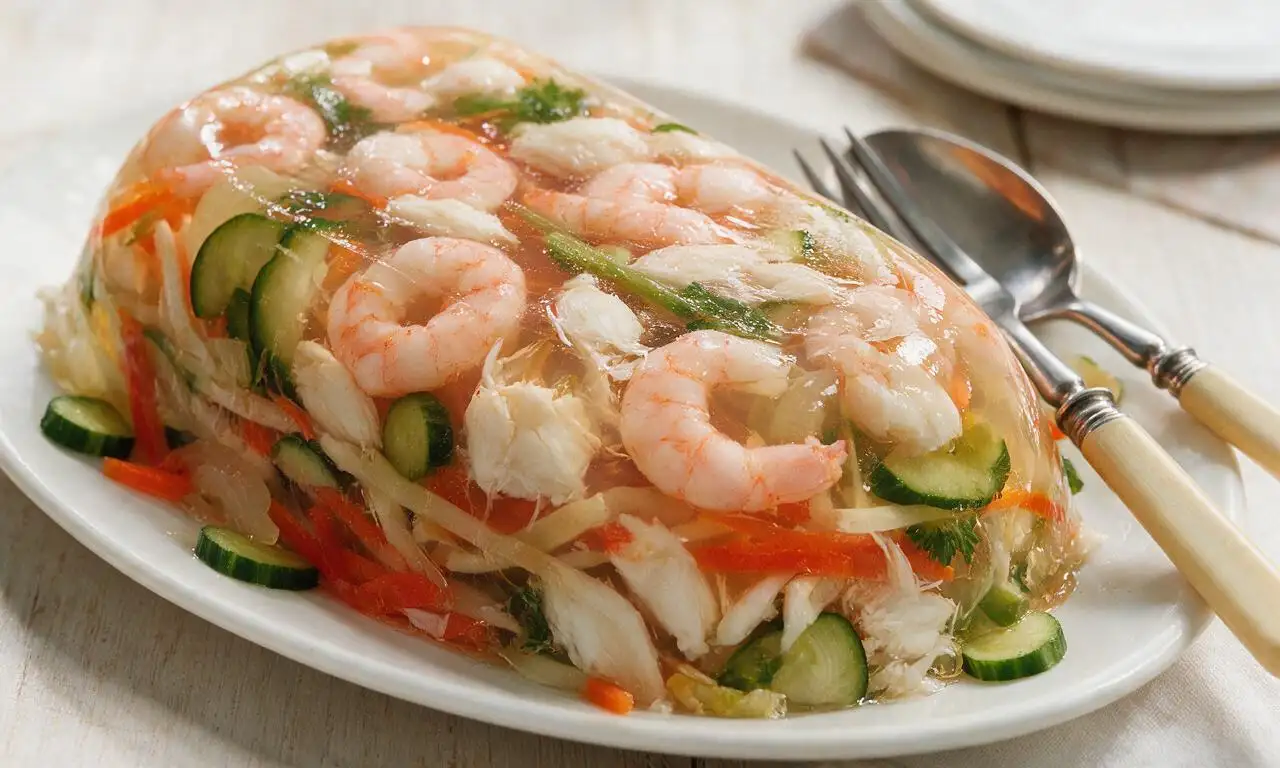
A nostalgic chilled jellied seafood staple of 1950s American potlucks, loaded with tender shrimp, lump crab, crisp veggies, and bright creamy tang.

⏱️ 4 hours 2Seafood ★ 4.6

defrosting shrimp:Frequently Asked Questions

1.Why does this method prevent mushy shrimp better than counter thawing or the microwave? ▾
Counter thawing puts shrimp in the 40–140°F food safety danger zone where bacteria grow fast, while microwave thawing heats spots unevenly to burst delicate shrimp cells and create mushy, unappetizing texture. This cold salt brine stays at a consistent, food-safe low temperature that gently thaws without damaging cell structure for plump, firm shrimp.
2.Do I have to use shell-on tail-on shrimp for this method, or will peeled frozen shrimp work? ▾
Peeled frozen shrimp will work, but shell-on tail-on shrimp hold texture far better during thawing—the shell acts as a protective barrier to block excess water absorption that leads to mush. If using peeled shrimp, cut brine time by 5 minutes and pat extra dry before cooking to avoid soggy, limp results.
3.How much coarse kosher salt should I add to the thawing water? ▾
Aim for 1 tablespoon of coarse kosher salt per 4 cups of cold tap water. This salinity roughly matches the natural salt level of shrimp, so it won’t make them overly salty, but it helps draw out trapped ice crystals and gently firm the flesh as it thaws. Stir until salt fully dissolves before adding shrimp.
4.Why do I need to add ice cubes to the thawing water? Won’t that slow the process down too much? ▾
Ice cubes keep the water temperature consistently at or below 40°F, the FDA-recommended safe threshold to prevent bacterial growth as shrimp thaws. It only adds a few extra minutes to total thaw time, and that steady cold temperature is critical for avoiding mushy, waterlogged shrimp texture.
5.How long does this method take to fully defrost a standard bag of shrimp? ▾
For a standard 1-pound bag of medium to large shell-on shrimp, full thaw takes 15 to 20 minutes total. Give the water a gentle stir every 5 minutes to break up cold spots around the shrimp, and don’t leave them soaking longer than 30 minutes, as that can lead to soft, over-brined texture.
6.Is it safe to refreeze shrimp after thawing it with this method? ▾
Yes, as long as you kept shrimp at a consistent 40°F or below for the entire thawing process, it is food-safe to refreeze. Just note that a second freeze-thaw cycle can slightly soften texture, so pat shrimp very dry, seal in an airtight freezer bag, and use within 1 month for best results.
7.Can I use regular table salt instead of coarse kosher salt for the thaw brine? ▾
You can, but cut the measurement in half—table salt is far denser and saltier per volume than coarse kosher salt, so using the same amount will leave shrimp unpleasantly salty. Kosher salt is preferred because it dissolves evenly and has no added anti-caking agents that can leave a subtle off-flavor.
8.Why do my thawed shrimp still turn out watery even when I don’t oversoak them? ▾
That almost always happens if you skip the post-thaw pat-dry step! After draining the brine, lay shrimp on a double layer of paper towels and pat both sides thoroughly to remove all surface moisture before cooking. Skipping this leaves excess water that steams shrimp instead of searing them for great texture.
9.Does this thawing method work for cooked frozen shrimp, or is it only for raw shrimp? ▾
This method works beautifully for cooked frozen shrimp too! Just cut total thaw time to 8 to 12 minutes, since cooked shrimp flesh is more delicate and can absorb excess brine faster, leading to a mushy, overly salty bite. Pat cooked thawed shrimp dry before adding to salads, pastas, or cocktail sauce.
10.What’s the problem with running hot water over frozen shrimp to speed up thawing? ▾
Hot water causes two big issues: first, it pushes the outer layers of shrimp straight into the food safety danger zone fast, letting bacteria multiply quickly even if the center is still frozen. Second, it partially cooks the thin outer flesh, creating rubbery, uneven texture that turns mushy when you finish cooking.
11.Do I need to keep shrimp in their original sealed bag while thawing, or can I put them straight in the brine? ▾
You can dump shrimp straight into the cold salted ice water—no need to keep them bagged! Just make sure no shrimp are stuck together in a big frozen clump when you add them; break apart any clusters as they thaw so every piece thaws at an even rate for consistent, firm texture ready to cook however you like.

Comments (7)

2 days ago

OMG I have been messing up defrosting shrimp for YEARS! They always turn out mushy and watery no matter what I tried, even when I left them in the fridge overnight. Tried this method last night for our family taco Tuesday and the shrimp were perfectly firm, no weird texture at all! Total game changer for my weekly meal prep.

yesterday

Wait did you do the cold water bath part? I’m always paranoid about leaving seafood out too long so I’ve been scared to try anything other than fridge thawing!

yesterday

Great question! The cold running water method stays at a safe food temp the whole time as long as you keep the water a steady cool flow, no warmer than 70°F. You’ll get perfect, non-mushy shrimp in 15-20 minutes flat without any food safety risk!

3 days ago

Bro this saved my potluck last weekend! I forgot to pull the shrimp out for my shrimp cocktail appetizer morning of, thought I was totally screwed. Followed this method, had perfectly thawed shrimp in 20 minutes, nobody even knew I cut it close. Only thing I’ll say is make sure you pat them really dry before you serve, otherwise the cocktail sauce slides right off lmao.

2 days ago

So glad this saved your potluck! Great call on the pat dry step — that’s such an easy pro tip that makes a huge difference for any shrimp recipe, whether you’re serving cocktail, sautéing, or grilling!

1 week ago

SO good! I used to defrost shrimp in the microwave like a chump and half of them would start cooking around the edges while the middle was still frozen. This method is so foolproof even my teenager was able to do it when I was running late from work last night. We had shrimp scampi for dinner and it turned out restaurant quality.

5 days ago

Wait, is it really safe not to thaw them in the fridge? I’ve always heard seafood has to stay super cold otherwise you risk bacteria growth. I want to try this for my shrimp boil this weekend but I’m nervous about making my guests sick!

3 days ago

I was nervous too! I used this method for my Fourth of July boil last month and nobody got sick, just make sure the water is cold, not warm, and you don’t leave them sitting out after they’re thawed. The shrimp came out way better than the fridge-thawed ones I usually make, no mush at all.

3 days ago

Totally get the food safety concern! As long as you use continuously running cold water (not standing warm water) and cook the shrimp immediately after thawing, this method is 100% USDA recommended and safe. It’s way faster than fridge thawing and avoids the mushy texture you get from slow thawing in standing water.

30 minutes ago

Game. Changer. I live in a tiny apartment with a mini fridge so I never have space to thaw stuff overnight, this is perfect for quick weeknight meals. Made garlic butter shrimp with pasta last night using this method and my roommate asked for seconds TWICE. 10/10 will use every single time I make shrimp from now on.

5 minutes ago

Ooh garlic butter shrimp pasta sounds amazing! Do you season the shrimp right after thawing or pat them dry first?

2 weeks ago

Used this for grilled shrimp skewers at our backyard cookout last weekend and everyone was raving about how snappy and fresh the shrimp tasted. I always thought thawed shrimp was never as good as fresh, but I genuinely couldn’t tell the difference. Only knock is I wish I’d found this sooner, I wasted so much money on mushy shrimp over the years!

1 week ago

That makes us so happy to hear! The secret to that snappy, fresh texture is avoiding the slow moisture leach that happens when you thaw shrimp slowly in the fridge or standing water, so this method locks in that perfect bite perfect for grilling. Enjoy those future cookouts!

yesterday

My kids loved it! I usually struggle to get them to eat shrimp because they say it’s ‘squishy’ when I thaw it the old way, but when I used this method for shrimp po’ boys for dinner last night they both cleaned their plates. No more squishy shrimp = no more dinner table fights, thank you so much for this easy trick!