
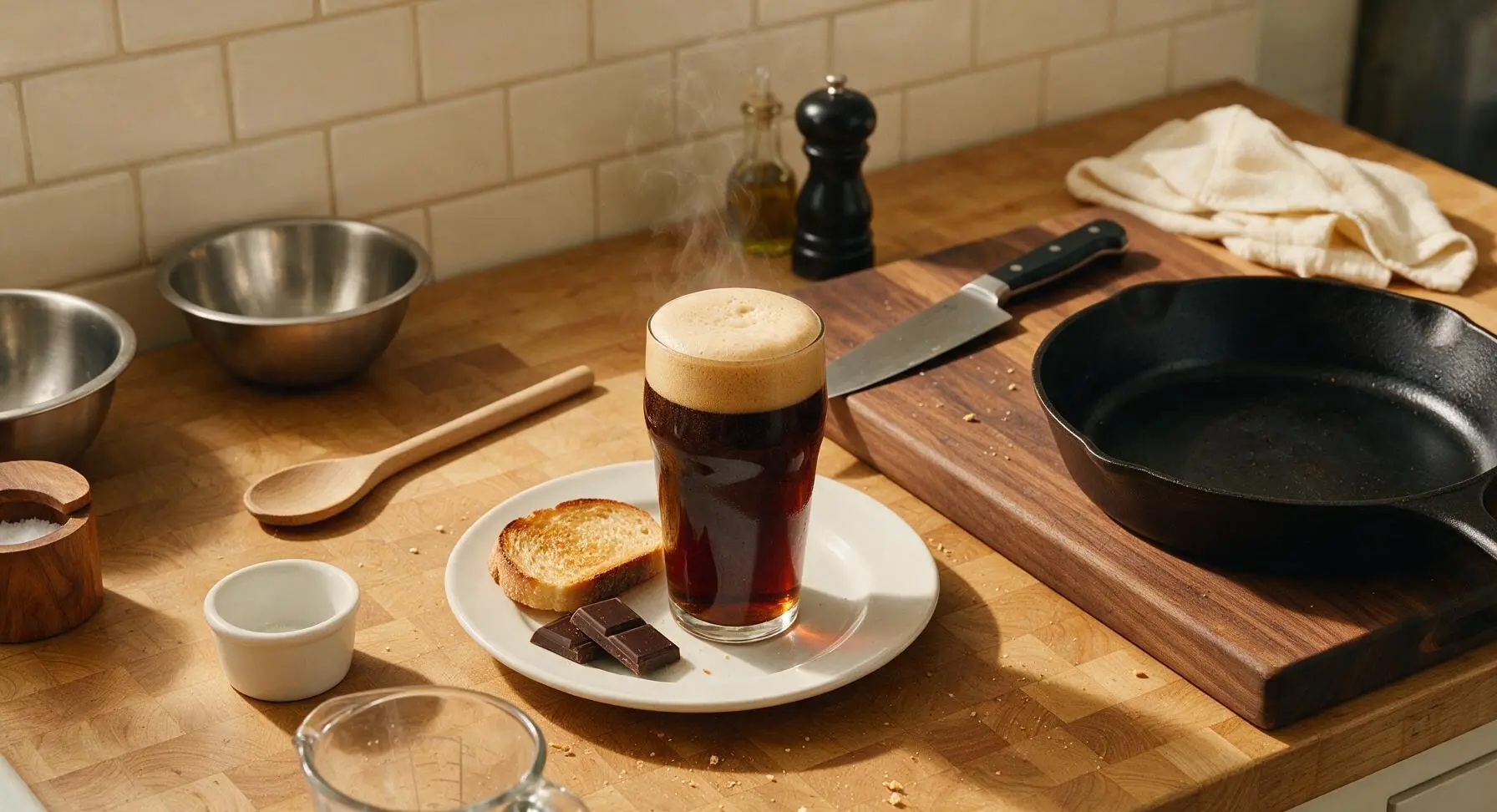
English Porter

title 1
English Porter
⏱️ cook time 2 hours
🍽️ servings 40
⚡ Difficulty medium

intro

A smooth, malty classic British ale with notes of toasted bread, dark chocolate, and subtle earthy hops, topped with a creamy tan head and balanced, drinkable finish.

Ingredients
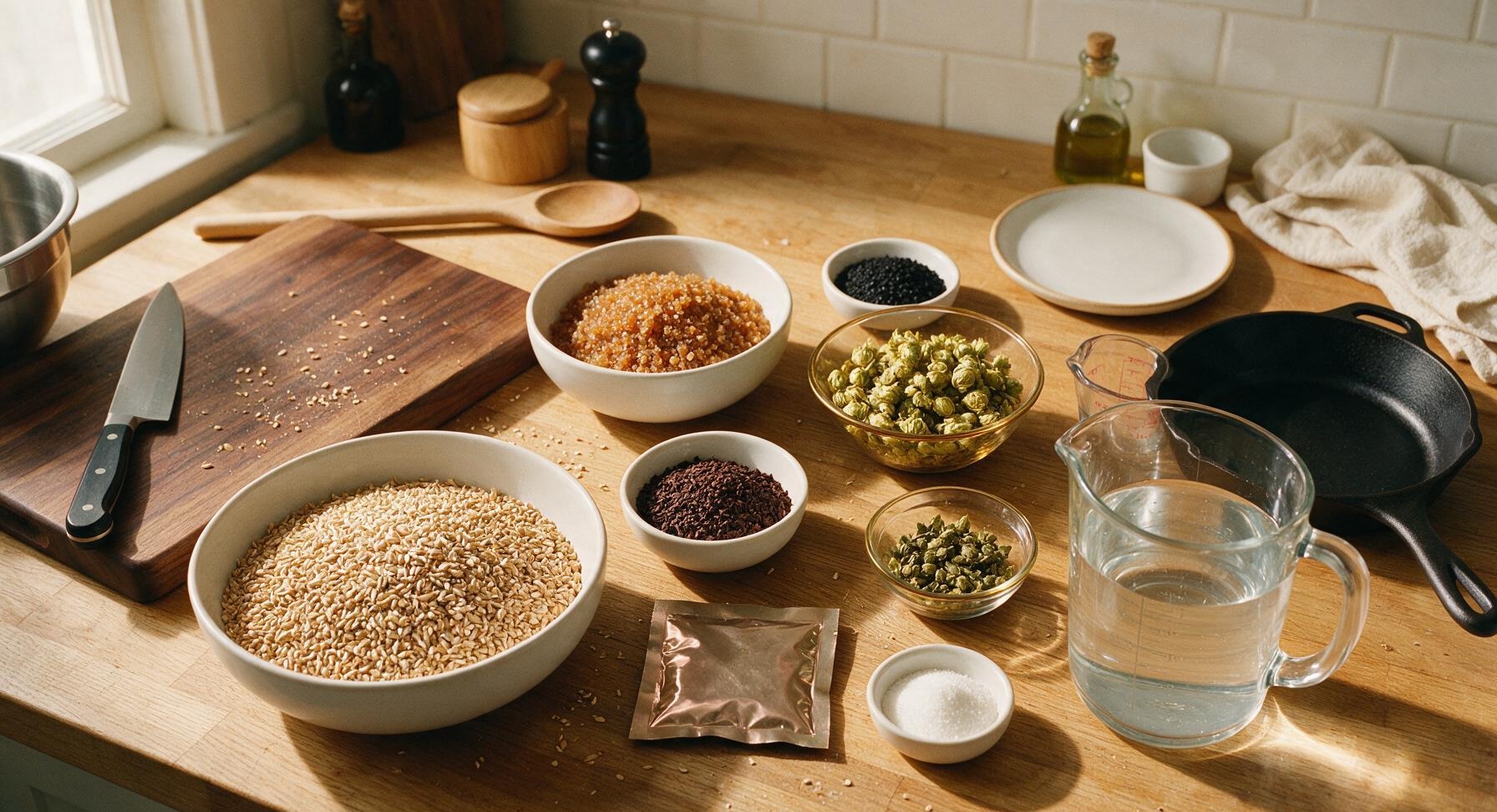
Crushed Maris Otter pale malt 7 lbs (3.2kg)
Crushed 60L crystal malt 1 lb (450g)
Crushed chocolate malt 8 oz (225g)
Crushed black patent malt 4 oz (115g)
East Kent Goldings whole hops 2 oz (57g)
Fuggles whole hops 1 oz (28g)
English ale yeast (Wyeast 1098) 1 packet (11g)
Corn sugar (for priming) 5 oz (140g)
Filtered brewing water 5.5 gallons (21L)

Steps

1

Sanitize Brewing Gear

Mix 1 tablespoon of no-rinse food-grade brewery sanitizer with 5 gallons of cool water in the 5-gallon stainless steel brew kettle. Submerge the long stainless steel stirring spoon, fine-mesh strainer, airlock, auto-siphon, and silicone tubing in the solution for 2 full minutes, then drain all items completely. Every surface that will touch cooled wort must be sanitized to prevent off-flavors or bacterial infection.
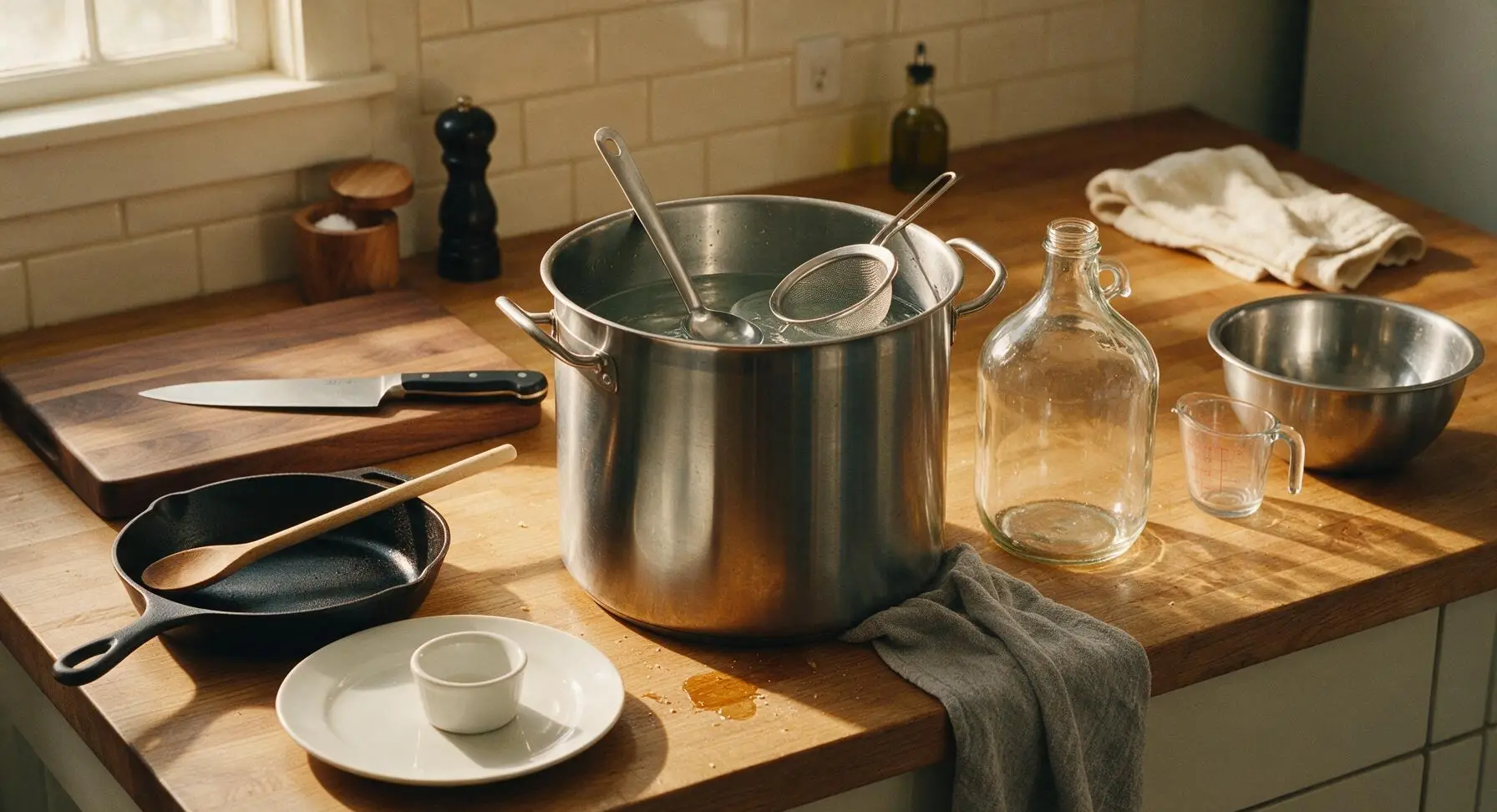
Step 1
step1:Sanitize Brewing Gear
2

Heat Mash Water

After emptying sanitizer from the kettle, pour 3.5 gallons of filtered water into the brew kettle and heat over medium heat until the built-in thermometer reads a steady 162°F. Do not boil the water at this stage, as excessive heat will extract harsh, astringent tannins from grain husks later in the process.
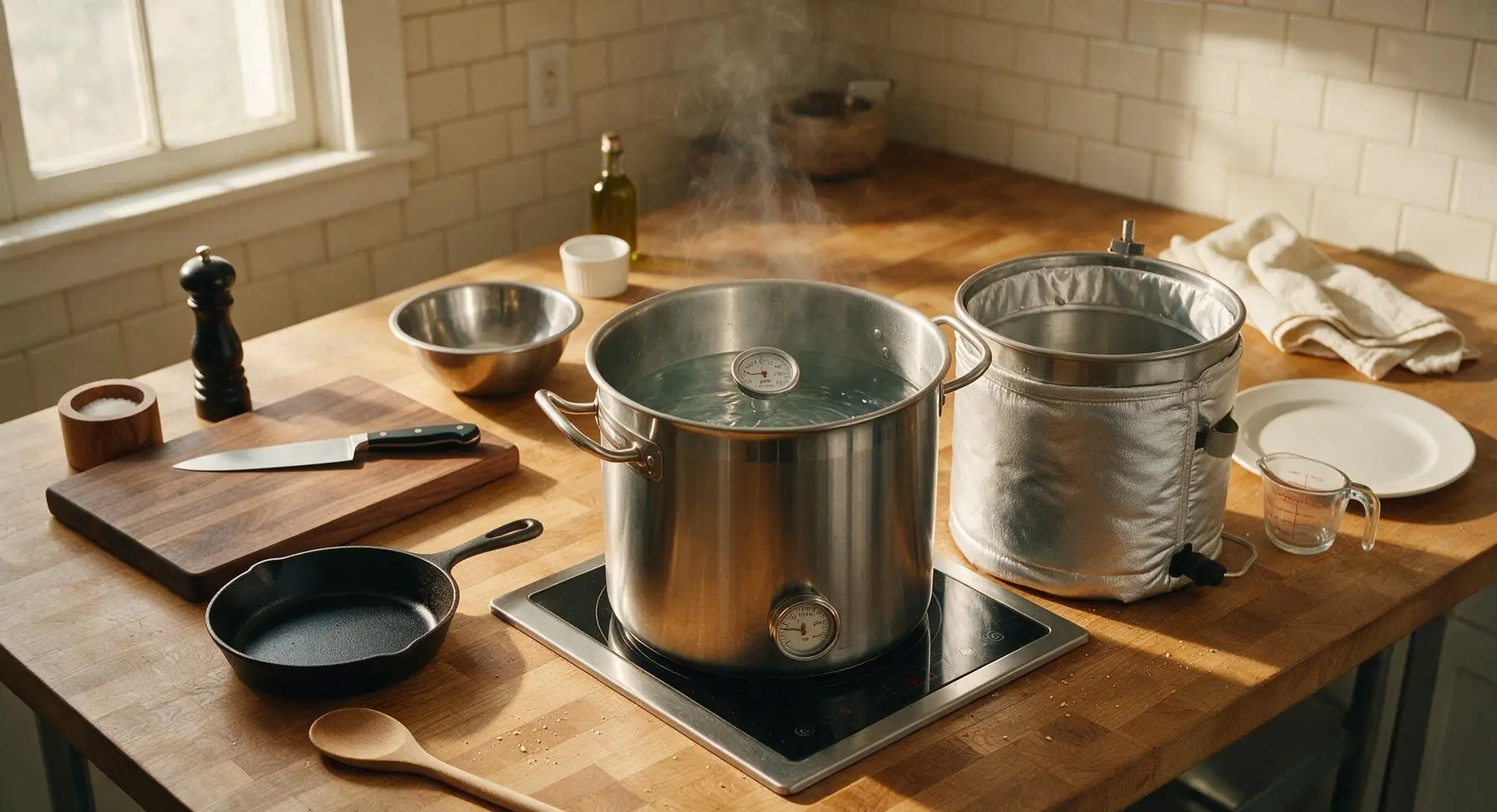
Step 2
step2:Heat Mash Water
3

Mash the Grains

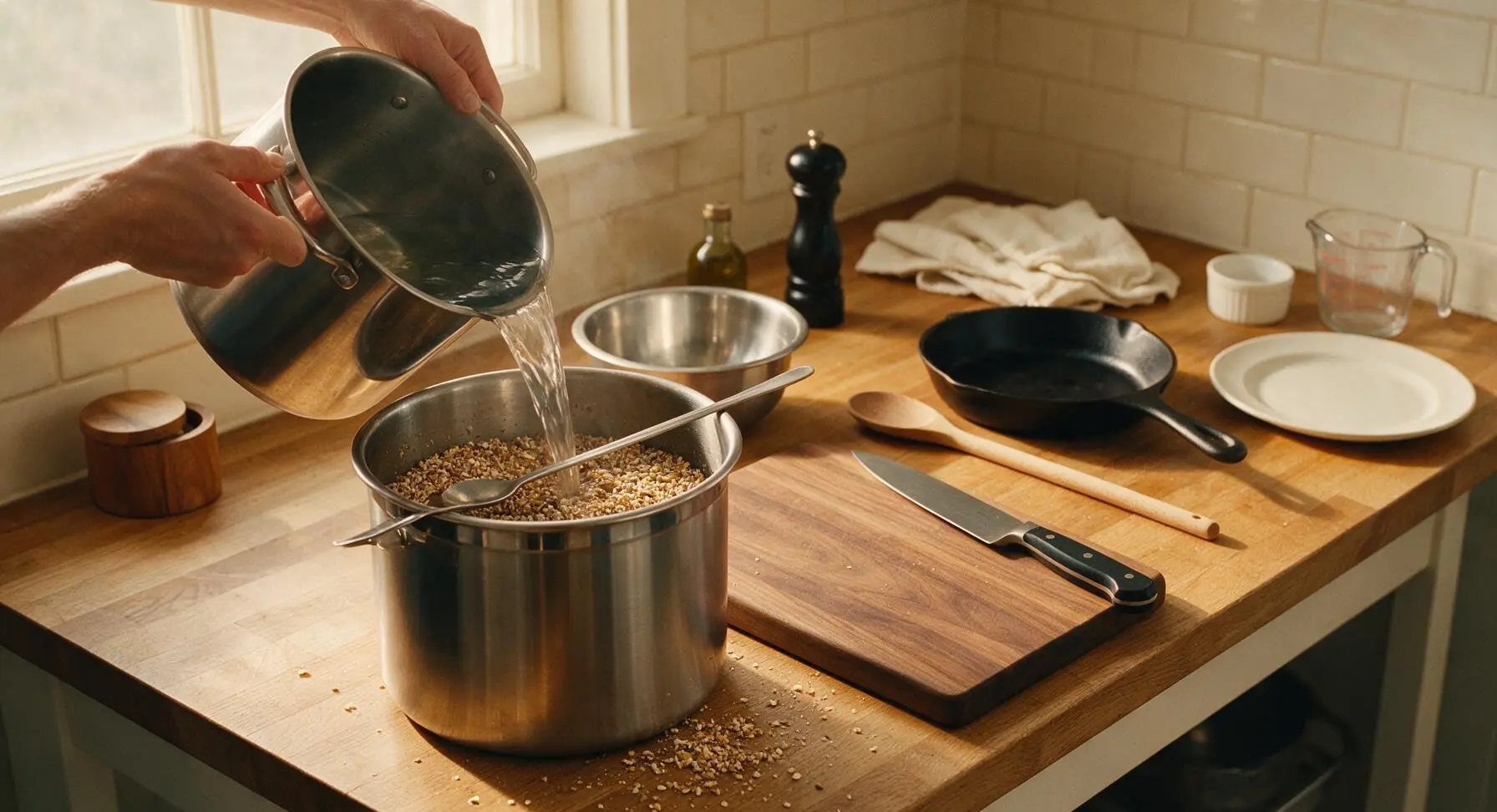
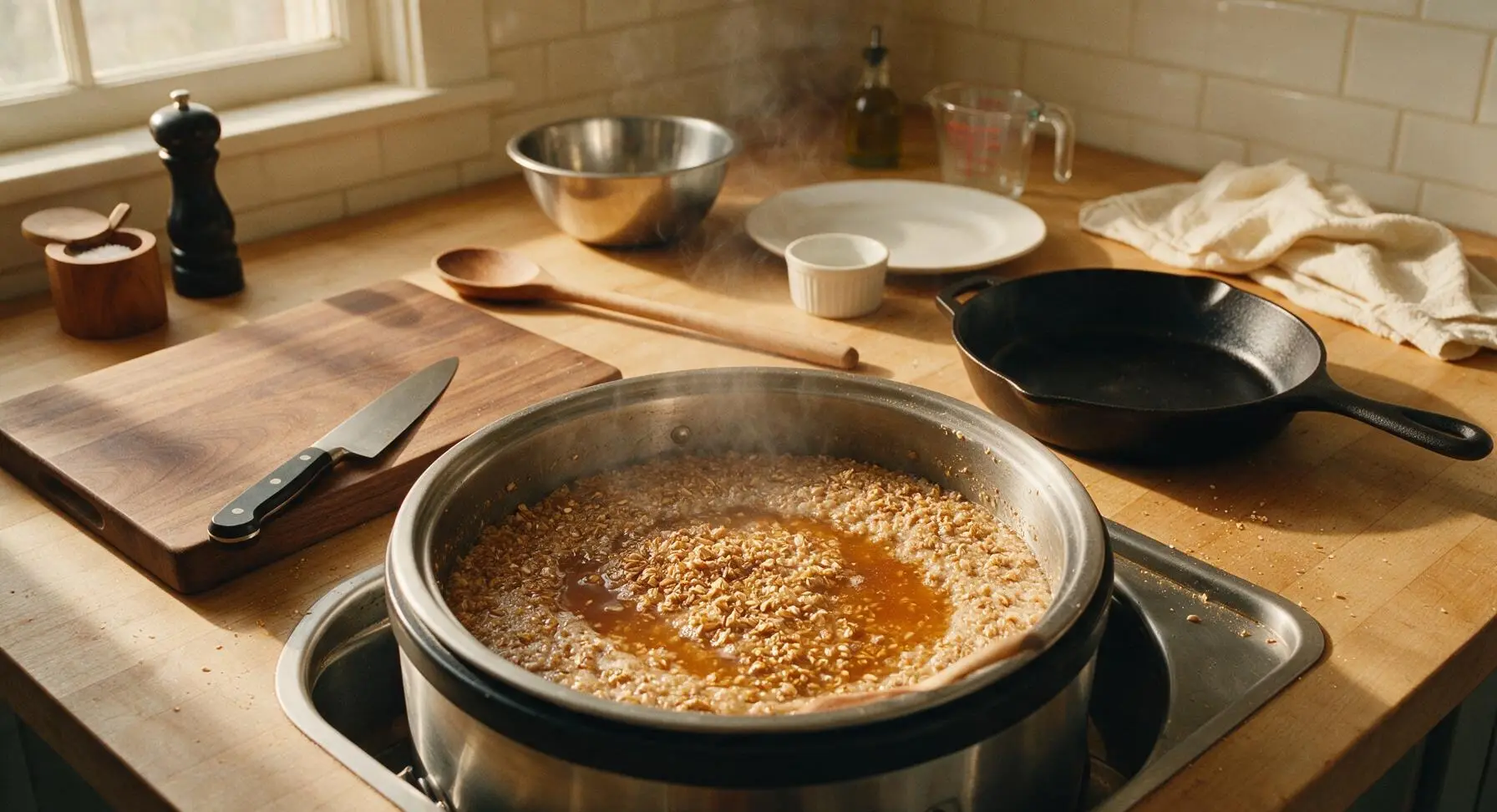
Add all measured crushed grains (Maris Otter, crystal malt, chocolate malt, black patent malt) to the insulated mash tun. Slowly pour the 162°F water from the brew kettle over the grains, stirring thoroughly with the long stainless steel spoon to break up any dry, clumped grain pockets. Seal the mash tun lid and hold the grain mixture at a steady 152°F for 60 minutes, allowing grain starches to convert to fermentable sugar.
Step 3
step3:Mash the Grains
Step 3
step3:Mash the Grains
4

Sparge to Collect Wort

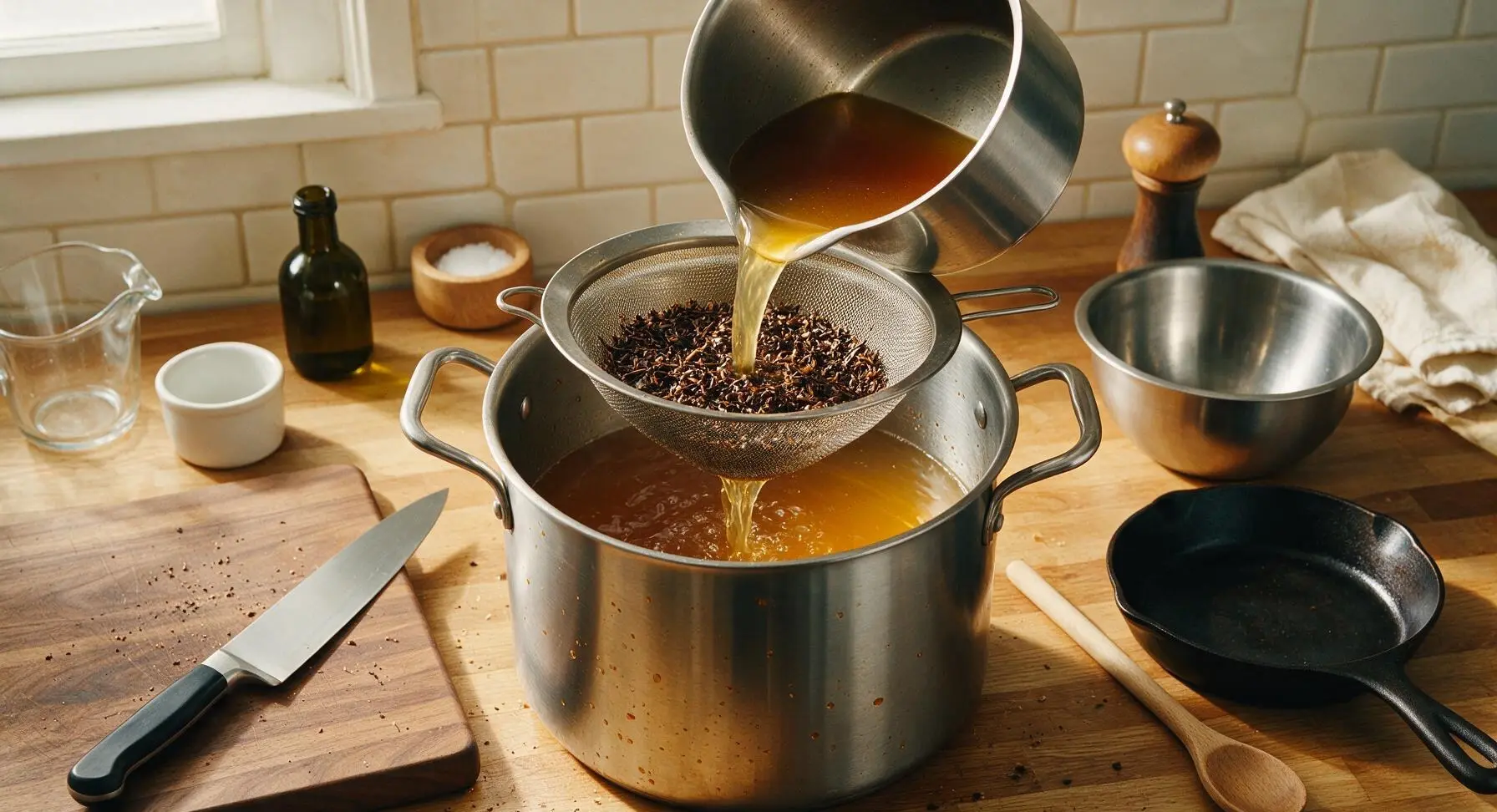
After the 60-minute mash rest, place the fine-mesh strainer over the opening of the cleaned brew kettle. Slowly drain the sweet, sugar-rich wort from the mash tun through the strainer into the kettle. Heat an additional 2 gallons of filtered water to 170°F, and gently pour it over the top of the grain bed to rinse remaining trapped sugars from the husks. Continue collecting runnings until you have 6 gallons of wort in the kettle, then discard the spent grain husks.
Step 4
step4:Sparge to Collect Wort
5

Boil and Add Hops

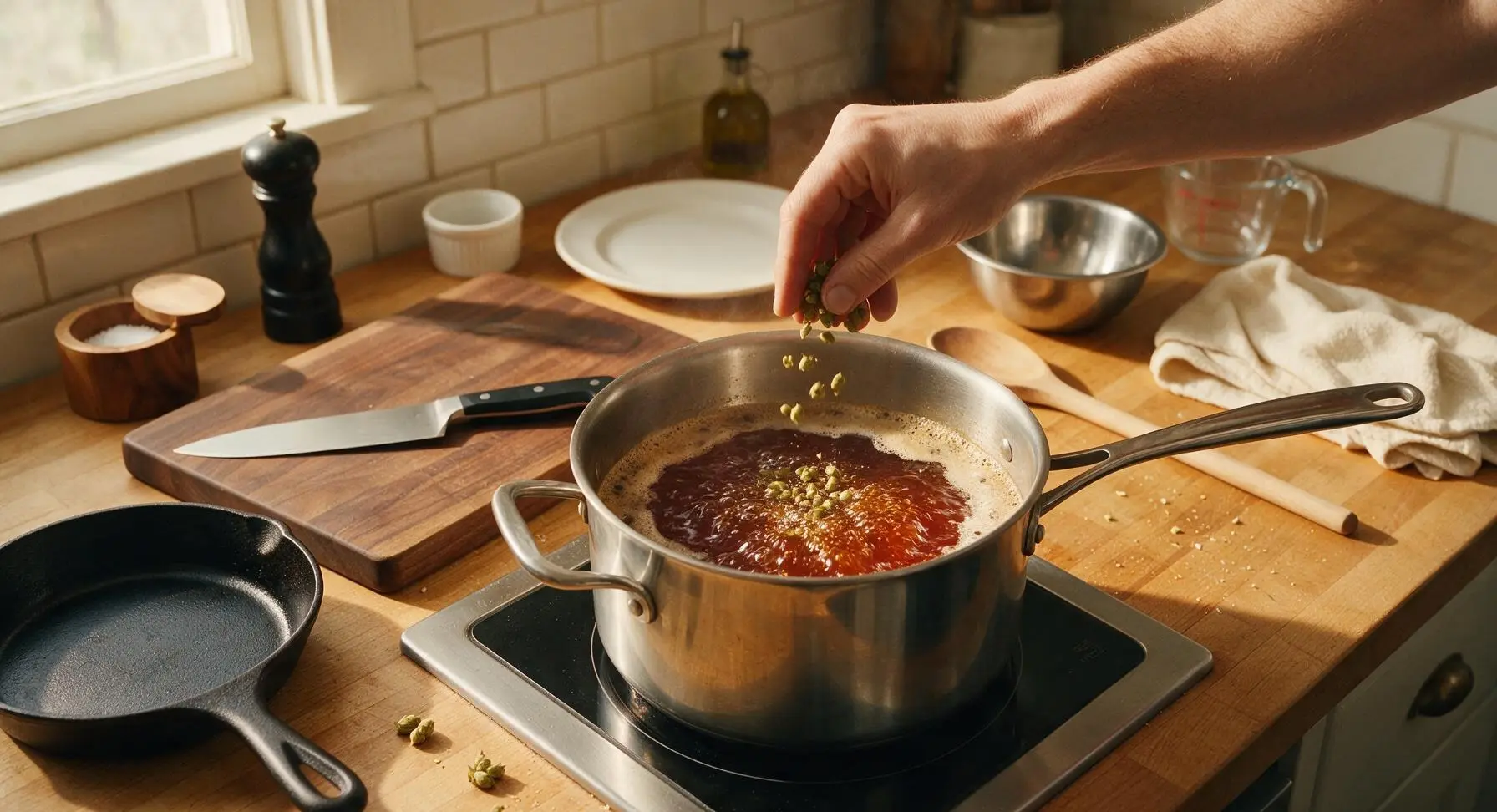
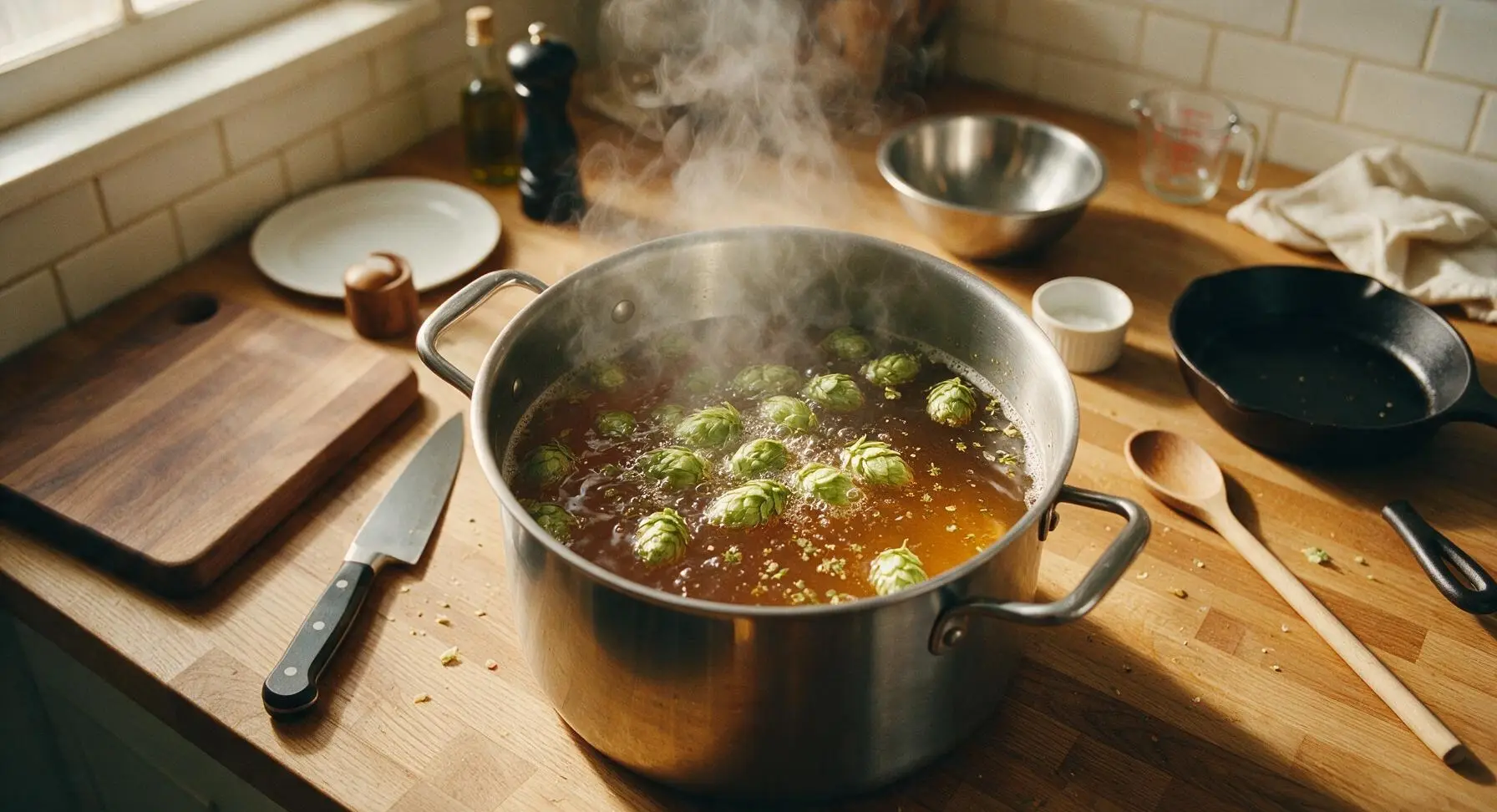
Return the brew kettle with collected wort to the induction burner, and bring to a gentle rolling boil, adjusting heat as needed to prevent messy boilovers. Hold the boil for a full 60 minutes: add 1.5 oz of East Kent Goldings hops at the start of the boil for bittering, add the remaining 0.5 oz of East Kent Goldings with 15 minutes left in the boil, and add all 1 oz of Fuggles hops immediately after turning off the heat (flameout) to preserve bright, earthy aroma.
Step 5
step5:Boil and Add Hops
Step 5
step5:Boil and Add Hops
6

Cool Wort to Pitch Temp

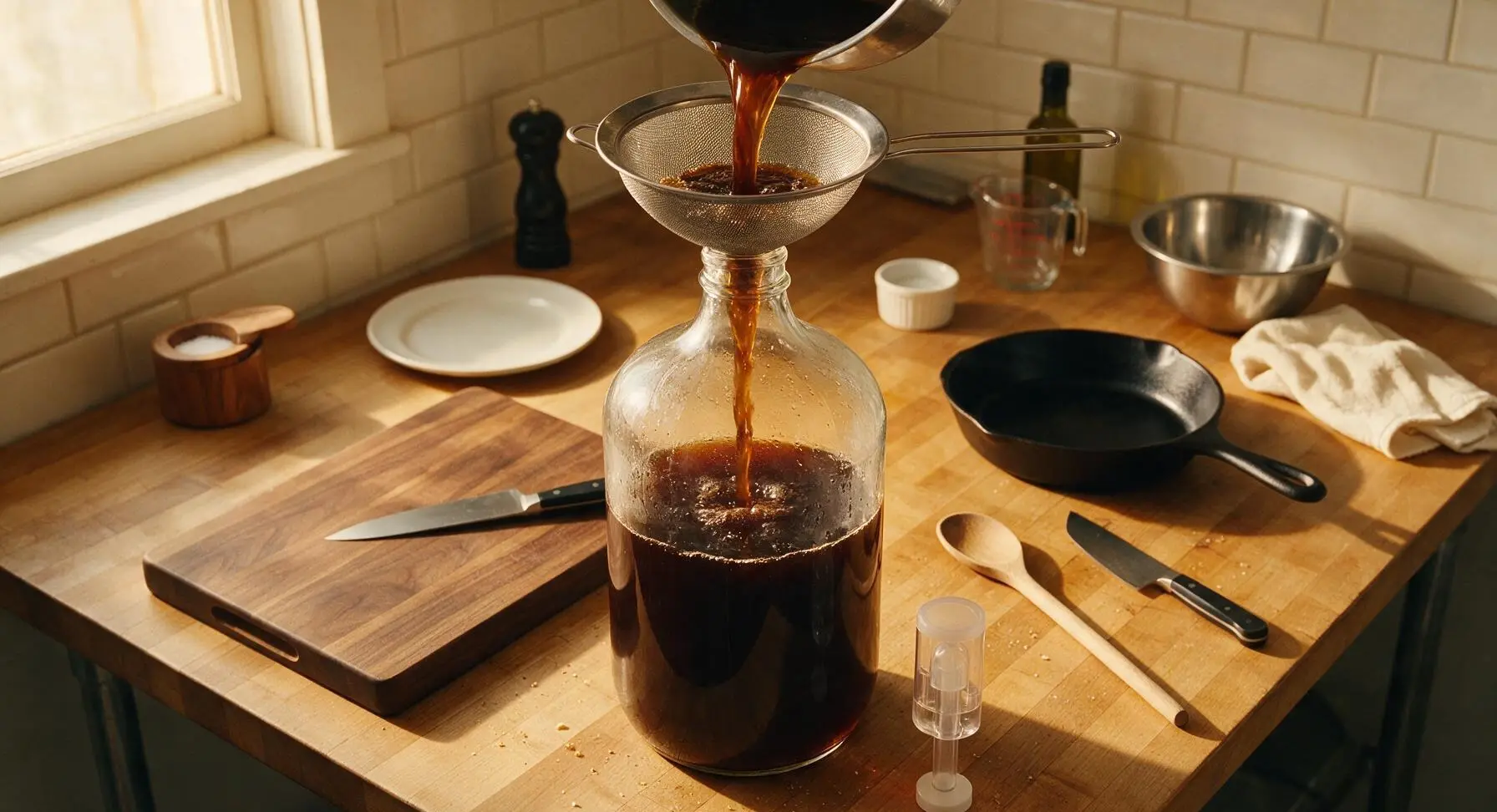
Once the 60-minute boil is complete, remove the kettle from heat and cool the wort as quickly as possible to 68°F (use an ice bath in a clean sink or immersion wort chiller for fastest cooling). Once cooled, pour the wort through the sanitized fine-mesh strainer into the 5-gallon clear glass carboy, leaving all heavy hop sediment and trub (coagulated protein) behind in the bottom of the kettle.
Step 6
step6:Cool Wort to Pitch Temp
7

Pitch Yeast for Fermentation

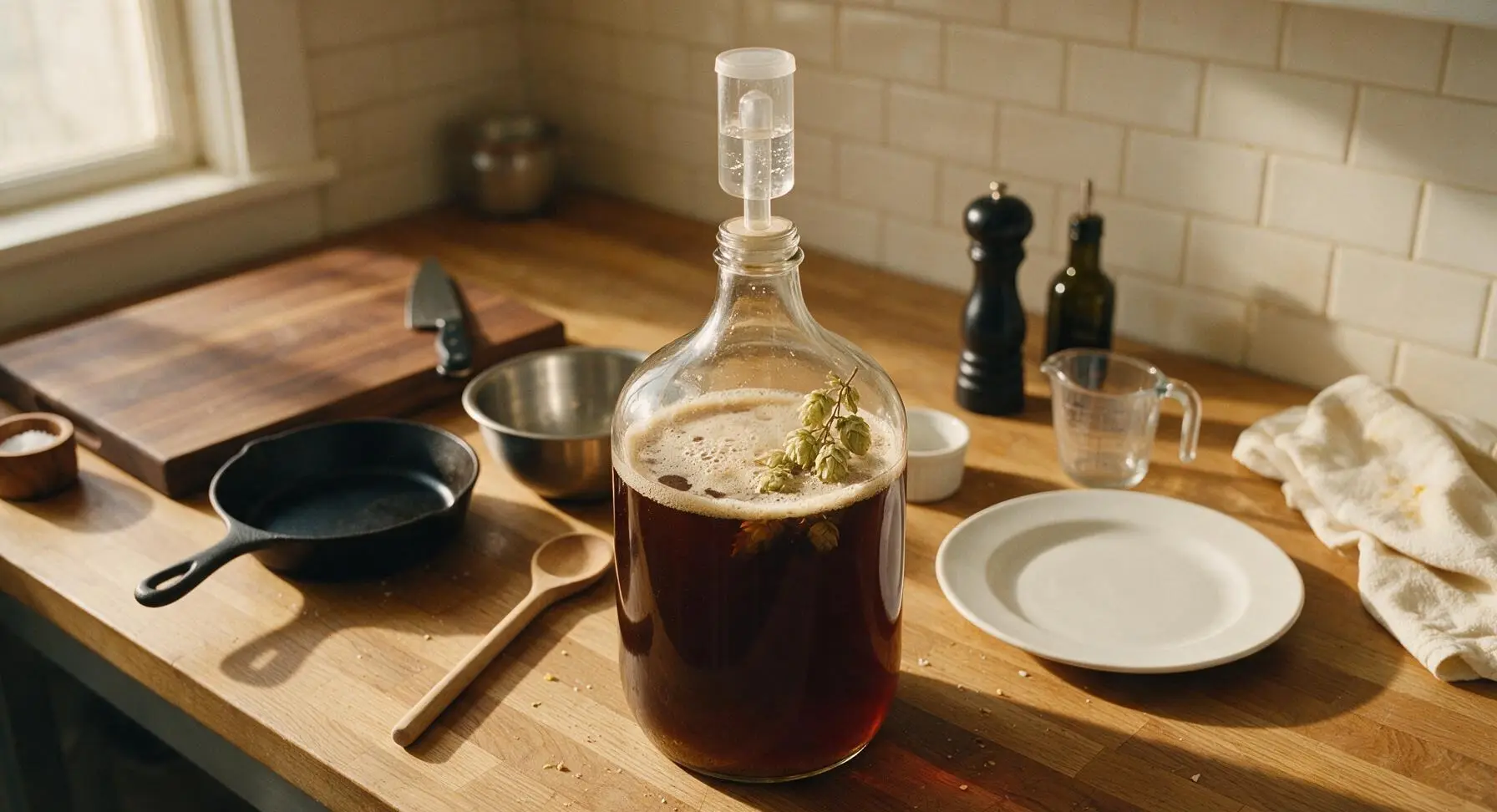
Sprinkle the entire packet of English ale yeast evenly over the surface of the cooled wort in the carboy. Seal the carboy neck with a sanitized rubber stopper, then insert the airlock (filled halfway with clean cool water) into the stopper hole. Move the carboy to a dark, temperature-stable spot held at 65-68°F for 2 weeks, until bubbling in the airlock stops completely and the beer appears clear with a thin layer of settled yeast at the bottom.
Step 7
step7:Pitch Yeast for Fermentation
8

Bottle and Condition Beer

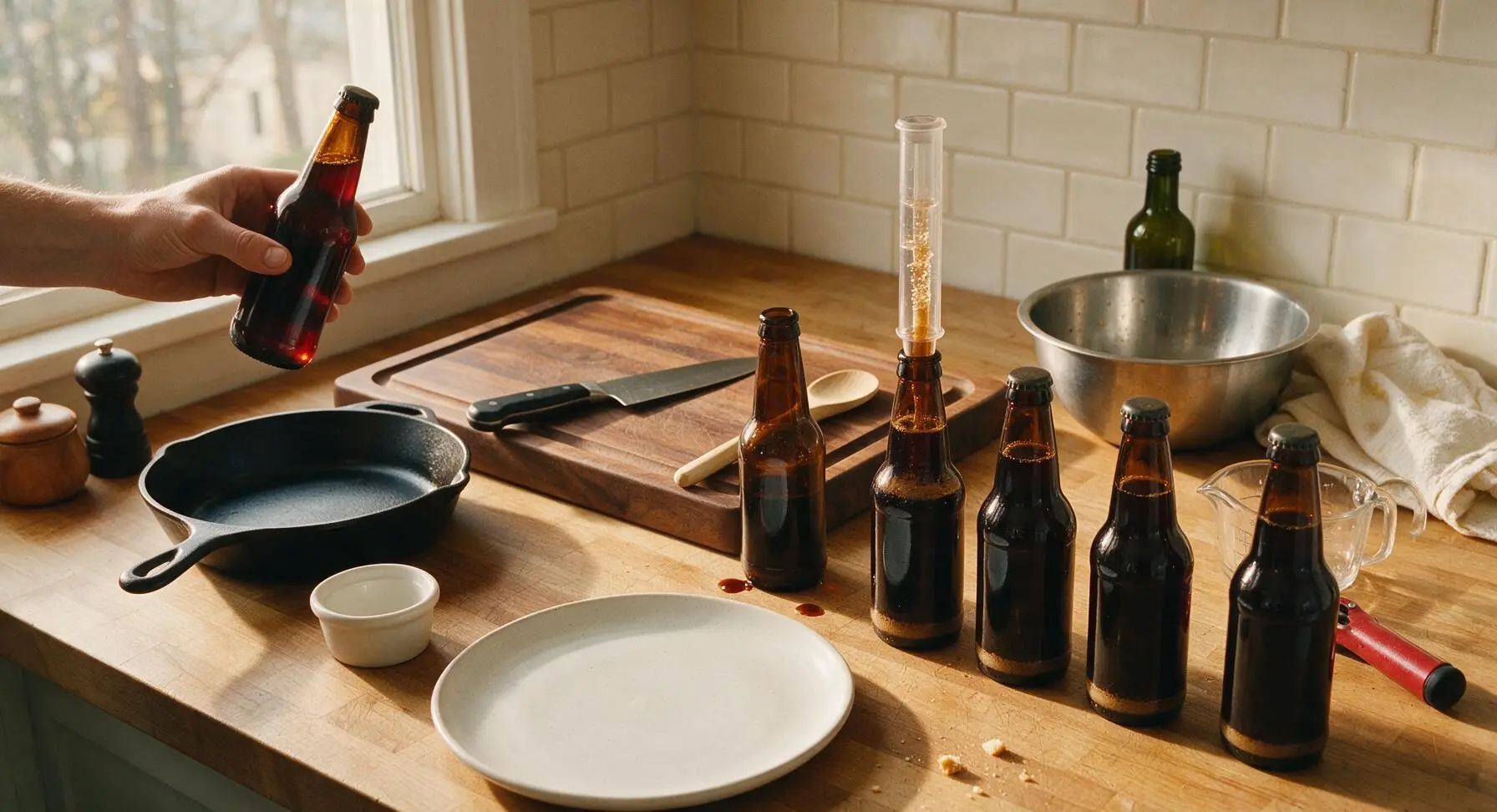
Once fermentation is complete, boil 5 oz of corn sugar with 1 cup of water to make a priming solution, and mix gently into the flat fermented porter in a sanitized bottling bucket. Use the auto-siphon to fill sanitized 12oz amber glass bottles, leaving exactly 1 inch of headspace below the rim of each bottle. Crimp caps onto all bottles using the red metal bottle capper, then store bottles at room temperature (68-72°F) for 2 weeks to allow natural carbonation to develop, then chill to 45°F before serving.
Step 8
step8:Bottle and Condition Beer

Tips

1.Do not over-crush the dark chocolate and black patent malts; over-milling these roasted grains will extract harsh, astringent burnt flavors that overpower the smooth, toasty, chocolatey character of a classic English porter. Aim for a coarse crush on dark malts, similar to cracked pepper.
2.Cool the boiled wort to pitching temperature (68°F) within 30 minutes or less. Fast cooling reduces risk of bacterial infection and prevents formation of dimethyl sulfide (DMS), a compound that creates unpleasant canned-corn off-flavors in finished beer.
3.Avoid opening the carboy to peek at the beer during active fermentation. Exposure to oxygen at this stage creates stale, papery, sherry-like off-flavors that ruin the beer’s smooth finish. Rely on airlock bubbling and clarity visible through the glass carboy to track progress.


✨ You May Also Like

Drinks & Beverages
🍜 Mexico

A bright, balanced tequila-based cocktail with zesty fresh lime, smooth orange liqueur, and a signature salt rim, perfect for warm summer sipping.

⏱️ 5 minutesDrinks & Beverages ★ 4.9
Drinks & Beverages
🍜 United States

Thick, creamy, nostalgic classic vanilla milkshake with a rich, smooth texture, topped with whipped cream and a cherry for cool, sweet refreshment.

⏱️ 5 minutesDrinks & Beverages ★ 4.7
Drinks & Beverages
🍜 United States

A bright, golden strong ale with fruity banana-clove notes, subtle hop spice, and soft carbonation, brewed in classic Trappist Tripel tradition.

⏱️ 2 hours aDrinks & Beverages ★ 4.5
Drinks & Beverages
🍜 United States

A frothy, nostalgic American soda fountain treat pairing bubbly cold root beer with creamy vanilla ice cream, perfect for cooling down at warm weather gatherings.

⏱️ 20 minuteDrinks & Beverages ★ 4.8
Drinks & Beverages
🍜 United States

Tart, funky, effervescent American Wild Ale is a complex fruity craft beer brewed with wild yeast, delivering bright, zesty notes perfect for warm-weather sipping.

⏱️ 2 hours aDrinks & Beverages ★ 4.4
Drinks & Beverages
🍜 United States

Bright, bubbly copycat of the iconic American caramel cola, balanced with citrus and warm spice, perfect for sipping ice-cold on hot days.

⏱️ 15 minuteDrinks & Beverages ★ 4.8

English Porter:Frequently Asked Questions

1.What sets this traditional English porter apart from a standard dry stout? ▾
Great question! Unlike dry stouts that lean heavily on roasted barley for sharp, coffee-like bite, this porter uses a Maris Otter base with measured amounts of crystal, chocolate, and black patent malt. That gives it softer notes of toasted bread and dark chocolate, with a smoother, less astringent finish that’s far more sessionable than most stouts.
2.Can I substitute a different pale malt if I don’t have Maris Otter on hand? ▾
You absolutely can, though you’ll lose a bit of that classic bready, honeyed base character if you do. Opt for a high-quality domestic 2-row pale malt as your closest swap, and add a tiny pinch (2-3% of your grain bill) of biscuit malt to mimic Maris Otter’s signature toasty, well-rounded depth if you have it.
3.Why do you specify whole East Kent Goldings hops instead of pellet hops? ▾
Whole East Kent Goldings deliver that delicate, earthy, slightly floral hop character that defines traditional English porters, with none of the harsher grassy bite you can sometimes get from over-processed pellets. They also contribute to a clearer final beer, since whole cone material settles more cleanly during fermentation than fine pellet sediment.
4.How do I avoid getting a harsh, ashy flavor from the chocolate and black patent malts? ▾
The biggest culprit for ashy porter is steeping dark roasted malts too long, or in water over 170°F. Keep your dark malt steep time under 30 minutes, hold mash temp between 152–156°F, and don’t crush those dark malts too finely—coarser cracks keep bitter, astringent roast compounds from leaching too much into your wort.
5.What kind of mouthfeel should I expect from this finished porter? ▾
You’ll get a smooth, medium-bodied mouthfeel with just enough light creaminess to support that signature creamy tan head, without being heavy or syrupy. The 60L crystal malt adds a subtle, soft caramel backbone that rounds out roast notes, while moderate hop levels keep the finish crisp enough to enjoy pint after pint without palate fatigue.
6.Can I brew this as an extract recipe if I don’t have all-grain brewing equipment? ▾
Definitely! Swap the crushed Maris Otter for 6 lbs of light liquid malt extract made from English pale malt, then keep the crushed crystal, chocolate, and black patent malts for a 20-minute steep at 155°F before boiling. Add your East Kent Goldings hops per the original schedule, and you’ll get nearly identical flavor to the all-grain version.
7.How do I get that thick, long-lasting creamy tan head the recipe mentions? ▾
Two easy tricks will get you that perfect pub-style tan head every time. First, aim for 2.2–2.5 volumes of CO2 when carbonating—this is the sweet spot for traditional English ales, not the fizzier level used for American beers. Second, avoid over-sparging your grains, which can leach head-killing saponins into your wort.
8.What fermentation temperature works best to get that classic balanced English porter flavor? ▾
Stick to a steady 64–68°F if you’re using a classic English ale yeast, which is the ideal range for clean, lightly fruity (but not overly estery) fermentation. Fermenting too warm will create harsh, solvent-like off-flavors that overpower soft malt notes, while fermenting too cold leads to sluggish ferments and thin, muted flavor.
9.Is it normal for this porter to taste overly roasty right after fermentation finishes? ▾
That’s totally normal! Freshly fermented porter often has sharp, unbalanced roast notes that mellow out dramatically with a short conditioning period. Let it condition for 2–3 weeks at 50–55°F after primary fermentation wraps, and those harsh edges will soften into the smooth chocolate and toasted bread notes the recipe is designed for.
10.Can I add coffee or chocolate add-ins to this recipe without ruining its traditional profile? ▾
You can, but go very light so you don’t overpower the malt’s natural dark chocolate and toast notes. Add no more than 4 oz of cold-brewed medium-roast coffee, or 2 oz of unsweetened cacao nibs during the last 3 days of conditioning, and skip heavy add-ins like vanilla or lactose to keep that classic, balanced character.
11.What’s the ideal serving temperature for this traditional English porter? ▾
Skip the ice-cold serving temp you’d use for a light lager—this porter shines at 50–55°F, which is cool enough to feel refreshing but warm enough to let the toasted bread, dark chocolate, and earthy hop notes come through. Serving it too cold will mute all those nuanced malt flavors, leaving you with generic dark beer taste.
12.How long will this porter stay fresh if I bottle it for home storage? ▾
When stored in a cool, dark spot away from direct sunlight and temperature swings, this porter will taste great for 6–9 months after bottling. The mild roast and moderate alcohol mean it doesn’t need years of aging, but a month or two of bottle conditioning after packaging will help flavors meld even more smoothly.
13.Why do you use 60L crystal malt instead of a darker crystal for this recipe? ▾
60L crystal malt adds just the right amount of soft caramel, toffee sweetness and light body to balance the dark roasted malts, without adding the thick, raisiny, burnt sugar notes you get from darker 80L or 120L crystal malts. That keeps the beer crisp and drinkable, rather than heavy and cloying, which is core to the traditional porter profile.
14.Do I need to do any special water adjustments to get this recipe right? ▾
You don’t need fancy water chemistry to make a great porter, but if your tap water is very soft, add a small amount of gypsum and calcium chloride to hit a medium-hardness profile. That matches the water profile of historic London, where porters originated, and helps malt flavors pop while supporting healthy, consistent fermentation.
15.How much East Kent Goldings hop bitterness is enough to balance this porter’s malty sweetness? ▾
Aim for 25–30 IBUs from your East Kent Goldings additions, with 70% of the hops added at the start of the boil for clean bitterness, and 30% added in the last 15 minutes of the boil for subtle earthy, floral aroma. That level is low enough to let malt lead, but high enough to keep the finish from feeling cloyingly sweet.
16.What’s the most common mistake new brewers make when making this style of porter? ▾
The most common misstep is overdoing the dark roasted malts—lots of new brewers add extra chocolate or black patent malt because they assume more dark grain equals richer flavor. That leads to harsh, ashy, astringent beer that’s hard to drink. Stick to the measured ratios, and let Maris Otter make up 85–90% of your grain bill for best results.

Comments (20)

2 days ago

OMG, this traditional English porter recipe is an absolute game changer! I brewed a batch for our annual fall backyard BBQ and every single guest was asking for the recipe. That rich, chocolatey, slightly roasty note is perfect for cool evenings. Cook time was exactly as listed, even for a casual brewer like me who only makes 2-3 batches a year.

yesterday

So glad this was a hit at your BBQ, Hank! That balanced roasty profile is exactly what we aimed for with this traditional take—don’t hesitate to reach out if you tweak it for future batches!

1 week ago

I was nervous to try this since I’ve only done super simple extract brews before (medium difficulty had me sweating a little!) but it was so doable! I bottled a batch last weekend and cracked one open last night to test—SO good, my husband said it’s better than the fancy imported porter we buy at the liquor store. Can’t wait to bring a six pack to our neighborhood potluck next week!

5 days ago

Wait, did you do a full secondary ferment or just bottle condition for 2 weeks? I’m prepping to make this this weekend and can’t decide!

3 days ago

Great question from Chris! For this recipe, a 2-week bottle condition at room temp works perfectly if you don’t want to mess with secondary fermentation—you’ll still get that smooth, rounded flavor without the extra step.

3 days ago

Made this for my partner’s birthday dinner where we did a whole British pub themed spread—bangers and mash, mushy peas, and this porter on tap. It paired so perfectly with the savory food, I felt like I was back at a pub in London! 10/10 will make again.

5 days ago

Solid porter recipe, though I upped the chocolate malt by a half ounce because I love that extra deep cocoa note. Turned out great, went down way too easy at our last tailgate. My only tiny note is that I wish the instructions were a little clearer about when to add the bittering hops, but I figured it out.

2 days ago

Good call on the extra chocolate malt! I did the same thing last batch and it didn’t overpower the other flavors at all, just added that little extra something.

2 weeks ago

Brought a growler of this to our office potluck last week and it was gone in 20 minutes! People kept saying it tasted like something you’d pay $8 a pint for at a craft brewery. I will say, I didn’t have any black patent malt on hand so I subbed a little roasted barley, and it still turned out amazing.

1 week ago

How much roasted barley did you use for the sub? I’m out of black patent too and don’t want to run to the homebrew shop right now.

5 days ago

I did that same sub last month! Used 2 oz of roasted barley instead of the black patent, turned out smooth with no harsh burnt aftertaste, would recommend.

1 week ago

Total newbie here—this is the first beer I’ve ever brewed from scratch! I was convinced I’d mess it up, but the steps were laid out so clearly even I could follow them. My first bottle tasted a little flat when I opened it 2 days ago, but I let them sit a few more days and now they’re perfect. So proud of myself!

5 days ago

That’s such exciting news, congrats on your first brew! A little extra bottle conditioning time always works magic for carbonation—so stoked you stuck with it and ended up with a porter you love.

yesterday

Made this for our Sunday family dinner and even my dad, who swears by cheap domestic beer, had two glasses and said it was ‘real good.’ My kids loved it too, they kept asking for sips even though I told them it’s for grown ups! That’s the highest praise possible from the whole crew, honestly. Will be adding this to our regular fall rotation.

3 days ago

I’ve tried a handful of English porter recipes over the years and this one is by far the most authentic. It has that perfect balance of bitter, sweet, and roasty that so many homebrew versions miss. I did a dry hop with a little East Kent Goldings at the end and it elevated it even more.

2 days ago

How much East Kent Goldings did you add for the dry hop? I’ve been wanting to experiment with dry hopping my porters but don’t want to overdo it.

yesterday

Love that dry hop tweak! If you’re trying that method, 0.5-1 oz of East Kent Goldings added 3 days before bottling adds a lovely subtle earthy note without making it taste like an IPA, for anyone curious.

5 days ago

Brewed a double batch of this for our college football tailgate last weekend and it was the most popular drink there, beat out all the seltzers and cheap beer people brought. That smooth, not-too-bitter profile is perfect for day drinking when it’s a little crisp out. 10/10.

3 days ago

Right?! I brought a batch to my tailgate last month and people were asking for refills before we even got through the first quarter. Total crowd pleaser.

2 weeks ago

I will say, I wish I’d read the notes about water profile before starting! I have super soft water out here in Seattle and my first batch came out a little flat tasting, not as rich as I hoped. I adjusted the mineral content for my second batch and it was chef’s kiss. Don’t skip that step, folks!

1 week ago

Oh thank you for saying this! I have super soft mountain water too, I almost forgot to add brewing salts. Would’ve been so mad if my first batch was bland.

5 days ago

Great reminder, Sam! Water chemistry makes such a huge difference in final flavor, especially for traditional British styles. We added a quick note in the recipe card about recommended mineral additions for soft water to help other folks out!

2 days ago

Took a growler of this on our fall camping trip last weekend and it was the perfect thing to sip around the campfire after a long day of hiking. Warm, roasty, not too heavy, paired perfectly with the s'mores we made later. Will absolutely be making this for every camping trip from now on.

1 week ago

This recipe is such a meal prep win for me! I brew one big batch a month, bottle it, and have delicious porter to enjoy all month long without paying crazy brewery prices. It’s way easier than I thought it would be, even with the medium difficulty rating. Saved me so much money already.

5 days ago

Love that you’re using this for your monthly brew prep! There’s nothing better than having a fridge stocked with homemade beer you love, especially when it saves you a little cash in the long run.

30 minutes ago

I was worried this would be too heavy for Florida weather, even in the fall, but it’s actually surprisingly smooth and drinkable even when it’s 75 degrees out. I served it chilled at our backyard bonfire last weekend and everyone loved it, even my friends who only drink light beer.

5 minutes ago

Wait, how cold do you serve it? I always thought porters had to be almost room temp but I’m in Florida too and don’t want to drink warm beer when it’s hot out.

just now

I serve mine around 50 degrees, not ice cold but not room temp, and it’s perfect! Still tastes rich but doesn’t feel heavy in the heat.

2 days ago

I made this to go with the British themed dinner party I hosted last weekend. I did a whole spread of steak and ale pie, roasted veggies, and this porter to drink. It tasted exactly like the porter I had when I visited London a few years ago, total nostalgia hit. My guests were obsessed.

yesterday

Ooh, serving it with steak and ale pie is such a good call! I’m making that for my partner’s birthday next month and I’m definitely going to brew a batch of this to go with it now.

yesterday

I don’t write reviews often but I had to for this one. I’ve been trying to nail a traditional English porter for literal years and this is the first recipe that got it exactly right. No weird harsh roasted aftertaste, no overly sweet malt, just perfect balance. Thank you for sharing!

5 days ago

Quick heads up for new brewers: make sure you leave enough headspace in your fermenter! I filled mine a little too high and had a krausen blowout all over my kitchen counter halfway through fermentation. Total mess, but the beer that was left turned out SO good, so I can’t even be mad.

3 days ago

Oh no, that’s my worst nightmare! How much headspace do you recommend leaving? I’m picking up my equipment tomorrow to make this for the first time.

2 days ago

Thanks for the helpful heads up, Mia! We recommend leaving at least 2 inches of headspace in your fermenter for this recipe to account for krausen buildup—we added that tip to the instruction steps to help other new brewers avoid the same counter mess!

3 days ago

Brewed this with my 19 year old son last weekend as a little father-son project, and we had a blast. The instructions were easy to follow together, and we can’t wait to crack open our first bottle in a couple weeks. Already planning our next brew day to make a second batch before the holidays.

2 days ago

That’s what it’s all about, Steve! So glad you got to have a fun father-son brew day—be sure to report back once you try your first bottle, we’d love to hear how it turns out for you both.

2 hours ago

Just started the brewing process for this an hour ago! My equipment is all set up, the malt is steeped, and I’m so excited to see how it turns out. I’ve never brewed anything before so I was super intimidated, but the steps are laid out so clearly I haven’t hit a single snag yet. Will update once I bottle!

1 week ago

Brewed a batch of this to serve at my annual Thanksgiving pre-game this year and it’s going to be perfect. The rich, roasty flavor pairs so well with turkey and mashed potatoes, I tested a test bottle last night and it’s chef’s kiss. Way better than the wine I usually serve, honestly.

5 days ago

Serving this with Thanksgiving is such a genius call! I’m hosting this year and I’m totally going to throw a batch together before then, thanks for the idea.

just now

I was worried the 2 hour cook time would be a drag, but it actually flew by! I put on a football game in the background while I was boiling the wort and adding hops, and it was such a relaxing Sunday activity. The end result was totally worth the time, smooth, flavorful, exactly what I want in a porter.



