
Espresso Stout
intro
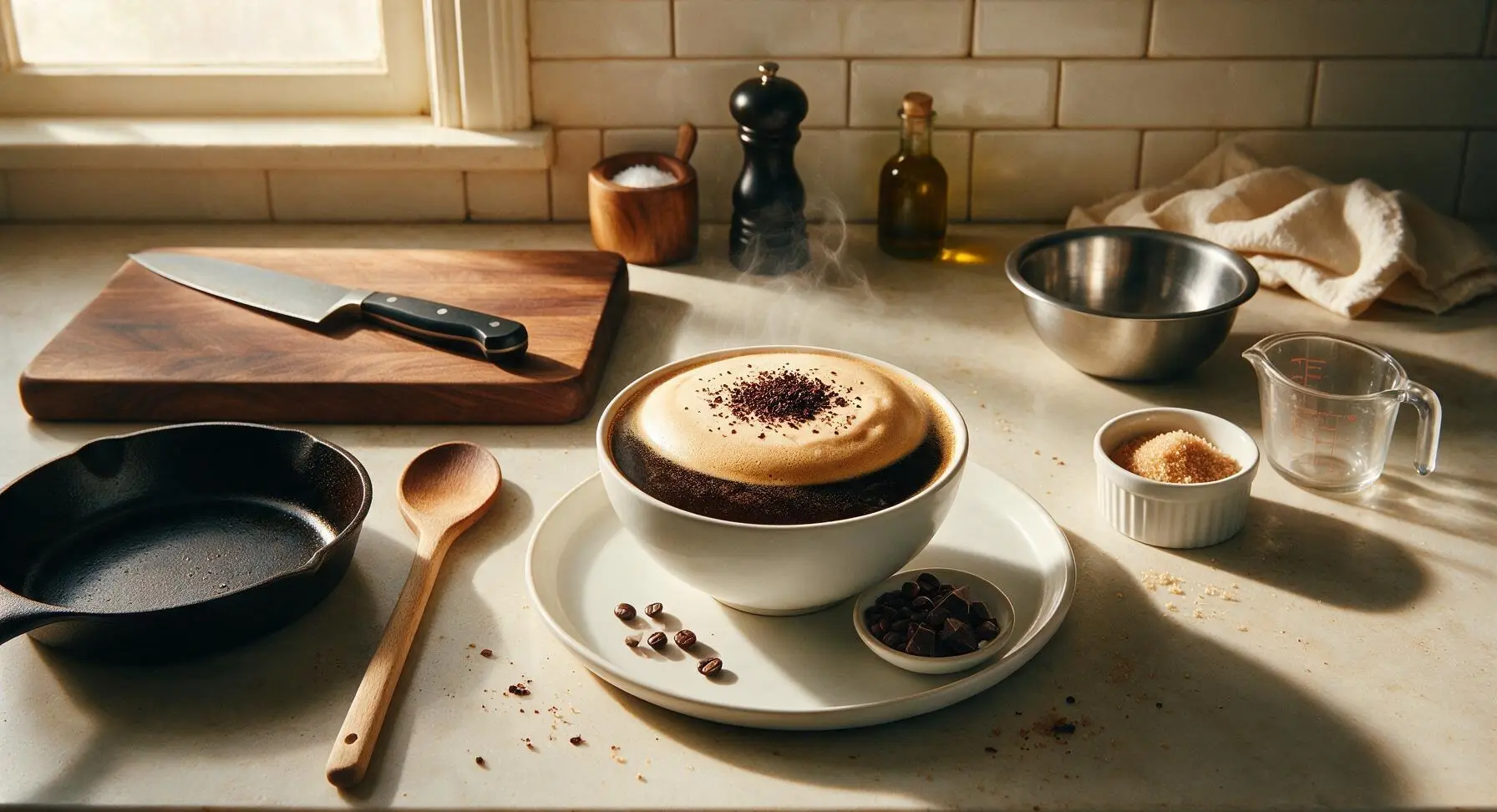
Rich, roasty homemade espresso stout with bold fresh coffee notes, a smooth chocolate malt backbone, and dry, crisp finish perfect for slow winter sipping.
Ingredients
Steps
Sanitize Brewing Gear
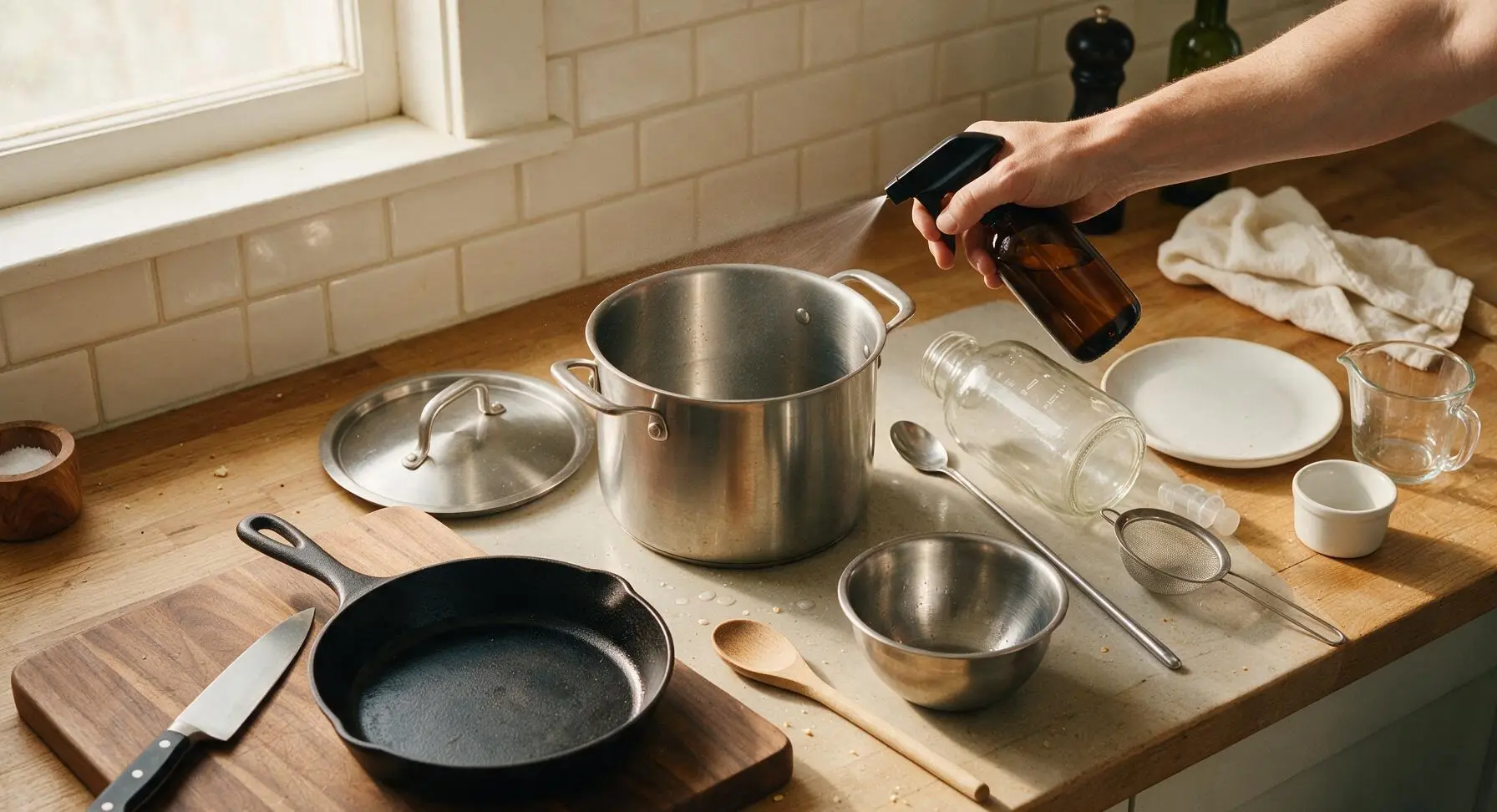
First, use the food-grade no-rinse sanitizer spray bottle to thoroughly coat all interior surfaces of the 1-gallon stainless steel brew kettle, clear glass fermentation jug, long stainless steel stirring spoon, fine-mesh strainer, and rubber airlock stopper. Let surfaces sit wet for 60 seconds per sanitizer instructions, then air dry completely on the clean counter. No visible sanitizer residue should remain before any ingredients touch equipment surfaces, as residual sanitizer can kill yeast and prevent fermentation.
Steep Crushed Grains
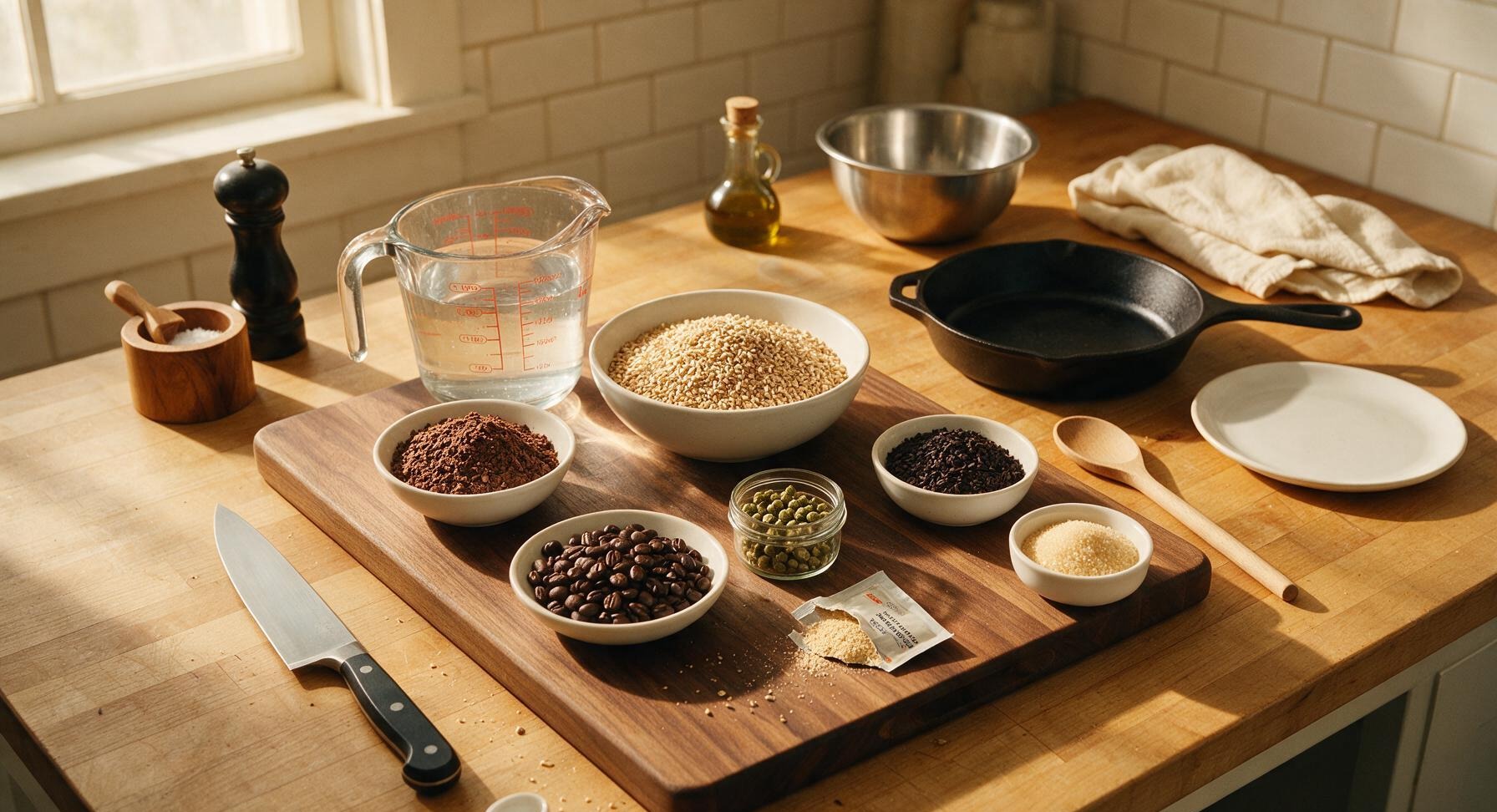
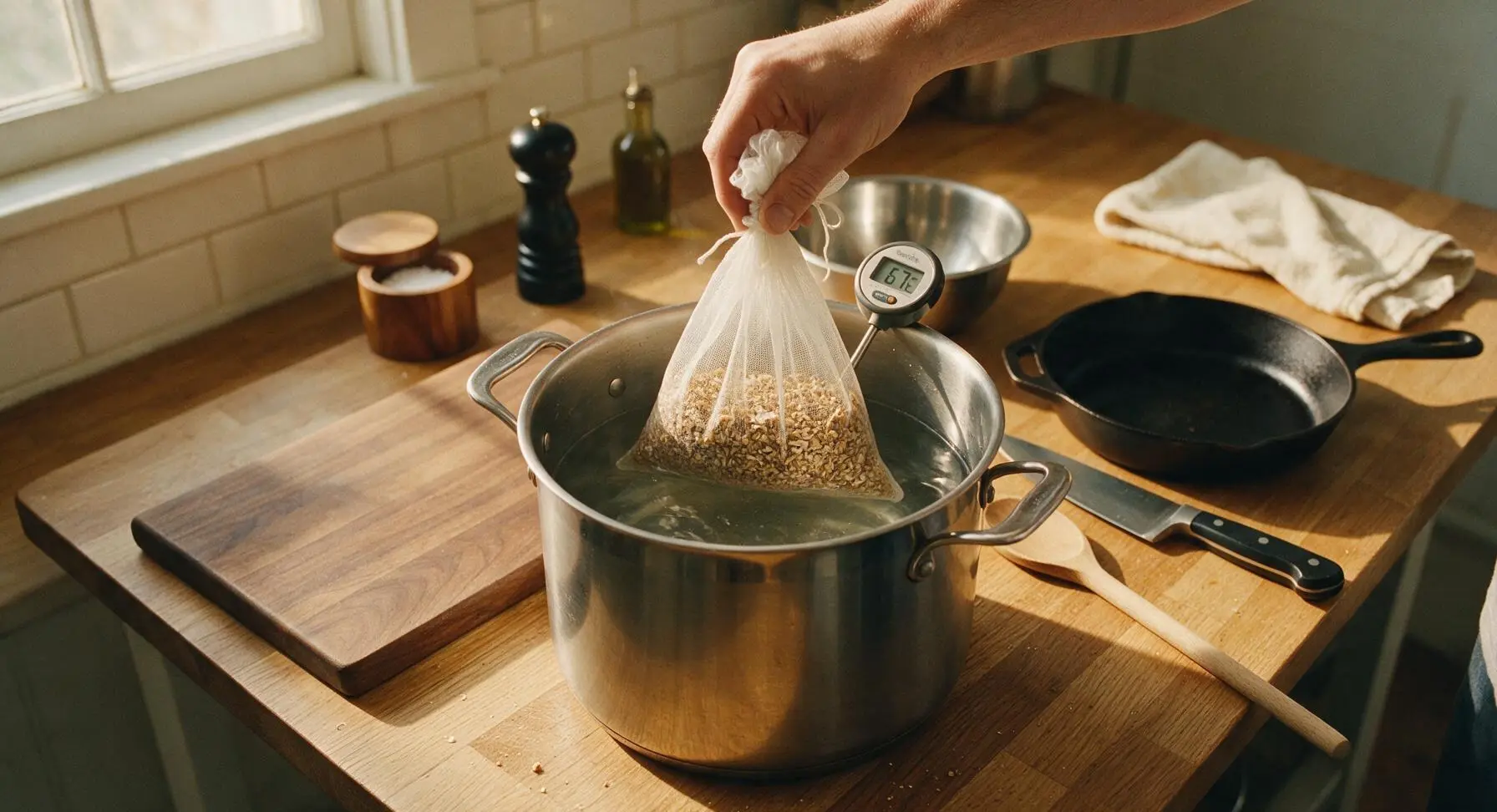
Pour 4.5 liters of filtered cold water into the sanitized 1-gallon brew kettle, and heat to 67C (153F). Place all crushed pale 2-row malt, chocolate malt, and roasted barley into the white nylon mesh grain steeping bag, tie the cotton drawstring closed, and submerge fully in the heated water. Hold the temperature steady at 65-68C (149-154F) for 60 minutes, covering the kettle with its lid. The clear water will turn a deep, opaque mahogany brown as grain sugars and roast flavors extract into the wort.
Boil the Sweet Wort
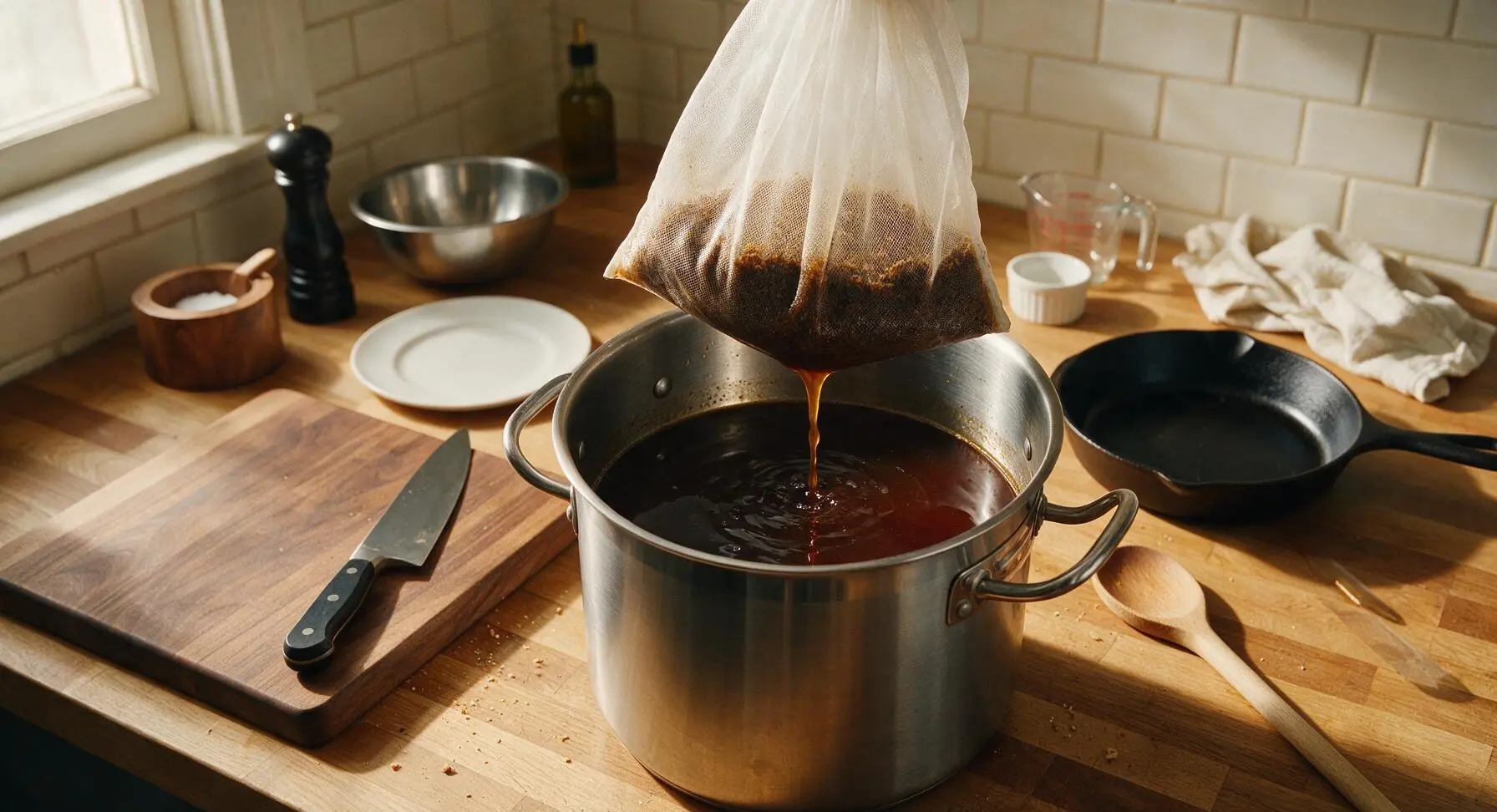
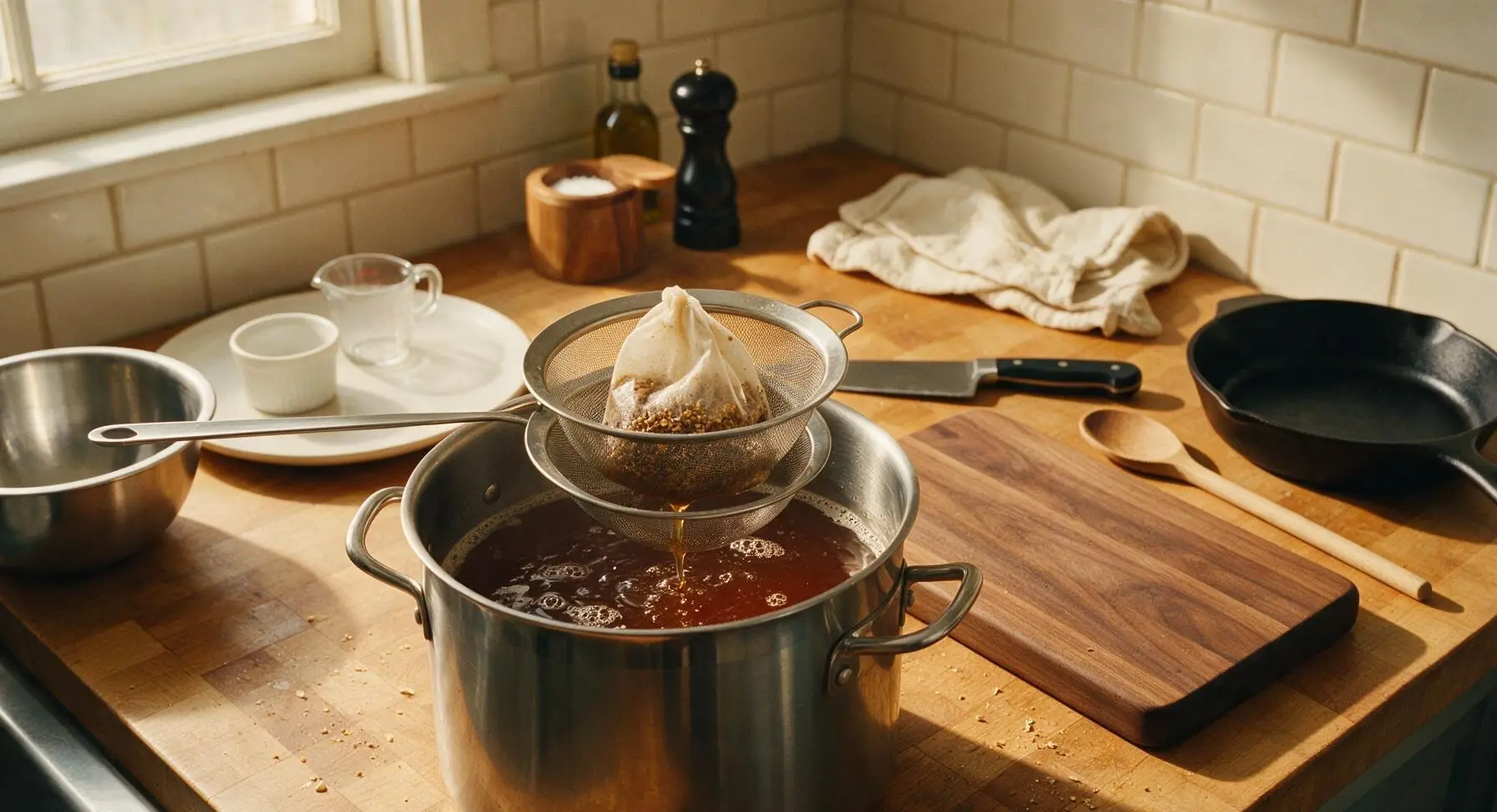
Lift the grain bag out of the kettle, set it in the fine-mesh strainer positioned over the kettle opening to drain fully for 5 minutes—do not squeeze the bag, as this extracts harsh astringent tannins. Discard the spent grain, then bring the remaining mahogany wort to a gentle, rolling boil over medium heat, watching carefully to avoid sticky boilovers. Once a steady, non-violent rolling boil is reached, start a 60 minute timer.
Add Hops and Coffee
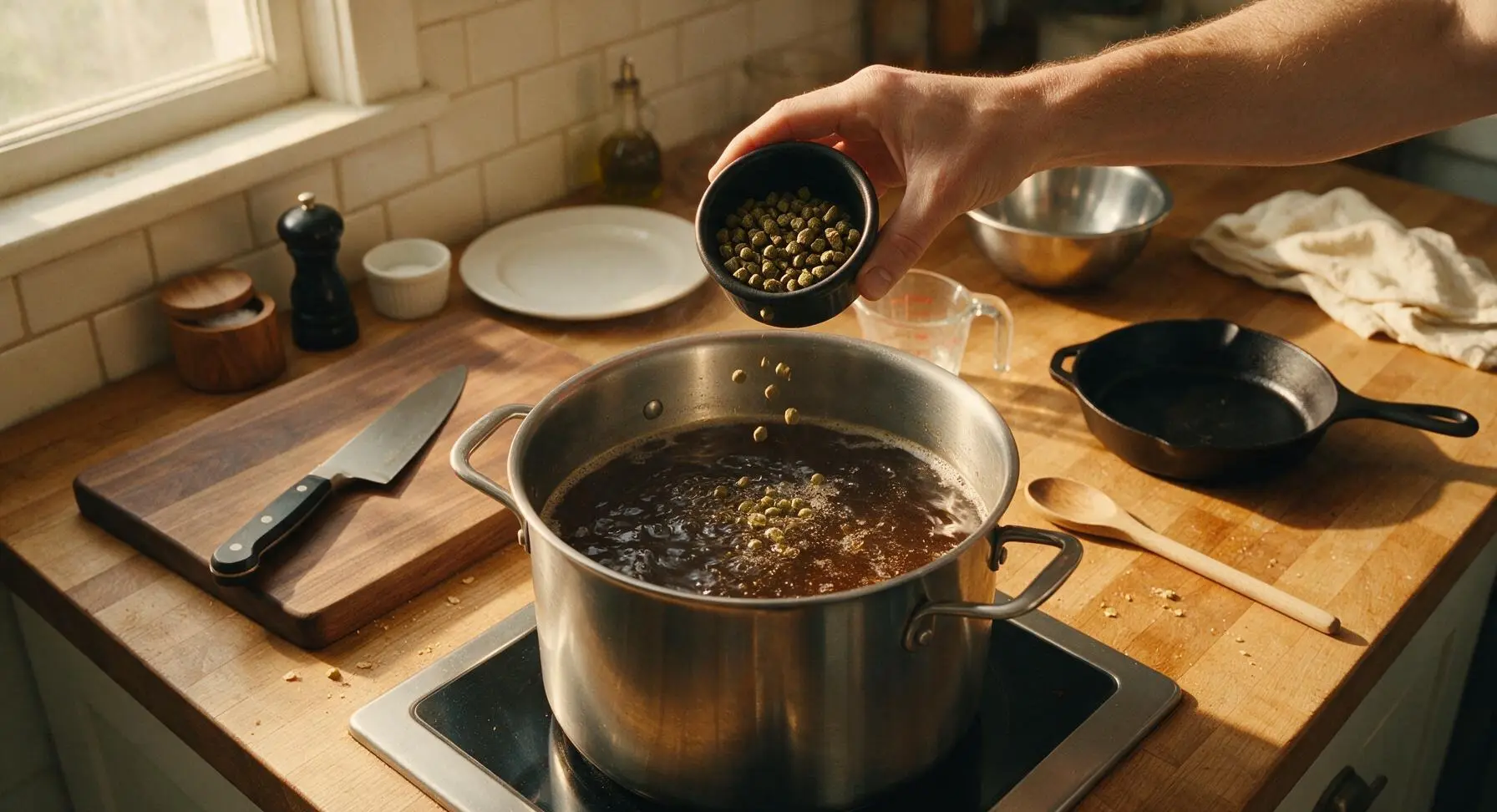
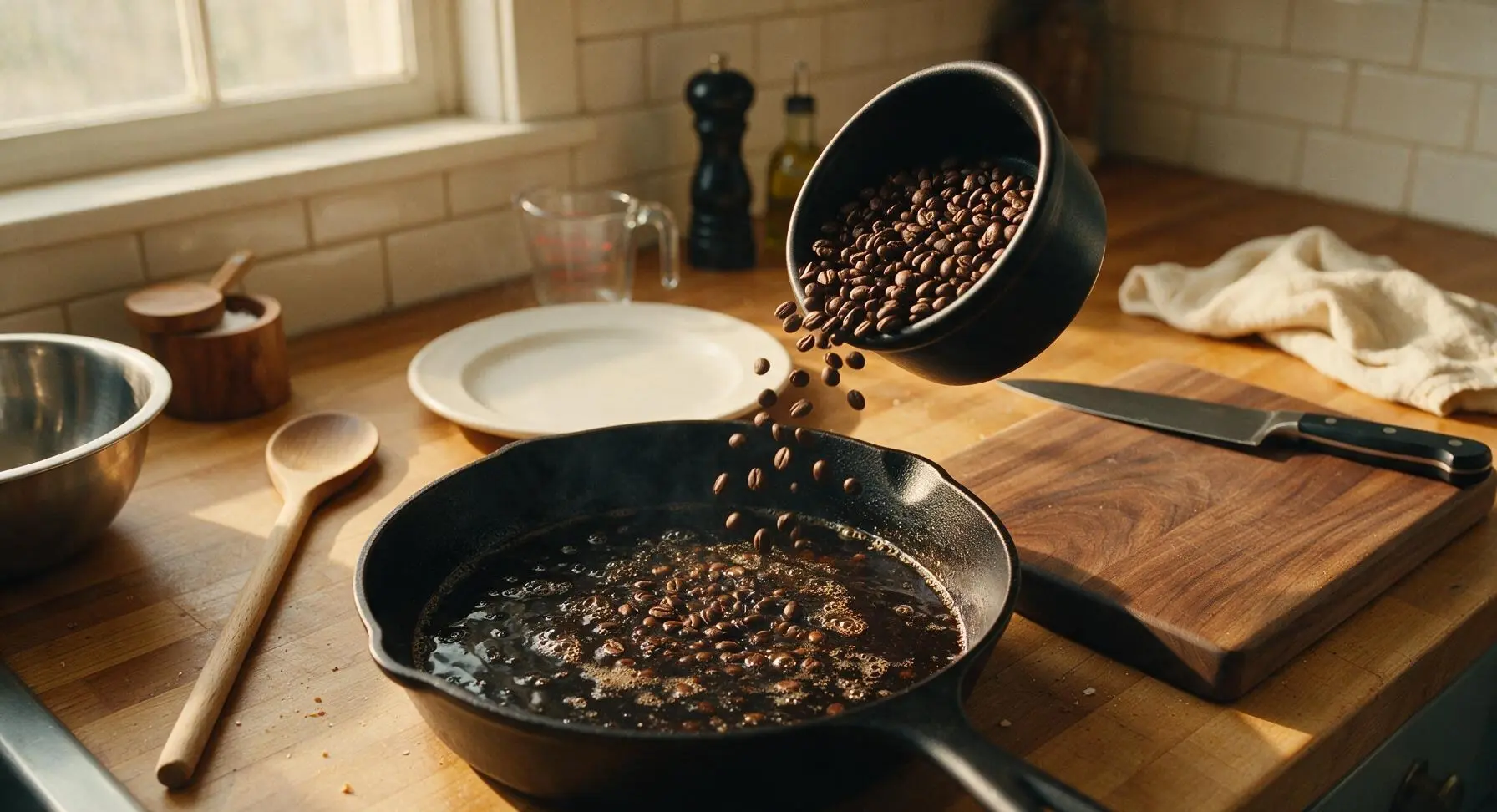
Once the 60 minute boil starts, add all 7g of Magnum hop pellets to the boiling wort, stirring gently with the stainless steel spoon to incorporate. With 5 minutes remaining on the boil timer, add 25g of the whole medium-roast espresso beans (reserve the remaining 10g for post-fermentation) to the wort to extract smooth coffee flavor without harsh burnt bitterness. Maintain the gentle rolling boil for the full 60 minutes, then turn off the heat source.
Cool and Transfer Wort
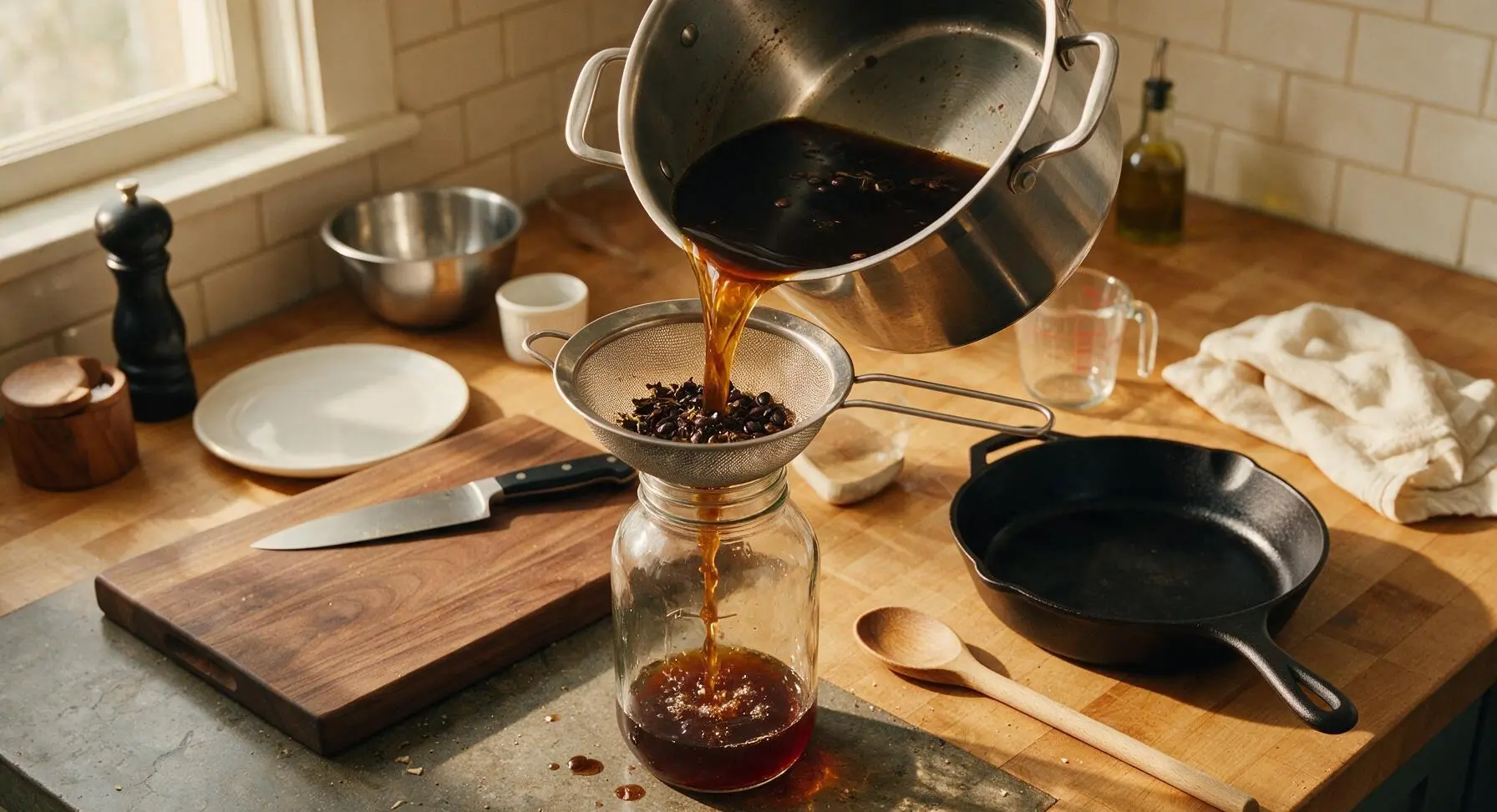
Place the covered brew kettle into an ice bath in a clean sink until the wort cools to 21C (70F), approximately 20 minutes. Rapid cooling prevents off-flavors and reduces risk of contamination. Once cooled, pour the wort through the fine-mesh stainless steel strainer into the sanitized clear glass 1-gallon fermentation jug, straining out all hop particles and whole espresso beans. Top the jug up with small amounts of cold filtered water if needed to reach the etched 1-gallon fill line.
Pitch Yeast and Seal
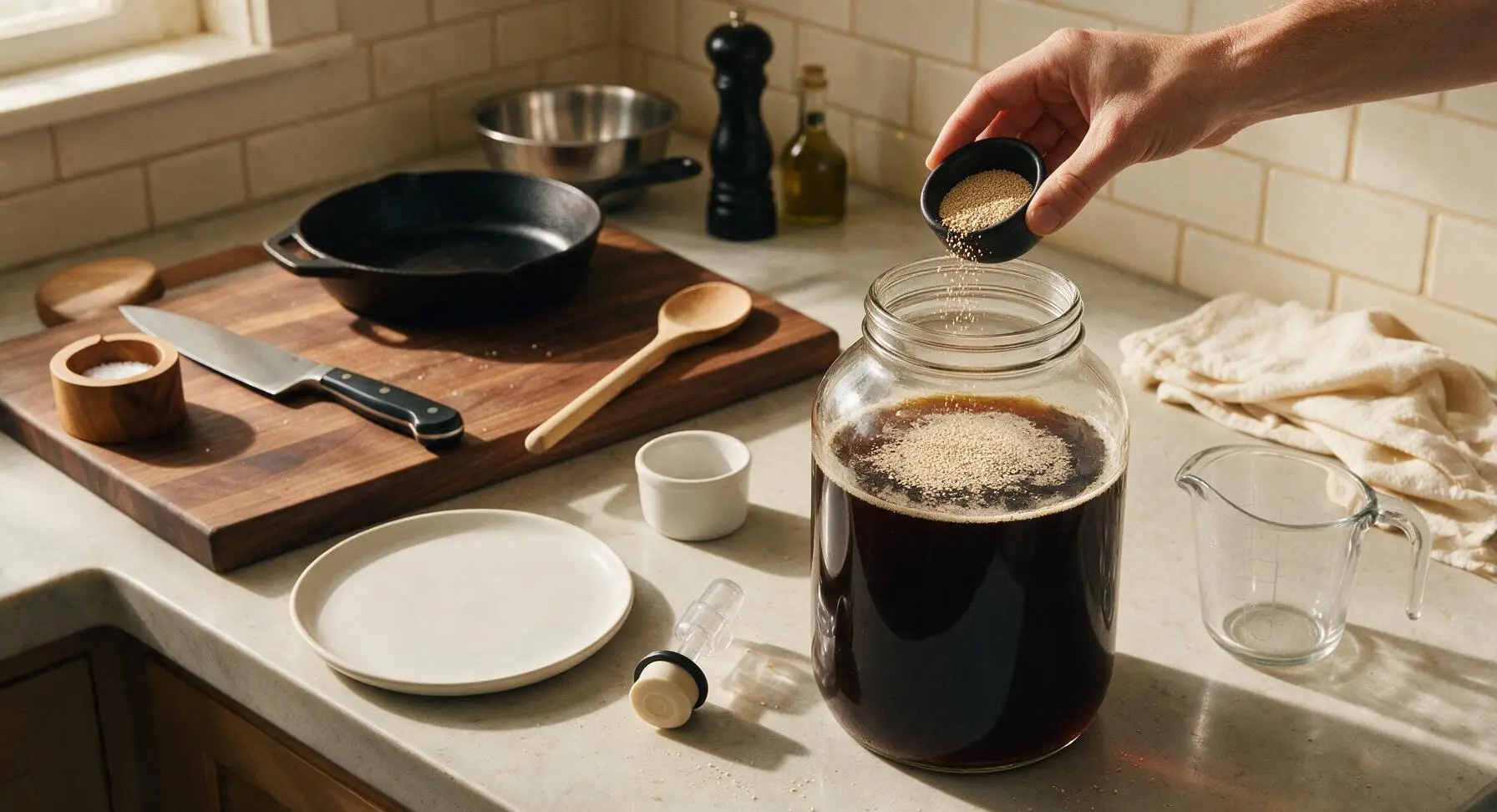
Sprinkle the entire 5g packet of dry US-05 ale yeast evenly across the surface of the cooled wort in the fermentation jug. Seal the jug with a sanitized rubber stopper and fitted airlock filled halfway with sanitizer solution. Place the jug in a dark, temperature-stable area held at 18-21C (65-70F) to ferment for 14 days, until bubbling in the airlock stops completely and the previously cloudy wort turns clear.
Add Cold Espresso Notes
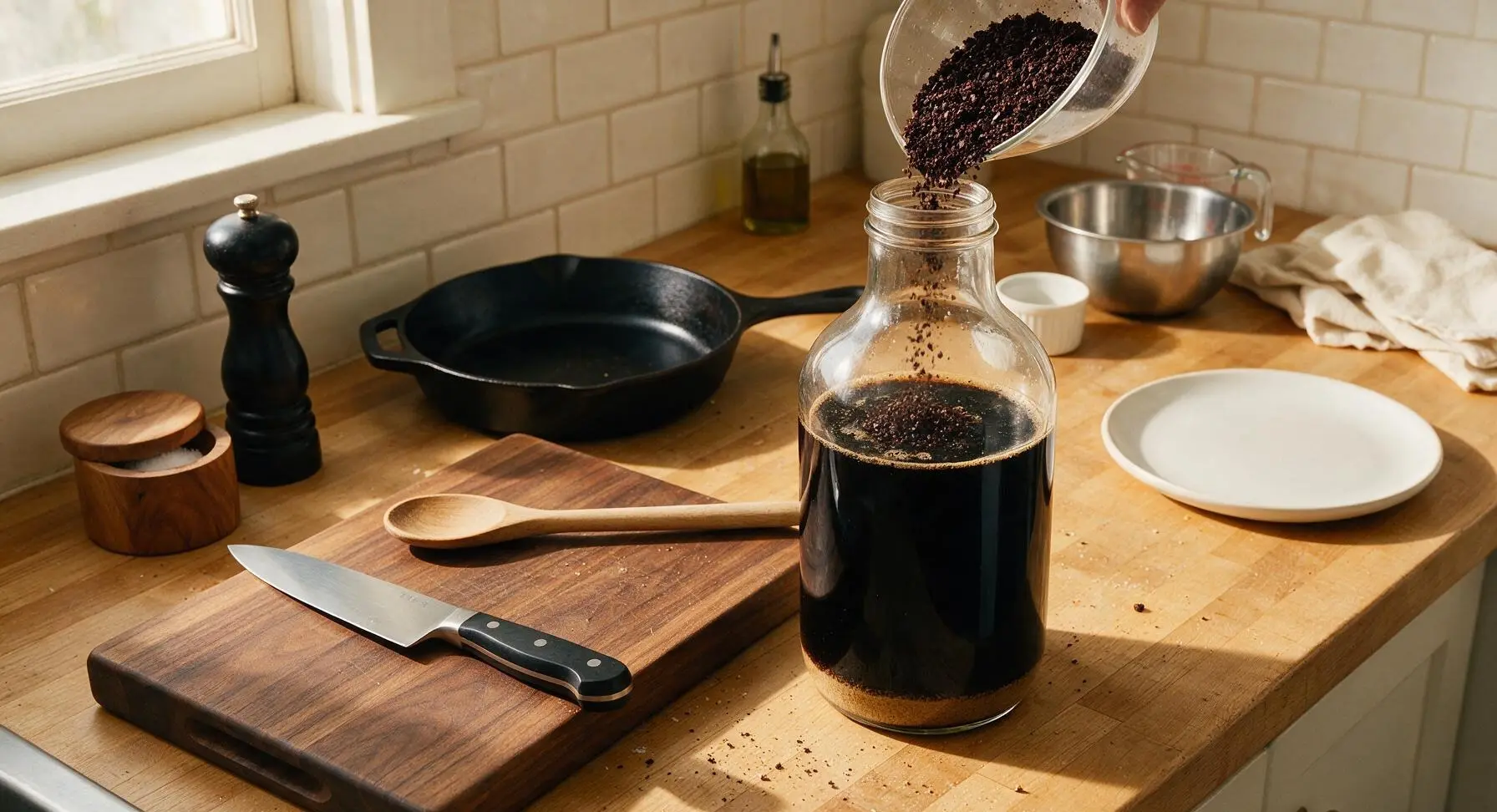
Two days before planned bottling, coarsely grind the reserved 10g of whole espresso beans, add them directly to the fully fermented stout in the jug, and reseal the airlock. This cold extraction adds bright, fresh espresso aroma without the bitter, astringent notes that come from boiling coffee grounds for long periods. Let sit for 48 hours at the same 18-21C fermentation temperature.
Bottle and Carbonate
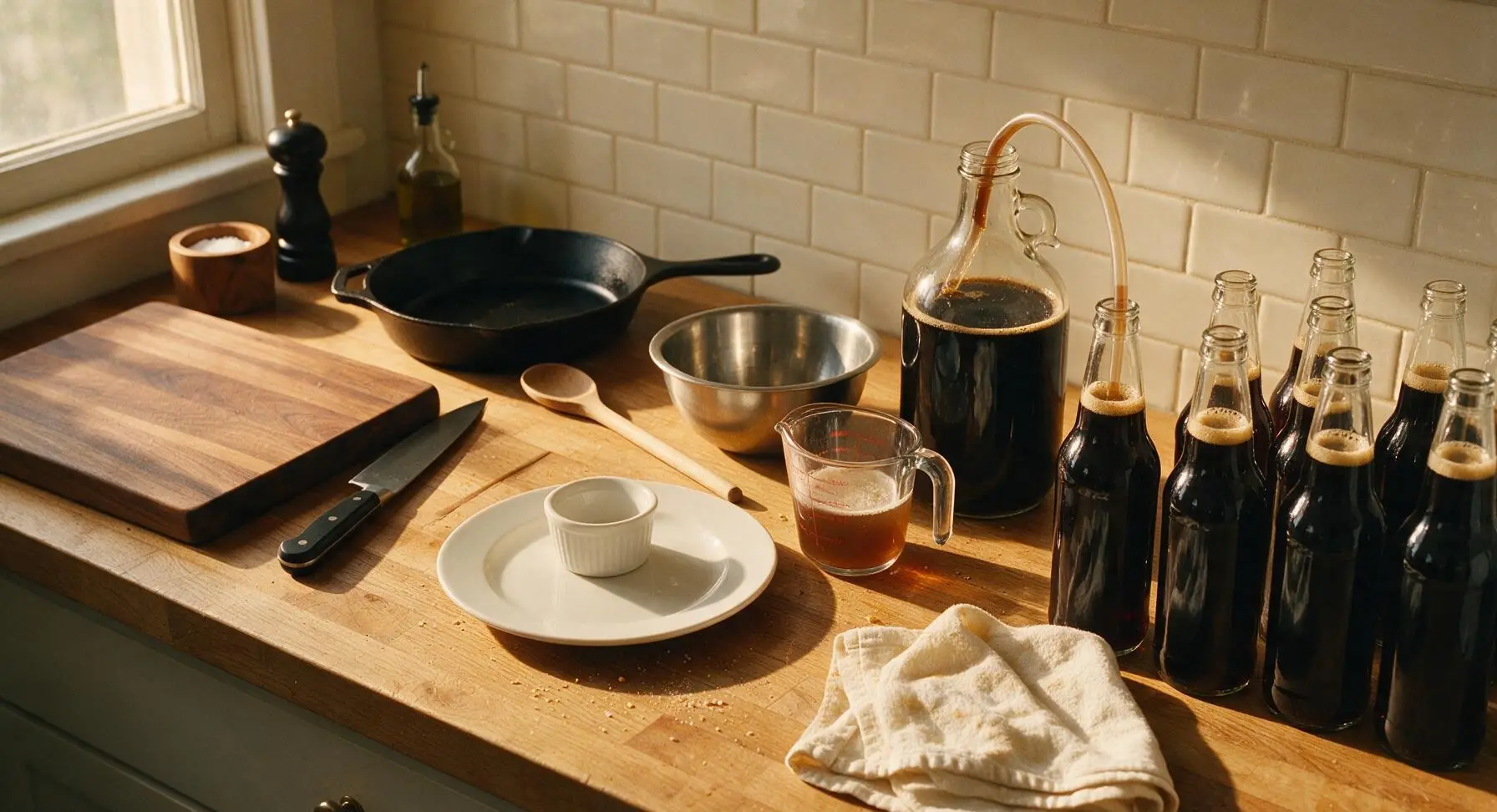
Dissolve 25g of corn priming sugar in 50ml boiling water, cool to room temperature, and add to the bottom of a sanitized bottling bucket. Siphon the finished espresso stout into the bucket, mixing gently with the stirring spoon to evenly distribute the priming sugar, then siphon into sanitized 12oz glass beer bottles, capping tightly with metal crown caps. Let bottles condition at room temperature for 10-14 days to build natural carbonation, then chill to 4C (40F) for at least 2 hours before serving.
Tips
2.Reserve one-third of your espresso beans for cold post-fermentation addition: boiling coffee for long periods extracts bitter, burnt, ashy compounds, while adding coarsely ground beans to cold, fully fermented beer gives bright, fresh espresso aroma and flavor with no harsh aftertaste.
3.Resist the urge to open bottles early: the 10-14 day conditioning period not only builds natural, creamy carbonation, but also lets the sharp coffee and roast malt flavors mellow and blend together for a far smoother, more balanced final pour.






OMG, this espresso stout recipe is an absolute game changer! I made it for my husband’s birthday cookout last weekend and every single guest was asking for the recipe. The rich coffee notes pair so perfectly with the deep, roasty malt flavor — not too bitter, just smooth enough to sip slow by the fire pit after dinner. SO good, I’m already prepping a second batch for our neighborhood fall potluck next month!
Tried this recipe last night as my first ever homebrew attempt and it was way less intimidating than I thought! The step-by-step instructions were super clear, even for a total newbie. I will say my kitchen smelled like coffee and roasted grains for hours afterward, but my roommate said it was the best welcome home smell ever. Can’t wait for it to finish carbonating in a couple weeks!
I made this last night with my partner and OMG, it’s SO good! Quick question though — has anyone tried making this with cold brew concentrate instead of hot espresso for future batches? I don’t have an espresso machine at home but I always have cold brew in the fridge, wondering if that would swap okay. We served this at our weekly game night with the neighbors and everyone raved about it!
Made this for our college football tailgate last Saturday and let me tell you — it was gone in 45 minutes. People were going back for thirds, even my buddy who swears he only drinks light lager loved it. I added an extra shot of espresso per batch because I love that bold coffee kick, and it didn’t disappoint. 10/10, will be a regular in my brew rotation all tailgate season!
Solid recipe, but I had a little trouble with the mash temperature when I tried it last week. My first batch came out a little thinner than I expected, even after following the timings exactly. The flavor was still great, that espresso punch was chef’s kiss, but the mouthfeel was off. Any tips for getting that thicker, creamier stout texture next time?