Gator Tail

Gator Tail
⏱️ cook time 45 minutes
🍽️ servings 4
⚡ Difficulty medium

intro

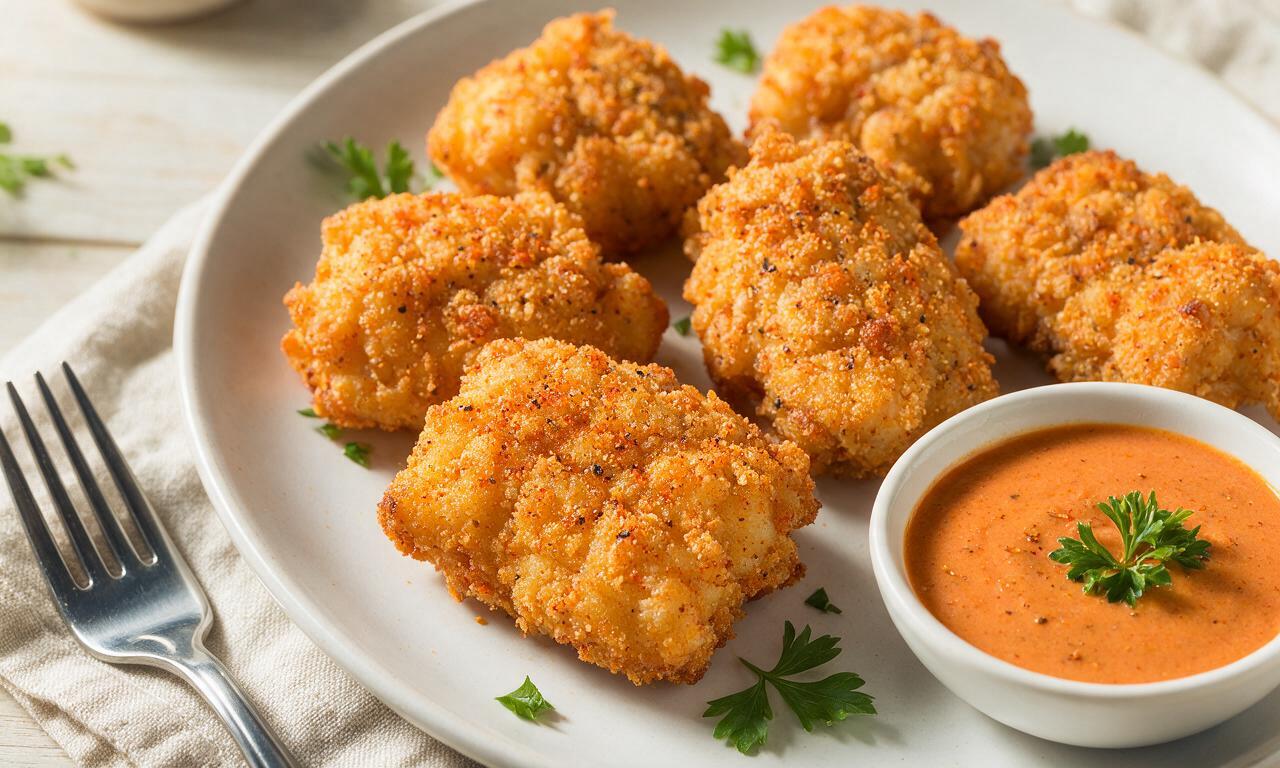
Tender, mild alligator tail coated in zesty Cajun breading, fried to golden crisp—a beloved Southern US wild game specialty with juicy, flaky texture.

Ingredients

Trimmed alligator tail meat (silver skin removed) 680 grams (1.5 lbs)
Buttermilk 480 ml (2 cups)
Cajun seasoning 3 tablespoons, divided
All-purpose flour 180 grams (1.5 cups)
Fine yellow cornmeal 60 grams (½ cup)
Garlic powder 1 teaspoon
Smoked paprika 1 teaspoon
Cayenne pepper ½ teaspoon
Kosher salt 1.5 teaspoons, divided
Freshly ground black pepper ½ teaspoon
Vegetable frying oil (canola or peanut) 1 liter (4.2 cups)

Steps

1

Prep and marinate gator

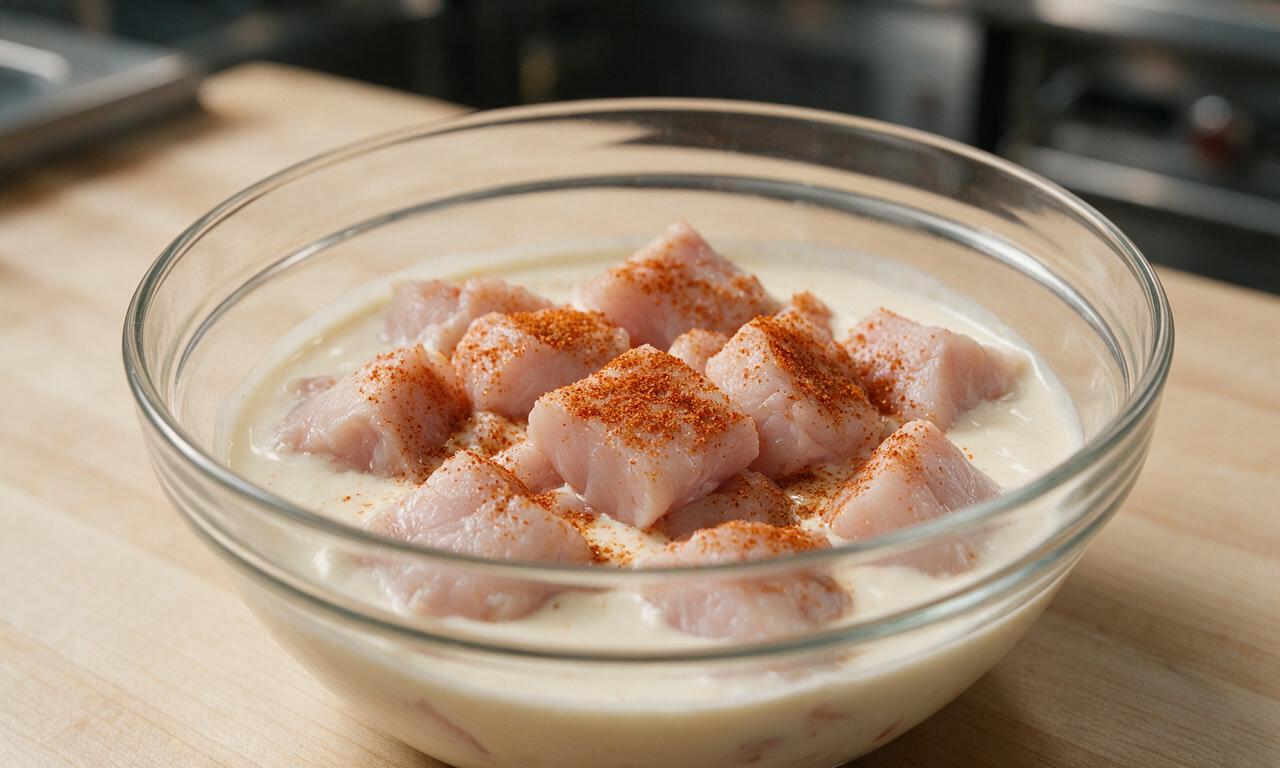
Trim all tough silver skin and connective tissue from 680g gator tail, then cut the meat into uniform 2.5cm (1-inch) thick strips. Toss strips with 1 tablespoon Cajun seasoning and 1 teaspoon kosher salt, then submerge fully in 480ml buttermilk in a glass bowl. Cover and refrigerate for 20 minutes to tenderize the meat.
Step 1
step1:Prep and marinate gator
2

Heat frying oil

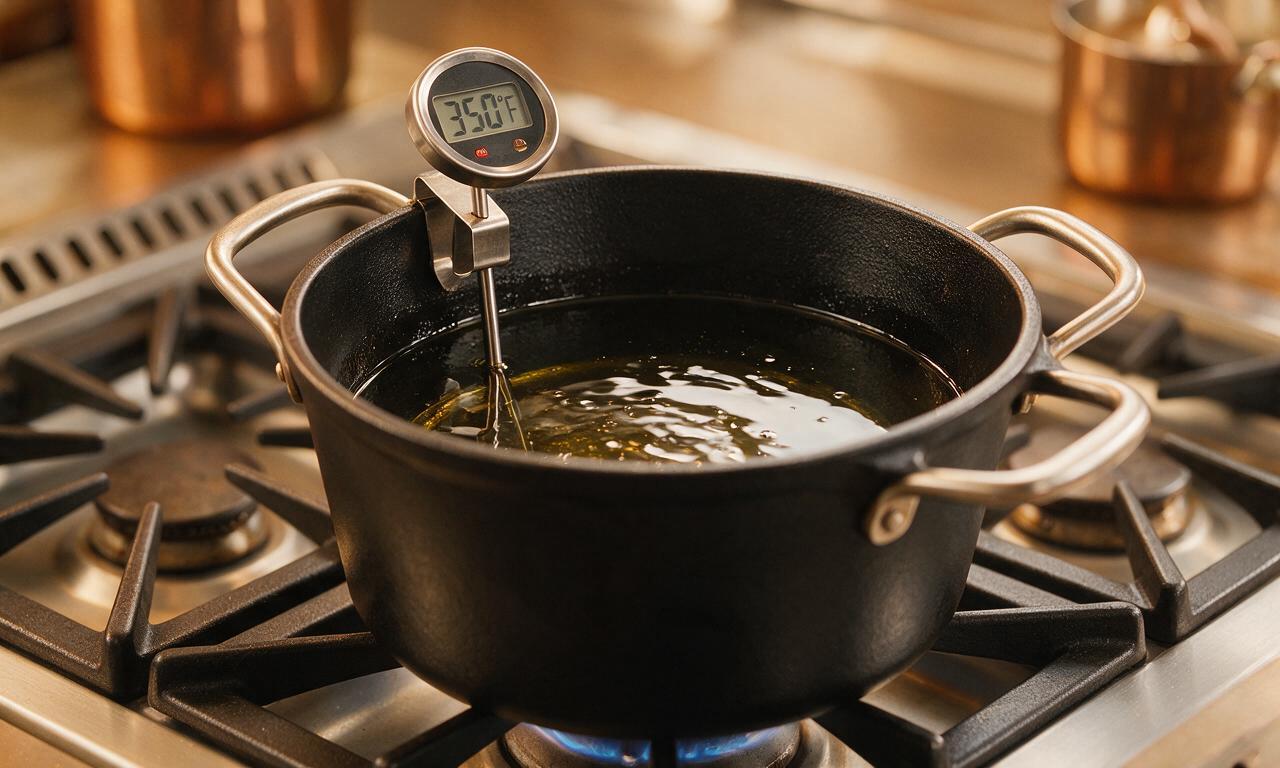
Pour 1 liter of vegetable oil into a deep heavy-bottomed Dutch oven or countertop deep fryer, and clip a candy thermometer to the pot’s inner edge. Heat oil over medium-high burner heat until it reaches a steady 175°C (350°F), adjusting heat as needed to hold this temperature consistently through cooking.
Step 2
step2:Heat frying oil
3

Mix seasoned breading

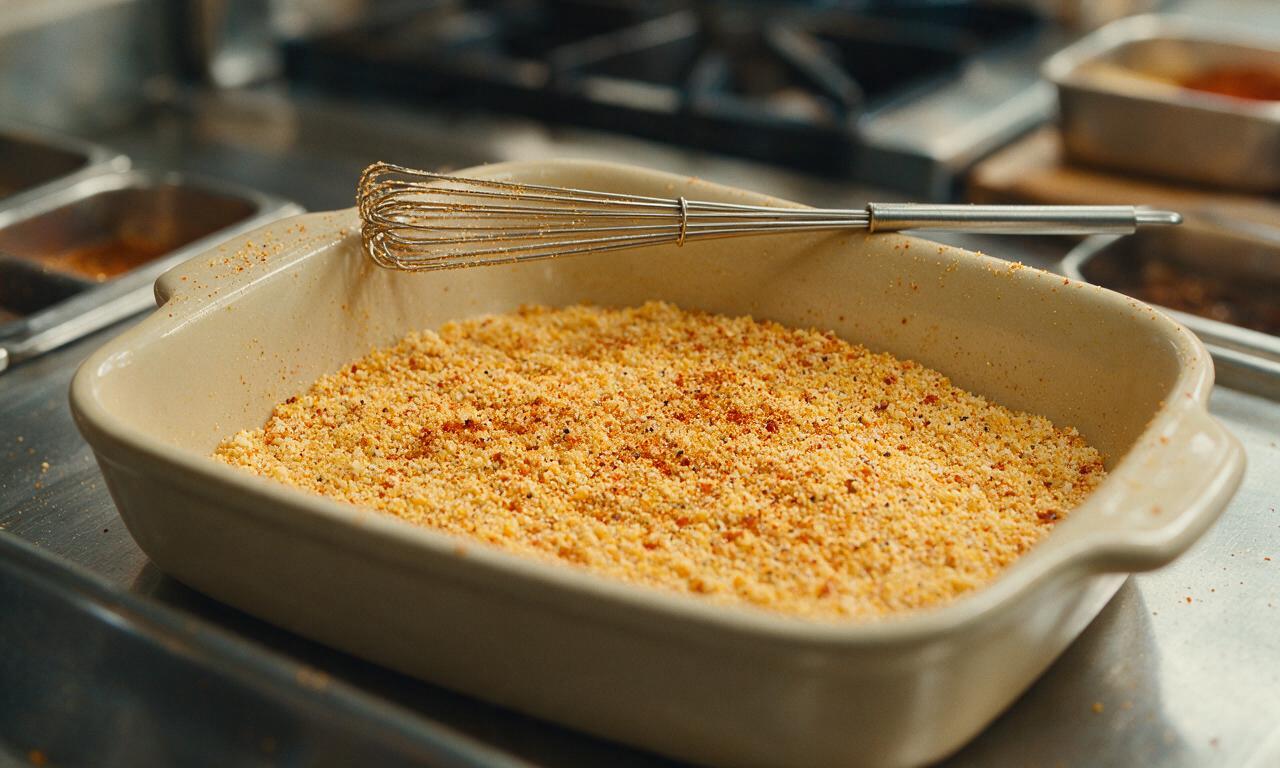
While the oil heats, combine 180g all-purpose flour, 60g fine yellow cornmeal, remaining 2 tablespoons Cajun seasoning, 1 teaspoon garlic powder, 1 teaspoon smoked paprika, ½ teaspoon cayenne pepper, remaining ½ teaspoon kosher salt, and ½ teaspoon black pepper in a shallow baking dish. Whisk for 30 seconds to evenly distribute all spices through the flour-cornmeal mix.
Step 3
step3:Mix seasoned breading
4

Coat gator strips

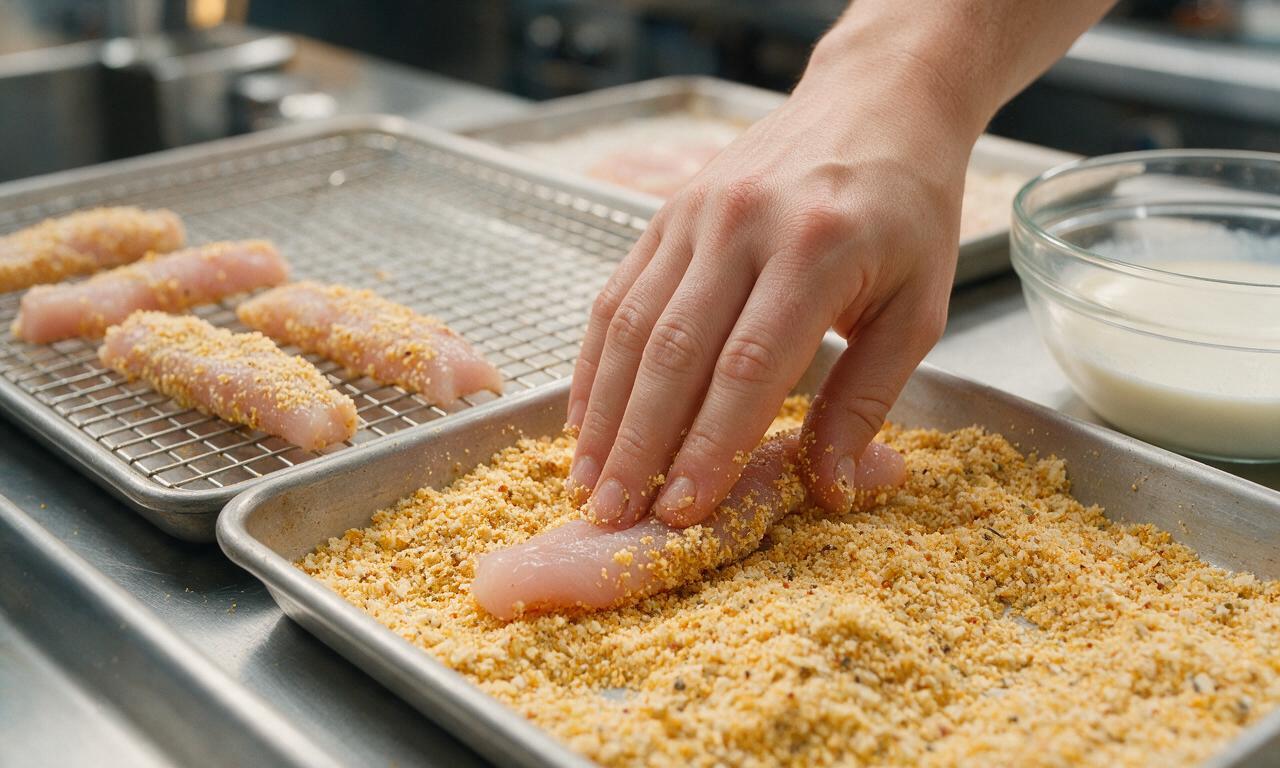
Working in small 4-5 piece batches, lift marinated gator strips from the buttermilk, letting excess buttermilk drip off for 3 seconds. Dredge each strip fully in the seasoned breading, pressing firmly so the coating adheres to all sides, then set coated strips on a wire rack for 5 minutes to let the breading set before frying.
Step 4
step4:Coat gator strips
5

Fry gator batches

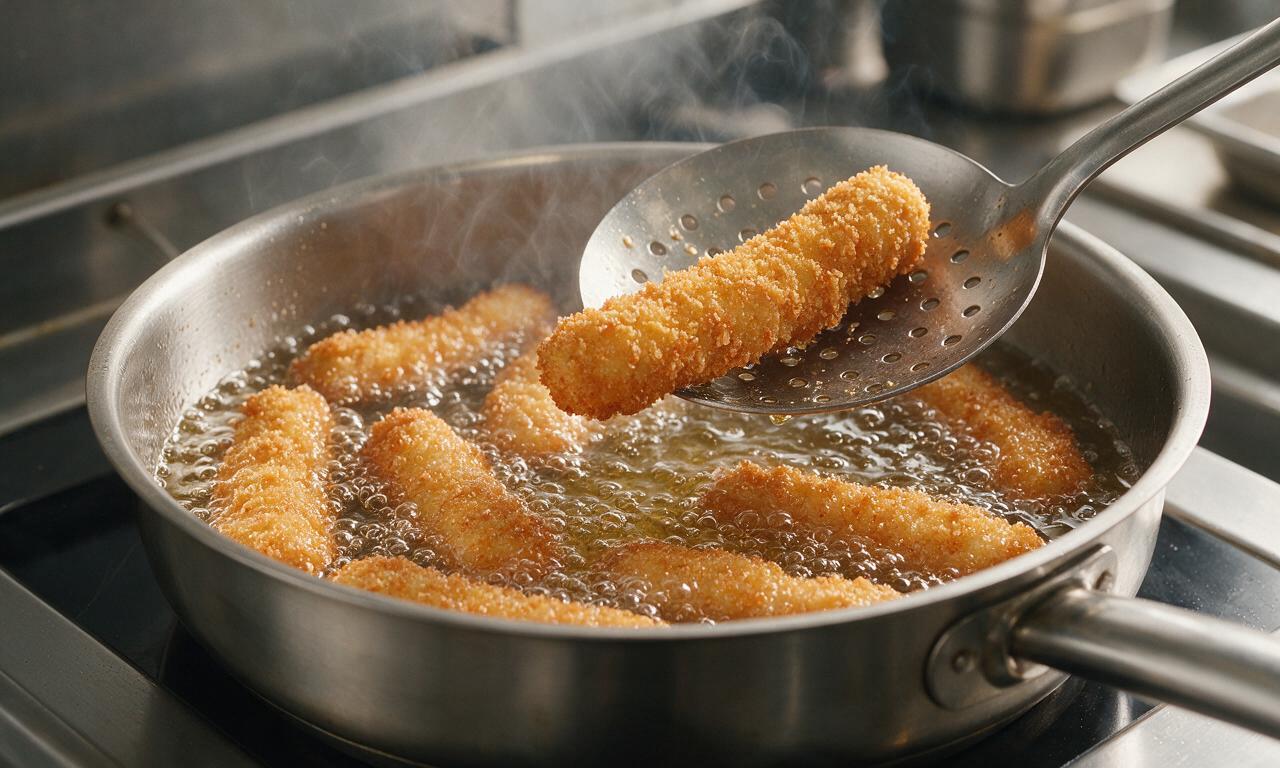
Carefully lower 6-7 coated gator strips into the preheated 175°C oil, taking care not to splash hot oil and never overcrowding the pot. Fry for 3 to 4 minutes per batch, until the breading is deep golden brown and crispy, and the gator’s internal temperature reaches 74°C (165°F) on an instant-read meat thermometer. Use a slotted metal spoon to transfer cooked strips to a paper-towel lined plate to drain.
Step 5
step5:Fry gator batches
6

Rest and serve

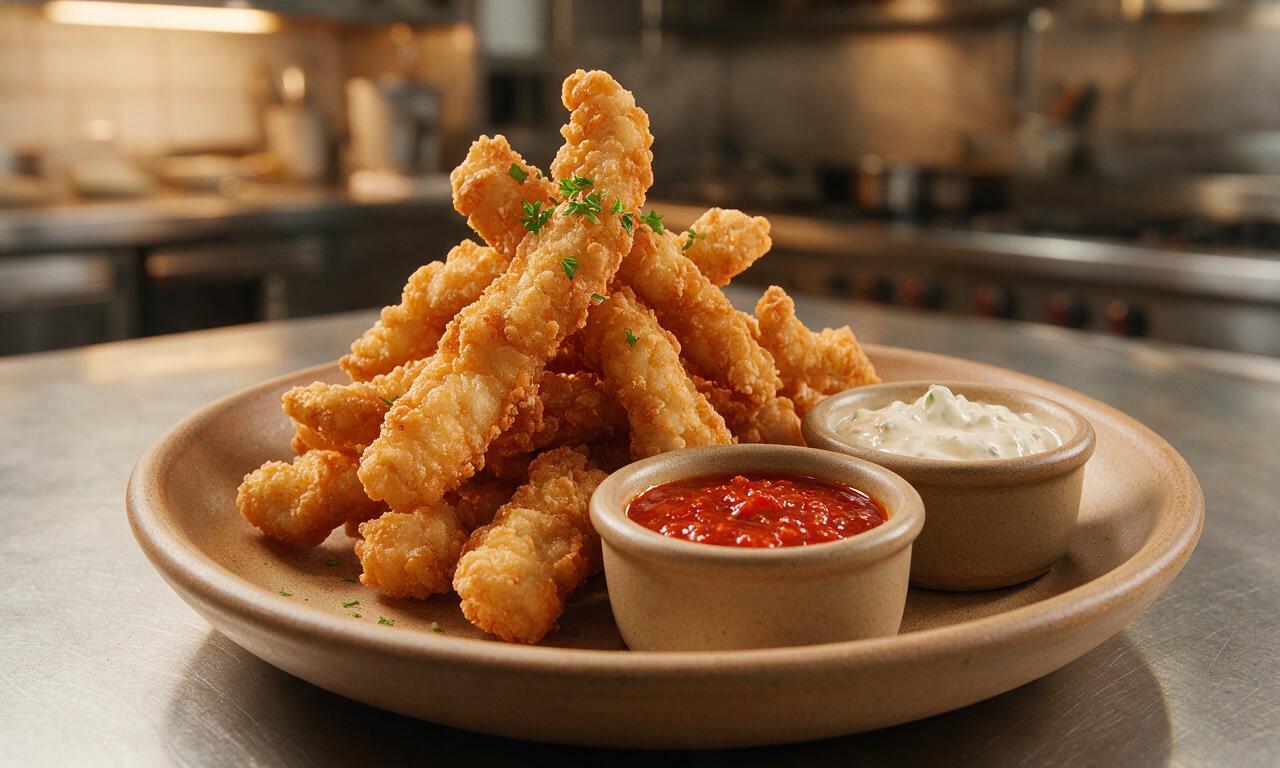
Let fried gator strips rest for 2 minutes on the paper-towel lined plate to allow excess oil to drain, then transfer to a serving platter. Serve hot alongside Cajun remoulade or vinegar-based hot sauce for dipping, while the coating remains crisp and the meat is juicy.
Step 6
step6:Rest and serve

Tips

1.Always remove every bit of tough, silvery connective tissue from gator tail before cooking, as this membrane will remain chewy and rubbery even after full frying, ruining the meat’s tender texture.
2.Never overcrowd the frying pot with too many gator strips at once, as this drops the oil temperature rapidly and results in soggy, oil-soaked breading instead of a light, crisp coating.
3.Avoid overcooking gator tail: once it reaches 74°C (165°F) internally, remove it from oil immediately, as extended high heat will make the lean meat tough and dry quickly.
✨ You May Also Like

Main Course
🍜 United Kingdom

A showstopping classic of tender seared beef, savory mushroom duxelles, and crisp prosciutto wrapped in flaky golden puff pastry, baked to juicy perfection.

⏱️ 2 hours 1Main Course ★ 4.7
Main Course
🍜 India

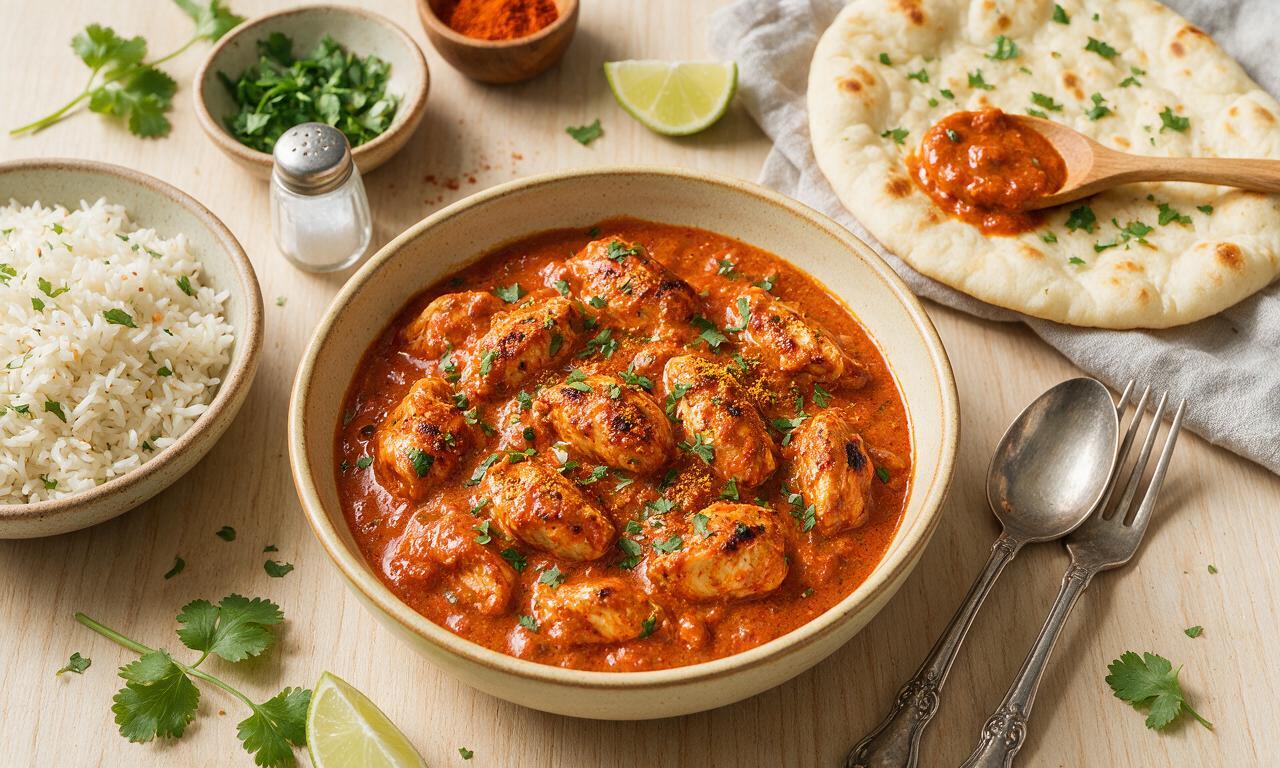
Tender charred marinated chicken simmered in a rich, spiced creamy tomato sauce, this iconic Anglo-Indian curry pairs perfectly with basmati rice or warm naan.

⏱️ 50 minuteMain Course ★ 4.8
Main Course
🍜 Thailand

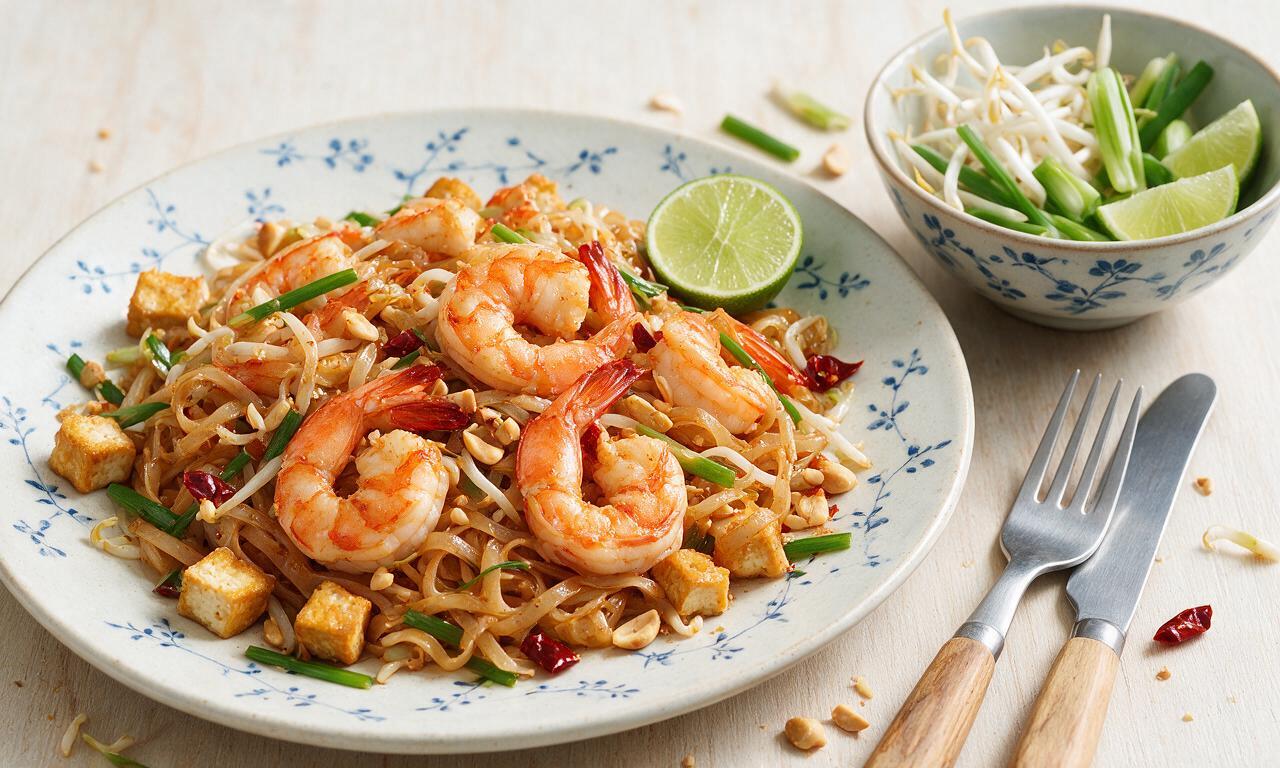
Classic tangy, sweet, and savory Thai stir-fried rice noodles with shrimp, tofu, and crunchy garnishes, balancing all five core Thai flavor profiles.

⏱️ 30 minuteMain Course ★ 4.6
Main Course
🍜 United Kingdom

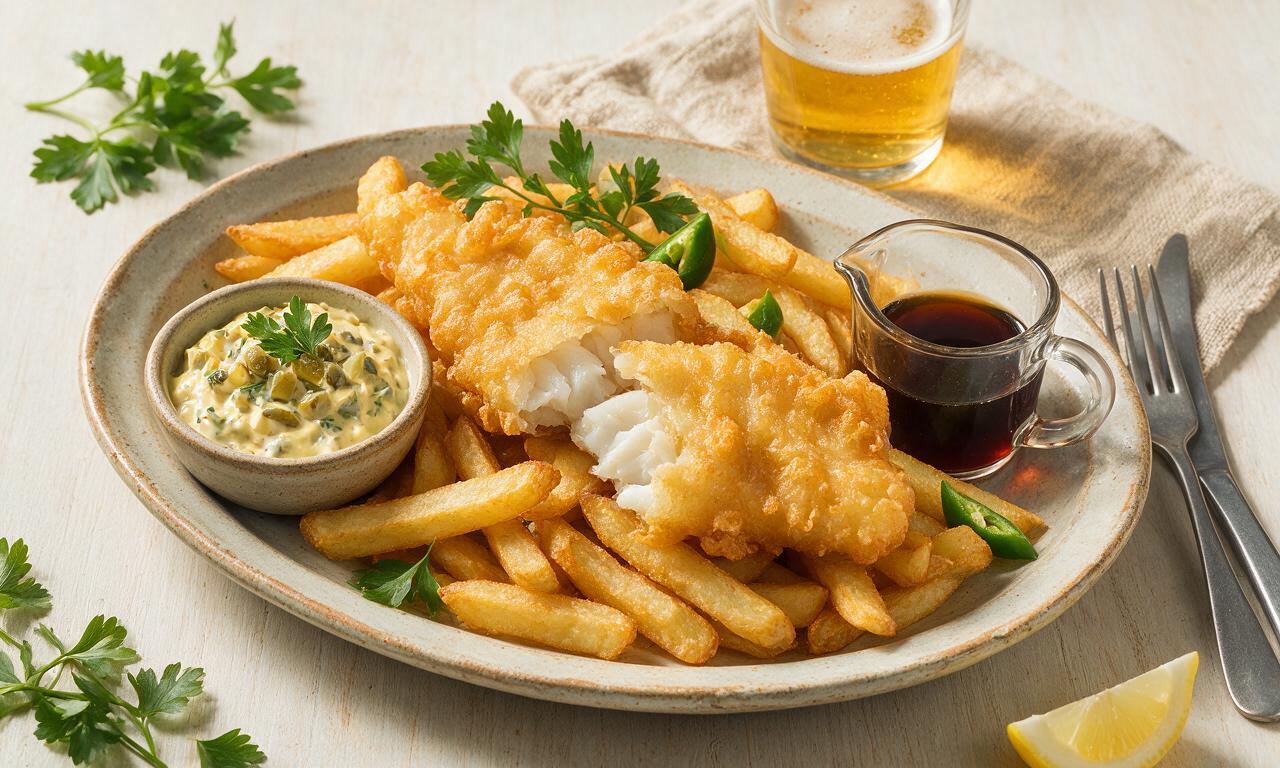
Crispy golden beer-battered cod and fluffy double-fried chips, served with tangy tartar sauce and malt vinegar: the timeless, beloved British pub comfort classic.

⏱️ 45 minuteMain Course ★ 4.9
Main Course
🍜 Mexico

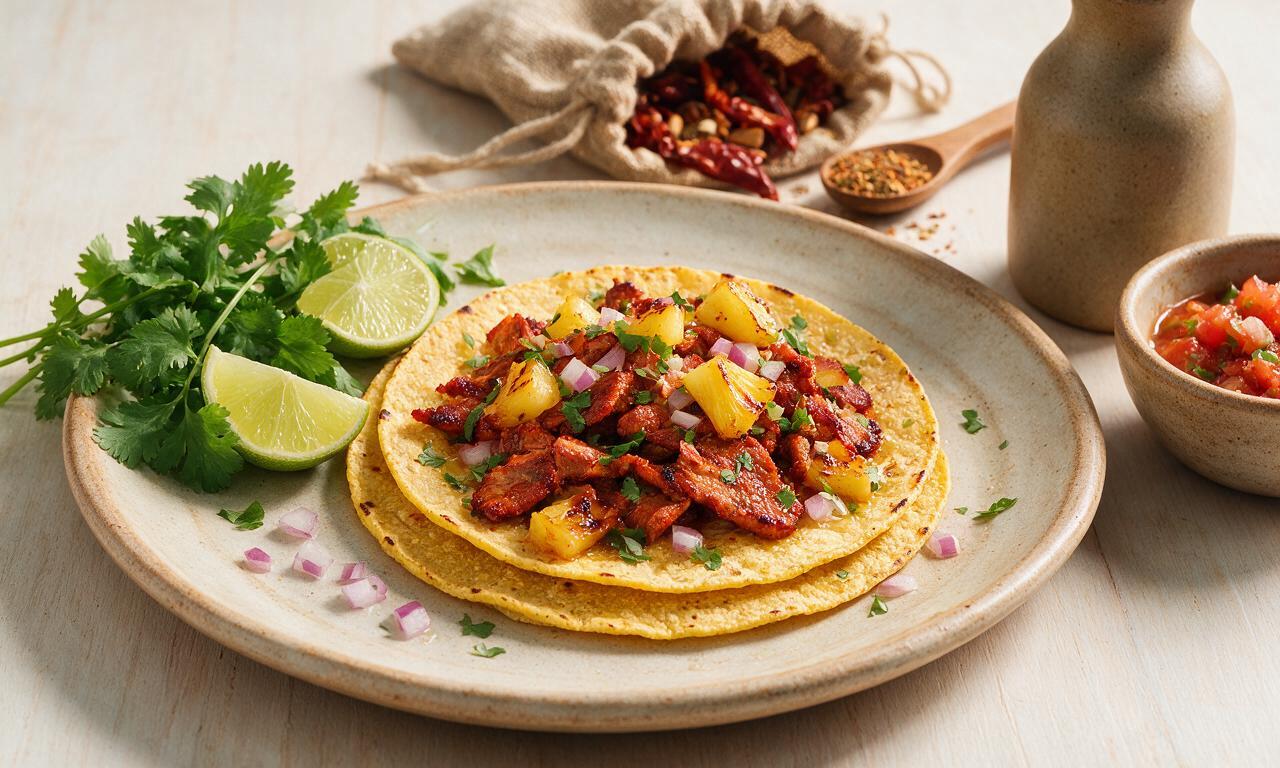
Smoky, chile-marinated pork tacos with caramelized pineapple, fresh cilantro, and lime: a beloved classic Mexican street food perfect for casual summer gatherings.

⏱️ 1 hour 45Main Course ★ 4.7
Main Course
🍜 United States

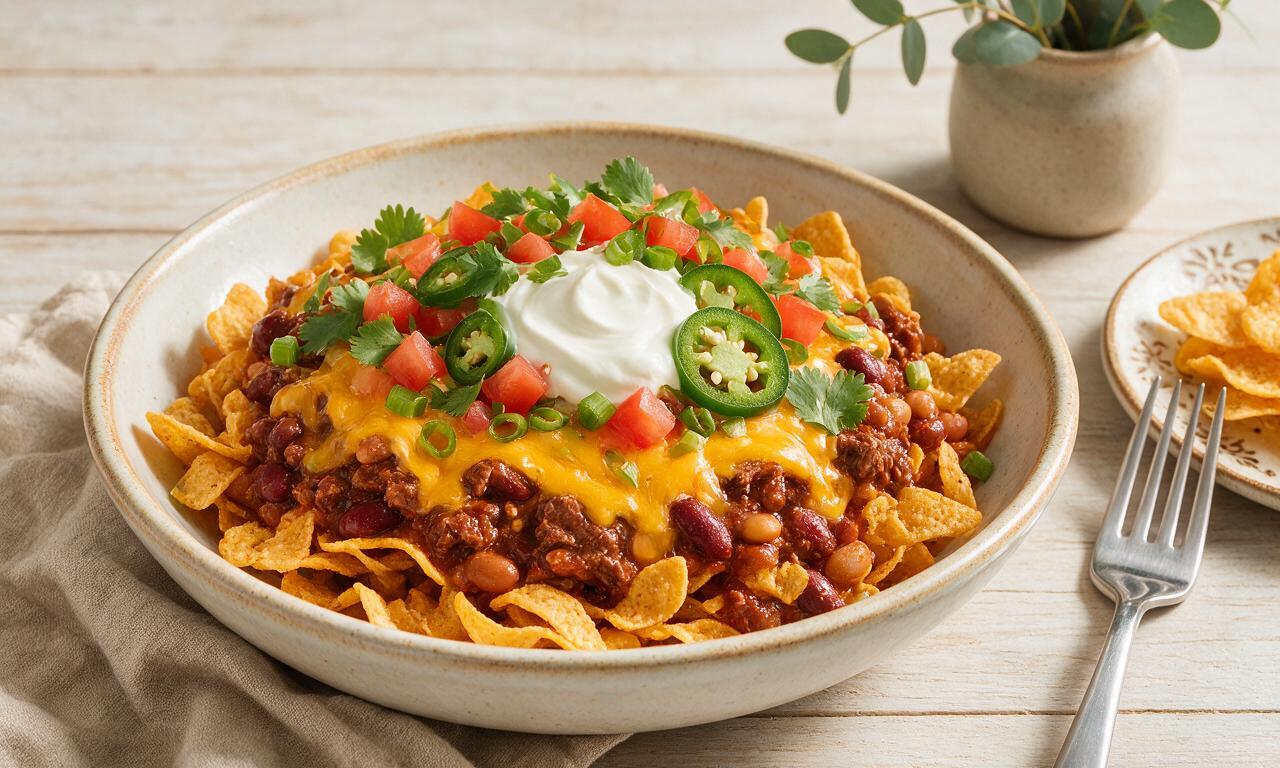
Crunchy Fritos corn chips layered with savory beef chili and melted cheddar, topped with cool, zesty fixings for a beloved, cozy Tex-Mex comfort food.

⏱️ 35 minuteMain Course ★ 4.9

Gator Tail:Frequently Asked Questions

1.What does alligator tail taste like? I’m worried it will be overly gamey.
When trimmed properly (with all tough silver skin removed), gator tail is very mild, far less gamey than most wild game—think a cross between tender white chicken and firm, flaky catfish. The buttermilk soak and zesty Cajun seasoning cut any faint wild notes, leaving juicy, clean-tasting meat under that crispy golden crust.
2.Why do you soak gator tail in buttermilk before breading it?
Buttermilk pulls double duty for this recipe. First, its gentle lactic acid tenderizes the ultra-lean gator meat without turning it mushy, so you avoid tough, chewy bites. Second, it helps the flour-cornmeal breading stick tight, so you get that even, shaggy, crispy coating that doesn’t slide off during frying. For best results, soak for at least 2 hours, or overnight in the fridge.
3.Is it really necessary to remove all the silver skin from the gator tail first?
Absolutely. Silver skin is the tough, shiny connective tissue on the surface of the tail meat, and it never softens, even at high frying temperatures. If you leave it on, you’ll end up with chewy, rubbery bits that are hard to bite through. Use a sharp thin boning knife to slide under the membrane and strip it off completely before cutting the meat into fry-sized strips.
4.What ratio of flour to cornmeal gives the best crispy Cajun crust?
For that perfect balance of sturdiness and crunch, I use a 2:1 ratio of all-purpose flour to fine yellow cornmeal. The flour builds a smooth, even base that adheres well to the buttermilk-soaked meat, while the cornmeal adds that signature gritty, golden crunch that doesn’t get soggy right after frying. Stir 2 to 3 tablespoons of Cajun seasoning straight into the breading for even, bold flavor.
5.What oil temperature do I need for perfectly cooked fried gator tail?
Heat your high-smoke-point frying oil (peanut or canola work best) to a steady 350°F, using a clip-on candy thermometer to track temperature. If the oil is too cool, the breading will soak up excess grease and turn soggy; too hot, and the crust will burn before the lean gator meat cooks through. Fry 3 to 4 minutes per batch, until the meat hits an internal temp of 160°F.
6.Can I use frozen gator tail for this recipe if I can’t find fresh?
Totally! Most commercially sold gator tail across the Southern US is flash-frozen immediately after processing, so it performs just as well as fresh. Thaw it fully in the fridge overnight, pat it very dry with paper towels before soaking in buttermilk, and trim any leftover silver skin just as you would with fresh meat. You won’t notice a difference in texture or flavor.
7.How do I keep fried gator tail crispy when cooking multiple batches for a crowd?
Skip the common trick of setting finished bites on paper towel-lined plates—trapped steam will turn the crisp crust soggy in minutes. Instead, set a wire rack over a rimmed baking sheet, and hold cooked gator on the rack in a 200°F oven while you fry the rest. This lets air circulate around every piece, keeping crusts crisp and meat warm until serving.
8.What dipping sauces pair best with crispy Cajun fried gator tail?
The bold, zesty Cajun seasoning pairs perfectly with creamy, tangy dips. Classic Southern options include spicy Creole remoulade, ranch mixed with a pinch of extra Cajun spice, creamy horseradish sauce, or sweet-heat honey mustard. Serve it alongside tangy coleslaw, hushpuppies, or pickled okra for a classic, satisfying Southern wild game meal.

Comments (6)

1 week ago

OMG I made this for our annual family crawfish boil last weekend and it was the star of the spread! I was so nervous cooking gator for the first time but the Cajun seasoning blend was perfect, not too spicy but packed so much flavor, and the crust stayed crispy even after sitting out for an hour. My cousin who swears he hates all ‘weird meat’ went back for thirds. 10/10 will make again for every backyard get together from now on!

3 days ago

Quick question—did you use tail that was previously frozen or fresh? My grocery store only carries frozen gator tail and I’m worried it’ll be tough!

2 days ago

Great question! Frozen gator tail works perfectly for this recipe as long as you thaw it completely in the fridge and pat it super dry before breading—this is key to getting that ultra crispy crust and avoiding soggy, chewy bites!

2 days ago

Took this to our neighborhood potluck last night and people were hounding me for the recipe before I even set the platter down! I added a tiny extra pinch of cayenne because my crew likes extra heat, and dipped them in that homemade remoulade I usually make for fried catfish. Game changer, never would’ve thought fried gator would be such a crowd pleaser for folks who’ve never tried it.

yesterday

Love the extra cayenne swap! Remoulade is such a perfect pairing for this crispy gator—great call serving it that way. So glad it was a hit at the potluck!

5 days ago

This was SO good! My kids were weirded out when I told them it was gator tail but they ended up fighting over the last piece. I prepped a big batch on Sunday for weeknight meals and the leftovers reheated surprisingly well in the air fryer! Only reason I’m not giving 5 stars is I had to cook mine about 5 minutes longer than the recipe said to get that perfect crisp, my first batch was a little underdone in the middle. Will definitely adjust the cook time next time though, the flavor is unreal.

2 weeks ago

Just made this for my partner’s birthday dinner since he’s been obsessed with all things Cajun ever since our trip to New Orleans. It tasted exactly like the fried gator we got at that little hole-in-the-wall bar in the French Quarter! The cornmeal crust is so crunchy, the seasoning is spot on, the meat was tender and not gamey at all. Absolute home run.

1 week ago

Wait did you brine the gator first? I’ve had problems with it coming out tough when I don’t brine, but the recipe didn’t mention a brine step!

5 days ago

No brine required for this recipe! The buttermilk soak we use before breading tenderizes the gator meat beautifully as long as you cut it against the grain into 1-inch strips, just like the instructions note. Give it a try without brining next time, you’ll love how tender it turns out!

yesterday

I was skeptical about cooking gator at home, I always thought it’d be super complicated, but this recipe was way easier than I expected for a medium difficulty dish! Cook time was exactly 45 minutes start to finish for me, no extra steps needed. Served it with coleslaw and hushpuppies and it felt like a proper Southern seafood feast right in my own kitchen.

30 minutes ago

Oh the hushpuppy side is such a good call! I made this last month and served it with fries but hushpuppies would be way better, stealing that idea for next time!

5 minutes ago

My husband brought home a gator tail from his hunting trip last week and I had zero clue what to do with it, stumbled on this recipe and decided to give it a shot. OMG it’s so good! I never would’ve guessed gator tastes like a cross between chicken and catfish, the crispy breading is chef’s kiss. He’s already asking when I’ll make it again.