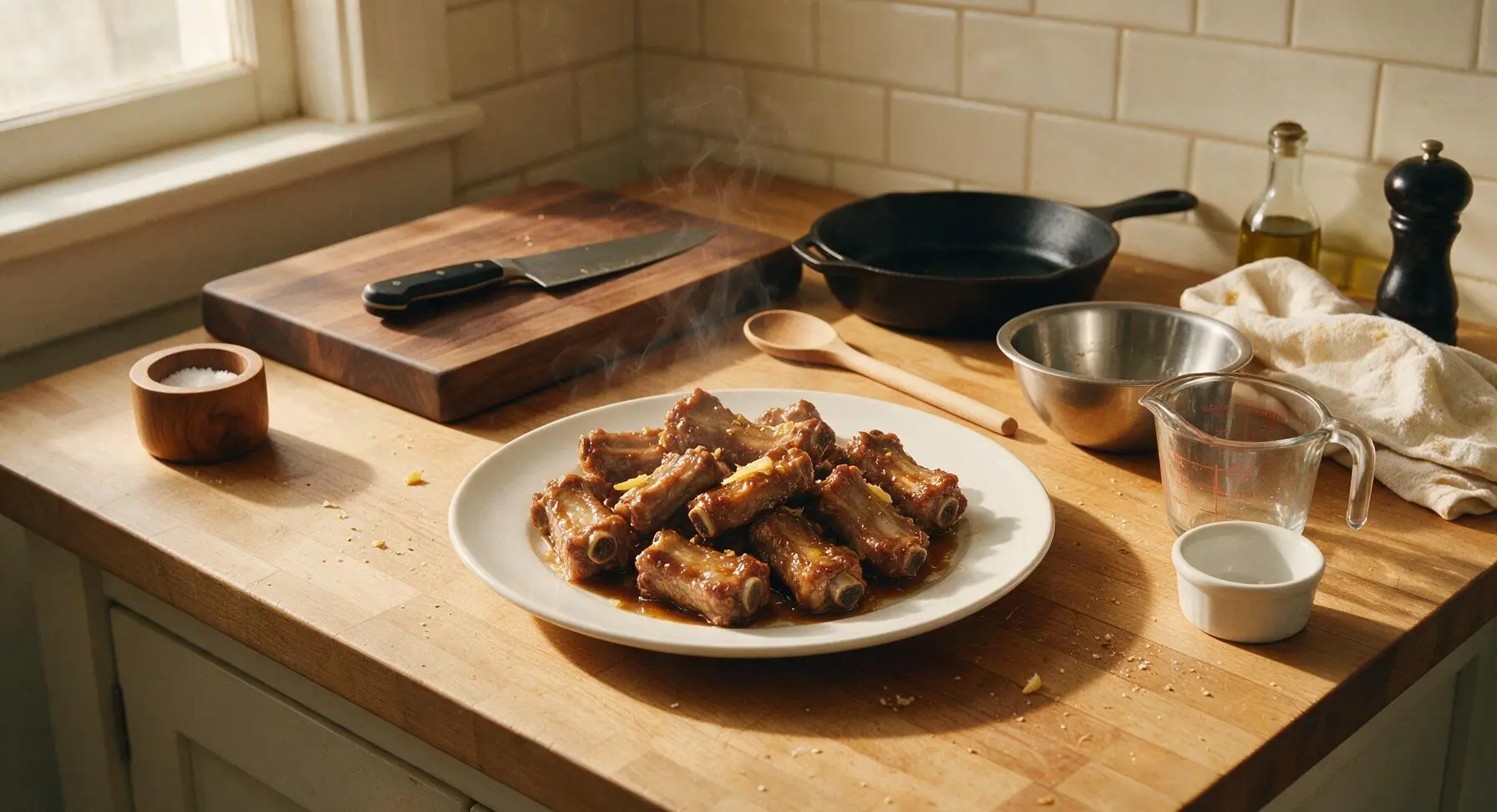
Ginger Ribs

title 1
Ginger Ribs
⏱️ cook time 1 hour 10 minutes
🍽️ servings 4
⚡ Difficulty medium

intro

Tender fall-off-the-bone pork ribs coated in a sticky, aromatic ginger-soy glaze, balancing warm savory and subtle sweet notes for a cozy, comforting family meal.

Ingredients
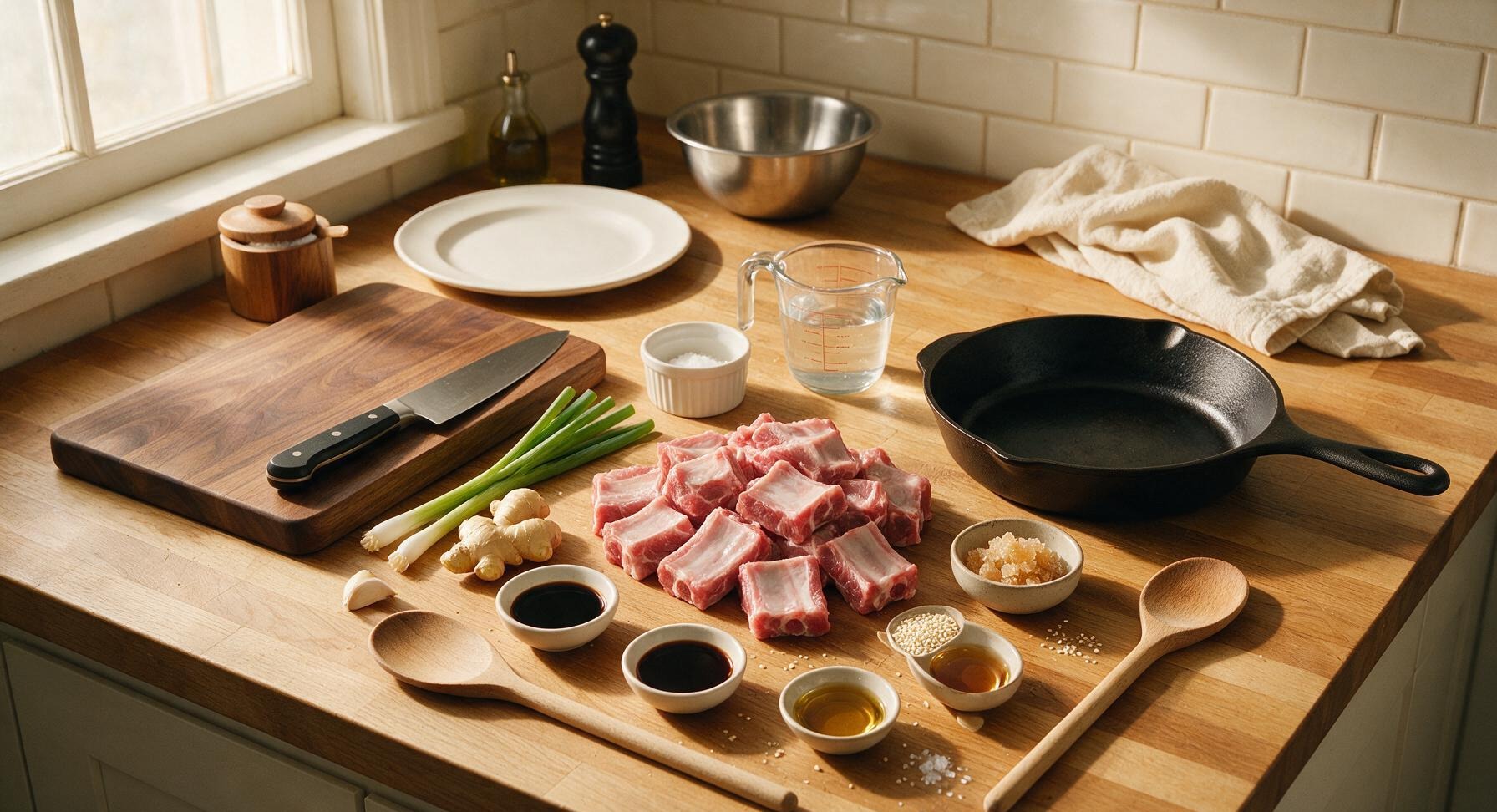
Pork spare ribs, cut into 5cm individual pieces 1kg
Fresh ginger 80g
Scallions 4 stalks (60g)
Garlic cloves 3 (10g)
Light soy sauce 3 tbsp (45ml)
Dark soy sauce 1 tbsp (15ml)
Chinese Shaoxing rice wine 1 tbsp (15ml)
Yellow rock sugar 2 tbsp (30g)
Neutral vegetable oil (canola or sunflower) 1 tbsp (15ml)
Toasted white sesame seeds 1 tsp (3g)
Warm water 250ml
Coarse sea salt 1/2 tsp

Steps

1

Prep Aromatic Ingredients

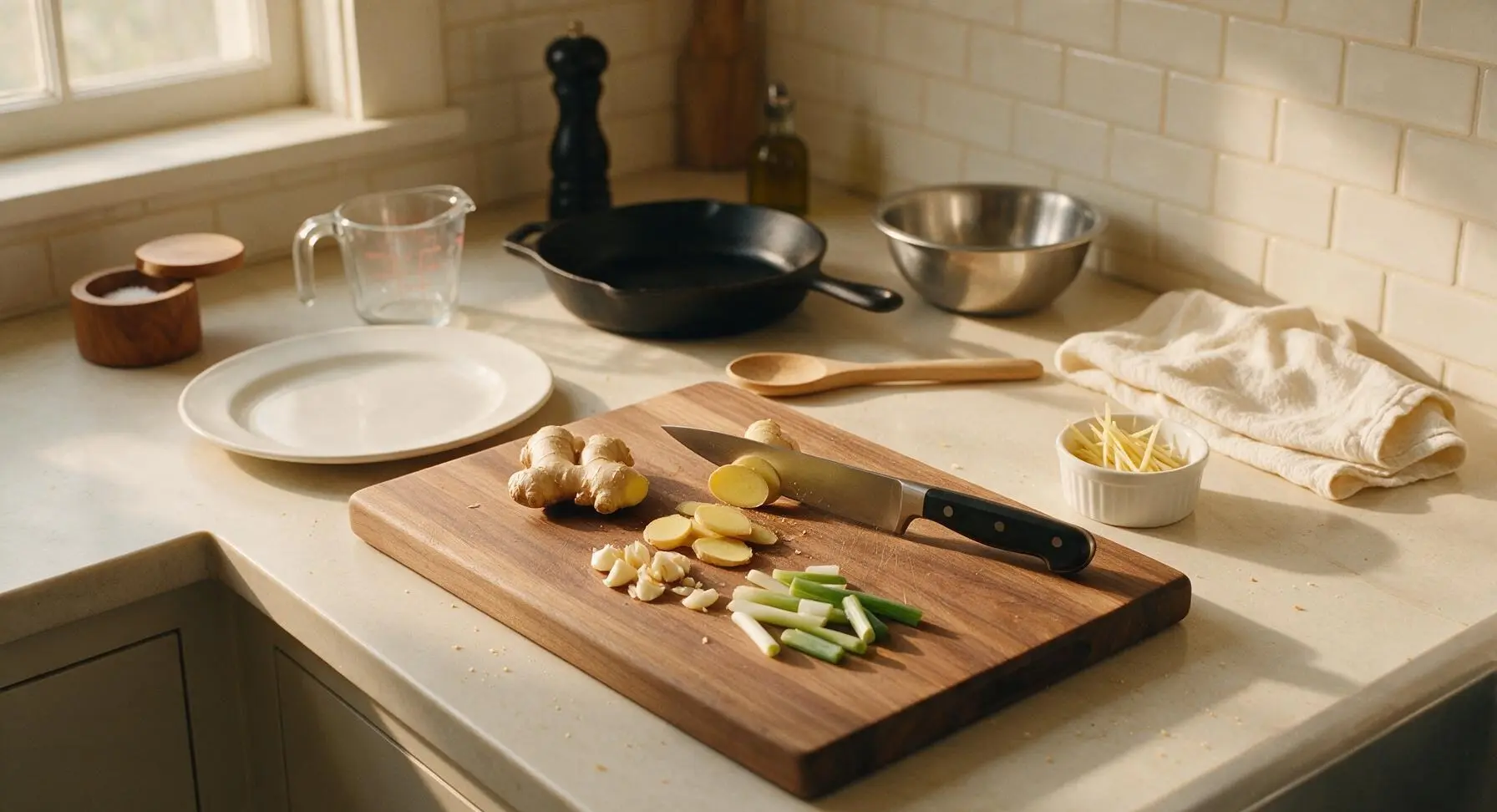
Place the fresh ginger on the maple cutting board. Use the chef knife to peel 50g of the ginger and slice it into 3mm thick rounds; cut the remaining 30g ginger into fine thin matchsticks for garnish, set the matchsticks aside in the small white ramekin. Smash the 3 garlic cloves with the flat of the knife, and cut 2 scallions into 5cm segments, leaving 2 scallions finely sliced for garnish.
Step 1
step1:Prep Aromatic Ingredients
2

Blanch the Spare Ribs

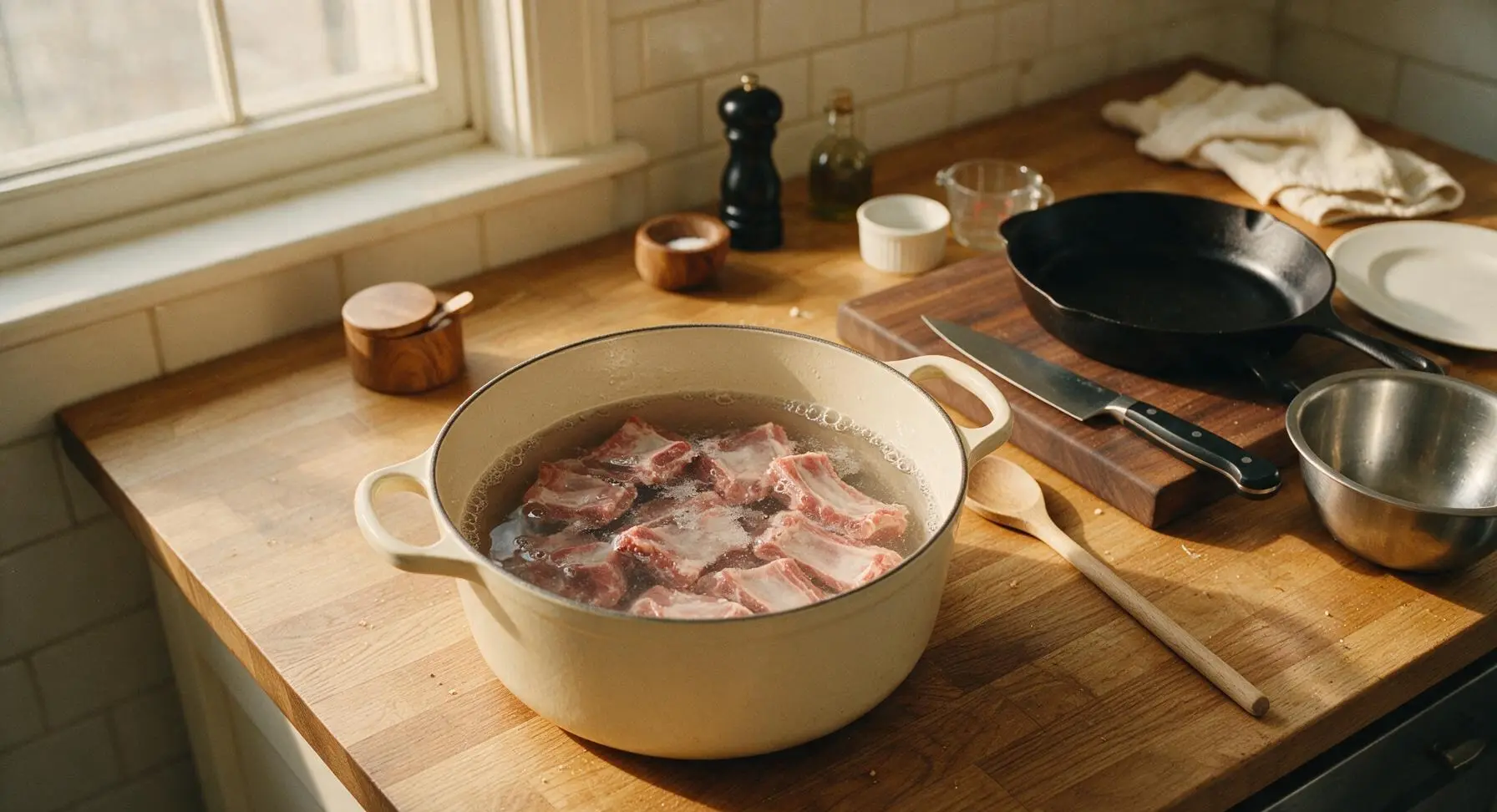
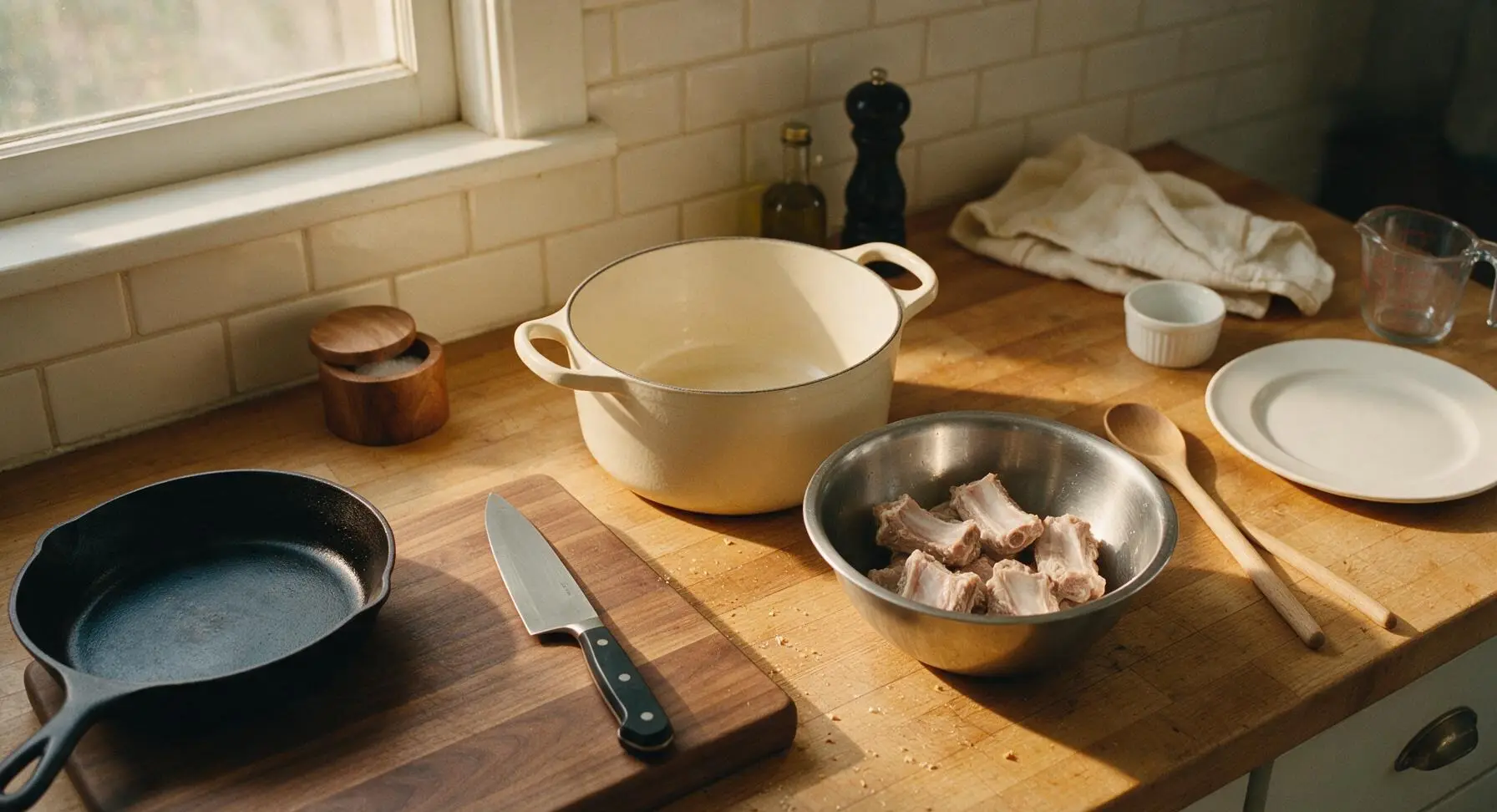
Pat the raw rib pieces dry with paper towels, then place them in the cream enamel Dutch oven filled with 1.5L cold water, 1/2 tbsp Shaoxing wine, and half the sliced ginger rounds. Bring to a rolling boil over high heat, cook for 5 minutes until thick gray scum rises to the surface. Use the silicone-tipped tongs to lift ribs out, rinse under warm running water to wash off any clinging foam, then set ribs in the medium stainless steel mixing bowl. Pour out blanching water and wipe the Dutch oven completely dry with paper towel.
Step 2
step2:Blanch the Spare Ribs
Step 2
step2:Blanch the Spare Ribs
3

Caramelize the Rock Sugar

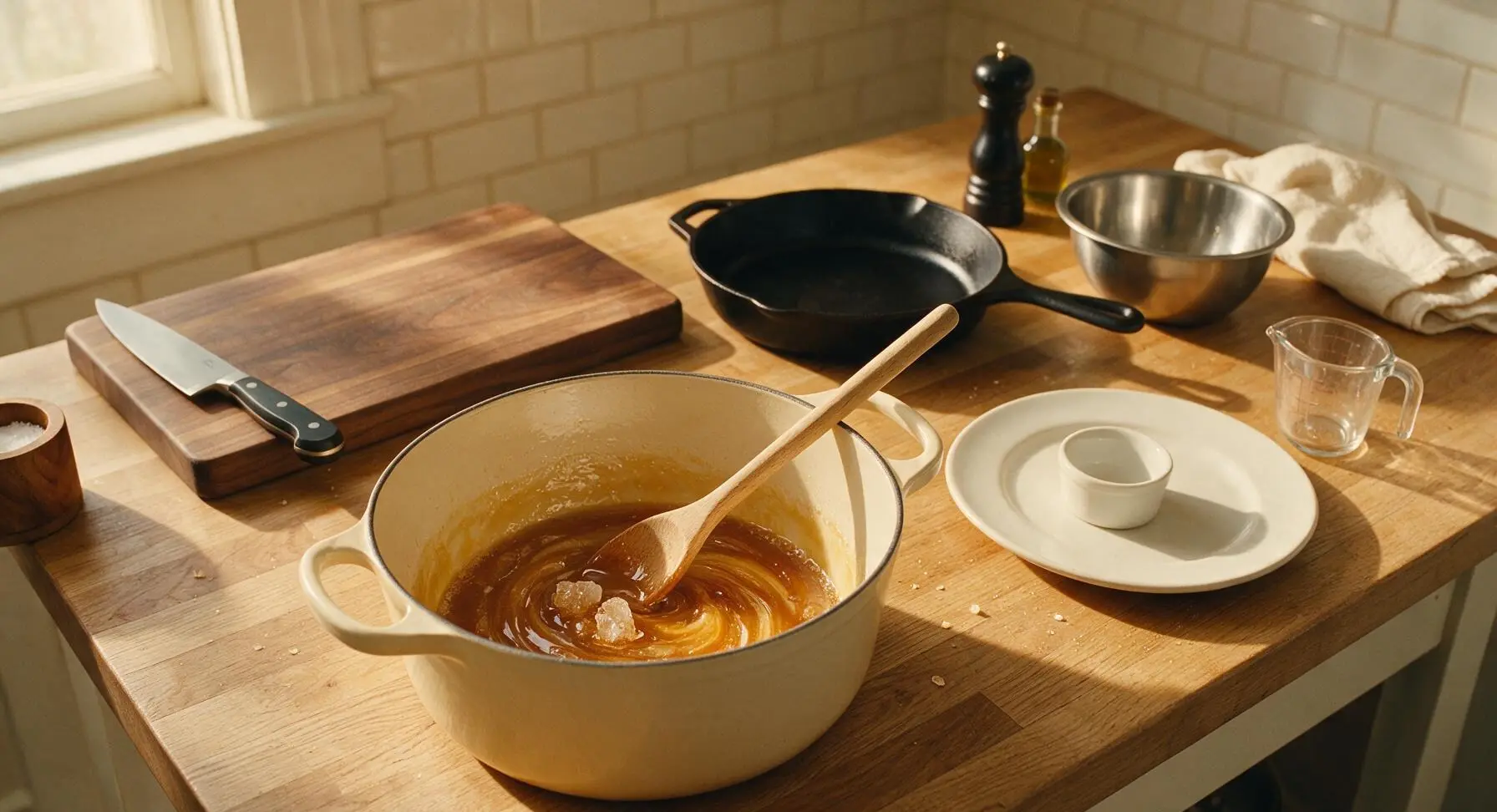
Heat 1 tbsp neutral vegetable oil in the clean Dutch oven over low heat, add the 2 tbsp yellow rock sugar. Stir constantly with the beech wood spoon for 3-4 minutes, until the sugar fully melts into a deep amber caramel, with no remaining solid sugar crystals. Take care not to burn the sugar, which will turn dark brown and bitter.
Step 3
step3:Caramelize the Rock Sugar
4

Sear Ribs and Ginger

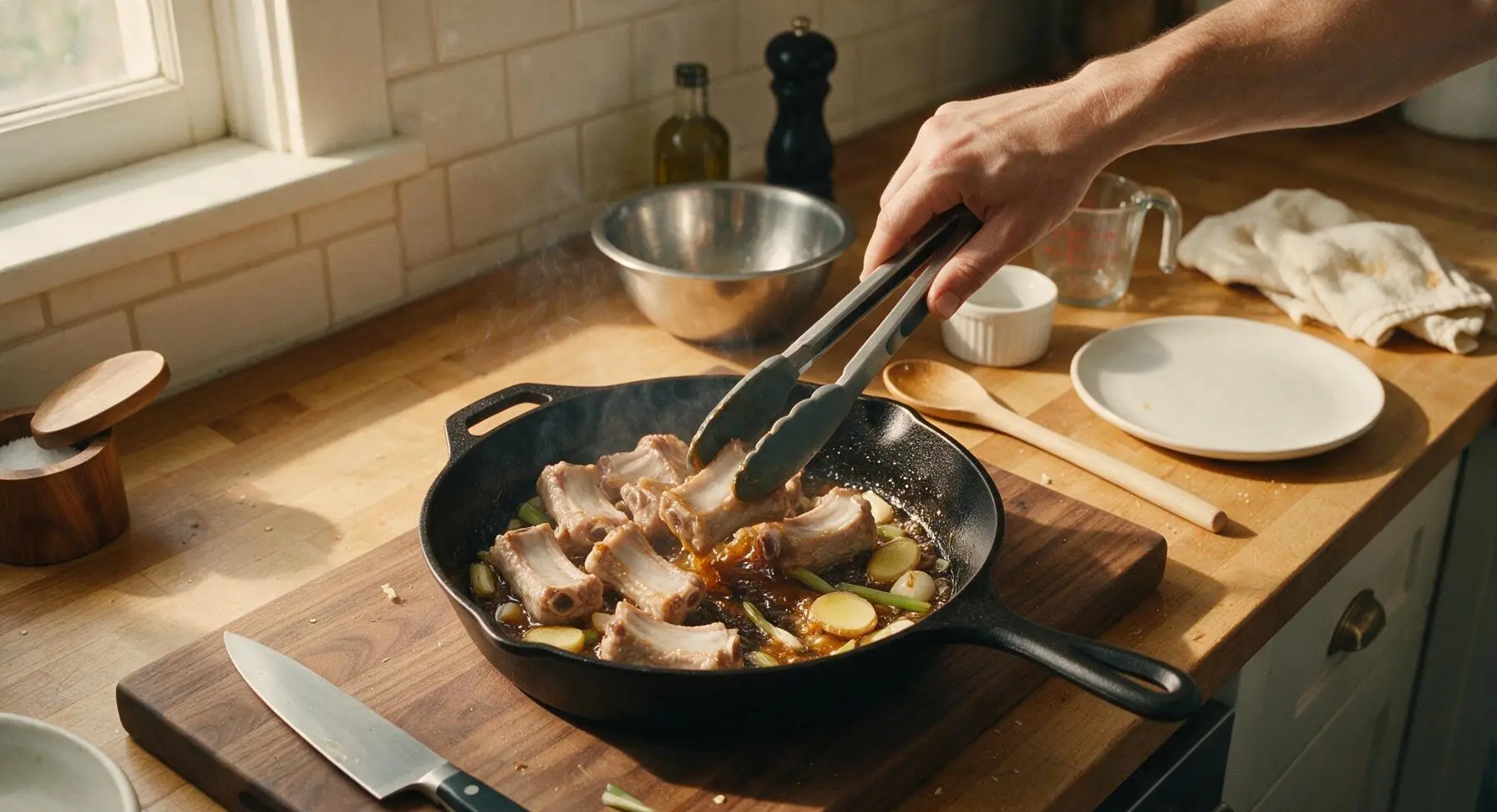
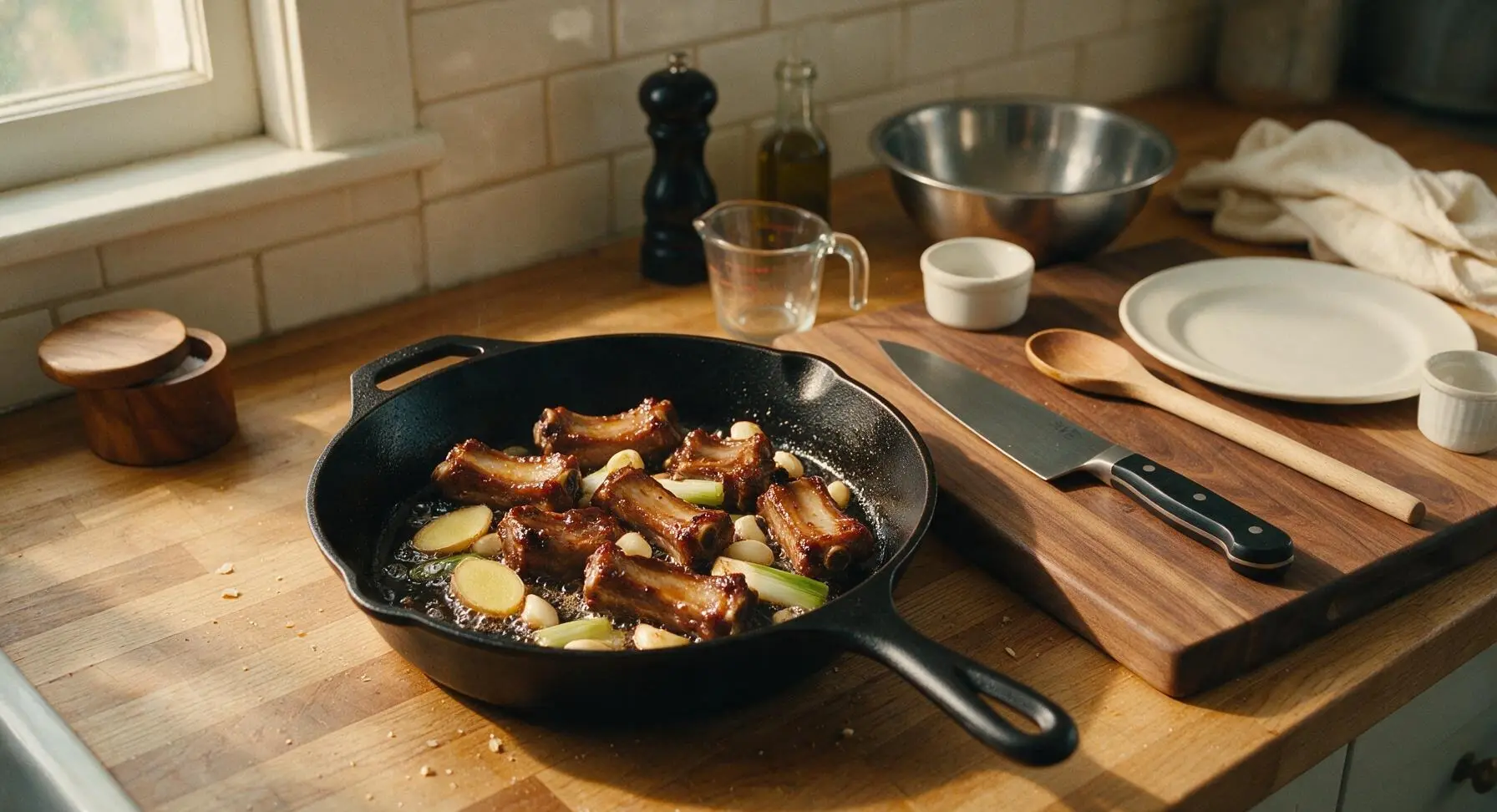
Turn heat to medium, carefully add the blanched ribs to the caramel, use the tongs to toss ribs for 3-4 minutes until every piece is evenly coated in the golden caramel and lightly browned on all edges. Add the remaining sliced ginger rounds, smashed garlic, and scallion segments to the pot, stir for 1 minute until fragrant, when a strong warm ginger aroma rises from the pot.
Step 4
step4:Sear Ribs and Ginger
Step 4
step4:Sear Ribs and Ginger
5

Add Braising Seasonings

Pour in 3 tbsp light soy sauce, 1 tbsp dark soy sauce, remaining 1/2 tbsp Shaoxing wine, and 250ml warm water from the glass measuring cup. Stir gently with the beech wood spoon to combine, the liquid should come 2/3 of the way up the ribs, not fully covering them. Bring the liquid to a gentle simmer, then turn heat to the lowest setting.
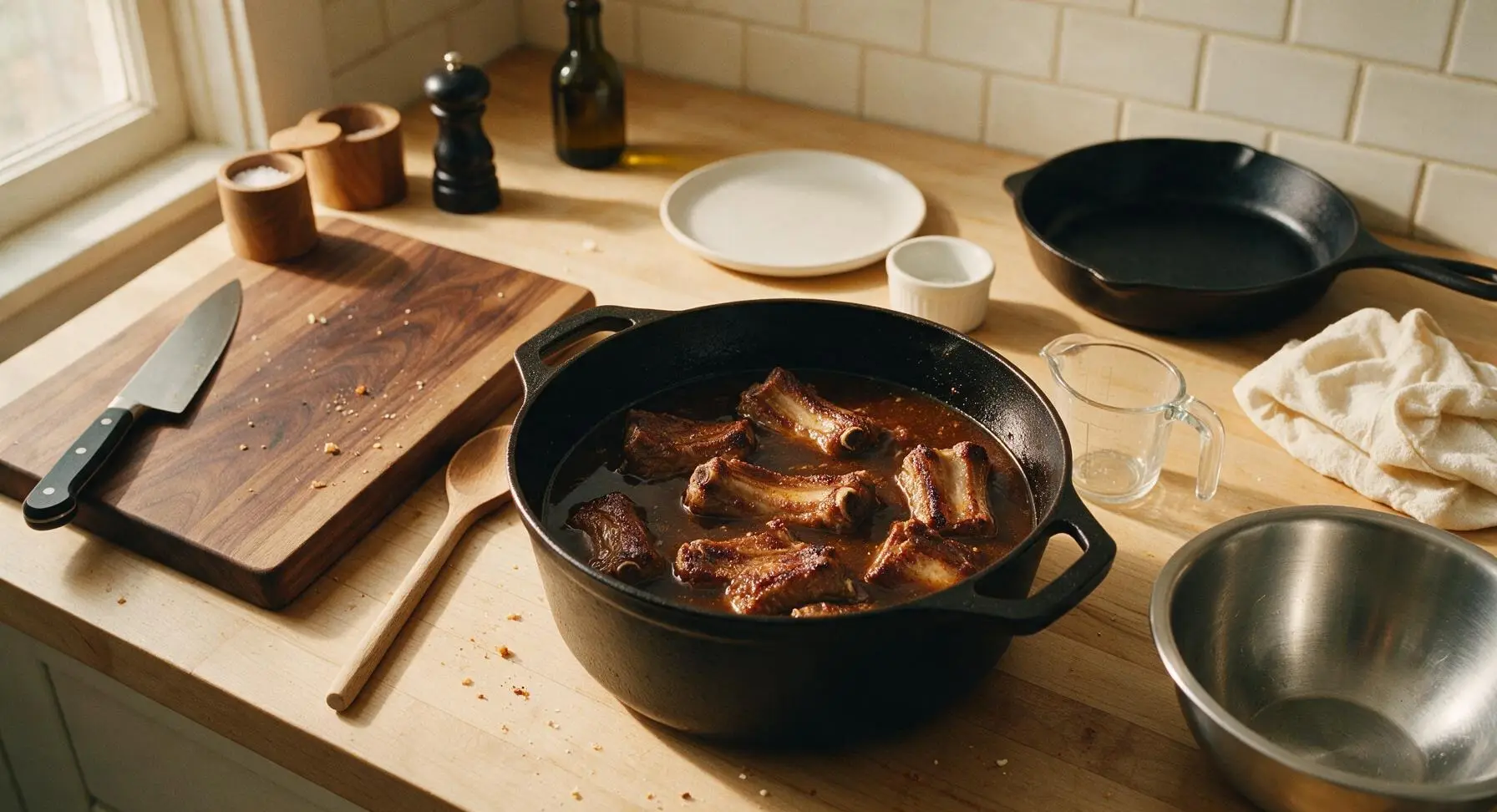
Step 5
step5:Add Braising Seasonings
6

Slow Braise Until Tender

Cover the Dutch oven with its lid, leave to braise over low heat for 45 minutes, do not lift the lid for the first 30 minutes to keep steam trapped. After 45 minutes, the ribs should be tender when pierced with a fork, with meat pulling slightly away from the bone ends.
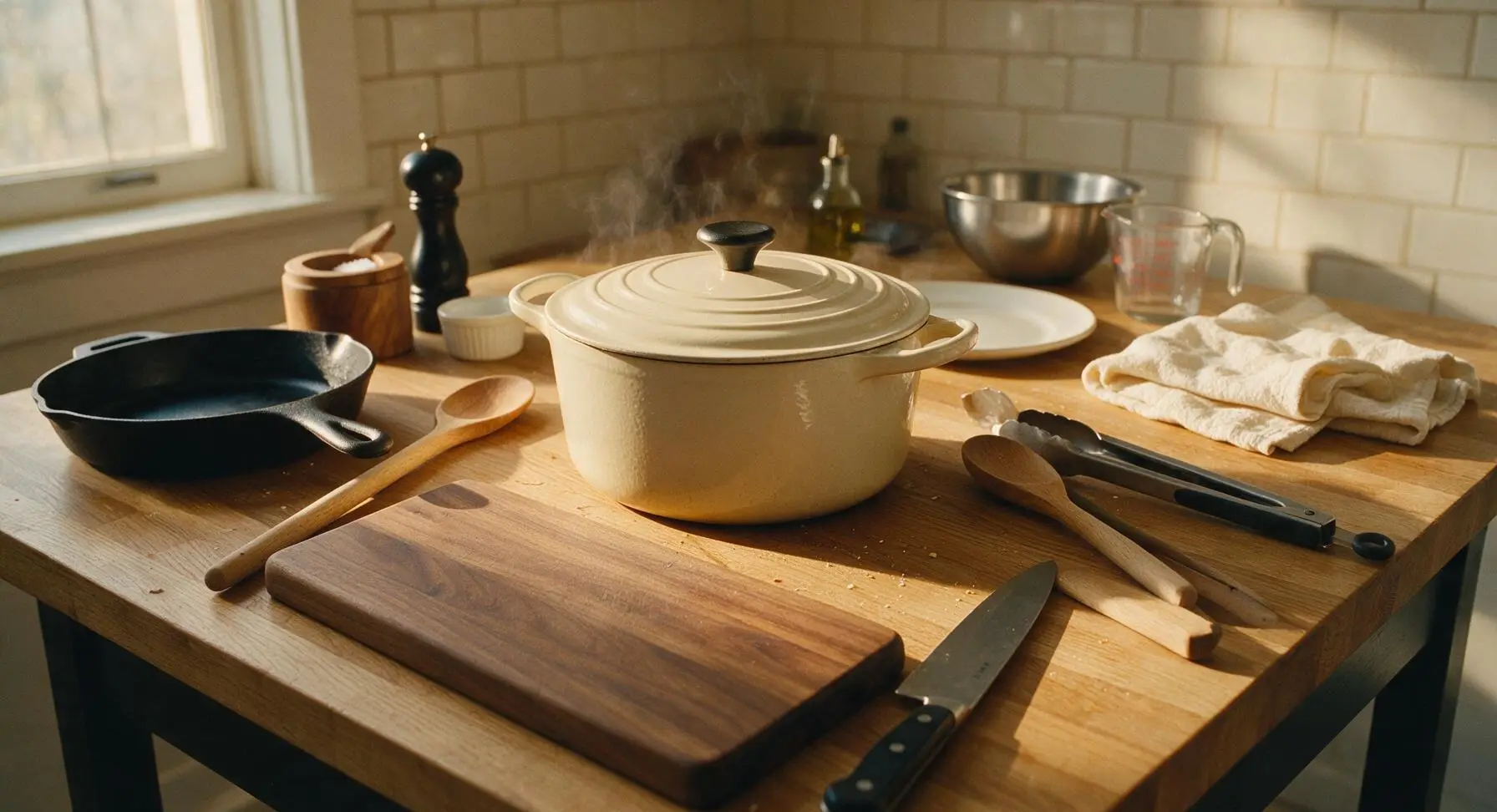
Step 6
step6:Slow Braise Until Tender
7

Thicken the Ginger Glaze

Remove the Dutch oven lid, turn heat up to medium-high. Use the beech wood spoon to stir the ribs constantly for 8-10 minutes, as the liquid reduces to a thick, sticky, glossy glaze that coats every rib piece. The glaze should bubble thickly, and leave a clear trail when you drag the spoon across the bottom of the pot. Taste and add 1/2 tsp salt only if needed.
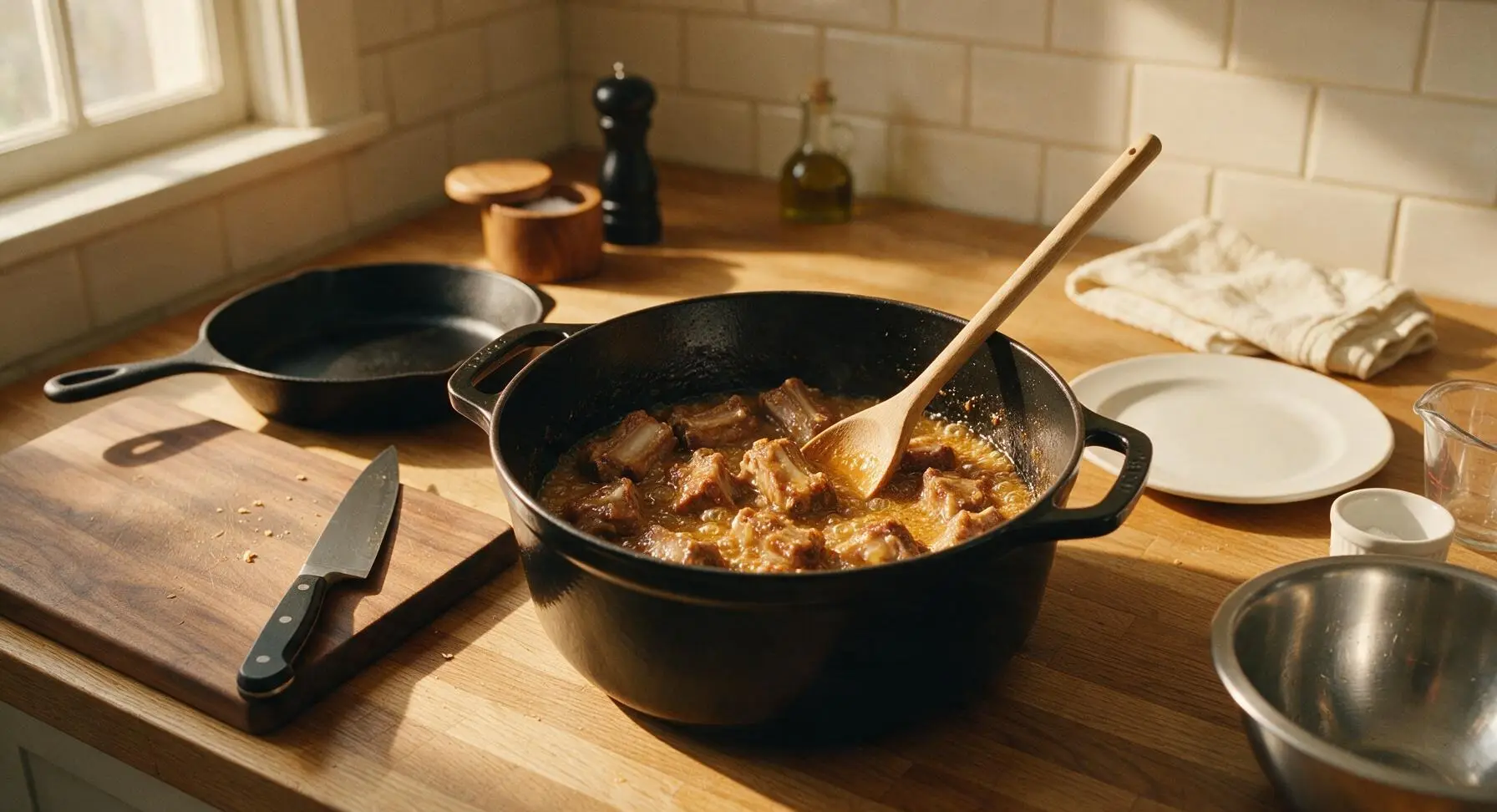
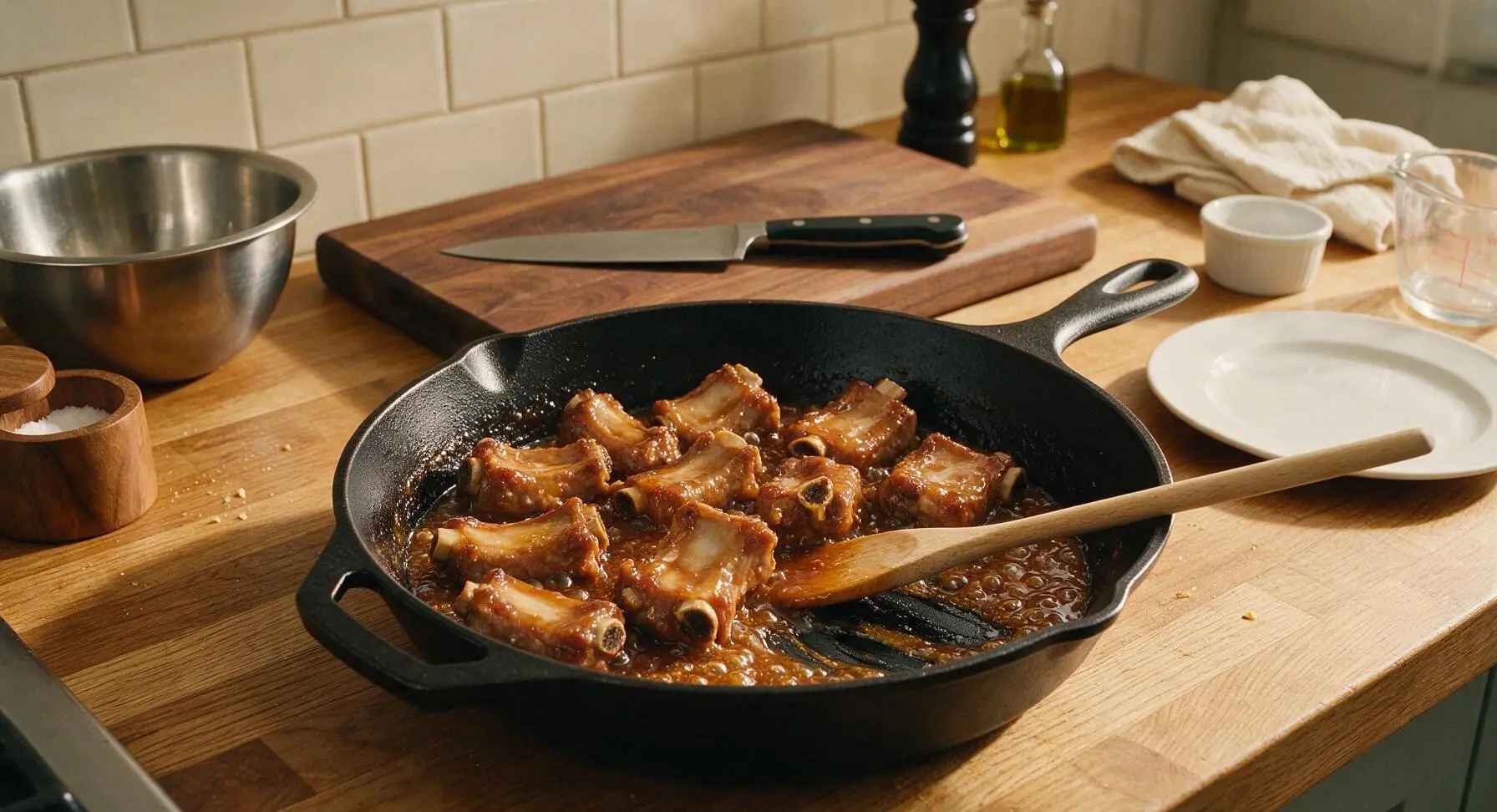
Step 7
step7:Thicken the Ginger Glaze
Step 7
step7:Thicken the Ginger Glaze
8

Plate and Garnish Ribs

Use the tongs to transfer the glazed ribs onto the matte speckled white ceramic dinner plate, piling them neatly in the center. Drizzle any remaining glaze from the pot over the top of the ribs, then sprinkle with the reserved ginger matchsticks, finely sliced scallion greens, and 1 tsp toasted white sesame seeds. Serve immediately while hot.
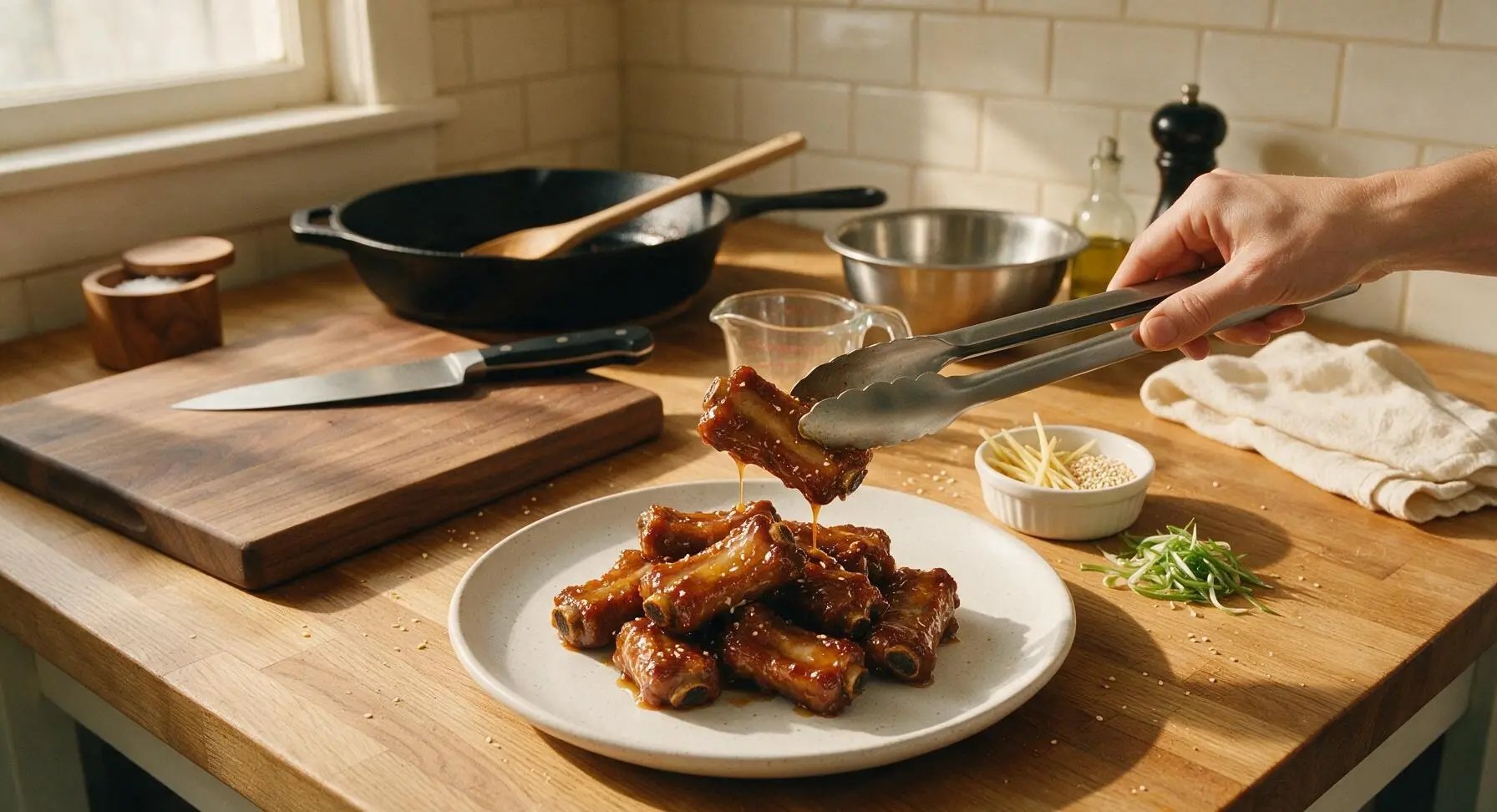
Step 8
step8:Plate and Garnish Ribs

Tips

1.Always blanch ribs starting in cold water: this draws out residual blood and impurities slowly, resulting in a clear, clean-tasting braising liquid instead of a cloudy, gamey final dish. Rinse blanched ribs in warm (not cold) water to prevent the hot meat from seizing up and turning tough.
2.Keep heat on the lowest possible setting while braising: a rolling boil will agitate the meat and make it stringy and dry, while a gentle, steady simmer slowly breaks down connective tissue to create fall-off-the-bone tender ribs without making the glaze burn at the bottom of the pot.
3.Use warm (not boiling, not cold) water for the braising liquid: adding cold water to hot seared ribs will cause meat fibers to contract sharply, leading to tough, chewy texture, while warm water keeps the cooking temperature consistent for even, melt-in-your-mouth tenderness.
✨ You May Also Like

Main Course
🍜 United Kingdom

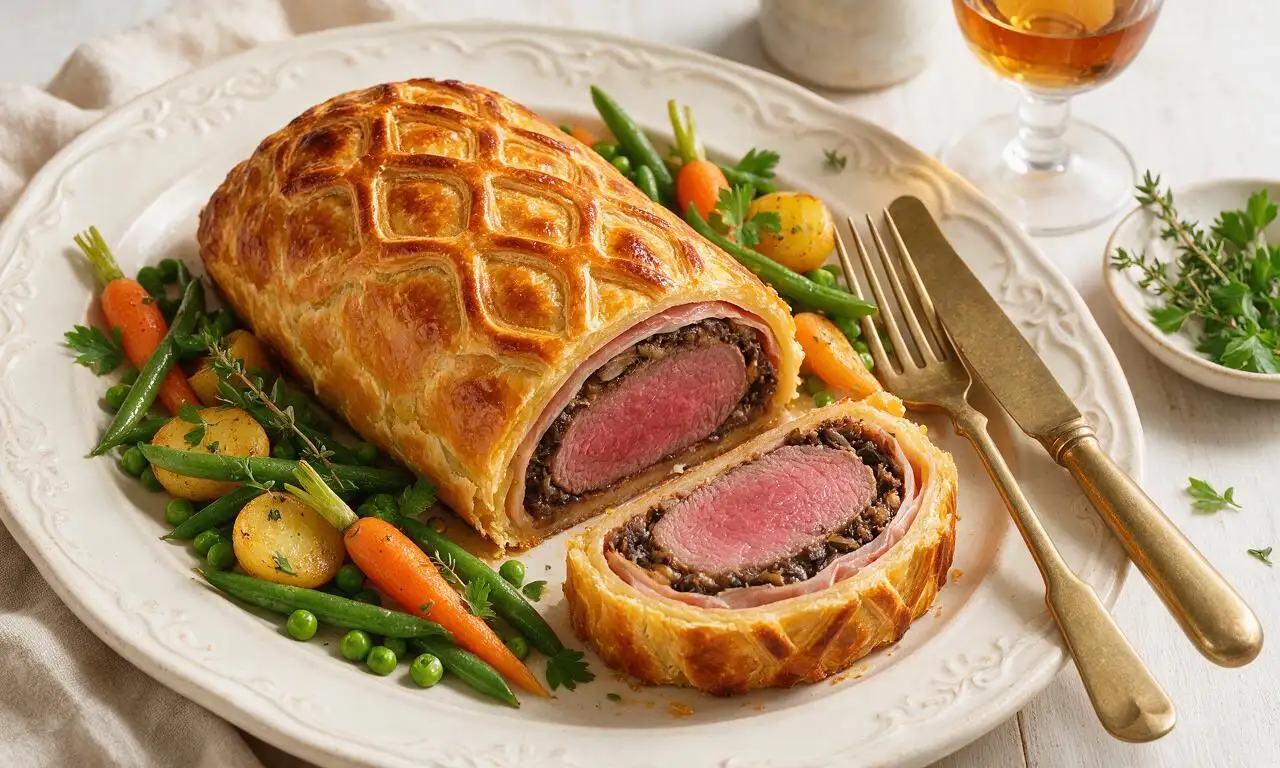
A showstopping classic of tender seared beef, savory mushroom duxelles, and crisp prosciutto wrapped in flaky golden puff pastry, baked to juicy perfection.

⏱️ 2 hours 1Main Course ★ 4.7
Main Course
🍜 India

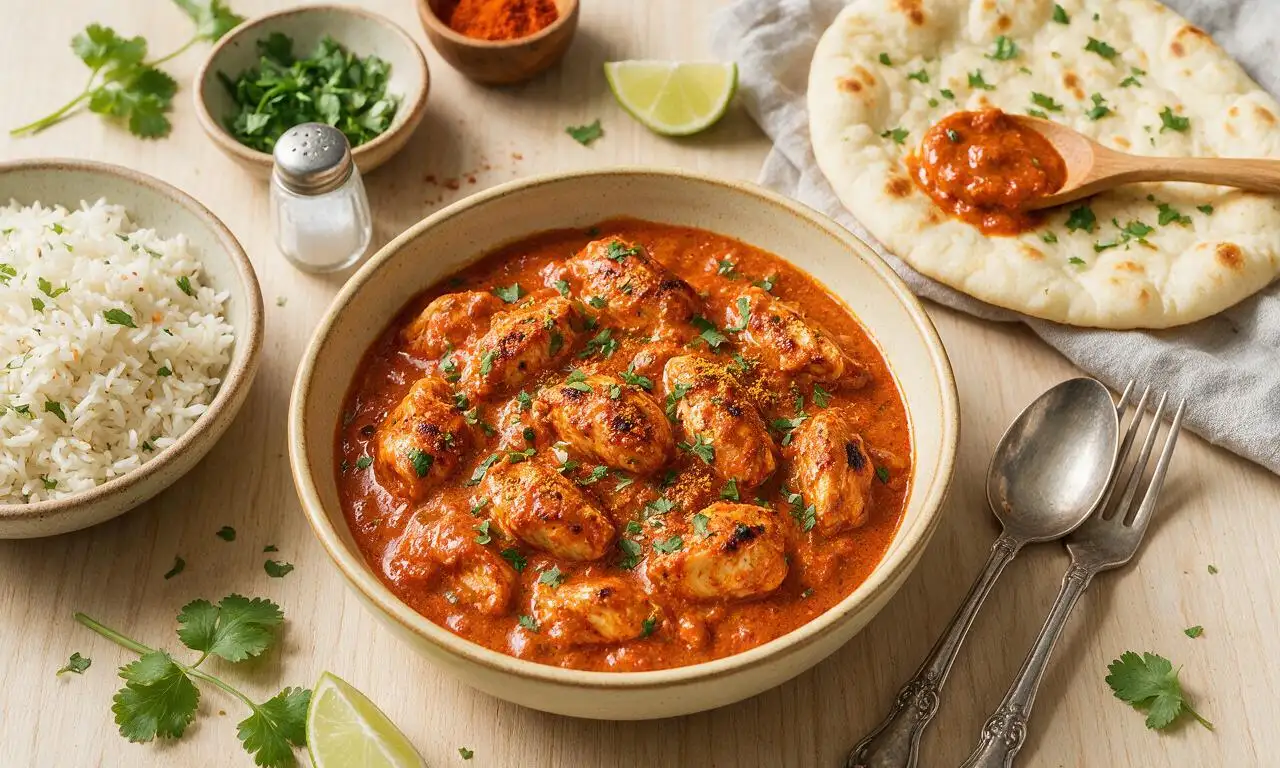
Tender charred marinated chicken simmered in a rich, spiced creamy tomato sauce, this iconic Anglo-Indian curry pairs perfectly with basmati rice or warm naan.

⏱️ 50 minuteMain Course ★ 4.6
Main Course
🍜 Thailand

Classic tangy, sweet, and savory Thai stir-fried rice noodles with shrimp, tofu, and crunchy garnishes, balancing all five core Thai flavor profiles.

⏱️ 30 minuteMain Course ★ 4.5
Main Course
🍜 United Kingdom

Crispy golden beer-battered cod and fluffy double-fried chips, served with tangy tartar sauce and malt vinegar: the timeless, beloved British pub comfort classic.

⏱️ 45 minuteMain Course ★ 4.7
Main Course
🍜 Mexico

Smoky, chile-marinated pork tacos with caramelized pineapple, fresh cilantro, and lime: a beloved classic Mexican street food perfect for casual summer gatherings.

⏱️ 1 hour 45Main Course ★ 4.8
Main Course
🍜 United States

Crunchy Fritos corn chips layered with savory beef chili and melted cheddar, topped with cool, zesty fixings for a beloved, cozy Tex-Mex comfort food.

⏱️ 35 minuteMain Course ★ 4.8

Ginger Ribs:Frequently Asked Questions

1.What cut of pork ribs is best for authentic Cantonese Ginger Ribs? ▾
Pork spare ribs are the traditional, ideal pick—they have the perfect marbling of fat and connective tissue that breaks down to that signature fall-off-the-bone tenderness. Ask your butcher to cut them into uniform 5cm (2-inch) individual pieces so every bite cooks evenly and gets full glaze coverage.
2.Can I use pre-cut frozen ribs for this recipe instead of fresh? ▾
Absolutely, as long as you thaw them completely first and pat them totally dry before searing. Frozen pre-cut spare ribs work just fine for busy weeknight meals, but skip any pre-marinated or pre-seasoned frozen ribs, as those will throw off the balanced ginger-soy flavor of the glaze.
3.How much fresh ginger do I actually need for that signature warm aromatic flavor? ▾
For a standard 1.5lb (700g) batch of ribs, use 40-50g (about a 3-inch knob) of fresh, firm ginger. Slice half of it thin to infuse the braising liquid, and julienne the other half to fry up as a crispy, fragrant garnish right before serving for an extra bright ginger kick.
4.Do I need to blanch the ribs first before braising? ▾
Yes, this is a classic Cantonese prep step that makes a huge difference. Blanch the ribs in boiling water with a slice of ginger and scallion for 3-4 minutes to skim off scum and impurities, then rinse and pat dry. This cuts any gamey pork taste and gives you a clean, glossy glaze instead of a murky one.
5.Can I make this recipe if I don’t have a wok? ▾
Definitely! A heavy-bottomed Dutch oven or deep lidded skillet works just as well. The key is to use a pan that holds heat evenly and has a tight-fitting lid to lock in steam while the ribs braise, so the connective tissue breaks down fully without the liquid evaporating too fast.
6.The recipe calls for light soy sauce—can I use dark soy instead? ▾
I don’t recommend swapping it 1:1. Light soy sauce gives the perfect salty, umami base without making the glaze too dark or overpoweringly bitter. If you only have dark soy, use ⅓ the called-for amount, add a pinch of salt to make up lost saltiness, and expect a deeper, darker glaze color.
7.How do I get that sticky, glossy glaze that coats every rib? ▾
After the ribs are fully tender (about 40 minutes of braising on low), remove the lid, turn heat up to medium, and toss the ribs continuously as the sauce reduces. Stop when the liquid thickens to a syrupy consistency that clings to the ribs instead of pooling in the pan—this takes 3-5 minutes, so don’t walk away!
8.Can I add extra sweetness to the glaze if I prefer a more candy-like coating? ▾
Absolutely! The classic balance is subtle sweet to cut the salty soy and sharp ginger, so you can stir in 1-2 teaspoons of rock sugar or raw honey when you start reducing the glaze. Just add it a little at a time and taste as you go, so you don’t overpower the warm ginger and savoriness.
9.How long do I need to cook the ribs to get that fall-off-the-bone texture? ▾
Once your braising liquid comes to a simmer, turn the heat to the lowest setting, cover, and cook for 35-45 minutes. Don’t boil them rapidly—high heat will make the meat tough and stringy. Test doneness by poking a rib with a chopstick; it should slide through the meat with zero resistance.
10.What do I do with the scallions called for in the recipe? ▾
Split your scallions into two parts for layered flavor: tie the whole green tops into a knot to add to the braising liquid with the ginger and garlic for a deep, aromatic base, then thinly slice the pale white and light green parts to sprinkle over top as a bright, fresh garnish right before serving.
11.I don’t eat pork—can I substitute another protein for this recipe? ▾
Bone-in, skin-on chicken thighs (cut into 5cm chunks) are the closest swap, since they stay juicy through braising and hold the glaze well. Just cut the braising time down to 20-25 minutes so the chicken doesn’t overcook, and keep the ginger-soy glaze ratio exactly the same for that classic flavor.
12.How do I keep the garlic from burning and making the ribs taste bitter? ▾
Add your crushed garlic cloves right after you sear the ginger, when the pan is off direct high heat for 10 seconds. Sauté it for just 30 seconds until you smell that warm garlic aroma, then add the ribs and braising liquid. Burnt garlic will make the whole glaze bitter, so don’t let it turn dark brown.
13.Can I make these ribs ahead of time for a family meal? ▾
Absolutely! Braised ribs actually taste better the next day, as the meat soaks up more of the ginger-soy flavor. Cook them fully, let cool, store in an airtight container in the fridge for up to 3 days, then reheat gently on the stovetop with a splash of water and re-reduce the glaze.
14.Why do my ribs turn out dry instead of tender and juicy? ▾
The two most common culprits are cooking on too high heat, which makes the meat seize up and dry out, or not using a tight enough lid, which lets all the braising steam escape. Keep heat on the lowest simmer, make sure your lid fits snugly, and don’t lift the lid repeatedly while cooking to trap moist heat.
15.What sides pair best with Cantonese Ginger Ribs for a full meal? ▾
Plain steamed white rice is non-negotiable to soak up that extra sticky glaze, in my book. Add simple steamed bok choy or gai lan tossed in a tiny bit of oyster sauce, or a light rice vinegar cucumber salad to cut the ribs’ richness, and you’ve got a perfectly balanced, cozy family dinner.
16.Can I make these ribs in an Instant Pot to cut down on cook time? ▾
Yes, that’s a great weeknight hack! After searing the ginger, garlic, and ribs right in the Instant Pot insert, add the braising liquid, seal, and cook on high pressure for 12 minutes, then do a quick pressure release. Use the sauté function for 3-5 minutes to reduce the sauce to that sticky glaze consistency.
17.Should I peel the fresh ginger before using it for this recipe? ▾
I always recommend peeling ginger for this dish, since the outer skin is fibrous and a little bitter, and will leave tough bits in your smooth glaze. The easiest way to peel it is to scrape the skin off with the edge of a spoon instead of a peeler—this gets into the nooks and crannies and wastes way less fragrant ginger flesh.

Comments (10)

2 days ago

OMG these Cantonese ginger ribs were a total game changer for our Sunday family dinner! The ginger flavor was warm and not overpowering, and the ribs got so tender they fell right off the bone. My 7 year old asked for seconds before he even finished his first helping! I did sub a little less soy sauce because we watch our sodium, and it still turned out perfect. 10/10 will make again for our next potluck.

yesterday

Wait how much less soy did you use? I’m also watching sodium and don’t want to mess up the balance!

2 hours ago

Great question! If you’re cutting sodium, you can use low-sodium soy sauce and reduce the total amount by 2 tablespoons without losing that classic savory depth — just add an extra pinch of white pepper to keep the flavor profile bright!

3 days ago

SO good, but I will say the difficulty felt a little higher than medium for me? I burned the first batch of ginger when I was frying it to release the aroma 😅 Ended up starting over and turning the heat down a touch, and the final result was chef’s kiss. Cook time was pretty spot on for me though, ribs were perfectly tender right at the 70 minute mark.

2 days ago

Oh no, sorry to hear about the burnt ginger! It’s such an easy misstep since ginger can go from fragrant to burnt in 30 seconds over high heat — so glad you turned the heat down and nailed it on the second try, thanks for giving the recipe a go!

1 week ago

Made these for meal prep this week and they held up so well in the fridge! I tossed them with a little extra ginger syrup right before reheating and they tasted just as good as night one. Already added this to my regular weeknight rotation, way better than the takeout ribs I used to order every Friday.

5 days ago

Has anyone tried making these in an Instant Pot instead of braising on the stove? I work late most nights and would love to cut down the cook time a bit if possible!

3 days ago

I did! I did 20 minutes on high pressure, quick release, then tossed them in the sauce and broiled for 3 minutes to get that sticky exterior. Turned out amazing, cut the total time almost in half!

2 days ago

Love that Instant Pot hack, Ron! For anyone trying that method, just make sure you don’t skip the broil step at the end — it gives the ribs that glossy, caramelized finish you get from stovetop braising.

yesterday

My partner is Cantonese and he said these tasted exactly like the ones his grandma used to make when he was a kid! I was so nervous I’d mess up the flavor balance but the measurements were so easy to follow. We served them with steamed bok choy and jasmine rice, total perfect weeknight meal.

2 hours ago

Oh that’s such a good recommendation to serve with bok choy! I was trying to figure out a veggie side to pair with these for my dinner party next weekend, stealing that idea!

2 weeks ago

Meh, these were fine but I felt like the ginger flavor was too mild for my taste. Next time I’ll add twice as much fresh ginger and maybe a splash of rice wine to brighten it up. Cook time was accurate, ribs were tender, just not punchy enough for someone who loves super bold ginger flavor.

30 minutes ago

Game changer! I made these for my neighborhood potluck last weekend and every single rib was gone in 10 minutes. People were asking me for the recipe before I even got a chance to get a second serving! Only note: I used spare ribs instead of back ribs because that’s what my grocery store had, and it worked perfectly.

5 minutes ago

Wow, that’s such a win for a potluck! So glad the spare rib swap worked out for you — they have a little extra fat that makes them even juicier, honestly. Thanks for sharing how it turned out!

2 hours ago

Wait, do you peel the ginger before slicing it for the braise? I always get lazy and leave the skin on, but I don’t want it to make the sauce bitter or anything.

30 minutes ago

I always peel ginger for recipes like this! The skin can be a little woody and fibrous, especially if you’re using older ginger. Takes 2 seconds with a spoon to scrape the skin off!

5 minutes ago

Becca is totally right! If your ginger is super young and thin-skinned you can get away with leaving it on, but for the best texture and no bitter bits, peeling with the edge of a spoon is the move. So excited for you to try the recipe!

5 minutes ago

My kids loved it! I was worried the ginger would be too spicy for their picky palates, but the slow braise mellowed it out so nicely, and the sticky, slightly sweet glaze had them licking their fingers. We had zero leftovers, which never happens in our house.

just now

Did your kids actually eat the ginger pieces too? My kids pick out anything that looks like a ‘weird veggie’ so I’m wondering if I should cut the ginger into bigger slices that are easy to fish out before serving.

just now

Solid recipe, but I wish there was a make-ahead tip section! I prepped all the ingredients the night before and seared the ribs right before cooking, which worked great, but I’d love to know if you can freeze the braised ribs for later. Flavor was on point, though, that ginger and soy combo is unbeatable.