1.How spicy are these gochujang scrambled eggs?
▾
This recipe lands at mild-to-medium heat for most palates, since the creamy eggs, butter, and milk mellow gochujang’s kick. Start with 1 teaspoon of gochujang if you’re sensitive to spice, and scale up to 1 full tablespoon for a bolder, zippier heat. The fermented umami comes through even at small amounts, so you won’t miss flavor when you cut the spice.
2.Can I make these eggs dairy-free?
▾
Absolutely. Swap the unsalted butter for a neutral plant-based butter or extra toasted sesame oil, and replace whole milk with unsweetened oat milk, soy milk, or plain plant-based creamer. Skip strongly flavored plant milks like vanilla or sweetened almond, as those will clash with the savory, umami notes of the gochujang.
3.Why do my scrambled eggs turn out rubbery instead of silky?
▾
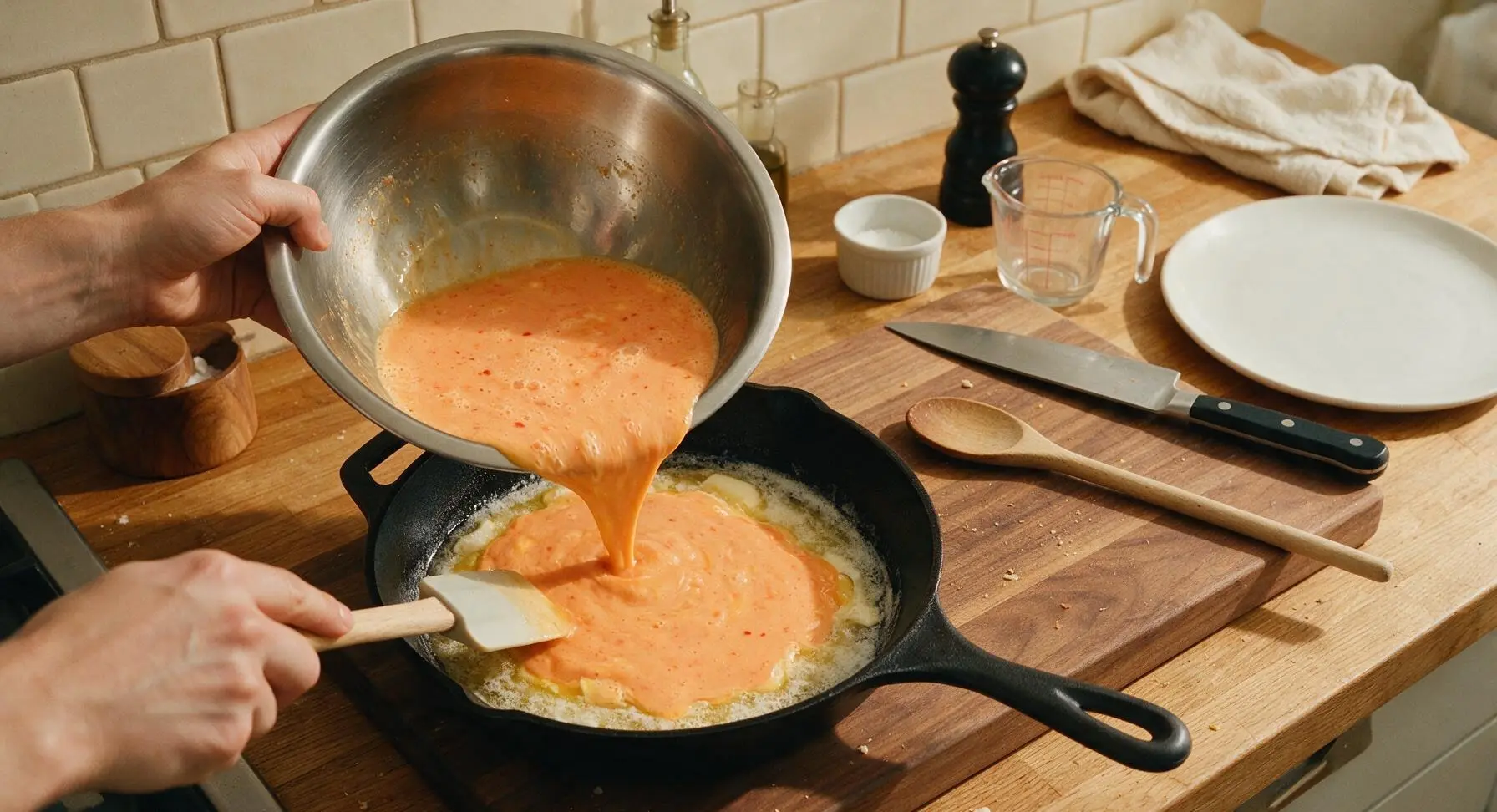
Rubbery eggs almost always come from cooking over too-high heat or cooking them too long. For that signature soft texture, keep your stovetop on medium-low, stir constantly with a silicone spatula, and pull the pan off the heat right when the eggs form soft, small curds—residual heat will finish cooking them in 30 seconds.
4.Should I mix gochujang into the eggs before cooking, or add it mid-cook?
▾
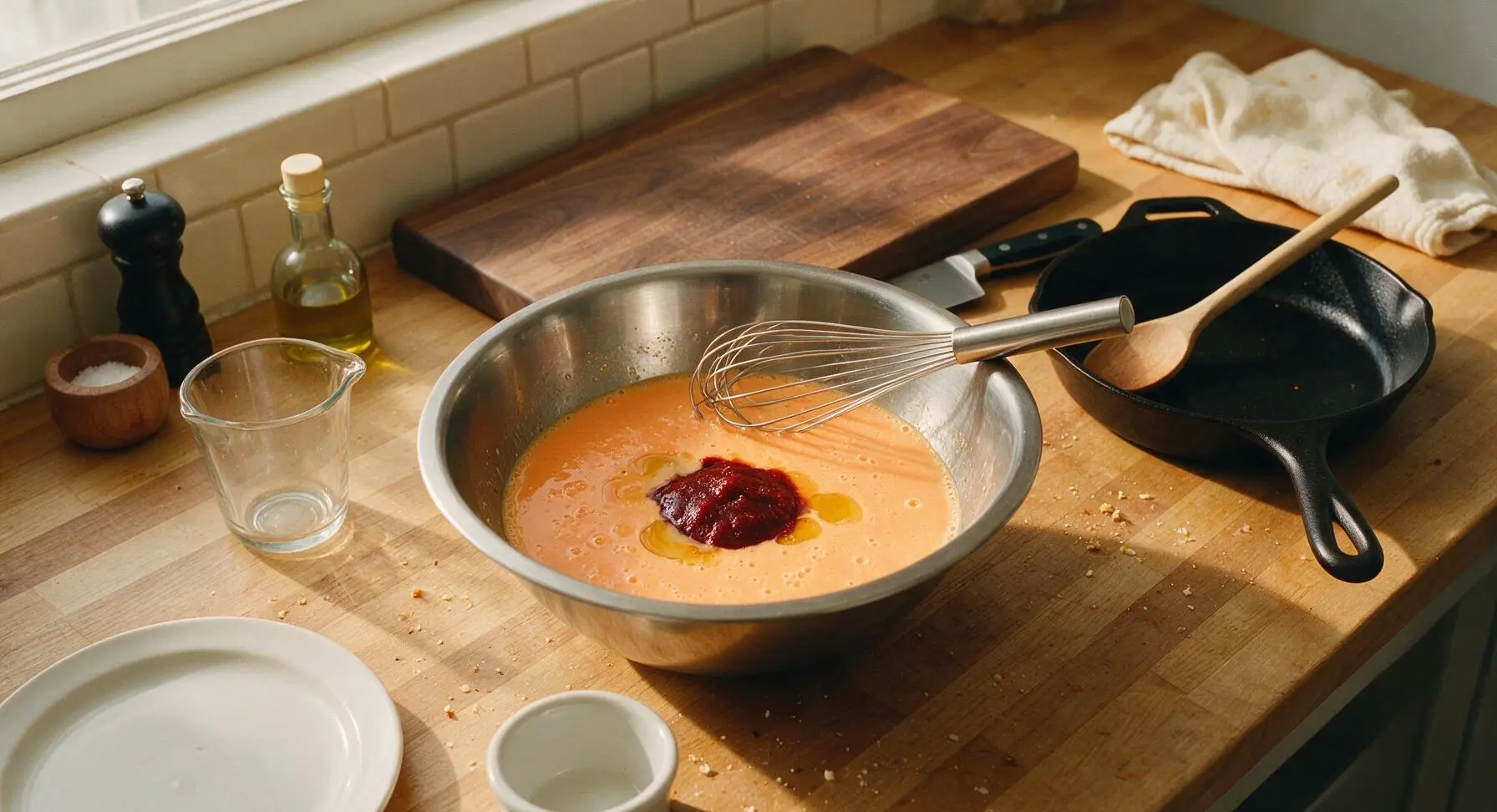
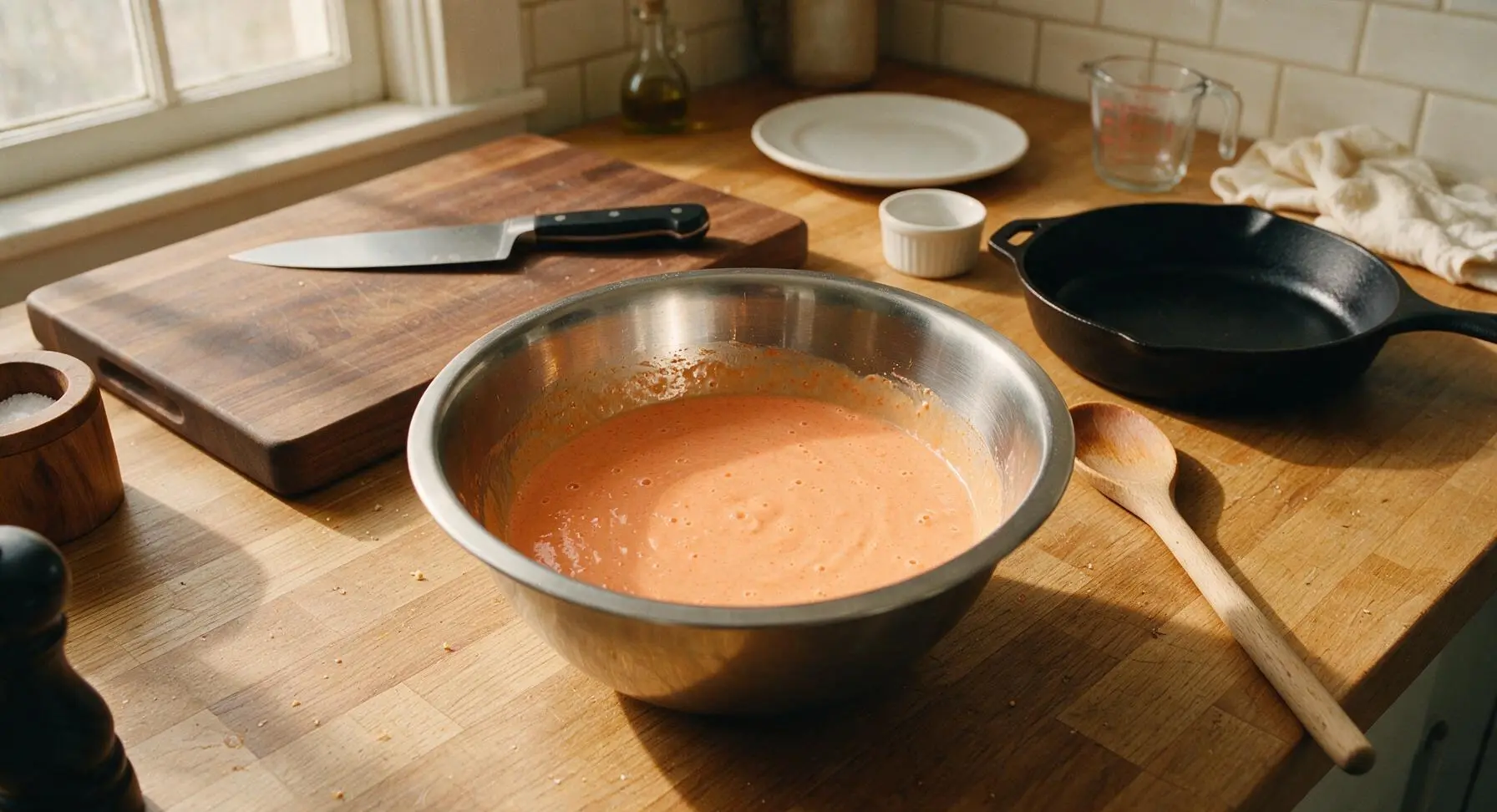
For the most even flavor distribution, whisk the gochujang with a small splash of the measured milk first to thin it into a smooth slurry, then whisk that mixture fully into your beaten eggs before pouring them into the pan. Adding clumps of gochujang mid-cook leads to uneven, overly spicy bites and bland egg pockets.
5.What’s a good gochujang substitute if I don’t have any on hand?
▾
In a pinch, mix 1 tablespoon of mild red chili paste (like sriracha) with a ¼ teaspoon of white miso to mimic gochujang’s fermented umami and gentle heat. It won’t be an exact match, but the miso adds that deep, savory note regular hot sauce lacks, so you’ll still get a delicious, well-balanced final dish.
6.How should I store leftover gochujang scrambled eggs?
▾
Cool leftover eggs completely within 2 hours of cooking, then transfer them to an airtight container and refrigerate for up to 3 days. Skip freezing these, as the high egg and dairy content will turn watery and grainy when thawed. Reheat gently in the microwave in 20-second bursts, stirring between each, to avoid rubbery texture.
7.What are the best toppings for these eggs?
▾
The recipe calls for toasted sesame seeds and sliced scallions, but you can level it up with crumbled crispy seaweed, a sprinkle of furikake, a tiny drizzle of extra gochujang, flaky sea salt, sliced avocado, or quick-pickled radishes for a bright, tangy contrast to the rich, spicy eggs.
8.Can I add extra mix-ins like veggies or cheese to this recipe?
▾
Absolutely! Fold in finely diced sautéed spinach, crispy cooked bacon bits, shredded mild cheddar, crumbled feta, or small roasted sweet potato cubes once the eggs are almost set. Avoid adding watery raw veggies like fresh tomato directly to the eggs, as they’ll release liquid and make your scramble watery.
9.Do I have to use toasted sesame oil, or will regular sesame oil work?
▾
Toasted sesame oil has a deep, nutty, warm flavor that raw, light sesame oil doesn’t, so it makes a big difference in the final dish. If you don’t have it, swap it for a pinch of toasted sesame seeds sprinkled on top for that same nutty note, and add an extra half tablespoon of butter to make up for the missing fat.
10.How many servings does this recipe make?
▾
The base recipe, made with 4 large eggs and the listed ingredient amounts, makes 2 generous servings perfect for a quick weekday breakfast, or 3 smaller side servings to pair with rice, toast, or Korean-style breakfast sides. Double or triple the recipe for a crowd, cooking in batches to avoid overcrowding the pan.
11.Why do I get burnt, browned bits at the bottom of my pan when cooking these eggs?
▾
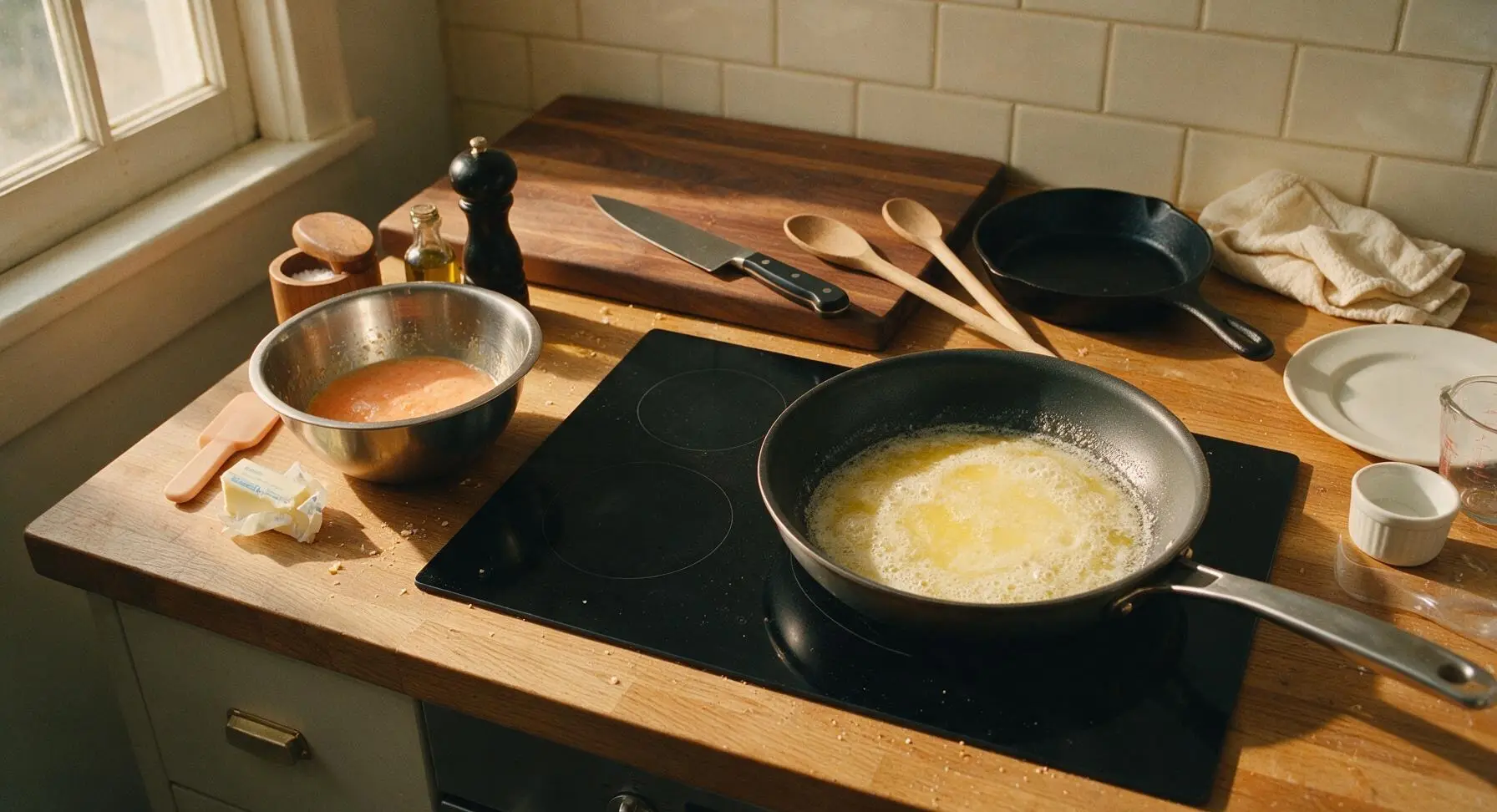
Browned burnt bits happen when your pan is too hot, or if you leave butter on the heat too long before adding eggs. Melt butter over medium-low just until it foams (don’t let it turn golden brown), then pour in your egg mixture immediately, stirring constantly to scrape curds before they burn.
12.Can I make a vegan version of gochujang scrambled eggs?
▾
You can make a tasty vegan version by swapping the large eggs for 1 cup of lightly pressed, crumbled silken tofu, using plant-based butter, and keeping the gochujang, sesame oil, and scallion components. Cook the tofu over medium-low for 3 to 4 minutes until warmed through, then toss with the gochujang slurry for similar texture and flavor.
13.What should I serve alongside these eggs for a full meal?
▾
These eggs pair beautifully with buttered sourdough toast, steamed short-grain rice, crispy hash browns, or a simple side of sliced cucumber and carrot salad. For a heartier meal, tuck them into a warm flour tortilla with a dollop of cream cheese for a quick, Korean-inspired breakfast burrito that travels really well.
14.Can I make this recipe lower in fat?
▾
To cut back on fat, reduce the butter to 1 teaspoon, swap whole milk for skim milk or unsweetened plain almond milk, and cut the toasted sesame oil to ¼ teaspoon. The slow, low-heat cooking method will keep the eggs silky even with less added fat, so you’ll still get that rich, nutty, spicy flavor without extra calories.
15.Can I meal prep these eggs for busy weekday breakfasts?
▾
While these eggs are fastest to make fresh, you can prep the egg mixture ahead: beat eggs, whisk in your thinned gochujang slurry and milk, and store the sealed mixture in the fridge for up to 3 days. When you’re ready to eat, just melt butter in the pan and cook as directed for a sub-5 minute meal.
16.What makes these different from regular soft scrambled eggs?
▾
Classic soft scrambled eggs rely on butter and salt for their rich, mild flavor, while this version adds a layer of deep, fermented umami, gentle heat, and nutty sesame notes from gochujang and toasted sesame oil. The cooking method is nearly identical to classic soft scrambles, so no special skills are required.
17.My gochujang is really thick and paste-like—how do I keep it from clumping in the eggs?
▾
Thick, dense gochujang is totally normal, since it’s a concentrated fermented paste. Before mixing it into beaten eggs, scoop it into a small bowl, add the measured whole milk a little at a time, and stir with a fork until it forms a completely smooth, pourable liquid. This step guarantees even flavor with no spicy clumps.
18.Can I make these eggs in the microwave if I don’t have stovetop access?
▾
Yes, you can make a dorm- or office-friendly microwave version. Whisk the eggs, thinned gochujang slurry, milk, and melted butter in a microwave-safe bowl, then cook in 30-second bursts, stirring well between each, for 1.5 to 2 minutes total until soft curds form. Top with sesame oil, seeds, and scallions once done.
19.Do I need to add extra salt to this recipe?
▾
Always taste before adding extra salt! Most commercial gochujang is fairly high in sodium from the fermentation process, and butter also adds a subtle salty note. If you’re using a low-sodium gochujang, you may want a tiny pinch of flaky sea salt at the end, but for standard store-bought gochujang, extra salt usually isn’t needed.
20.Why add milk to the eggs? Won’t that make them watery?
▾
A small amount of whole milk adds subtle creamy richness without making eggs watery, as long as you stick to the ratio of 1 tablespoon of milk per 4 eggs for this recipe. Watery eggs usually come from overcooking or adding watery mix-ins, not a small splash of milk, which also helps thin gochujang for even distribution.

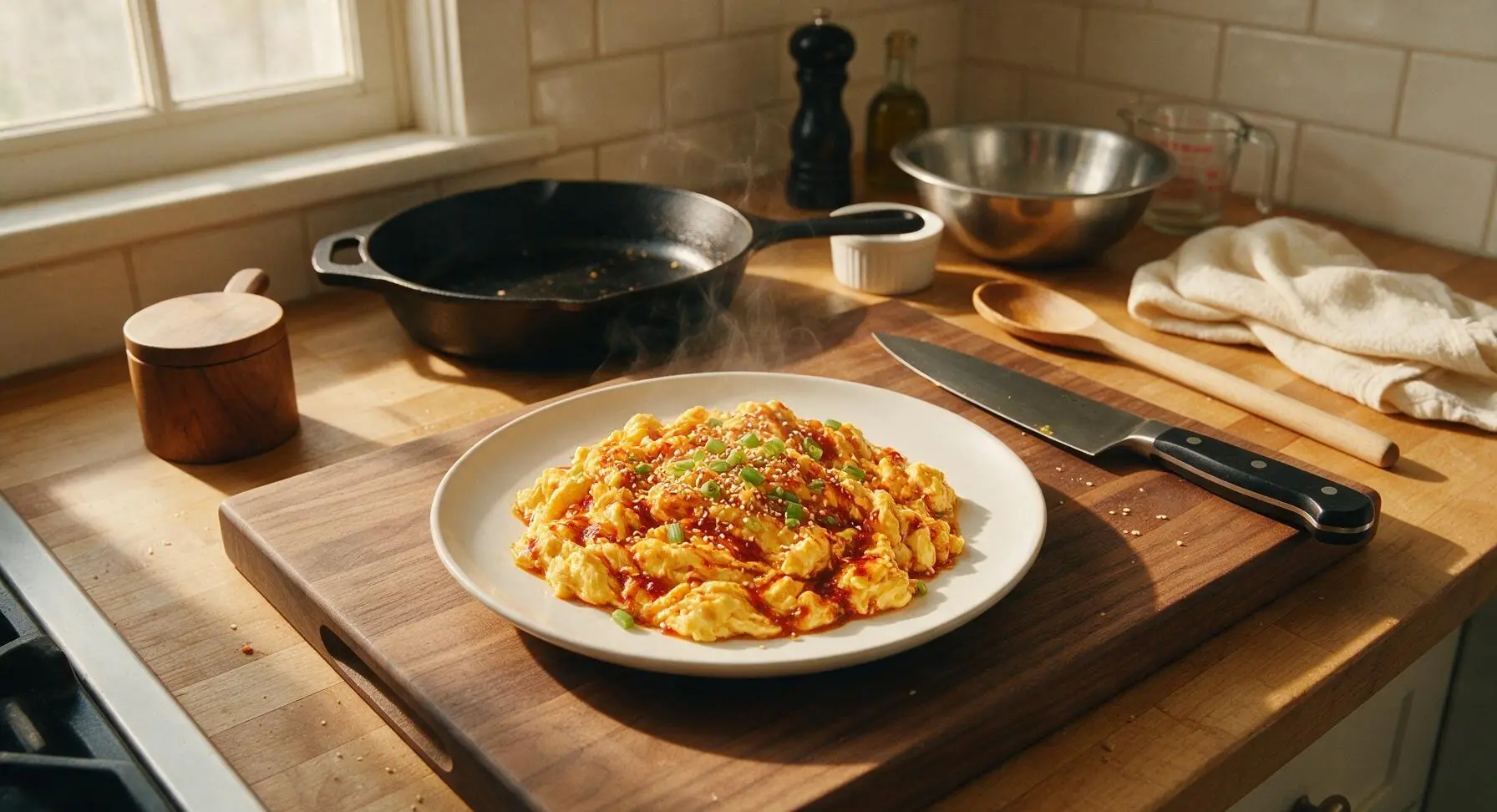
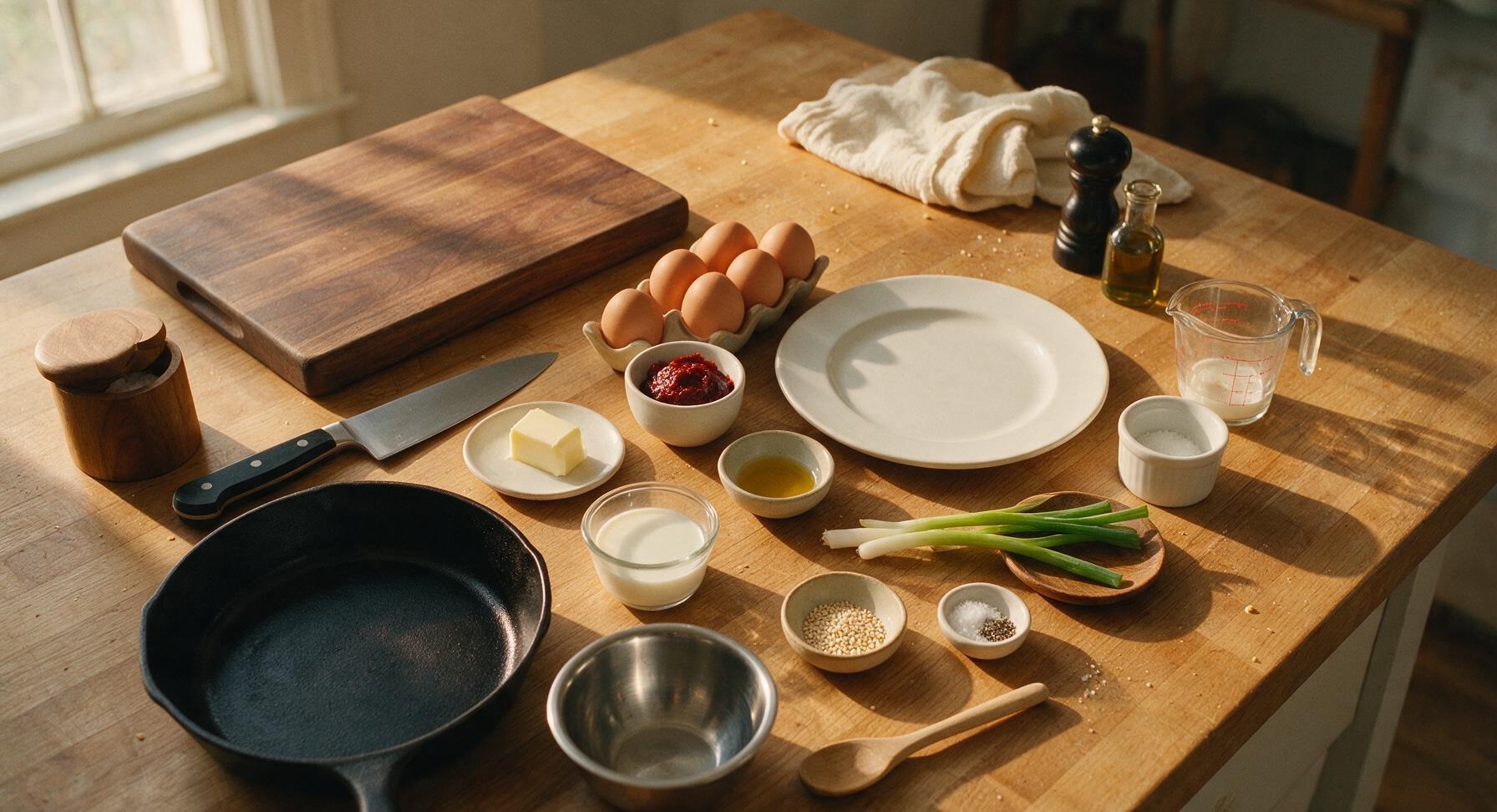
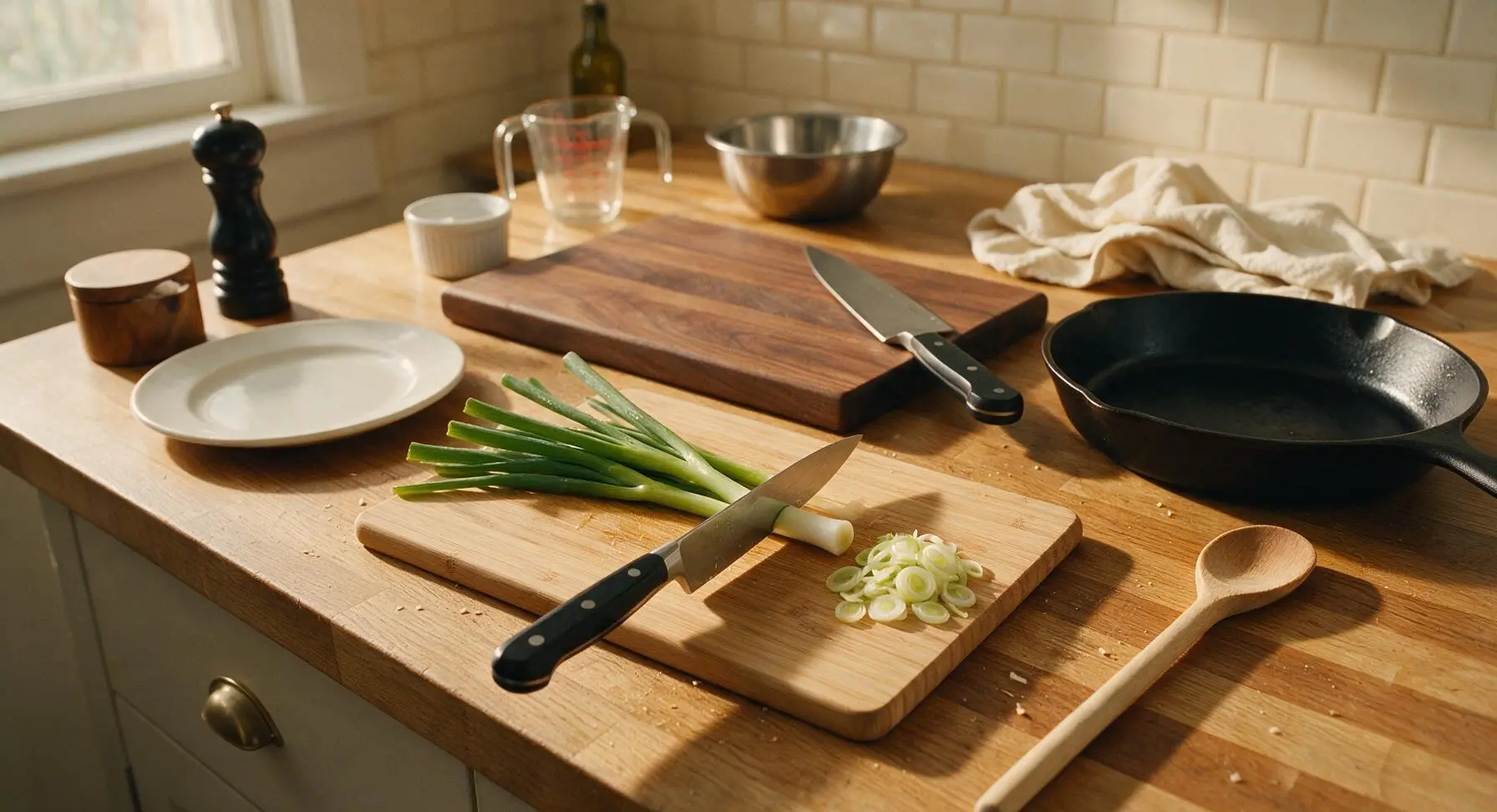
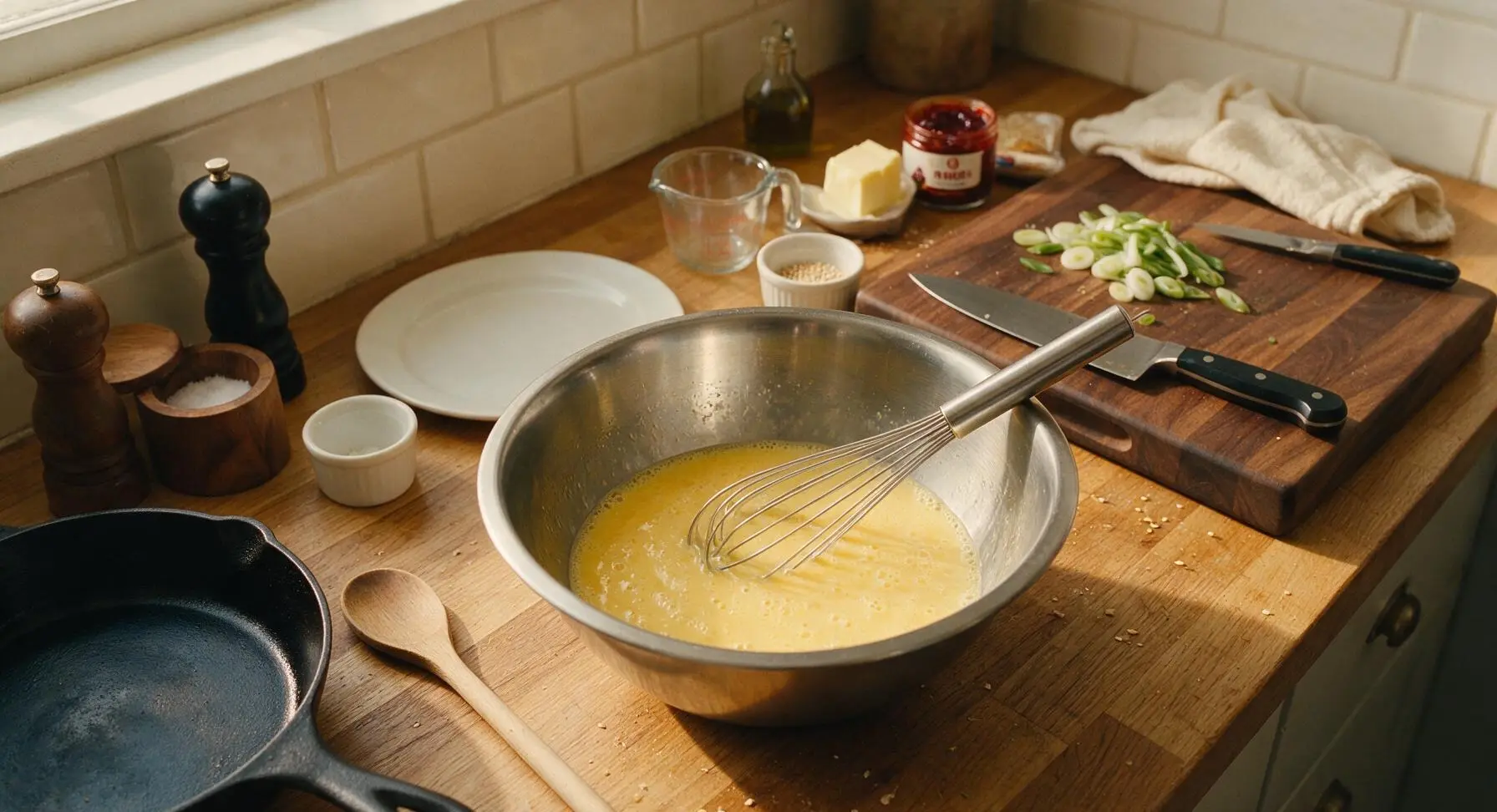
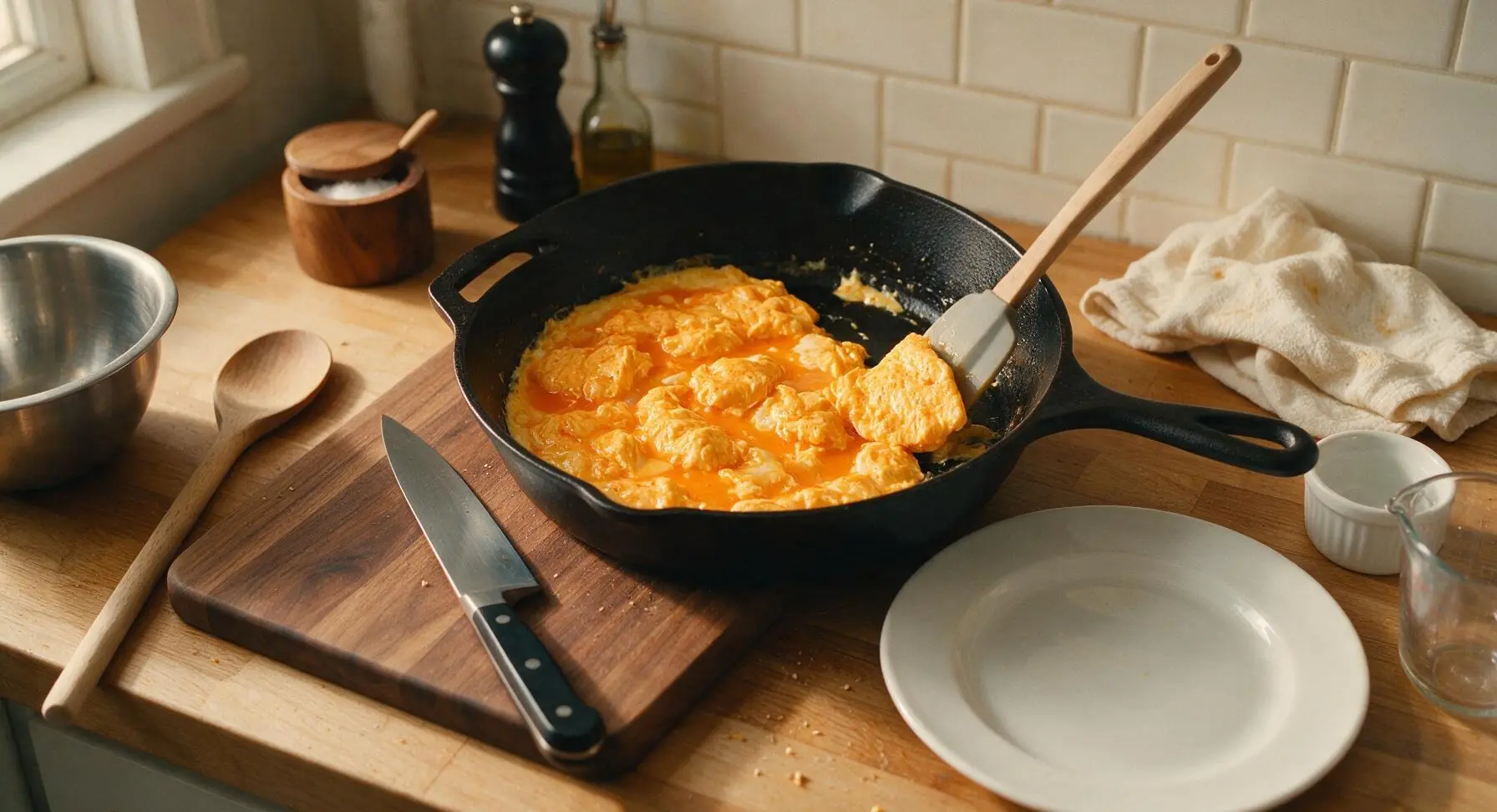
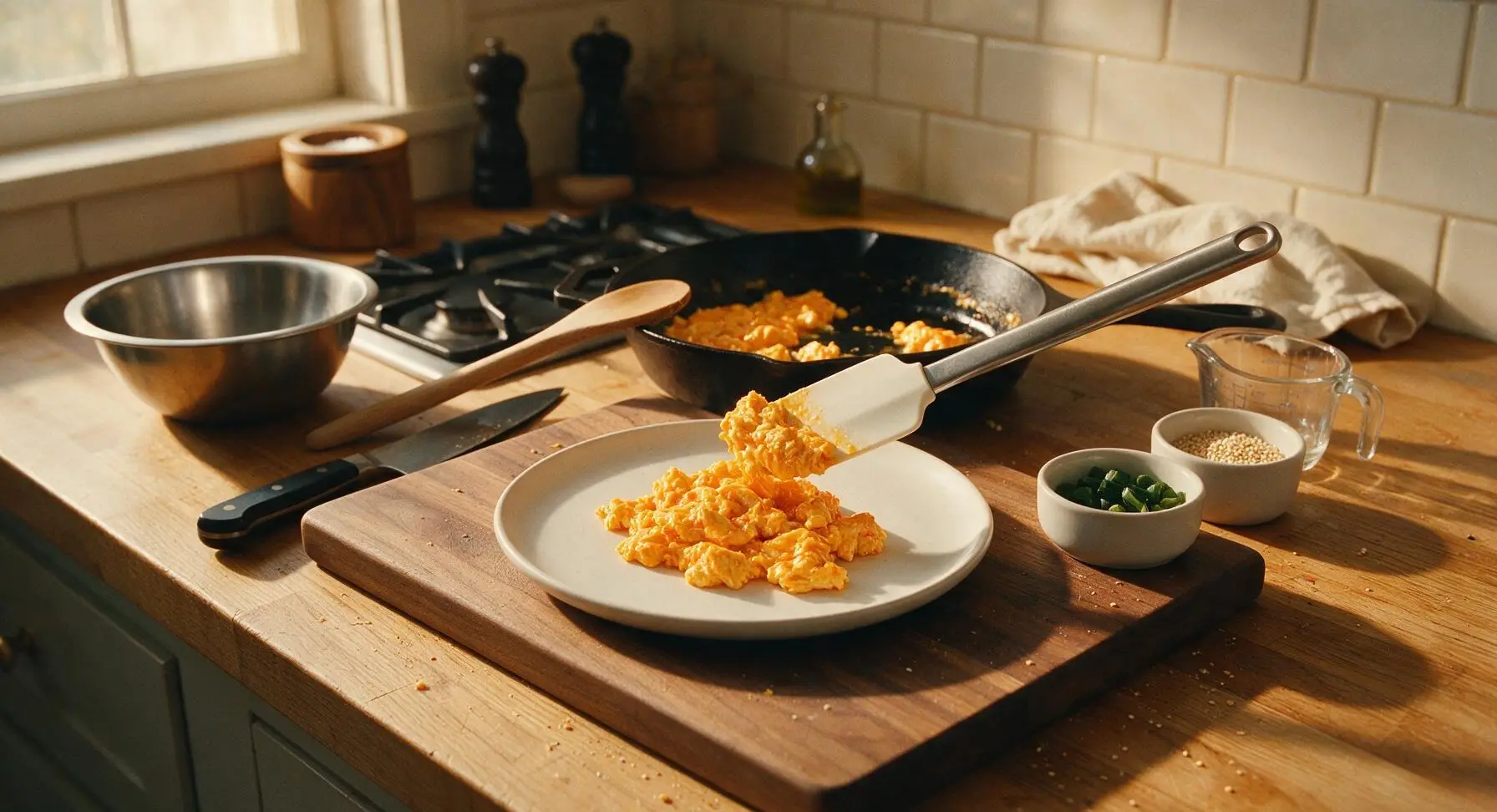






Wait, why did I never think to add gochujang to scrambled eggs before??? These are SO good, I made them this morning before my commute and the whole pan was gone in 2 minutes. The cook time is totally accurate too, I was out the door right on time. My roommate stole a bite and immediately asked for the recipe link, ha!
OMG, made these for my Sunday meal prep to eat with toast all week and they hold up surprisingly well! I was worried the gochujang would make them weirdly soggy when reheated, but nope, they’re still fluffy and have that perfect warm kick. Super easy too, even when I’m half asleep watching football while cooking on Sunday afternoons. I’ll be bringing these to our next office potluck for sure!
Tried these last night for a quick late dinner after my kid’s soccer practice, and my kids loved it! My teen who complains about every new food I make said “this is actually fire” which is the highest possible praise from a 14 year old, let’s be real. I did dial back the gochujang a little for my younger kid who hates super spicy food, and even he ate a full serving without complaining. Total win for a weeknight!
Total game changer! These are so easy to whip up on busy mornings, I’ve been making them almost every day since I found the recipe! I added a handful of chopped scallions on top and a little drizzle of sesame oil, and it feels like I’m getting fancy cafe breakfast without paying $15 for it. Only note: don’t overcook the eggs, they get rubbery super fast if you leave them on the heat too long.