
Gueuze
intro
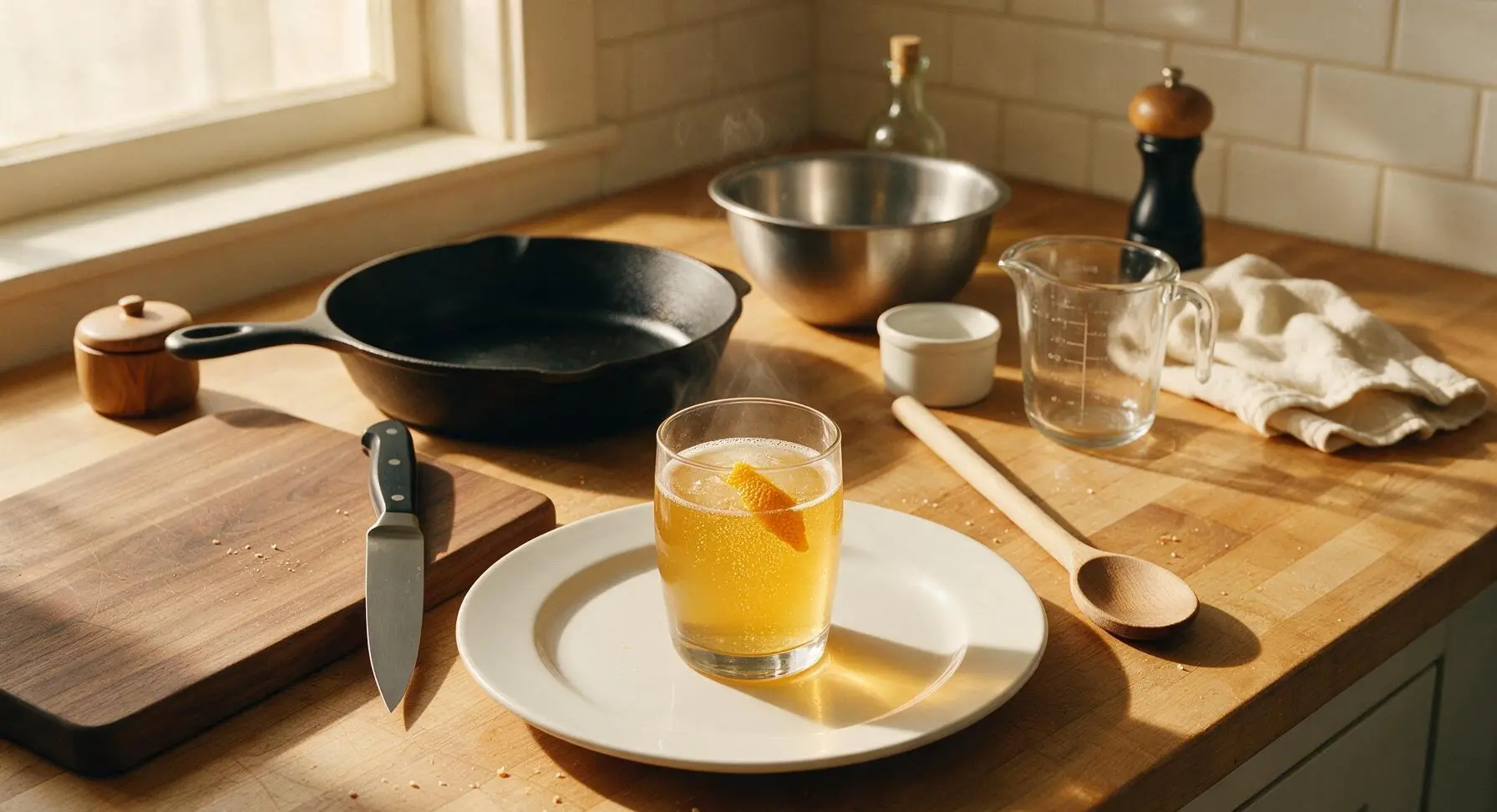
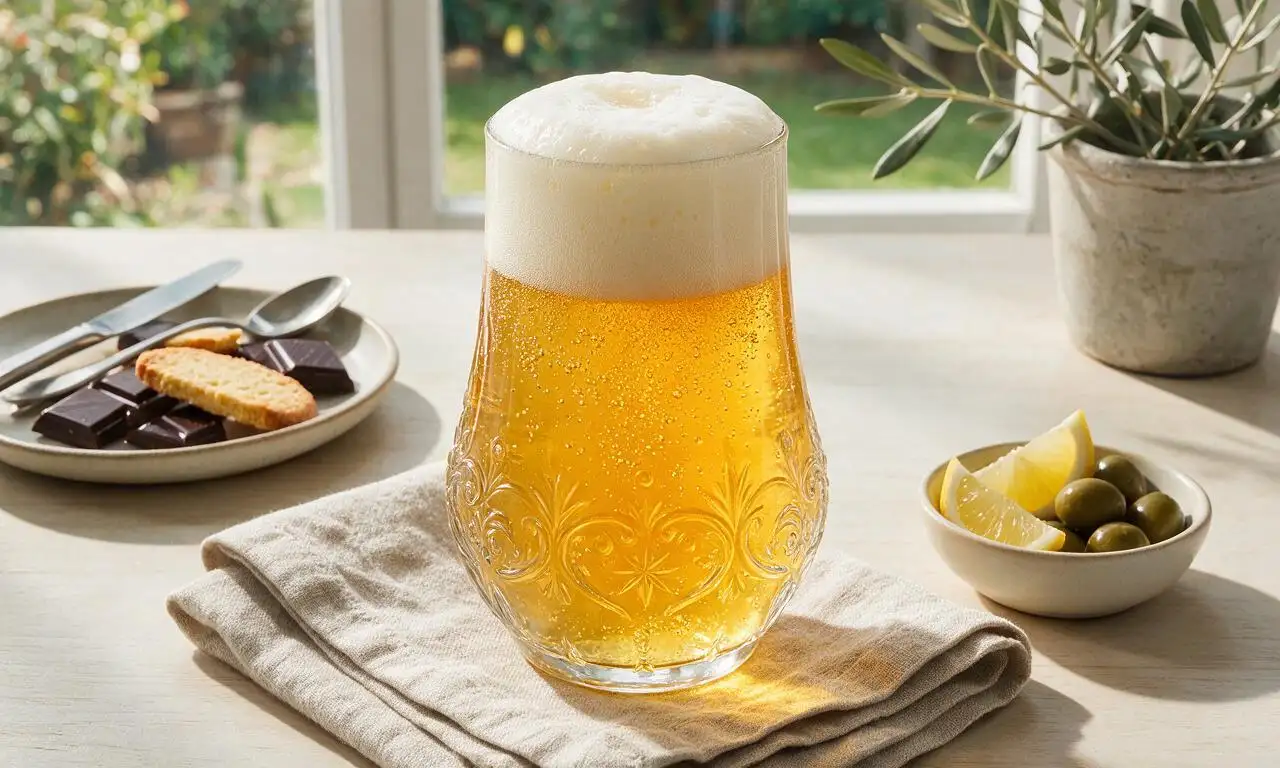
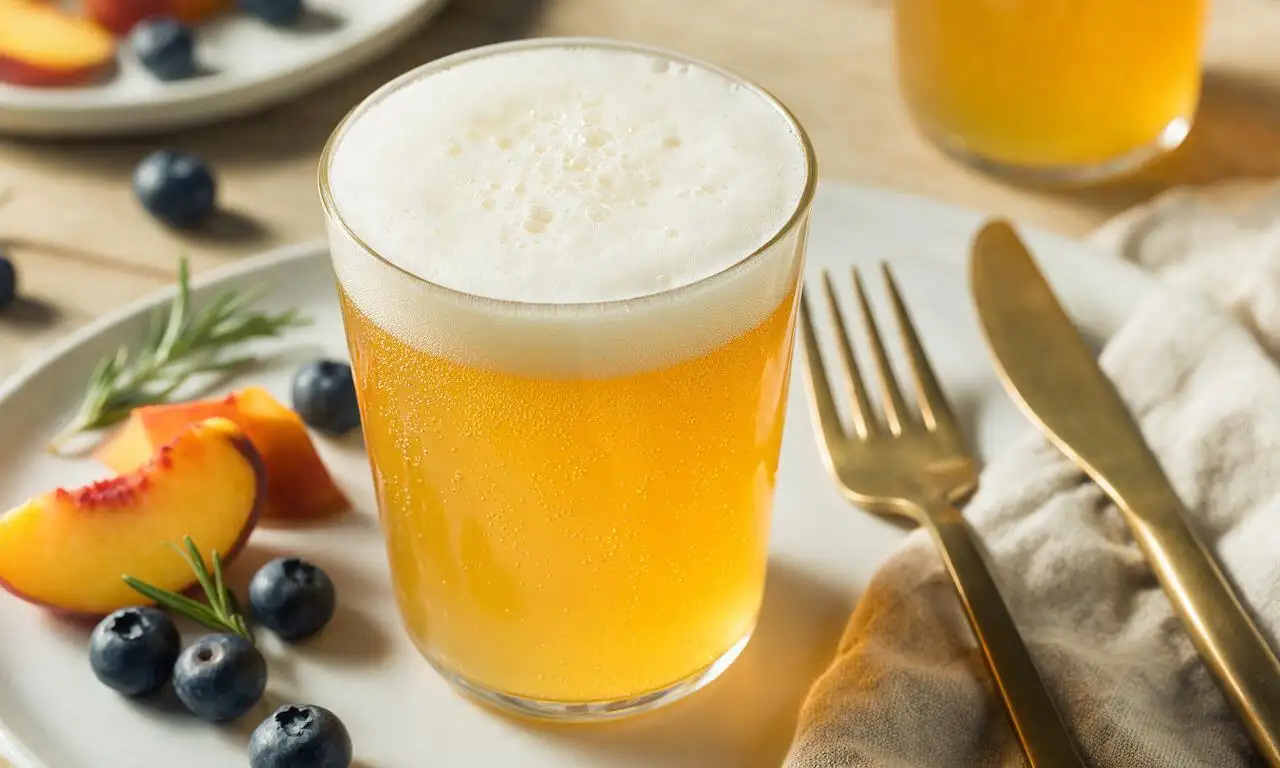
Bright, tart, and effervescent, this traditional blended gueuze balances funky lambic notes, stone fruit brightness, and soft carbonation for a refreshing summer sip.
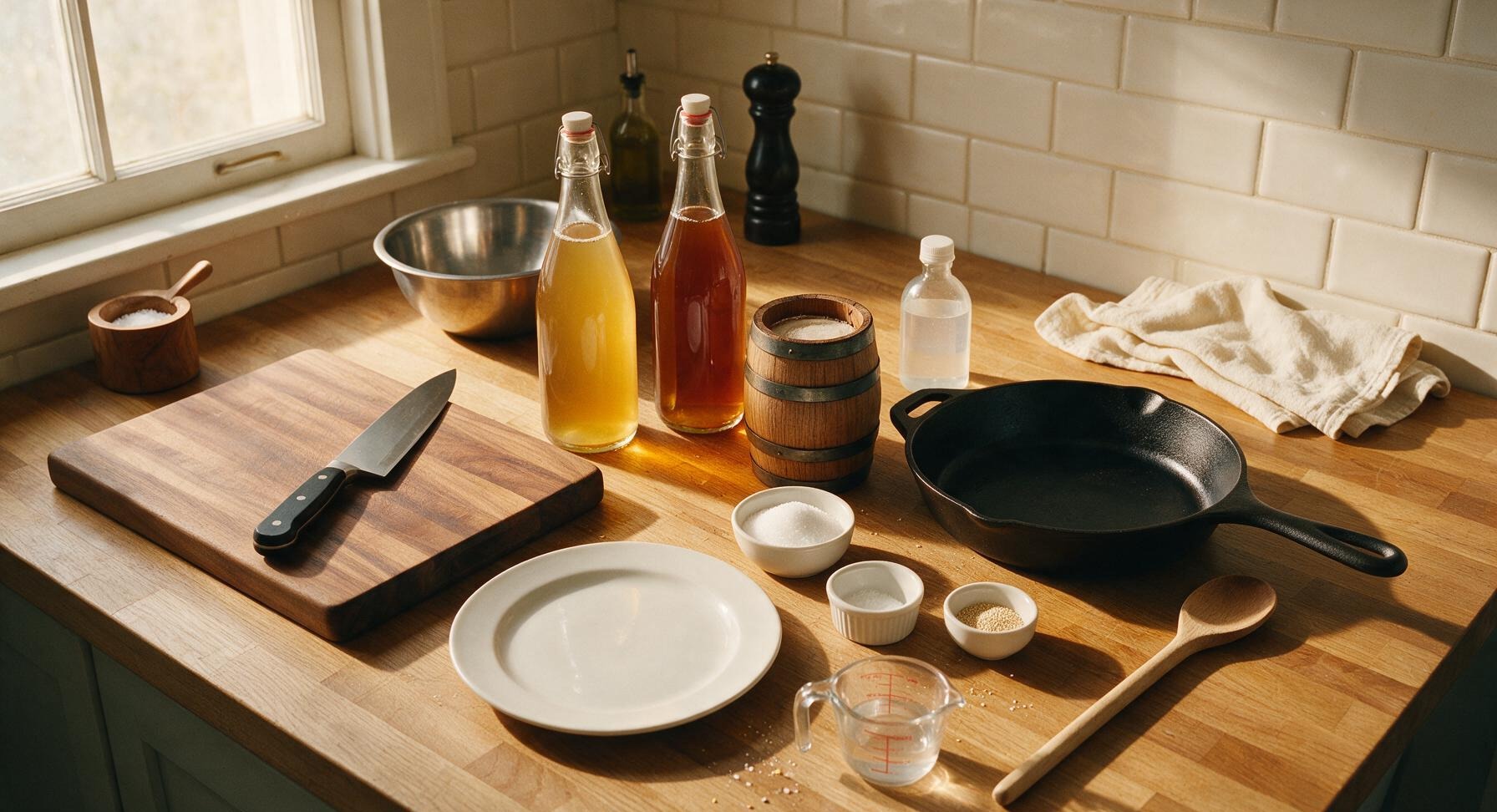
Ingredients
Steps
Sanitize All Equipment
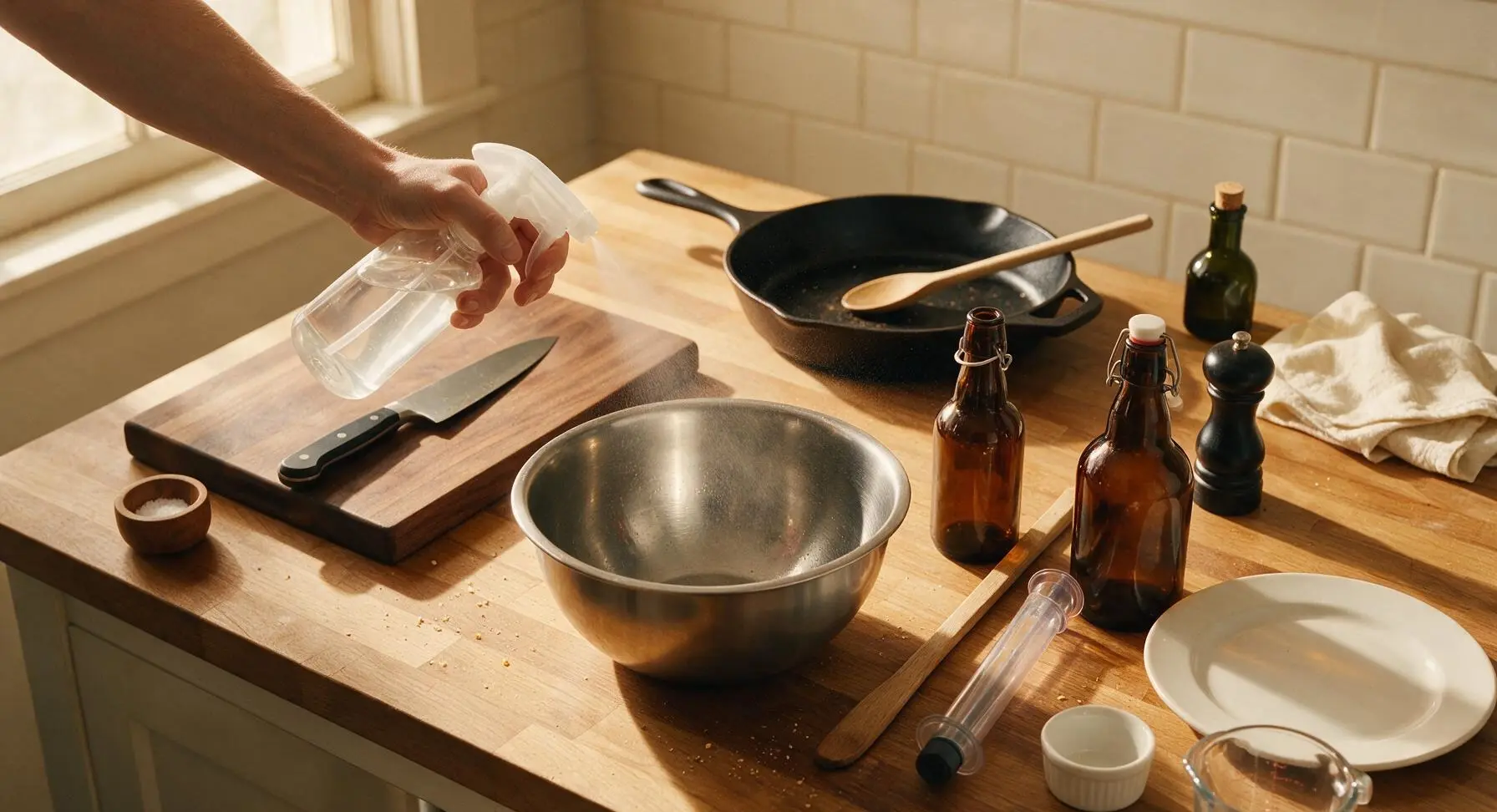
Use the sanitizer spray bottle to thoroughly coat every surface of the stainless steel mixing bowl, stirring paddle, saucepan, auto-siphon, swing-top bottles, and glass beaker. Let sanitizer sit for 60 seconds, then drain excess liquid; no rinsing is required for no-rinse sanitizer. Any unsanitized surface can introduce off-flavors or spoilage bacteria, so cover every part that will come into contact with the gueuze.
Blend Lambic Components
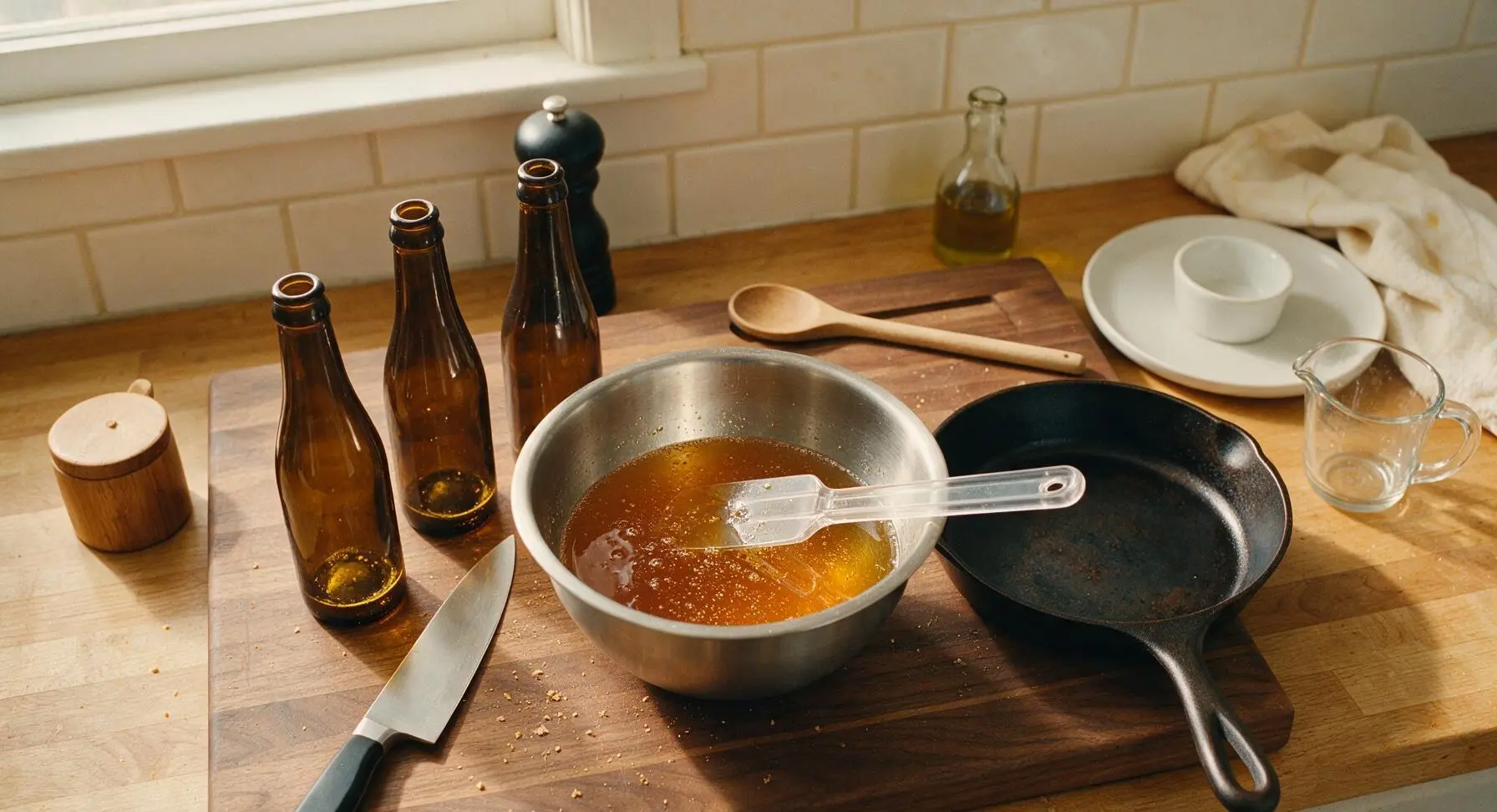
Once all equipment is fully sanitized, pour measured amounts of 6-month young lambic, 2-year aged lambic, and 3-year oak-aged lambic into the large stainless steel mixing bowl. The classic balanced gueuze ratio is 60% young bright lambic, 30% medium-aged funky lambic, and 10% old mellow lambic to balance tartness, depth, and soft aged character. Stir gently with the polycarbonate paddle to combine fully, taking care not to splash excessively.
Make Priming Solution
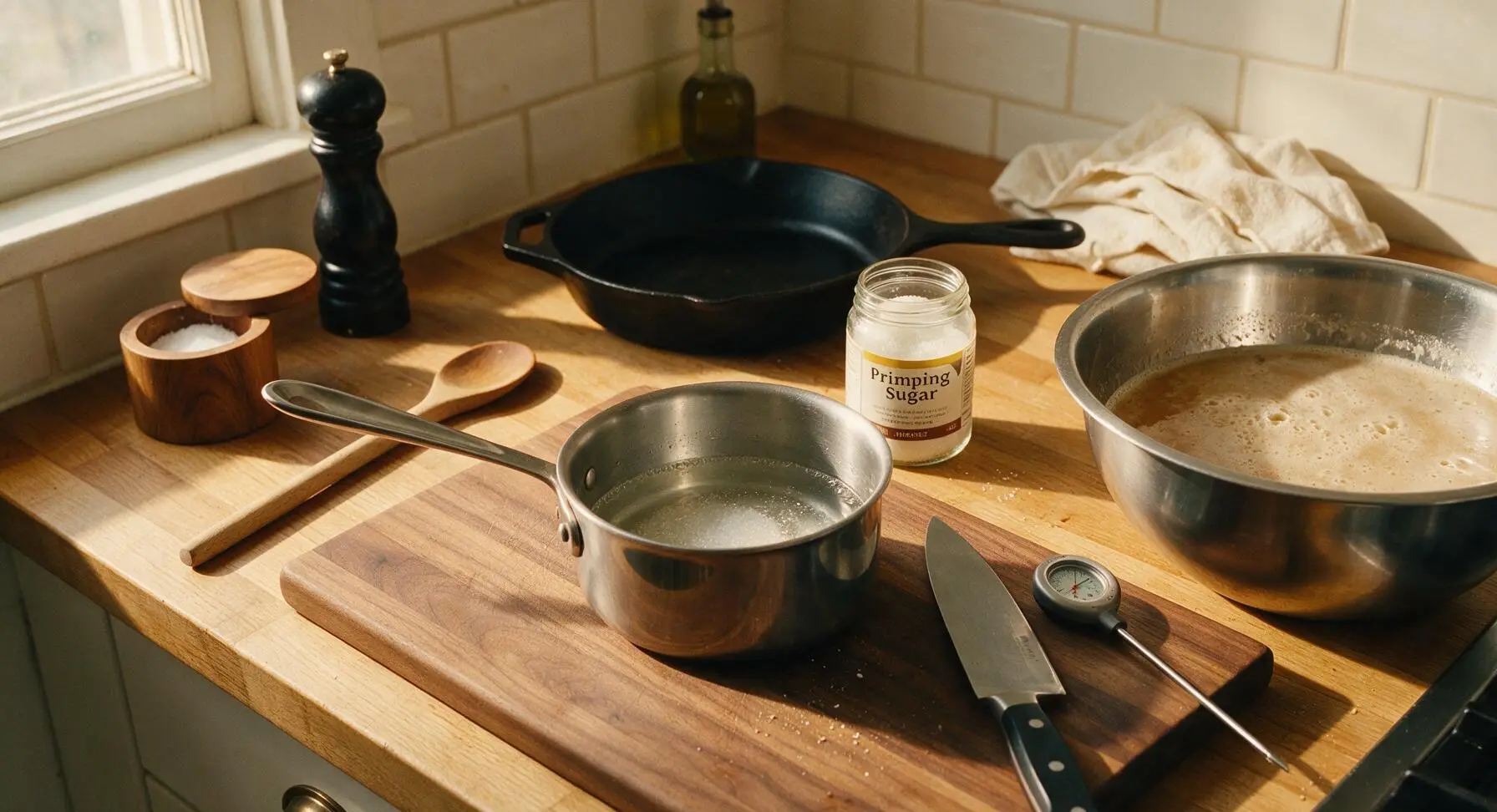
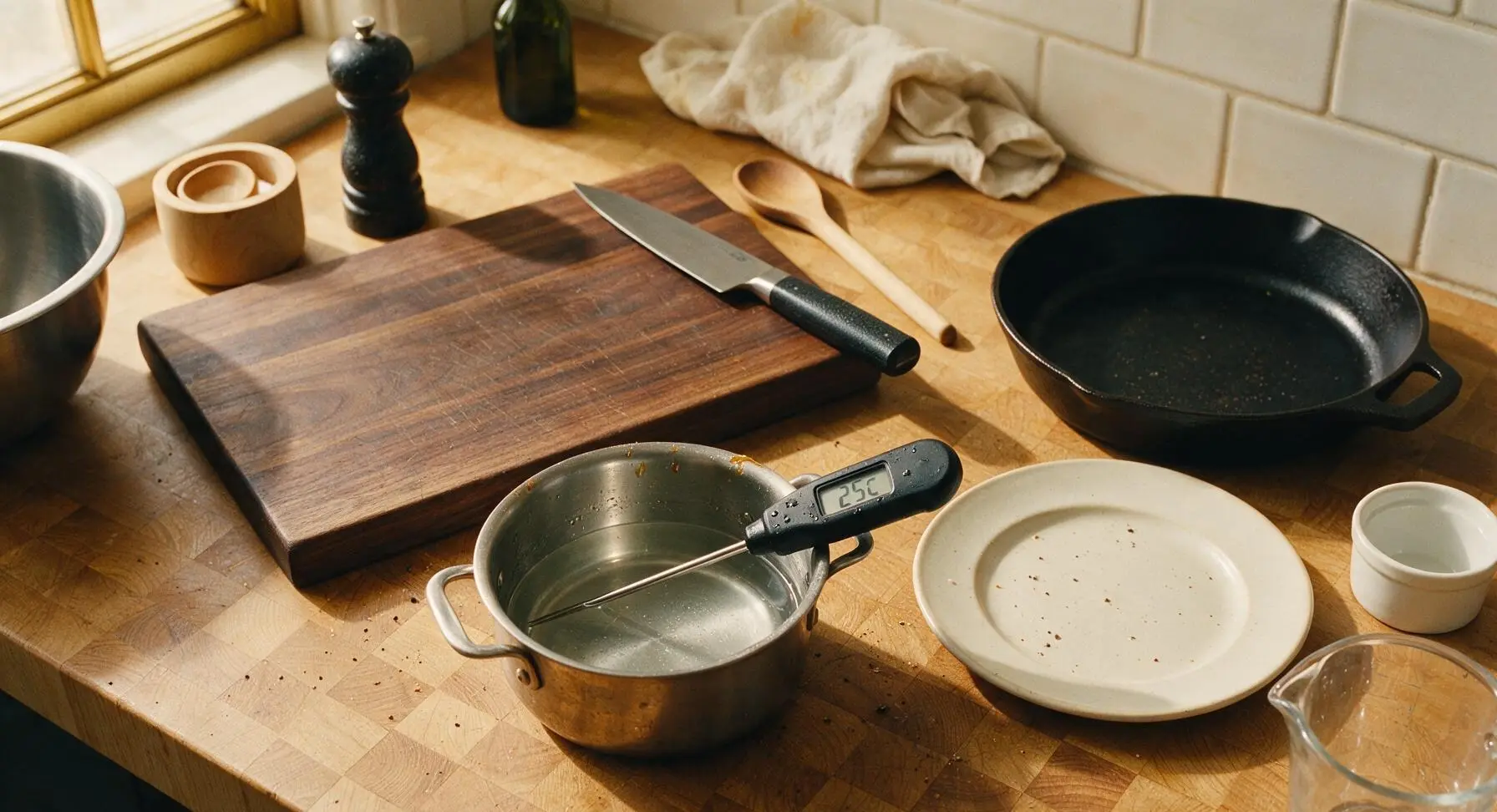
Add 15g of white granulated sugar and 60ml of filtered water to the small stainless steel saucepan. Heat over low heat, stirring gently, until sugar fully dissolves and the solution reaches 65C (150F) — do not boil. Remove from heat and let cool to 25C (77F), checking temperature with the instant-read thermometer, to avoid killing the champagne yeast when added.
Add Yeast to Blend
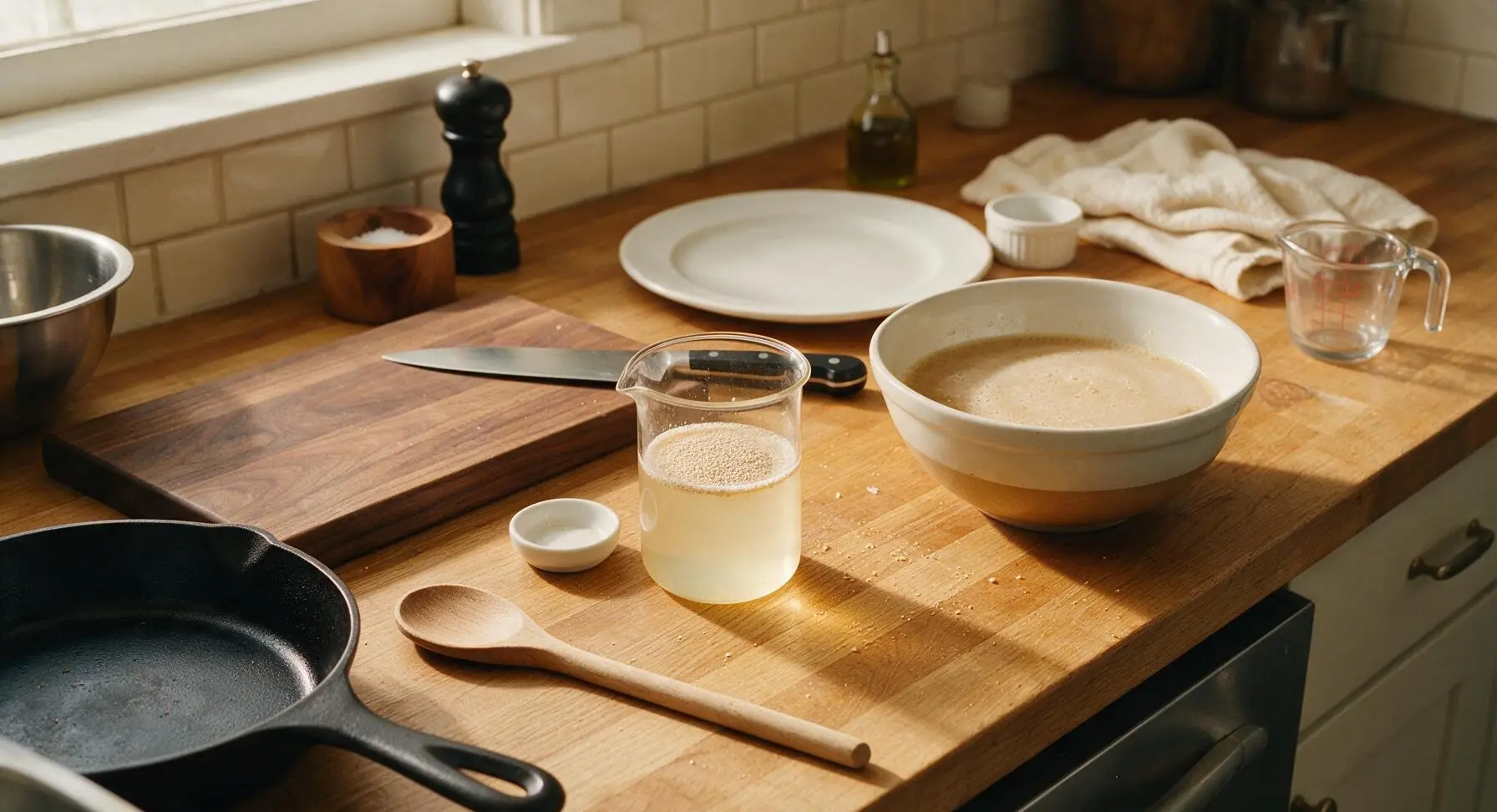
Pour the cooled priming sugar solution into the glass beaker, then sprinkle 1g of dry champagne yeast over the solution surface. Let yeast rehydrate for 5 minutes without stirring, then stir gently with the tip of the stirring paddle to combine fully. Pour the yeast and sugar mixture into the large bowl of blended lambic, stirring slowly for 30 seconds to distribute yeast evenly throughout the blend.
Siphon into Bottles
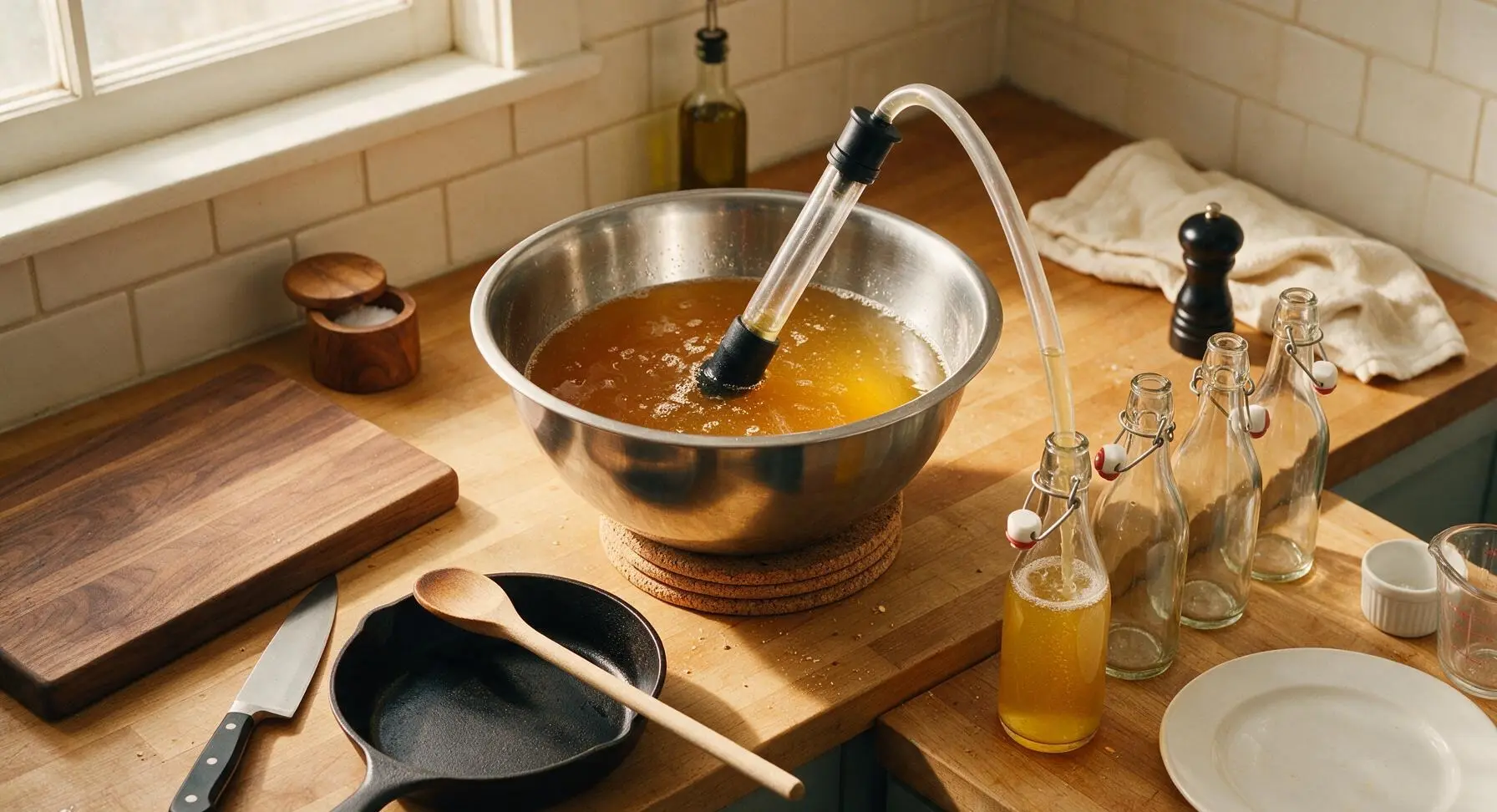
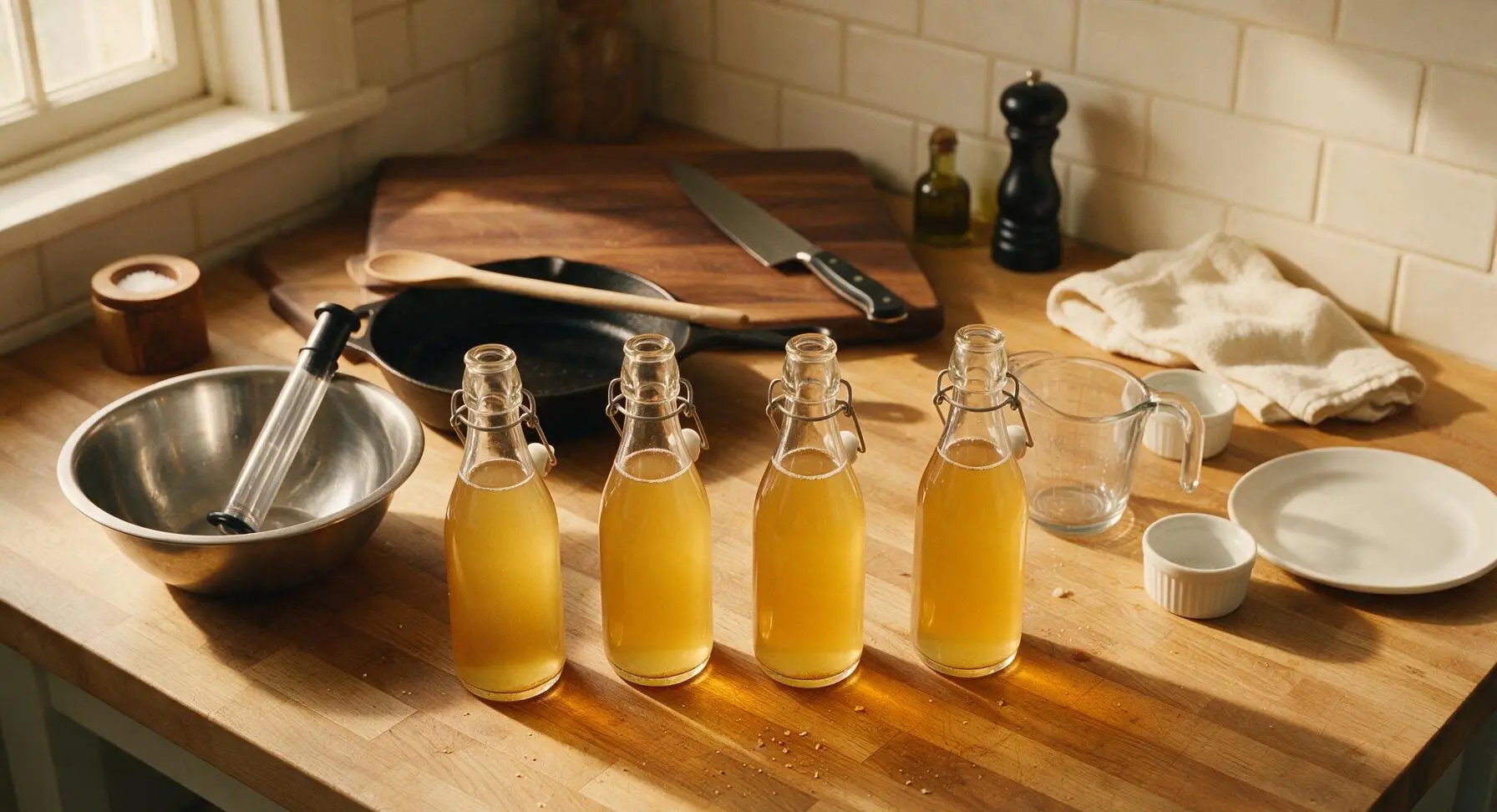
Set the large mixing bowl of blended gueuze on a raised stack of cork coasters, and place the sanitized swing-top bottles on the lower counter surface. Attach the auto-siphon, submerge the black rubber intake tip in the gueuze, and squeeze the siphon bulb to start liquid flow. Fill each bottle to 2cm below the rim, leaving consistent headspace to allow for carbonation without over-pressurizing.
Seal Bottles Tightly
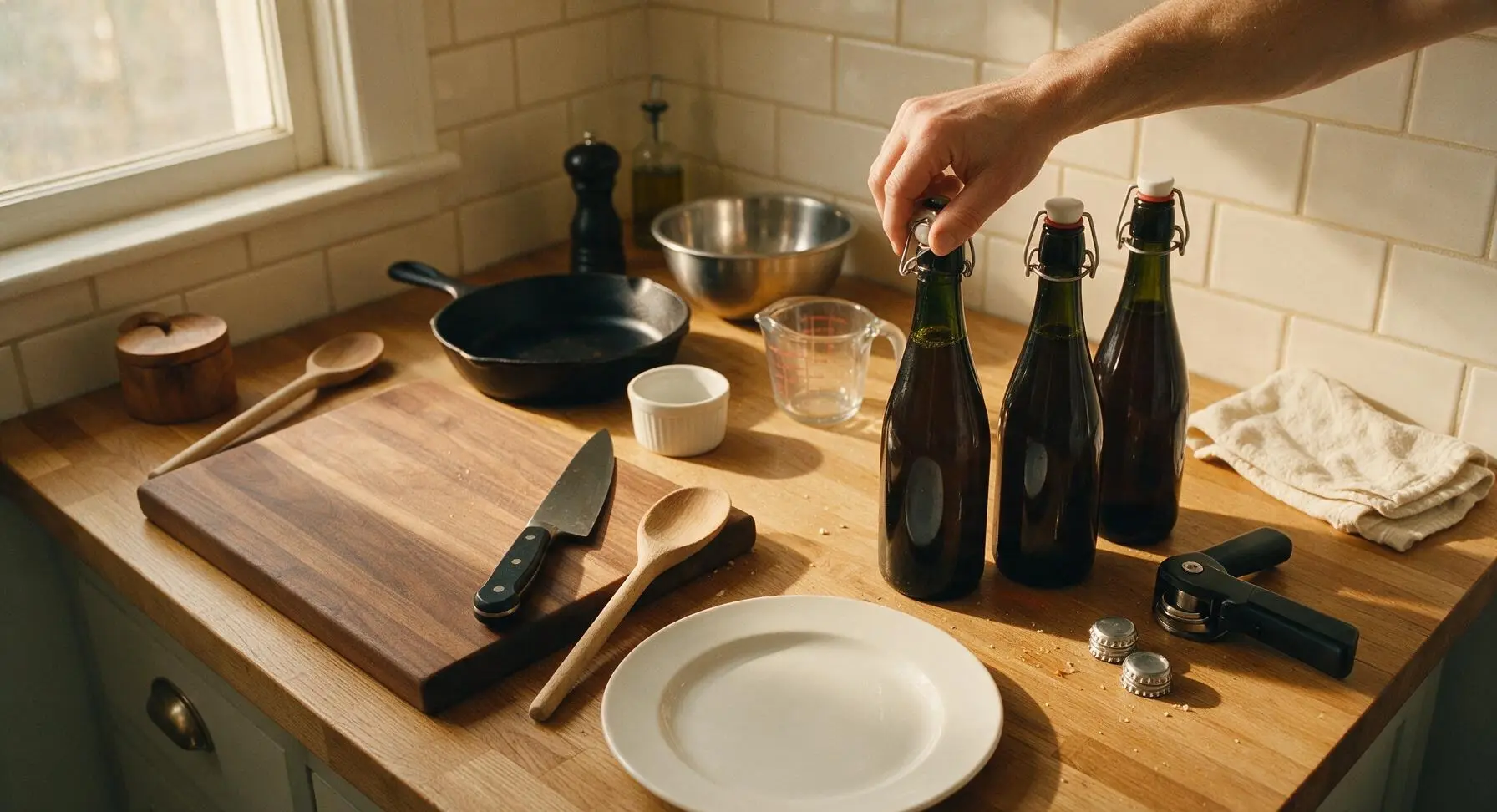
Check that each swing-top bottle's rubber gasket is seated properly in the bottle rim, then press the metal swing clasp down firmly to create an airtight seal. Double-check every seal by gently tilting each bottle; no liquid should seep out. If using crown caps instead of swing-tops, use the matte black bottle capper to crimp caps tightly onto each bottle neck.
Condition for Carbonation
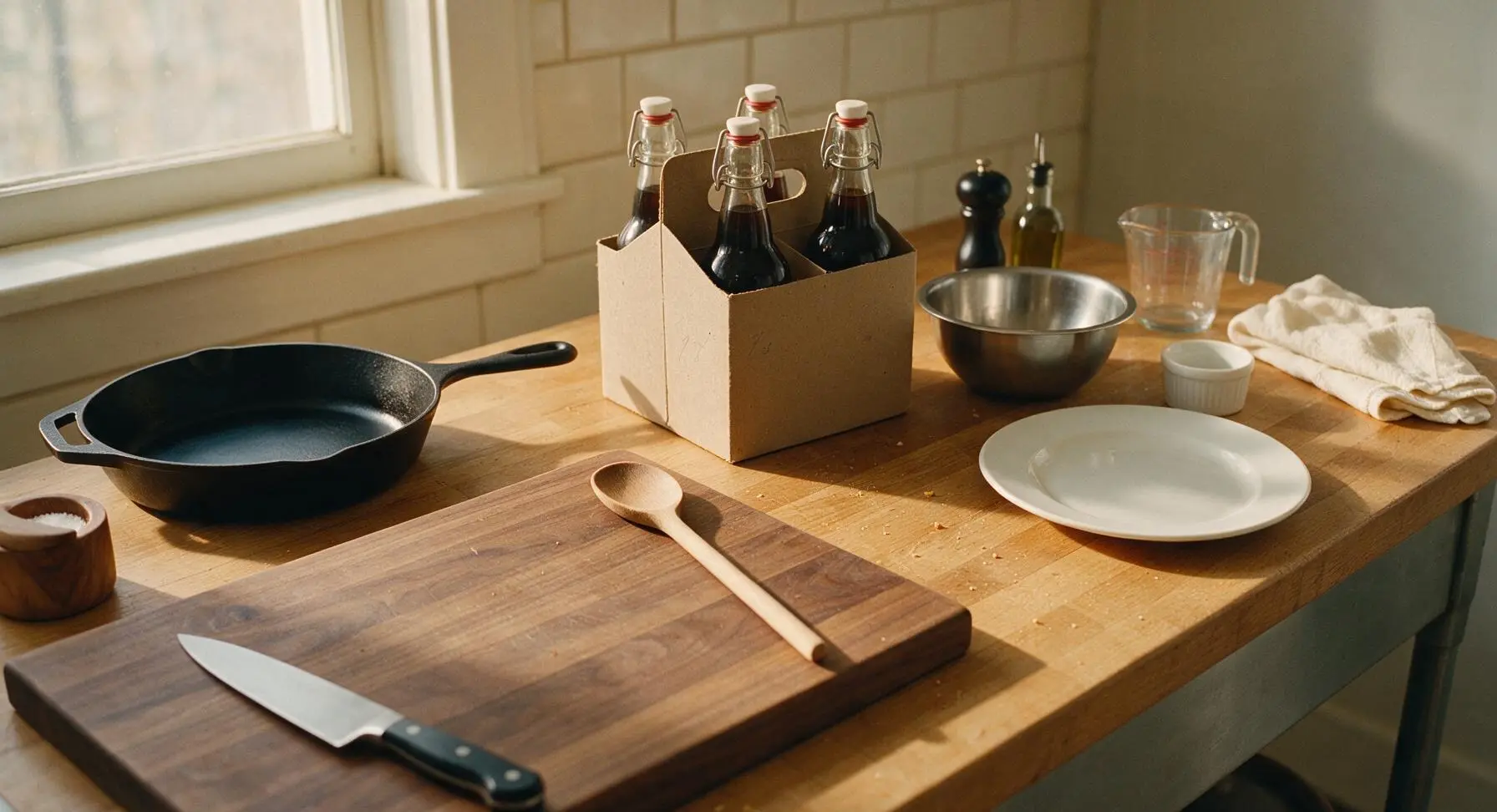
Store sealed bottles in a dark, temperature-controlled space held at a steady 21C (70F) for 2 weeks. During this time, the yeast will consume the small amount of priming sugar, producing the soft, persistent carbonation characteristic of traditional gueuze. Do not move or agitate the bottles during the first 10 days of conditioning to avoid uneven carbonation.
Chill and Serve
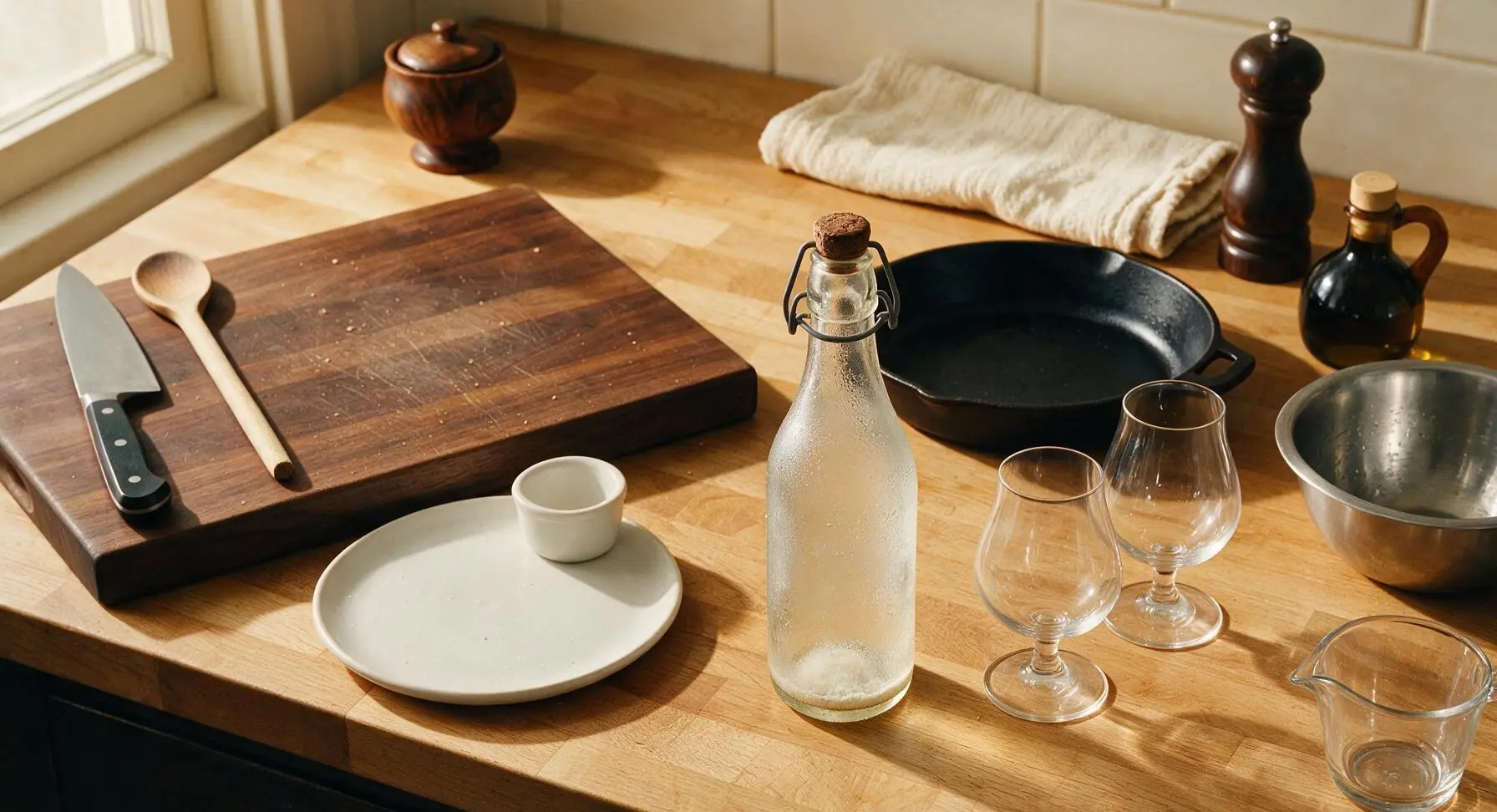
After 2 weeks of conditioning, move gueuze bottles to the refrigerator to chill for at least 24 hours before serving, reaching a final temperature of 4C (40F). Chilling helps settle the thin layer of yeast sediment at the bottom of each bottle and highlights the bright tart, stone fruit, and funky notes of the blend. Pour slowly into tulip glasses, leaving the last 5mm of yeast sediment in the bottle for a clearer, smoother pour.
Tips
2.Resist the urge to open bottles early: opening gueuze before the full 2-week conditioning period will result in flat, under-carbonated beer, as the yeast has not had enough time to produce consistent bubbles. If you want to test carbonation, set aside one extra test bottle to chill and check at 10 days before opening the rest of the batch.
3.Adjust the lambic blend to match your taste: if you prefer brighter, tarter gueuze, increase the ratio of young lambic to 70% of the total blend; if you prefer deeper, funkier, more complex flavor, increase the ratio of 2-3 year aged lambic to 50% of the total. The 60/30/10 ratio used in this recipe is a classic, balanced starting point.
OMG, I’ve been chasing that perfect Cantillon-style gueuze for YEARS and this recipe finally nailed it! Blended my 1, 2, and 3 year old lambic batches per the ratios here and brought a growler to our last homebrew club potluck—people were begging for the recipe. Total game changer for my homebrew setup. Wait time is long but so worth it!
First time attempting any kind of sour ale, y’all. The 15 minute active prep time was totally doable even with my toddler hanging on my leg the whole time, but I’m nervous about the long ferment and blend step! How do you guys know when the young lambic is ready to blend without it tasting too green?
SO good. Used some lambic I had aging in oak from my last batch, blended with a fresh 6 month old batch per the guide, and it’s got that perfect funky, tart, slightly fruity note I’ve been missing from store bought sours. Already bottled half of it to age for next year’s camping trip.
Followed the recipe exactly but my first blend came out way too vinegary for my taste. Did I do something wrong? I kept everything sanitized like I do for all my beer batches, used the correct yeast blend, let it age the recommended time… Not sure where I messed up.
Served this at our weekly taco night with the neighbors last weekend and everyone thought I bought a fancy $20 bottle from the specialty beer shop! The bright tartness cuts through carnitas and queso so perfectly, I’m never buying commercial gueuze again. Worth every minute of waiting for it to age.
Just finished blending my first batch 10 minutes ago! The sample I pulled tasted so bright and funky already, I can’t wait to let it bottle condition for a few more months. Already told my roommates they’re not allowed to sneak any before our holiday party in December.
Great recipe overall, but I wish there was a note about how much carbonation builds during bottle conditioning! I used the same amount of priming sugar I use for my IPAs and almost had a few bottle bombs on my hands. Scared the cat right off the counter when one popped in the closet.
Quick question for folks who’ve made this—do I really need to age the blend for a full year after bottling? I’m so impatient, I wanna crack one open at our Fourth of July cookout next month if it’s ready!
Me and my buddies did a big batch of this for our annual brew day last year, just tapped the first keg last weekend and it’s insane. Got that perfect barnyard funk, balanced tartness, tiny bubbles—feels like I’m sitting at a cafe in Brussels instead of my garage in Austin. 10/10.
Just pulled the trigger on ordering all the grain and bacteria for this recipe! My book club has been doing homemade drink pairings with our monthly picks, and I know this gueuze is gonna pair perfectly with the mystery novel we’re reading next month. Fingers crossed it turns out!
I’m an experienced homebrewer with 10+ years under my belt, and I found the blending guidelines really vague for a recipe marked hard. I get that blending is subjective, but a little more guidance on flavor balancing between old and young lambic would go a long way for folks who haven’t blended sours before.
My husband and I made this for our wedding anniversary last year—we bottled a case and labeled them with our wedding date, and we crack one open every date night. The latest one we had last night was the best yet, all soft stone fruit and that perfect dry finish. This recipe is such a keeper!
Made this with my roommates in our off-campus house, we didn’t have a fancy coolship so we used a big sanitized plastic tub left open by the window overnight to collect wild yeast. It turned out way better than we thought it would! Super tart, a little funky, way cheaper than buying sours at the liquor store for our game days.
Just bottled my second batch of this! Brought a few bottles of my first batch on our backcountry ski trip last month, and it was the perfect apres-ski drink after a long day in the snow. Cold, tart, refreshing, way better than the cheap macro beer everyone else brought.
Brought a few bottles of this to our neighborhood block party potluck last weekend and it was the hit of the whole event! Even people who say they don’t like sour beer loved how smooth and fruity it was. I had three people ask me for the recipe before I even left.
Wait, hold up—the cook time says 15 minutes? That seems wild for a beer that takes over a year to make! I thought I was signing up for a quick weekend project, not a multi-year wait. No shade to the recipe, just wish the long aging time was more front and center on the recipe card.
Smoked a whole pork shoulder for my son’s high school graduation party last weekend, and served this gueuze on tap alongside it. The tart, carbonated beer cut through the rich, smoky pork so well, people were going back for thirds. Even my son who only drinks hard seltzer loved it!
Love that this recipe uses up all those random leftover lambic batches I’ve had sitting in my closet for years! I hate wasting homebrew, and blending them into gueuze turned a bunch of half-forgotten batches into something better than any of them were on their own. Total win for zero waste brewing.
Has anyone tried adding fruit to this blend? I’ve got a ton of frozen sour cherries from my tree this summer, and I’m thinking of adding a few pounds to the blend for a kriek-style gueuze, but I don’t wanna mess up the balance.
My grandpa used to make homemade sour beer back in the day, and this recipe tastes exactly like what he used to serve at our Sunday family dinners when I was a kid. Took me right back to sitting on his porch drinking beer out of mason jars after a big meal. Thank you so much for sharing this recipe, it means a lot.