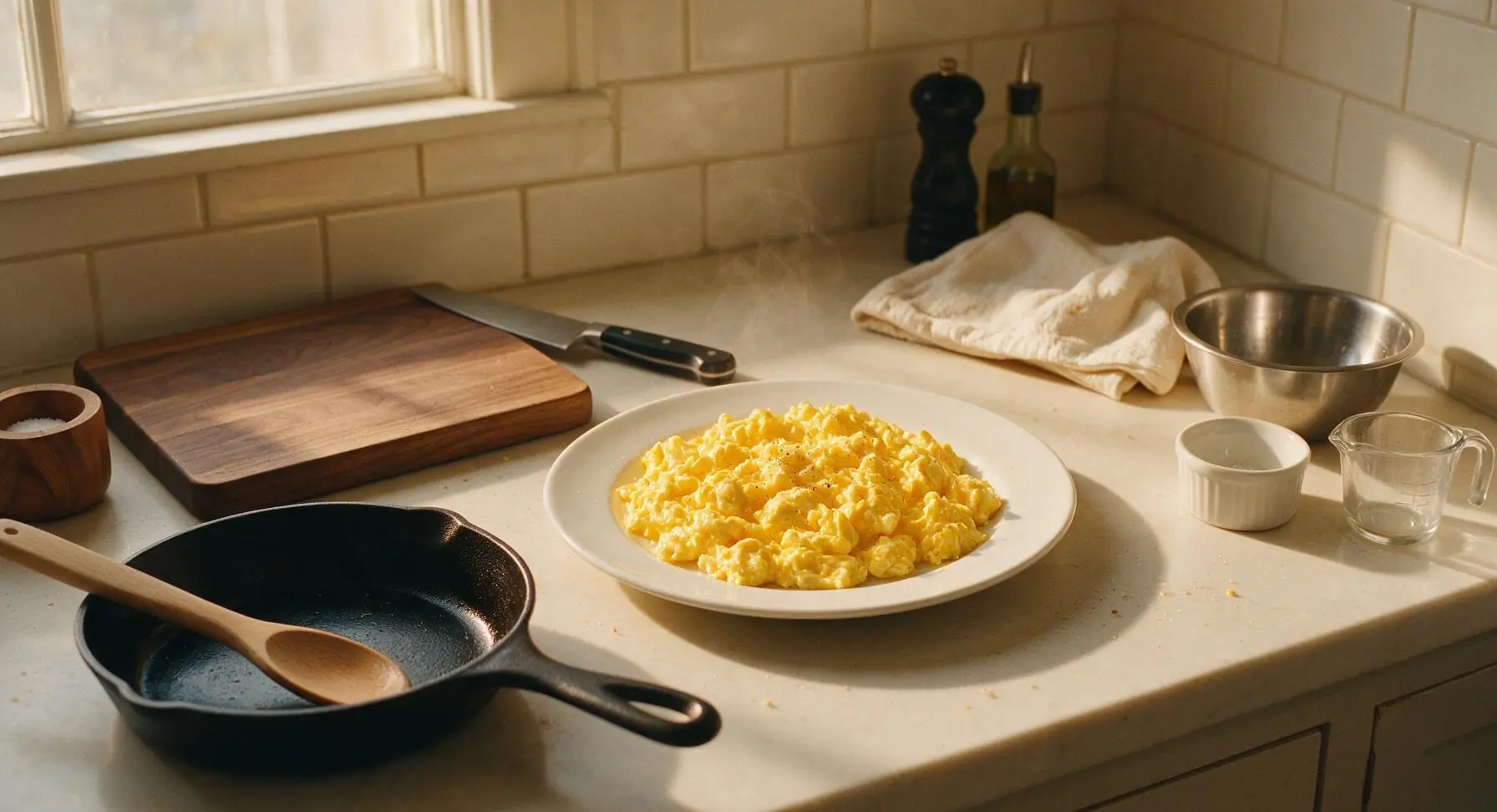
Hard Scrambled Eggs

title 1
Hard Scrambled Eggs
⏱️ cook time 5 minutes
🍽️ servings 2
⚡ Difficulty easy

intro

Firm, tender golden hard scrambled eggs with no runny curds—classic diner-style, perfectly seasoned, quick enough for any meal, with rich buttery flavor.

Ingredients
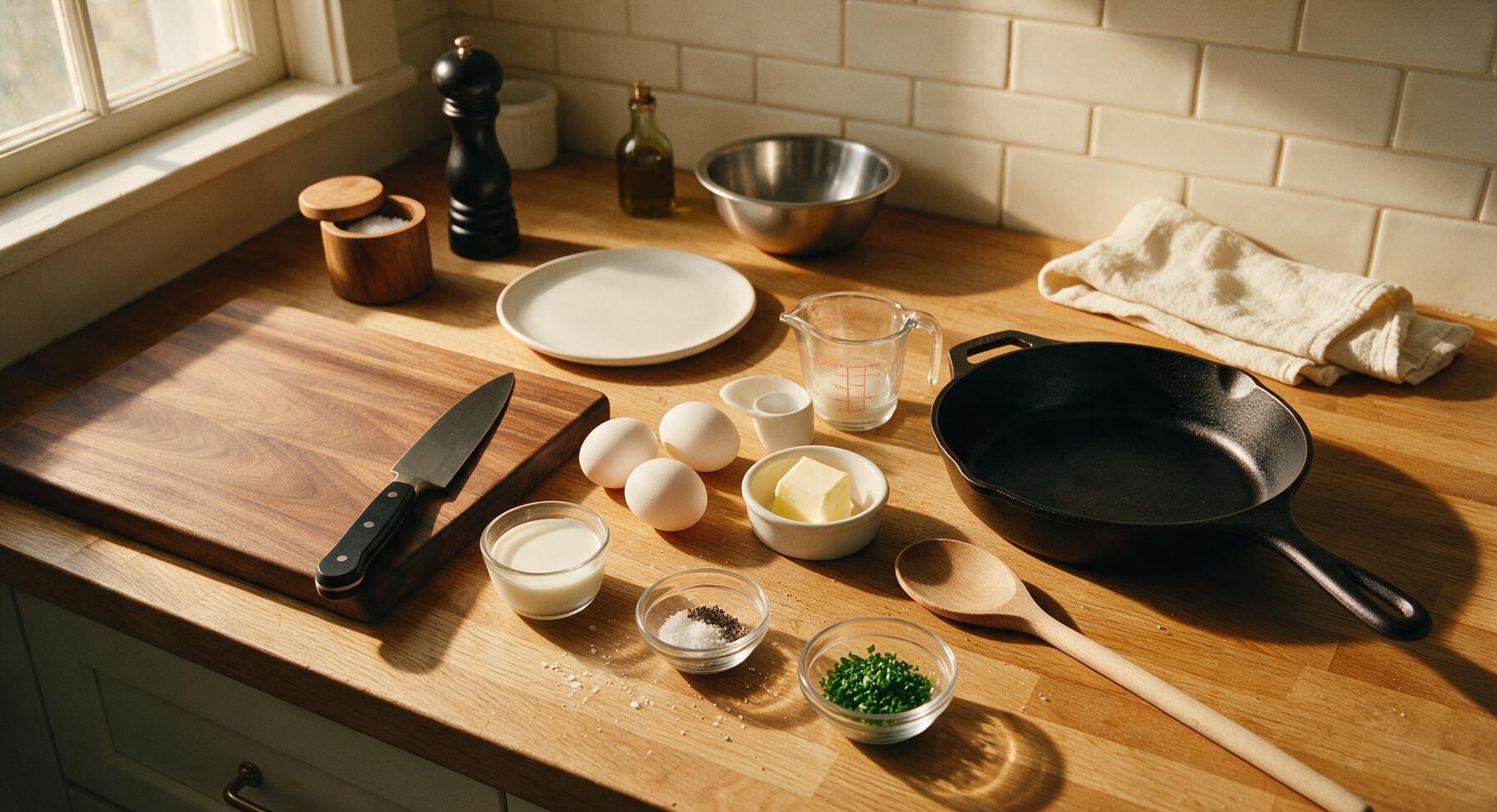
Large eggs 4
Whole milk 2 tablespoons
Unsalted butter 1 tablespoon
Coarse kosher salt 1/4 teaspoon
Freshly ground black pepper 1/8 teaspoon
Fresh chives 1 teaspoon (finely chopped)

Steps

1

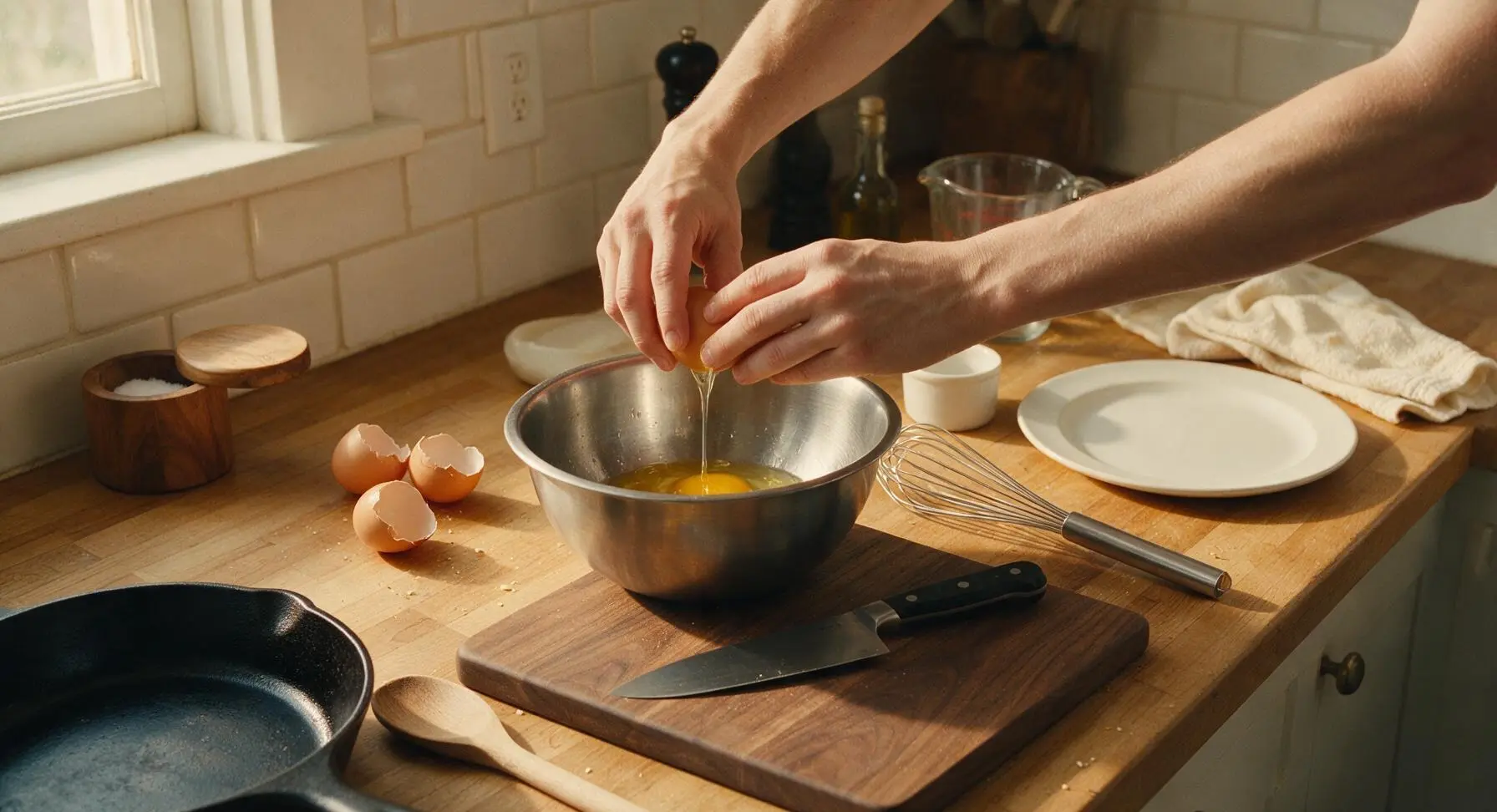
Crack Eggs Into Bowl

Gently tap 4 large eggs on the edge of the stainless steel mixing bowl to create a clean crack, then pull the shells apart to pour the egg contents into the bowl. Discard the shells in a nearby bin, and check for any small shell fragments that fell into the bowl, removing them with a clean finger or piece of empty eggshell if needed. Do not add seasonings or milk at this stage.
Step 1
step1:Crack Eggs Into Bowl
2

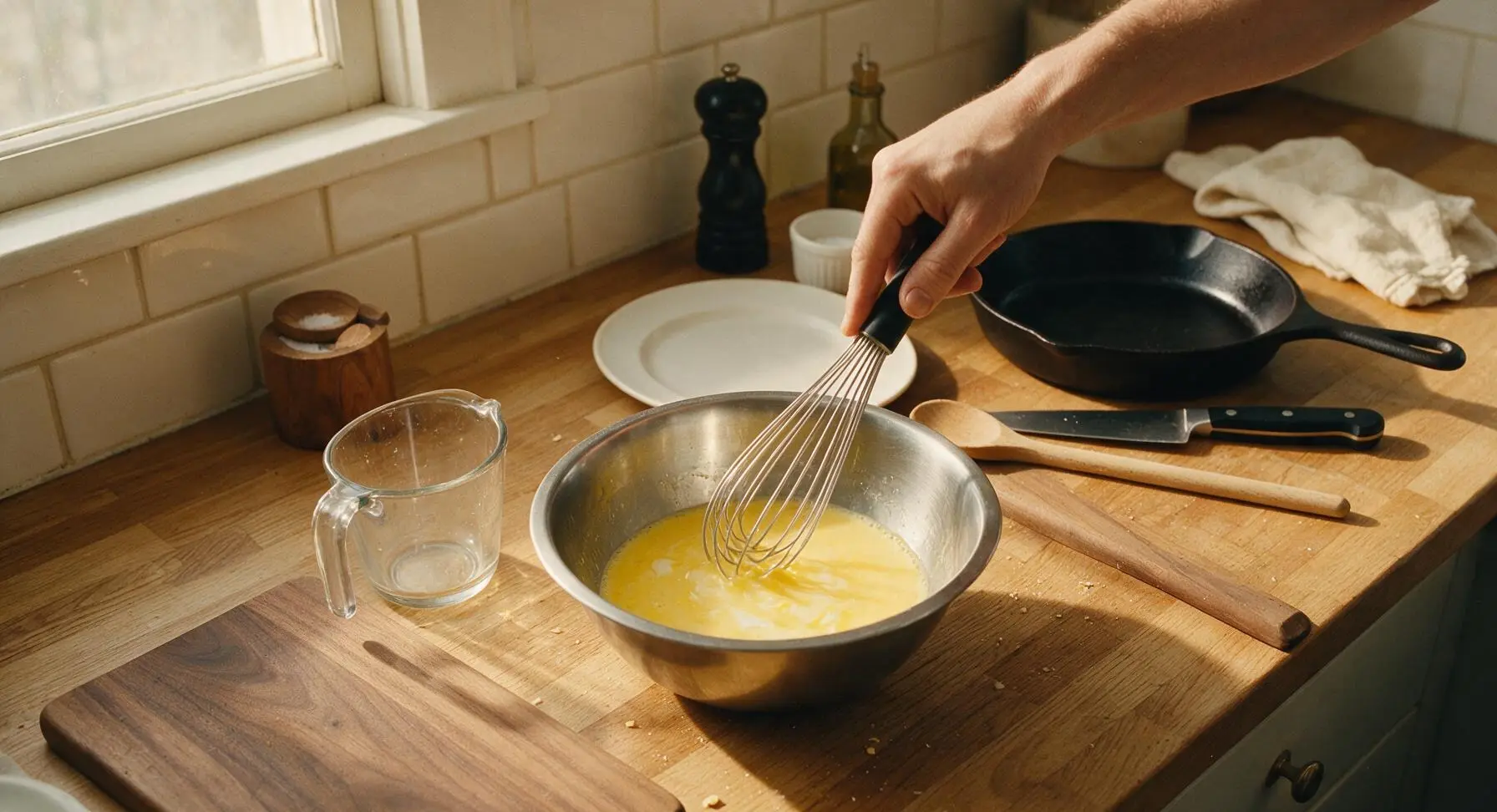
Whisk Eggs With Milk

Pour 2 tablespoons of whole milk from the glass measuring cup into the mixing bowl with the cracked eggs. Hold the whisk firmly, and beat the egg and milk mixture for 30-45 seconds until the yolks and whites are fully combined, the mixture is a uniform pale yellow, and no streaks of clear egg white remain. Avoid over-whisking to the point of creating large frothy bubbles on the surface, as this can create tough, dry cooked eggs.
Step 2
step2:Whisk Eggs With Milk
3

Melt Butter In Pan

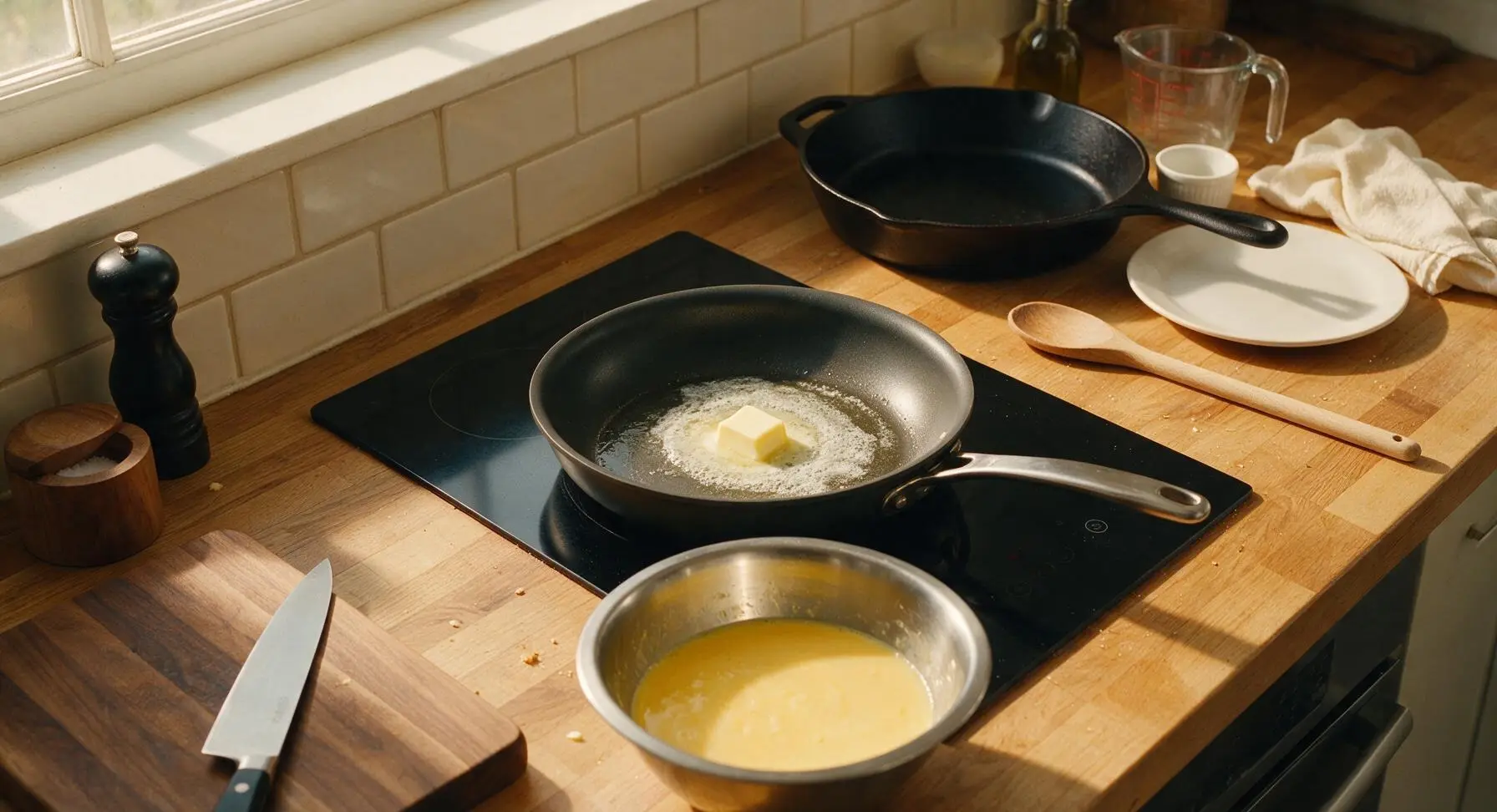
Place the 10-inch nonstick skillet on the center of the matte black induction cooktop, set heat to medium-low (300°F / 150°C). Add 1 tablespoon of unsalted butter to the pan, and allow it to melt fully over 1-2 minutes, swirling the pan occasionally to coat the entire bottom surface. The butter should foam slightly but not turn golden brown; if it starts to brown, reduce heat immediately to avoid a nutty, burnt flavor.
Step 3
step3:Melt Butter In Pan
4

Pour Eggs Into Skillet

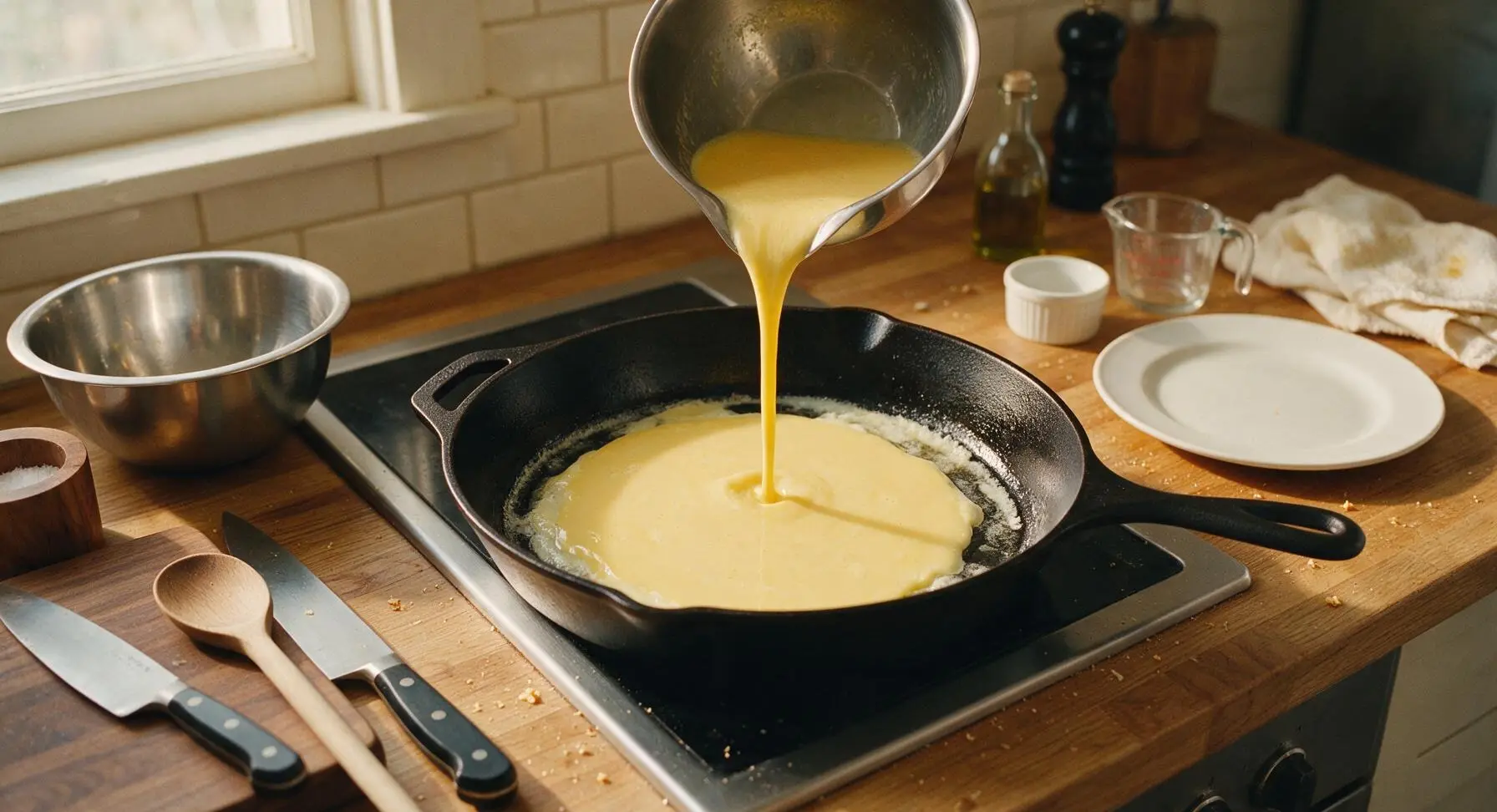
Once the butter is fully melted and foaming has subsided, slowly pour the entire whisked egg and milk mixture into the center of the skillet. Let the eggs sit undisturbed for 15-20 seconds, until the edges of the egg mixture just start to set and turn opaque pale yellow around the pan perimeter.
Step 4
step4:Pour Eggs Into Skillet
5

Stir To Form Curds

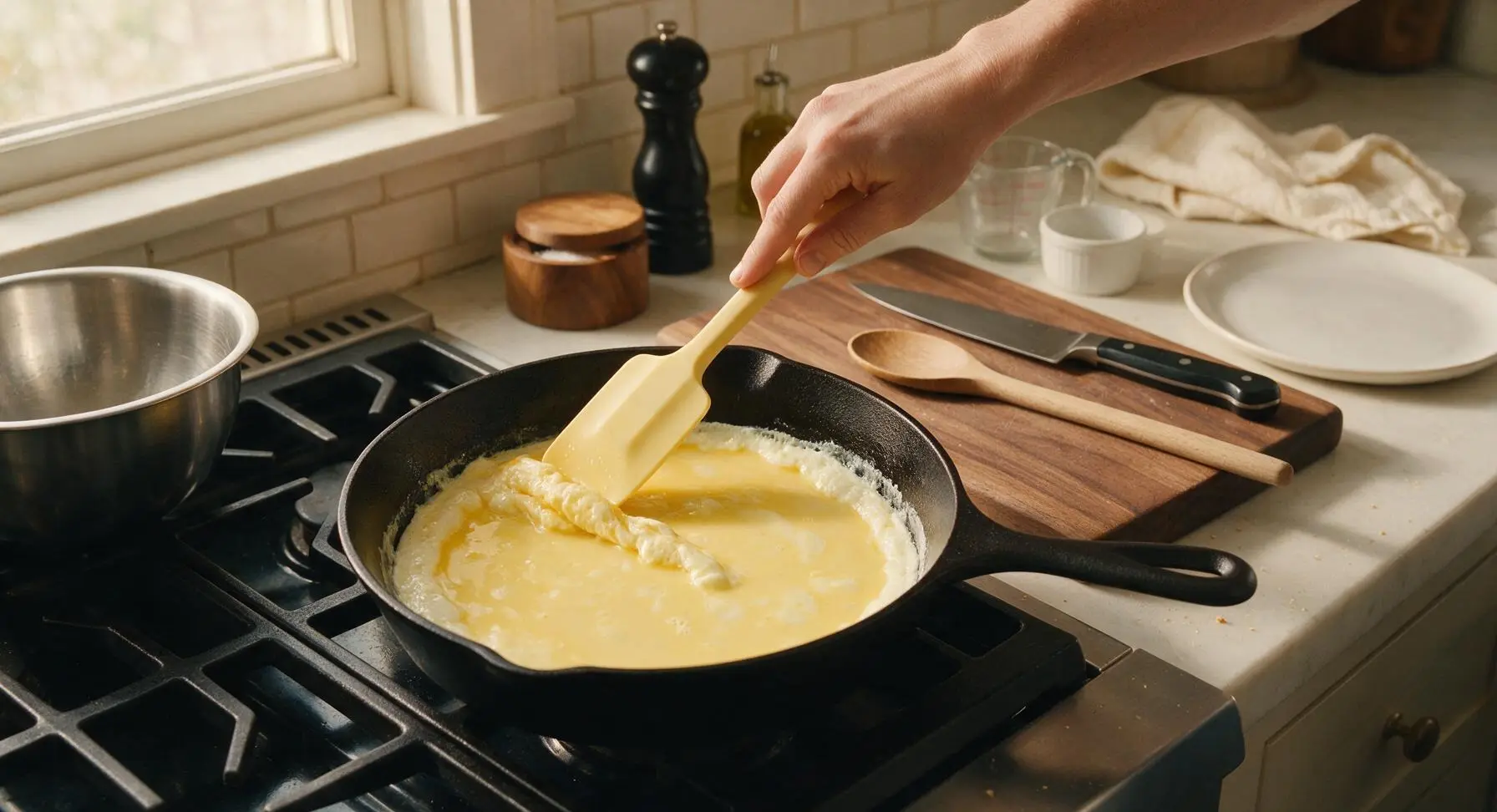
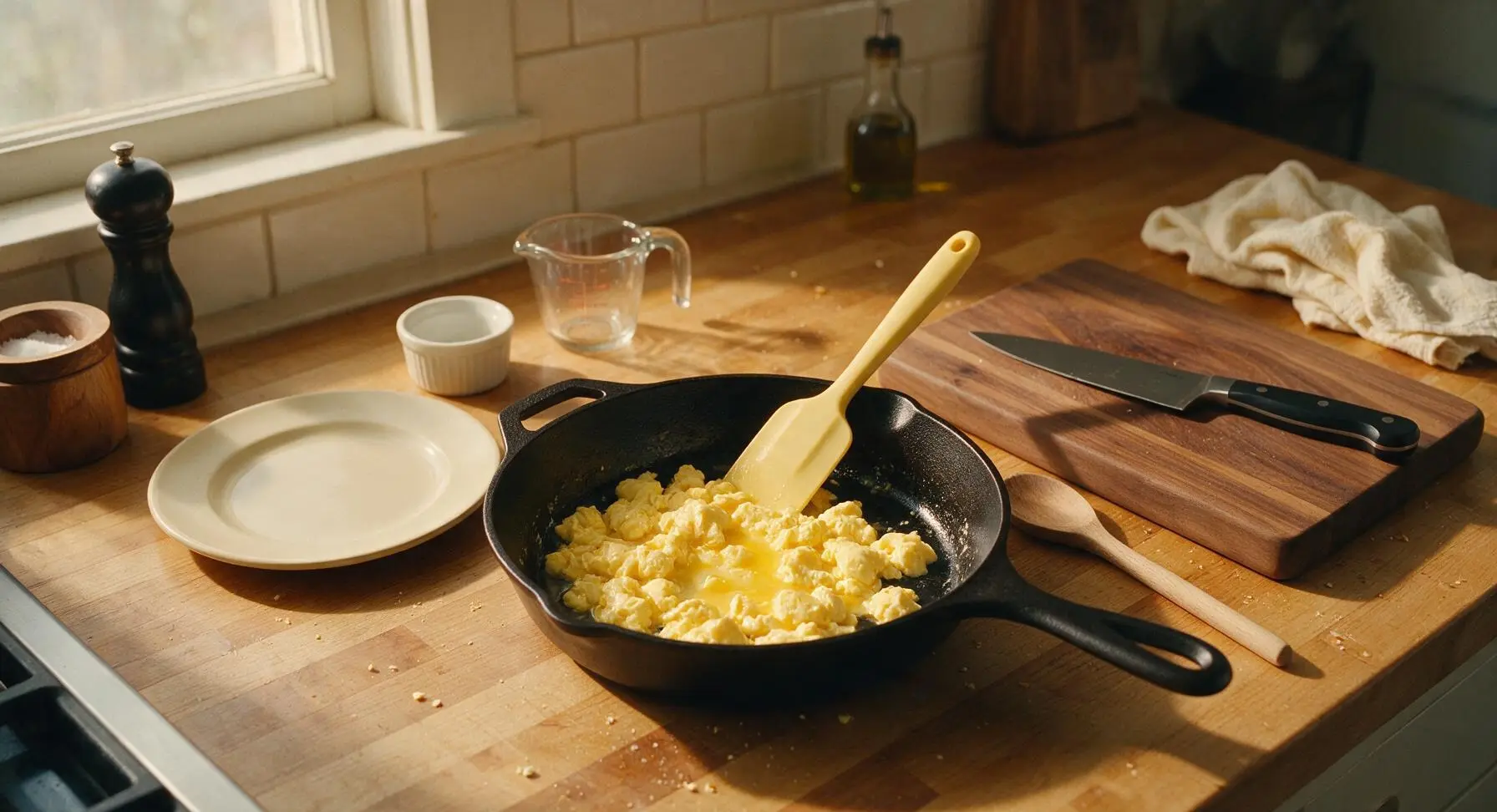
Use the pale yellow silicone spatula to gently push the set edges of the egg toward the center of the pan, tilting the pan slightly to let uncooked runny egg flow into the empty spaces left by the pushed curds. Repeat this slow pushing and tilting motion every 10-15 seconds, scraping the bottom of the pan as you go, for 2 full minutes. Small, soft, pale yellow curds will start to form as the eggs cook, with runny egg remaining between clumps.
Step 5
step5:Stir To Form Curds
Step 5
step5:Stir To Form Curds
6

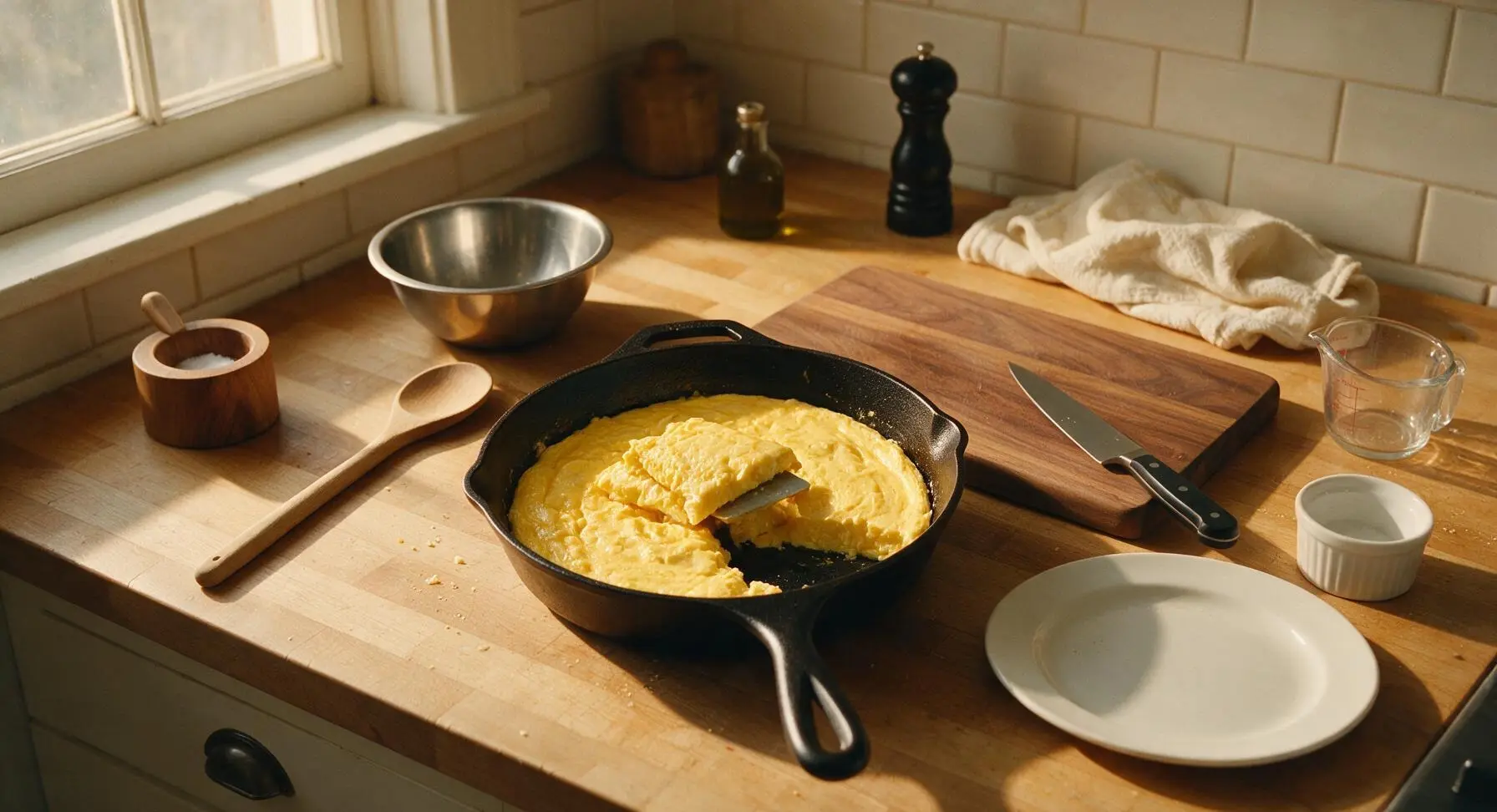
Cook To Firm Set

Continue cooking and stirring the eggs gently, breaking up any larger curds into bite-sized pieces with the edge of the spatula, for another 2-3 minutes. Cook until no visible runny liquid remains in the pan, and curds are fully firm, matte golden yellow, with no translucent sections. For true hard scrambled eggs, do not remove the pan while any wet, glossy uncooked egg remains, but stop cooking before curds turn dry, crumbly, or develop browned edges.
Step 6
step6:Cook To Firm Set
7

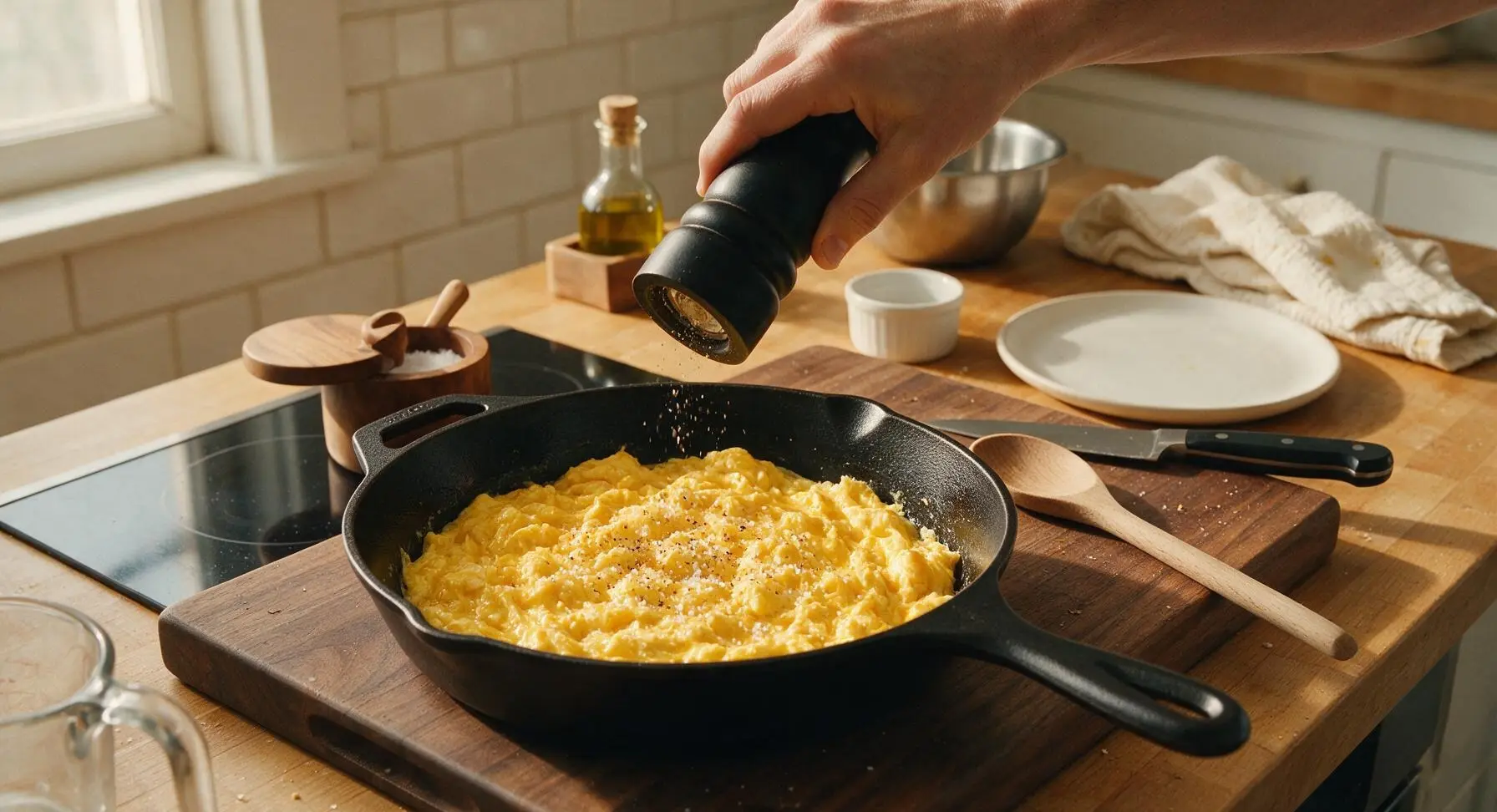
Season Eggs To Taste

Turn off the heat on the induction cooktop. Sprinkle the 1/4 teaspoon kosher salt and 1/8 teaspoon freshly ground black pepper evenly across the cooked egg curds, then stir gently with the spatula to distribute the seasonings evenly. Taste a small curd, and add a pinch more salt if needed to bring out the egg flavor.
Step 7
step7:Season Eggs To Taste
8

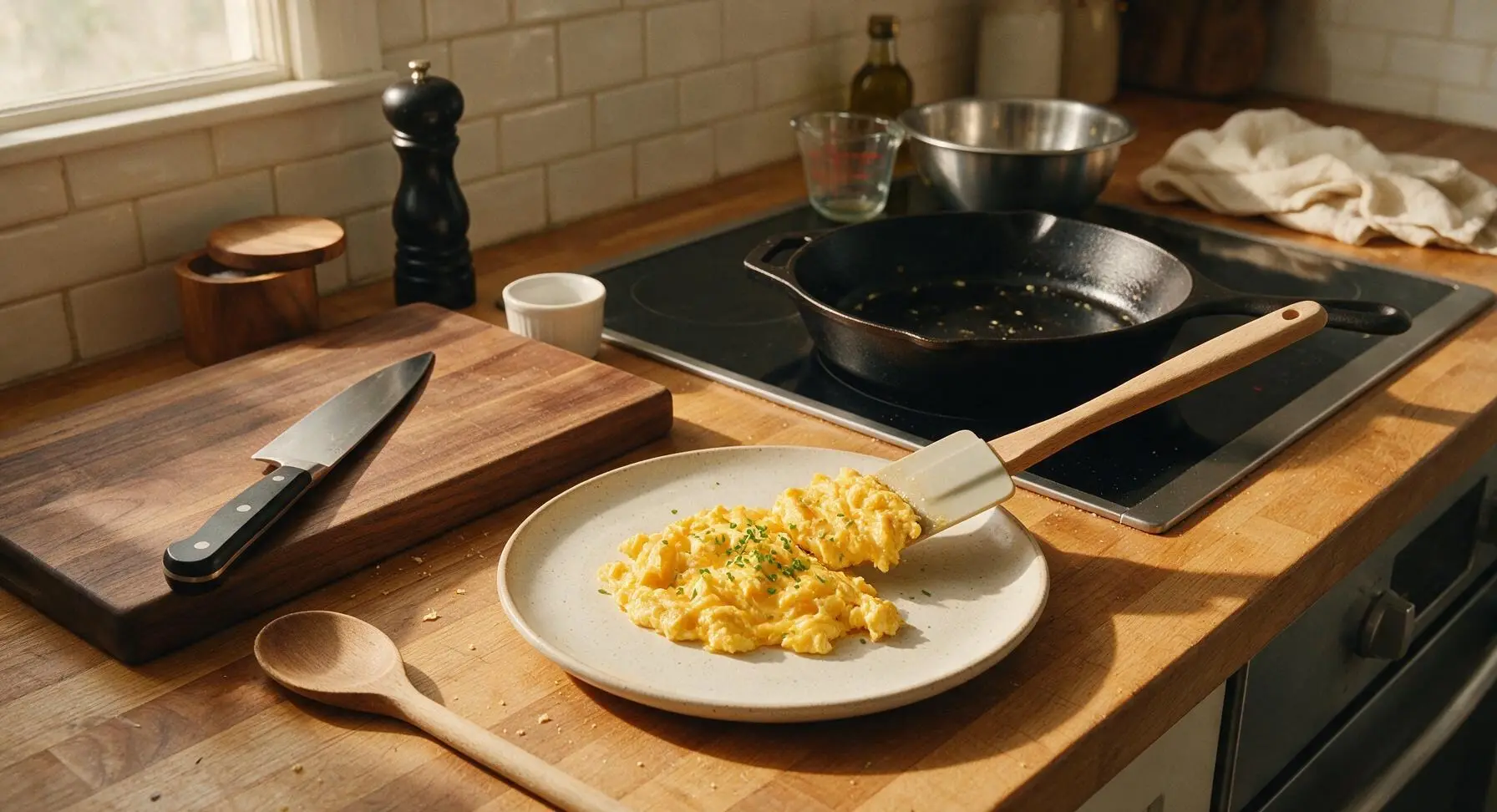
Plate And Garnish Eggs

Use the silicone spatula to transfer all the cooked scrambled eggs from the skillet to the center of the off-white speckled ceramic breakfast plate. Sprinkle the top with 1 teaspoon of finely chopped fresh chives for a bright, mild onion flavor. Serve immediately while eggs are hot, as they will continue to cook slightly from residual heat if left in the pan.
Step 8
step8:Plate And Garnish Eggs

Tips

1.Stick to medium-low heat for the entire cook time: High heat causes egg proteins to seize up quickly, resulting in tough, rubbery, dry curds with browned edges. Medium-low heat (300°F / 150°C) lets eggs cook evenly to a firm set without drying out, even for fully cooked hard scrambled eggs.
2.Wait to add salt until eggs are nearly finished cooking: When salt is mixed into raw egg, it breaks down delicate protein bonds, leading to watery, loose curds that don’t hold their shape. Adding salt once curds are fully formed ensures even seasoning without ruining texture.
3.Adjust liquid for your preferred texture: The 2 tablespoons of milk creates lighter, fluffier curds, but if you prefer the denser, firmer texture of classic diner-style hard scrambled eggs, replace the milk with 1 tablespoon of cold unsalted butter cut into small pieces, added to the eggs right before pouring into the pan for extra richness without thinning curds.
✨ You May Also Like

Breakfast
🍜 United States

Crisp-edged, fluffy lard griddle cakes are a nostalgic homestyle staple, with rich savoriness from rendered lard, perfect topped with maple syrup or savory gravy.

⏱️ 25 minuteBreakfast ★ 4.8
Breakfast
🍜 United States

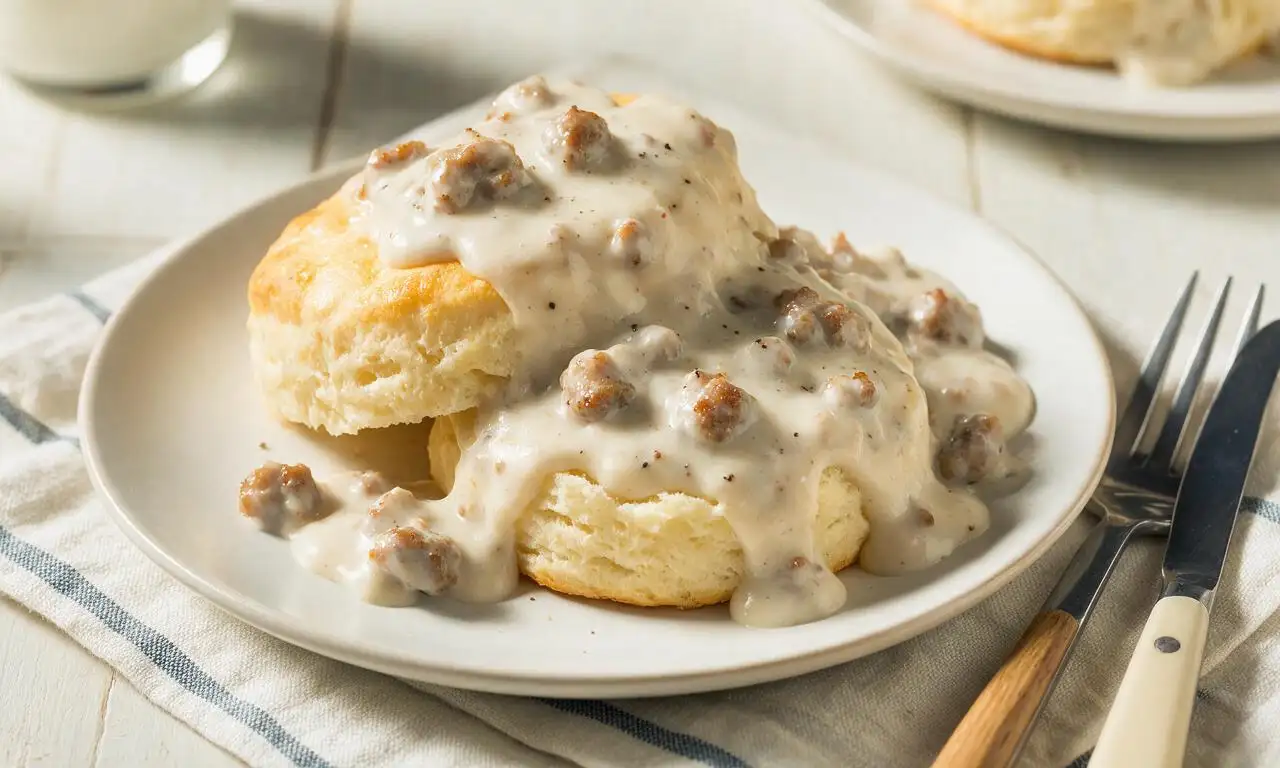
Flaky, buttery homemade buttermilk biscuits smothered in creamy, peppery pork sausage gravy: a beloved, hearty Southern American comfort food classic.

⏱️ 35 minuteBreakfast ★ 4.8
Breakfast
🍜 United States

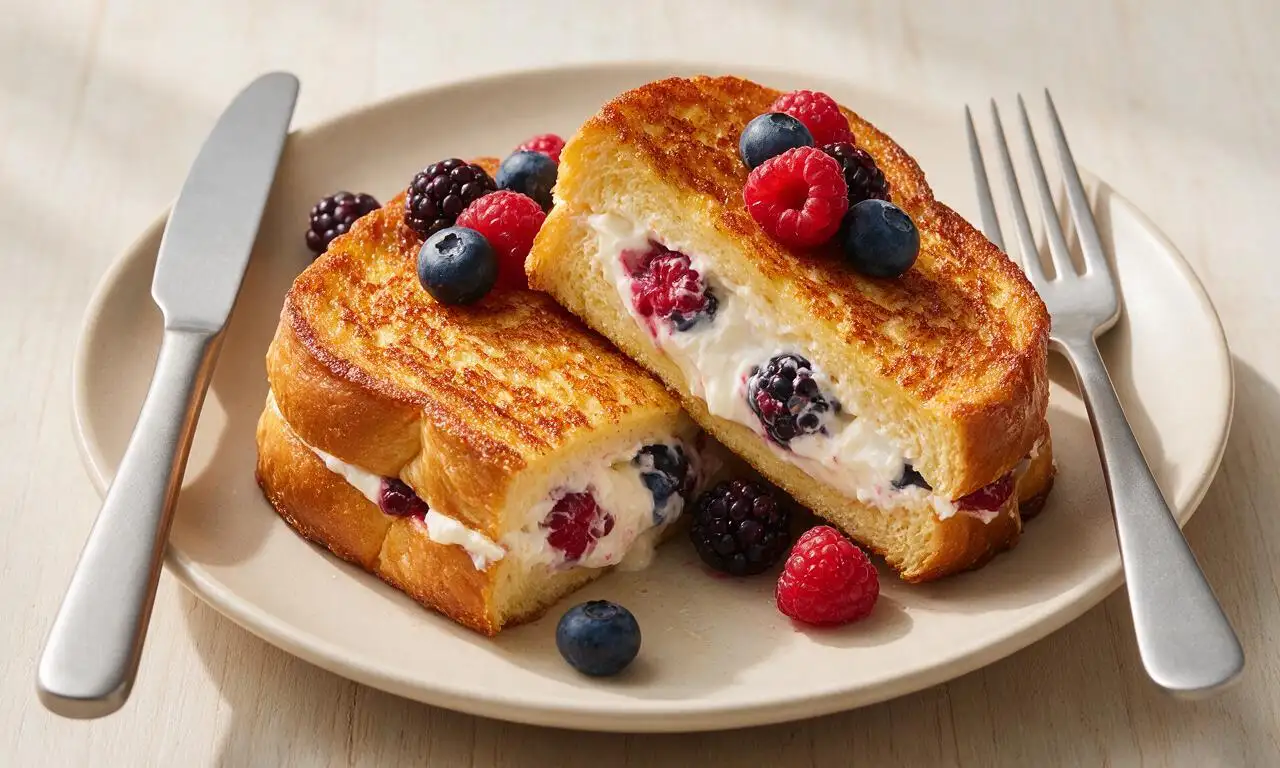
Golden, custardy brioche stuffed with sweet cream cheese and fresh berries, pan-fried to crisp perfection. An indulgent, cozy breakfast perfect for slow weekend mornings.

⏱️ 30 minuteBreakfast ★ 4.7
Breakfast
🍜 United States

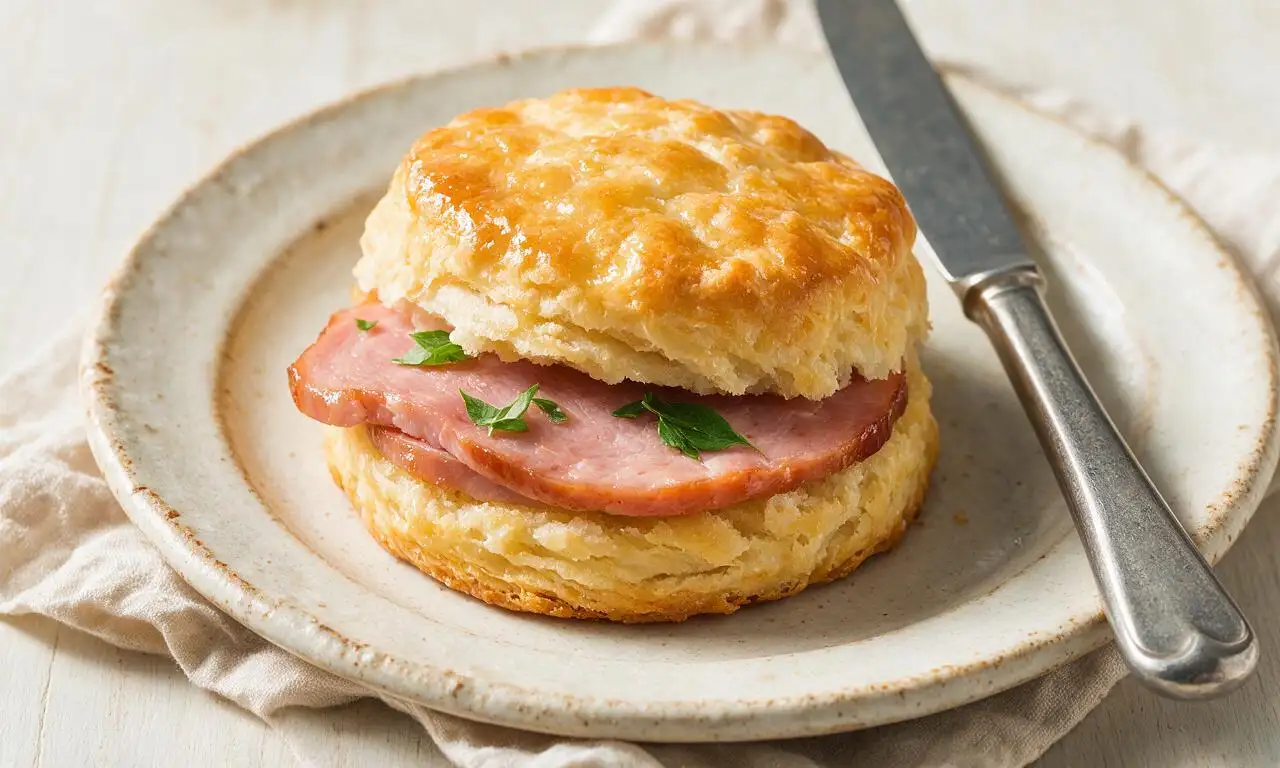
Flaky, buttery Southern-style biscuits stuffed with savory salty country ham, a portable, satisfying classic perfect for casual on-the-go meals.

⏱️ 25 minuteBreakfast ★ 4.8
Breakfast
🍜 United States

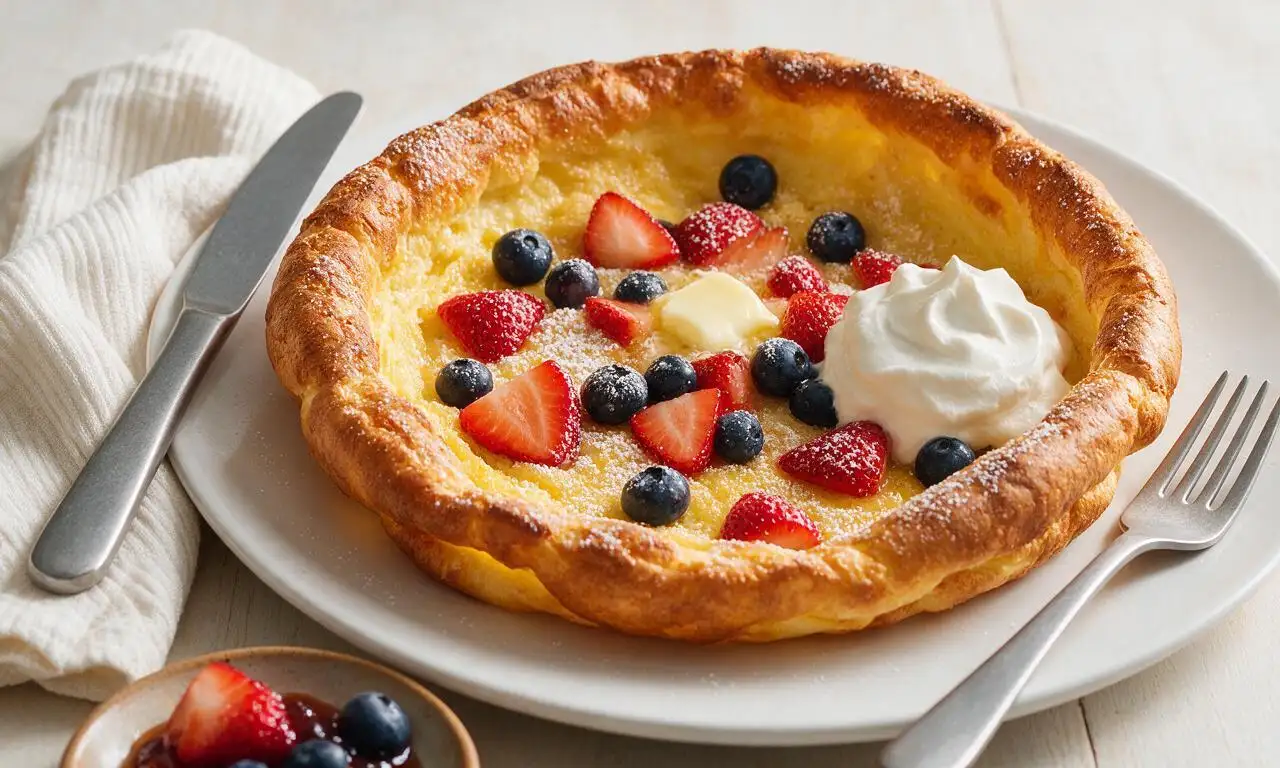
Iconic puffy baked pancake popularized in Seattle, with crisp golden edges and soft custardy center, served warm with classic sweet toppings.

⏱️ 35 minuteBreakfast ★ 4.6
Breakfast
🍜 United States

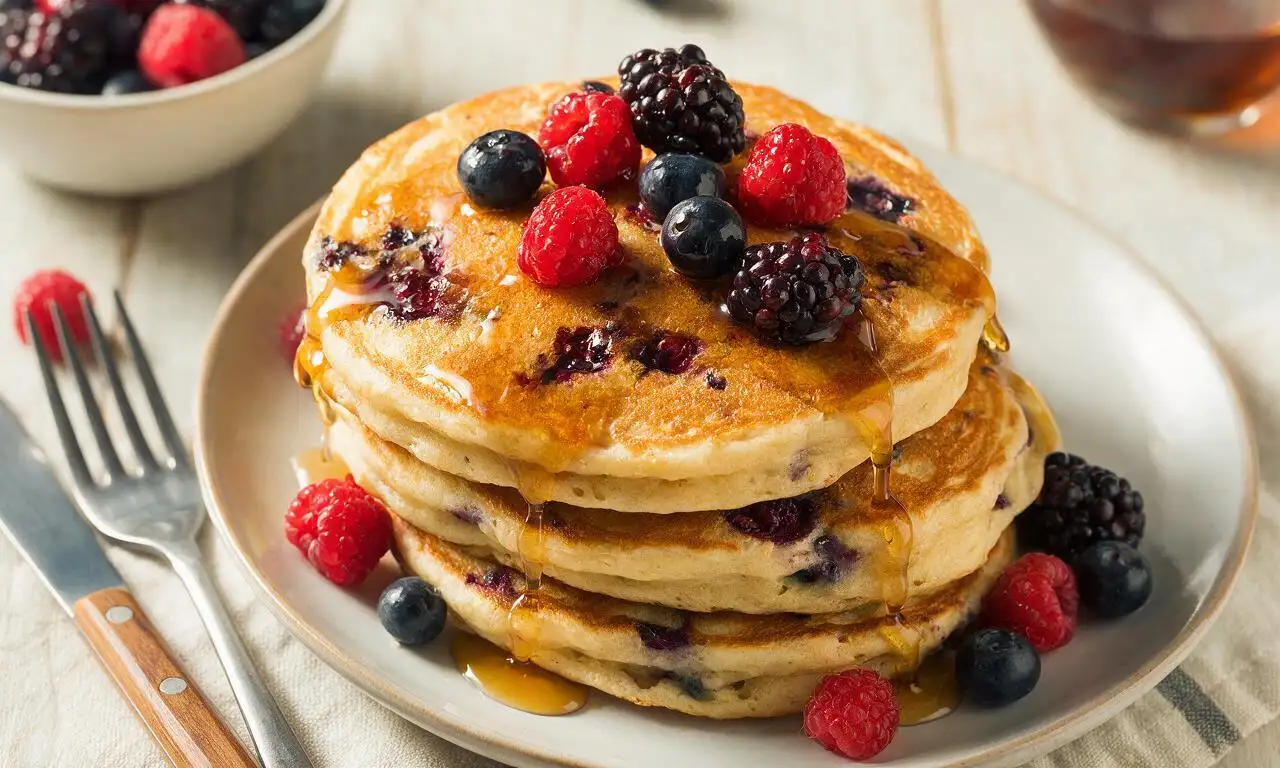
Fluffy, golden pancakes studded with juicy peak-summer mixed berries, drizzled with maple syrup for a bright, comforting, crowd-pleasing family breakfast.

⏱️ 25 minuteBreakfast ★ 4.7

Hard Scrambled Eggs:Frequently Asked Questions

1.What exactly makes hard scrambled eggs different from soft scrambled eggs? ▾
Hard scrambled eggs are fully set with no runny, wet curds for that classic, satisfying diner-style bite, unlike soft scrambled eggs which are intentionally undercooked to be creamy, loose, and almost spreadable. This recipe cooks curds just long enough to eliminate runniness without drying them out, for a firm but tender finish.
2.Do I have to use whole milk for this recipe, or can I use a substitute? ▾
Whole milk adds subtle, balanced creaminess without thinning eggs out too much, thanks to its higher fat content. You can skip milk entirely for denser, richer eggs if you prefer, but avoid skim or low-fat milk—their high water content can make curds soggy, rubbery, or watery as they cook.
3.What heat level is best to avoid tough, rubbery hard scrambled eggs? ▾
Always use medium-low heat, no higher! High heat shocks egg proteins, making them seize up instantly into tough, chewy curds that leak that unappetizing pale watery liquid on your plate. Medium-low heat lets you build even, golden firm curds slowly while locking in that tender, buttery texture.
4.When should I add salt to get evenly seasoned eggs without sogginess? ▾
Add your coarse kosher salt right as you pour the whisked eggs into the buttered pan. Salting eggs 10+ minutes before cooking breaks down proteins and leads to watery curds, while salting at the very end leaves seasoning only on the surface. Mid-pour salting lets flavor distribute evenly through every bite.
5.How much butter should I use, and can I swap it for oil? ▾
Use 1 tablespoon of unsalted butter per 3 large eggs for that classic rich, diner-style flavor. You can swap for a neutral oil like canola or avocado if you need a dairy-free option, but butter adds that signature nutty, savory note that makes simple scrambled eggs feel indulgent, and keeps curds from sticking to the pan.
6.How long should I whisk the eggs before adding them to the pan? ▾
Whisk just until yolks and whites are fully combined with the milk, with no streaks of clear white left—about 20 to 30 seconds. Don’t over-whisk until the mixture is frothy, because that incorporates too much air, which can make eggs turn puffy then deflate into a dry, crumbly texture as they cook.
7.How do I know when the eggs are done, so I don’t undercook or overcook them? ▾
Pull the eggs off heat when all curds are fully set, opaque golden yellow, with no visible runny liquid left in the pan—this takes about 3 to 4 minutes total on medium-low heat. Remember that eggs keep cooking for a minute from residual heat, so don’t wait until they look dry to take them off the burner.
8.Should I stir the eggs constantly, or let them sit in the pan? ▾
Push curds gently across the pan every 10 to 15 seconds with a silicone spatula, rather than stirring nonstop or leaving them completely untouched. This lets large, tender, firm curds form instead of tiny, crumbly bits, and ensures no part of the egg sits too long against the hot pan and burns.
9.Why do my scrambled eggs sometimes turn out watery, even when I cook them long enough? ▾
Watery eggs usually come from one of three common mistakes: using too-high heat, adding too much low-fat milk or water, or salting eggs too far in advance of cooking. Sticking to medium-low heat, using 1 teaspoon of whole milk per egg, and salting in the pan will fix this issue almost every time.
10.Can I add mix-ins like cheese, veggies, or ham to these hard scrambled eggs? ▾
Absolutely! Cook any raw veggies or diced meat first in the pan before adding eggs, so they don’t release excess water into your curds. Add shredded cheese during the last 30 seconds of cooking so it melts evenly without making eggs greasy, and cut back on added salt if using salty add-ins like cured ham.
11.How many eggs should I plan per person for a standard serving? ▾
Plan on 2 to 3 large eggs per adult serving, depending on what you’re serving alongside them. If eggs are the main part of a hearty breakfast with toast and potatoes, 3 per person works well; if they’re a light side alongside pancakes or bacon, 2 per person is the perfect portion.
12.Why use freshly ground black pepper instead of pre-ground pepper for this recipe? ▾
Freshly ground black pepper has a bright, sharp, aromatic flavor that tastes far better than flat, dusty pre-ground pepper that loses its punch after months in a pantry. You only need a light pinch per serving to add that subtle warm kick that balances the rich, buttery egg flavor perfectly.

Comments (7)

2 days ago

OMG I have been messing up hard scrambled eggs for YEARS, they always turn out rubbery or weirdly watery? Followed this exactly, 5 minutes total, and they came out fluffy but fully set, no snotty bits at all. My kids devoured two servings each before I even got my own plate! Game changer for weekday breakfast meal prep.

yesterday

Wait did you use the low heat the whole time like it says? I tried cranking it up last time and still messed them up, wondering if I need to be patient lol

yesterday

Great question! Low to medium-low heat the entire time is key here - high heat is what makes eggs turn rubbery super fast. If you keep the temp gentle and stir slowly, you’ll get perfect set eggs every time!

3 days ago

Super easy recipe, threw these together on Sunday to portion out for breakfast wraps all week. Held up great in the fridge, didn’t get that weird chalky texture leftover scrambled eggs usually get. Will be making this every week from now on. SO good.

2 hours ago

Took me longer than 5 minutes? Wait I think my stove runs hot, so I had to turn it down, but the end result was way better than my usual burnt scramble. Only thing I added was a little pinch of garlic powder, chef’s kiss.

30 minutes ago

So glad you adjusted for your stove! Every range runs a little differently, so tweaking heat to match is always a smart move. Garlic powder sounds like a delicious add-in, I’ll have to try that myself!

1 week ago

Made these for our neighborhood potluck brunch last weekend, people were asking me for the recipe left and right! I thought hard scrambled eggs were boring until I tried this method, they’re so creamy even when they’re fully cooked. 10/10 no notes.

5 days ago

Did you make a big batch in one pan or cook them in smaller groups? I need to make these for 12 people this weekend and don’t want to mess it up!

3 days ago

For a crowd that size, I recommend cooking in smaller 6-8 egg batches so you don’t overcrowd the pan! Crowding makes the eggs release too much water and get soggy, so smaller batches will keep that perfect texture for your group.

yesterday

Wait why did I think hard scrambled eggs needed milk? I’ve been adding a splash of milk my whole life and they always come out watery. Skipped it like the recipe says and they were perfect? Mind blown.

2 hours ago

Right?! I used to add half and half thinking it would make them creamier, turns out it just thins them out. The no-dairy trick is a total game changer for real.

30 minutes ago

Perfect for my high protein meal plan, no fancy ingredients, super quick to make before my morning workout. I toss a little hot sauce on top and it’s chef’s kiss, zero fuss. Way better than the sad egg patties I used to make in the microwave.

5 minutes ago

Guys I can barely boil water without burning it, and I made these perfectly on my first try? The instructions are so straightforward, no weird steps, I felt like a real adult making actual good breakfast for once lmao. Only thing is I added a little too much salt, oops, next time I’ll go lighter.

just now

So proud of you! Everyone starts somewhere, and nailing scrambled eggs is such a great first cooking win. Next time go light on the salt and taste as you go, and you’ll be golden. Can’t wait to hear what you cook next!