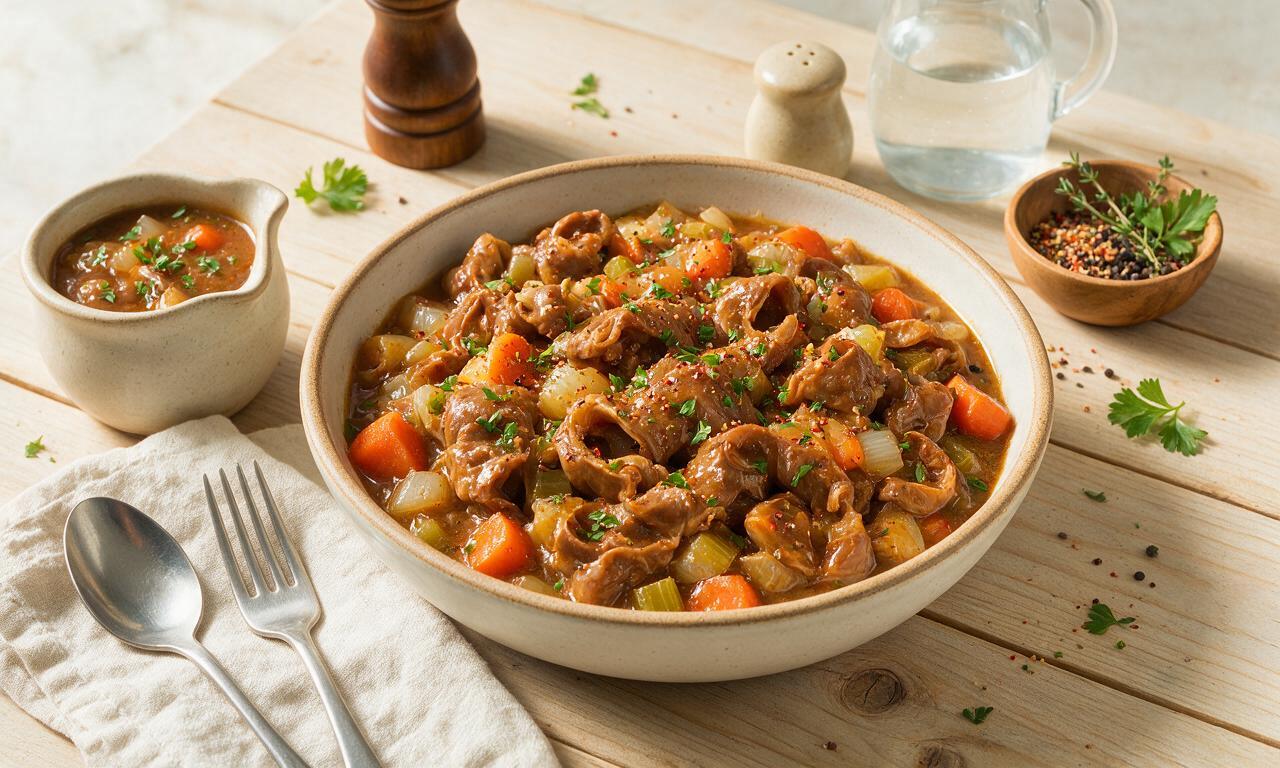
Hog Maws

Hog Maws
⏱️ cook time 2 hours 50 minutes
🍽️ servings 4
⚡ Difficulty medium

intro

Tender, rich slow-simmered hog maws, a classic soul food staple, seasoned with aromatic vegetables and spices for a deeply comforting, hearty meal.

Ingredients

Hog maws (pig stomach) 900 grams (2 lbs)
Smoked pork hock 225 grams (8 oz)
White vinegar 120 ml (1/2 cup)
Kosher salt 3 tablespoons, divided
Cold water (for parboiling) 2 liters
Yellow onion 200 grams (1 large, diced)
Celery 120 grams (2 stalks, diced)
Green bell pepper 150 grams (1 medium, diced)
Garlic 12 grams (4 cloves, minced)
Smoked paprika 1 tablespoon
Ground black pepper 1 teaspoon
Dried thyme 1 teaspoon
Bay leaves 2 whole
Low-sodium chicken broth 1 liter (4 cups)

Steps

1

Clean Raw Hog Maws

Place 900 grams raw hog maws in a large colander set in the kitchen sink. Rinse thoroughly under cold running water, then rub all inner and outer surfaces with 2 tablespoons of kosher salt and 120 ml white vinegar, scrubbing firmly to remove residual debris, excess fat, and discolored patches. Rinse repeatedly until the runoff water is completely clear, then cut the cleaned maws into 5 cm (2-inch) square pieces. This prep step takes approximately 15 minutes.
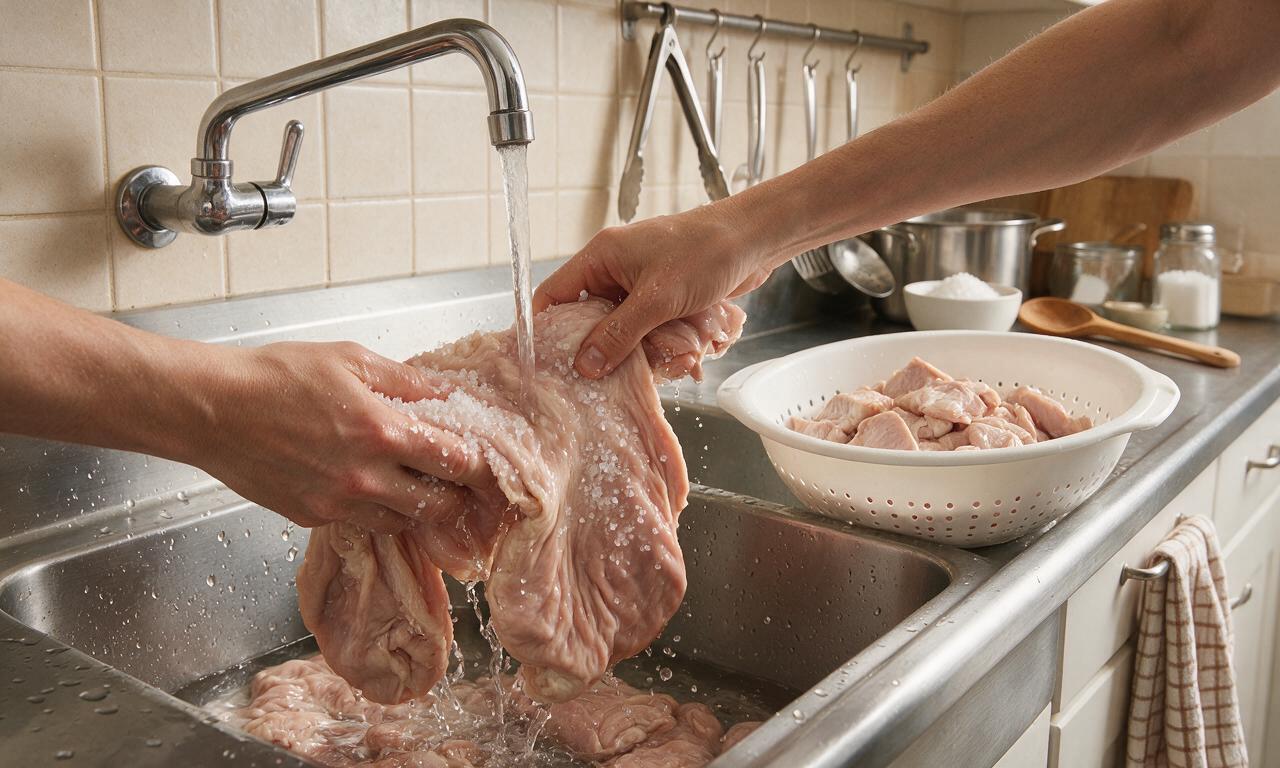
Step 1
step1:Clean Raw Hog Maws
2

Parboil Hog Maw Pieces

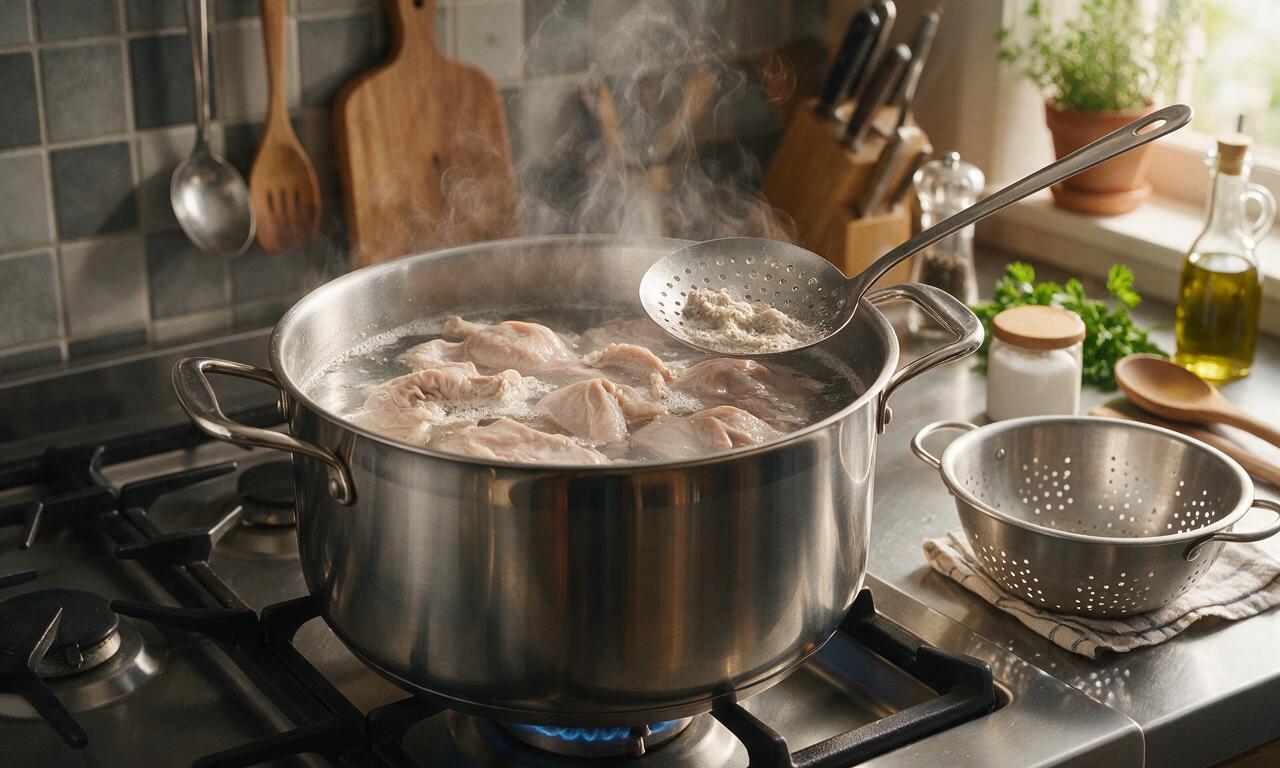
Transfer the cut hog maw pieces to a large 8-quart stockpot, cover with 2 liters of cold water, and add 1/2 tablespoon kosher salt and 1 bay leaf. Bring to a full rolling boil over high heat, then reduce heat to medium-low to maintain a steady, gentle simmer. Cover partially and cook for 25 minutes, skimming any gray foam that rises to the surface as needed. Drain the parboiled maws in a colander, discard the cooking water and used bay leaf, and rinse the pieces with warm water to wash away any remaining foam.
Step 2
step2:Parboil Hog Maw Pieces
3

Sauté Aromatic Vegetables

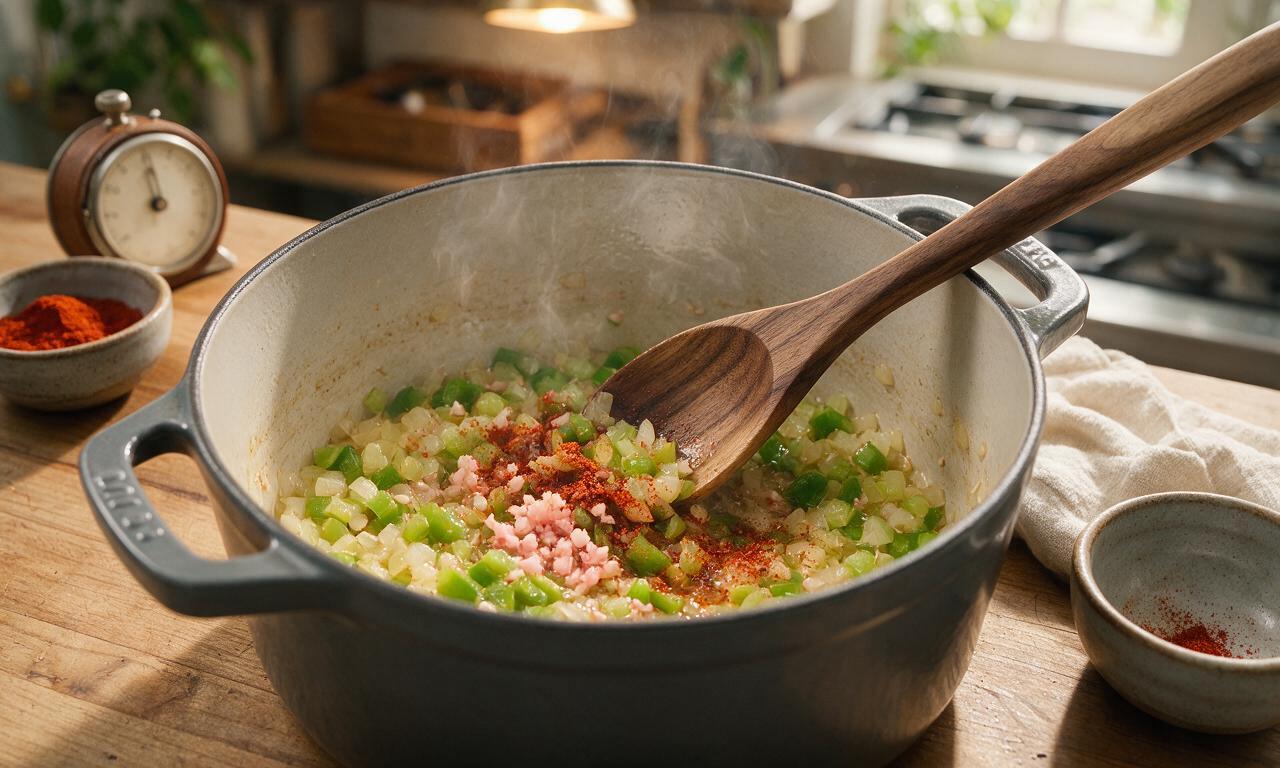
Return the empty stockpot to the stovetop over medium heat (no extra oil is needed, as residual fat from the maws will coat the pot). Add the diced 200g yellow onion, 120g celery, and 150g green bell pepper, and sauté for 8 minutes until the vegetables are soft and translucent. Add the 12g minced garlic, 1 tablespoon smoked paprika, 1 teaspoon black pepper, and 1 teaspoon dried thyme, and cook for 1 additional minute, stirring constantly, until the spices release a rich, fragrant aroma.
Step 3
step3:Sauté Aromatic Vegetables
4

Combine and Simmer Ingredients

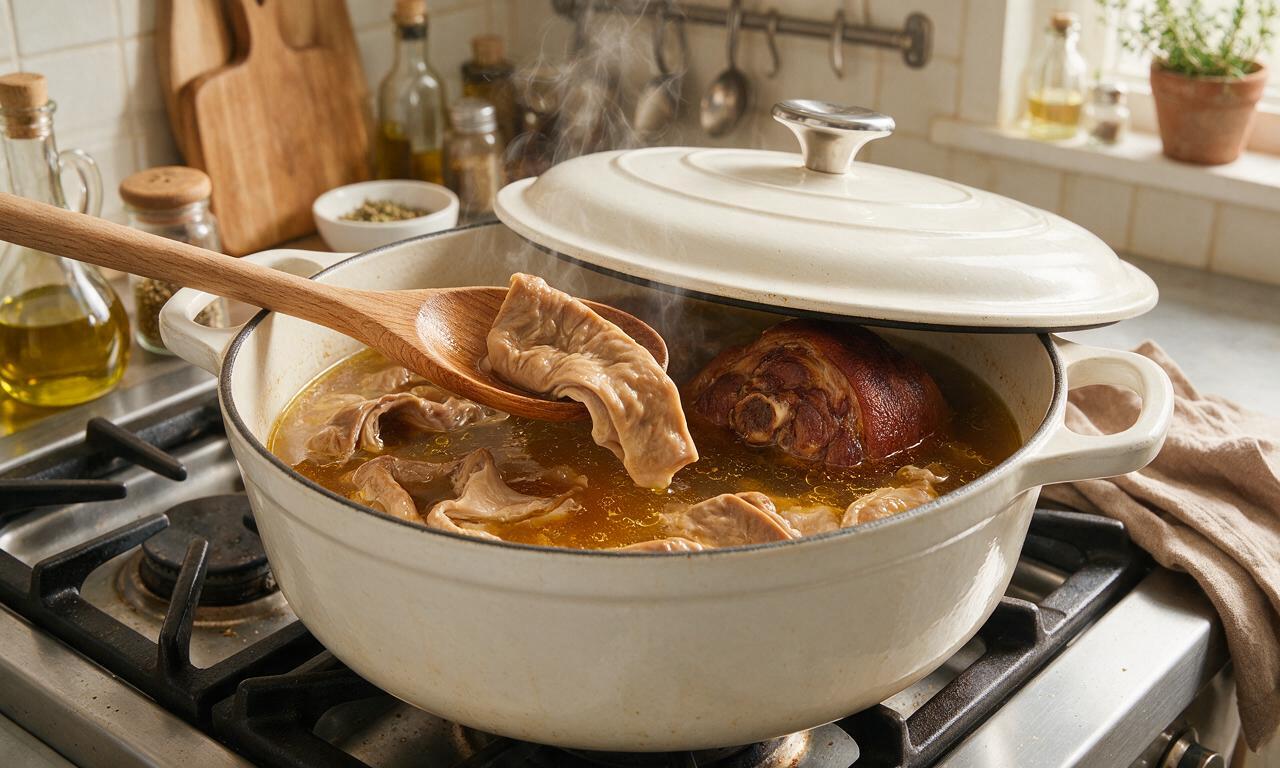
Add the parboiled hog maw pieces, 225g smoked pork hock, remaining 1 bay leaf, and 1 liter low-sodium chicken broth to the pot with the sautéed vegetables. Stir well to combine all ingredients, then bring the liquid to a gentle simmer over medium heat. Once simmering, reduce heat to the lowest setting, cover the pot with a tight-fitting lid, and cook for 1 hour 45 minutes, stirring the pot every 30 minutes to prevent sticking, until the maws are pierceable with a fork with minimal resistance.
Step 4
step4:Combine and Simmer Ingredients
5

Pick Smoked Hock Meat

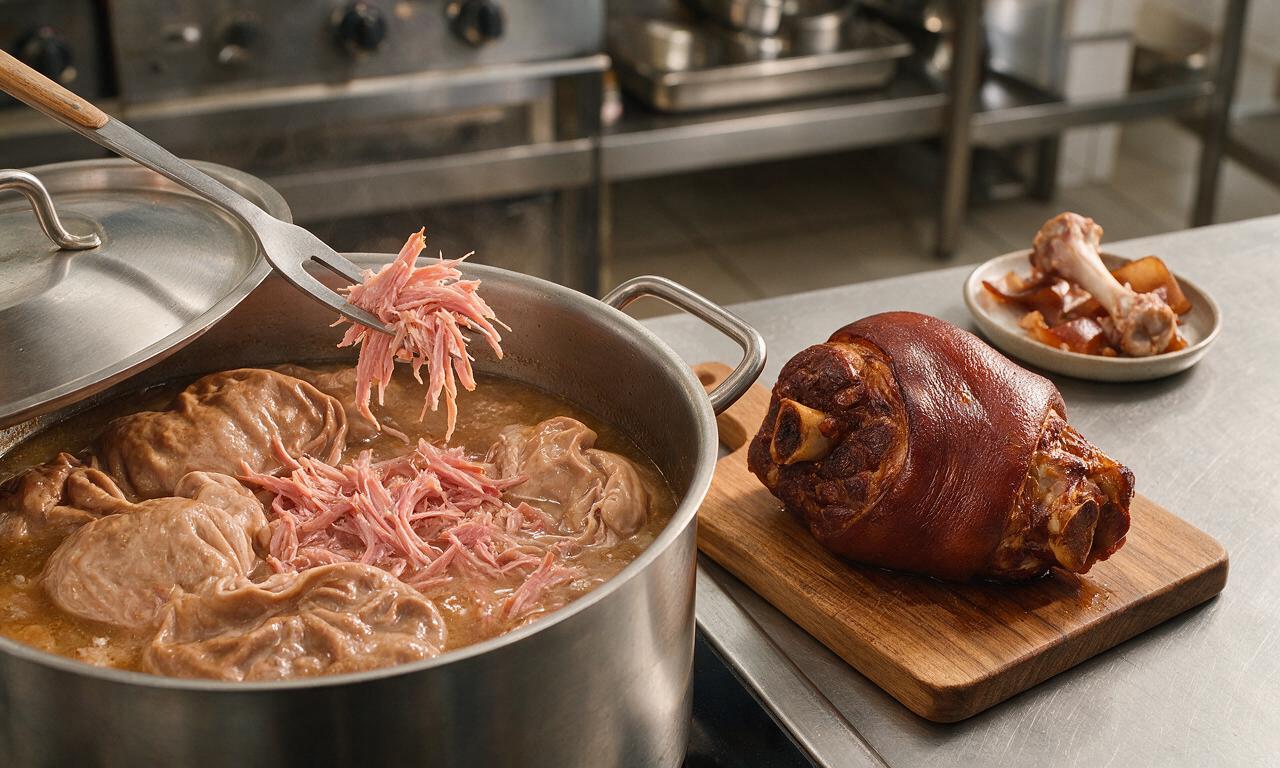
After the 1 hour 45 minute simmer, use tongs to remove the smoked pork hock from the pot. Let it cool for 5 minutes, then pull off all tender edible meat, discarding the bone, tough skin, and excess fat. Return the pulled smoked pork meat to the pot, stir to combine, then taste the broth and maws, adding up to 1/2 teaspoon additional kosher salt if needed. Remove and discard the remaining bay leaf.
Step 5
step5:Pick Smoked Hock Meat
6

Rest and Serve Hog Maws

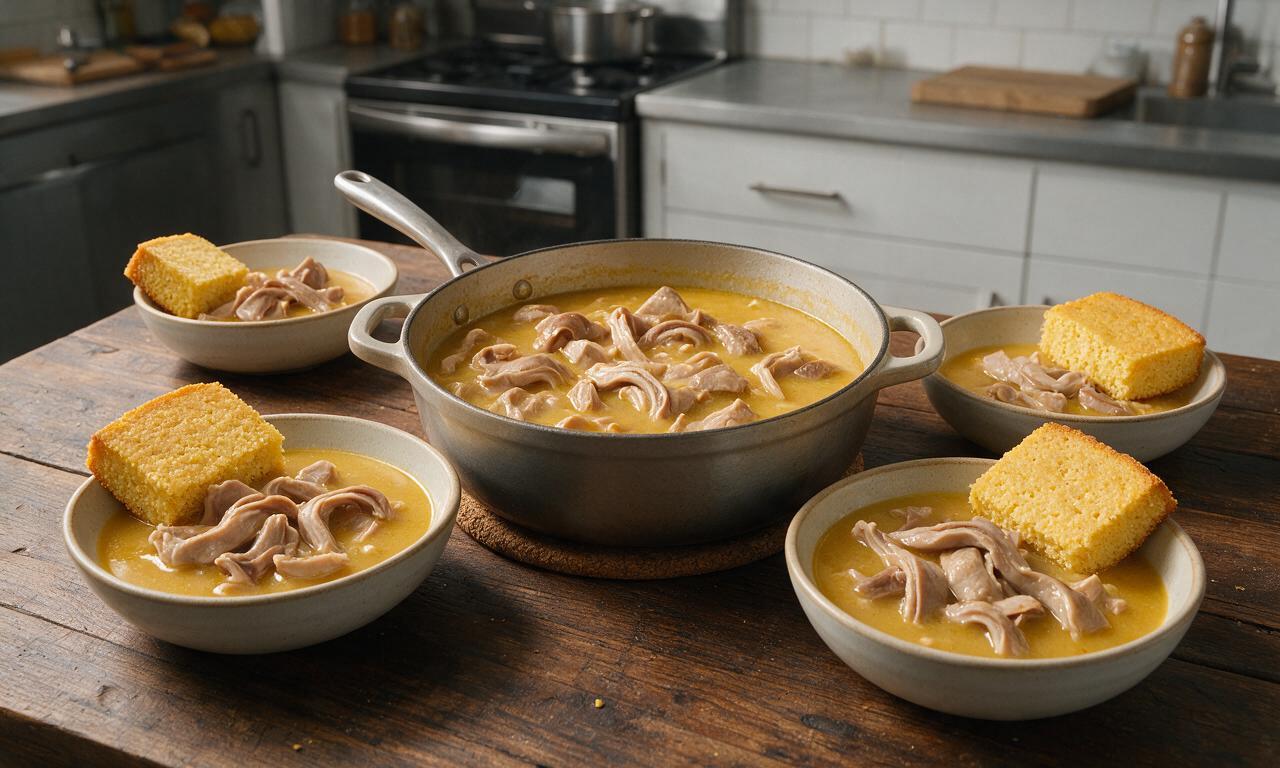
Turn off the stovetop heat, and let the hog maws rest uncovered for 10 minutes to allow the flavors to meld and the broth to thicken slightly. Serve hot, ladled into shallow bowls with a side of cornbread or collard greens if desired.
Step 6
step6:Rest and Serve Hog Maws

Tips

1.Never skip the salt-and-vinegar scrub and parboil steps: these are critical for removing the strong, gamey off-flavor that makes poorly prepped hog maws unpalatable.
2.Keep the cooking liquid at a very gentle simmer (not a rolling boil) during the long slow cook: high heat will make the maws tough and chewy instead of melt-in-your-mouth tender.
3.Leftover hog maws will keep in an airtight container in the refrigerator for up to 4 days, and the rich flavor deepens and improves after a day of resting.
✨ You May Also Like

Main Course
🍜 United Kingdom

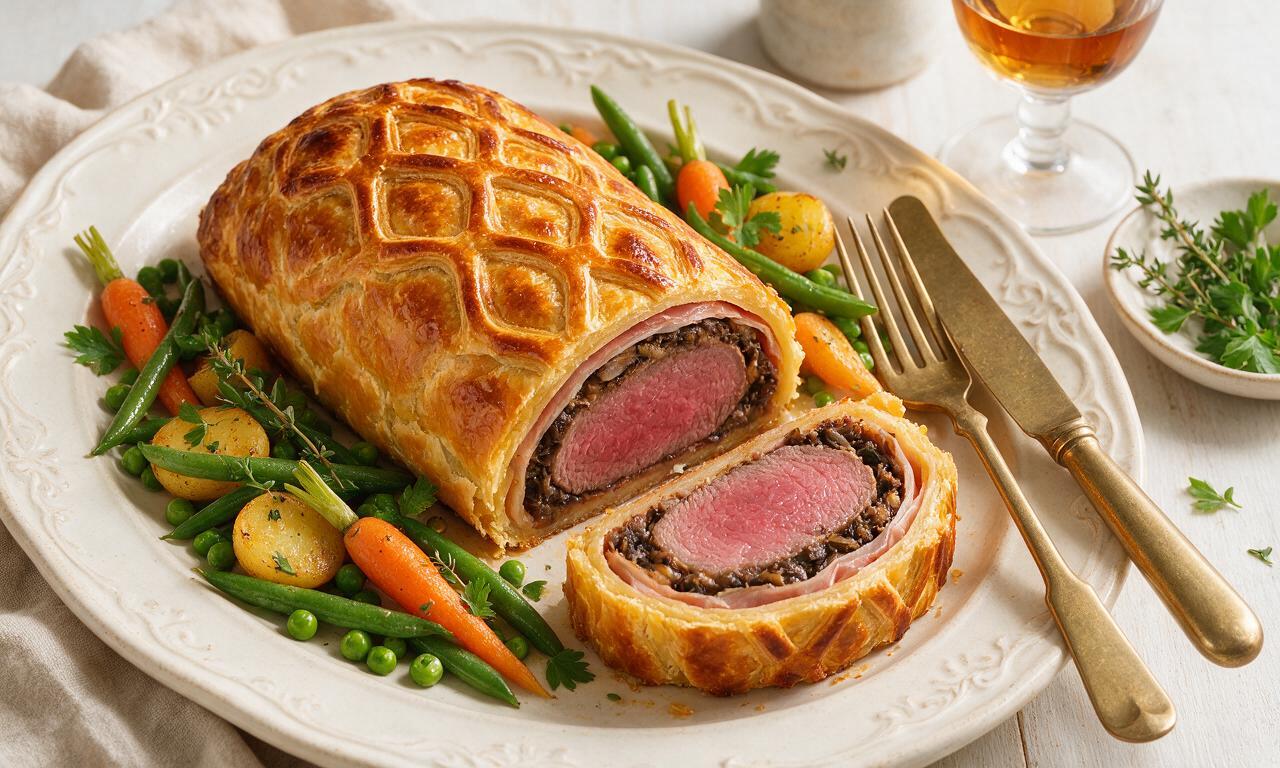
A showstopping classic of tender seared beef, savory mushroom duxelles, and crisp prosciutto wrapped in flaky golden puff pastry, baked to juicy perfection.

⏱️ 2 hours 1Main Course ★ 4.7
Main Course
🍜 India

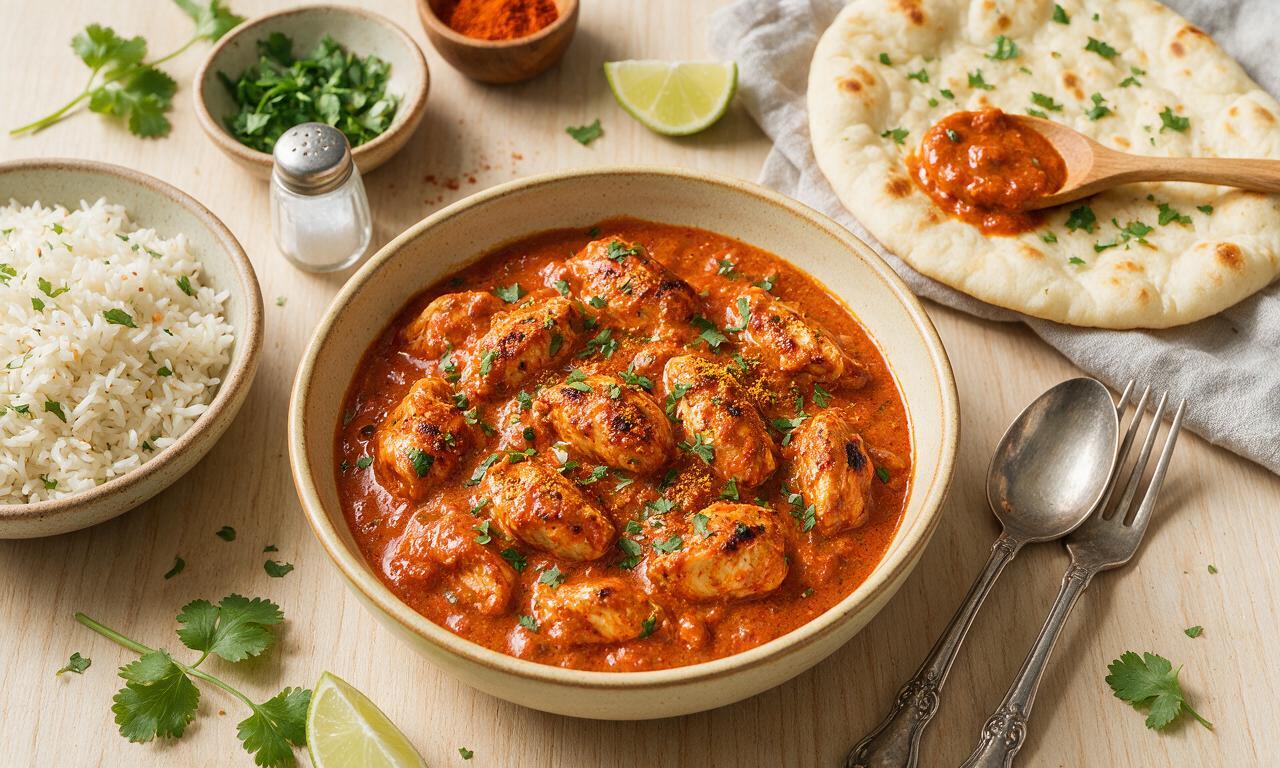
Tender charred marinated chicken simmered in a rich, spiced creamy tomato sauce, this iconic Anglo-Indian curry pairs perfectly with basmati rice or warm naan.

⏱️ 50 minuteMain Course ★ 4.8
Main Course
🍜 Thailand

Classic tangy, sweet, and savory Thai stir-fried rice noodles with shrimp, tofu, and crunchy garnishes, balancing all five core Thai flavor profiles.

⏱️ 30 minuteMain Course ★ 4.6
Main Course
🍜 United Kingdom

Crispy golden beer-battered cod and fluffy double-fried chips, served with tangy tartar sauce and malt vinegar: the timeless, beloved British pub comfort classic.

⏱️ 45 minuteMain Course ★ 4.9
Main Course
🍜 Mexico

Smoky, chile-marinated pork tacos with caramelized pineapple, fresh cilantro, and lime: a beloved classic Mexican street food perfect for casual summer gatherings.

⏱️ 1 hour 45Main Course ★ 4.7
Main Course
🍜 United States

Crunchy Fritos corn chips layered with savory beef chili and melted cheddar, topped with cool, zesty fixings for a beloved, cozy Tex-Mex comfort food.

⏱️ 35 minuteMain Course ★ 4.9

Hog Maws:Frequently Asked Questions

1.What are hog maws, and how are they different from chitterlings?
Hog maws are the thick, muscular lining of a pig’s stomach, a beloved Southern soul food staple with a hearty, rich, meaty flavor. They are not the same as chitterlings, which are pig small intestines—maws have a firmer, less fatty texture and a milder, less gamey profile when properly cleaned and slow-simmered.
2.How do I properly clean hog maws before cooking?
Start by rinsing them thoroughly inside and out under cold running water, scrubbing all crevices with a stiff produce brush. Use the recipe’s white vinegar and kosher salt to rub every surface, let them soak for 20 minutes, then rinse repeatedly until the water runs completely clear with no leftover debris or slimy residue.
3.Why do you parboil hog maws first instead of simmering them directly?
Parboiling in cold, salted water with a splash of white vinegar cuts through residual gamey flavor, softens the tough outer membrane so it’s easy to trim away, and renders out excess surface fat before the long slow simmer. It also reduces final cook time and ensures a cleaner, richer final flavor without murky broth.
4.Can I skip the smoked pork hock in this recipe?
You can, but you’ll lose that deep, smoky, salty backbone that defines classic Southern hog maws. If you need a substitute, use 4 ounces of smoked bacon ends, a smoked turkey wing, or a tablespoon of smoked paprika plus an extra teaspoon of kosher salt to mimic that warm, cured savor that pairs perfectly with mild maws.
5.How long do I need to slow-simmer hog maws to get them perfectly tender?
Plan for 2.5 to 3 hours of gentle, low simmer (not a rolling boil) after parboiling. You’ll know they’re done when you can pierce the thickest part easily with a fork with no resistance, but they still hold their shape instead of falling apart—boiling at too high a heat will make them rubbery and tough.
6.What purpose does white vinegar serve in this recipe?
White vinegar pulls triple duty here: it cuts through the strong, gamey aroma some people find off-putting about pork offal, it acts as a gentle acidic cleaner during the initial prep and soak, and a small splash in the simmer liquid brightens the rich, fatty, savory flavor so the dish doesn’t feel heavy or cloying.
7.My hog maws turned out rubbery—what did I do wrong?
Rubbery hog maws almost always come from cooking them at too high a temperature, or not simmering them long enough. A rolling boil makes the tough muscle fibers seize up instead of breaking down gently. If yours are chewy, return them to a low simmer, check tenderness every 15 minutes, and cook until a fork slides through easily with no tug.
8.Can I make this recipe in a slow cooker instead of on the stovetop?
Absolutely—this dish is ideal for slow cooker prep. After parboiling and trimming the maws, add them to the crock with the smoked hock and seasonings, cover with low-sodium broth or water, and cook on LOW for 6 to 7 hours, or HIGH for 3 to 3.5 hours, until fork-tender. Skim excess fat before serving.
9.How much kosher salt should I use, and when do I add it?
Use 2 tablespoons of kosher salt total, split across steps: add 1 tablespoon to the initial parboil water and vinegar soak to draw out impurities and season the maws from the start, then add the remaining tablespoon halfway through the slow simmer, tasting as you go to avoid over-salting.
10.What are classic side dishes to serve with these hog maws?
Stick to traditional Southern soul food pairings for the most authentic meal: serve maws over creamy stone-ground grits, alongside collard greens seasoned with ham hock, buttery cornbread, black-eyed peas, or candied yams. A dash of hot sauce or splash of vinegar on top cuts the richness for balanced flavor.
11.Do I need to trim any parts of the hog maw before simmering?
After parboiling, use a sharp paring knife to trim away any thick, chewy white connective tissue, leftover fatty patches, or discolored spots that didn’t come clean during washing. You don’t need to peel off the entire outer membrane—just the extra tough bits that won’t break down even after hours of simmering.
12.Can I freeze leftover cooked hog maws?
Yes, they freeze beautifully for up to 3 months. Let the cooked maws cool completely in their cooking liquid, then portion them into airtight freezer-safe containers with a half-inch of headspace to leave room for expansion. Thaw overnight in the fridge, then reheat gently on the stovetop over low heat until warmed through.
13.How can I make this recipe less gamey for first-time eaters?
For a milder flavor, do two rounds of parboiling instead of one: first boil in plain cold water with ¼ cup vinegar and a tablespoon of salt for 10 minutes, dump the water, then refill with fresh cold water and parboil another 10 minutes before the slow simmer. Adding onion, garlic, and a bay leaf softens strong offal notes.
14.Why do you recommend starting parboiling in cold water instead of hot?
Starting in cold water slowly draws out residual blood, impurities, and strong-tasting compounds from the maws as the water comes up to temperature, rather than shocking the outer surface with hot water, which locks those off-flavors inside. This simple step makes a huge difference in the clean, mild final flavor of the dish.
15.How do I know when the smoked pork hock is done cooking?
The smoked hock will be fully tender around the same time the hog maws are ready, roughly 2.5 to 3 hours into the slow simmer. You’ll know it’s done when the meat pulls easily away from the bone with a fork; you can chop it into bite-sized pieces and stir it back into the pot instead of serving it whole, if you prefer.
16.Can I add other vegetables or spices to the base recipe?
Absolutely—this is a forgiving, flexible Southern staple. Classic add-ins include quartered yellow onions, crushed garlic cloves, celery stalks, bay leaves, whole black peppercorns, or a pinch of red pepper flakes for heat. Avoid adding delicate veggies like okra or tomatoes too early, as they’ll turn mushy during the long simmer.
17.What’s the difference between these slow-simmered hog maws and the fried version I see at soul food restaurants?
Slow-simmered hog maws are the tender, unbreaded classic, cooked low and slow in seasoned broth until melt-in-your-mouth tender. The fried version you see at spots uses these pre-simmered maws, cuts them into bites, coats them in seasoned cornmeal, and deep fries them until crispy for a crunchy, texturally fun twist on the staple.

Comments (3)

2 days ago

OMG y’all, I was so nervous to make hog maws for our Sunday family dinner after my grandma’s handwritten recipe got lost in our last move, but this one hit EVERY note! Simmered low and slow just like she used to make them, the texture was perfect – no chewy, rubbery bits at all. My husband and three kids went back for seconds, even my picky 14-year-old who swears he hates ‘old people food’ asked for leftovers to pack for his school lunch tomorrow. Total game changer, will be making this for our church potluck next month too!

yesterday

Wait quick question – did you do the full vinegar rinse step before simmering? I tried making hog maws a couple years back and they had that strong gamey aftertaste I couldn’t get rid of no matter how long I cooked em, really wanna nail this for my backyard cookout next weekend!

2 hours ago

Great question! That vinegar rinse is totally non-negotiable for cutting that gamey flavor – I recommend soaking the maws in 1 part white vinegar to 3 parts cold water for 20 minutes, giving them a good scrub, then rinsing thoroughly before you start simmering. Don’t skip the bay leaves and smoked paprika in the simmer liquid either, they add so much warm, deep flavor that covers any remaining mild gamey notes!

1 week ago

This was SO good! I was worried about the cook time being almost 3 hours but most of it is hands-off simmer time, so I was able to knock out laundry and help my daughter with her 4th grade homework while it cooked. I portioned out the leftovers with collard greens and cornbread for my weekly meal prep, and it held up perfectly in the fridge for 4 days. I added a little extra cayenne hot sauce at the end because our family likes a little kick, would absolutely make this again and again!

5 days ago

Love that you added extra cayenne hot sauce, that’s such a fun, easy customization! So glad the mostly hands-off cook time worked with your busy schedule – this recipe is designed for exactly that, so you don’t have to stand over the stove the whole time. Pairing it with collards and cornbread is such a classic, perfect call!

3 days ago

Y’all I brought this to my neighborhood block party last weekend and people were lined up to get a serving! I was the only person who brought hog maws so everyone was side-eyeing the dish at first, but once the first couple folks tried it, they were coming over nonstop asking me for the recipe. Pro tip: serve it with a side of apple cider vinegar hot sauce for dipping, chef’s kiss. Only reason it’s not a full 5 stars is I wish the recipe included a little more detailed step for cleaning the maws for first-timers – I had to pull up a quick YouTube tutorial mid-prep to make sure I didn’t miss anything.