
Homemade ginger beer

title 1
Homemade ginger beer
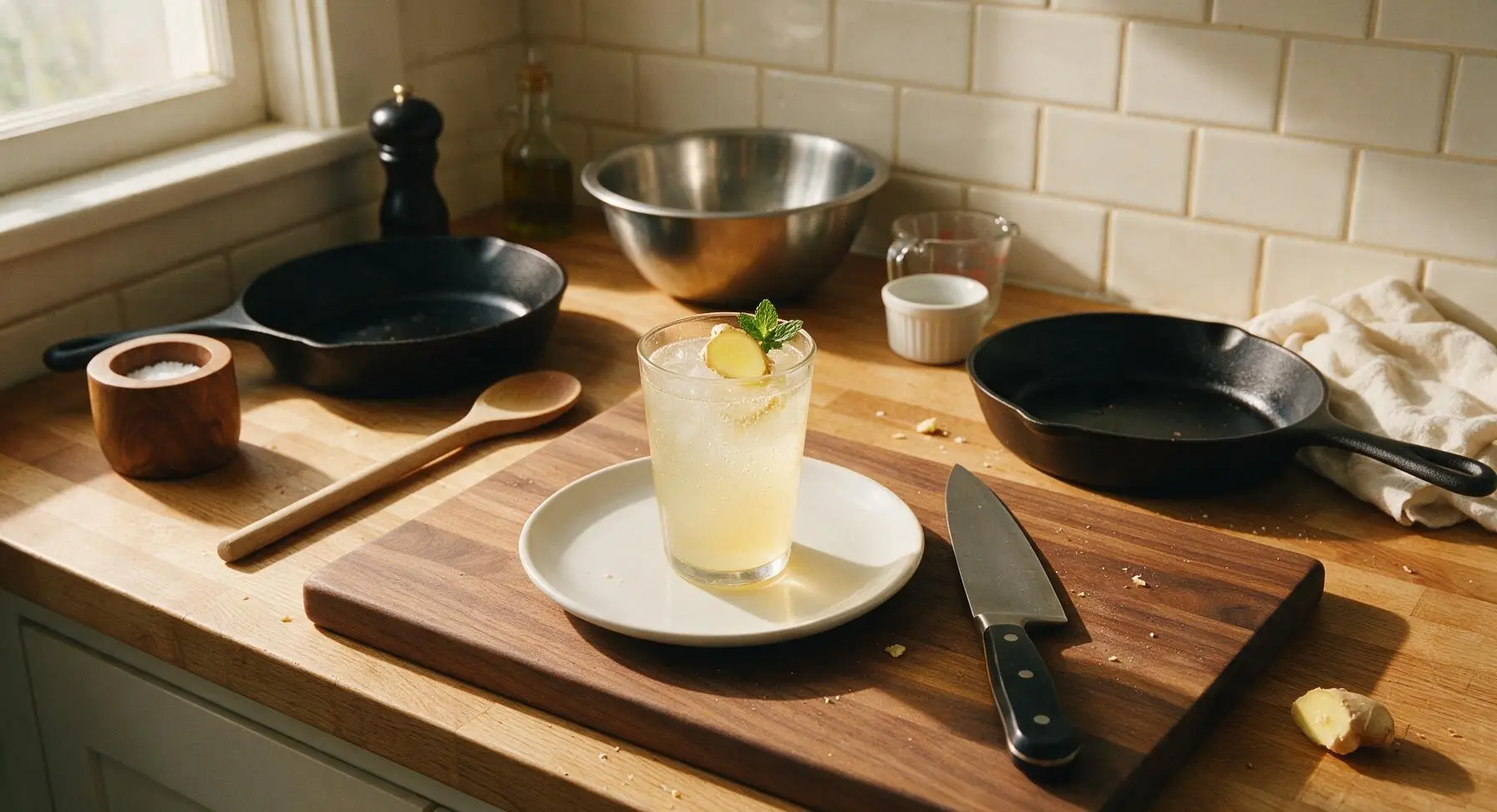
⏱️ cook time 10 minutes
🍽️ servings 8
⚡ Difficulty medium

intro

Spicy, effervescent, perfectly sweet homemade ginger beer brewed with fresh ginger for bright zing. Sip ice-cold on its own, or mix into summer cocktails for a fiery, bubbly kick.

Ingredients
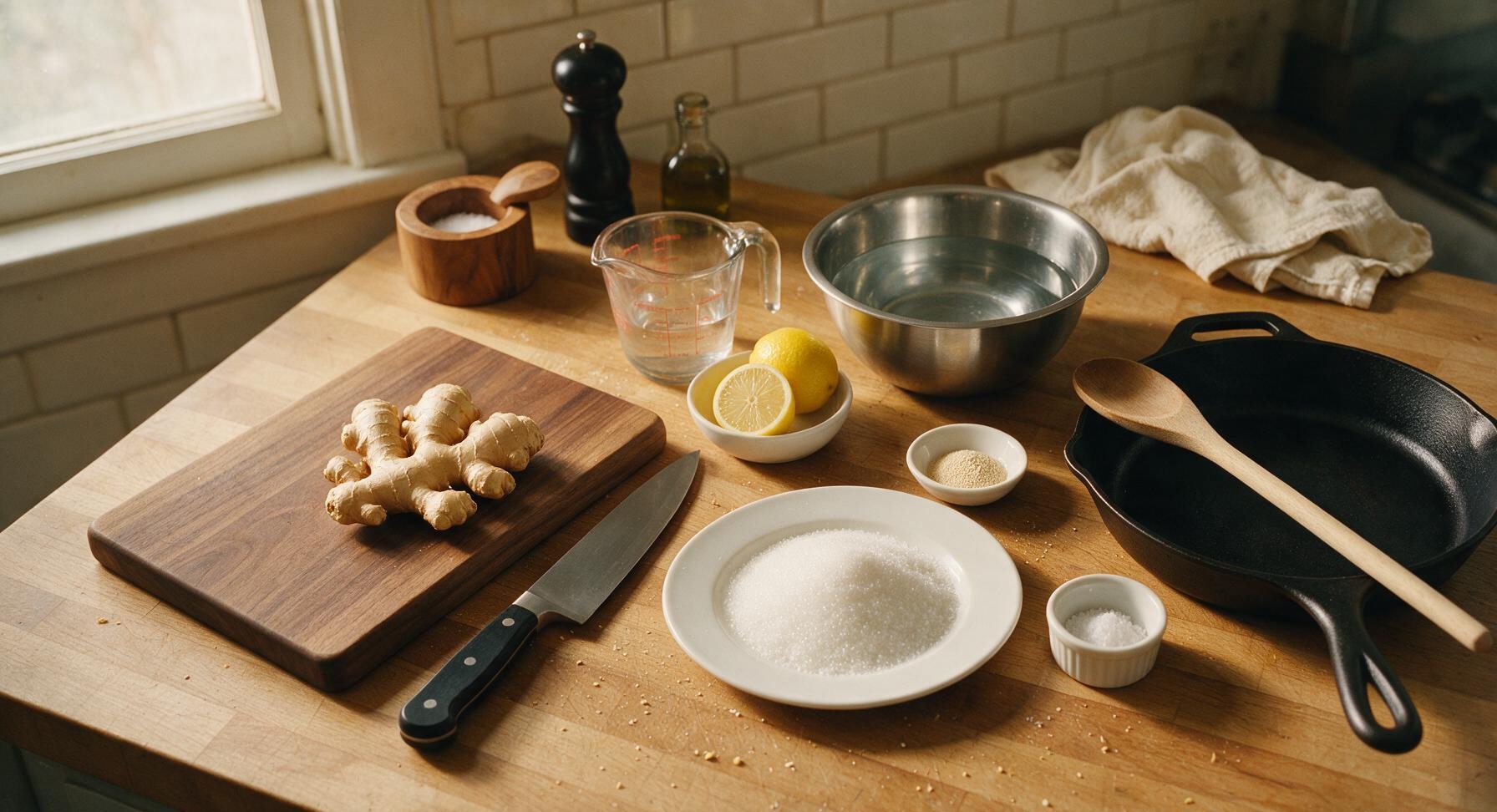
Fresh ginger root 200g
Granulated white sugar 200g
Filtered water 2 liters
Fresh lemons 2 medium (≈100ml juice)
Champagne yeast 1/4 teaspoon
Fine sea salt 1/8 teaspoon

Steps

1

Prep and grate ginger

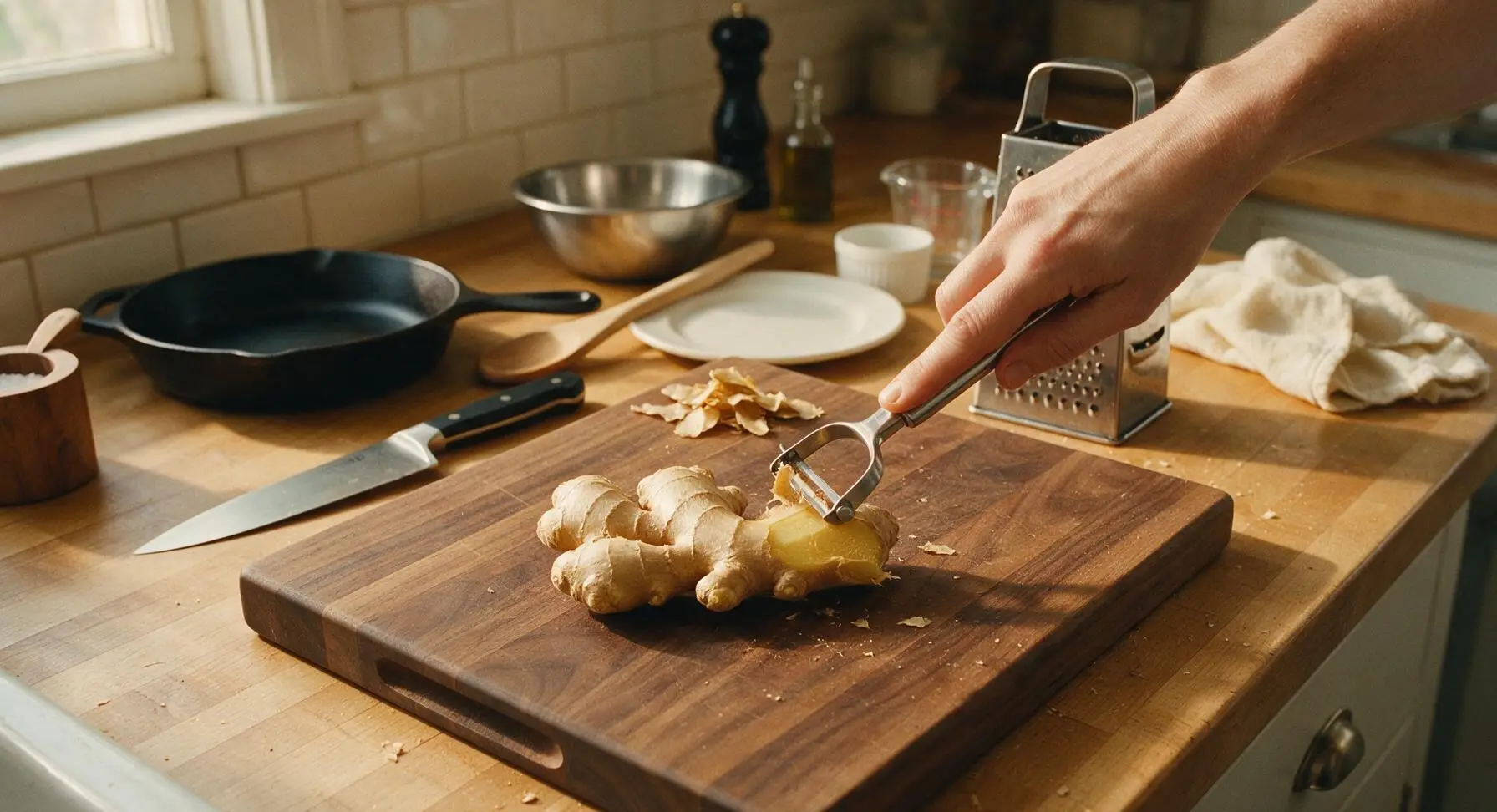
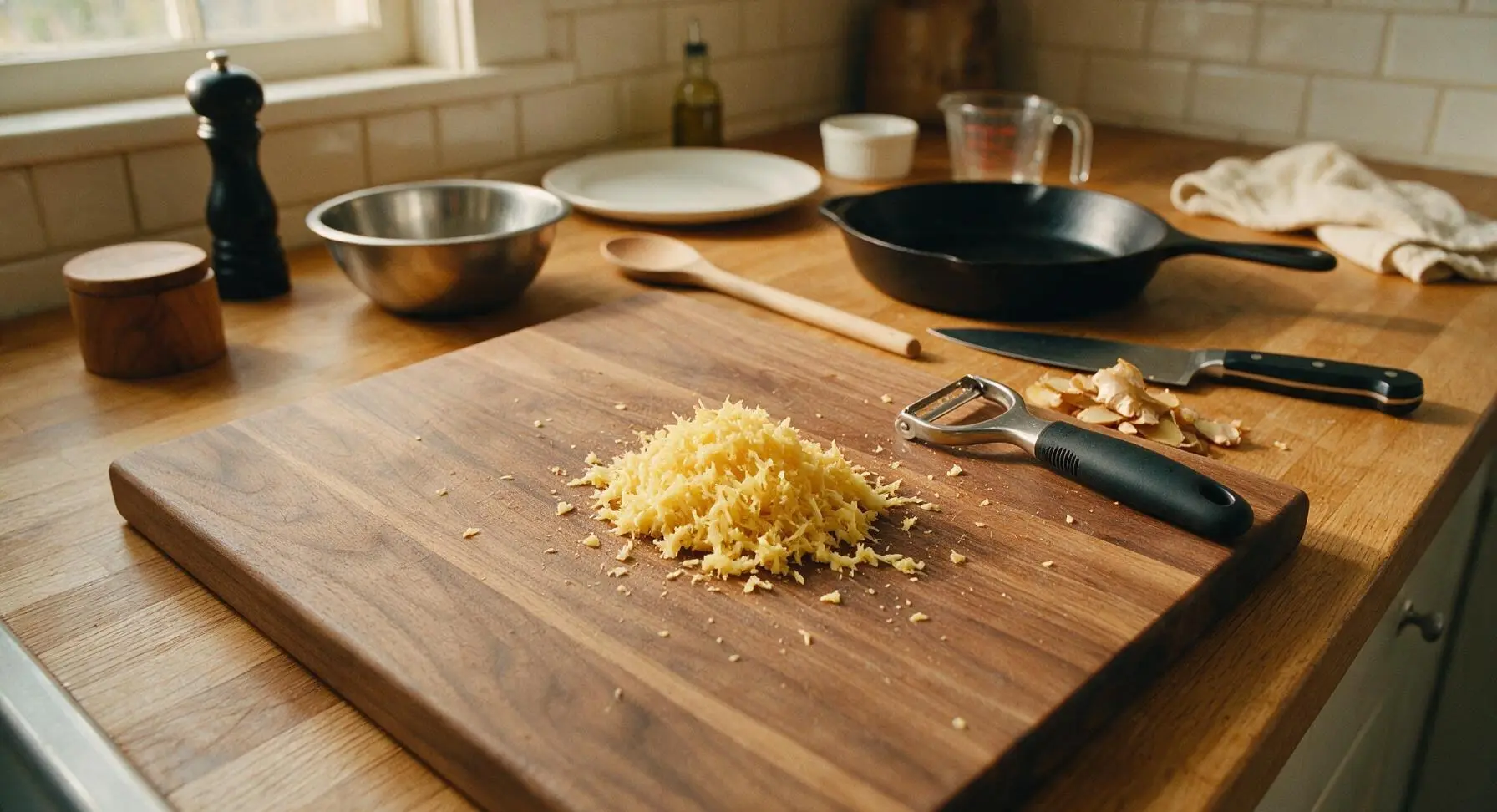
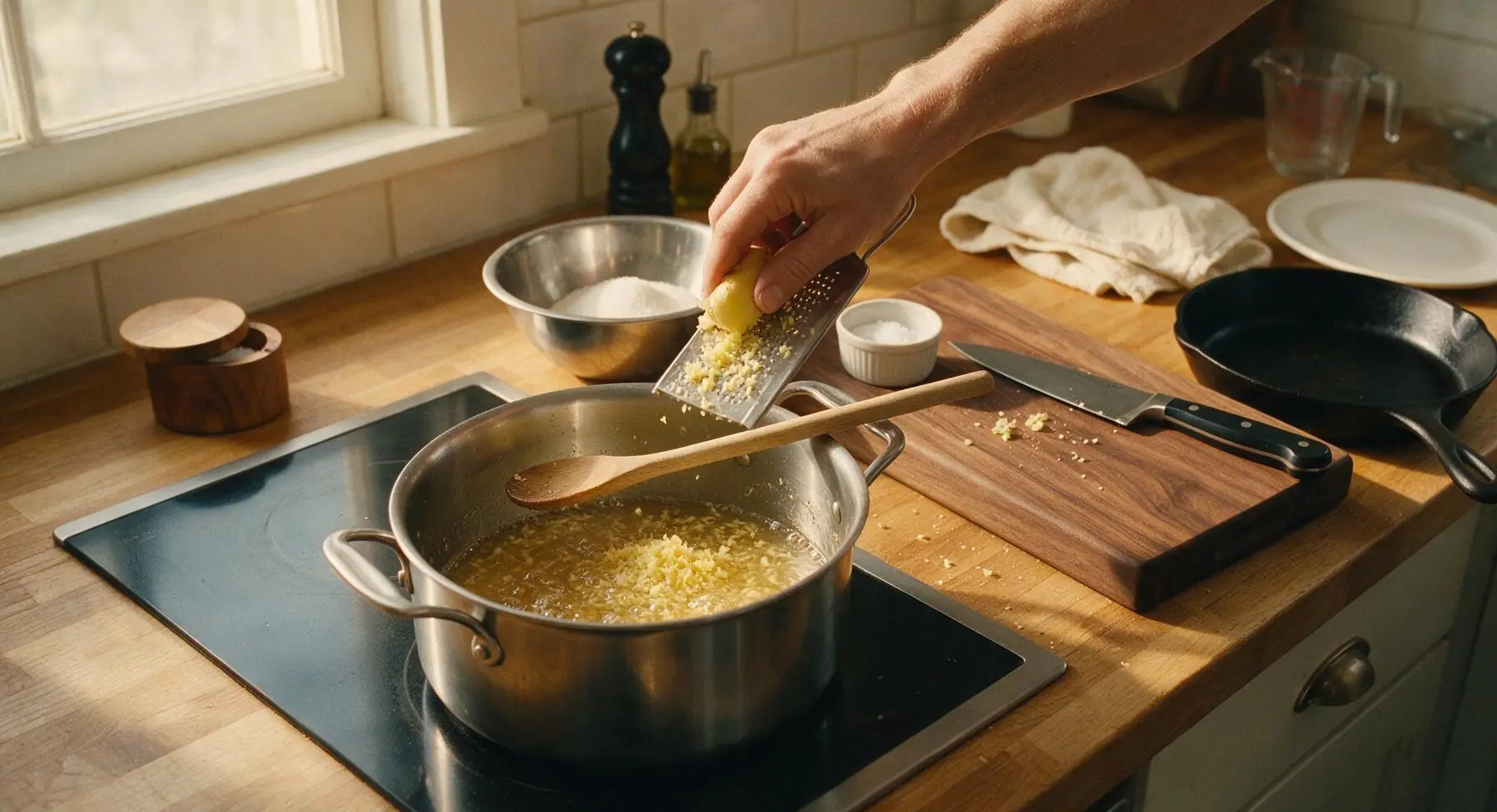
Place the fresh ginger root on the maple cutting board. Use the stainless steel vegetable peeler to remove all thin tan outer skin, exposing the pale golden fibrous flesh inside. Hold the peeled ginger against the coarse side of the stainless steel box grater, and grate all of the ginger into fine, juicy shreds. You should end up with approximately 1.5 cups of loosely packed grated ginger; discard any tough, woody ginger knobs that will not grate easily.
Step 1
step1:Prep and grate ginger
Step 1
step1:Prep and grate ginger
2

Simmer ginger syrup

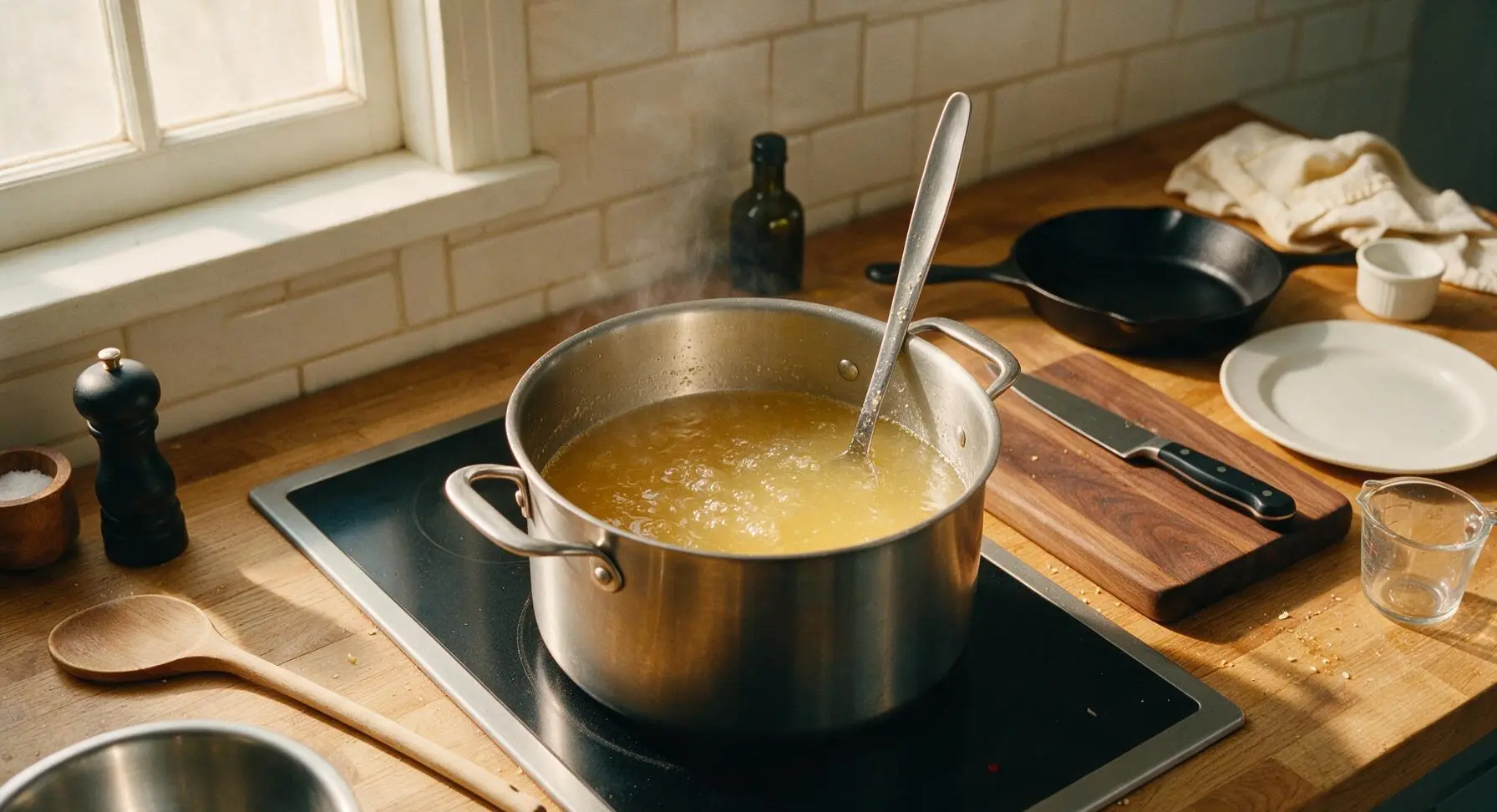
Pour 1 liter of filtered water into the 4L stainless steel stock pot, then add all grated ginger, granulated sugar, and fine sea salt. Set the pot on the matte black induction cooktop at medium heat, and bring the mixture to a gentle rolling boil, stirring occasionally with the long-handled stainless steel spoon to fully dissolve the sugar. Once boiling, reduce heat to low, cover, and simmer for 10 minutes to extract warm, spicy ginger flavor. The finished syrup will be a pale translucent gold, with a strong, bright ginger aroma.
Step 2
step2:Simmer ginger syrup
Step 2
step2:Simmer ginger syrup
3

Strain ginger liquid

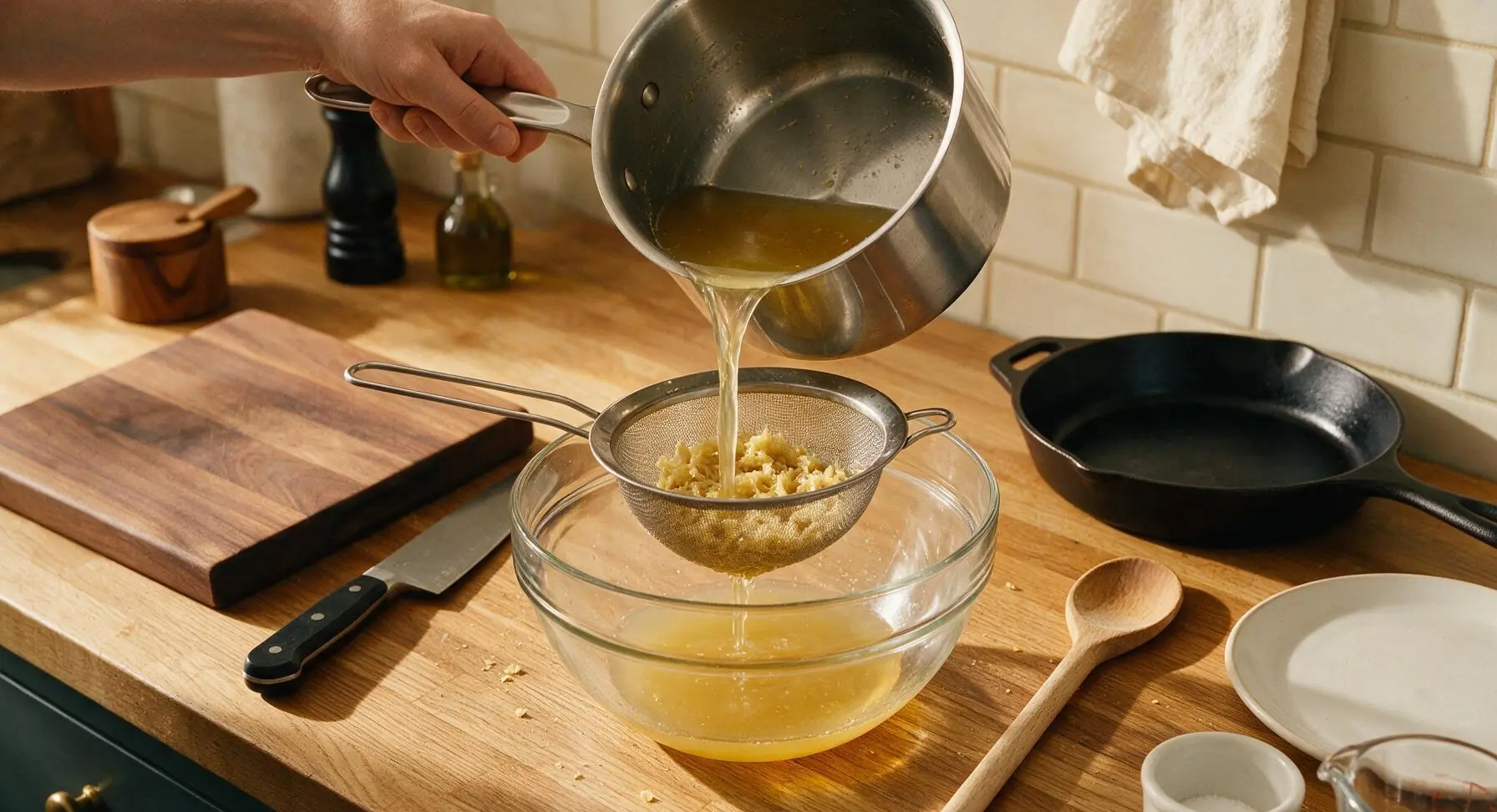
Turn off the induction cooktop, and let the ginger syrup cool for 30 minutes until it reaches room temperature (21C/70F), feeling lukewarm to the touch—hot liquid will kill the yeast and prevent carbonation. Place the fine-mesh stainless steel strainer over the 2L clear glass mixing bowl, and pour the cooled ginger syrup through the strainer to catch all grated ginger solids. Press firmly on the ginger pulp with the back of the stirring spoon to extract every drop of flavorful liquid, then discard the dry, pressed pulp.
Step 3
step3:Strain ginger liquid
4

Mix in yeast and lemon

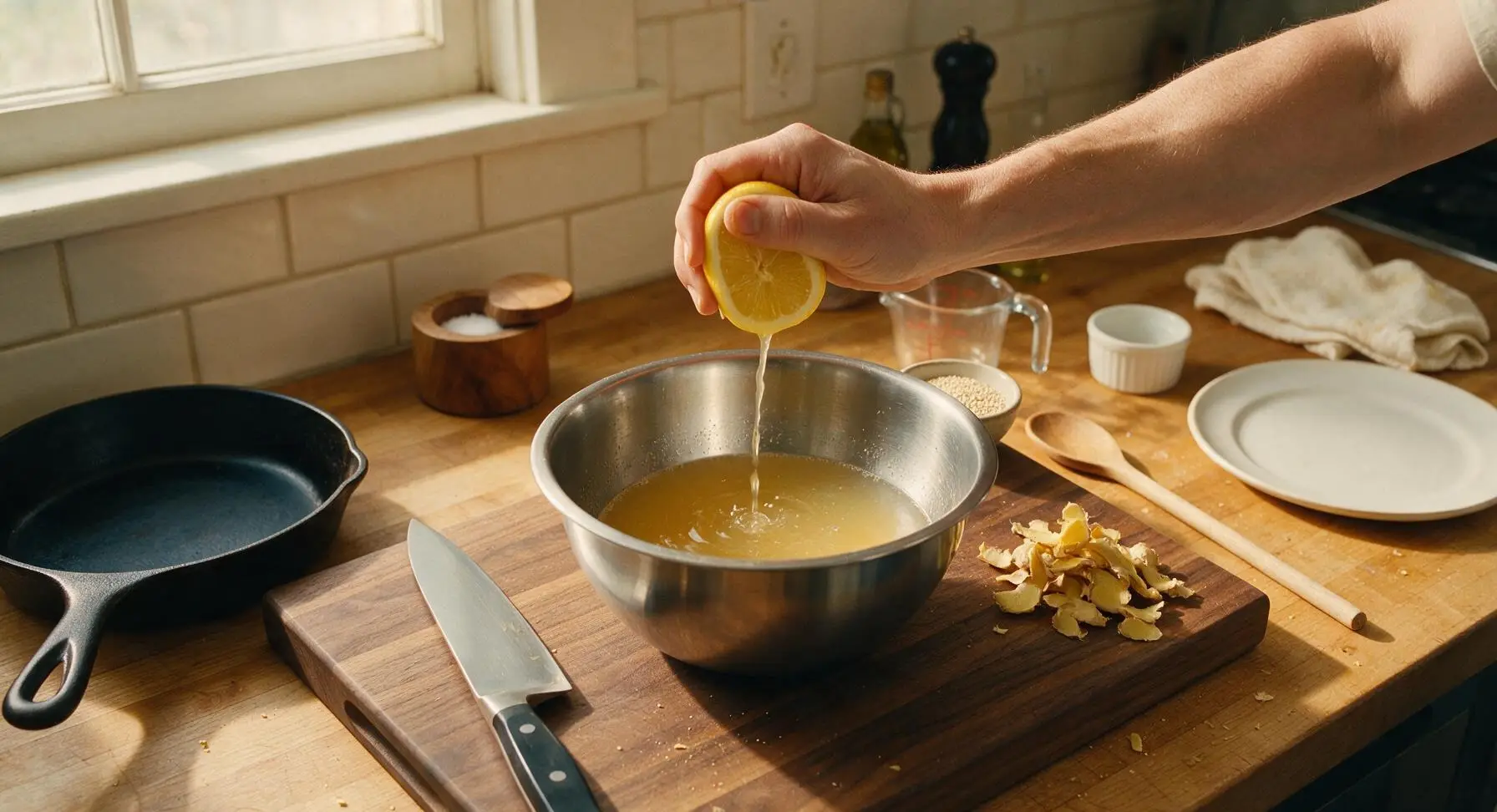
Juice the two fresh lemons to yield approximately 100ml of fresh juice, picking out any seeds that fall into the juice. Add the lemon juice, remaining 1 liter of cool filtered water, and 1/4 teaspoon champagne yeast to the strained ginger liquid in the glass mixing bowl. Stir gently with the long-handled spoon for 30 seconds to fully distribute the yeast, until no visible yeast clumps float on the liquid surface. The final base will be a pale, slightly cloudy gold, held at a lukewarm temperature ideal for yeast activation.
Step 4
step4:Mix in yeast and lemon
5

Bottle the ginger base

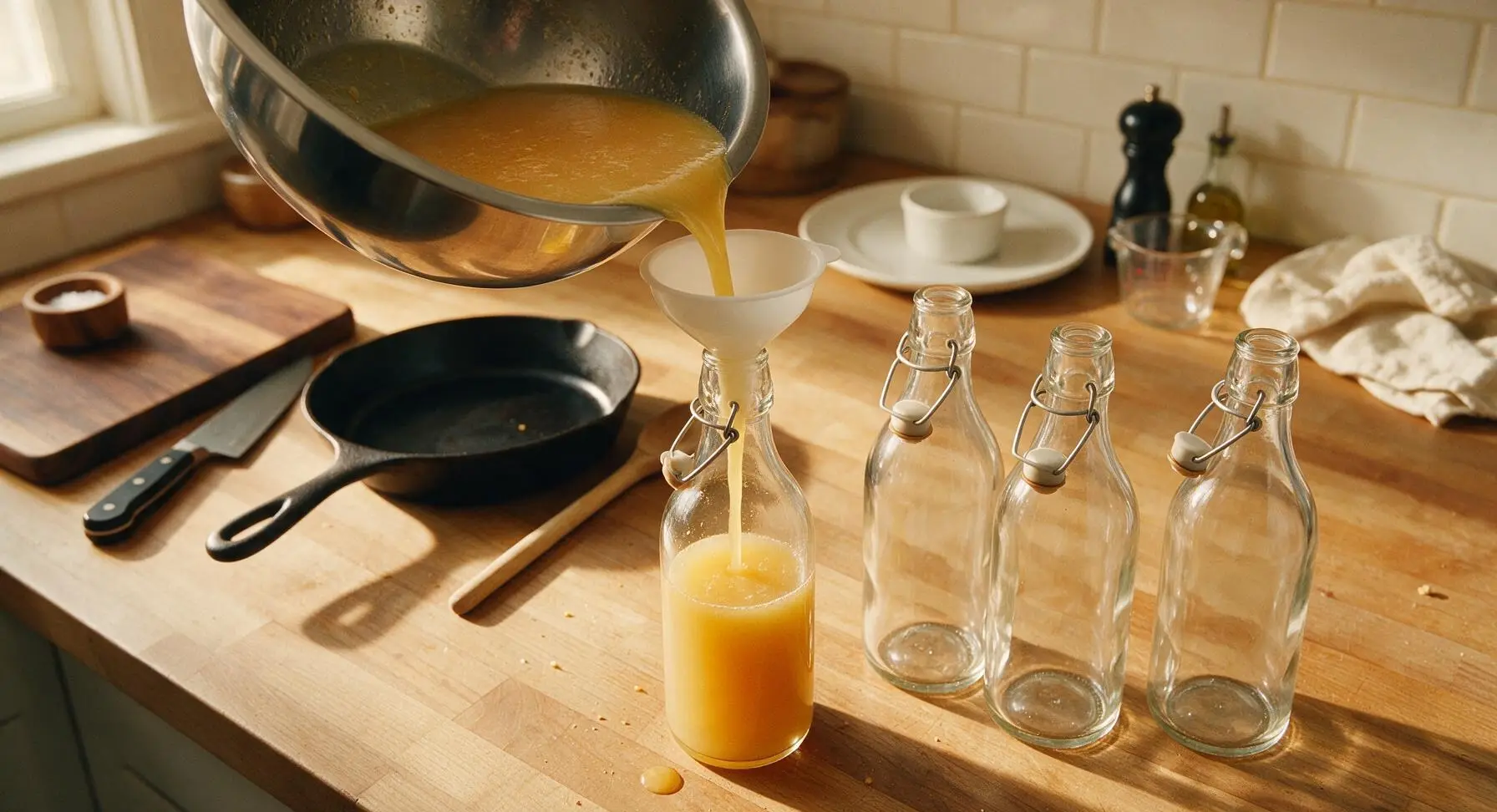
Place the matte white plastic funnel into the mouth of the first clean 500ml swing-top glass bottle, and carefully pour the ginger beer base evenly between the four bottles, leaving exactly 5cm (2 inches) of empty headspace at the top of each bottle to allow for carbonation pressure. Seal each bottle tightly with its swing-top clasp and rubber gasket, ensuring no air can escape around the seal. Wipe any spilled liquid from the outside of the bottles with a corner of the fixed linen towel.
Step 5
step5:Bottle the ginger base
6

Ferment to build fizz

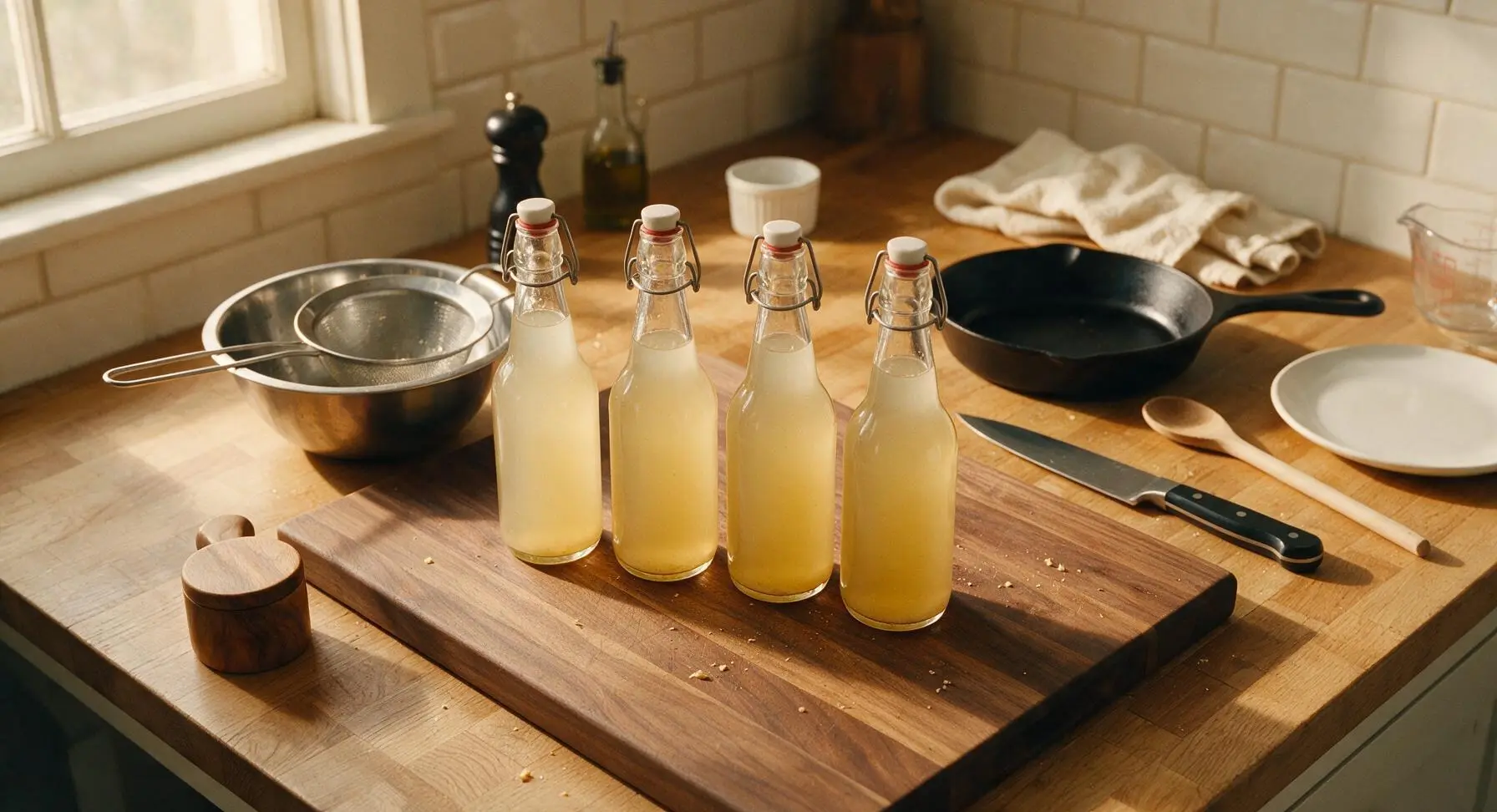
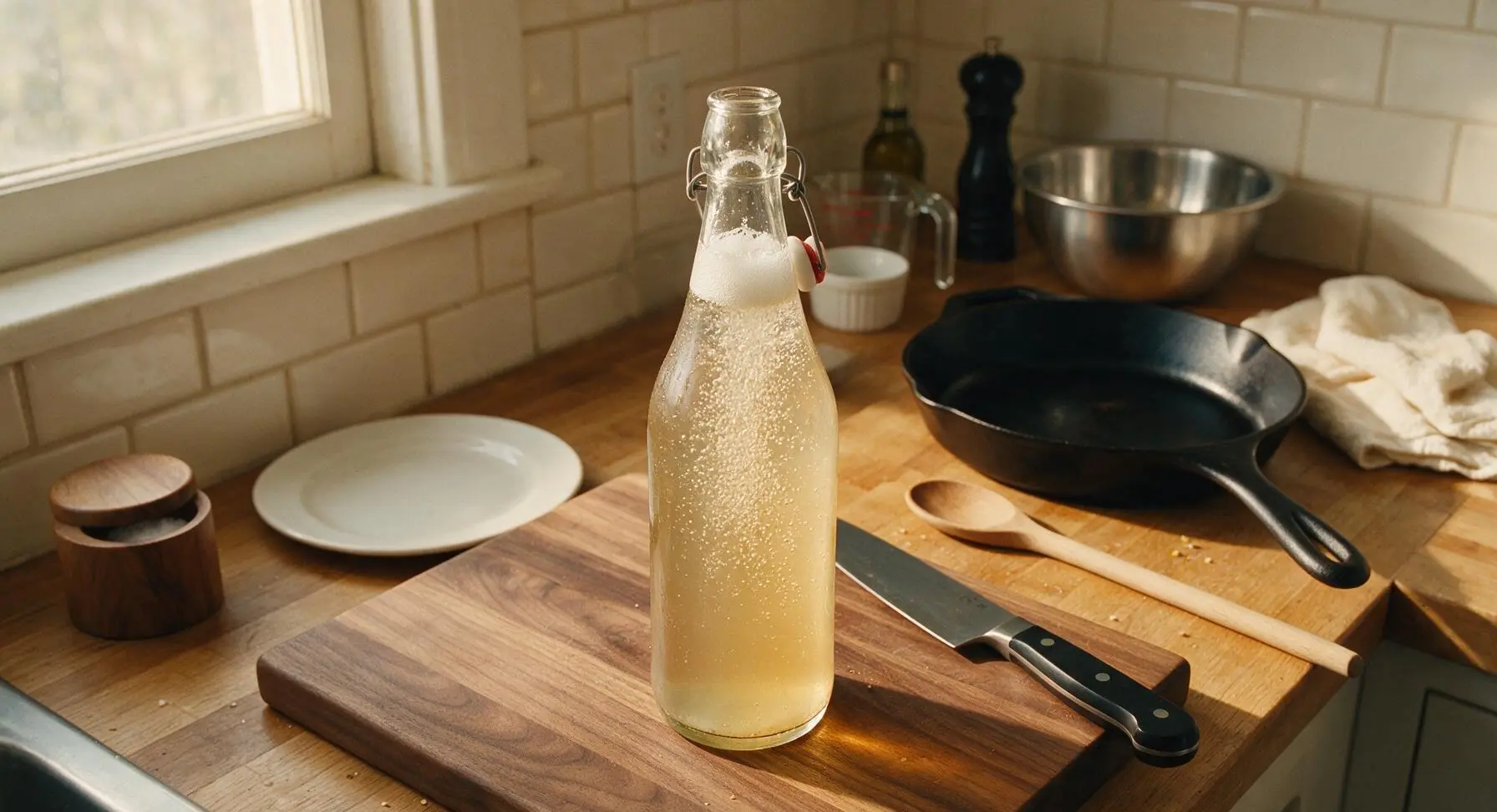
Place the sealed bottles in a dark, room-temperature spot (20-22C/68-72F) out of direct sunlight to ferment for 24 to 48 hours. Check carbonation after 24 hours by carefully cracking one bottle open over a sink, pointing the neck away from your face: you should hear a sharp, satisfying fizz when the clasp is released, with small bubbles rising rapidly through the liquid. Do not ferment for longer than 48 hours at room temperature, as built-up carbonation pressure can cause glass bottles to crack or burst. Once carbonated to your taste, immediately move all bottles to the refrigerator to halt yeast activity, and chill for a minimum of 4 hours before serving.
Step 6
step6:Ferment to build fizz
Step 6
step6:Ferment to build fizz
7

Serve over ice

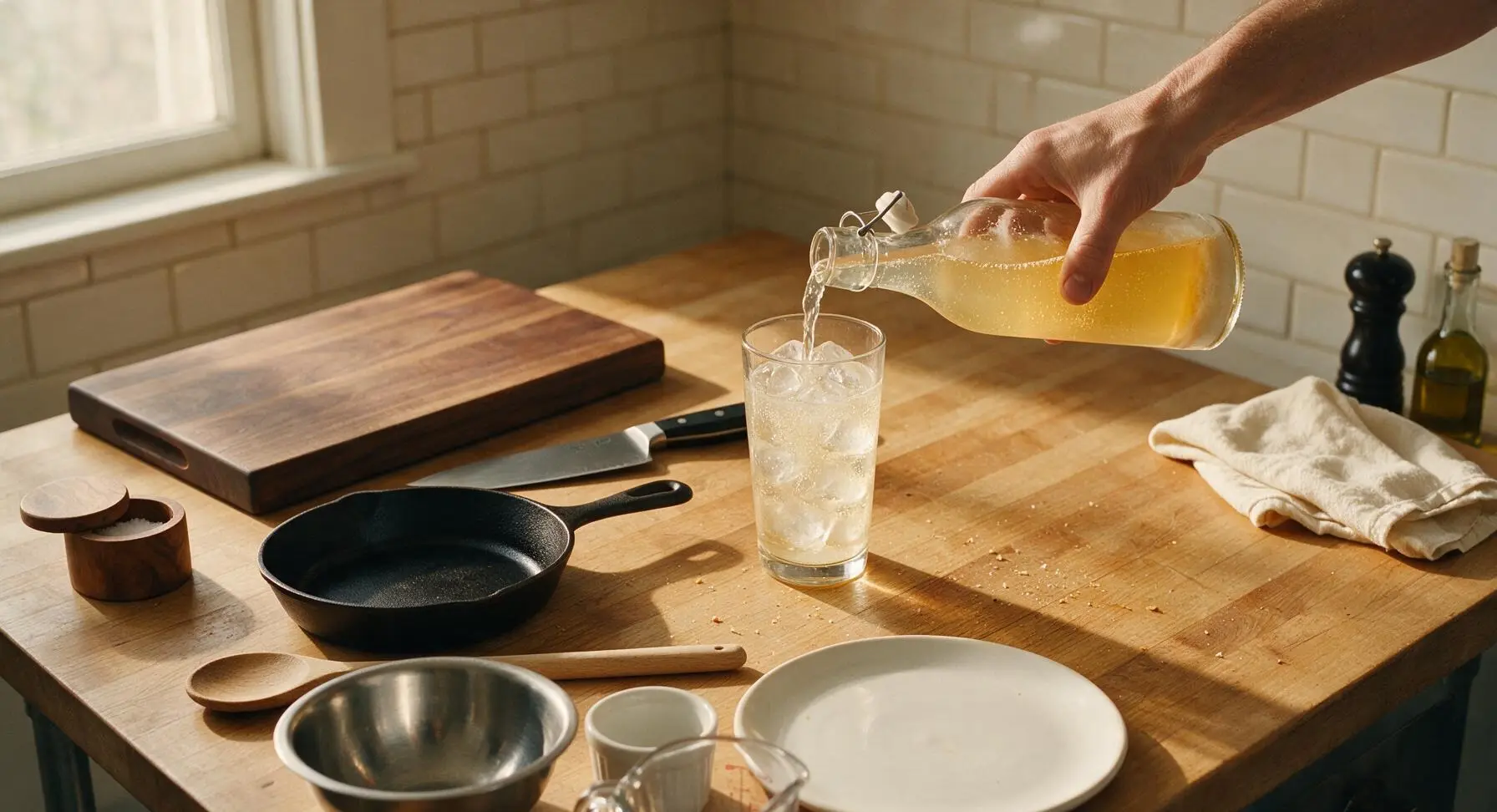
When ready to serve, open the chilled ginger beer bottles slowly over a sink to release pressure gradually, to avoid fizz overflow. Pour the ginger beer gently into the 12oz clear highball glass filled with large ice cubes, taking care to leave the thin layer of pale yeast sediment at the bottom of the bottle undisturbed. Garnish with a thin slice of fresh ginger, a lemon wedge, and a small mint sprig if desired, for a bright, spicy, effervescent drink.
Step 7
step7:Serve over ice

Tips

1.Always leave 5cm (2 inches) of empty headspace in each swing-top bottle, and never ferment at room temperature for longer than 48 hours. Yeast produces carbon dioxide as it feeds on sugar, and too little empty space or over-fermentation creates excess pressure that can cause glass bottles to crack or burst, creating a safety risk.
2.Use unchlorinated filtered water instead of standard tap water for this recipe. Chlorine added to most municipal tap water can kill the champagne yeast before it produces carbonation, resulting in flat, non-fizzy ginger beer.
3.For an extra-spicy, bright ginger kick, add 1/4 teaspoon of freshly grated raw ginger to each bottle before sealing for fermentation. Simmering ginger creates a smooth, warm spice, while raw ginger adds a sharp, peppery zing that matches the flavor of premium craft ginger beer.


✨ You May Also Like

Drinks & Beverages
🍜 Mexico

A bright, balanced tequila-based cocktail with zesty fresh lime, smooth orange liqueur, and a signature salt rim, perfect for warm summer sipping.

⏱️ 5 minutesDrinks & Beverages ★ 4.9
Drinks & Beverages
🍜 United States

Thick, creamy, nostalgic classic vanilla milkshake with a rich, smooth texture, topped with whipped cream and a cherry for cool, sweet refreshment.

⏱️ 5 minutesDrinks & Beverages ★ 4.7
Drinks & Beverages
🍜 United States

A bright, golden strong ale with fruity banana-clove notes, subtle hop spice, and soft carbonation, brewed in classic Trappist Tripel tradition.

⏱️ 2 hours aDrinks & Beverages ★ 4.5
Drinks & Beverages
🍜 United States

A frothy, nostalgic American soda fountain treat pairing bubbly cold root beer with creamy vanilla ice cream, perfect for cooling down at warm weather gatherings.

⏱️ 20 minuteDrinks & Beverages ★ 4.8
Drinks & Beverages
🍜 United States

Tart, funky, effervescent American Wild Ale is a complex fruity craft beer brewed with wild yeast, delivering bright, zesty notes perfect for warm-weather sipping.

⏱️ 2 hours aDrinks & Beverages ★ 4.4
Drinks & Beverages
🍜 United States

Bright, bubbly copycat of the iconic American caramel cola, balanced with citrus and warm spice, perfect for sipping ice-cold on hot days.

⏱️ 15 minuteDrinks & Beverages ★ 4.8

Homemade ginger beer:Frequently Asked Questions

1.Can I use tap water instead of filtered water for this fermented ginger beer? ▾
It’s best to skip tap water for this recipe. Most municipal tap water contains chlorine or chloramine, added to kill unwanted microbes, which will also damage the champagne yeast needed for good carbonation and consistent fermentation. Filtered water keeps yeast happy, avoids odd chemical aftertastes, and produces a clean, bright, zingy final product.
2.Do I have to use champagne yeast, or can I substitute regular baking yeast? ▾
Skip baking yeast for this recipe! Baking yeast produces a harsh, bready, overly yeasty aftertaste and doesn’t create the fine, long-lasting effervescence we want in ginger beer. Champagne yeast has a neutral flavor, ferments reliably at room temperature, and creates crisp, bubbly results without muddling the fresh ginger and lemon notes.
3.How long will homemade fermented ginger beer stay carbonated in the fridge? ▾
Once you slow fermentation by refrigerating your ginger beer, it will stay nicely bubbly for 7 to 10 days. Keep bottles tightly sealed, and always open them slowly over the sink to avoid messy fizz overflow, since residual yeast will still produce small amounts of carbonation even in cold temperatures.
4.Can I cut back on granulated sugar to make a lower-sugar ginger beer? ▾
Remember that granulated sugar isn’t just for sweetness—it’s food for the champagne yeast to create carbonation. If you cut more than 25% of the recipe’s sugar, you’ll end up with flat, weak-tasting ginger beer. You can reduce it slightly, but expect less fizz and a sharper, more tart ginger bite as a tradeoff.
5.Do I need to peel the fresh ginger root before using it in this recipe? ▾
You don’t have to peel ginger if you give the knobby root a really thorough scrub under warm running water with a stiff produce brush to remove all dirt and surface debris. That said, peeling will give you a smoother, less earthy, brighter ginger flavor that most people prefer for a crisp, clean summer sip.
6.How do I know when fermentation is done and the ginger beer is ready to drink? ▾
You’ll know primary fermentation is on track when tiny bubbles rise through the liquid after 2 to 3 days at 65–75°F, and the mix smells bright, gingery, and slightly tangy. Do a careful taste test at 48 hours; once it’s pleasantly zingy, lightly sweet, and gently bubbly, it’s ready to chill.
7.Will this homemade ginger beer contain alcohol? ▾
Because it uses champagne yeast for a short fermentation window, this ginger beer will have a very low alcohol content, usually around 0.5 to 1% ABV, similar to many commercial non-alcoholic craft sodas. If you let it ferment longer than 3 days at room temperature, alcohol content will slowly climb, so stick to the recommended timeline for low-ABV results.
8.Can I use bottled lemon juice instead of fresh lemons? ▾
Fresh lemon juice is always best for this recipe. Bottled lemon juice often has added preservatives like sodium benzoate that can inhibit yeast activity, leading to flat ginger beer, plus it has a dull, flat citrus flavor compared to bright, zesty fresh-squeezed lemons. Two to three medium fresh lemons give the perfect balanced tang.
9.Why did my ginger beer turn out completely flat with no fizz? ▾
Flat ginger beer almost always traces back to one of three common issues: your champagne yeast was old and inactive, you used chlorinated water that killed the yeast, or your fermentation bottles didn’t seal tightly enough to trap carbonation. Always check yeast expiration dates, use filtered water, and pick bottles with tight rubber gaskets for best results.
10.What kind of bottles should I use to ferment and store ginger beer? ▾
Use thick, pressure-rated glass swing-top bottles with tight rubber gaskets for the safest, most consistent carbonation. Skip thin regular glass bottles, disposable plastic water bottles, or jars with loose lids—thin glass can crack from built-up carbonation pressure, and loose lids will let all the fizz escape before you drink it.
11.How spicy will this fermented ginger beer turn out? ▾
The spice level depends entirely on how much fresh ginger you use and how long you let it steep. The base recipe has a bright, noticeable zing that doesn’t burn your throat, but you can add an extra ½ cup of sliced ginger for a fiery kick, or cut ginger by a third for a milder, more citrus-forward sip.
12.Can I add extra flavors to the base ginger beer recipe? ▾
Absolutely! Once you master the base ferment, you can toss in add-ins like fresh mint, sliced jalapeño for extra heat, ripe berries, or a pinch of ground turmeric during primary fermentation. Just avoid adding ingredients with added preservatives, as those can kill the champagne yeast and ruin your batch.
13.Do I need to burp bottles during fermentation to avoid explosions? ▾
Yes, this is a critical safety step! Once you bottle ginger beer for secondary carbonation, gently crack the lid open once every 24 hours to release a little built-up pressure, especially if your kitchen is warmer than 75°F. This prevents over-pressurization that can cause cracked bottles or messy fizz eruptions when you open them.
14.Can I make this ginger beer without added yeast for a wild ferment? ▾
You can attempt a wild ferment using a homemade ginger bug, but it is far less consistent than using measured champagne yeast. Wild ferments rely on naturally occurring yeast on ginger skin, which can produce inconsistent fizz, odd sour off-flavors, or even unwanted bacteria growth. Champagne yeast gives reliable, great-tasting results every time with zero guesswork.
15.What’s the best way to serve homemade fermented ginger beer? ▾
Pour it ice-cold straight over crushed ice for a refreshing, zingy sip, with an extra lemon wedge for garnish. It also makes a fantastic cocktail mixer—pair it with bourbon for a spicy whiskey ginger, use it in a classic Moscow mule, or mix it with rum and lime for a bright, bubbly tiki drink.
16.How long can I store ginger beer before it goes bad? ▾
Once refrigerated, your ginger beer will stay safe to drink for up to 2 weeks, though peak fizz and bright ginger flavor will fade after the first 10 days. If you spot surface mold, a sharp vinegary rotten smell, or slimy texture, toss the whole batch immediately, as those are signs of unwanted bacteria growth.

Comments (8)

2 days ago

OMG this homemade fermented ginger beer is a total game changer! I brought a batch to our neighborhood potluck last weekend and people were begging me for the recipe left and right. It’s got the perfect zing, not too sweet, way better than the store-bought stuff loaded with corn syrup. My kids loved it so much they asked for second glasses with our taco dinner last night! Quick question though—how long does it stay bubbly in the fridge after the second ferment?

yesterday

So glad it was a hit at the potluck! If you keep it tightly sealed in swing-top bottles in the fridge, it should stay nice and bubbly for 7-10 days—just make sure to burp the bottles every couple of days to prevent too much pressure buildup!

2 hours ago

Seconding this! I kept a batch for 9 days last month and it was still perfectly fizzy, it just developed a little stronger ginger bite as it sat which I personally loved!

3 days ago

Pretty solid recipe overall! First ferment went off without a hitch, got that nice tangy ginger kick I was chasing. Only knock is I wish the recipe noted how important it is to not overfill bottles during second ferment—had one leak all over my fridge shelf oops. Definitely gonna make again though, it’s SO good mixed with a little fresh lime and dark rum for weekend porch cocktails.

2 days ago

So sorry about the leaky bottle! That’s such a frustrating mess to clean up. We’ve added a clear note to the recipe reminding folks to leave at least 2 inches of headspace in each bottle during second ferment to prevent that exact issue. So glad you loved the flavor otherwise!

1 week ago

I’ve been intimidated to try fermented drinks for forever because I thought they’d be super high effort and easy to mess up, but this recipe was so straightforward! The 10 minute prep time is no joke— I spent more time picking out the plumpest fresh ginger at the grocery store than I did putting the whole batch together. I added a little grated fresh turmeric to my latest batch and it’s chef’s kiss, perfect for sipping after my morning runs.

5 days ago

Added this to my weekly meal prep rotation! I make a big batch every Sunday, portion it into swing top bottles, and it’s the perfect afternoon pick-me-up all week long. Way less sugar than the lemon-lime soda I used to chug at my desk, and the ginger helps soothe my stomach when I’m dealing with work stress tummy aches. 10/10, will be making this for months.

3 days ago

Wait the work stress tummy ache relief is so real! I keep a small bottle at my desk now too, it’s way better than popping antacids every other afternoon. Thanks for the Sunday meal prep idea, I never thought to batch it ahead like that!

1 week ago

Flavor is great, but my first batch didn’t carbonate at all? I followed the directions exactly, used fresh organic ginger, kept it in a warm dark spot for the first ferment, but it was totally flat when I opened it after second ferment. Did I do something wrong?

5 days ago

Oh no, flat ginger beer is such a disappointment! The most common culprit for no fizz is that your ginger bug wasn’t quite active enough before you mixed up the batch—you want it to be nice and bubbly on its own, fizzing when you stir it, before adding it to the sugar water. Next time, give your bug an extra day or two of daily ginger and sugar feeds if it’s looking sluggish!

3 days ago

I had that exact issue my first two tries! Turned out my kitchen was too cold since I keep the AC cranked 24/7 in the Georgia summer, so I moved the fermenting bottles to the top of my fridge where it’s a little warmer, and now I get perfect fizz every time. Hope that helps!

2 weeks ago

Made this for my partner’s birthday cookout a couple weeks back and everyone raved! We set up a little DIY Moscow mule station with the ginger beer, limes, mint, dark rum, and sparkling water so people could mix their own drinks, and it was easily the most popular thing at the party. Even my super picky sister-in-law who turns her nose up at anything “weird homemade hippie stuff” asked for a bottle to take home. 10/10, no notes.

yesterday

As someone with a huge gluten sensitivity, I’m always hunting for good gluten-free drink options that don’t taste like diet soda garbage, and this hits so hard! It’s naturally sweet, spicy, and I love that I can control exactly how much sugar goes into it. Only thing is I found the 10 minute prep note a little misleading because you have to wait for the boiled sugar water to cool all the way down before adding the ginger bug, right? Still totally worth the wait though!

30 minutes ago

Great catch! The 10 minute time listed is for active hands-on prep—you’re totally right that you’ll need to let the boiled sugar water cool fully to room temperature before adding your ginger bug, otherwise the heat will kill the good bacteria you need for successful fermentation. We’ve clarified that note on the recipe card to avoid confusion, thanks so much for the heads up!

2 hours ago

First time ever fermenting anything and I was so nervous I’d mess it up, but this recipe made it totally idiot proof! My first batch came out perfectly bubbly, with that sharp ginger burn I love, and it’s SO good poured over ice with a splash of cranberry juice. Total game changer for summer backyard hangs. Quick question—can I add fresh fruit like peaches or mango during the second ferment for extra flavor?

30 minutes ago

I added mashed ripe peaches to my last second ferment and it was INSANE! Just make sure you don’t add too much (like 1/4 cup per 16oz bottle max) because the extra fruit sugar will make it carbonate super fast, so burp those bottles daily to avoid messy explosions.

5 minutes ago

Love that you tried fermenting for the first time and it worked out! Adding fruit during second ferment is such a fun hack—peach, mango, and even fresh pineapple work amazingly well. Just like Carla said, go light on the fruit and burp bottles regularly to avoid overflow or too much pressure. Enjoy those summer batches!



