homemade noodles for soup

title 1
homemade noodles for soup
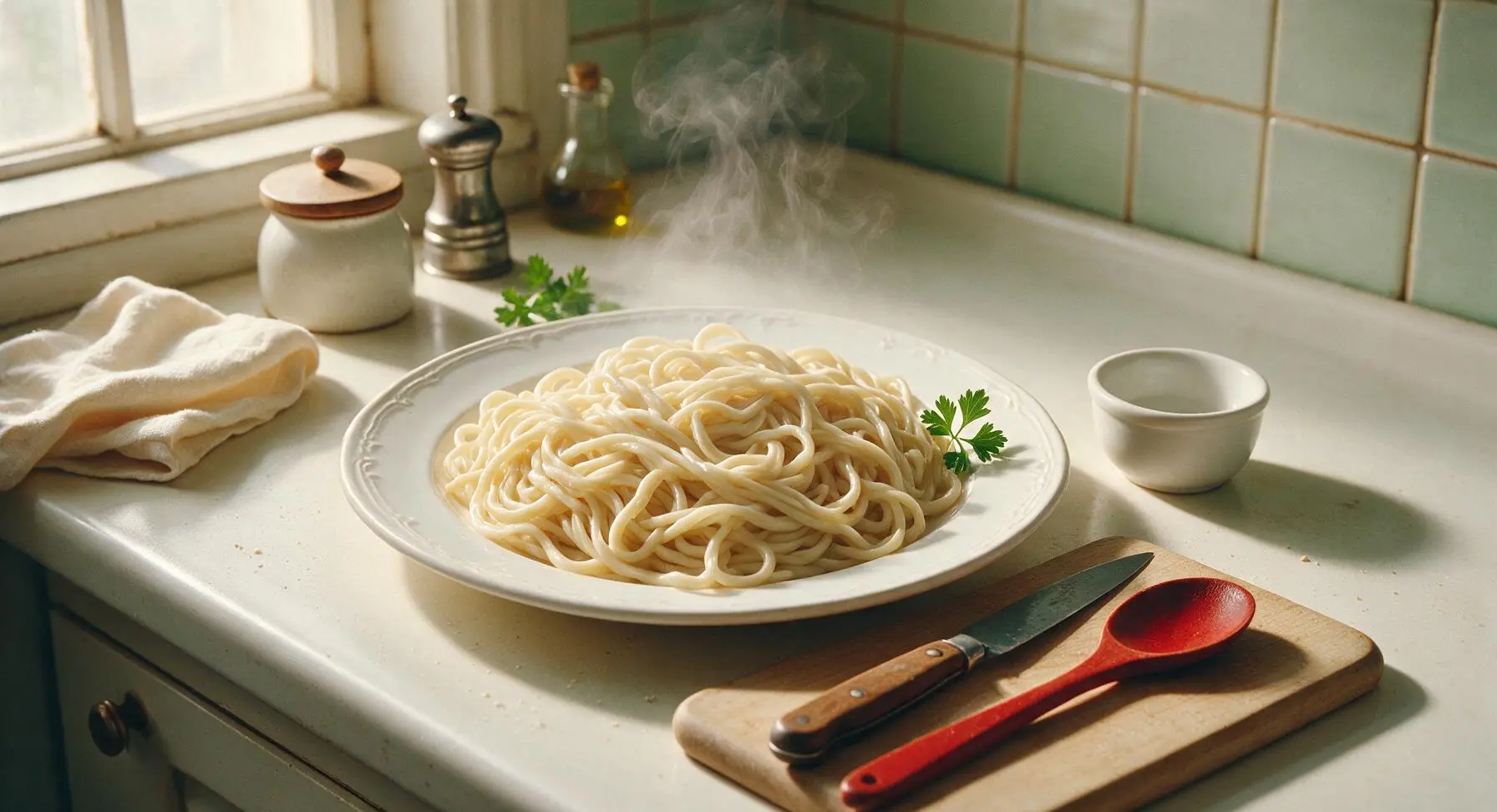
⏱️ cook time 5 minutes
🍽️ servings 4
⚡ Difficulty easy

intro

Chewy, springy fresh wheat noodles made with simple pantry ingredients, formulated to hold up perfectly in hot broth without turning mushy or soggy.

Ingredients
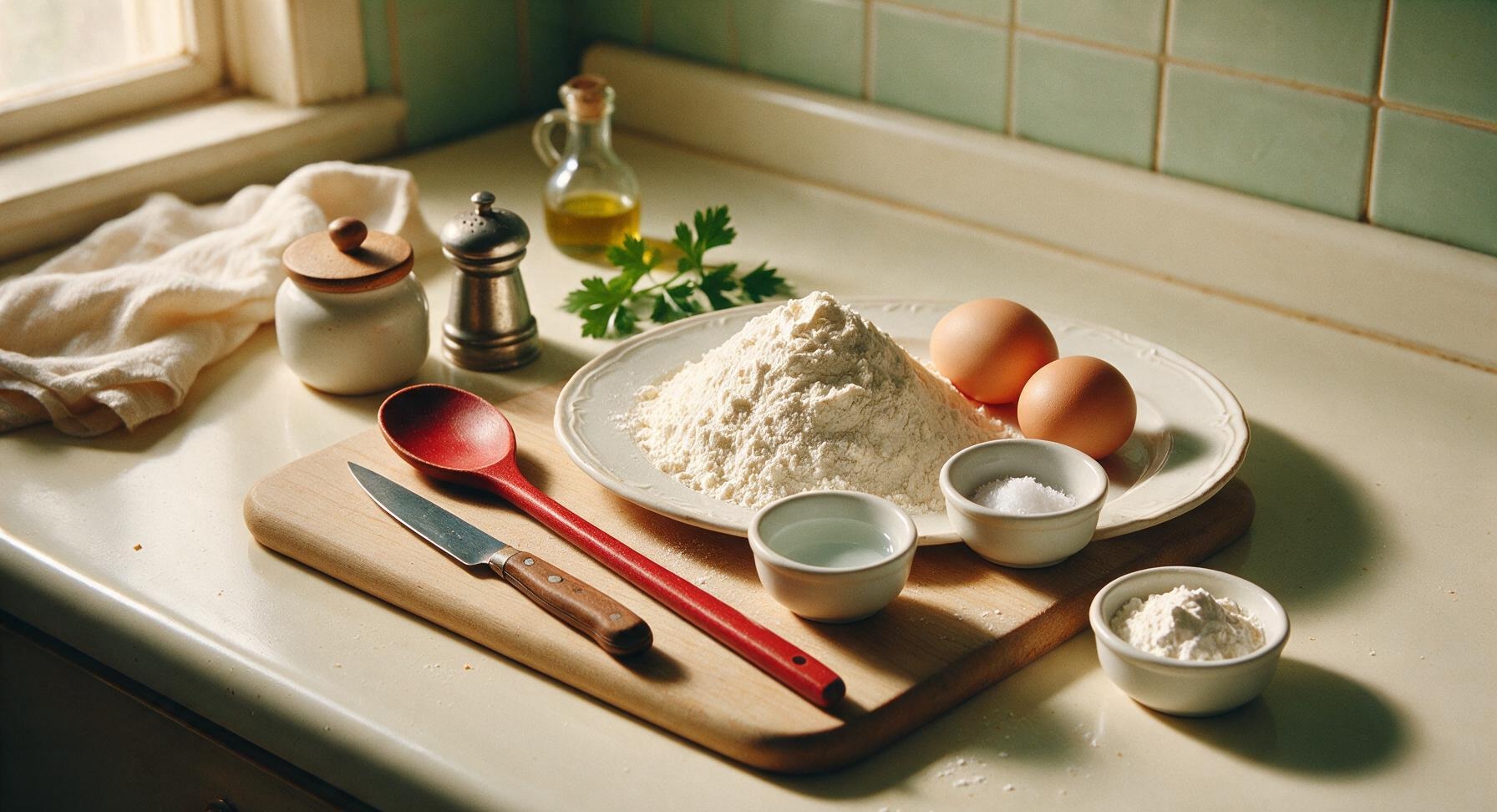
All-purpose flour 360g (3 cups, spooned and leveled)
Large eggs 2 (about 100g total, room temperature)
Fine sea salt 1 tsp
Cold filtered water 60ml (¼ cup)
Cornstarch 1 tbsp (for dusting)

Steps

1

Mix Dough Ingredients

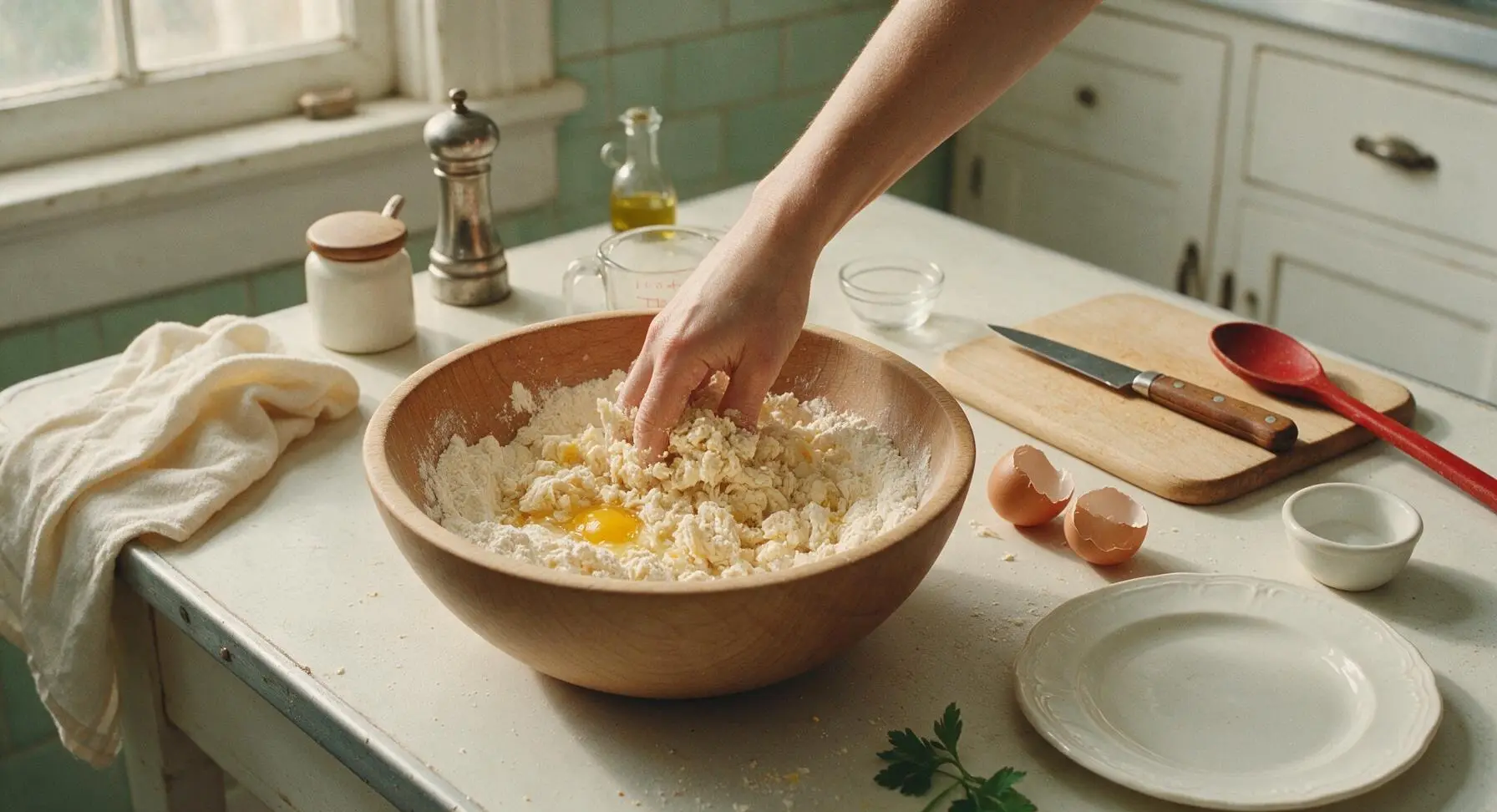
Add 360g (3 cups, spooned and leveled) all-purpose flour and 1 tsp fine sea salt to the large beech wood mixing bowl, whisk gently to combine. Make a small well in the center of the flour, crack in 2 room temperature large eggs, and pour in 60ml cold filtered water. Use your fingers to gradually stir the flour into the wet ingredients, until a shaggy, crumbly dough forms with no dry flour pockets left at the bottom of the bowl, about 3 minutes of mixing.
Step 1
step1:Mix Dough Ingredients
2

Knead Until Smooth

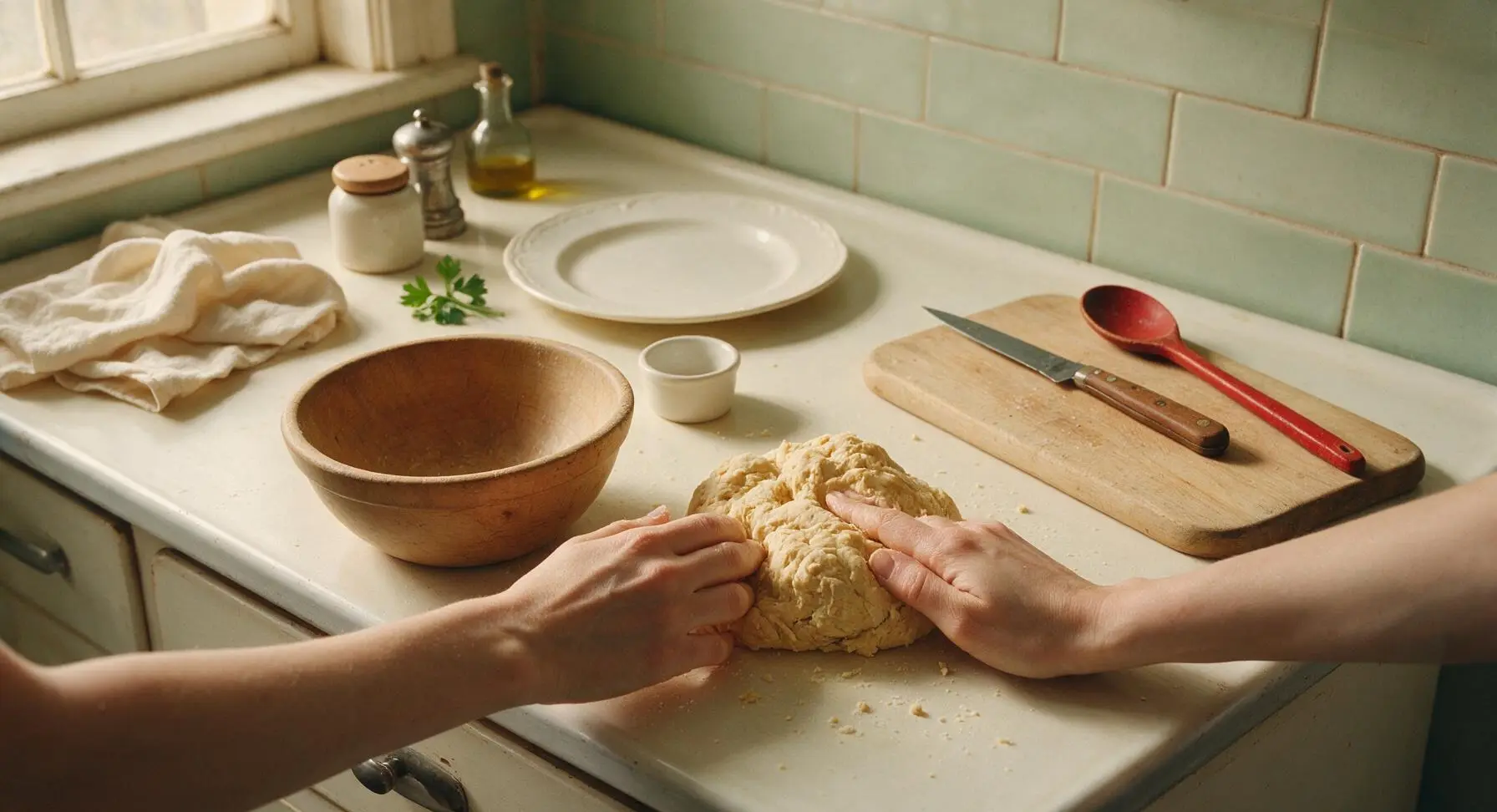
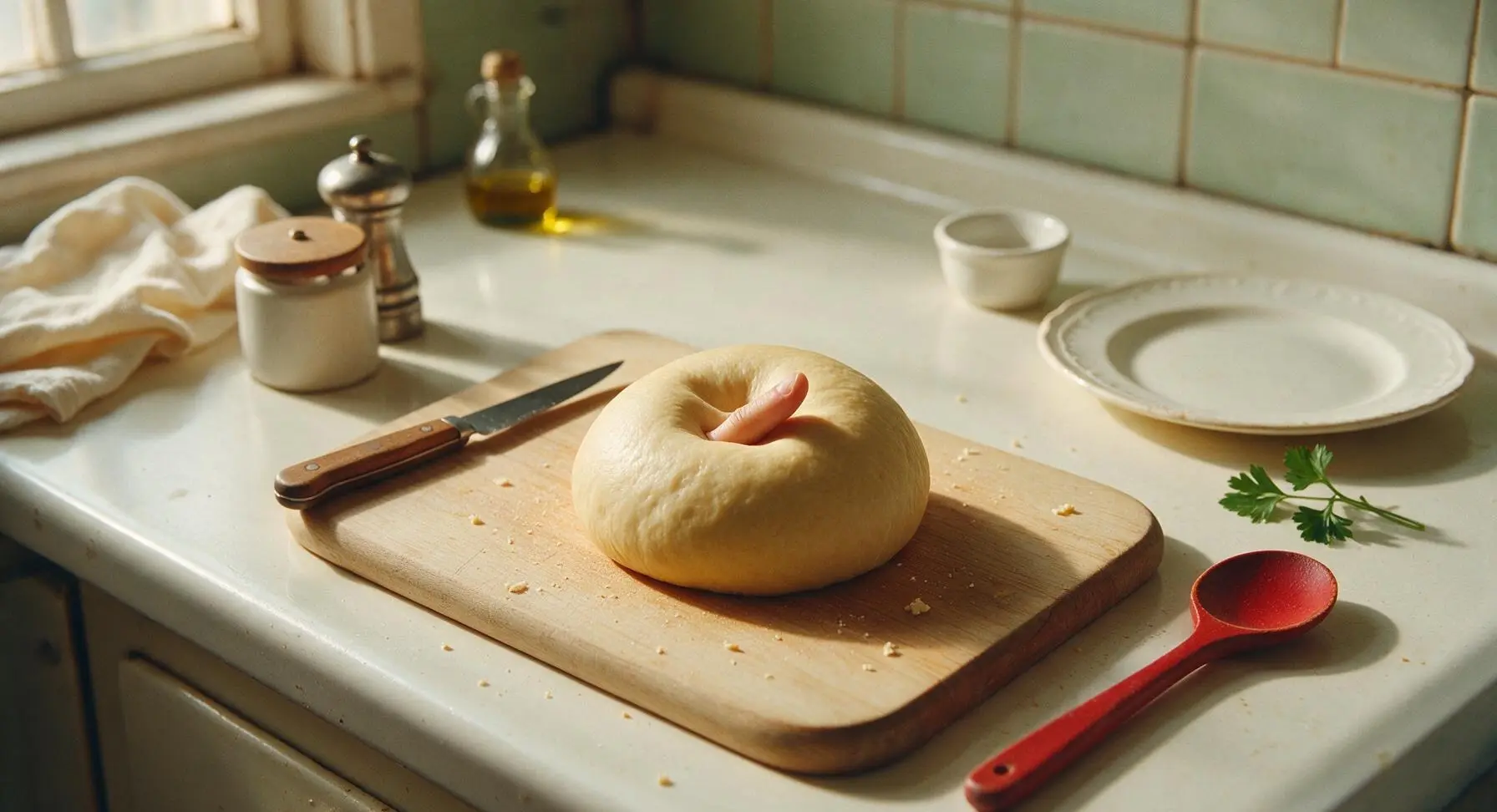
Turn the shaggy dough out directly onto the clean quartz countertop (avoid adding extra flour at this stage to prevent tough noodles). Knead firmly with the heels of your hands, folding the dough over itself and pressing forward, for 8 full minutes. The dough will feel stiff and lumpy at first, then will become smooth, elastic, and pale golden, springing back slightly when pressed with a finger, with no surface cracks. Add only a tiny pinch of flour if the dough sticks severely to your hands or counter.
Step 2
step2:Knead Until Smooth
Step 2
step2:Knead Until Smooth
3

Rest Dough Fully

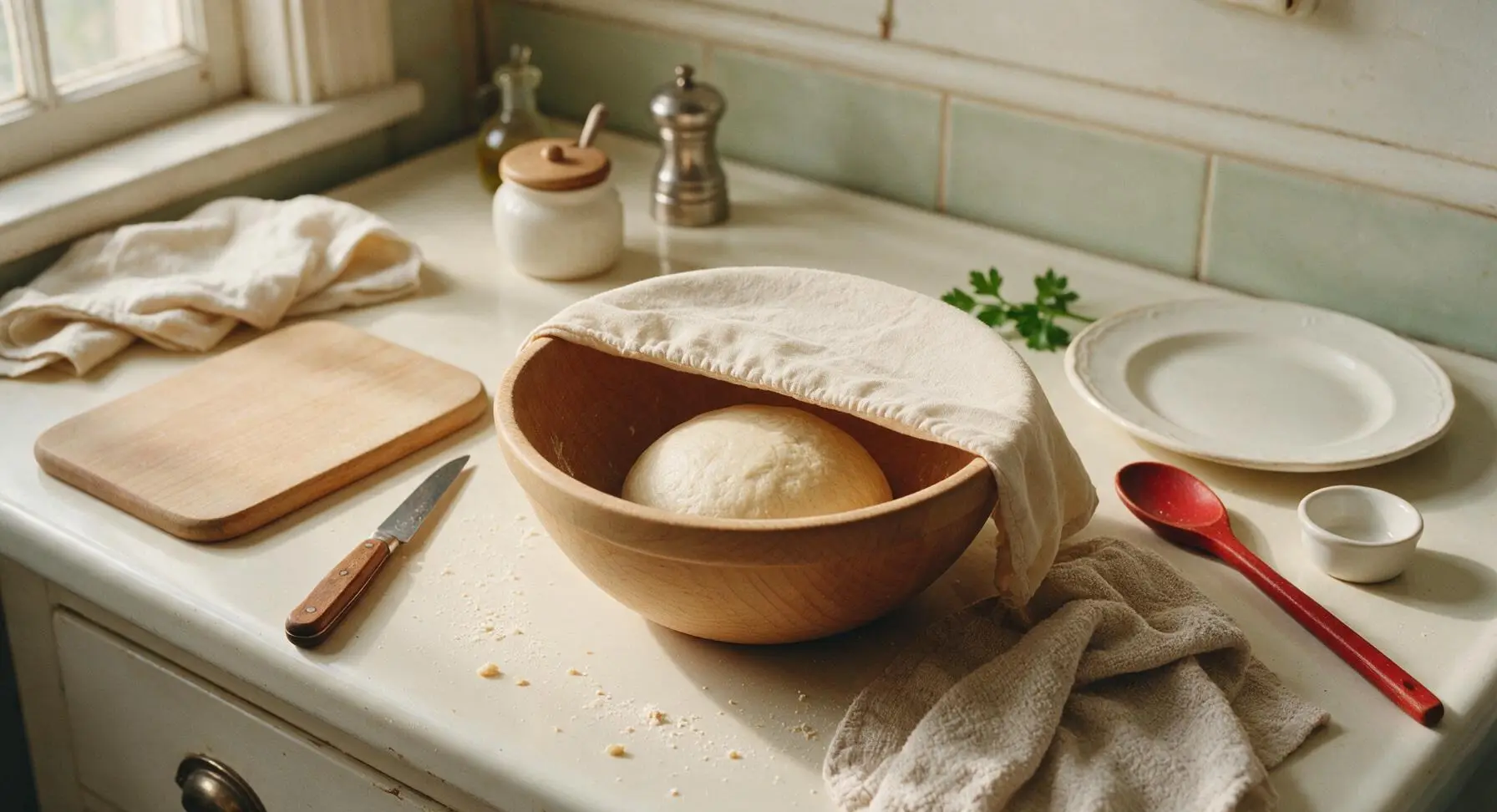
Place the smooth kneaded dough ball back into the beech wood mixing bowl. Pull the elastic-edged beige cotton bowl cover from the bowl and stretch it over the top to cover the dough completely. Let the dough rest at room temperature for exactly 20 minutes. This rest relaxes gluten strands developed during kneading, so the dough will roll out easily without shrinking back; skipping this step leads to tough, shrink-prone noodles.
Step 3
step3:Rest Dough Fully
4

Roll Dough Thinly

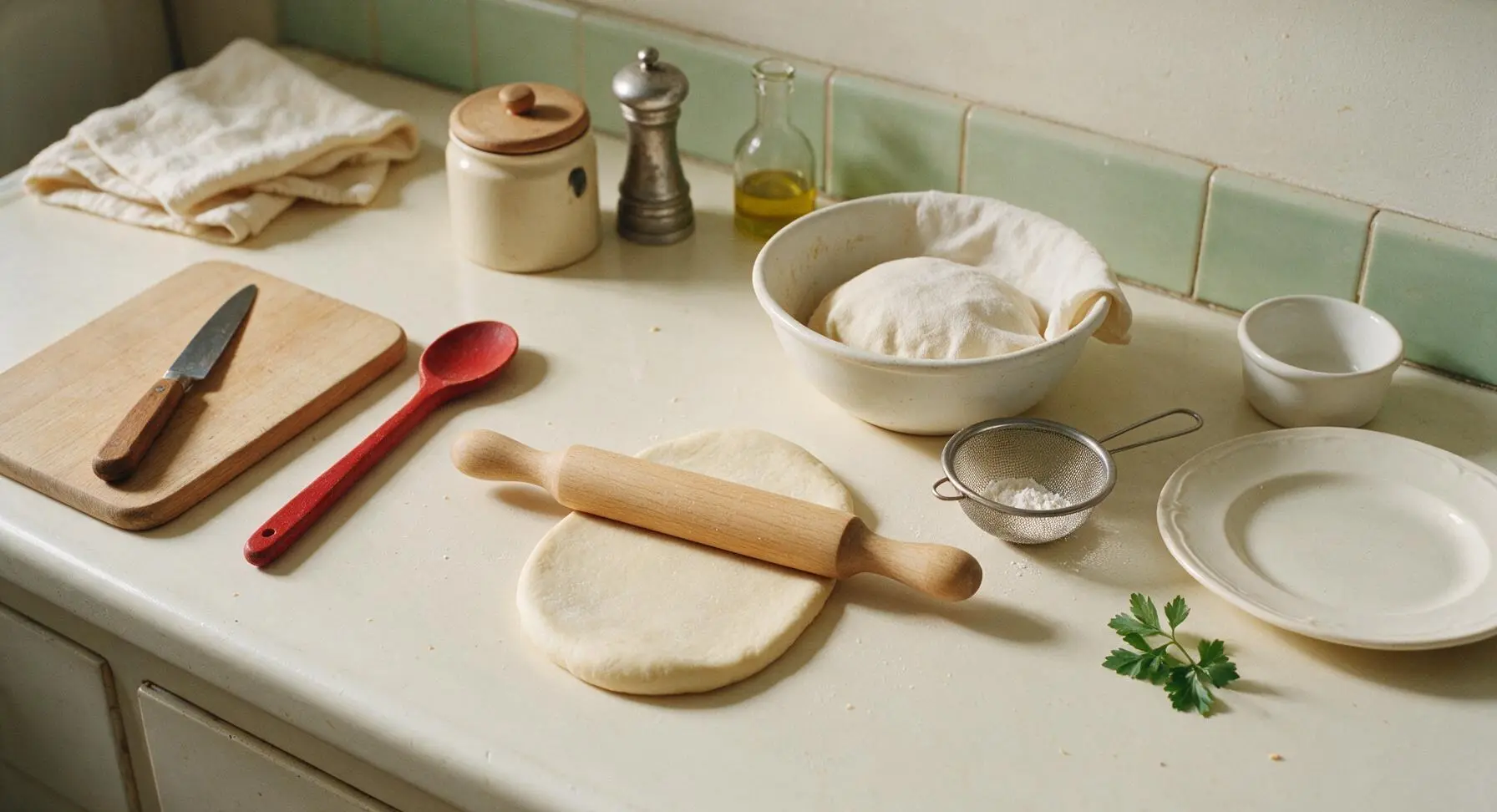
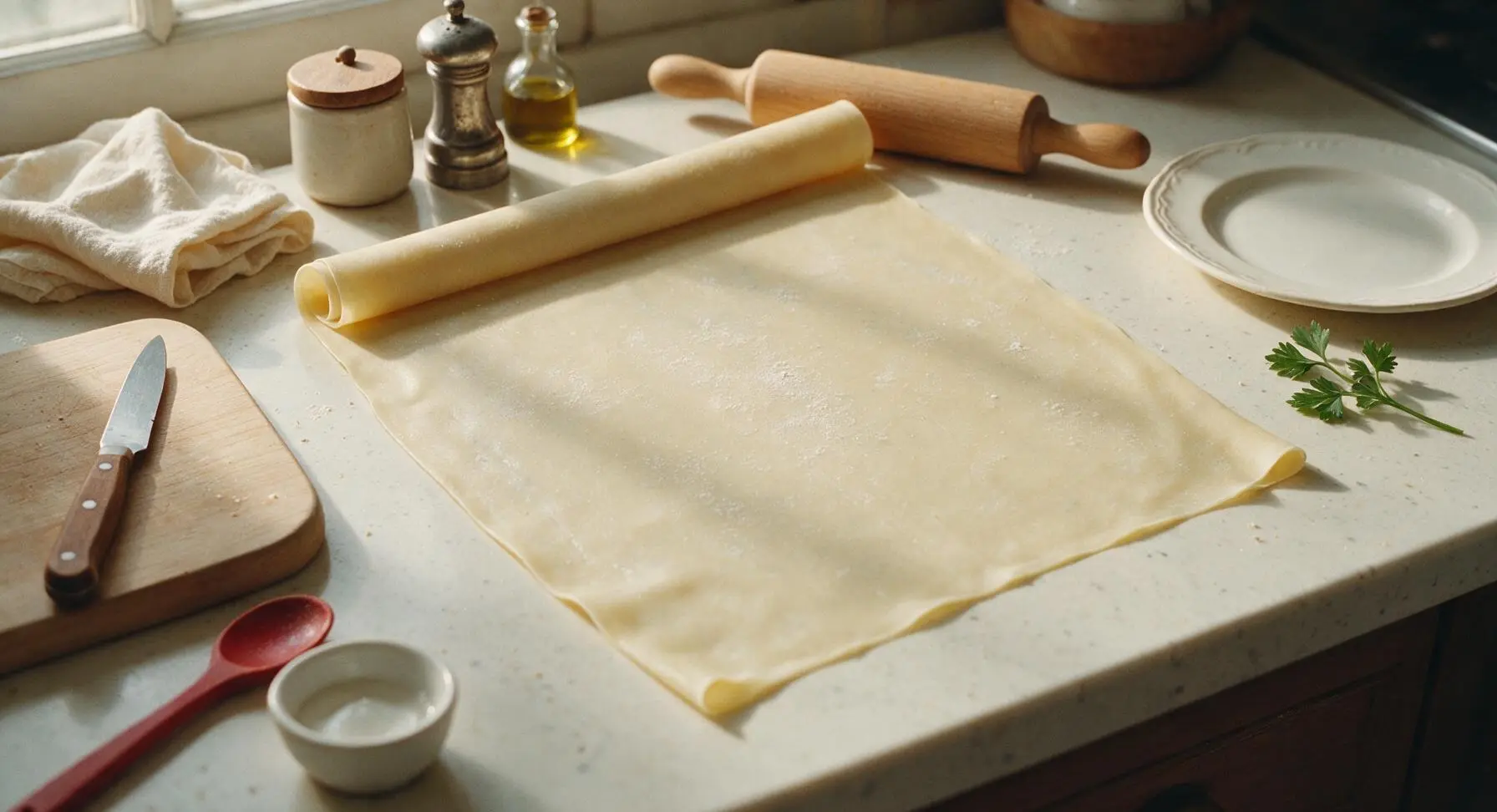
After 20 minutes of resting, uncover the dough, cut it into 2 equal pieces with the chef knife to make rolling more manageable. Keep one piece covered with the cotton bowl cover while working with the other. Use the beech wood rolling pin to roll the dough out into a large, even 2mm-thick sheet, turning the dough a quarter turn after every 2 rolls to prevent sticking. Dust very lightly with cornstarch (from the sieve) if the dough sticks; cornstarch prevents gumminess when noodles cook, unlike extra flour. The finished sheet should be thin enough to faintly see the shadow of your hand through it when held up to the window light.
Step 4
step4:Roll Dough Thinly
Step 4
step4:Roll Dough Thinly
5

Cut Even Noodle Strips

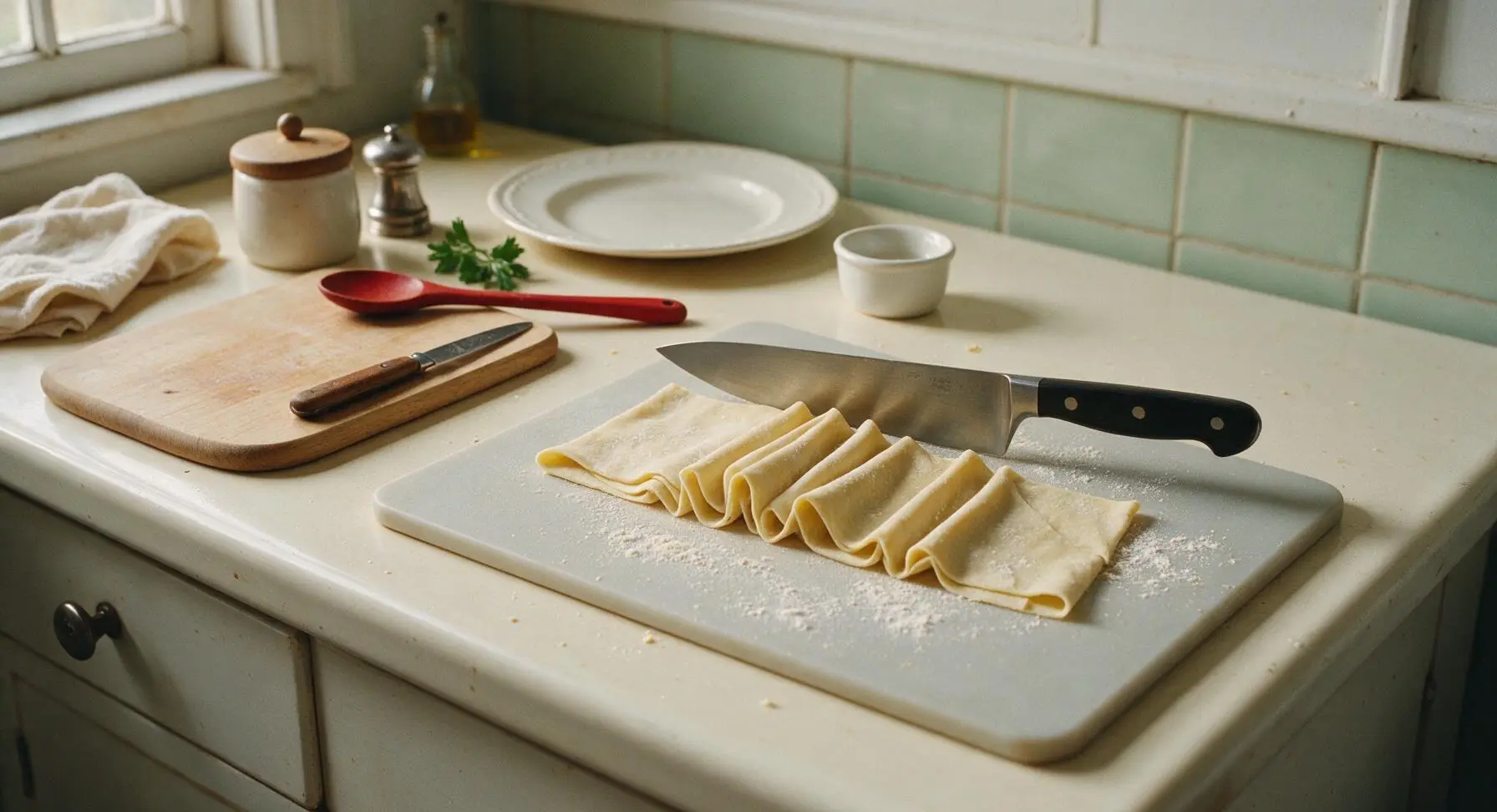
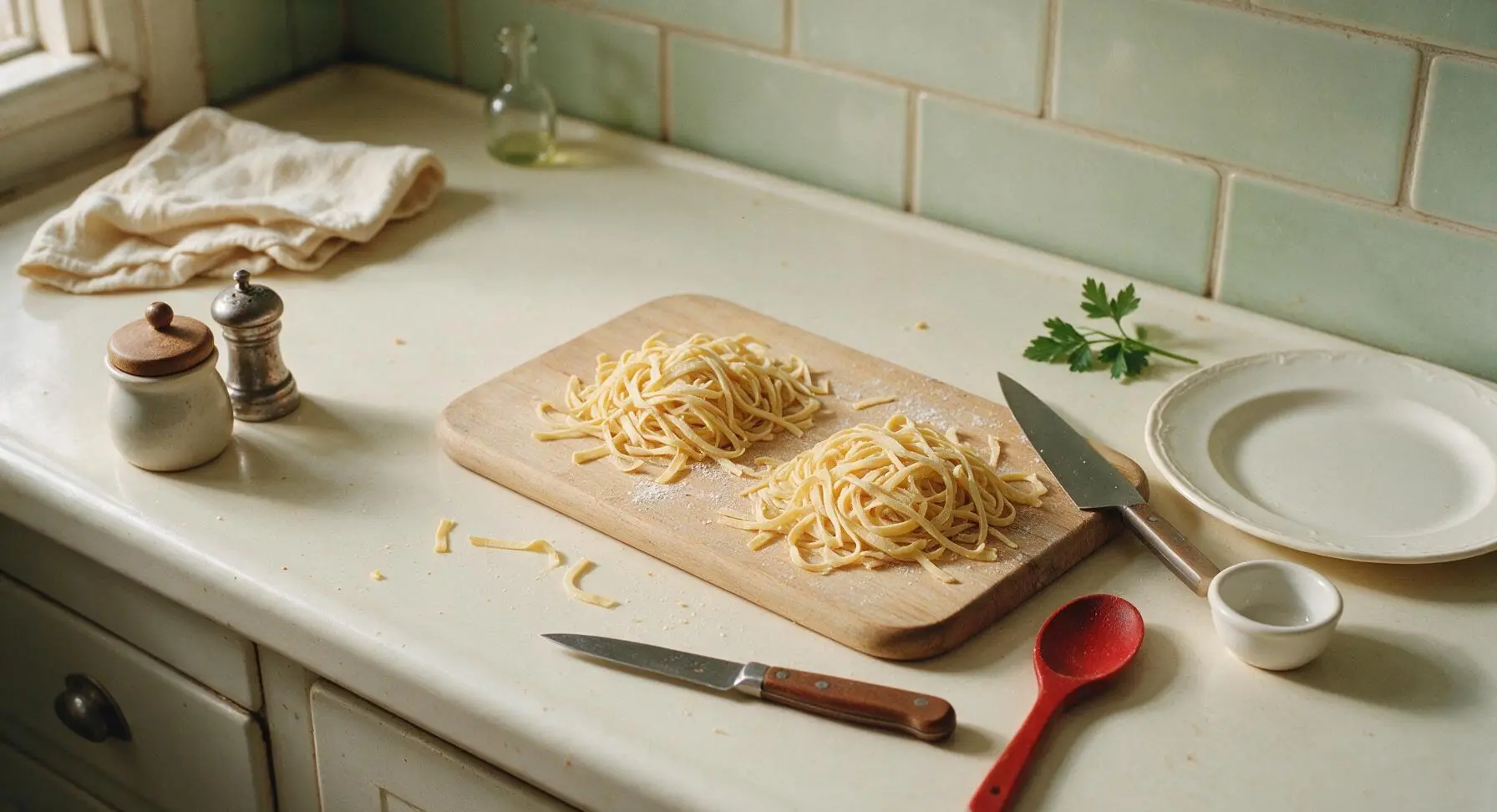
Lightly dust the entire rolled dough sheet with cornstarch using the fine-mesh sieve, then fold the sheet into loose 3-inch wide accordion folds, ensuring each layer is lightly dusted with cornstarch to prevent sticking. Pull the light grey cutting board from under the counter to center-right position, lay the folded dough on the board, and use the chef knife to cut the folded dough into even 4mm-wide strips (adjust width for preference: wider for chewier noodles, thinner for softer noodles). As you cut, toss the strips gently with a little extra cornstarch to prevent clumping, unfolding any tangled strips and spreading them loosely on the cutting board.
Step 5
step5:Cut Even Noodle Strips
Step 5
step5:Cut Even Noodle Strips
6

Boil Fresh Noodles

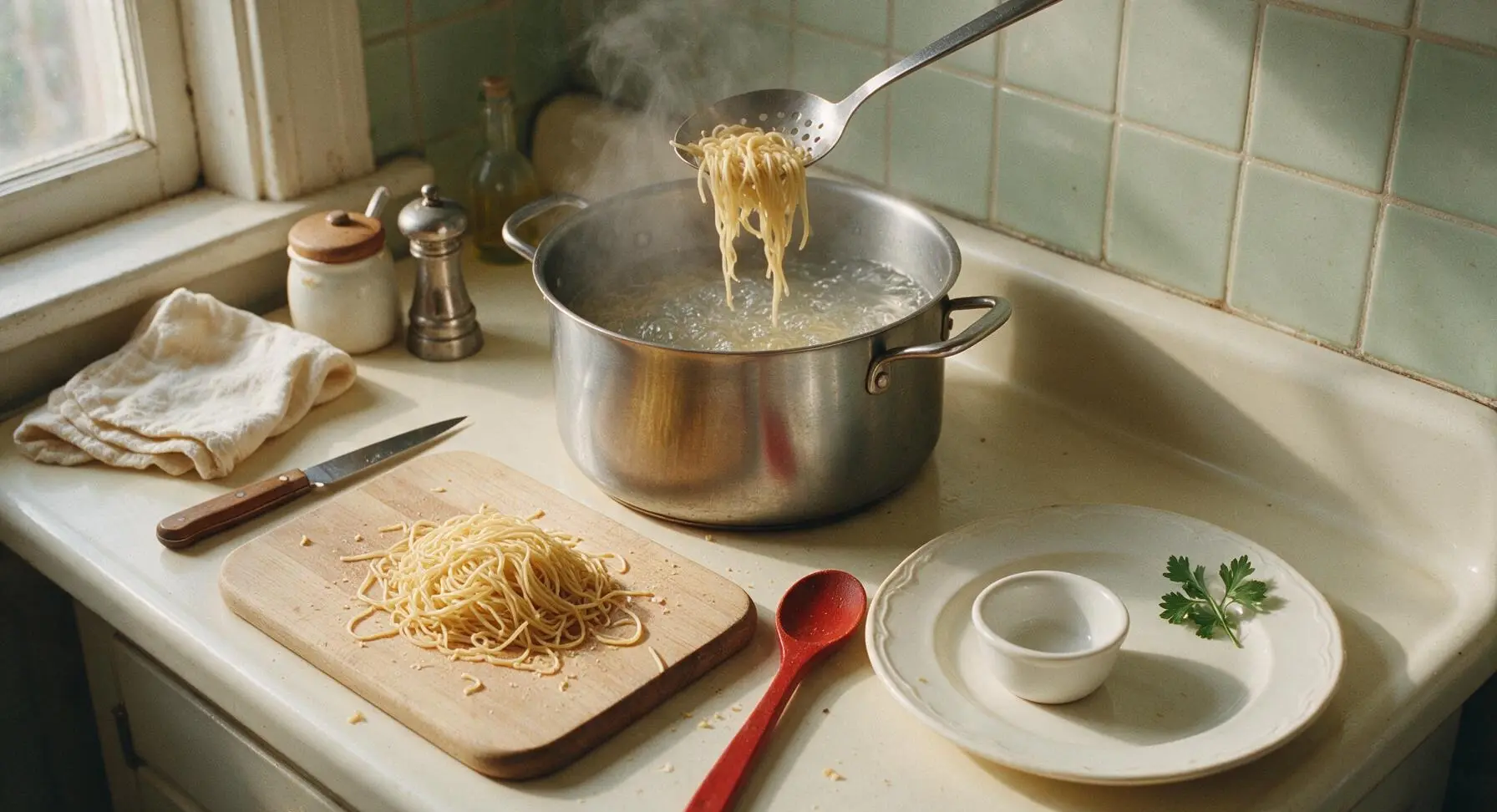
Place the 5L stainless steel stock pot on the rear counter near the window, fill with 3L of water, and bring to a rolling boil over high heat. There is no need to salt the water if your soup broth is already seasoned. Add the cut noodles to the boiling water, stir immediately with the long-handled slotted spoon to prevent sticking to the pot bottom. Boil the noodles for exactly 2 ½ to 3 minutes, until they float to the surface and are tender but still have a firm, springy al dente bite. Do not overcook, as noodles will continue to soften when added to hot soup broth.
Step 6
step6:Boil Fresh Noodles
7

Drain For Soup

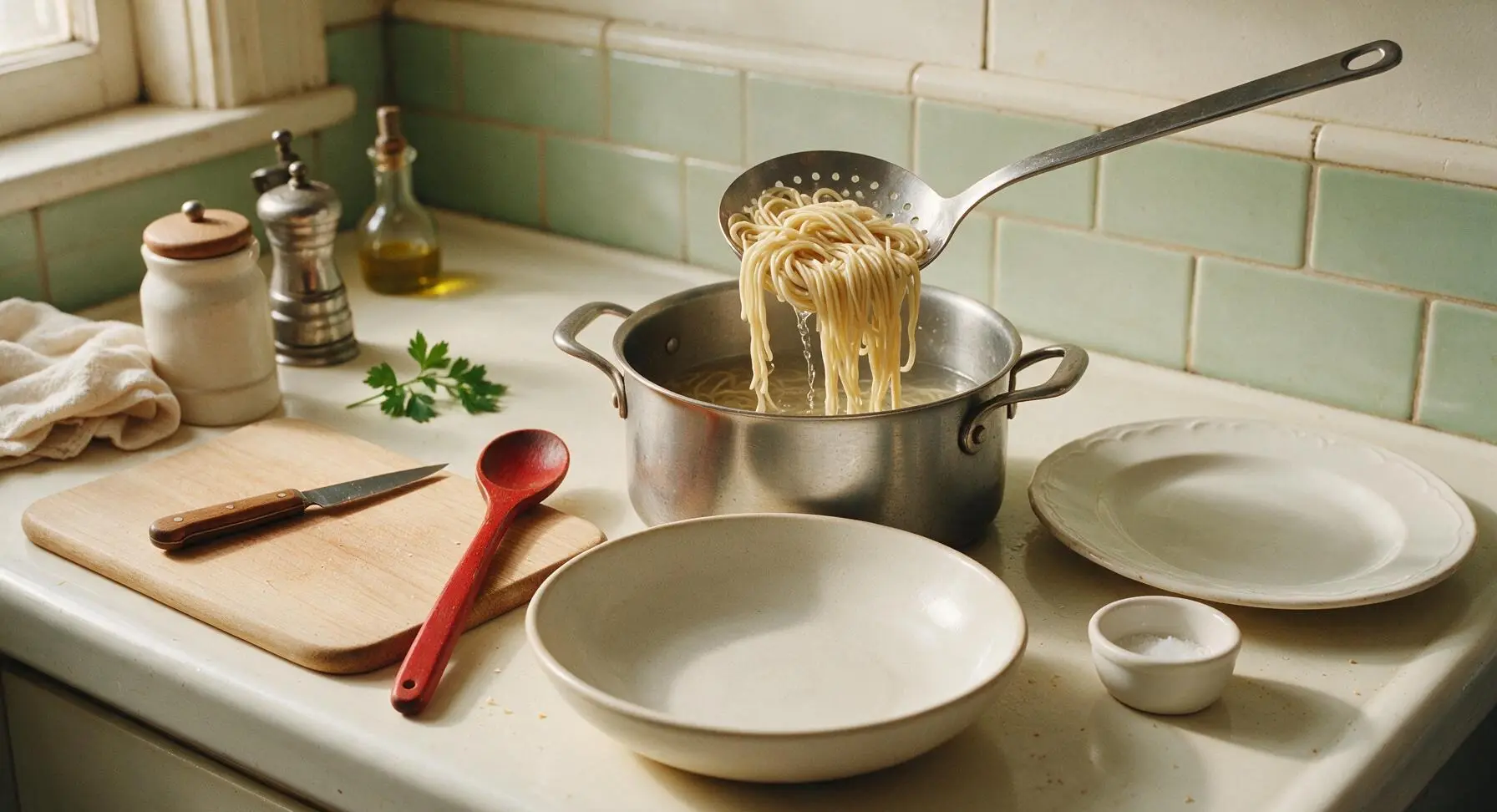
Once noodles reach al dente texture, drain them immediately in the sink (just out of frame), then rinse very briefly with warm (not cold) water to wash away excess surface starch that would make soup cloudy. Do not rinse for long, as a light starch coating helps broth cling to noodle surfaces. Add drained noodles directly to hot soup broth to serve immediately.
Step 7
step7:Drain For Soup

Tips

1.Use cornstarch instead of extra all-purpose flour for dusting during rolling and cutting: flour will make noodle surfaces gummy and cloud your soup, while cornstarch creates a non-stick layer without affecting broth clarity.
2.Do not skip the 20-minute dough rest: this relaxes the tight gluten strands formed during kneading, so dough rolls out easily without shrinking back, resulting in springy, chewy noodles instead of tough, dense ones.
3.Avoid overcooking the noodles: fresh noodles cook in just 2-3 minutes, and will continue to soften for 1-2 minutes after being added to hot soup. Boil only until al dente to prevent mushy noodles in your finished soup.


✨ You May Also Like

Soups & Stews
🍜 Japan

Rich, umami-dense Hokkaido-style miso ramen with chewy noodles, savory fermented broth, and classic toppings, a cozy, deeply satisfying warm meal.

⏱️ 45 minuteSoups & Stews ★ 4.5
Soups & Stews
🍜 United States

A hearty, peppery tripe and root vegetable stew with colonial Philadelphia roots, thick, warming, and packed with bold savory flavor for cold winter days.

⏱️ 2 hours 3Soups & Stews ★ 4.6
Soups & Stews
🍜 Mexico

Hearty, warming red pork posole loaded with tender hominy, slow-simmered in a rich smoky chile broth, served with zesty fresh garnishes for a deeply comforting, satisfying meal.

⏱️ 2 hours 3Soups & Stews ★ 4.7
Soups & Stews
🍜 United States

Warm, soothing classic chicken noodle soup loaded with tender chicken, soft egg noodles, and savory veggies, perfect for chasing chills and feeding the whole family.

⏱️ 40 minuteSoups & Stews ★ 4.9
Soups & Stews
🍜 France

Deeply savory caramelized onion broth topped with crusty bread and bubbly melted Gruyère, a timeless French bistro comfort food ideal for cold days.

⏱️ 1 hour 25Soups & Stews ★ 4.8
Soups & Stews
🍜 United States

Hearty, briny Maryland crab soup loaded with sweet blue crab, tender summer vegetables, and zesty Old Bay, a beloved Chesapeake Bay coastal comfort staple.

⏱️ 55 minuteSoups & Stews ★ 4.9

homemade noodles for soup:Frequently Asked Questions

1.Why don’t these homemade wheat noodles turn mushy when left in hot soup broth? ▾
This recipe uses a lower-hydration, egg-fortified dough that builds a tight, strong gluten network when kneaded and rested, plus a light cornstarch dusting after cutting. That structure repels excess broth absorption, so noodles stay chewy and springy for 15-20 minutes in hot soup instead of turning soggy quickly.
2.Can I use bread flour instead of all-purpose flour for this recipe? ▾
You absolutely can, though you’ll get an even chewier, firmer noodle. Bread flour has higher protein content (12-14% vs 10-12% for all-purpose), so cut back cold water by 1 teaspoon to keep the dough tight enough to hold up in broth, and add 2 extra minutes of resting time to relax the stronger gluten.
3.Do I need a pasta machine to make these noodles, or can I roll them by hand? ▾
No pasta machine is required! After resting the dough, cut it into 4 small pieces, roll each as thin as possible (about 1/16-inch thick) on a lightly cornstarch-dusted counter, fold the sheet into loose layers, and cut to your desired width with a sharp chef’s knife. Keep cuts as even as possible for consistent cooking.
4.What’s the purpose of using cold water instead of room temperature water in the dough? ▾
Cold water slows gluten development during initial mixing, which keeps the dough from getting overly elastic and hard to roll out, while also creating a tighter, less porous crumb in the finished noodle. That less porous structure is key for preventing excess broth absorption that leads to mushy, soggy noodles.
5.How long do I need to rest the noodle dough, and why is that step non-negotiable? ▾
Rest the tightly wrapped dough for a full 30 minutes at room temperature before rolling. This gives freshly developed gluten time to fully relax, so the dough won’t shrink back constantly as you roll it, and it creates a uniform, springy texture instead of dense, tough spots in cooked noodles. Don’t skip this!
6.Why is cornstarch used instead of extra flour to dust noodles while rolling and cutting? ▾
Cornstarch doesn’t get absorbed into the dough the way extra all-purpose flour does, so it won’t dry out noodle surfaces or make your finished soup broth cloudy and starchy. It creates a smooth, non-stick barrier between cut noodles so they don’t clump, without adding excess raw flour flavor to your dish.
7.How long do I cook these fresh noodles before adding them to soup? ▾
Boil noodles in heavily salted water for 2 to 3 minutes total, until they float to the surface and have a slight springy al dente bite at the center. Don’t overboil them, since they’ll continue to soften a little once you ladle hot soup broth over them in serving bowls.
8.Can I make these noodles ahead of time, and how should I store them? ▾
You can! For short-term storage, toss cut noodles in a light cornstarch coating, seal in an airtight container, and refrigerate for up to 3 days. For longer storage, freeze floured, loose noodle nests on a baking sheet first, then transfer to freezer bags for up to 3 months—no thawing needed before cooking.
9.What happens if I skip the eggs to make a vegan version of these noodles? ▾
Skipping eggs will create a much softer, more porous noodle that absorbs broth quickly and turns mushy within minutes in soup. If you need a vegan swap, replace each large egg with 3 tablespoons of ice-cold water plus 1 teaspoon of vital wheat gluten to boost protein and recreate that sturdy, chewy structure.
10.Why do you recommend fine sea salt instead of regular table salt for the dough? ▾
Fine sea salt dissolves evenly throughout the dough during mixing, so every bite of noodle is consistently seasoned, rather than having random salty spots. If you only have table salt, use 25% less by volume (since it’s denser) and stir it into cold water first to ensure it fully dissolves before adding to flour.
11.My dough is really crumbly and won’t come together when I mix it—what went wrong? ▾
That’s almost always from measuring flour too densely, which throws off the hydration ratio. Fix it by spritzing the crumbly dough with 1/4 teaspoon of cold water at a time, kneading between additions, until the dough forms a firm, smooth ball that doesn’t crack when pressed. Don’t add too much water, or noodles will get mushy.
12.How thick should I roll the dough for the best soup noodle texture? ▾
Aim for a dough sheet that’s roughly 1/16 of an inch thick—about the thickness of a standard credit card. If rolled too thick, noodles will be dense and doughy in soup; if rolled too thin, they’ll break apart easily and soften too fast in hot broth. This thickness delivers the perfect chewy, springy bite.
13.Can I add flavor mix-ins like spinach puree or turmeric to the noodle dough? ▾
Absolutely! Just account for extra moisture from add-ins like pureed spinach by squeezing out as much excess liquid as possible first, and cut back cold water in the recipe by 1 to 2 teaspoons to keep the dough firm. Keep add-ins to 2 tablespoons max per batch so you don’t weaken the gluten structure that keeps noodles sturdy.
14.Why do my noodles shrink a lot right after I cut them? ▾
That’s a sign you didn’t let the dough rest long enough after kneading, or you rolled it too quickly without letting gluten relax between passes. If you notice shrinkage as you roll, set the dough sheet aside for 5 minutes to let gluten loosen, then finish rolling and cutting to help noodles hold their shape through cooking.
15.Do I need to rinse these noodles after boiling them before adding to soup? ▾
Skip the rinse! Rinsing washes off the thin layer of surface starch that helps soup broth cling lightly to the noodles, so every bite is more flavorful. Just drain noodles well, divide them directly into serving bowls, and ladle hot broth and toppings over them right away for the best texture.
16.What width should I cut the noodles for different types of soup? ▾
For light, clear broths like chicken noodle or miso, cut noodles 1/8-inch wide for a classic slurpable size. For heartier, thicker soups like beef noodle or creamy vegetable, cut them 1/4-inch wide to stand up to heavier ingredients. Keep cuts even so every noodle cooks at the same rate.

Comments (11)

2 days ago

OMG these homemade wheat noodles are a total game changer for my weekly soup meal prep! I used to buy the dried store-bought ones that turn mushy 2 minutes into leftover soup, but these hold up SO good even after 3 days in the fridge. My kids go crazy for them when I make chicken noodle soup for Sunday family dinner. So easy too, I can’t believe I was intimidated to make fresh noodles for so long!

yesterday

So glad these worked out for your meal prep, Mia! The trick to them holding up in leftovers is letting them rest a few minutes after cutting before boiling, which keeps that perfect chewy texture. Hope your family keeps enjoying them!

yesterday

Wait, do you freeze them okay? I want to make a big batch to pull out on busy school nights when I don’t have time to cook from scratch!

3 days ago

Made these last night for my potluck with the guys from my rec league, tossed them in a spicy beef noodle soup and everyone was asking for the recipe! Cook time was actually only 5 minutes like it says, no fancy equipment needed, just a rolling pin and a sharp knife. Chewy, hearty, way better than any takeout noodles I’ve had around here. 10/10

2 days ago

Love hearing these were a hit at your potluck, Jake! Spicy beef noodle soup is such a perfect pairing for these chewy wheat noodles — I’ll have to try that version myself soon!

5 minutes ago

These are so good! I added a little pinch of garlic powder to the dough for extra flavor and they turned out perfect. Will be making these on repeat all soup season long.

1 week ago

Wait, no pasta machine needed? I was convinced fresh noodles were impossible to make in my tiny dorm kitchen but this was so easy! I ate them with miso soup for a late night study snack and it hit so much better than instant noodles. Only thing is I rolled mine a little too thick so they took an extra minute to cook, oops.

5 days ago

Same! I rolled mine too thick the first time too, pro tip is to flour the surface really well so you can roll them super thin without them sticking. Game changer for late night meals!

3 days ago

So impressed you pulled these off in a dorm kitchen! No pasta machine required, promise — just keep rolling until the dough is about as thin as a credit card, and they’ll cook up perfectly in that 5 minute window next time.

2 weeks ago

I’ve been making wheat noodles for soup for over 40 years and this recipe is spot on! The texture is exactly the soft but chewy bite I remember from my mom’s kitchen. I brought a batch to my granddaughter’s soccer team potluck last weekend and even the picky eaters went back for seconds.

1 week ago

Oh my gosh, I was at that potluck! Those were the noodles I couldn’t stop raving about, I had no idea you used this recipe. I’m definitely making them for our next team dinner!

30 minutes ago

I brought a vacuum sealed bag of these cooked noodles on my backcountry trip last weekend and they rehydrated perfectly in boiling broth at camp. So much lighter and tastier than carrying packs of dried ramen. Will be a staple on all my hikes from now on!

2 hours ago

Wait has anyone tried using these for something other than soup? I made them yesterday for chicken noodle but I have a little leftover dough and I’m curious if they work for stir fry too?

30 minutes ago

Great question! These noodles work beautifully for stir fry too — just boil them for 4 minutes, drain, and toss straight into your hot stir fry pan with sauce and veggies. They hold up perfectly without getting gummy!

yesterday

My kids are so picky about noodles — they usually only eat the super processed orange box kind, but they devoured these tonight! I cut them extra fun wiggly shapes with a pastry cutter and they thought it was the coolest thing ever. So easy to throw together even on a chaotic weeknight, zero weird ingredients. 10/10 will be a weekly staple.

2 hours ago

The wiggly shape idea is genius! My toddler also turns her nose up at anything that looks “too grown up” so I’m definitely stealing that trick for when I make these this weekend.

30 minutes ago

Same here! My two thought the wiggly noodles were “snake noodles” and ate two whole bowls each. I never thought homemade noodles would be such an easy win with toddlers.

just now

Solid recipe. I substituted half the all purpose flour with whole wheat flour for extra nuttiness and it turned out great. Perfect chewy texture, didn’t fall apart in my turkey vegetable soup. Will make again.

5 days ago

I was worried I’d mess up the dough because I’m terrible at baking, but this was so forgiving! I even added a little too much water at first and just tossed in a pinch more flour and it came out perfect. The noodles were so tender and didn’t get slimy in the broth at all. SO good.

3 days ago

That makes me feel so much better! I’m always scared to try dough recipes because I mess up the ratios constantly. If it’s that forgiving I’m definitely making these tonight for dinner.

3 days ago

I made these for my restaurant’s weekly soup special and they were a massive hit! Customers kept asking if we made the noodles fresh, and we sold out of chicken noodle soup 2 hours earlier than usual. Super simple recipe, scales up really well for big batches too. Can’t recommend enough.

2 days ago

Wow, that’s so cool to hear these worked for your restaurant special! I’m glad the recipe scales easily — the chewy texture really does make a bowl of soup feel extra special, so I get why it sold out fast!

yesterday

Wait, is this the noodle recipe from that little cafe on Main Street? I had the chicken noodle there earlier this week and the noodles were insane, I was trying to find the recipe for them! That’s so fun, I’m making these at home this weekend.