
Imperial Porter
intro
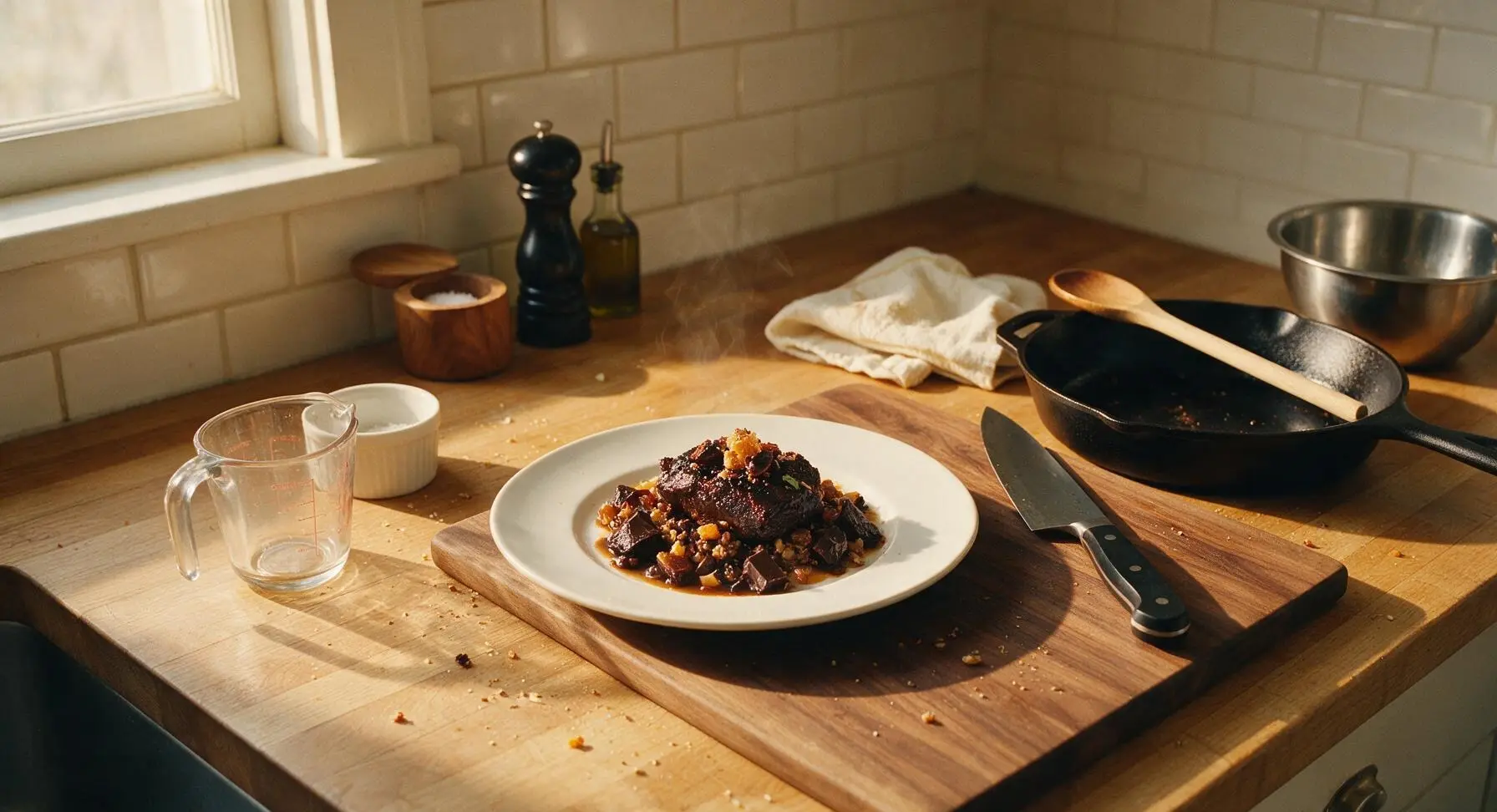
A rich, roasty high-gravity dark beer with notes of dark chocolate, toasted caramel, and dried fruit, balanced by subtle hop bitterness, perfect for slow sipping on cold winter evenings.
Ingredients
Steps
Sanitize Brewing Equipment
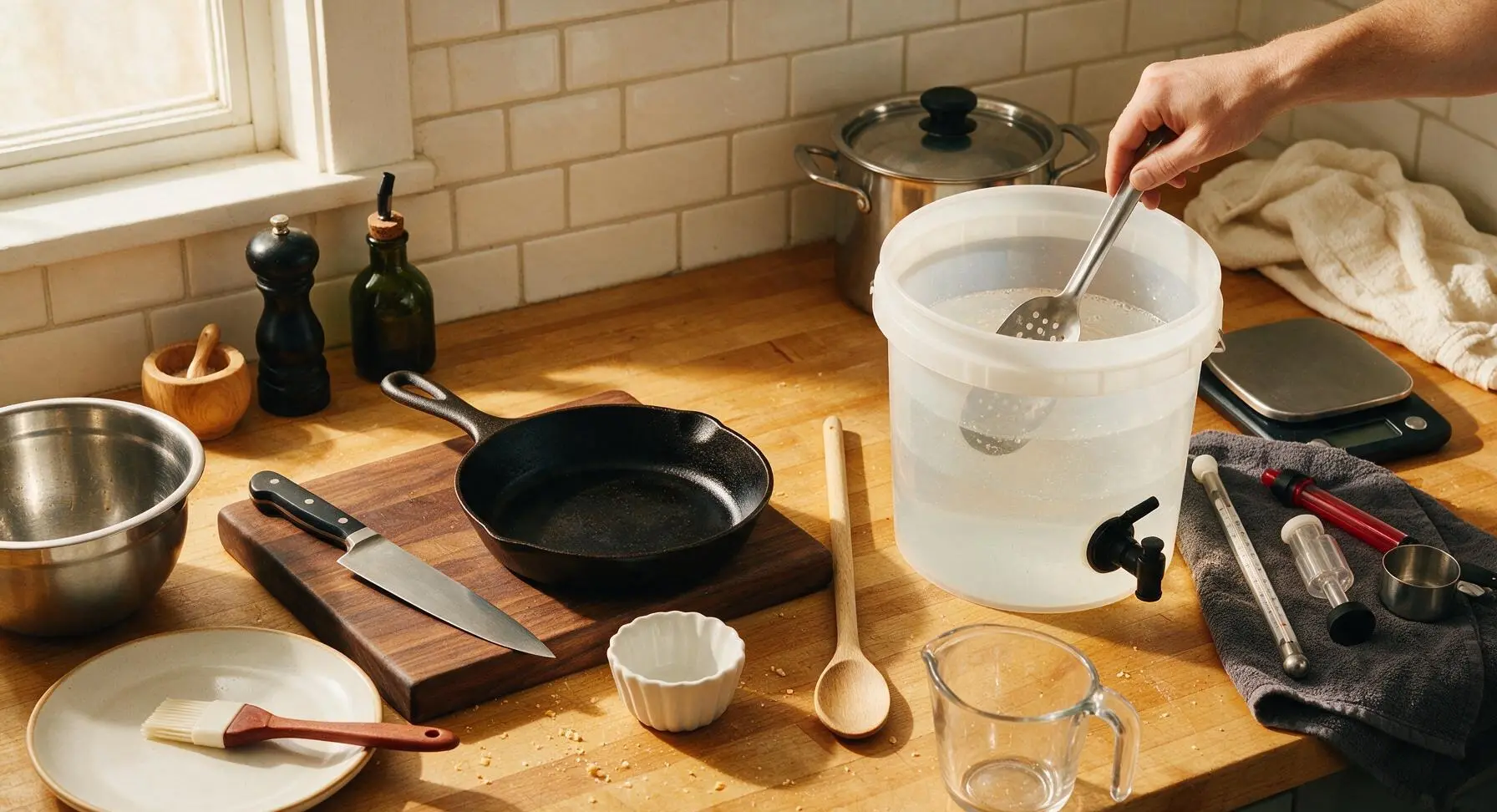
Mix no-rinse brewing sanitizer in the 6.5-gallon fermentation bucket per package directions. Submerge the grain bag, stirring spoon, thermometer, airlock, auto-siphon, and stainless measuring cup in sanitizer for 60 seconds, then set on the cleaned counter to air dry. Any surface that will touch cooled wort must be fully sanitized to prevent bacterial infection and off-flavors.
Heat Mash Water
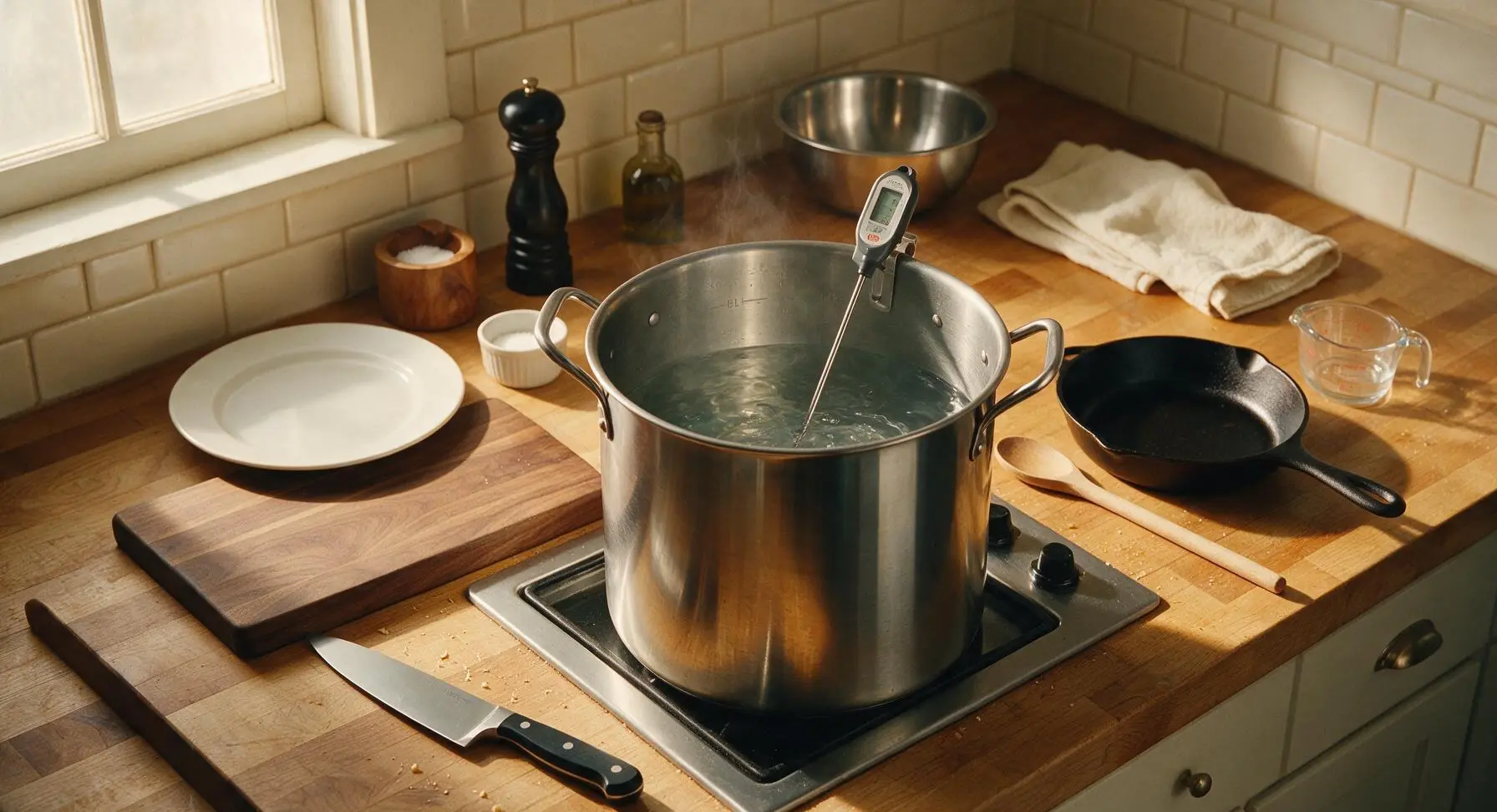
Fill the 5-gallon stainless brew kettle with 15L (4 gallons) of cold filtered water, stir in the gypsum brewing salt and optional Campden tablet for chlorine removal. Heat over medium flame to exactly 67C (153F), checking temperature regularly with the instant-read thermometer. Do not bring water to a boil at this stage.
Steep Crushed Grains
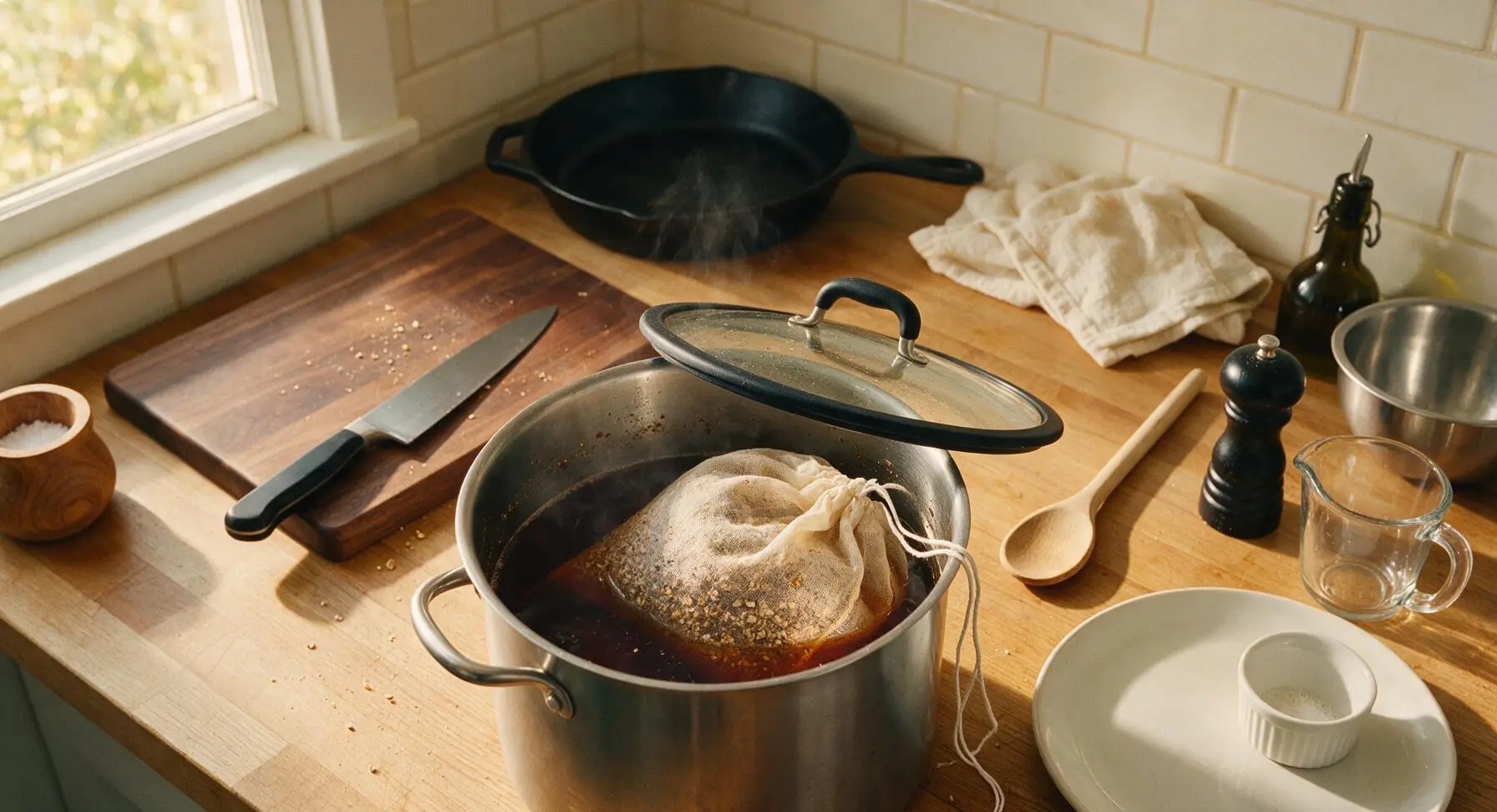
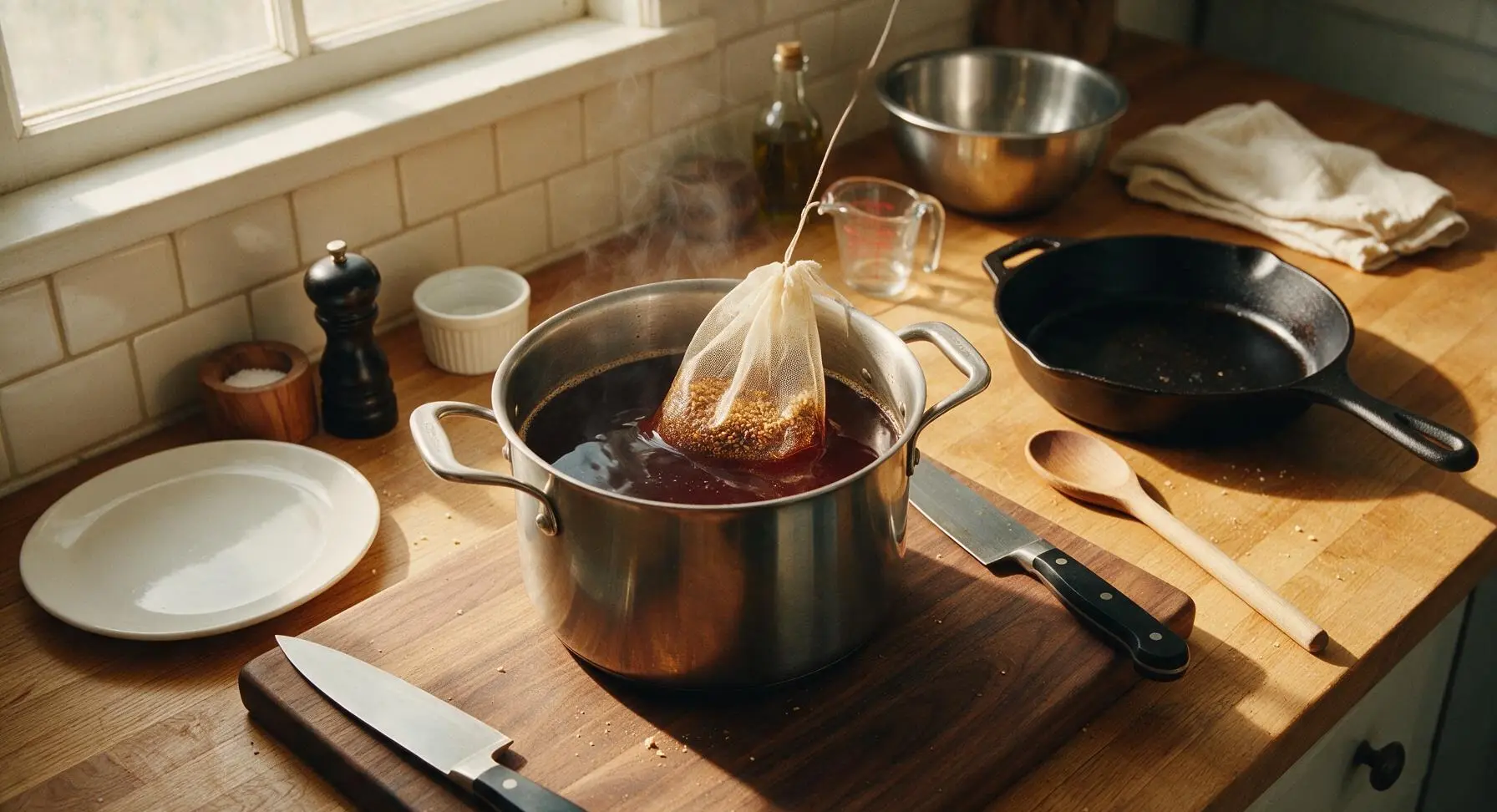
Place all crushed pale malt, chocolate malt, crystal 60L malt, and roasted barley into the fine-mesh stainless grain bag, tying the cotton drawstring loosely. Lower the grain bag fully into the 67C (153F) water, ensuring all grains are submerged. Cover the kettle, hold a steady temperature of 65-68C (149-154F) for 60 minutes, stirring gently every 10 minutes to break up dry dough balls in the grain bed. The liquid will darken to deep mahogany as malt sugars extract.
Bring Wort to Boil
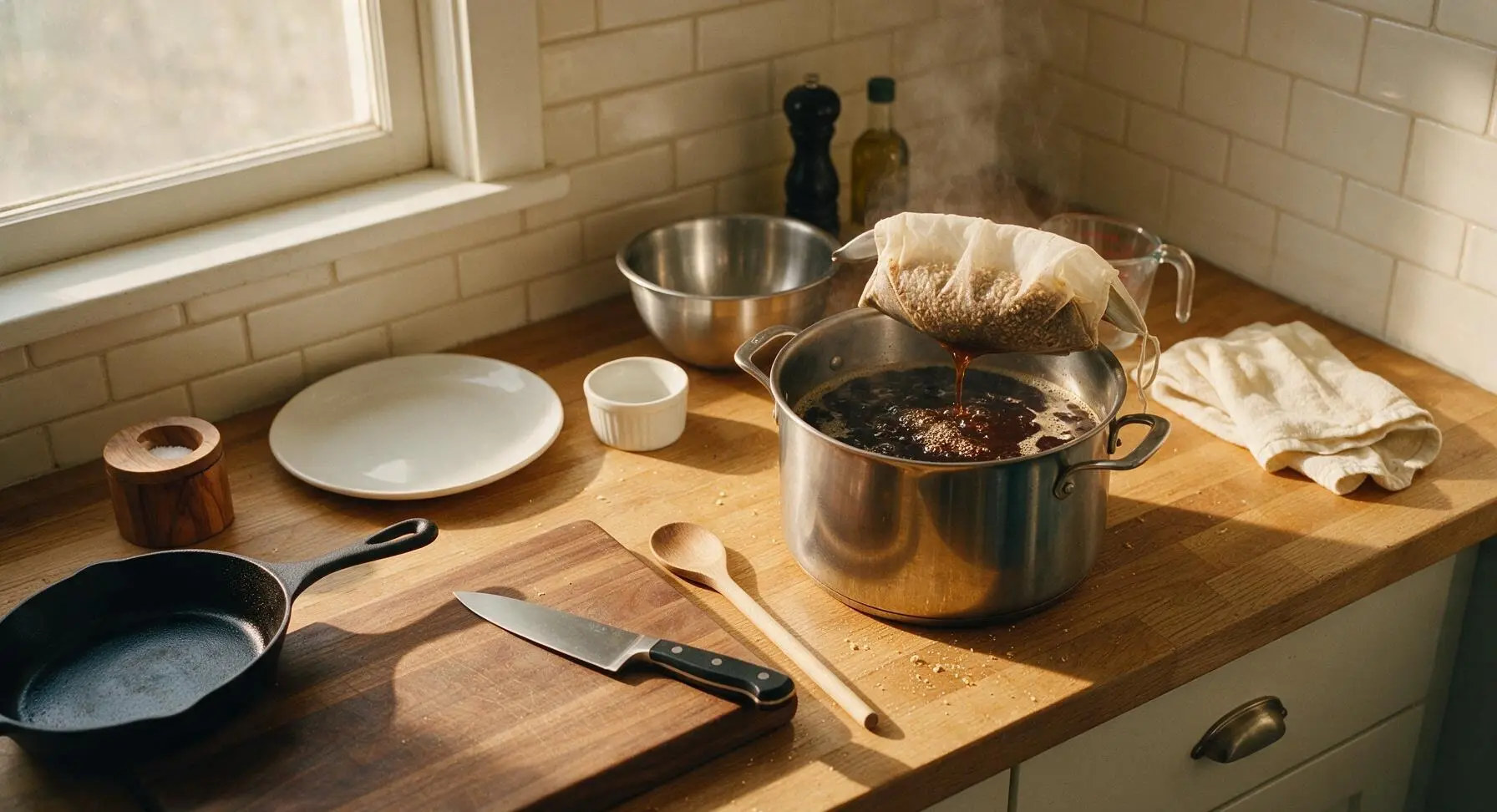
Lift the grain bag fully out of the kettle, resting it across the kettle rim to drain completely by gravity for 5 minutes—do not squeeze the bag, as this extracts harsh astringent tannins. Turn heat to high, bringing the dark wort to a gentle, rolling boil, watching closely to prevent sticky boil-over onto the stovetop. Once a steady boil is reached, set a timer for 60 minutes total boil time.
Add Hops on Schedule
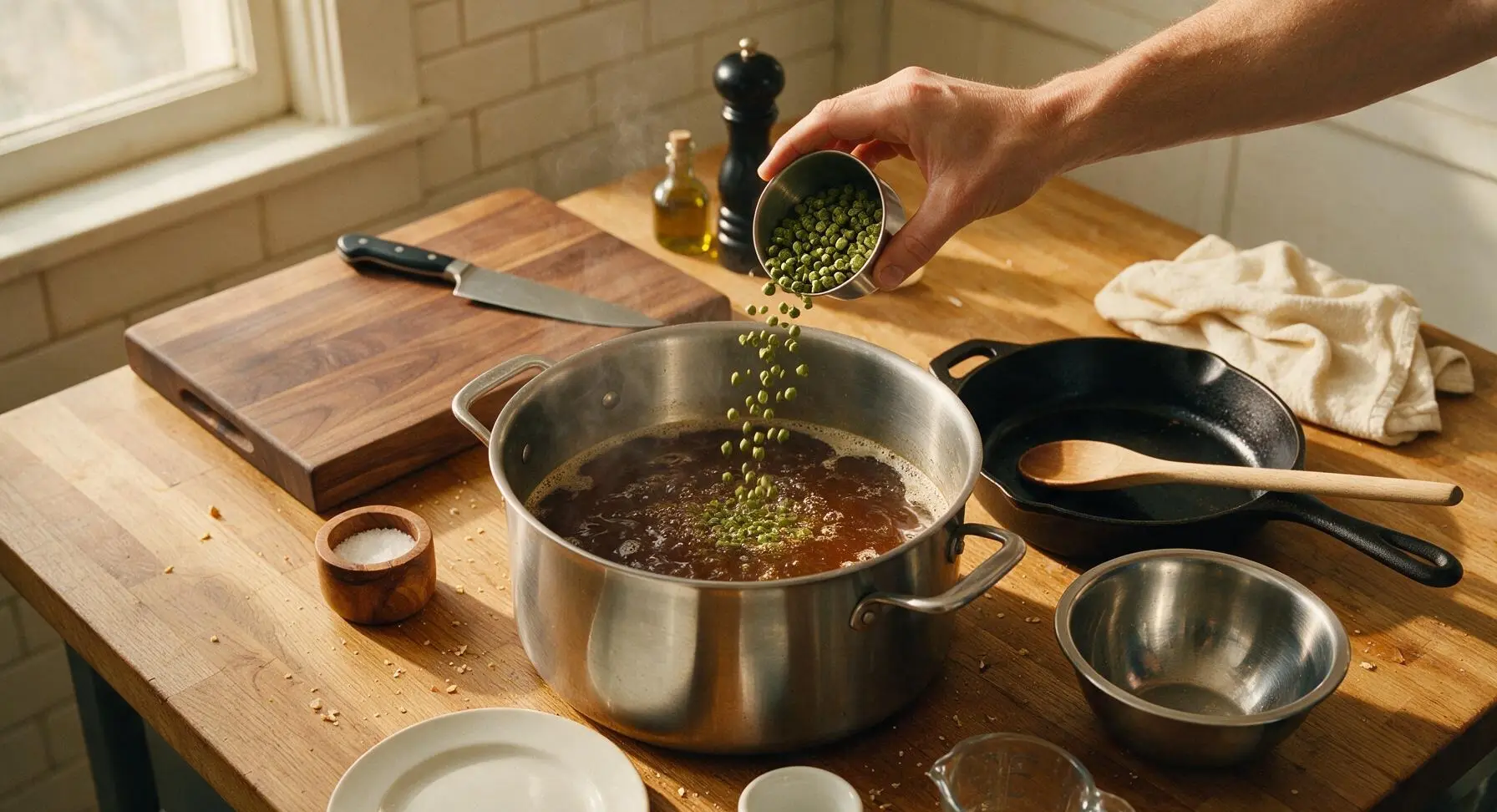
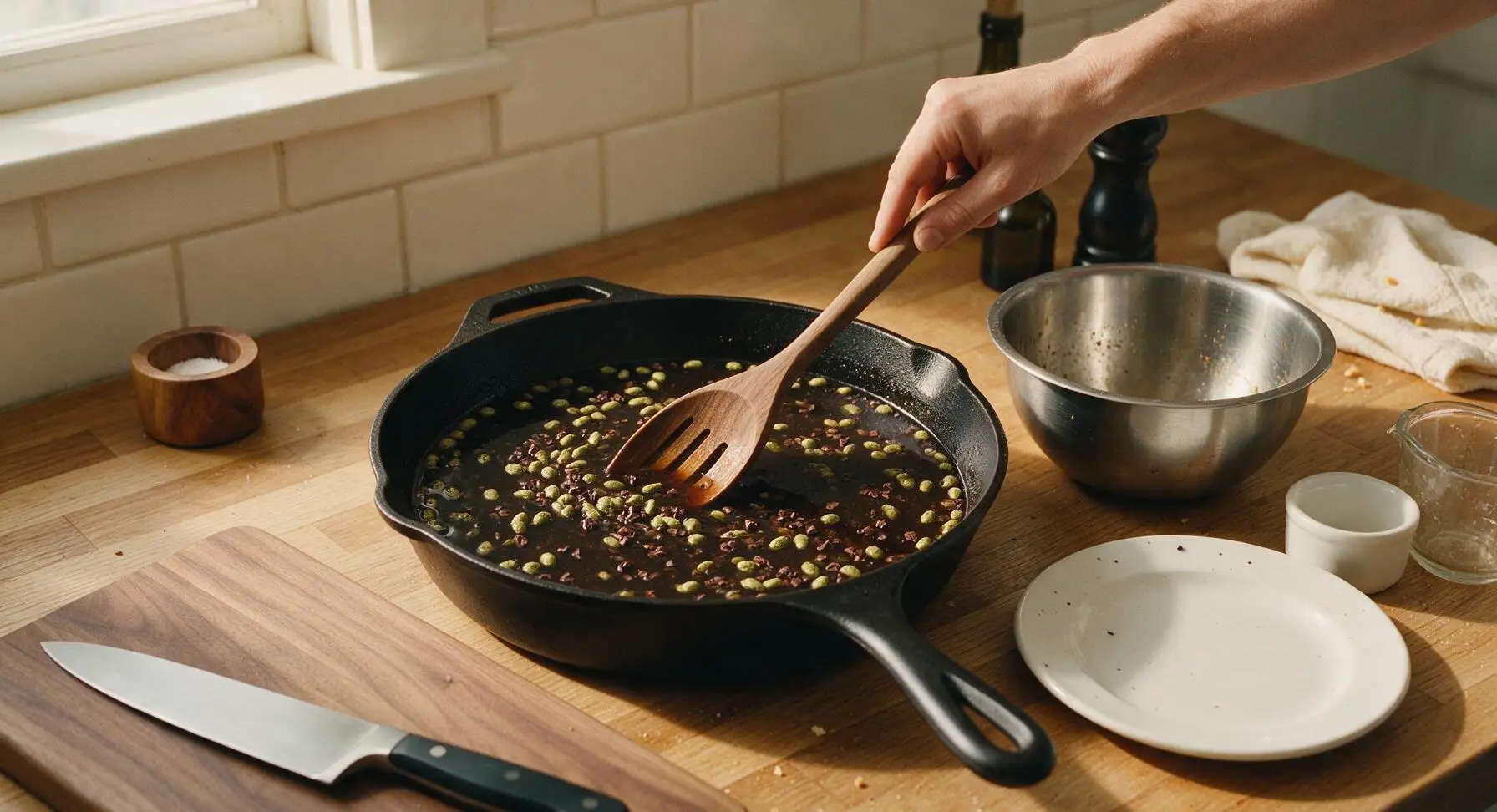
At the start of the 60-minute boil (60 minutes remaining), add all Magnum hop pellets to provide clean, balanced bitterness. With 15 minutes left in the boil, add half of the East Kent Goldings hops for earthy, floral flavor. When the 60-minute timer ends, turn off heat completely, then add the remaining East Kent Goldings, all Cascade hops, and roasted cacao nibs. Let the mixture steep off heat for 20 minutes to add bright aroma and chocolate notes.
Cool Wort Rapidly
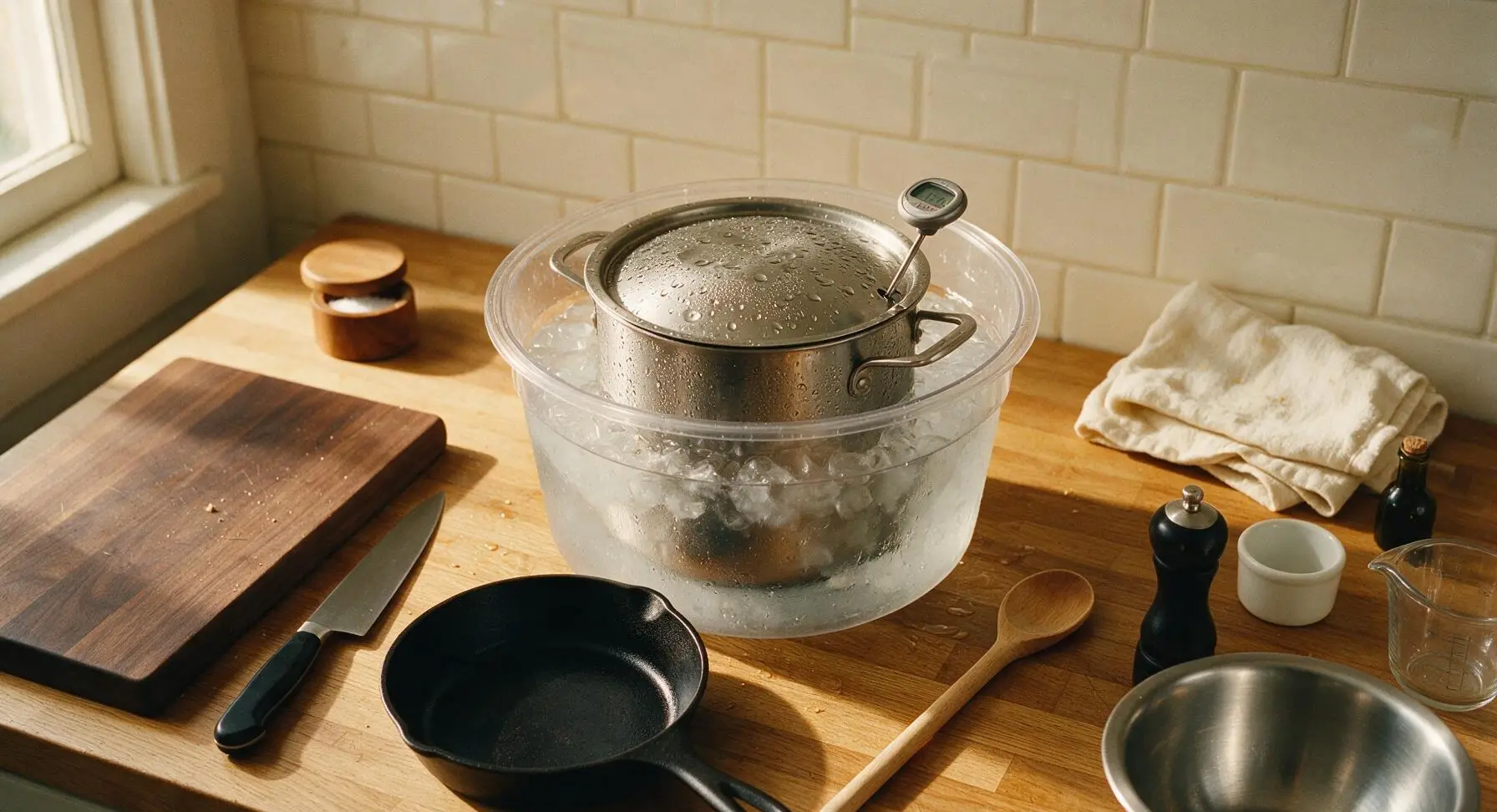
Cover the kettle tightly with its lid, then place it in a large clear plastic tub filled with ice water set on the center of the counter. Cool the wort as quickly as possible to 20C (68F) (target: under 30 minutes total cooling time), checking temperature periodically with the sanitized instant-read thermometer. Avoid opening the lid unnecessarily to prevent airborne contamination.
Transfer to Fermenter
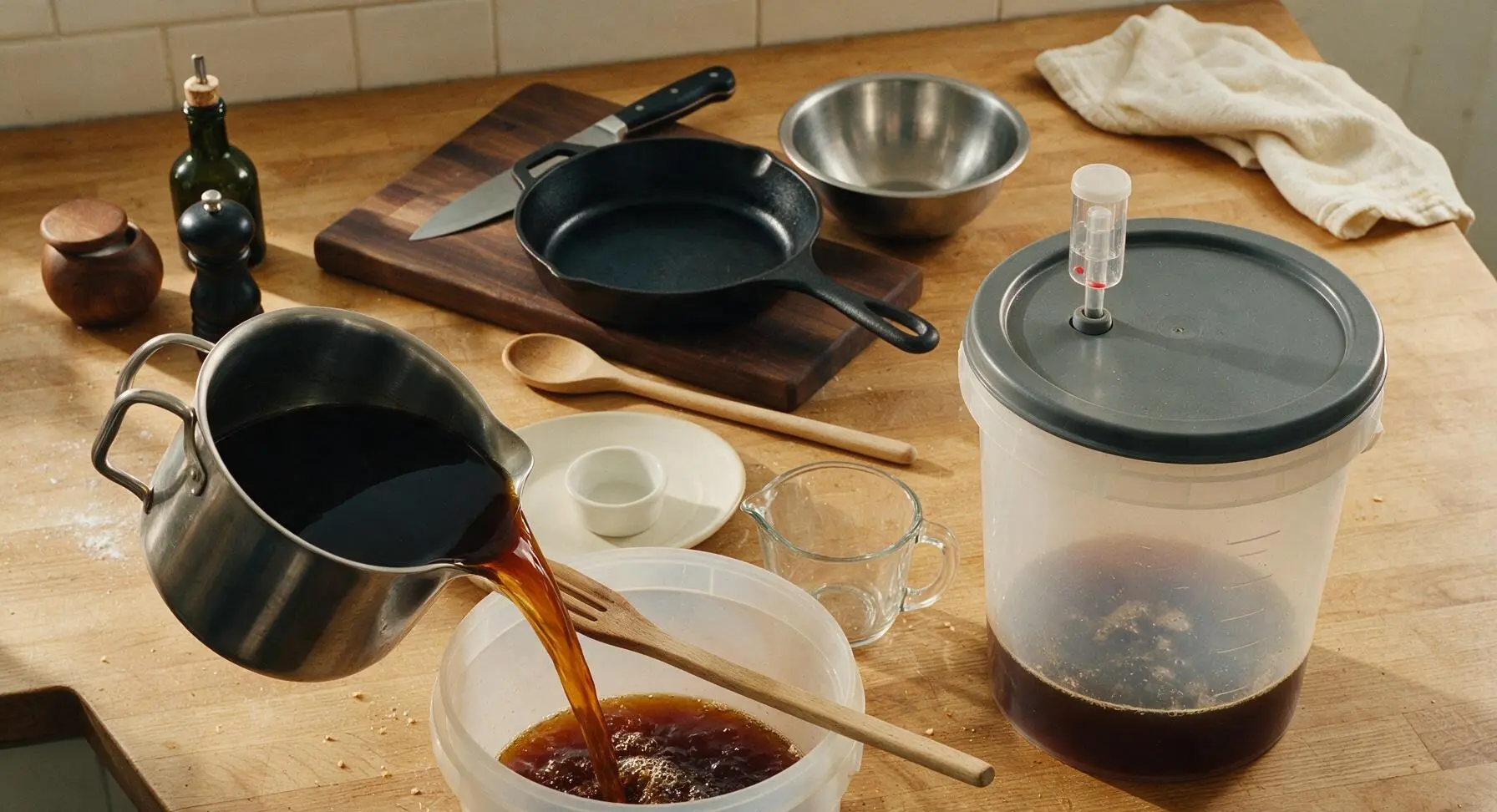
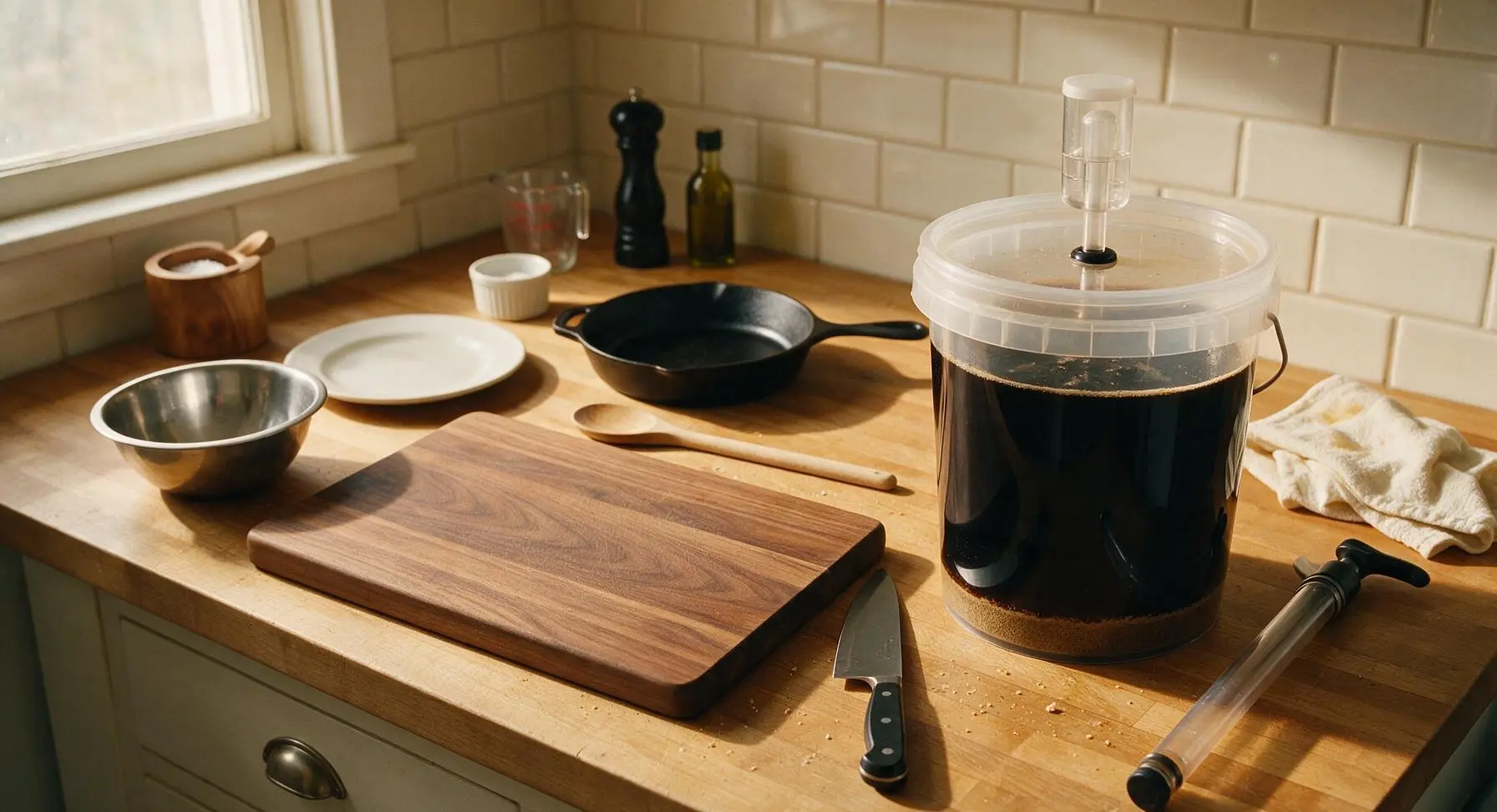
Once wort reaches exactly 20C (68F), pour it carefully into the sanitized clear fermentation bucket. Vigorously stir the wort with the sanitized slotted spoon for 30 seconds to aerate it, as yeast requires oxygen to start a healthy fermentation. Sprinkle the English ale yeast evenly across the wort surface, seal the bucket lid tightly, fill the 3-piece airlock halfway with sanitizer, and insert it into the drilled lid hole.
Ferment and Condition
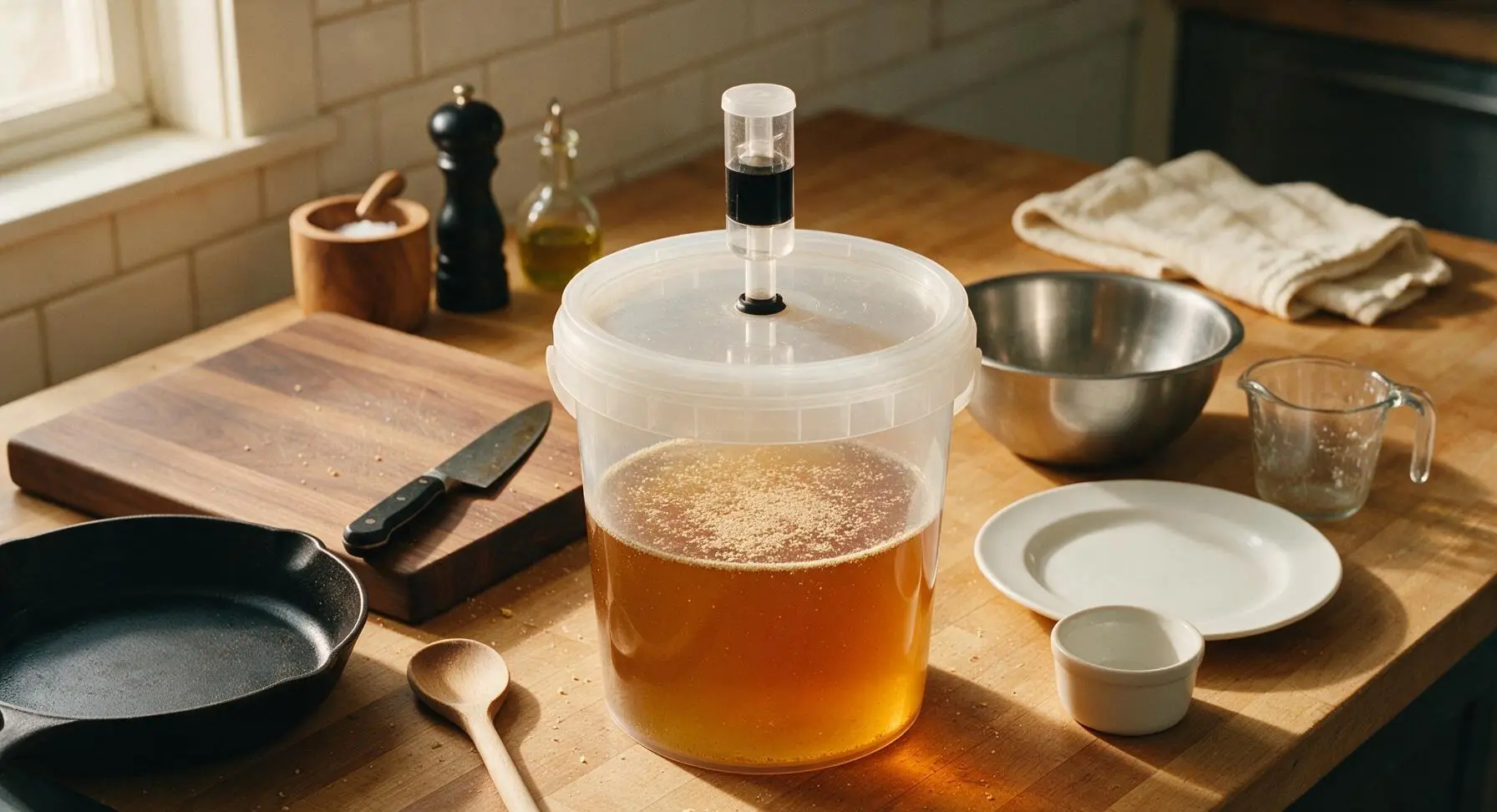
Store the sealed fermentation bucket in a dark, temperature-stable space held at 18-20C (65-68F) for 2 weeks, until bubbling in the airlock stops completely and the beer clarifies. Once primary fermentation finishes, siphon the beer into sanitized glass bottles, add 1 tsp of corn sugar per 12oz bottle to create natural carbonation, and cap tightly with the bench capper. Let bottles condition at room temperature for 2 weeks to carbonate, then move to a cool 12C (54F) space for 2 final weeks of cold conditioning to mellow flavors.
Tips
2.Hold fermentation temperature steady: English ale yeast produces soft, fruity, malt-forward notes only when kept between 18-20C (65-68F). Temperatures above 22C (72F) create harsh, solvent-like off-flavors that will overpower delicate chocolate and caramel notes.
3.Wait out the conditioning period: It can be tempting to open bottles as soon as carbonation forms, but imperial porters improve dramatically with 4-6 weeks of total conditioning. Sharp hop bitterness and roasty bite mellow over time into a rich, well-integrated, luxuriously smooth beer.






OMG this Imperial Porter came out SO good! I made a batch for our neighborhood potluck last weekend and every single person asked for the recipe. The deep chocolate and coffee notes are chef’s kiss, not too bitter at all. Game changer for my homebrew rotation.
Took me a minute to get the mash temp right since my stove runs hot, but the end result was totally worth the effort. Paired a glass with my smoked brisket last night and *chef’s kiss*.
Wait, has anyone tried adding a vanilla bean to the secondary ferment? I’m thinking that would bump up the smoothness so much.
First time attempting a stronger porter and I was so nervous about the medium difficulty rating, but the step-by-step instructions were super easy to follow! My husband said it’s better than the craft stuff we buy at the liquor store.
Solid recipe, but I’d cut back on the bittering hops just a tiny bit next time. Personal preference, but I like my porters a little on the sweeter side. Still turned out drinkable and fun to make!
Made this for my grandson’s 21st birthday party last weekend and even his picky craft beer snob friends loved it! Will absolutely be adding this to my regular rotation for family gatherings.
Quick question – does this work with a partial mash setup if I don’t have a full all-grain system yet? I don’t want to drop a bunch of supplies before I know I like making bigger beers.
SO good! I brought a growler of this to my weekly game night and my friends practically tackled me for the last glass. The dark fruit notes come through so nicely as it warms up a little.
Took a whole Saturday to make from start to finish (counting cleanup!) but man, the payoff is unreal. Tastes like a fancy $12 bomber from the brewery down the street for a fraction of the cost.
My kids thought I was crazy for spending all afternoon in the kitchen making beer, but when my husband and I did our first taste test they kept begging for a sip! Guess I’ll have to make a non-alcoholic malt version for them next time.
Meh, I followed the recipe exactly but my batch came out way thinner than I expected. Not sure if I messed up the mash efficiency or what, but it didn’t have that rich mouthfeel I was hoping for.
Did a big batch brew and cook day last Sunday and made this along with a huge pot of smoked chili, total game day meal prep win for the next few weeks of watch parties. The porter pairs so perfectly with spicy, hearty food.
Pro tip from someone who messed this up the first time: don’t rush the cooling step after the boil! I dumped my wort into the fermenter too warm last time and got weird off-flavors, second time I waited till it was exactly 68°F and it came out flawless.
Wait, can I use dry yeast for this instead of liquid? My local homebrew shop was out of the liquid yeast recommended and I don’t want to wait a week for shipping to start my batch.
I’ve been brewing for 8 years and this is hands down one of the best imperial porter recipes I’ve ever tried. The balance of roast, chocolate, and subtle hop bite is exactly what I look for in a big dark beer. 10/10.
Made this for my partner’s anniversary dinner, we had it alongside a dark chocolate torte for dessert and it was the most romantic, cozy night in. The roasty notes paired so well with the chocolate.
Just bottled my batch yesterday! The hydrometer reading was right on the money for the ABV listed, so fingers crossed it conditions well. Snuck a tiny sip while bottling and the flavor already tastes incredible.
Hosted a fall bonfire last weekend and served this warm (spiced with a little cinnamon and orange peel) and people went WILD for it. Total game changer for cold weather gatherings.
Took a little longer than the listed 2 hours 15 minutes for me because I had to stop and grab a missing part for my fermenter mid-boil, but the timeline is totally accurate if you have all your supplies prepped ahead of time.
I’m a total beginner to homebrewing and I was intimidated by the medium difficulty tag, but this was so doable! My first ever all-grain batch and it turned out better than I expected. Already planning my second batch.