1.Why did my individual Yorkshire puddings turn out flat instead of rising tall?
▾
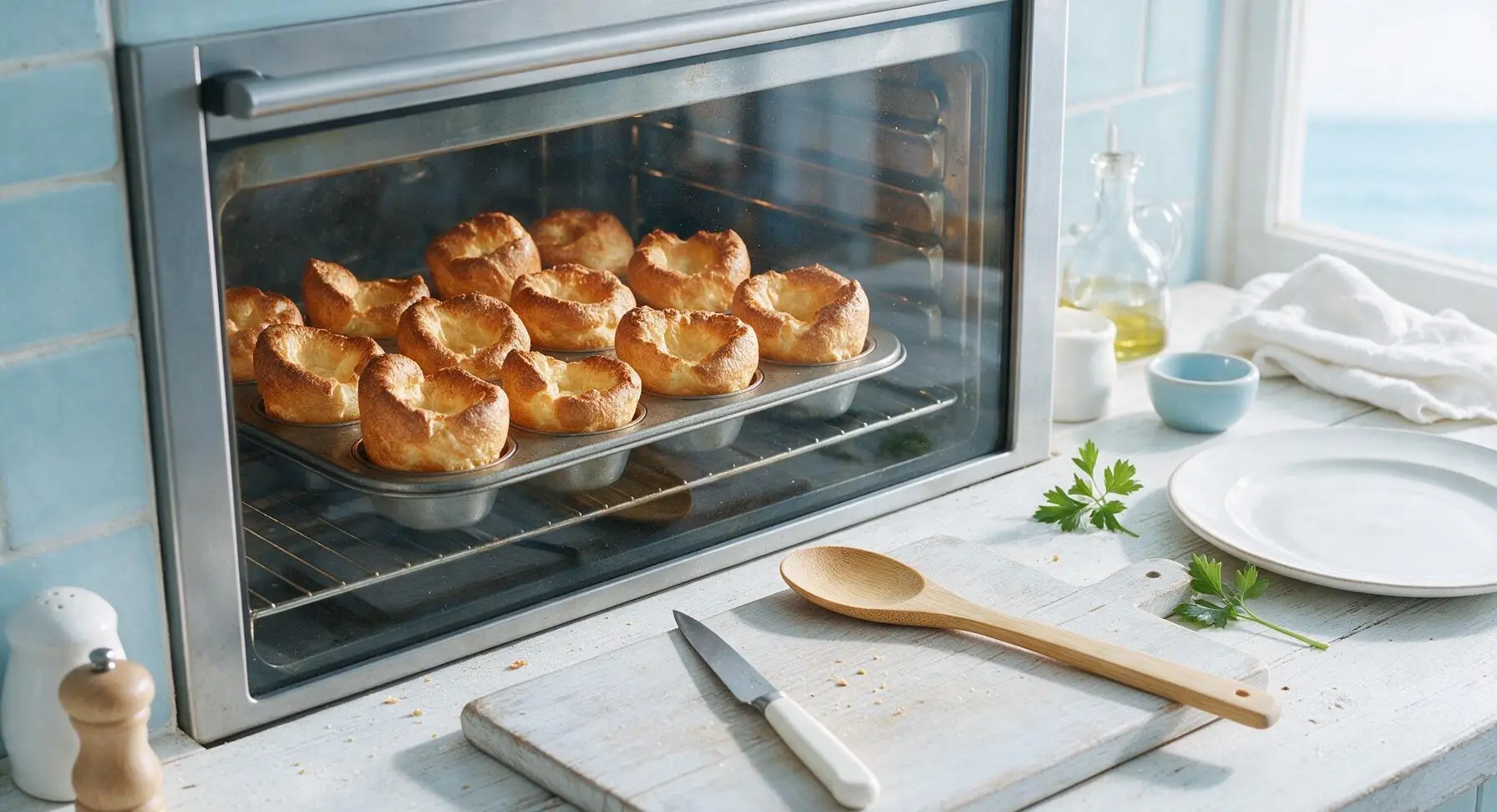
Flat puds almost always trace back to three common missteps: not heating your oil or fat until it’s nearly smoking before adding batter, opening the oven door in the first 20 minutes of baking, or using an overly thick batter. Let your batter rest, make sure oil is ripping hot, and keep the oven sealed to trap the steam that creates that tall, hollow lift.
2.Do I really need to rest the Yorkshire pudding batter, and if so, how long?
▾
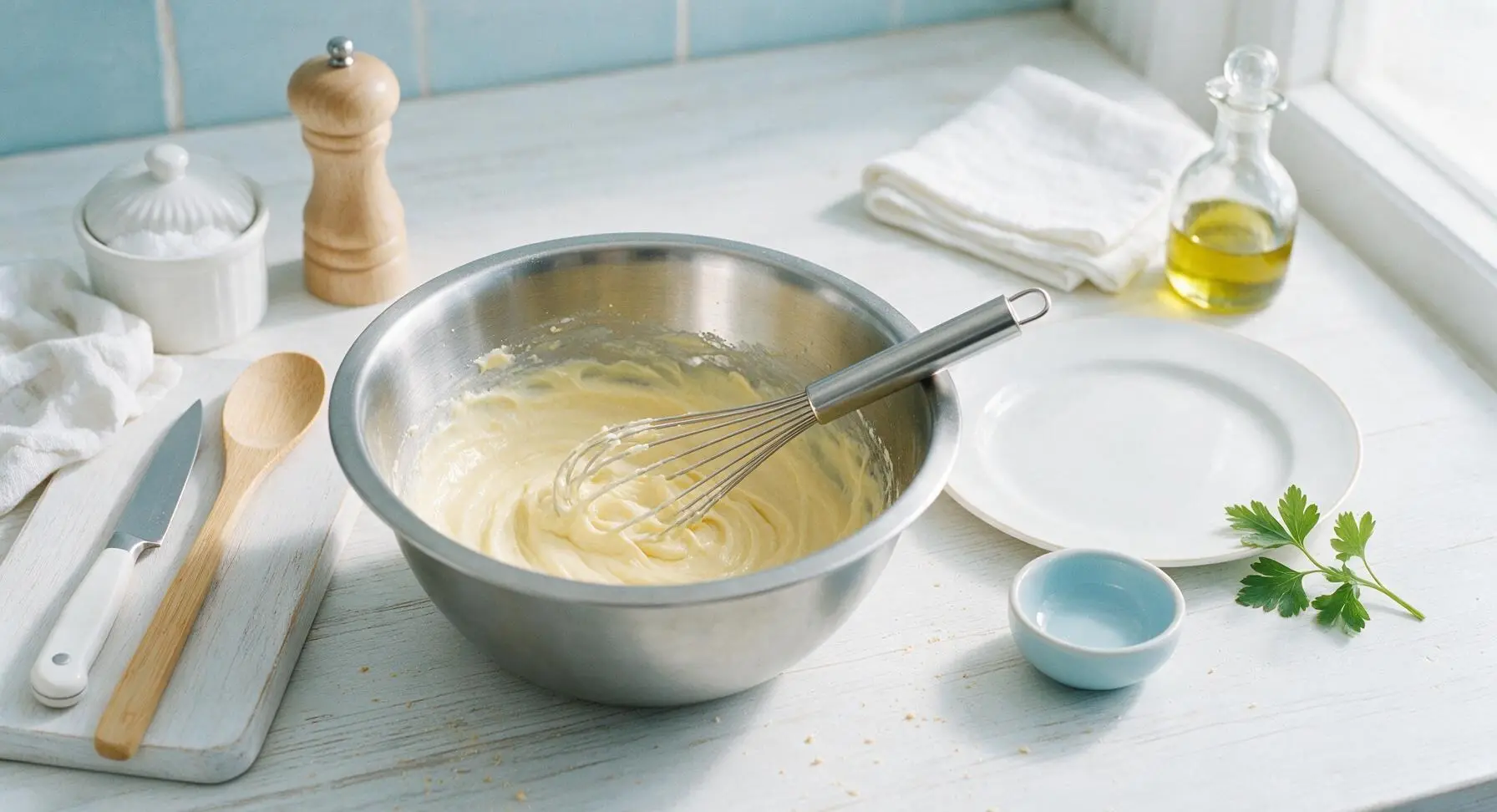
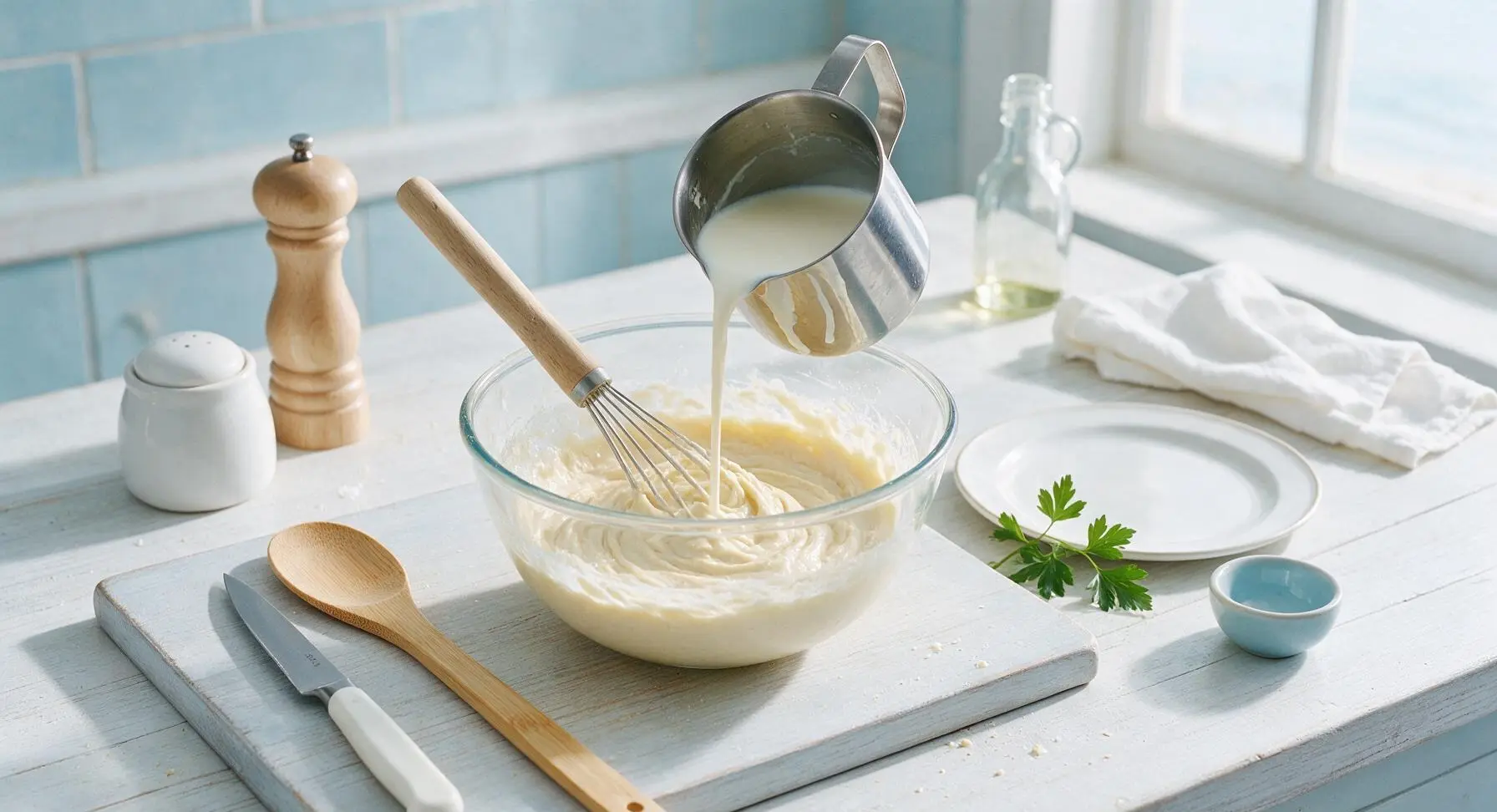
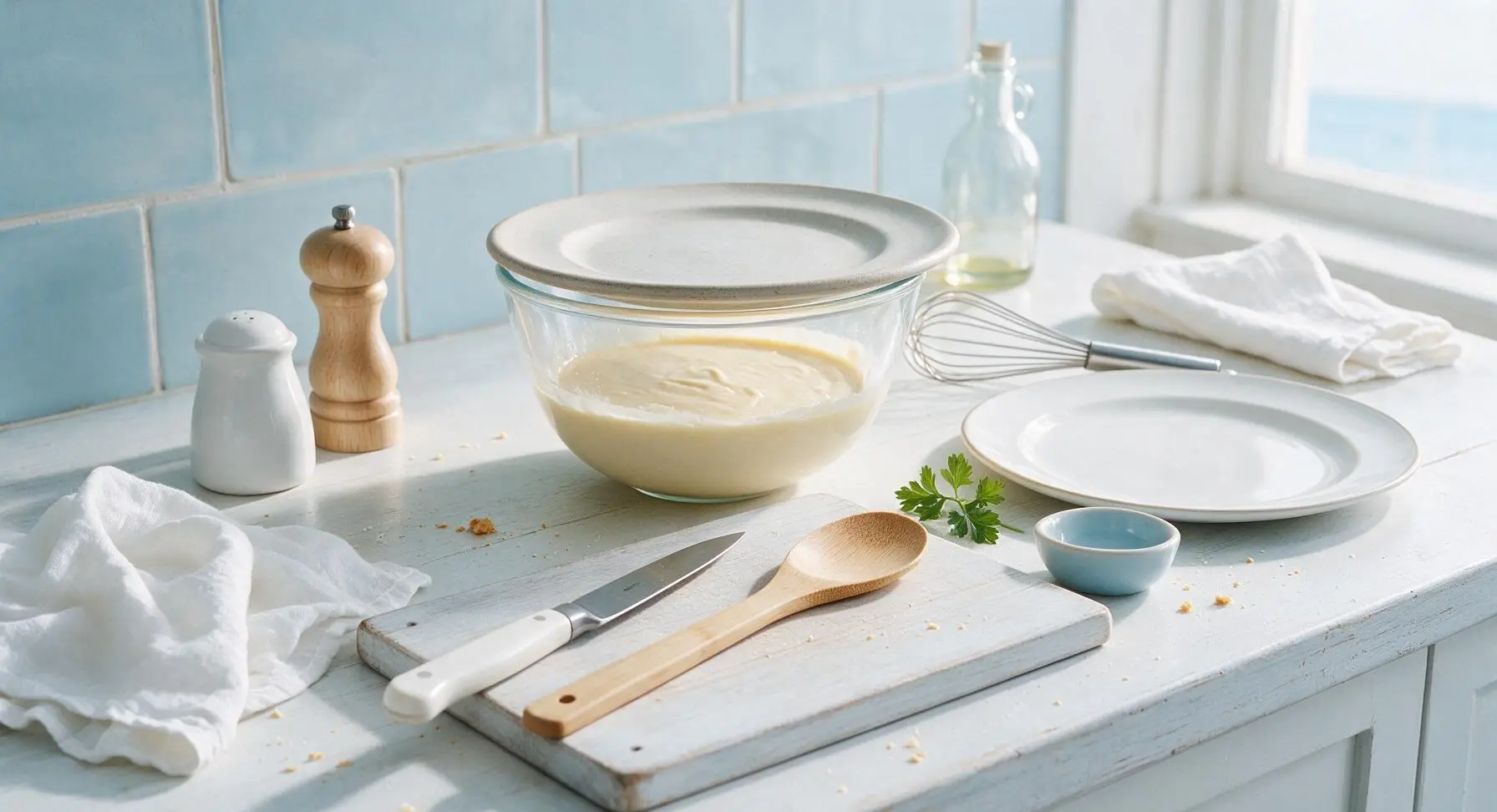
Yes, resting is non-negotiable for light, evenly textured puds! Resting lets flour granules fully absorb the egg and milk, while relaxing gluten formed during mixing to prevent tough, chewy results. Aim for a minimum of 30 minutes at room temperature, or up to 24 hours covered in the fridge—just give it a gentle stir before pouring into hot tins.
3.Can I make the batter ahead of time for meal prep?
▾
Absolutely! You can mix the full batter up to 24 hours before you plan to bake, stored tightly covered in the refrigerator. Cold batter actually works really well when poured into screaming hot fat, as the sharp temperature contrast creates extra initial rise. Just give it a quick, gentle stir to recombine ingredients right before pouring, no need to bring it fully to room temp.
4.What’s the best fat to use for the crispiest individual Yorkshire puddings?
▾
Beef dripping delivers the richest, most traditional savory flavor and ultra-crisp edges, but neutral vegetable oil is a fantastic, accessible vegetarian alternative. Skip olive oil, butter, or other low-smoke-point fats—they’ll burn before the tin gets hot enough to create the steam burst that makes puds rise tall and crisp up properly.
5.How hot does my oven need to be to get a perfect rise?
▾
Crank your oven to 425°F and make sure it’s fully preheated before you put your oil-filled tin in to heat. High, consistent heat turns the liquid in the batter to steam fast, pushing the batter up to create those tall, hollow centers. If your oven runs cool, bump it 25°F to compensate, and use an oven thermometer to confirm temperature if you’re unsure.
6.Why are the centers of my Yorkshire puddings dense and doughy instead of hollow?
▾
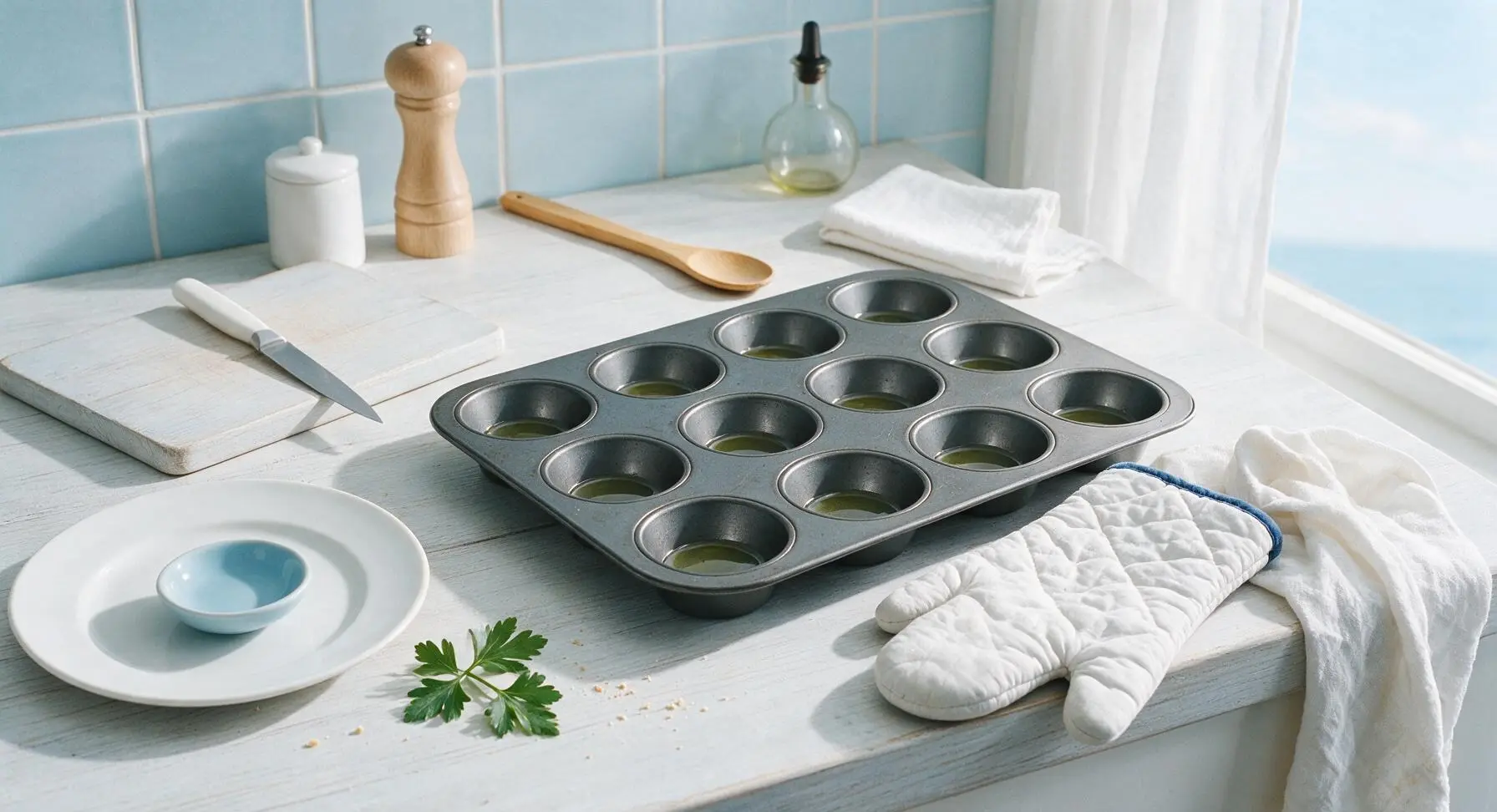
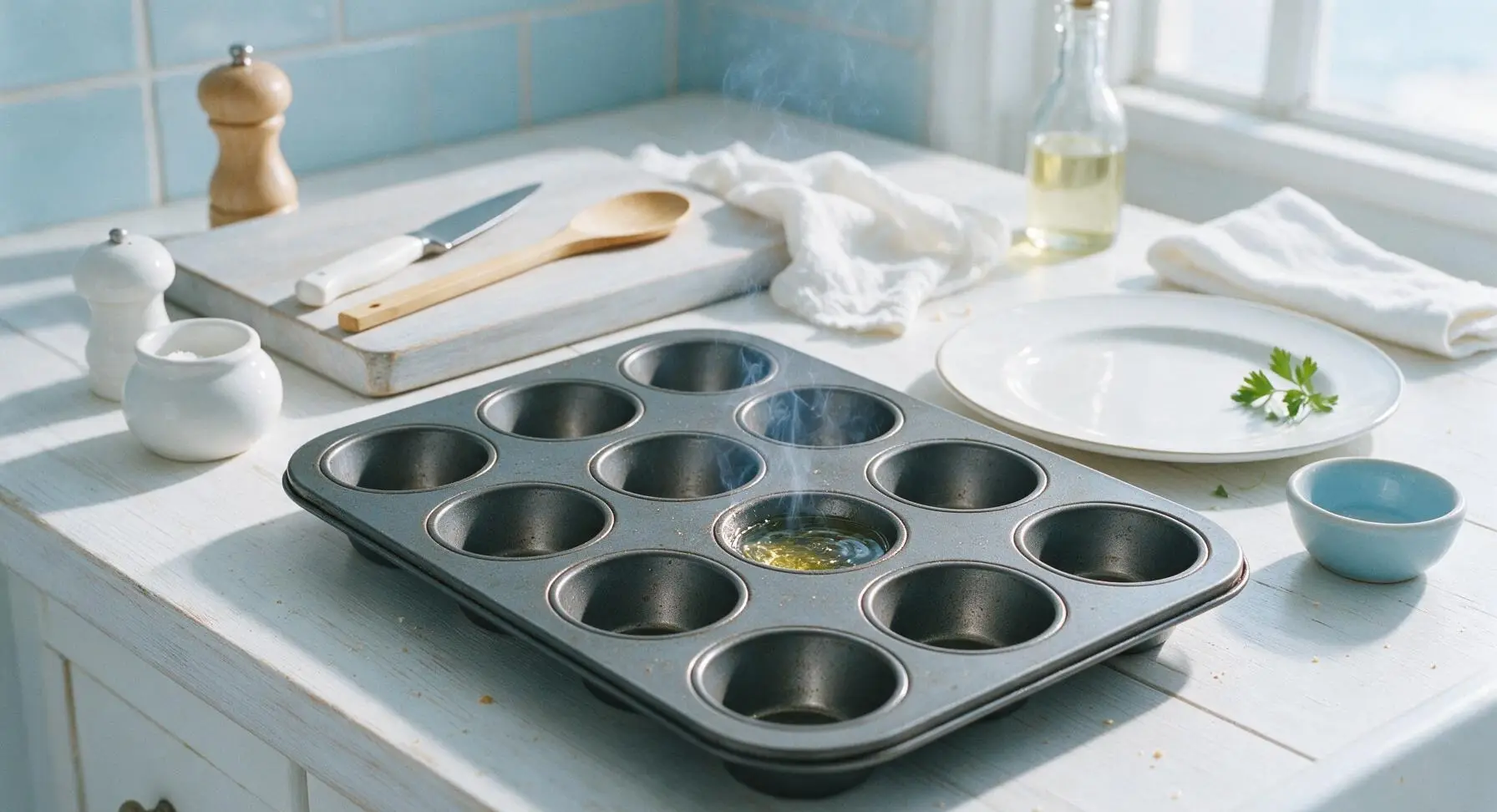
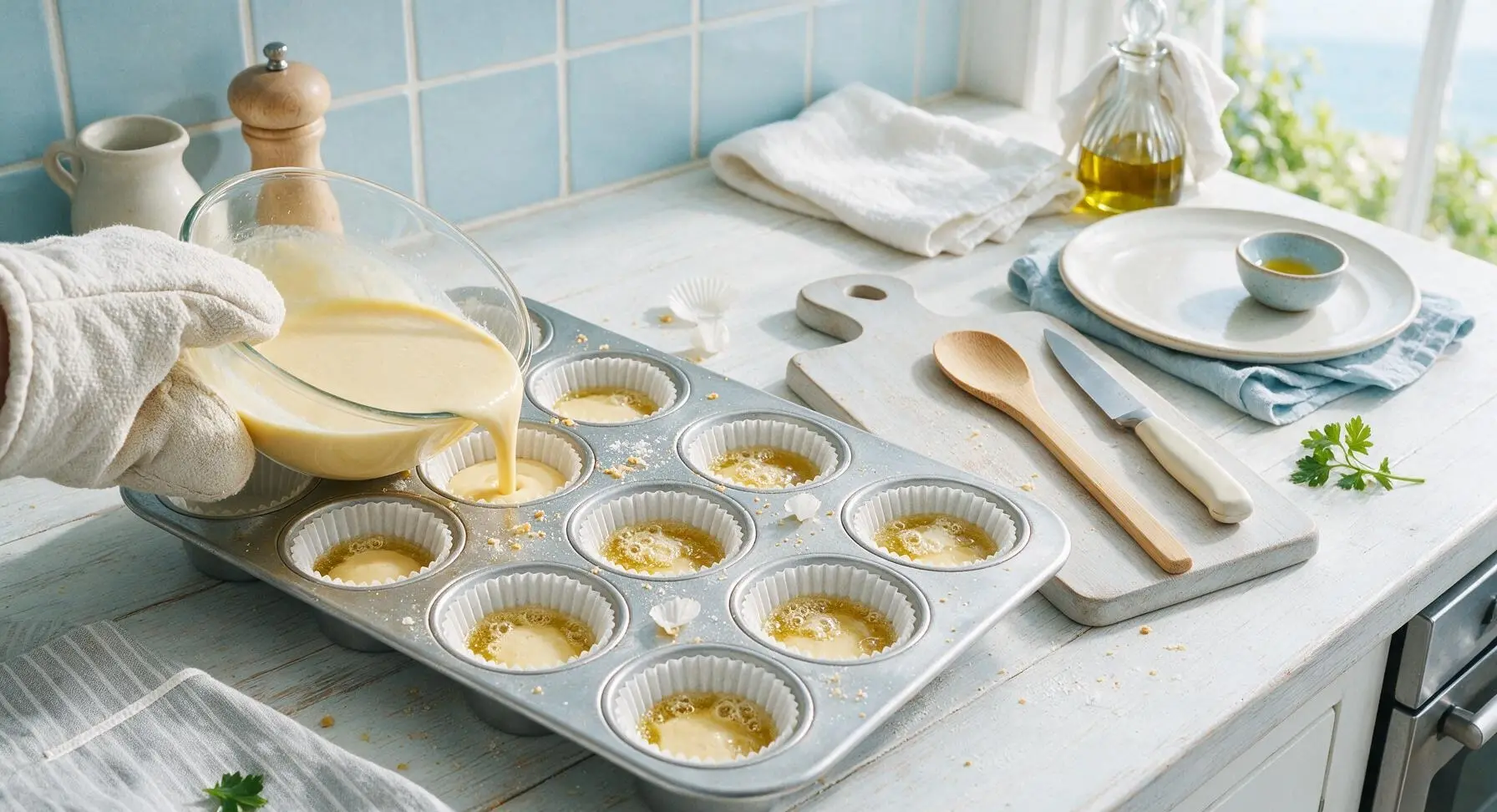
Dense, doughy centers usually mean your oil wasn’t hot enough when you added batter, you underbaked the puds, or you overfilled the tin cups. Each muffin tin well only needs about ½ inch of hot oil, and you should fill it no more than ⅓ full of batter. Bake until deep golden all over, 20-25 minutes, so the structure sets fully before pulling them out.
7.Can I use self-rising flour instead of all-purpose flour for this recipe?
▾
Skip the self-rising flour for traditional Yorkshire puds! The extra leavening in self-rising flour creates an uneven, cakey texture instead of the light, crisp, hollow structure you want. Stick to plain all-purpose flour—all the rise you need comes from steam created by high heat hitting cold, wet batter in a hot, fat-lined tin, no extra baking powder required.
8.What size tin works best for individual Yorkshire puddings?
▾
A standard 12-cup muffin tin is ideal for perfect individual portions, as the deep, narrow cups encourage tall, even rise. If you have a dedicated popover tin, that works too, but avoid shallow cupcake tins—they don’t give batter enough vertical support to climb as it bakes, leading to shorter, wider puds that don’t hold as much gravy.
9.How do I keep my Yorkshire puddings from getting soggy after I take them out of the oven?
▾
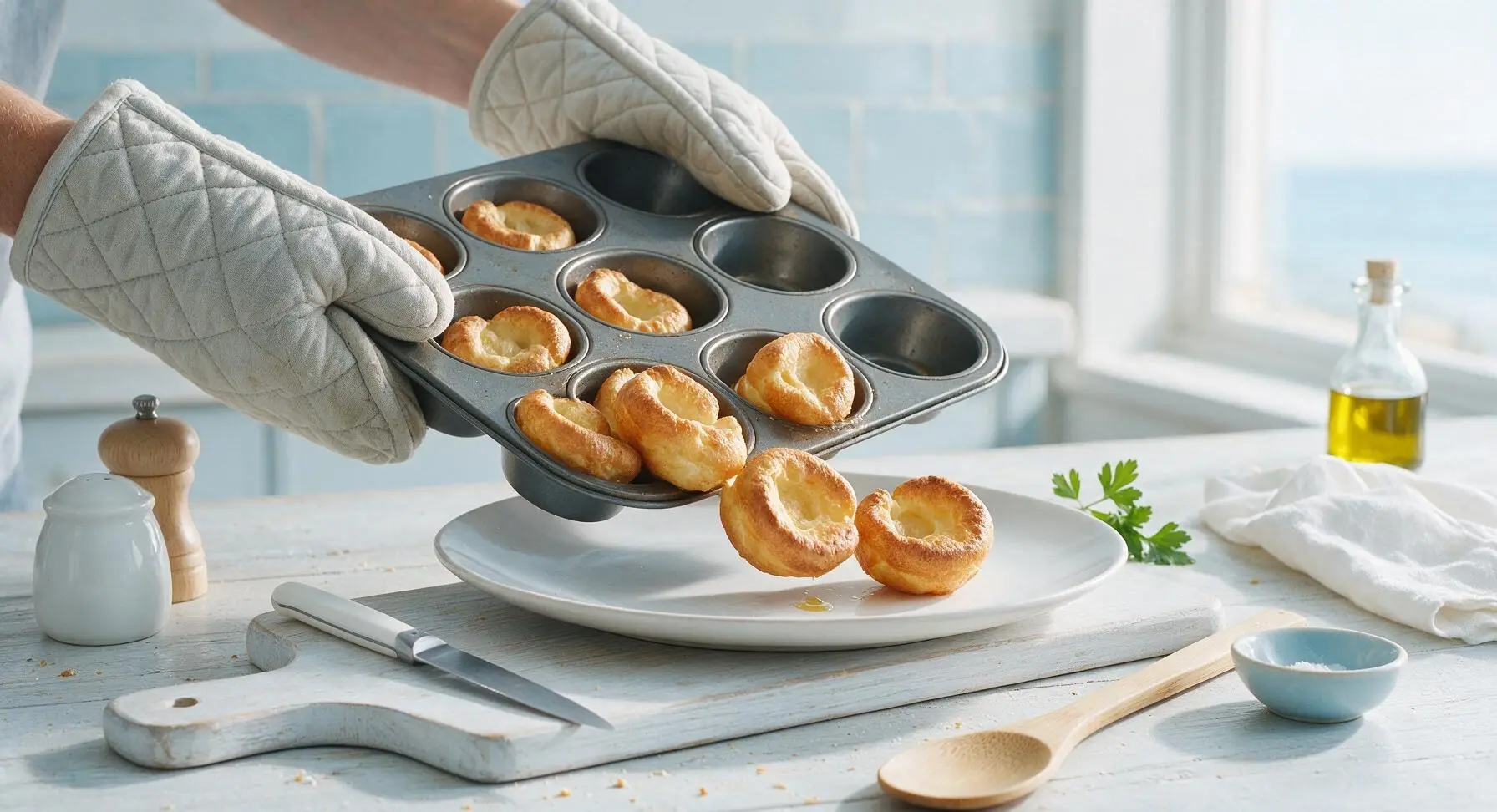
As soon as you pull fully baked puds out of the oven, poke a small hole in the bottom of each one with a skewer or toothpick to release trapped steam. This stops condensation from building up inside the hollow center and softening the crisp crust. If holding them for a few minutes, set them on a wire rack instead of a plate to keep air circulating.
10.Can I freeze baked individual Yorkshire puddings for later use?
▾
Definitely! Let fully baked, cooled puds freeze solid on a baking sheet first, then transfer them to a labeled freezer bag for up to 3 months. To reheat, pop them straight from the freezer onto a baking sheet in a 400°F oven for 3-5 minutes, until crisp and warmed all the way through—no thawing needed, and they’ll taste just as good as fresh-baked.
11.Is it okay to use low-fat milk or plant-based milk instead of whole milk?
▾
Whole milk gives the richest flavor and most tender, crisp crust, but 2% milk will work in a pinch. Skip skim milk, as it’s too watery and leads to bland, flimsy puds. If you need a dairy-free swap, use unsweetened plain oat milk, which has a similar fat content and neutral flavor that won’t overpower the classic savory profile of the puds.
12.How much batter should I pour into each tin cup to get the best rise?
▾
Less is more when it comes to filling your tins! Pour just enough rested batter to fill each preheated, oil-lined cup ⅓ of the way full. If you add too much batter, the weight will keep it from climbing high, and you’ll end up with dense, doughy centers instead of light hollow pockets perfect for soaking up gravy. You’ll get a better rise from a smaller pour every time.
13.Why do my Yorkshire puddings deflate as soon as I take them out of the oven?
▾
Sudden temperature drops are the number one cause of deflated puds. Resist the urge to open the oven door for the first 20 minutes of baking, as a rush of cold air will collapse the delicate steam-set structure. Also, make sure you bake them long enough to set the outer crust fully—if they’re pale when pulled out, the structure isn’t strong enough to hold shape as it cools.
14.Do I need to use free-range eggs for this recipe, or will regular large eggs work?
▾
Large free-range eggs tend to have richer, brighter yolks that give puds a deeper golden color and slightly sturdier structure, but any standard large egg will work perfectly well if that’s what you have on hand. Just make sure eggs are fully incorporated into the batter with no lumpy streaks of egg white left, which can create uneven, chewy spots in finished puds.
15.Can I add herbs, cheese, or other mix-ins to my Yorkshire pudding batter?
▾
You absolutely can customize the base batter! Stir in a teaspoon of finely chopped rosemary or thyme, a tablespoon of grated sharp cheddar, or a pinch of black pepper to the rested batter right before pouring for extra flavor. Just don’t add too many heavy mix-ins, as excess weight will weigh down the batter and keep it from rising to its full tall, crisp potential.
16.How long should I heat the oil in the tin before adding the batter?
▾
Pop your oil-filled muffin tin in the preheated oven for 10 to 12 minutes, until the oil is shimmering and just starting to faintly smoke. You can test if it’s hot enough by dropping a tiny dot of batter into a cup—if it sizzles immediately and starts to puff right away, the oil is ready. Pouring batter into lukewarm oil is the most common reason puds fail to rise.
17.Are these Yorkshire puddings the same thing as American popovers?
▾
They’re very close culinary cousins, but not identical! Popovers are often slightly sweeter, made with melted butter in the batter, and baked in deeper specialty tins, while traditional Yorkshire puddings use savory fat (beef dripping or neutral oil), a touch of fine sea salt, and were originally made to catch drippings from roasting beef. Both have that light, hollow, crisp structure perfect for soaking up sauces.
18.What’s the best way to serve individual Yorkshire puddings with a roast dinner?
▾
Serve them piping hot straight from the oven (or properly reheated) right alongside your roast, roasted veggies, and mashed potatoes. The classic serving move is to set one pud on each plate, and pour rich, warm roast gravy right into the hollow center so it soaks into the soft inner crumb and crisp crust—they’re built exactly to hold that savory gravy without getting soggy too fast.

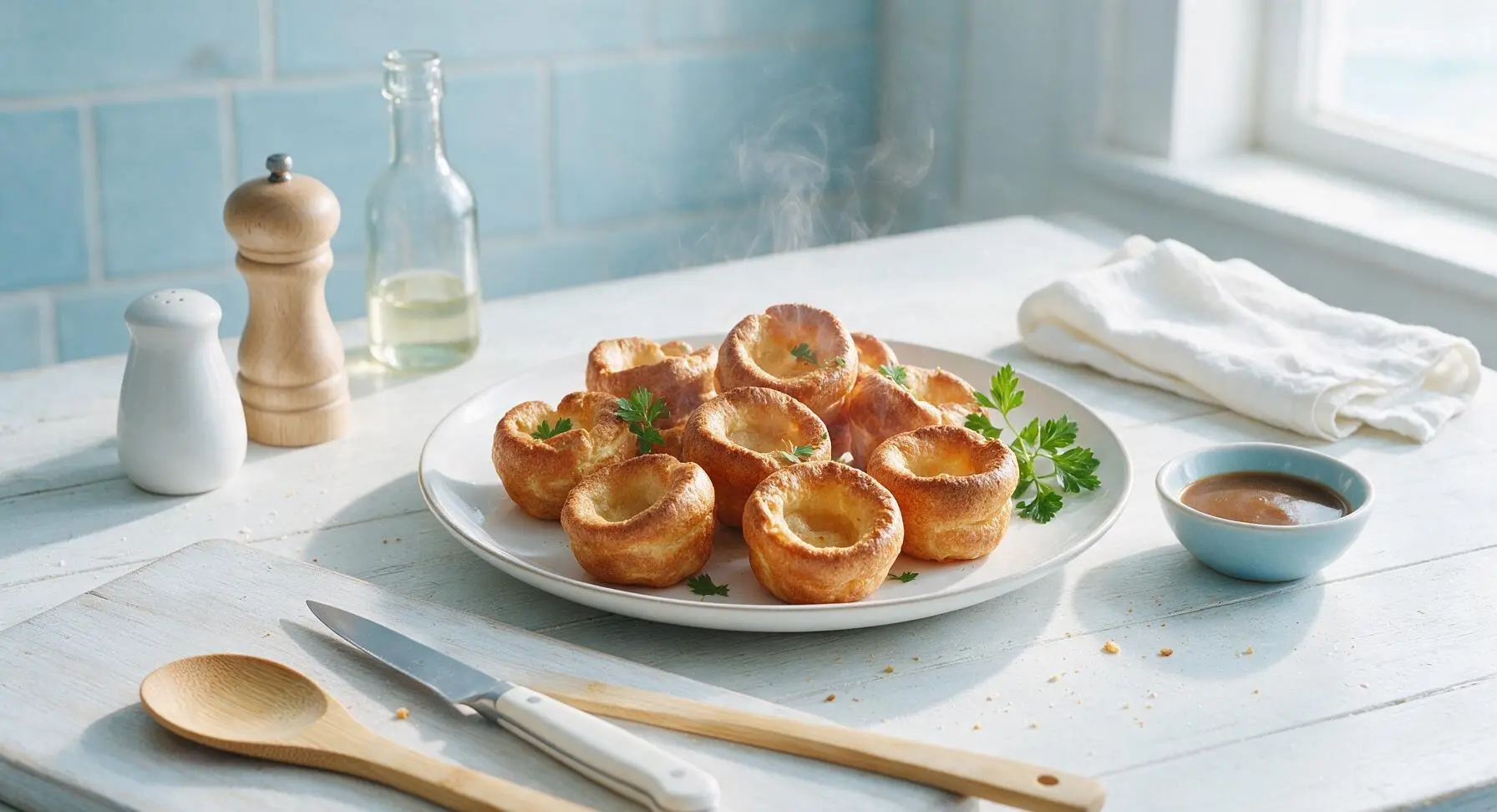
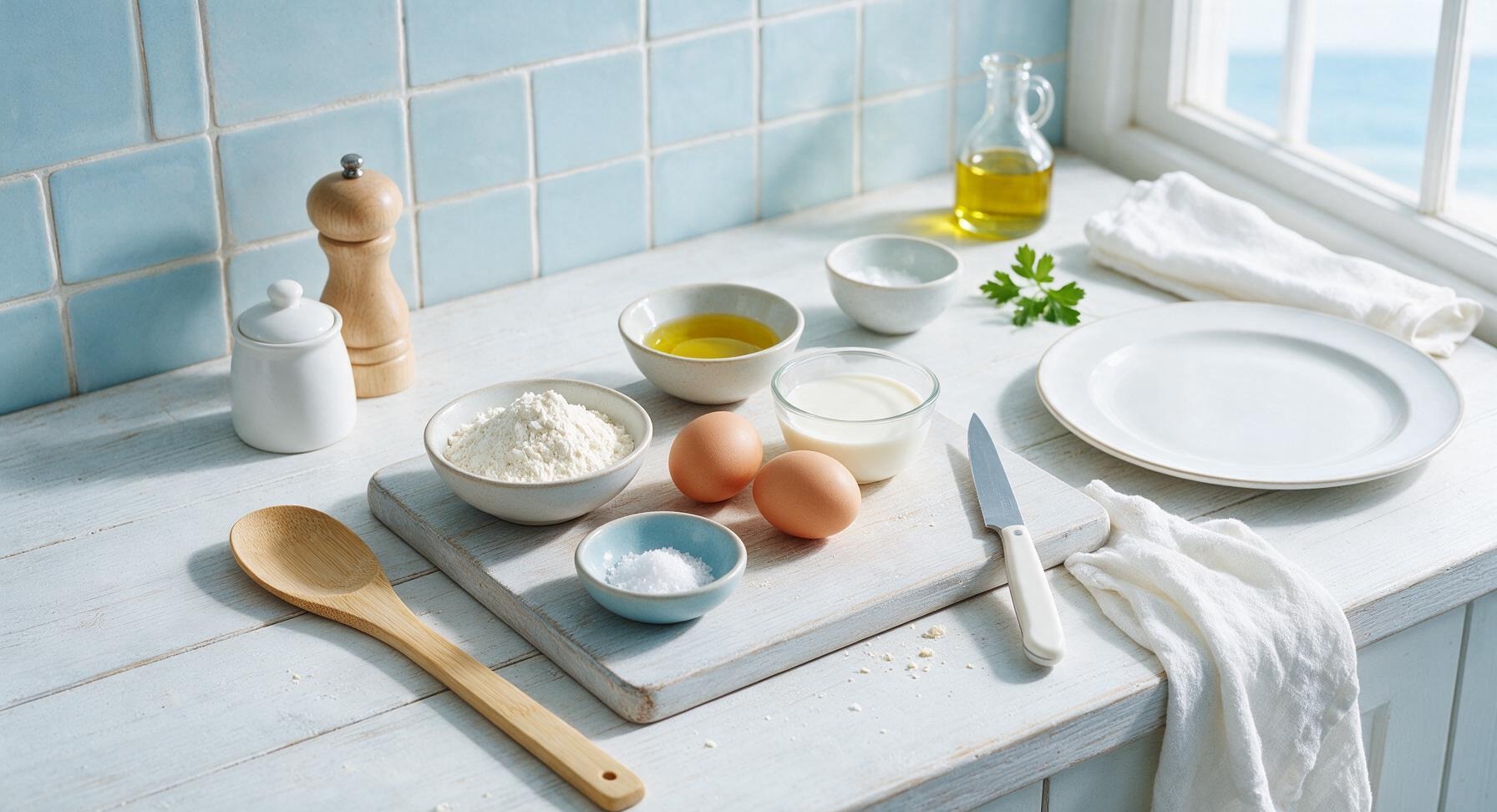
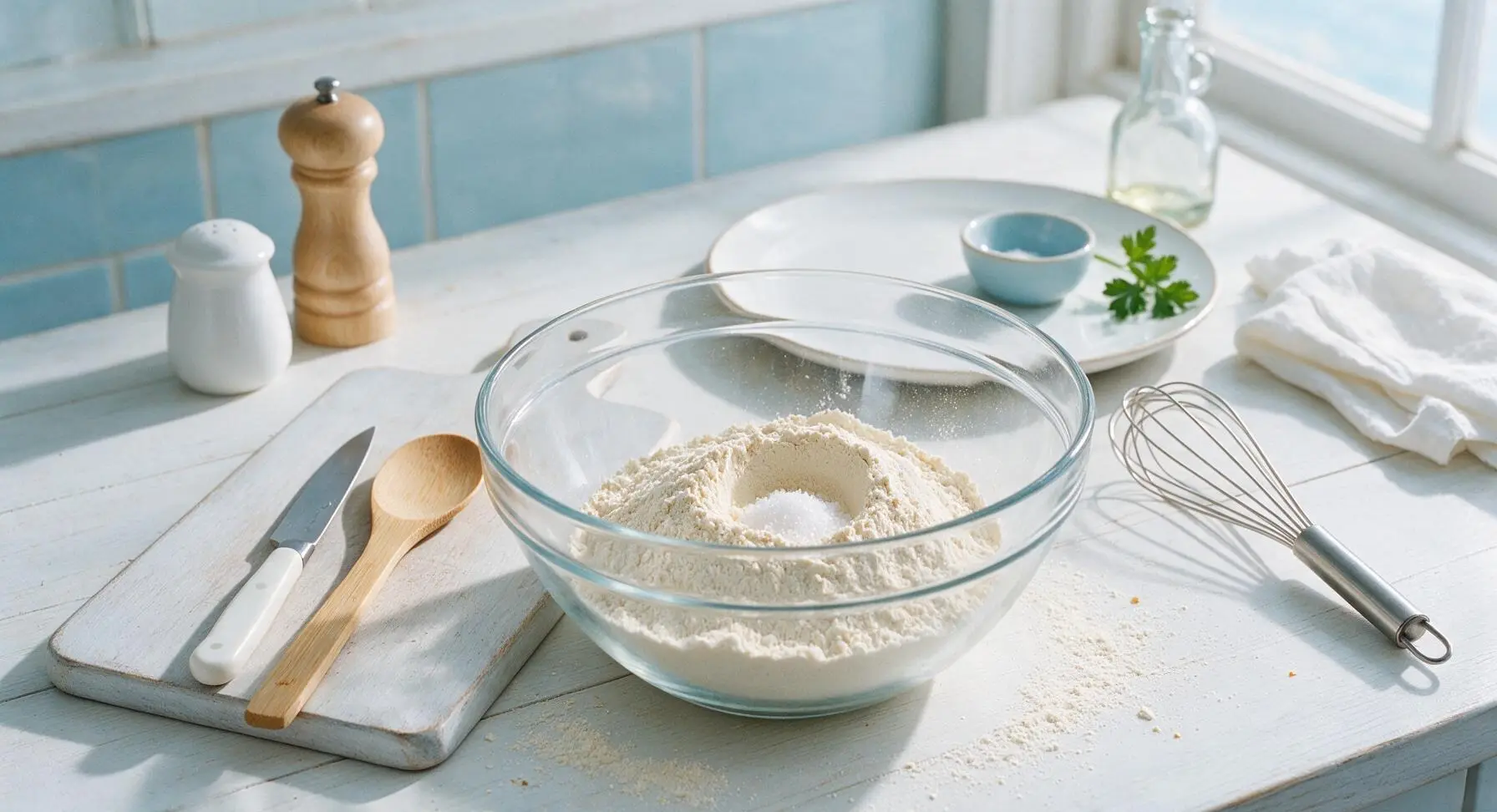
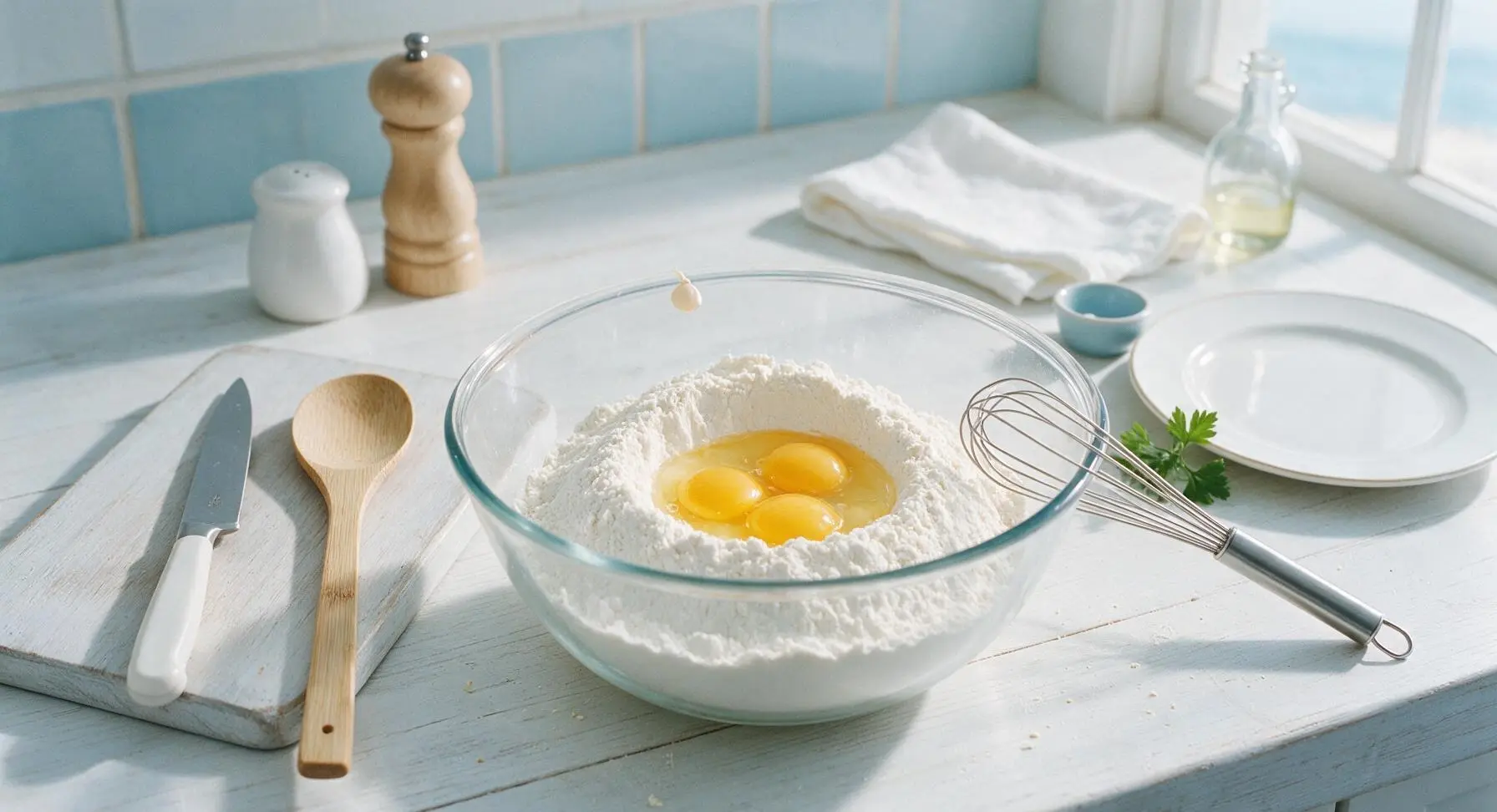
OMG these came out perfectly fluffy and crispy on the edges!!! I’ve tried making Yorkshire puddings three other times and they always deflated the second I pulled them out of the oven. Followed this recipe exactly for our Sunday roast dinner and my whole family went crazy for them. Game changer for weeknight roast nights too!
SO good! I made these for a neighborhood potluck last weekend and people were begging me for the recipe before we even got to the main course. My kids ate three each straight out of the muffin tin before we left the house lmao. So easy to throw together too, I didn’t have to stress about a fussy side dish while I was juggling chicken, veggies, and dessert prep.
These turned out really tasty! Quick question though—can I make the batter ahead of time and store it in the fridge for meal prep? I’d love to whip these up on weeknights without having to mix the batter every single time.
Who knew Yorkshire puddings were this easy? I always thought they were some fancy, complicated British side that I’d mess up for sure. Served these with smoked brisket and brown gravy last weekend and my buddies were raving the whole cookout. Will be making these on repeat for all my future BBQ spreads.
These were so good! My first batch came out a little lopsided but they still tasted amazing dunked in beef gravy. I think I didn’t fill the muffin tins quite evenly oops. Definitely going to practice these until I get that perfect tall, puffy look everyone else is posting about.
Y’all!!! I swapped the all-purpose flour for a 1:1 gluten free flour blend and these still rose perfectly and tasted incredible. I was so worried I’d have to skip Yorkies at our family Christmas dinner this year because of my celiac, but this recipe worked like a charm even with the swap. 10/10!
Just pulled my first ever batch of these out of the oven and they’re perfect!!! Crispy, golden edges, soft and airy inside, exactly how Yorkshire puddings are supposed to be. I can’t believe these only took 25 minutes to bake, I thought they’d take way longer! Already have a little ramekin of au jus ready for dipping, can’t wait to serve these alongside my meatloaf for dinner tonight. So easy for a total beginner like me!