1.Can I use light coconut milk instead of full-fat for this laksa?
▾
I strongly recommend sticking with full-fat coconut milk for the signature luxe, velvety broth this laksa is known for. Light coconut milk is diluted with water and often has added stabilizers that make the broth thin, watery, and prone to separating when simmered. If you want a slightly lighter bowl, swap ¼ of the full-fat coconut milk for low-sodium chicken or vegetable broth without losing too much creaminess.
2.How do I get crispy tofu for laksa instead of soggy, soft cubes?
▾
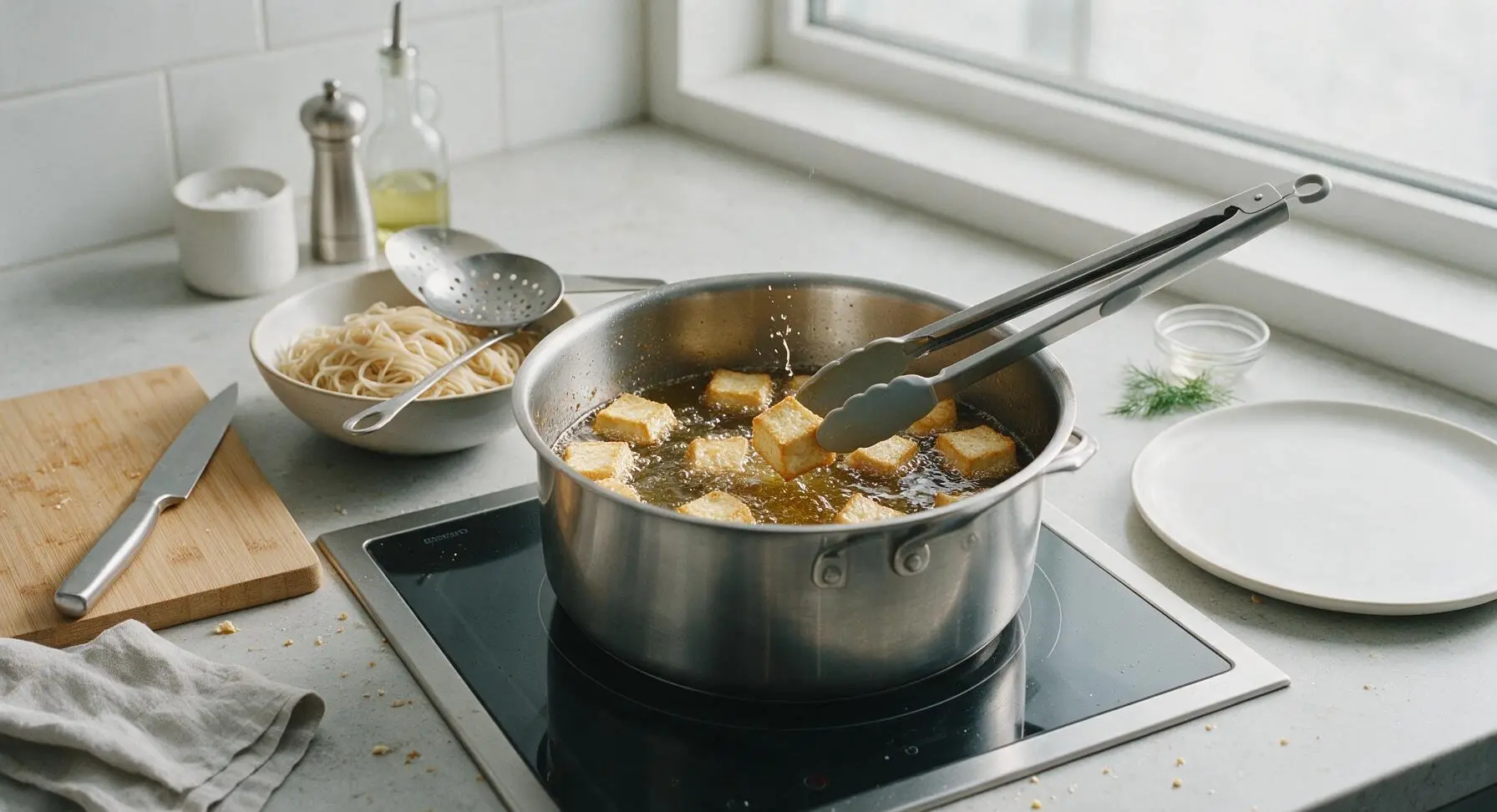
Start with fully pressed firm tofu: wrap it in paper towels, set a heavy pan on top for 30 minutes to squeeze out excess moisture before cutting into 2cm cubes. Pan-fry the cubes in a thin layer of neutral oil over medium-high heat for 2-3 minutes per side until golden, and don’t stir them too early or they’ll stick. Add them right at serving time to keep their crunch.
3.Do I have to keep the shrimp tails on, or can I peel them fully?
▾
Leaving tails on is totally optional, but I recommend it for two reasons: first, the tails add subtle, briny seafood depth to the broth as the shrimp cook, and second, they make a nice visual pop and easy little handle for picking up shrimp. If you prefer no-fuss, bite-sized pieces with no fumbling, go ahead and remove the tails entirely before cooking, no harm done.
4.How do I keep the thin dried rice noodles from getting mushy in the soup?
▾
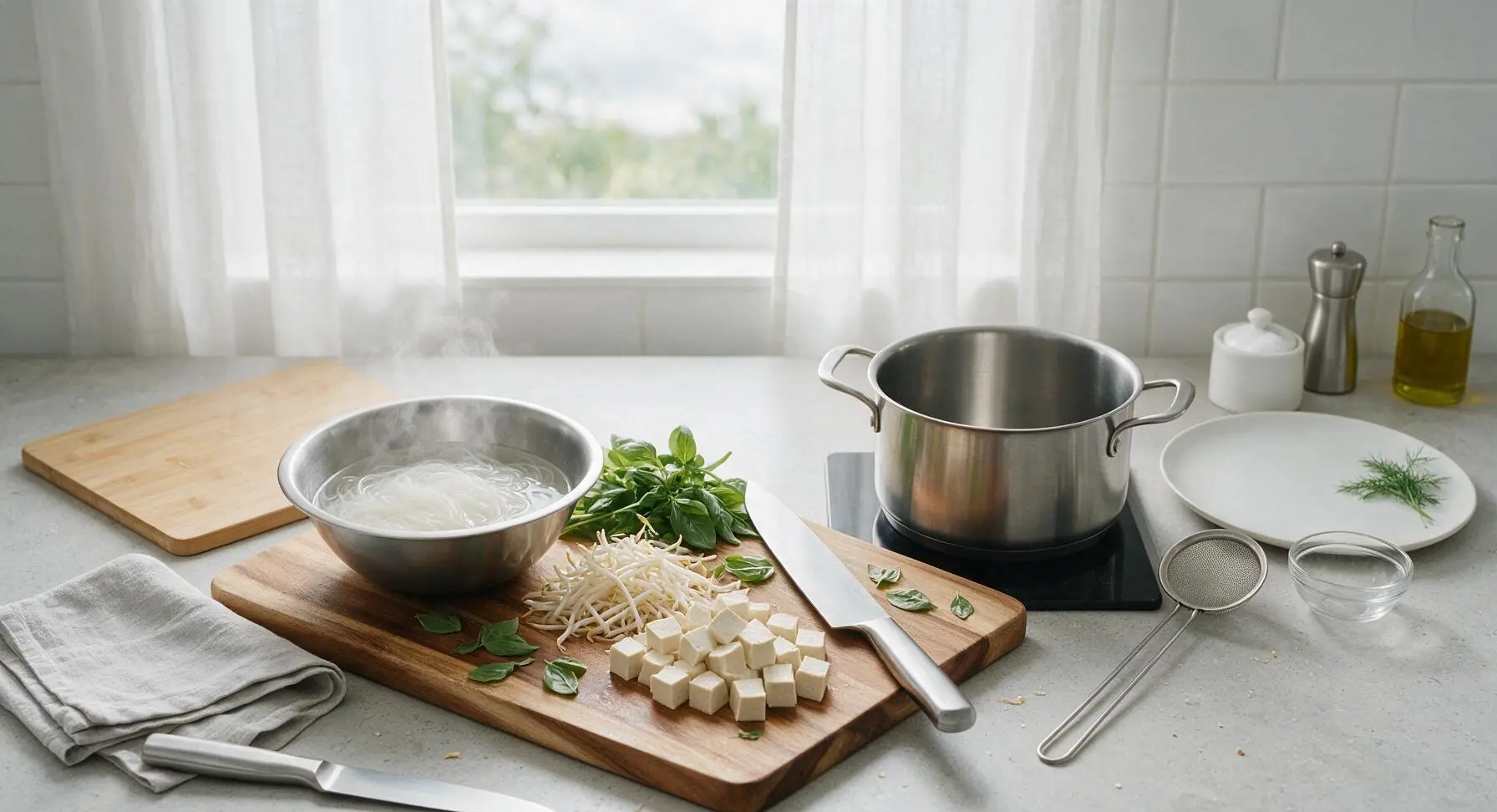
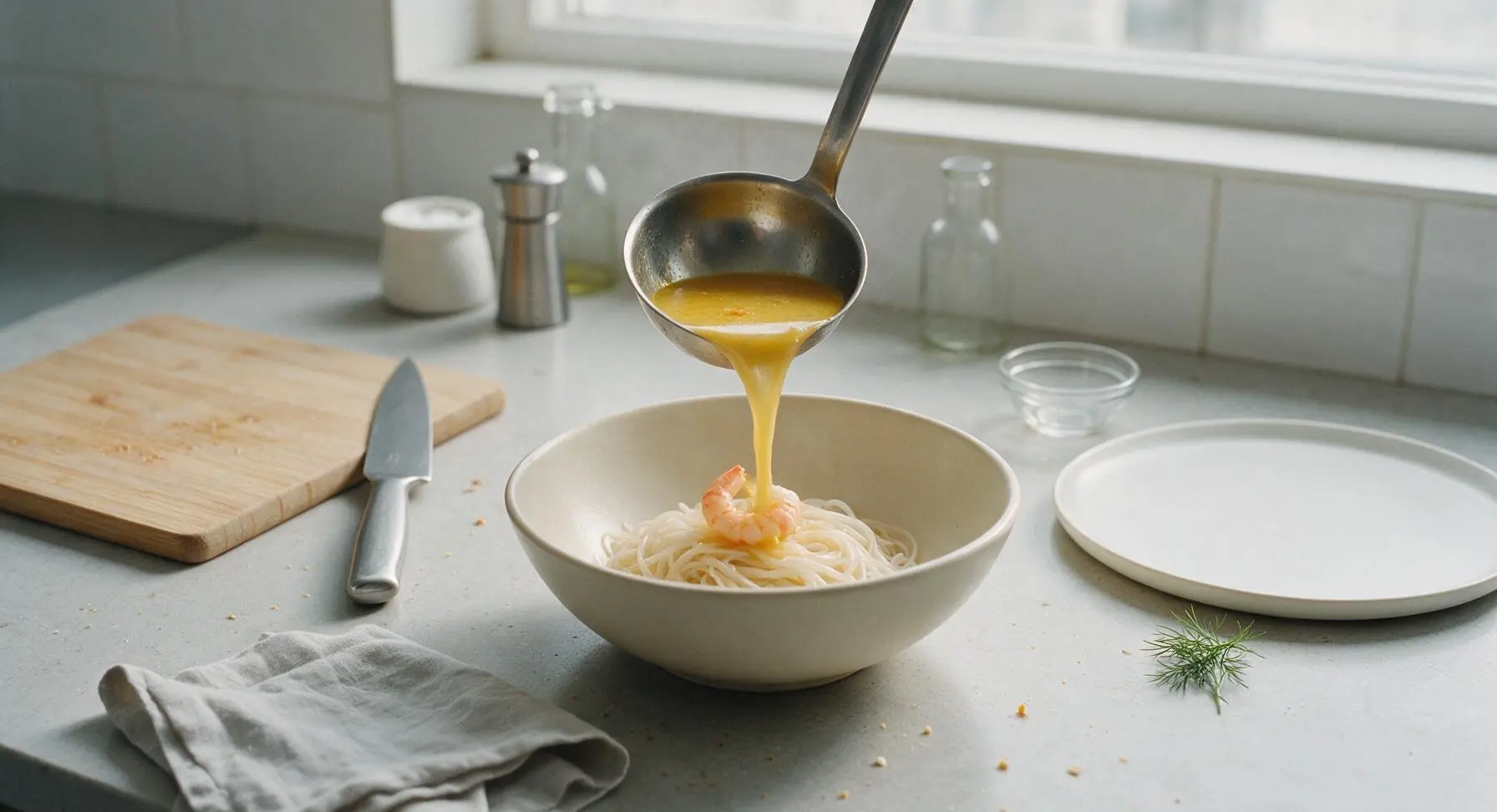
Thin dried rice noodles (bihon) turn mushy fast if overcooked, so use this simple trick: soak them in room temperature water for 10 minutes until pliable, instead of boiling them ahead of time. Portion soaked noodles directly into serving bowls, then ladle hot simmering broth over top right before serving—this cooks them to a perfect chewy, tender bite without gumminess.
5.What counts as good-quality laksa paste, and can I make my own if I can’t find it in stores?
▾
Good store-bought laksa paste lists aromatic ingredients like lemongrass, galangal, dried chiles, shrimp paste, and turmeric near the top, with no artificial flavors or excess added sugar. If you can’t find pre-made paste, blend 2 chopped lemongrass stalks, 1 inch galangal, 3 dried chiles, 1 tsp shrimp paste, 2 garlic cloves, and 1 tsp turmeric into a smooth paste for a 1:1 swap.
6.How do I fix broth that tastes unbalanced, instead of hitting that perfect spicy, sour, salty, sweet note?
▾
Taste your broth right before serving, and adjust in small increments: if it’s too spicy, stir in an extra splash of coconut milk to mellow heat; if it’s flat, add a squeeze of fresh lime for sour brightness, a pinch of brown sugar for sweetness, or a dash of fish sauce for salty umami. Go slow—you can always add more, but you can’t take ingredients out once mixed.
7.Can I adapt this creamy coconut laksa to be vegetarian or vegan?
▾
Absolutely, it’s super easy to swap for a plant-based version. Trade the shrimp for extra crispy tofu, puffed tofu, or sliced king oyster mushrooms for a meaty bite, pick a vegan laksa paste (many traditional versions contain shrimp paste, so double check labels), swap fish sauce for tamari, and use vegetable broth if you add any. The core coconut and noodle elements are already vegan-friendly.
8.How long should I cook laksa paste to get the deepest, most fragrant flavor?
▾
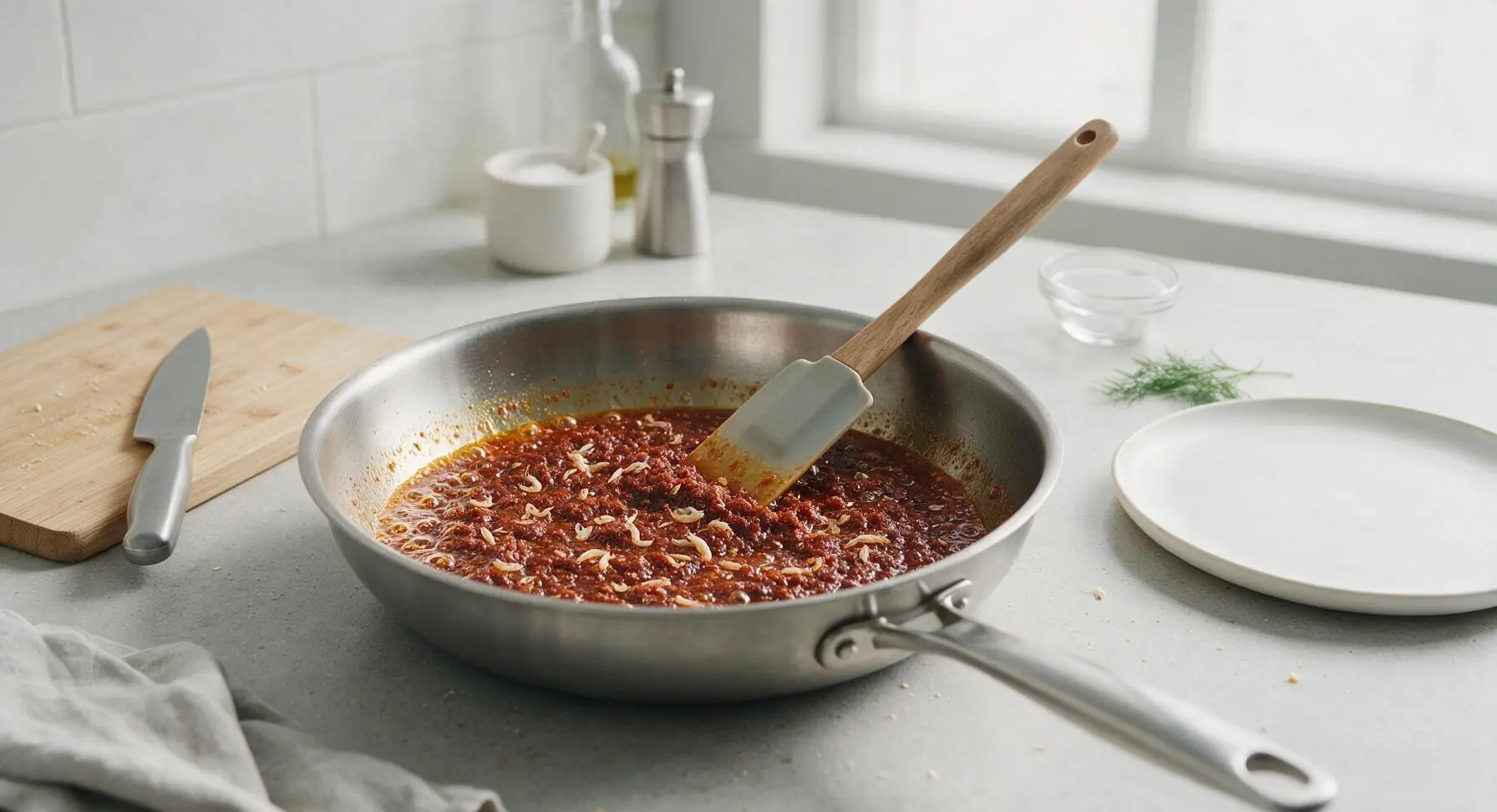
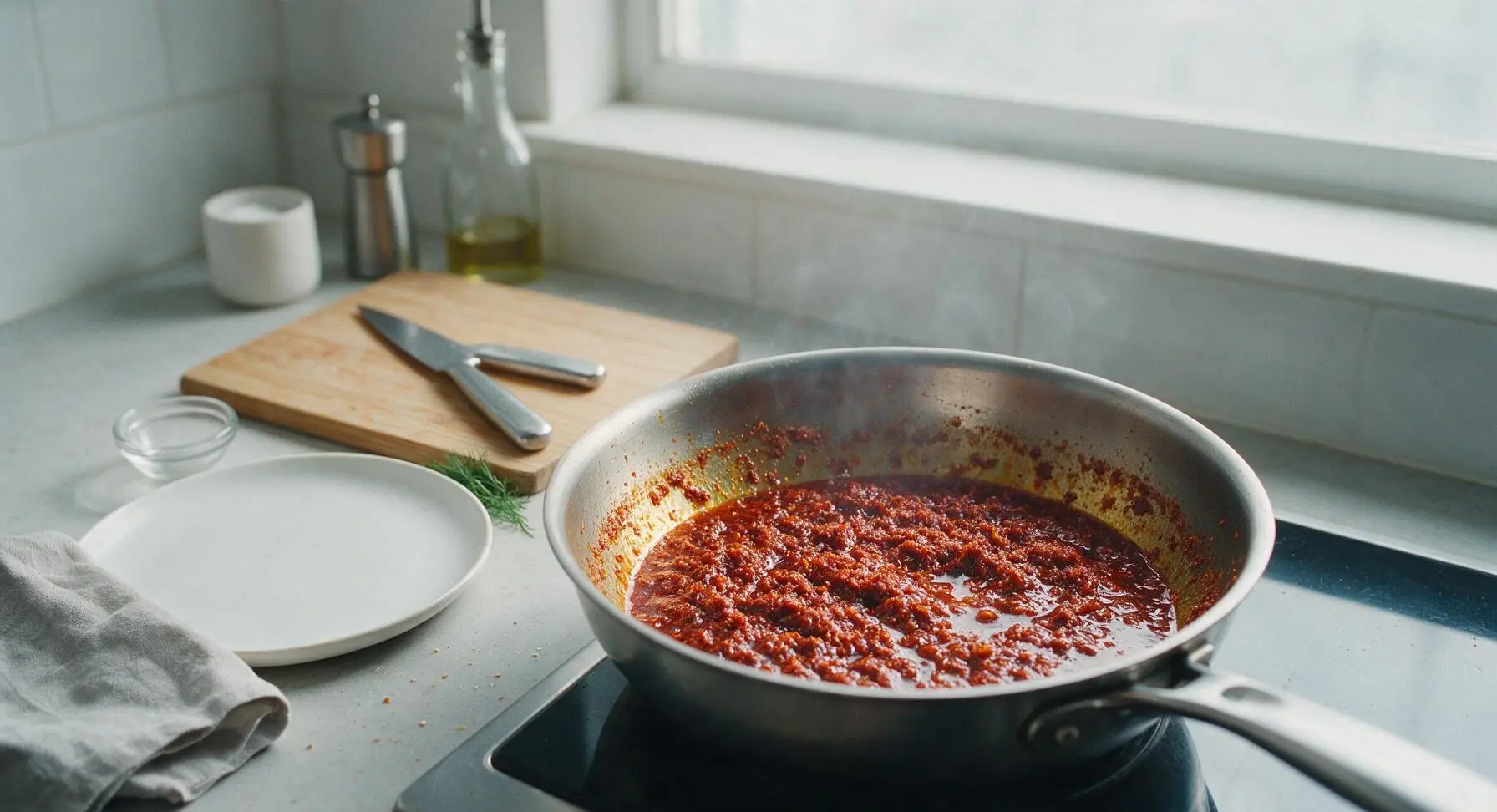
Don’t dump laksa paste straight into cold coconut milk—you’ll end up with a flat, raw spice taste. Heat a splash of oil in your soup pot over medium heat, then fry the paste for 2 to 3 minutes, stirring constantly, until it smells deeply aromatic and you see a thin layer of red oil separate from the paste. This toasts the spices to unlock all their rich, warm flavor.
9.Can I add other proteins besides shrimp and tofu to this laksa?
▾
Of course—laksa is incredibly flexible. Sliced, poached shredded chicken breast works beautifully, as do seared scallops, thin slices of beef, or halved hard-boiled eggs for extra protein. Just cook denser proteins like chicken first before adding coconut milk, so they cook through fully without making the broth greasy or overcooking the delicate coconut base.
10.Why is my coconut milk broth grainy or split, and how do I fix it?
▾
Coconut milk splits when it’s boiled too hard over high heat, which causes the fat to separate from the liquid and create a grainy, curdled texture. Once you add coconut milk to the pot, keep the heat at a gentle simmer, not a rolling boil. If your broth does split, stir in 1-2 tablespoons of cold water while whisking over low heat, and it will smooth out in a minute or two.
11.What fresh herbs and toppings should I serve on the side for customizing bowls?
▾
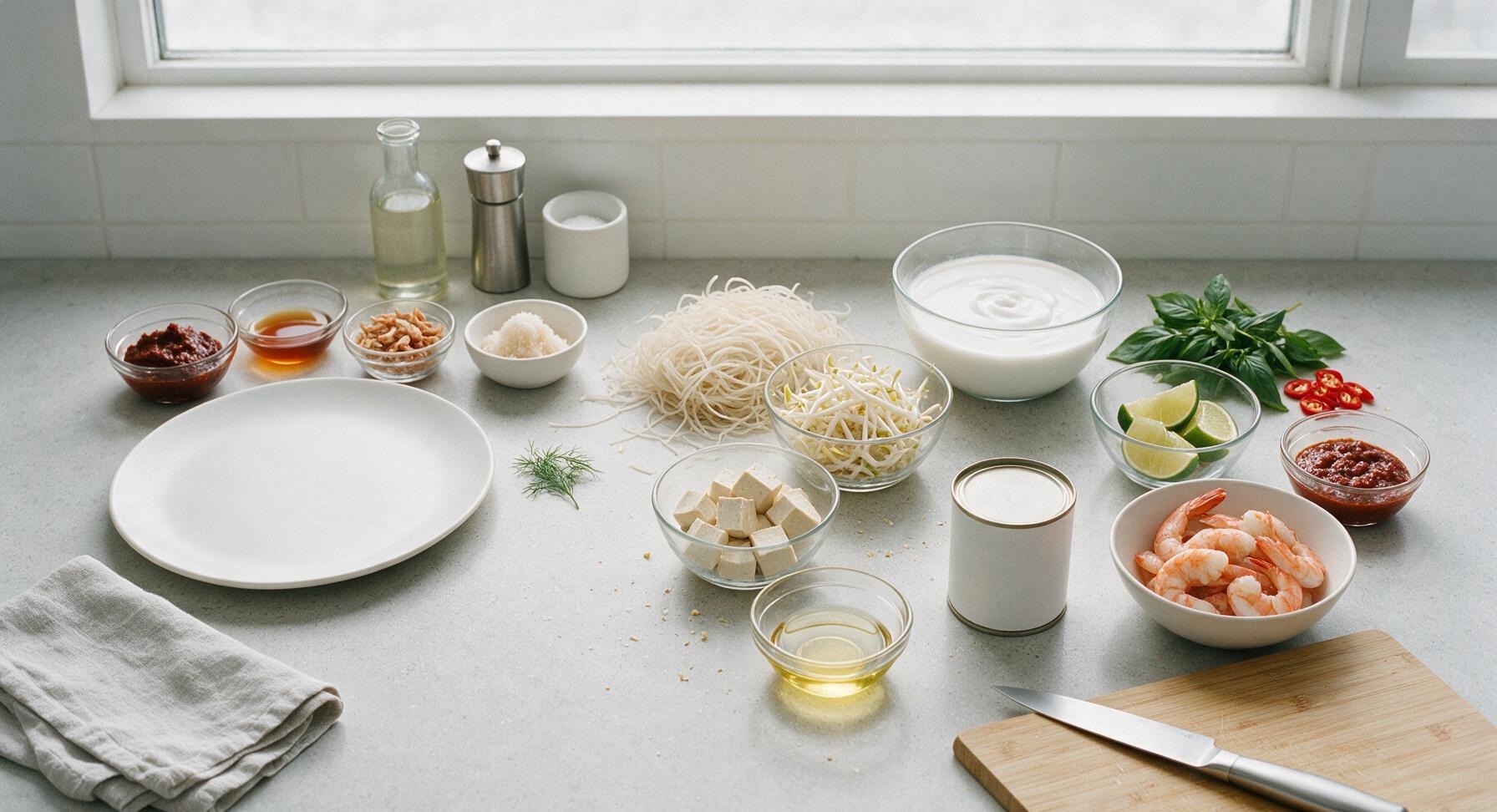
Set out a small platter of toppings so everyone can tweak their bowl to taste: crisp fresh bean sprouts, torn Thai basil, cilantro sprigs, thinly sliced red jalapeños for extra heat, lime wedges for squeezing, and a small dish of crispy fried shallots. I also leave out extra fish sauce and chili oil for anyone who wants to bump up salty or spicy notes.
12.Can I prep components of this laksa ahead for quick weeknight meals?
▾
Absolutely, it’s a fantastic meal prep option. You can press and cube your tofu, peel and devein your shrimp, and even fry the laksa paste and mix it with the coconut milk base 2 to 3 days ahead, stored in an airtight container in the fridge. Wait to soak noodles and prep fresh toppings until the day you serve, so noodles don’t get mushy and herbs stay bright.
13.What makes this creamy coconut laksa different from other laksa varieties?
▾
This is a rich curry laksa, sometimes called laksa lemak, defined by its thick, spiced coconut milk broth. It’s distinct from tangy asam laksa, which uses a sour, fish-based broth with no coconut milk for a brighter, sharper flavor profile. This version hits that classic cozy balance of creamy, spicy, salty, sour, and sweet that makes coconut laksa so widely loved.
14.My laksa paste is extra spicy—how can I tone down the heat without diluting flavor?
▾
If your laksa paste brings more heat than you bargained for, don’t just add extra water, which will make the broth bland. Stir in an extra ¼ cup of coconut milk to mellow the capsaicin, add a tiny pinch of extra brown sugar to balance the burn, and a squeeze of lime to brighten things up. The fat in coconut milk cuts heat far better than water, without washing out warm spice notes.
15.Do I need to cook shrimp separately, or can I simmer them directly in the broth?
▾
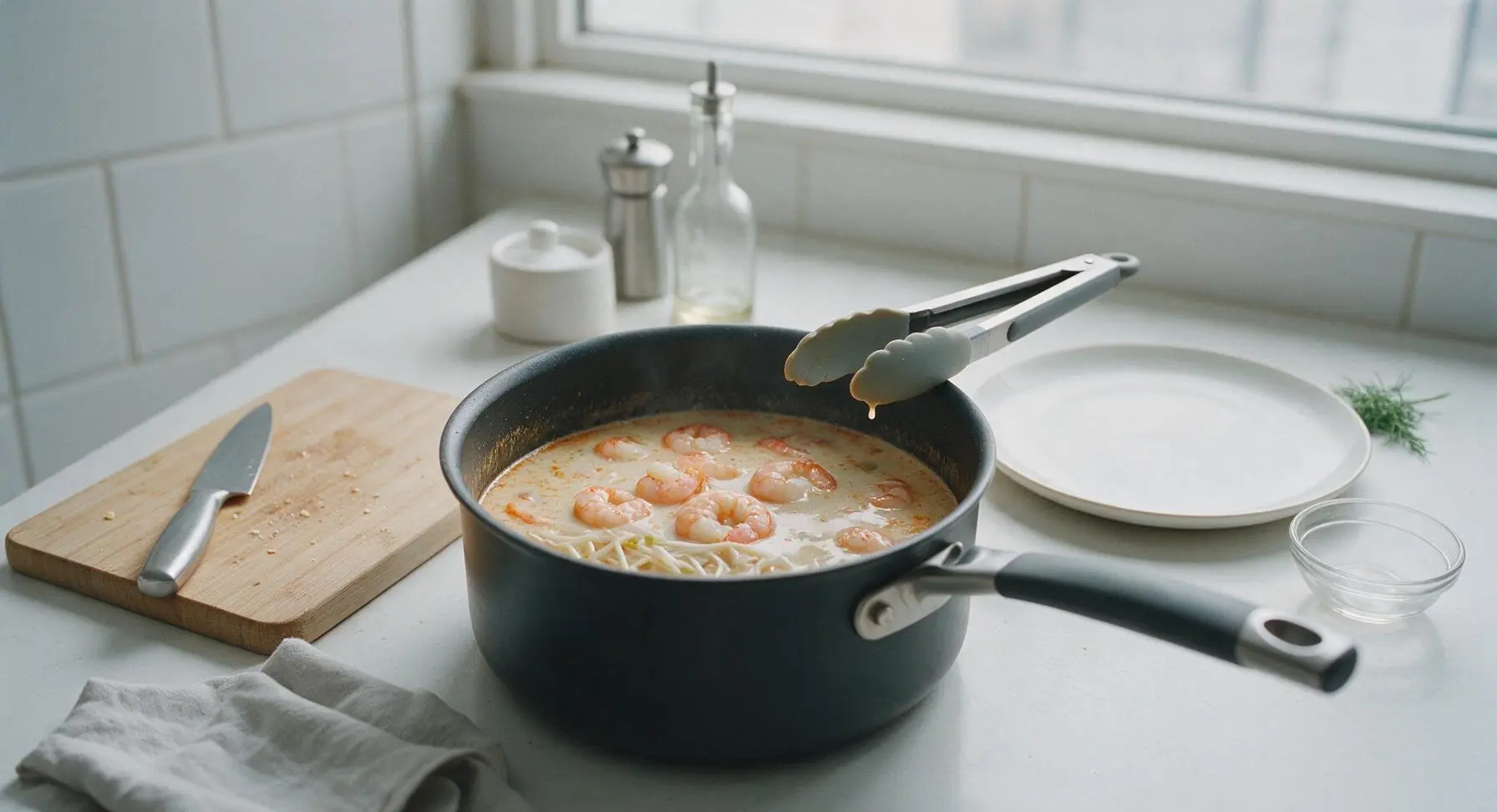
You can cook shrimp directly in the simmering broth, and it actually adds nice briny flavor to the soup! Just wait to add them until 2 to 3 minutes before you’re ready to serve, so they don’t overcook into rubbery bites. They’re done when they turn opaque pink and curl into a loose C shape—if they curl into a tight O, they’re overcooked and will be tough.
16.Can I use a different type of noodle if I don’t have thin bihon rice noodles?
▾
Thin bihon rice noodles are traditional for this creamy laksa, but you can swap them for wider rice vermicelli, fresh flat rice noodles, or even chewy udon noodles in a pinch if that’s what you have on hand. Just adjust prep time accordingly: thicker noodles will need a longer soak or quick 1-minute boil before portioning into bowls, so they reach that ideal tender-chewy bite.
17.How long will leftover laksa keep, and what’s the best way to reheat it?
▾
Store leftover broth separate from noodles and toppings if you can, to keep noodles from turning mushy as they sit. The broth will keep for 3 to 4 days in an airtight container in the fridge. Reheat it gently over low heat on the stovetop—don’t boil it hard, or the coconut milk may split—then pour it over fresh soaked noodles and add toppings right before serving.
18.How can I add extra depth to the broth without making it too heavy?
▾
A quick pro trick for extra umami without extra heaviness is to toast your laksa paste with one smashed lemongrass stalk and a couple of kaffir lime leaves before adding coconut milk, then fish those aromatics out before serving. You can also stir in a teaspoon of fish sauce right at the end of cooking—it adds deep savoriness without any noticeable fishy aftertaste.
19.Why does restaurant coconut laksa taste richer than my homemade version, even when I use the same laksa paste?
▾
Most restaurants fry their laksa paste in the thick coconut cream that rises to the top of a chilled can of full-fat coconut milk, instead of plain oil, before mixing in the rest of the coconut milk. That extra step toasts spices directly in coconut fat, amplifying the creamy, aromatic flavor and creating that luxe, ultra-smooth mouthfeel that feels like a restaurant treat.



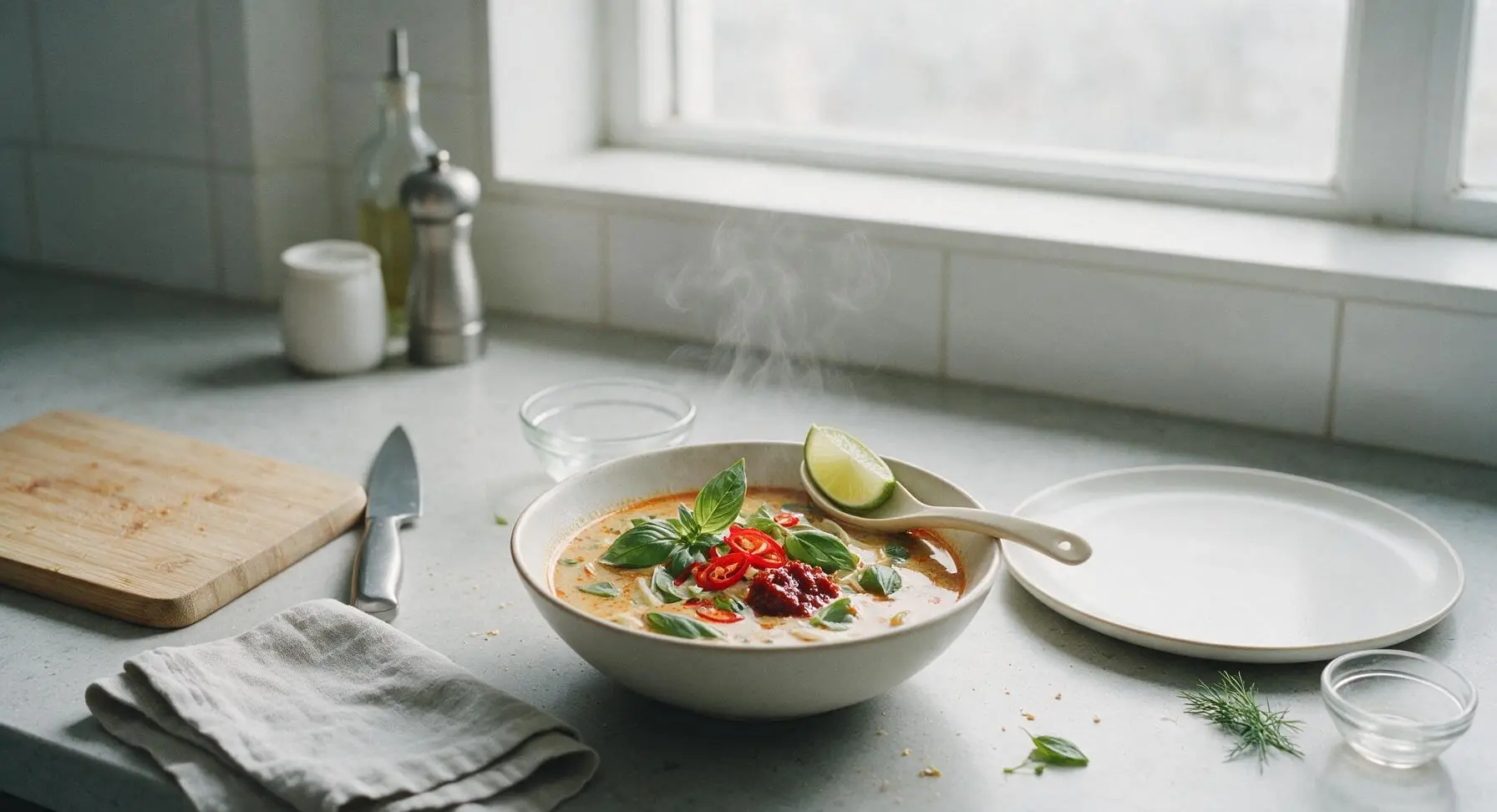
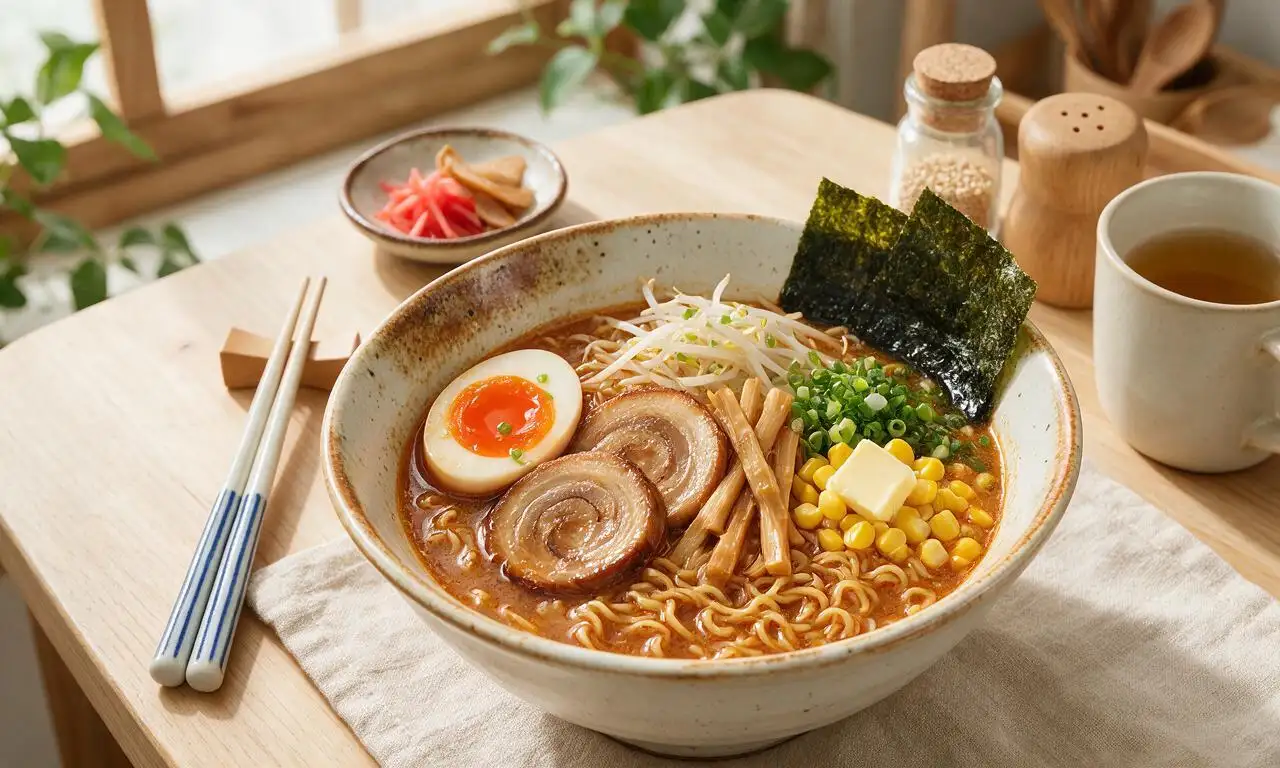
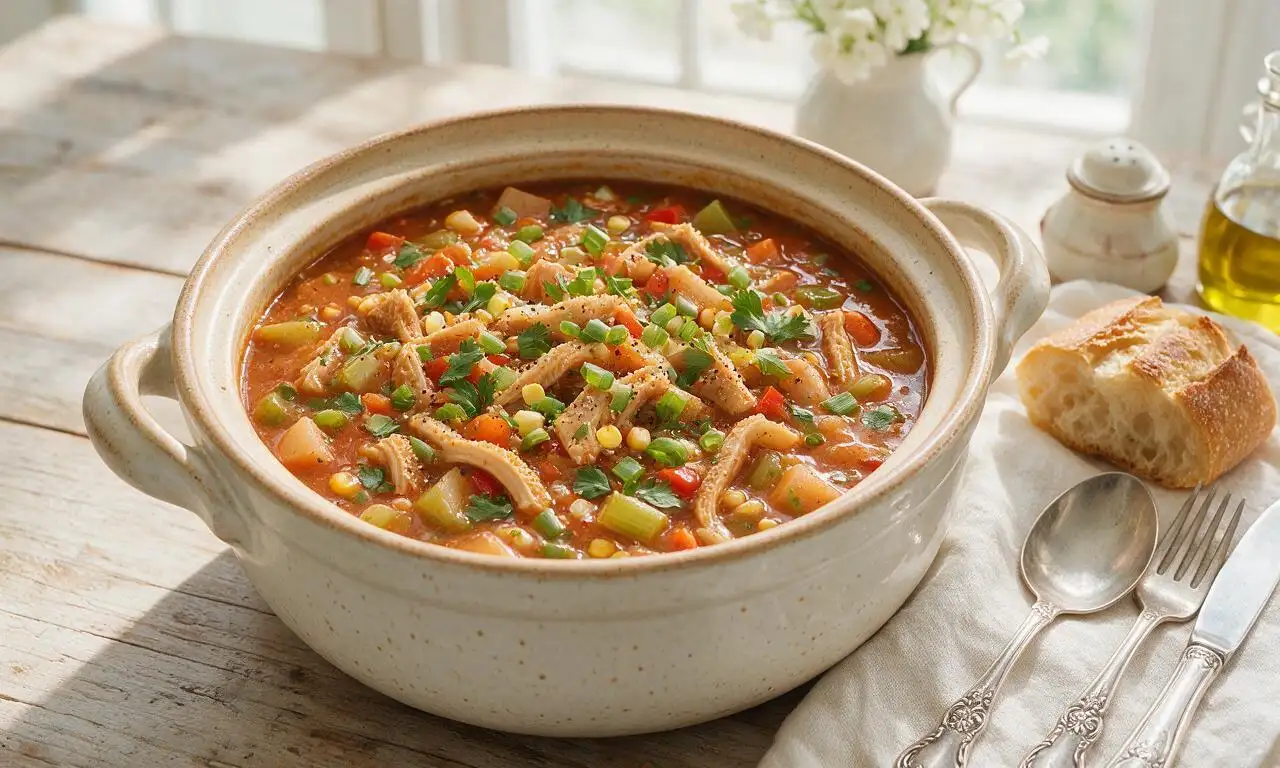
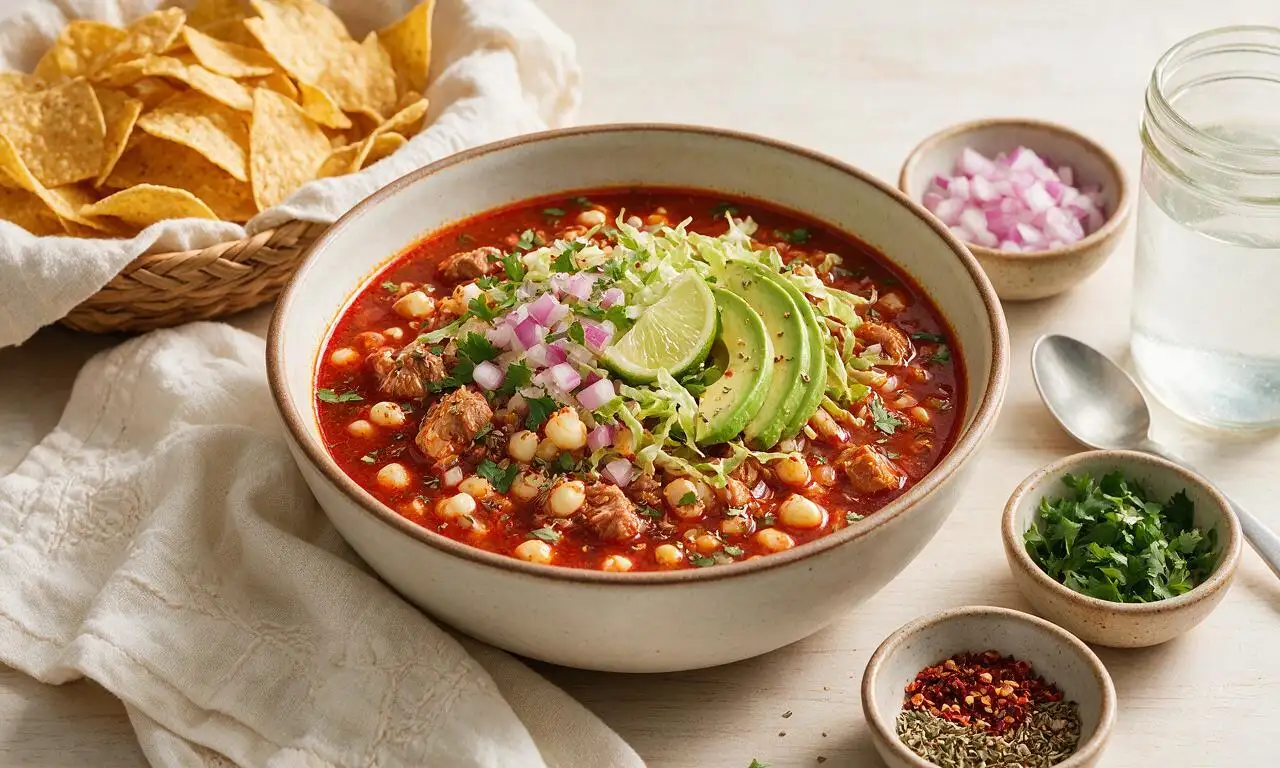

OMG this laksa is SO good! I made it for our family dinner last night and even my super picky 7 year old asked for seconds. The creaminess from the coconut is perfect, not too heavy at all. 25 minute cook time is no joke, I had it on the table faster than takeout would’ve arrived!
Game changer recipe! I’ve been intimidated to make laksa at home because I thought it’d be super complicated, but this was totally manageable for a medium skill level. I added extra tofu puffs because they’re my favorite, so good. Only thing is I wish it had a little more heat – did I do something wrong?
Made this for our Sunday potluck with the neighbors and everyone was asking for the recipe! The creamy coconut broth is so fragrant, I ended up making a double batch because I knew it’d go fast, and we still barely had leftovers. Will absolutely be adding this to our regular meal prep rotation.
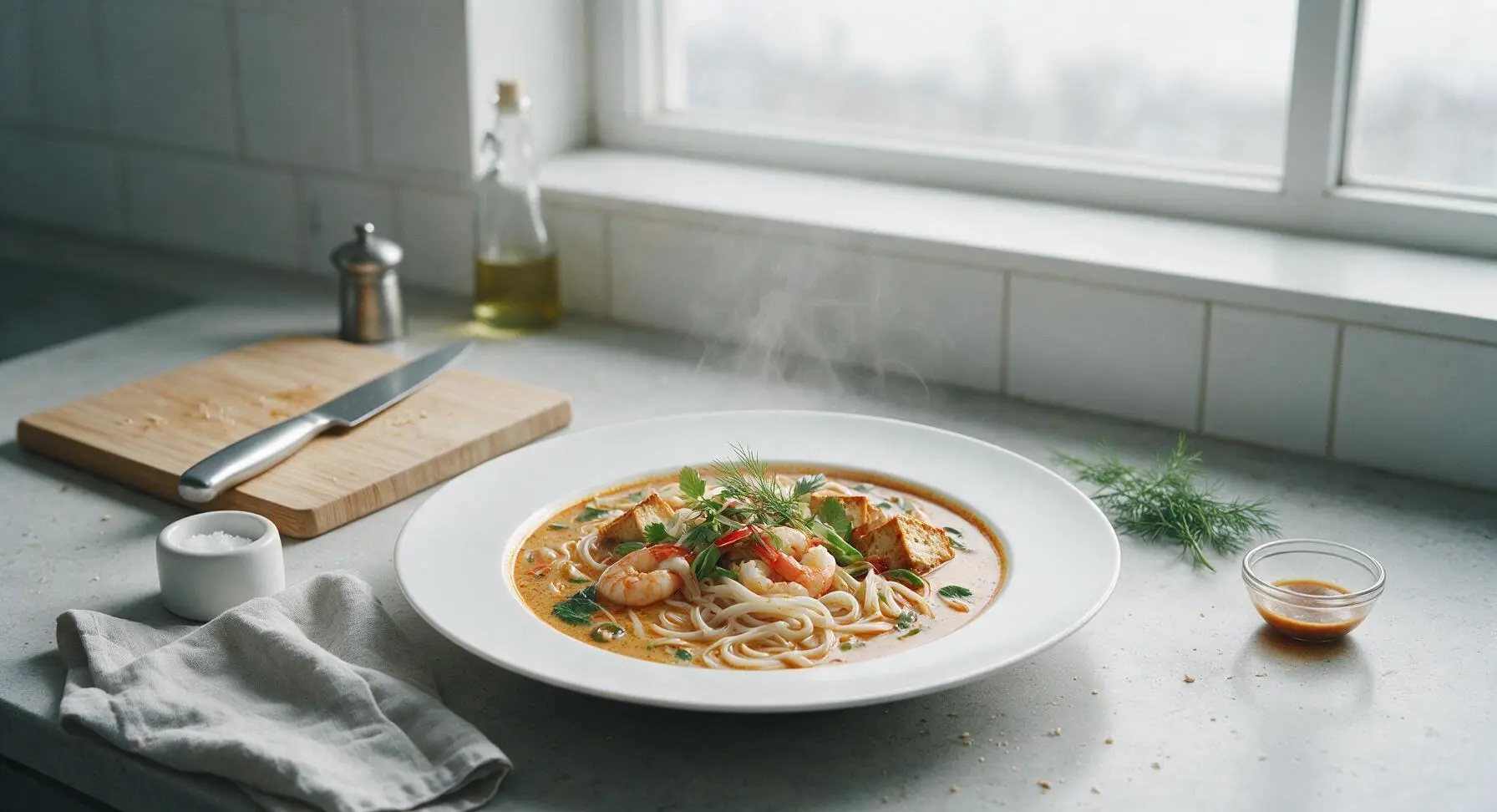
Solid recipe, but I ran into a little issue when I was making it last night. I used light coconut milk instead of full fat, and the broth ended up being way thinner than the photos show. Still tasted good, just not as creamy as I hoped.
I’ve tried so many homemade laksa recipes and this one is by far the closest to the restaurant version I get at my favorite spot in Seattle! The balance of savory, creamy, and a little tangy is spot on. I topped mine with bean sprouts, cilantro, and a big squeeze of lime, chef’s kiss.
Super easy to swap for a fully vegan version! I used vegetable broth instead of chicken, swapped the shrimp for extra shiitake mushrooms and crispy fried tofu, and it came out incredible. Even my meat-eating roommate said he liked it better than the takeout laksa we usually order. 10/10.
Quick question – can I make the paste ahead of time and freeze it for meal prep? I try to do a big cook on Sundays so I can throw weeknight dinners together fast, and this would be perfect if I can prep the base ahead.
Tried this last night and it was good, but I found the spice paste a little too gritty? I used a regular blender instead of a food processor, maybe that’s why? Any tips for getting that super smooth texture?
My kids loved it!!! I was worried the flavors would be too bold for them, but they gobbled it up and asked if we could have “that coconut noodle soup” again next week. I served it with thick rice noodles just like they have at our local Thai spot, and it was perfect.
Made this in my tiny dorm kitchen with like 2 pots and a cheap blender, and it still turned out amazing! Way better than the instant ramen I’ve been living on all semester. I used pre-made laksa paste as a shortcut since I don’t have space for a million fresh ingredients, and it still tasted so fresh and creamy. Will be making this for all my friends next time we have a dorm hang.
I made this for my date night in with my partner last weekend, and we both agreed it’s better than any laksa we’ve had on our trips to visit family in Hawaii! I added shrimp and chicken like the recipe suggests, plus a handful of bok choy for extra veggies. So cozy and flavorful.
Quick heads up for anyone meal prepping this – the noodles soak up all the broth if you store them together! I made a big batch on Sunday and by Tuesday, the noodles had absorbed almost all the liquid, so it was more like a noodle stir fry than soup. Tasted great, just not soup anymore, haha.
I was a little skeptical about coconut milk in soup at first, but y’all, this is a game changer! The broth is so rich and fragrant, I couldn’t stop slurping it straight from the pot while I was cooking. I added a little extra fish sauce for that umami kick, and it was *chef’s kiss*. Served it with cornbread on the side (don’t judge, it worked!) and my whole family raved.
Cook time is exactly 25 minutes if you have all your ingredients pre-measured, which is perfect for my busy weeknights between work and my kid’s soccer practice. I used rotisserie chicken to cut down on prep even more, and it worked perfectly. No fancy steps, no weird ingredients, just really good soup.
I brought this to my office potluck last week and people were literally lined up to get a bowl! Everyone kept asking where I got the recipe, I must have shared the link with 8 different coworkers. The creamy coconut flavor is so unique compared to the usual chili and soups people bring to work events. Total crowd pleaser.
So happy this recipe is naturally gluten free if you use gluten free fish sauce and rice noodles! I have celiac and it’s so hard to find takeout laksa that doesn’t have hidden soy sauce with wheat in it. This tasted just as good as takeout, and I didn’t have to worry about getting sick. 10/10, will be making this constantly.
Made this last night but had to skip the shrimp paste because of my shellfish allergy, and it was good but missing that deep umami kick. Is there a good substitute I can use next time that doesn’t have shellfish?
I’m usually terrible at making Asian-inspired dishes at home, they always come out bland or off somehow, but this recipe was foolproof! The instructions were super clear, even for a medium difficulty dish, and the flavor was perfect on the first try. My roommate thought I ordered takeout, he couldn’t believe I made it myself.
I added a soft boiled egg on top of mine like they do at ramen shops, and it was the best decision ever! The runny yolk mixed into the creamy coconut broth was next level. I can’t believe I waited so long to try making laksa at home, this is going to be a staple in our house for sure.