1.What cut of pork works best for traditional lau lau, and why?
▾
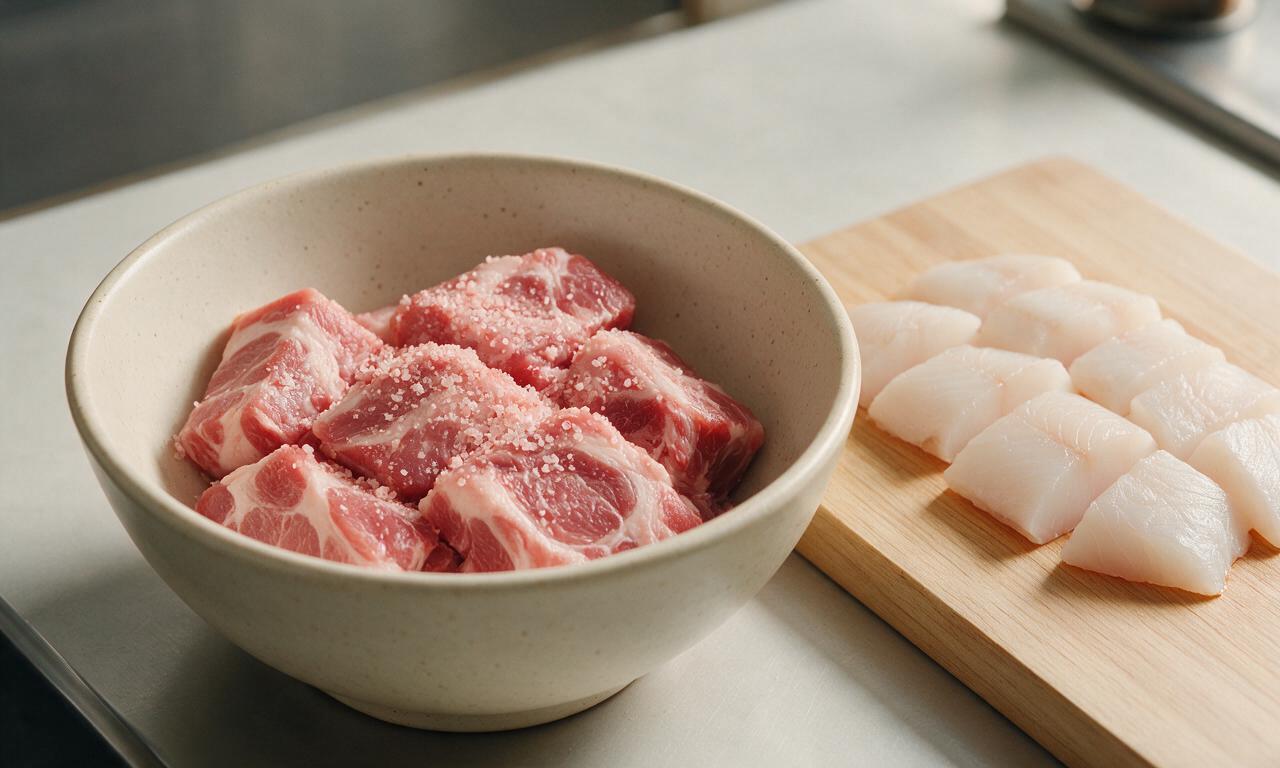
Boneless pork butt is the ideal, traditional pick thanks to its even marbling of fat and lean. Cut into 5cm cubes, the fat renders slowly during long steaming to keep filling juicy, infusing surrounding taro leaves with rich, savory flavor. Lean cuts like pork loin will turn dry and stringy, so skip those for authentic results.
2.What is salted butterfish, and can I substitute it if I can’t find it?
▾
Salted butterfish is brine-cured black cod, prized for its silky, buttery texture and bright briny flavor that cuts through the rich pork filling. If you can’t source it, use lightly cured, skin-on sablefish as a close swap. Skip plain unsalted white fish, which will taste bland and fall apart during long steaming.
3.Do I have to remove the thick stems from taro (luau) leaves before wrapping?
▾
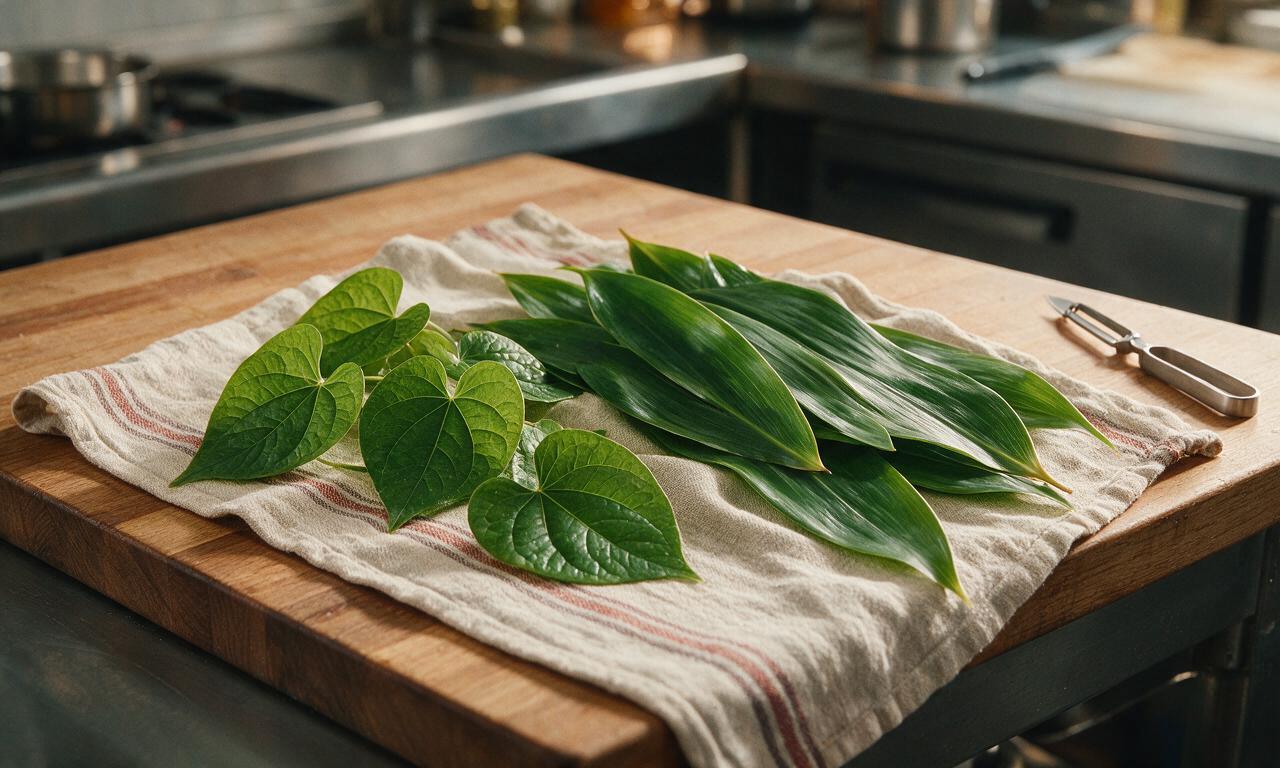
Absolutely. Taro leaf stems and thick central veins are tough, fibrous, and hold high concentrations of calcium oxalate, which causes an uncomfortable itchy, stinging sensation in your mouth if not removed or fully cooked. Trim those rigid parts out first, leaving only the soft, flexible leaf blade for wrapping your fillings.
4.Why do I need to remove the central rib from ti leaves before wrapping lau lau?
▾
The thick, rigid central rib of a fresh ti leaf is extremely fibrous and impossible to fold tightly around your filling, which causes bundles to unravel during steaming. Removing that stiff rib leaves a pliable, sturdy wrapper that holds its shape, infuses a subtle earthy aroma, and peels away easily after cooking.
5.What is alaea Hawaiian sea salt, and can I use regular table salt instead?
▾
Alaea Hawaiian sea salt is unrefined sea salt mixed with iron-rich red volcanic clay, giving it a mellow, earthy, less sharp salty flavor than refined salt. If you don’t have it, use unrefined pink Himalayan sea salt as a close match; use 25% less if substituting fine table salt, as it is far more concentrated by volume.
6.How do I prevent raw taro leaves from making my mouth itch when I eat lau lau?
▾
That uncomfortable itchy feeling comes from calcium oxalate crystals in undercooked taro leaves. First, trim away all thick veins and stems, then steam your lau lau bundles for a full 2.5 to 3 hours at consistent, gentle heat. That long cook time fully breaks down those irritating crystals for soft, perfectly palatable leaves.
7.How much filling goes into each individual lau lau bundle?
▾
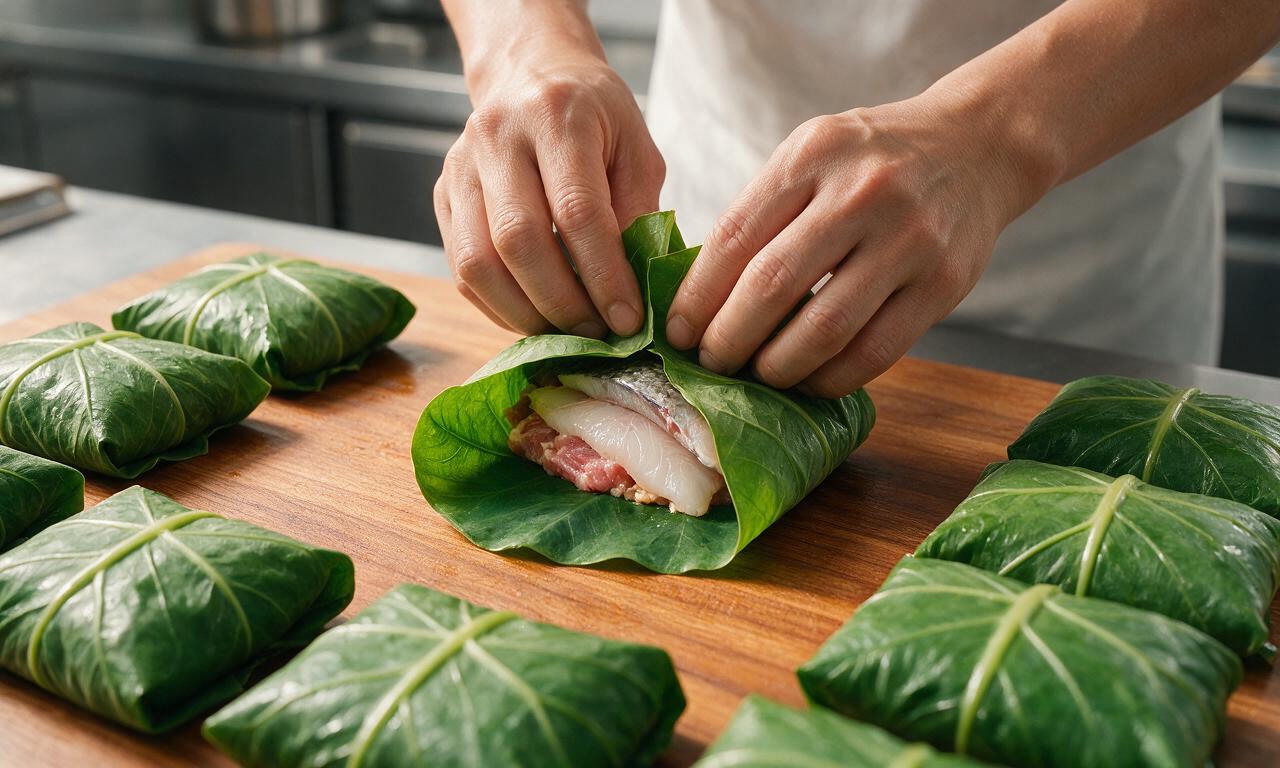
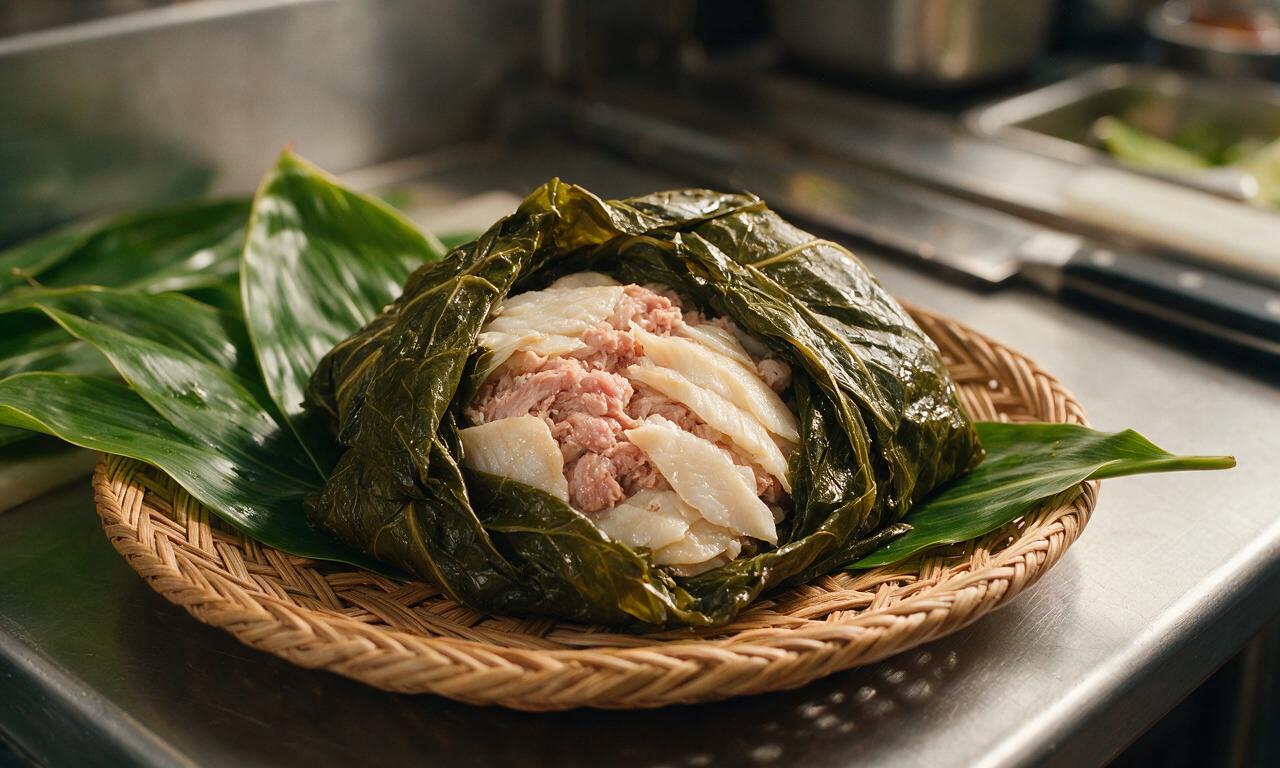
For evenly cooked, properly wrapped bundles (this recipe makes 8 total, one per cut piece of butterfish), use one portion of salted butterfish and 2 to 3 of the 5cm pork cubes per bundle, seasoned with a small pinch of alaea salt. That ratio gives the ideal balance of rich pork, briny fish, and soft taro leaf without overstuffing, which causes filling leaks during steaming.
8.Do I eat the ti leaf wrapping on lau lau, or is it just for cooking?
▾
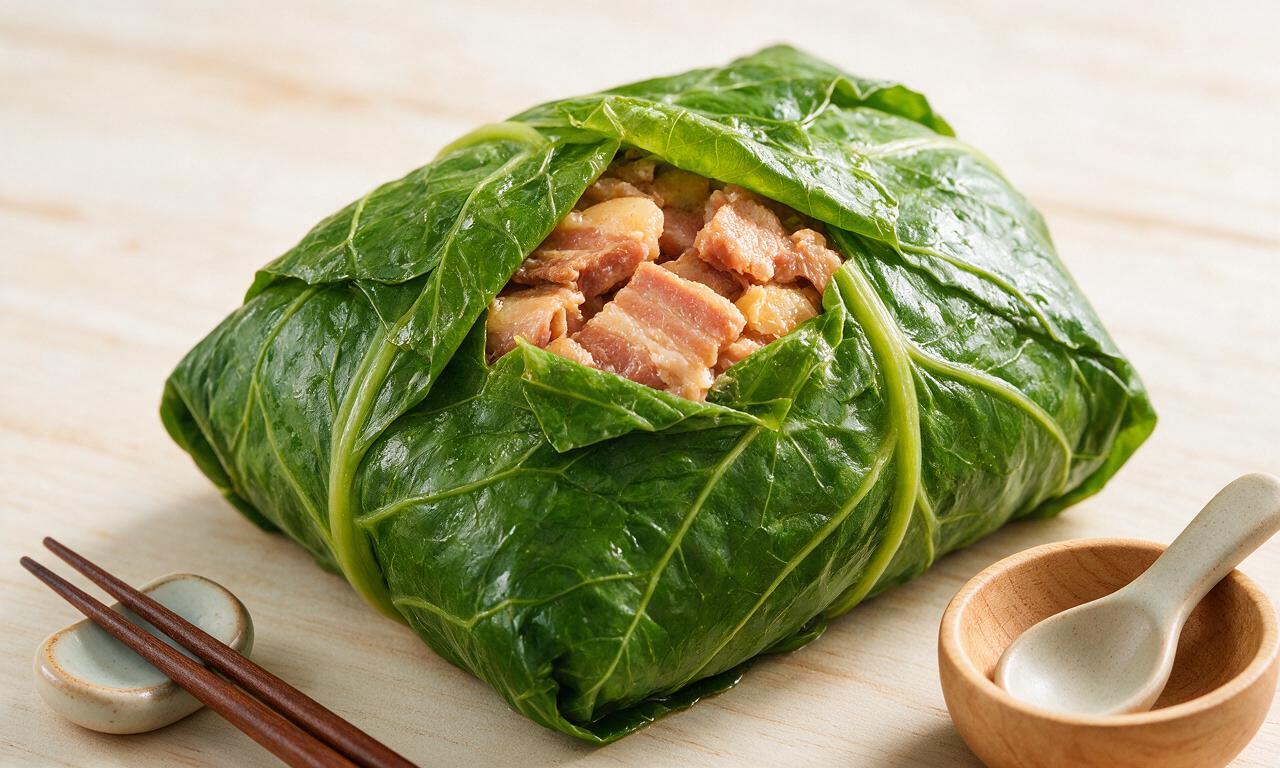
Ti leaves are not edible—they act as a tough, aromatic cooking wrapper only, similar to a corn husk on a tamale or banana leaf for sticky rice. Once your lau lau is done steaming, simply peel away the ti leaf layer to reveal the soft, taro-leaf wrapped filling inside, which is fully edible.
9.How long do I need to steam traditional lau lau for the best texture?
▾
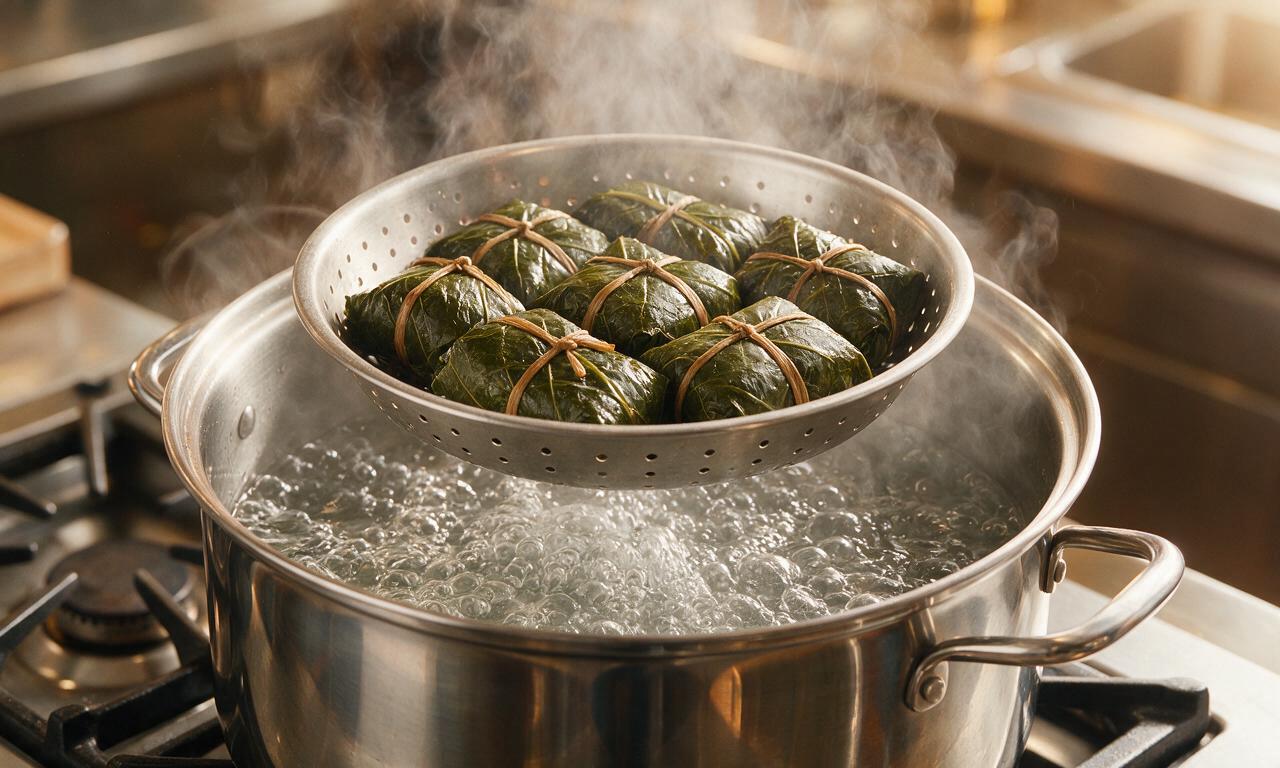
Plan for a full 2.5 to 3 hours of steady, gentle steaming over medium-low heat. That long, slow cook is critical to render pork fat until melt-in-your-mouth tender, break down irritating taro leaf oxalates, and let briny butterfish flavor infuse every layer. Don’t rush it with high heat, which will make pork tough.
10.Can I cook lau lau in an Instant Pot or pressure cooker to save time?
▾
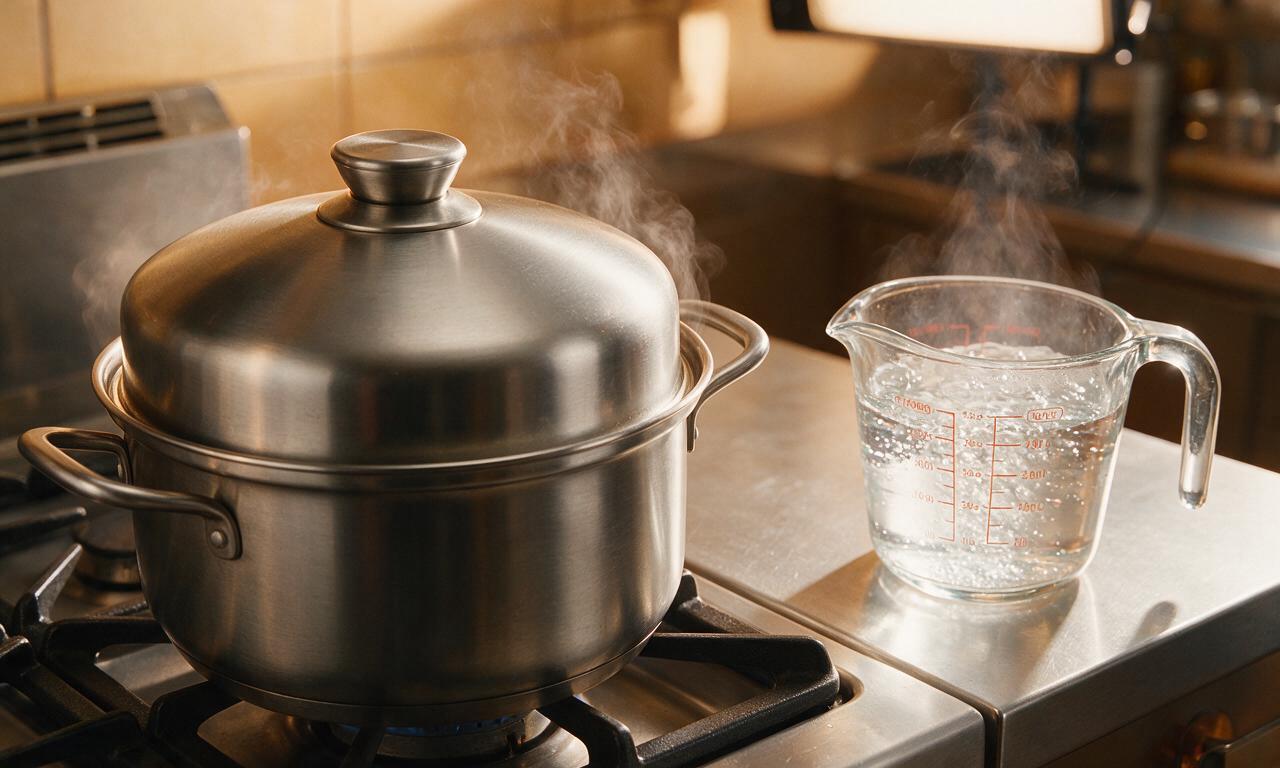
Yes, you can, though the flavor will be slightly less deeply infused than traditional slow steaming. Add 1 cup of water to the pot, arrange bundles on a steamer rack, and cook on high pressure for 45 minutes, then let pressure release naturally for 20 minutes to ensure taro leaves are fully tender and non-itchy.
11.How do I keep lau lau bundles from unraveling while they steam?
▾
After wrapping fillings in taro leaves then ti leaves, tie each bundle securely with a thin strip of trimmed ti leaf rib or a length of unflavored kitchen twine. Set bundles fold-side down on the steamer rack to weight the seam closed, and don’t pack them too tightly, which can push seams open as they expand while cooking.
12.Can I make lau lau ahead of time, and how do I store leftovers?
▾
Absolutely—lau lau actually tastes even better a day after cooking, as the flavors meld together as it rests. Let cooked bundles cool completely, then store airtight in the fridge for up to 4 days, or wrap tightly and freeze for up to 3 months. Reheat by steaming for 10 to 15 minutes until fully warmed through.
13.What if I can only find frozen taro leaves instead of fresh?
▾
Frozen taro leaves work perfectly well for lau lau, as they are typically trimmed and blanched before freezing to cut down on oxalate levels. Thaw them fully and squeeze out excess water before wrapping, and trim away any remaining thick stems. You won’t notice a meaningful flavor or texture difference from fresh leaves.
14.How much alaea salt should I use per lau lau bundle for proper seasoning?
▾
Use roughly 1/8 of a teaspoon of alaea salt per individual bundle, sprinkled directly over the pork and butterfish before wrapping. Remember that salted butterfish already carries a good amount of brininess, so err on the lighter side at first—you can always serve extra salt on the side for diners who prefer more seasoning.
15.Why is my lau lau watery and mushy after steaming?
▾
Mushy, watery lau lau usually comes from two common mistakes: overstuffing bundles so pork juices leak out and pool in the wrappers, or not letting your steamer build a gentle, consistent simmer before adding bundles, which causes excess condensation to drip directly onto leaves instead of circulating as light steam.
16.Do I need to brine or marinate the pork butt before wrapping lau lau?
▾
Traditional lau lau does not use a long pre-marinate for the pork—all the seasoning happens as bundles steam, when alaea salt, rendered pork fat, and briny butterfish juices meld together to flavor the meat and taro leaves. You can give pork a light toss with alaea salt 15 minutes before wrapping for deeper seasoning, but it’s not required.
17.Can I add other fillings like chicken or sweet potato to my lau lau and still call it traditional?
▾
While those fillings are common in modern, local Hawaiian-style lau lau variations, they are not part of the traditional Native Hawaiian recipe. The classic preparation uses only pork butt and salted butterfish to let the subtle, earthy flavor of taro leaves and rich, simple filling shine without competing extra add-ins.
18.How do I know when my lau lau is fully done cooking and safe to eat?
▾
You’ll know lau lau is done when the ti leaves turn a deep, muted olive green, the pork pulls apart easily with a fork with no pink remaining, and the taro leaves are completely soft with no crisp, raw texture. A small test bite should have no itchy, stinging sensation from undercooked taro oxalates.
19.What are the best traditional side dishes to serve with lau lau for a full Hawaiian meal?
▾
Serve lau lau alongside classic Hawaiian plate lunch sides for a traditional spread: sticky medium-grain white rice, a scoop of creamy macaroni salad, bright lomi lomi salmon, and a small side of poi. You won’t need any fancy sauces—the rich, savory flavor of the steamed bundles stands perfectly on its own, with just a light extra sprinkle of alaea salt if desired.

OMG this tastes exactly like the lau lau my grandma used to make for our family luaus every summer! I was so worried I’d mess up the ti leaf wrapping but the step-by-step pics made it so easy. The 3.5 hour cook time is 100% worth it, the pork just falls apart. Brought a batch to my office potluck last week and everyone was begging for the recipe. SO good!
Tried this for my weekly meal prep! Flavor is incredible, but my ti leaves split while I was wrapping and a bunch of the juice leaked out while steaming. Did I do something wrong? I soaked them like the recipe said but maybe not long enough?
Game changer! My kids are super picky and they devoured this, even asked for seconds. I swapped the pork for chicken thighs since that’s what I had in the fridge and it still turned out amazing. Served it with lomi lomi salmon and poi for a little Hawaiian night at home, will absolutely be making this again.
First time ever making lau lau and I was shocked how well it turned out! I live in Brooklyn and had to hit up three different Asian markets to find fresh taro leaves, but it was so worth the hunt. That slow steam makes the whole apartment smell insane, my roommate kept hovering in the kitchen waiting for it to be done.
Made this for a guys’ weekend cookout in Scottsdale and it was a total hit. I was a little intimidated by the medium difficulty rating but as long as you take your time wrapping, it’s totally manageable. Only note: make sure you make a double batch, because people will go back for thirds. I had zero leftovers.
Flavor is great but I found mine a little too salty? I used the exact amount of Hawaiian salt the recipe called for, maybe my butter was salted? Wait no I used unsalted like it said. Hmm, might cut the salt a little next time but otherwise, super tender and delicious.
Brought this to our church potluck last Sunday and it was the first dish gone! I added a little piece of salted butter fish to each bundle like my tutu used to do, and it took the flavor to the next level. Will absolutely be adding this to my regular rotation.
Wait, 3 and a half hours of steam time? I almost skipped this recipe because I thought that was way too long, but I had a free Sunday so I gave it a shot. HOLY COW was that worth it. The taro leaves get so silky, the pork melts in your mouth, I get it now. No shortcuts work here, folks.
I made a vegan version of this by swapping the pork for marinated jackfruit and adding a little extra liquid smoke, and it was insane! The ti and taro leaves add so much earthy flavor on their own, I didn’t even miss the meat. My whole vegan crew was obsessed when I brought it to our weekly dinner.
I grew up eating lau lau when my family would vacation on Maui, and I’ve been chasing that flavor for years. This recipe is dead on. I served it with a side of mac salad just like the food trucks do, and it transported me right back to the beach. 10/10, no notes.
Made these for our camping trip last weekend, pre-wrapped all the bundles at home and steamed them over the campfire in a big dutch oven. Absolute game changer for camp food, everyone in our campground was wandering over asking what smelled so good. Will 100% be a regular camping meal from now on.
Meal prepped a big batch of these on Sunday and they heated up perfectly all week for work lunches. I was worried the leaves would get mushy after reheating in the microwave, but they held up great. Way better than my usual sad desk salad, that’s for sure.
Couldn’t find ti leaves anywhere near me so I used extra layers of taro leaves to wrap, and it still turned out amazing! The flavor was so rich and savory, I didn’t even miss the ti leaf layer. This is definitely going to be a go-to for family dinners going forward, my partner already asked when I’m making it again.