1.What cut of pork works best for Filipino-style lechon asado?
▾
The classic, most reliable cut is a 4–6 pound skin-on, bone-in pork shoulder, as listed in the recipe. Its rich intramuscular marbling keeps meat juicy through slow roasting, the bone adds deep, savory flavor, and the attached skin is required for that iconic shatteringly crisp top. Skip lean cuts like pork loin, which will turn dry and tough even with extended marination.
2.Can I use lime juice if I can’t find fresh calamansi?
▾
Absolutely—fresh lime juice is the closest, most accessible swap for calamansi in this recipe. Use the same volume of lime juice as you would calamansi; it has the same bright, tart profile that balances salty soy and sweet brown sugar, just with a slightly less floral zing. Avoid bottled lime juice if you can, as its flat, muted flavor dulls the bright marinade.
3.How long should I marinate the pork for the best flavor?
▾
For the deepest, most evenly distributed flavor, marinate the pork for a minimum of 4 hours, and up to 24 hours, stored covered in the fridge. Poke small, deep holes all over the meat side (not the skin!) before marinating to let garlic, soy, citrus, and sugar penetrate. Don’t marinate longer than 24 hours, as the acid from the citrus can break down the meat’s surface and make it mushy.
4.Why do you specify dark brown sugar instead of light brown sugar for the marinade?
▾
Dark brown sugar has a higher molasses content than light brown sugar, which adds a deeper, caramel-like, slightly toasty sweetness that balances salty soy and bright calamansi perfectly. It also helps create a glossy, beautifully browned meat exterior as it roasts. If you only have light brown sugar, add 1 teaspoon of molasses per ¼ cup of light sugar to match the flavor profile.
5.How do I get that signature shatteringly crisp pork skin every time?
▾
Crisp skin starts with completely drying the pork skin before roasting—pat it thoroughly with paper towels after marinating, and leave it uncovered in the fridge for 2–4 hours to air-dry until it feels dry and papery to the touch. Roast low and slow first to cook the meat, then crank the oven to 450°F for the last 20–30 minutes, making sure no marinade drips onto the skin.
6.What oven temperature should I use for slow roasting the pork?
▾
Start by roasting the marinated pork at 325°F for 2.5 to 3 hours, depending on your shoulder size, until the meat reaches an internal temp of 185°F and pulls easily from the bone. This low, steady temperature renders excess fat from the skin and breaks down tough shoulder connective tissue for juicy, tender meat without drying it out before the final crisping step.
7.Can I make this lechon asado in a slow cooker instead of the oven?
▾
You can cook the marinated pork in a slow cooker on low for 6–8 hours until tender, but you won’t get a crisp skin finish in the slow cooker itself. Once the pork is cooked through, transfer it to a rimmed baking sheet, pat the skin completely dry, and broil on high for 5–10 minutes (watching closely!) to crisp the skin before serving.
8.How much crushed garlic should I use for the most authentic flavor?
▾
For a 4–6 pound pork shoulder, use 8–10 large crushed garlic cloves, or about ¼ cup of loosely packed crushed garlic. Don’t mince it super fine—crushing releases all the aromatic garlic oils that infuse the meat, and larger pieces won’t burn as easily during long roasting. Tuck some garlic into the small slits in the meat for extra flavor in every bite.
9.Is light soy sauce really required, or can I use dark soy sauce?
▾
Stick to light soy sauce for the marinade, as it has the right balance of salty, umami flavor without the thick, overly concentrated, almost bitter depth of dark soy sauce. Dark soy will make the marinade too dark, overpower bright citrus and sugar notes, and can make pork skin burn faster during high-heat crisping. If using low-sodium light soy, add a pinch of extra salt to taste.
10.How do I keep the roasted meat juicy instead of dry?
▾
First, don’t skip the bone-in, marbled pork shoulder—lean cuts will always dry out faster. Baste the pork with reserved marinade every 45 minutes during the low-and-slow roast to lock in moisture, and tent it loosely with foil if the top browns too quickly. Let the roasted pork rest 20 minutes after coming out of the oven before slicing, so juices redistribute instead of running out.
11.What’s the best way to serve Filipino lechon asado?
▾
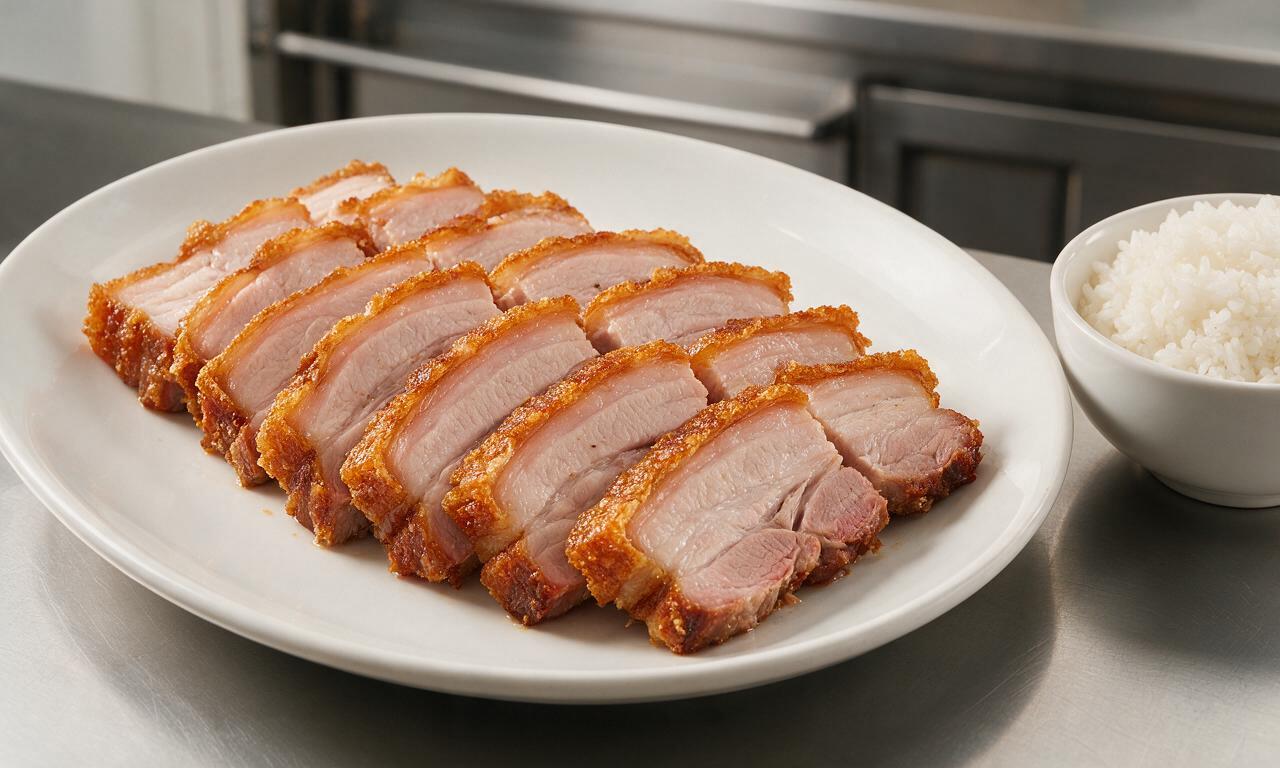
Lechon asado is traditionally served as a feast centerpiece, sliced to show off crisp skin and juicy meat, with a side of tangy lechon sauce (a sweet-savory liver-based dipping sauce), steamed white rice, pickled green papaya (atchara), and extra calamansi or lime wedges for squeezing. It pairs perfectly with other Filipino holiday sides like pancit or lumpia for a full spread.
12.Why is my pork skin chewy instead of crisp after roasting?
▾
Chewy skin almost always traces back to excess moisture on the skin before roasting, or oven temperature that’s too low during the final crisping step. Make sure you pat the skin totally dry, air-dry it in the fridge pre-roast, and don’t baste the skin during the last high-heat segment. If skin is still chewy, pop it under the broiler for 2–3 minutes, watching closely, to crisp it right up.
13.Can I freeze leftover lechon asado for later use?
▾
Yes, leftover lechon asado freezes really well for up to 3 months. Let the pork cool completely, then wrap it tightly in plastic wrap and a layer of aluminum foil to prevent freezer burn, separating crisp skin from the meat if possible to keep it from getting soggy. Reheat thawed pork in a 350°F oven until warmed through, and broil skin for a minute to re-crisp before serving.
14.Do I need to score the pork skin before roasting?
▾
You don’t need to score the skin deeply like you would for pork cracklings, but making very shallow, light scores 1 inch apart across the skin (without cutting into fat or meat underneath) helps fat render evenly as it roasts. Don’t cut too deep, or marinade and meat juices will seep up onto the skin and prevent crisping. Pat scored skin extra dry before roasting.
15.What internal temperature means the pork is done and safe to eat?
▾
For tender, pull-apart lechon asado, cook the pork until the thickest part (away from the bone) reaches an internal temperature of 185–190°F. While pork is safe to eat at 145°F, that temperature leaves shoulder tough and chewy; the higher temp breaks down tough connective tissue into silky, juicy meat. Always double check with an instant-read thermometer for the most accurate read.
16.Can I use a pork belly instead of pork shoulder for this recipe?
▾
You can use skin-on pork belly for a richer, fattier version of lechon asado, but note it will have a much higher fat content and different texture than the classic shoulder version. Reduce the low roast time by about 45 minutes, since belly is thinner, and take extra care to render fat slowly to avoid greasy skin. It’s a delicious swap, just expect a more indulgent, less meaty final dish.
17.Should I cover the pork with foil while it roasts?
▾
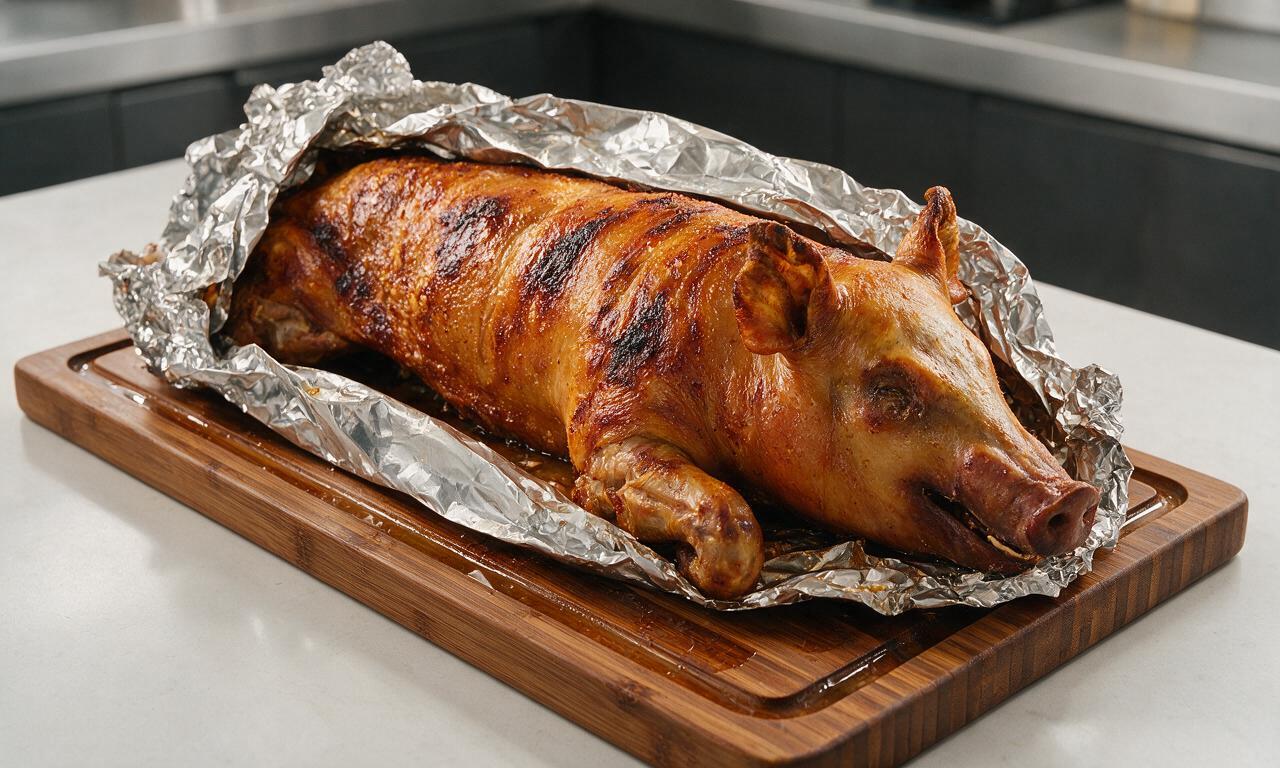
Cover the pork loosely with a tent of aluminum foil for the first 2 hours of low-and-slow roasting to keep the top from browning too fast and trap a little steam to keep meat moist. Remove the foil for the last 30 minutes of low-heat roasting to let the skin start drying out, then crank the oven up to high for the final crisping step with no foil at all.
18.How long should I let the pork rest after roasting before slicing?
▾
Let the roasted pork rest for a full 20 minutes on a cutting board, tented very loosely with foil, before you slice into it. This rest time gives hot, fast-moving juices in the meat time to settle and redistribute throughout the shoulder, so every slice is juicy instead of having all the flavorful juice run out onto your cutting board. It also lets the skin set perfectly.
19.Can I adjust the marinade to be less sweet or less salty?
▾
Absolutely—taste the marinade before adding it to the pork to adjust it to your preference. If you prefer less sweetness, cut the dark brown sugar by 1 to 2 tablespoons; if you want less salt, swap 2 tablespoons of regular light soy for low-sodium soy. Just keep the ratio of citrus, soy, and sugar balanced enough that no single flavor overpowers the garlicky, savory core of the dish.



Game changer! I made this for our neighborhood block party potluck last weekend and people were lining up for seconds. I was worried the 3+ hour cook time would be too much, but most of that is hands off marinating and roasting, so I was able to make sides while it cooked. 10/10 will be making this for every holiday from now on.
OMG my kids loved it! I was nervous they’d turn their noses up at a roasted pork dish that wasn’t their usual pulled pork, but they ate every last bite on their plates and asked if we could have it again next week. The marinade is so flavorful, not too salty, just that perfect balance of tangy and savory. Already added the ingredients to my weekly meal prep rotation.
Quick question — I don’t have a full size roasting pan, would a large cast iron Dutch oven work for this? I really want to make it for my partner’s birthday dinner this weekend but don’t want to run out and buy new equipment if I don’t have to. Recipe looks incredible otherwise!
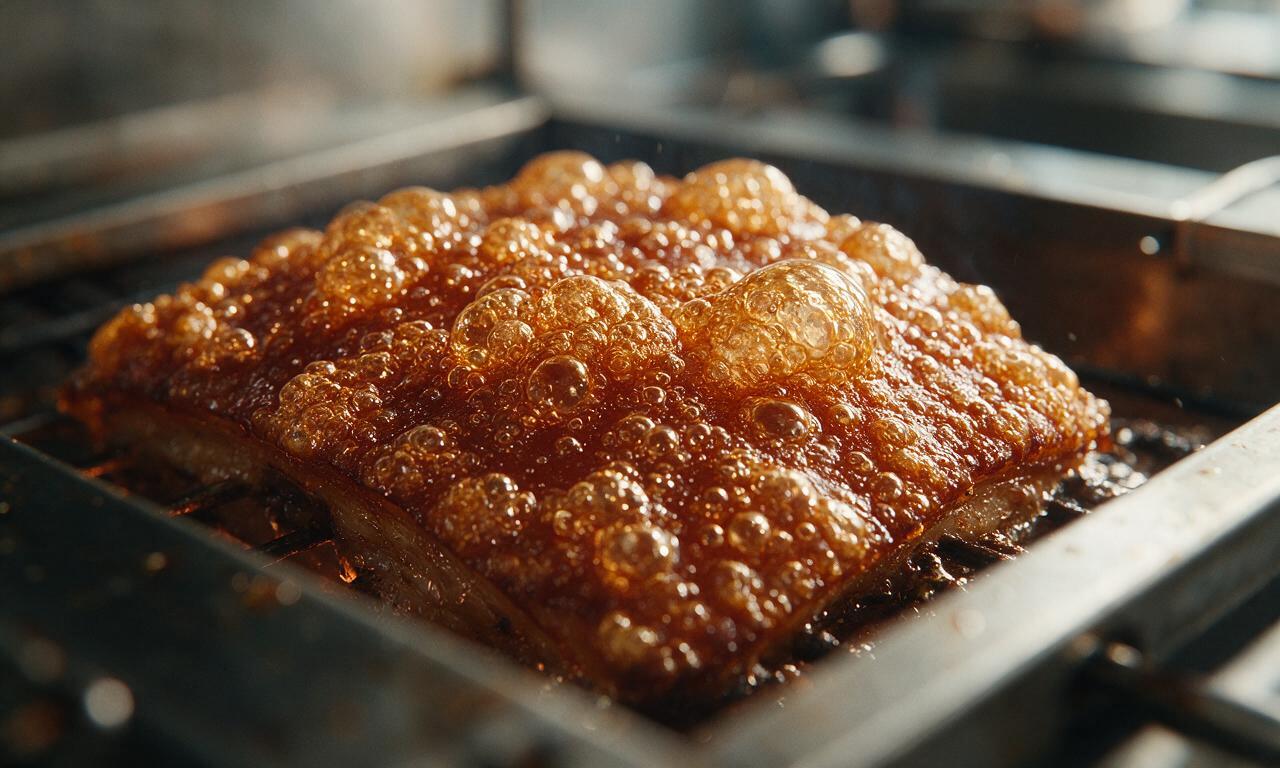
Flavor was absolutely on point, but my skin didn’t get as crispy as the photos show even after following the directions exactly. I think my oven might run a little cooler than the dial says, so next time I’ll crank the temp up the last 20 minutes like I do for my Thanksgiving turkey. Still tasted amazing, just missed that crunch I was craving.
SO good. I’ve tried three different lechon asado recipes from this site and others, and this is by far the closest to what I get at my favorite Filipino spot in Woodside, Queens. The marinade depth is unreal — that little hit of soy and citrus? *Chef’s kiss*. Worth every minute of cook time, no notes.
Wait, has anyone tried making this on a charcoal grill instead of the oven? I do most of my big roasts on the Weber during the summer and would love to adapt this instead of heating up the whole house with the oven for 3 hours.
Meal prep win! I roasted this on Sunday, sliced it up, and have been using it all week for rice bowls, tacos, and even breakfast hash with eggs. It holds up so well in the fridge, and the flavor actually gets better the next day as the marinade settles. Who knew a fancy roasted pork could be such a flexible weeknight staple?
Quick heads up for anyone with soy allergies — I swapped the regular soy sauce for coconut aminos and cut the added sugar by a teaspoon, and it still turned out absolutely delicious. My whole family (soy allergy and all) got to enjoy it for my lola’s birthday dinner, and no one could tell I made a swap! Just wanted to share in case anyone else needs that adjustment.
Made this in my tiny apartment oven for my roommates and I last night, and we all ate way too much. We paired it with some garlic fried rice and pickled papaya, and it felt like we were eating at a restaurant instead of our cramped dining nook. The marinade is so easy to mix up even if you don’t have a fancy blender, just a bowl and a whisk works fine. 10/10, already sent the recipe to my mom.
Full transparency, I totally forgot to marinate this overnight like the recipe says, only let it sit for 2 hours before roasting, and it was still so flavorful! I can only imagine how much better it would be if I actually planned ahead next time. Don’t sleep on this recipe even if you’re short on time, it’s forgiving as hell.
I grew up eating whole hog barbecue in North Carolina, so I was a little skeptical a marinated roasted pork could live up to my smoked pork standards, but y’all — this blew me away. The balance of sweet, savory, tangy is unreal, and that crispy skin? I’d drive an hour for that skin alone. What’s everyone’s go-to side to serve with this?
I’m a first gen Filipino American and never learned how to make my dad’s famous lechon asado before he passed, so I was nervous to try this recipe for our family Christmas party. It made me cry when my tita said it tasted exactly like his. Thank you so much for putting this recipe out there, it means more than I can say.
Pro tip! Pat the pork skin completely dry with paper towels before you put it in the oven, and rub a little bit of white vinegar on it 10 minutes before roasting. I’ve been making lechon for years, and that trick guarantees that shatteringly crisp skin every single time, no soggy spots at all. This recipe’s marinade is the best I’ve tried, paired with that trick? Unbeatable.
If you’re tracking macros, this is a perfect high protein meal option! I calculated it out, a 4 oz serving is around 32g of protein for only 240 calories, no weird processed ingredients. I season it a little extra with black pepper and garlic powder to fit my taste, but the base recipe is chef’s kiss for anyone looking for tasty meal prep protein that doesn’t feel like diet food.
Really solid recipe, but I found the marinade a touch too sweet for my taste next time I’ll cut the brown sugar by half. Other than that, the cook time was spot on, the meat was fall apart tender, and my whole dinner party raved about it. Just a personal preference thing, I’m more of a savory over sweet gal when it comes to roasted meat.
Made this for my daughter’s high school graduation party over the weekend, and every single guest asked for the recipe. I was worried 4 pounds of pork wouldn’t be enough for 15 people, but it was perfect — I even had a little leftover for sandwiches the next day. The only thing I did different was add a couple extra cloves of garlic because my family are garlic fiends. 10/10, will be a staple at all our summer parties.
I added a couple chopped Thai chilis to the marinade for a little heat, and wow — that kicked it up to a whole new level. I love a little spice with my savory roasted pork, and the heat paired so well with the citrus and soy flavors. If you’re a spice wimp this isn’t for you, but if you like a little kick, don’t sleep on adding those chilis. So good.
I was so intimidated by the medium difficulty rating because I’m a total beginner cook, but this was way easier than I thought it would be! The step by step directions were so clear, I didn’t get confused at any point, and the end result looked like it came straight from a restaurant. My partner was so impressed he thought I ordered takeout, lmao. Can’t wait to try more recipes from the site!