1.How ripe do my bananas need to be for the best-tasting fritters?
▾
For the best sweet, caramelized interior, use heavily spotted, 70-90% brown peel bananas—these have concentrated natural sugar and a soft, mashable texture that stays fluffy when fried. Avoid underripe, mostly yellow bananas with few spots, as they’ll be starchy, bland, and won’t develop that signature melt-in-your-mouth center.
2.Why does the recipe use both all-purpose flour and cornstarch in the batter?
▾
The combination of all-purpose flour and cornstarch is key for that shatteringly crisp, non-greasy outer crust. AP flour gives the batter structure so it holds its shape around the banana, while cornstarch cuts down on gluten development to prevent a tough, chewy coating, and helps fritters stay crisp longer after frying instead of turning soggy quickly.
3.Can I adapt this recipe to make gluten-free banana fritters?
▾
Yes, you can easily adapt this recipe for gluten-free diets. Swap the all-purpose flour for a 1:1 gluten-free all-purpose baking blend that contains xanthan gum, and keep the cornstarch, baking powder, sugar, and banana measurements exactly the same. You’ll get nearly identical crisp, golden results with no obvious textural difference.
4.Why is my fritter batter coming out too thick or lumpy?
▾
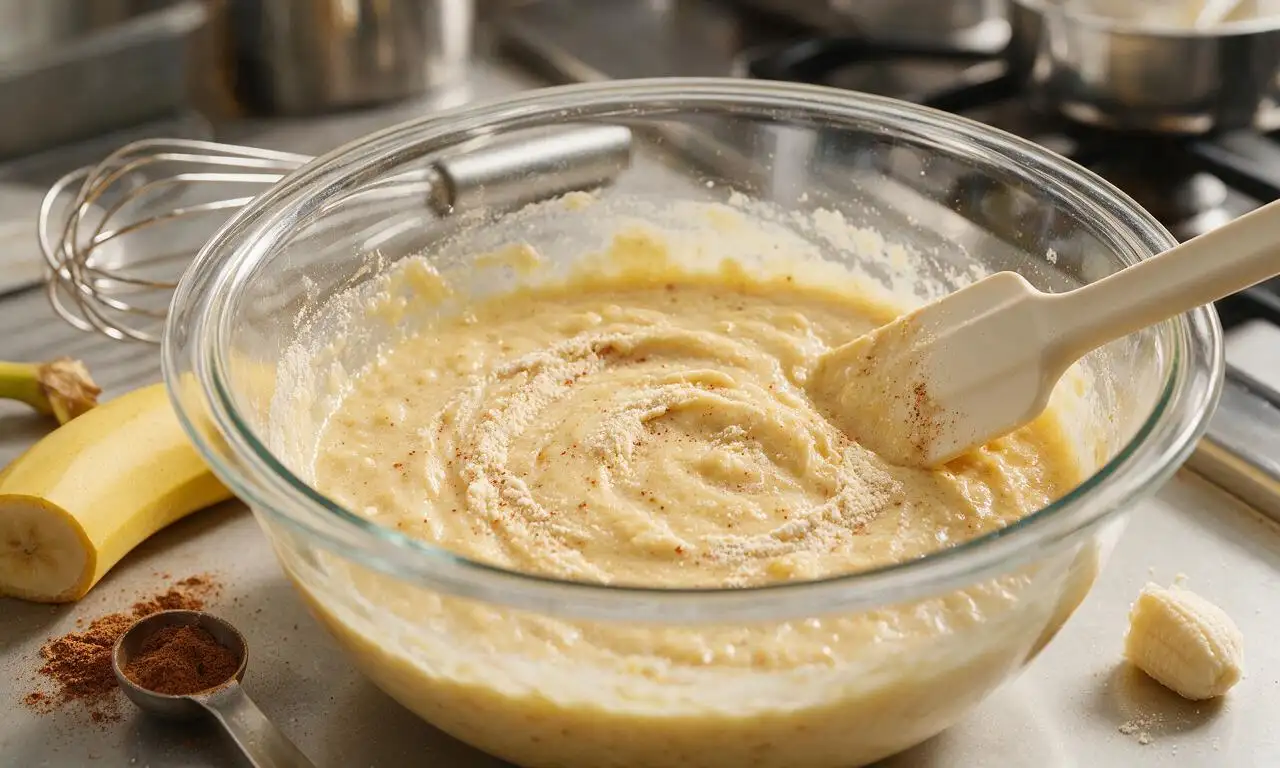
Lumpy, overly thick batter usually happens if you over-mix the combined dry ingredients before adding liquid, or add too little cold water to your batter base. Gently stir just until combined—small lumps are totally fine, as over-mixing develops gluten that makes crusts tough. Add 1 tablespoon of cold water at a time until batter coats the back of a spoon thickly but smoothly.
5.What oil works best for frying, and what temperature should I use?
▾
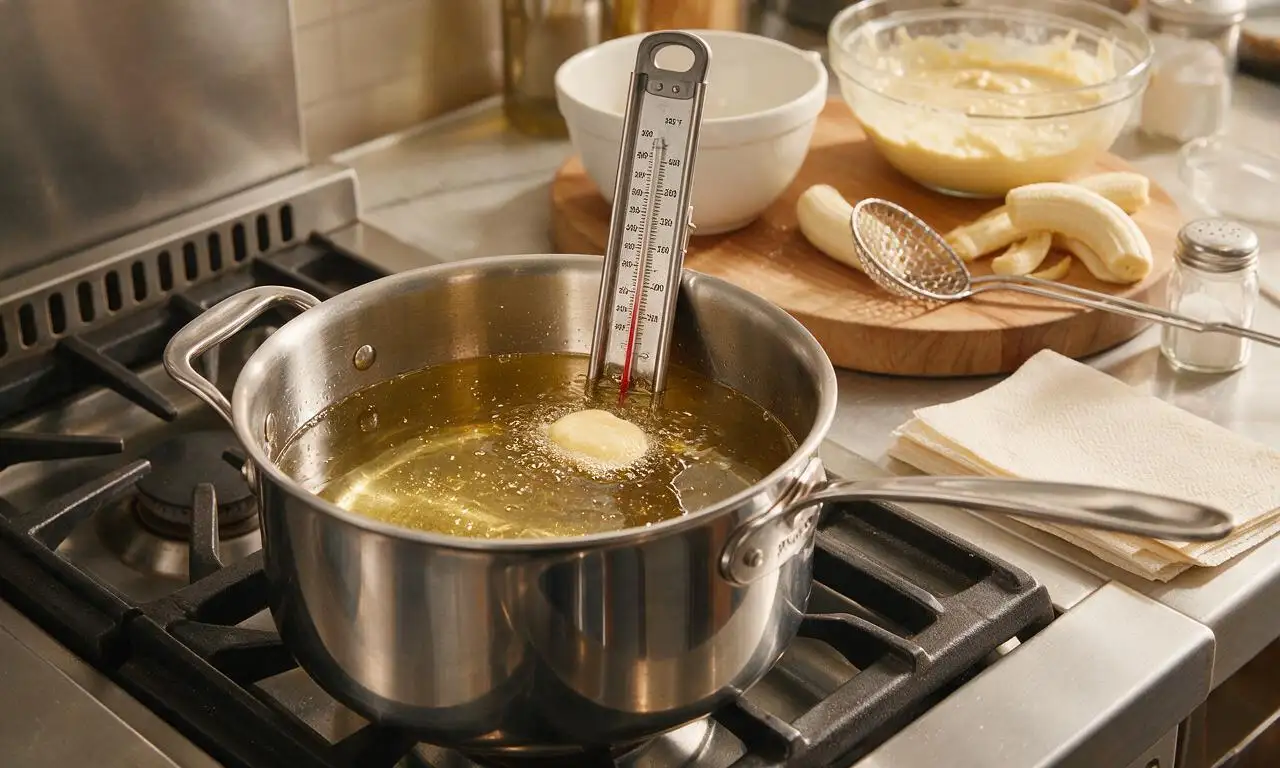
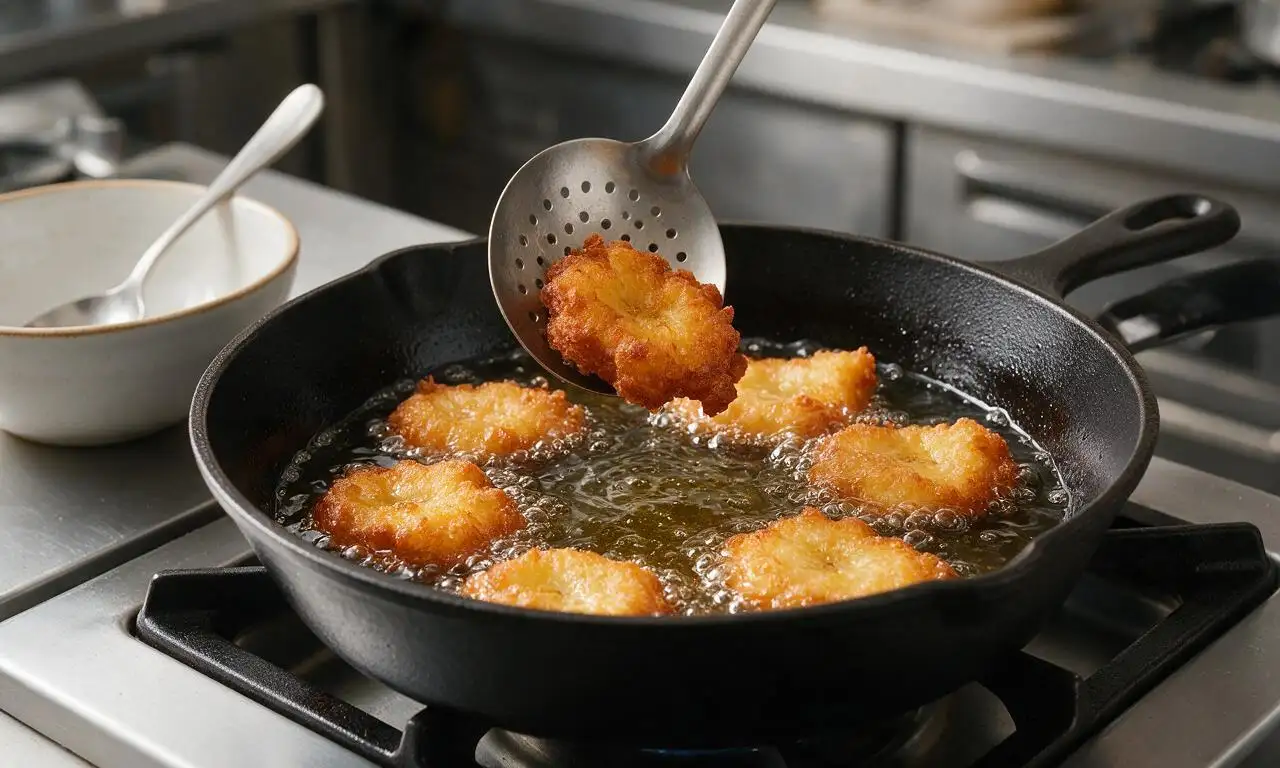
Use a neutral, high-smoke-point oil like canola, vegetable, or peanut oil for the cleanest, non-greasy flavor. Heat the oil to 350°F (175°C) before dropping in battered banana pieces—if oil is too cool, fritters soak up excess oil and turn soggy; if too hot, the outside burns before the inside cooks through. Use a candy thermometer for consistent results.
6.How do I keep fritters crispy instead of getting soggy right after frying?
▾
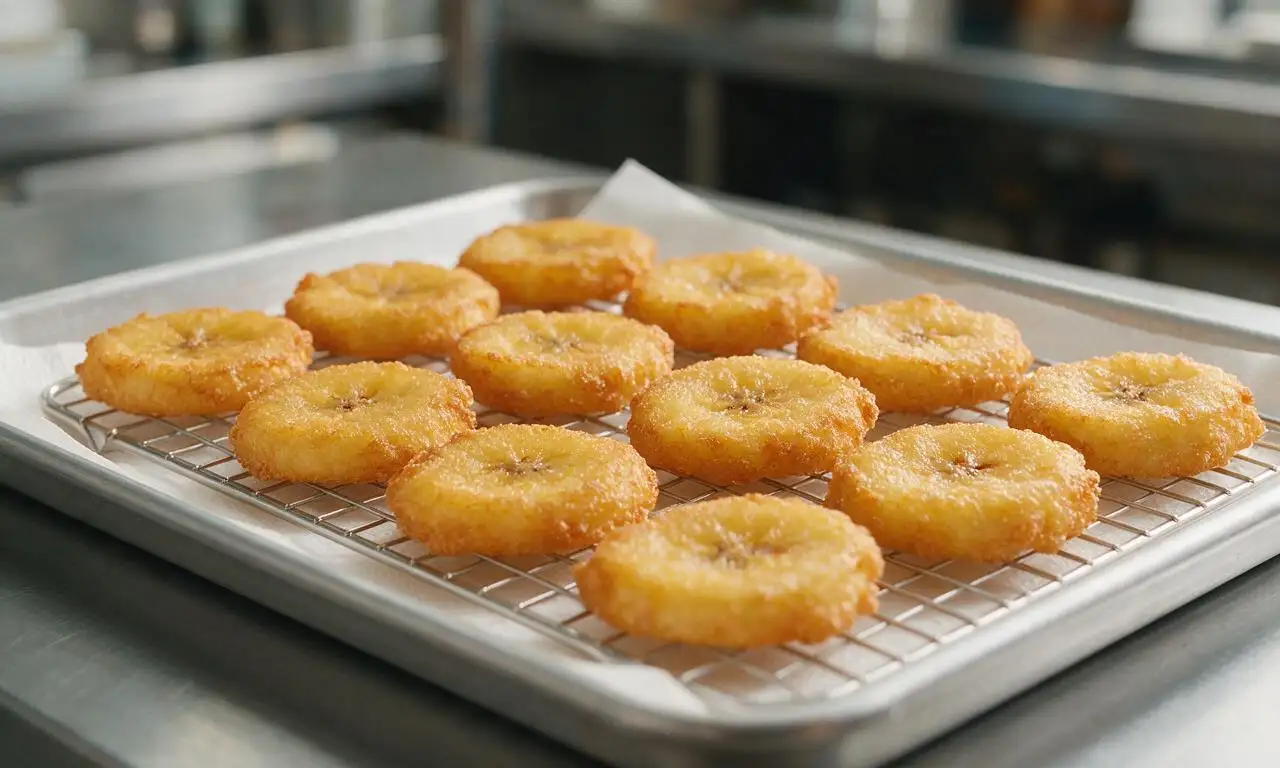
To keep fritters crisp after frying, transfer them from the oil to a wire rack set over a baking sheet instead of piling them directly on paper towels. Piling hot fritters traps steam that softens the crust, and paper towels can make the underside soggy if they sit too long. Keep them in a 200°F oven while frying batches to hold crispness until serving.
7.Do I have to mash the bananas, or can I use whole sliced chunks?
▾
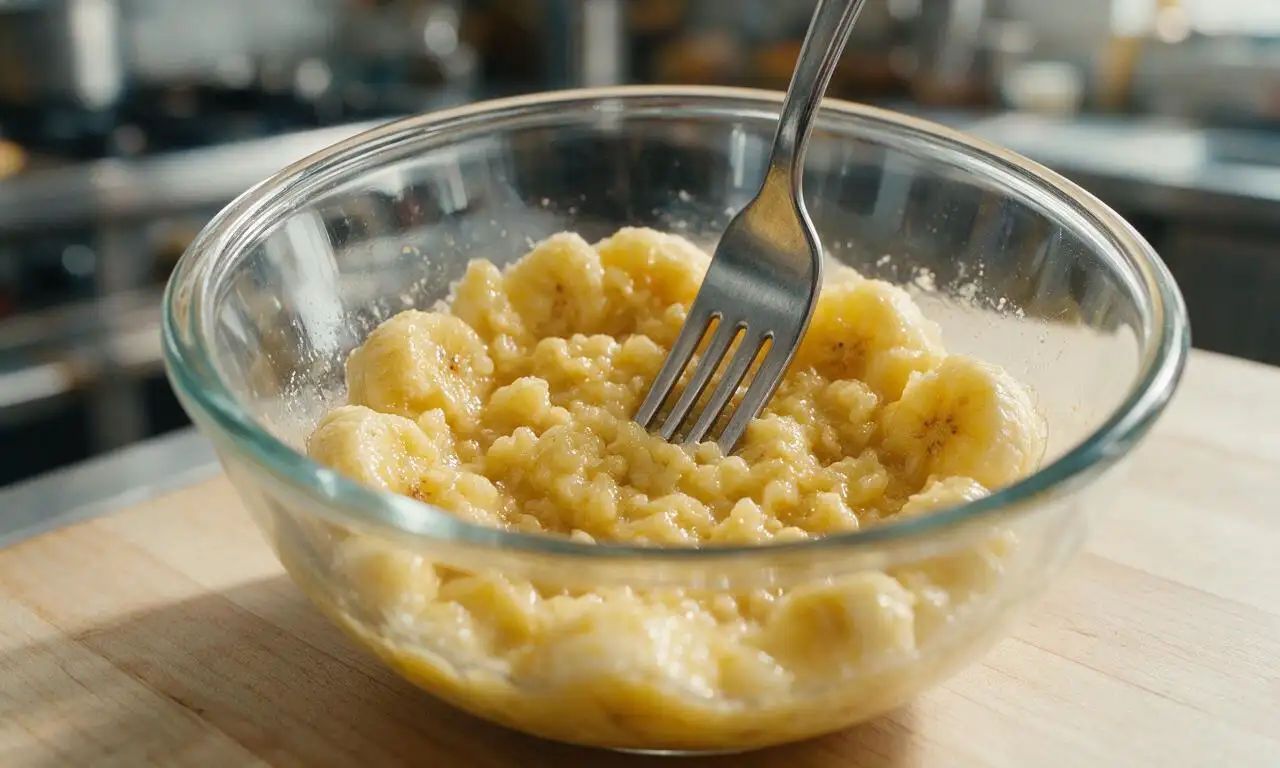
You can do either, depending on your preferred texture! For the classic fluffy, evenly caramelized interior this recipe is known for, mash ripe bananas gently before folding into the batter. If you prefer distinct, soft fruit bites, cut bananas into 1-inch chunks, dip them fully in batter, and fry for a slightly different, chunkier texture.
8.What purpose does the baking powder serve in the batter?
▾
The small amount of baking powder in the batter creates tiny air bubbles as fritters hit hot oil, which makes the crust light and crisp instead of dense and hard. Make sure your baking powder is fresh (less than 6 months old, stored in a cool pantry)—expired baking powder won’t leaven properly, leading to flat, tough, greasy fritter crusts.
9.Can I make the batter ahead of time to cut down on prep work?
▾
I don’t recommend making the full wet batter more than 30 minutes ahead of frying. The baking powder will start to lose its leavening power as soon as it gets wet, leading to denser, less crisp fritters, and mashed banana can brown and develop an off flavor. You can pre-mix all dry ingredients in an airtight container up to 3 months ahead, though.
10.Do I need the full amount of granulated sugar if my bananas are extra ripe?
▾
Since heavily spotted ripe bananas have such concentrated natural sweetness, you can cut the granulated sugar in the batter by half if you prefer less sweet treats, or skip it entirely for a more fruit-forward flavor. The small base amount of sugar helps the crust brown to that perfect golden color and adds a subtle caramelized note, not overwhelming sweetness.
11.Why are my fritters doughy in the middle even when the outside is golden?
▾
Doughy centers almost always come from oil that’s too hot, or fritter portions that are too large. If oil climbs above 375°F, the crust browns and crisps in 1-2 minutes before the batter and banana inside can cook through. Keep oil at a steady 350°F, and drop fritters in 2-tablespoon portions so they cook evenly in 3-4 minutes total.
12.Can I bake these fritters instead of frying them for a lower-fat option?
▾
You can bake them for a lighter version, though you won’t get that exact shatteringly crisp fried crust. Preheat your oven to 425°F, line a sheet with parchment, spray 2-tablespoon batter portions generously with cooking spray, and bake 10 minutes per side until golden. The crust will be crisp on the edges but softer overall than the classic fried version.
13.What toppings work well besides the classic powdered sugar?
▾
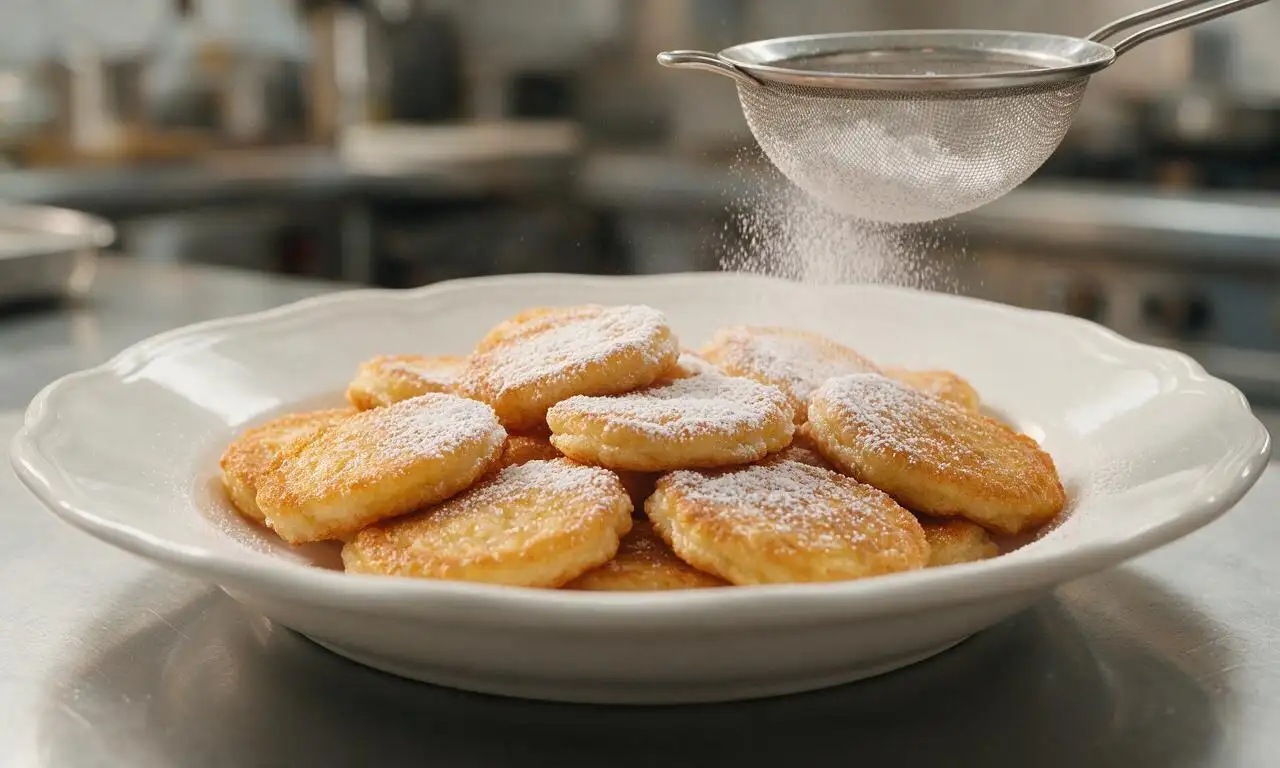
While a light dusting of powdered sugar is the nostalgic, classic serving, you can top fritters with a drizzle of warm salted caramel, a dollop of whipped cream, a sprinkle of cinnamon, a scoop of vanilla ice cream for a decadent dessert, or a side of chocolate dip for sharing at potlucks and casual get-togethers.
14.How should I store leftover fritters, and how do I reheat them to get crispy again?
▾
Store leftover cooled fritters in an airtight container in the fridge for up to 3 days. To reheat and bring back crispness, skip the microwave—it makes them soggy and mushy. Instead, place fritters on a wire rack over a baking sheet and bake at 375°F for 5-7 minutes, or air fry at 350°F for 2-3 minutes, until warmed through.
15.Can I freeze these banana fritters to enjoy later?
▾
Yes, these fritters freeze really well for quick, last-minute sweet treats. Let cooked fritters cool completely, then arrange them in a single layer on a baking sheet to freeze solid for 2 hours before transferring to a labeled freezer bag for up to 3 months. Reheat directly from frozen in a 375°F oven for 8-10 minutes, no thawing needed.
16.Why are my fritters absorbing so much oil and turning out greasy?
▾
Greasy, oil-soaked fritters are almost always caused by oil that’s too far below 350°F, or overcrowding the frying pan which drops oil temperature rapidly. If a tiny test drop of batter doesn’t sizzle immediately when it hits the oil, wait for it to heat up. Fry in small batches of 3-4 fritters at a time, letting oil reheat between batches.

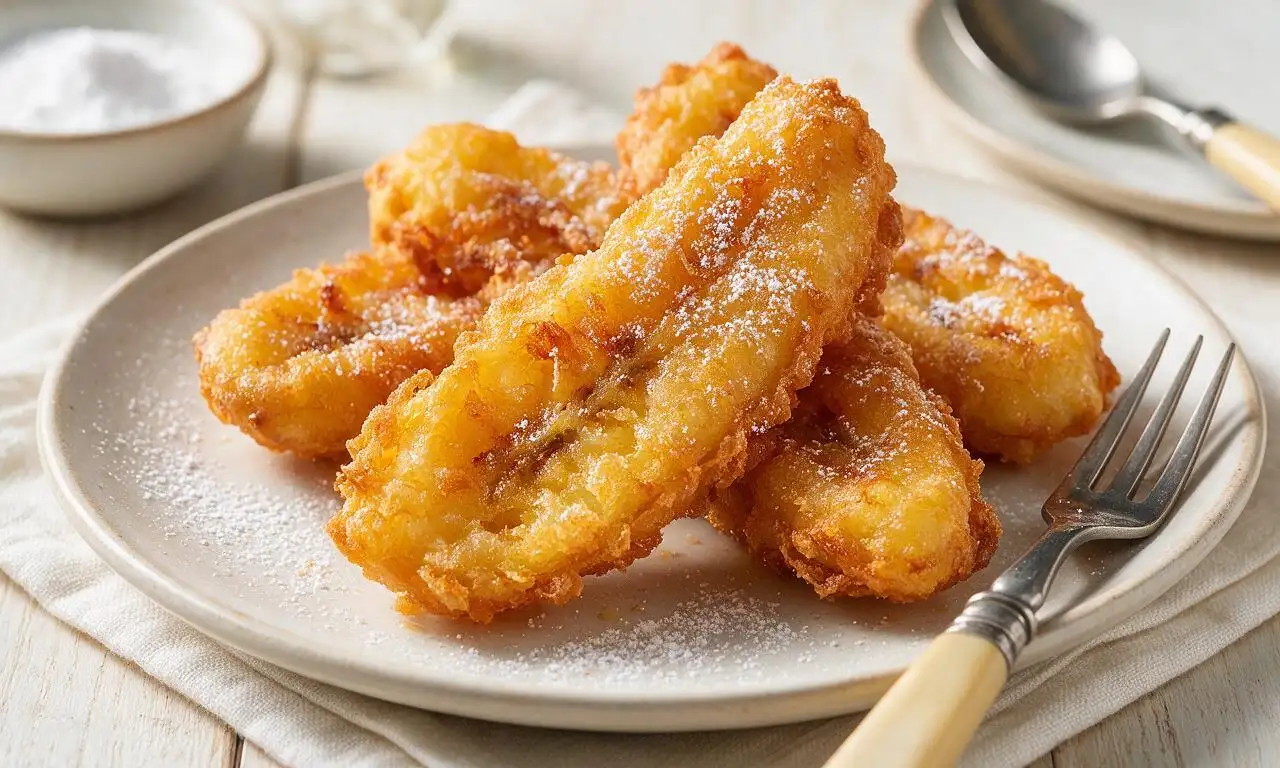
OMG these crispy banana fritters were a total game changer for our Sunday brunch! My kids devoured half the batch before I even got the maple syrup on the table, SO good. I used super ripe spotty bananas like the recipe said and the crunch was perfect, not greasy at all. Can’t wait to bring these to the neighborhood potluck next weekend!
Super easy recipe, knocked this out in 25 minutes flat after work last night for a quick weeknight dessert. I added a tiny pinch of cinnamon to the batter and it paired so well with the sweet banana, will definitely be making this on repeat. Only quick heads up for other cooks: my first batch got a little too dark because my oil was running too hot, so definitely keep an eye on that temp while frying!
Was looking for a cheap, easy sweet treat to make for my dorm meal prep this week and these did not disappoint! I halved the recipe since I only have a tiny countertop fryer, and they stayed crispy for like 2 days when I stored them in an airtight container with a paper towel to absorb moisture. Way better than the overpriced fritters from the campus coffee shop, 10/10 would make again.