Lemon Brined Catfish

title 1
Lemon Brined Catfish
⏱️ cook time 12 minutes
🍽️ servings 4
⚡ Difficulty easy

intro

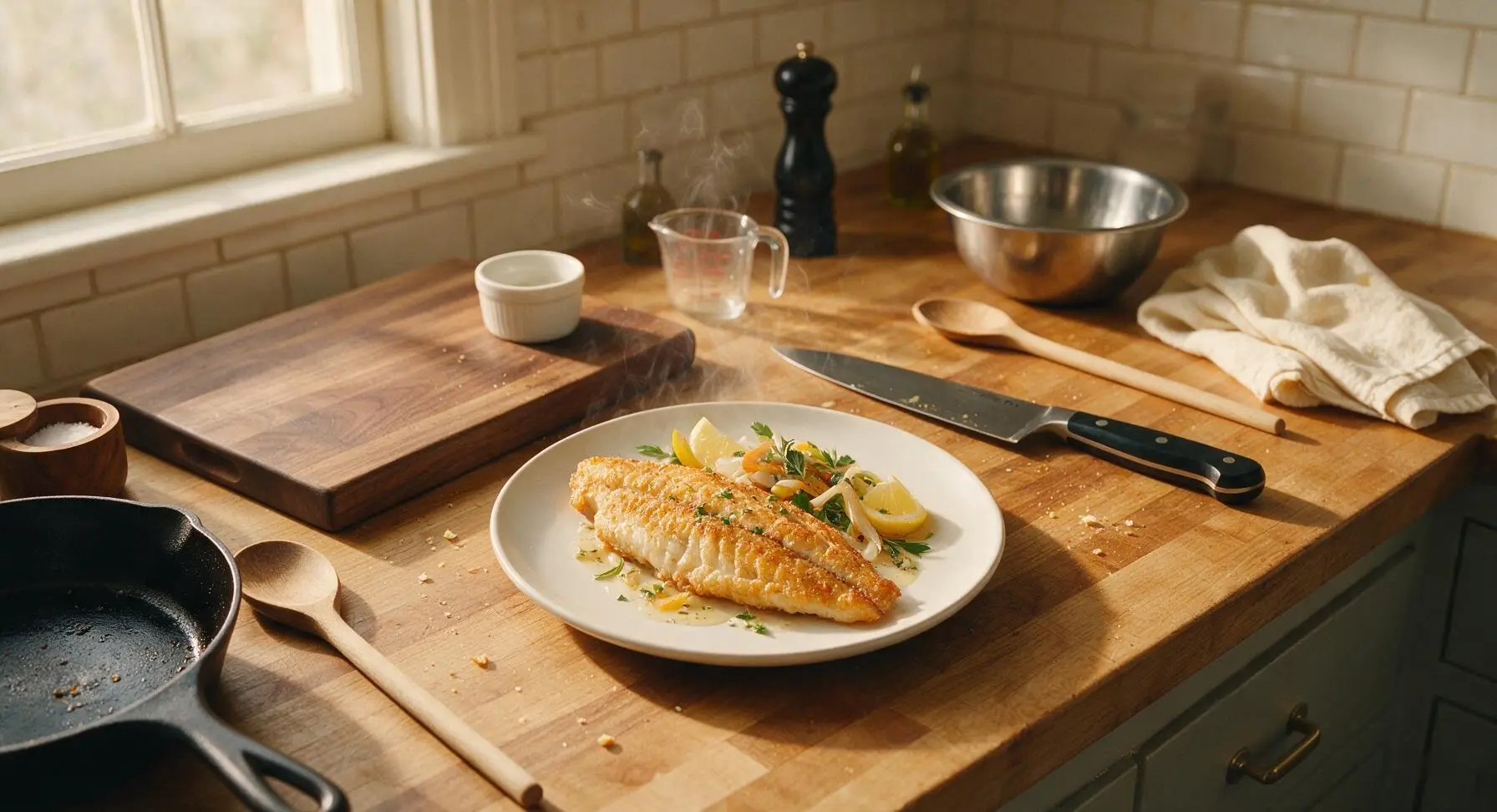
Tangy lemon brine locks moisture into mild, flaky catfish, creating crisp, golden, zesty fillets that are bright, satisfying, and perfect for casual summer family meals.

Ingredients
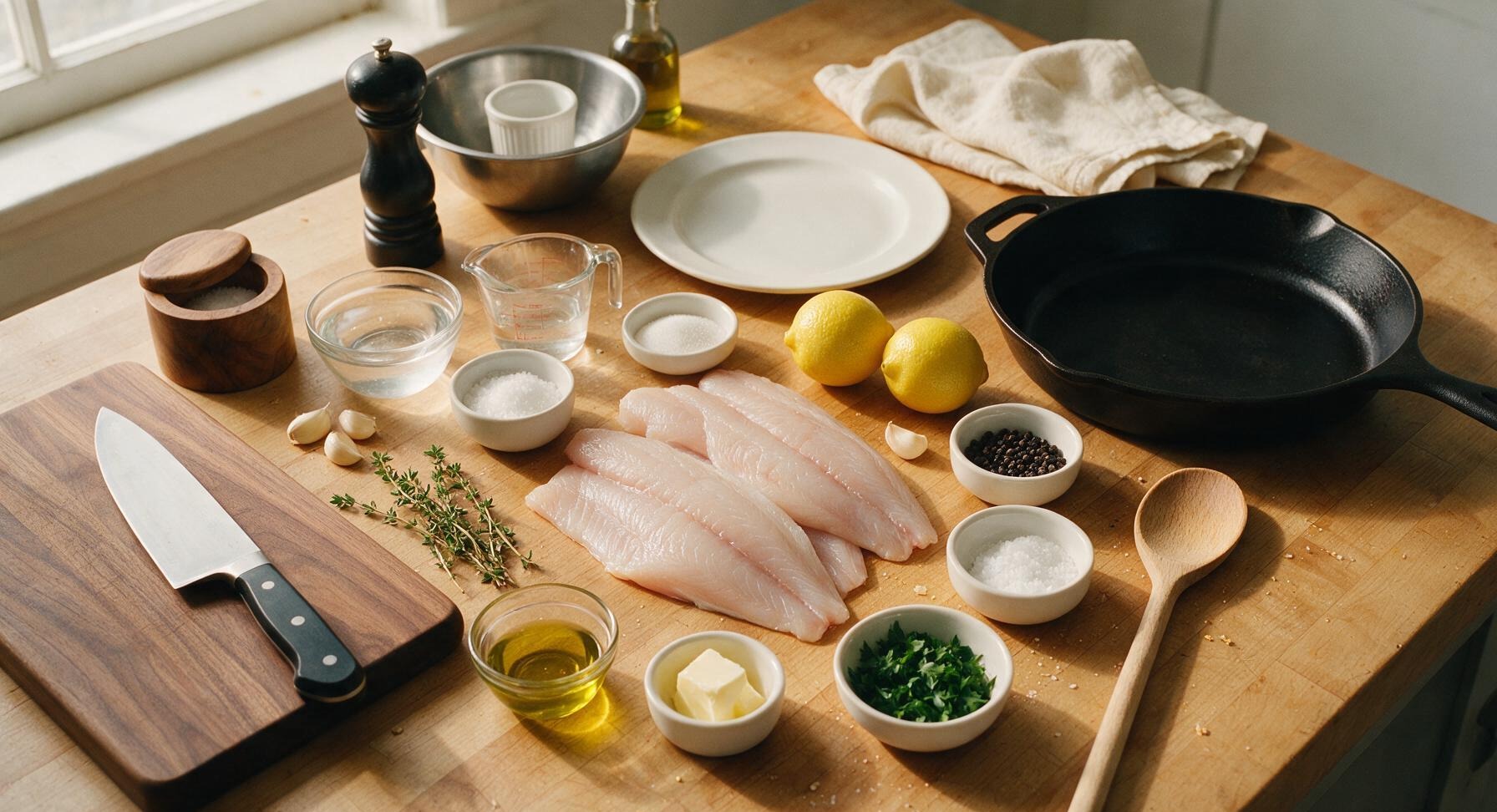
Boneless skinless catfish fillets 4 pieces (170g each, ~680g total)
Cold filtered water 4 cups (960ml)
Kosher salt 3 tablespoons
Granulated sugar 1 tablespoon
Large lemons 3 (2 for brine, 1 for garnish)
Garlic cloves 3, lightly crushed
Whole black peppercorns 1 teaspoon
Fresh thyme sprigs 4
Extra virgin olive oil 2 tablespoons
Unsalted butter 2 tablespoons
Fresh flat-leaf parsley 2 tablespoons, chopped (for garnish)

Steps

1

Mix Lemon Brine

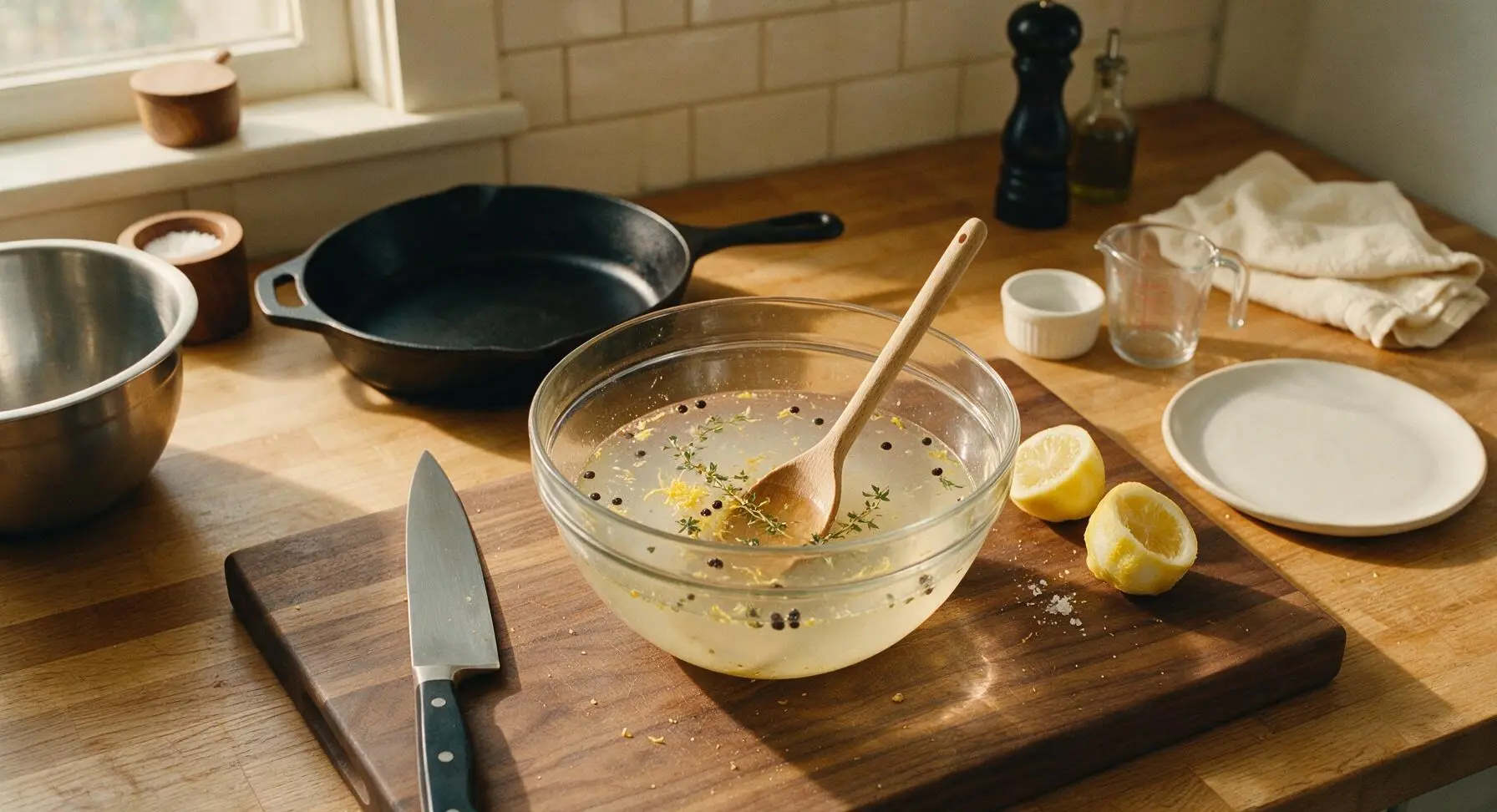
Place the 2L clear glass mixing bowl on the maple cutting board. Pour 4 cups cold water into the bowl, then add 3 tablespoons kosher salt, 1 tablespoon granulated sugar, zest of 2 lemons, 1/4 cup fresh lemon juice from the zested lemons, 3 lightly crushed garlic cloves, 1 teaspoon whole black peppercorns, and 4 fresh thyme sprigs. Stir vigorously with the beech wood spoon for 45 seconds until salt and sugar are fully dissolved, with no grit visible at the bottom of the bowl.
Step 1
step1:Mix Lemon Brine
2

Brine Catfish Fillets

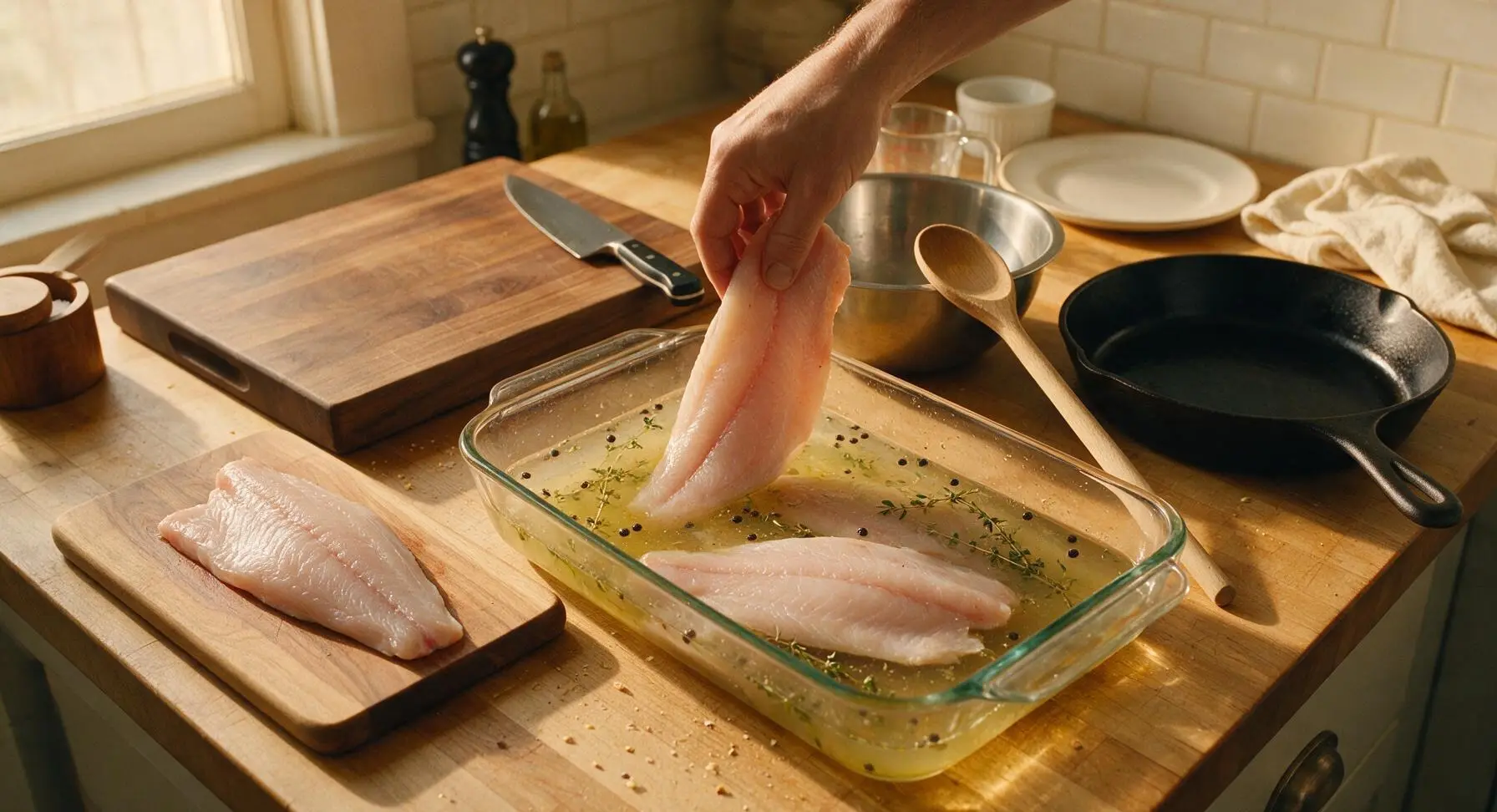
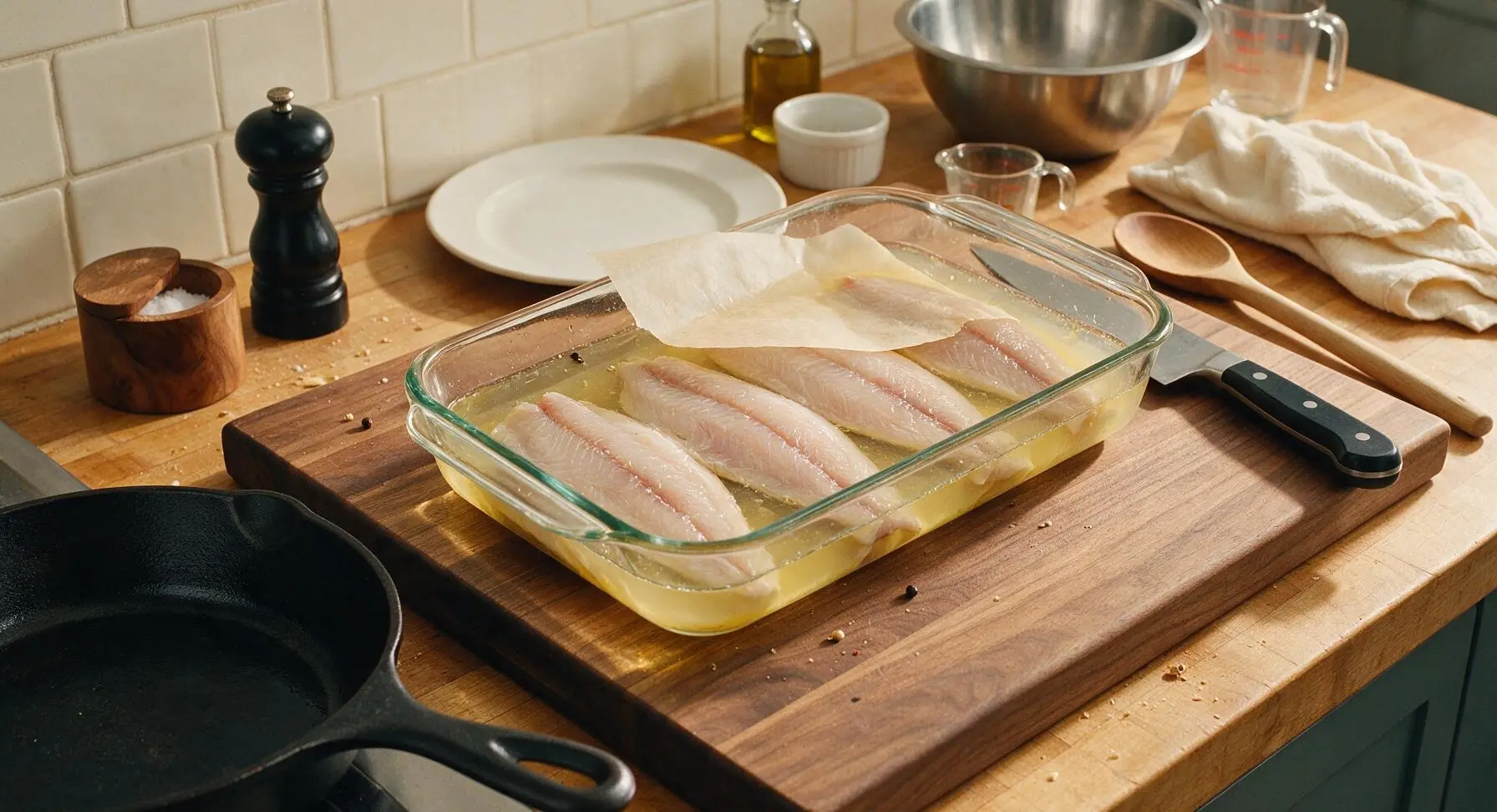
Pour half the mixed lemon brine into the 9x13 inch clear glass baking dish. Arrange the four catfish fillets in a single layer in the dish, then pour the remaining brine over top to fully submerge all fillets. Cover the dish loosely with a small sheet of parchment paper, then transfer to the refrigerator to brine for 1 hour, keeping the temperature at 40°F or below. Do not brine for longer than 90 minutes to avoid over-salting.
Step 2
step2:Brine Catfish Fillets
Step 2
step2:Brine Catfish Fillets
3

Pat Fillets Dry

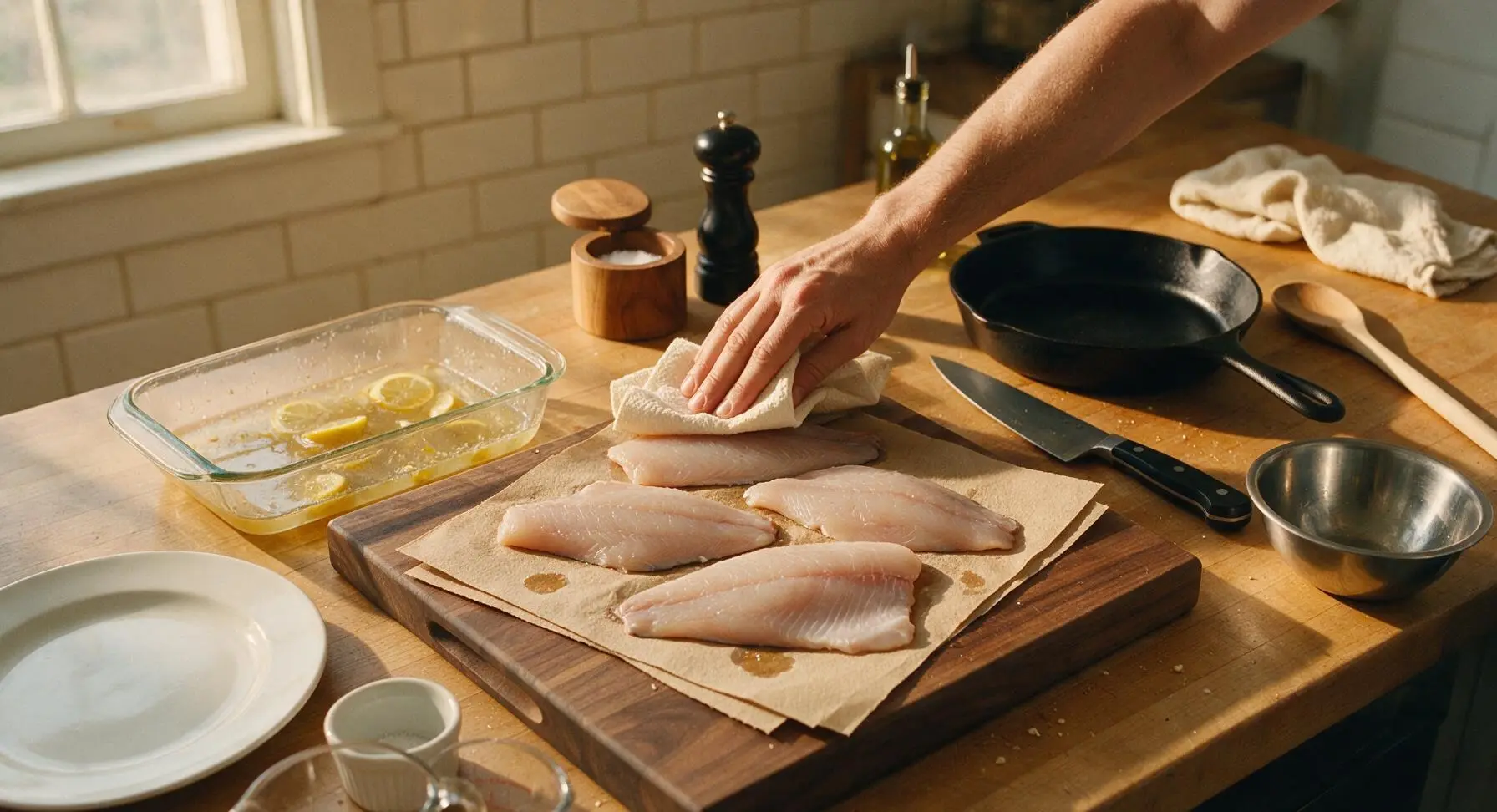
After 1 hour of brining, remove the baking dish from the refrigerator. Lift the fillets out of the brine, letting excess brine drip back into the dish, and transfer them to a double layer of unbleached paper towels on the cutting board. Pat the surface of every fillet thoroughly dry on both sides, pressing gently to remove all surface moisture. Discard the used brine.
Step 3
step3:Pat Fillets Dry
4

Heat Cooking Skillet

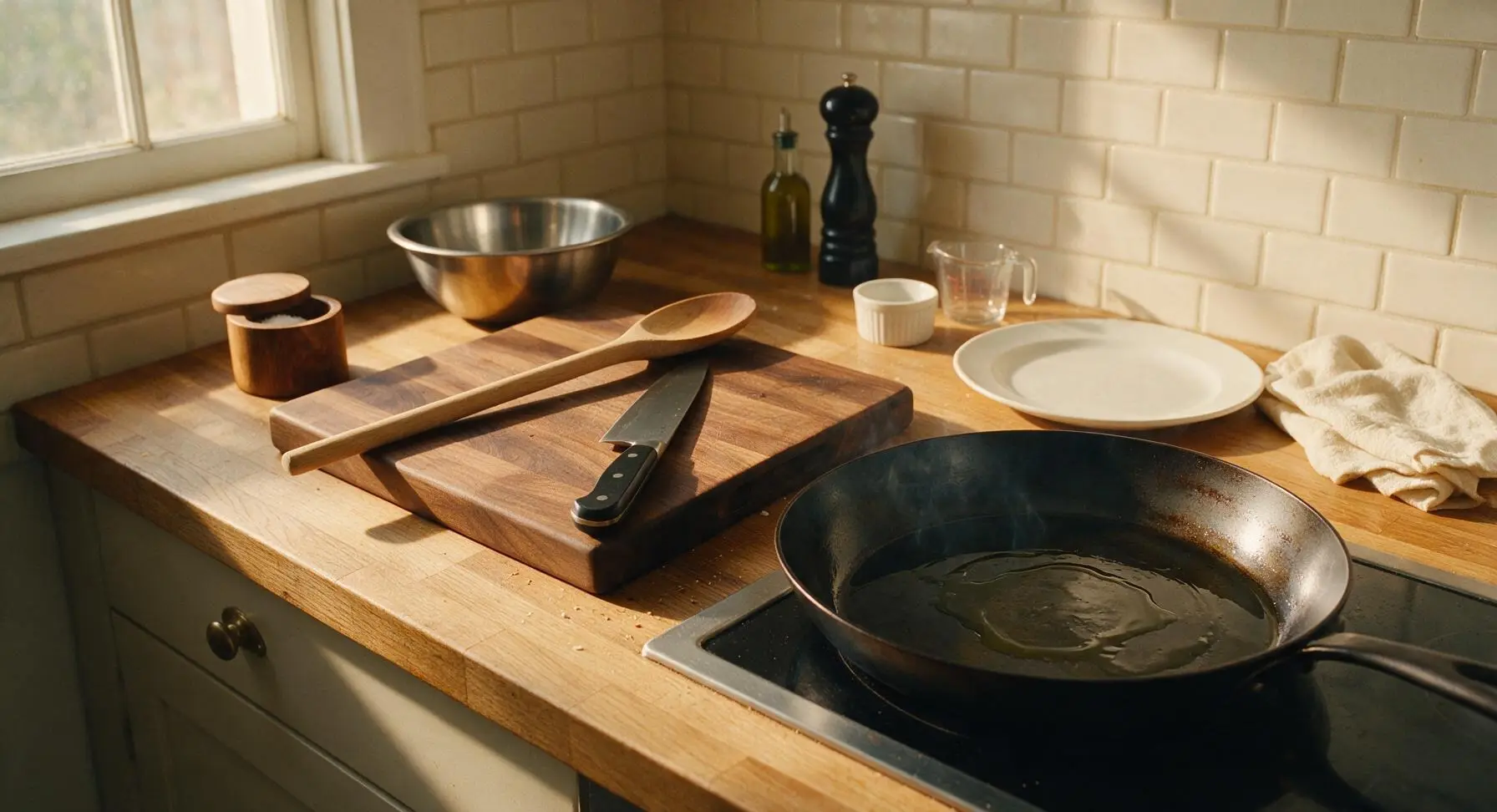
Pull the 12-inch seasoned carbon steel skillet from lower cabinet storage and place it on the stovetop inset on the right side of the counter. Turn heat to medium-high, add 2 tablespoons olive oil, and heat for 3 minutes until the oil shimmers and just begins to send up thin wisps of smoke. Do not let the oil burn or turn dark.
Step 4
step4:Heat Cooking Skillet
5

Sear Catfish Fillets

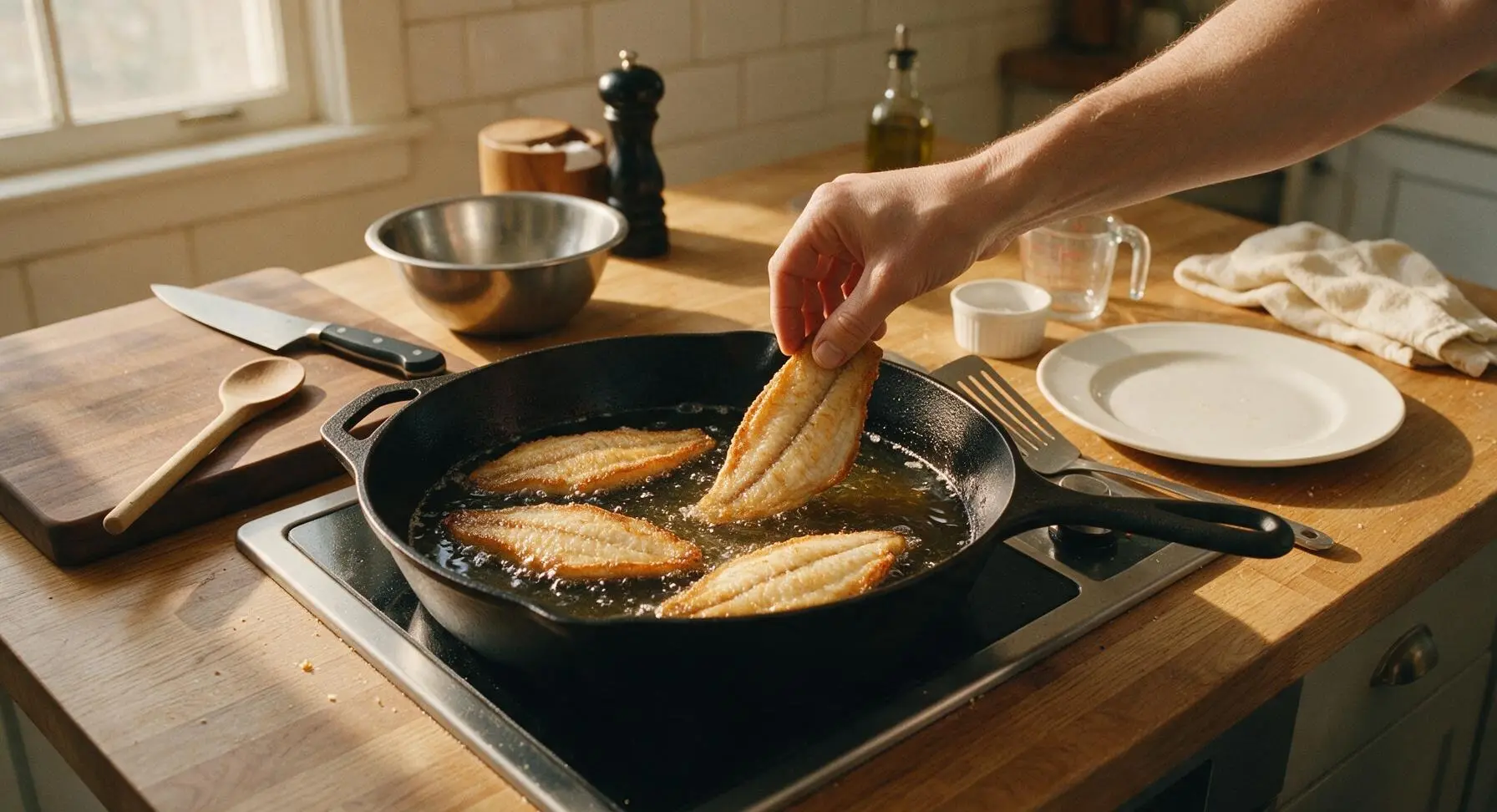
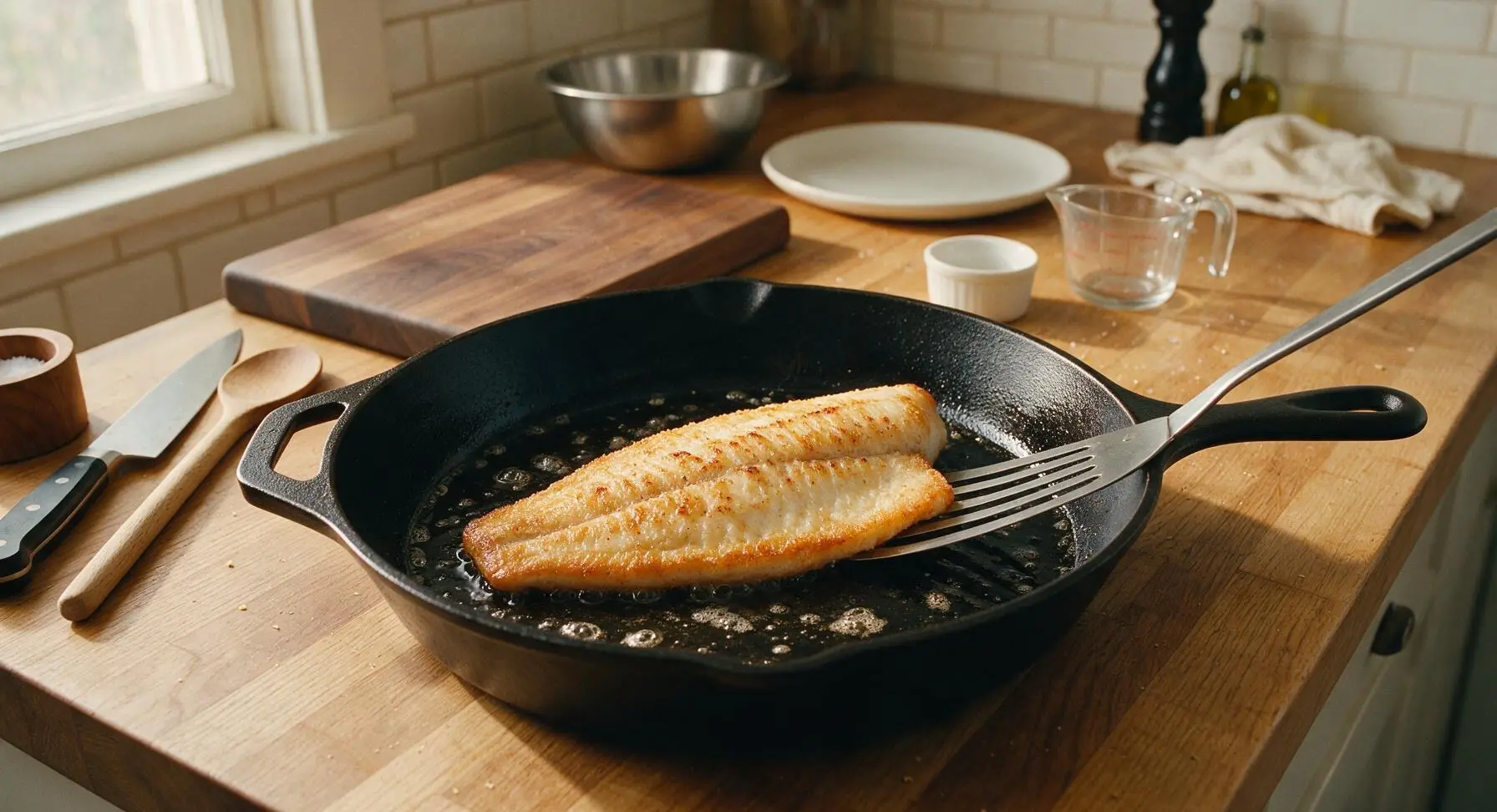
Carefully lay the fully dried catfish fillets in the hot skillet in a single layer, cooking in two batches if needed to avoid crowding the pan (crowding causes steaming instead of a crisp sear). Cook undisturbed for 5 minutes on the first side, until the bottom is deep pale golden brown and crisp, and the fillet releases easily from the pan when nudged with the slotted fish spatula. Do not press down on the fillets while searing, as this squeezes out moisture.
Step 5
step5:Sear Catfish Fillets
Step 5
step5:Sear Catfish Fillets
6

Flip and Baste Fillets

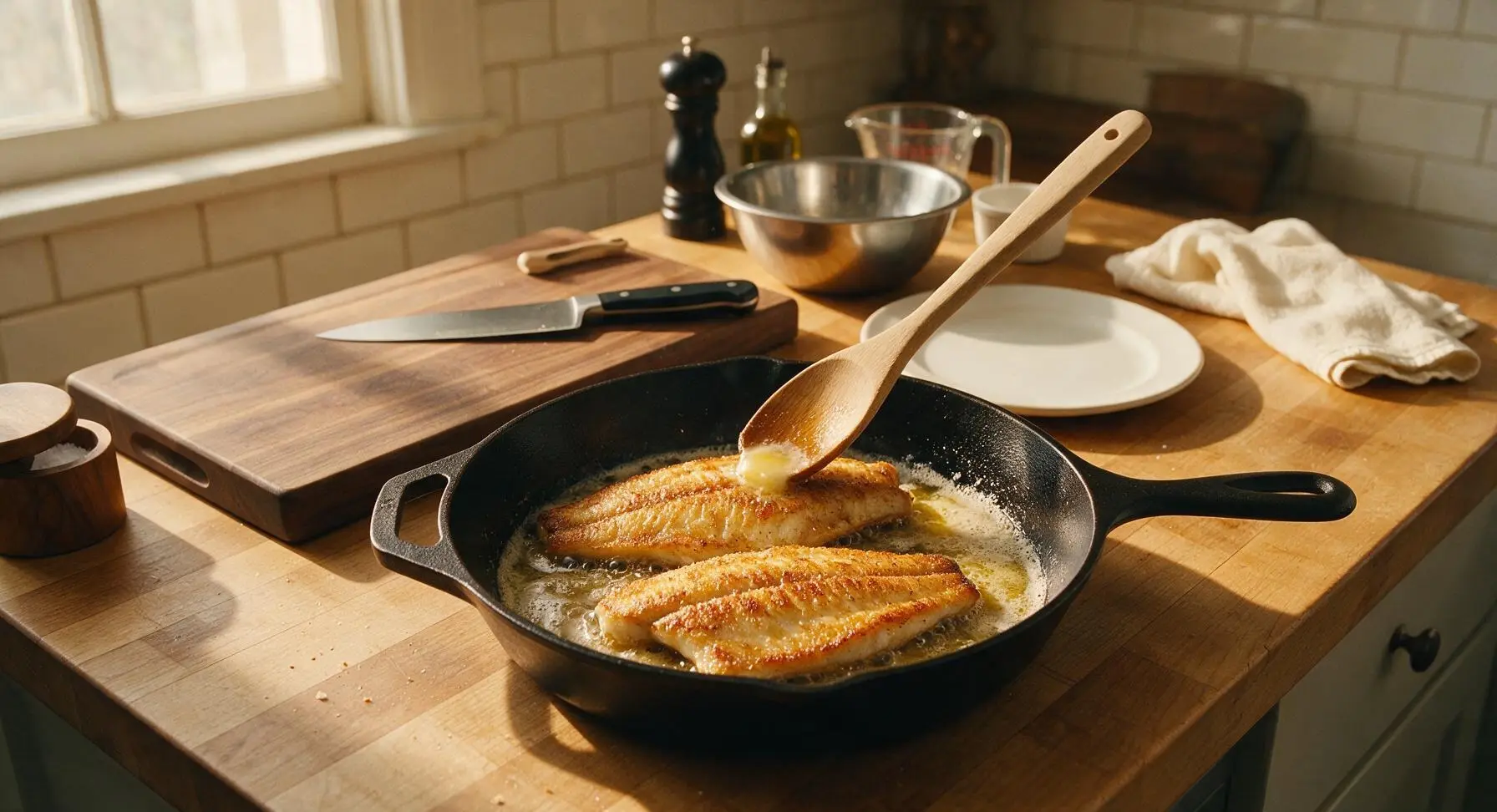
Use the slotted fish spatula to gently flip each fillet once the first side is deep golden and releases easily. Add 2 tablespoons unsalted butter to the skillet, and as it melts and foams, tilt the pan slightly and use the beech wood spoon to continuously spoon bubbling golden butter over the top of the fillets for 3-4 minutes. Cook until the second side is golden and crisp, and the internal temperature of the thickest part of the fillet reaches 63°C (145°F); the flesh will flake easily when prodded gently.
Step 6
step6:Flip and Baste Fillets
7

Rest and Plate Fish

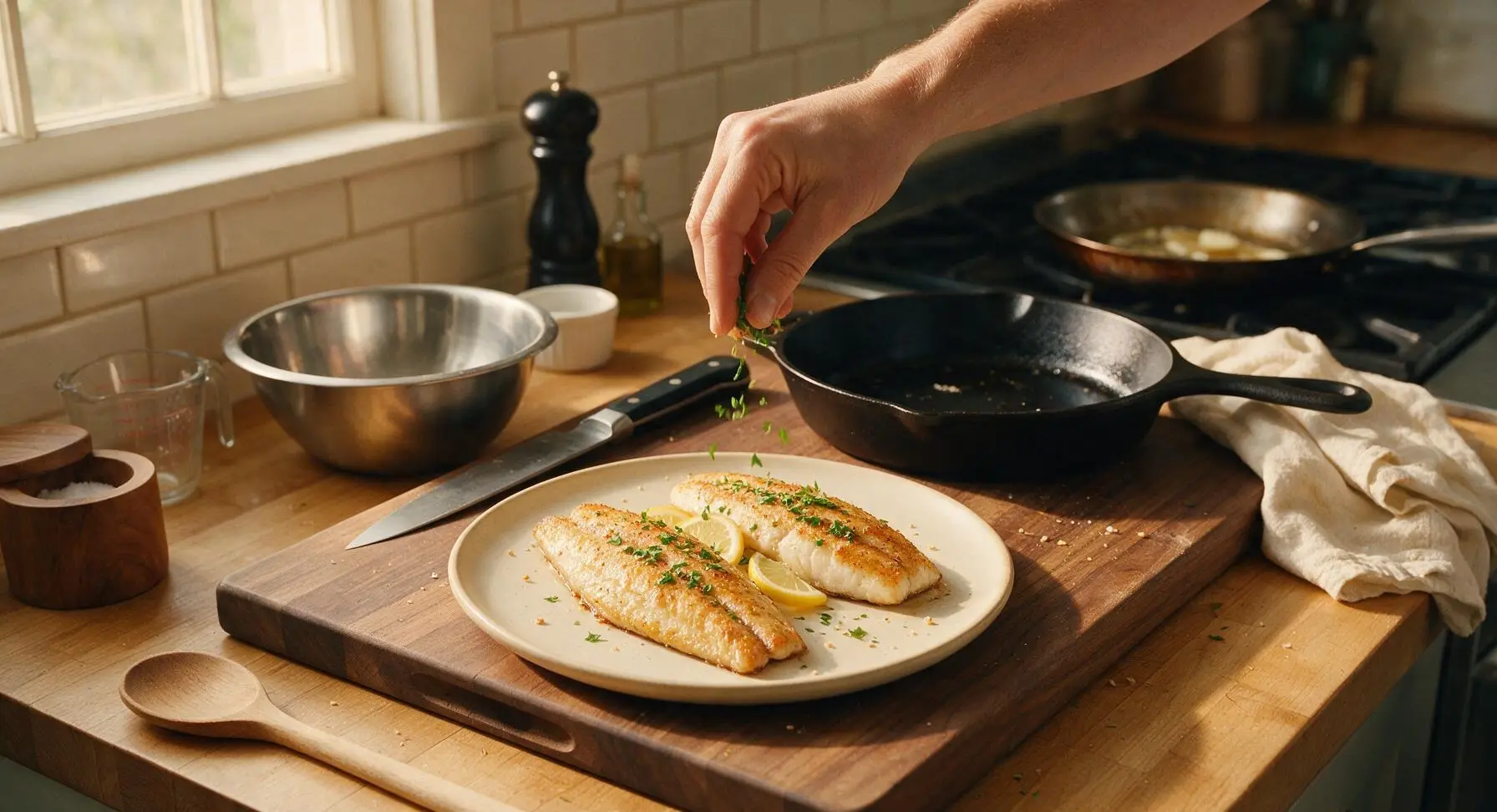
Transfer cooked fillets from the skillet to a clean spot on the maple cutting board to rest for 2 minutes, allowing juices to redistribute. Place two fillets on the matte cream ceramic dinner plate, tuck thin half-moon slices of the remaining lemon between the fillets, and sprinkle chopped fresh flat-leaf parsley over the top. Serve immediately while hot.
Step 7
step7:Rest and Plate Fish

Tips

1.Pat brined catfish completely dry with paper towels before searing: residual surface moisture causes hot oil splatter and steams the fish instead of forming a crisp, golden, non-stick crust.
2.Limit brining time to 60-90 minutes for catfish: its soft, porous flesh absorbs salt rapidly, and longer brining will result in overly salty, mushy fillets instead of perfectly seasoned, firm, flaky fish.
3.Let fillets rest for 2 minutes after cooking: this short pause allows muscle fibers to relax and reabsorb juices, so every bite stays moist instead of juices running out onto the plate when cut.
✨ You May Also Like

Seafood
🍜 United States

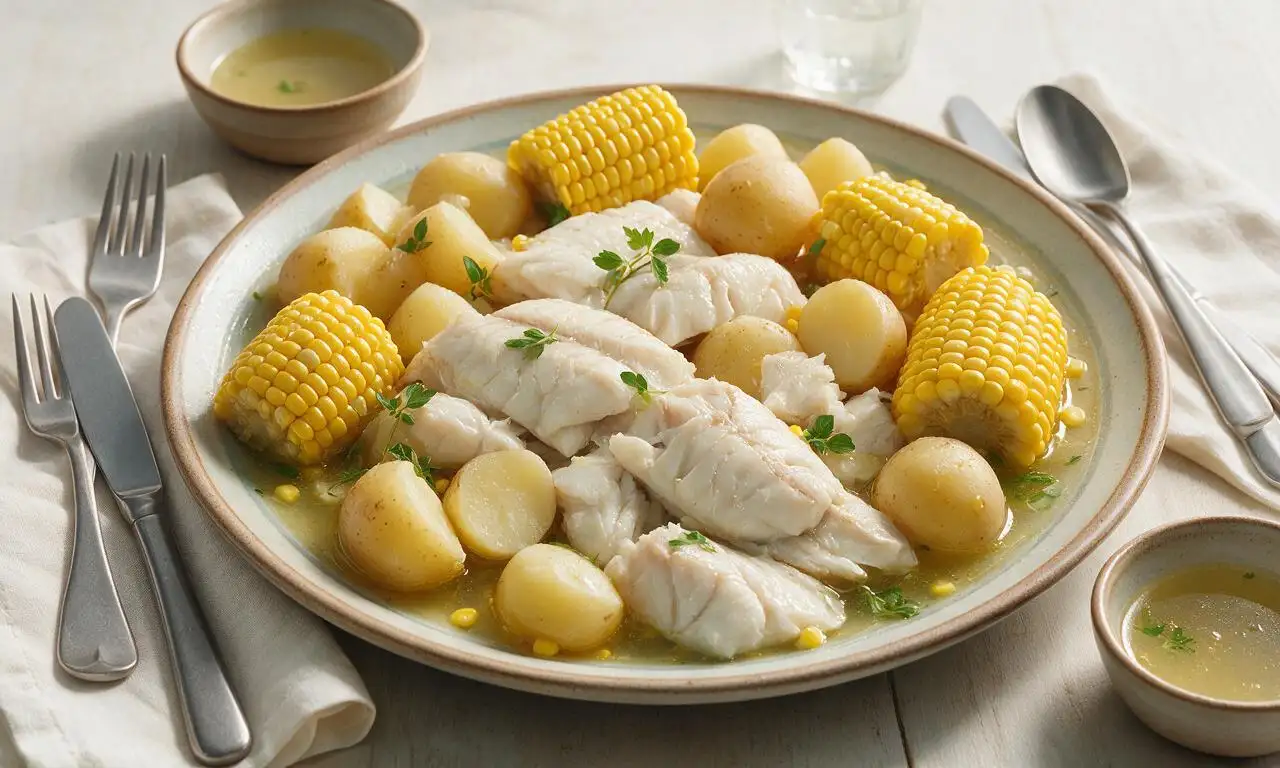
An iconic Door County, Wisconsin tradition of flaky boiled whitefish, tender potatoes, and sweet corn, cooked outdoors for casual, communal summer gatherings.

⏱️ 45 minuteSeafood ★ 4.7
Seafood
🍜 United States

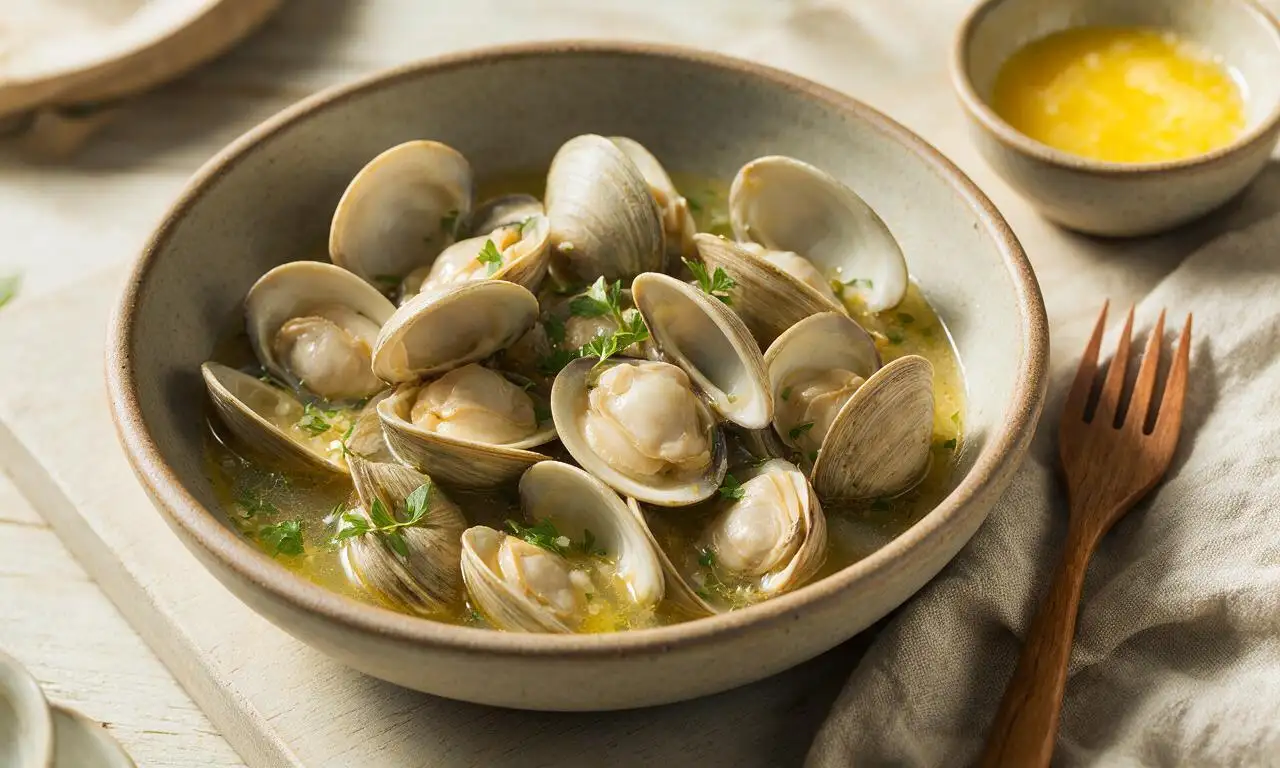
Tender, briny soft-shell clams steamed in garlicky white wine broth, served with warm broth and melted butter for dipping—classic coastal comfort food.

⏱️ 30 minuteSeafood ★ 4.7
Seafood
🍜 United States

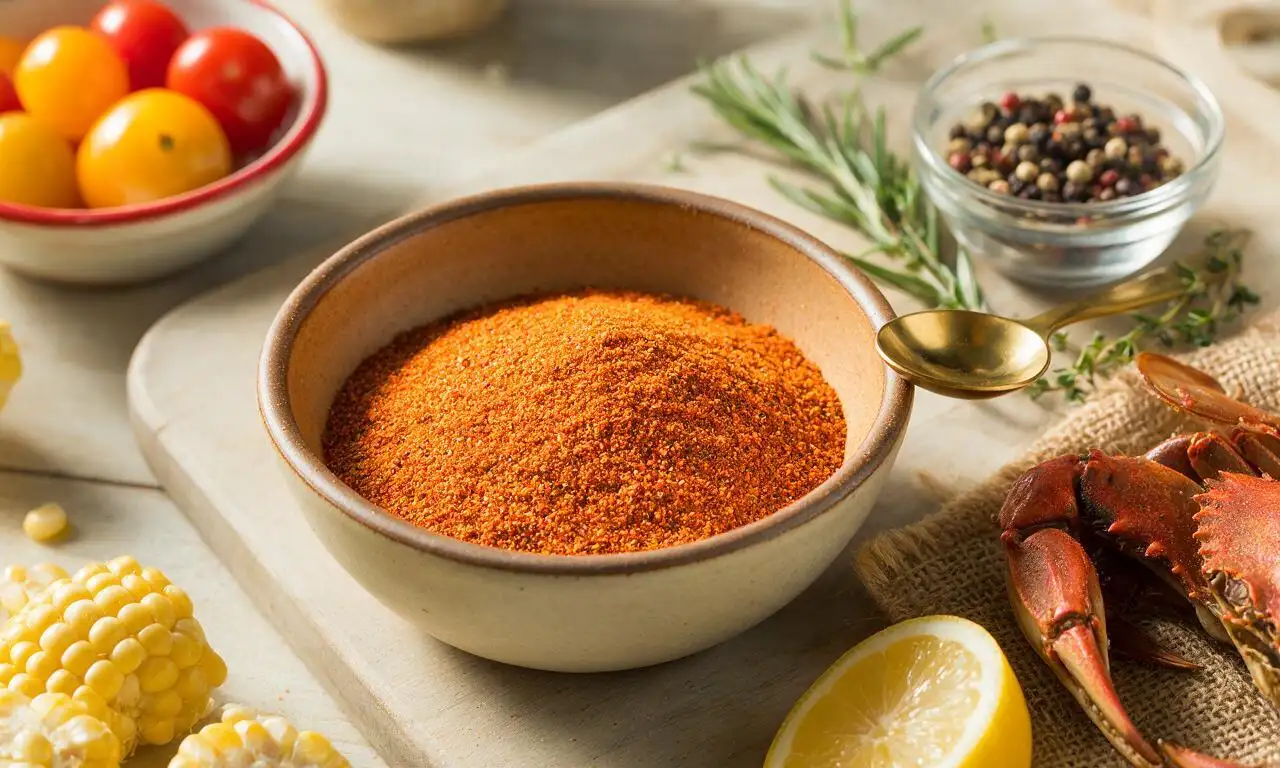
Iconic zesty, savory spice blend from Maryland’s Chesapeake Bay, perfect for seafood boils, grilled fare, fries, and corn, made fresh without preservatives.

⏱️ 10 minuteSeafood ★ 4.9
Seafood
🍜 China

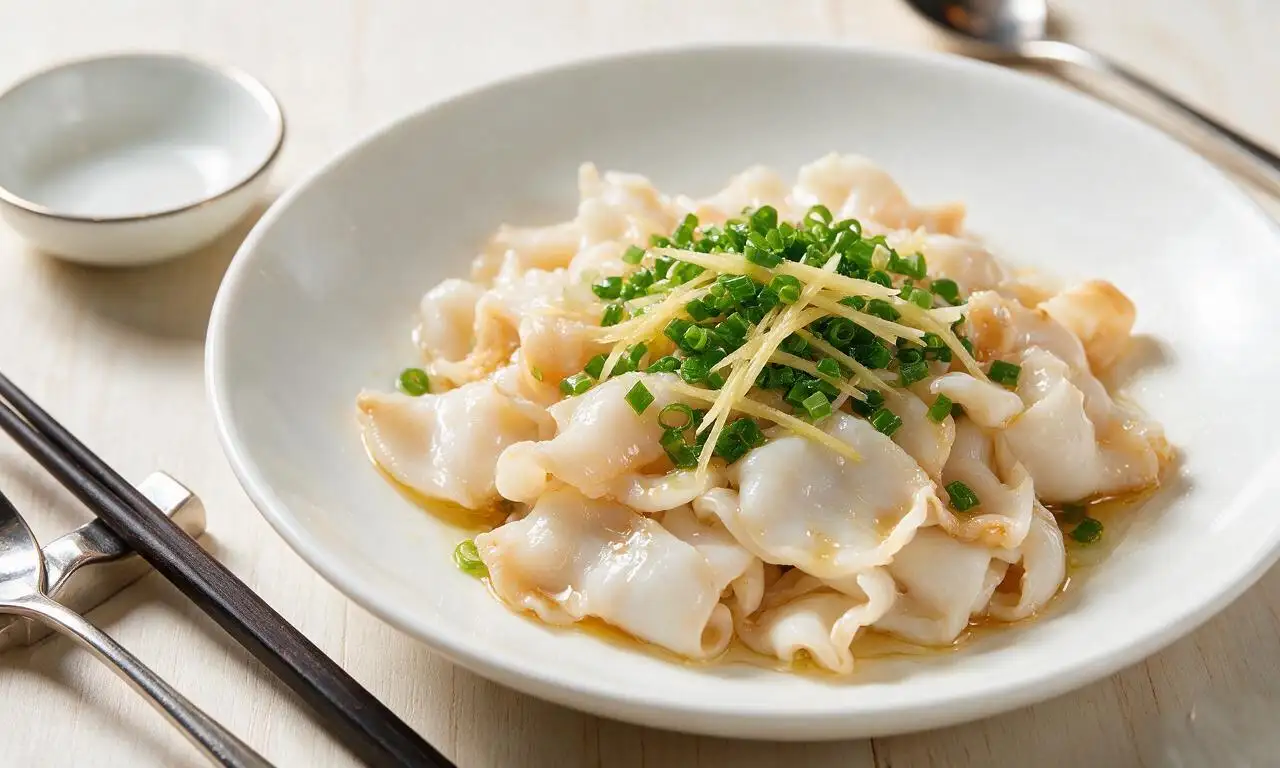
Tender, crisp, sweet blanched geoduck topped with fragrant sizzled ginger and scallion, a luxurious Cantonese dish highlighting the clam’s natural briny, delicate flavor.

⏱️ 30 minuteSeafood ★ 4.7
Seafood
🍜 United States

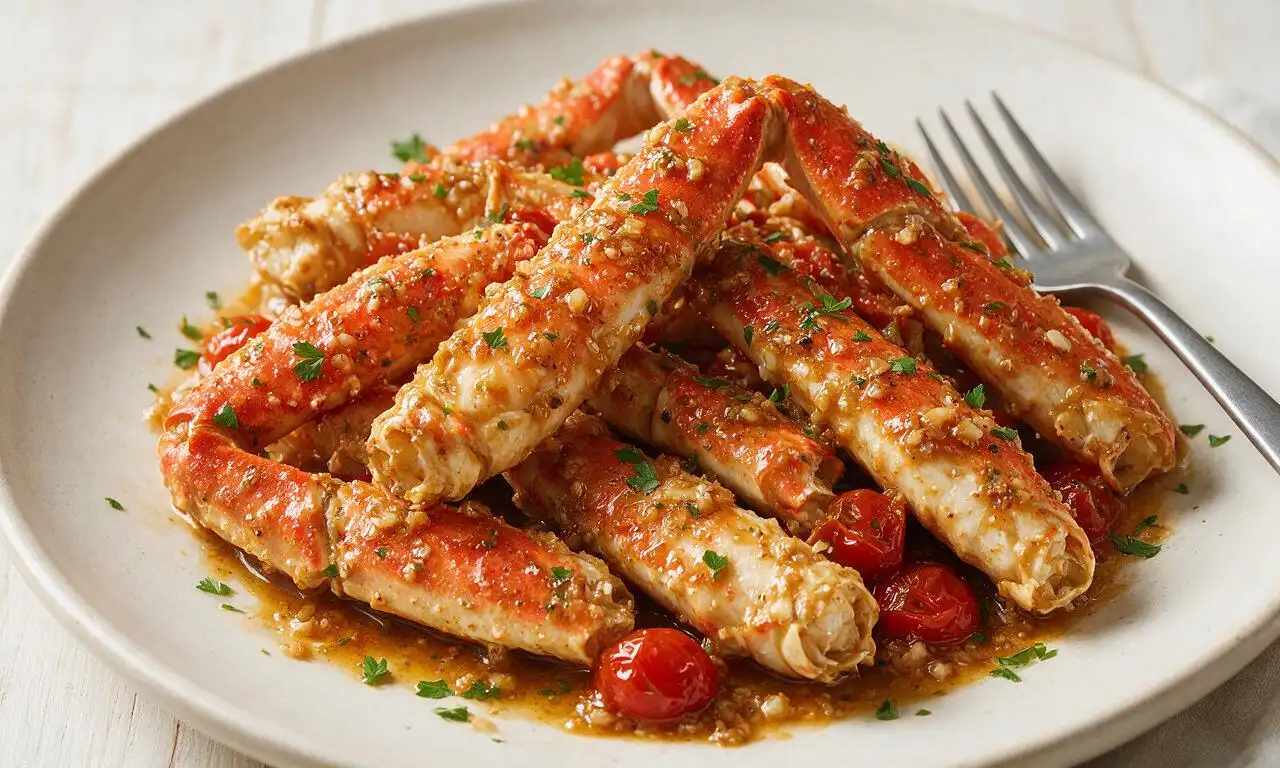
Succulent sweet crab legs coated in rich garlic butter, steamed to tender perfection for a juicy, indulgent seafood feast that requires minimal prep and cook time.

⏱️ 25 minuteSeafood ★ 4.7
Seafood
🍜 United States

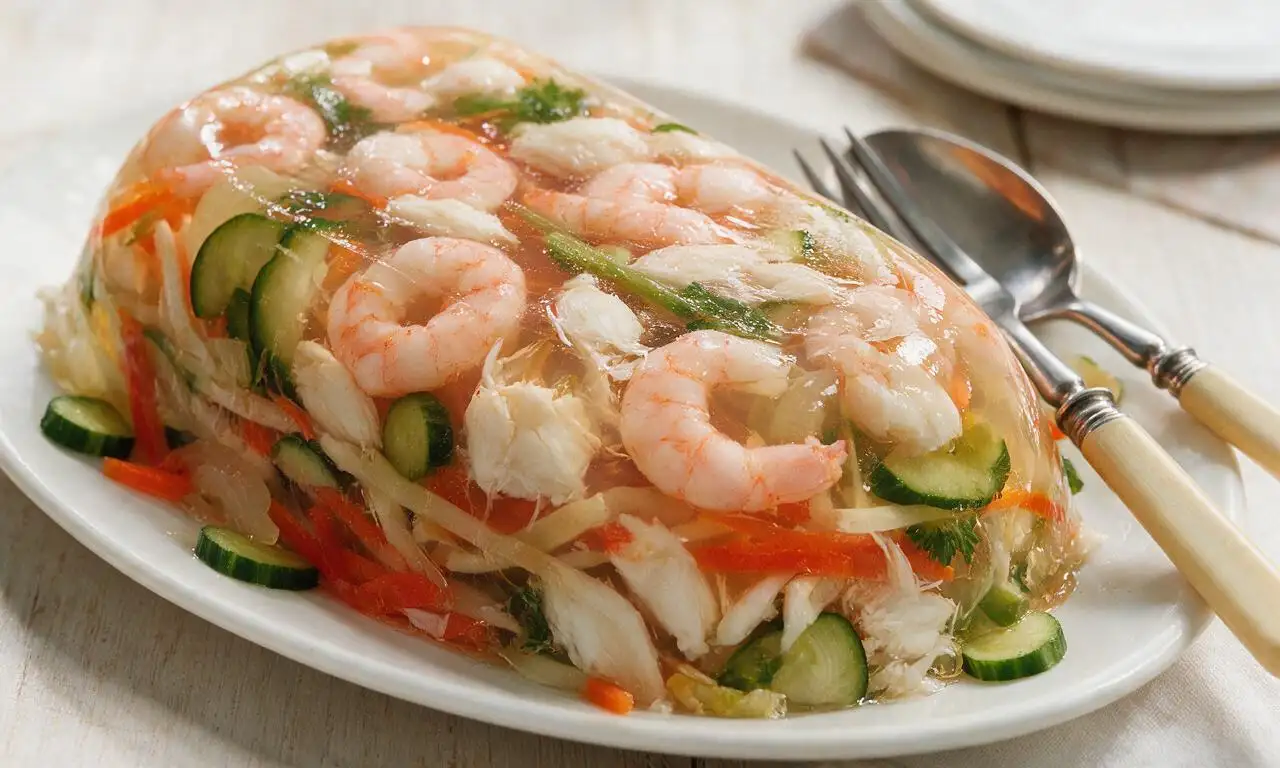
A nostalgic chilled jellied seafood staple of 1950s American potlucks, loaded with tender shrimp, lump crab, crisp veggies, and bright creamy tang.

⏱️ 4 hours 2Seafood ★ 4.6

Lemon Brined Catfish:Frequently Asked Questions

1.How long should I brine my catfish fillets for this recipe, and is it possible to brine them too long? ▾
For standard ½–1 inch thick boneless skinless catfish fillets, brine for 45 minutes to 1.5 hours in the refrigerator. Never brine longer than 2 hours, even for extra-thick fillets—over-brining will make the flesh overly salty and turn the delicate, flaky texture mushy instead of tender. Always pat fillets completely dry after brining for the crispiest exterior.
2.Can I use bottled lemon juice instead of fresh lemons for the brine? ▾
Fresh lemons are strongly recommended for that bright, zesty flavor that makes this dish pop, but if you’re in a pinch, 100% unsweetened bottled lemon juice works. Swap 3 tablespoons of bottled juice for the zest and juice of one large fresh lemon, and avoid options with added preservatives that can leave an odd, artificial aftertaste.
3.Do I need to rinse the brine off the catfish fillets before cooking? ▾
You don’t need to give the fillets a full rinse after brining, but do pull them out of the brine and pat them very thoroughly dry with paper towels on all sides. Rinsing can wash off the subtle lemon and salt flavor built up on the surface, while drying well is key to getting that crisp, golden crust instead of soggy, steamed fish.
4.What’s the best cooking method for these lemon-brined catfish fillets? ▾
These brined fillets work beautifully for pan-frying, air-frying, or grilling over medium heat. For classic crisp results, pan-fry in a thin layer of neutral oil (avocado or canola) in a cast iron skillet for 3–4 minutes per side, until the flesh flaks easily and hits a 145°F internal temperature for food safety.
5.Can I mix up the lemon brine ahead of time to save prep work on meal day? ▾
Absolutely! You can mix the full brine (cold water, salt, sugar, lemon juice and zest) up to 3 days ahead, and store it in a sealed, airtight container in the refrigerator. Give it a quick stir before adding your catfish, and make sure the brine stays fully cold (below 40°F) when submerging fish to keep it food-safe.
6.I don’t have kosher salt on hand—can I use regular table salt for the brine instead? ▾
You can use table salt, but you must adjust the amount to avoid over-salting your fish. Use half as much table salt as the recipe’s listed kosher salt measurement, since fine table salt packs far more densely per volume. Skip iodized table salt if possible, as it can leave a faint metallic aftertaste in the finished fillets.
7.Why does the brine include granulated sugar? Won’t that make the catfish taste sweet? ▾
The small amount of granulated sugar in the brine won’t make your catfish taste sweet at all. It balances out the salt and bright lemon flavor, helps fillets brown faster and more evenly for that perfect golden crisp crust, and softens the subtle earthy, muddy notes that sometimes come with farm-raised catfish.
8.Can I freeze catfish that’s been brined in this lemon mixture for later meals? ▾
It’s best to cook brined catfish fresh for ideal texture, but you can freeze brined fillets if needed. Pat them completely dry, wrap tightly in plastic wrap followed by a layer of freezer paper, and freeze for up to 1 month. Thaw slowly in the fridge before cooking, and pat extra dry to compensate for any slight softening from freezing.
9.My brined catfish always turns out soggy instead of crisp—what am I doing wrong? ▾
Soggy catfish after brining almost always traces back to two simple missteps: you didn’t pat the fillets completely dry after removing them from the brine, or your cooking surface wasn’t hot enough when you added the fish. Make sure fillets are dry to the touch on all sides, and preheat your pan, air fryer, or grill fully before adding fillets.

Comments (5)

3 days ago

OMG this lemon brined catfish is a total game changer! I’ve always thought catfish was too muddy tasting no matter how I cooked it, but the brine with all that bright lemon totally cuts that out. My kids devoured two fillets each and asked when we’re having it again! Cook time was super quick too, perfect for busy weeknights. 10/10 will be adding this to our regular meal prep rotation.

2 days ago

So happy to hear the brine worked out for you, Mia! The lemon acid really does help mellow out that classic catfish earthiness, right? So glad your kids loved it — pro tip, you can add a pinch of Old Bay to the brine if you want a little extra kick next time!

yesterday

Wait did you serve it with anything specific? I’m making this for a potluck this weekend and trying to plan sides!

5 minutes ago

Super easy recipe, turned out way better than the fried catfish I usually make. The lemon flavor is so bright, I squeezed a little extra fresh lemon on top right after it came off the grill and *chef’s kiss*. Only thing I’ll do differently next time is brine it a full hour instead of 45 minutes like I did this round, I bet the flavor is even more pronounced.

1 week ago

I made this for our Sunday family dinner last week and even my super picky grandson who hates all fish ate a whole piece! The brine keeps the catfish so moist, I was worried it would dry out since I was baking it instead of pan frying, but it was perfect. SO good, I already shared the recipe with my whole church group.

5 days ago

That makes my day to hear, Liz! There’s no better compliment than winning over a picky eater, right? Baking is such a great call for this — it cuts down on the mess and keeps the fish so tender. So glad you got to share it with your family and church group!

2 weeks ago

Solid recipe, super quick cook time which is perfect for my Sunday meal prep sessions. I portioned these out with roasted broccoli and quinoa for my work lunches all week, and the fish held up way better than I expected. Only giving 4 stars because I wish there was a little note about how long to brine for thinner vs thicker fillets, I had a couple thin ones that got a little too lemony for my taste.

1 week ago

Pro tip from someone who’s made this a half dozen times: thin fillets only need 30 minutes in the brine, thicker ones (over an inch) can go the full hour! I had the same issue my first time making it, that adjustment fixed it right up.

5 days ago

I brought this to my neighborhood block party potluck last weekend and people were asking me for the recipe before I even set the platter down! I pan fried it in a little cast iron with a light cornmeal crust after brining, and the lemon flavor came through so nicely even with the crust. Will absolutely be making this again for our next cookout.

3 days ago

Oh the cornmeal crust addition sounds chef’s kiss! I usually do mine plain, but I’m definitely trying that next time I make this. Did you season the cornmeal at all?

2 days ago

Love the cornmeal crust twist, Pam! That sounds like the perfect crunchy addition to the bright, briny fish. To answer Carl’s question too — a little paprika and garlic powder in that cornmeal would take it right over the top!